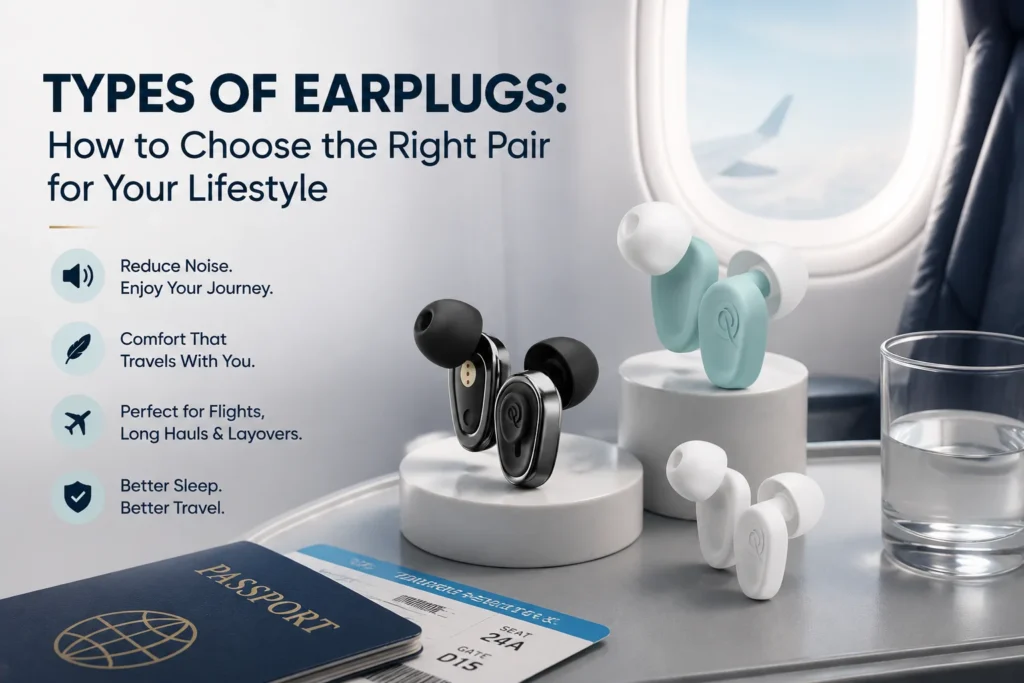

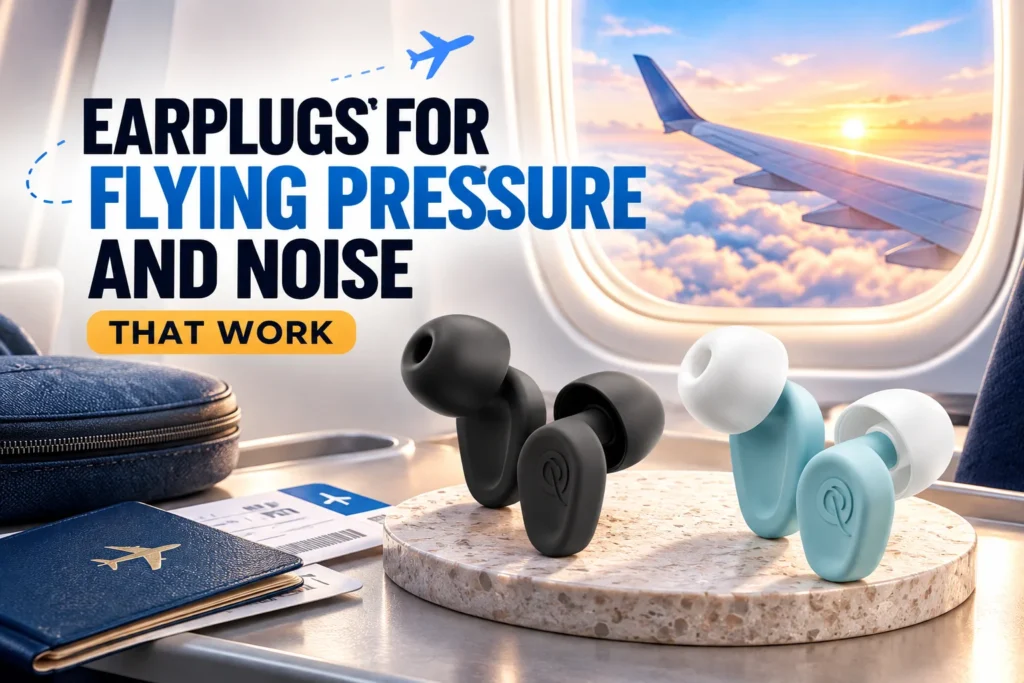
The cabin doors close, the engines rise and your ears begin to tighten before the plane has even left the runway. The right earplugs for flying pressure and noise can make that familiar part of travel feel far more manageable – but only when you choose them for the job they can actually do.
A quieter flight is one thing. Pressure relief is another. Treat them as the same problem and you may end up disappointed. Understand the difference, choose your fit carefully and take control of the journey from boarding gate to baggage reclaim.
Why Flying Affects Your Ears
Aeroplane cabins are pressurised, but not to sea-level pressure. During take-off and, especially, descent, the pressure outside your eardrum changes faster than the pressure in your middle ear. Your Eustachian tubes are designed to equalise that difference. When they do not open easily, you may feel popping, fullness, muffled hearing or sharp discomfort.
Noise adds another layer. Engine drone, airflow, announcements, crying children and nearby conversation can make even a short-haul flight feel relentless. That is a sound-exposure and concentration problem, not a pressure problem. One pair of earplugs may help with both, but in different ways.
The goal is not to block the world completely. It is to reduce the unwanted intensity while keeping your ears comfortable and your travel day under control.
How Earplugs for Flying Pressure and Noise Help
Flight-specific pressure-regulating earplugs use a small filter designed to slow the rate at which pressure changes at the ear canal. This gives your ears more time to equalise during ascent and descent. They can be a useful choice for travellers who regularly struggle with discomfort, particularly on the way down.
They do not force your Eustachian tubes open, cure an ear infection or guarantee a pain-free landing. If you are badly congested with a cold, sinus issue or ear infection, flying can still be uncomfortable. In some cases, a clinician may advise delaying travel. Earplugs are practical support, not a substitute for medical advice.
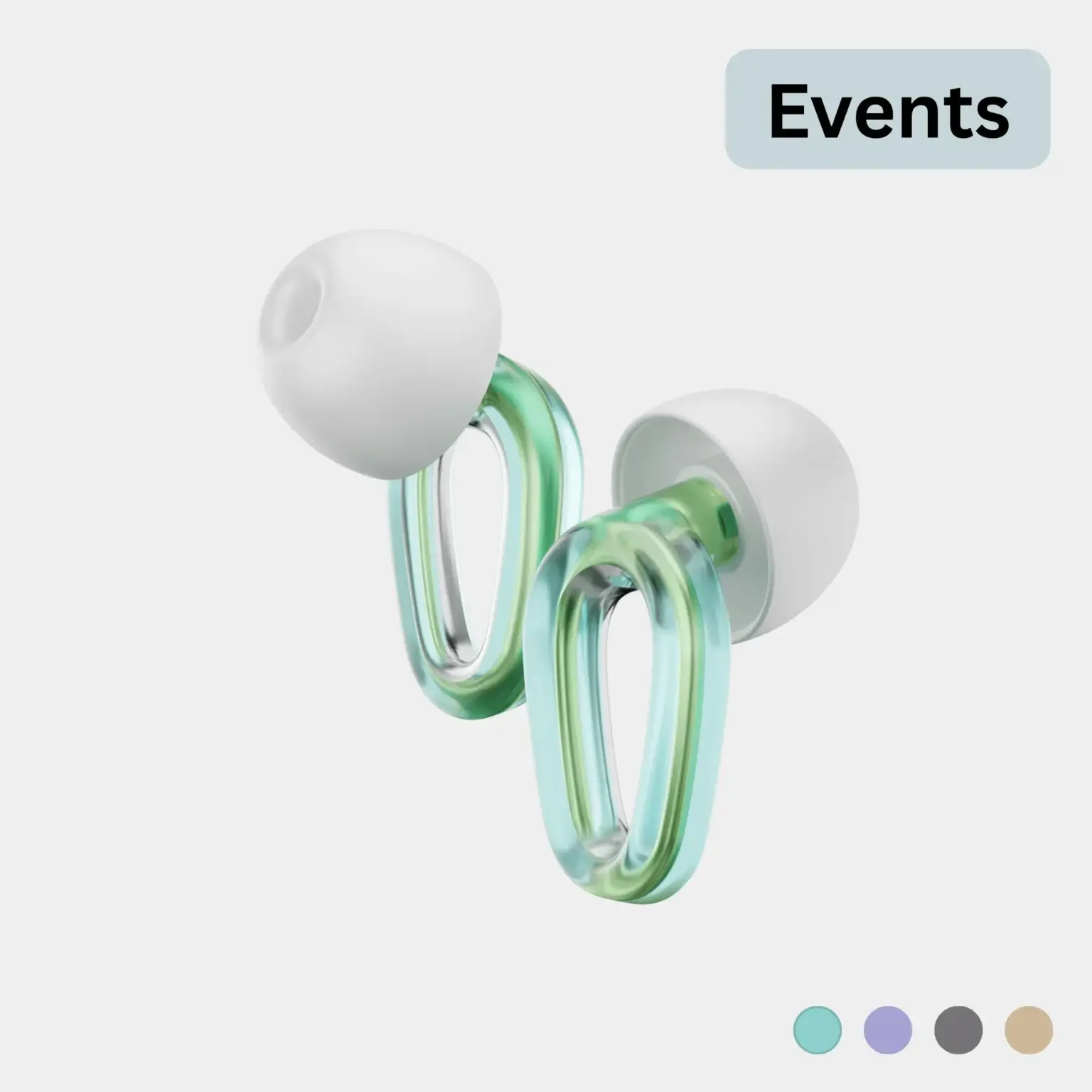
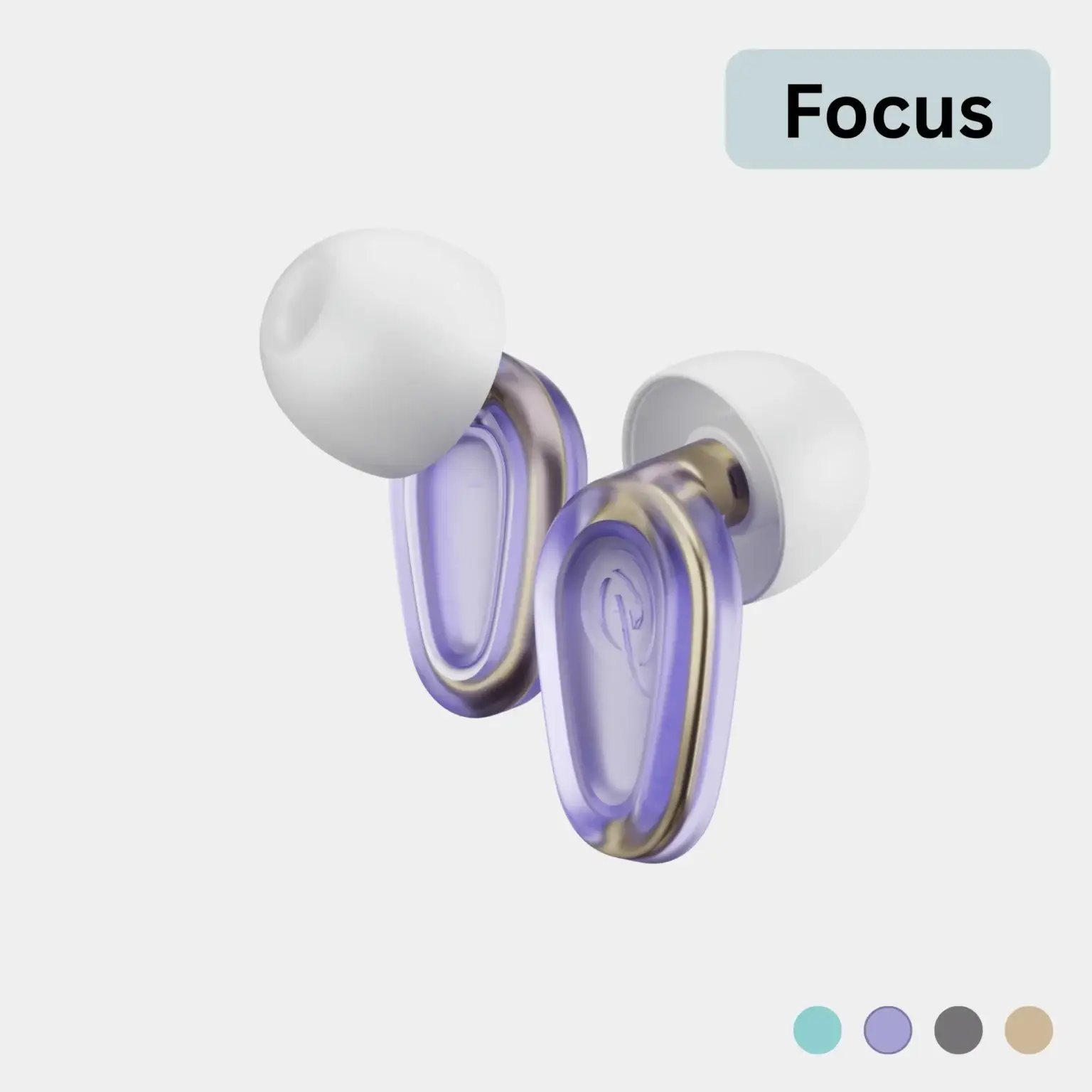
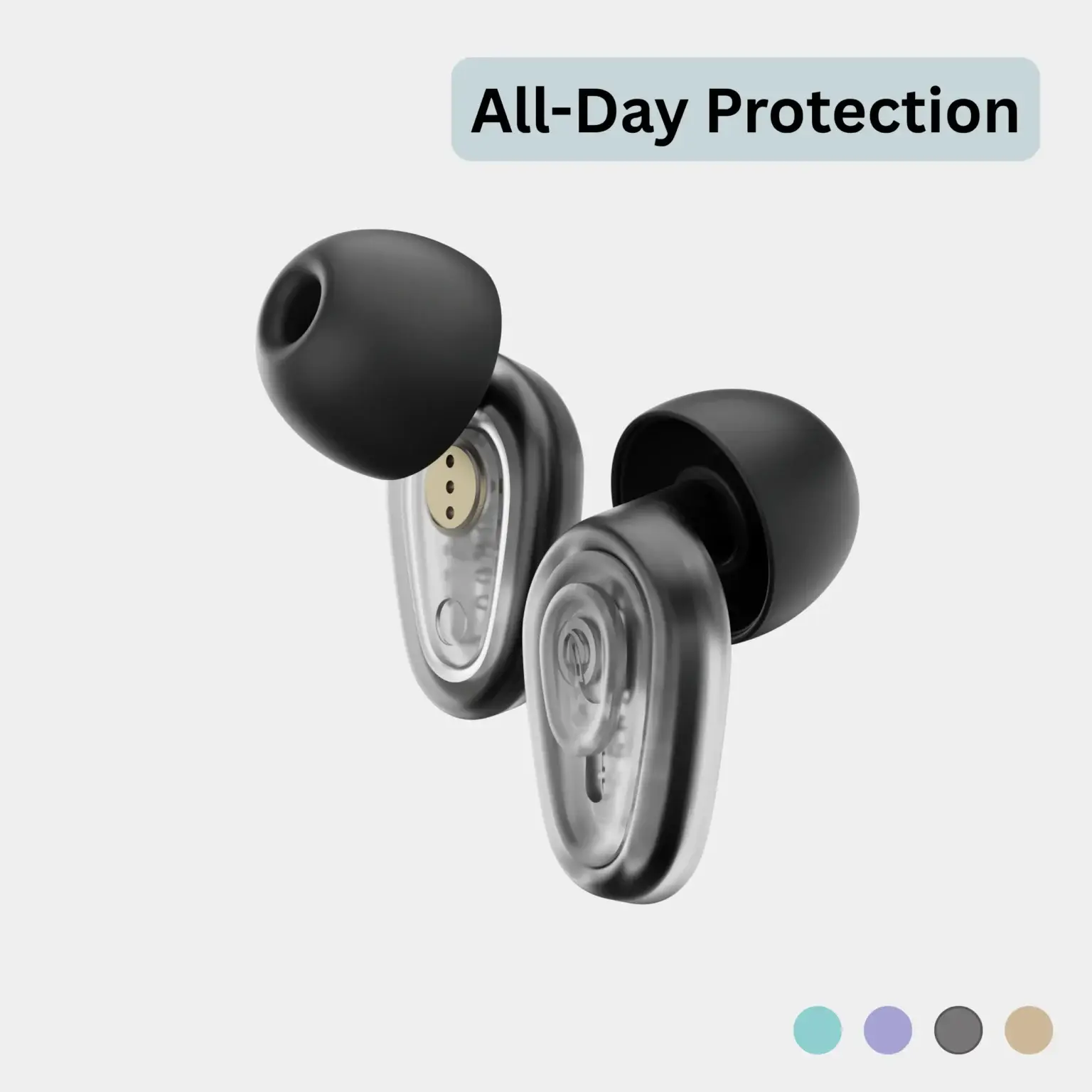
Noise-reduction earplugs work differently. They lower the overall sound reaching your ears, often taking the edge off low engine rumble and sudden cabin noise. A well-designed reusable pair can make music, films and rest feel more comfortable without the bulk of over-ear defenders.
Some travellers prefer dedicated filtered flight plugs for pressure changes. Others prioritise reusable noise-reduction earplugs for the whole airport-to-hotel experience. The best option depends on what disrupts your journey most.
Choose for Your Biggest Travel Friction
If ear pain on descent is the main issue, start with a purpose-built pressure-regulating design. Put them in before take-off and keep them in through landing, following the product instructions. Timing matters. Waiting until your ears hurt means you have missed the point at which the filter is most useful.
If cabin noise, overstimulation or poor in-flight rest is your problem, focus on fit, comfort and appropriate noise reduction. Reusable, low-profile earplugs are often easier to wear for several hours than bulky alternatives. They also earn their place beyond the plane: on trains, in hotels, at events and during busy commutes.
If both pressure and noise affect you, it may be worth keeping two solutions in your travel kit. Use pressure-regulating plugs for ascent and descent, then switch to comfortable noise-reduction earplugs once the aircraft is cruising. That is not overkill. It is matching the tool to the moment.
Fit beats impressive-looking specifications
An earplug only performs properly when it seals comfortably. A poor fit can let in far more noise, create pressure points and tempt you to remove it halfway through the flight.
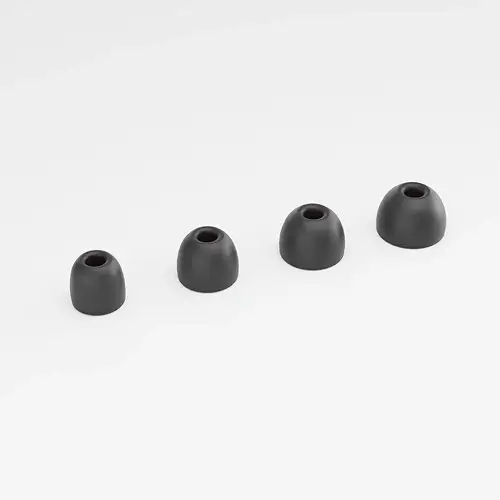
Look for multiple eartip sizes where possible. Your left and right ear may not need the same size, and that is completely normal. The right fit should feel secure, not forced. You should not need to push deeply or tolerate soreness to get a useful seal.
Before a long flight, test your earplugs at home. Wear them while working, travelling by bus or relaxing with a podcast. You will learn whether they create unwanted occlusion – that boomy sensation when you hear your own voice and breathing – and whether the fit remains comfortable after an hour or two.
Do not chase total silence
More reduction is not automatically better. On a flight, you may still want to hear safety instructions, your travel companion or an announcement about a gate change. Earplugs reduce sound; they do not make you unreachable.
For listening to entertainment, earplugs can also lower the temptation to turn headphones up to compete with engine noise. If you use headphones over earplugs, keep the volume sensible and make sure the combination is comfortable. Nothing ruins a film faster than aching ears at 35,000 feet.
Make Descent Easier on Your Ears
Earplugs work best alongside simple equalisation habits. Stay awake for descent if pressure tends to bother you. Swallowing, yawning, chewing gum or sipping water can encourage the Eustachian tubes to open. Parents travelling with babies often offer a feed or drink during descent for the same reason.
Be cautious with forceful equalisation. A gentle attempt may help, but aggressive pressure manoeuvres can make discomfort worse. If ear pain is severe, persistent, or accompanied by hearing loss, discharge or dizziness after flying, seek medical advice.
Congestion changes the equation. A blocked nose can make equalisation much harder, so plan ahead if you are flying with allergies or a cold. Speak to a pharmacist or healthcare professional about what is appropriate for you rather than relying on a last-minute fix in the departure lounge.
A Better In-Flight Noise Strategy
Travel noise is rarely just about decibels. It is about fatigue. Hours of constant engine sound, crowded terminals and disrupted sleep can leave you frazzled before you arrive. Reducing that load helps preserve energy for the reason you travelled in the first place.
Pack your earplugs where you can reach them – not buried under chargers and spare socks in an overhead bag. Put them in after boarding if the cabin is already loud, or use them in the terminal when you need a calmer pocket of focus. A protective case matters too. It keeps reusable earplugs clean, easy to find and ready for the return journey.
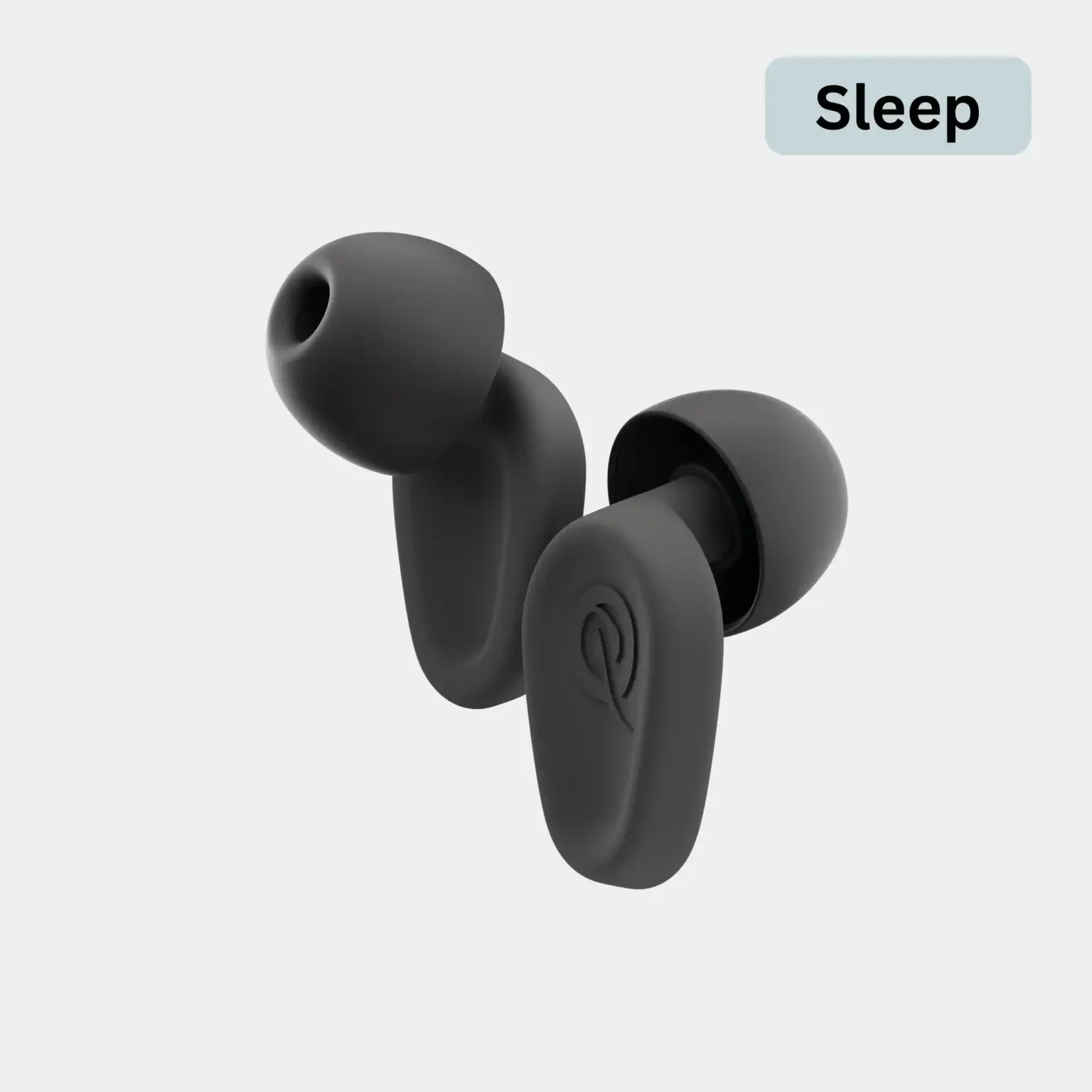
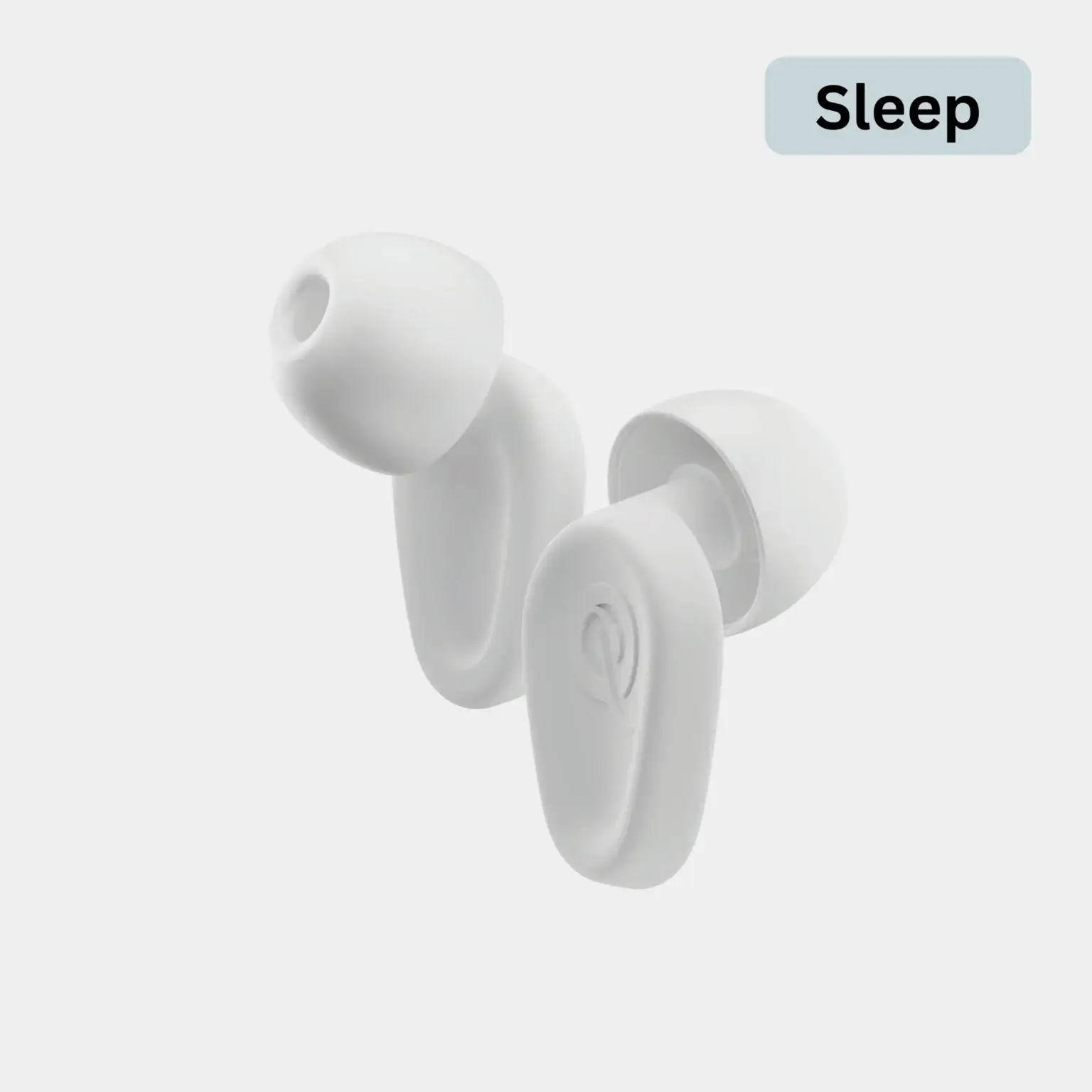
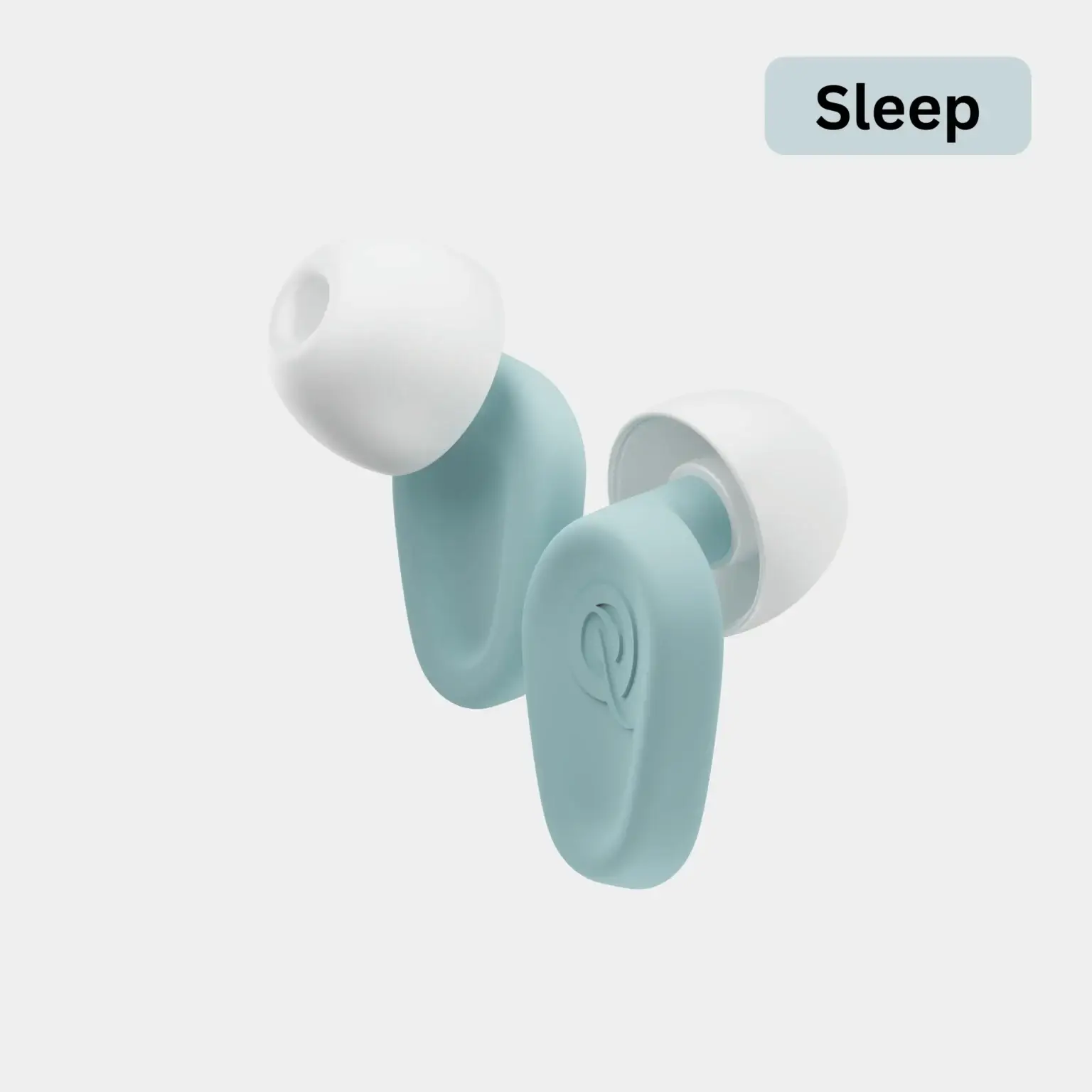
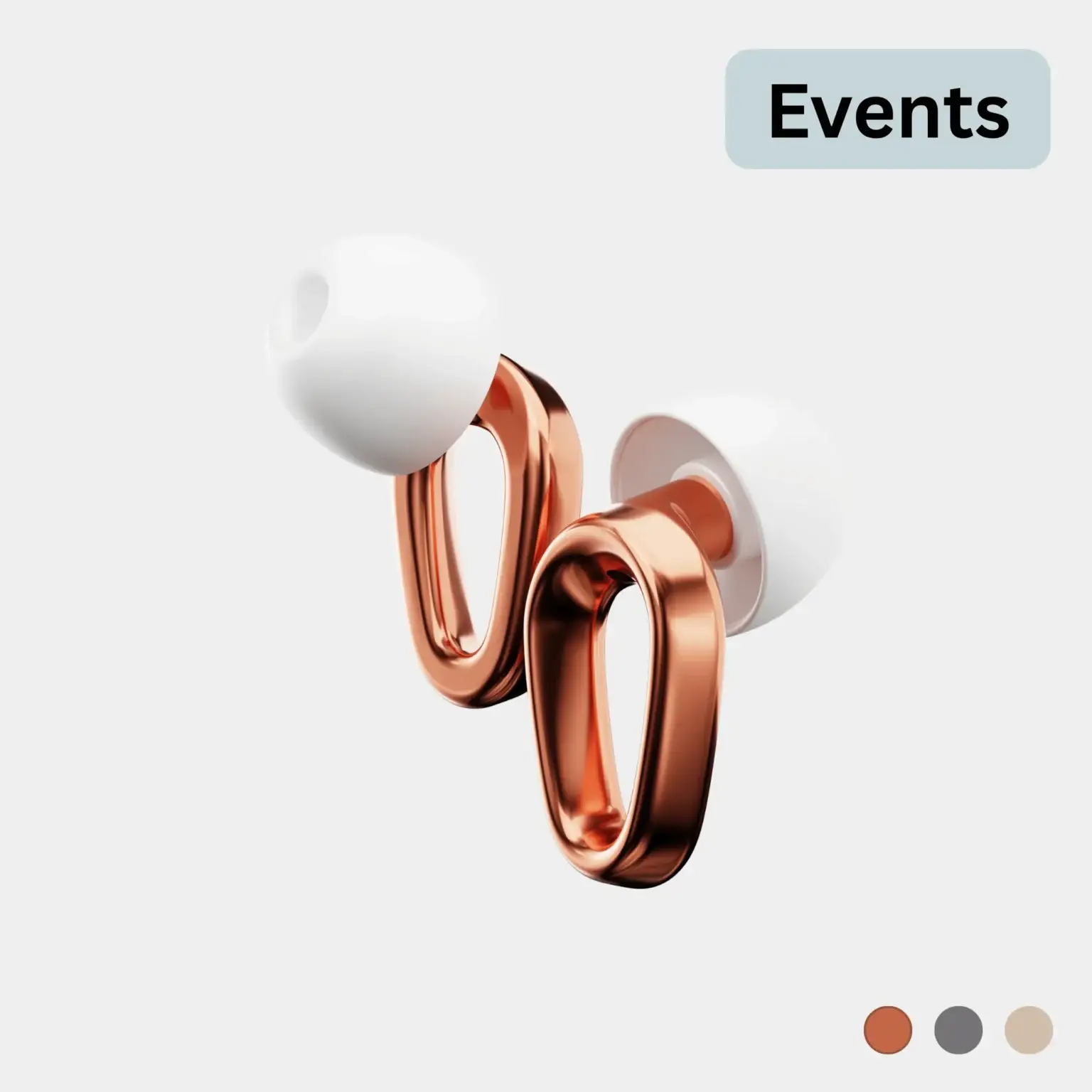
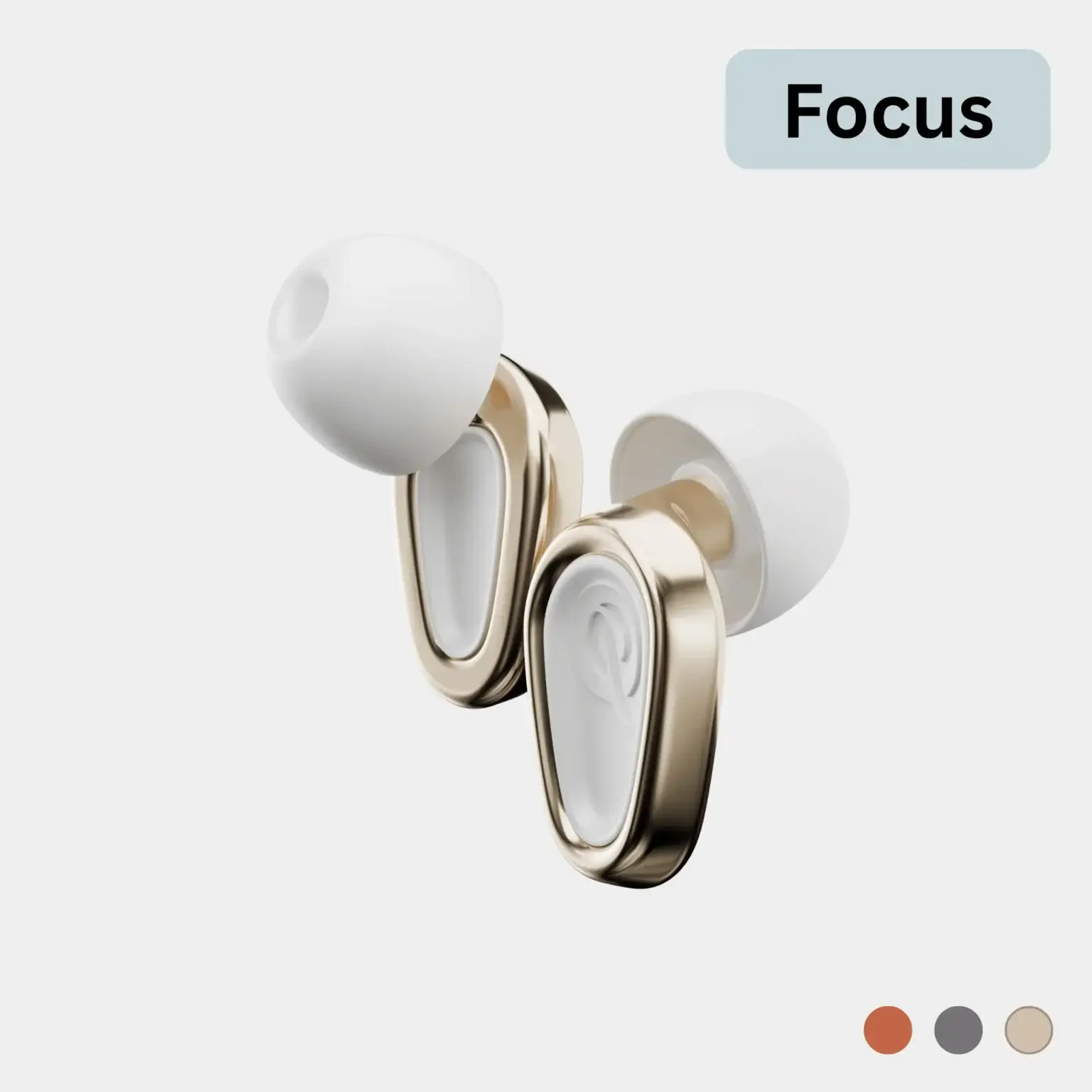
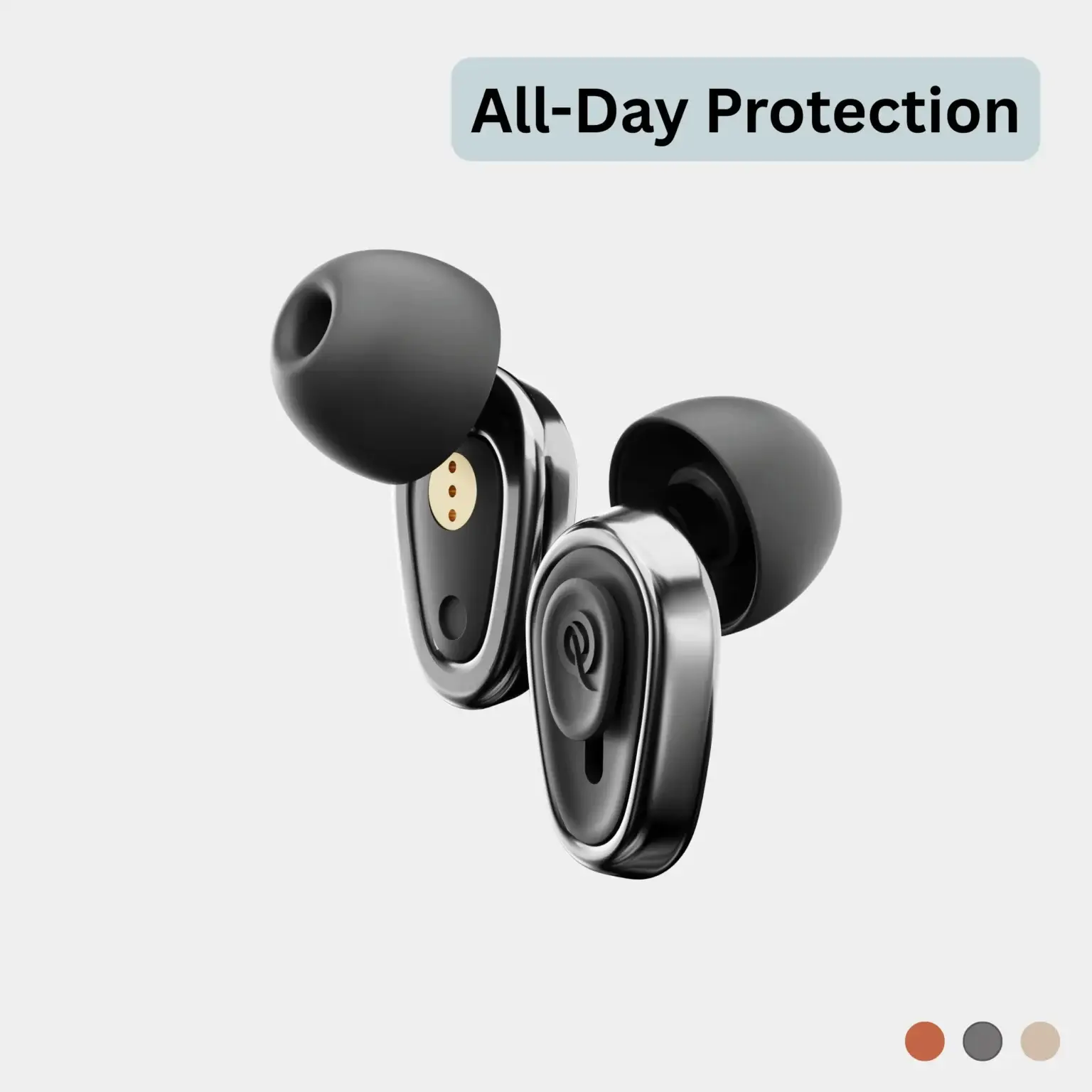
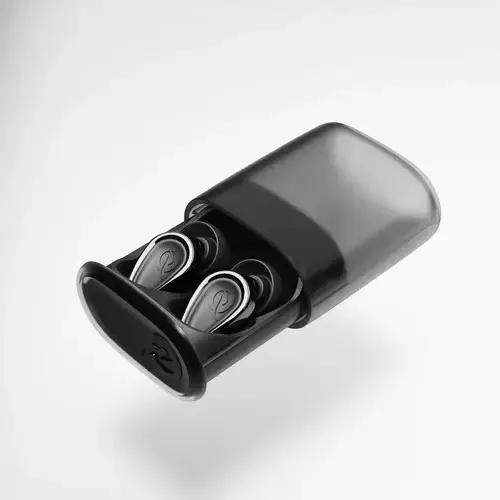
For frequent travellers, comfort is the performance feature that counts. Earmuffz reusable earplugs are designed for discreet, everyday noise control, making them a strong option when cabin noise, busy airports and hotel interruptions are the friction you want to reduce. For pressure equalisation, however, always choose a product specifically made and labelled for flying.
Common Mistakes That Make Earplugs Less Effective
The first mistake is inserting them too late. Pressure-regulating earplugs need to be in place before the aircraft begins changing altitude, not once the discomfort has already built.
The second is choosing a single size and assuming discomfort is normal. It is not. Try the available eartips and take a moment to seat them correctly. A secure, low-pressure fit gives you a better chance of wearing them all journey.
The third is treating reusable earplugs as maintenance-free. Clean them according to the manufacturer’s instructions, let them dry fully and replace worn eartips. Earwax, debris and damaged tips can compromise both hygiene and fit.
Finally, do not use earplugs to push through significant ear symptoms. If you have a known ear condition, recent ear surgery, a suspected infection or severe pain when flying, get personalised clinical advice before your trip.
The Smart Way to Pack for a Quieter Flight
Think in layers. Pressure support for take-off and landing. Noise reduction for the airport, cruise and hotel. Water or chewing gum for descent. A small storage case so your earplugs stay clean and do not disappear into the bottom of your bag.
That little bit of preparation can change the feel of a travel day. You cannot control the aircraft, the passenger behind you or the queue at security. You can control what reaches your ears – and arrive with more of your energy intact.