
Earplugs for Airplane Sleep That Actually Work
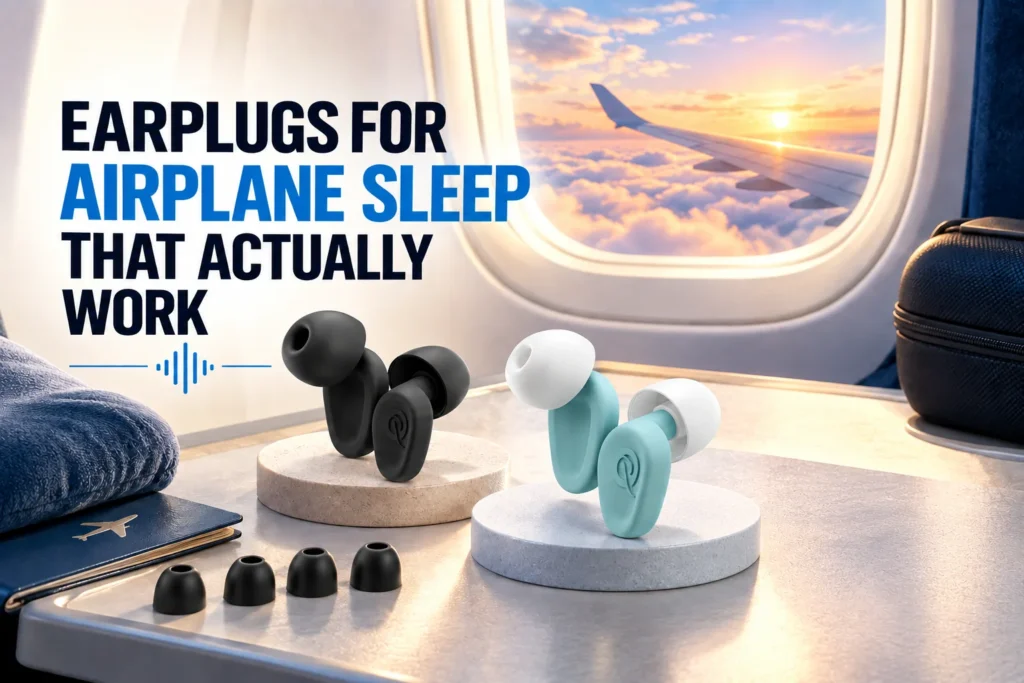
A plane cabin is not built for deep sleep. There is the low engine rumble beneath every conversation, the clatter of meal trolleys, a neighbour adjusting their seat and the sudden burst of an announcement just as you start to drift off. The right earplugs for aeroplane sleep cannot make you oblivious to your surroundings, but they can turn a loud, draining cabin into a space you can actually rest in.
That matters whether you are squeezing in a nap on a 90-minute flight or trying to arrive capable after a red-eye. Better rest gives you more control over the first day of your trip. Less fatigue. Less sensory overload. More energy for the meeting, the drive, or the holiday waiting on the other side.
Why sleeping on a plane feels so difficult
Cabin noise is constant rather than simply loud. Jet engines create a persistent low-frequency hum, while airflow, moving bags, fellow passengers and crew activity add unpredictable peaks around it. Your brain keeps monitoring those changes, even when your eyes are closed. That is why a soft eye mask alone often is not enough.
Then there is comfort. Aircraft seats ask your body to sleep upright, often beside a window or another passenger. Anything bulky in your ears can become irritating long before landing. Foam plugs may block a lot of sound, but they can feel pressurised, expand too firmly or shift when you lean against a headrest. Over-ear headphones are useful for entertainment, but awkward once you want to settle into a sleeping position.
The best approach is not maximum silence at any cost. It is reducing the noise that keeps you alert while keeping your ears comfortable, your communication possible and your travel kit compact.
What to look for in earplugs for airplane sleep
Fit comes first. A low-profile reusable earplug is less likely to press painfully into your ear when your head tilts onto a travel pillow, window or seat wing. It should sit securely without needing to be forced deep into the ear canal. If you notice it constantly, it is probably not the fit you will want for an overnight flight.
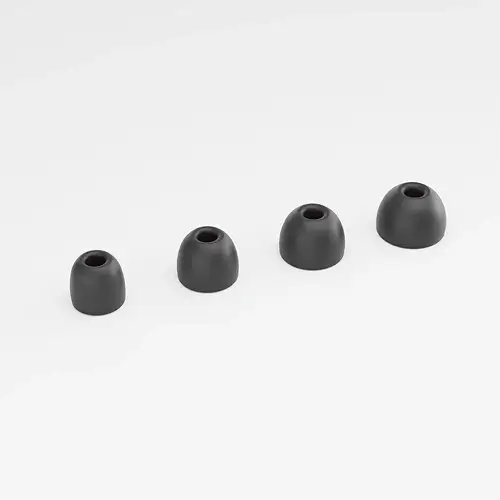
Choose earplugs with multiple eartip sizes where possible. Ear canals differ, and one-size solutions can either leak noise or feel uncomfortably tight. A proper seal should feel stable and soft, not like pressure. Test the fit at home before your flight rather than making your boarding gate the first trial.
Noise reduction also needs context. You want to soften the cabin drone, chatter and sharp sounds, not necessarily remove every audible cue. You may need to hear a safety announcement, your name from a travelling companion, or a crew member offering water. Reusable filtered designs are particularly useful for travellers who want a quieter environment without the disconnected feeling that can come with heavy-duty foam plugs.
Materials matter for long wear. Look for soft, skin-friendly eartips that can be cleaned and reused, alongside a compact case that keeps them hygienic in a backpack or hand luggage. A pair that lives loose at the bottom of a bag is far less likely to be used when you need it.
Do earplugs help with air pressure?
This is where expectations matter. Standard sleep earplugs reduce sound. They do not equalise pressure in your ears during take-off or landing. Pressure discomfort is caused by changes in cabin pressure and how well your Eustachian tubes adjust, not by the noise level around you.
If pressure changes tend to bother you, swallowing, yawning, sipping water or chewing gum during ascent and descent can help. Some specialist pressure-regulating plugs are designed for this specific issue, but they are not always the most comfortable choice for sleeping. If you have persistent ear pain, congestion or a recent ear infection, seek advice from a health professional before flying.
Build a sleep setup that works at 35,000 feet
Earplugs work best as part of a simple system. Start by putting them in after the safety demonstration and any conversation you need to have, then pair them with an eye mask and a neck pillow that supports your head without pushing your ears into the seat.
Avoid chasing sleep immediately after boarding if you are still overstimulated. Settle your seat area first: keep your water accessible, put your phone on silent, choose a layer for warmth and store anything you will need before the cabin lights dim. Once you have to keep reaching into the overhead locker or under the seat, the chance of drifting off drops fast.
If you use headphones for a film or white noise, switch to earplugs when it is time to sleep. Active noise-cancelling headphones can be excellent for the engine drone, but their battery can run down and their bulk makes side-leaning uncomfortable. Earplugs give you a quieter baseline without another device to charge.
For light sleepers, the timing of meals is worth considering too. A heavy meal, alcohol and too much caffeine can make your body feel tired while keeping sleep fragmented. Water, a light meal and a familiar wind-down routine give your ears and nervous system a better chance of doing their job.
Choosing the right level of noise control
Short-haul flights call for a different decision from overnight travel. On a daytime flight, you may want to reduce the edge of cabin chatter while still reading, working or speaking easily with the person beside you. A reusable earplug designed for everyday noise reduction makes sense here. It takes the volume down without turning you away from the journey.
On a long-haul or overnight flight, comfort becomes the deciding factor. You may wear earplugs for several hours, possibly through meal service, light changes and shifts in your seat position. Prioritise a soft, low-profile design over a product that promises the highest possible attenuation but leaves your ears sore after an hour.
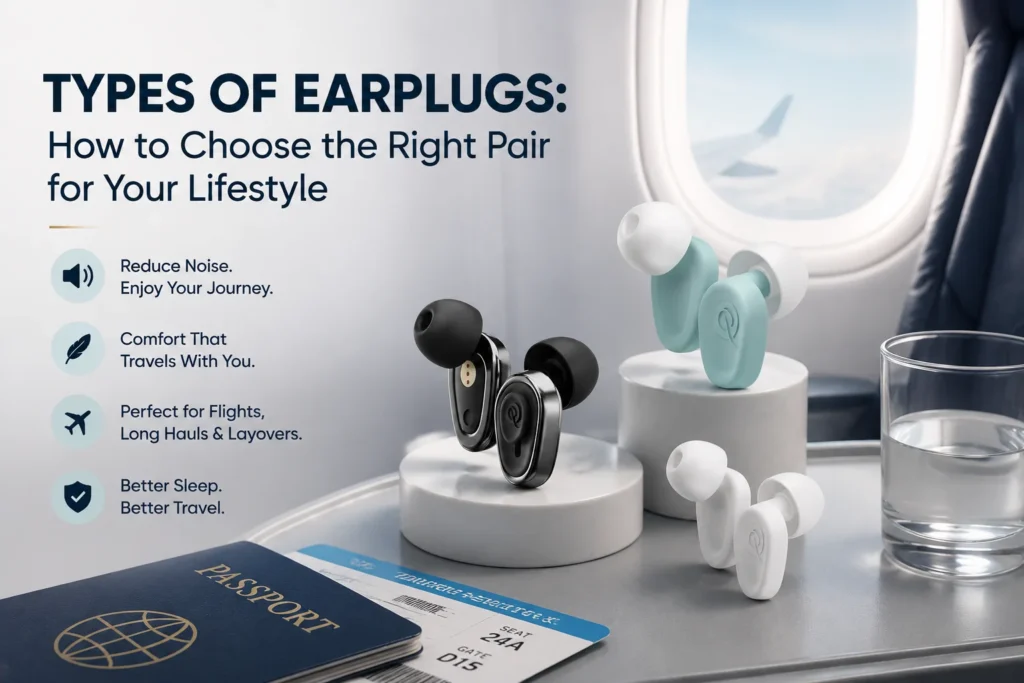
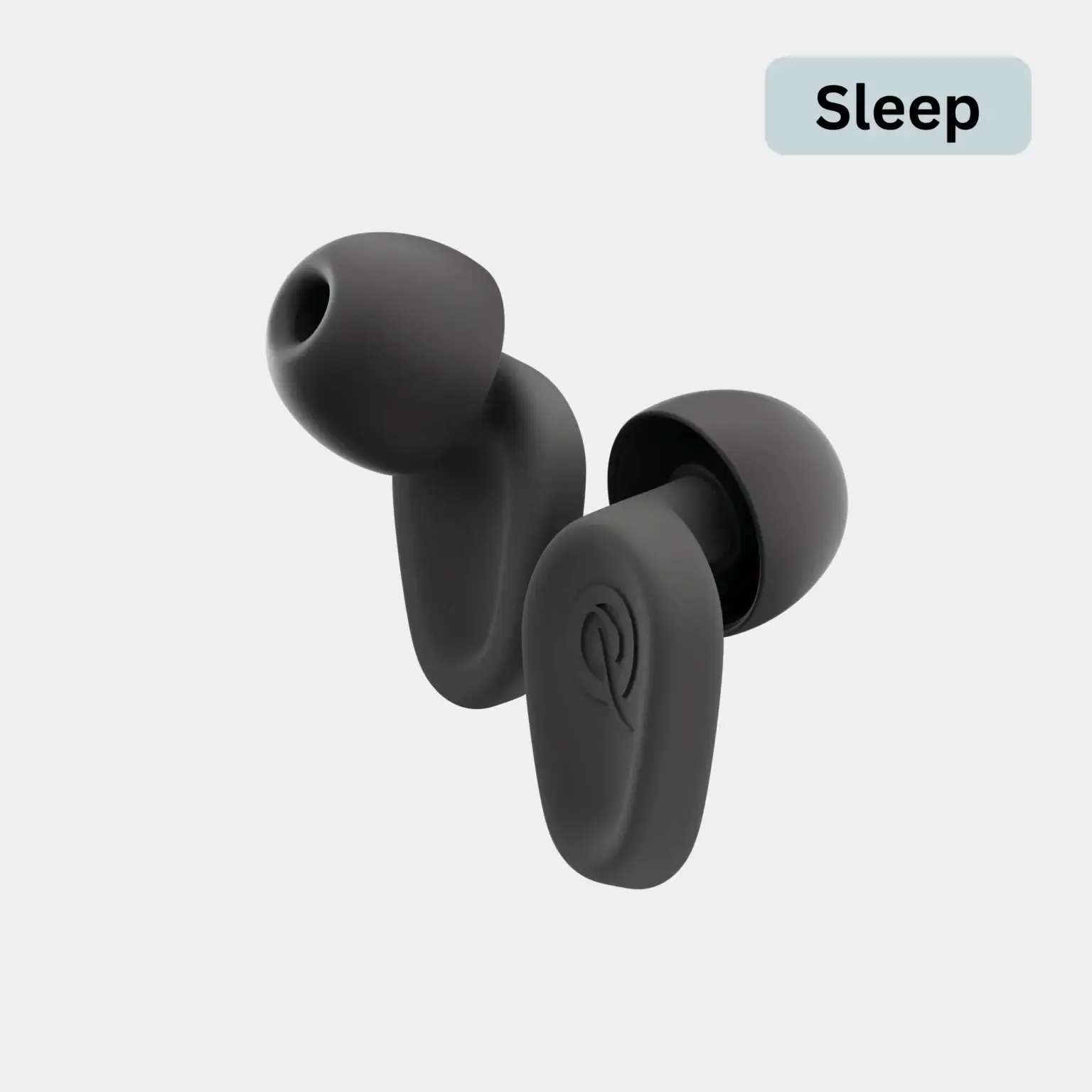
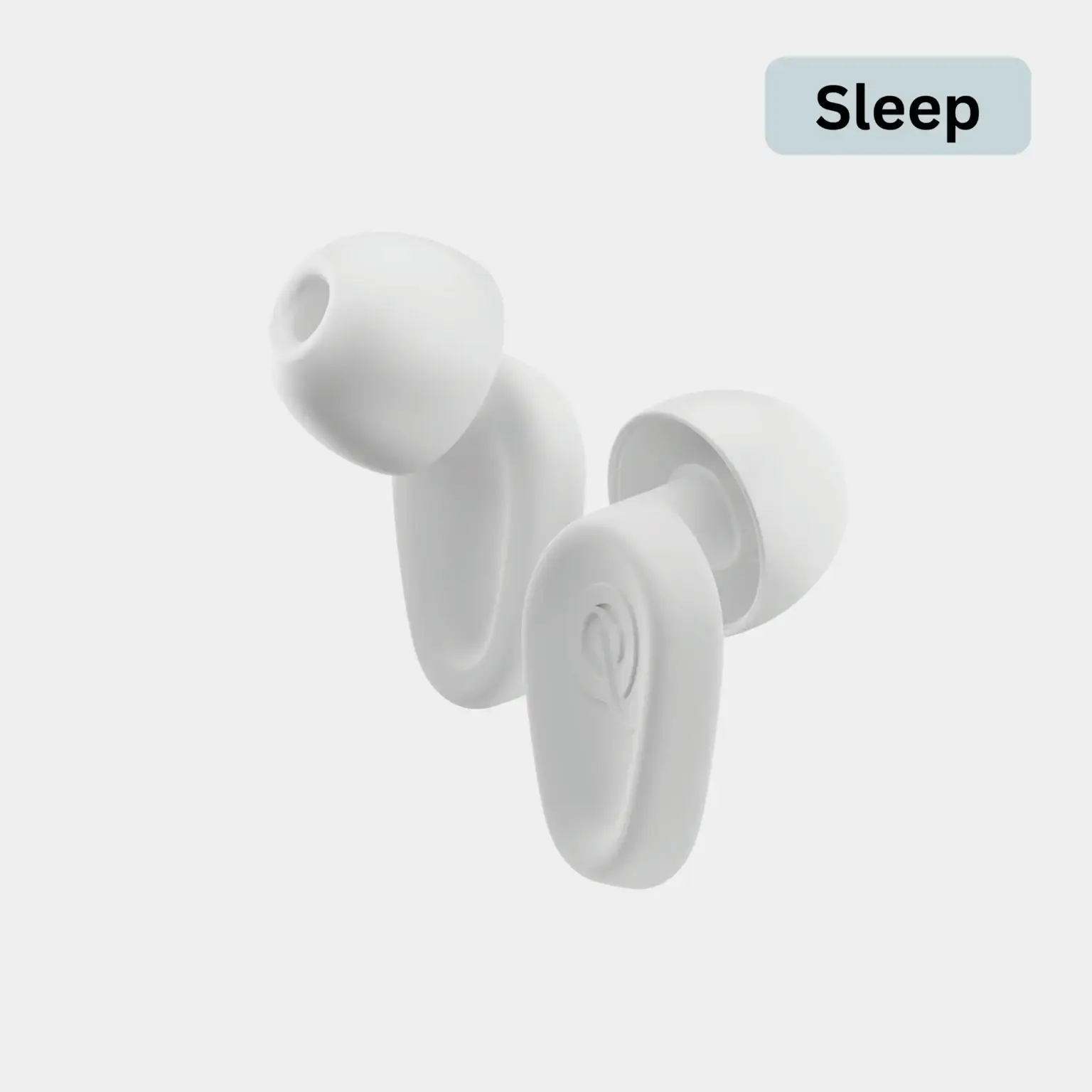
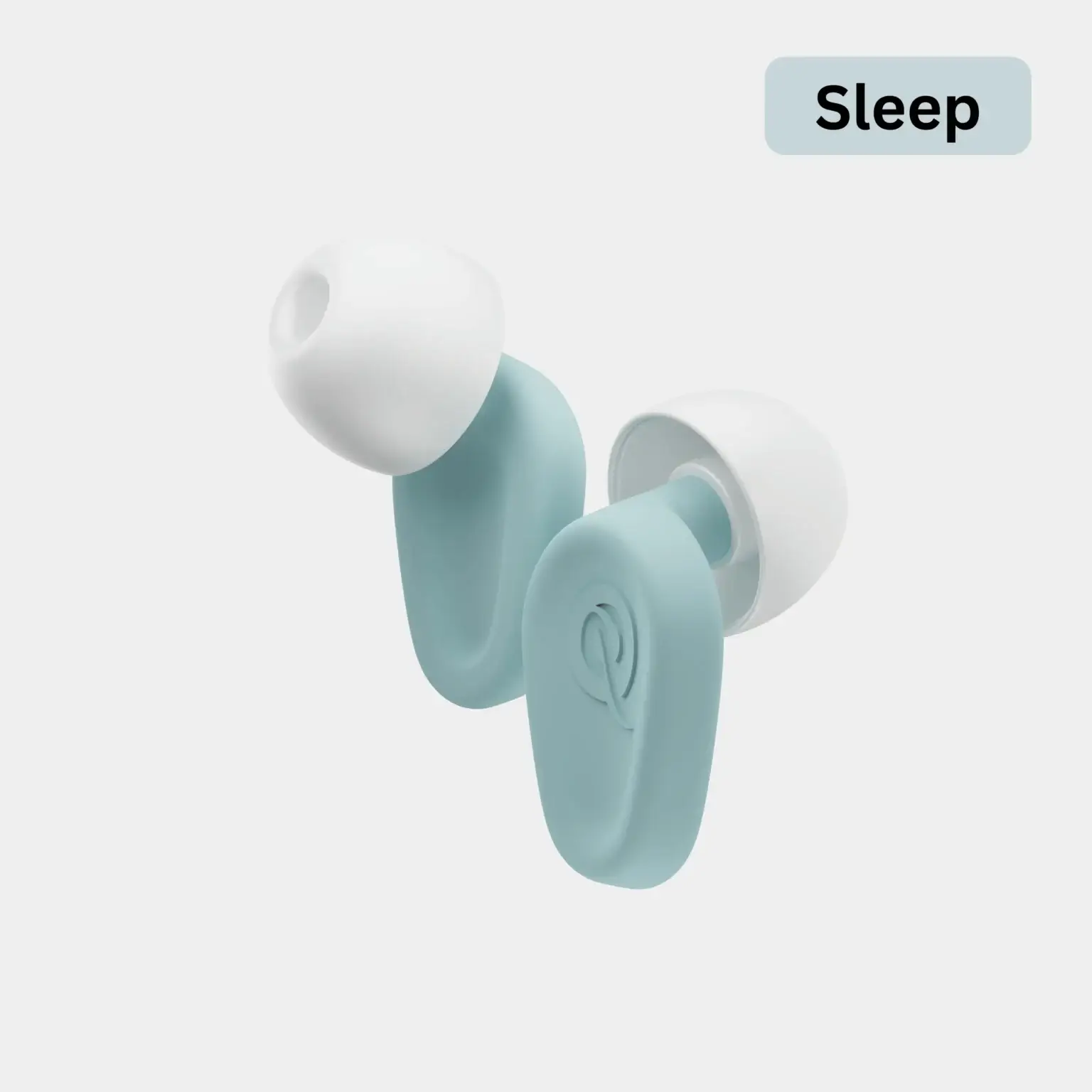
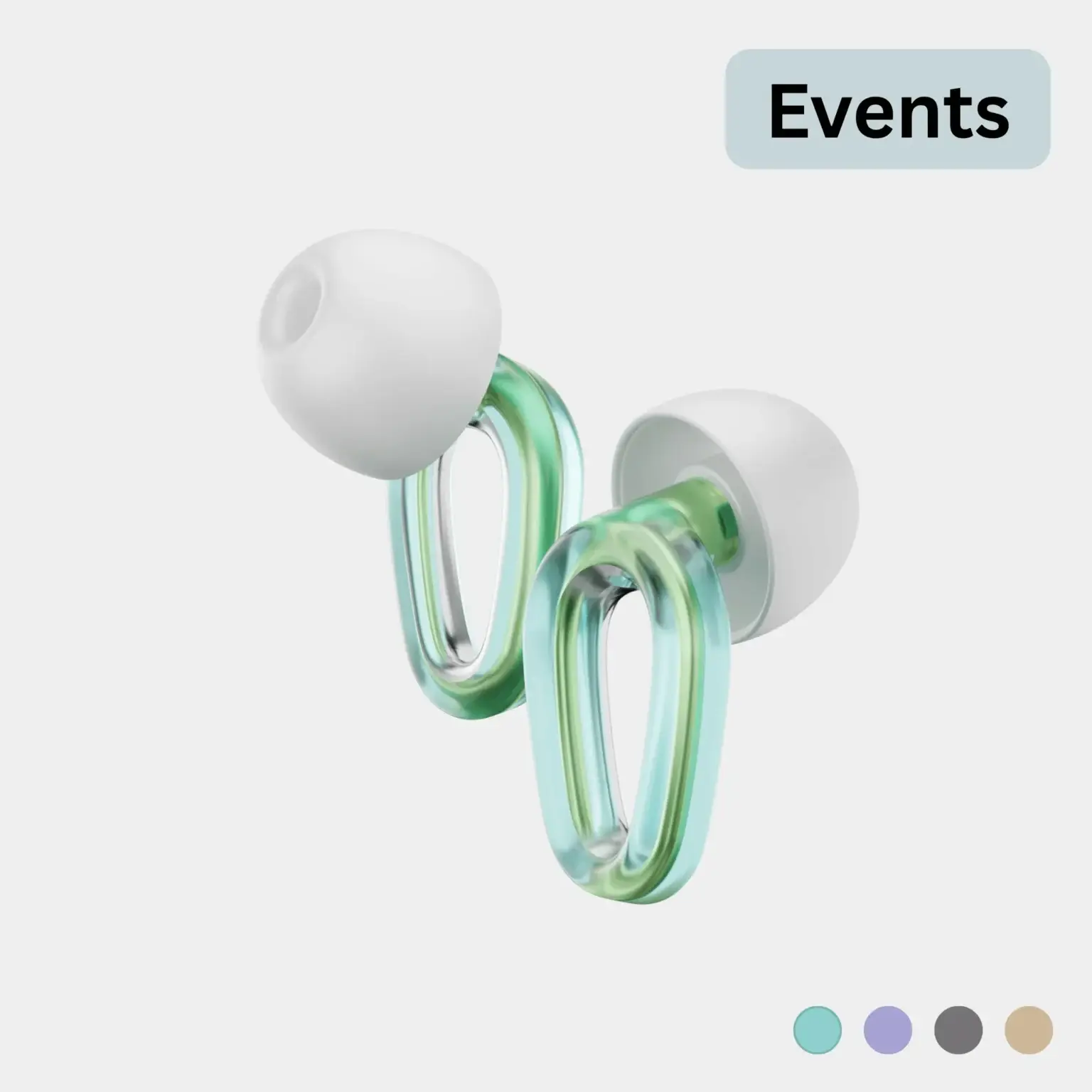
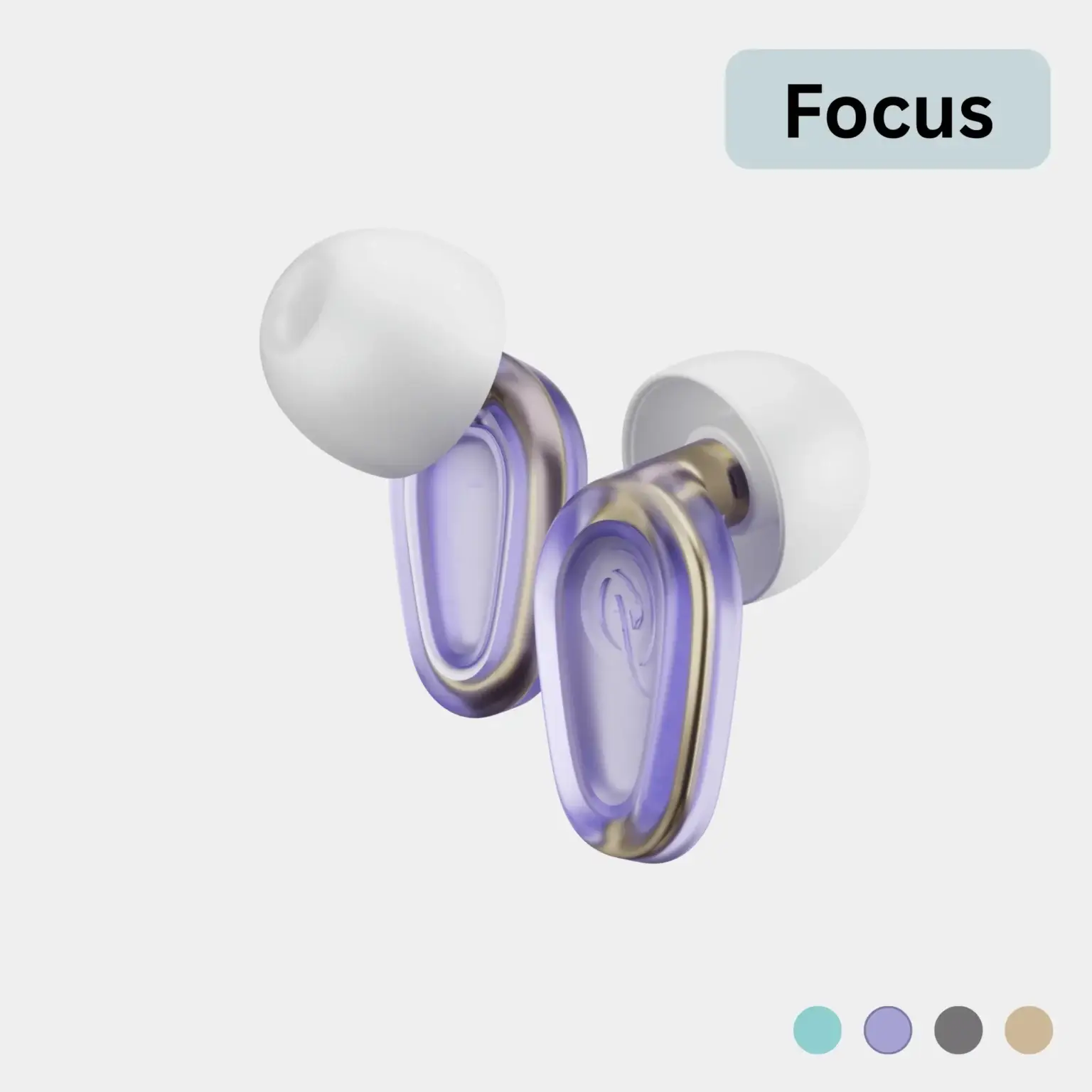
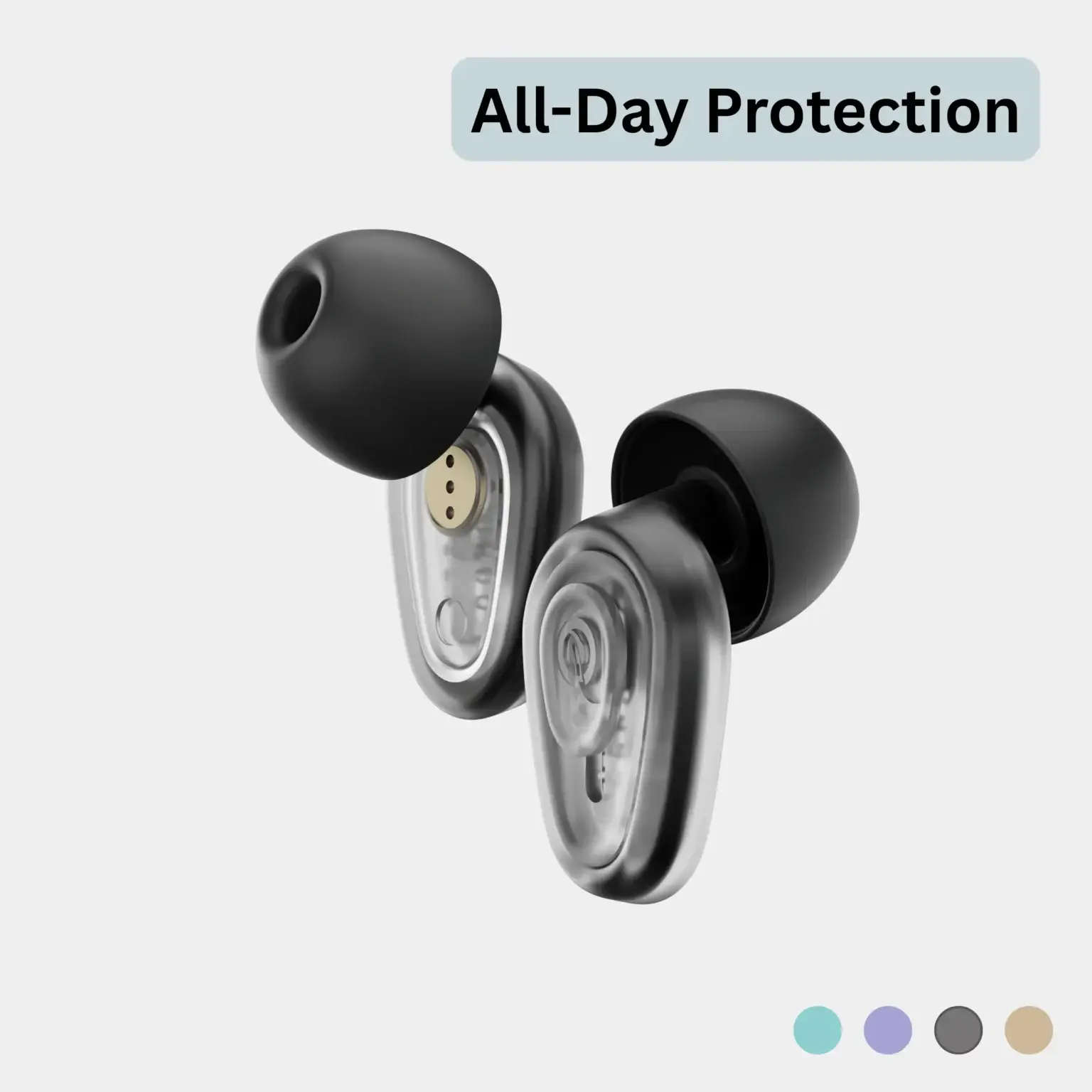
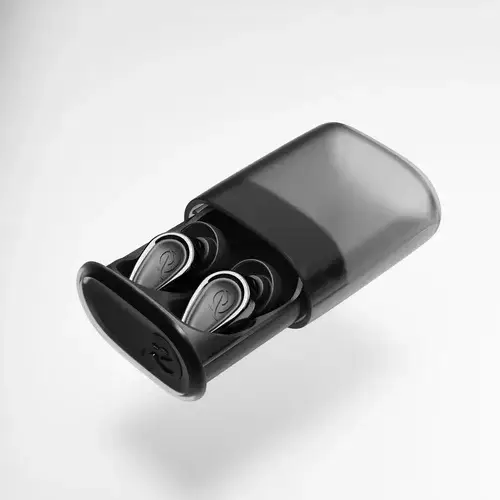
For frequent flyers, a durable pair earns its place alongside your passport and charger. Earmuffz Sleep earplugs are designed around that comfort-first idea: discreet reusable noise control for rest, with a low-profile fit that is easier to wear for longer periods. They are a practical option when you want to reduce the cabin’s volume without carrying bulky hearing protection.
There is no single perfect setting for every passenger. Someone who is very noise-sensitive may prefer stronger reduction. A parent travelling with children may need enough awareness to respond quickly. If you are flying alone and need uninterrupted rest, you may favour a more isolating fit. Own the trade-off instead of expecting one product to solve every part of travel.
Common mistakes that ruin in-flight rest
The first mistake is inserting earplugs too deeply. More depth does not always mean more comfort or better results. Follow the product instructions, use the right eartip size and stop if you feel pain or significant pressure.
The second is wearing a new pair for the first time on a long flight. Even well-designed earplugs need a short familiarisation period. Wear them at home while reading, commuting or taking an afternoon rest. You will learn which eartips fit, how much sound they reduce and whether they work with your preferred pillow.
The third is forgetting that clean earplugs are more comfortable earplugs. Wipe or wash reusable products according to their care guidance, let them dry fully and return them to their case. This keeps the experience pleasant and helps your pair last through more trips.
Finally, do not rely on earplugs to fix every travel stressor. They cannot create legroom, reset jet lag or stop a crying baby. What they can do is remove a major layer of friction: the relentless noise that makes every other discomfort feel louder.
A quieter flight starts before boarding
Pack your earplugs where you can reach them, not in the case you check at the desk. Keep them with your eye mask, neck pillow and charging cable in a small pouch under the seat. That small bit of preparation means you can act when the cabin gets loud, rather than just tolerate it.
A quieter cabin will not guarantee sleep, but it gives your body a far better chance to switch off. Choose comfort over bulk, fit over gimmicks and the level of awareness that suits your journey. Then let the engine hum fade into the background and arrive with more of yourself intact.