


A long motorway stretch can turn a good ride into a ringing, exhausting one. If you wear earplugs under helmets, you are not trying to shut out the world – you are taking control of the noise that builds up around you, especially wind noise. The right pair can make every mile feel calmer, clearer and far less fatiguing.
For motorcyclists, cyclists and anyone using a helmet in consistently loud environments, earplugs can be a smart part of the kit. But fit matters. So does the level of noise reduction, the shape of your helmet and your ability to stay aware of what is happening around you.
Why helmets are not enough for wind noise
A quality helmet is essential protection, but it is not a silent bubble. At speed, air moving around the helmet, visor, vents and collar creates sustained noise. On a motorbike, that exposure can become intense quickly, even when the engine itself is not especially loud.
The problem is not only the volume. It is the duration. An hour of constant wind roar can leave you tired, distracted and more likely to turn your music or comms volume up to compete. That is the opposite of control.
Earplugs reduce the overall sound load reaching your ears. This can take the harsh edge off wind and road noise, helping you arrive more comfortable and less drained. They may also make helmet audio easier to hear at a lower volume because there is less background roar fighting for attention.
Is it safe to wear earplugs under helmets?
For many riders, yes – provided the earplugs fit properly, are suitable for the activity and do not stop you from riding responsibly. Earplugs are widely used under motorcycle helmets because they reduce damaging noise exposure without necessarily making all sound disappear.
That distinction matters. Good reusable earplugs are designed to lower sound levels, not create total silence. You should still be able to perceive relevant sounds, although they will be quieter and may sound different. Your own voice, indicators, engine note and traffic ambience can all feel altered at first.
Safety comes down to sensible choices. Never rely on hearing alone to spot hazards. Use your mirrors, check blind spots, keep visual awareness high and leave enough space around your vehicle. If you find that a particular pair makes you feel disconnected or uneasy, choose a lower-noise-reduction option or reassess the fit.
You should also check the rules where you ride. Requirements can vary by country, competition, workplace and insurer. If you wear hearing aids, have an ear condition, tinnitus that has recently changed, pain, discharge or sudden hearing loss, speak with a qualified clinician before making earplugs part of your regular routine.
How to choose earplugs for a helmet
The best earplugs under a helmet are not automatically the ones with the highest stated noise reduction. A powerful plug that causes pressure, works loose or makes you avoid wearing it is not the right everyday solution.
Prioritise a low-profile fit
A helmet presses around the ear area, so bulky stems and protruding tabs can become uncomfortable fast. Look for a low-profile design that sits neatly in the outer ear rather than sticking out. This reduces pressure points when you pull on the helmet and lowers the chance of the plug shifting during the ride.
Comfort is performance. If your ears ache after 20 minutes, you will be distracted by your kit instead of focused on the road.
Choose the right eartip size
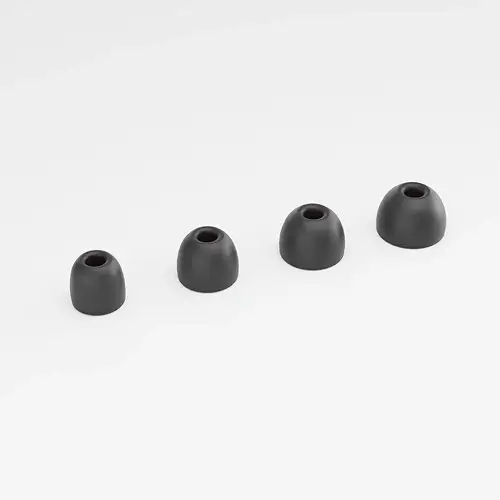
Most fit problems come from using the wrong eartip size. A tip that is too small can leak sound and work loose. One that is too large may create painful pressure, particularly once the helmet cheek pads settle around your head.
Try different sizes at home before a long ride. The seal should feel secure, not aggressive. Your voice will often sound slightly fuller when the fit is right, but there should be no sharp pain, deep pressure or pulsing sensation.
Match noise reduction to the ride
Commuting through town, touring on dual carriageways and track days are very different noise environments. Consider where you spend most of your time and how long you are exposed.
A moderate filter may suit riders who want to take the edge off urban noise while retaining a more natural sense of their surroundings. Higher protection may be better for long, high-speed journeys or environments with sustained loud noise. It depends on your helmet, bike, riding position, windscreen and personal sensitivity.
When comparing products, treat certification as useful evidence rather than a magic number. Standards such as CE, EN 352 and ANSI can indicate that a product has been tested against specified requirements. They do not replace a proper fit or safe riding habits.
How to put on earplugs before your helmet
The simplest routine is also the most reliable: fit the earplugs first, then put on your helmet slowly. Trying to insert them after the helmet is on usually leads to a poor seal and unnecessary irritation.
Start with clean, dry hands and clean earplugs. Gently position each plug according to its instructions, then give it a moment to settle. Put the helmet on by widening the opening with the straps where possible, rather than forcing the padding directly over your ears. If you feel the plug catch or fold, take the helmet off and start again.
Once the helmet is secured, move your jaw, turn your head and check for discomfort around both ears. Do this before you set off, not at the first petrol stop. A good fit should stay stable through normal head movement and should not interfere with the helmet’s retention system.
Earplugs, helmet speakers and communication systems
You do not need to choose between hearing protection and helmet audio. In fact, reducing wind noise can make navigation prompts and intercom conversations easier to understand at a safer volume.
The key is restraint. Fit your earplugs, then set speaker volume from low upwards until speech is clear. Do not compensate for a noisy ride by pushing the volume higher and higher. If you cannot hear your audio comfortably, the issue may be speaker placement, poor helmet sealing or excessive wind turbulence rather than a need for more volume.
Position helmet speakers carefully around the ear recesses. A speaker pressing directly against an earplug or ear can create a hot spot. Test the setup during a short local ride before committing to a full-day journey.
Common mistakes that ruin comfort
The first is using disposable foam plugs as though every type behaves the same. Foam can be effective, but it must be inserted correctly and may not suit everyone under a close-fitting helmet. Reusable filtered earplugs offer a different feel and can be easier to use consistently, especially when paired with multiple eartip sizes.
The second is ignoring hygiene. Earwax, dust and moisture affect both comfort and sound performance. Clean reusable earplugs as directed, let them dry fully and keep them in a case rather than loose in a jacket pocket.
The third is wearing damaged or poorly fitting equipment. Replace cracked eartips, distorted plugs or anything that no longer seals comfortably. Your helmet should also fit correctly. Earplugs cannot solve a helmet that creates severe pressure, whistles loudly or moves around at speed.
Build hearing protection into your riding kit
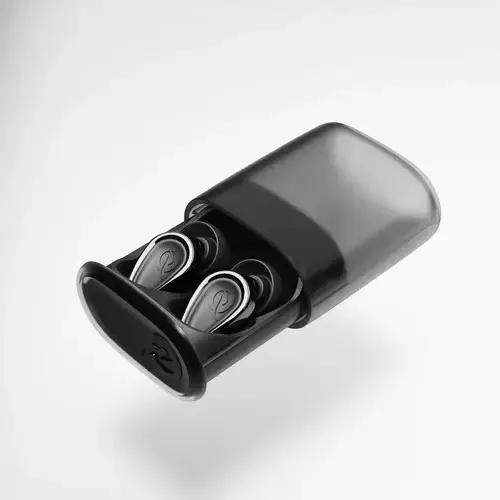
Gloves, visor cleaning cloth, lock, earplugs. When ear protection becomes part of your pre-ride routine, it stops being an afterthought. Keep a reusable pair in your jacket, tank bag or helmet case so you are ready whether the journey is ten minutes or ten hours.
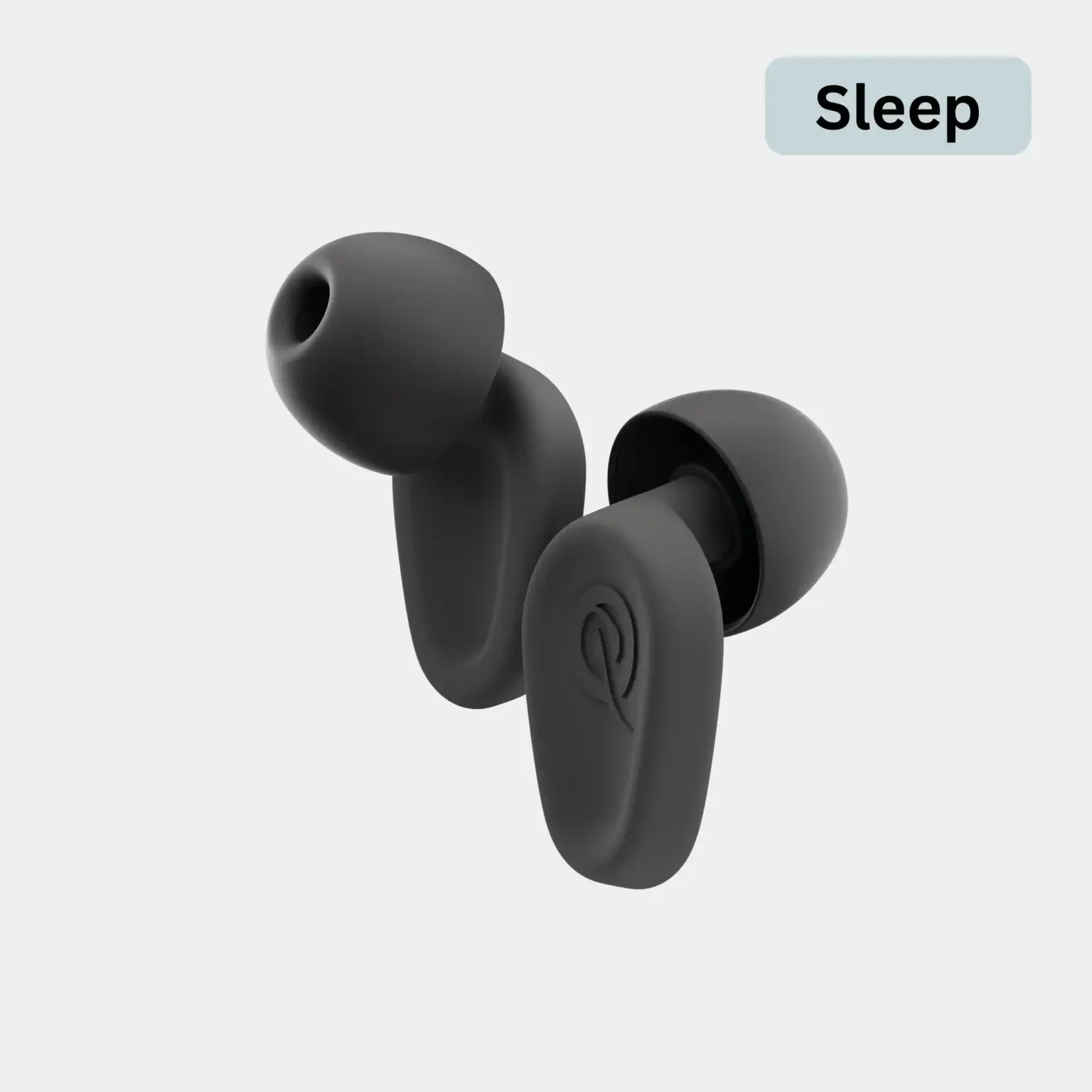
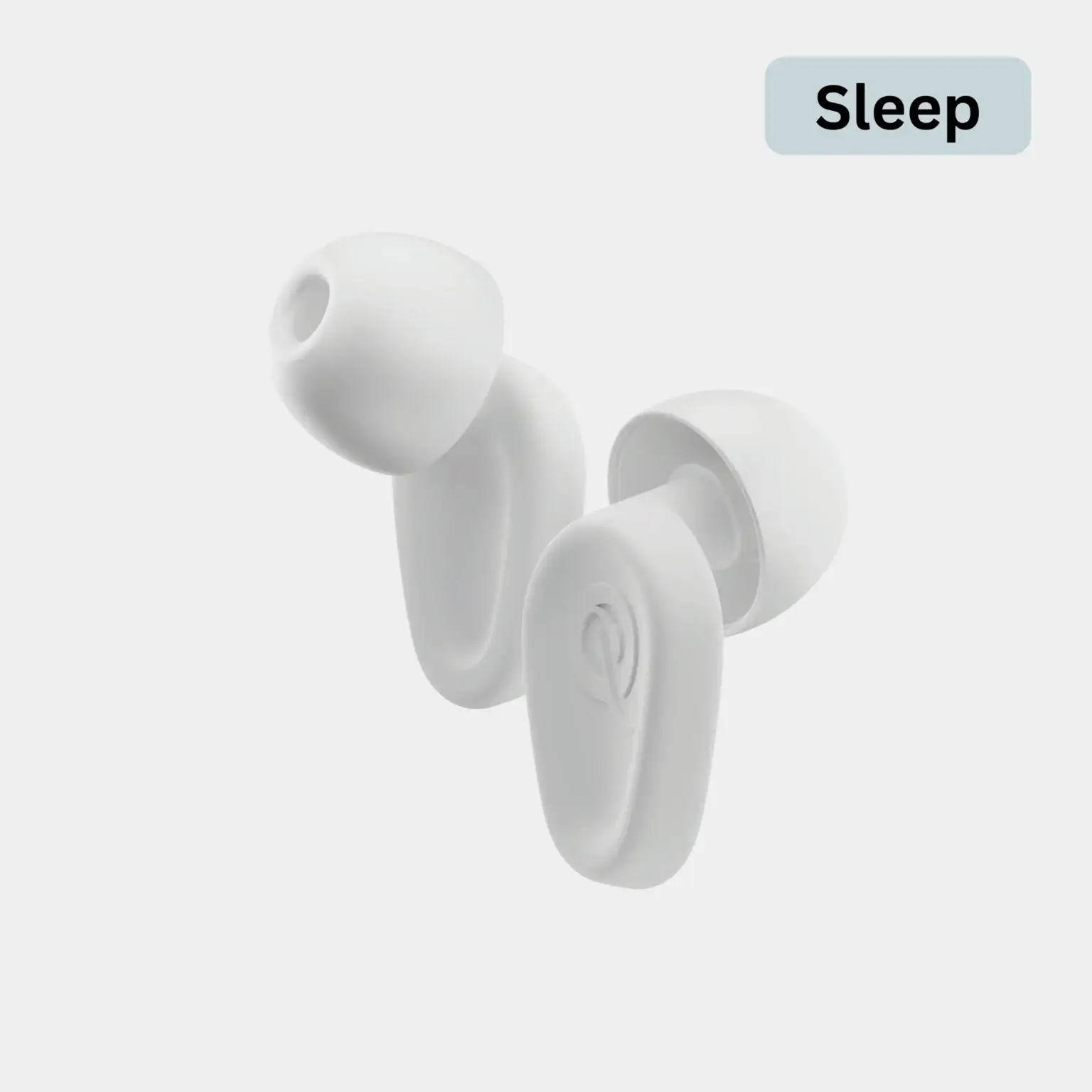
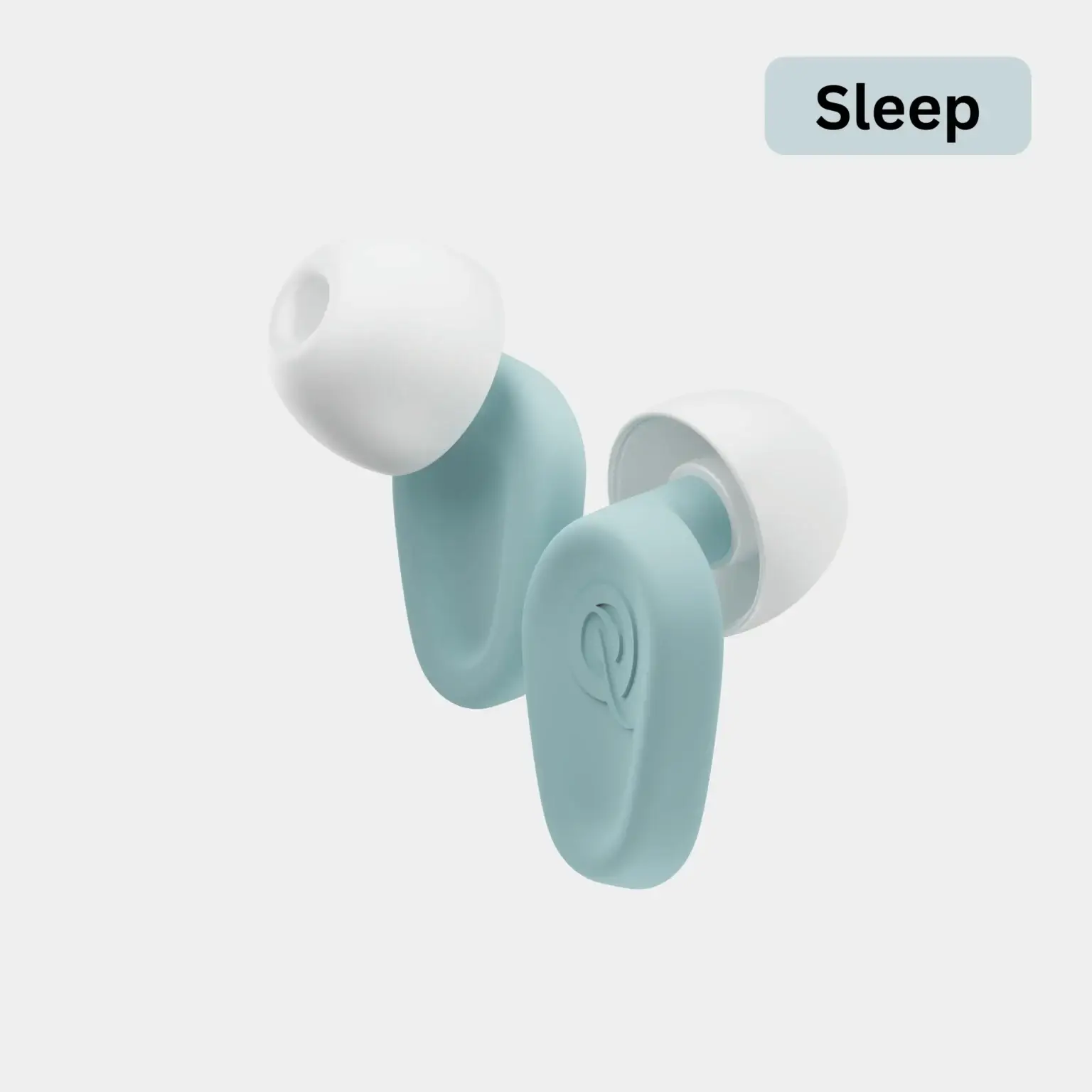
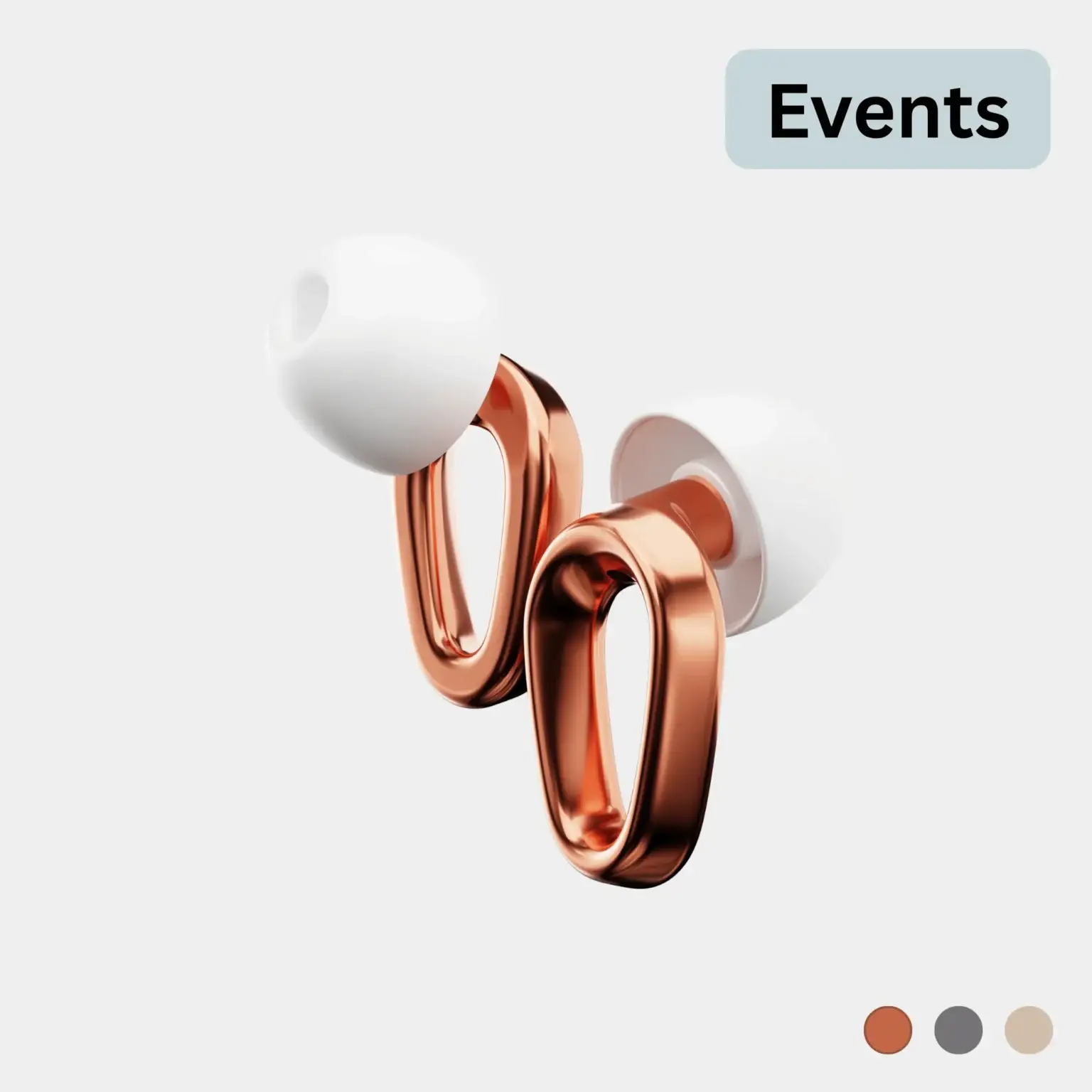
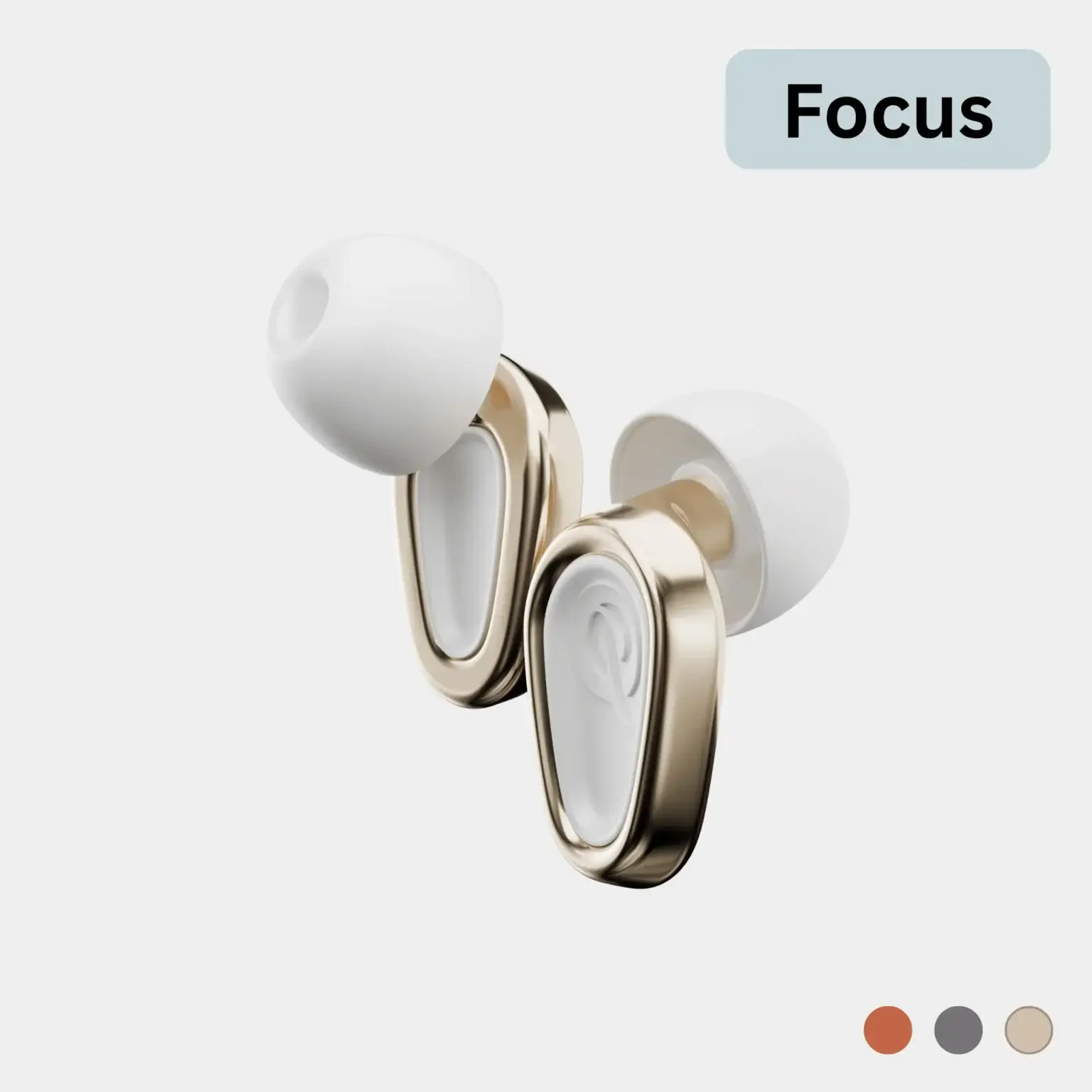
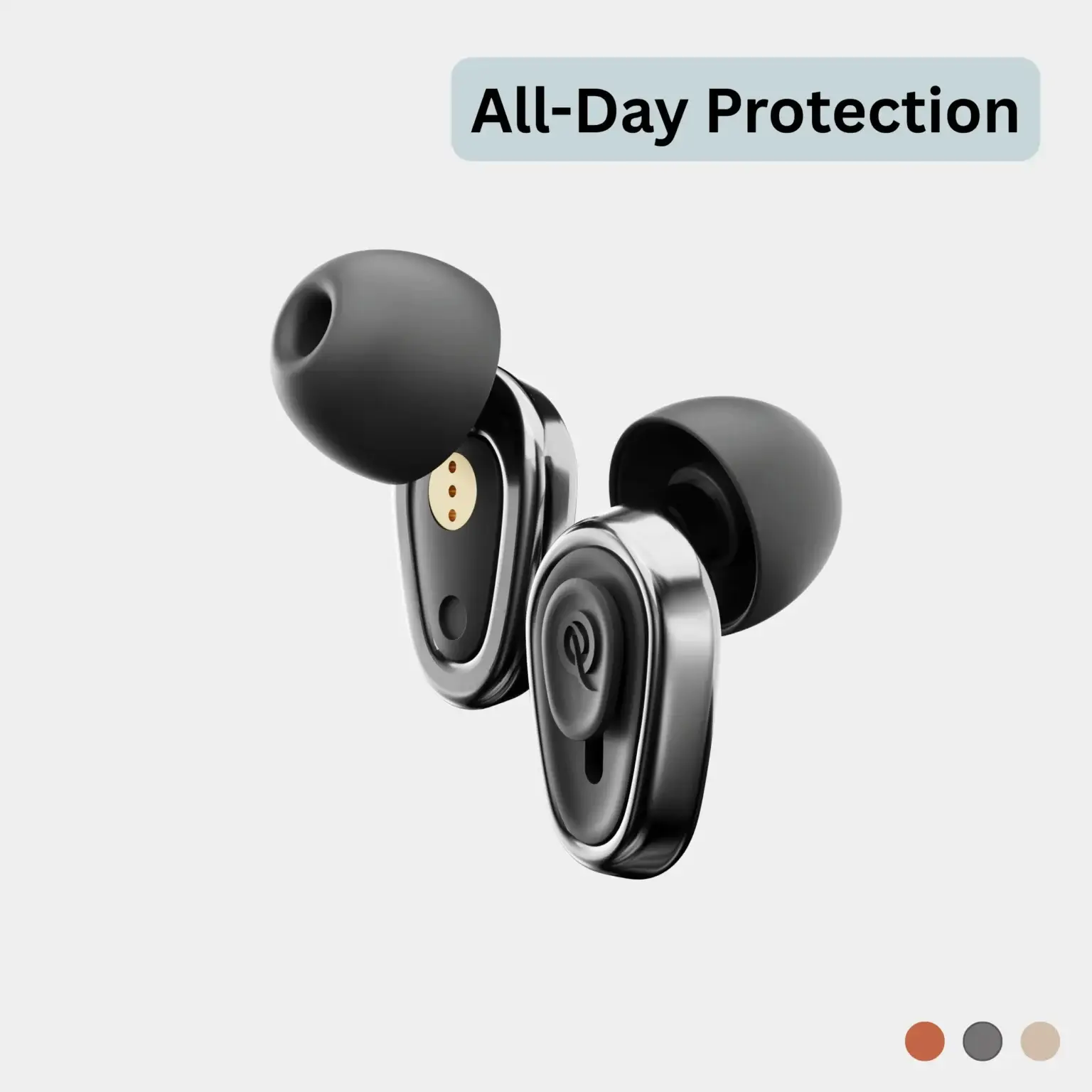
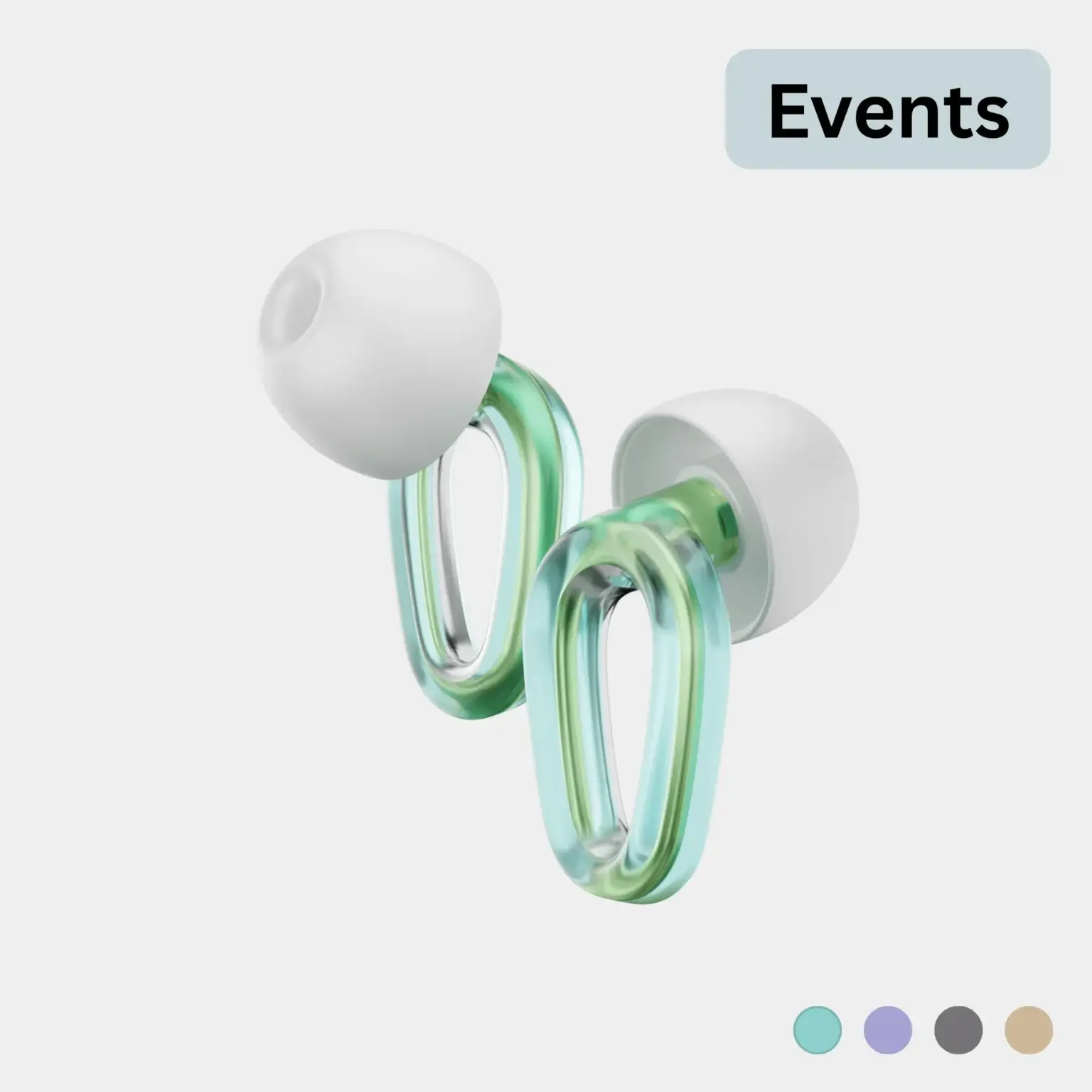
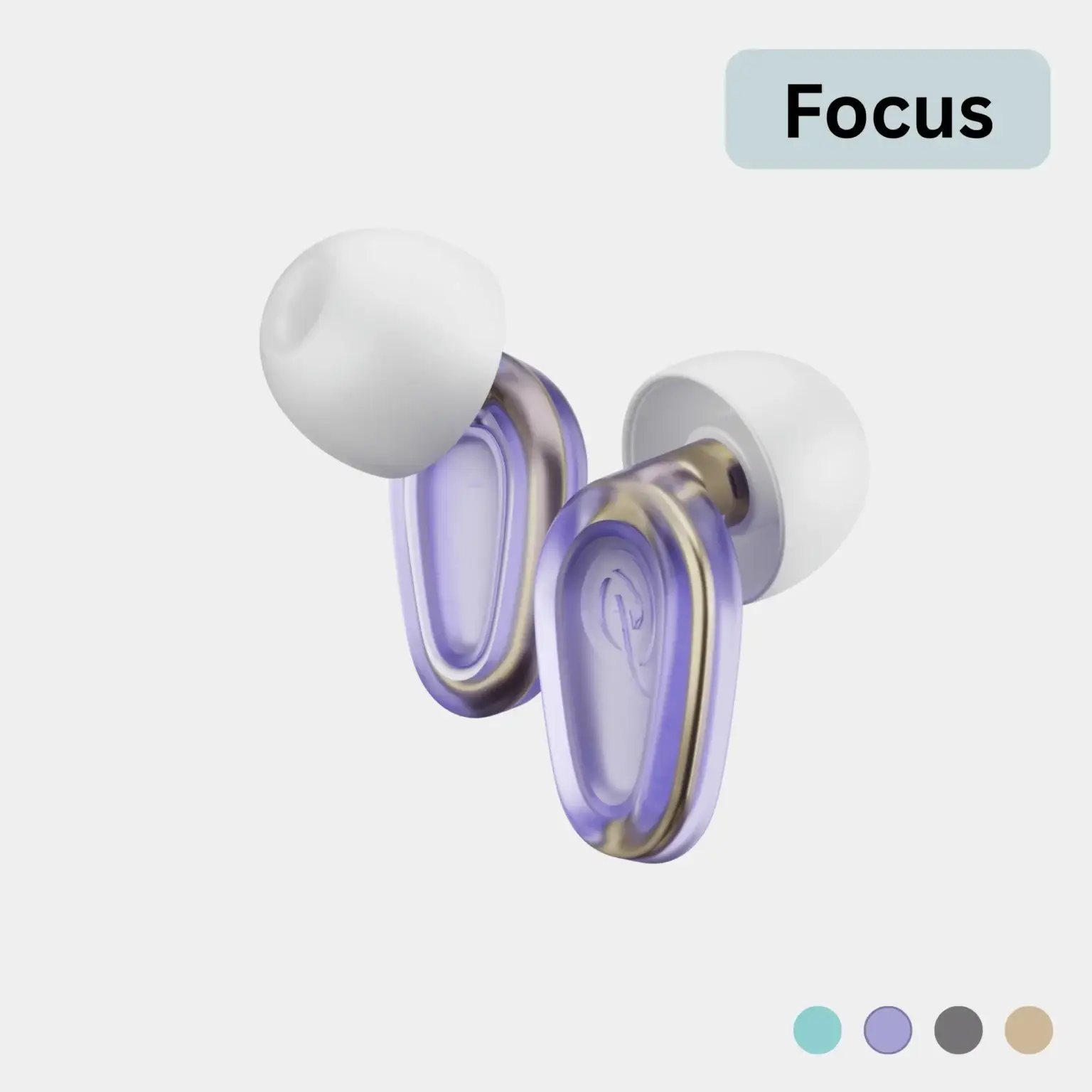
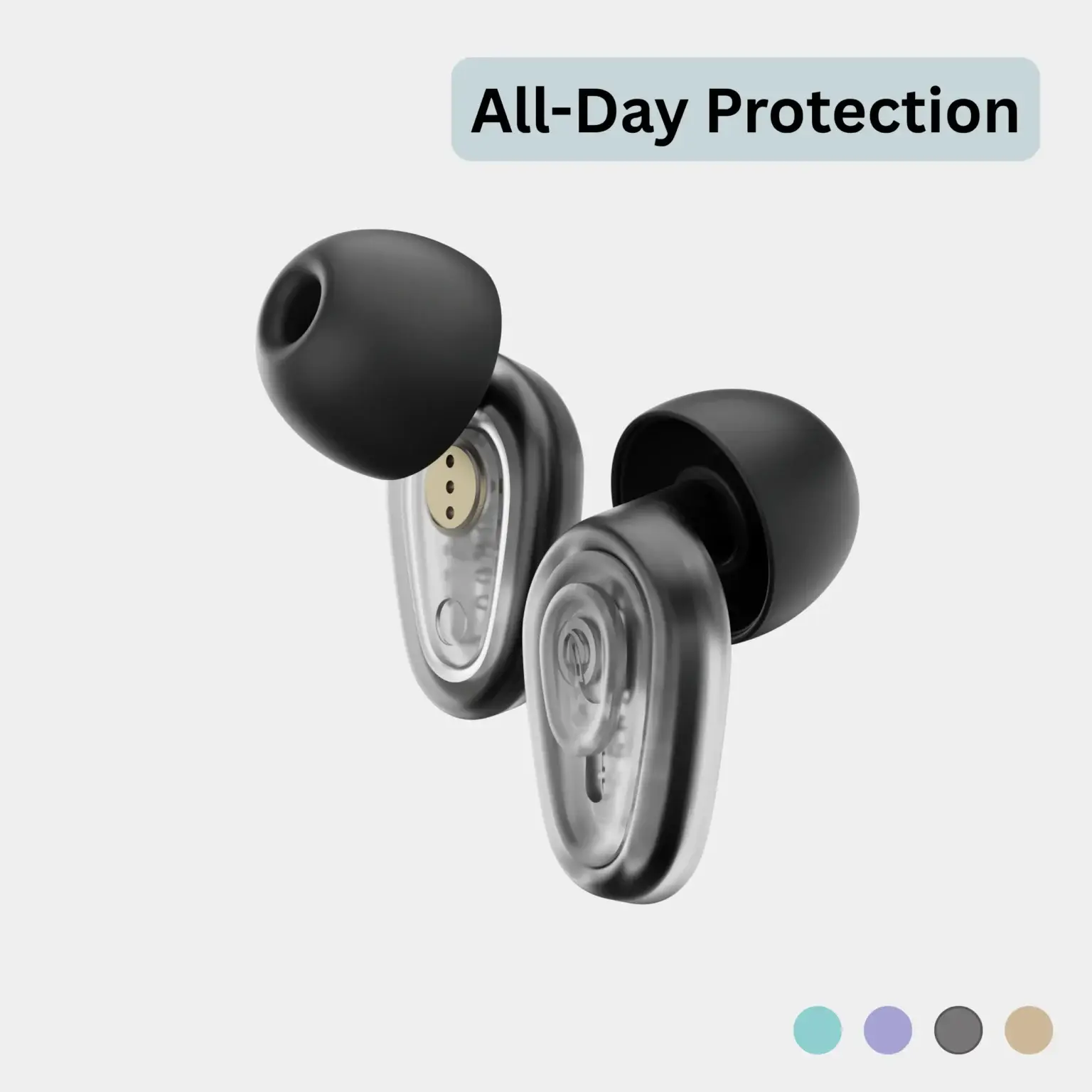
Earmuffz reusable earplugs are built for low-profile, comfort-first noise control, making them a practical option for riders who want less noise without bulky protection. Choose the fit and noise reduction that suits your riding, then give yourself a few shorter journeys to adapt.
The goal is not to make the road disappear. It is to lower the noise that wears you down, protect your focus and let every ride feel more like yours.