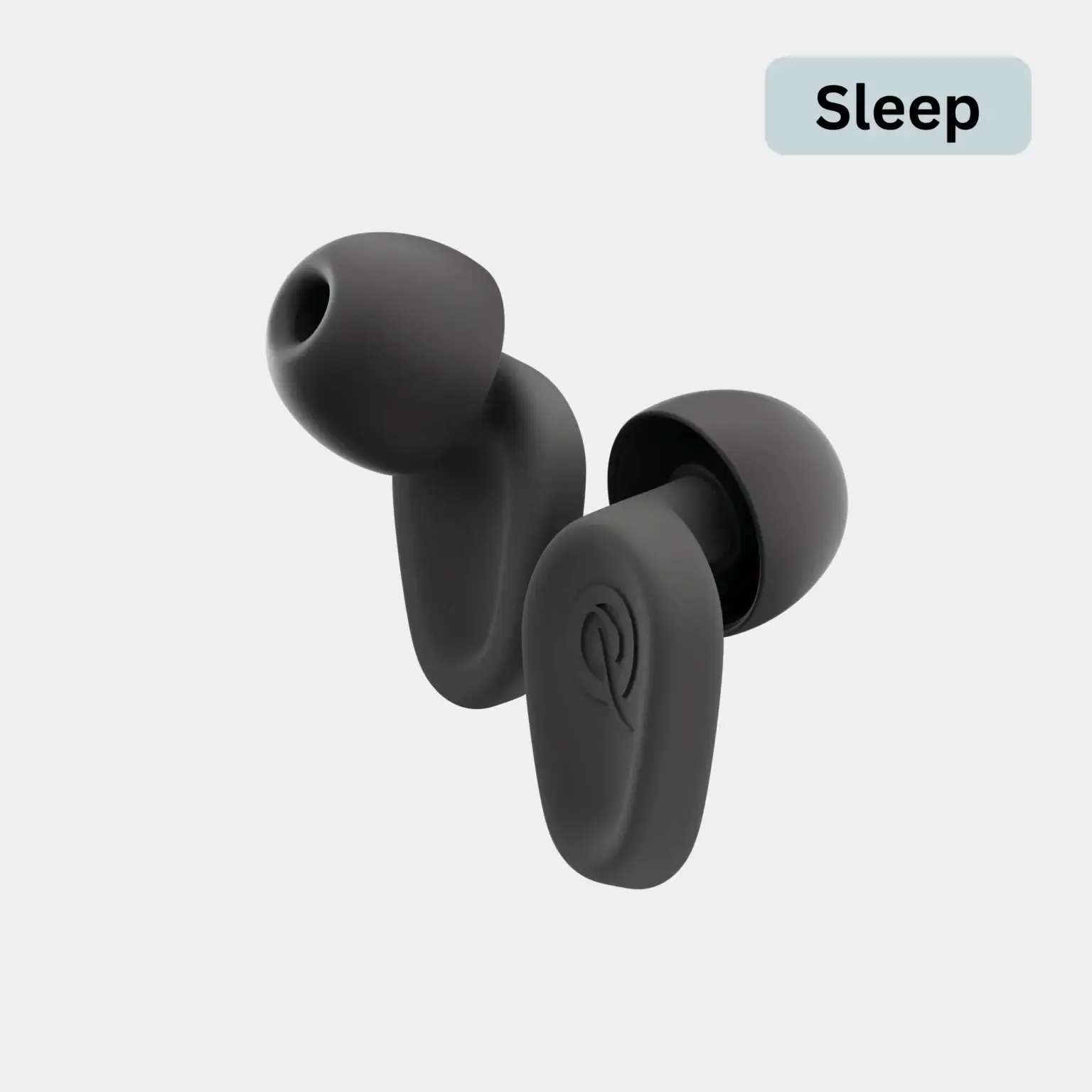
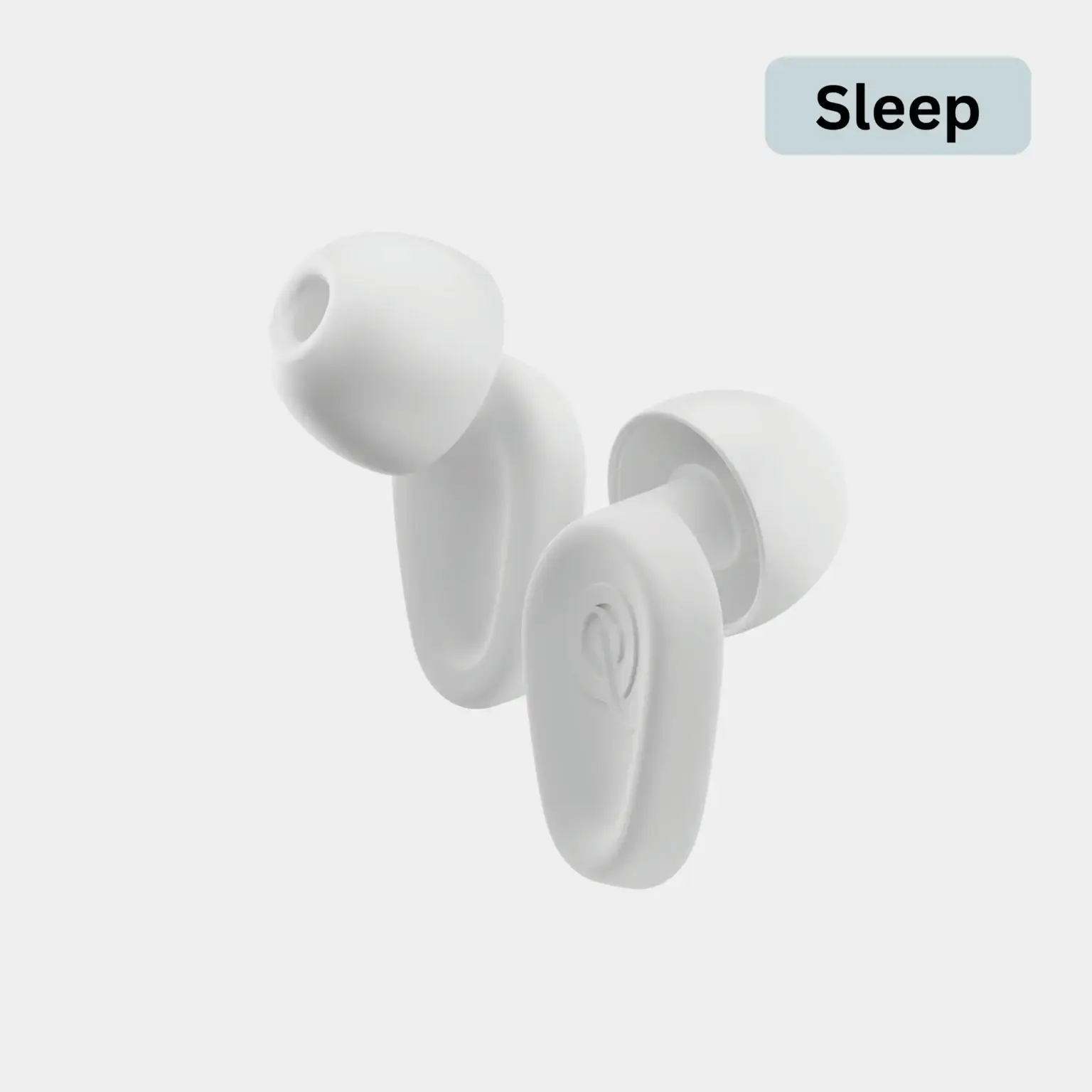
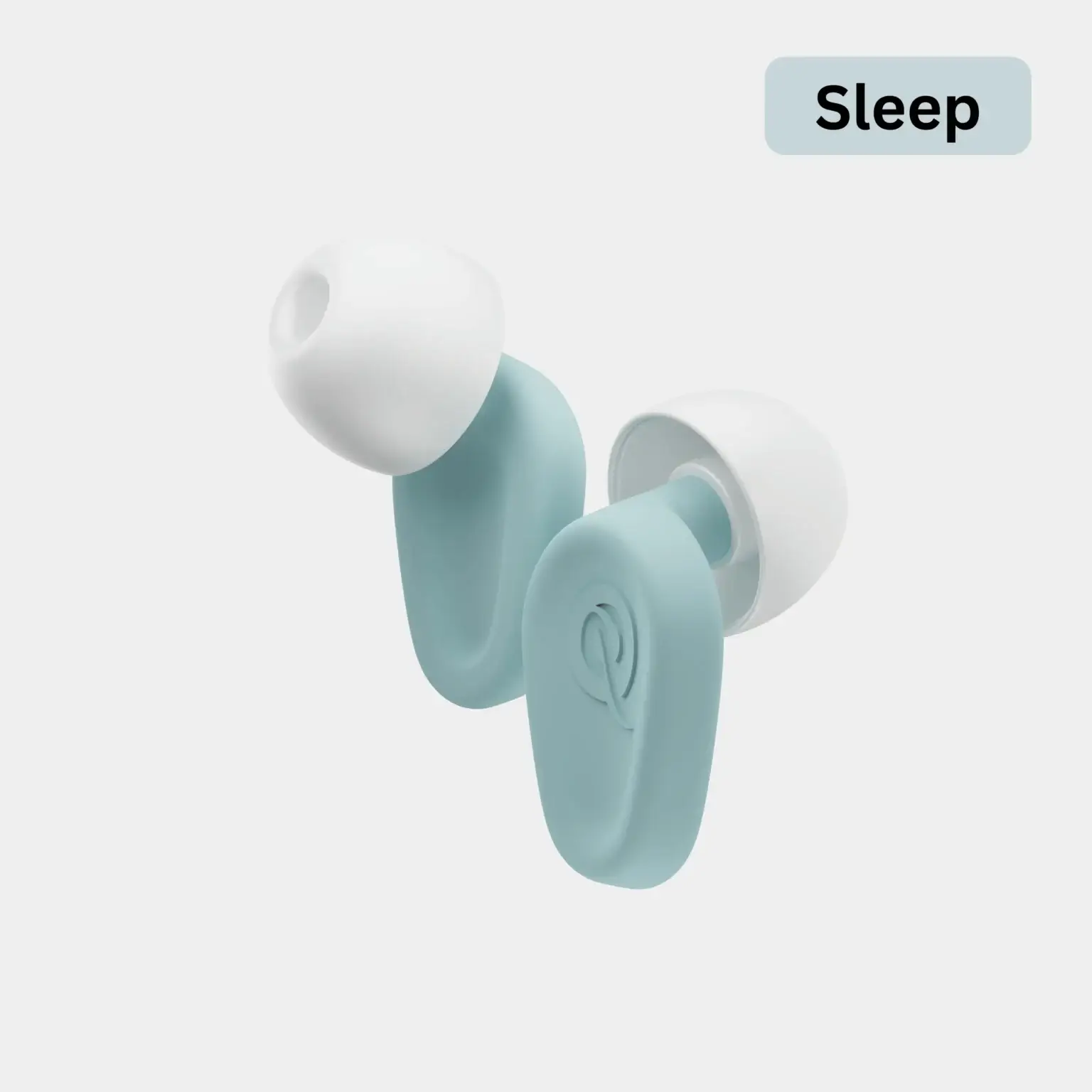
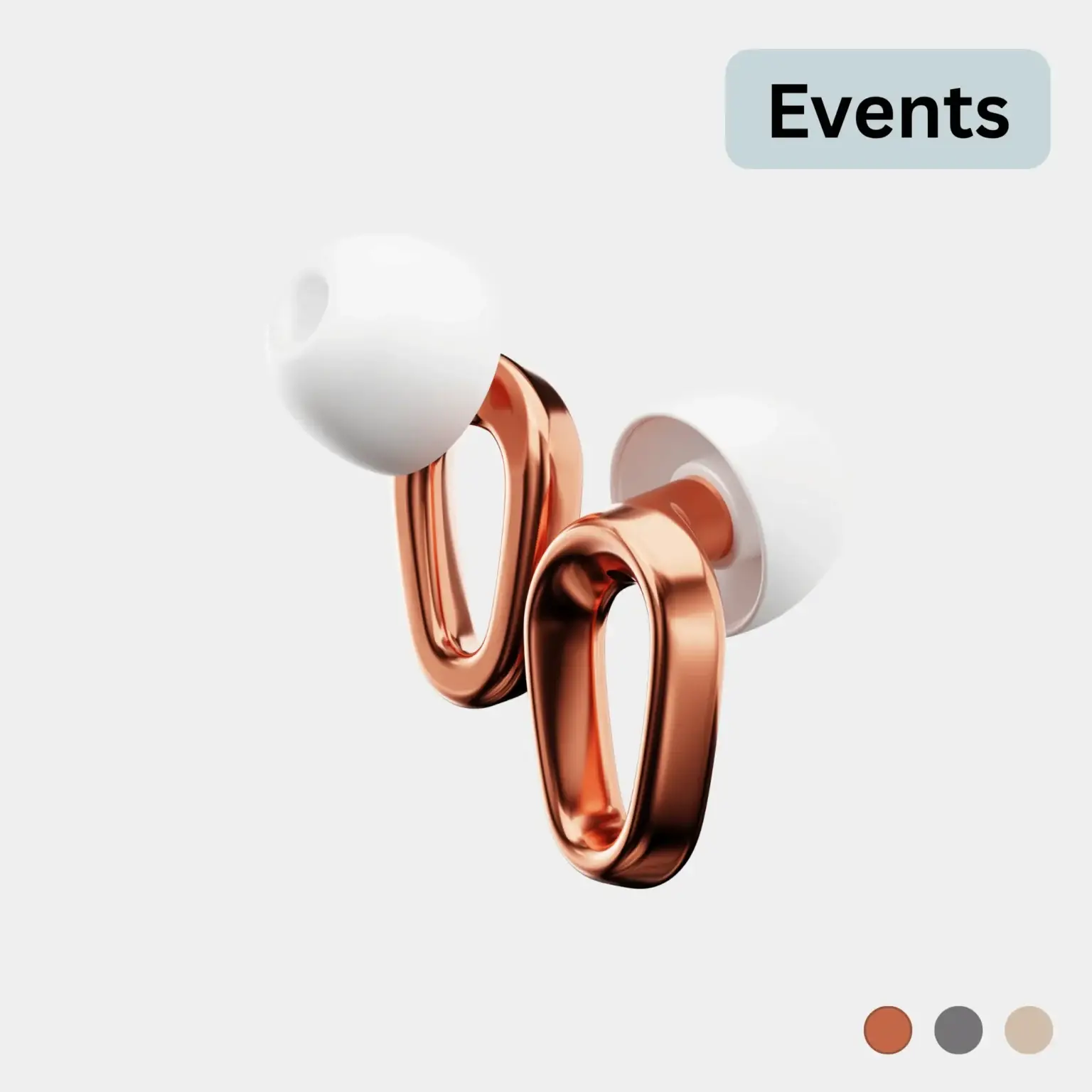
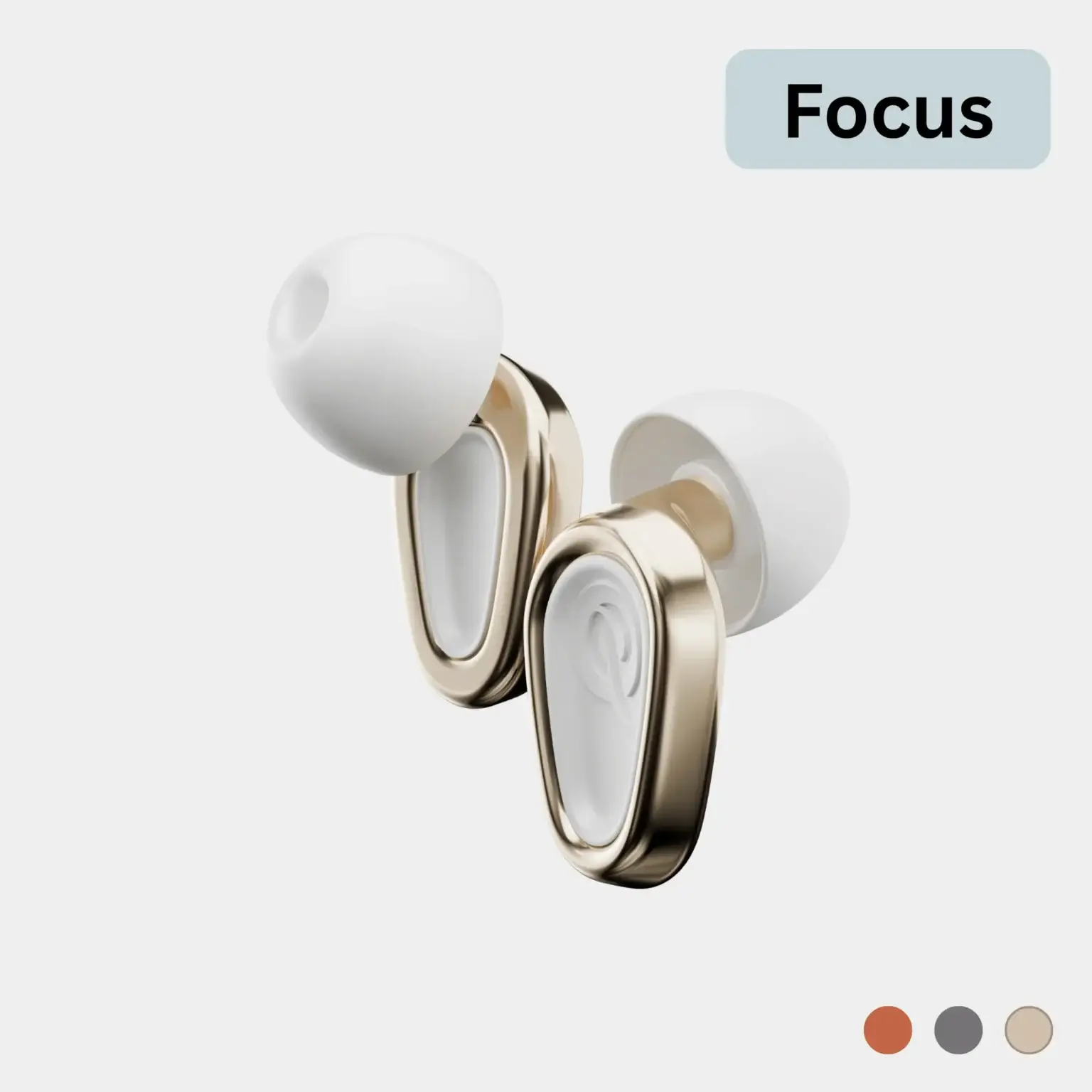
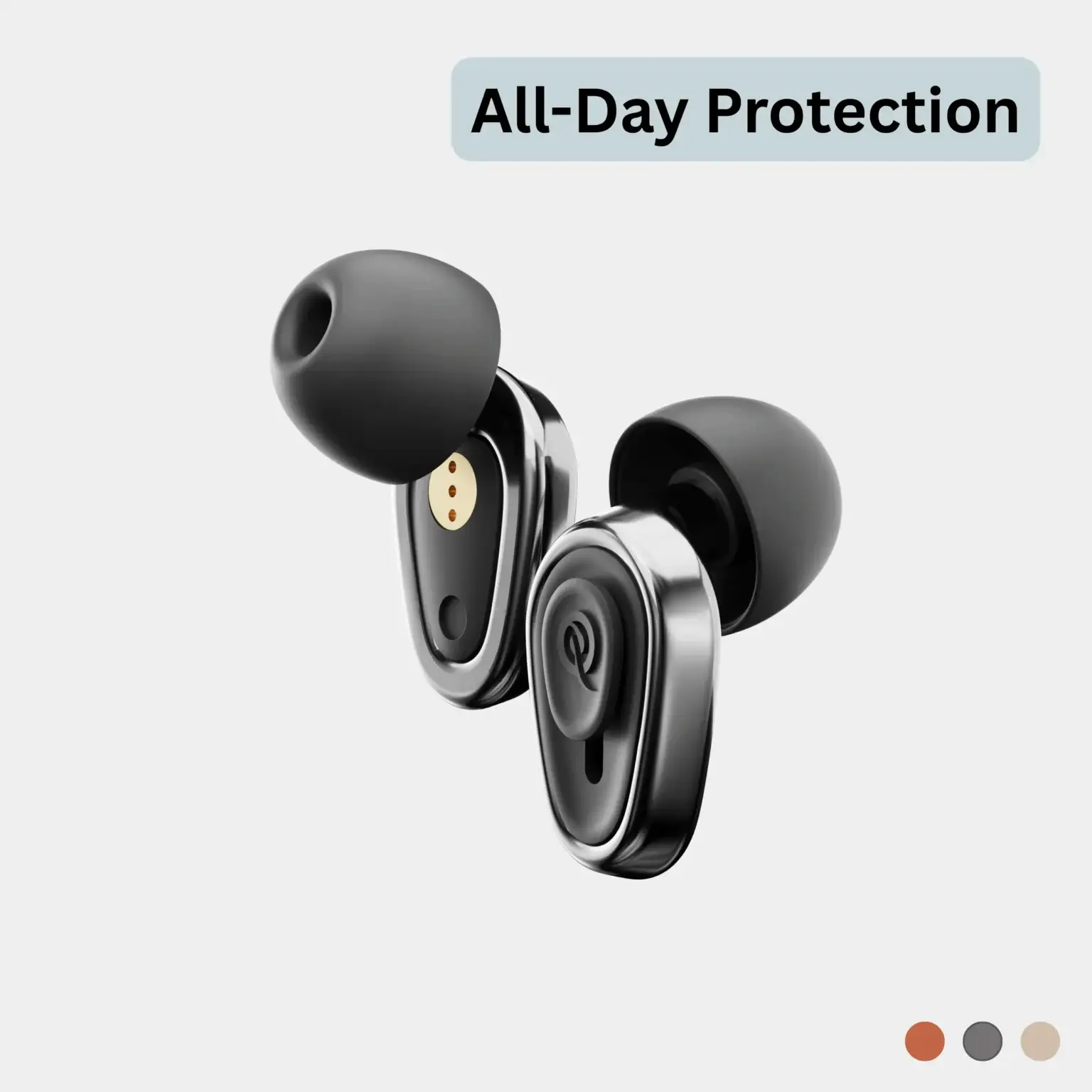
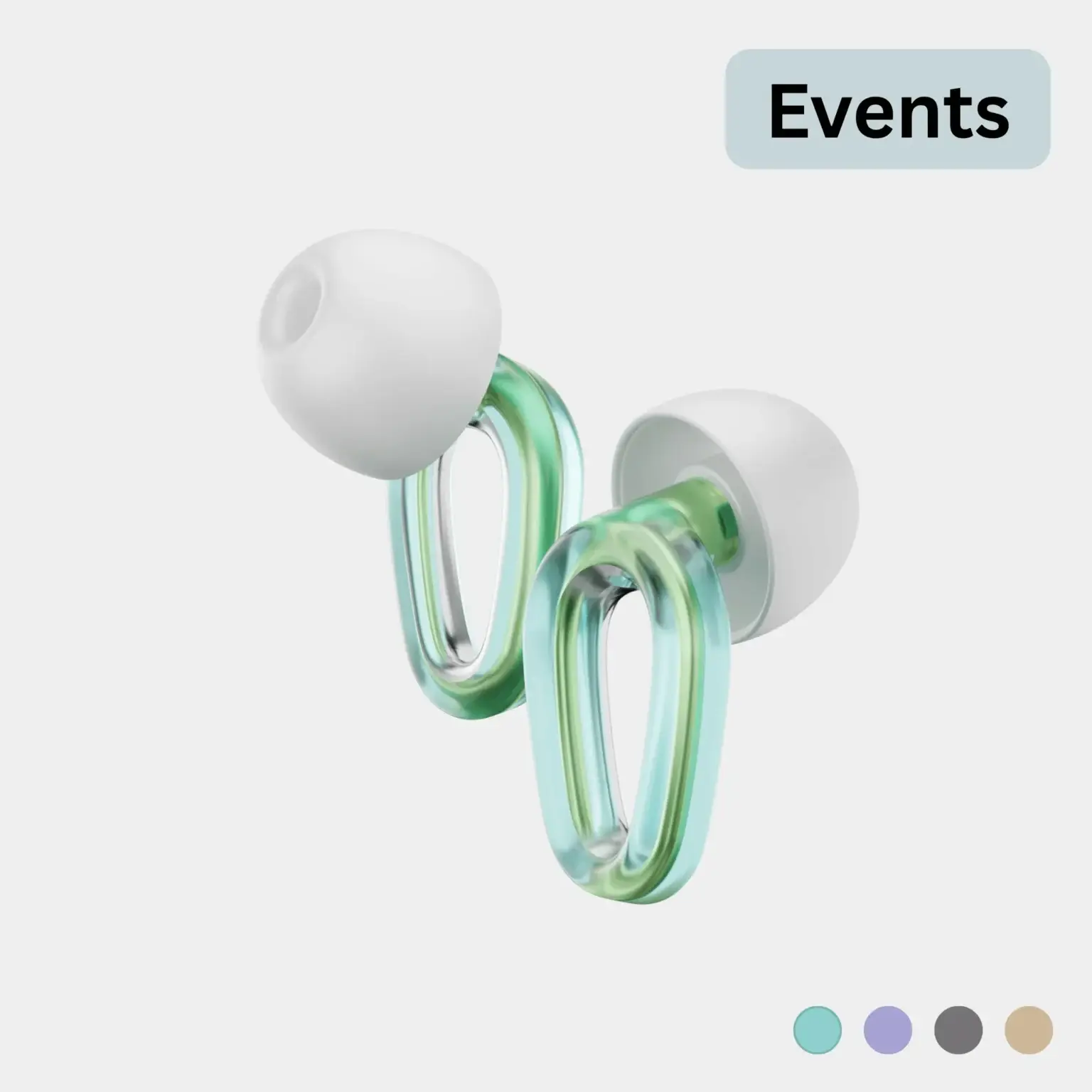
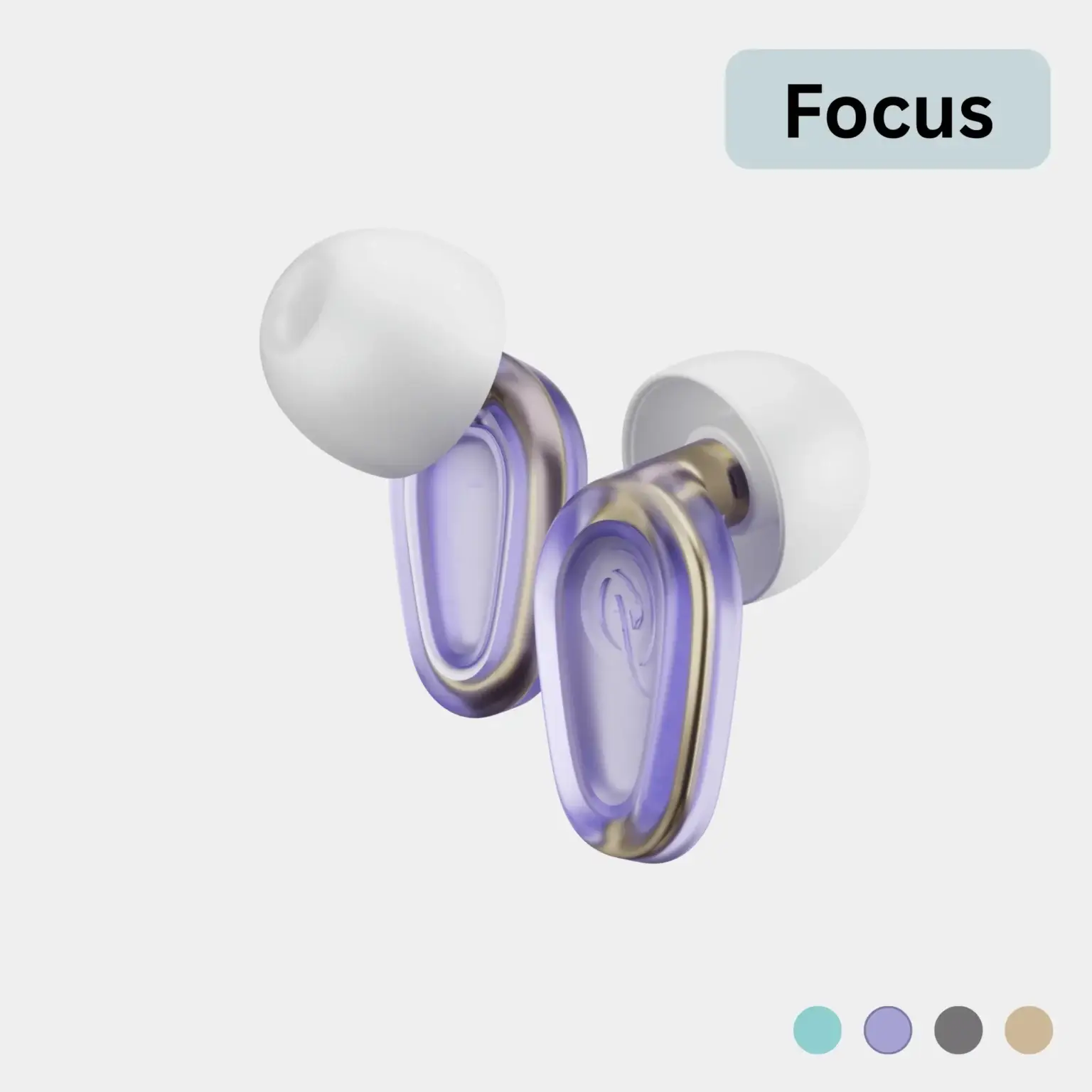
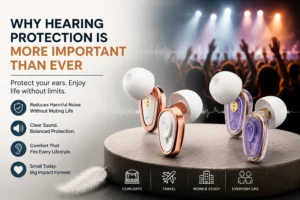
Noise has become part of modern life. It follows us everywhere, from open-plan offices and busy commutes to concerts, flights, gyms, and even our bedrooms. Yet while the world has changed dramatically, the way most people protect their hearing hasn’t kept up.
Hearing protection is no longer a niche concern reserved for construction workers or musicians. It’s a daily wellness essential, and understanding why matters more than ever.
The Hearing Protection Gap (and Why It Matters More in 2026)
Noise exposure isn’t just a problem at concerts or construction sites anymore. It’s constant.
- Traffic, public transport, and travel
- Open offices and shared living spaces
- Events, gyms, festivals, and nightlife
- Digital noise and sensory overload
Yet most earplugs on the market still rely on outdated thinking, and that’s created a serious gap.
Quick FAQ: Everyday Hearing Protection
Are earplugs safe to wear every day?
Yes. High-quality earplugs are safe for daily use when they fit properly and are kept clean. Many people with noise sensitivity use earplugs daily to support their hearing wellness, especially in noisy environments like offices, commuting, or shared living spaces.
Do earplugs block all sound?
No. Modern earplugs are designed to provide decibel reduction, not total silence. This means you can still hear voices, alarms, and important sounds while reducing background noise that causes fatigue and discomfort.
The Compromise Problem
Traditional earplugs force people to choose:
- Safety or sound clarity
- Comfort or protection
- Awareness or isolation
Block too much noise, and the world feels muffled and disconnected. Block too little, and your hearing is still at risk.
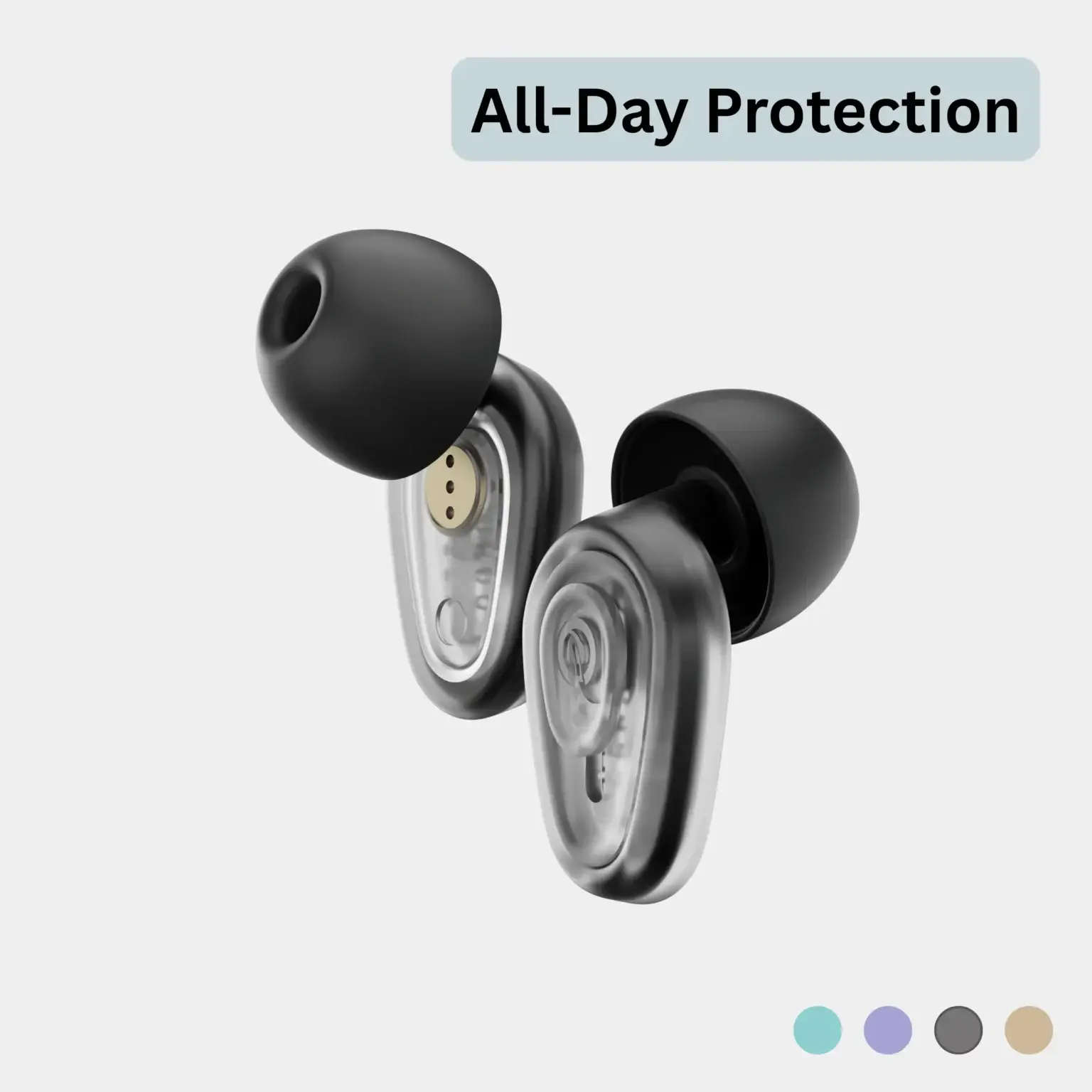
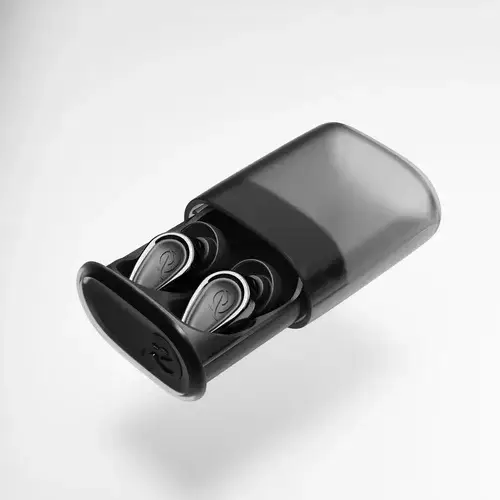
That compromise is exactly what Earmuffz was built to solve.
One-Size-Fits-None Designs
Most earplugs are designed with a single level of noise reduction, regardless of how or where you’re using them. Whether you’re trying to sleep, travelling, working, attending a live event, or simply focusing in a noisy environment, the same level of protection is expected to do the job.
But we find that real life doesn’t work that way.
Noise levels change throughout the day, and so do our needs. What feels fine in one situation can feel overwhelming or inadequate in another. That’s why one-size-fits-all earplugs often end up unused at the bottom of a bag or drawer somewhere.
Your hearing protection should adapt to your life, not force you to adapt to it.
Why People Stop Using Earplugs Altogether
Here’s the reality many brands don’t talk about: people stop wearing earplugs when they’re uncomfortable, muffle sound, or block out too much of the world surrounding them.
When conversations become muffled, environments feel isolating, or earplugs cause irritation after a short time, consistency disappears. When earplugs aren’t worn consistently, hearing protection fails quietly in the background.
This is exactly the problem Earmuffz set out to solve.