
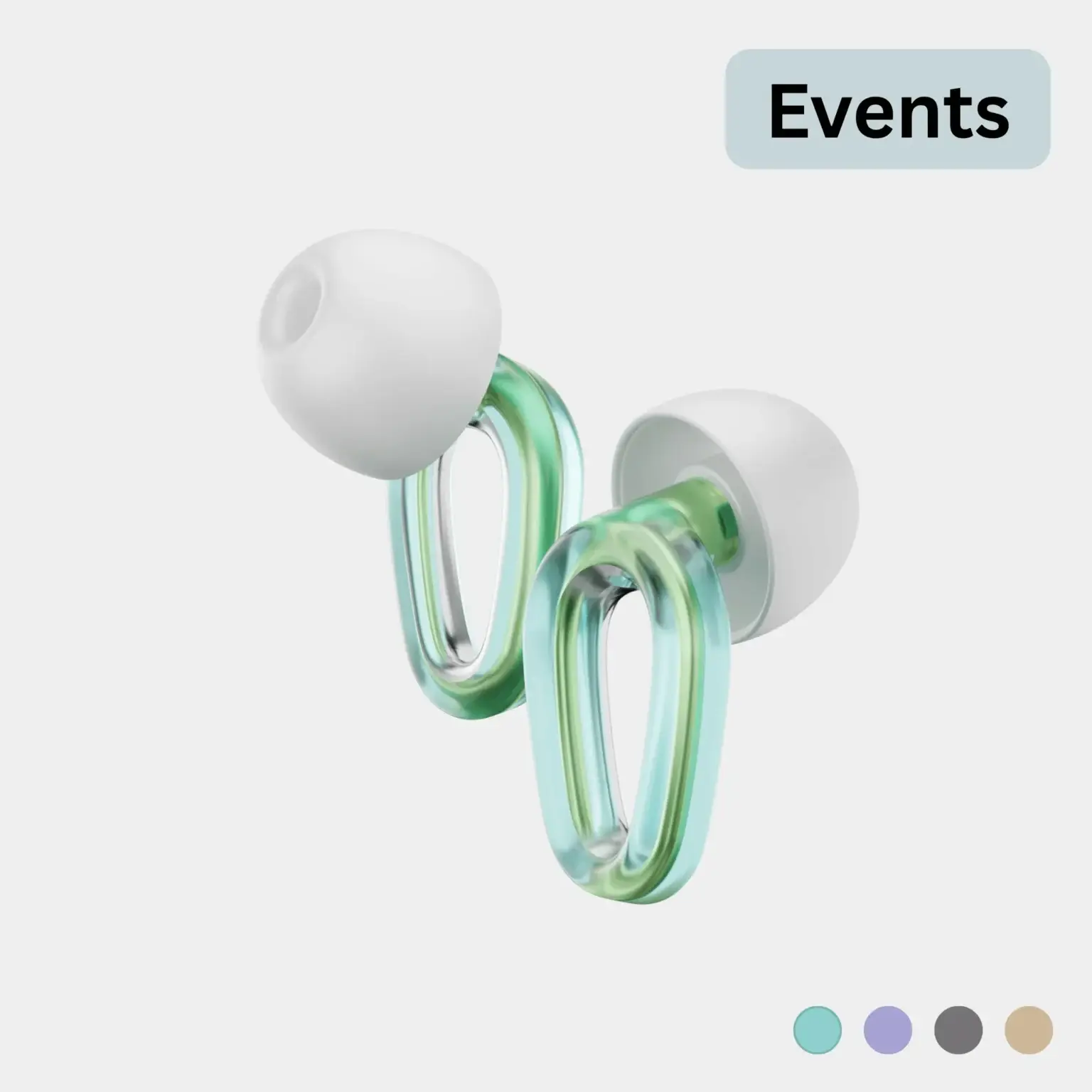
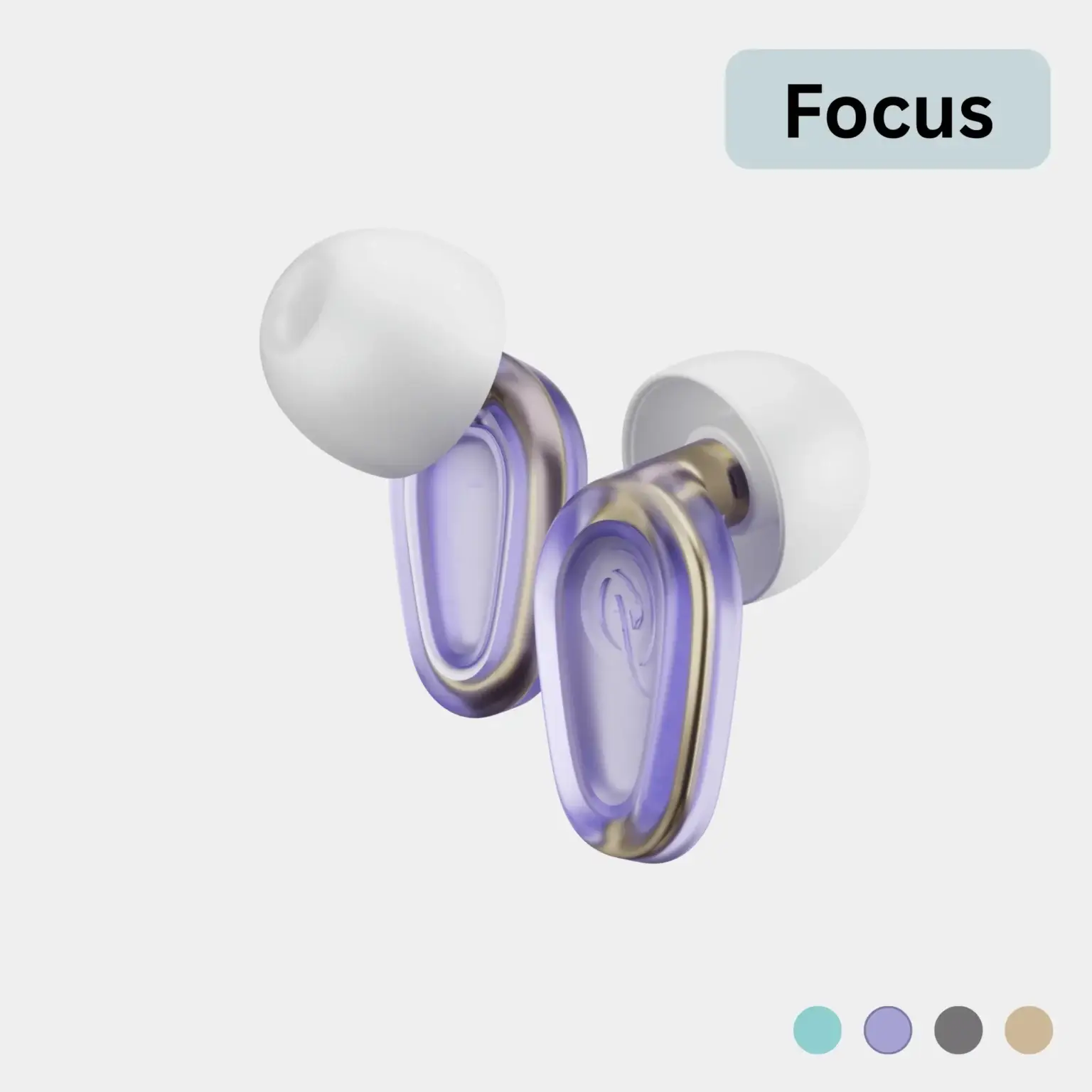
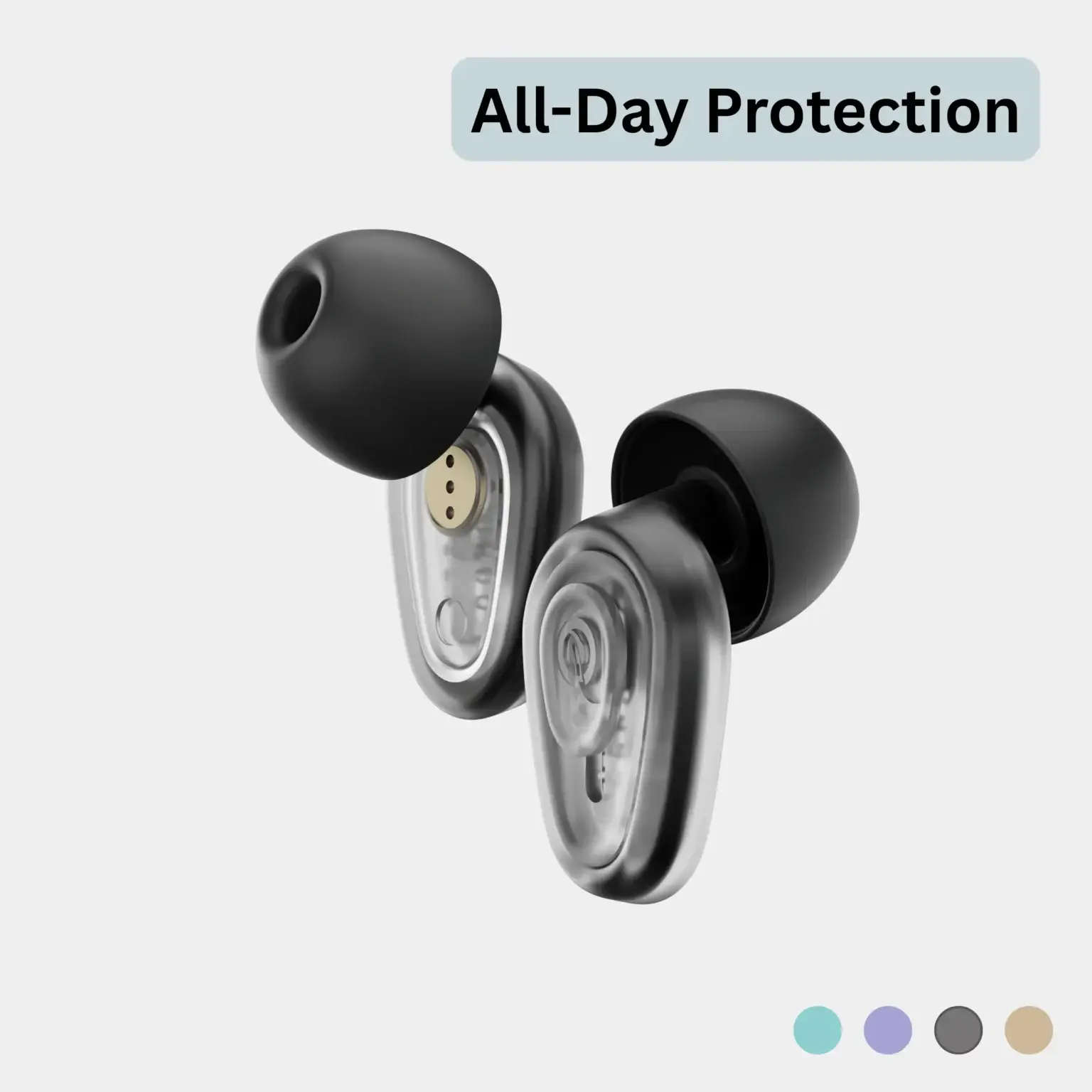
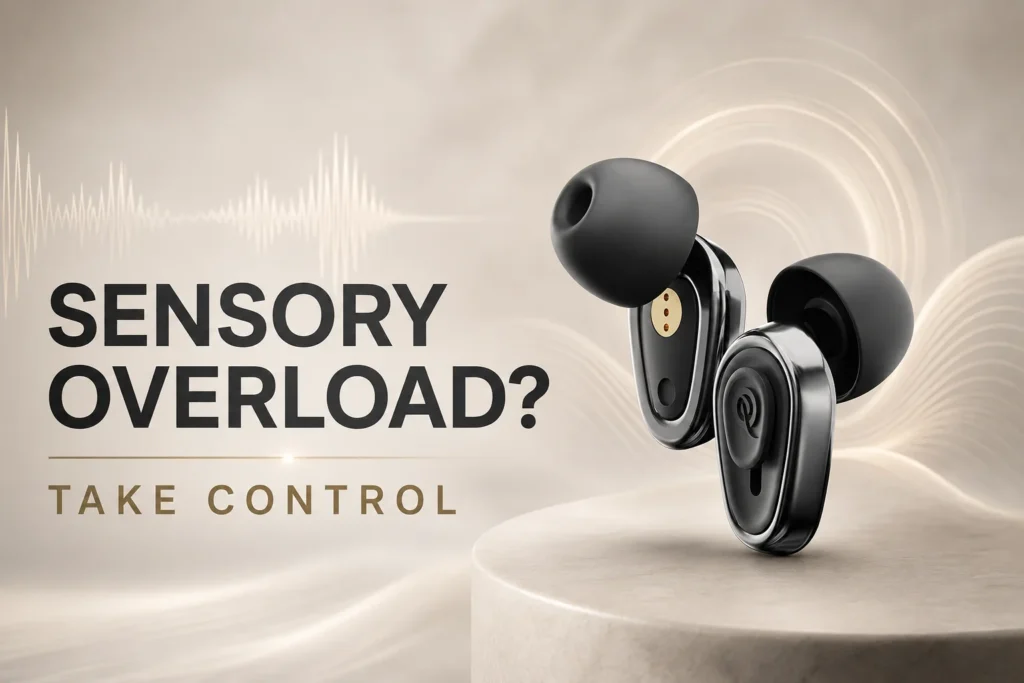
A crowded train platform. The office chatter that never quite stops. A café grinder, a crying child, traffic, notifications, music from the next table. When sound keeps piling up, your brain can run out of room to process it. So, can earplugs help sensory overload? For many people, yes. The right pair can lower the volume of the environment enough to make everyday life feel more manageable.
Earplugs are not a cure for sensory sensitivity, and they cannot remove every trigger. But they can give you something powerful: more control over the noise reaching your ears. That breathing room can help you focus, travel, rest and stay present without feeling pushed past your limit.
How earplugs can help sensory overload
Sensory overload happens when the brain receives more input than it can comfortably filter. Noise is often a major part of the problem, whether it is sudden, constant, sharp or layered with other stimulation such as bright lights, crowds and movement.
Earplugs reduce the amount of sound entering the ear. That does not necessarily mean silence. In fact, total silence is rarely the goal when you are out in the world. The aim is to take the edge off harsh background noise, soften peaks and make busy environments feel less demanding.
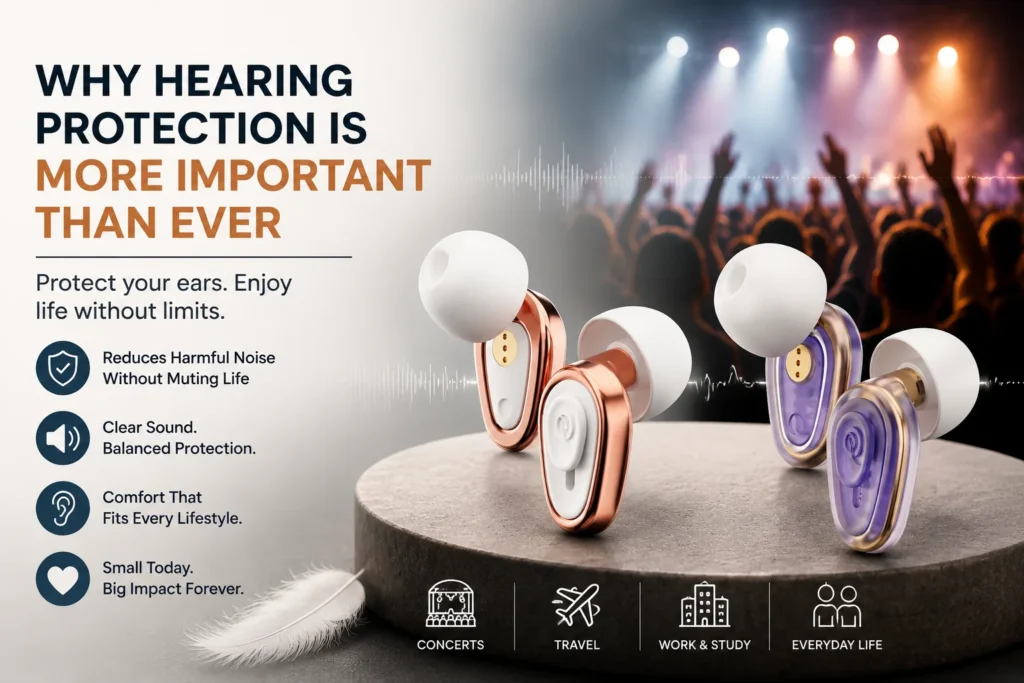
For someone who feels drained after an open-plan workday, lowering surrounding conversations and keyboard noise may make it easier to complete a task. For a commuter, it can turn the scrape of rail brakes and packed-carriage chatter into a more tolerable backdrop. At a concert or sporting event, hearing protection can reduce damaging volume while still allowing you to enjoy the atmosphere.
The benefit is often cumulative. When your nervous system is not working as hard to process every sound, you may have more capacity for conversation, decisions and the activity in front of you. Less noise. More headspace.
Can earplugs help sensory overload in every setting?
They can help, but the result depends on the setting, the type of sound and your own needs. A pair of earplugs may be highly effective against steady low-level noise, such as traffic outside your bedroom or a humming office. Sudden noises, voices close by and vibration can still be noticeable.
They also will not address every form of overload. If a supermarket feels overwhelming because of fluorescent lighting, crowded aisles, strong smells and noise, earplugs may reduce one major source of pressure without solving the whole picture. That is still worthwhile. Reducing even one input can make the rest easier to handle.
For many people with noise sensitivity, tinnitus, ADHD, autism, migraine or anxiety, earplugs can be a useful part of a personal comfort strategy. Individual experiences vary, so treat them as a practical tool rather than a one-size-fits-all answer. If sound sensitivity is new, severe, painful or affecting your daily life, speak with a GP, audiologist or other qualified health professional.
The right level of reduction matters
More noise reduction is not always better. Blocking too much sound can leave you feeling disconnected, make communication difficult or cause you to miss important cues. It may also make everyday sounds feel unusually loud when you remove the earplugs.
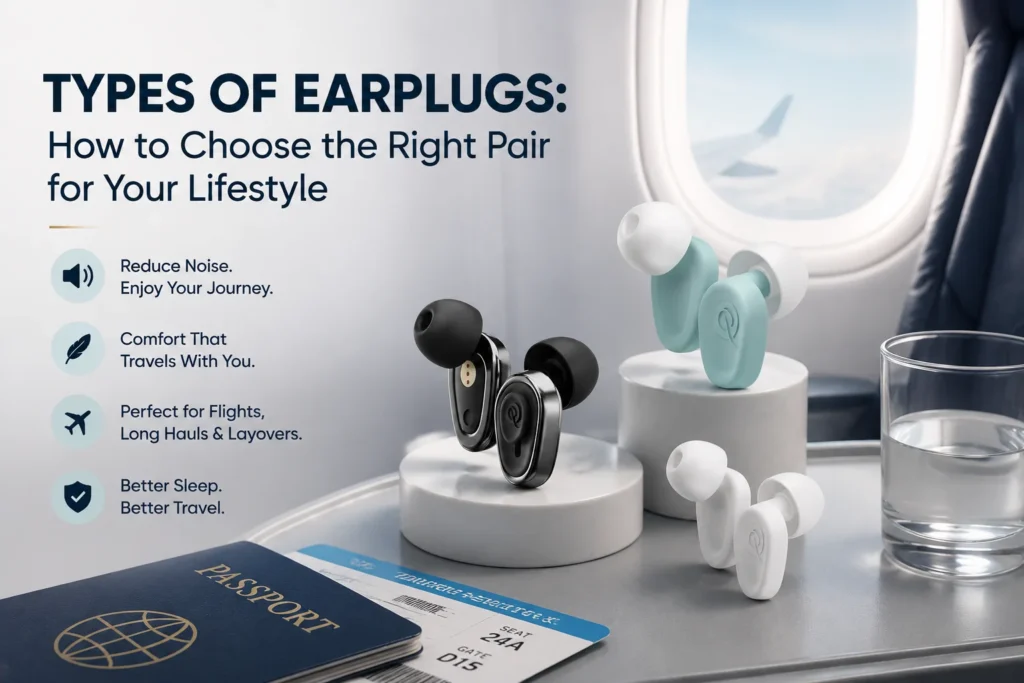
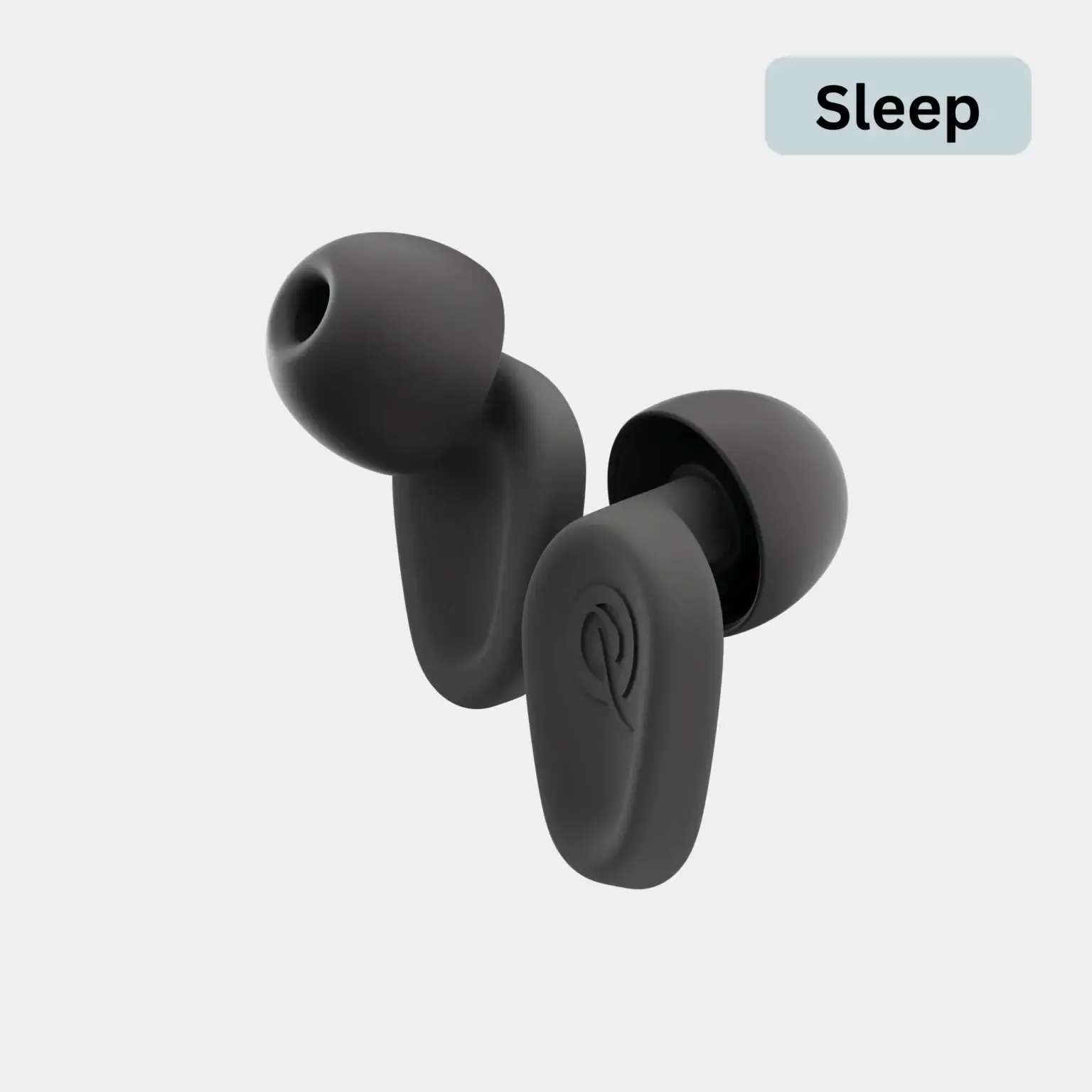
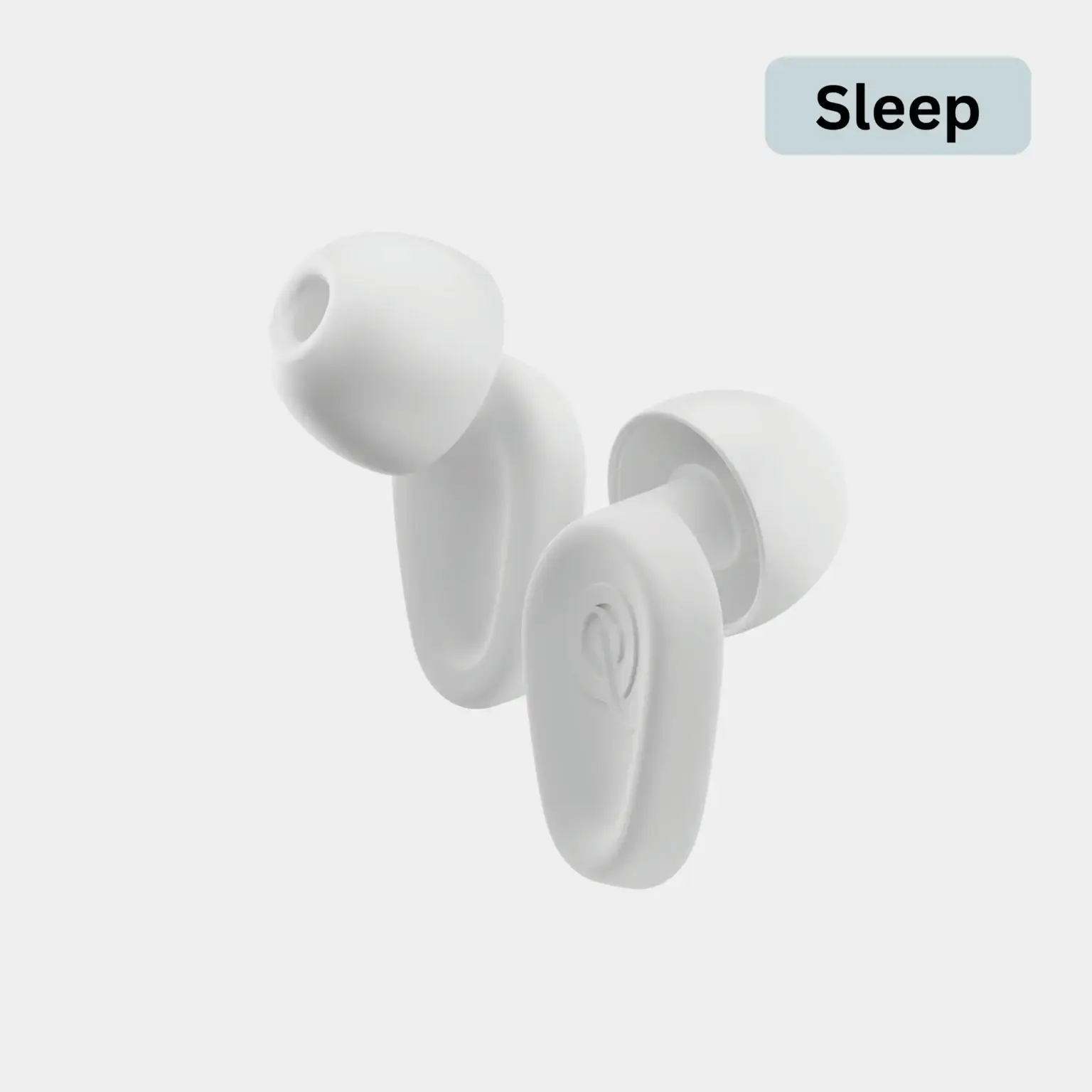
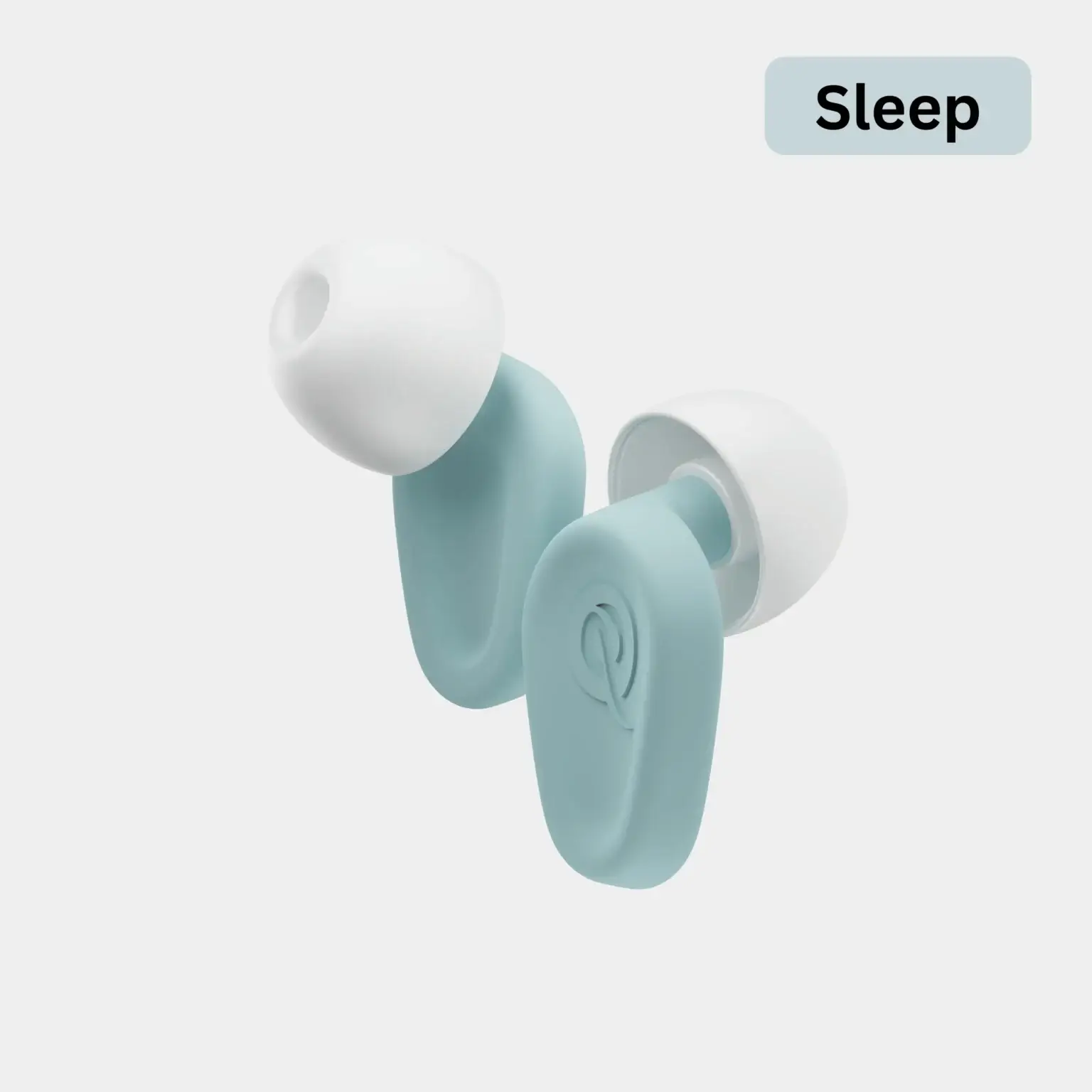
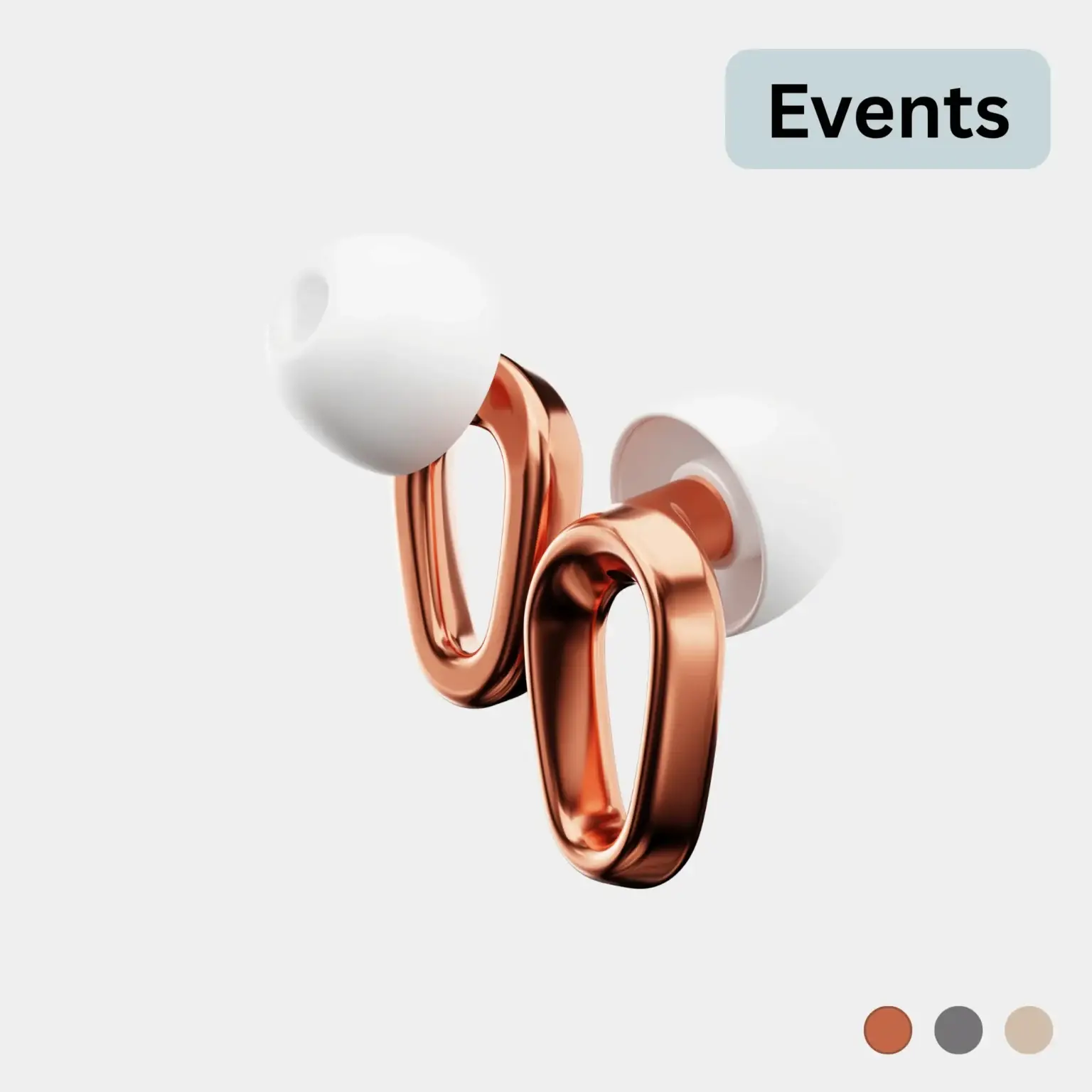
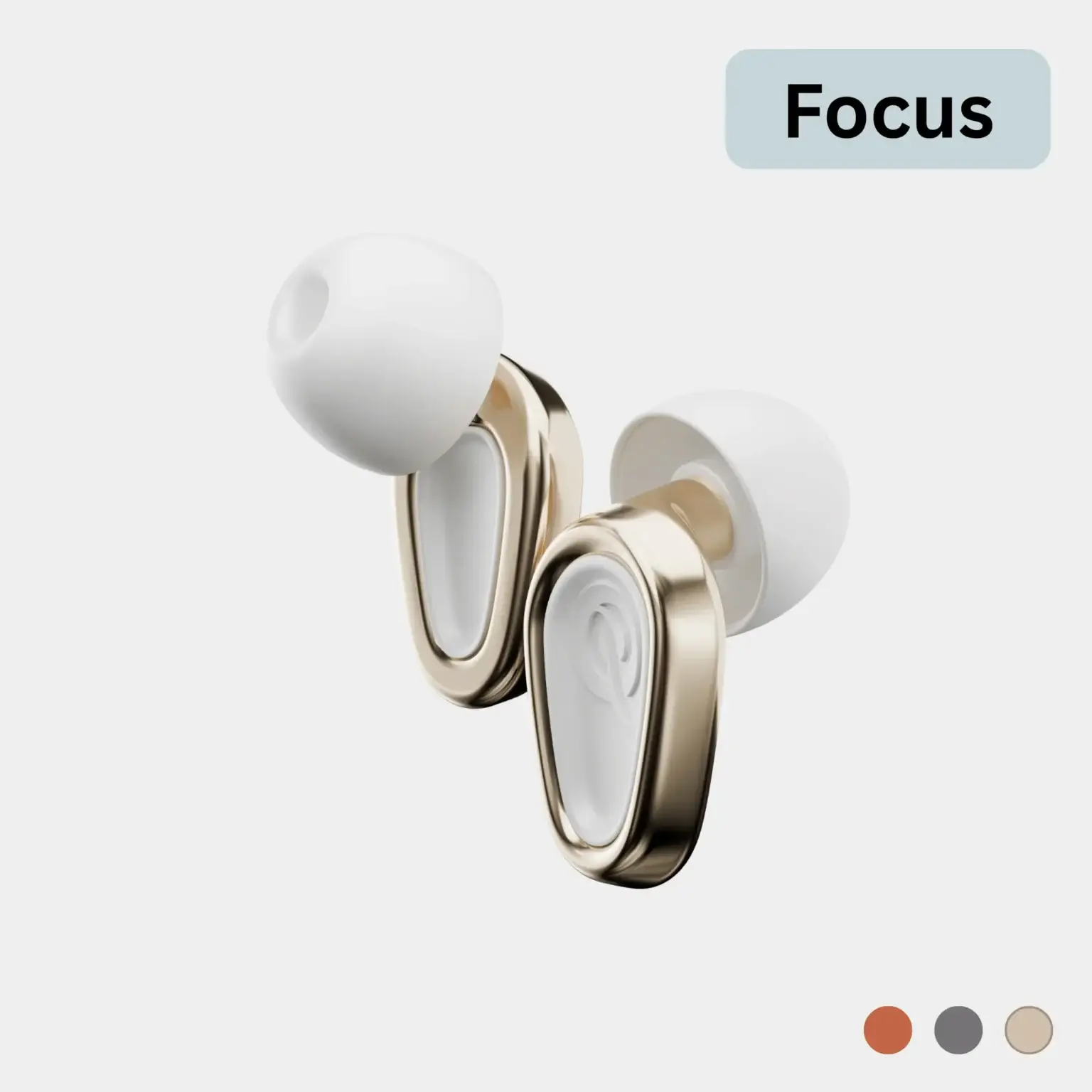
The best choice depends on what you need the earplugs to do. For focused work, you may want to soften office noise while still hearing your name or a colleague nearby. For sleep, stronger reduction and all-night comfort are usually the priority. For concerts, motorcycling or loud events, certified hearing protection designed for higher noise levels is the smarter move.
Look beyond vague claims such as “soundproof”. No earplug can soundproof the real world. Instead, check its stated noise-reduction performance, intended use and fit options. Products tested to recognised standards such as CE, EN 352 or ANSI offer reassurance that their protection claims have been assessed against defined requirements.
Fit is where comfort becomes performance
An earplug that does not seal properly cannot deliver its intended reduction. An earplug that hurts after 20 minutes will end up in your pocket. Both issues matter when sensory relief is the goal.
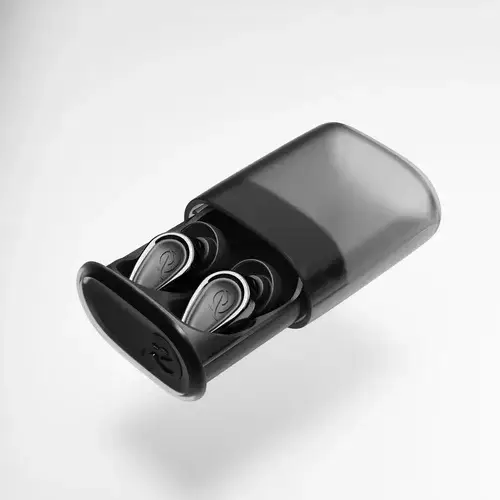
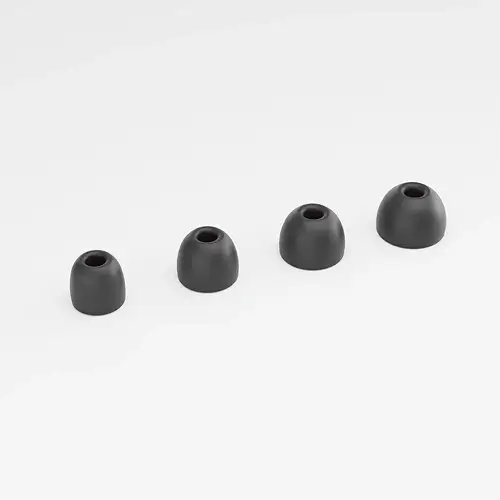
Reusable earplugs with multiple eartip sizes can make a meaningful difference. Your left and right ears may not even need the same size, so it is worth testing the fit rather than forcing a single option. A good fit should feel secure and comfortable, without pressure, pain or the sense that the plug is working its way out.
Start by using them at home for a short period. Notice whether outside noise becomes softer, whether your own voice sounds uncomfortably amplified and whether the fit stays comfortable as you move your jaw. If the seal feels weak, try a different eartip size. If your ears feel sore, reassess the size or shape rather than simply pushing through.
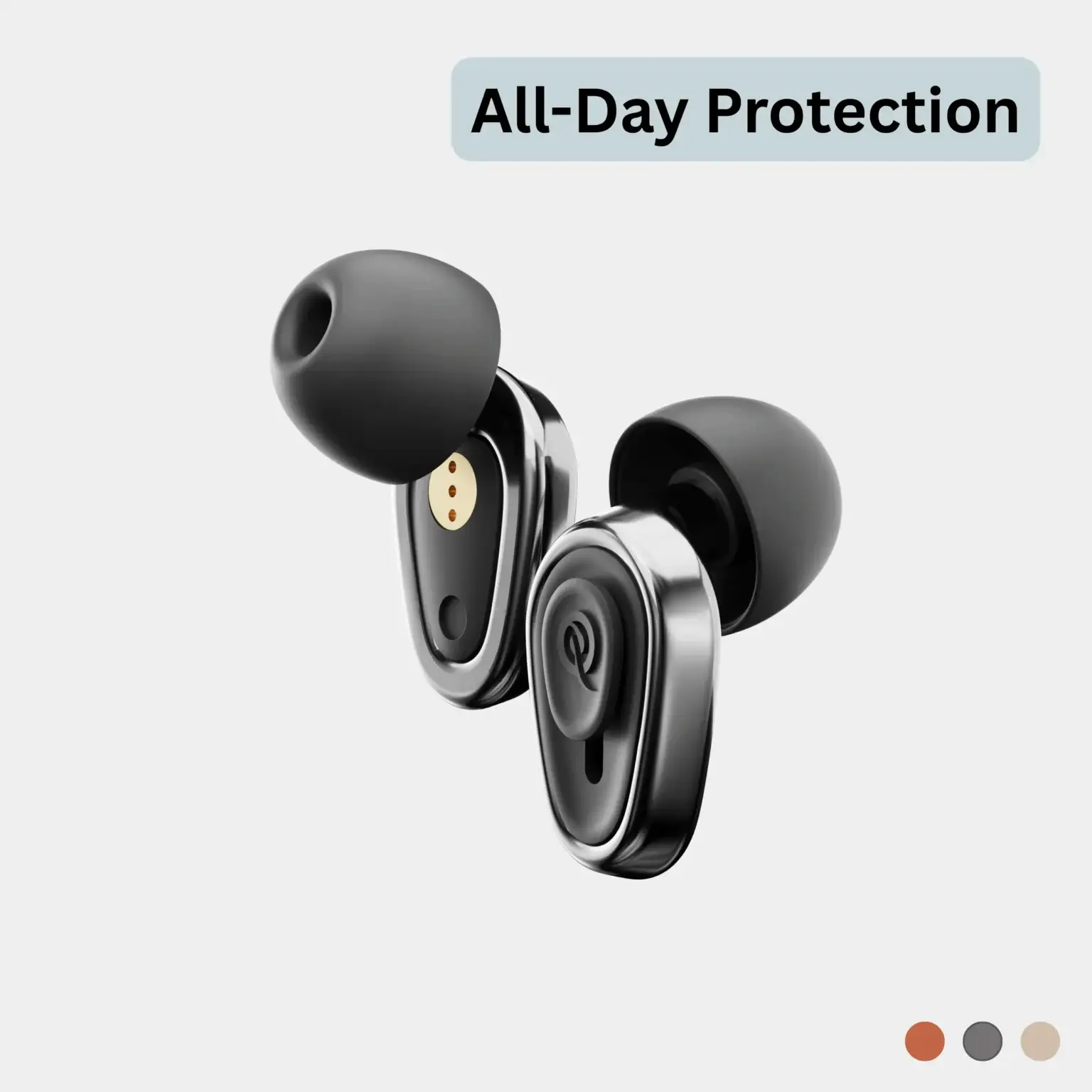
Low-profile designs are especially useful for daily wear. They are easier to use under a hat or helmet, less intrusive on public transport and more comfortable when you want noise control without announcing it to the room. Earmuffz reusable earplugs are built around that everyday balance: reliable reduction, a discreet fit and comfort that supports longer wear.
Build earplugs into your sensory toolkit
The most effective approach is usually proactive. Keep your earplugs in a case where you can reach them before a space gets too loud: in your work bag, coat pocket, car or beside the bed. Waiting until you are already overwhelmed can make it harder to think clearly, fit them properly or decide what you need.
Use them strategically. Put them in before boarding a busy train, walking into a loud shop or starting a deep-focus task in a shared workspace. At social events, wearing them during the noisiest part of the evening may help you stay longer and leave with more energy in reserve.
You can pair earplugs with other small adjustments. Choose quieter seating away from speakers, take a short break outside, lower screen brightness, plan errands at less busy times or give yourself a few minutes of quiet after commuting. These are not dramatic changes. They are practical ways to stop sensory demand from stacking up.
Stay aware, not shut off
Noise reduction should never compromise safety. Avoid using earplugs when you need to hear alarms, approaching vehicles, instructions or other critical signals. Be particularly careful near roads, platforms, building sites and while cycling. If you ride a motorcycle, choose hearing protection suitable for that environment and ensure you can still respond safely to traffic conditions.
At work, follow your employer’s hearing-protection requirements. In very loud environments, casual lifestyle earplugs may not be enough. You may need occupational-grade protection selected for the noise level and task.
It is also sensible to take regular listening breaks. Earplugs can make a demanding environment more comfortable, but if you are feeling overloaded, stepping into a quieter space is often the fastest reset. Volume control is powerful. So is knowing when to leave the noise behind.
A small tool with a real impact
Sensory overload can make ordinary places feel unexpectedly difficult. You do not need to accept every noisy commute, chaotic café or relentless workday at full volume. A comfortable pair of well-fitted earplugs can reduce the pressure, protect your listening energy and help you move through the day with greater confidence.
Start with the moments that drain you most. Keep your earplugs close, use them before the noise builds, and give yourself permission to make your environment work better for you.