
That sharp ache after ten minutes, the pressure that builds during a commute, or the sore canal the morning after sleep can make a useful pair of earplugs feel impossible to wear. So, why do earplugs hurt? Usually, it is not because earplugs are inherently uncomfortable. It is because the fit, material, insertion depth or condition of your ears is working against you.
The good news: discomfort is often fixable. The right earplug should give you more control over noise, not leave you counting down until you can take it out.
Why Do Earplugs Hurt? The Most Common Reasons
Ear canals are not identical. One may be narrower, more curved or more sensitive than the other. That is why an earplug that feels fine in your left ear can create pressure in your right. A good fit is personal, not one-size-fits-all.
The earplug is too large
An eartip that is wider than your ear canal can press on the canal walls rather than creating a gentle seal. You may notice tenderness, a blocked feeling or pain when you chew, talk or move your jaw. Forcing a large tip deeper rarely solves the problem. It usually creates more pressure.
This is especially common with reusable earplugs when people assume a tighter fit must mean stronger noise reduction. It does not. A correctly sized tip creates a seal without being wedged in place. Smaller can be more effective if it sits securely and comfortably.
It is sitting too deeply
Your ear canal becomes more sensitive further in. Pushing an earplug too far can put pressure on delicate skin and make removal uncomfortable. Foam plugs can expand deeply if inserted too far, while reusable plugs may press against a bend in the canal.
Earplugs should sit securely, not disappear into your ears. If they hurt immediately after insertion, ease them back slightly and reassess the seal. You are looking for reduced noise and stable placement, not maximum depth.
The material is irritating your skin
Some ears react badly to certain materials, cleaning products or surface residues. Silicone is widely comfortable for many people, but individual sensitivity still varies. A rough, damaged or poorly cleaned tip can also irritate the skin, particularly when worn for sleep or all-day focus.
Itching, redness, flaking or a burning sensation point more towards irritation than simple pressure. Stop wearing the earplugs until your ears settle, clean the plugs as directed and inspect the tips closely. If the reaction returns, switch material or speak with a pharmacist, audiologist or GP.
Your ears are dry, inflamed or already sensitive
Earplugs can expose a problem that was already there. Dry skin, eczema, allergies, a recent cold, swimmer’s ear, excess wax or an early infection can make even a soft eartip feel painful. Ear canal skin is thin. When it is inflamed, friction that would normally go unnoticed can feel intense.
Do not try to push through pain in the hope that your ears will “get used to it”. Mild awareness of a new fit may fade after a few minutes. Pain, throbbing, stinging or worsening tenderness is your signal to stop.
Pressure is building during longer wear
For sleep, travel, concentration sessions or noisy events, you may wear earplugs for hours. Even a decent fit can become uncomfortable if the plug shifts as you lie on your side, clench your jaw or wear helmets, headphones or a hat over it.
Side sleepers often need a particularly low-profile design. A plug that protrudes can be pressed into the canal by the pillow, turning a comfortable daytime fit into an uncomfortable night. For motorcyclists and commuters, helmet pressure can create the same issue.
Get the Fit Right Without Losing Noise Control
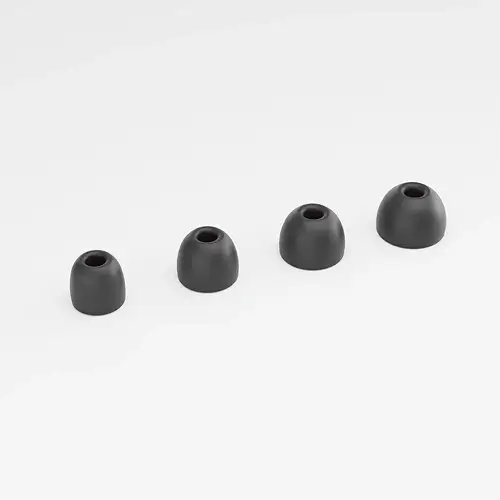
Start with clean hands and clean, dry earplugs. If your reusable pair includes multiple eartip sizes, test them properly rather than choosing the largest by default. The best size feels secure when you move your jaw but does not create a hard, stretched sensation.
Gently pull the top of your ear up and back to straighten the canal, then insert the earplug with a slow twisting motion. Do not jab or force it. Once it is seated, let go of your ear and wait a few seconds. Sound should soften, while your ear should still feel relaxed.
Test each ear separately. A medium tip may work on one side and a small tip on the other. That is normal. Matching tips may look neat, but comfort and seal matter more than symmetry.
If you are new to reusable earplugs, build wear time gradually. Use them for 20 to 30 minutes while reading, working or travelling, then check how your ears feel after removal. Increase the time over several days. This gives you a chance to identify a fit issue before committing to a full night’s sleep or a long concert.
Do Not Confuse a Seal With a Blocked-Ear Feeling
A well-fitted earplug changes the way your own voice, breathing and footsteps sound. This is called the occlusion effect. It can feel strange at first, as though your voice is echoing inside your head, but it is not always a sign that the earplug is hurting you.
Pain is different. Pain feels sharp, sore, burning, pulsating or persistently pressured. A blocked sensation that becomes more uncomfortable over time is also a sign to adjust the fit. Aim for controlled volume, not total isolation at any cost.
For everyday use, filtered reusable earplugs can be a better choice than high-blocking foam when you need to remain aware of conversation, traffic announcements, colleagues or the world around you. The ideal level of noise reduction depends on the setting. Studying in a busy café, sleeping beside a snorer and standing near loud speakers are different problems, so they need different levels of protection and comfort.
Clean Earplugs, Healthier Ears
Reusable earplugs need regular care. Oils, sweat, dust and earwax collect on the eartips and can increase friction or introduce bacteria to the ear canal. A quick clean is not cosmetic. It is part of comfortable wear.
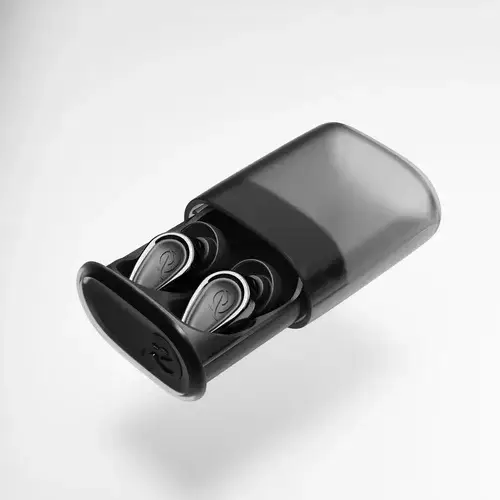
Follow the care instructions for your specific earplugs. In general, wipe or wash compatible reusable parts after use, allow them to dry fully and store them in a clean case. Never share earplugs, even with someone close to you. They are personal items.
Avoid cotton buds inside the ear canal. They commonly push wax further in, which can make earplugs feel tight, painful or ineffective. If you suspect a wax build-up, arrange safe removal advice rather than attempting to dig it out yourself.
When Earplug Pain Needs Medical Advice
Stop using earplugs and seek advice from a GP, pharmacist or audiologist if discomfort does not settle quickly, or if you have any of the following:
- discharge, bleeding or an unpleasant smell from the ear
- significant swelling, heat, redness or worsening pain
- sudden hearing changes, dizziness or ringing that is new or much louder
- pain after an injury, ear surgery or a known eardrum problem
- symptoms of an infection, such as fever or pain when touching the outer ear
Earplugs can support people with noise sensitivity or tinnitus by reducing exposure to overwhelming sound, but they are not a substitute for medical assessment when symptoms change. Overusing strong protection in quiet settings can also make normal sound feel more noticeable for some people. Use the level of reduction that suits the environment.
Choose Comfort for the Job You Actually Do
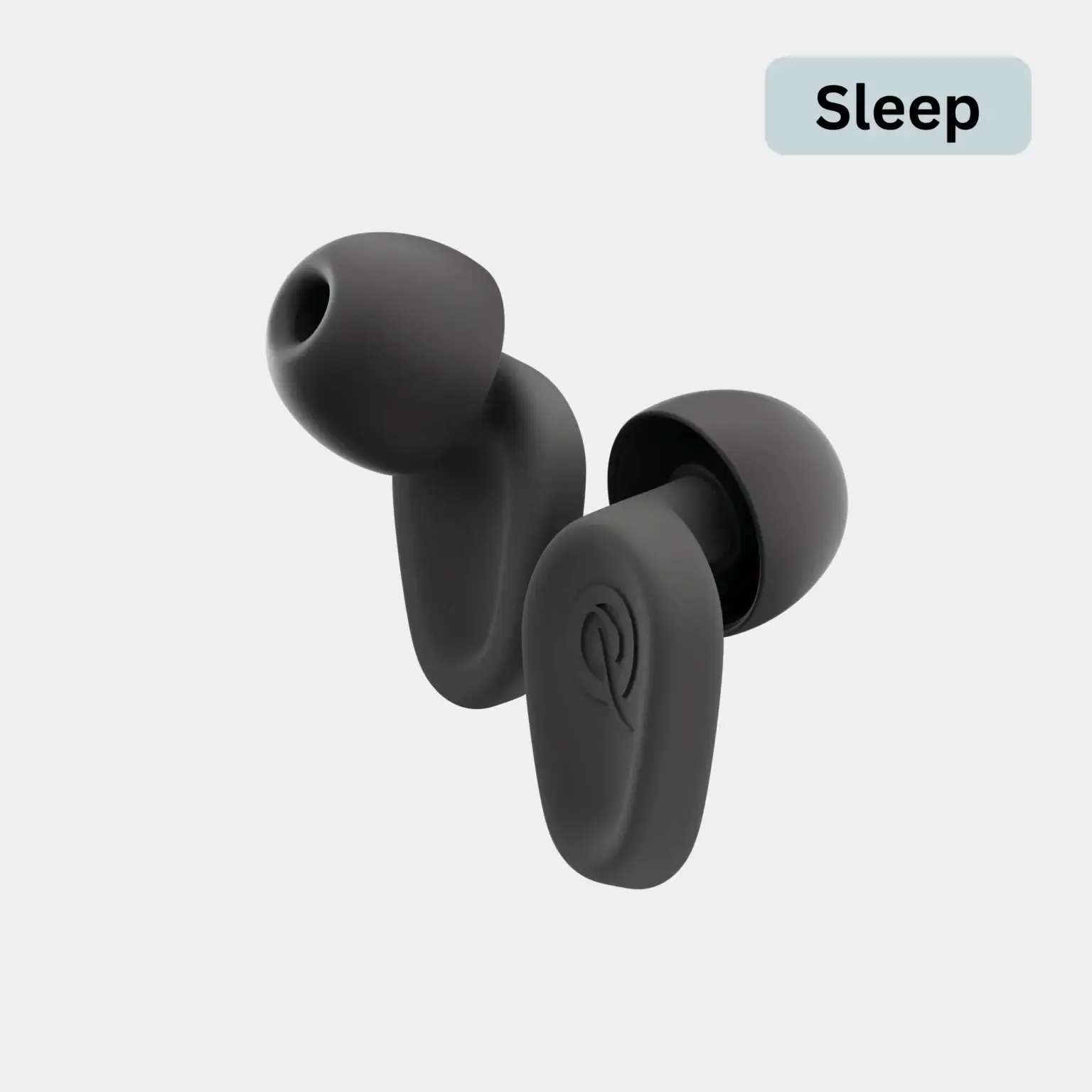
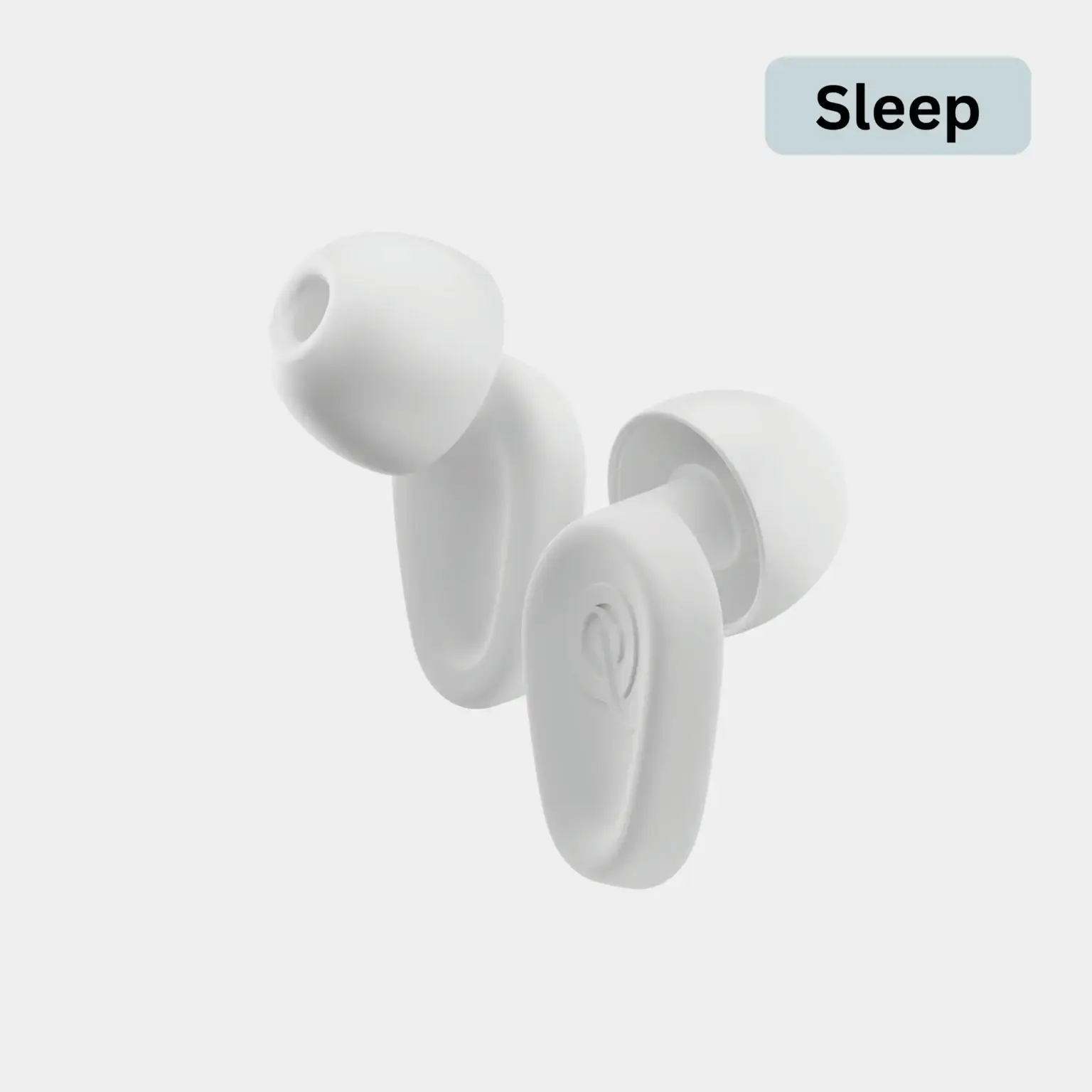
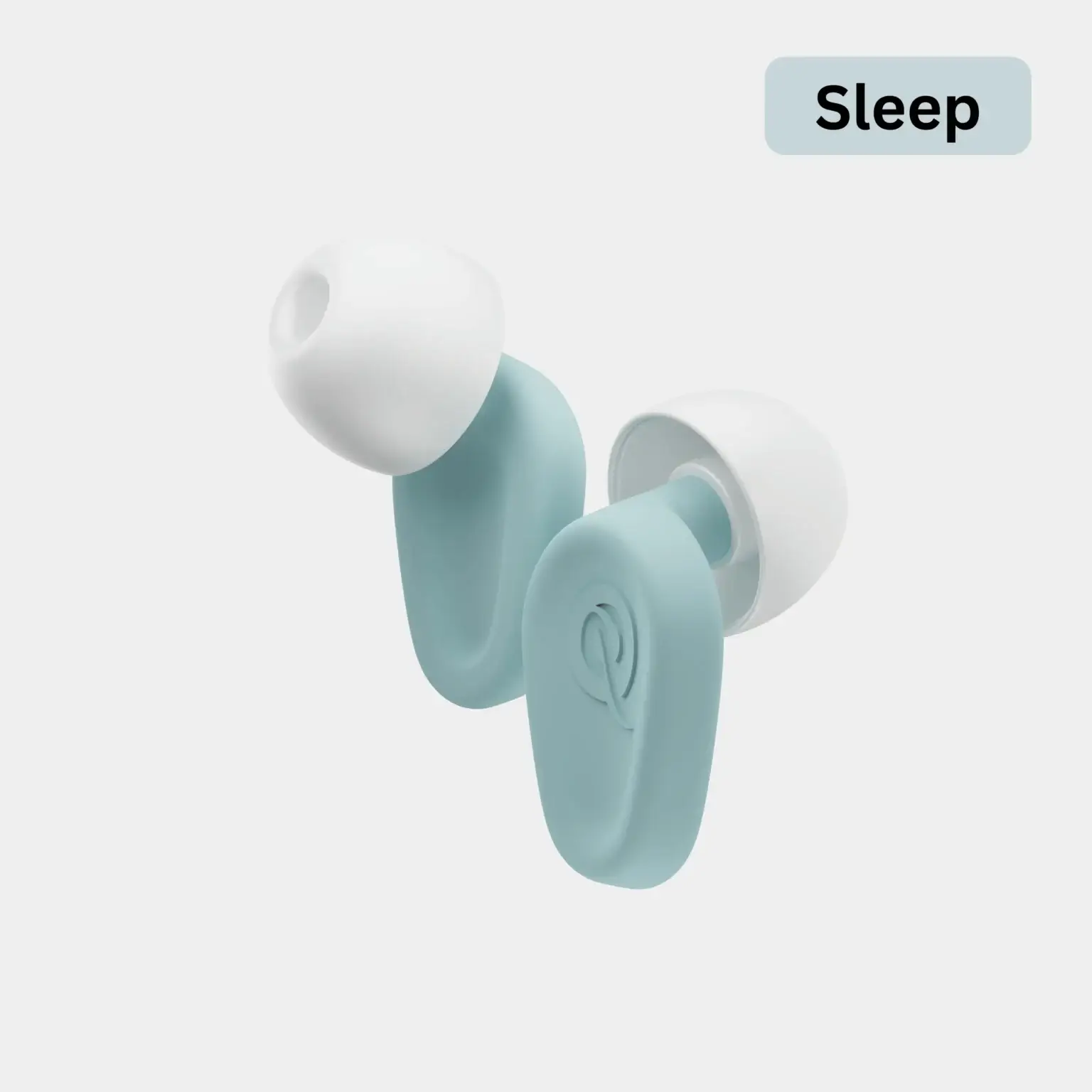
The right earplug is not necessarily the one with the highest stated reduction. It is the one you can wear correctly for the time and activity you need. Sleep calls for a soft, low-profile fit. Work and commuting may call for filtered sound reduction that takes the edge off distraction while keeping speech usable. Concerts, motorsports and high-noise environments demand protection designed for that level of exposure.
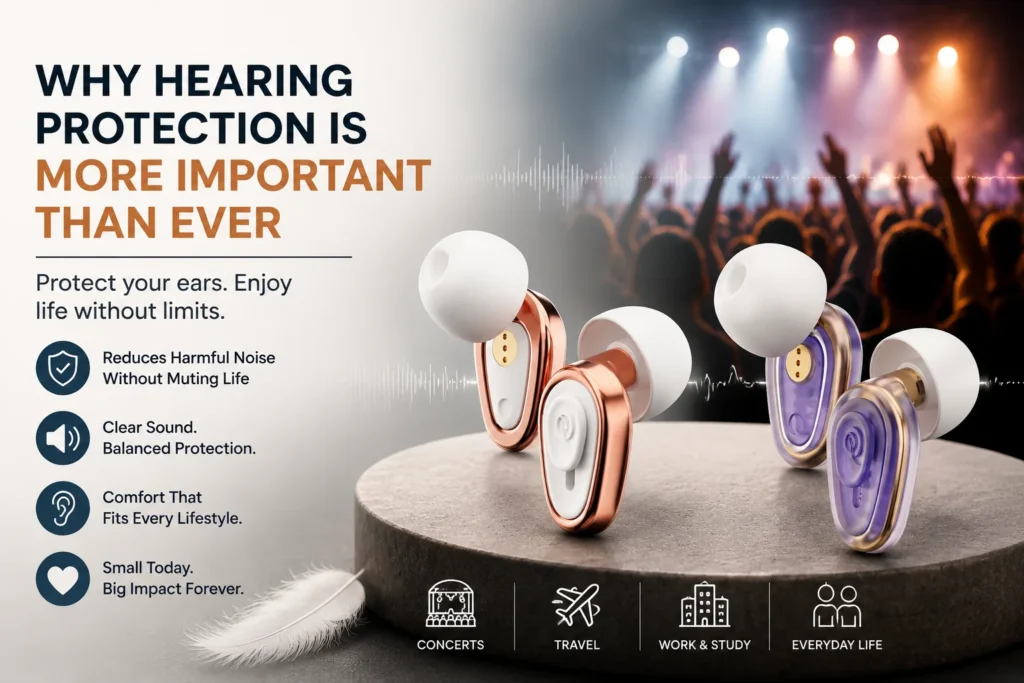
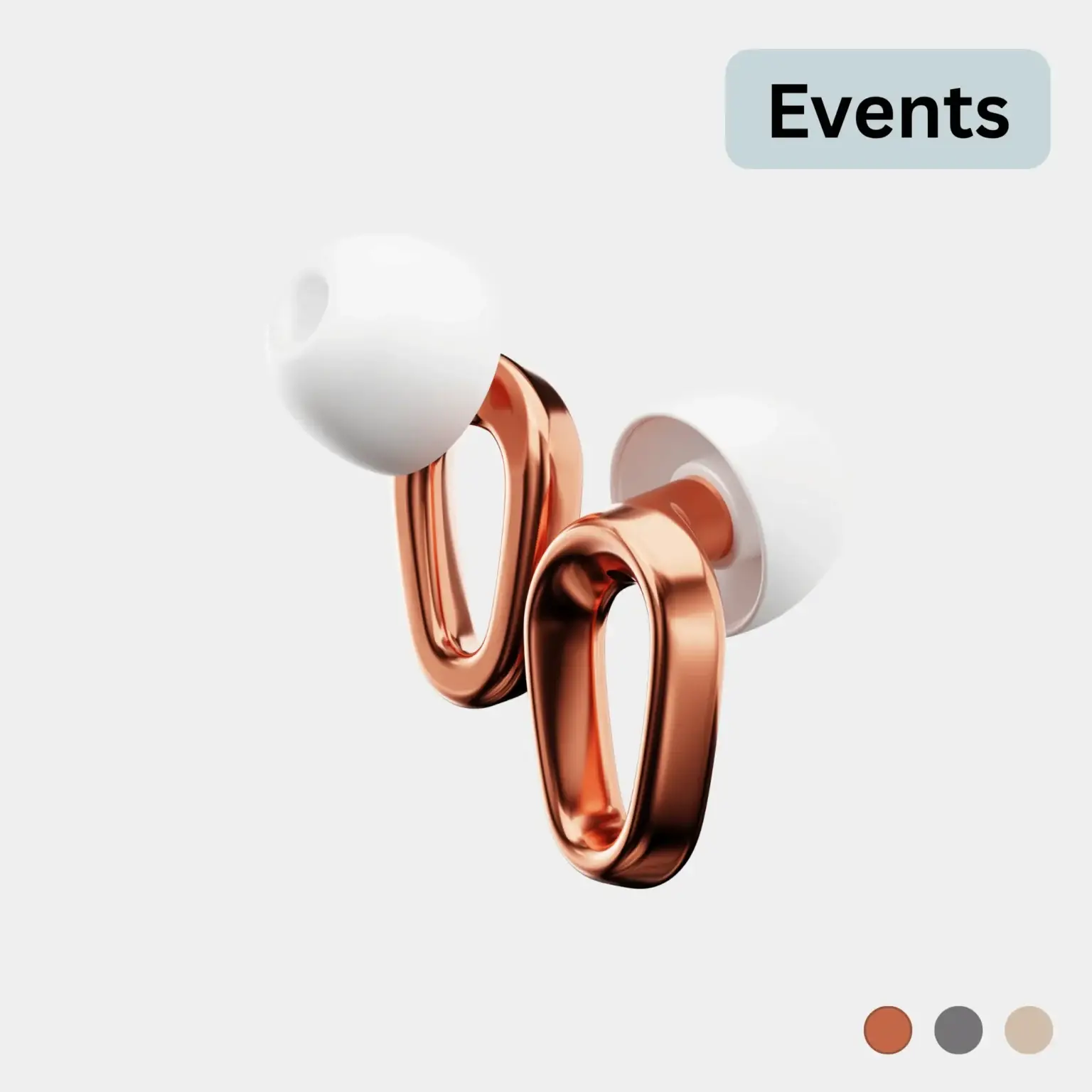
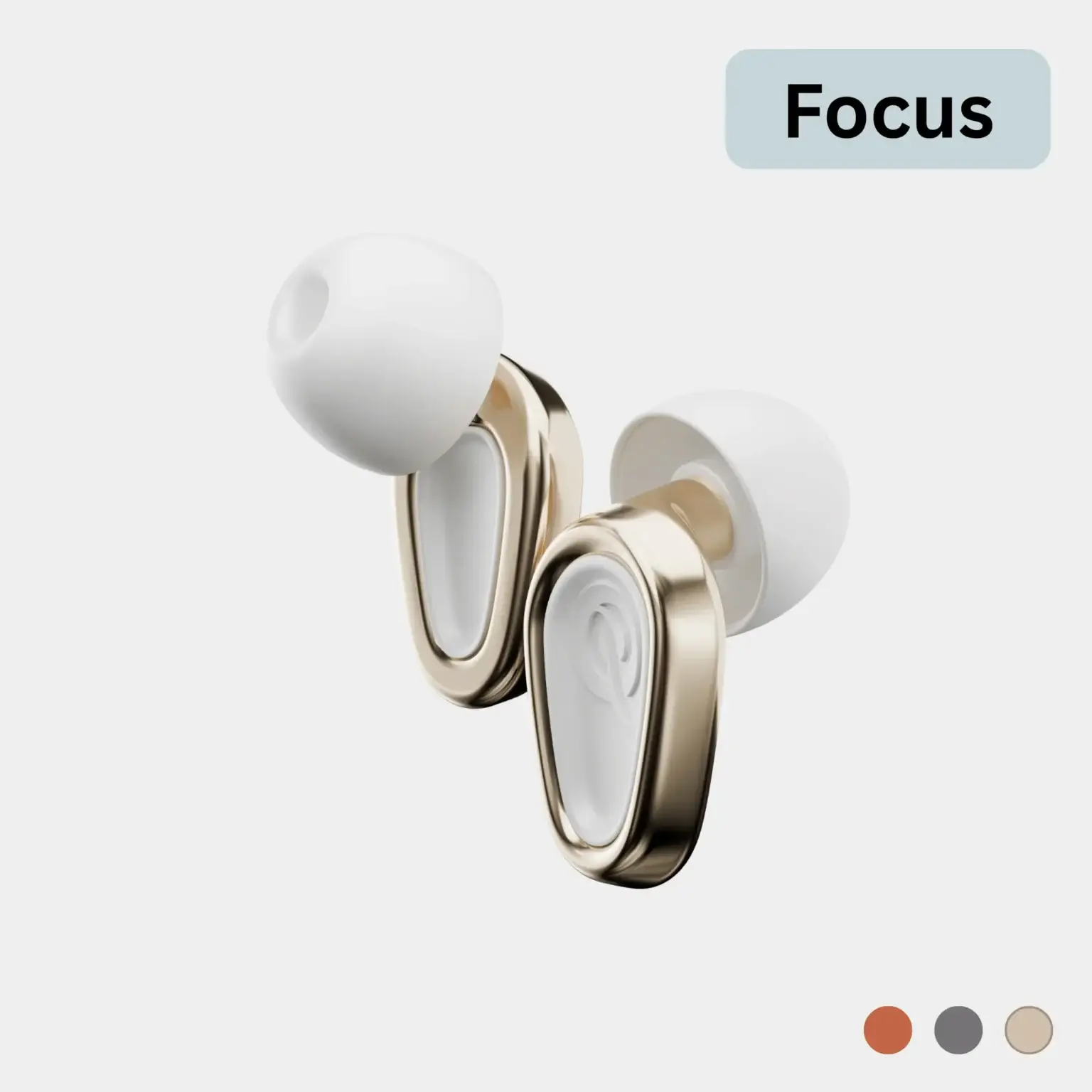
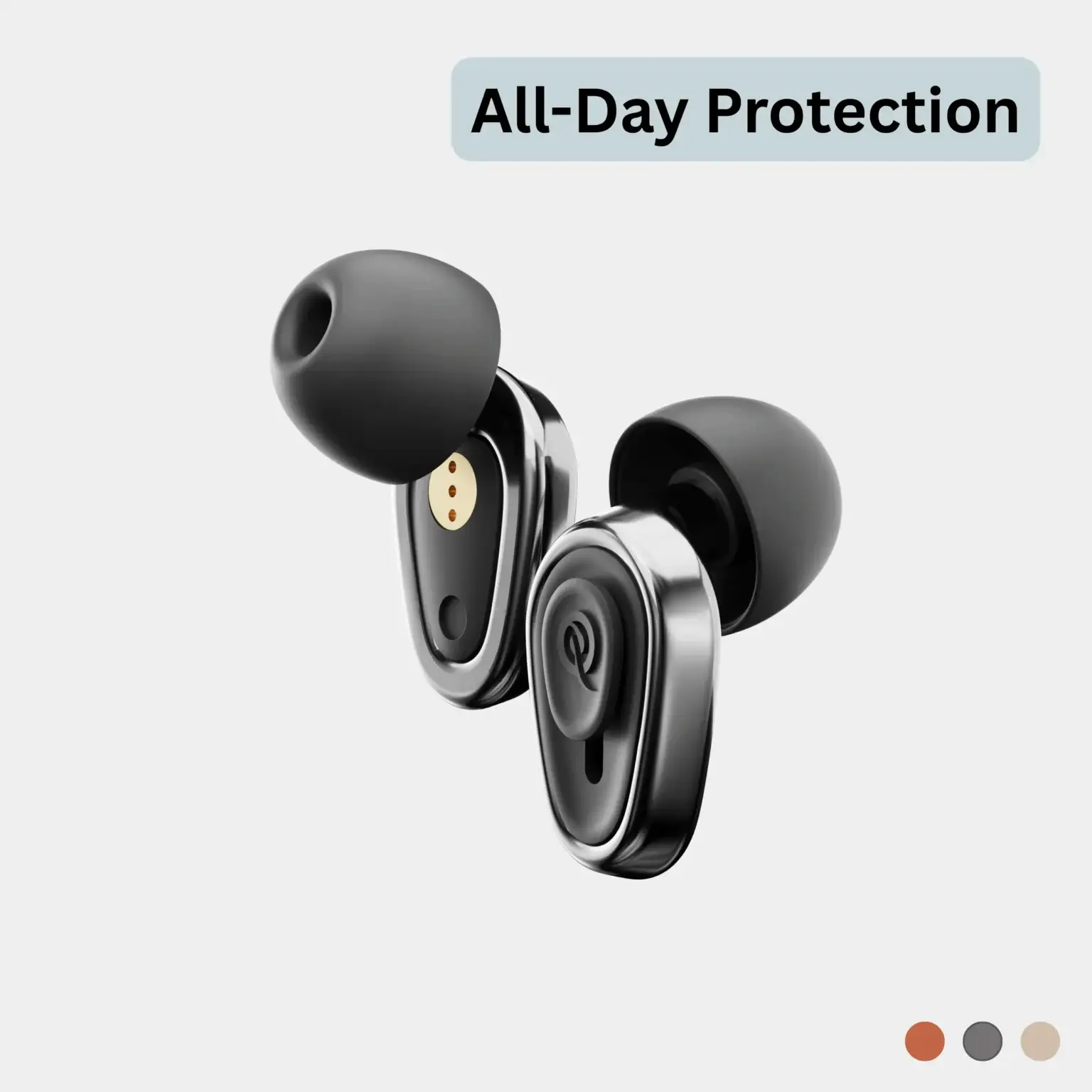
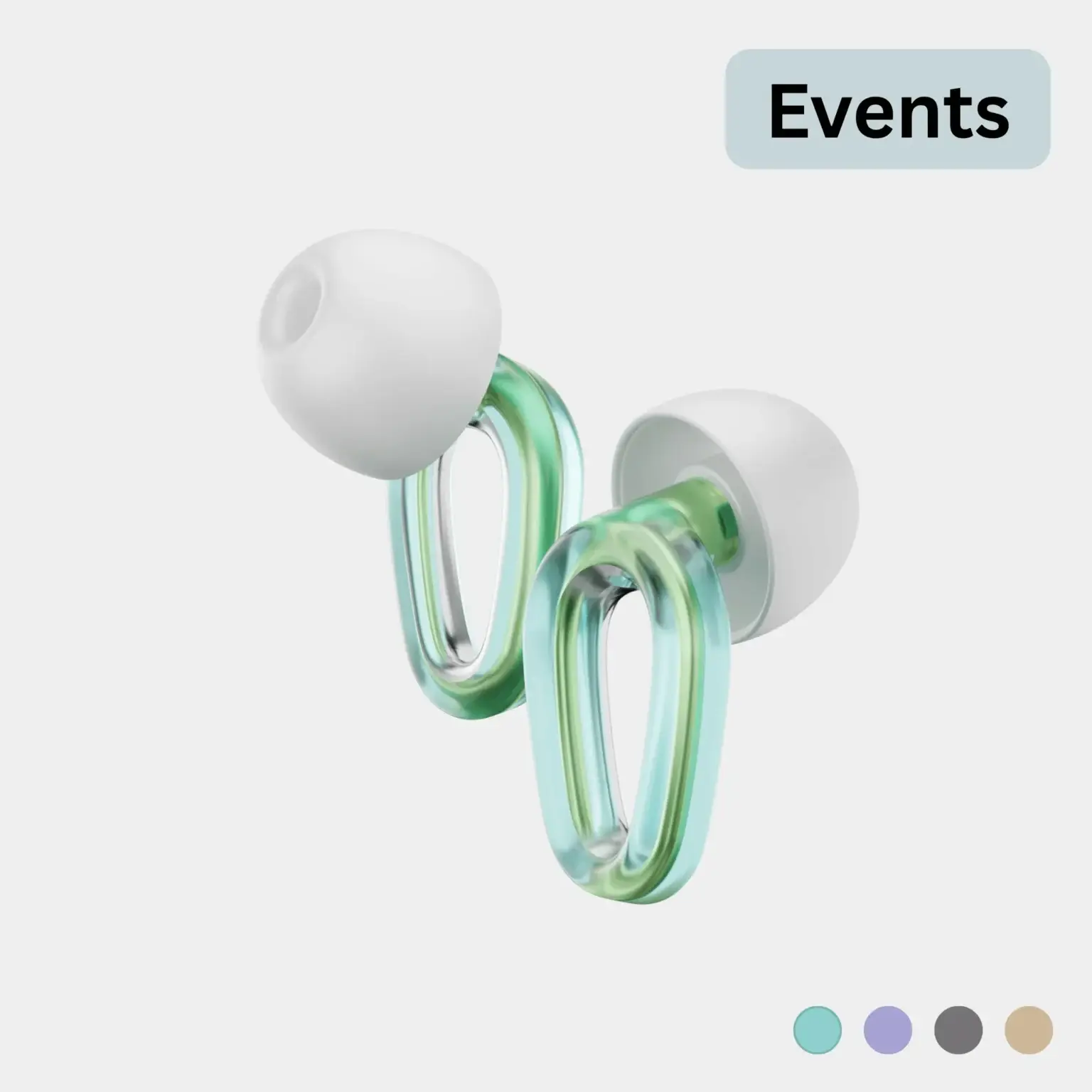
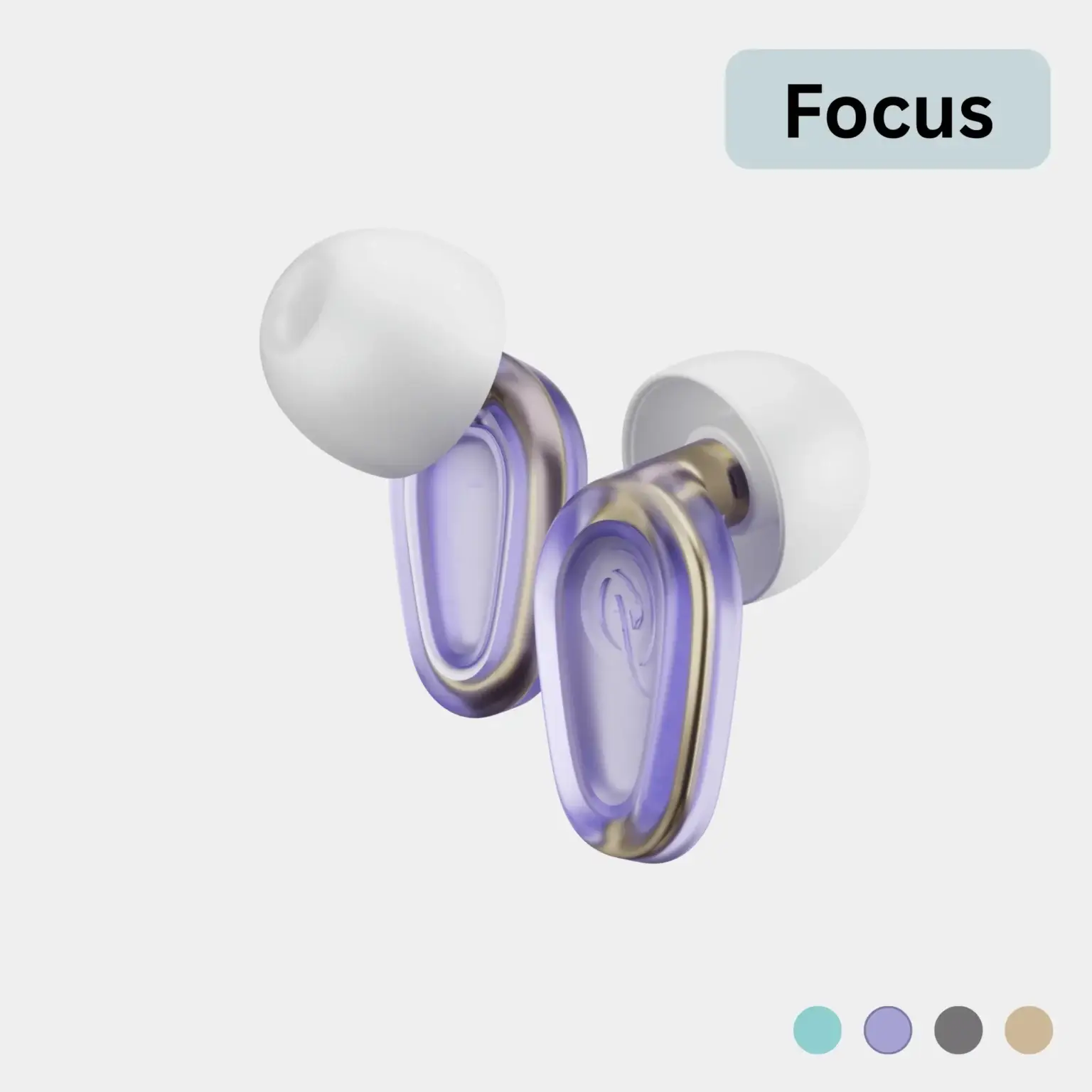
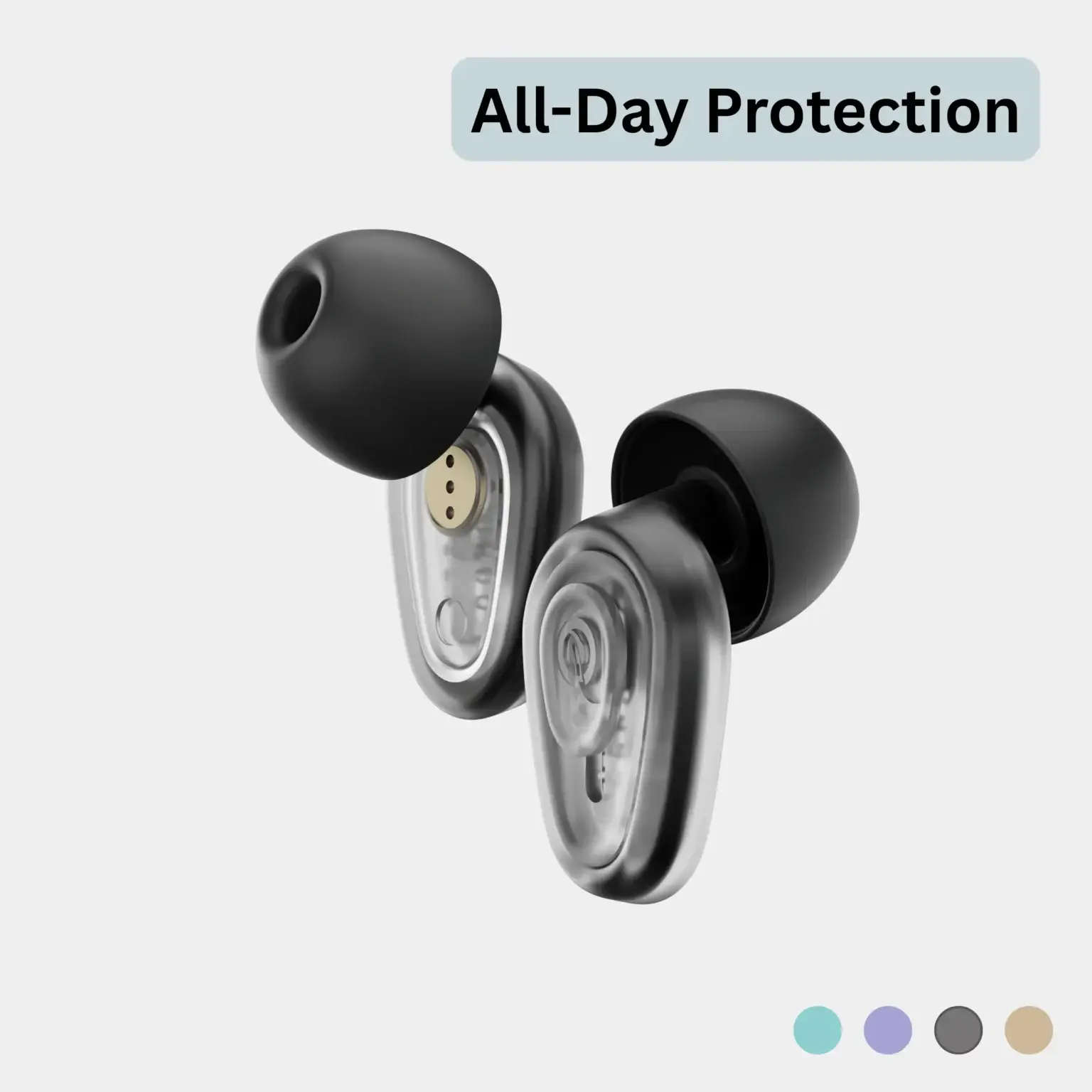
Earmuffz reusable earplugs are designed around those real-world moments, with a comfort-first, low-profile approach and options for different noise-control needs. The goal is simple: less unwanted noise, more command of your day.
Your ears should not have to pay the price for peace and quiet. Resize, reposition, clean or change your earplug style until the fit feels natural. When the pressure is right, you can crush distractions, protect your hearing and stay present for what matters.