
Best Earplugs for Studying and Concentration

Your brain can only filter so much. The neighbour’s leaf blower, office chatter, dorm hallway noise, keyboard clicks, traffic outside – all of it competes with the one thing you’re actually trying to do. That’s why earplugs for studying and concentration have become less of a nice-to-have and more of a performance tool. When the goal is deep focus, controlling your sound environment matters.
Not every noisy space calls for the same solution, though. The best earplugs for focus are not necessarily the ones that block the most sound. They’re the ones that reduce distraction without creating new problems like pressure, discomfort, or that plugged-up feeling that makes you more aware of your own breathing than your work.
Why earplugs can improve concentration
Most distractions are not dramatic. They’re repetitive, low-level interruptions that keep your brain from settling into a rhythm. A phone vibration across the room, someone reheating lunch, footsteps in the hallway, a TV in the next apartment – each one steals a little attention. Stack enough of those together, and sustained concentration gets harder.
Earplugs help by lowering the volume of those interruptions. That reduced input can make it easier to read, write, study, code, design, or work through detail-heavy tasks without constantly resetting your focus. For people who are noise-sensitive, the benefit is even bigger. Less sensory overload often means less mental fatigue.
There’s also a confidence factor. Once you know you have a reliable way to manage noise, you stop feeling at the mercy of your environment. That matters whether you’re studying for finals in a shared apartment or trying to finish a project in an open office.
What makes good earplugs for studying and concentration
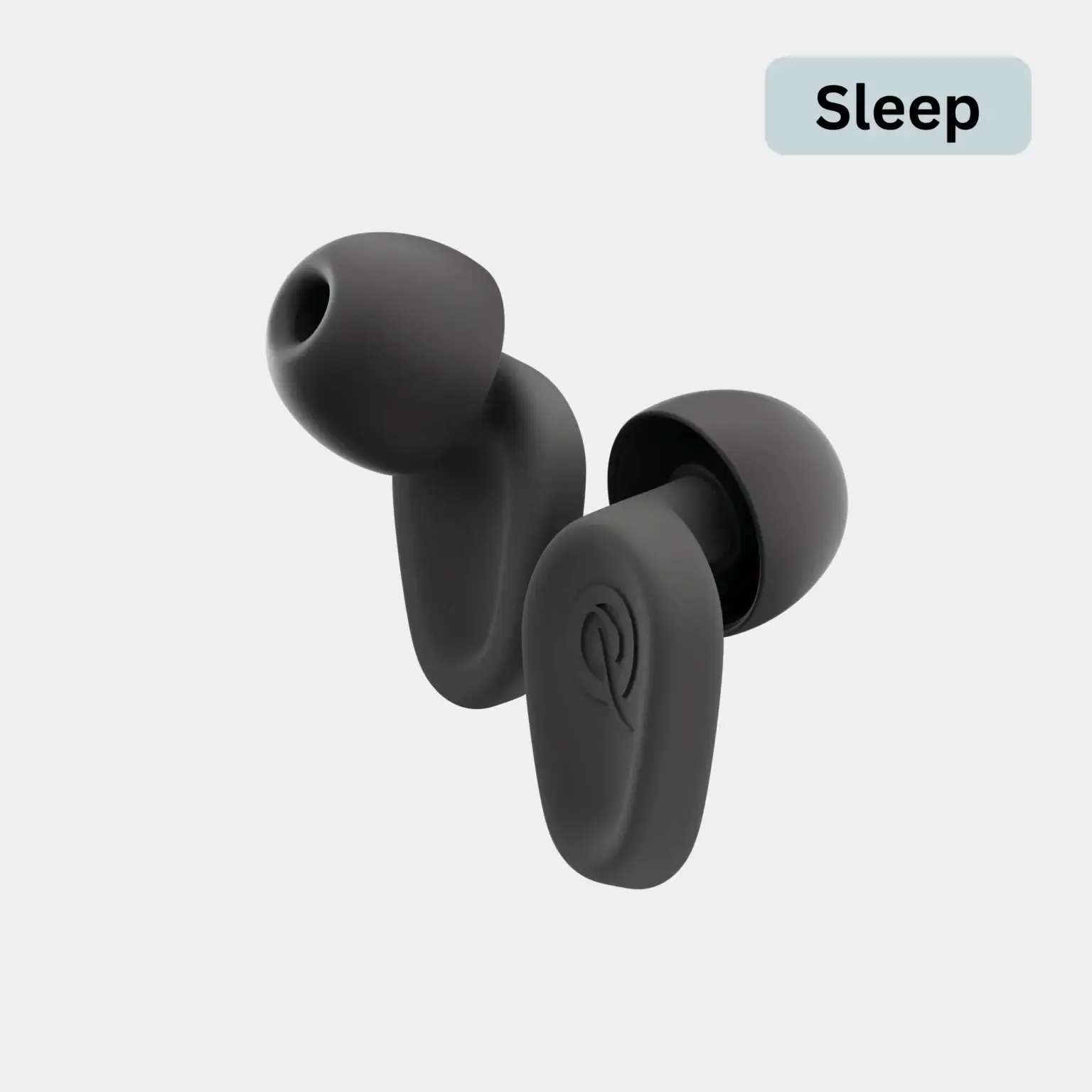
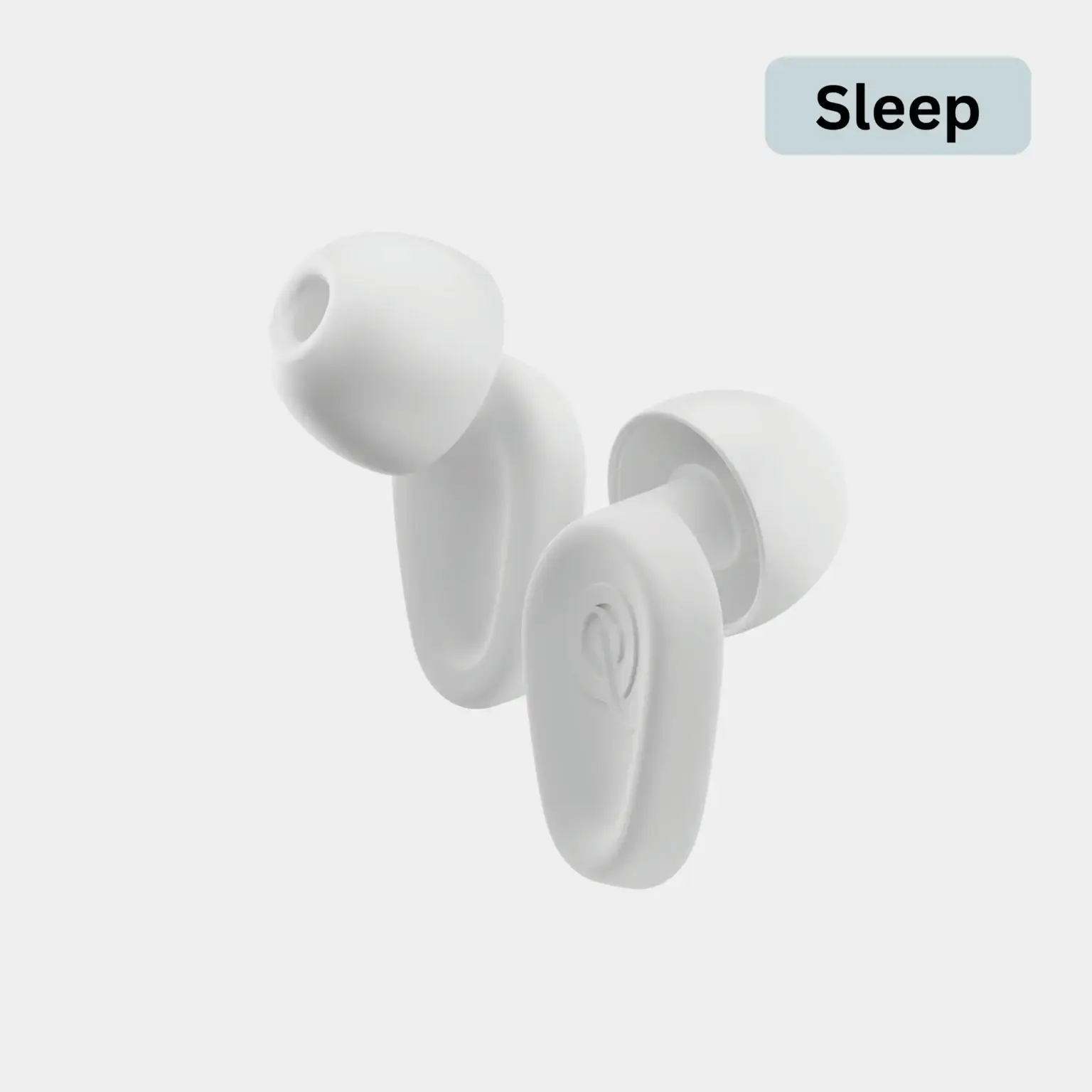
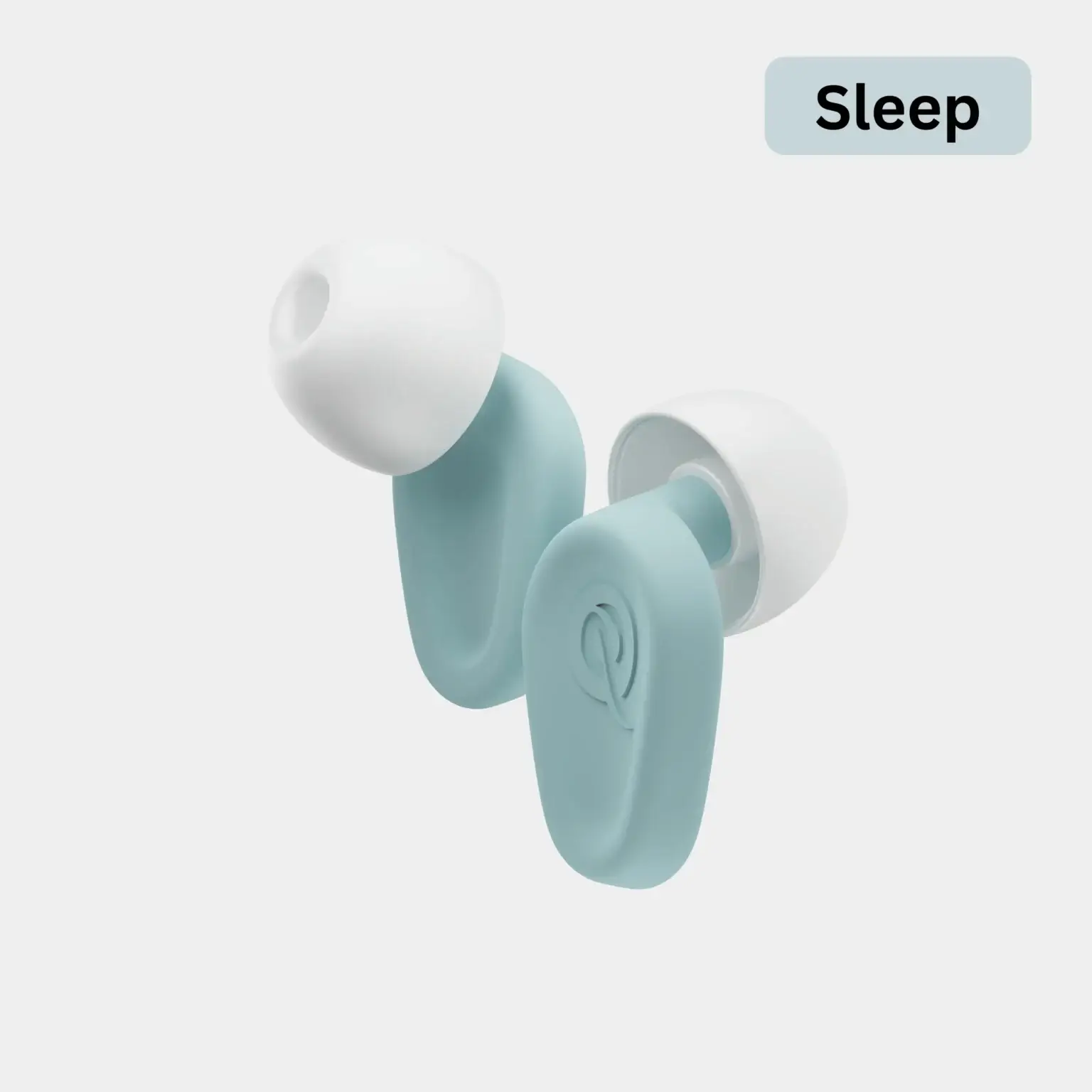
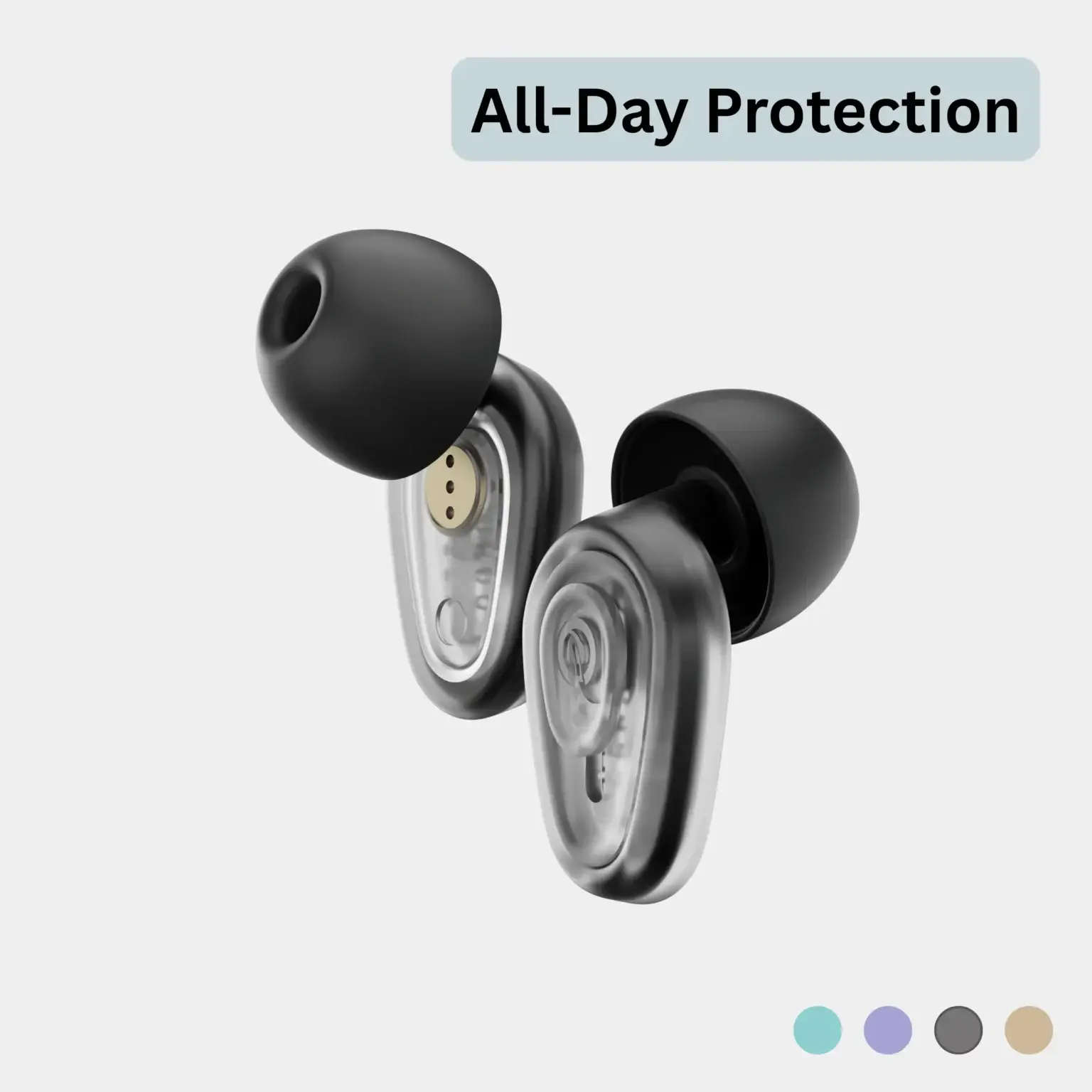
Comfort comes first. If you’re wearing earplugs for an hour or more, a harsh fit will break your focus in a hurry. Low-profile, reusable designs usually make more sense than bulky options because they sit more naturally in the ear and feel easier to wear through a full study block.
The second factor is balanced noise reduction. Total isolation sounds great until you realise you can hear your jaw moving, your heartbeat, or your own typing more than usual. For concentration, many people do better with earplugs that reduce background noise to a manageable level rather than trying to completely block out the world.
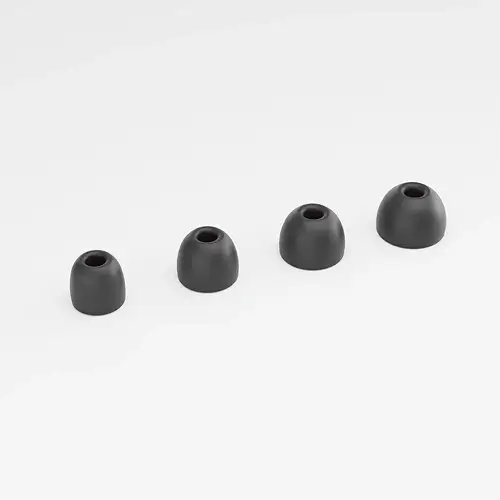
Fit matters just as much as rating. An earplug with strong noise reduction on paper won’t perform well if it doesn’t seal correctly in your ear. Soft materials, multiple eartip sizes, and a design that stays put when you move all make a real difference.
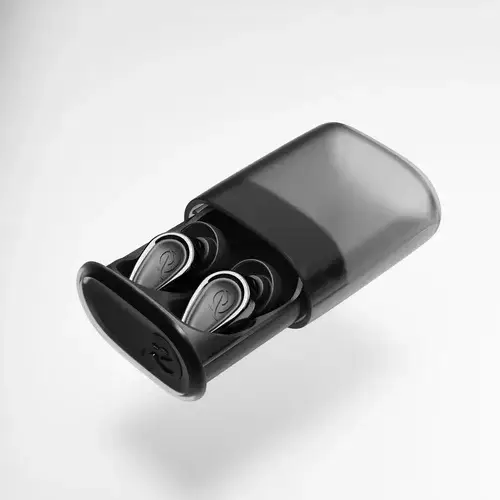
Reusable earplugs also have a clear edge for everyday focus. They’re more durable, more consistent, and easier to keep in your bag, desk, or case for whenever noise shows up. If studying is part of your regular routine, disposable foam can feel like a temporary fix. Reusable options feel more like gear.
The real trade-off: maximum silence vs usable focus
This is where people often make the wrong choice. They assume stronger noise blocking automatically means better concentration. Sometimes it does. If you’re in a loud dorm, on a flight, or working next to nonstop construction, higher noise reduction can be exactly what you need.
But for many study sessions, especially in moderate noise, extreme isolation can backfire. You may feel disconnected, too enclosed, or distracted by internal sounds. Some people also want to hear key cues, such as a timer, a nearby announcement, or someone saying their name.
The better question is not “How much sound can this block?” It’s “What level of sound control helps me stay in the zone longest?” That answer depends on your environment, your sensitivity, and the kind of work you’re doing.
Choosing the right earplugs for your study environment
If you study at home, the main challenge is usually unpredictable background noise. Maybe it’s roommates, kids, appliances, street noise, or the general hum of shared living. In that case, a comfortable reusable earplug with moderate to strong reduction is usually the sweet spot. You want enough control to take the edge off daily noise without feeling cut off from everything.
If you work in a library or coffee shop, the problem is different. These spaces are not always loud, but they’re full of speech, movement, and sudden sound changes. Earplugs that soften conversation and clatter without over-isolating can help you stay locked in while still feeling aware of your surroundings.
Open offices are similar. The goal is not silence. The goal is fewer interruptions. That means reducing chatter, keyboard noise, HVAC hum, and movement around you so your attention stays on task. A discreet, low-profile pair is especially useful here because you can wear them comfortably without feeling like you’ve put on industrial hearing protection at your desk.
For students in dorms or shared housing, comfort becomes even more important because wear time tends to be longer. You may need earplugs for late-night study sessions, early morning review, and even short recovery breaks between classes. If they create pressure or irritation, you won’t keep using them. Consistency wins.
Earplugs vs noise-cancelling headphones
Headphones get more attention, but they are not always the better answer. Noise-cancelling models are useful for travel and steady low-frequency sounds, yet they can feel bulky during long study sessions. They also need charging, take up more space, and may not be ideal if you wear glasses or move around a lot.
Earplugs are simpler. No battery. No headset fatigue. No visible bulk. They’re easy to carry, easy to put in, and easy to use the second your environment gets noisy. For people who want total volume control without adding another device to manage, that simplicity is a real advantage.
That said, it depends on how you focus best. Some people prefer headphones with ambient sound or music. Others do better with reduced noise and no audio at all. If lyrics distract you from reading or writing, earplugs may be a cleaner solution.
Signs you need better earplugs for concentration
If you keep rereading the same paragraph because a nearby conversation pulled you out of it, your current setup is not doing enough. The same goes if your earplugs feel uncomfortable after thirty minutes, fall out when you talk or chew, or block so much sound that you become distracted by your own body noise.
A good pair should fade into the background. You should notice the calmer environment, not the earplugs themselves. That’s the standard.
For many people, the right fit changes everything. A properly fitted reusable pair can feel secure, discreet, and surprisingly natural, especially compared with rough foam options that expand aggressively and create pressure over time.
What to look for before you buy
Start with material and fit options. Soft-touch construction and multiple eartip sizes give you a better chance of getting a stable seal without discomfort. Next, look at the profile. If you’ll be wearing them in class, at work, or in public, a low-profile design is easier to live with.
Then consider how often you’ll use them. If focus support is part of your daily routine, reusable earplugs are the smarter long-term choice. They’re built for repeat wear and make more sense for anyone treating concentration like a performance habit, not a one-off fix.
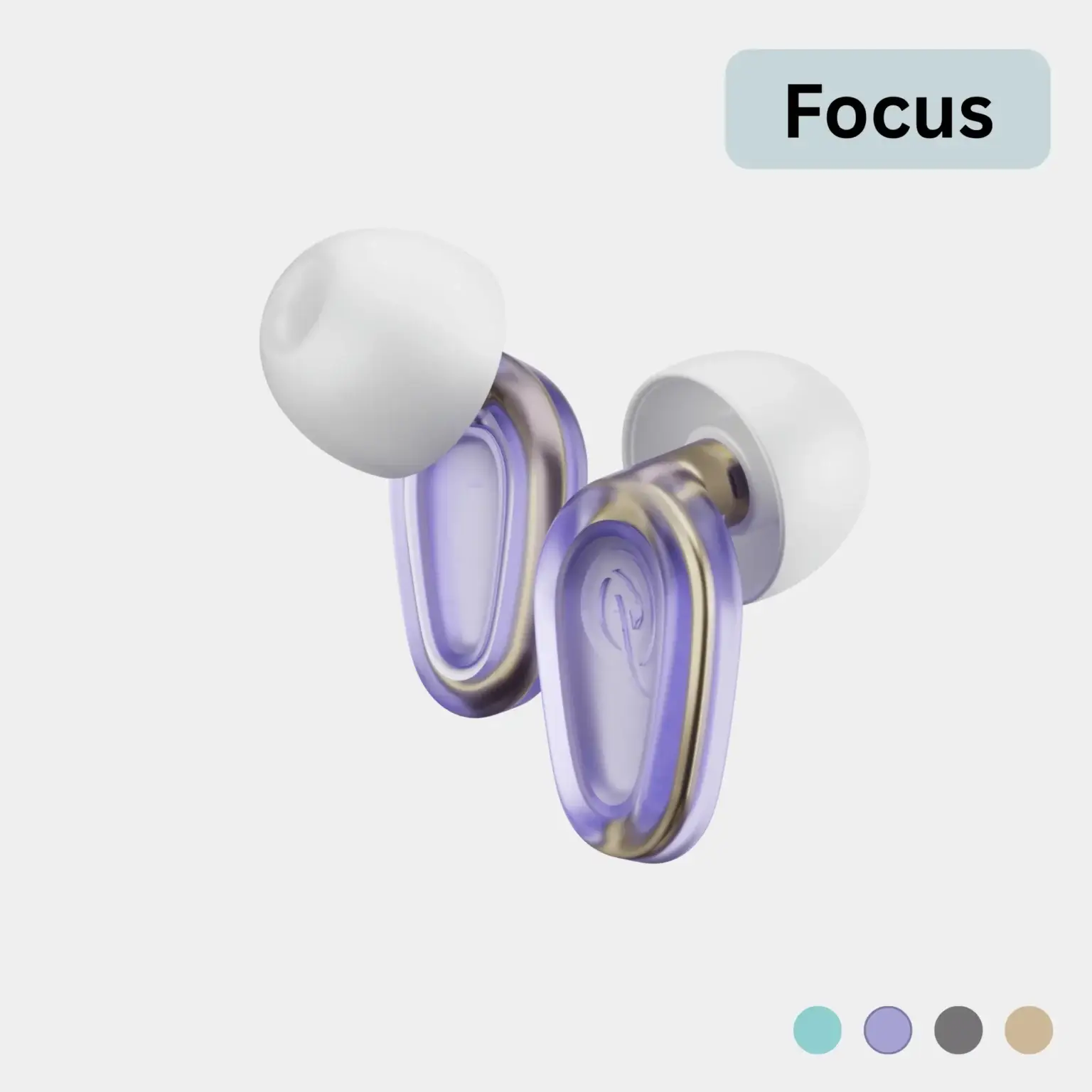
This is also where a brand with clear product segmentation helps. If a lineup is built around real-life use cases like sleep, everyday focus, commuting, or higher-noise situations, it’s easier to pick the right level of control instead of guessing. That’s a big part of what makes Earmuffz appealing for people who want comfort-first noise reduction without the bulky, utilitarian feel of traditional hearing protection.
The smartest way to use earplugs while studying
Don’t wait until you’re already frustrated. Put them in at the start of your study block, especially if you know the environment is unpredictable. That proactive move helps your brain settle faster.
It also helps to match your earplugs to the task at hand. Deep reading, writing, analysis, and exam prep usually benefit from stronger distraction control. Lighter tasks like reviewing notes or answering emails may need less reduction so you can stay aware and comfortable.
And give yourself a little adjustment time. The first few sessions can feel different if you’re not used to controlling your sound environment this way. Once that becomes normal, many people find it hard to go back.
Focus is not only about discipline. It’s about setup. When your environment stops competing for your attention, better work feels easier – and sometimes that starts with something as simple as the right pair of earplugs.