
How to Reduce Sensory Overload Fast
That moment when the room feels too loud, the lights feel too bright, and even small interruptions hit like a wall – that’s exactly why people search for how to reduce sensory overload. You do not need to tough it out. You need a faster way to lower the input, protect your focus, and get back in control.
Sensory overload is not just “feeling stressed.” It happens when your brain is taking in more sound, light, movement, touch, or information than it can comfortably process. For some people, noise is the main trigger. For others, it is a stack of smaller inputs – office chatter, phone alerts, fluorescent lighting, traffic, crowded stores, tight schedules, and zero recovery time. The fix is rarely one dramatic change. It is usually better to control volume throughout your day.
How to reduce sensory overload in the moment
Suppose you feel yourself tipping from irritated to overwhelmed, speed matters. The goal is not to create a perfect environment. The goal is to cut the incoming load quickly enough that your system can settle.
Start with sound. Noise is one of the fastest ways to push the brain into overload, especially when it is unpredictable. Conversations, barking dogs, HVAC hum, subway brakes, clattering dishes, gym speakers – none of it has to be dangerously loud to be exhausting. Reducing noise input can provide immediate relief by removing the constant need to filter and react.
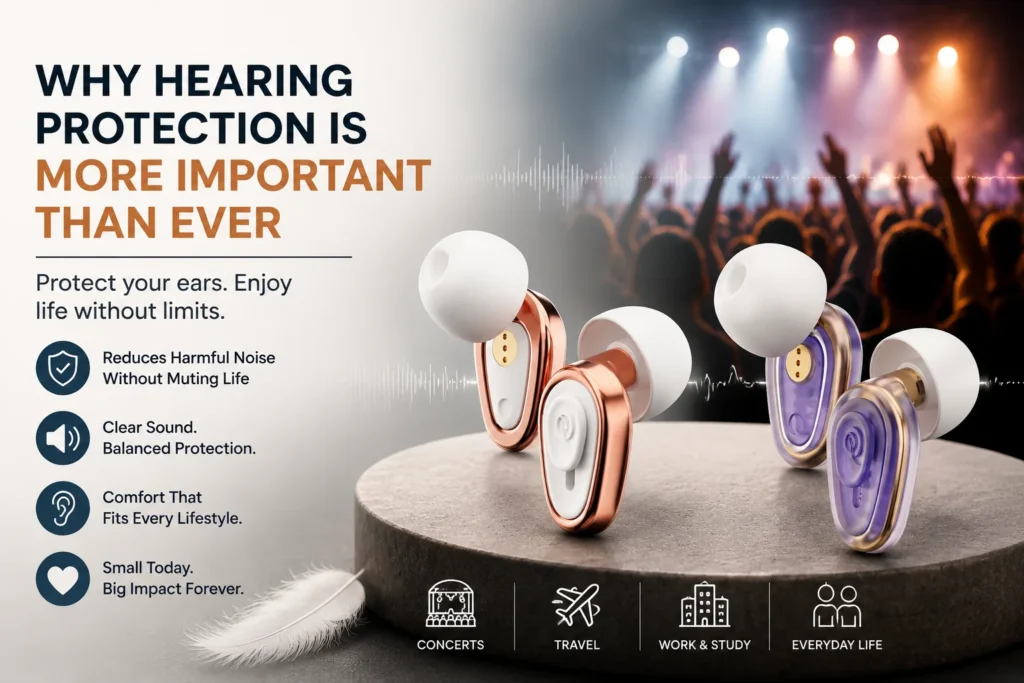
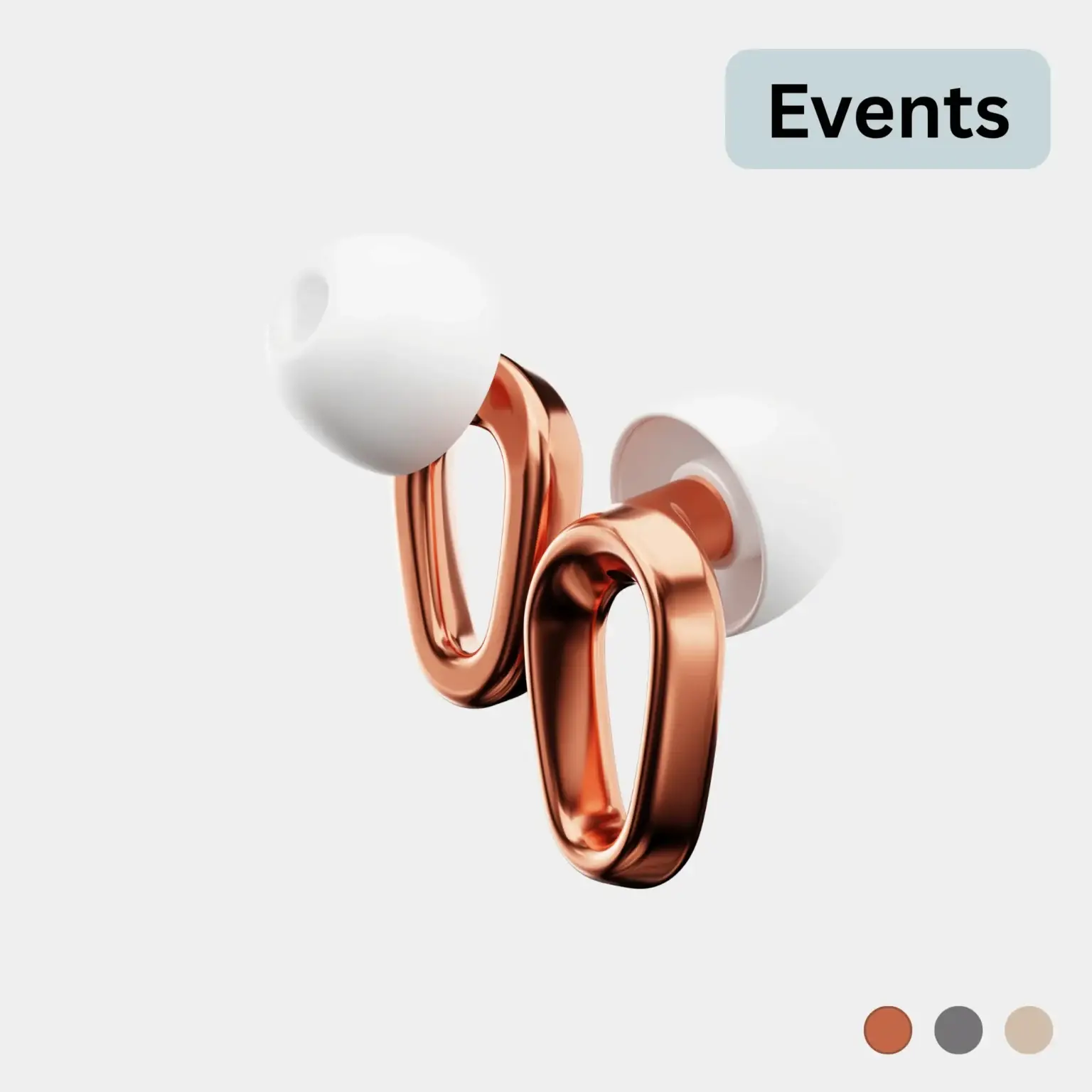
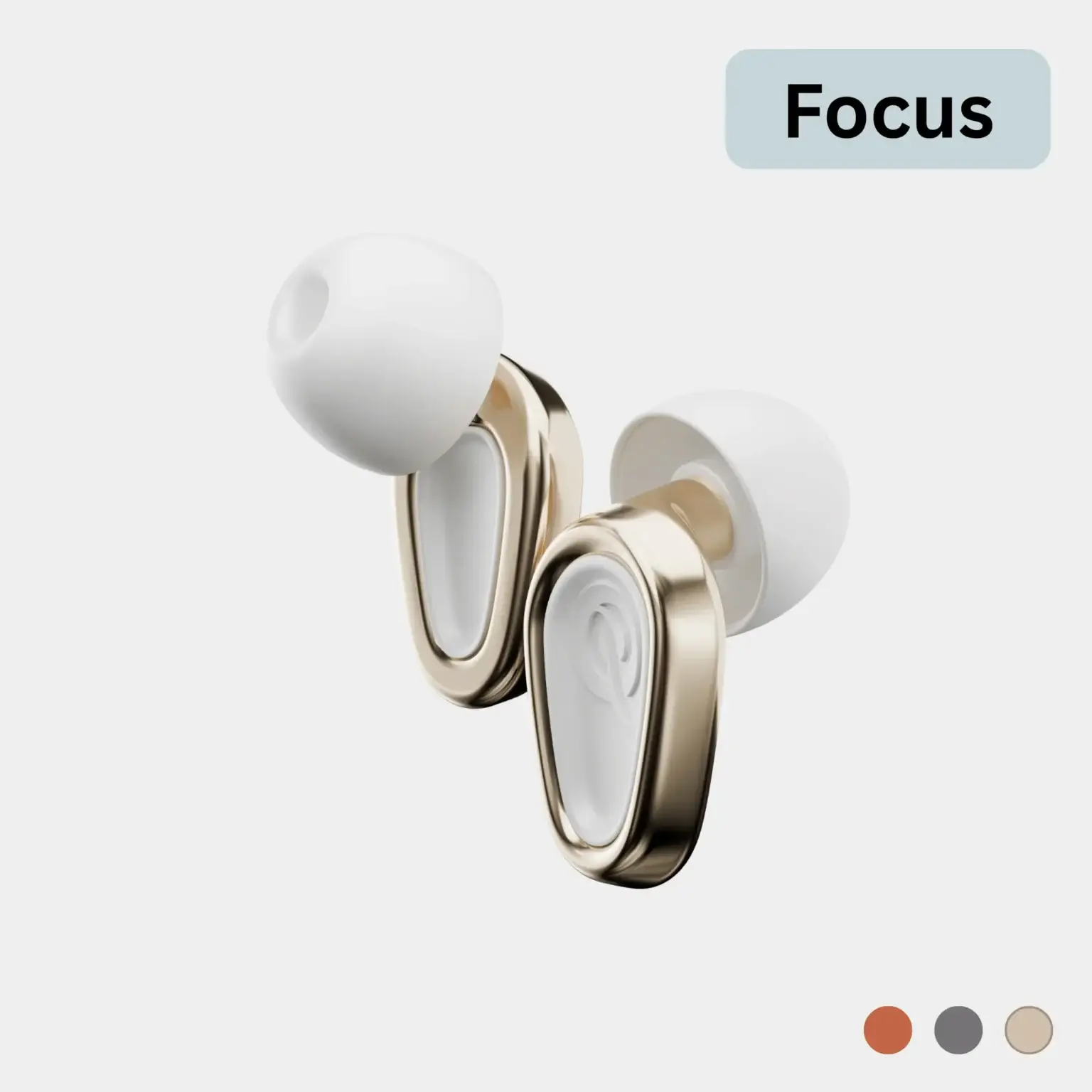
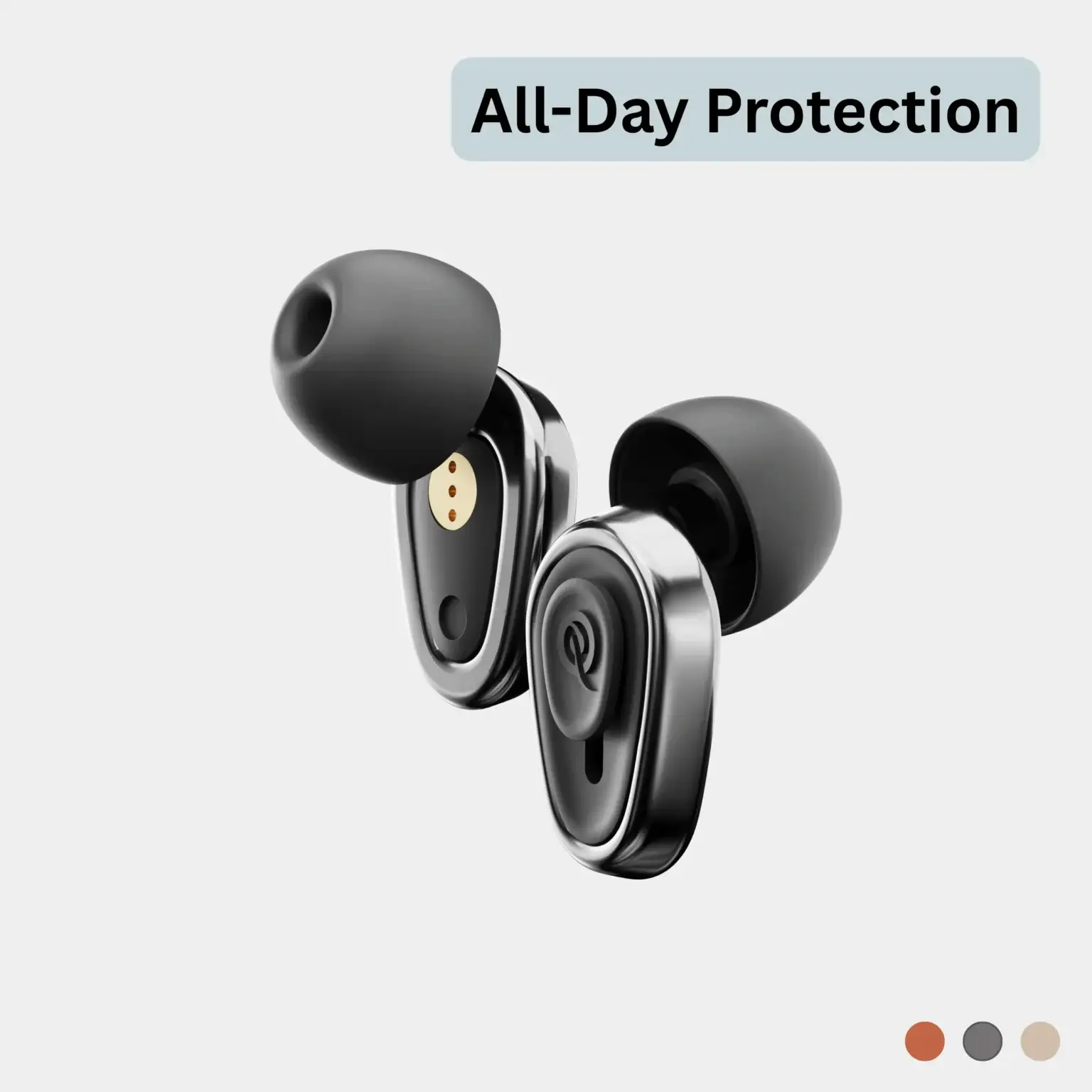
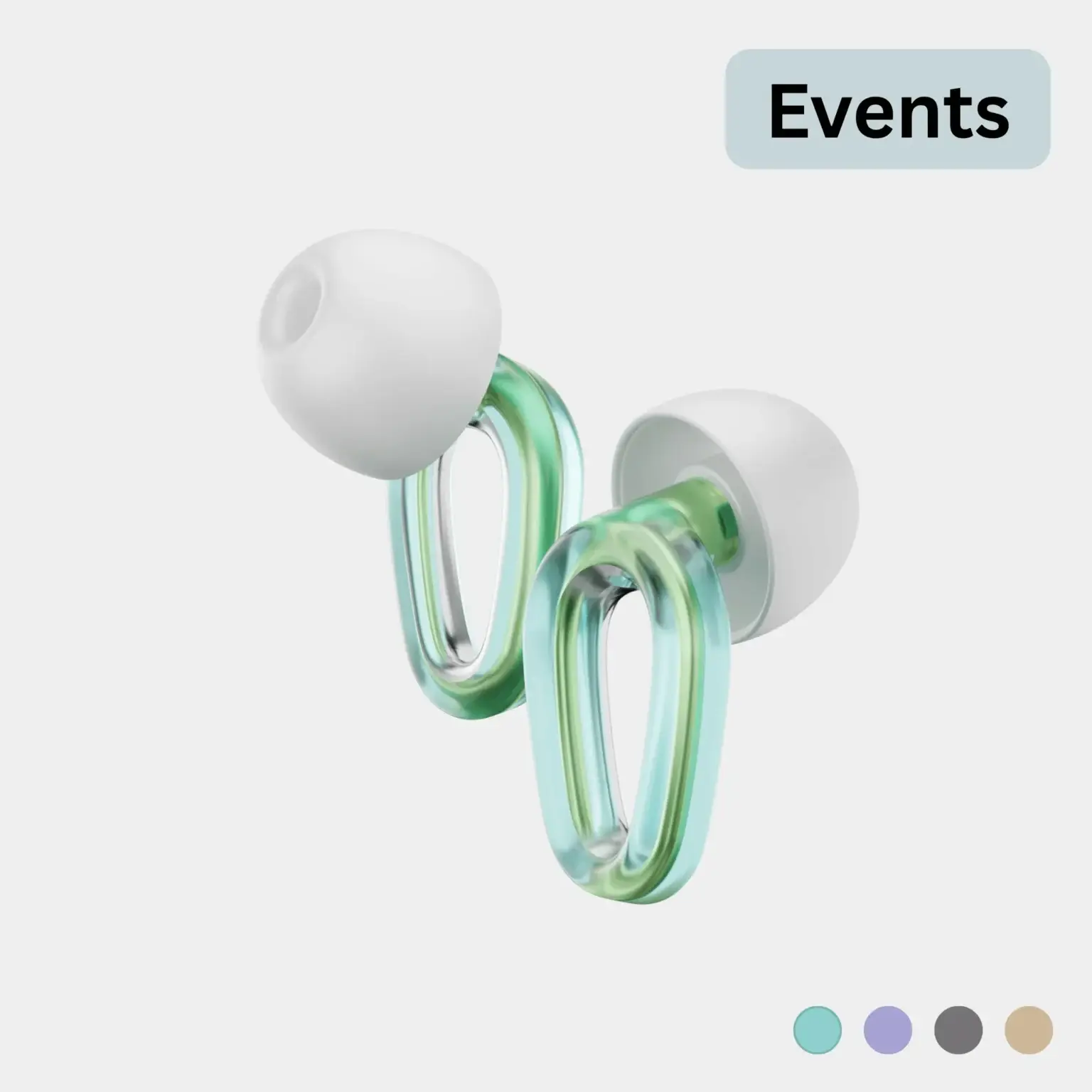
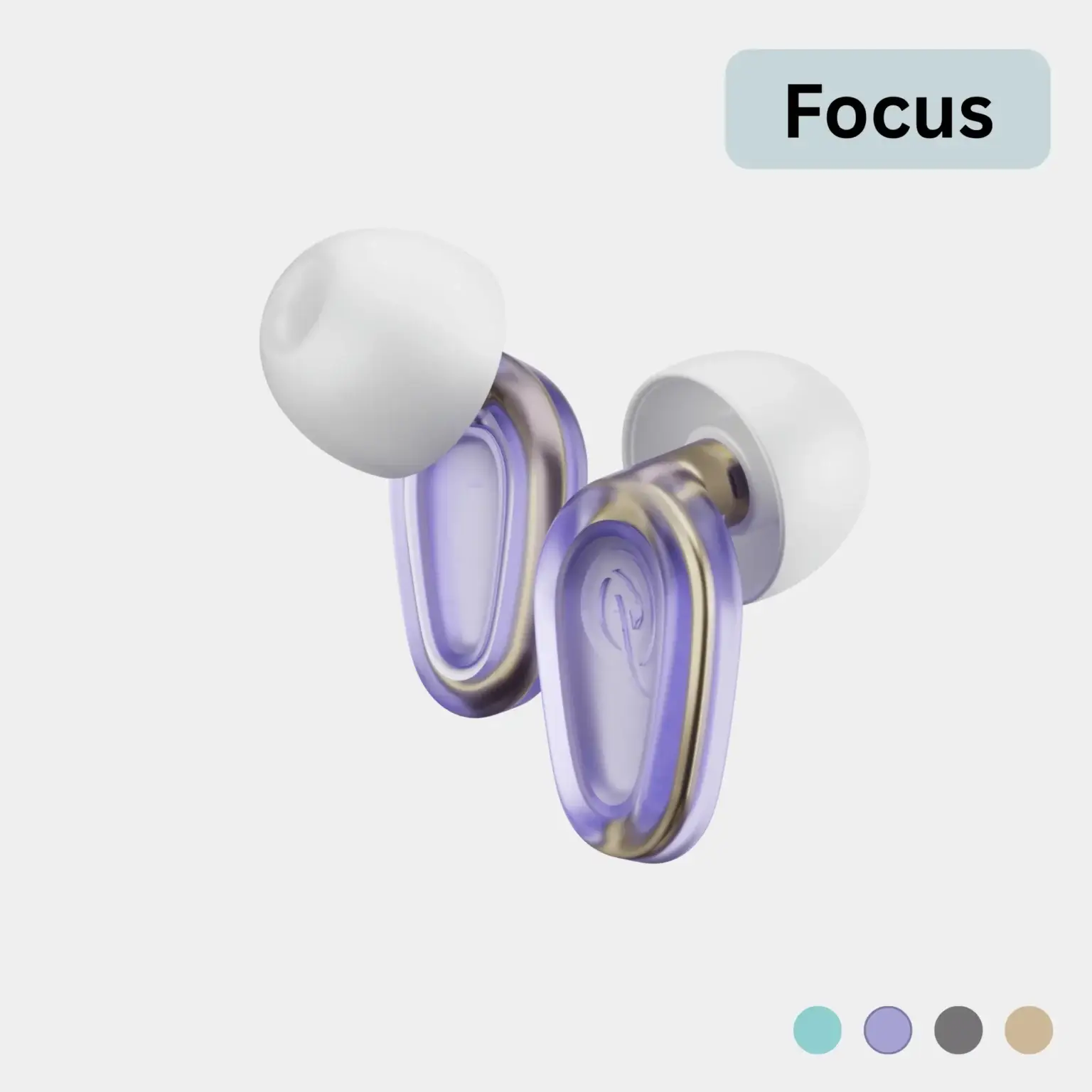
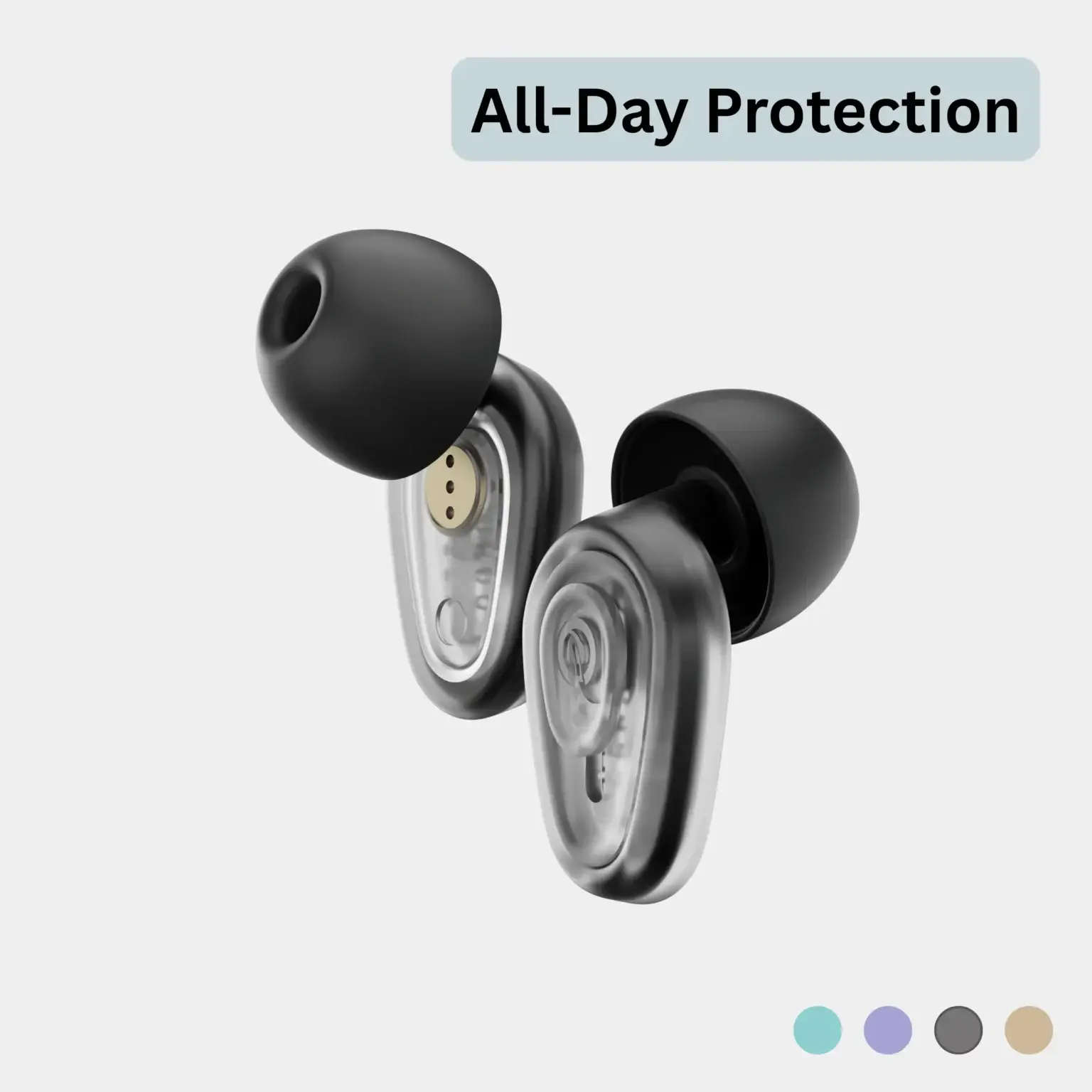
A low-profile pair of reusable earplugs can help here by reducing overall volume without forcing you to leave your life behind. That matters if you are working in an open office, commuting, parenting, travelling, or trying to stay present in a busy public space. You are not checking out. You are turning the intensity down.
Then deal with light. If bright overhead lighting is part of the problem, step outside, move near a window, dim the lights, or lower your screen brightness. If screens are adding to the strain, pause the tabs, silence the notifications, and cut visual clutter. Sensory overload often builds through accumulation. Reduce two or three inputs at once, and the relief tends to come faster.
Next, create physical space. A crowded environment can feel louder and heavier simply because your brain has to track more movement. If possible, move to the edge of the room, sit facing a wall instead of a busy walkway, or take five minutes in a quieter area. Small position changes can make a bigger difference than people expect.
Why overload happens so often now
Modern environments are built for stimulation, not recovery. Open layouts, constant alerts, shared workspaces, streaming audio, traffic noise, and packed schedules leave very little buffer. Even if each input seems manageable on its own, the stack gets heavy.
That is why learning how to reduce sensory overload is less about avoiding the world and more about designing your exposure. A loud concert is one kind of challenge. A full day of medium-level noise, interruptions, and visual demand is another. The second one is easier to overlook, but it can wear you down faster because it never fully lets up.
There is also a trade-off worth naming. Some people think they need complete silence. Usually, they need predictable input and fewer sharp spikes. Total silence is unrealistic for most adults and not always necessary. Better control is the real win.
Build a lower-input daily routine
The best strategy is not to wait until you are overwhelmed. It is reducing the baseline load before your system gets maxed out.
Start with your high-risk environments. Maybe it is your commute, your office, the gym, the grocery store, or evenings at home when everyone is talking, and devices are still going. Once you know where your sensory budget gets spent, you can decide where support will make the biggest impact.
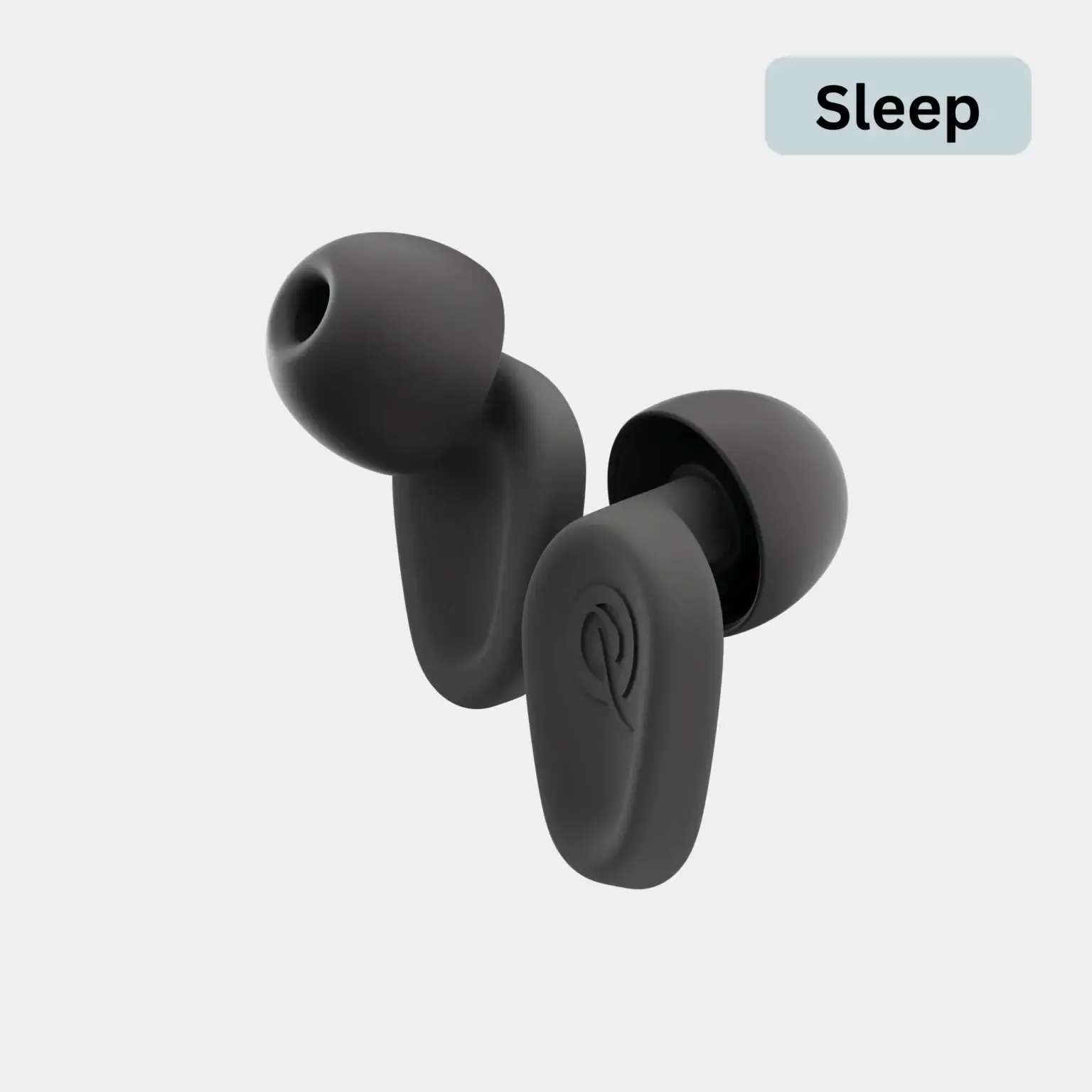
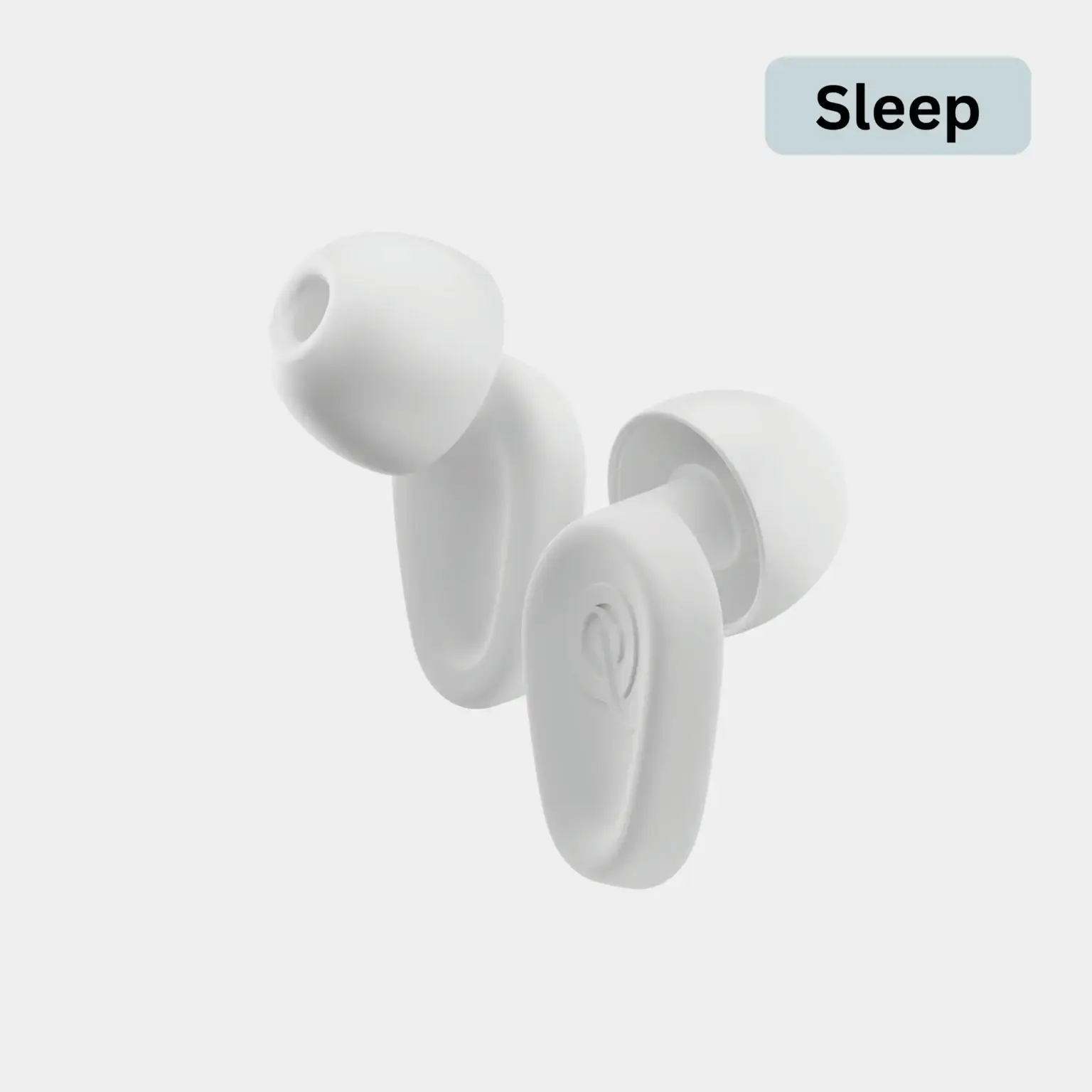
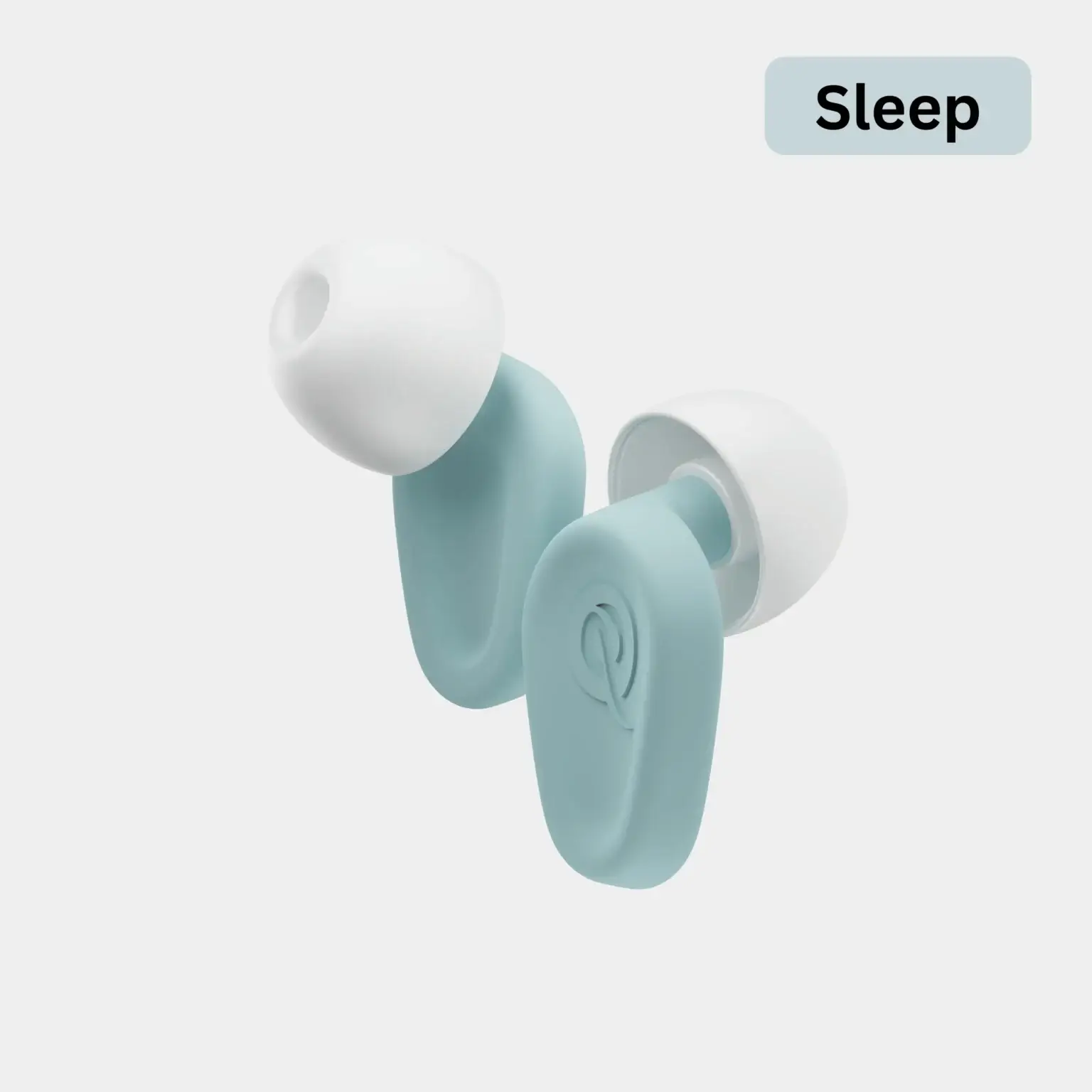
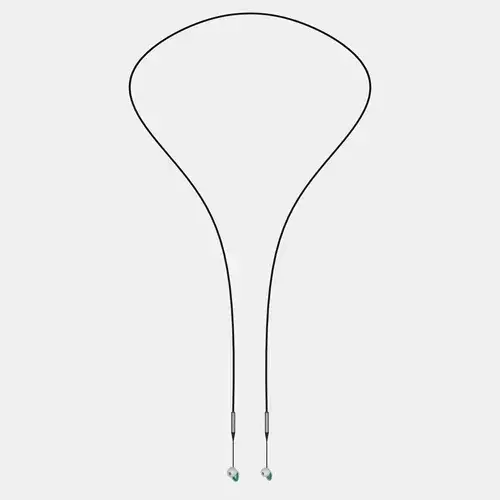
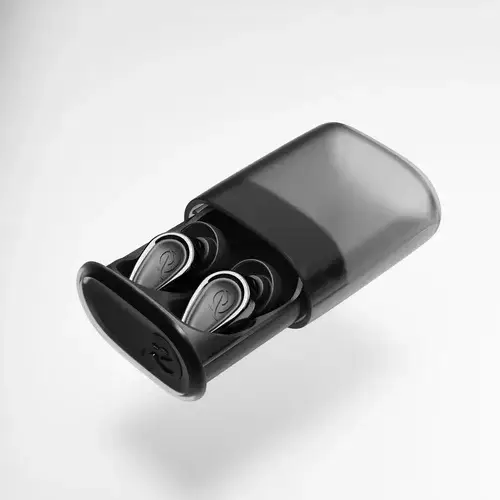
For many people, consistent noise reduction is the easiest place to start. Reusable earplugs work well because they fit into real life. You can wear them while working, travelling, studying, riding, attending events, or winding down before sleep. The right pair should feel comfortable enough for long wear and discreet enough that you do not feel like you are putting on industrial gear to make it through the day.
This is where product choice matters. The best option depends on your environment. If your goal is deep rest, you want a sleep-focused fit that stays comfortable for hours. If you need everyday control for work, commuting, errands, or social spaces, a balanced noise-reduction option makes more sense. If you spend time in louder environments and want stronger situational protection, a higher-performance design may be the better call. Earmuffz approaches it this same way – matching noise control to the moment instead of pretending one solution fits every use case.
How to reduce sensory overload at work
Work overload is often less dramatic but more constant. Slack pings, nearby calls, keyboard noise, hallway conversations, overhead music, and bright screens can drain attention throughout the day. You may not notice the build until you cannot focus on a simple task.
Start by protecting your concentration windows. Reduce alerts, batch meetings where you can, and lower ambient noise during your highest-focus work. If your space is shared, hearing protection can be one of the most practical upgrades because it reduces distractions without changing your whole setup.
There is a trade-off here, too. Some jobs require full awareness and frequent communication. In those cases, complete isolation is not the goal. Lowering the background volume enough to think clearly is usually the better target. That gives you focus without losing connection.
How to reduce sensory overload at home
Home should help you recover, but it often becomes another source of stimulation. TVs stay on, appliances hum, phones keep buzzing, and family routines overlap. If you are sensitive to noise, evenings can feel surprisingly intense.
Create one low-input zone. It does not need to be a dedicated room. It can be one chair, one corner, one routine. Keep the lighting softer, the surfaces less cluttered, and the sound under control. If your household is busy, a comfortable pair of earplugs can help create breathing room without asking everyone else to stop living their lives.
This matters for parents in particular. Caring for kids is rewarding, but it is also loud, repetitive, and unpredictable. Taking the edge off the noise can improve patience, reduce fatigue, and help you stay more regulated in the middle of real life.
Don’t ignore sleep and recovery
Poor sleep shrinks your tolerance for noise, light, and stress the next day. Then the next day feels harder, which makes recovery harder again. It is a loop.
If sensory overload keeps showing up, look at your nights. Is your room too noisy? Are you trying to fall asleep with traffic, snoring, neighbours, or early-morning disruptions in the background? Sleep support is not a luxury; better rest improves your ability to handle the next day.
For some people, the biggest improvement comes from reducing nighttime noise first. Once sleep gets better, everything else feels more manageable. For others, daytime control matters more because the overload starts before they ever reach bedtime. It depends on where your pressure point is.
When to get more support
If sensory overload is frequent, intense, or affecting work, relationships, sleep, or daily functioning, it may be worth talking with a medical or mental health professional. Noise sensitivity can show up alongside stress, burnout, migraines, tinnitus, anxiety, ADHD, autism, or other health factors. Getting support is not overreacting. It is smart calibration.
That said, you do not need to wait for a crisis to make practical changes. Lowering your daily noise load, reducing visual clutter, protecting your focus, and creating better recovery windows can improve how you feel right away.
Control changes everything. When the world feels too loud, too bright, or too much, the answer is not to push harder. Turn the volume down, protect your space, and give your brain less to fight through.