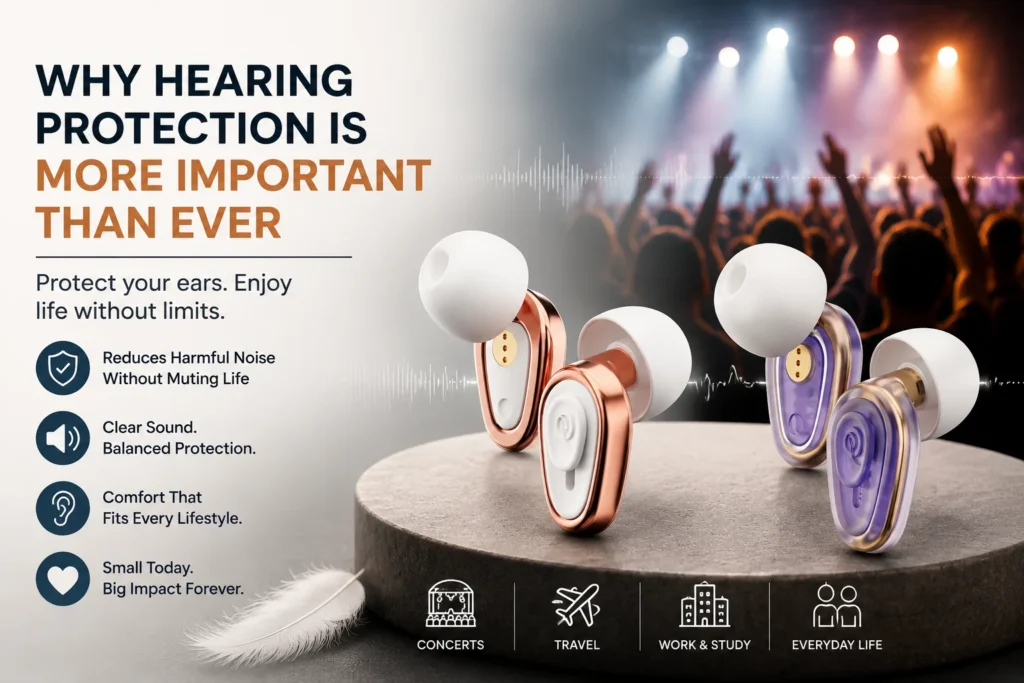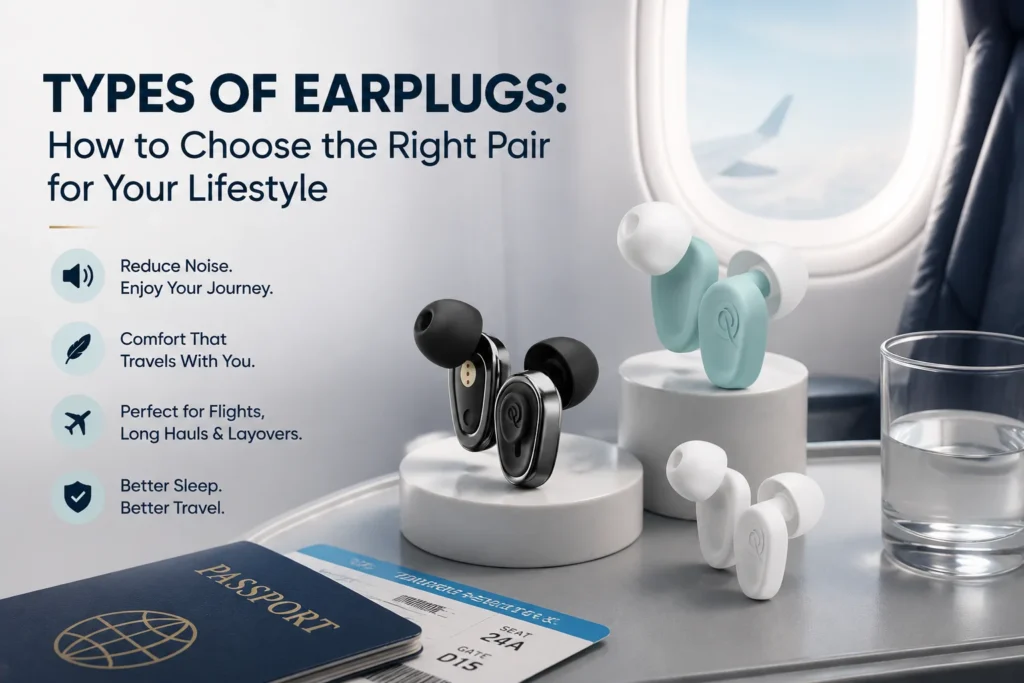

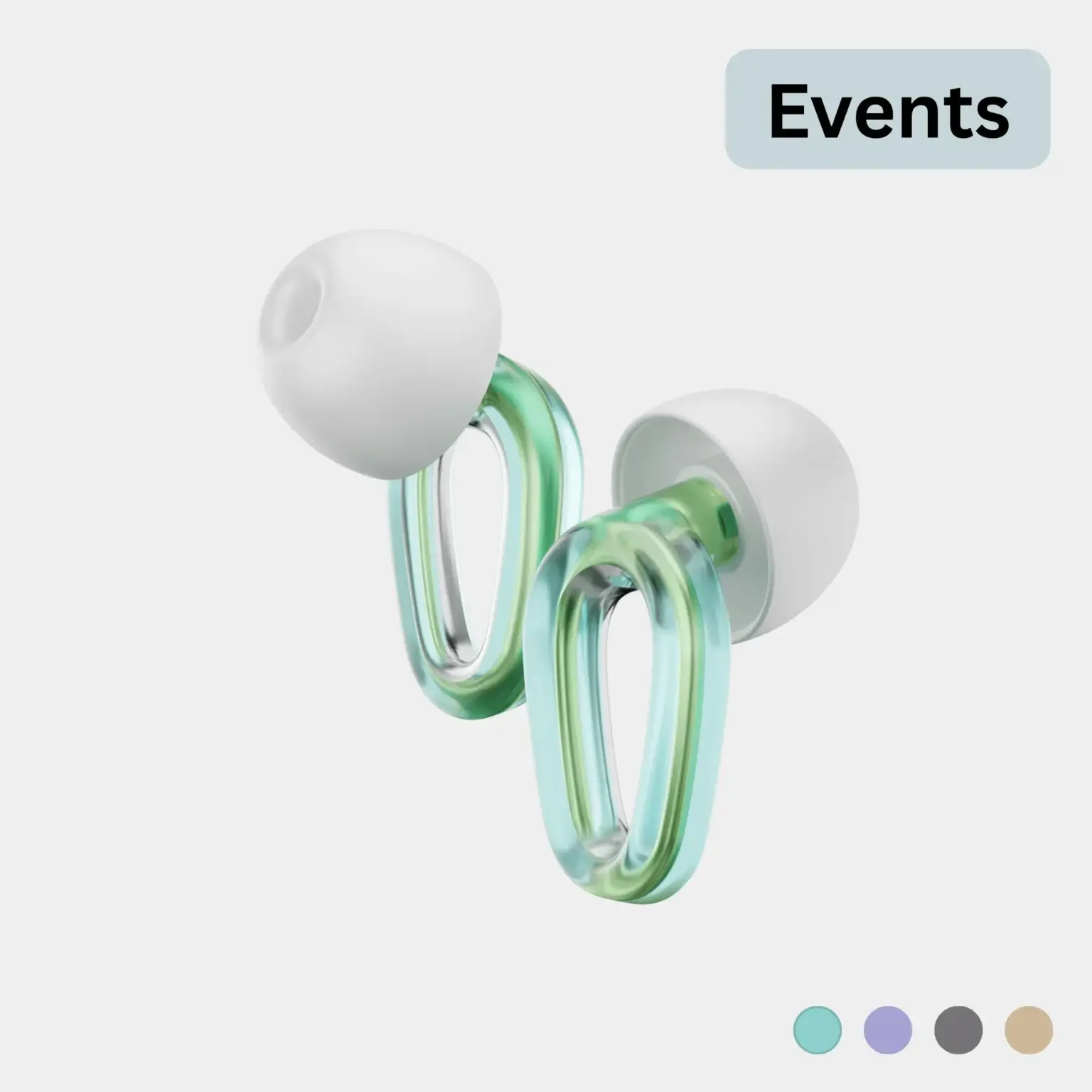
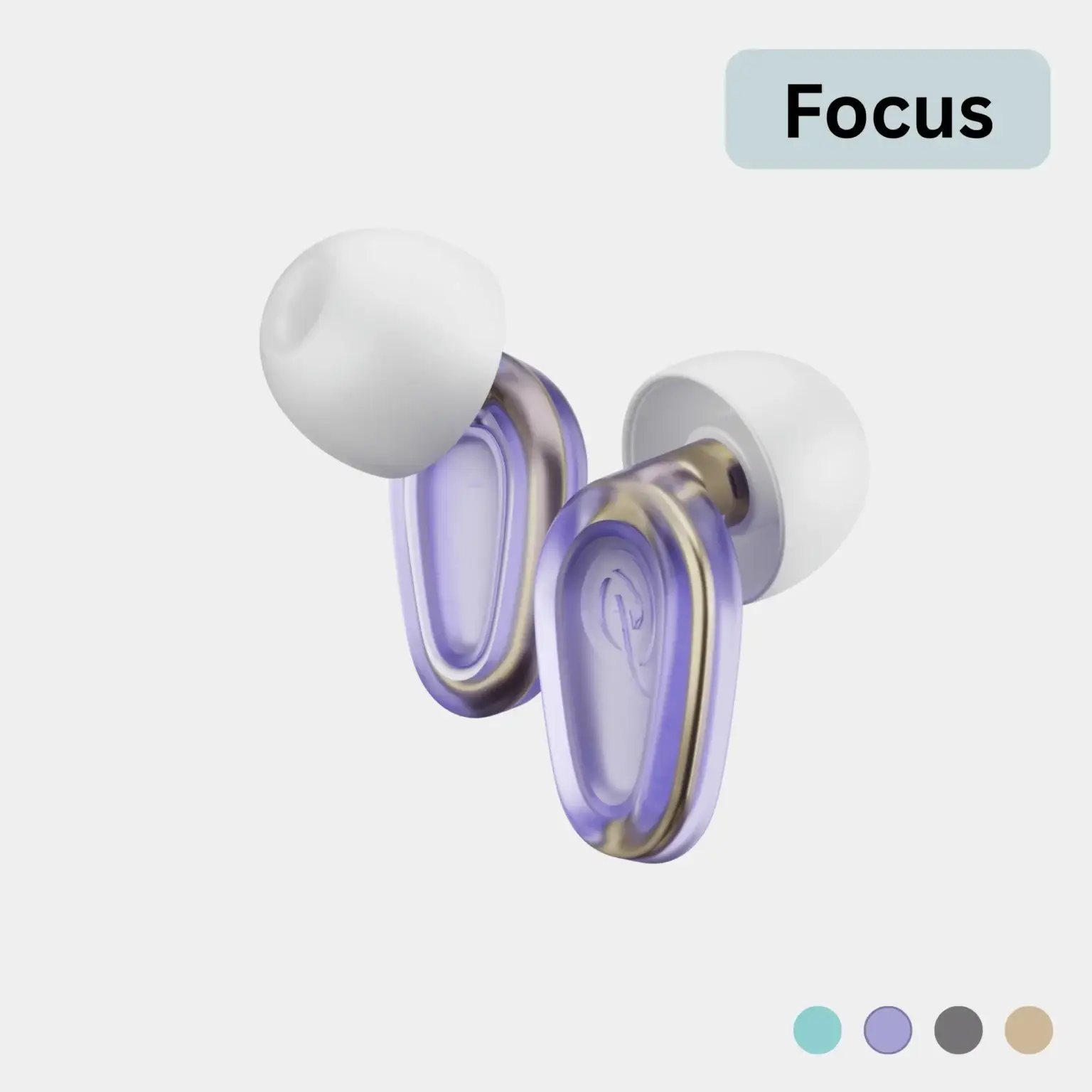
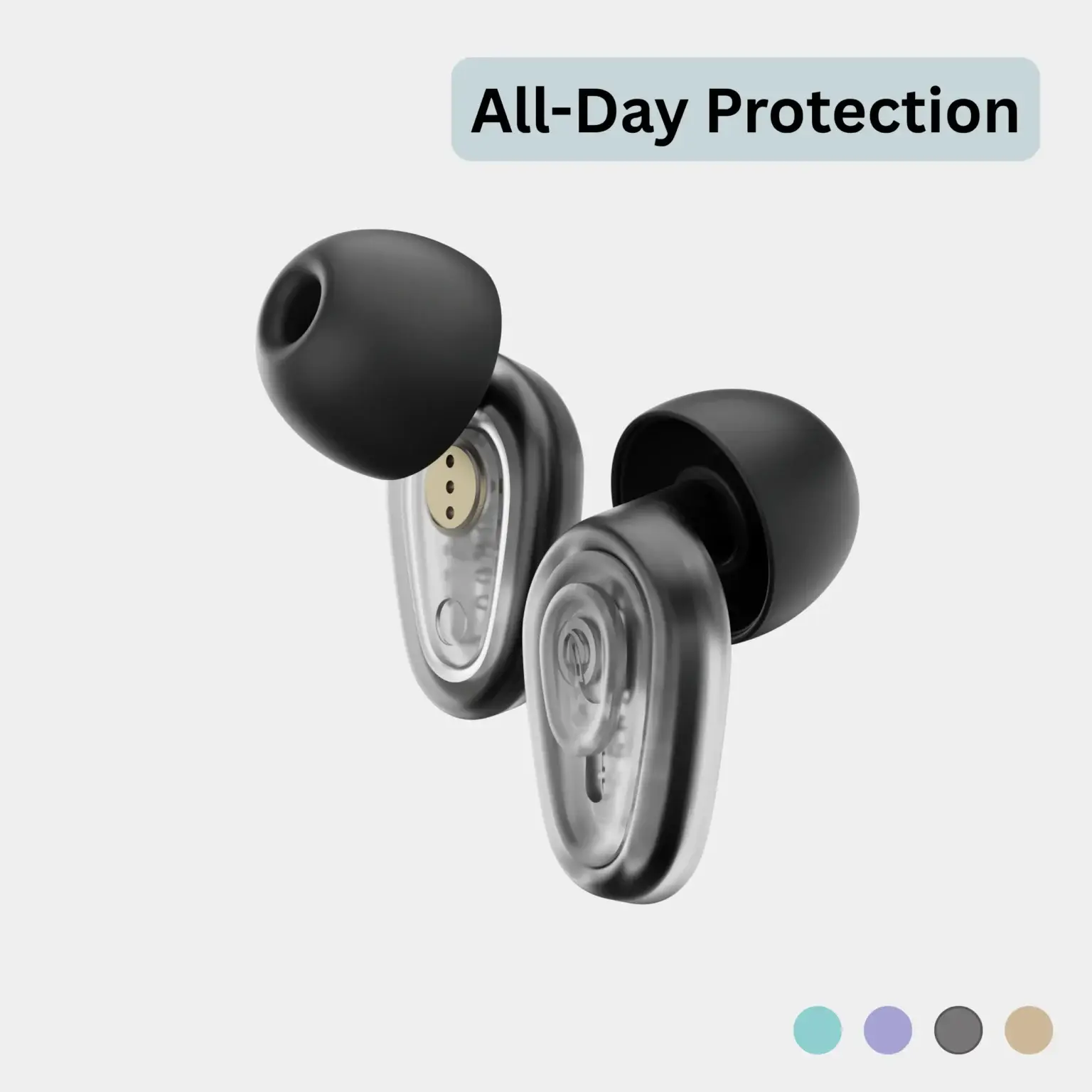
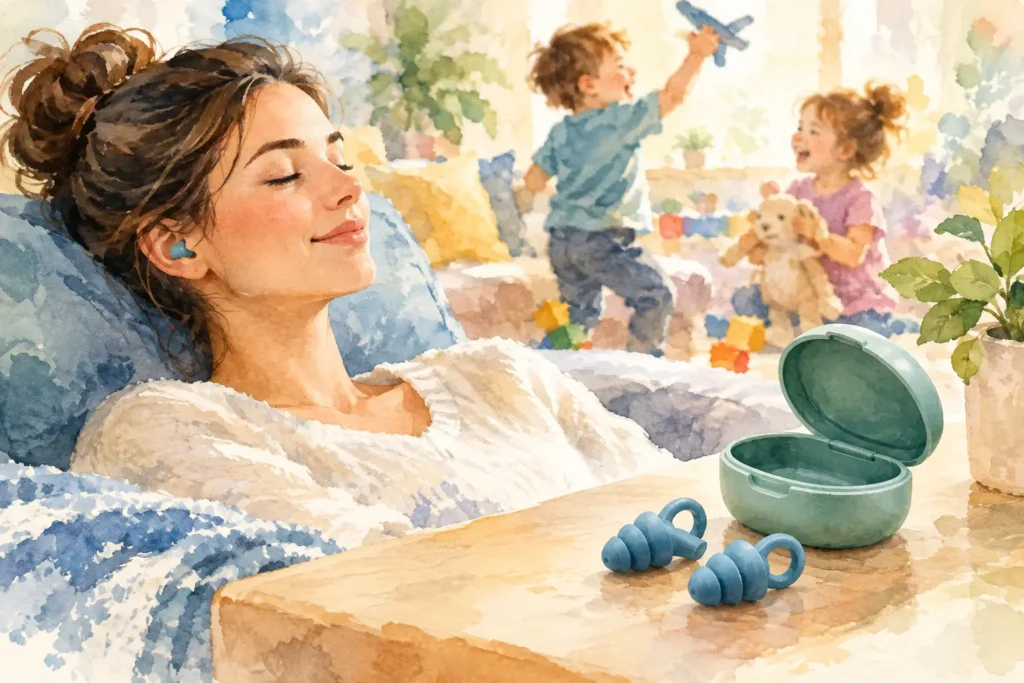
A shrieking toddler, a cartoon theme tune on repeat, the blender, the doorbell, and somebody asking for a snack while you are already answering another question. The best reusable earplugs for parenting noise do not make you switch off from family life. They turn the volume down enough to help you stay calm, patient and present.
That distinction matters. Parenting is loud, but it is also full of sounds you need to hear: a child calling from another room, a smoke alarm, a baby monitor, the shift in a cry that tells you something is wrong. The goal is controlled sound, not total silence.
Why parenting noise can feel so intense
Noise is not only about decibels. Repetition, unpredictability and the lack of a quiet exit can push ordinary sounds from irritating to overwhelming. A high-pitched squeal may be brief, yet feel physically sharp after a long day. Two children talking at once can drain focus faster than a busy commute.
For parents with sensory sensitivity, migraines, tinnitus, anxiety or simply a low tolerance after poor sleep, that pressure builds quickly. You may notice yourself snapping sooner, struggling to follow a conversation or counting the minutes until bedtime. Reducing the edge of the noise can create valuable breathing room.
Reusable earplugs offer a practical middle ground. Unlike foam plugs built to block as much sound as possible, everyday filtered designs can lower overall volume while keeping speech and environmental cues more usable. That makes them far better suited to breakfast chaos, playdates, school runs and family travel.
What makes the best reusable earplugs for parenting noise?
The right pair should feel like an everyday essential, not industrial PPE you only reach for in a crisis. Four factors separate a useful parenting earplug from one that stays in a drawer.
Choose reduction, not isolation
More noise reduction is not automatically better. For hands-on daytime parenting, a moderate level of attenuation is usually the smarter choice. You want to soften piercing voices, clattering toys and household noise without making your child sound distant or making it difficult to respond quickly.
Look for earplugs designed to filter sound evenly where possible. A balanced filter reduces harshness and volume more naturally than a plug that simply muffles everything. You will still hear the room. It will just demand less from your nervous system.
High-protection plugs have their place for genuinely loud situations, such as fireworks, a packed indoor event or a noisy motorbike journey. At home, though, maximum blockage can leave you feeling cut off. It depends on your environment, your sensitivity and whether another alert adult is present.
Comfort decides whether you will wear them
An earplug can have impressive protection on paper and still be the wrong choice if it aches after 20 minutes. Parenting rarely happens in neat, predictable blocks. You may put earplugs in during the morning rush, remove them for a meeting, then use them again during the witching hour.
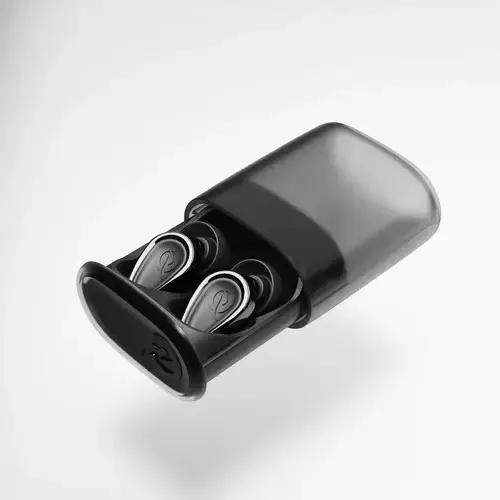
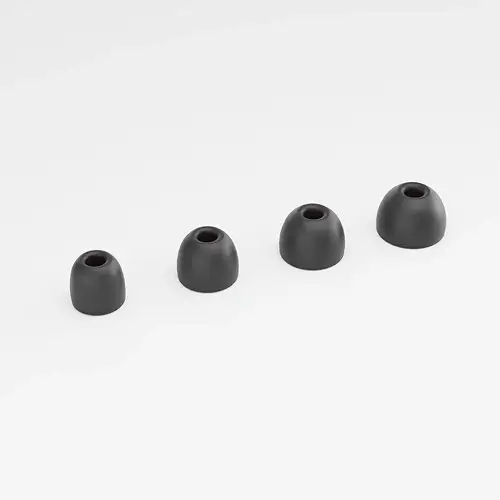
Prioritise a low-profile shape, soft skin-friendly materials and more than one eartip size. A secure fit should seal comfortably without pressure or the feeling that the plugs are constantly working loose when you bend down, hug a child or wear headphones.
Fit also affects performance. If a plug is too small, sound leaks around it. Too large, and it can become uncomfortable enough that you stop wearing it. Take a few minutes to test each eartip size properly. The best fit is often not the size you expected.
Reusability must be genuinely easy
Disposable foam earplugs can be useful in a pinch, but they are easy to misplace, create waste and are not built for daily family life. A reusable pair with a protective case is quicker to keep in the changing bag, coat pocket or bedside drawer.
Choose plugs that are simple to clean with mild soap and water, then dry fully before storing. If you use them most days, check them regularly for wear, tears or changes in fit. Hygiene is part of comfort, especially when earplugs are a regular part of your routine.
Safety and quality deserve a closer look
For hearing protection, certification is more than a marketing detail. Look for products tested against recognised standards such as CE, EN 352 or ANSI where the intended use calls for hearing protection. These marks help indicate that stated protection claims have been assessed under defined test conditions.
A claimed noise reduction figure is still not a guarantee of what you personally will experience. Ear canal shape, insertion and surrounding sound all affect real-world results. Treat ratings as a comparison tool, then judge your final choice by comfort, fit and your ability to stay aware.
Match your earplugs to the moment
One pair can cover a lot of family life, but there is no single setting that is perfect for every situation. Think about the noise you want to manage and what you must still hear.
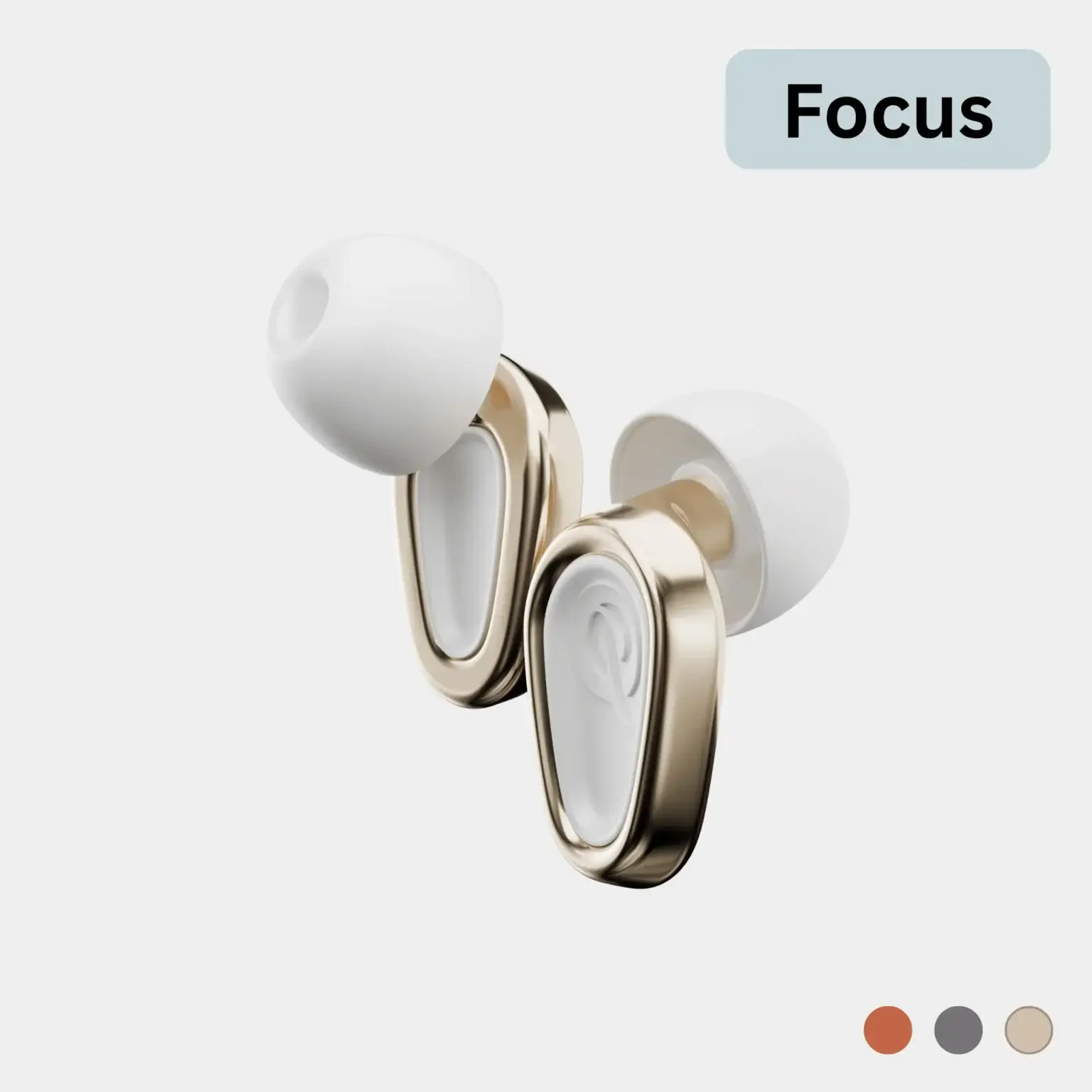
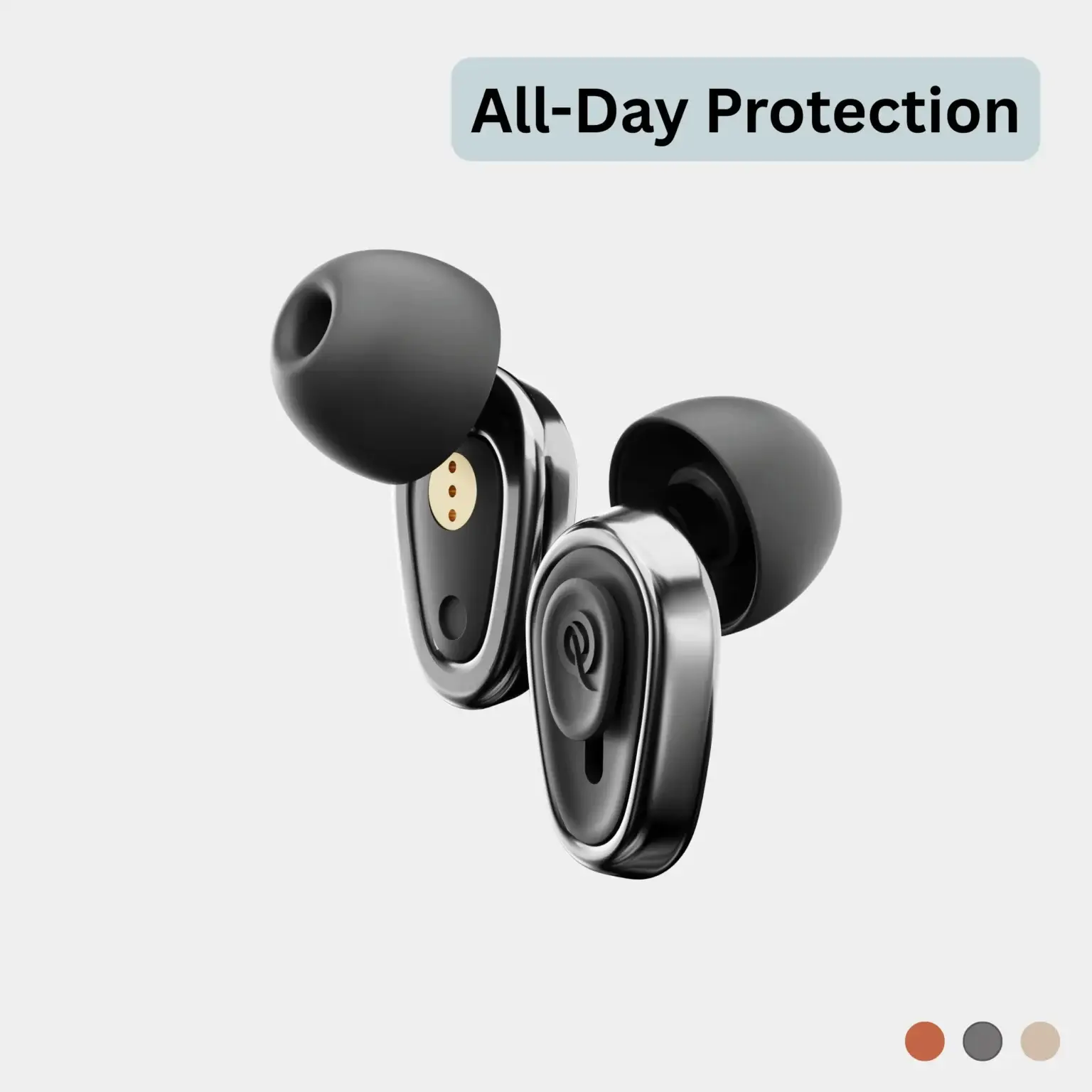
For daytime play, meals and the after-school rush, choose a comfortable filtered earplug that reduces sharpness while keeping voices intelligible. This is the setting where low-profile comfort matters most. You should be able to wear them without feeling like you have stepped away from the room.
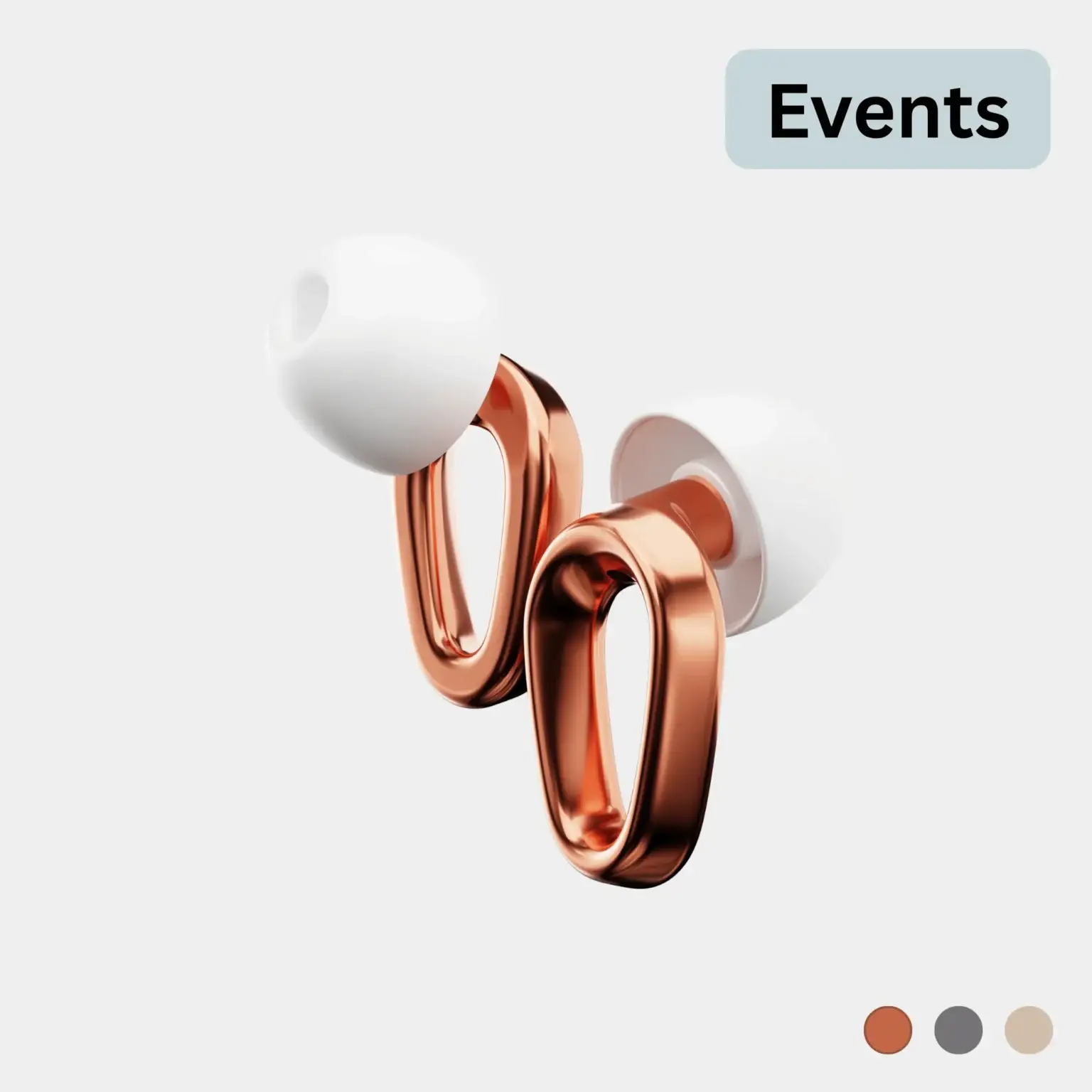
For travel, soft-play centres, sporting events and busy family gatherings, you may prefer a little more reduction. These environments combine crowd noise, sudden cheers, music and echo. A secure reusable plug can take the sting out of the experience while helping you remain part of it.
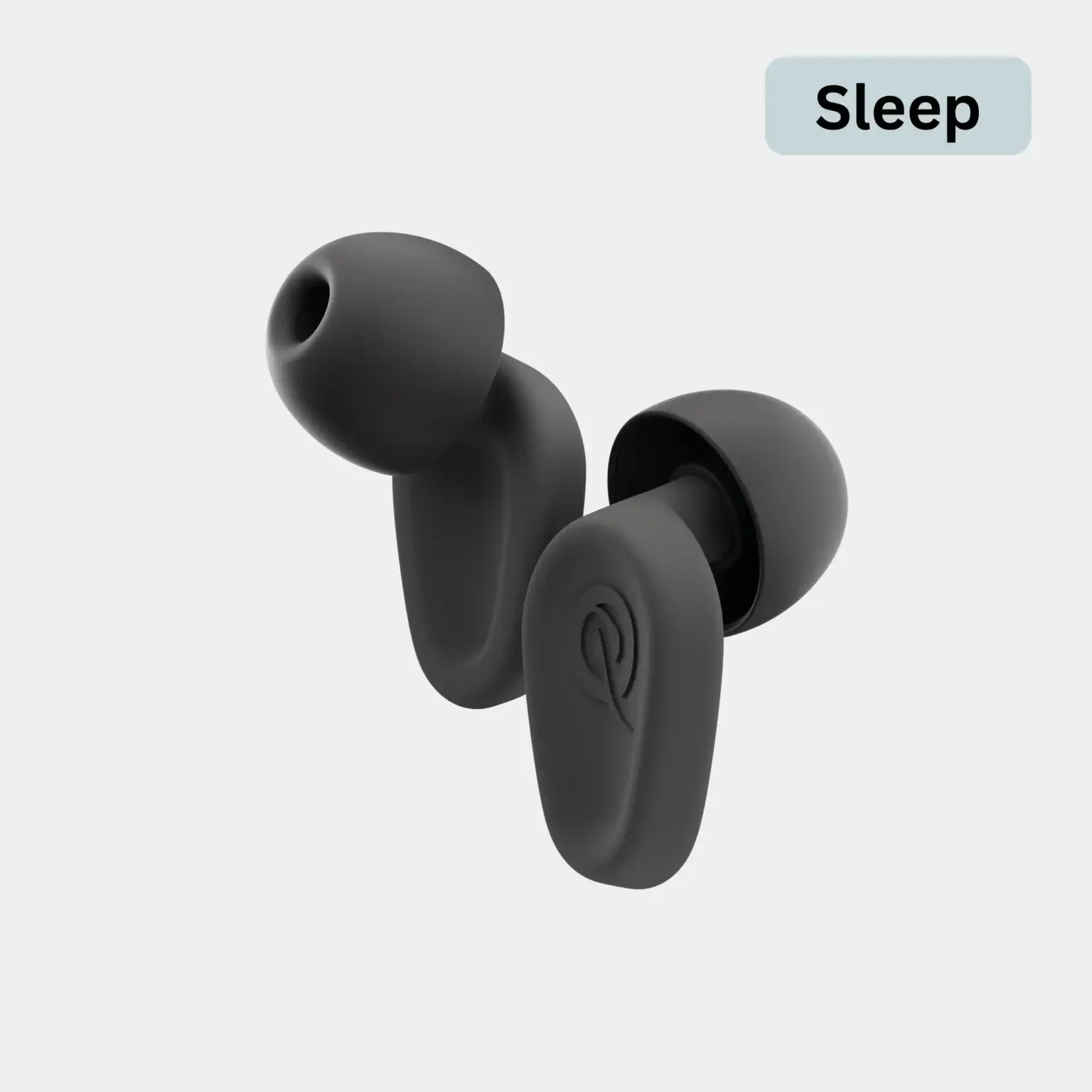
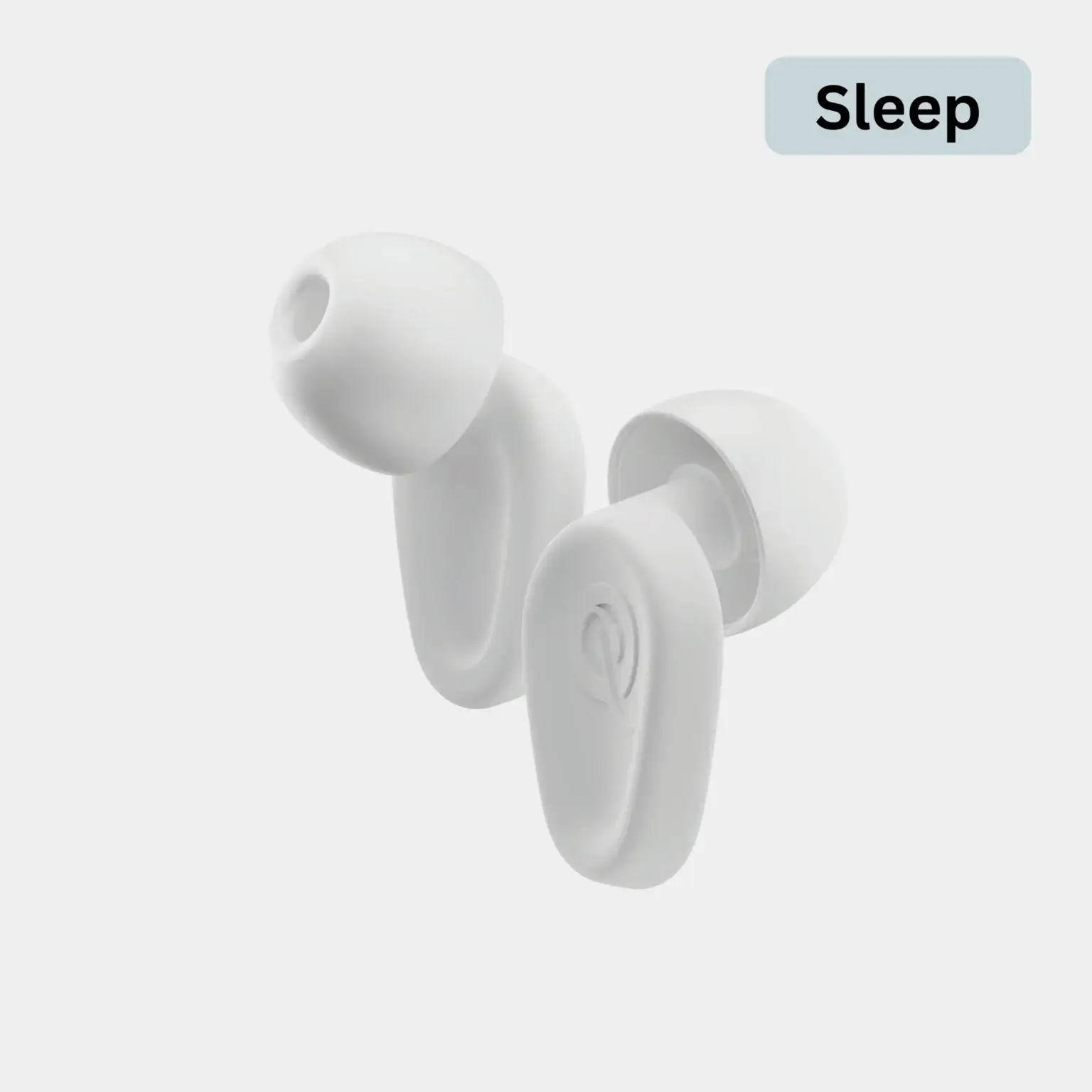
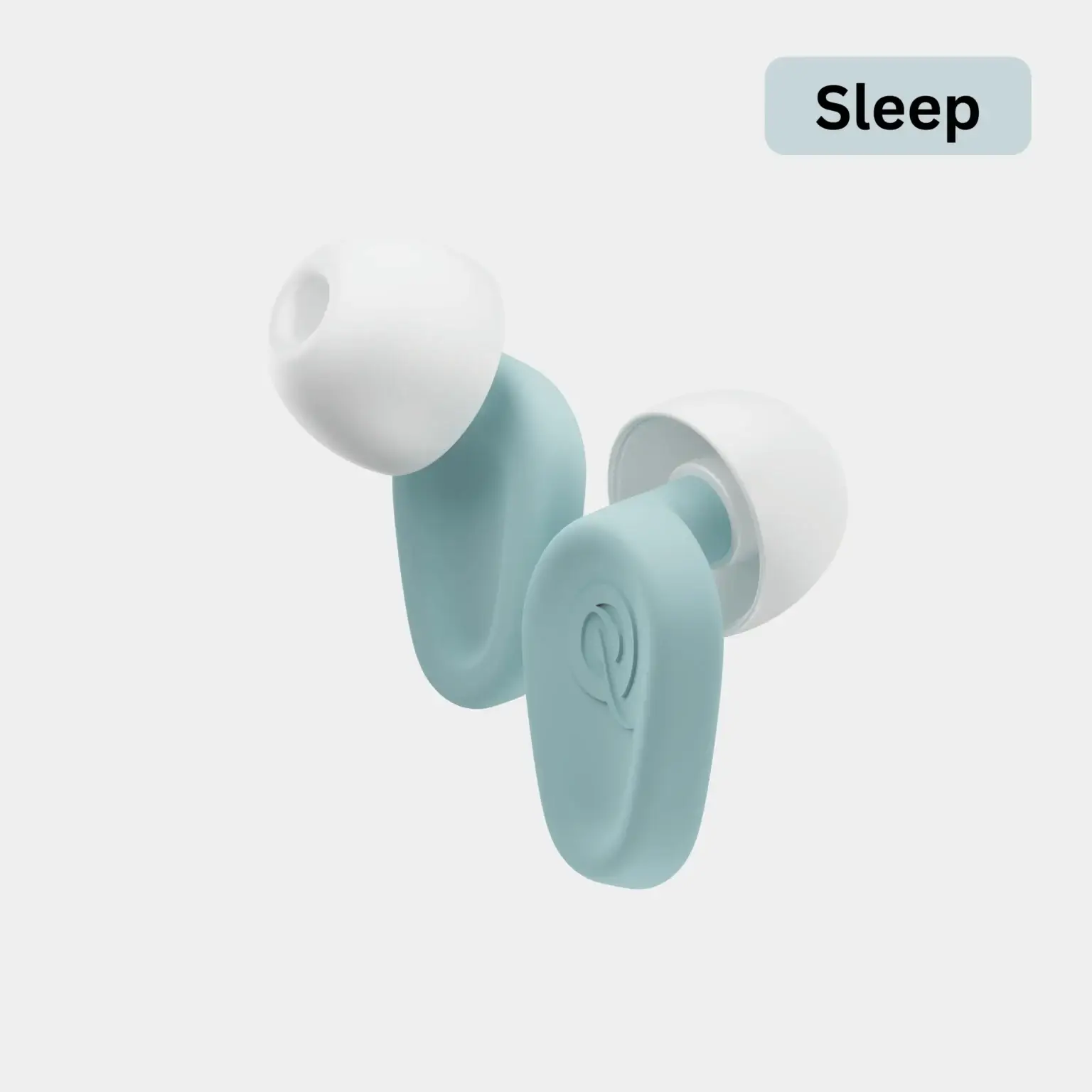
For sleep, be more cautious. Sleep-specific earplugs can help when a partner snores, neighbours are noisy or a child is unsettled but safely cared for by another adult. Do not rely on earplugs to block essential alerts when you are the sole person responsible for a baby or young child. Keep monitors, alarms and urgent notifications at an audible level, and consider whether one ear needs to remain uncovered.
For concerts, fireworks or other very loud events with children, use protection made for the sound level. Everyday comfort filters may not provide enough attenuation for sustained high-volume noise. Children need appropriately sized hearing protection of their own too. Your earplugs do not protect their ears.
How to wear them without losing family connection
The biggest concern parents have is understandable: “What if I do not hear my child?” The answer is to use earplugs deliberately, rather than treating them as an all-day barrier.
Start at home during a predictable noisy period. Put them in while your child is playing nearby and notice how speech, movement and household sounds change. Speak to your child at normal volume. You may find that the noise is less piercing without becoming unclear.
Tell older children what you are doing in simple language: “These make loud sounds feel softer, but I can still hear you. Please come close and say my name if you need me.” This sets a useful family habit. It also models a healthy boundary: you can care for other people while taking care of your own sensory needs.
Avoid wearing them in situations where your full hearing is essential, including when driving if they affect your ability to hear traffic cues, when supervising water play, or when you are unwell and need heightened awareness of a child overnight. Use common sense and adjust to the situation.
A quick fit check before you buy
A strong choice is one you can wear confidently through real life. Before deciding, ask whether the earplugs offer multiple tip sizes, a discreet comfortable profile, reusable materials and a case you will actually carry. Consider the level of reduction you need most often, not the loudest possible scenario.
If your priority is everyday volume control, a comfort-led filtered model is likely the better starting point. Earmuffz offers reusable options organised around real-world needs, helping you choose between sleep support, everyday noise reduction and higher-demand environments without treating every loud moment the same.
Also be honest about your trigger sounds. If high-pitched shrieks are the problem, focus on balanced filtering and long-wear comfort. If your challenge is a once-a-week loud venue, choose more protective gear for that use rather than over-blocking daily life.
Parenting does not need to happen at full volume. A well-fitted reusable earplug gives you a little more control when the house gets loud – enough space to lower your shoulders, soften your response and meet the next noisy moment with more patience.