
Best Earplugs for Noise Sensitivity Adults
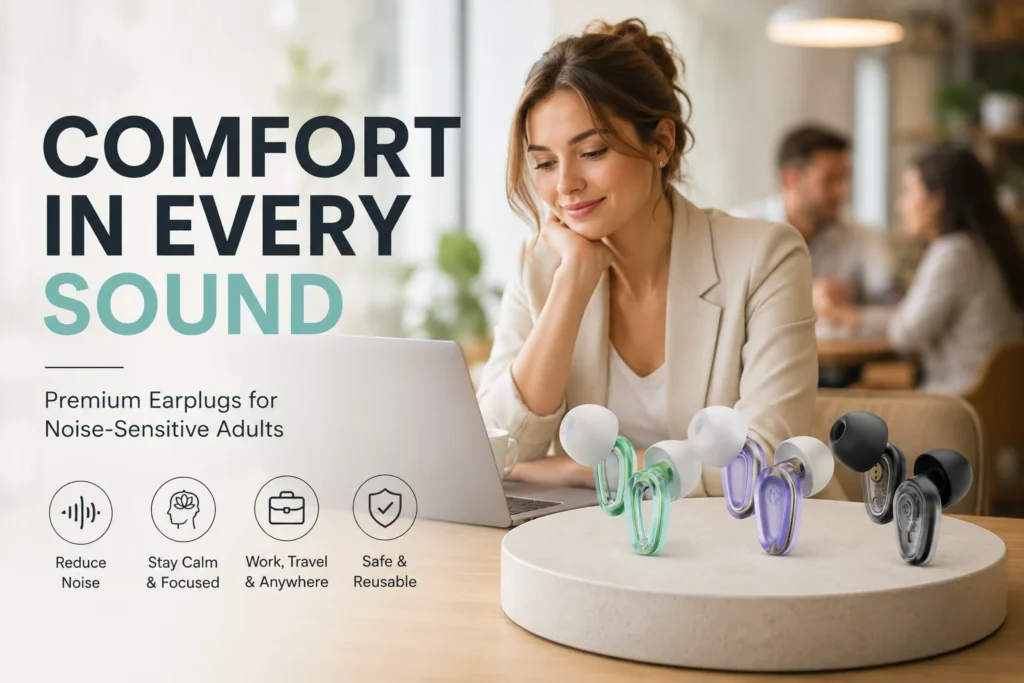
A coffee grinder in the office kitchen. Plates clanking at dinner. Brake squeal on the commute. For many people, those sounds are background noise. For others, they hit like a wall. If you’re searching for earplugs for noise-sensitive adults who can actually wear them for hours, the goal is not to disappear from life. It’s to turn the volume down enough to feel steady, focused, and in control.
That difference matters. Noise sensitivity is personal. Some adults need relief during work calls and open-office chatter. Others need a calmer commute, better sleep, or less stress in crowded stores and social settings. The right earplug is the one that matches your environment, your comfort threshold, and how much sound you still want to hear.
What adults with noise sensitivity actually need
Most people start with one simple idea: block as much sound as possible. That works sometimes, but not always. Total isolation can feel disorienting, especially if you’re walking in public, trying to hear speech, or managing a full day with earplugs in and out.
For many adults, better results come from controlled reduction rather than maximum suppression. You want to soften the world’s sharp edges without making everything muffled and strange. That is why fit, filter style, and wearability matter just as much as raw noise reduction numbers.
Comfort is non-negotiable. If an earplug creates pressure, slips loose, or irritates your ear canal after an hour, it does not matter how effective it looks on paper. Adults with noise sensitivity often wear earplugs in real life, not just for a single loud event. That means commuting, parenting, working, travelling, and sleeping. A low-profile design and soft eartips can make the difference between occasional use and everyday relief.
Earplugs for noise-sensitive adults: not one-size-fits-all
The biggest mistake shoppers make is buying based solely on category. “Sleep earplugs” or “concert earplugs” can be useful labels, but they don’t tell the whole story. Noise sensitivity manifests in different ways, and each scenario requires a different kind of performance.
For work and focus
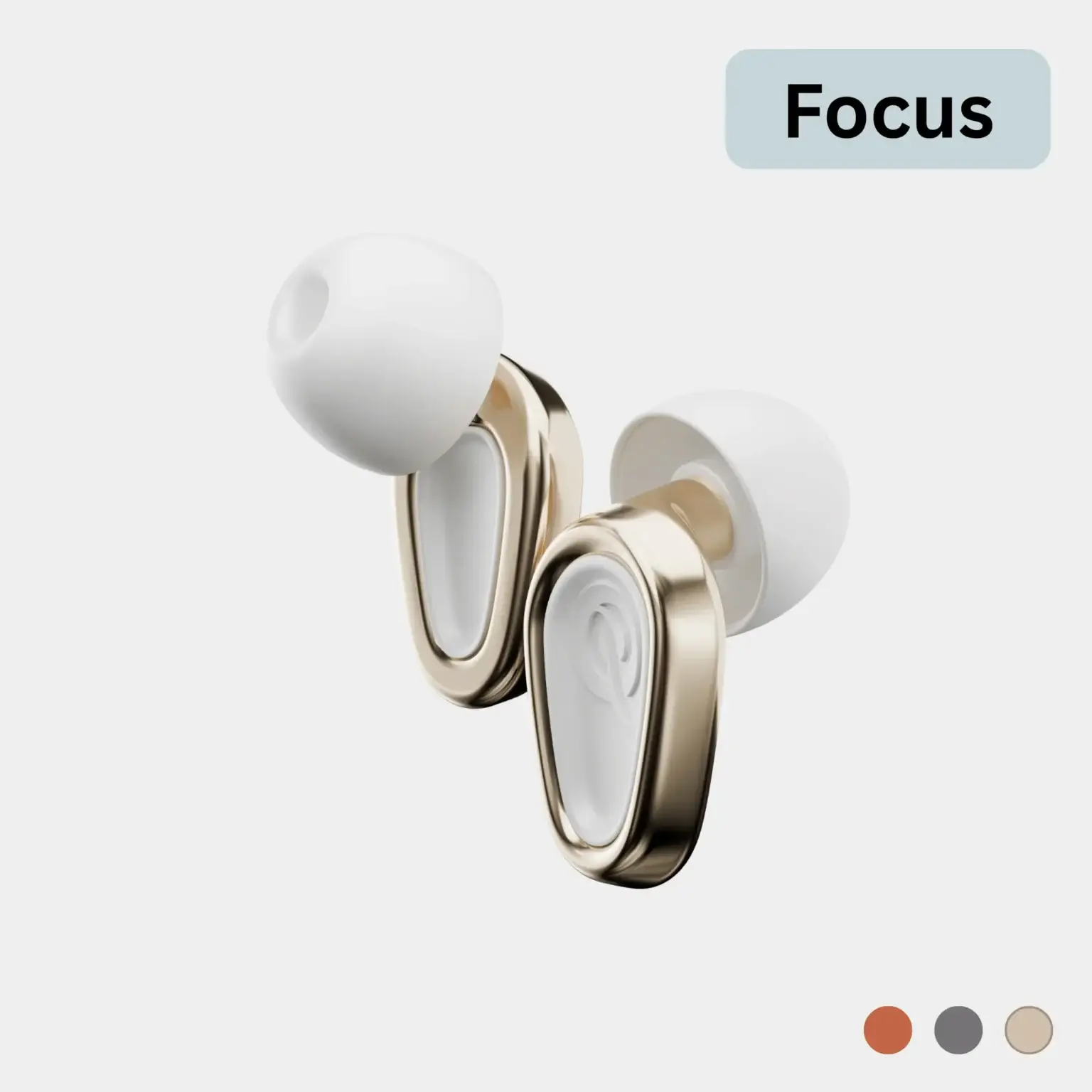
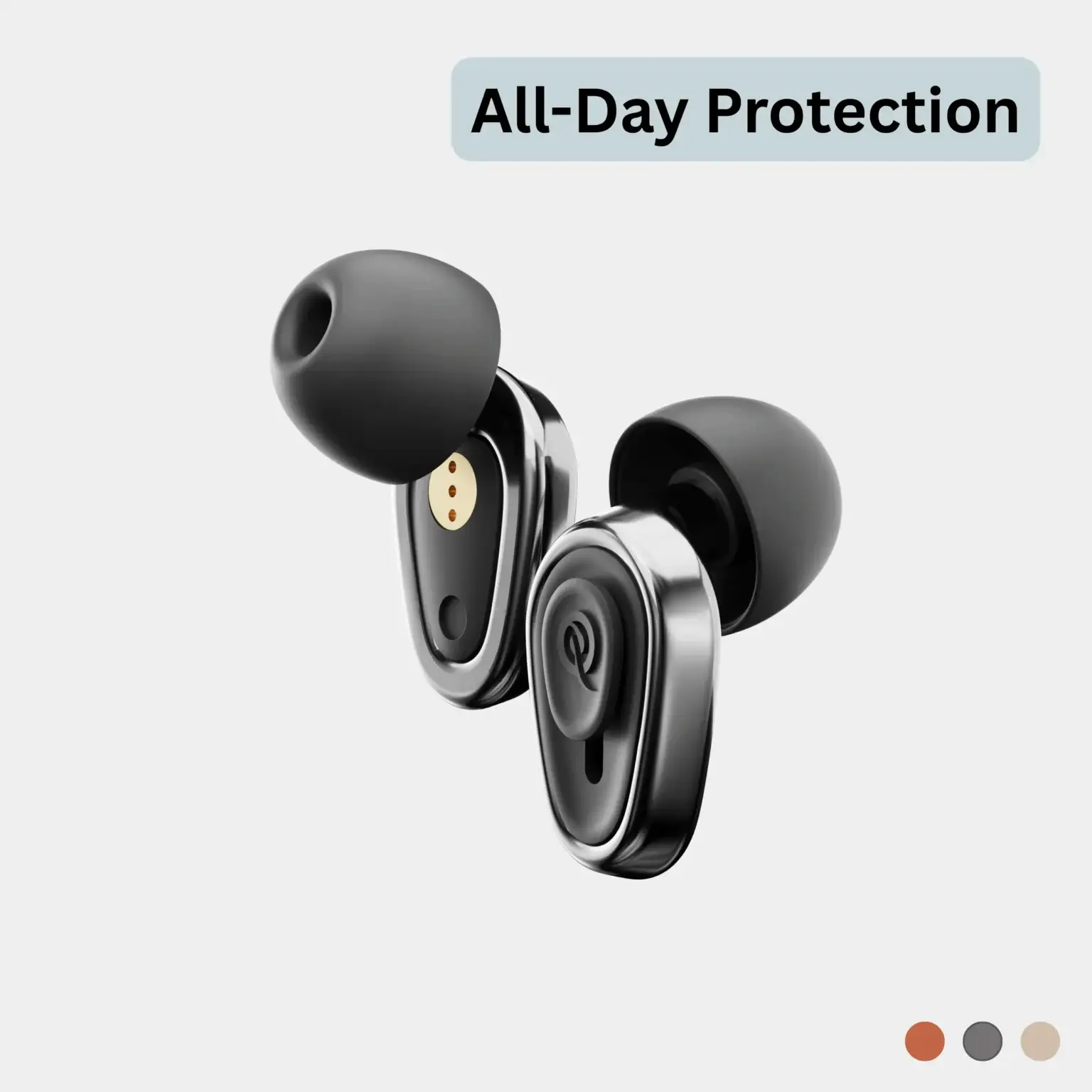
If keyboard clicks, HVAC hum, conversations, and sudden office noise drain your focus, you likely need moderate reduction with all-day comfort. The ideal earplug takes the edge off distraction without making you feel cut off from your environment. This is where reusable everyday earplugs tend to outperform bulky foam options. They’re faster to insert, easier to wear through meetings and task blocks, and more discreet if you care about appearance at work.
For commuting and public spaces
Transit noise is unpredictable. Sirens, announcements, traffic, engine rumble, and crowd noise can build fast. Here, a secure fit matters as much as sound reduction. You want something that stays put while walking, turning your head, or moving through a station. A profile that sits close to the ear also helps if you’re wearing a helmet, hat, or hood.
For sleep and recovery
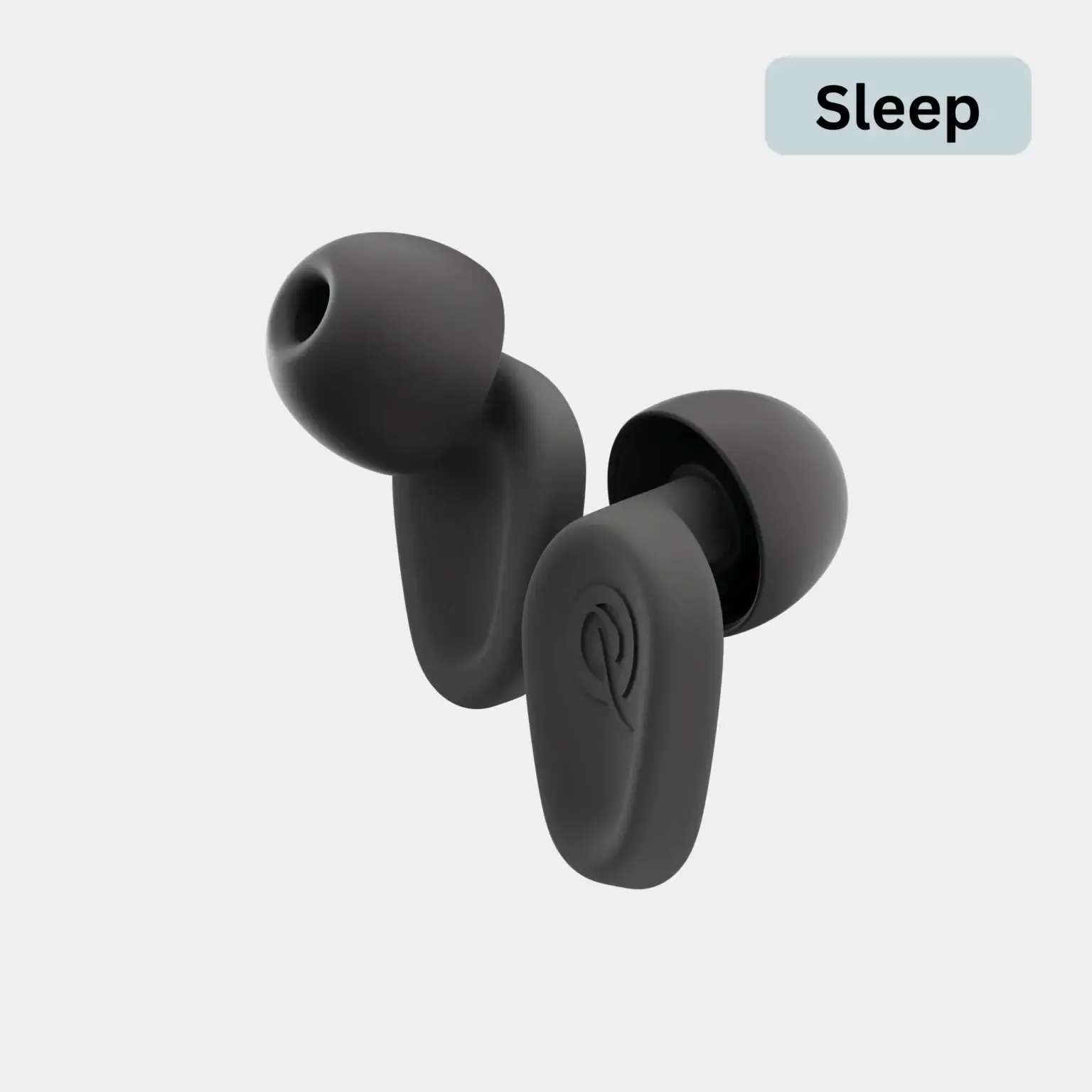
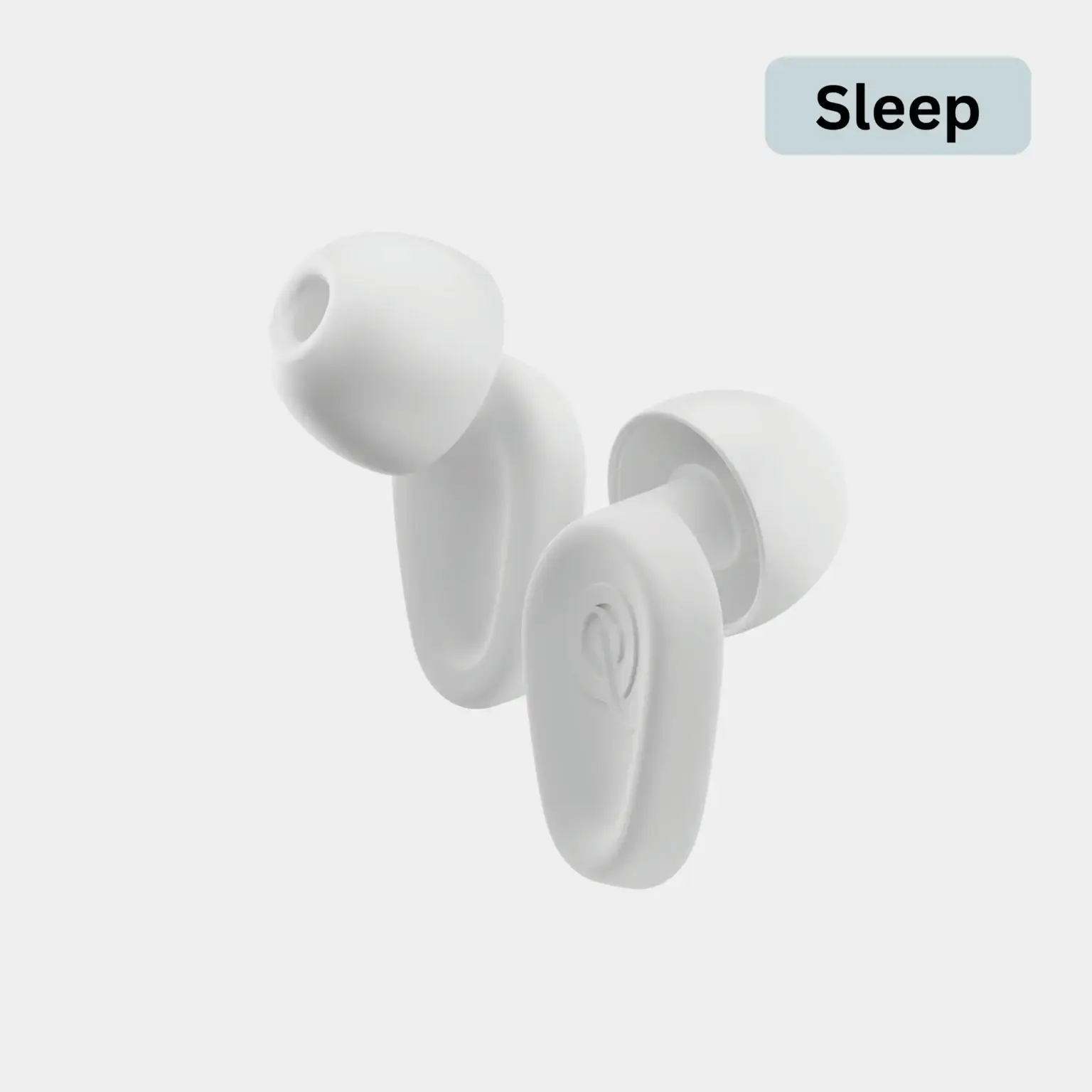
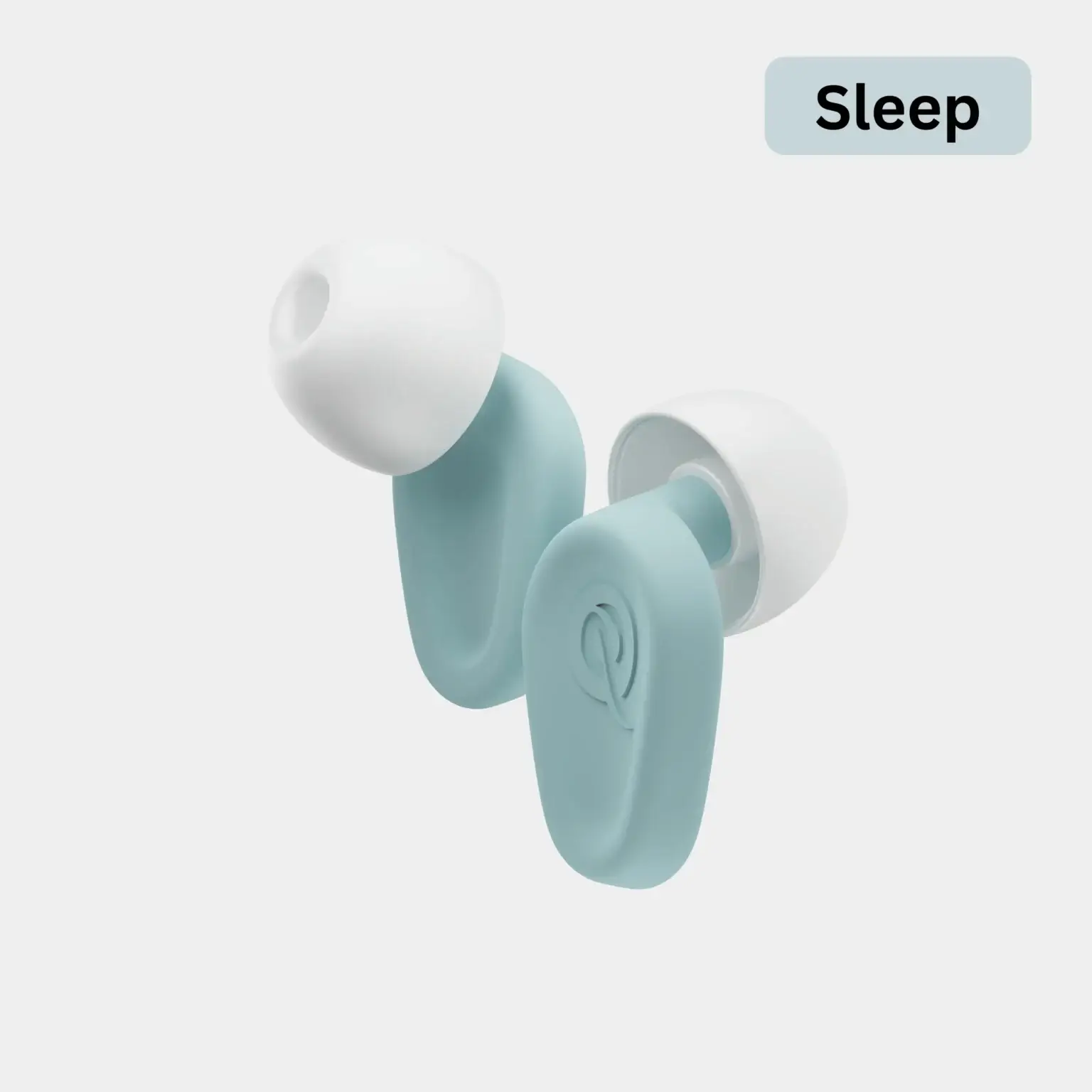
Sleep is different. Side-sleeping pressure, pillow contact, and long overnight wear change the equation. Softness becomes the priority. Some people need stronger reduction for snoring or street noise, while others just need enough dampening to stop waking up at every small sound. The best sleep earplugs feel nearly invisible after a few minutes.
For social settings and overstimulation
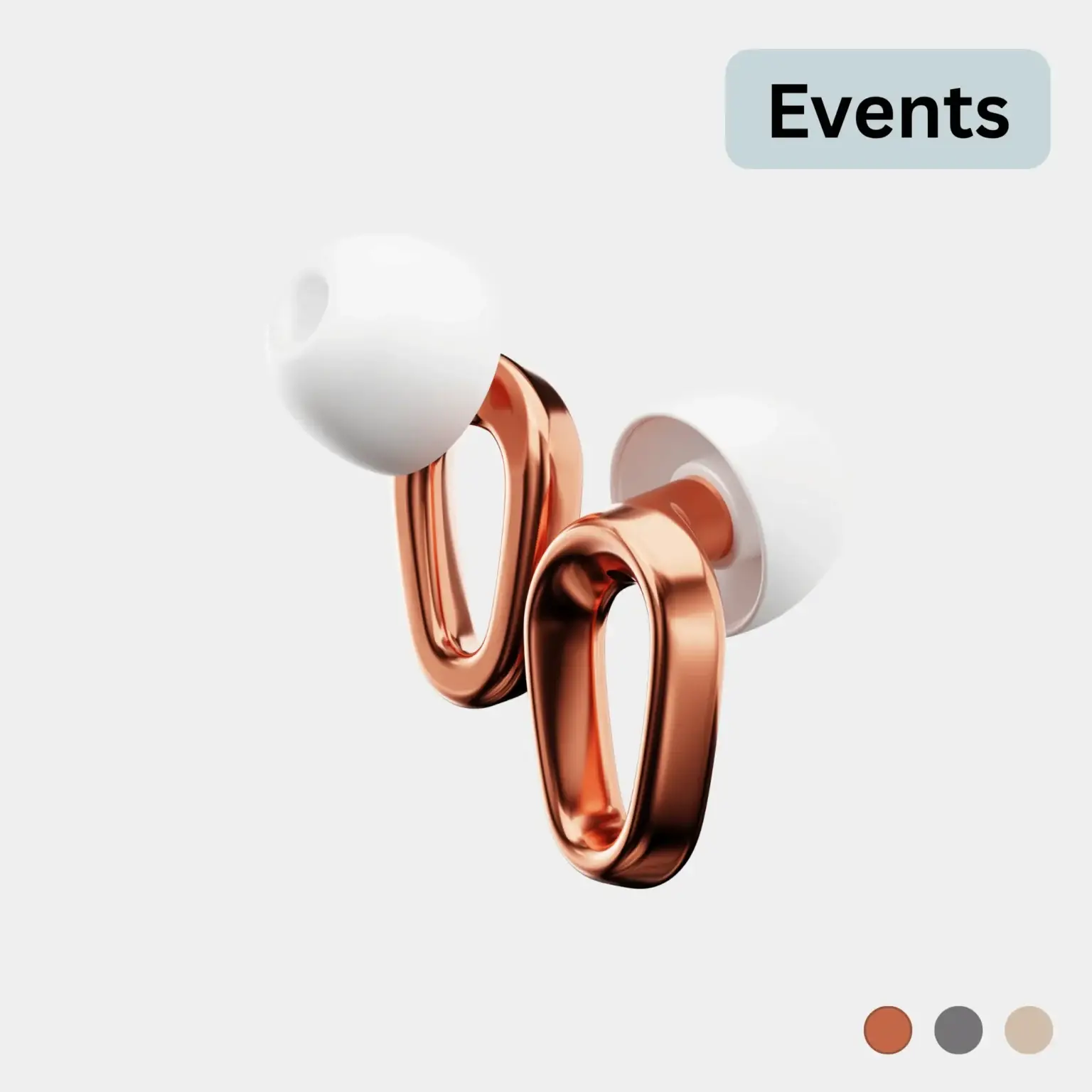
Restaurants, family gatherings, sporting events, and busy retail spaces can become exhausting long before they become dangerous to your hearing. In these moments, many adults don’t want silence. They want relief. Earplugs that reduce overall volume while preserving some speech clarity can help you stay present longer with less stress.
What to look for before you buy
The numbers matter, but they are not the whole story. Noise reduction ratings help compare products, yet real-world performance depends on seal, ear shape, insertion depth, and activity level.
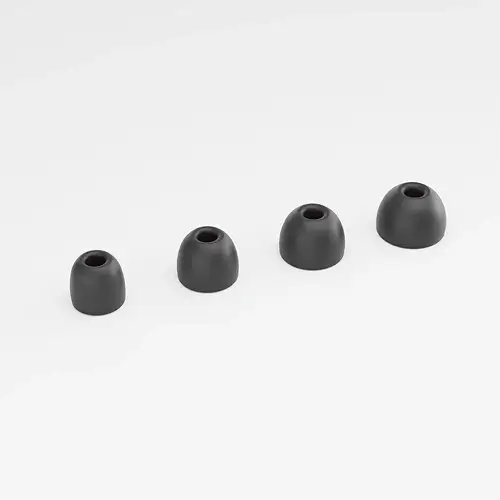
Start with fit. Multiple eartip sizes are a strong sign that the product is built for actual human ears, not average measurements. If you routinely struggle with earbuds, do not ignore this. A bad fit causes leaks, discomfort, and constant readjustment.
Next, think about material and design. Soft silicone or similar comfort-first materials usually work well for reusable daily wear. Low-profile shapes are better for discretion and extended use. If you plan to wear earplugs while sleeping or under a helmet, this becomes even more important.
Then consider your use case. For concentration, daily overstimulation, or city life, moderate and balanced reduction is often the sweet spot. For sleep or very loud conditions, you may want a stronger option. If one pair is supposed to do everything, you may end up with a compromise that does nothing especially well. It is often smarter to match the product to the moment.
Why reusable earplugs usually win for daily sensitivity
Disposable foam earplugs have a place. They are inexpensive and widely available. But for adults managing noise sensitivity regularly, they often fall short.
Foam can feel intrusive, inconsistent, and overly isolating. It also tends to look and feel like temporary safety gear rather than something designed for modern daily life. Reusable earplugs are easier to integrate into a routine. They look cleaner, feel more intentional, and hold up better across repeated wear.
That matters when earplugs are not an emergency purchase but part of your everyday toolkit. A reusable pair with the right fit can support focus at work in the morning, take the edge off your commute, and still be ready for dinner in a loud restaurant. That’s performance, not just protection.
How to choose the right pair without overthinking it
If your main issue is daytime overstimulation, start with an everyday model designed for balanced noise reduction and long-wear comfort. If sleep is the problem, choose a softer, lower-profile option designed for pressure-free overnight use. If you move between different environments all week, it may make sense to keep more than one pair.
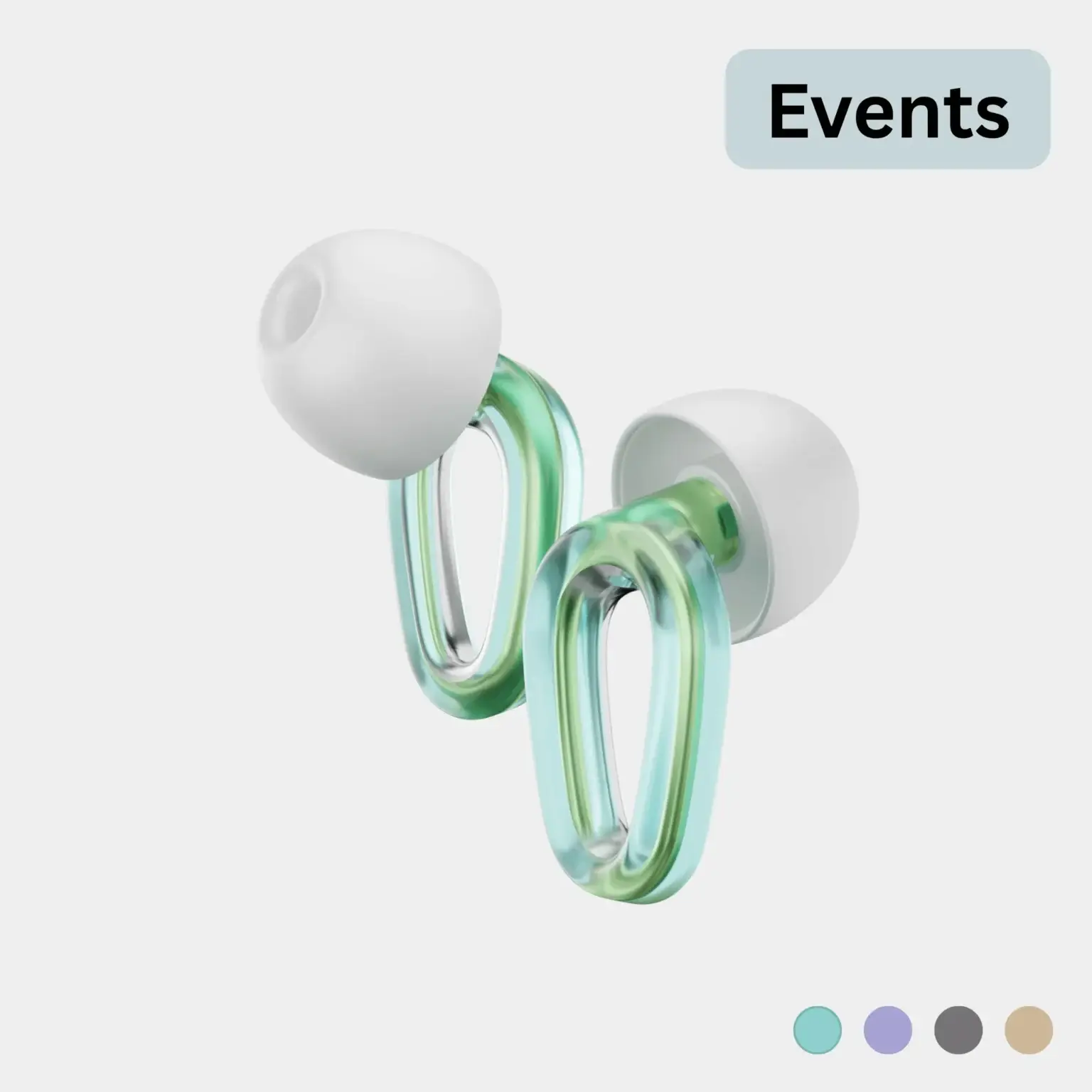
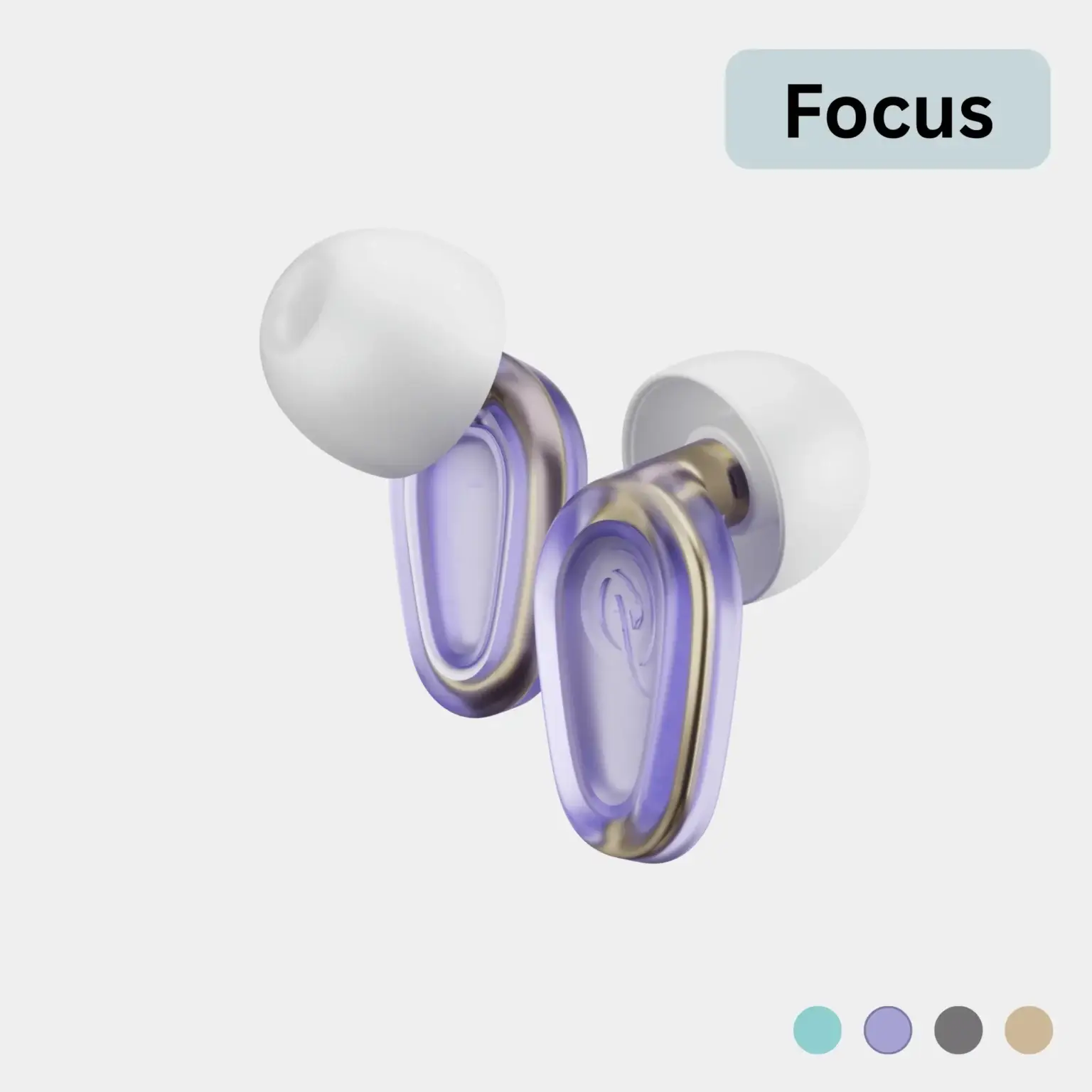
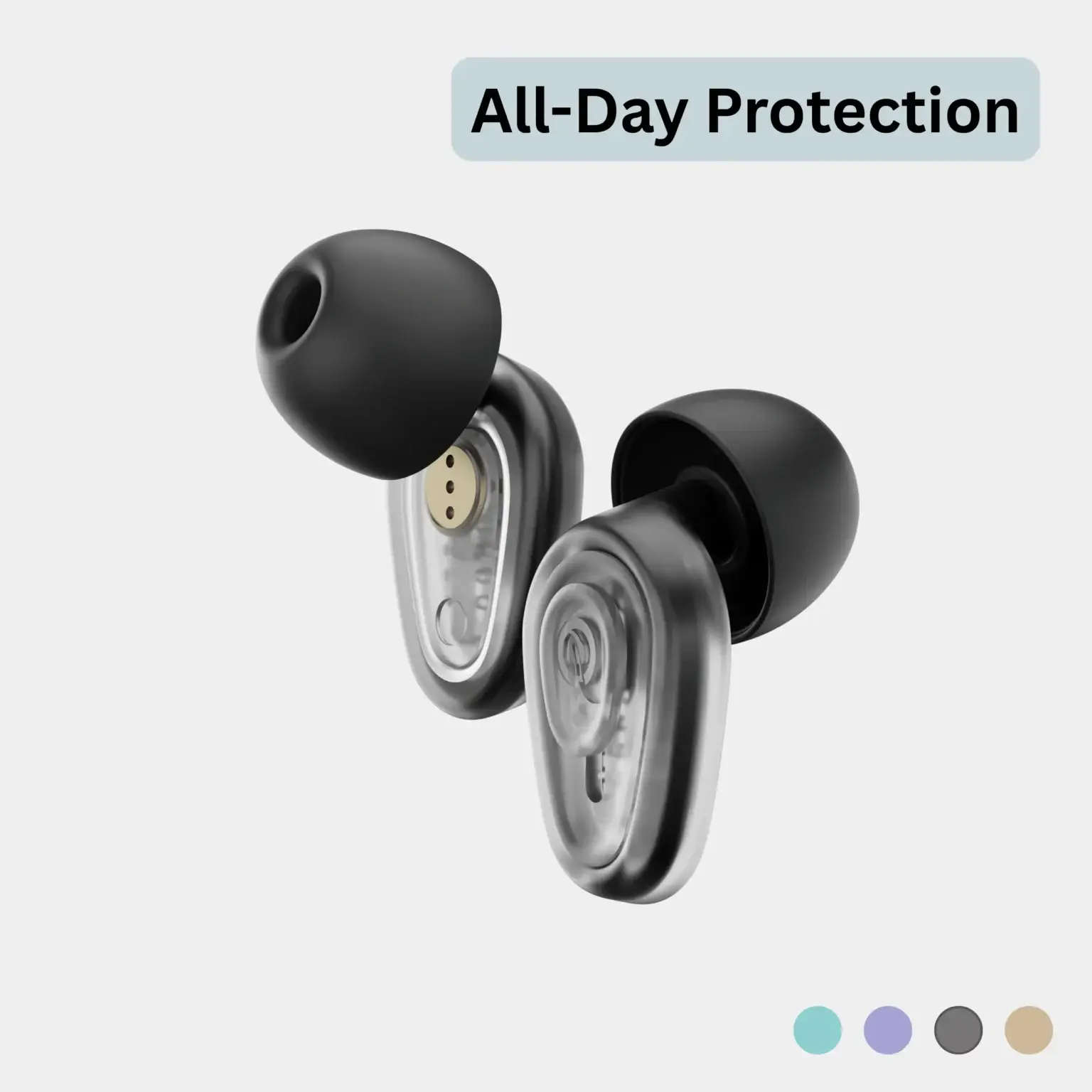
This is where a structured lineup helps. Brands that separate products by use case make shopping easier because you can match the earplugs to the job instead of guessing from vague marketing claims. Earmuffz, for example, organises options by daily wear, sleep, and upgraded performance, making it easier to choose based on how you actually live.
You should also be honest about your expectations. Earplugs can reduce stress, improve concentration, and soften overwhelming environments. They cannot make a chaotic space feel perfectly calm every time. If your sensitivity changes day to day, that is normal. Some days you may want a lighter filter. On other days, you may want more protection and less input.
Small details that make a big difference
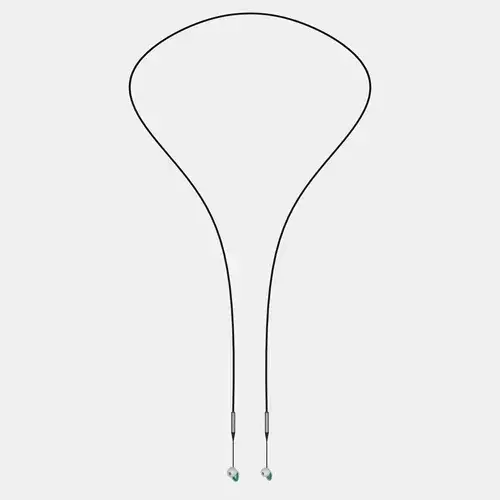
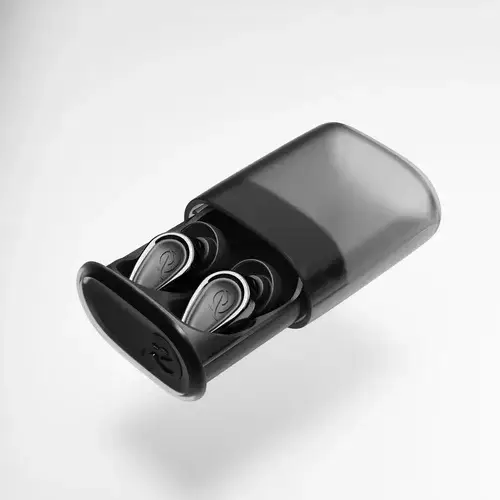
Accessories are easy to overlook until you need them. A carrying case means your earplugs stay clean and easy to grab. A neck strap can help if you take them in and out throughout the day. Extra eartips can extend product life and improve fit as your preferences change.
Durability matters too. Daily-use earplugs should be easy to clean and built to last. That supports hygiene, value, and consistency. If you find a pair that works, you want to trust that it will perform the same way tomorrow, next week, and next month.
Trust signals also matter. Certified standards, clear product segmentation, and warranty coverage are not just marketing extras. They tell you the brand is thinking about long-term use, product reliability, and real-world confidence.
The best earplugs for noise-sensitive adults feel like control
The best choice is rarely the loudest-looking product or the one with the highest number on the box. It’s the pair you reach for without hesitation because it helps you stay steady, comfortable, and fully functional in your world.
For adults with noise sensitivity, that can be a genuine quality-of-life upgrade. Better focus. Less irritability. More energy after social situations. Fewer moments spent bracing against sound. When your earplugs fit well and match the moment, they do more than reduce noise. They give you back bandwidth.
You do not need to tough it out, nor do you need bulky gear to feel protected. Choose earplugs that fit your routine, comfort level, and how you want to move through the day. When the volume is under control, everything else gets easier.