
Your earplugs help you take control of noise, whether you are sleeping beside a snorer, commuting, concentrating at work or standing near the speakers at a gig. But do earplugs cause earwax? Not directly. Earplugs do not tell your ears to produce wax. They can, however, make existing wax more likely to stay in the ear canal, shift deeper or become compacted if the fit, cleaning routine or insertion technique is off.
That distinction matters. Earwax is not a sign that you have done something wrong, and it is not a reason to give up the calm, focus or protection that earplugs can provide. It is your ear’s built-in cleaning system. The goal is simple: wear your plugs comfortably, keep them clean and know when your ears need a break or professional help.
Do Earplugs Cause Earwax? The Straight Answer
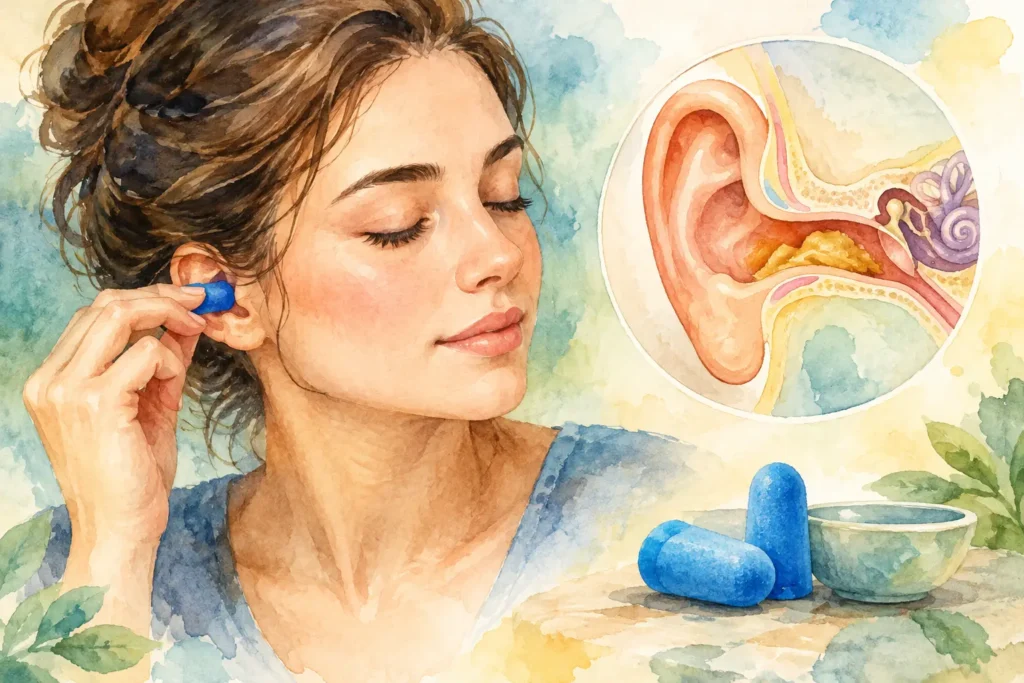
Your ears naturally make cerumen, commonly called earwax. It traps dust and debris, moisturises the skin inside the ear canal and helps protect against irritation. In most people, old wax gradually moves outwards as the skin in the ear canal renews itself. You may barely notice it.
Earplugs cannot create earwax from nothing. What they can do is interrupt that natural outward movement. A plug sits at the entrance of the canal and may press loose wax inward during insertion. If you wear plugs often, especially for sleep, the canal can also become warmer and more humid. That may soften wax and make it easier for it to collect rather than leave the ear naturally.
This is not inevitable. Plenty of people wear earplugs daily with no wax trouble at all. Your personal wax production, ear canal shape, skin sensitivity, how deeply you insert your plugs and whether you already have wax build-up all affect the outcome.
Why Earwax Build-Up Can Happen With Earplugs
The biggest issue is usually mechanics, not the earplugs themselves. Pushing a plug in too deeply can nudge wax towards the narrower part of the canal. The same is true of cotton buds, which are a far more common cause of compacted wax than earplugs.
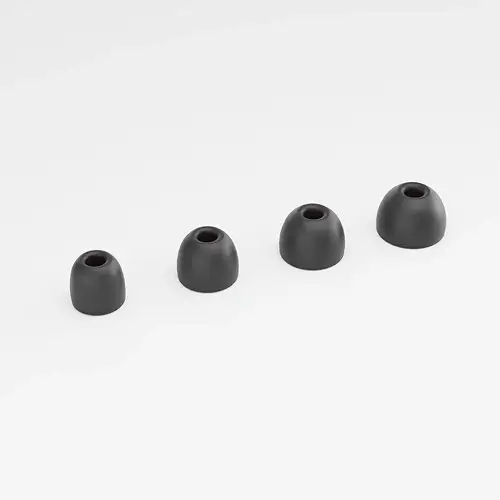
Fit matters too. A reusable plug should form a comfortable seal near the entrance of the ear canal, not feel like it is being forced deep inside. If a tip is too large, it can create pressure and encourage you to push harder than necessary. If it is too small, you may keep adjusting it with fingers that carry dirt or skin oils.
Then there is hygiene. Reusable earplugs collect earwax, sweat and everyday grime over time. Putting an unclean plug back in your ear can transfer that material back into the canal. It will not make your body manufacture more wax, but it can make your ears feel less fresh and increase the chance of irritation.
People who naturally produce more wax may notice the effect sooner. So might swimmers, people with narrow or hairy ear canals, hearing-aid users and anyone with skin conditions affecting the ear. If you have had recurring blockages before, treat cleaning and fit as part of your hearing wellness routine, not an afterthought.
Wear Earplugs Without Pushing Wax Deeper
Good technique protects comfort and keeps the benefits of noise reduction working in your favour. Start with clean, dry hands. Hold the earplug by its outer stem or body, rather than the part that enters the ear, then place it gently at the canal entrance. A light twist is often enough to create a stable seal.
Do not force it. A properly fitted earplug should feel secure, not painful, pressurised or buried. If you feel sharp discomfort, remove it and try a smaller eartip or a different position. The right fit makes it easier to wear plugs for sleep, focused work or a noisy journey without constantly touching and reinserting them.
When removing your earplugs, break the seal slowly with a gentle twist. Pulling quickly can feel uncomfortable, particularly after several hours of wear. Check the plug afterwards. A small amount of wax is normal. Heavy wax coating, an unpleasant smell or visible damage to the tip means it is time for a thorough clean or replacement.
Keep Reusable Earplugs Clean
Reusable earplugs are built for repeat wear, but repeat wear needs a repeatable routine. Wipe the earplugs after use with a clean, soft cloth. If the product care instructions allow washing, use mild soap and lukewarm water, then rinse thoroughly and let them dry completely before placing them in their case.
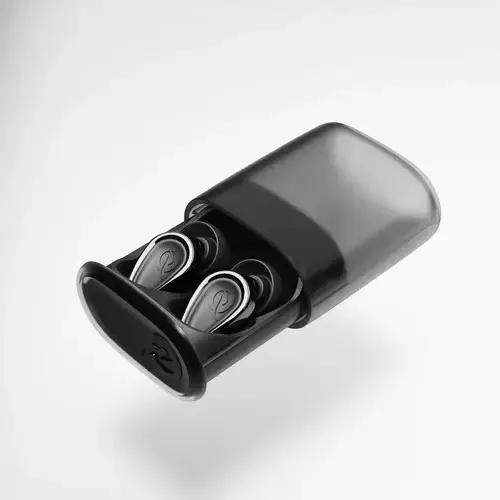
Avoid harsh chemicals, alcohol-heavy cleaners and very hot water unless the manufacturer specifically approves them. They can damage soft materials, affect the finish or reduce the life of the eartips. A clean protective case also matters. There is little point washing your plugs and dropping them straight into a dusty pocket or the bottom of a bag.
Never share reusable earplugs. They are personal items, like a toothbrush or in-ear headphones. If you use interchangeable eartips, inspect them regularly for splits, stickiness, discolouration or changes in shape. A fresh tip can restore both comfort and a reliable seal.
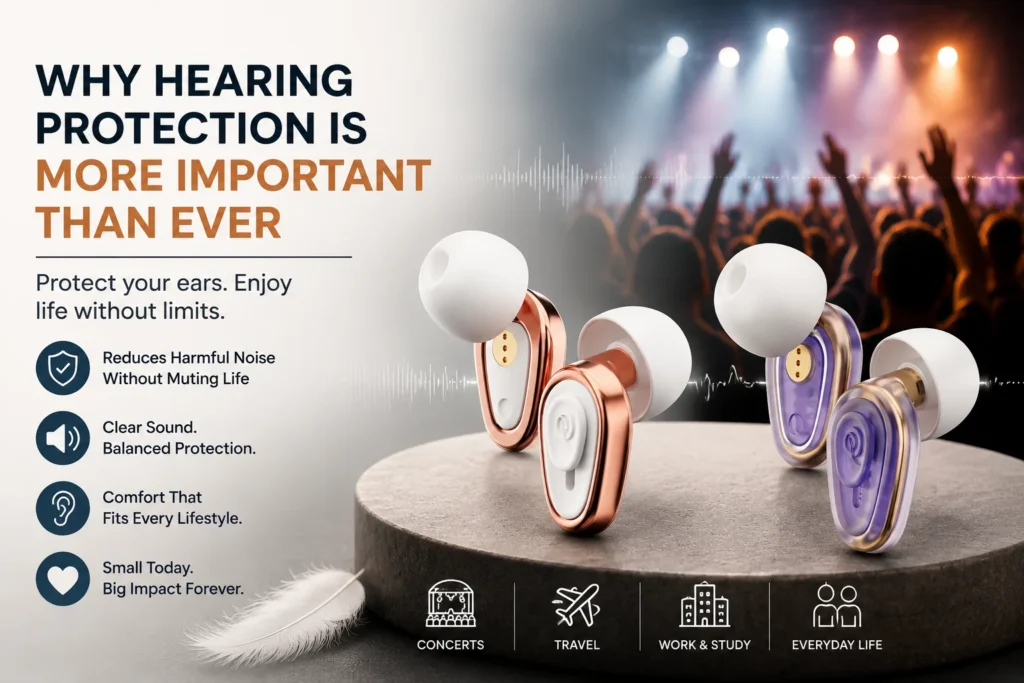
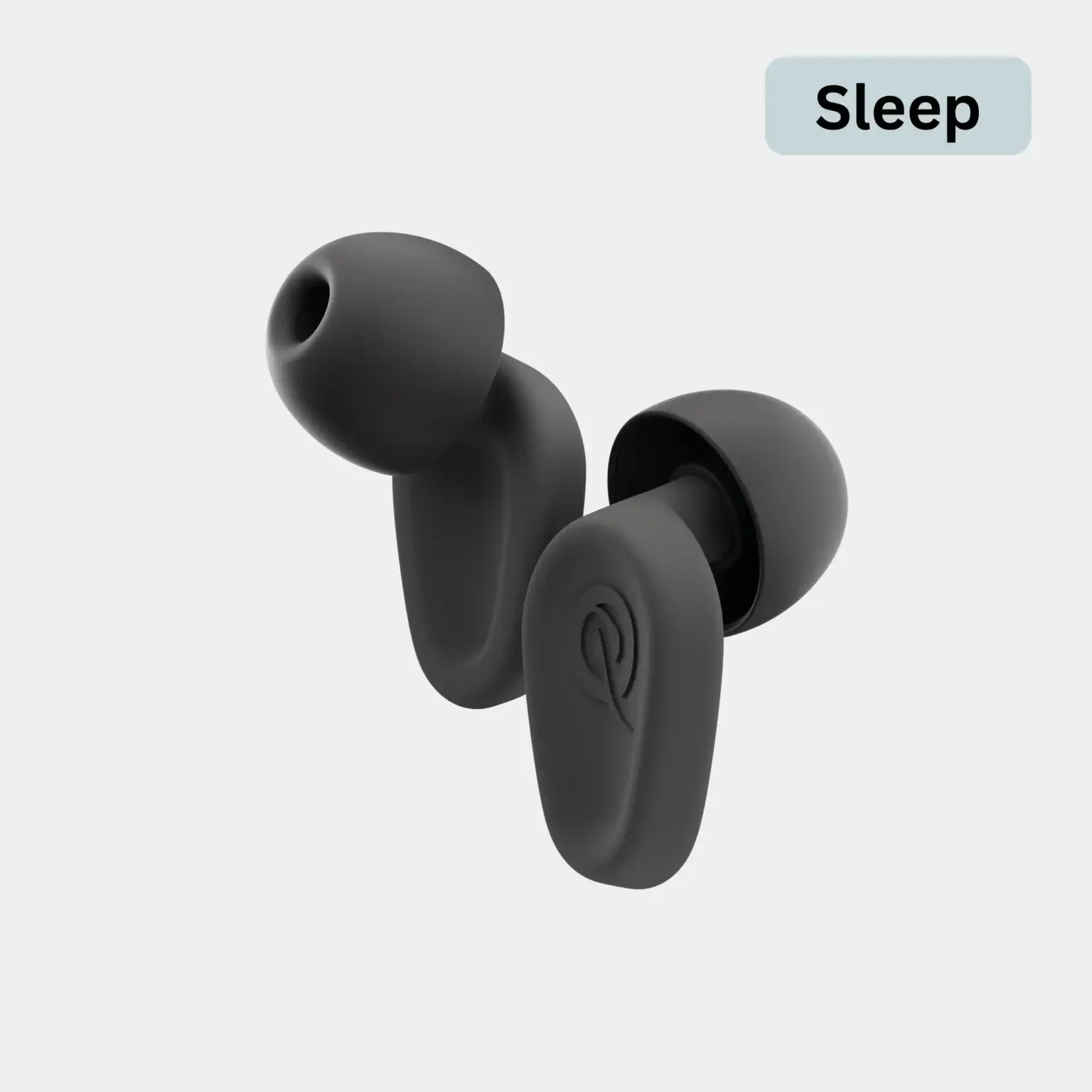
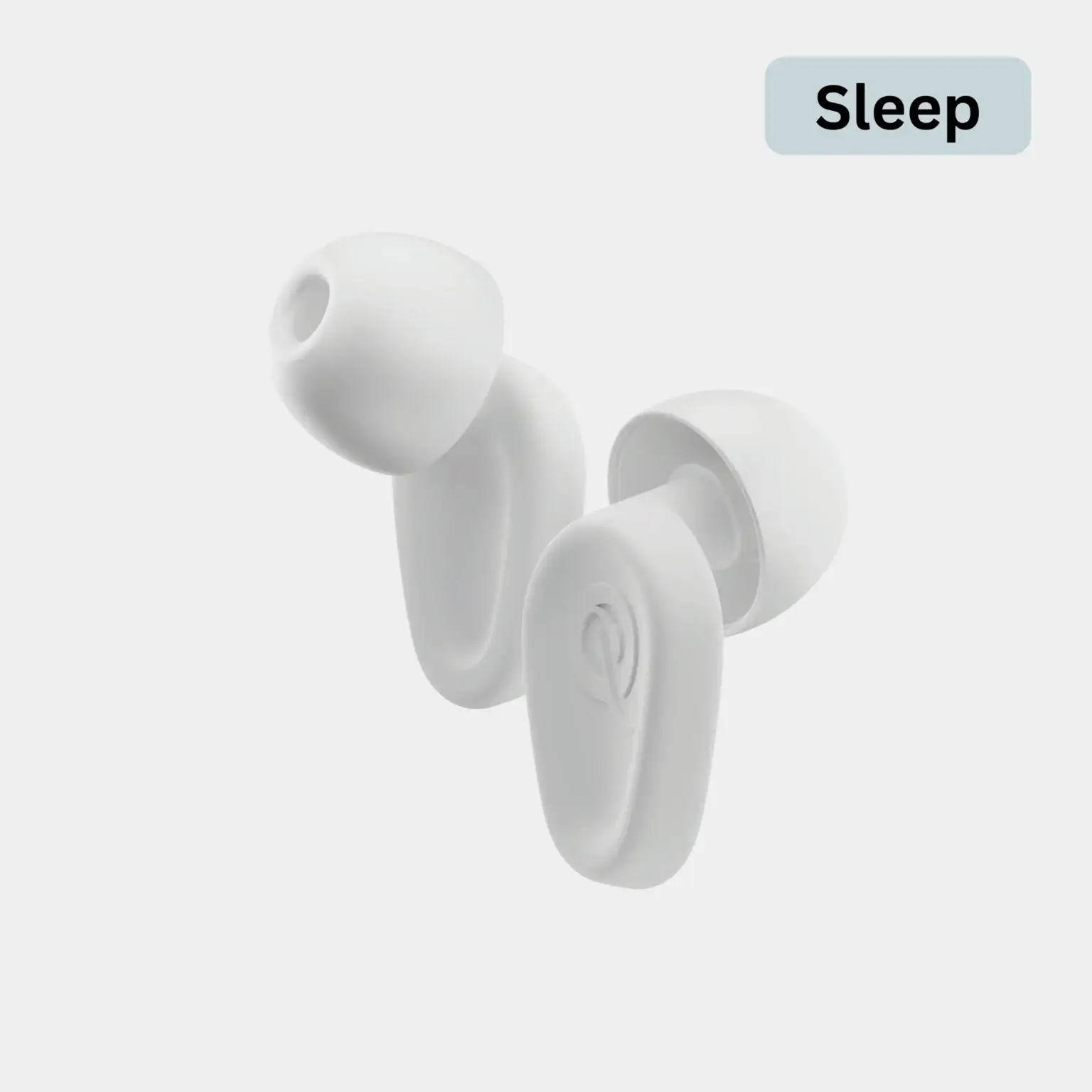
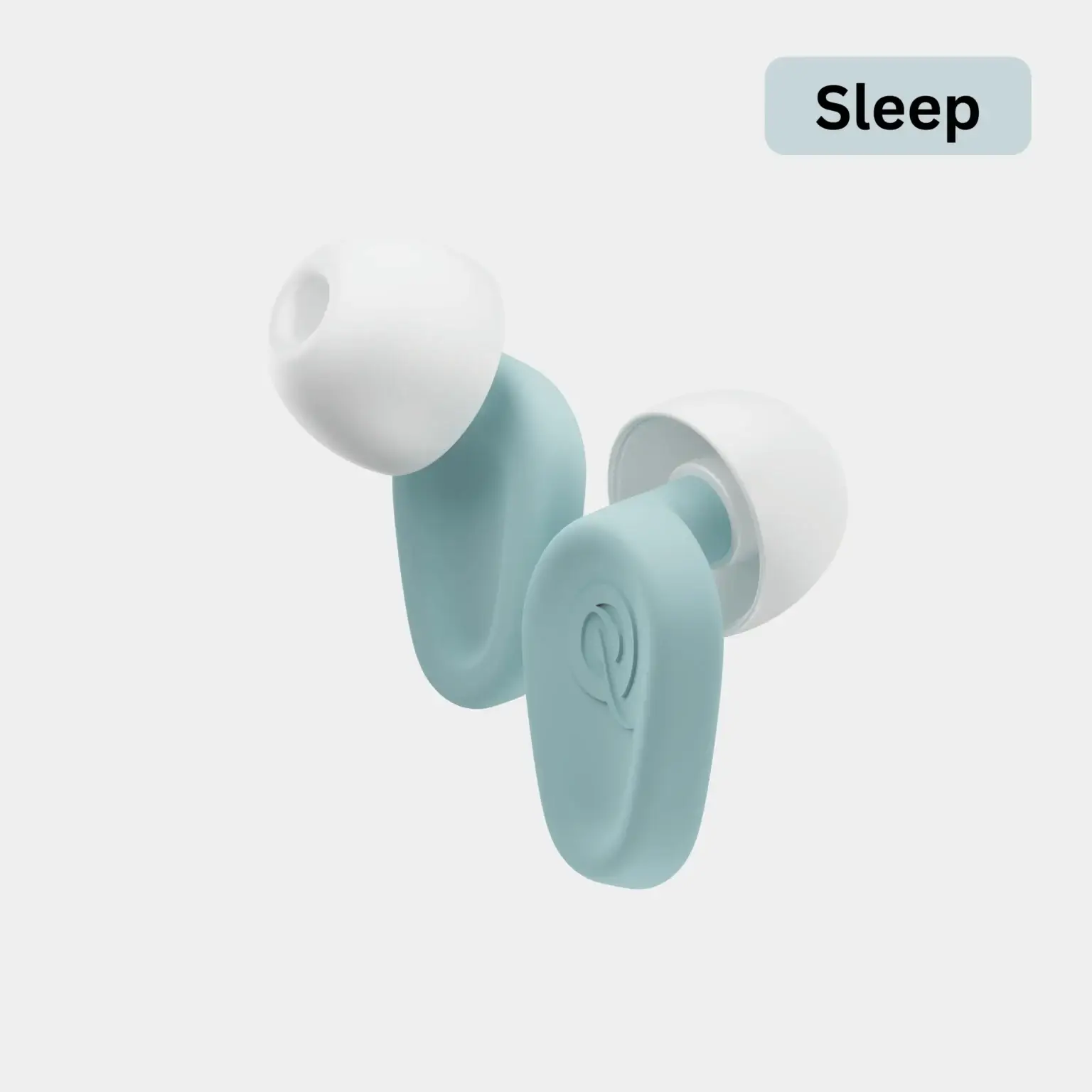
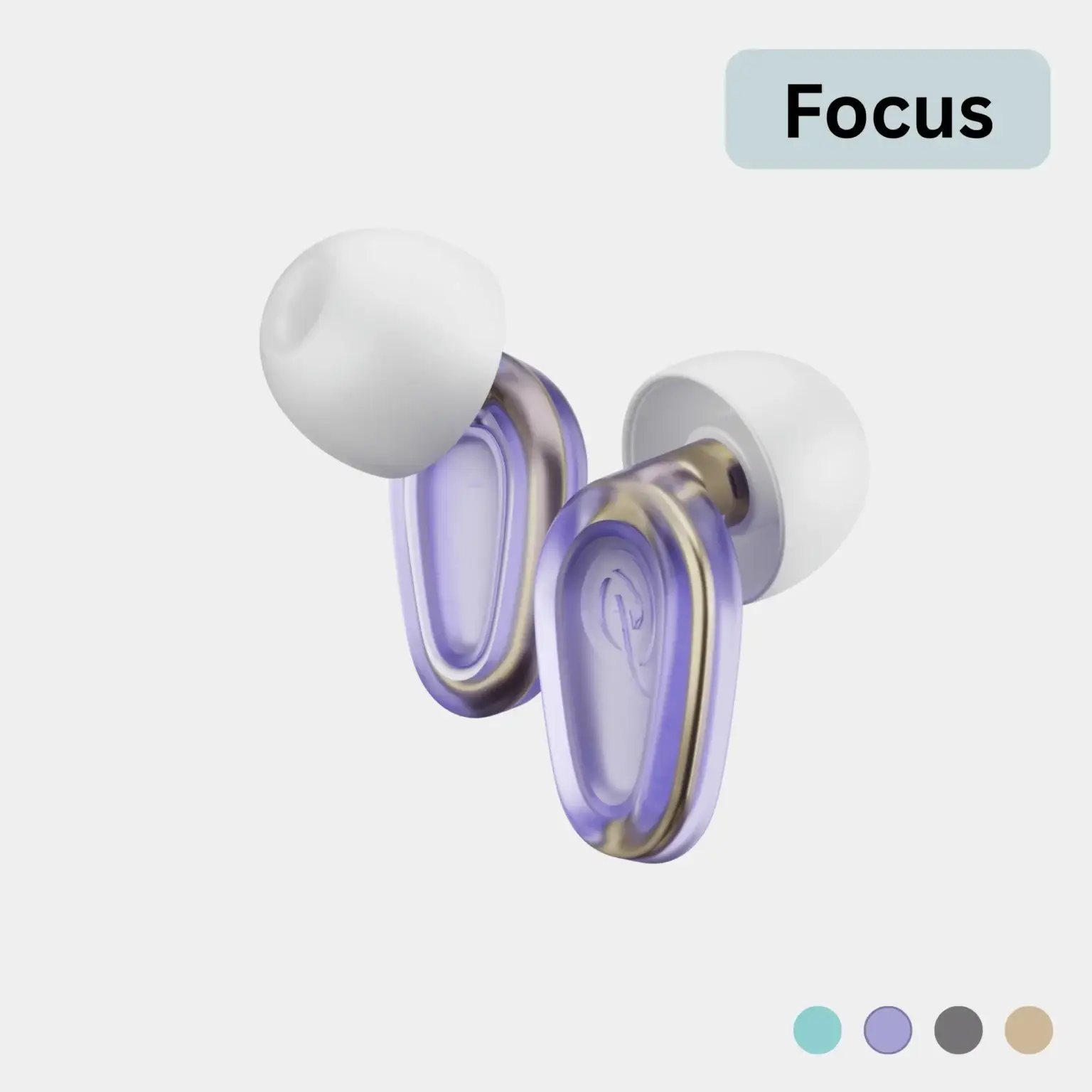
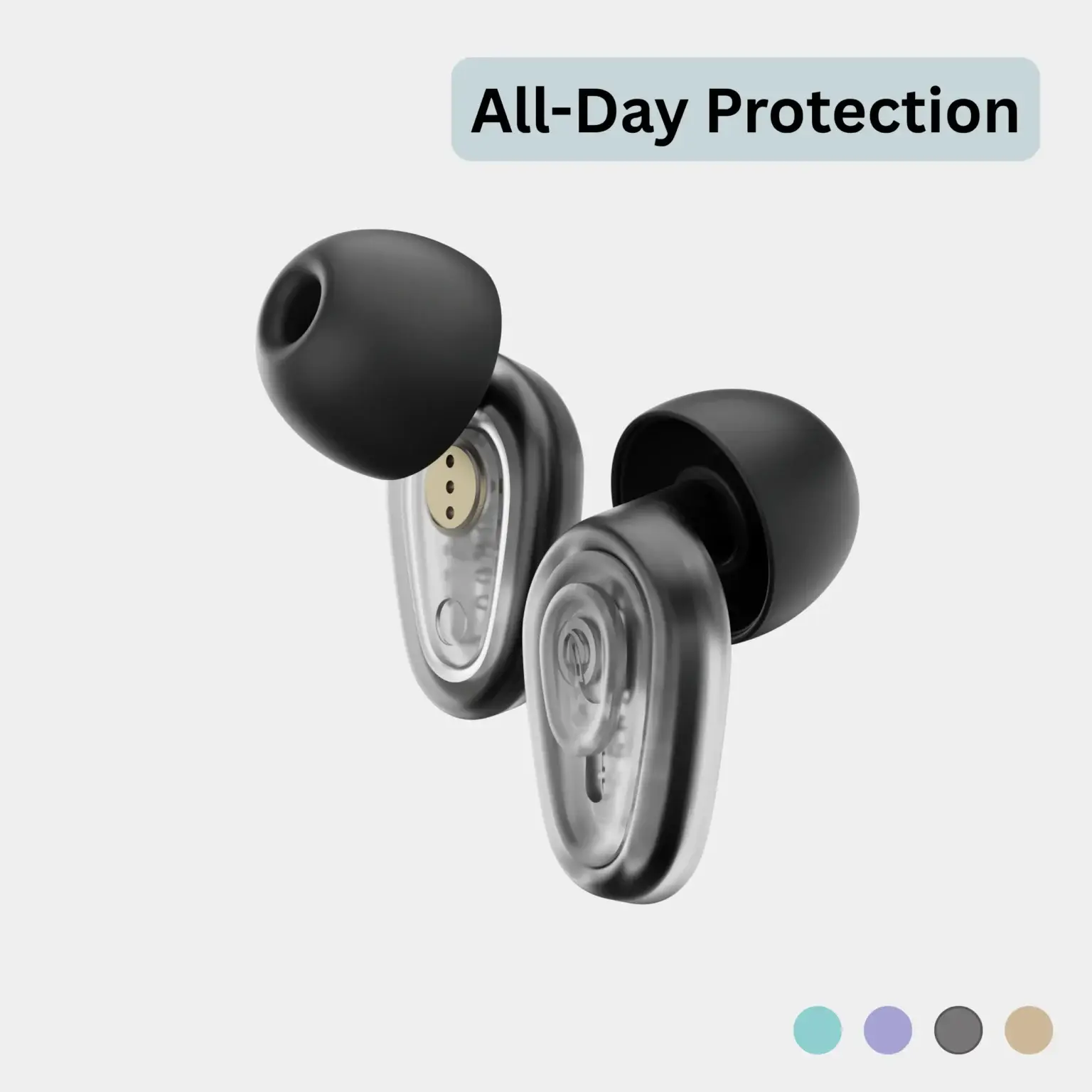
Earmuffz reusable earplugs are designed around low-profile comfort for everyday volume control, but even premium materials perform best when they are clean and correctly fitted. Treat care as part of the performance.
What to Avoid When Your Ears Feel Blocked
The instinct to dig out wax is understandable. Resist it. Cotton buds, hairpins, keys and other improvised tools can push wax farther in, scratch the canal or damage the eardrum. Ear candles are also not a safe solution and do not reliably remove wax.
If your ears feel mildly full after wearing plugs, first take a short break from them and clean the plugs themselves. You may simply be noticing wax that was already present. Do not keep reinserting the earplugs to test the feeling, as repeated insertion can compact the wax further.
Over-the-counter wax-softening drops may suit some adults, but they are not right for everyone. Avoid self-treating with drops if you have ear pain, discharge, a known or suspected perforated eardrum, ear tubes, a history of ear surgery or an ear infection. A pharmacist, GP or hearing professional can advise on the safest next step for your situation.
Signs It Is Time to Speak to a Professional
Wax build-up can cause muffled hearing, a blocked sensation, ringing, itchiness or a feeling that your own voice is echoing. Those symptoms can also come from other ear problems, so do not assume wax is always the answer.
Arrange professional advice if you have persistent hearing loss, significant pain, fluid or blood from the ear, dizziness, fever, sudden changes in hearing or symptoms that affect one ear more than the other. Seek urgent medical help for sudden hearing loss. A clinician can check whether wax is the cause and remove it safely when needed.
If wax blockages keep returning, ask about prevention rather than repeatedly trying to clear your ears at home. You may need a different cleaning approach, a more suitable eartip size or occasional professional wax management. That is not a failure of your earplugs. It is simply learning how your ears work.
Make Comfort Part of Your Noise-Control Routine
Earplugs should give you more control, not another thing to worry about. Use the right size, insert them gently, clean them consistently and let your ears have time without plugs when you do not need noise reduction. For most people, that is enough to enjoy calmer sleep, sharper focus and better protection from loud environments without a wax problem.
Your ears already know how to look after themselves. Give them clean equipment, a comfortable fit and a little common sense, then get back to owning the moment at your preferred volume.