
Earplugs vs Noise Cancelling Headphones Compared
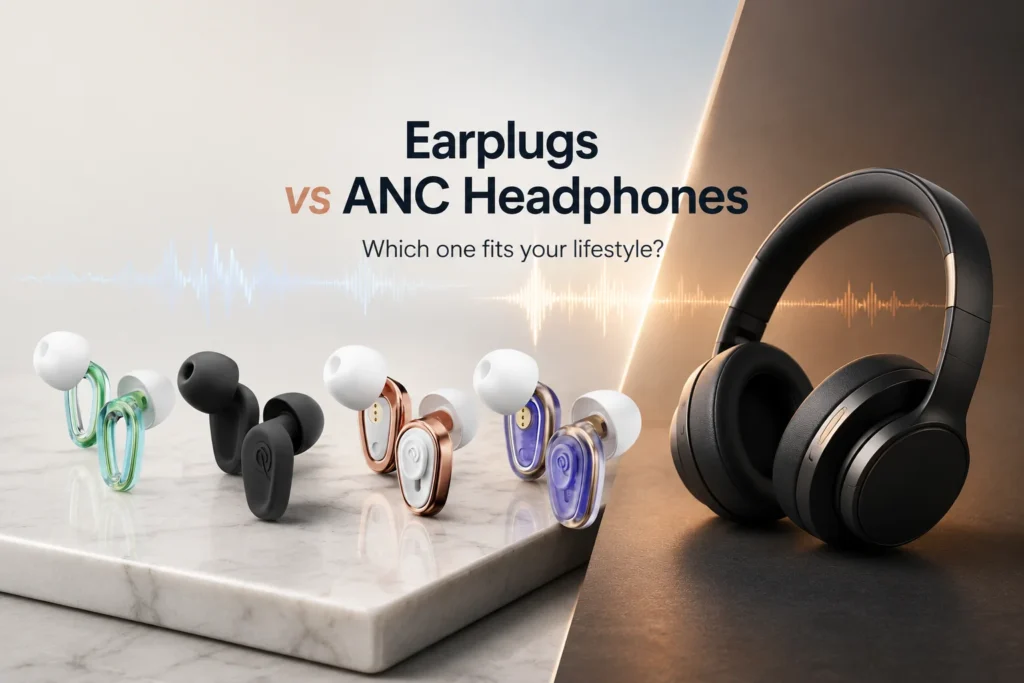
A busy coffee shop. A red-eye flight. A neighbour who treats 11 p.m. like a soundcheck. The earplugs vs noise-cancelling headphones decision is not really about which product is better. It is about how you want to control the volume in that specific moment.
Both can make life quieter. But they work differently, feel different after an hour, and protect your hearing in very different ways. Choose the wrong tool, and you may still be distracted, uncomfortable, or exposed to more sound than you realise. Choose the right one, and you can crush distractions without losing control of your day.
Earplugs vs Noise-Cancelling Headphones: The Core Difference
Earplugs reduce sound before it reaches your eardrum. They create a physical seal in or around the ear canal, lowering the amount of outside noise you hear across a broad range of frequencies. Their effectiveness depends on their design, material, and, most of all, fit.
Noise-cancelling headphones use microphones and electronics to listen to the surrounding sound, then generate an opposing sound wave to reduce the sound that reaches your ears. This is called active noise cancellation, or ANC. Most models also provide passive isolation through their earcups or eartips.
That difference matters. Earplugs are a direct noise-reduction tool. Noise-cancelling headphones are primarily a listening tool that can make certain environments feel quieter. ANC is especially effective against steady, low-frequency noise, such as aeroplane engines, HVAC hum, train rumble, and office ventilation. It is less reliable against sharp, unpredictable sounds, such as clattering dishes, nearby conversations, barking dogs, or a sudden shout.
A well-fitted reusable earplug does not need a charge, an app, or a Bluetooth connection. It simply reduces the noise entering your ear. That makes it a strong everyday option when your goal is calm, protection, sleep, or sustained focus.
When Earplugs Are the Better Move
Earplugs win when you need low-profile, all-day noise reduction without carrying electronics. They fit easily into a pocket or case, work in rain and sweat, and can be worn when music, calls, and entertainment are not the point.
Sleep and nighttime noise
Headphones are not built for sleeping. Over-ear models press against a pillow, while earbuds can create pressure and discomfort if you sleep on your side. Batteries, controls, and charging cases do not make a great bedtime routine either.
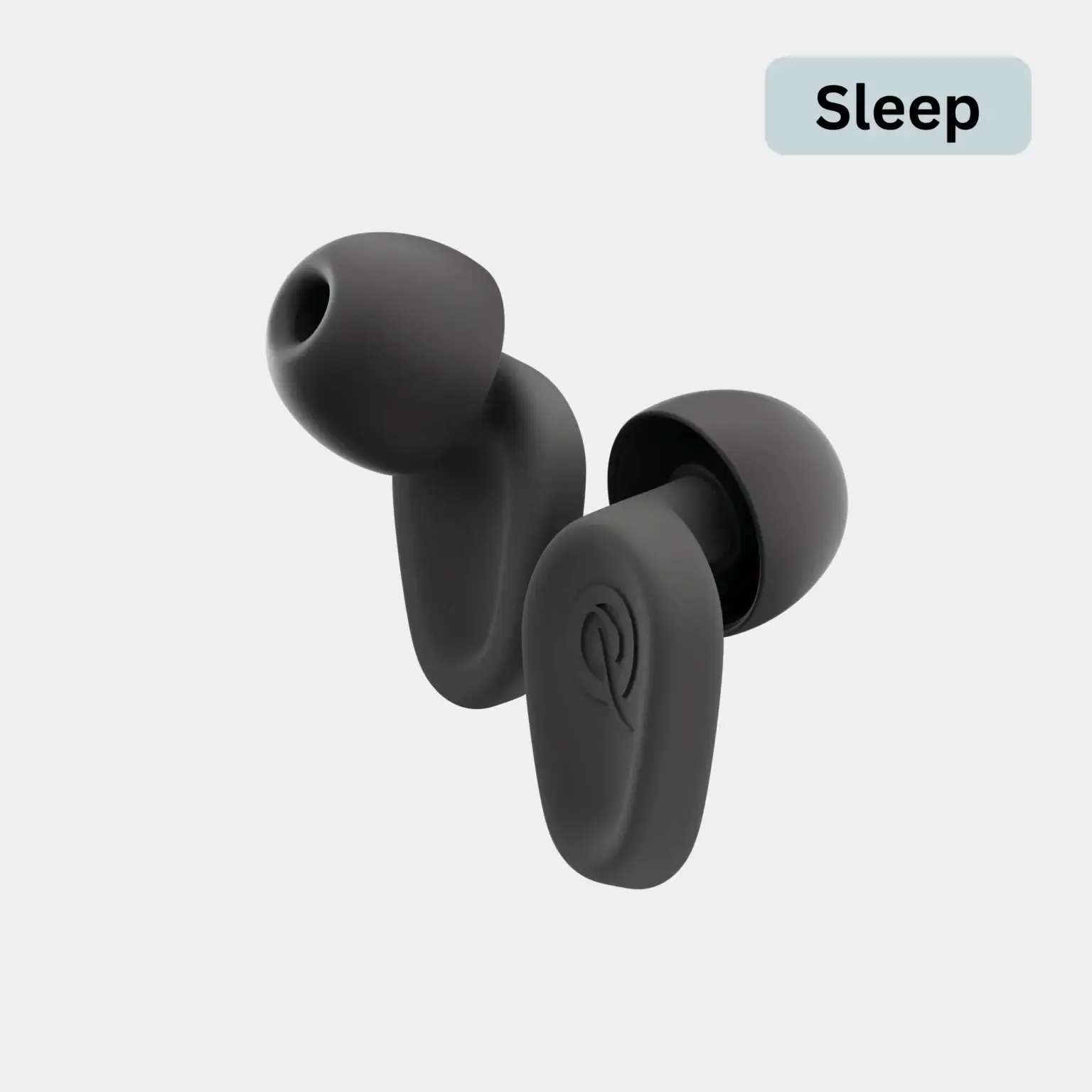
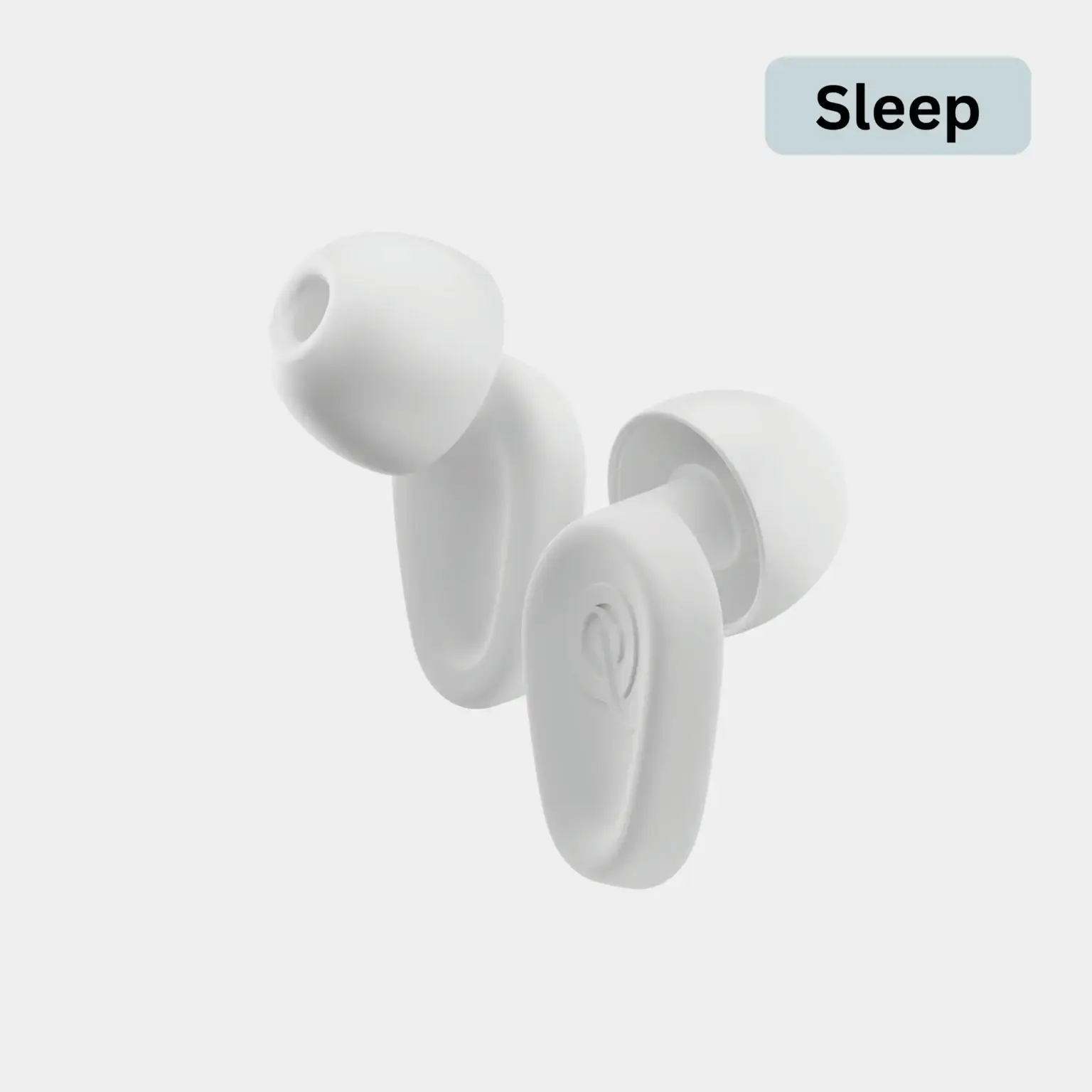
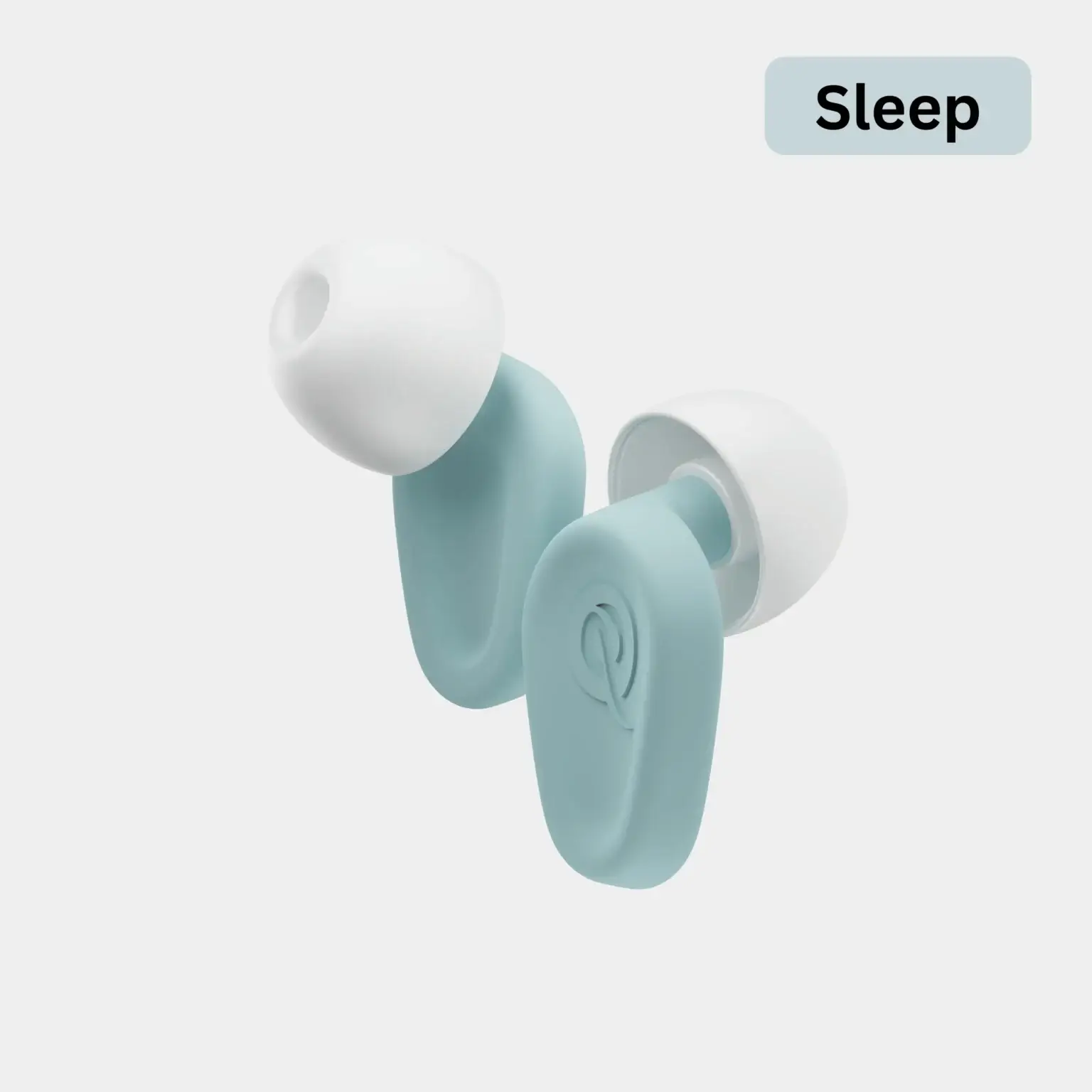
Soft, sleep-focused earplugs are the more practical choice for snoring, street noise, apartment sounds, and early-morning household activity. The right pair should sit comfortably enough that you can forget they are there. Comfort is performance when you are trying to stay asleep.
Hearing protection in loud environments
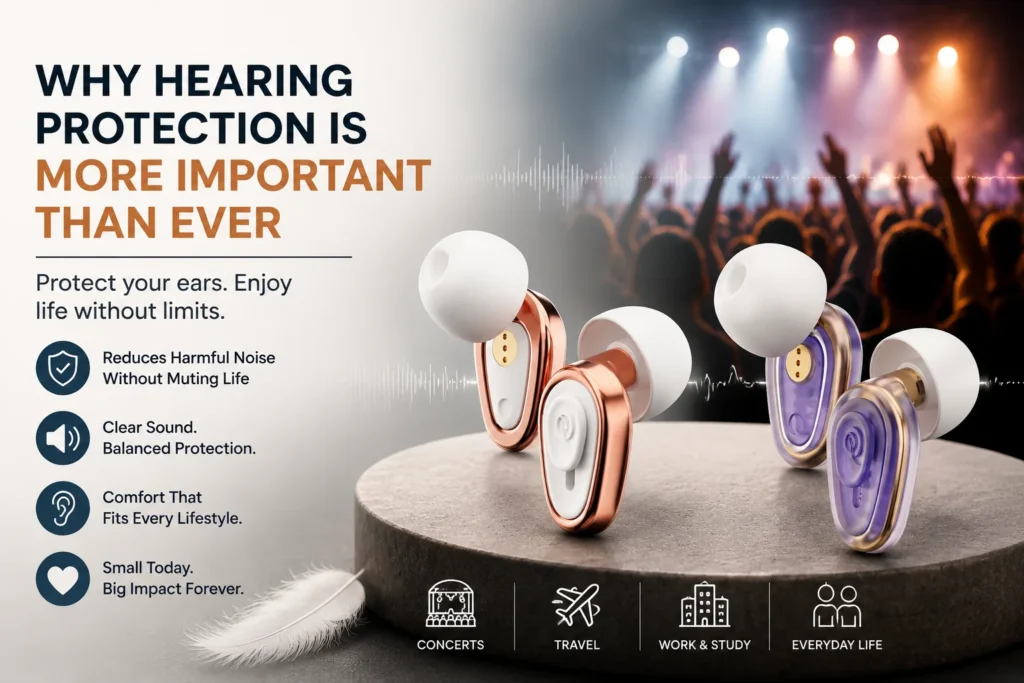
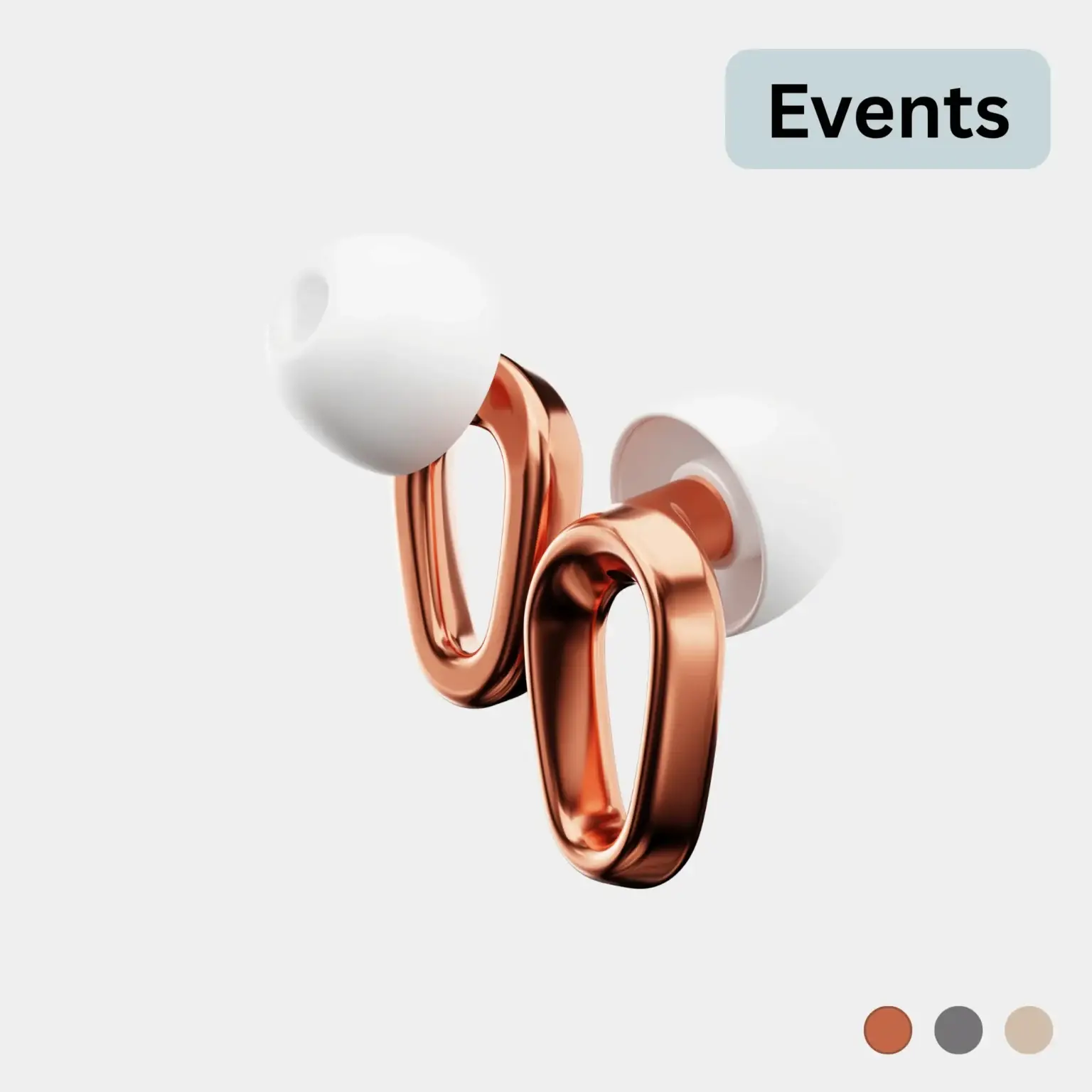
At concerts, sporting events, on motorcycles, while using power tools, or around loud machinery, passive attenuation matters. Earplugs designed and rated for hearing protection can reduce sound exposure while keeping your setup simple and secure.
Noise-cancelling headphones should not automatically be treated as hearing protection. ANC may make a loud environment seem less intense, but perceived quiet is not the same as a verified reduction in sound reaching your ears. If an activity requires certified hearing protection, use a product specifically designed and rated for that purpose.
Focus without another screen-adjacent device
For many people, headphones invite more input: playlists, notifications, podcasts, calls, and the reflex to check what is playing. Earplugs remove that decision. You lower the room, keep your own thoughts audible, and get back to the task.
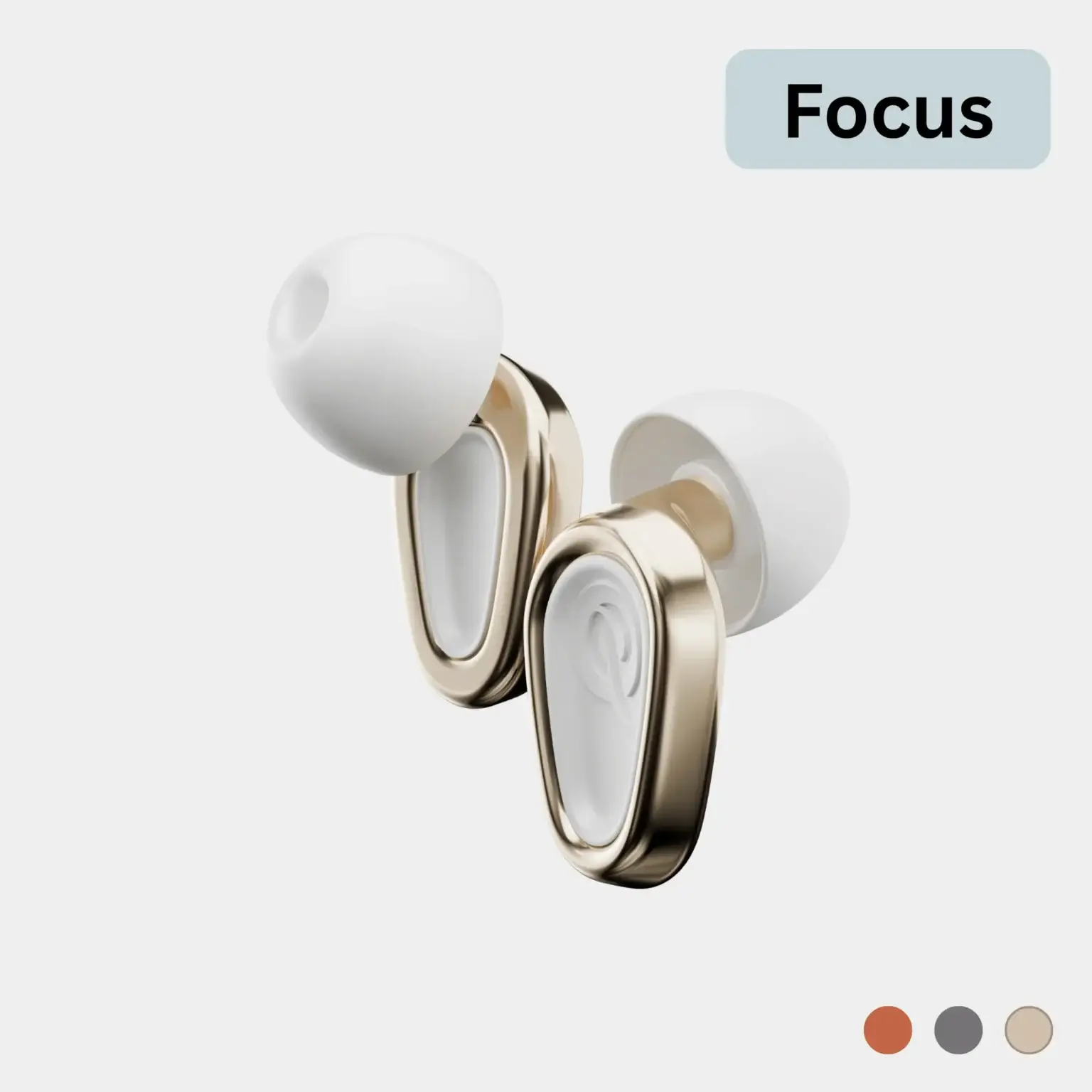
This is especially useful for deep work, studying, reading, remote work in a shared space, and managing sensory overload. Reusable filtered earplugs can take the edge off the environment without making you feel completely cut off. That balance is powerful when you still need to stay aware of a coworker, a child, an announcement, or your own surroundings.
Heat, movement, and long wear
Over-ear headphones can get warm during a commute, a workout, an outdoor event, or a long workday. They can also shift during movement, snag on helmets, and make your ears feel compressed.
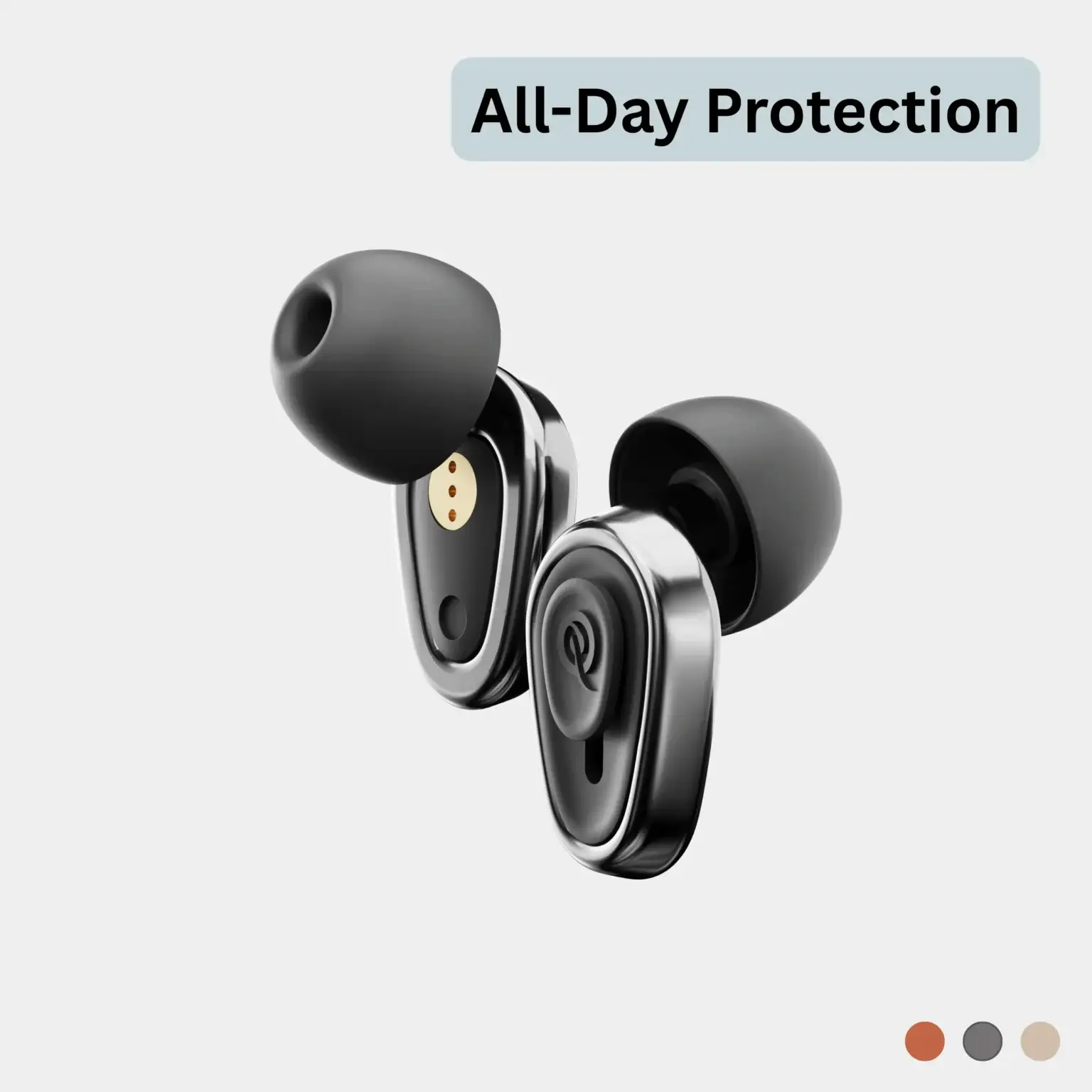
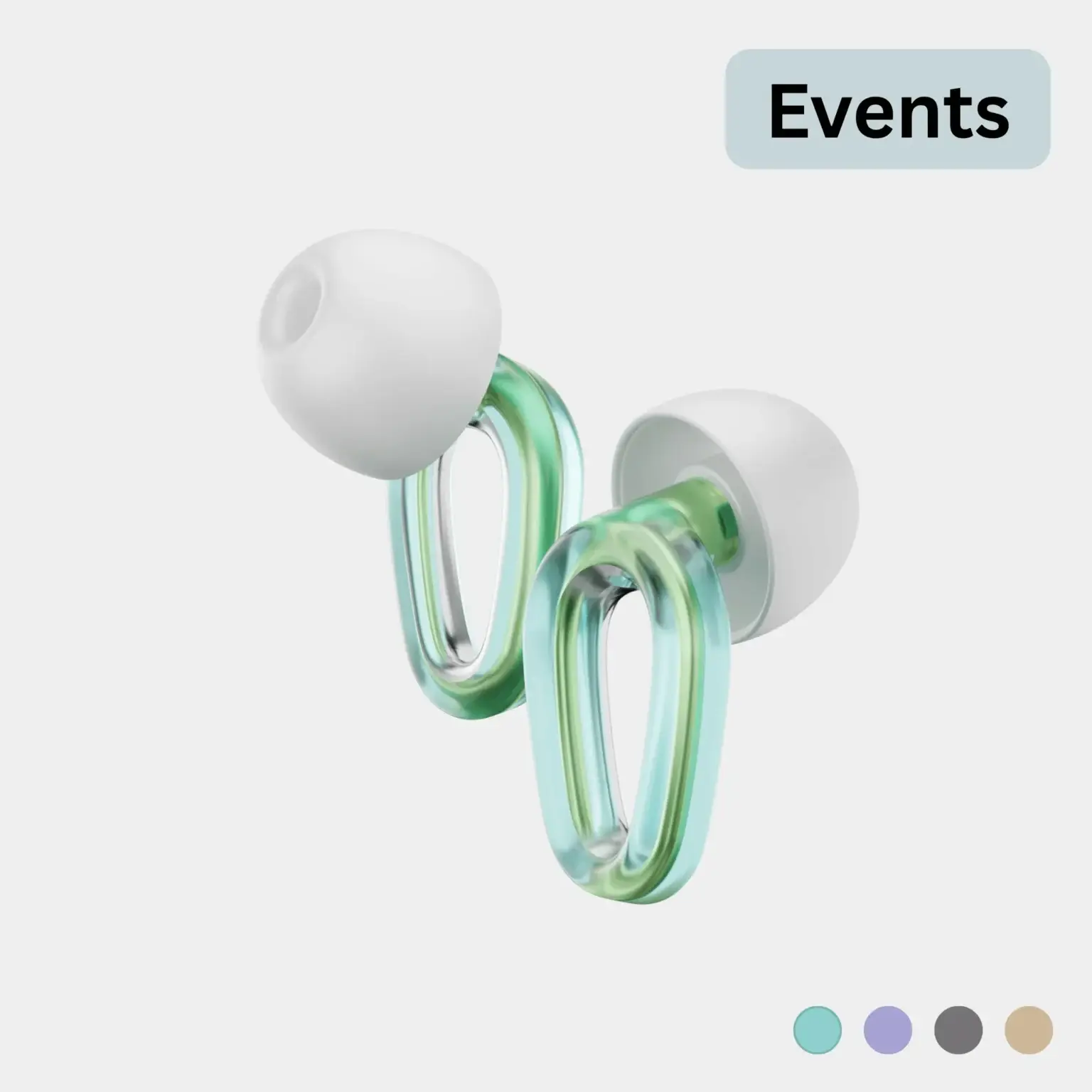
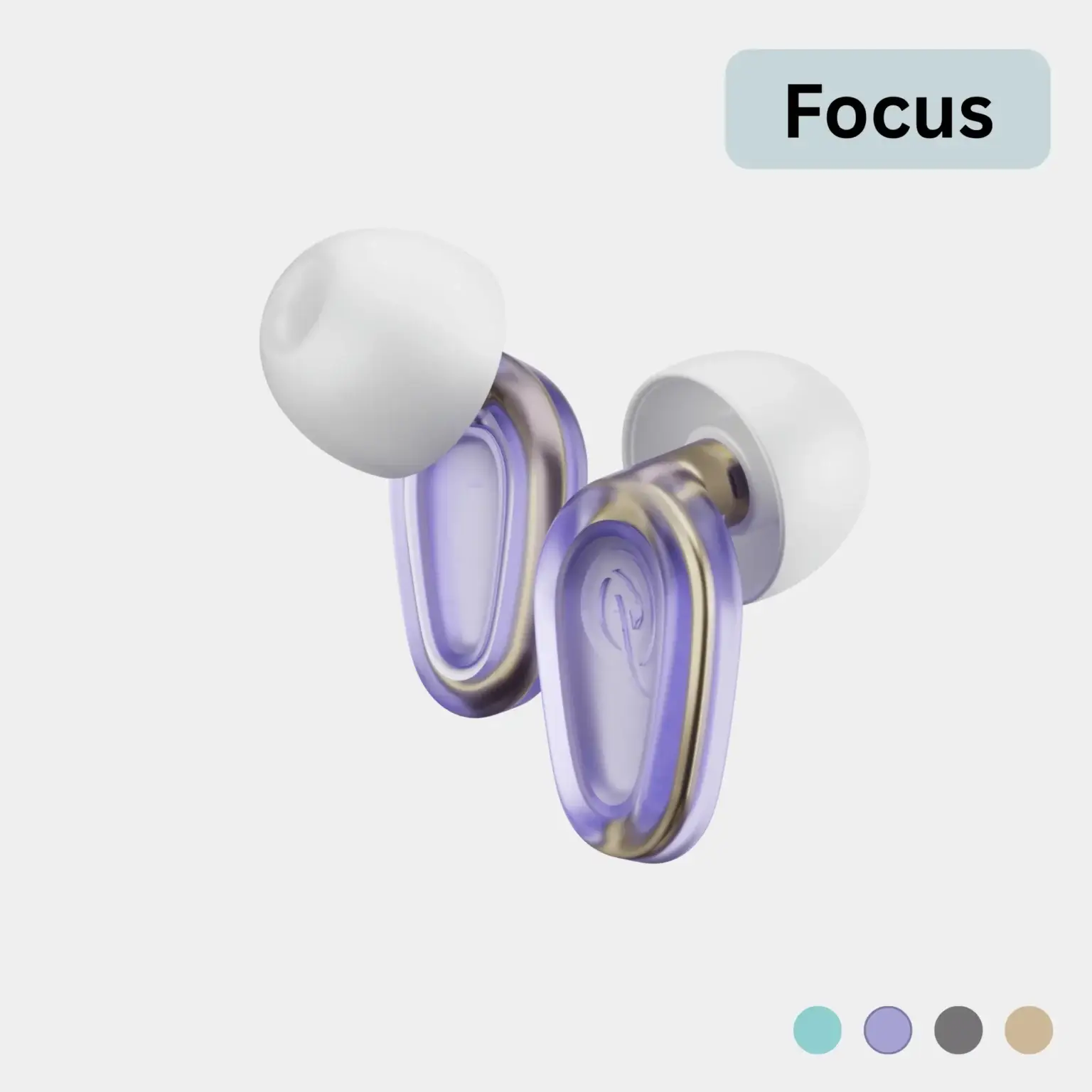
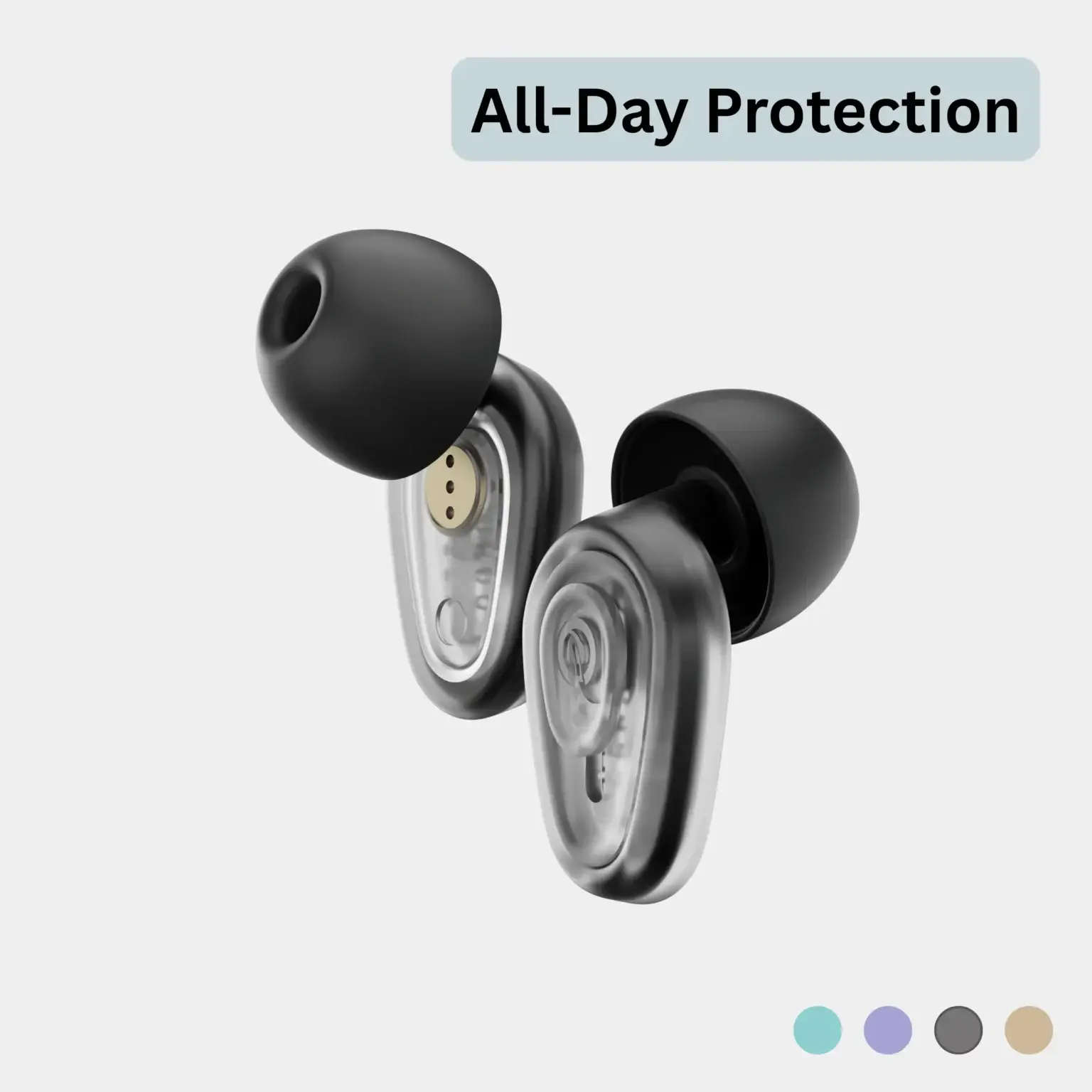
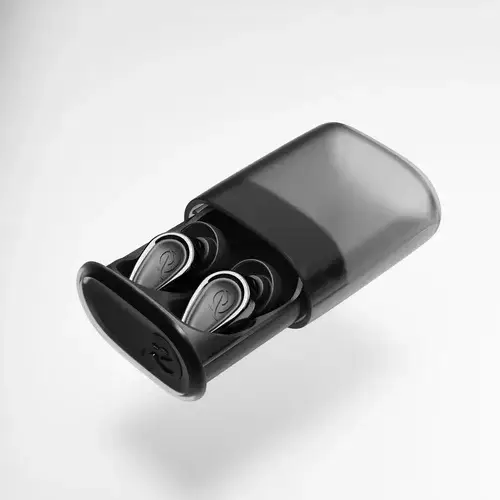
Low-profile earplugs eliminate much of that bulk. For active days, they are often the option you can actually keep wearing. Earmuffz reusable earplugs are built around this kind of total-volume control: discreet noise reduction that moves from work to travel to downtime without changing your whole routine.
When Noise-Cancelling Headphones Make More Sense
Noise-cancelling headphones shine when quiet and audio needs to work together. They are the better choice when you want to reduce background noise while listening to music, joining a meeting, watching a movie, or taking a call.
Flying, commuting, and steady background rumble
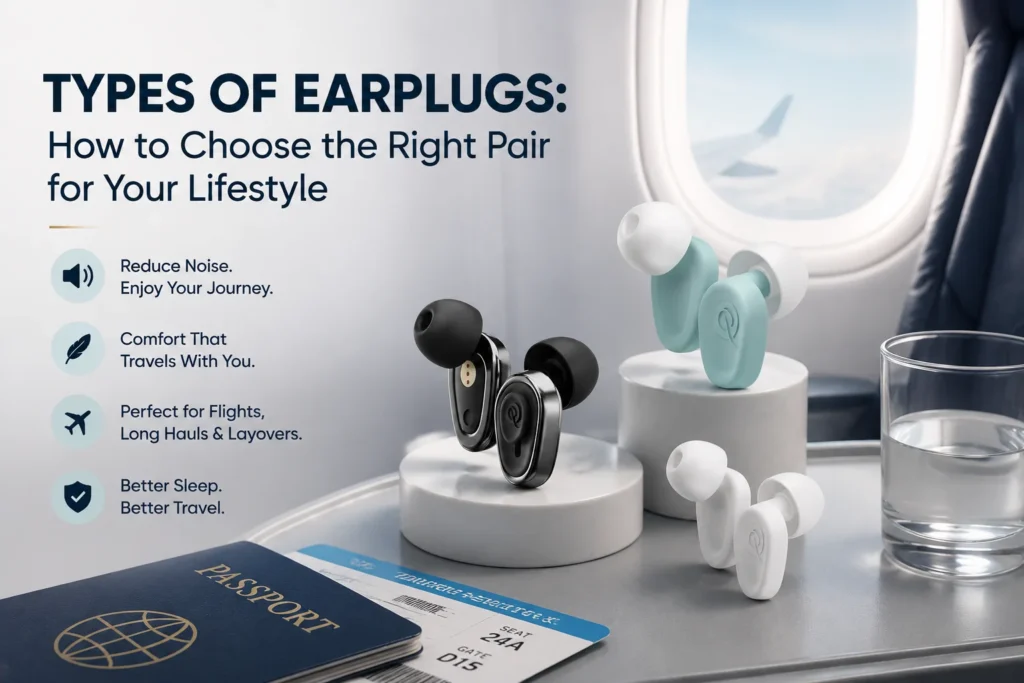
ANC is at its best against predictable low-end noise. On an aeroplane, bus, train, or in a vehicle as a passenger, quality noise-cancelling headphones can make the engine sound far less intrusive. You may be able to listen at a lower volume because you are not competing with as much background rumble.
That lower-volume benefit is meaningful. Turning the music up to overpower the noise can increase your overall sound exposure. ANC gives you a more comfortable listening experience without requiring you to turn up the volume.
Calls and entertainment
If you need to hear a client, enjoy a playlist, or keep a child occupied with a movie during travel, headphones serve a function earplugs cannot. Many models also have transparency or ambient modes that bring in outside sound when you need it.
Just remember that sound quality, call quality, and noise reduction are separate features. An expensive pair of headphones may sound excellent, but still provide limited passive isolation. Fit and earcup seal remain a major part of the experience.
Short, intentional listening sessions
For a 90-minute flight, a focused playlist at the office, or a commute home, headphones can be ideal. They are less ideal if you need silence or noise reduction for 8 hours, plan to sleep, wear a helmet, or need a reliable hearing protection solution.
The Comfort Question Most People Miss
The product you can tolerate is the one that gets used. That sounds obvious, but comfort is where this decision becomes personal.
Some people dislike anything in their ear canal and will prefer cushioned over-ear headphones. Others find the pressure of an earcup exhausting, especially with glasses, warm weather, or long sessions. In-ear headphones can cause fatigue, and their fit may loosen with movement.
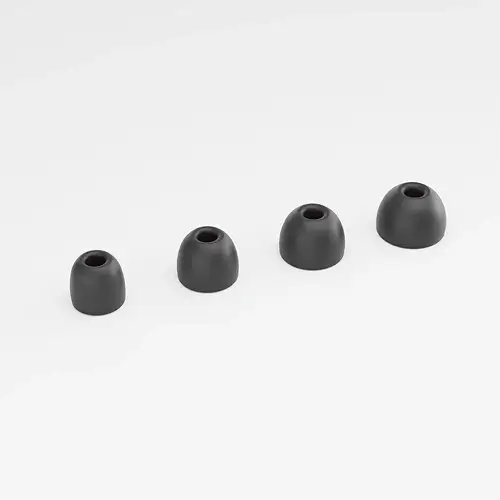
Earplugs also require a learning curve. A poor seal can make them feel ineffective or uncomfortable. Multiple eartip sizes matter because ears are not one-size-fits-all. Take a few minutes to test fit at home before relying on a new pair at a concert, on a flight, or for sleep.
Safety, Awareness, and Volume Control
Neither option should erase situational awareness when you are walking near traffic, biking, riding a motorcycle, working around hazards, or responsible for someone else. The goal is controlled sound, not careless isolation.
For daytime use, filtered earplugs can be a smart middle ground, reducing overall noise while allowing you to hear important cues. Headphone transparency modes can help too, though they depend on battery power and microphone performance.
Be cautious with volume compensation. If you remove earplugs or turn off ANC in a loud place, you may instinctively crank up your audio. Keep playback at a comfortable level, take listening breaks, and give your ears time to recover after loud events. Ringing, muffled hearing, pain, or fullness after noise exposure are signs to take seriously and discuss with a qualified hearing professional if they persist.
Can You Wear Earplugs and Noise-Cancelling Headphones Together?
Sometimes, yes. People may wear earplugs under over-ear headphones during flights, in very loud public spaces, or when they want extra calm without listening to audio. This can increase isolation, but it is not a substitute for properly rated protection in hazardous noise conditions.
There is a trade-off: combining both can make you less aware of alarms, announcements, conversations, and approaching hazards. It may also be uncomfortable if the headphones press the earplugs further into your ears. Use this setup only when you are seated or in a controlled environment and do not need full awareness.
The Best Choice Depends on the Moment
Pick earplugs when your priority is passive noise reduction, sleep, comfort, portability, protection, or distraction-free focus. Pick noise-cancelling headphones when your priority is audio, calls, entertainment, and reducing a steady rumble during travel or commuting.
Many people benefit from owning both. Keep headphones for the plane, the train, and your favourite focus playlist. Keep reusable earplugs within reach for sleep, concerts, crowded restaurants, busy offices, and moments when the world doesn’t need to be louder.
Your environment will not always cooperate. Your noise control can.