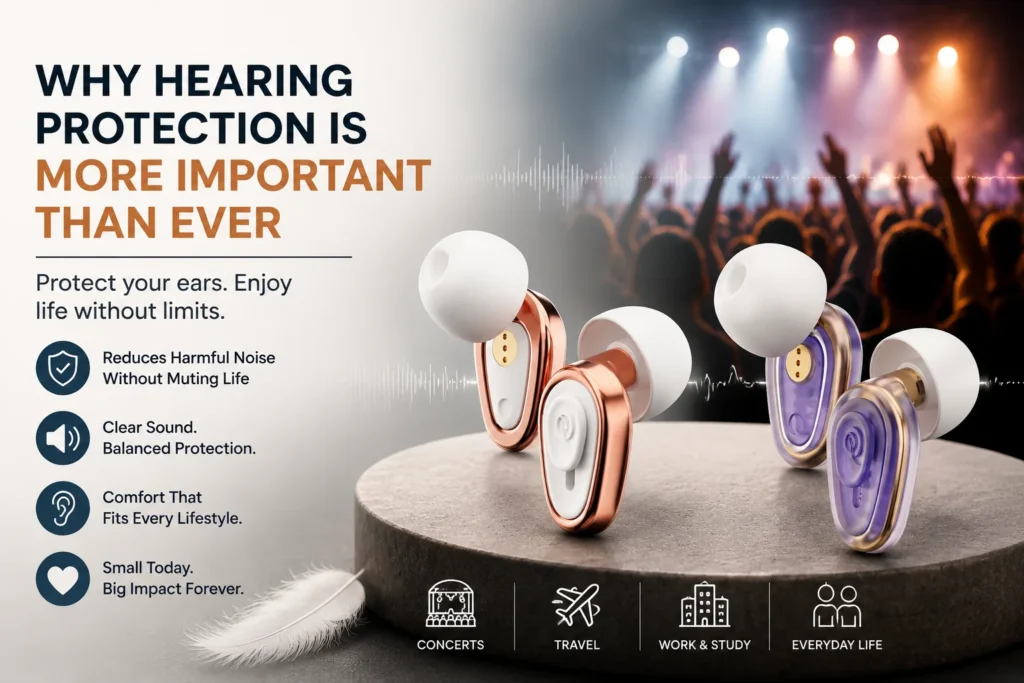

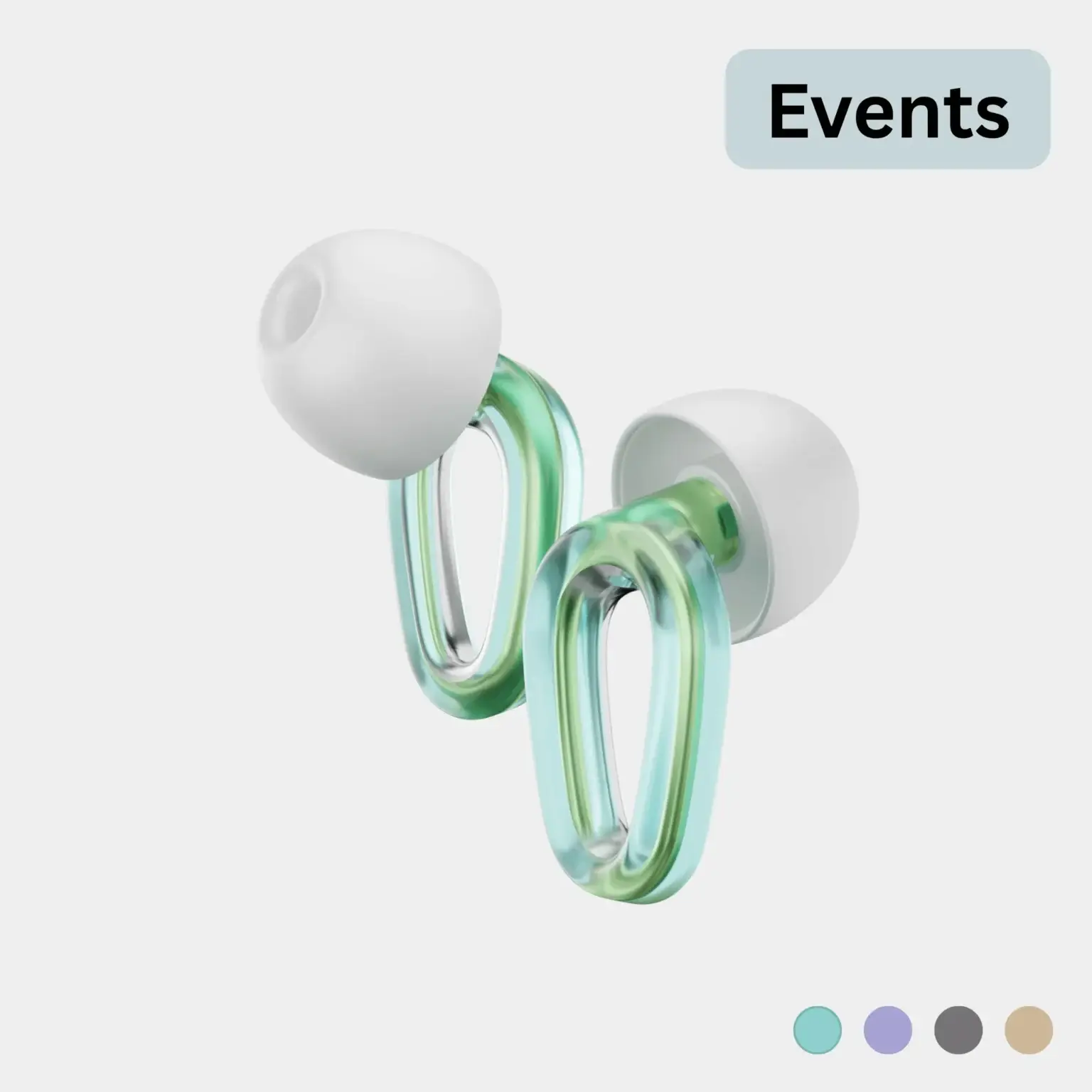
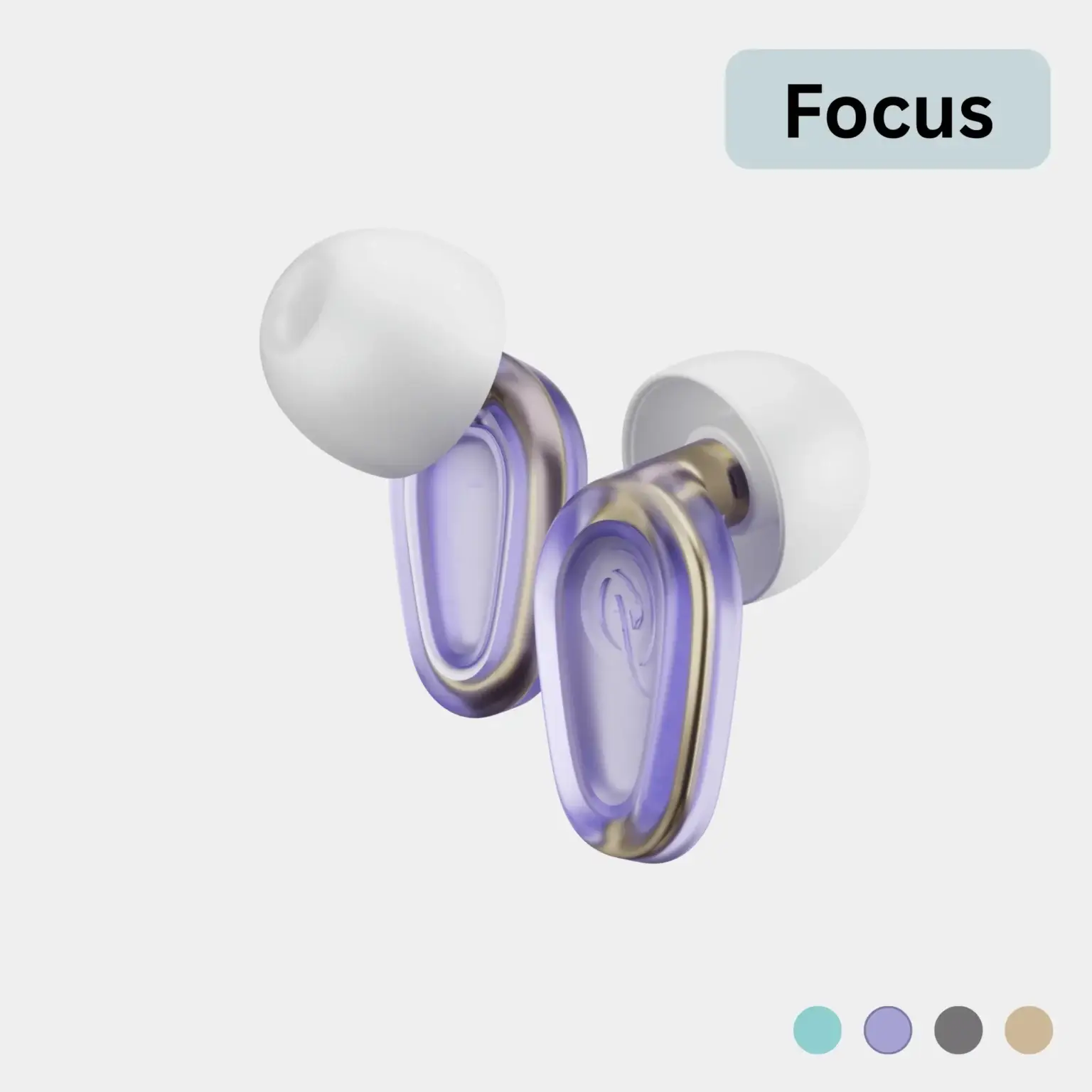
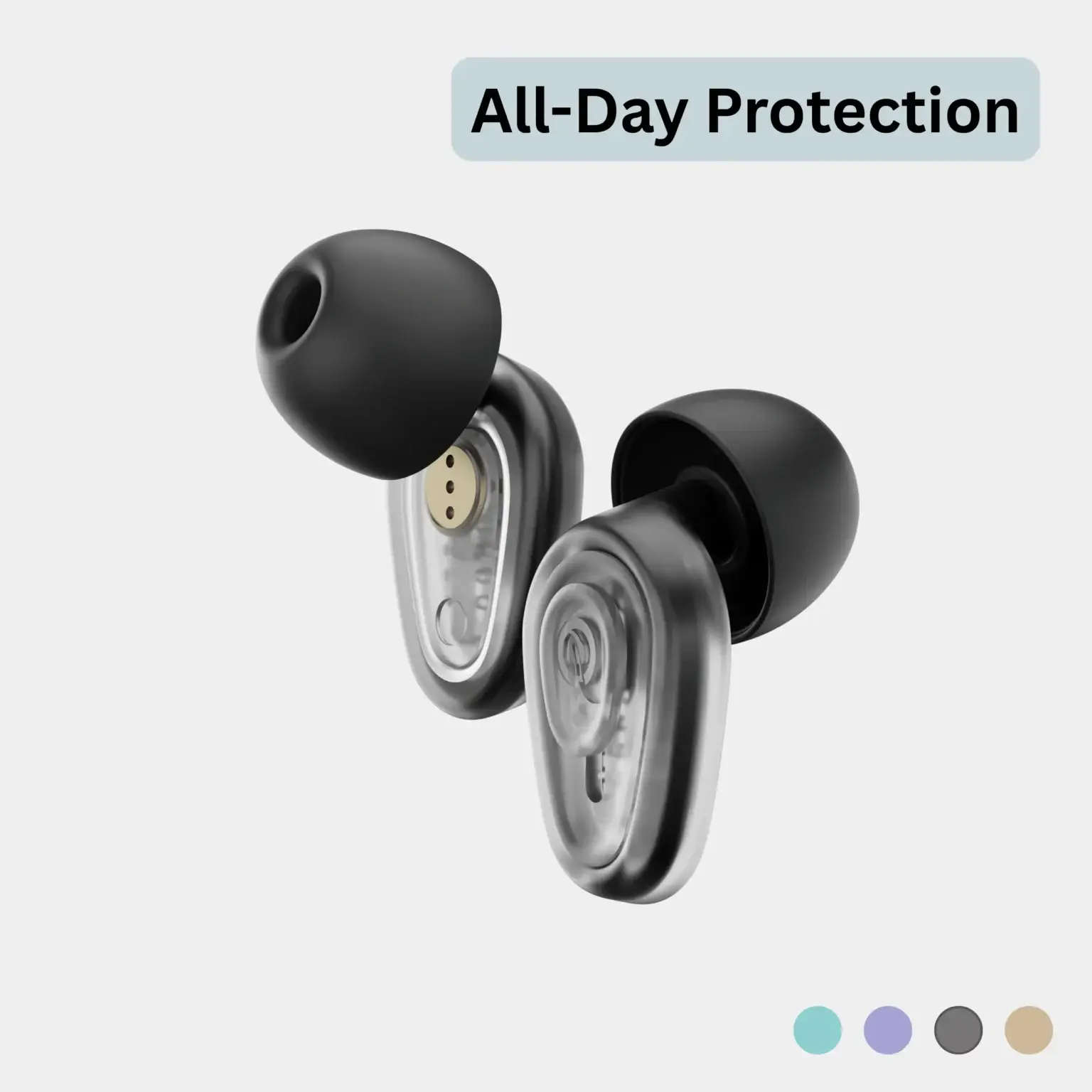
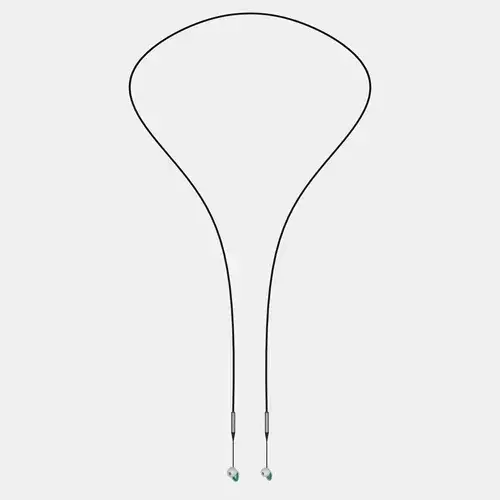
The first sign you stayed too close to the speakers is not always pain. Sometimes it is the ringing on the ride home, the muffled voices after the encore, or that strange sense that your ears need a full day to reset. Concert earplugs for music lovers solve that problem without taking the life out of the show. The right pair lets you keep the energy, the detail, and the feeling, while cutting the harsh volume that does real damage.
That trade-off matters more than most people think. Many fans skip ear protection because they assume earplugs will make everything sound dull, distant, or flat. Cheap foam plugs often do exactly that. They lower the volume, but they also muffle vocals, blur instruments, and make live music feel like it is happening behind a wall. If you care about sound, you need something better.
Why concert earplugs for music lovers are different
Live music is loud in a way that builds on you fast. It is not just the headline act or the front row. Small clubs, festivals, indoor arenas, and even bars with local bands can all push sound levels high enough to leave your ears stressed long after the set ends.
Concert earplugs made for music lovers are built to reduce volume more evenly across frequencies. That means the goal is not silence. It is balance. You still hear the vocals, the guitar tone, the crowd, and the punch of the kick drum, just at a safer level.
That distinction is everything. Good music earplugs are not about checking out. They are about staying in the moment longer, with more control and less regret later.
What actually matters in a concert earplug
The biggest factor is sound quality. If earplugs slash only certain frequencies, the whole mix gets weird fast. Cymbals disappear, vocals get muddy, and the show loses definition. A better filter keeps the sound natural enough that you stop thinking about the earplugs and focus on the performance.
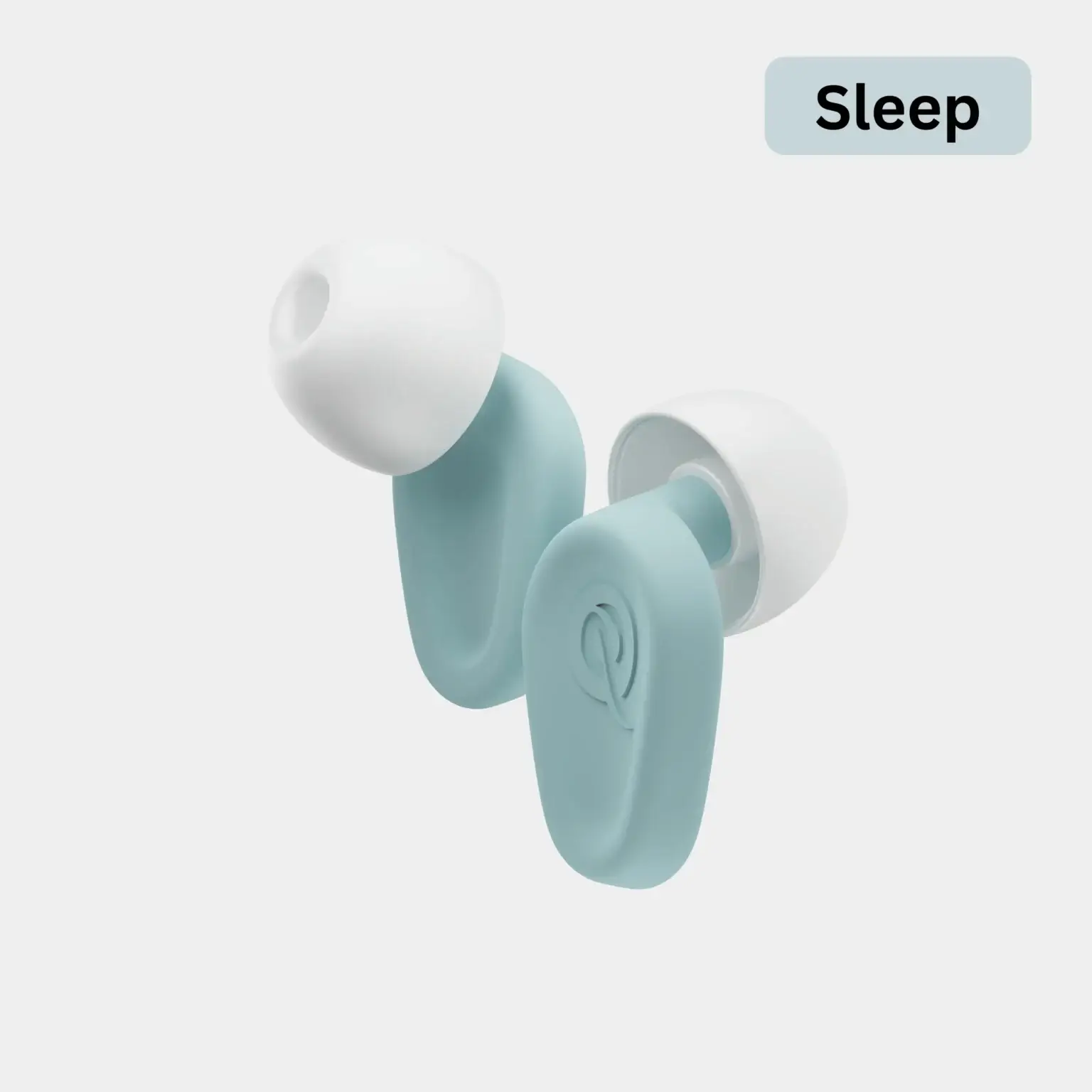
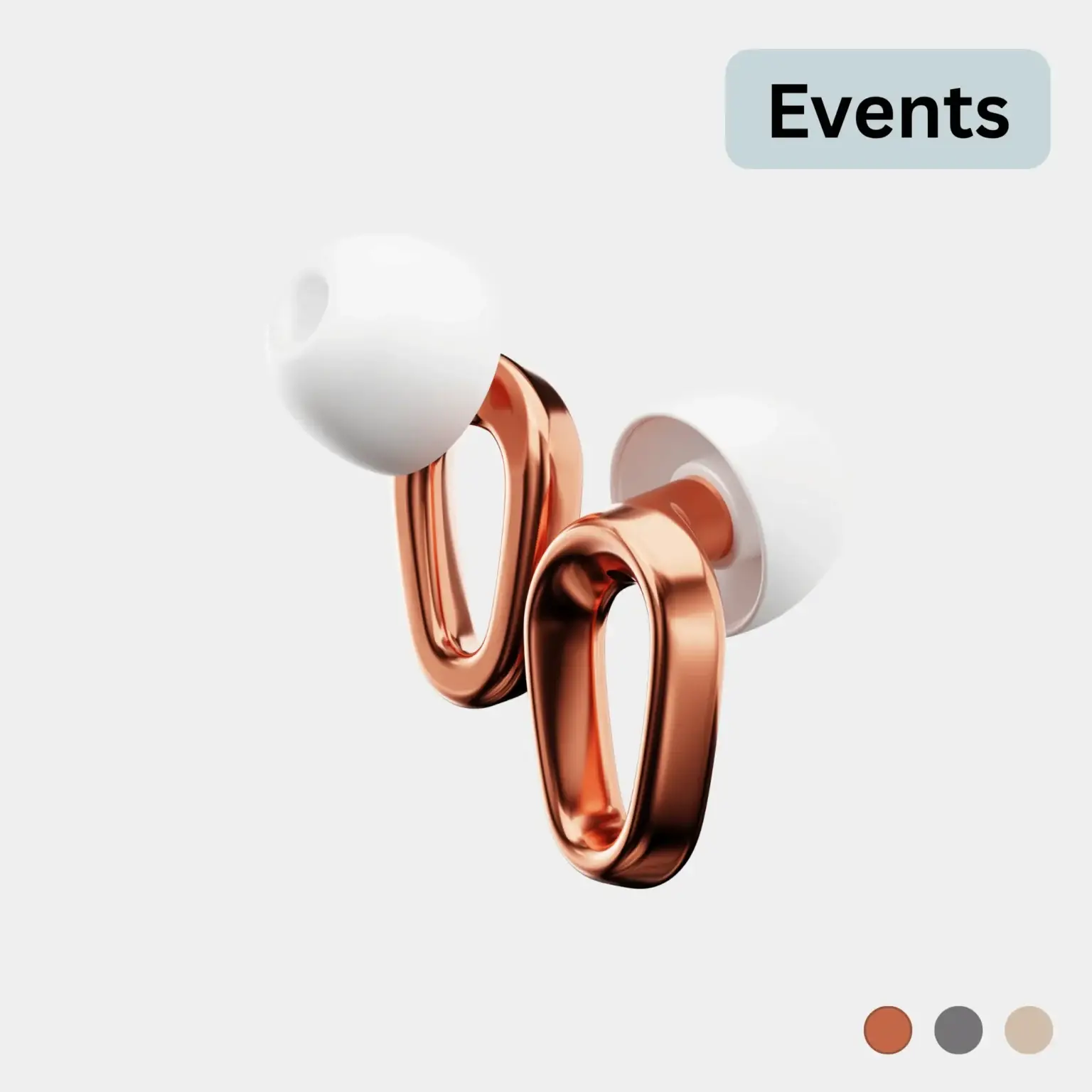
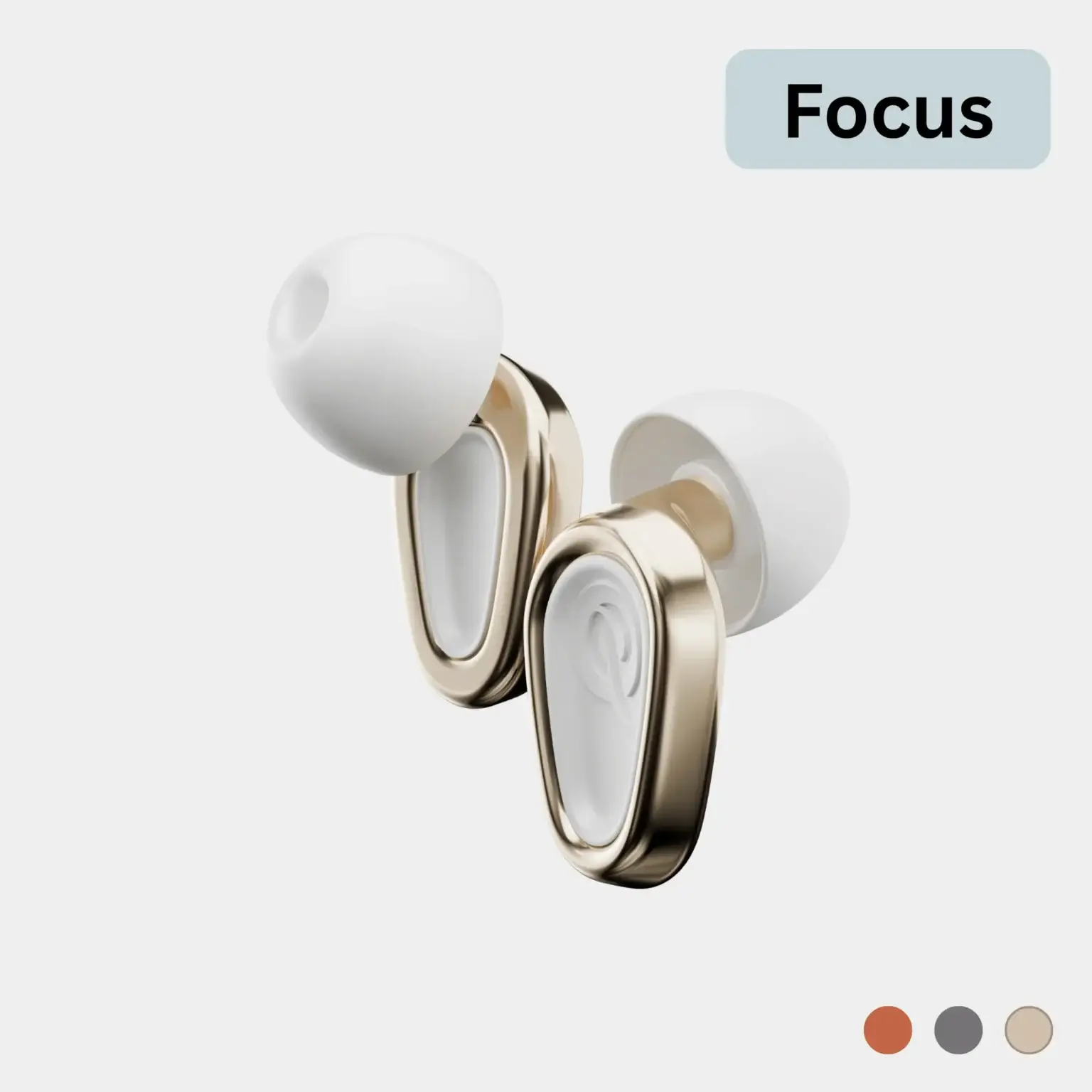
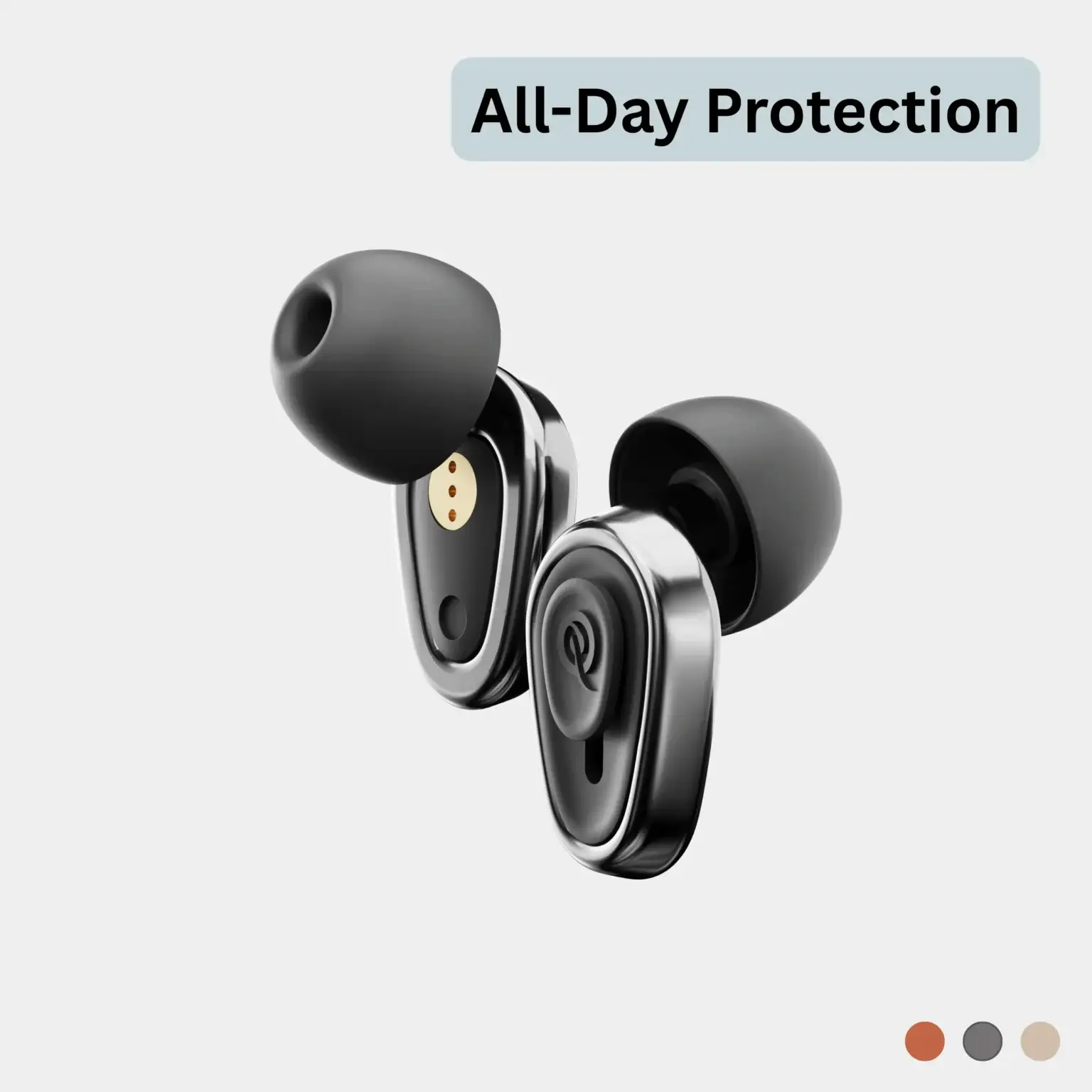
Comfort is right behind it. A concert set can last hours, and festivals can run all day. If your earplugs create pressure, slip out, or irritate your ears, you will pull them out halfway through. Low-profile, reusable designs tend to work better for people who want protection they can actually wear from opener to encore.
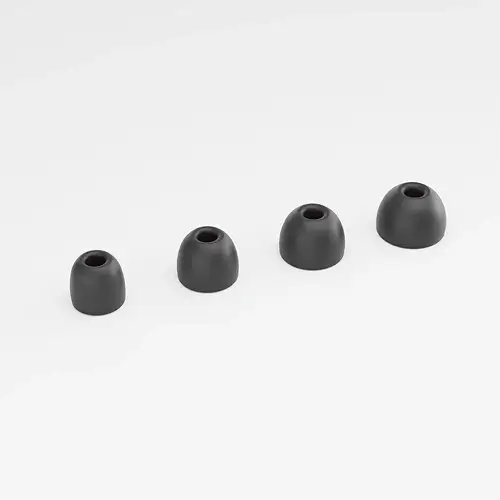
Fit is where a lot of people get tripped up. Even a well-designed earplug underperforms if the seal is wrong. Too loose, and the noise reduction drops. Too tight, and the earplugs become distracting. Multiple eartip sizes matter because ears are not one-size-fits-all.
Then there is the reduction level. More is not always better. If the filter is too aggressive for the venue, music can feel disconnected. If it is too light, you are not getting enough protection. For concerts, many people want a middle ground that lowers intensity without stripping away detail.
Foam plugs versus reusable filtered earplugs
Foam earplugs have one clear advantage. They are cheap, easy to find, and better than going unprotected. If you forgot to plan ahead and the venue is loud, foam is still a smart move.
But if concerts are part of your lifestyle, foam has limits. It tends to block sound unevenly, flattening the listening experience. You hear less volume, but you also hear less music. For someone who loves live sound, that gets old quickly.
Reusable filtered earplugs are built for a different outcome. They aim to maintain the character of the performance while reducing risk. They also tend to look better, feel better, and hold up across repeated use. That makes them a stronger long-term pick for regular concertgoers, festival fans, musicians, and anyone who wants total volume control without the industrial look.
How to choose the right pair for your kind of show
Not every concert environment hits the same. An outdoor amphitheatre usually feels different from a packed indoor club. A seated acoustic set is not the same as a metal show two rows from the stack. Your earplugs should match how and where you listen.
If you mostly attend smaller venues, comfort and balanced filtering are usually the priority. You want enough reduction to take the edge off without losing the room’s intimacy. If you go to festivals or arena shows, longer wear time becomes a bigger deal. You may have earplugs in for hours, so pressure points and fit fatigue matter.
If you are the type who always ends up near the stage, stronger protection may make more sense. That is especially true if you notice ringing after shows or already deal with sound sensitivity. The smart move is to choose earplugs that protect first and still preserve clarity as much as possible.
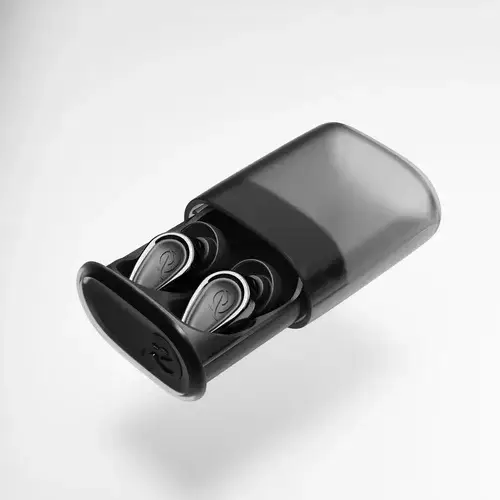
This is also where product design matters. A low-profile shape is less likely to get bumped loose in a crowd. A secure earplugs case matters too, because the best earplugs are useless if you leave them in yesterday’s jacket pocket.
Don’t ignore comfort if you want to use them
A lot of hearing protection advice focuses on decibel reduction and skips a basic truth: if earplugs are uncomfortable, people stop wearing them. That is why comfort-first engineering is not a luxury. It is what makes protection realistic.
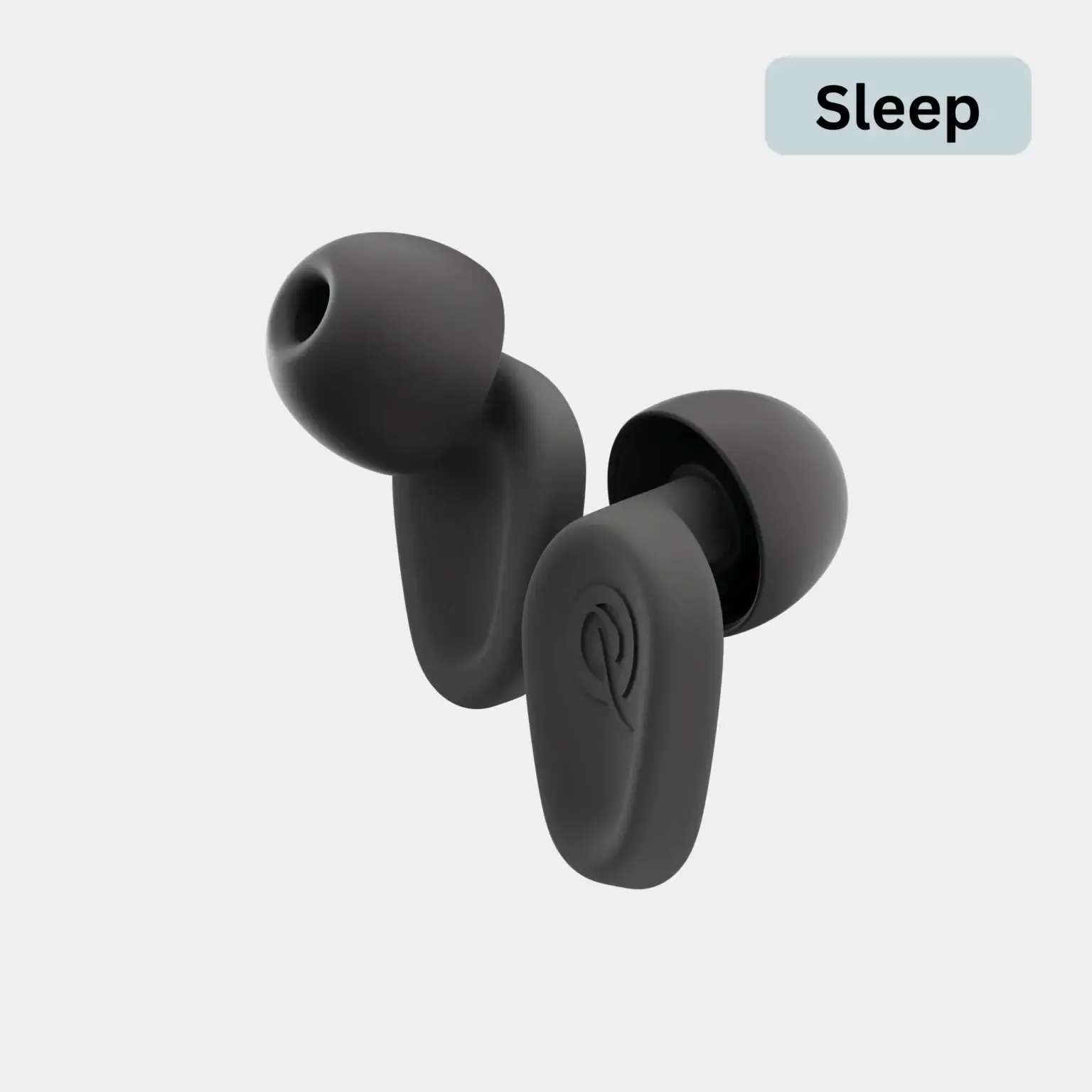
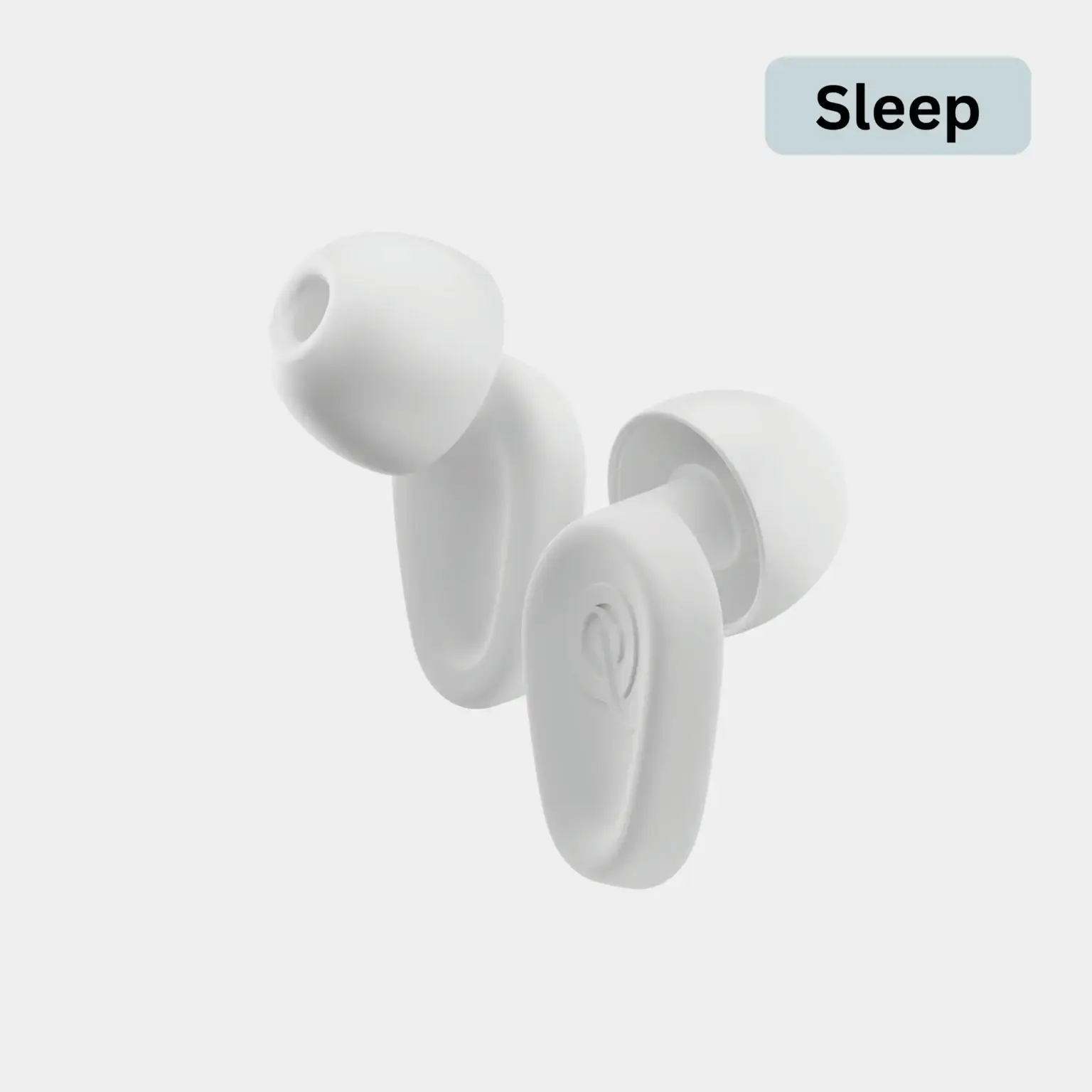
Soft-touch materials, multiple tip sizes, and a shape that sits discreetly in the ear all add up. You should be able to wear your earplugs through the opener, the headline set, and the loud walk back through the concourse without constantly adjusting them.
For many music fans, style plays a role too. That is not vanity. It is usability. A sleek, intentional design feels like part of your setup, not a medical device or jobsite gear. When earplugs fit your lifestyle, you are far more likely to bring them every time.
The biggest mistakes concertgoers make
The most common mistake is waiting until your ears already feel off. Hearing damage is cumulative, and recovery gets less forgiving over time. Ringing after a show is not a badge of honour. It is a warning.
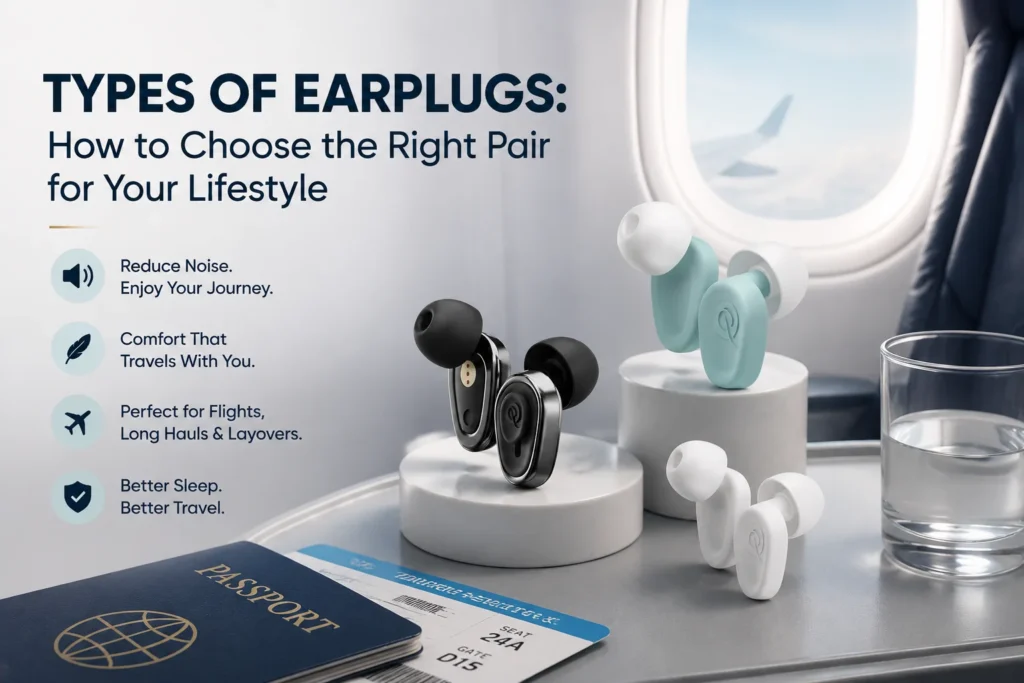
The second mistake is assuming all earplugs work the same. They do not. Foam, filtered, high-attenuation, low-profile, vented, and reusable models all perform differently. The right pick depends on your ears, your venues, and how much sound fidelity you care about.
The third mistake is wearing them incorrectly. If the seal is poor, protection drops. If you insert them too deeply or use the wrong tip size, comfort suffers, and you may give up on them completely. A few extra minutes getting the fit right can change the whole experience.
A better way to think about hearing protection
The old mindset says earplugs are for people who want less. Less noise. Less chaos. Less fun. That is outdated.
A better mindset is performance. Better endurance at a long show. Better comfort in loud spaces. Better control over what your ears take in. Better odds that live music still sounds great to you years from now.
That is why more people are treating earplugs as a standard part of their concert kit, right next to their tickets, charger, and wallet. They are not stepping back from the experience. They are upgrading how they move through it.
Brands like Earmuffz are part of that shift because they frame hearing protection the right way: not as a compromise, but as a lifestyle tool built for comfort, confidence, and repeat use in the real world.
What to expect the first time you wear them
The first few minutes can feel different if you have never worn filtered earplugs at a show. You may notice your own voice sounds louder in your head, or that the crowd noise softens before the stage mix does. Give it a little time.
Once your ears adjust, a good pair usually fades into the background. The music should still feel alive. You should still catch the details that matter. What disappears is the punishing edge that leaves your ears exhausted by the end of the night.
If the sound feels too dull, the fit or filter may be wrong for you. If you barely notice a difference in a loud venue, you may need a better seal or a stronger option. There is some trial and error here, and that is normal.
The goal is simple. Leave the venue with the memories, not the ringing.
Live music should hit hard, not leave damage behind. If concerts are part of who you are, protecting your hearing is not playing it safe. It is how you keep showing up for the next show, the next set, and the next favourite song.