
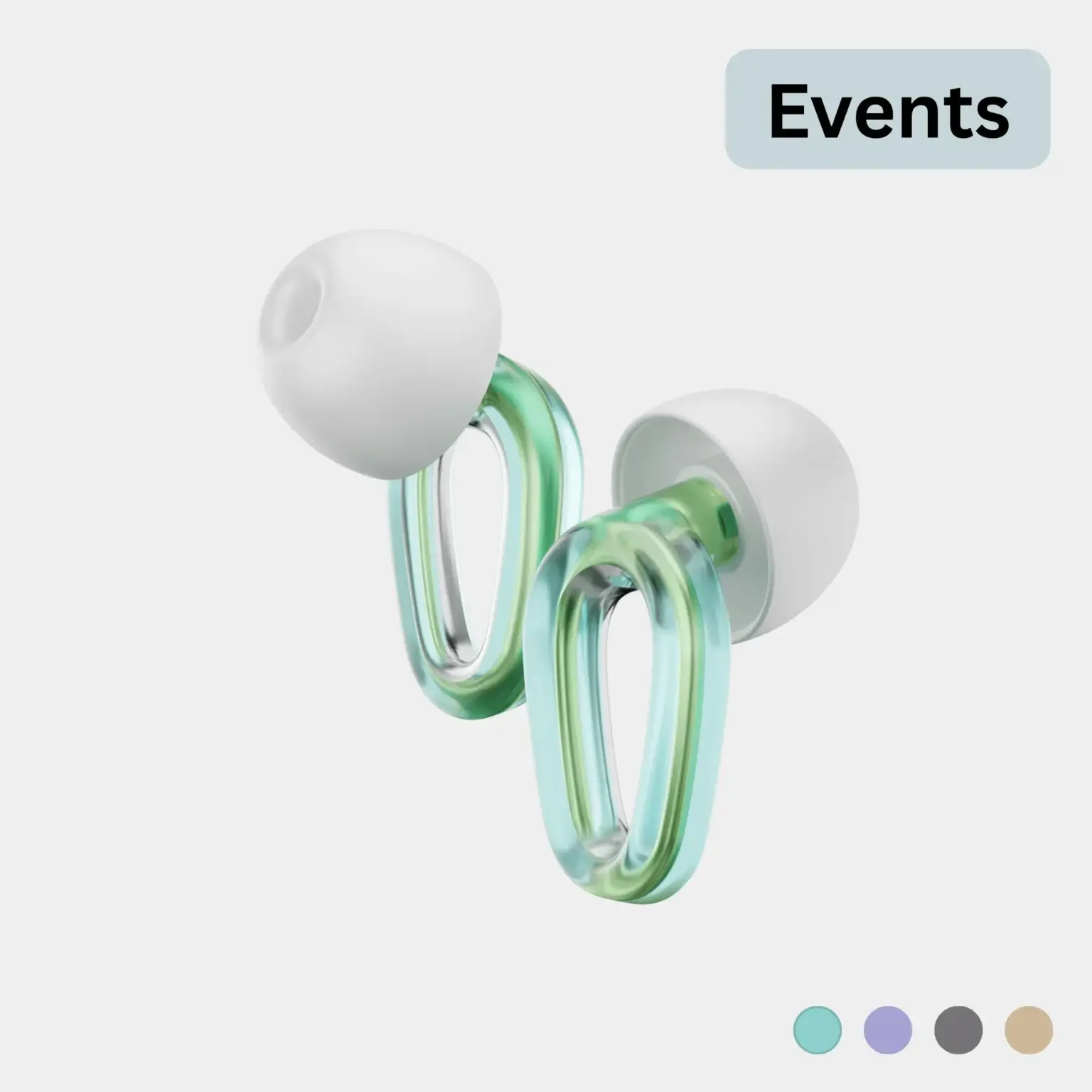
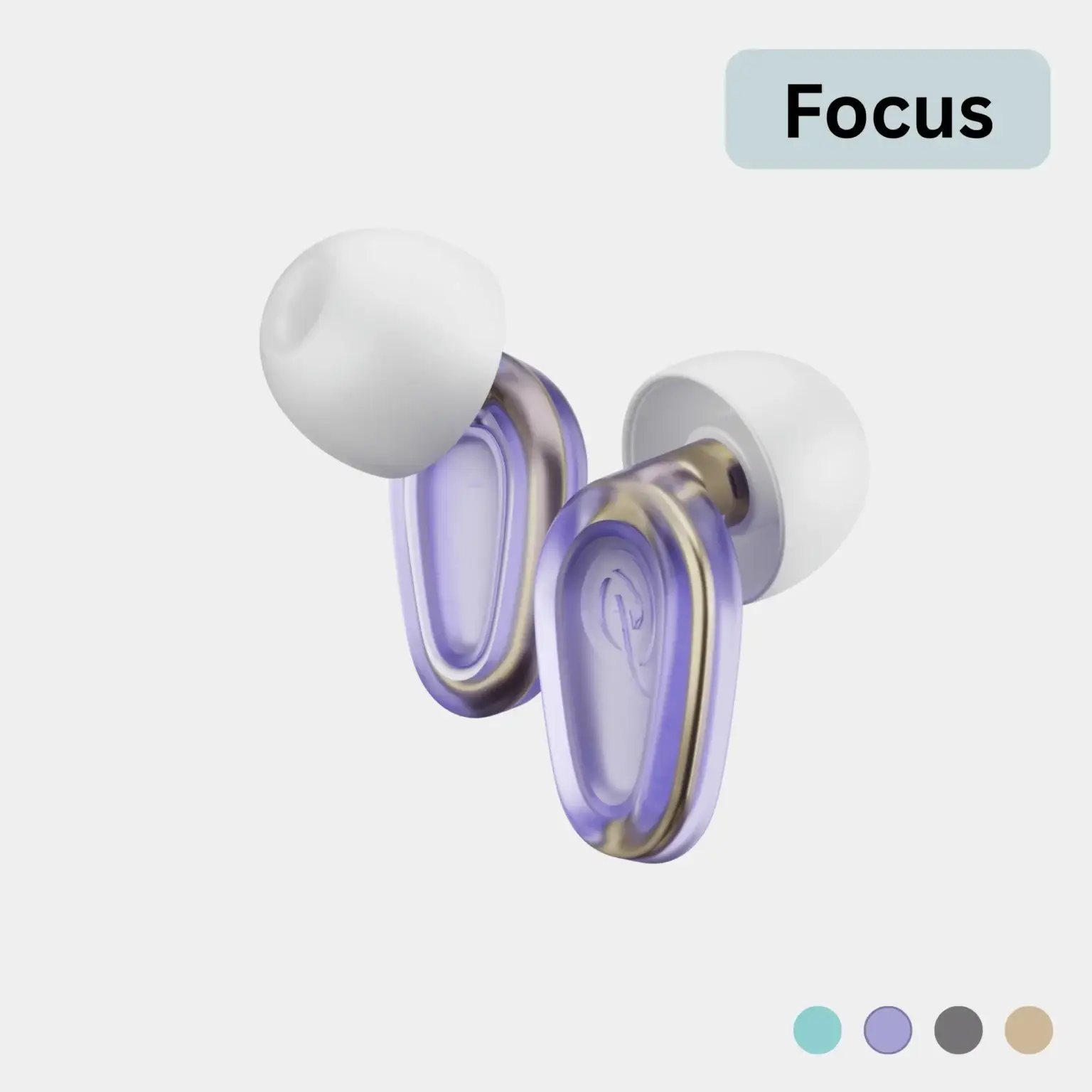
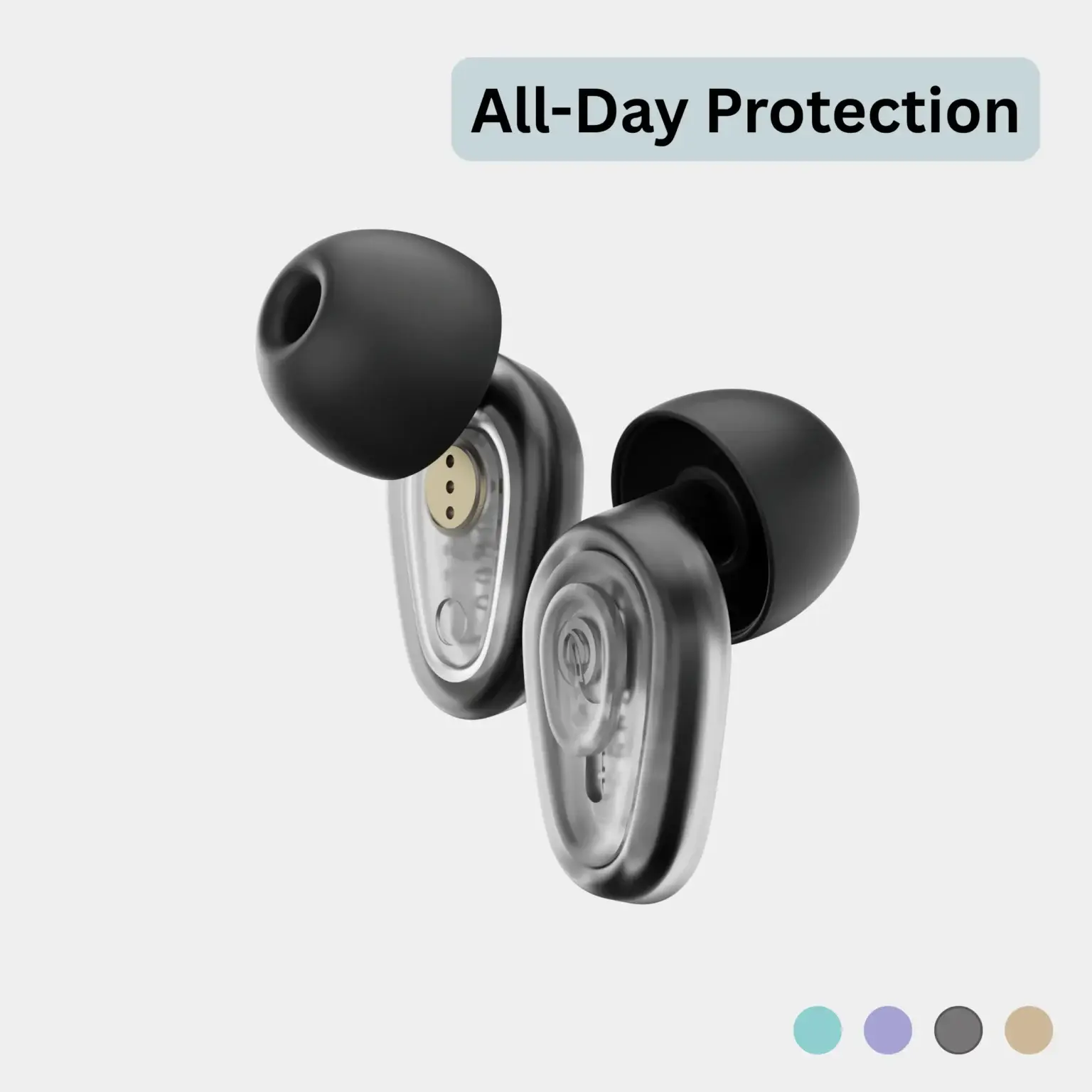
A proper earplug comfort review starts after the first five minutes. Nearly any earplug can feel acceptable when you first put it in. The real test is how it feels halfway through a train journey, at 3am when you turn on your side, or after a full afternoon of protecting your focus from office chatter.
Comfort is not a bonus feature. It is what makes noise reduction usable. If an earplug presses, slips, traps heat or creates a blocked-up feeling you cannot ignore, it will end up in a drawer – no matter how impressive the claimed sound reduction looks on paper. The right pair should help you take control of the volume around you without becoming the loudest thing in your awareness.
What earplug comfort actually means
Comfort is a combination of fit, material, shape and pressure. It also depends on where and how long you wear earplugs. A soft earplug that feels brilliant for focused work may not be the best choice for a side sleeper. A secure fit for a motorbike ride can feel too present for a quiet evening at home.
The most comfortable earplugs create a reliable seal with minimal force. They sit low in the ear rather than protruding far beyond it, and they stay stable when you talk, chew, move or rest your head against a pillow. You should notice the calmer environment, not a constant urge to adjust your ears.
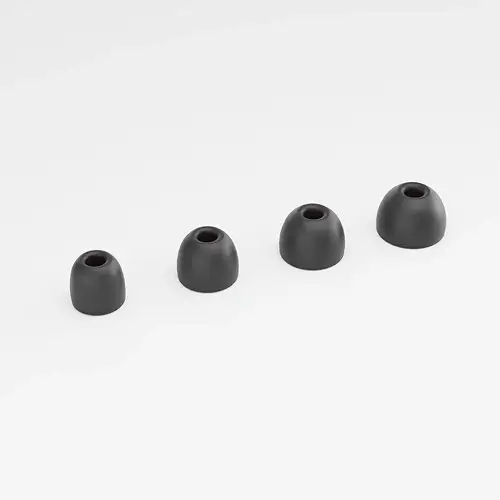
That is why one-size solutions often disappoint. Ear canals vary more than people expect, sometimes from one ear to the other. Multiple eartip sizes are not an accessory to overlook. They are the difference between a plug that feels engineered for you and one that feels like a compromise.
Pressure is the deal-breaker
Many people mistake pressure for protection. A deeply forced plug can create a strong sense of isolation, but it can also cause soreness, jaw discomfort or the feeling that your own voice is booming inside your head. More pressure does not automatically mean better everyday wear.
A good fit feels secure, not aggressive. There may be a brief adjustment period if you are new to reusable earplugs, especially when you first experience reduced ambient noise. But persistent pain, throbbing, itching or a strong blocked sensation is a sign to remove the plugs and reassess the tip size and insertion depth.
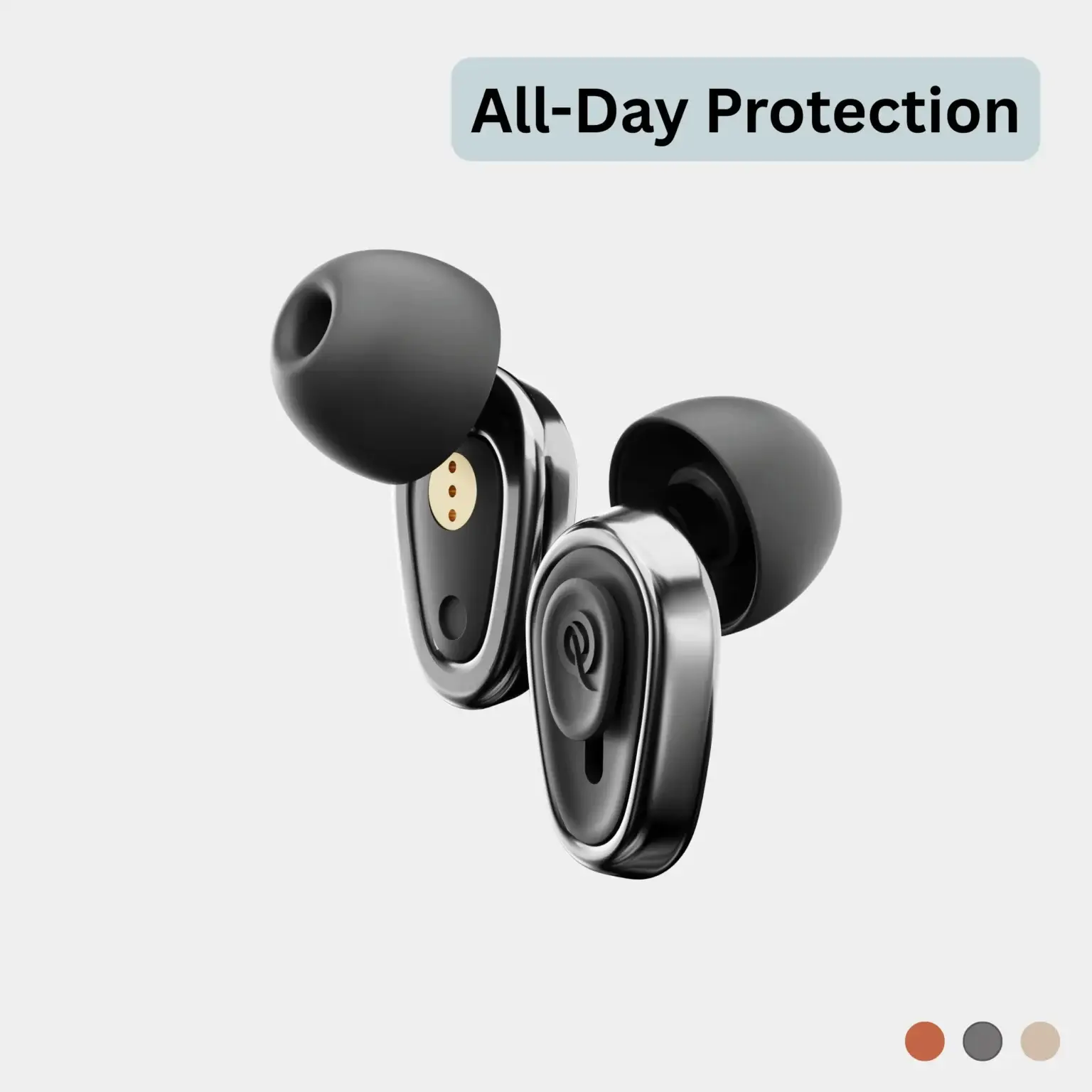
For daily use, comfort has to survive real life. You should be able to take a call, make lunch, walk through town or settle into bed without repeatedly checking whether your earplugs are still positioned correctly.
Earplug comfort review: the tests that matter
Forget the quick squeeze test in a shop. Assessing comfort properly means matching the earplug to the moment you need it for. Give a new pair several short sessions before judging it, then extend wear time once the fit feels right.
Start with the seated test. Wear the earplugs while working, reading or commuting for 30 to 60 minutes. Notice any localised pressure, particularly around the entrance of the ear canal. Next, try movement. Speak, eat, take the stairs and turn your head. An earplug that shifts with every movement is unlikely to deliver consistent noise control.
Then test your specific environment. For sleep, lie on both sides and pay attention to contact between your pillow and the outer ear. For focus, listen for whether keyboards, conversations and building noise fade into the background without making you feel cut off from colleagues. For concerts, commuting or riding, the goal is controlled volume, not silence. You still need awareness of the world around you.
Finally, remove the earplugs after a longer session. Your ears should feel normal fairly quickly. Mild awareness that you have worn them is one thing. Tenderness or lasting discomfort is another.
Sound quality affects perceived comfort
Physical fit gets most of the attention, but the way an earplug reduces sound matters too. Poorly balanced attenuation can make everyday sound feel muffled, unnatural or disorientating. That sensory strain often gets described as discomfort, even when the material itself is soft.
For work and social settings, many people prefer a reduction that takes the edge off harsh noise while keeping speech and surroundings usable. For sleep, the priority may be a stronger, more stable seal that reduces unpredictable disturbances. The right choice depends on your noise source, sensitivity and need for situational awareness.
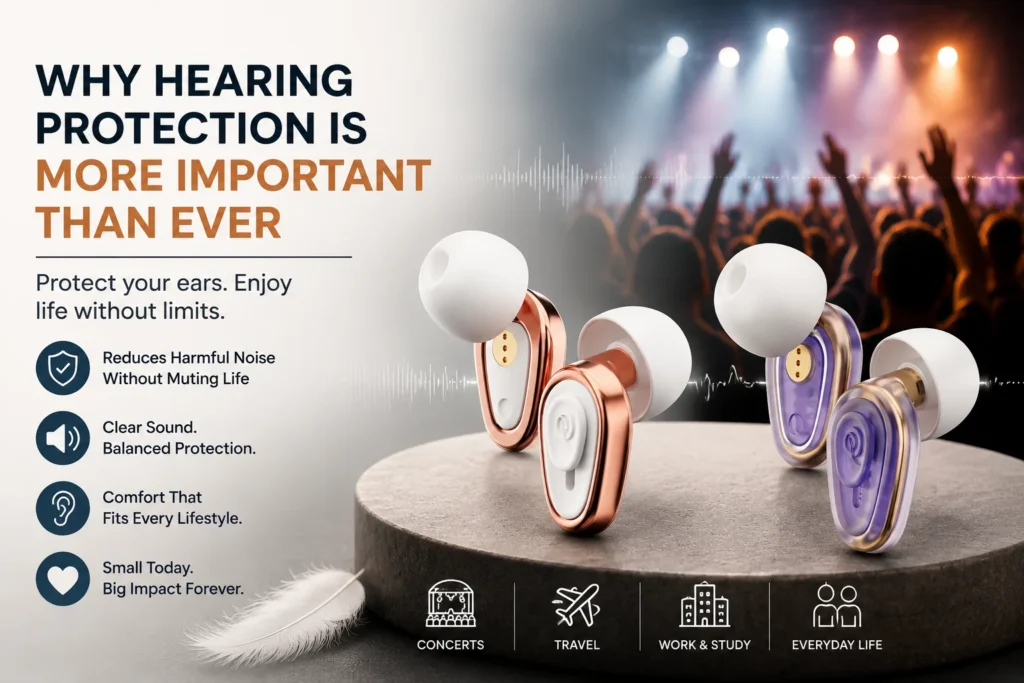
This is where purpose-built designs earn their place. A reusable earplug designed for a known use case is more likely to balance comfort and control than a generic foam option pulled from a packet before a noisy event.
Fit guidance for sleep, focus and high-noise days
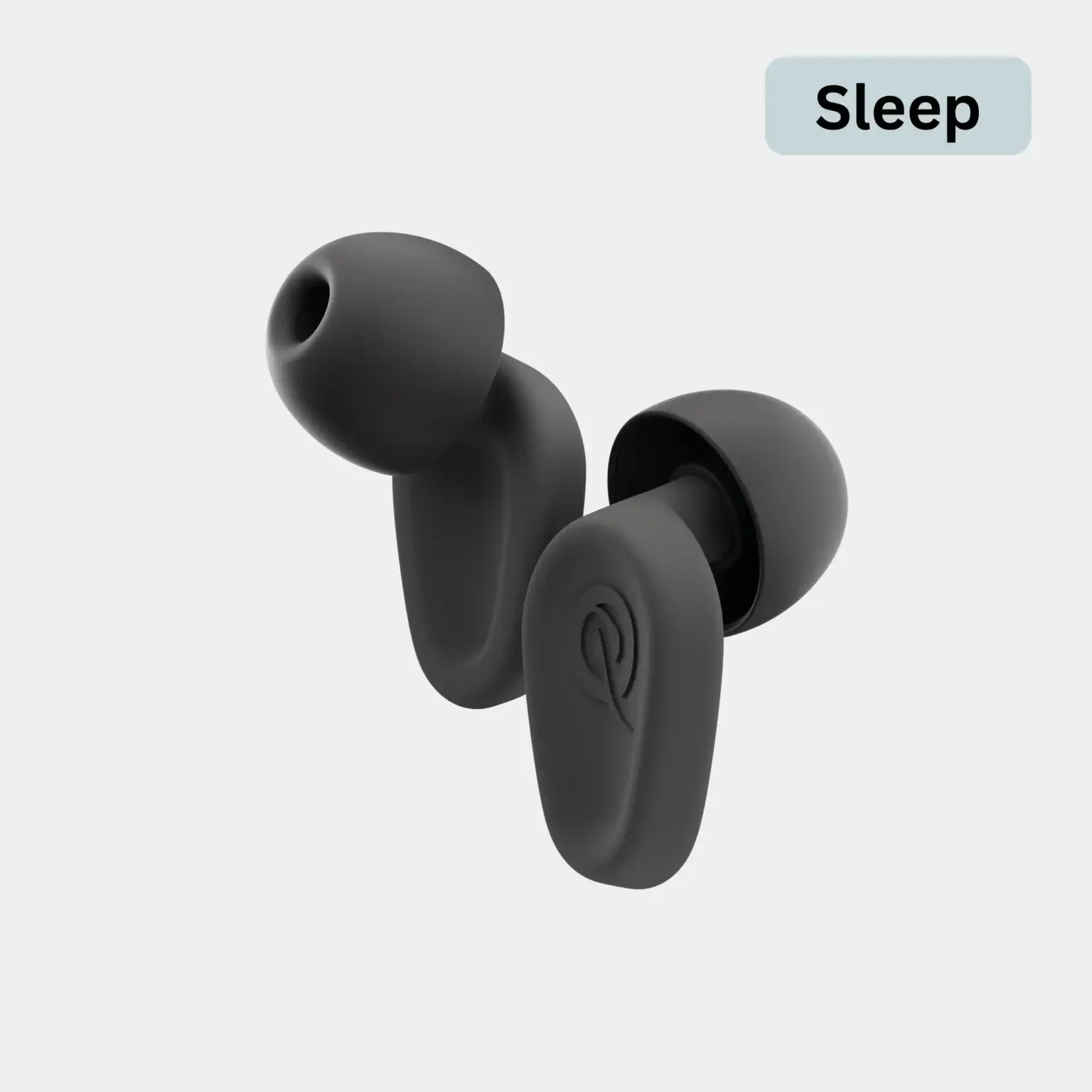
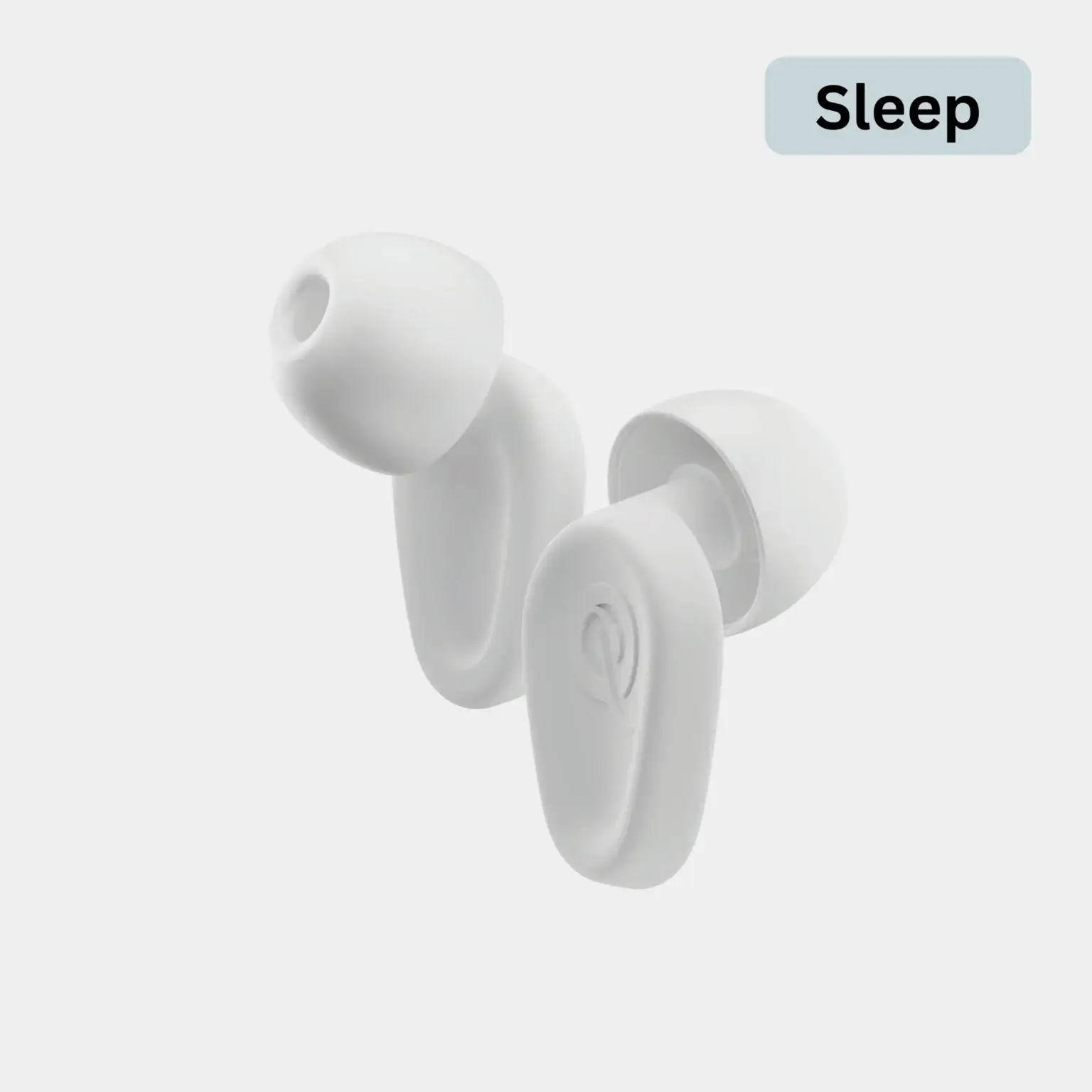
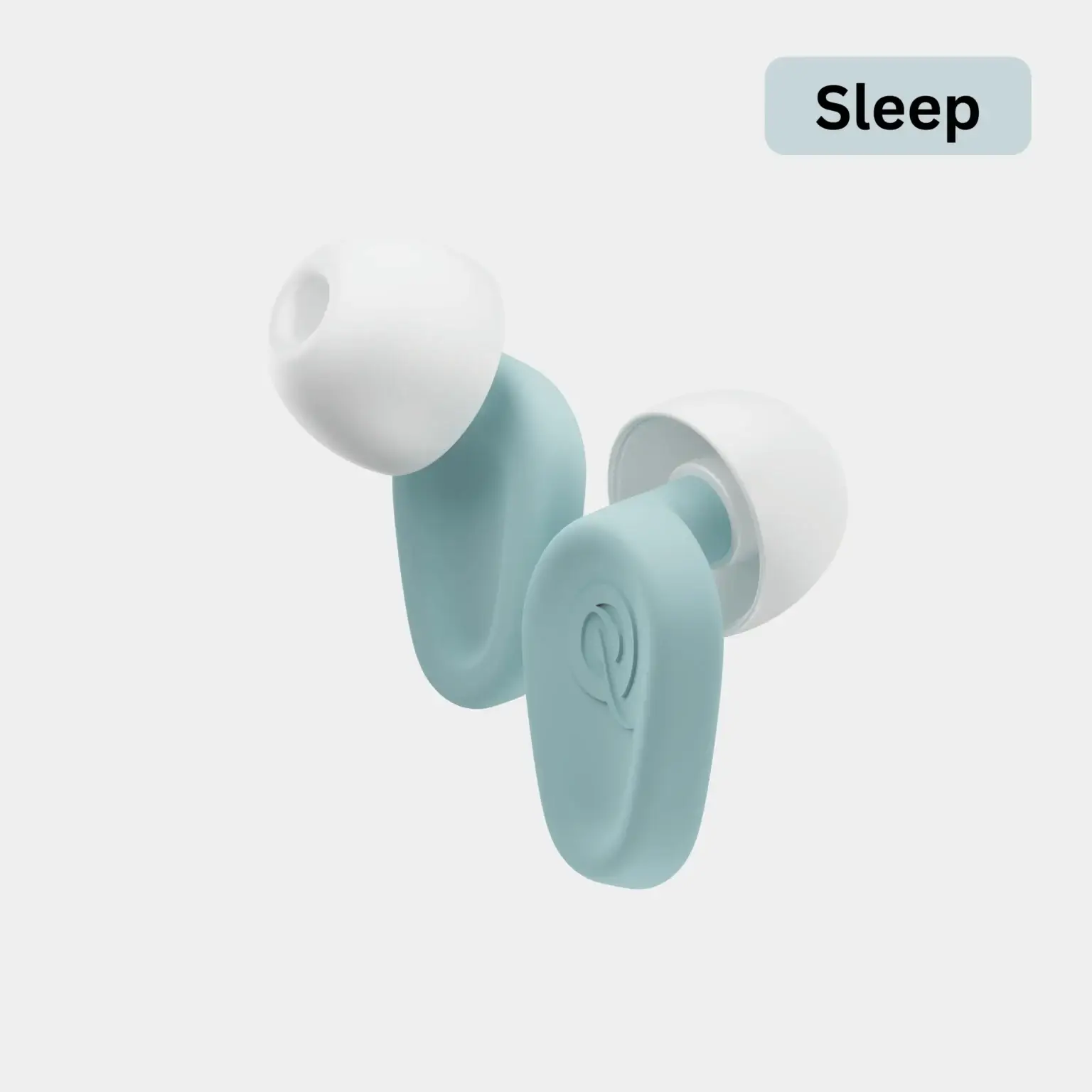
For sleeping, low-profile shape is non-negotiable for side sleepers. Even a comfortable material can become intrusive when your ear is pressed into a pillow for hours. Choose the smallest tip that creates a dependable seal rather than forcing a larger size for maximum tightness. If you wake with soreness on one side, try a smaller tip in that ear or reassess how far the plug is inserted.
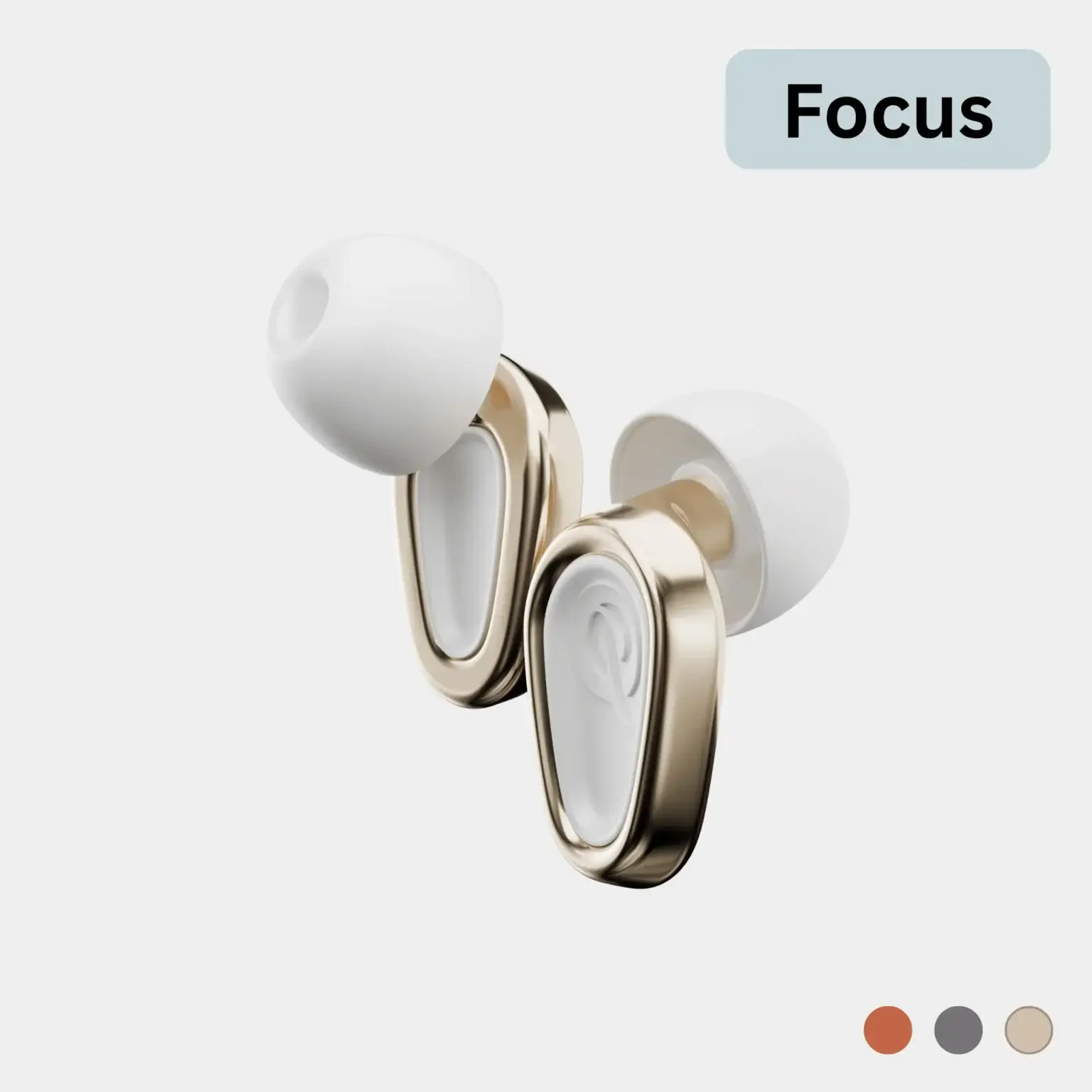
For work and study, the goal is fatigue-free concentration. You want to reduce disruptive peaks – chatter, calls nearby, traffic, mechanical hum – while retaining enough awareness to function confidently. A comfortable pair should make a busy shared space feel more manageable, not make you feel detached from it.
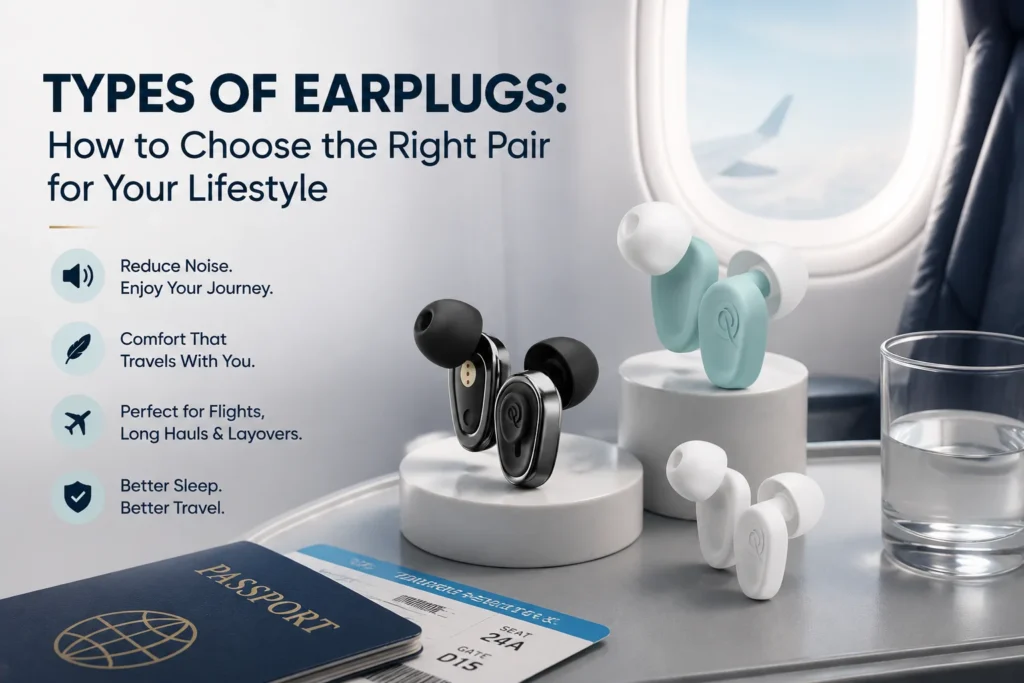
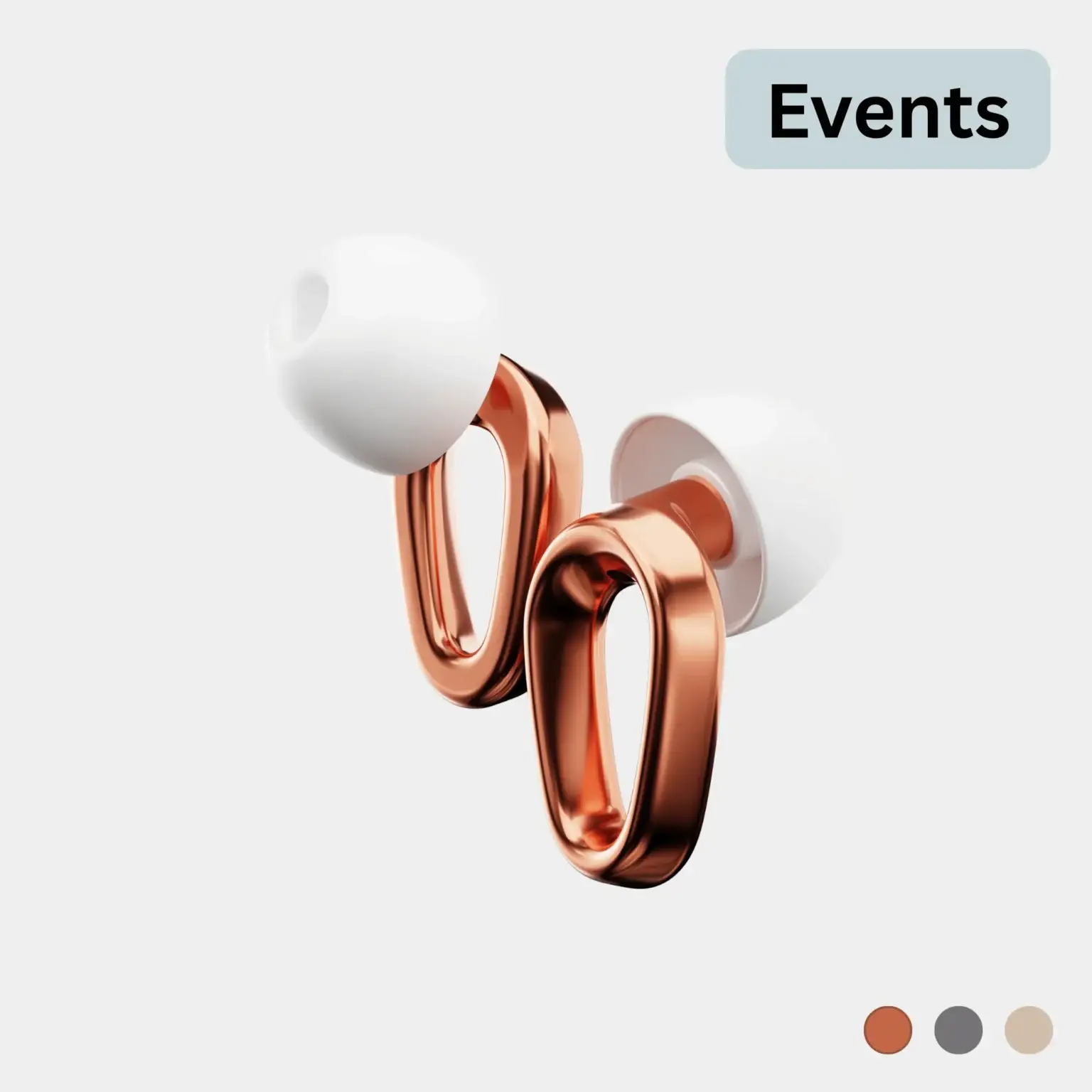
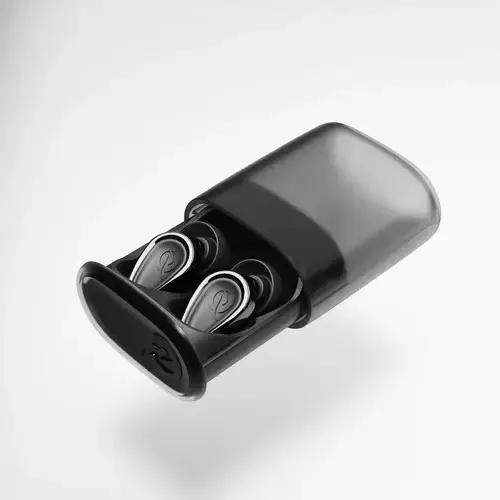
For live music, travel and motorsport, stability matters as much as softness. Sweat, wind, movement and long wear can expose a poor fit quickly. A secure, low-profile design is less likely to loosen when you are active, and a practical carry case makes it easier to keep reusable earplugs clean between uses.
For parents and people managing noise sensitivity or tinnitus, flexibility matters most. Some days call for stronger reduction; others require only enough control to make supermarkets, public transport or a loud household feel less overwhelming. Comfort supports consistency, and consistency can make noise management feel far more achievable.
The common mistakes that ruin a good earplug
The first mistake is choosing the largest eartip by default. Larger does not always seal better. It can fold, create excess pressure and work its way loose. Start with a medium tip, then size down if you feel pressure or size up only if external sound remains unusually prominent and the plug is clearly unstable.
The second is inserting too deeply. Reusable earplugs are designed to sit securely, not to be pushed as far as possible. Follow the fitting guidance supplied with your pair, using clean hands and a gentle twisting motion where appropriate.
The third is expecting one model to excel at everything. Sleep, commuting, office focus and high-volume events create different demands. Building your noise-control kit around your actual routine is more effective than searching for a mythical all-purpose plug with no trade-offs.
The fourth is ignoring care. Earwax and residue can affect both comfort and fit. Clean reusable earplugs according to their care instructions, let them dry fully and store them in their case. A well-maintained pair feels better, lasts longer and is ready when the environment gets louder than you want it to be.
What to look for before you buy
Comfort-first earplugs should offer more than soft material. Look for multiple eartip sizes, a discreet profile, reusable construction and a design built around your intended environment. If you need protection in higher-noise situations, check for recognised certification standards rather than relying on vague marketing claims.
Earmuffz designs its Sleep, Classic and Premium ranges around real routines, from quieter nights and sharper work sessions to travel, riding and louder social spaces. That segmentation matters because the best earplug is not simply the one that reduces the most sound. It is the one you will happily wear when you need it.
A two-year warranty can also be a useful confidence signal for a reusable product. It suggests that durability has been considered alongside immediate fit, which matters when earplugs become part of your everyday carry.
Comfort is personal, but it is not mysterious. The right earplugs should sit securely, reduce the noise that drains your energy and let you get on with what matters. Find the fit that disappears into your routine, and you are no longer just blocking sound – you are choosing how much of it gets your attention.