
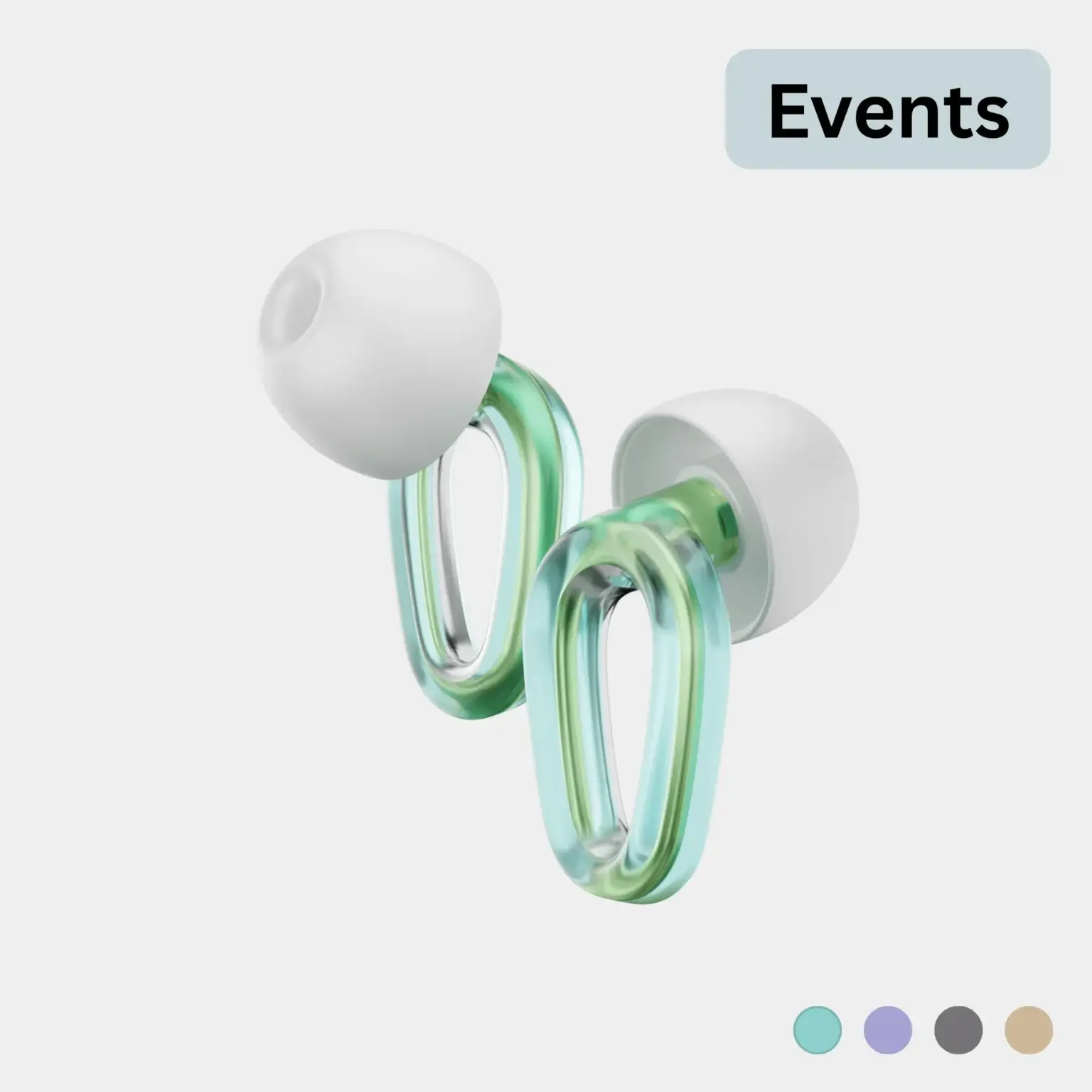
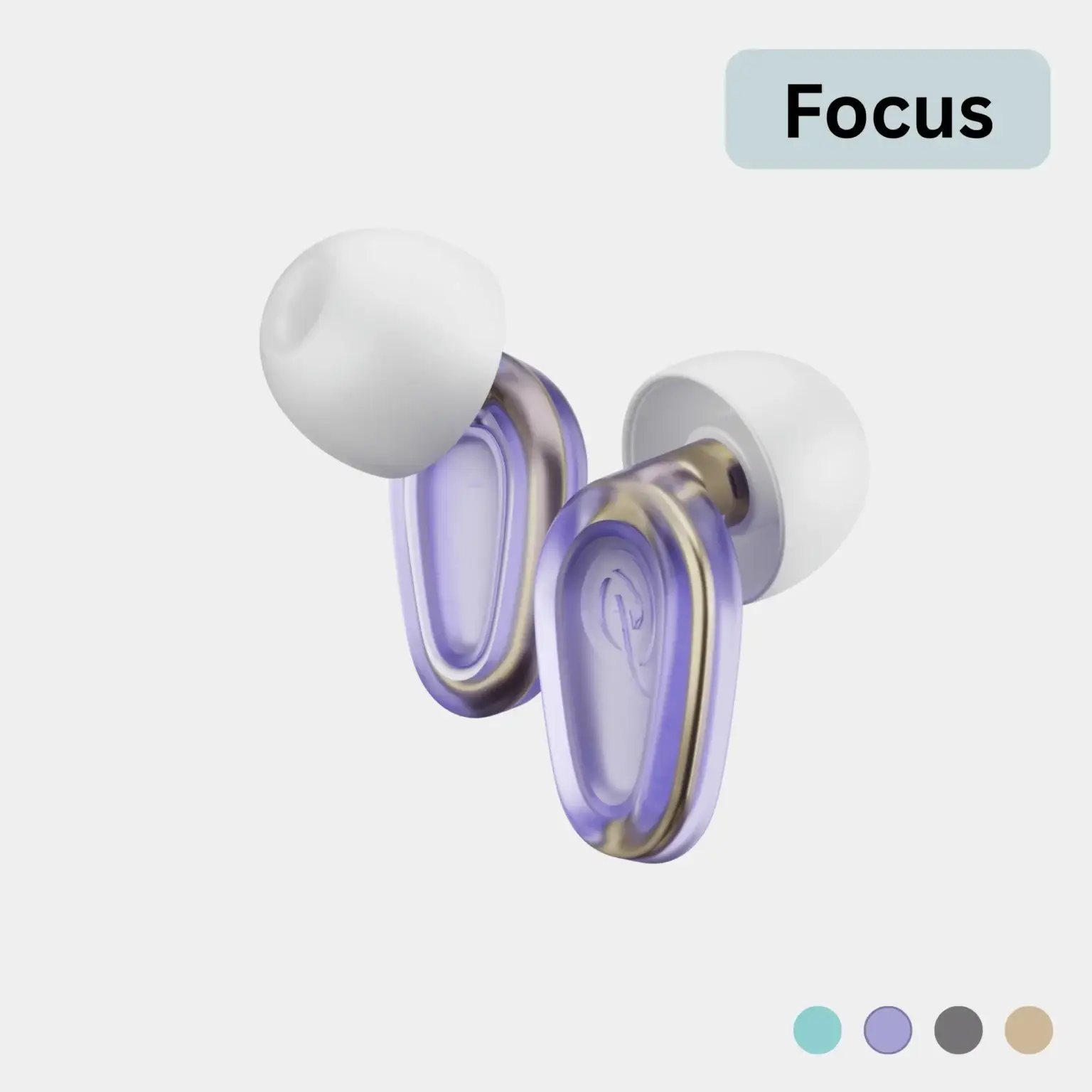
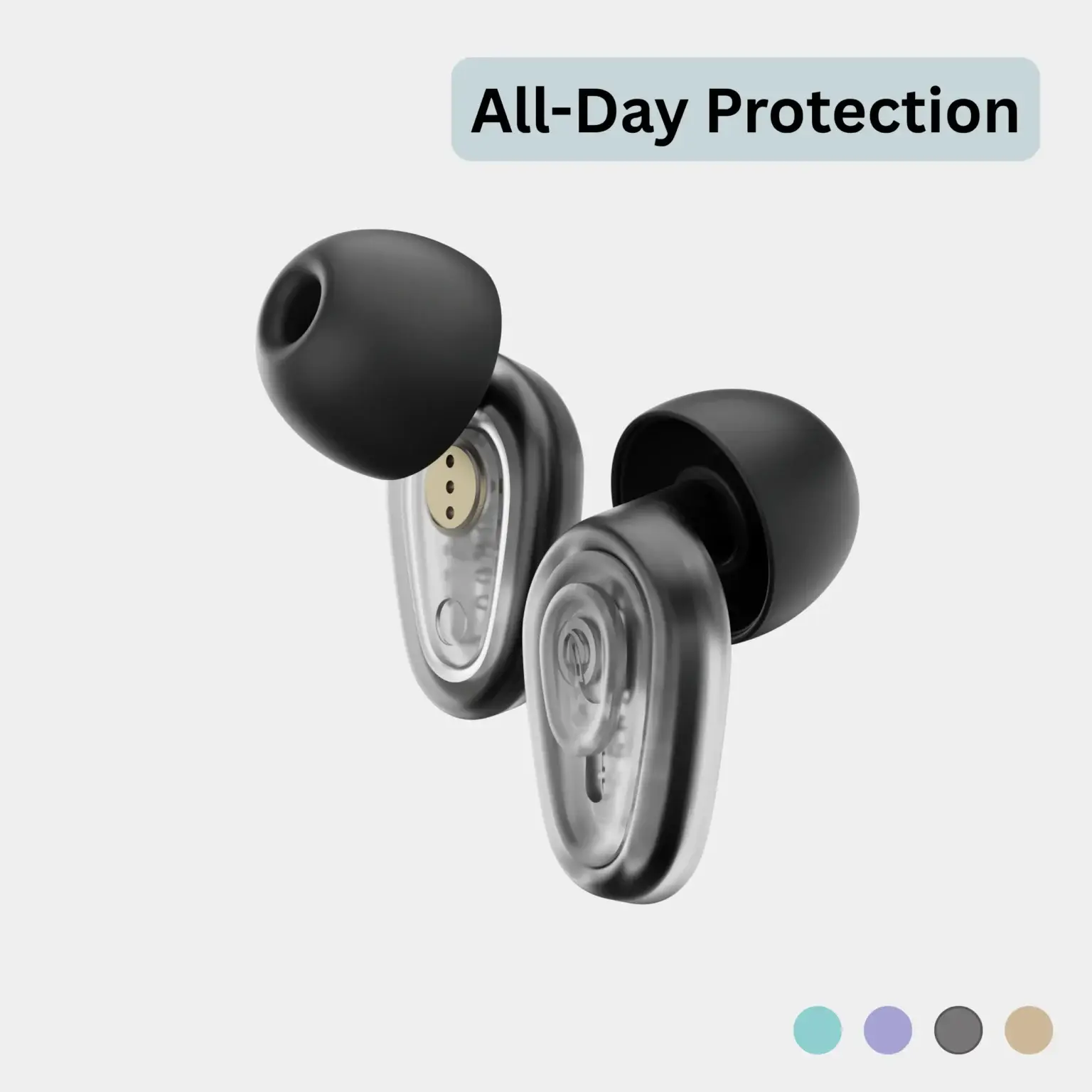
A packed train carriage. An open-plan office. A late-night gig. A baby monitor that crackles just as you drift off. The biggest shift in hearing wellness trends is simple: people are no longer waiting for noise to become unbearable before doing something about it. They are choosing more control, more often.
That does not mean trying to live in silence. It means turning down the noise that drains your energy while staying connected to what matters. For commuters, parents, performers, remote workers and anyone with sound sensitivity, hearing wellness is becoming part of the everyday kit – right alongside a water bottle, sunglasses and a good pair of trainers.
Hearing wellness trends are becoming everyday habits
For years, hearing protection was associated with building sites, workshops and loud machinery. Necessary, perhaps, but hardly personal. Now the category is expanding into daily life, driven by greater awareness of noise exposure, sensory overload and the impact sound can have on concentration, sleep and mood.
The modern goal is not to block every sound. It is to choose your level. That might mean reducing the rumble of public transport while travelling, softening office chatter before a deadline, or taking the edge off a crowded restaurant without stepping away from the table.
This is a meaningful change in mindset. Noise control is moving from reactive protection to proactive wellbeing. People are building quieter moments into busy lives because they know that attention is finite, sleep is valuable and constant background noise takes a toll.
Focus is now a performance metric
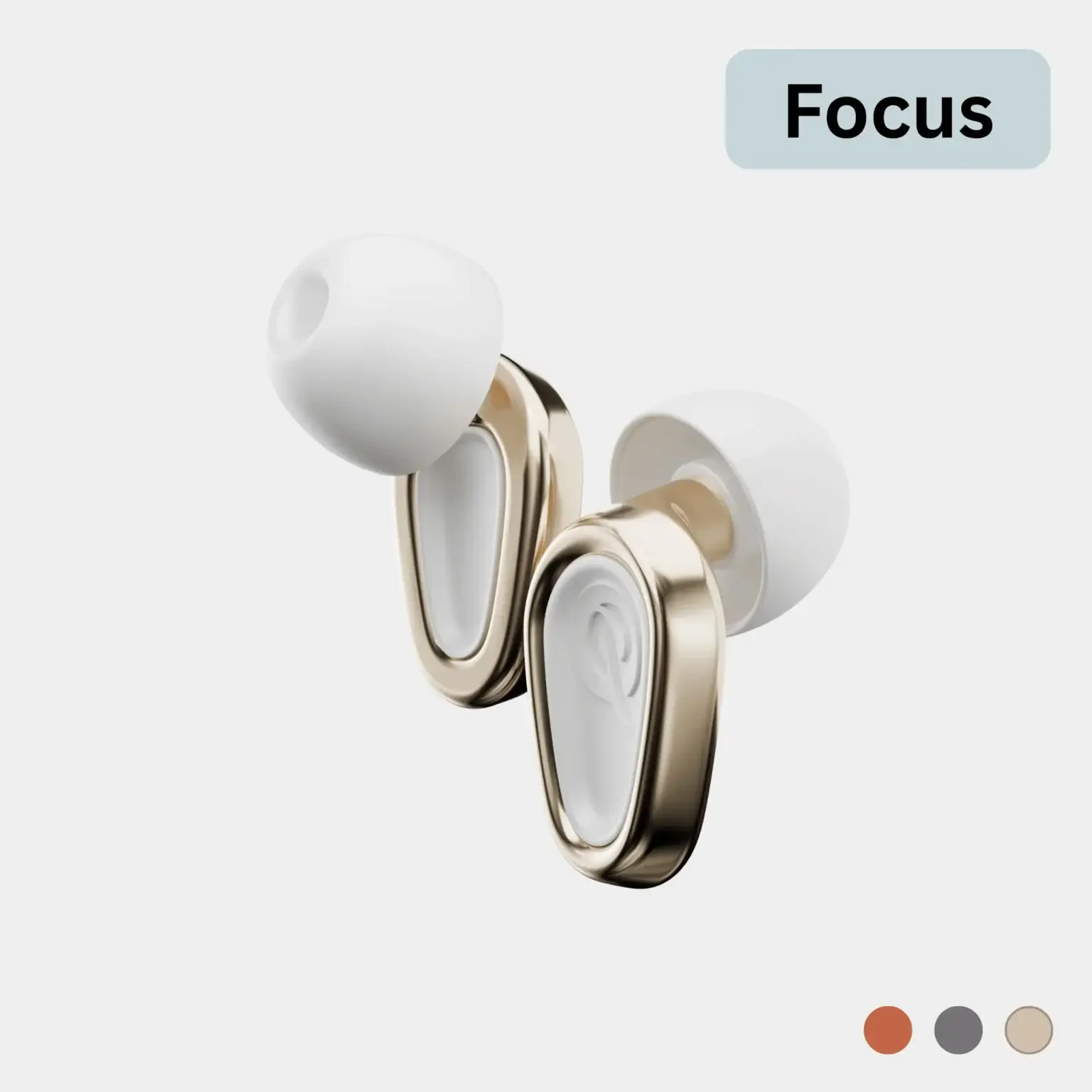
The workplace has become one of the clearest examples of this shift. Hybrid work brought flexibility, but it also brought unpredictable sound. One day you are in a busy café, the next you are sharing a kitchen table or working beneath an office ventilation system that never seems to stop.
Headphones can help, particularly when you need music or calls. But they are not always the answer. Wearing audio all day can add to listening fatigue, and active noise cancellation does not suit every task or every person. Reusable earplugs offer a quieter, screen-free alternative when the goal is simply to reduce distractions.
The trade-off matters. Too much attenuation can make collaboration difficult or leave you feeling detached from your surroundings. The best approach is situational: use lower-profile noise reduction for shared spaces and conversations, then reach for stronger protection when the environment gets genuinely loud. Control beats blanket avoidance.
Sleep support is getting smarter
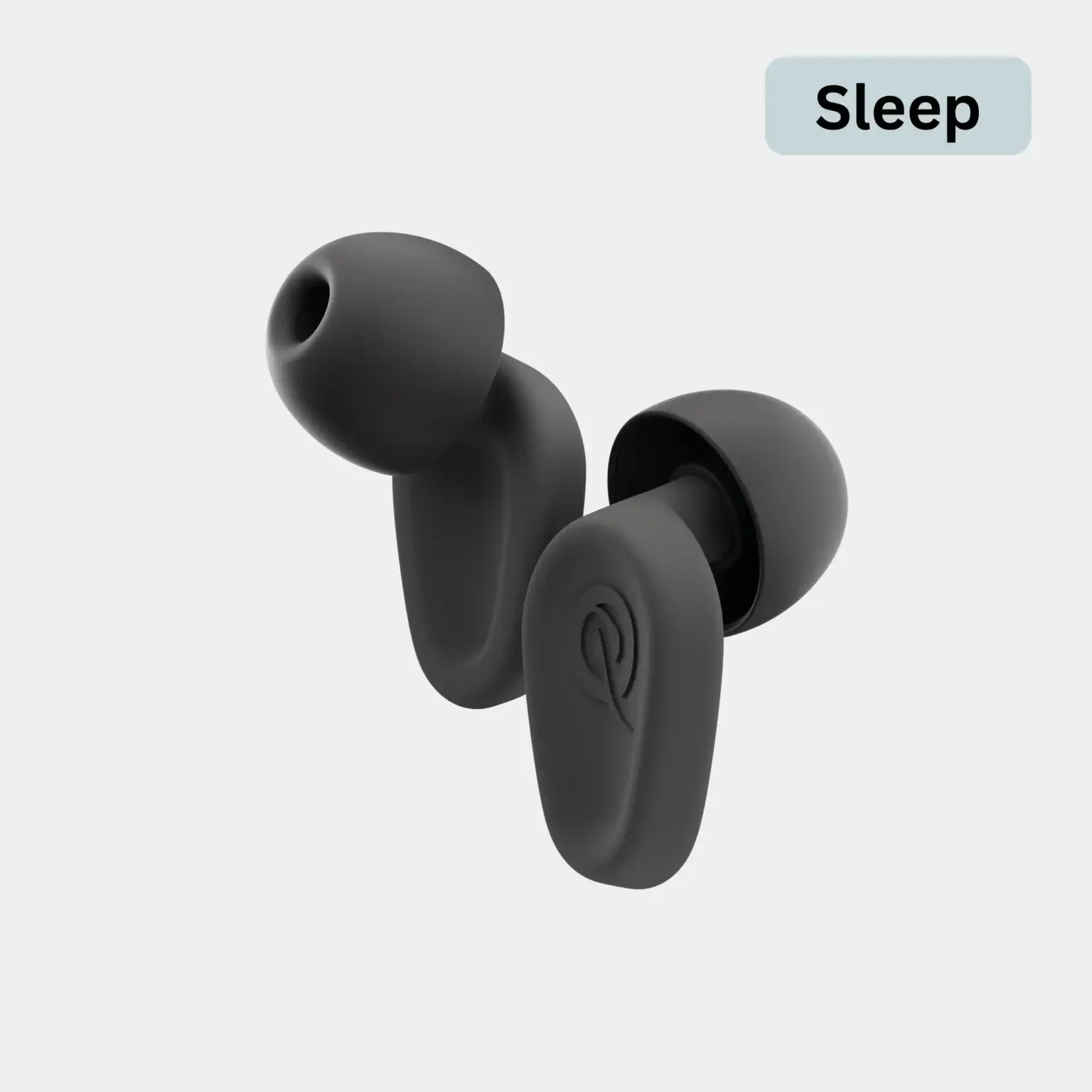
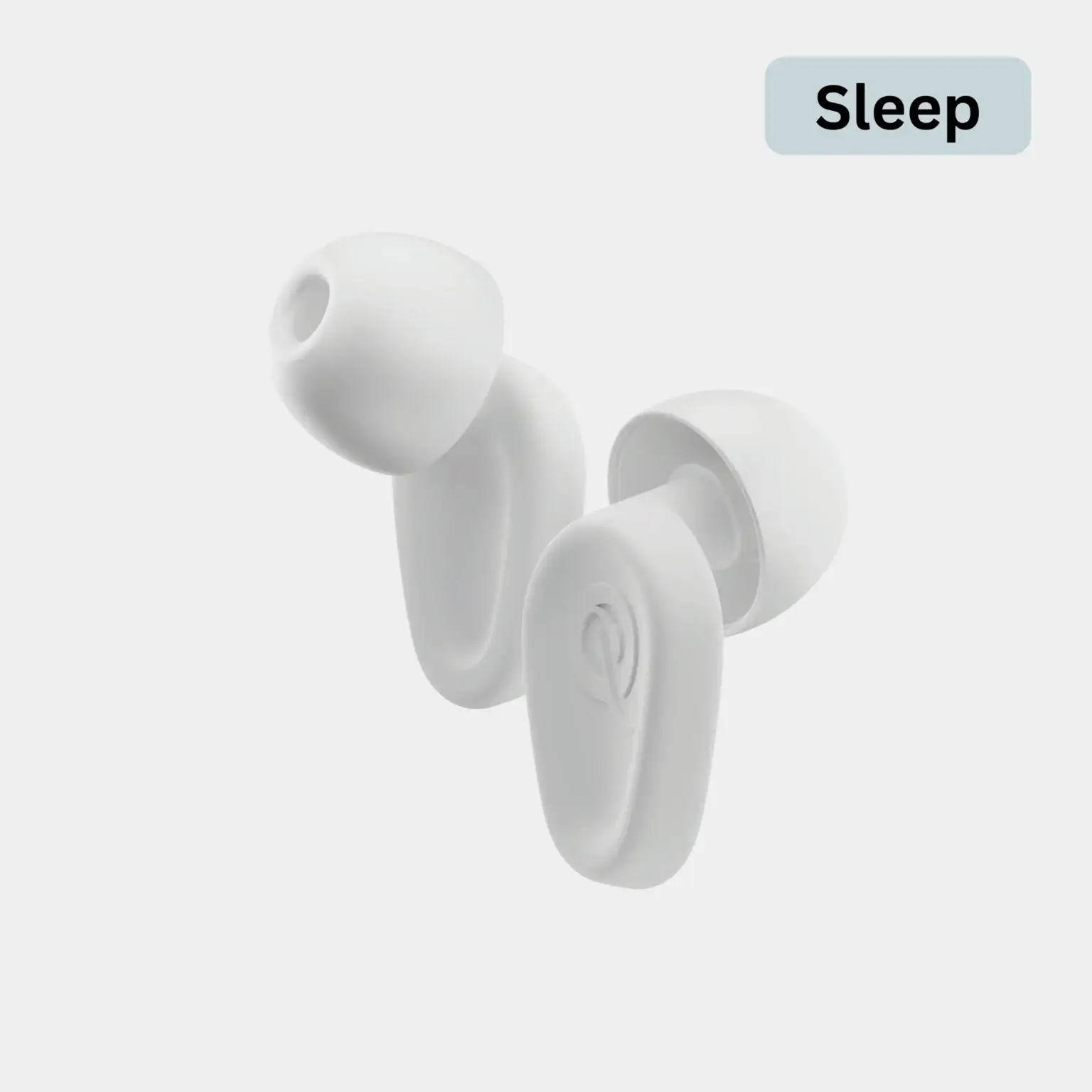
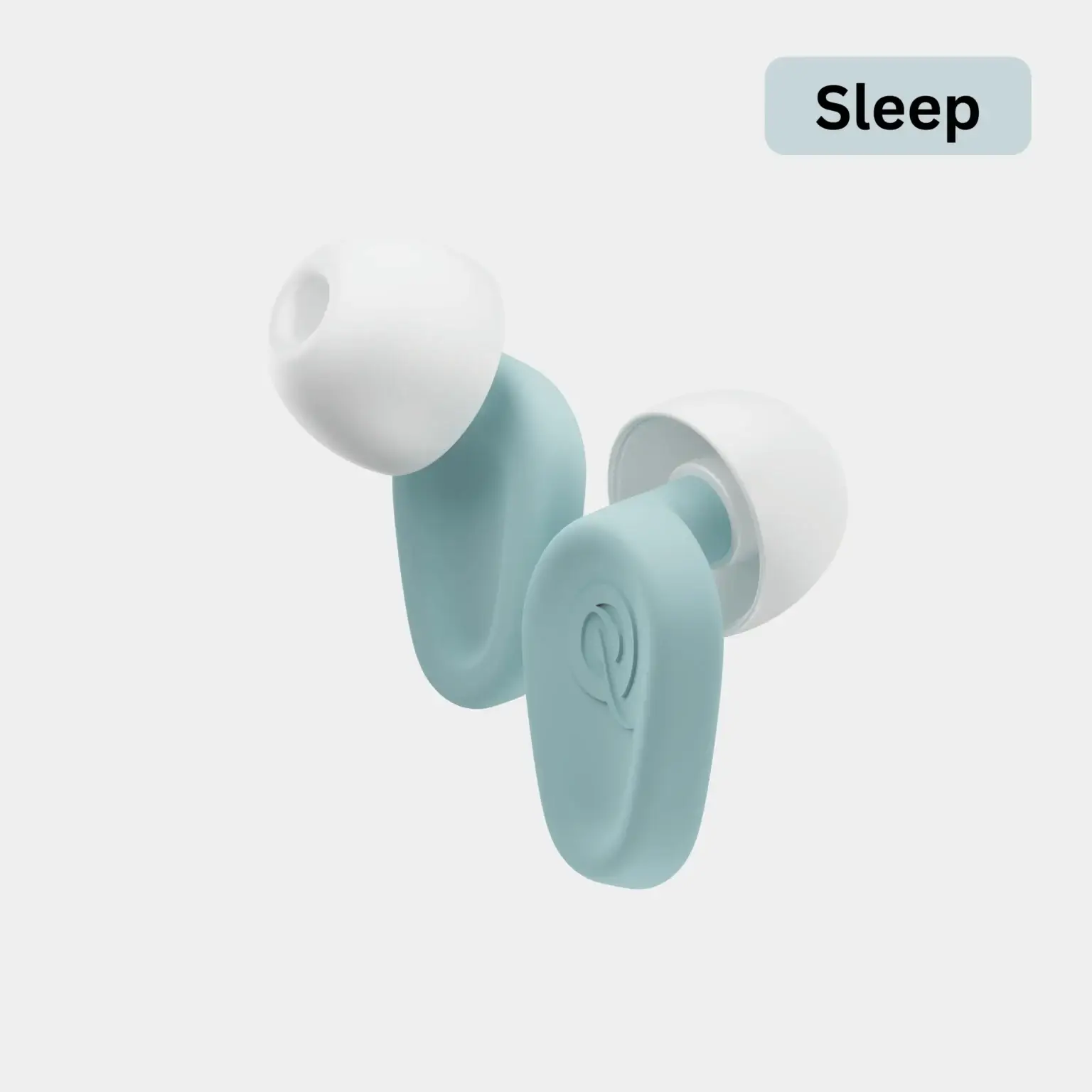
Sleep is another major force behind hearing wellness. Light sleepers have always known the problem: a partner’s snoring, neighbours coming home late, early traffic, a dog barking three streets away. What is changing is the willingness to treat noise management as a serious part of a bedtime routine.
A darker room, a cooler temperature and a consistent wind-down routine all have their place. Yet for many people, unwanted sound is the variable that keeps breaking the pattern. Comfortable, low-profile earplugs are increasingly viewed as a practical sleep tool, especially for shift workers, city dwellers and people whose homes are not as quiet as they would like.
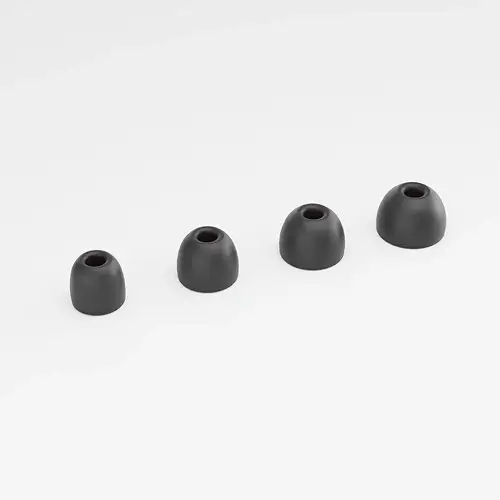
Comfort is non-negotiable here. An earplug that presses painfully against the ear when sleeping on your side will spend more time in a drawer than in use. Fit, soft materials and the right eartip size matter just as much as stated noise reduction. Better sleep support comes from something you can actually wear through the night.
Concert culture is choosing protection without missing the moment
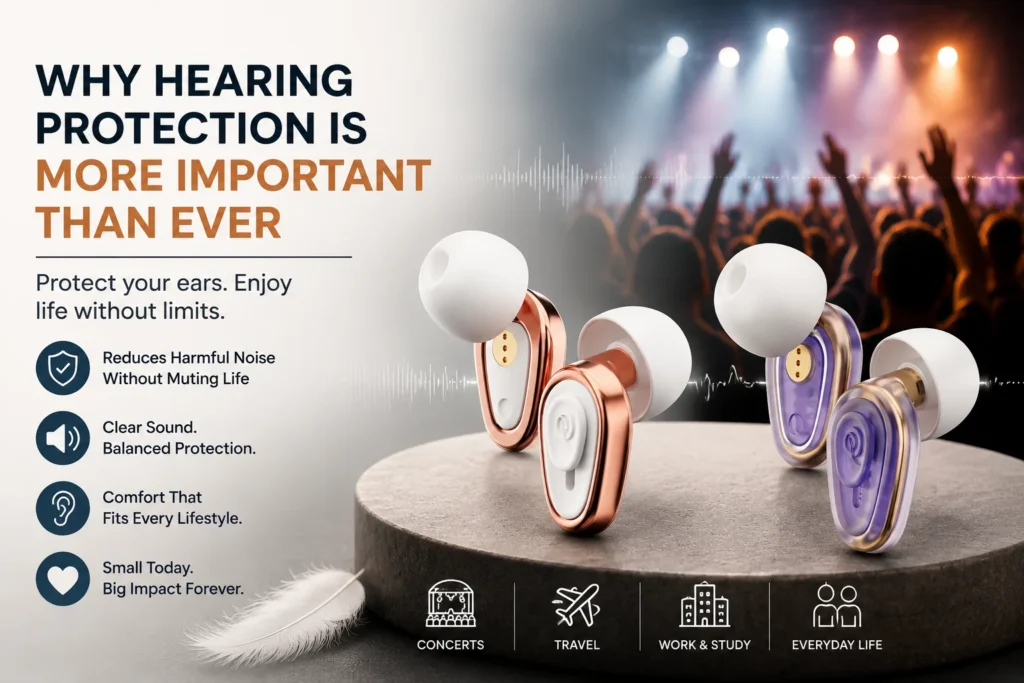
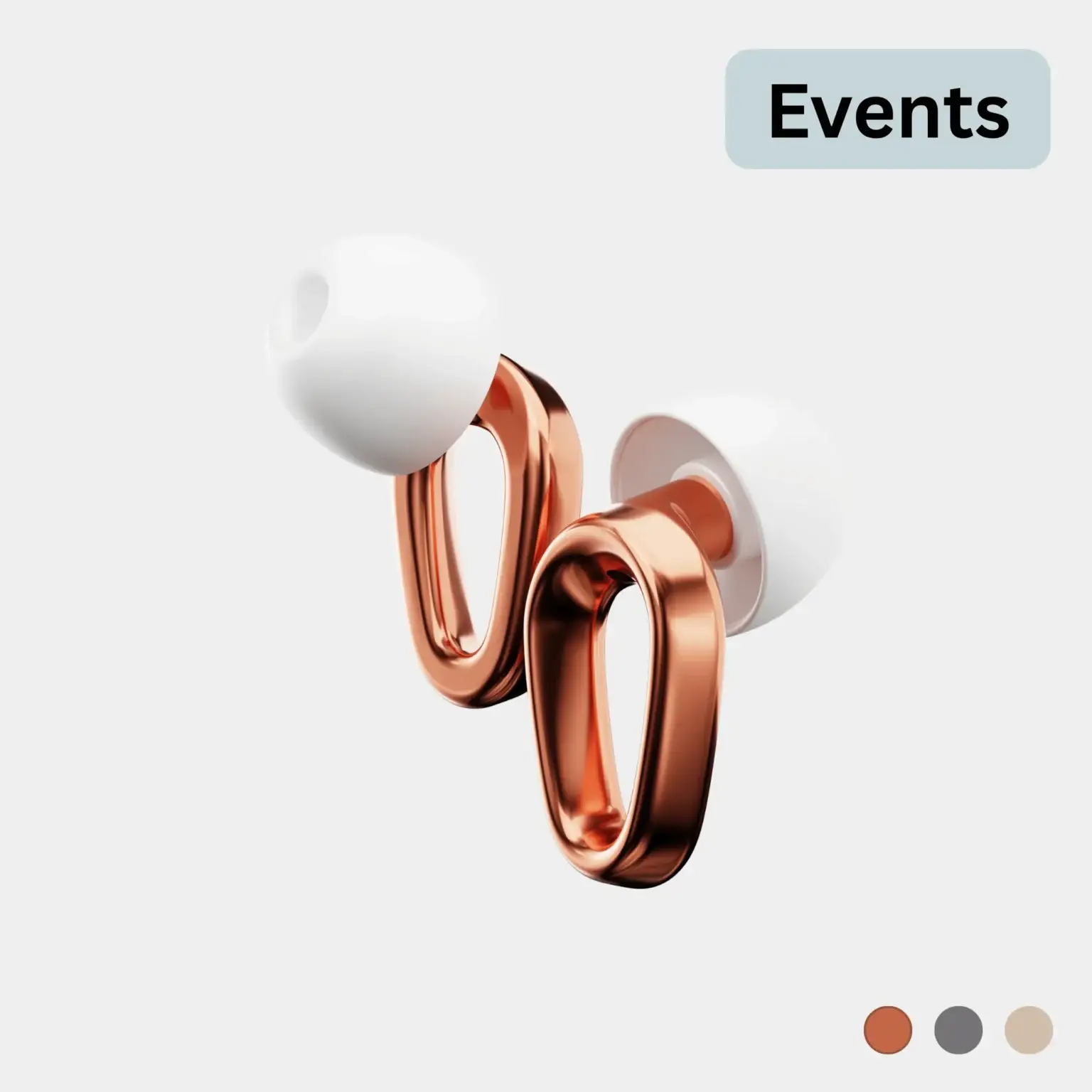
Festival crowds and live venues are louder than most people realise, particularly when you are close to speakers. The old choice was flawed: either wear foam plugs that could make music sound muffled, or go without and accept ringing ears afterwards.
Today, more concertgoers want hearing protection that lowers volume while keeping the experience alive. The aim is clearer, more comfortable listening – not killing the atmosphere. That is helping reusable earplugs become as normal at a gig as bringing a portable charger.
Still, no earplug makes an excessively loud environment risk-free. Distance from speakers, breaks in quieter areas and shorter exposure all play a role. Hearing protection is one strong layer of defence, not permission to ignore every warning sign from your ears.
The rise of discreet, reusable noise control
Style is no longer a superficial concern. If hearing protection looks bulky, feels awkward or is inconvenient to carry, people are less likely to use it when they need it. That is why low-profile designs, reusable materials and compact cases have become central to the category.
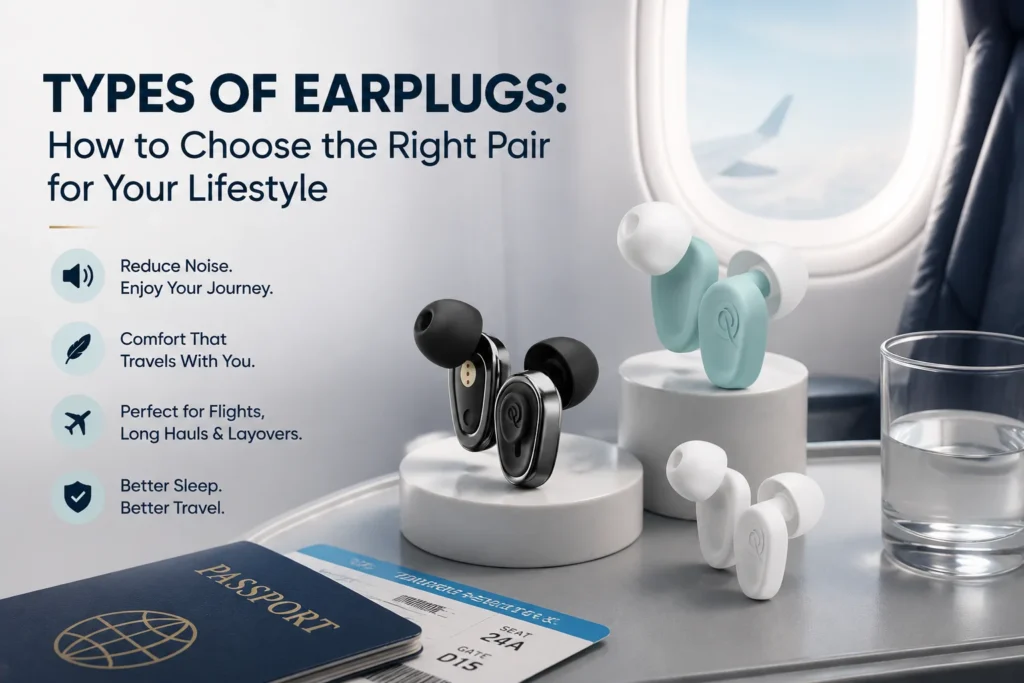
The appeal is practical. One pair can travel from a morning commute to focused desk work, then into a busy social setting. Reusability also reduces the waste of disposable foam plugs, provided the earplugs are cleaned and stored properly.
This does not mean one design is ideal for every situation. A person sleeping on their side has different needs from a motorcyclist, and a musician may prioritise a different sound profile from someone trying to concentrate in a shared office. Smart hearing wellness starts with matching the product to the environment rather than buying on appearance alone.
Personalisation is replacing one-size-fits-all advice
The most useful trend is not a material or a colour. It is personalisation. People are getting more specific about what noise does to them and when they need relief.
For some, the challenge is concentration. For others, it is sensory overwhelm on public transport, sound sensitivity linked to tinnitus, or the need to protect their ears during motorcycling and DIY. The right solution depends on the setting, the level of noise, how long you will be exposed and whether you still need to hear speech or alerts.
That last point deserves attention. Earplugs should not be used where reduced awareness creates a safety risk. Around moving traffic, while cycling, near machinery or when responsible for a child, choose carefully and keep situational awareness front of mind. Total volume control should never mean losing track of your surroundings.
Certification and fit are becoming purchase essentials
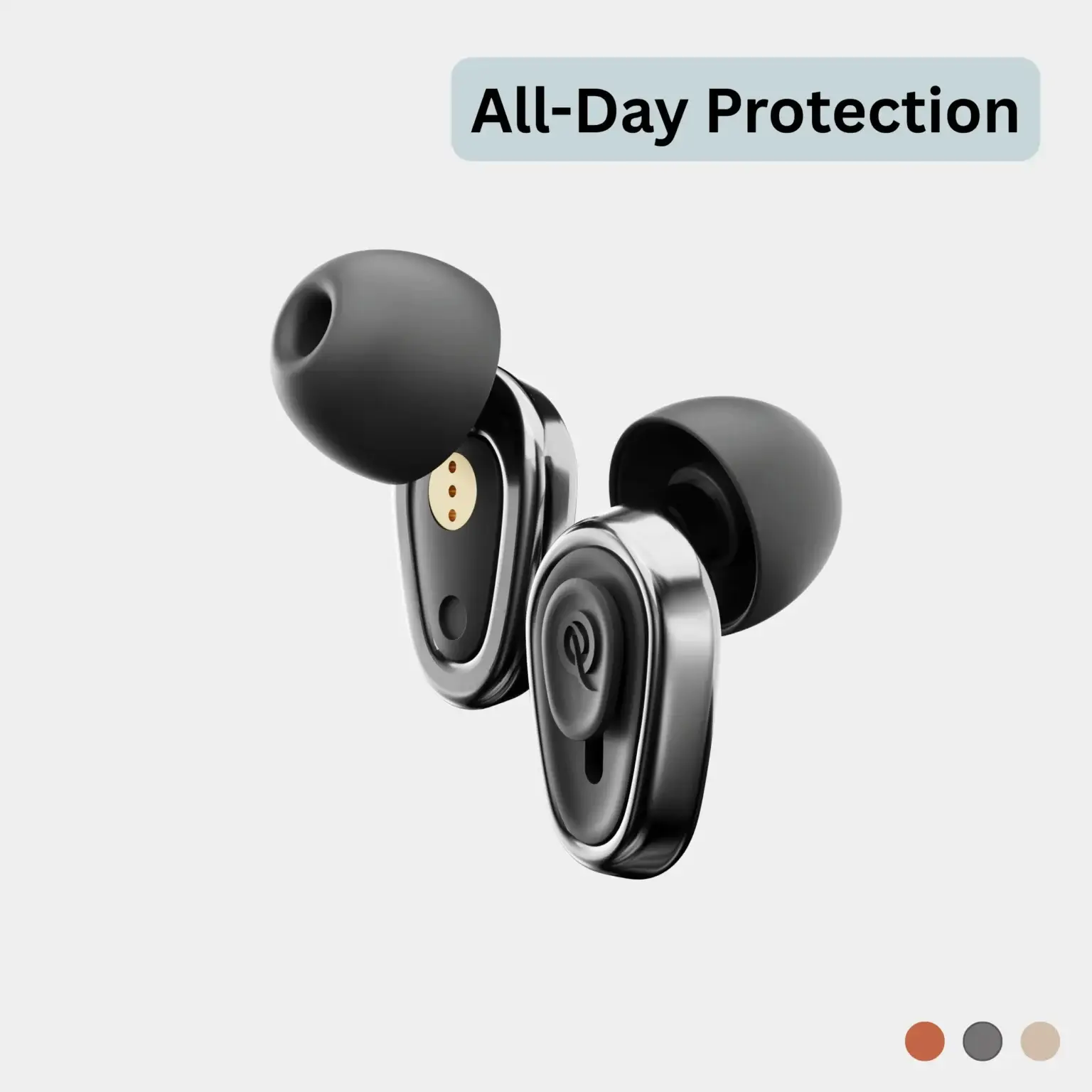
As the market grows, consumers are looking past vague claims. They want to know how a product performs, whether it is designed for the stated use and how it will fit in real life. Recognised standards such as CE, EN 352 and ANSI can offer useful reassurance when choosing protection for louder environments.
But a specification alone does not guarantee a good result. An imperfect seal can reduce effectiveness, while the wrong eartip size can make even a well-engineered product uncomfortable. Take time to test the fit in a calm setting before relying on earplugs at a concert, on a motorcycle or for your first night of sleep.
Look for a secure but gentle fit. You should not need to force an earplug deep into the ear canal, and pain is a signal to stop and reassess. If you have ear pain, sudden hearing changes, persistent ringing or concerns about tinnitus, seek advice from a qualified hearing professional rather than attempting to manage it alone.
What this means for everyday life
Hearing wellness is becoming less about retreating from the world and more about showing up with greater comfort and confidence. It is a performance habit: reduce the noise you do not need, preserve energy for what you do, and protect your ears for the long run.
Earmuffz reflects this new direction by treating reusable earplugs as an everyday essential, with options built around real situations rather than a one-product-fits-all promise. Whether your priority is rest, focus or protection, the strongest choice is the one you will wear consistently.
Start small. Keep a pair where noise tends to catch you out – in your work bag, beside the bed or with your travel essentials. The quietest, most focused version of your day may not require a major lifestyle change. It may begin with turning the volume down on everything that is competing for your attention.