
Best Earplugs for Side Sleepers
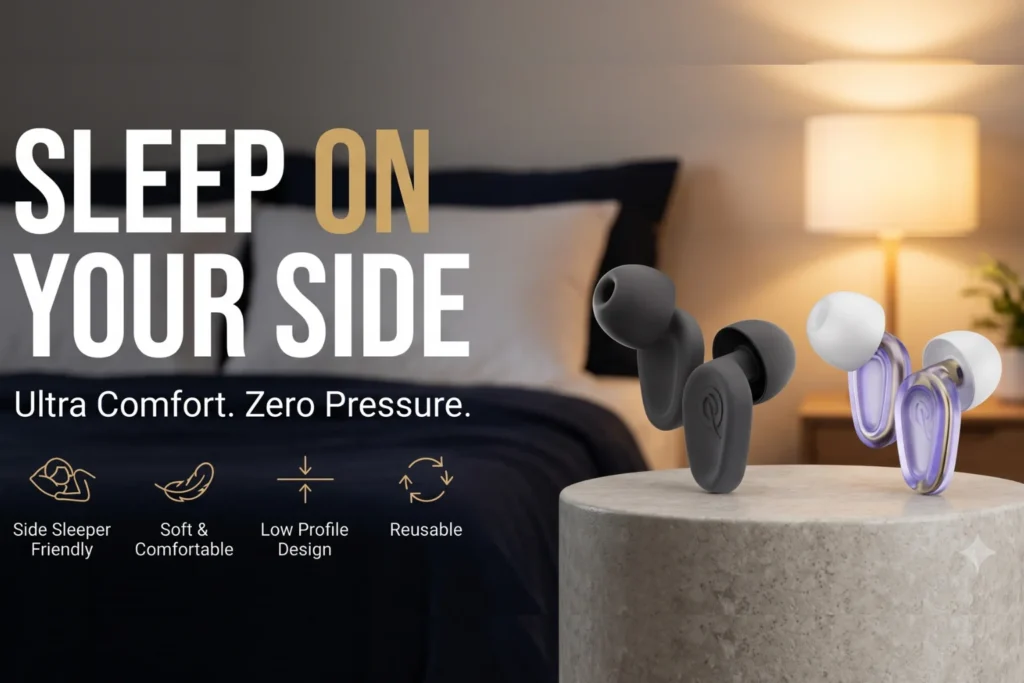
If you sleep on your side, you already know the problem. An earplug can feel fine for ten minutes, then turn into a pressure point the second your ear hits the pillow. That is why finding the right earplugs for side sleepers is less about maximum noise blocking and more about smart design, soft materials, and a fit you can actually wear all night.
Why side sleepers need a different kind of earplugs
Side sleeping changes everything. When your head presses into a pillow, your outer ear gets folded and compressed, which means any earplug that sticks out too far can create soreness fast. A plug that feels comfortable while sitting upright may become distracting, painful, or loose once body weight and pillow pressure get involved.
This is where many people go wrong. They shop for the highest noise-reduction rating they can find and assume that more blocking equals better sleep. Sometimes it does. But for side sleepers, a bulky plug with a high rating can be the wrong trade-off if it keeps you awake because of pressure.
The better approach is balance. You want enough noise reduction to take the edge off snoring, traffic, neighbours, or early-morning household noise, but you also want a low-profile shape that stays comfortable when your ear is pressed against the pillow. Comfort is not a bonus feature here. It is the whole game.
What actually makes earplugs for side sleepers comfortable
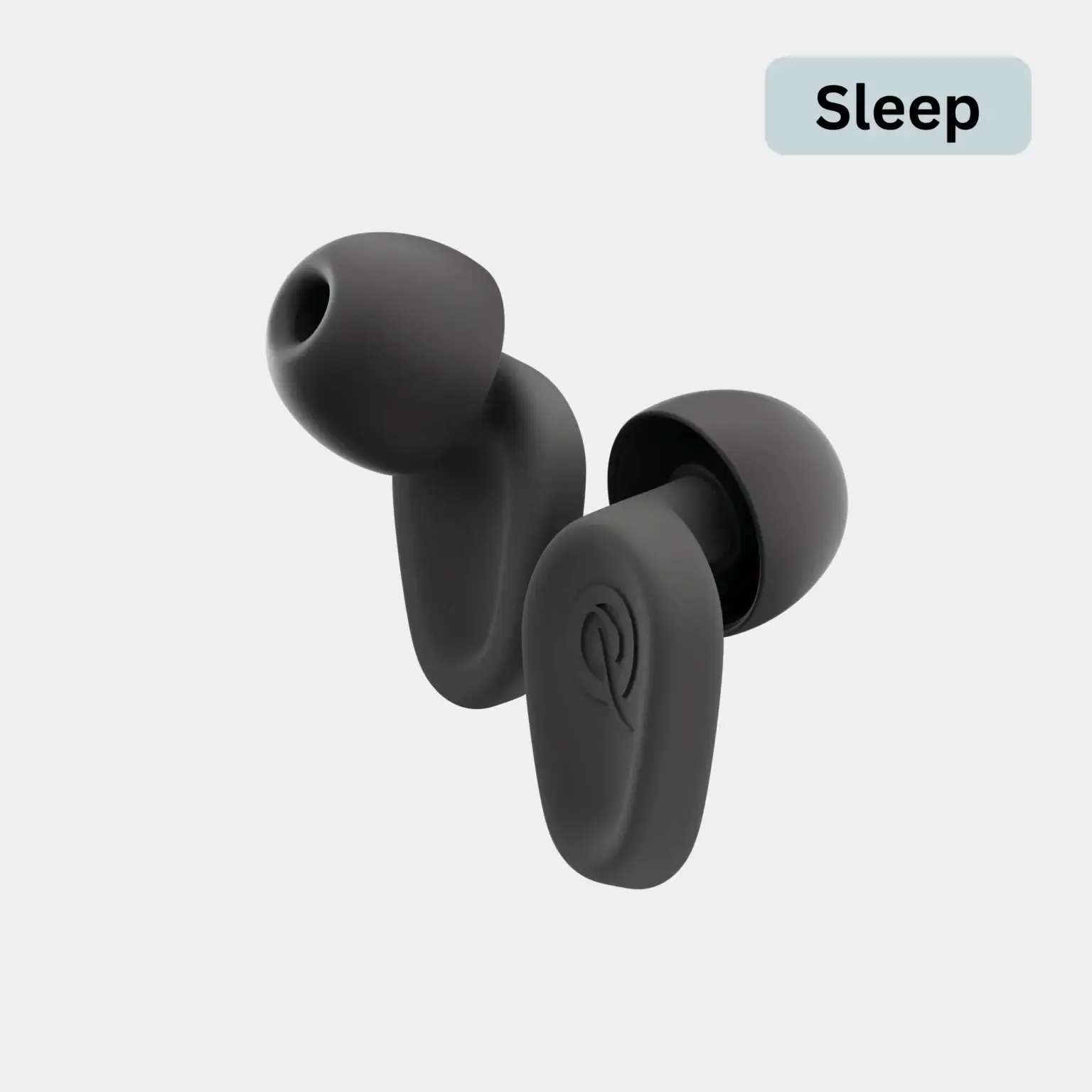
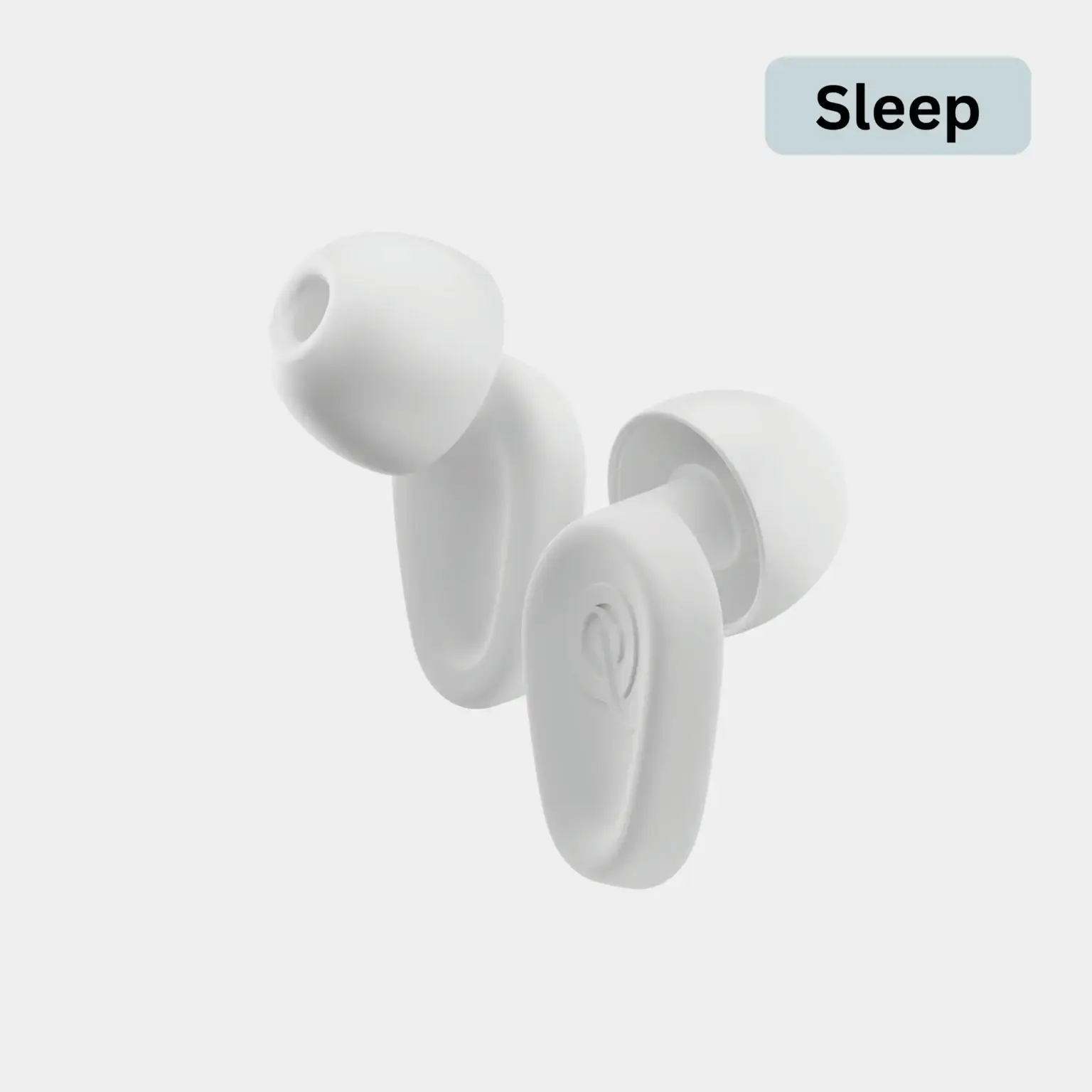
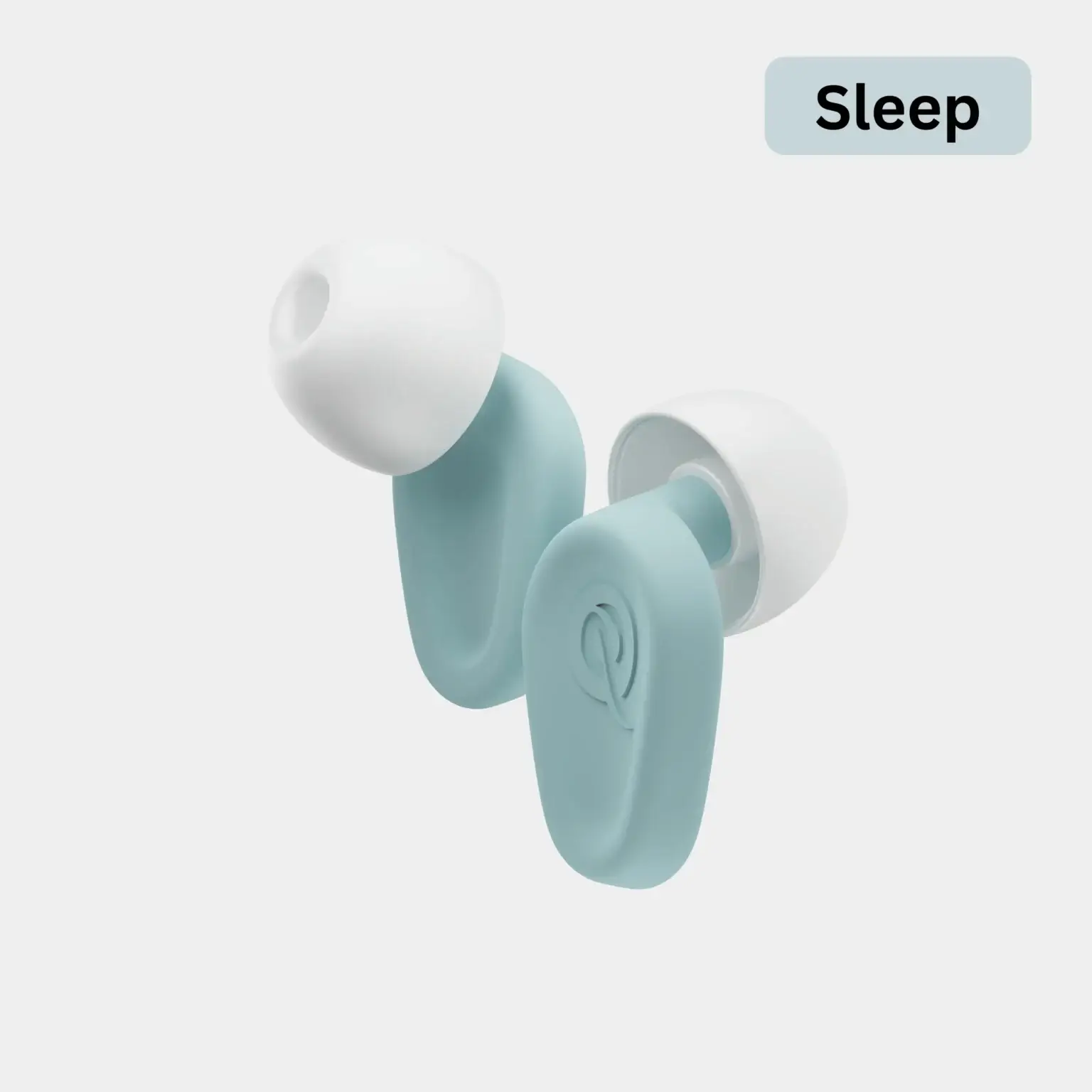
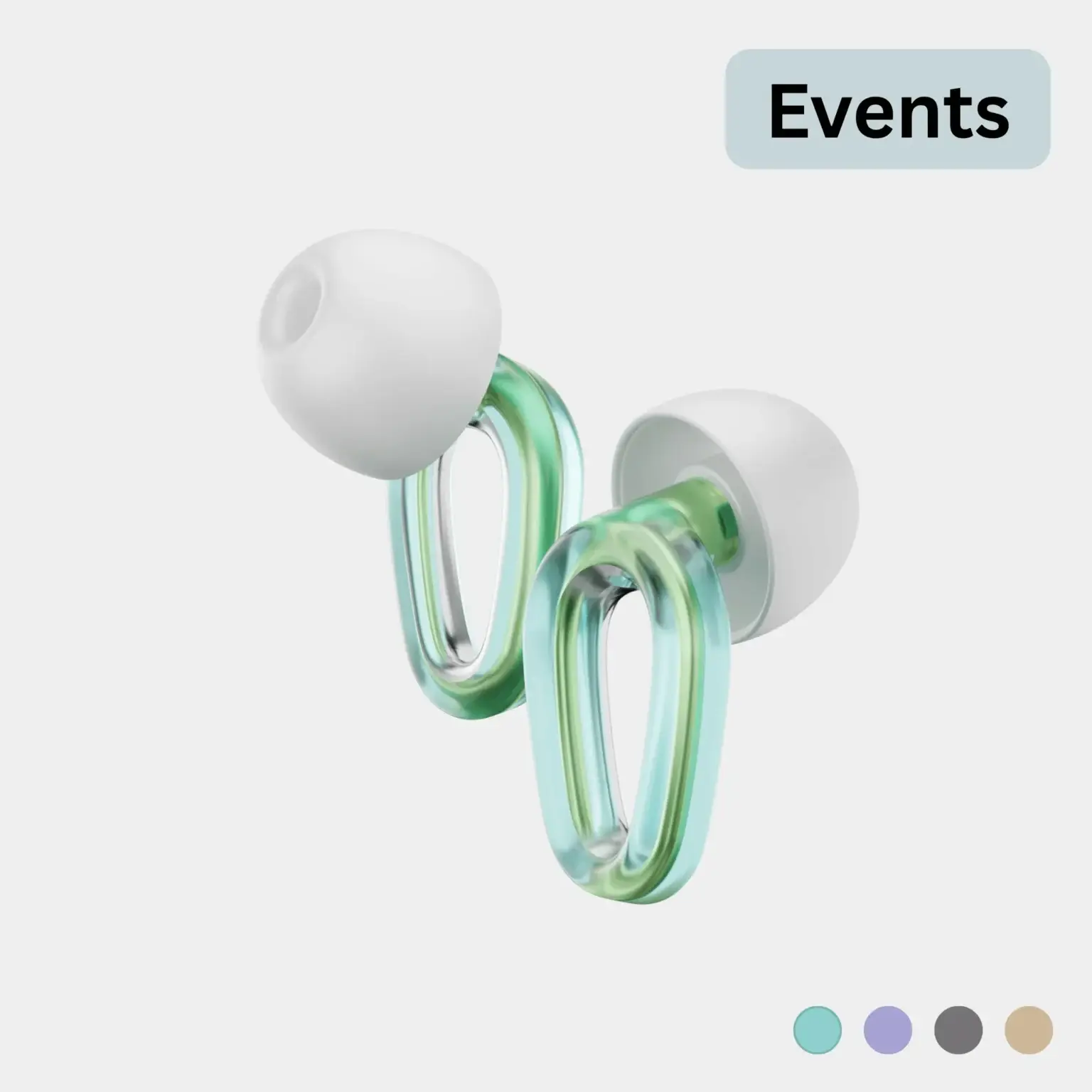
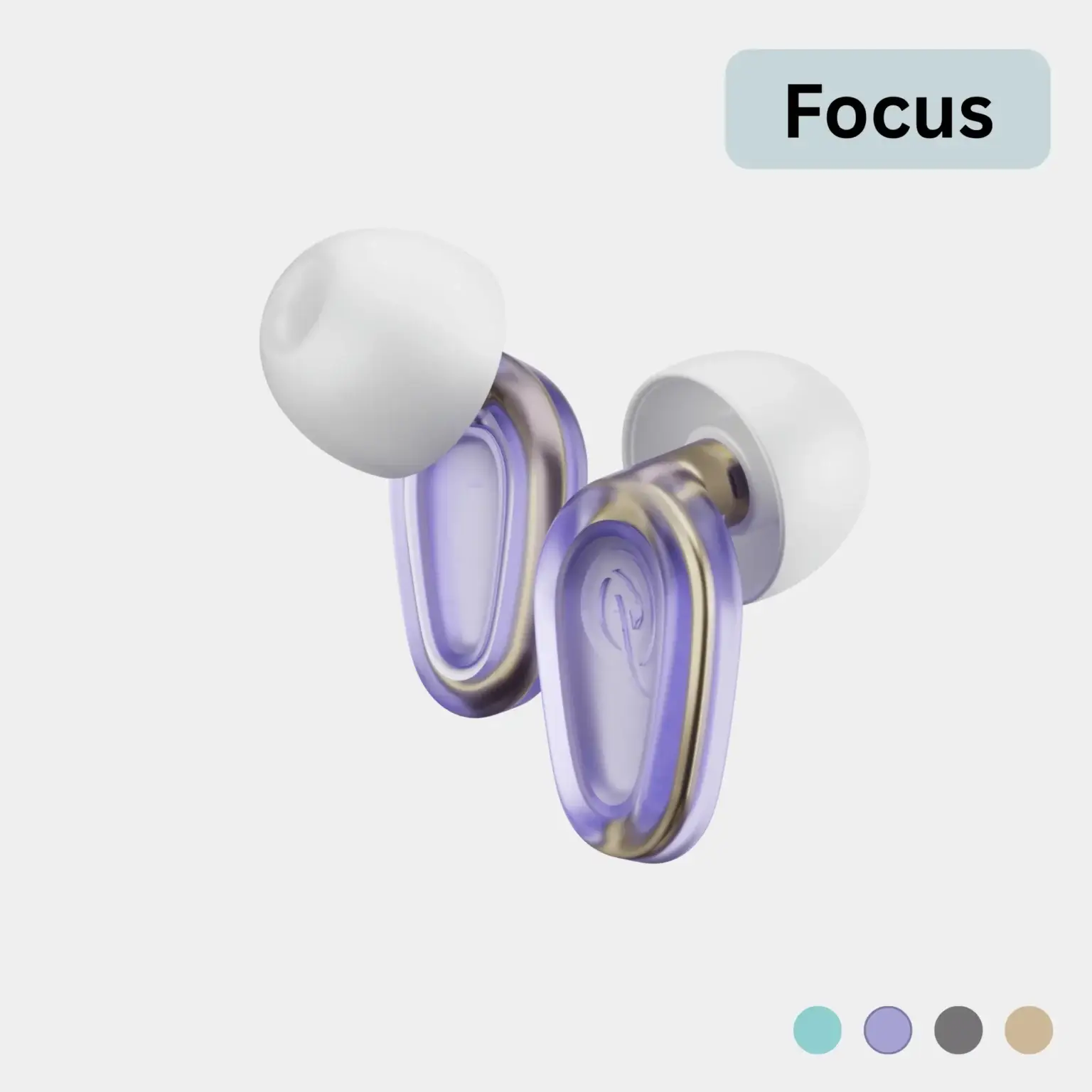
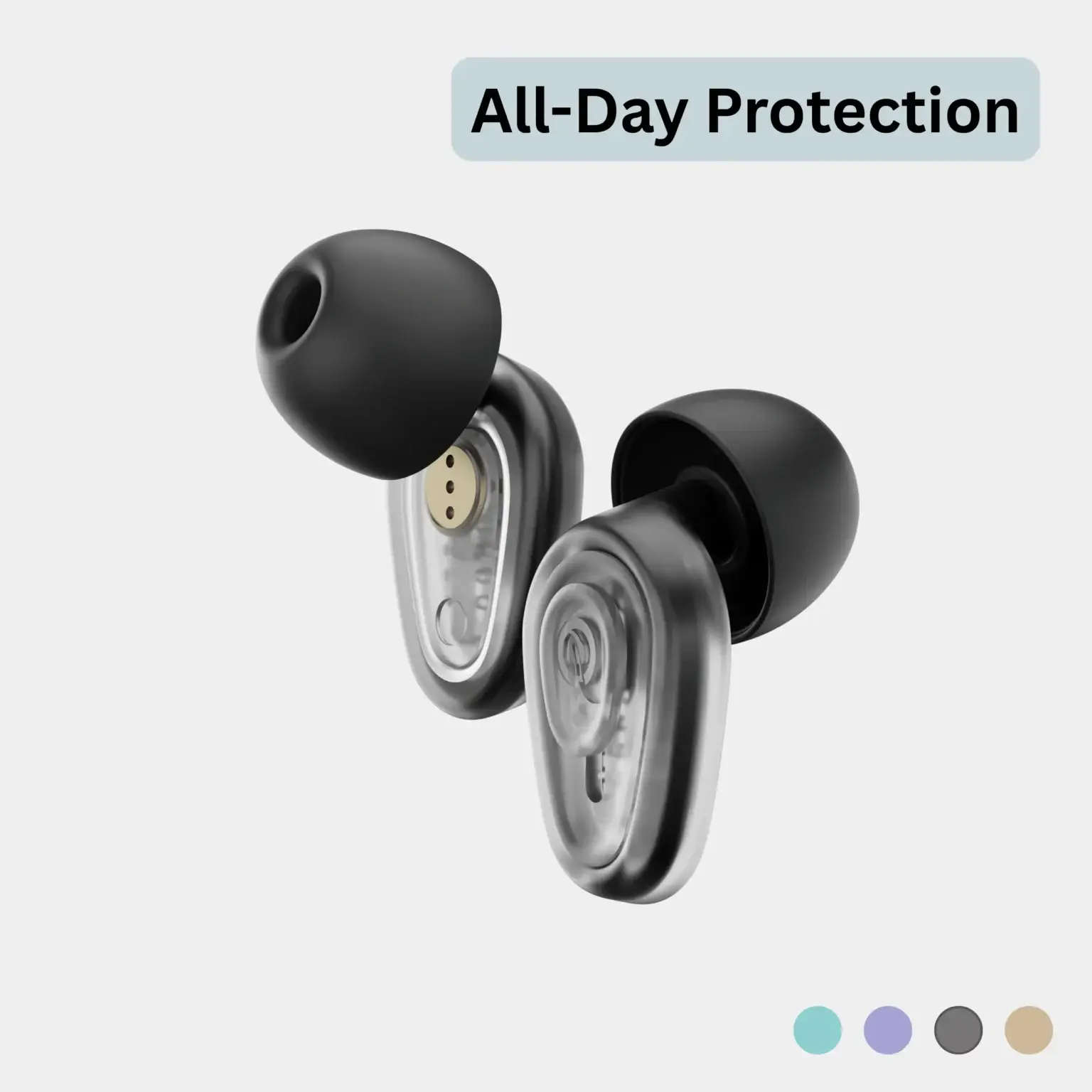
The first thing to look for is profile. Low-profile earplugs sit closer to the ear instead of protruding outward. That matters because less outward pressure usually means less soreness overnight. If an earplug looks bulky in product photos, there is a good chance you will feel it when you roll onto your side.
Material matters just as much. Softer silicone designs tend to feel gentler than hard plastic or stiffer flanges, especially for long wear. Foam can work well too, but it depends on the shape, density, and how much it expands. Some foam earplugs create fair noise reduction, but if they expand aggressively or sit too deeply, they can feel intrusive for sensitive sleepers.
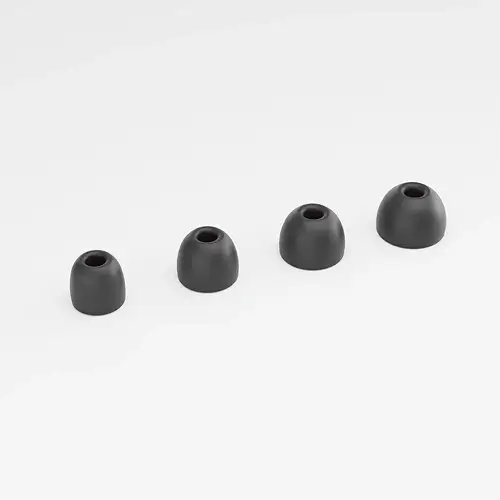
Fit is the other big factor. A plug that is too large creates pressure. One that is too small may loosen during the night and leak sound. The sweet spot is a secure seal without that stuffed or stretched feeling. This is why multiple eartip sizes matter. One-size-fits-all usually means one-size-annoys-most.
Noise reduction matters, but so does realism
Many sleep shoppers expect earplugs to eliminate all sound. That is rarely how it works. Earplugs reduce noise. They do not create silence. You may still hear low-frequency sounds, such as deep snoring, bass, or heavy footsteps, but at a lower intensity.
That is not a flaw. It is how hearing protection works in real life. For most people, the goal is not a silent room. It is a calmer one. Reducing sharp, disruptive noise can be enough to help your nervous system settle and keep smaller disturbances from pulling you fully awake.
This is especially relevant if you are a light sleeper, live in a city, share a bed with a snorer, or are generally noise-sensitive. The best earplugs for side sleepers help lower your sleep environment from overstimulating to manageable. That shift alone can make a huge difference.
The trade-offs between foam and reusable earplugs
Foam earplugs are common for sleep because they are inexpensive and often block a lot of noise. For some side sleepers, they work great. They are soft, easy to replace, and widely available. But they are not perfect.
Foam can feel inconsistent. If insertion is off, performance drops. Some people also dislike the deep, full feeling foam creates in the ear canal. And because they are disposable, they are less appealing if you want a more durable, lower-waste option.
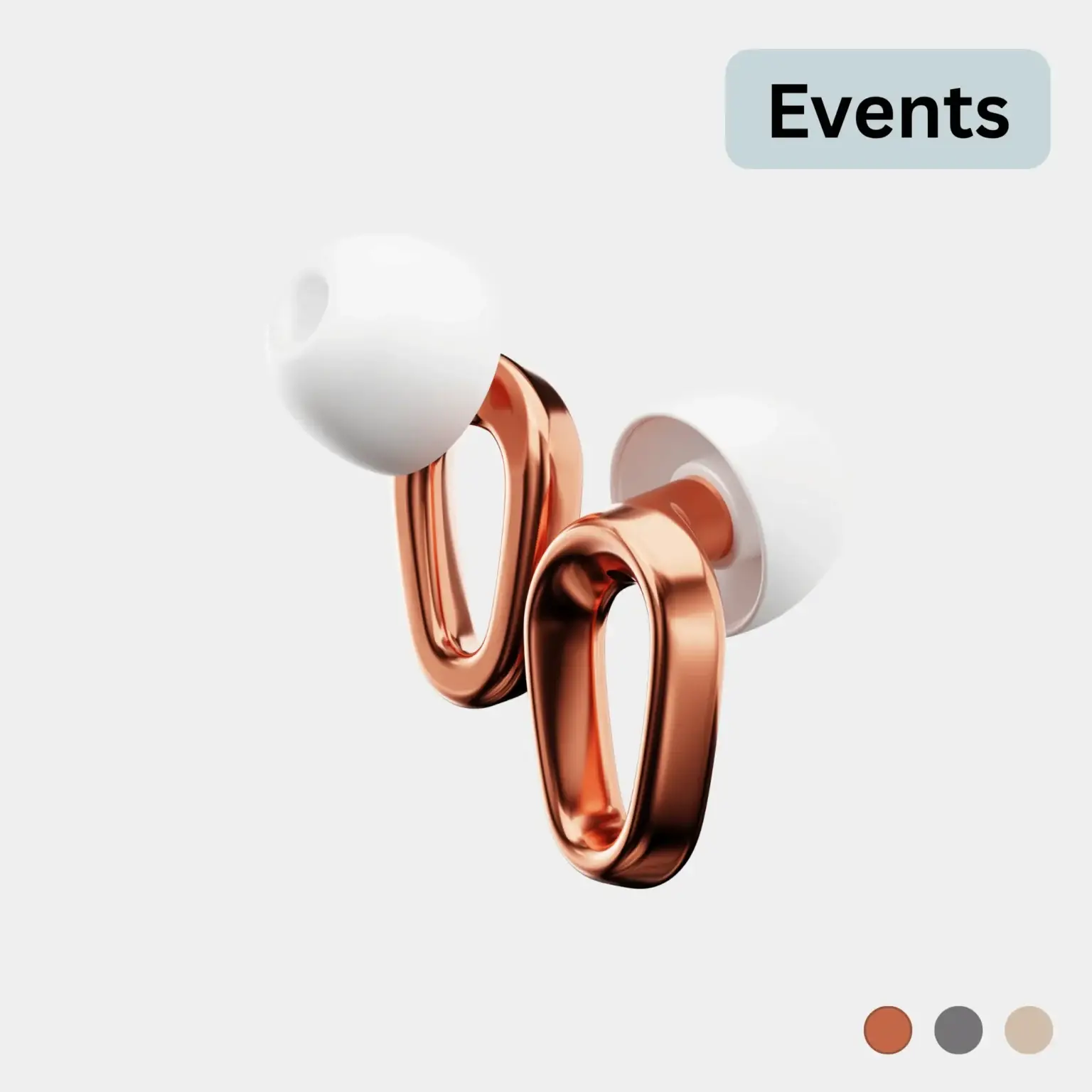
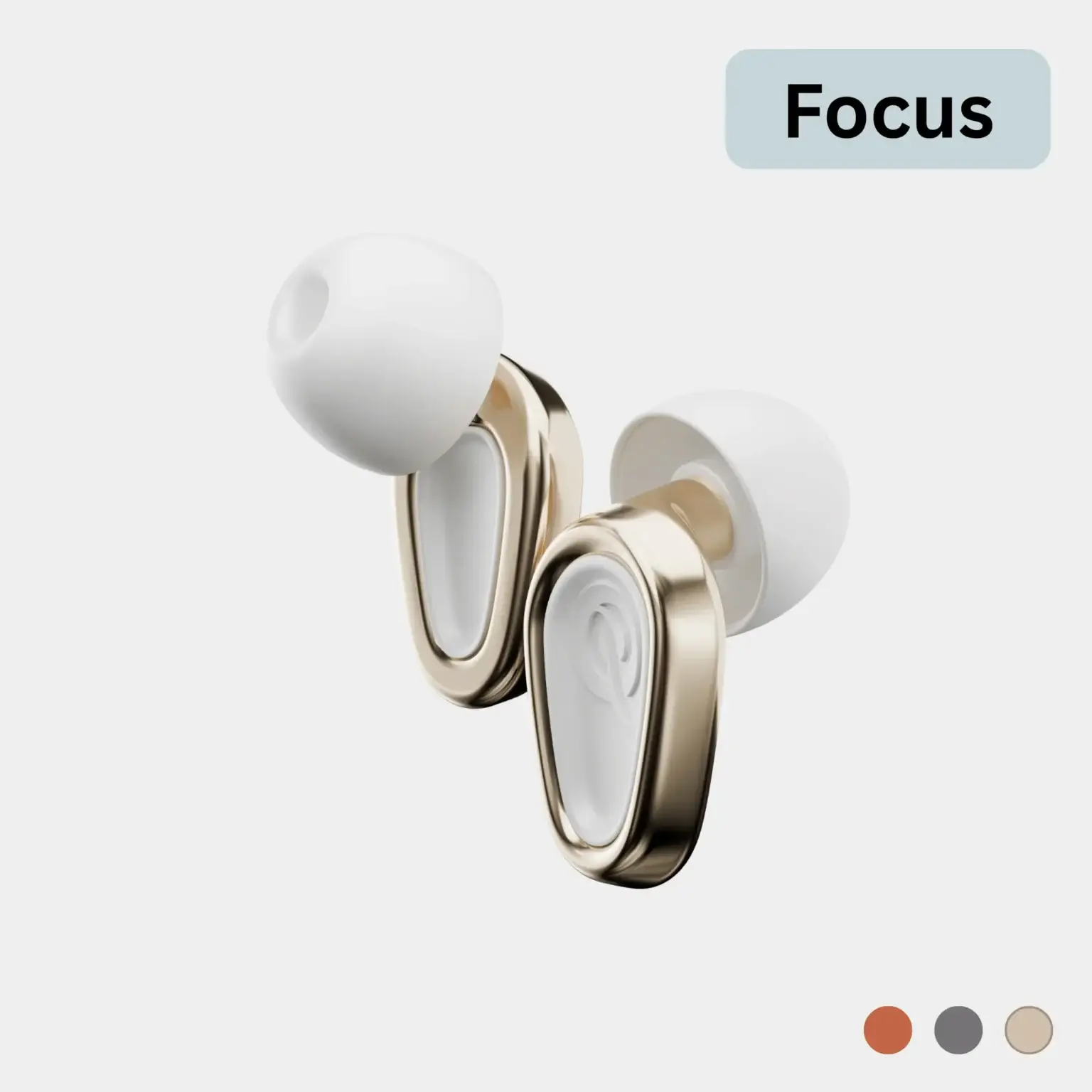
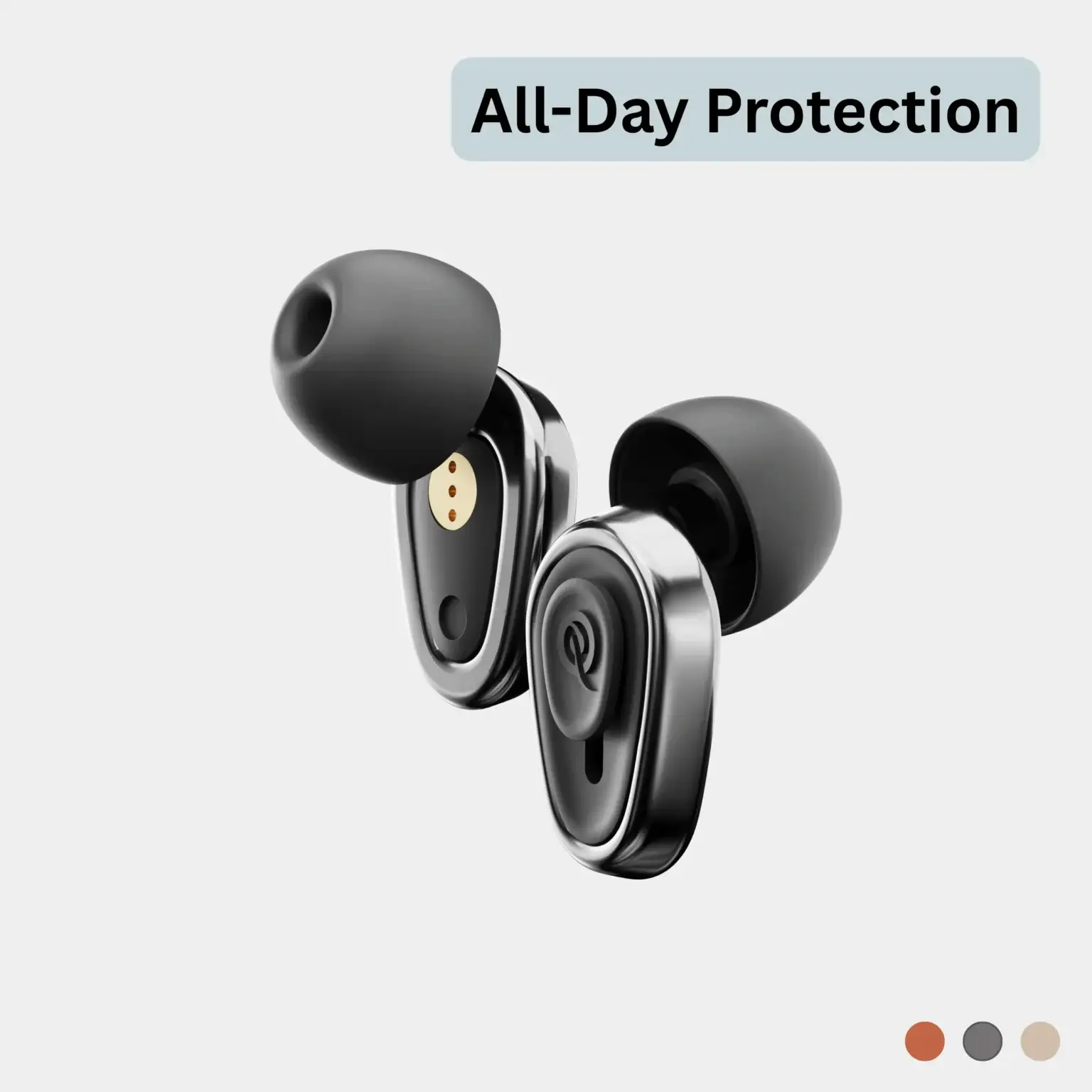
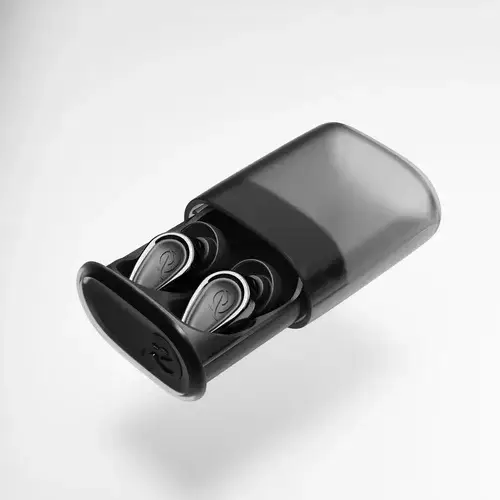
Reusable earplugs are often better for people who value comfort, consistency, and a more refined fit. A well-designed reusable plug can offer a lower-profile shape, softer contact points, and more predictable wear night after night. They also make more sense if you want one product that supports sleep and other daily use cases, like travel, focus, or commuting.
That said, reusable does not automatically mean better. Some reusable models are still too rigid or too large for side sleeping. You need the right geometry, the right softness, and the right tip size. Performance starts with fit, not marketing.
How to choose earplugs for side sleepers without guessing
Start with your sleep problem, not just the product category. If your biggest issue is a partner who snores lightly, you may not need the most aggressive noise reduction. You may need a more comfortable, low-profile plug that you can keep in all night. If you live next to traffic or are exposed to frequent environmental noise, stronger attenuation may matter more.
Next, think about ear sensitivity. If your ears get sore easily from earbuds, headphones, or in-ear devices, prioritize softer materials and smaller profiles. Side sleepers with sensitive ears usually do best with comfort-first designs that reduce pressure rather than maximize bulk.
Also consider your pillow. A firmer pillow creates more direct pressure on the ear. A softer pillow may be more forgiving. If you have tried earplugs before and found them painful, the issue may have been the combination of plug shape and pillow resistance, not just the earplugs themselves.
Finally, look for products built for repeat use and practical daily wear. Sleep is not the only time noise control matters. The best products fit into your life, not just your night. That is part of the appeal of brands like Earmuffz, which frame hearing wellness as everyday volume control instead of a one-off fix.
Signs your current earplugs are working against you
If you wake up with ear soreness, your plugs are probably too large, too rigid, or sticking out too far. If one plug falls out overnight, the fit may be too small, or the shape may not suit your ear canal. If you still hear everything at nearly full volume, you may not be getting a proper seal.
There is also a less obvious sign – dread. If you avoid wearing your earplugs because they are uncomfortable, hard to insert, or annoying to clean, they are not the right solution. The best sleep gear is the gear you will actually use consistently.
Consistency matters more than people think. A product that works well once but sits in a drawer the rest of the month is not helping your sleep. A comfortable, reusable option that becomes part of your nightly routine is where the real value shows up.
A better standard for sleep comfort
For side sleepers, the best earplugs do three things well. They reduce enough noise to calm your space, they stay comfortable under pillow pressure, and they fit securely without constant adjustment. Miss any one of those, and sleep gets harder, not easier.
That is why low-profile design deserves more attention than it gets. It is not just about appearance. It is about whether the plug sits naturally in the ear and lets you rest without feeling like something is pushing back all night. Good sleep products should disappear once they are in place.
And yes, there is always some trial and error. Ear shape varies. Noise environments vary. Personal tolerance varies. But the right direction is clear: softer, lower-profile, better-fitting earplugs tend to outperform bulkier options for people who sleep on their sides.
When earplugs are worth it
If noise is breaking your sleep more than a couple of times a week, earplugs are worth serious consideration. Poor sleep does not stay contained to the night. It shows up in focus, mood, patience, recovery, and overall performance the next day. Better rest is not a luxury. It is part of how you stay sharp.
That is what makes a comfort-first sleep solution so valuable. The right earplugs for side sleepers help you control your environment without turning bedtime into a battle. Less pressure. Less disruption. More rest.
If you are choosing between a product that promises extreme noise blocking and one designed for all-night comfort, side sleepers should usually lean toward comfort first. Because the best earplugs are not the ones with the biggest claims. It is the one you can wear until morning and forget it’s even there.