
A newborn’s cry can cut through sleep, conversation and concentration in a second. That response is by design: you are meant to notice it. But when sharp noise becomes constant, especially alongside broken sleep and a full mental load, hearing protection for new parents can create breathing room without switching you off from your baby.
This is not about blocking out parenthood. It is about taking the edge off the volume so you can respond with more patience, think more clearly and feel less physically overwhelmed. Total volume control starts with choosing the right amount of reduction for the moment.
Why new parents need a different approach to noise
Early parenthood is loud in ways people rarely describe properly. There is crying, yes, but also the high-pitched toys, white-noise machines, kitchen extraction fans, visitors, traffic during pram walks and the relentless beep of sterilising or feeding equipment. Add sleep deprivation and even ordinary household sound can feel intensely abrasive.
For some parents, that strain is temporary. For others, it is amplified by migraine, sensory sensitivity, tinnitus, anxiety or postnatal overwhelm. Neither response is a failure. Noise tolerance changes when your nervous system is working overtime.
The goal is not maximum attenuation at all times. In fact, too much reduction can make you feel disconnected or make it harder to hear a baby stirring, a doorbell or another adult calling for help. The better choice is comfortable, reusable protection that softens the harshest frequencies while letting you stay aware of what matters.
When hearing protection for new parents helps most
Earplugs make the biggest difference in moments where the sound is close, repetitive or impossible to control. Think of settling a colicky baby, managing the after-school rush with older children, travelling on public transport, attending a loud family gathering or doing the washing-up while a bottle warmer hums beside you.
They can also help during contact naps. A sleeping baby on your chest does not stop the rest of the household from making noise, and you may not be able to move to a quiet room. Taking down background clatter can make those still moments feel like genuine rest.
The key distinction is between reducing irritation and missing essential cues. Use lower-profile, moderate noise reduction when you are the adult actively responsible for the baby. Save stronger protection for a break, a noisy commute, DIY, a concert, motorcycling or any situation where another alert caregiver is fully on duty.
Choose reduction, not isolation
The best earplugs for parenting should feel like turning down a harsh sound system, not muting the world. Reusable, low-profile earplugs are often more practical than bulky defenders because they are easier to wear while feeding, walking, travelling or lying on your side for a short rest.
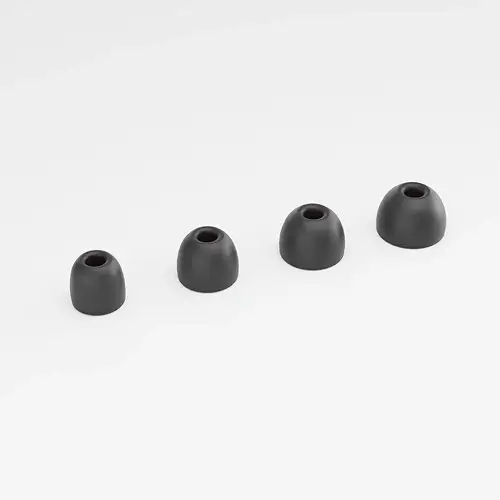
Fit matters as much as the product itself. An earplug that creates pressure, falls out or makes your own voice sound uncomfortably loud will stay in its case. Look for soft eartips in more than one size and a design you can wear for longer stretches without needing to constantly adjust it.
It also helps to decide what you need before you buy. If sudden crying and household noise are the issue, choose an everyday model designed to lower general volume while preserving useful awareness. If sleep is the priority, comfort and a secure side-sleeping fit should lead the decision. For occasional loud environments, choose protection with clear, recognised safety standards rather than guessing from marketing language alone.
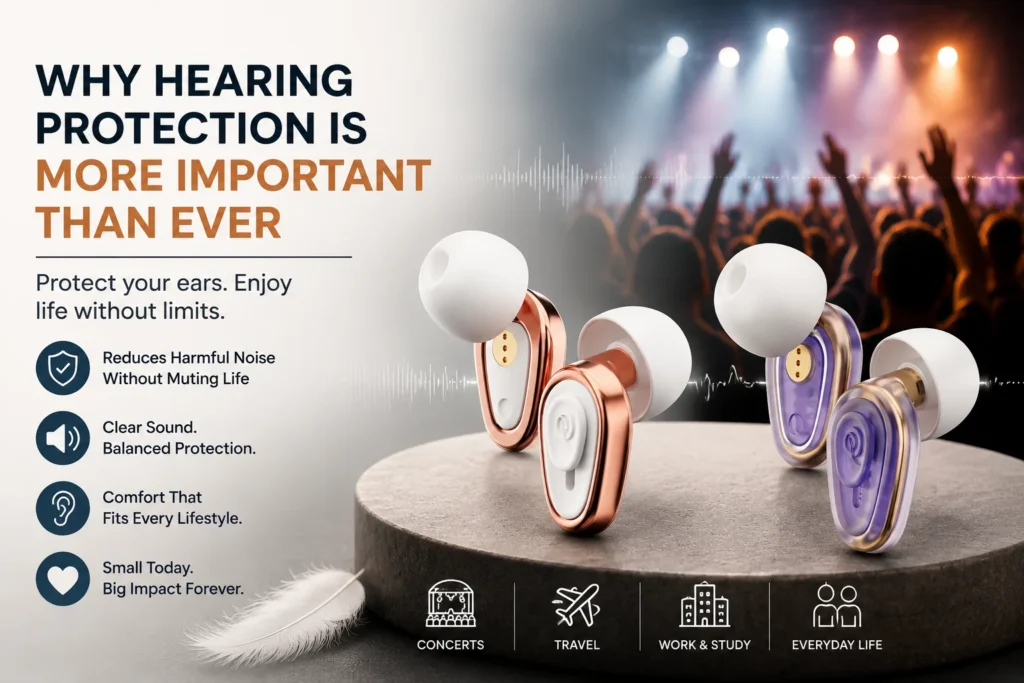
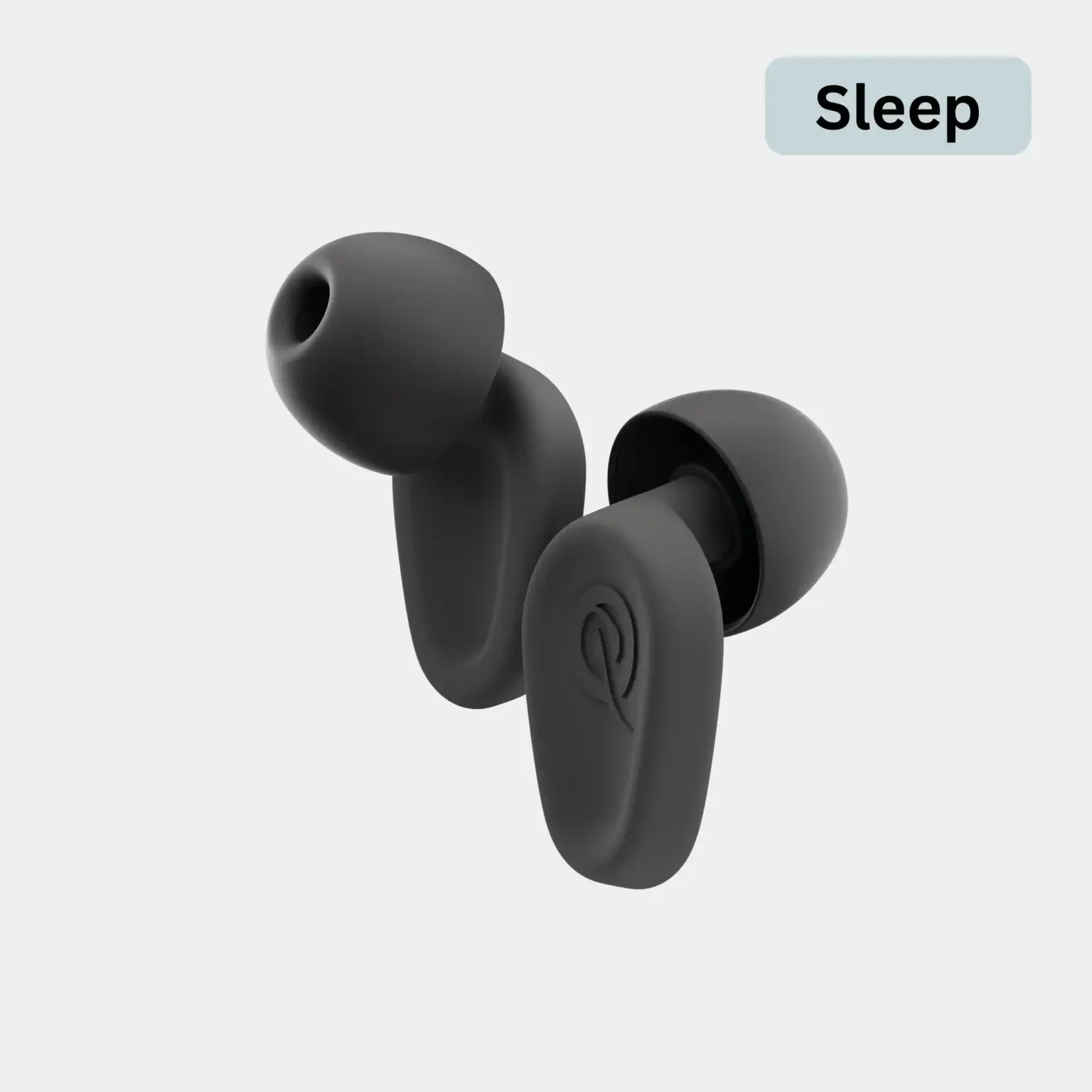
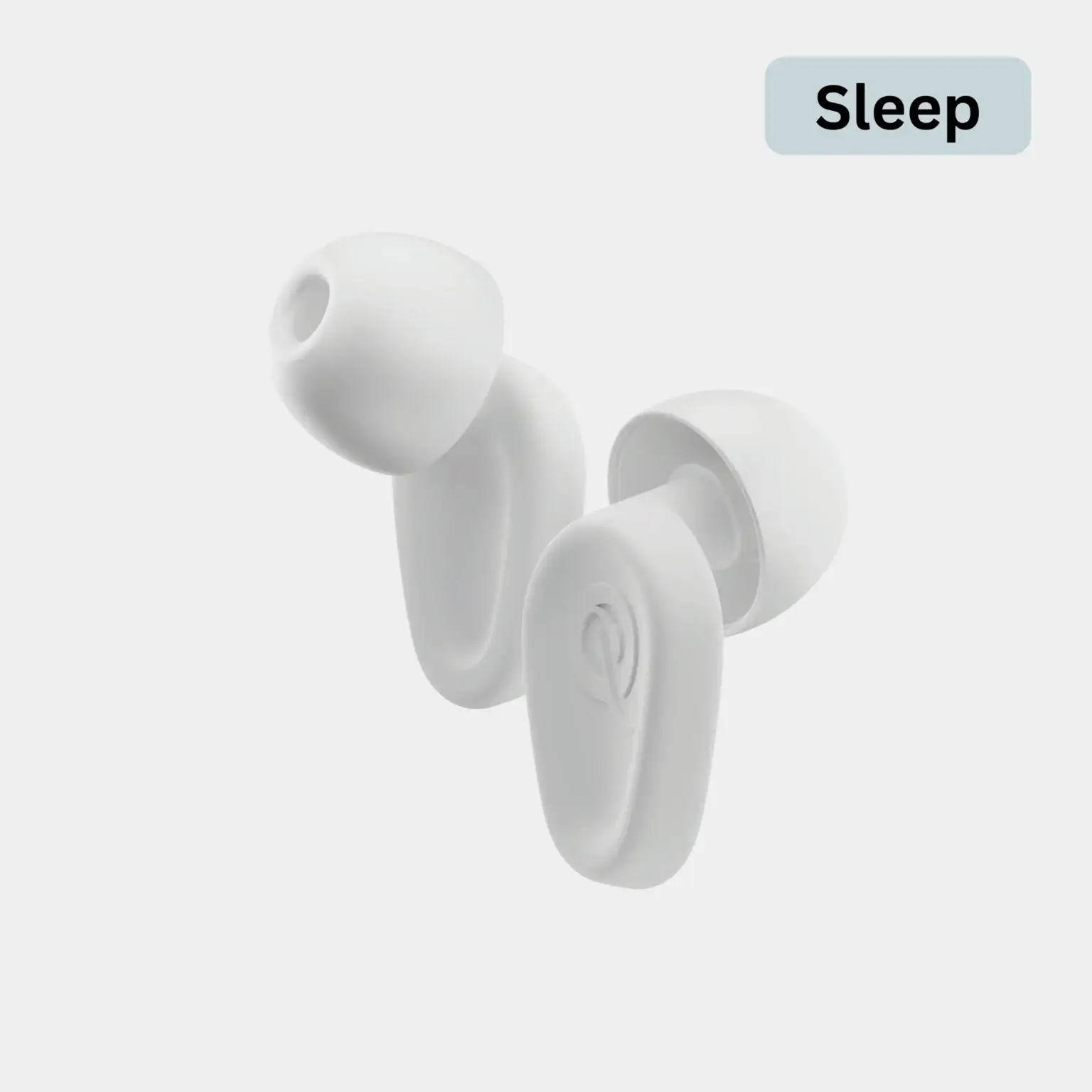
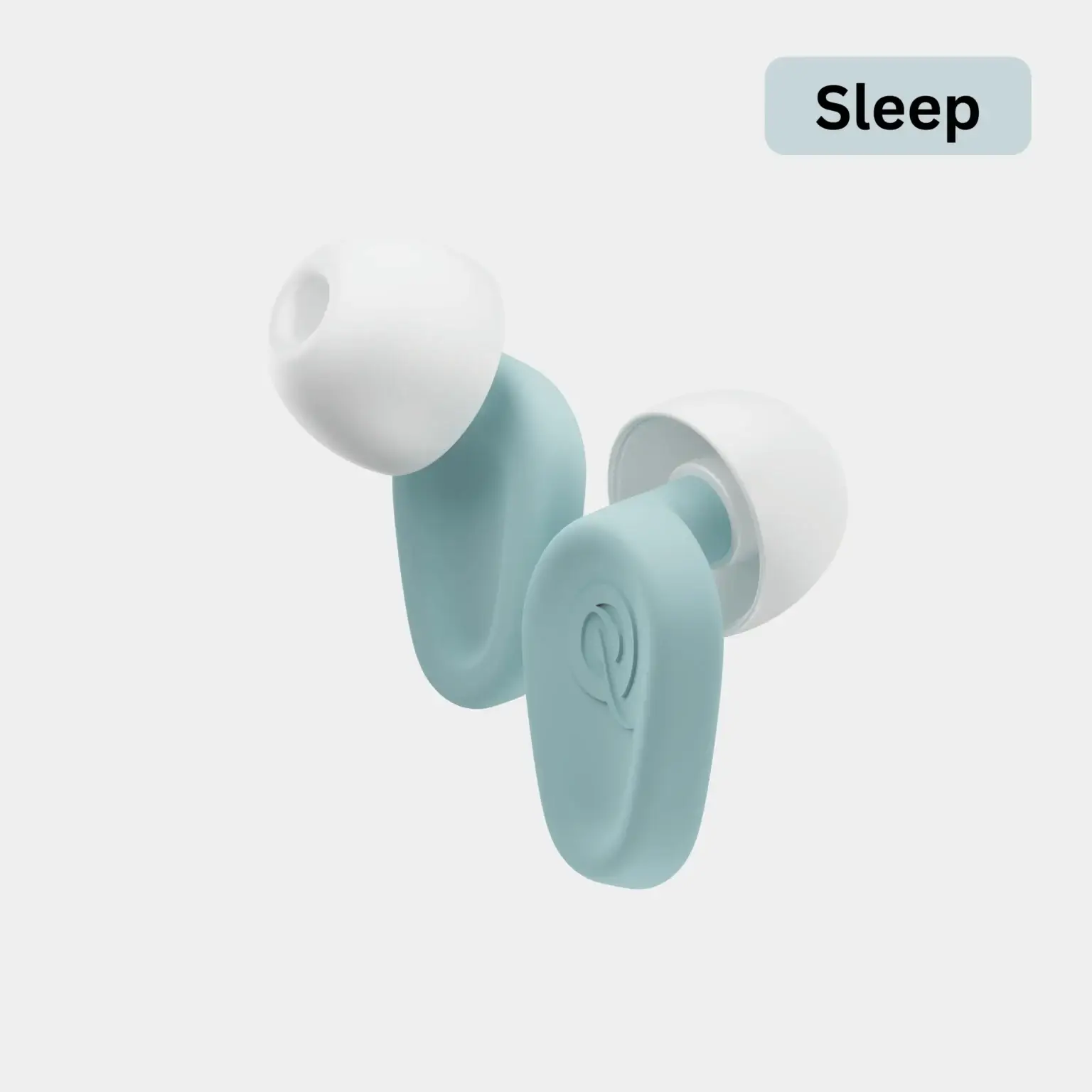
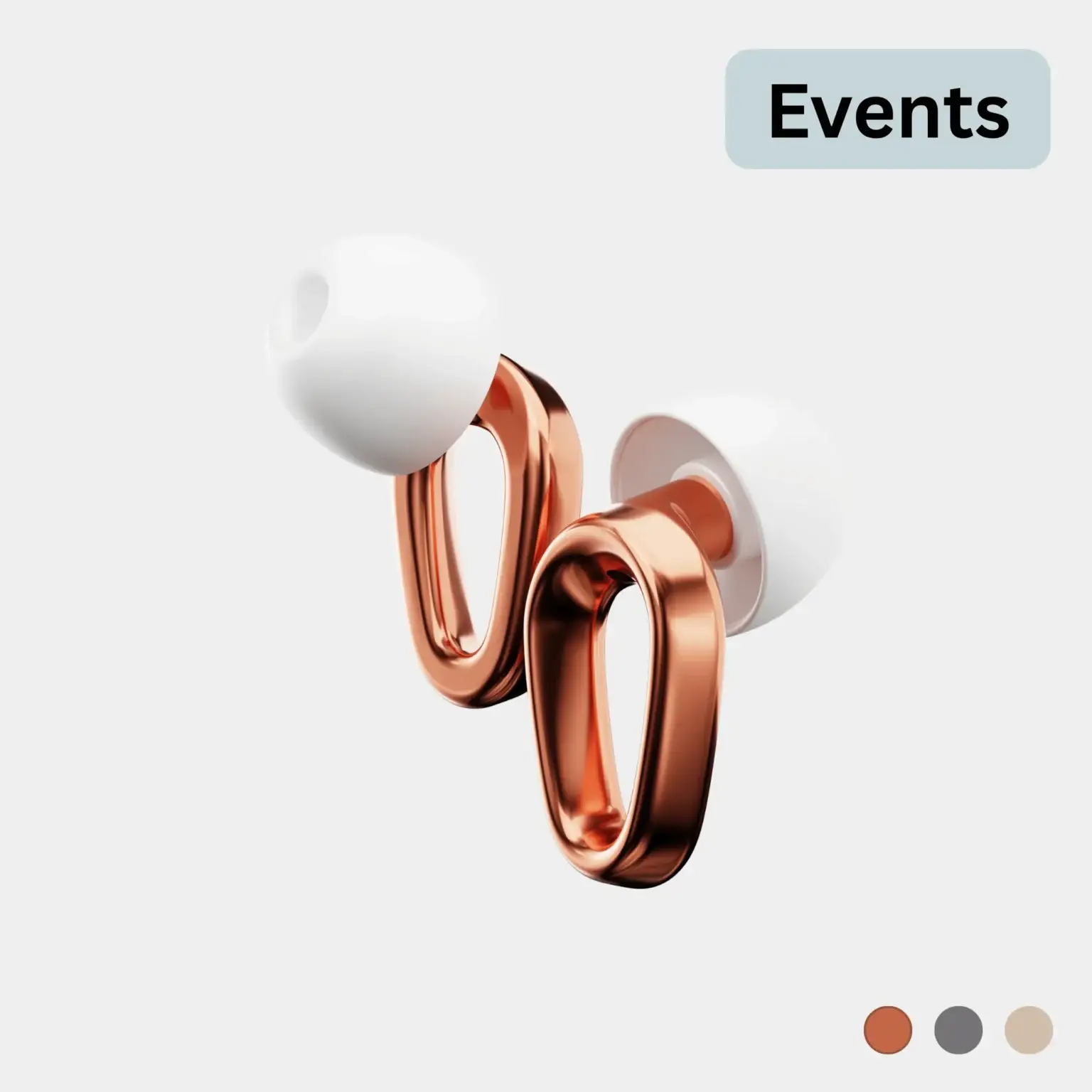
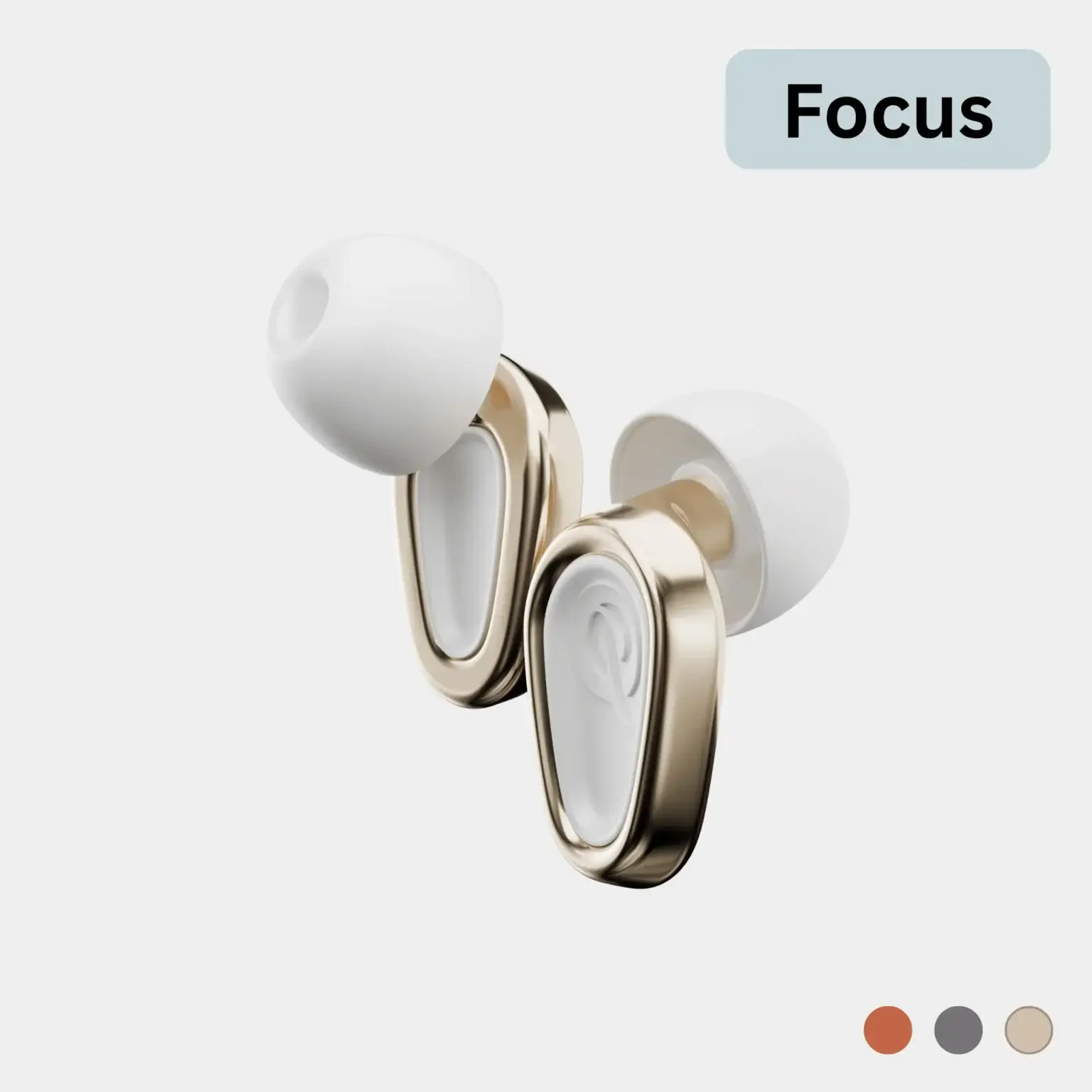
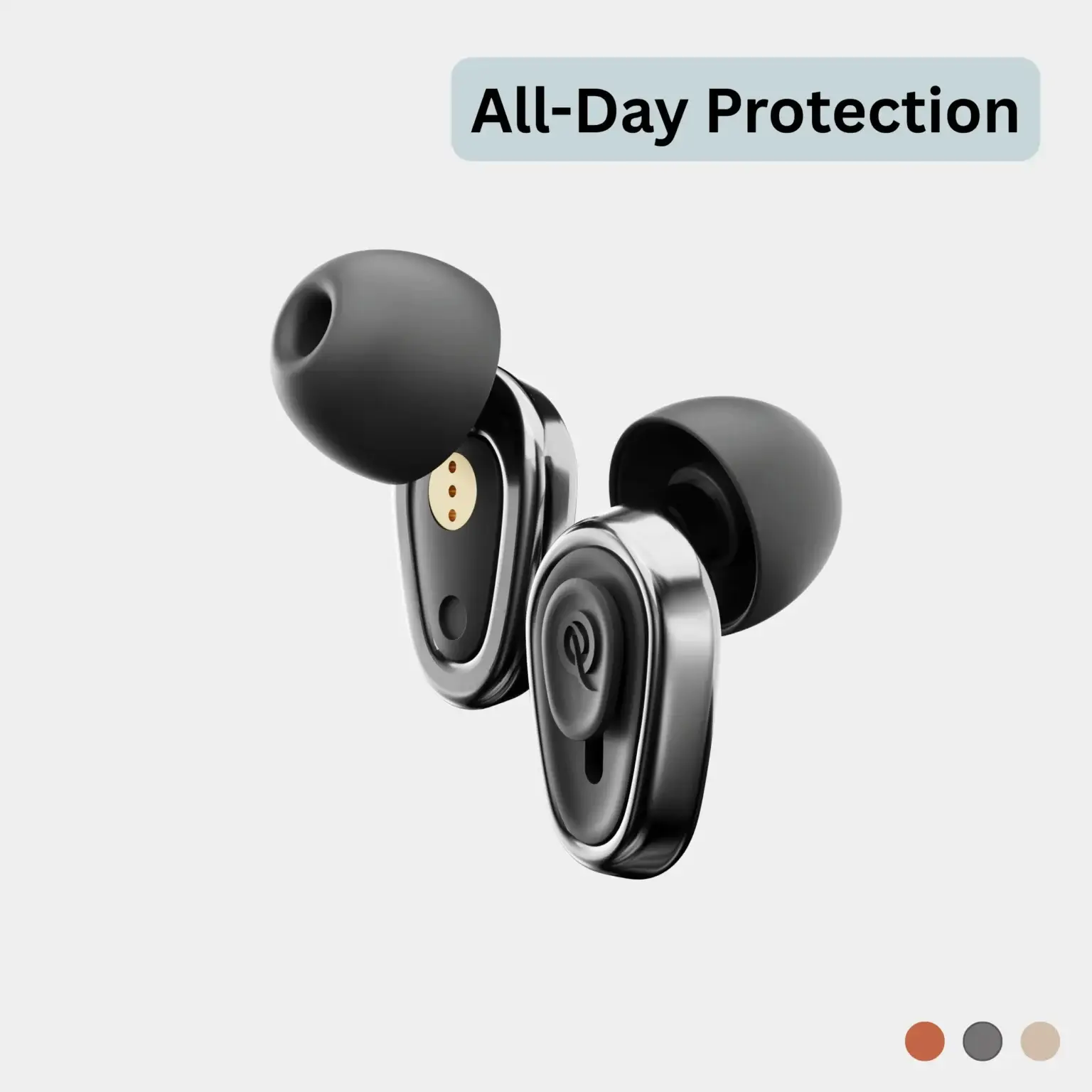
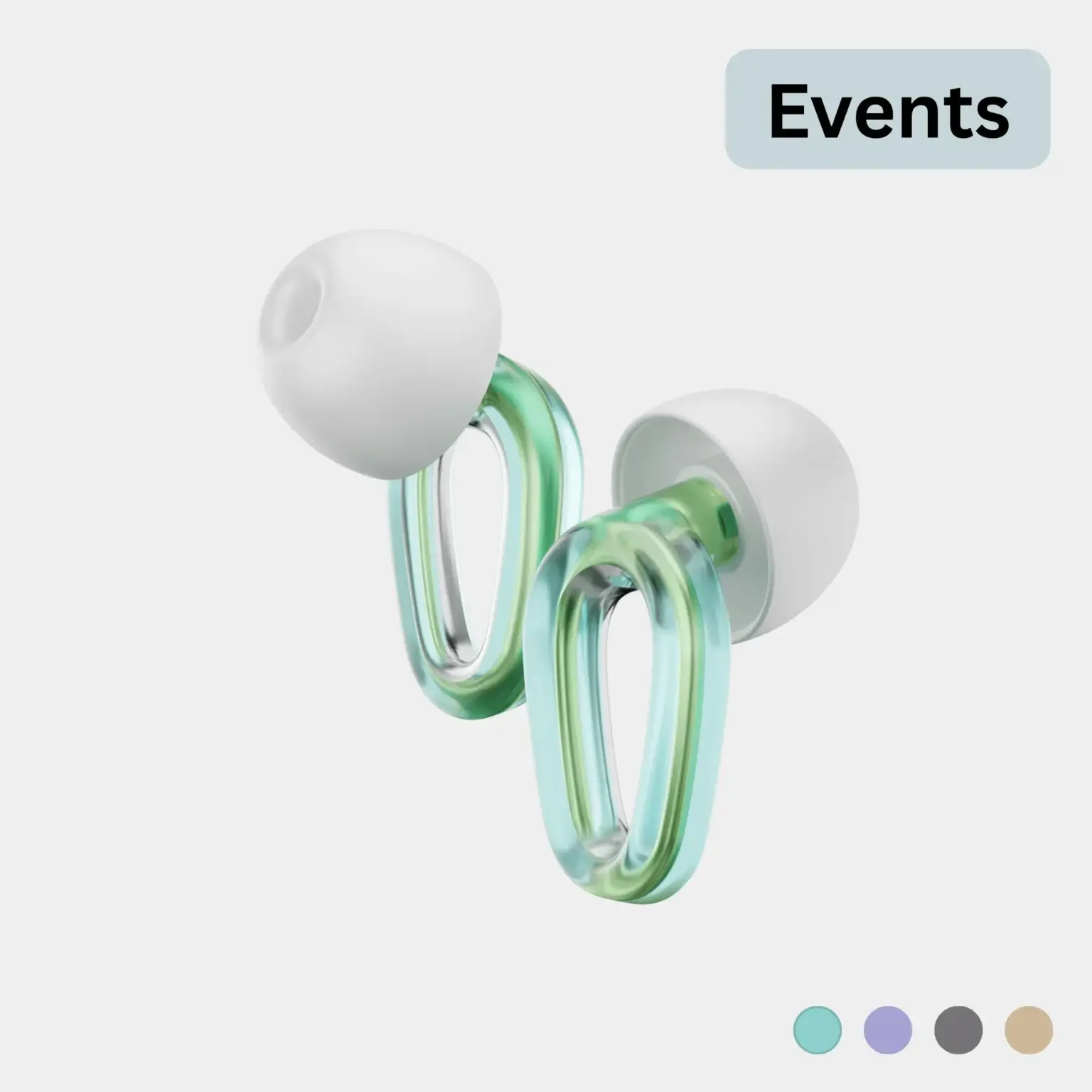
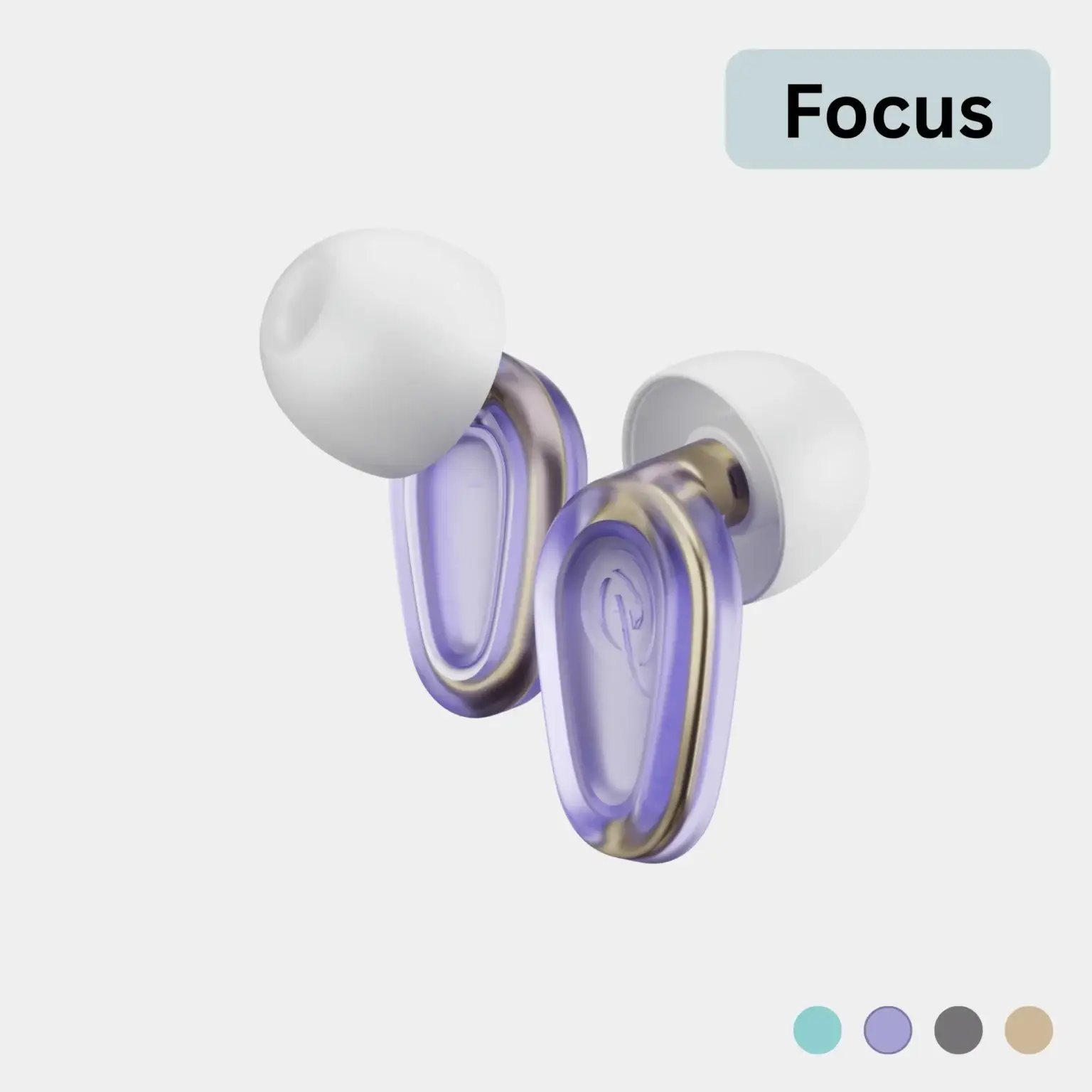
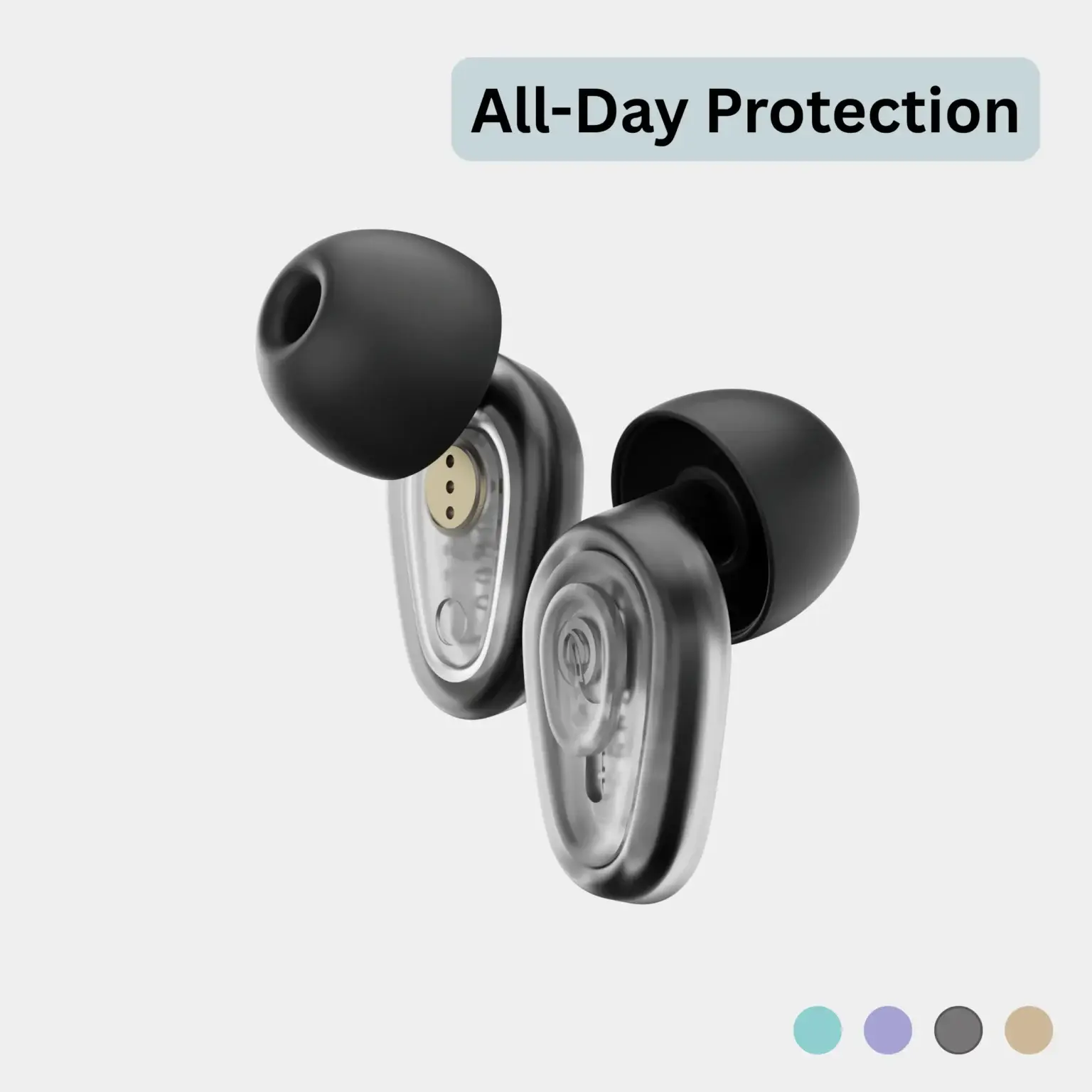
Earmuffz reusable earplugs are built around this real-world choice: comfort-first noise reduction for everyday focus, rest and situational protection, with CE, EN 352 and ANSI certification across relevant products. That means you can select protection for your environment rather than treating every loud moment the same way.
Build a calmer response to crying
A crying baby needs care, but a parent does not need to absorb every decibel at full force. If the sound is pushing you towards panic, anger or shutdown, put in your earplugs before you begin the next soothing attempt. Reducing the sharpness can help you keep your voice quieter, your movements steadier and your attention on the practical basics: feeding, nappy, temperature, burping, tiredness, discomfort or simply the need for closeness.
This is particularly useful when you know your baby is safe but cannot settle immediately. You are still responding. You are simply giving your own nervous system a better chance to stay regulated while you do it.
If you ever feel you might lose control, place your baby safely in their cot, step into another room for a brief reset and ask for support. Earplugs can lower the sensory load, but they are not a substitute for rest, shared care or professional help when you need it.
Make handovers more intentional
Noise control works best when it is part of a household plan. Tell your partner, co-parent or support person when you are wearing earplugs and agree on a clear way to get your attention. A light touch on the shoulder, a visible signal or a direct approach is better than calling from another room.
During overnight shifts, decide who is on active listening duty. The person sleeping should not rely on hearing every sound through strong ear protection if they are the only caregiver available. If another responsible adult is awake and monitoring, a parent off duty may be able to use sleep-focused earplugs for a more restorative block of rest. It depends on your living space, your baby’s age and needs, and the level of support around you.
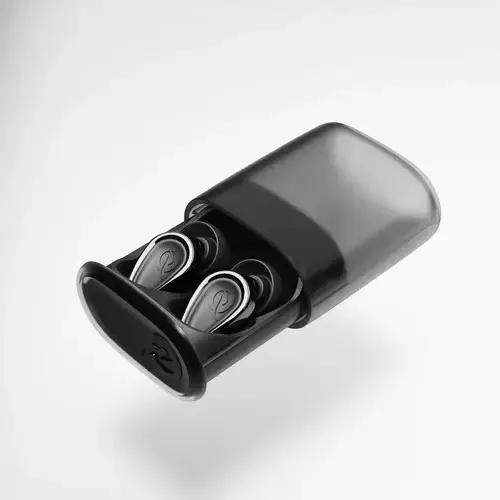
Keep the case somewhere predictable: by the feeding chair, in the changing-bag pocket or on your bedside table. Parenting already requires enough decisions. Your hearing protection should be ready when the room suddenly gets loud.
Use them safely around children
Everyday earplugs are a comfort tool, not a reason to ignore warning sounds. Avoid wearing high-reduction protection when you are alone and need to hear a baby monitor, smoke alarm, doorbell or a child moving around the home. Test your usual setup during the day so you know what you can still hear at a safe, realistic distance.
Keep earplugs and removable eartips completely out of children’s reach. Small accessories are not toys and should always go straight back into their case after use.
If you have ringing in your ears, pain, blocked ears, sudden hearing changes or sound sensitivity that is worsening, speak with a GP, audiologist or hearing professional. Noise reduction can improve day-to-day comfort, but persistent symptoms deserve proper attention.
A small tool with a real payoff
New parents are often told to endure the noise because it is temporary. But temporary can still be intense, and you do not get extra points for being overwhelmed. A pair of well-fitting earplugs will not make the nights longer or the washing disappear. They can make the hard minutes feel less piercing.
Use them with intention. Keep enough awareness for the job in front of you, lower the volume that is draining you, and give yourself a better chance to show up calm when your family needs you most.