
Can Earplugs Worsen Tinnitus? The Real Answer

A quiet bedroom can make tinnitus feel anything but quiet. Put in earplugs, remove the sounds that usually surround you, and that ringing, buzzing, or hissing may suddenly take centre stage. So, can earplugs worsen tinnitus? They can make it seem louder for some people, particularly when worn too often in safe, everyday environments. But that does not mean earplugs are the problem, or that you should stop protecting your hearing when noise is genuinely loud.
The smarter approach is total volume control: use protection when it earns its place, keep ordinary sound in your life when it does not, and choose comfort you can actually wear.
Can earplugs worsen tinnitus, or just make it more noticeable?
For most people, earplugs do not directly damage the ears or cause tinnitus to progress. What often changes is perception. Earplugs reduce external sound, so there is less background noise competing with the internal sound you hear.
This is sometimes called the occlusion effect. Blocking the ear canal can make internally generated sounds – your voice, chewing, footsteps, breathing and sometimes tinnitus – feel more prominent. If you already closely monitor your tinnitus, the contrast can be especially frustrating. The ringing may be the same volume, but it no longer has traffic, conversation, a fan or the everyday hum of life around it.
There is another factor. Your auditory system is designed to adjust to the sound environment. If you spend long periods in very quiet conditions, your brain may increase its sensitivity to pick up available sounds. For someone with tinnitus or sound sensitivity, that extra gain can make normal noise feel sharper and tinnitus feel harder to ignore.
That is why the question is not simply whether earplugs are good or bad. It is about using the right level of protection for the noise in front of you.
When earplugs are the right call
Noise exposure is a major, preventable trigger for temporary ringing and, in some cases, lasting hearing damage. A gig beside the speakers, a motorbike ride, power tools, a loud fitness class, a busy nightclub or a shift around machinery can all push your ears beyond their comfort zone.
In those moments, earplugs are not something to fear. They are a practical barrier between your hearing and excessive sound. They can reduce the sound energy reaching your ears, helping you enjoy the event, finish the job or get home from a ride without that familiar post-noise whine.
Protection also makes sense when a particular sound is clearly uncomfortable, even if others seem unbothered. Tinnitus often overlaps with hyperacusis, where everyday sounds feel unusually intense or painful. Temporary protection can help you navigate a challenging situation without having to endure distress.
The keyword is temporary. Wear earplugs for the noisy task, then take them out once you are back in a safe environment. That gives your ears protection when it matters without turning the whole day into silence.
When too much protection can backfire
Wearing high-reduction earplugs all day in a quiet office, at home or on a gentle walk may reinforce a cycle of sound avoidance. The more the world is muted, the more noticeable ordinary sound can become when you take the plugs out. For some people, this can increase anxiety around noise and make tinnitus more intrusive.
This does not mean you should push through painful noise. It means avoiding an all-or-nothing approach. Your ears need sensible protection, not permanent lockdown.
Think about the environment rather than the diagnosis. If you are commuting on a rattling train, working beside renovation noise or attending a concert, protection is a performance tool. If you are reading at home with only the fridge running, it may be better to leave the earplugs in their case and use a gentle background sound if silence makes tinnitus difficult.
A low fan, quiet nature sounds, soft music or ordinary household activity can reduce contrast without drowning anything out. The goal is not to mask tinnitus at maximum volume. It is to create a neutral, manageable sound environment.
How to use earplugs without overprotecting
Start by matching the earplugs to the moment. Stronger noise reduction is useful for genuinely loud places, while moderate reduction may be more comfortable for commuting, concentration or noisy social spaces. A good fit matters too. An earplug that pinches, slips or creates too much pressure is unlikely to become part of a healthy routine.
Use this simple decision check before putting them in: is the sound loud enough to be harmful, uncomfortable enough to derail you, or impossible to avoid? If the answer is yes, wear protection. If the sound is ordinary and safe, consider alternatives that preserve access to everyday sound.
It also helps to limit the time you spend checking whether your tinnitus has changed. Repeatedly testing the ringing in silence can train your attention towards it. Instead, put your focus back on the task: the meeting, the journey, the workout, the conversation or getting to sleep.
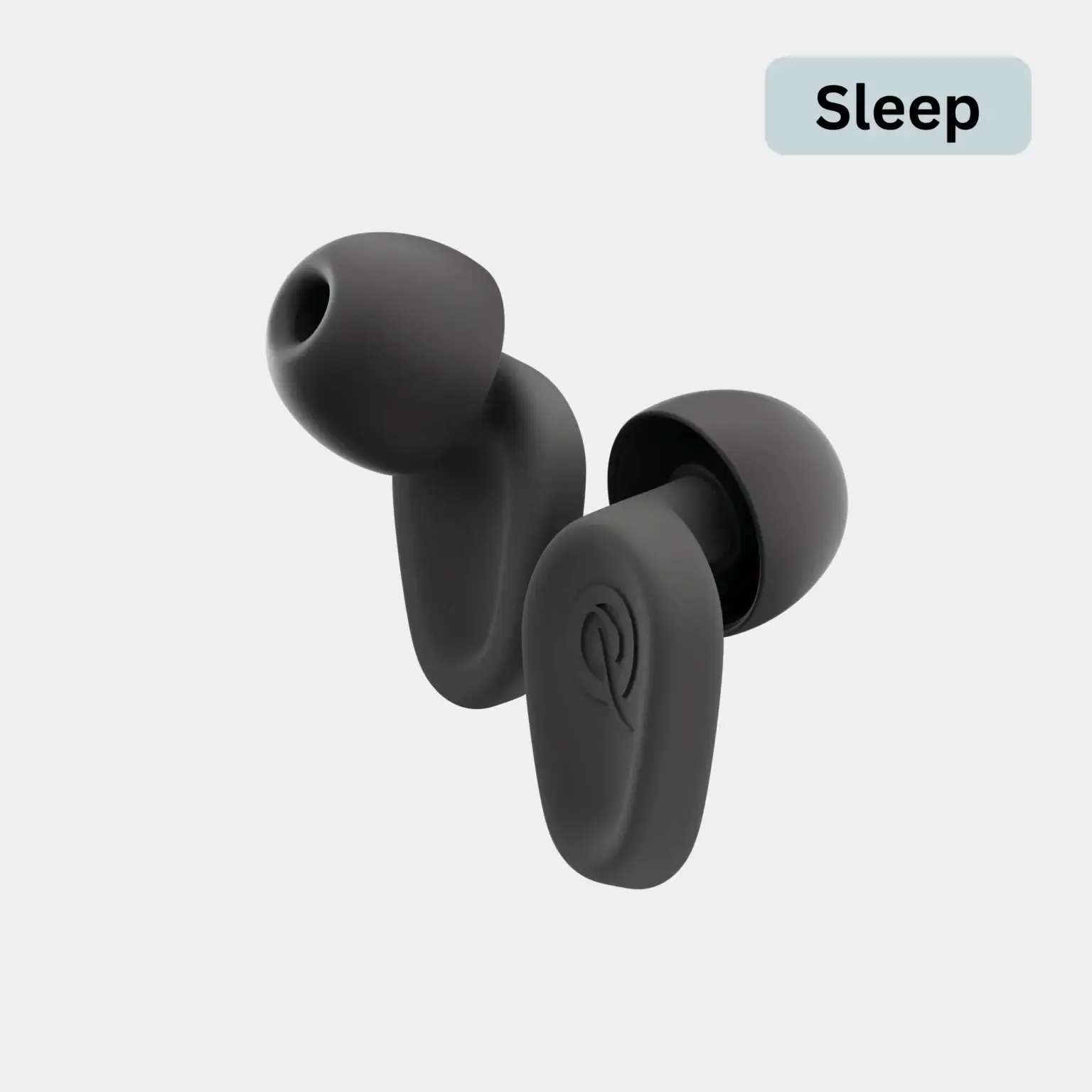
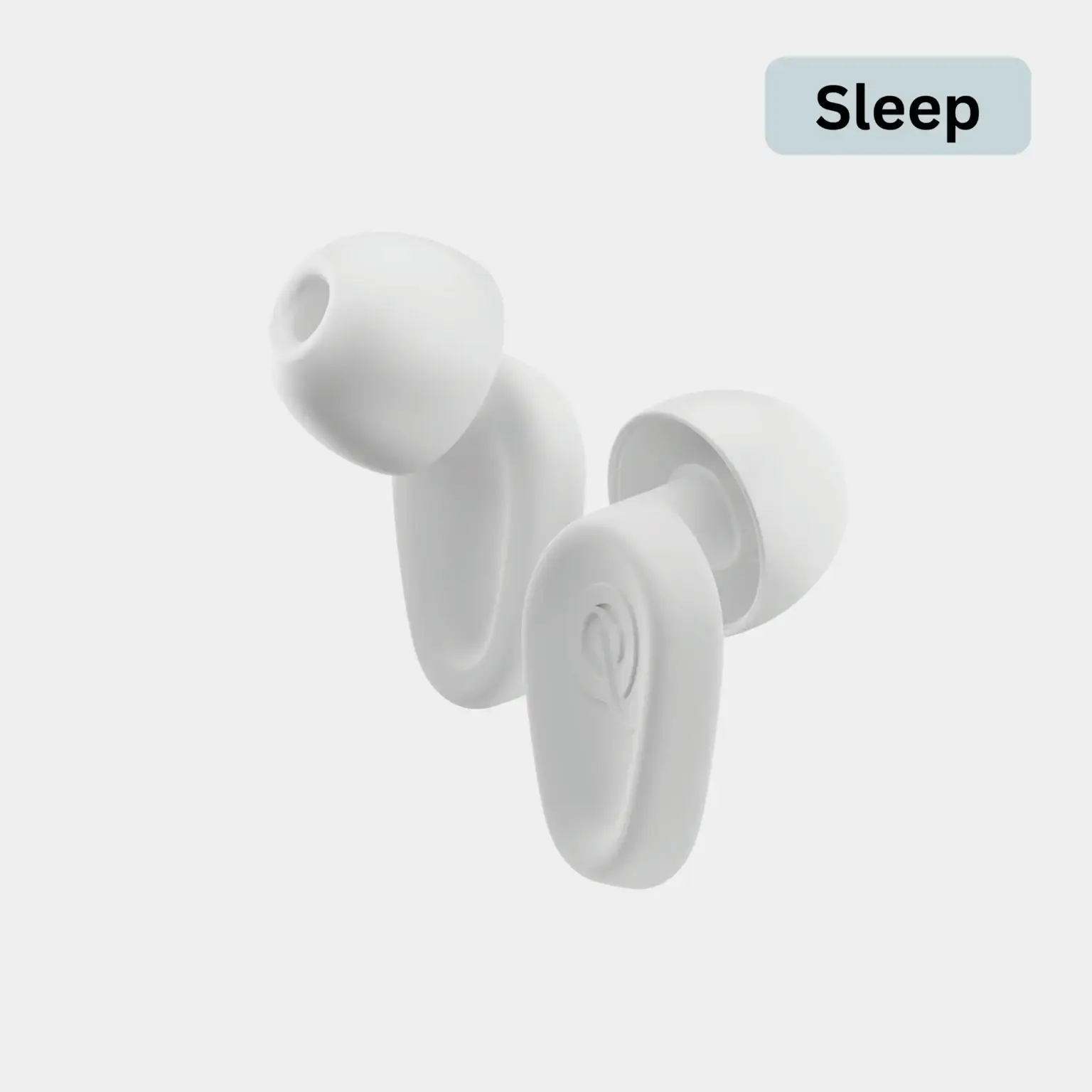
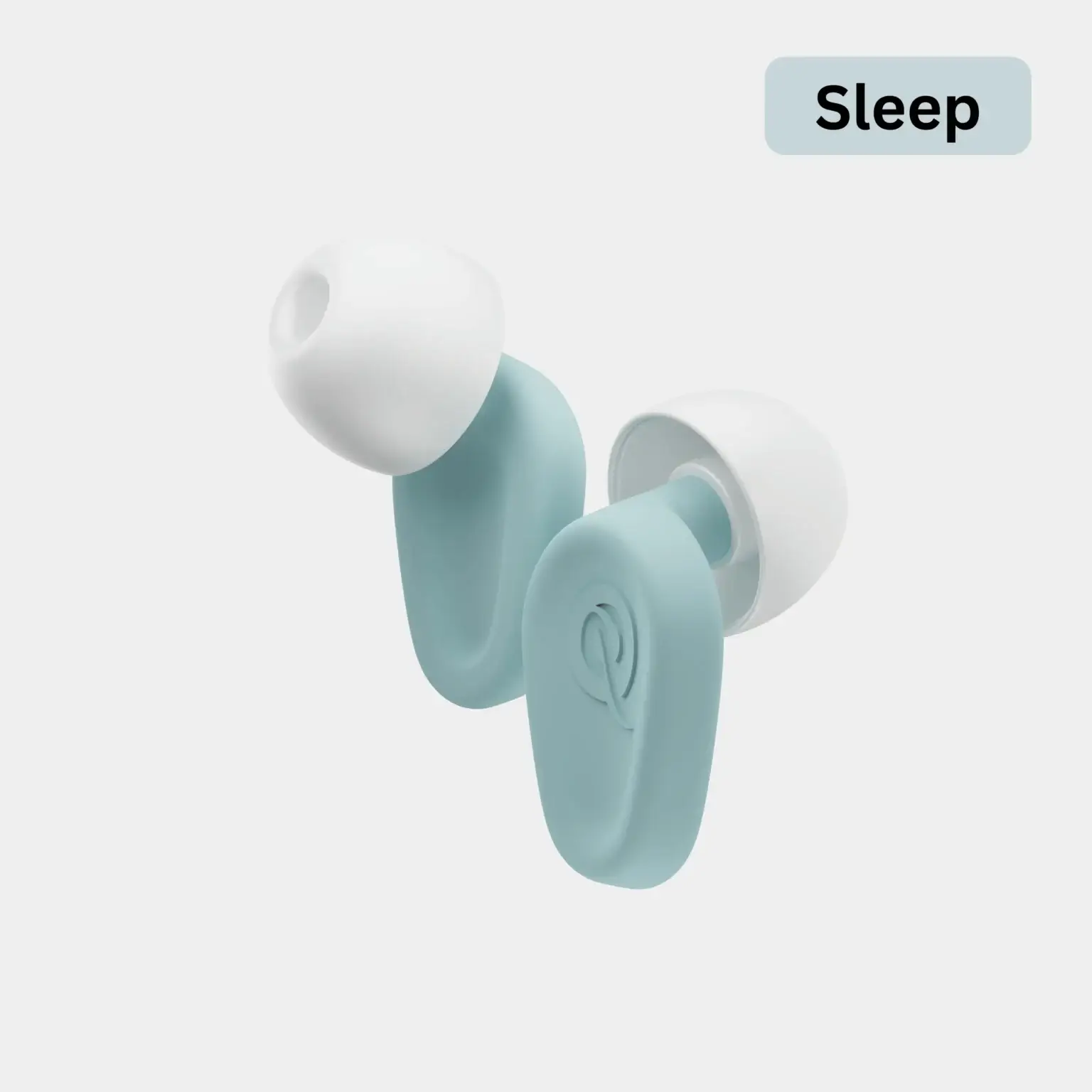
For sleep, the balance is personal. Earplugs can be a game-changer if traffic, a partner’s snoring or neighbours keep waking you. Yet some people notice their tinnitus more when the room becomes very quiet. If that is you, try pairing comfortable sleep earplugs with low-level background sound, such as a fan or a sound machine. Keep the sound gentle enough that it supports sleep rather than becoming another thing your brain has to process.
The fit, hygiene and wax factors people miss
Not every increase in tinnitus awareness is about sound deprivation. Earwax build-up can create a blocked sensation and make internal sounds more obvious. Inserting earplugs into ears with excess wax may compact it further. If your hearing feels muffled, one ear is noticeably different, or you have pain or discharge, stop trying to solve it with more earplugs and seek advice from a qualified clinician.
Clean reusable earplugs as directed and allow them to dry fully. Dirty earplugs can irritate the ear canal and increase the risk of infection. Never force an earplug in, and avoid using any product if it causes pain, pressure or persistent itching.
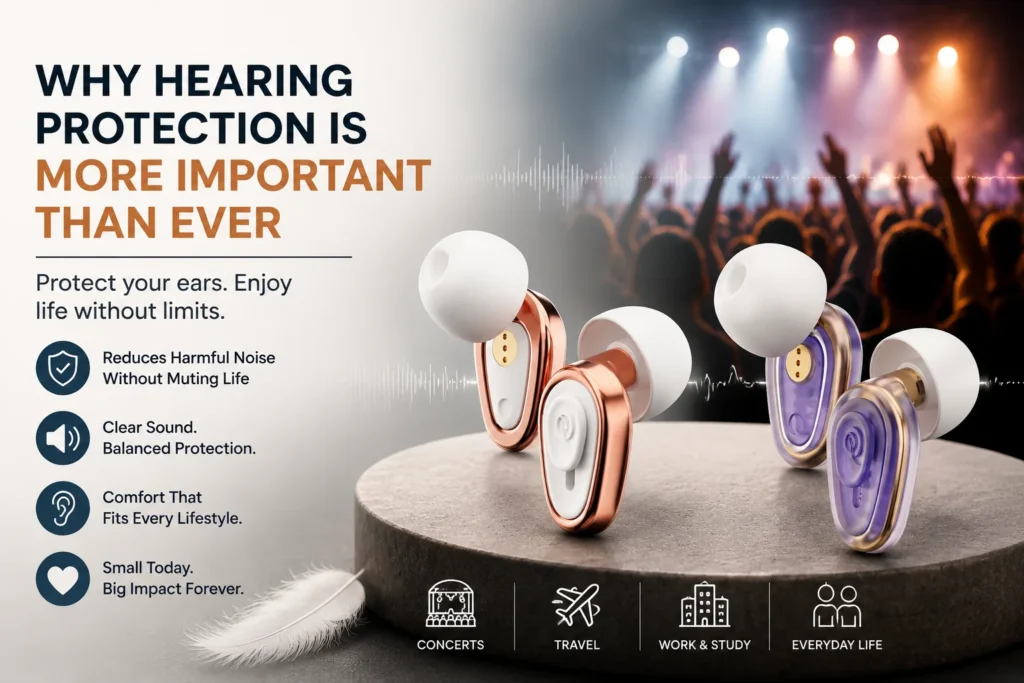
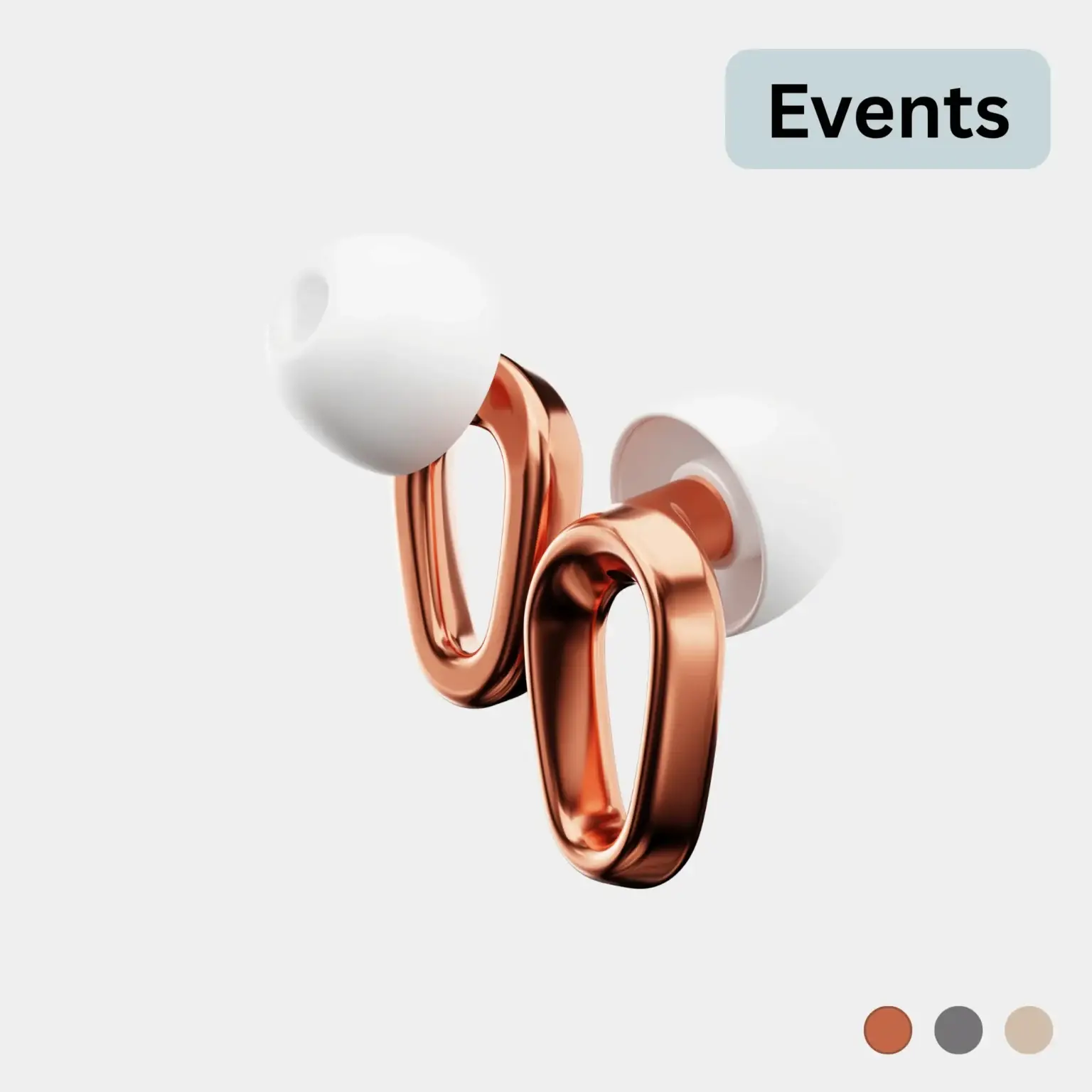
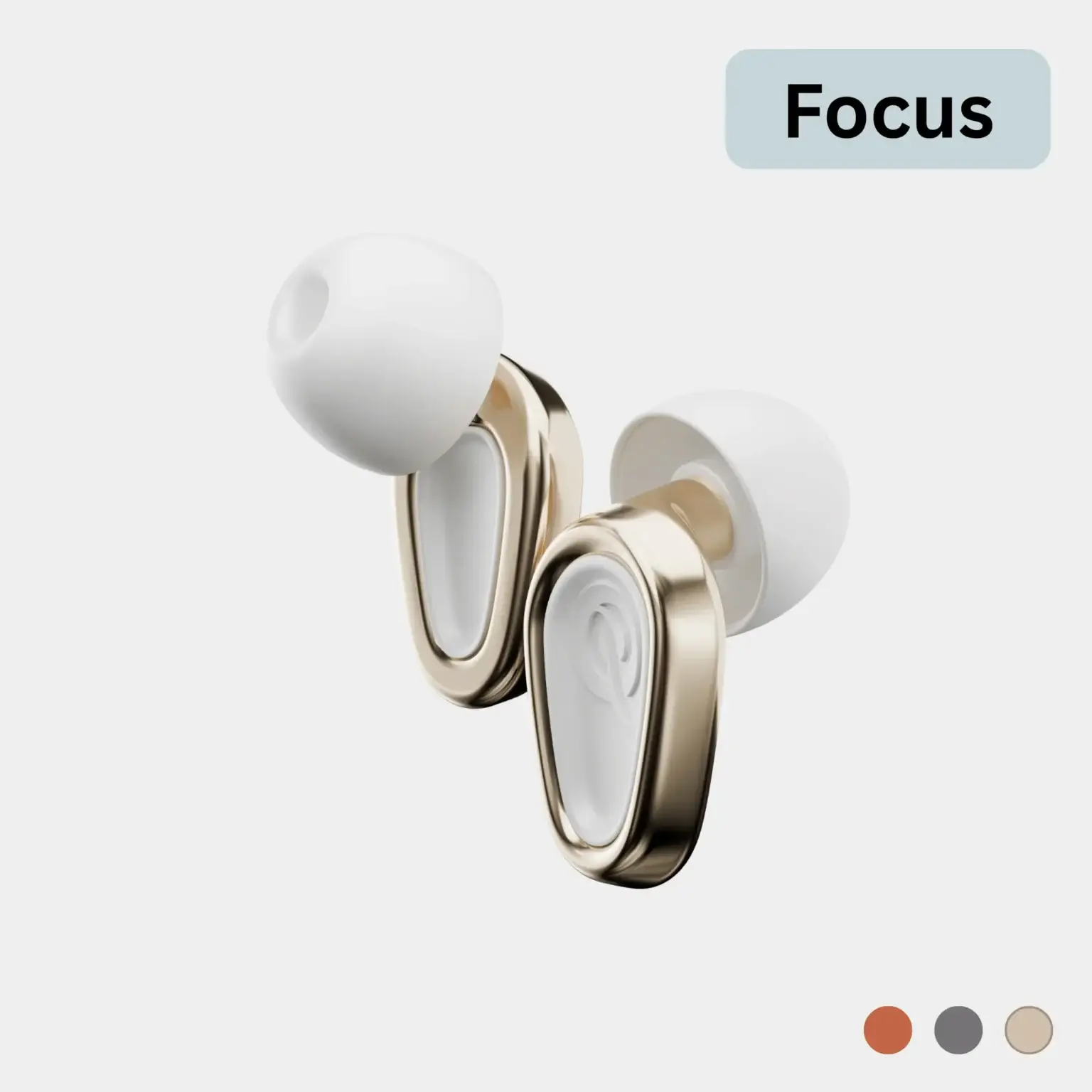
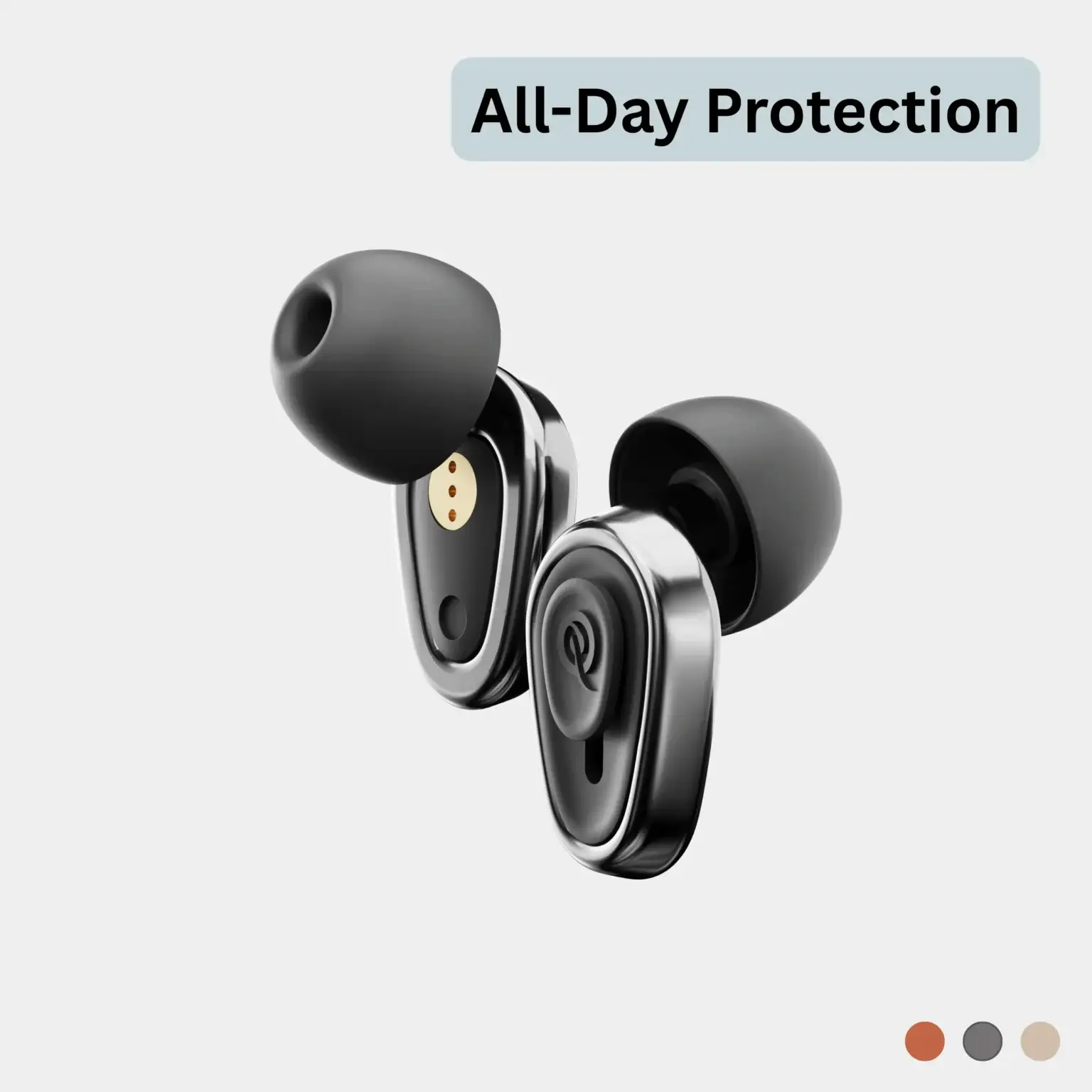
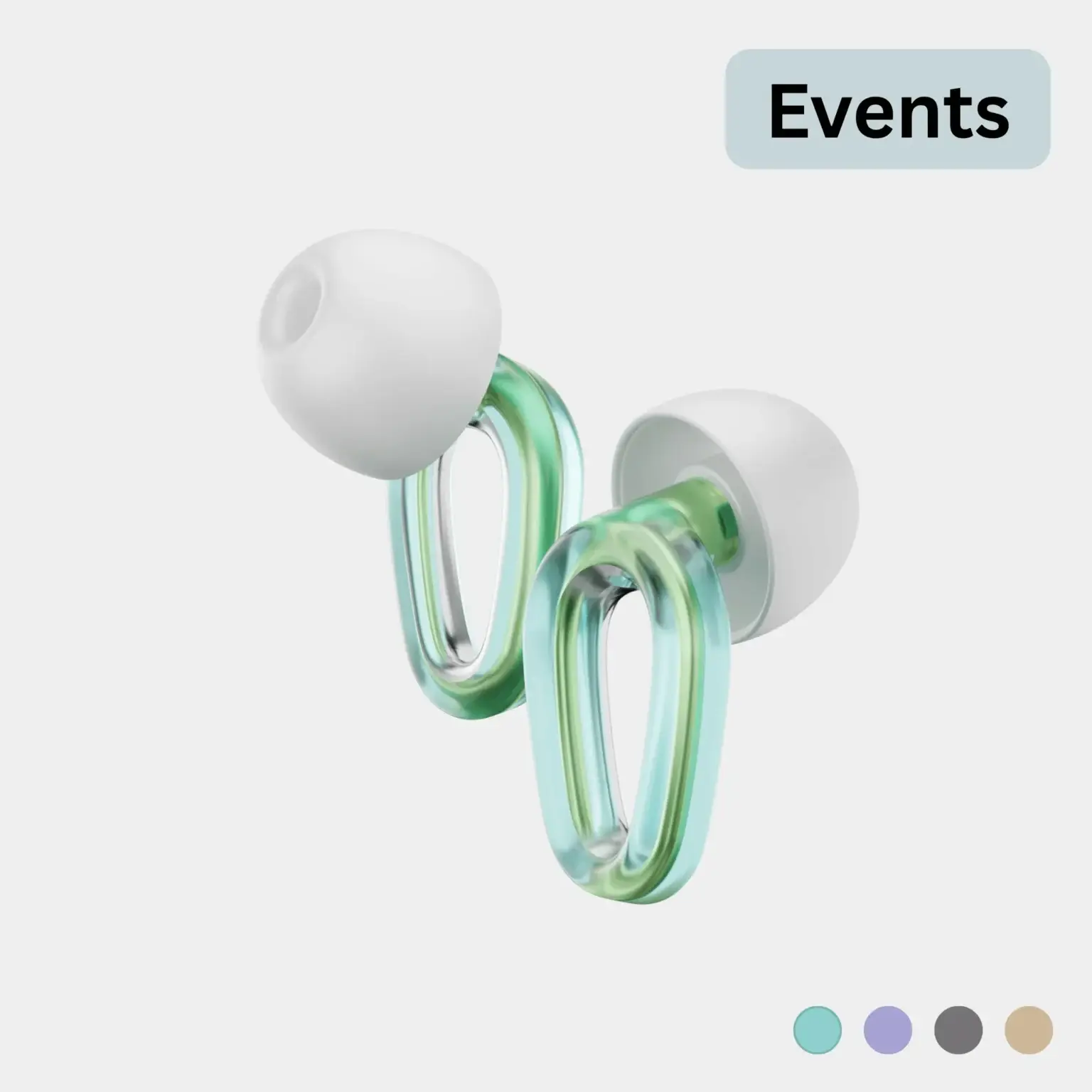
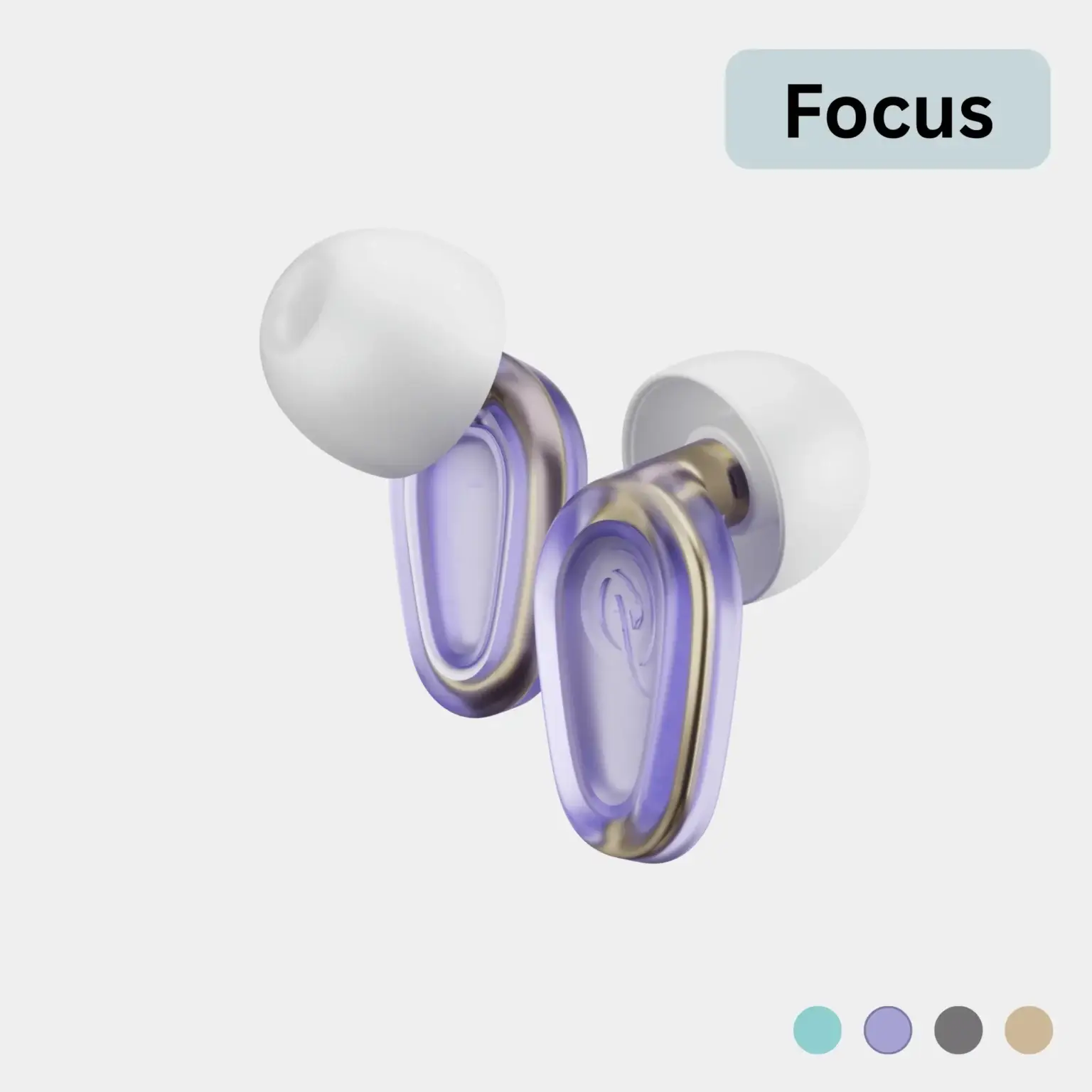
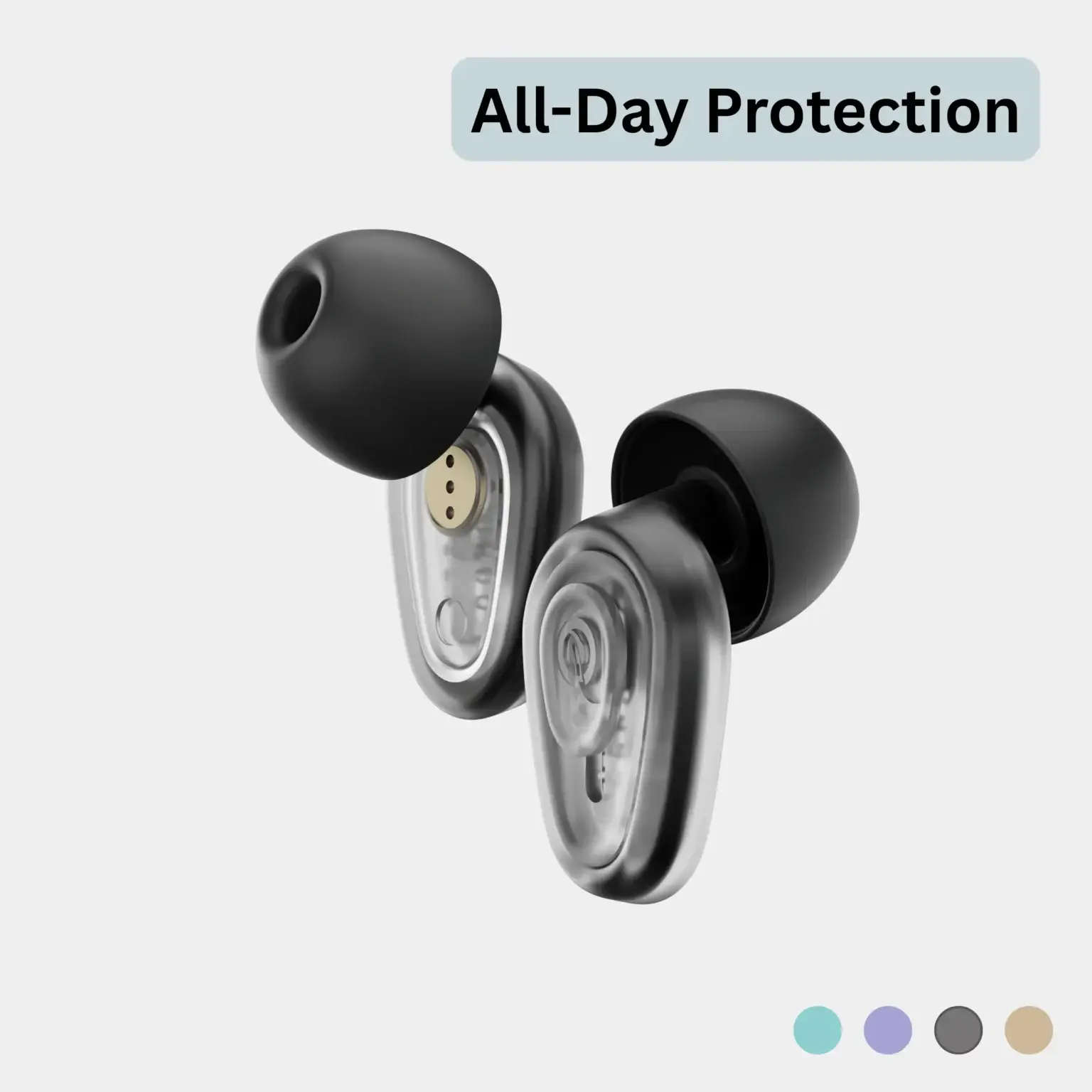
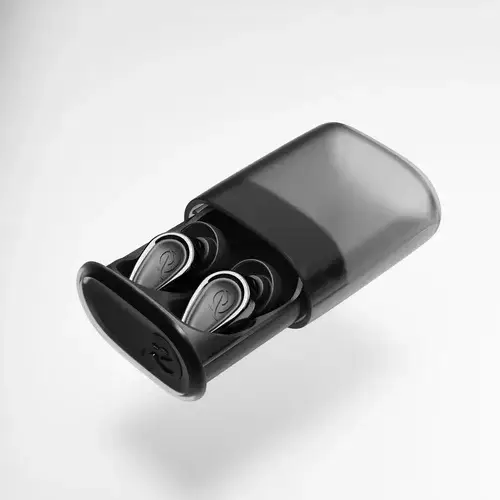
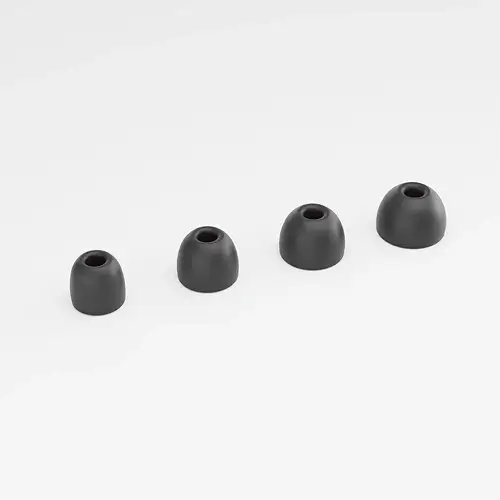
Fit is about more than comfort. A properly fitted earplug offers a more predictable reduction, so you are less likely to compensate by wearing an overly powerful option for longer than necessary. Reusable options with multiple eartip sizes can make that everyday adjustment easier. Earmuffz designs its range around this kind of discreet, comfort-first control, whether you need calm for a commute, sleep support or protection at a louder event.
What to do if tinnitus seems worse after wearing earplugs
First, do not panic. Remove the earplugs when you are back in a safe, quiet place, then return to a gentle, background sound. Avoid blasting music through headphones to ‘cancel out’ the ringing. Your ears do not need a volume battle; they need recovery.
Ask yourself what happened before the tinnitus felt louder. Was the earplug use preceded by a concert, a motorbike ride, an alarm, heavy machinery, or a stressful day? Temporary tinnitus after loud exposure can resolve, but it remains useful feedback that the sound level was too high or that protection was insufficient.
If the change persists for more than a few days, is getting worse, or comes with hearing loss, dizziness, ear pain or a feeling of fullness, book an appointment with an audiologist, GP or ear specialist. Seek urgent medical help for sudden hearing loss, especially in one ear, or tinnitus that pulses in time with your heartbeat.
A hearing professional can check for wax, infection and hearing changes, as well as guide you on gradual sound exposure if hyperacusis is part of the picture. That personalised advice is far more useful than trying to tolerate every sound or hiding from all of them.
Protect your hearing, keep your world open
Tinnitus can make the noise feel unpredictable. The answer is not to surrender your day to it, nor to treat every café, commute or conversation as a threat. Use earplugs with intent: protect against harmful or overwhelming noise, take breaks from sound when you need them, and let safe everyday sound stay part of your world.
The best routine gives you confidence to go to the gig, take the ride, focus at work and sleep when the world is noisy – without handing tinnitus more attention than it deserves.