

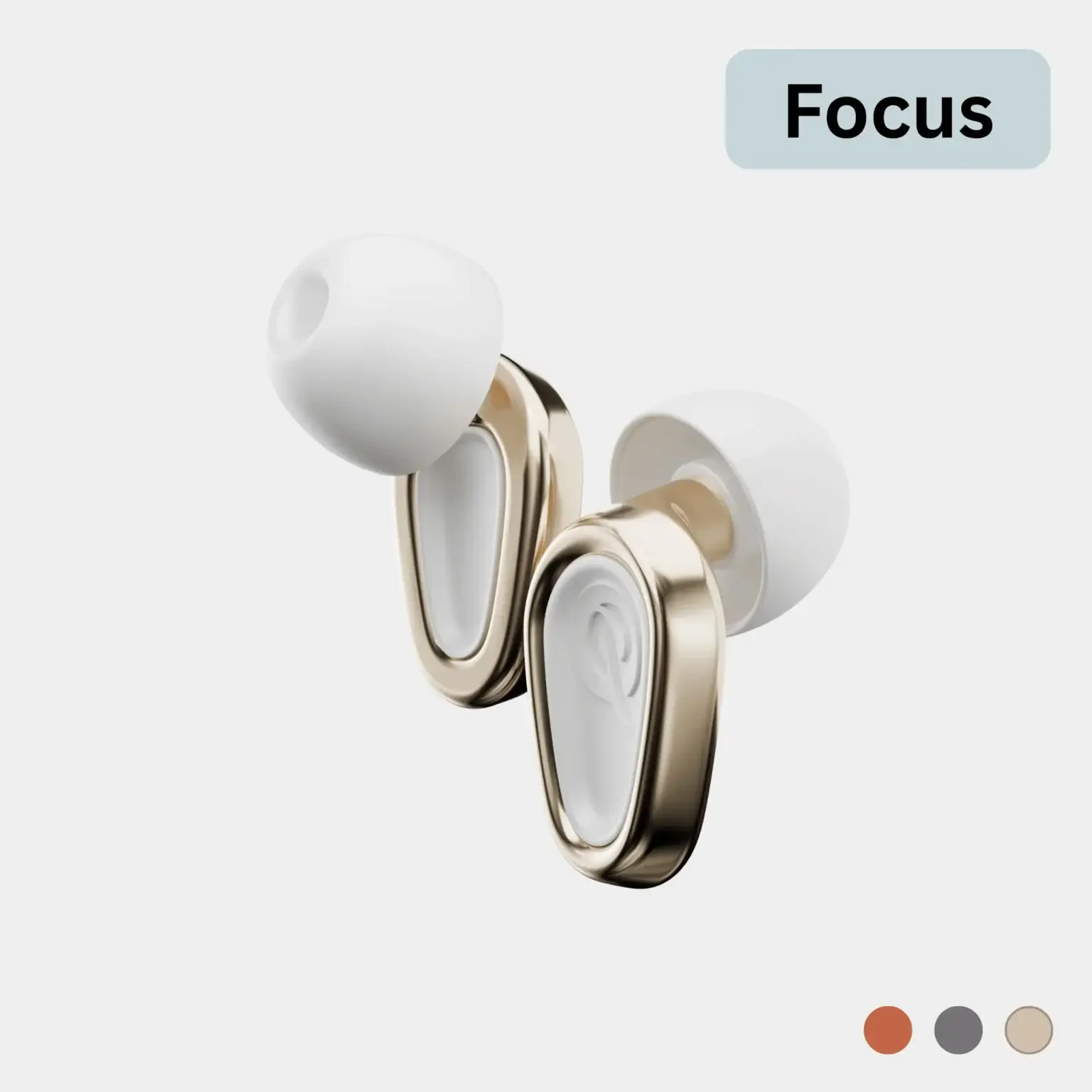
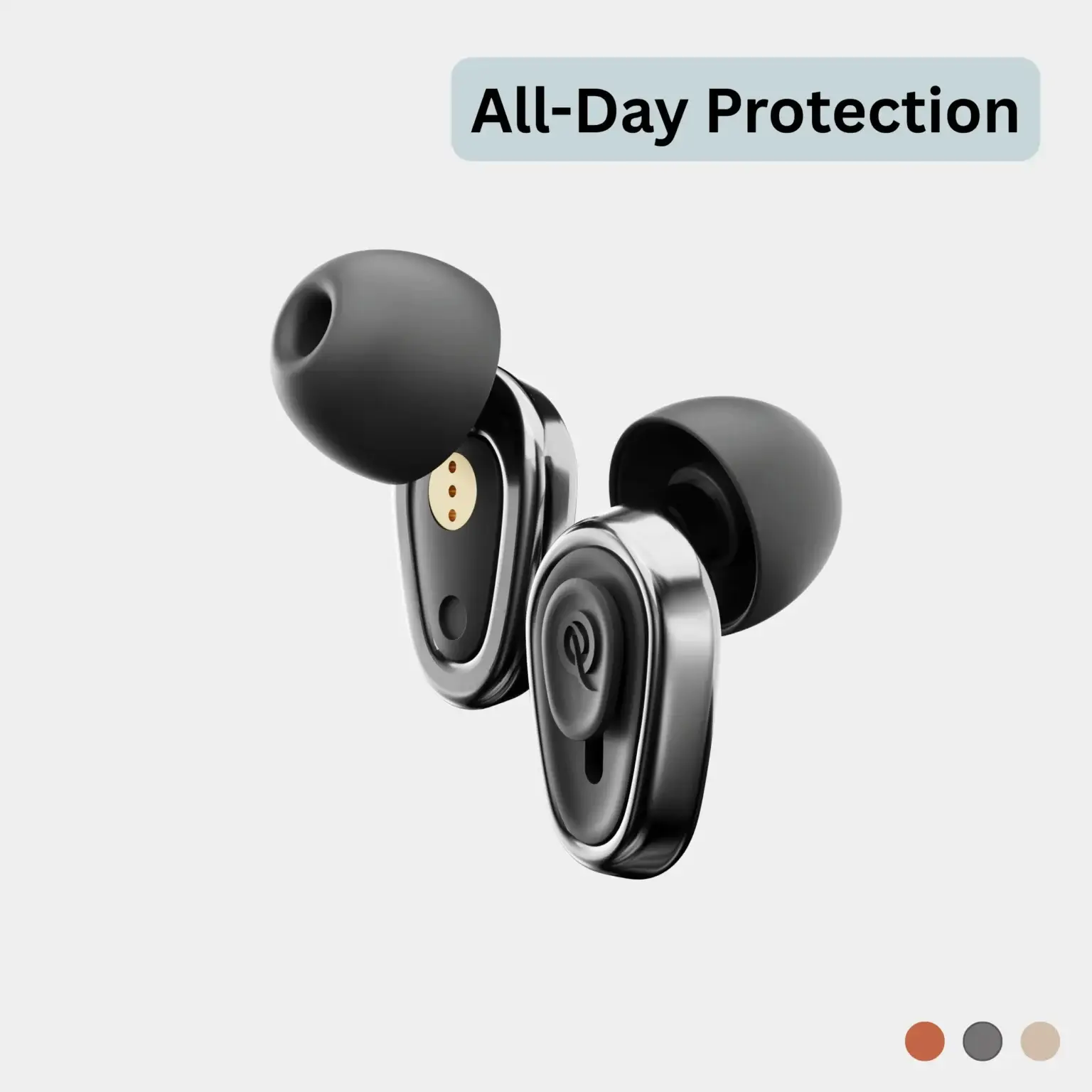
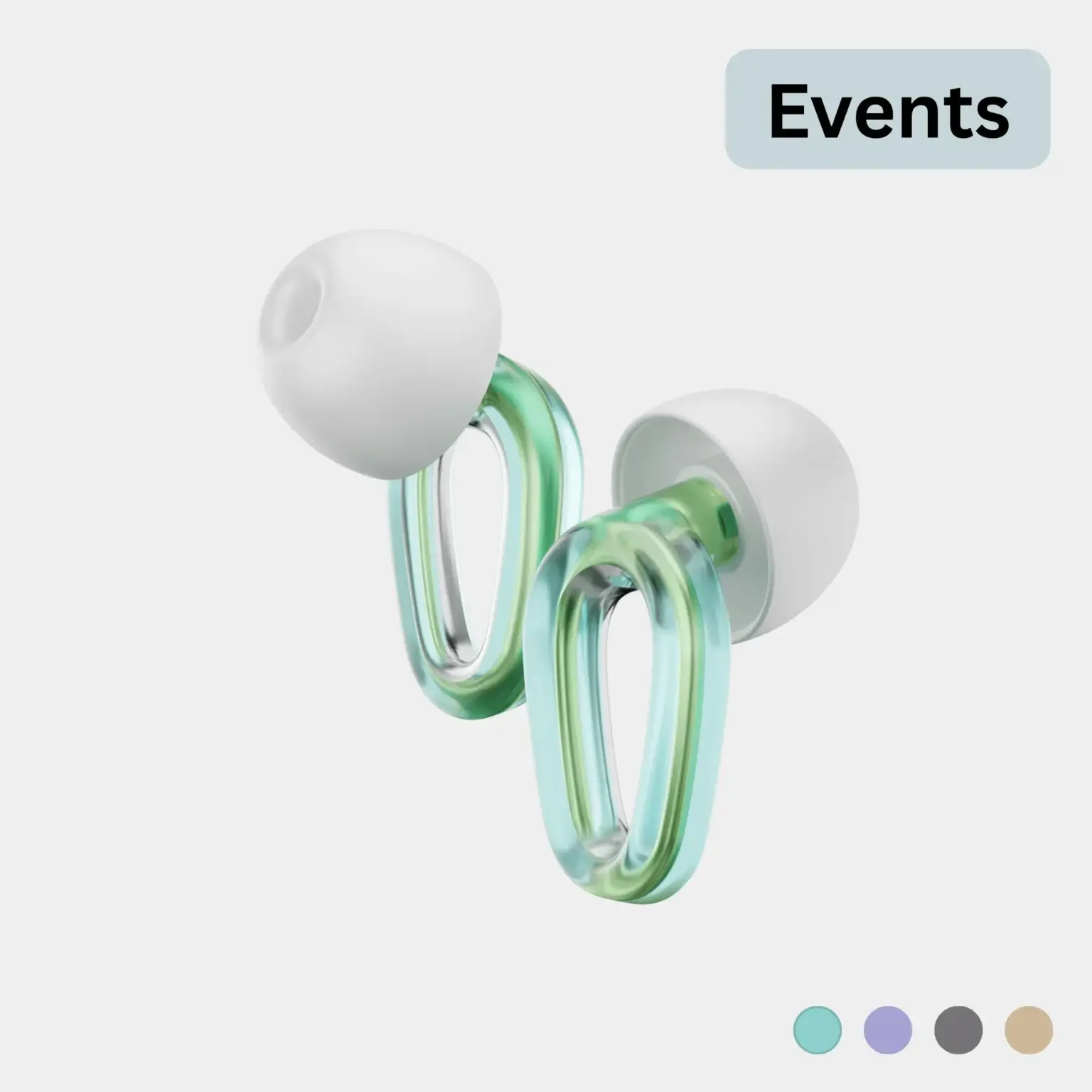
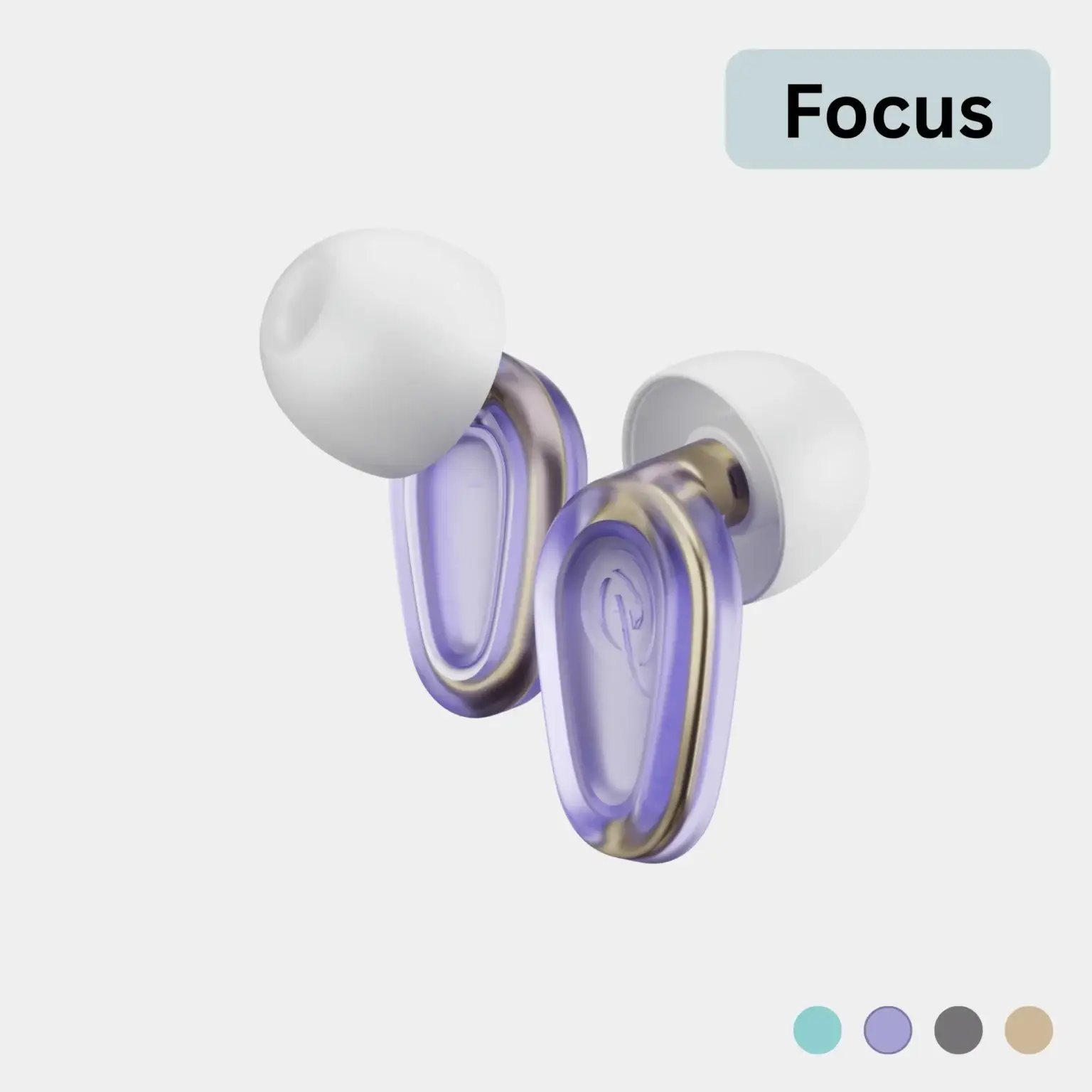
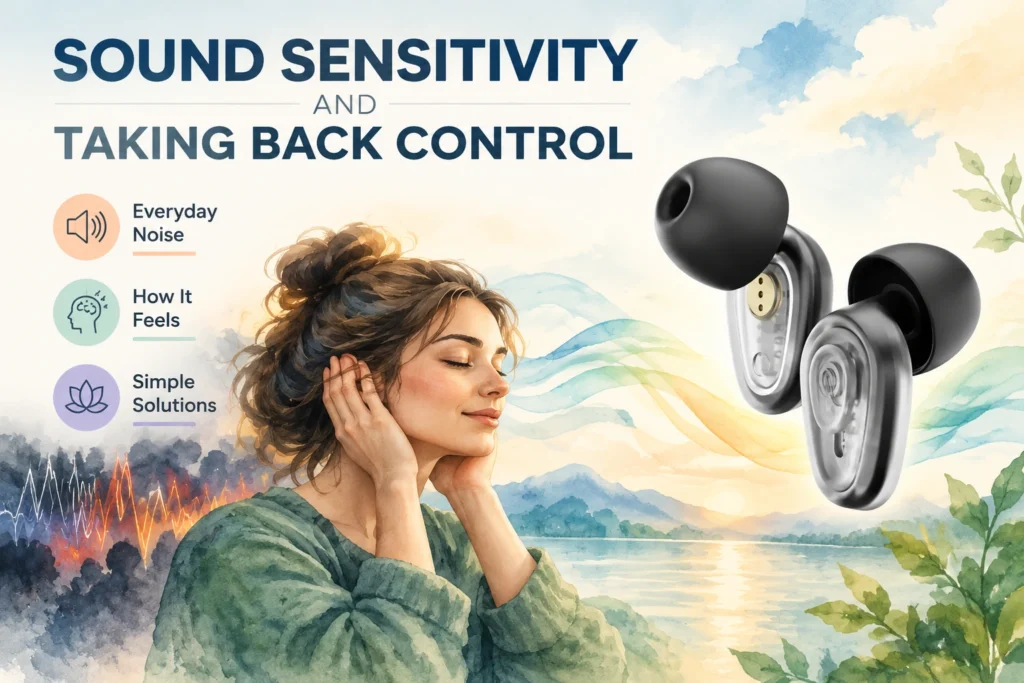
A colleague’s keyboard. A packed train carriage. Cutlery touching a plate. For someone with sound sensitivity, these are not minor background noises. They can drain focus, raise stress levels and make ordinary plans feel harder than they should. The goal is not to live in silence. It is to take control of your volume, protect your energy and keep doing the things you enjoy.
What Sound Sensitivity Can Feel Like
Sound sensitivity is a broad term for finding certain sounds unusually intense, distracting, painful or emotionally difficult to tolerate. The experience is personal. One person may struggle with the low rumble of traffic; another may feel instantly on edge around chewing, alarms or a noisy café.
For some people, sound feels physically uncomfortable at levels others barely notice. For others, the main issue is overload: too many layers of noise competing for attention until concentration disappears. You might feel irritable after a busy commute, exhausted after a family gathering, or desperate to leave a restaurant long before everyone else is ready.
That reaction is real. It is not a lack of resilience or a reason to stop showing up. It is useful information from your body that your environment needs adjusting.
Why Everyday Noise Can Hit Harder
Your ears do not work in isolation. Noise is processed alongside stress, sleep, mood, attention and physical wellbeing. That is why a sound that feels manageable on a calm Saturday morning can feel unbearable after a poor night’s sleep or a high-pressure day at work.
Several factors can sit behind a stronger response to sound. Hearing changes, tinnitus, migraine, stress and anxiety can all play a part. Some people also notice sound sensitivity alongside neurodivergence, including autism and ADHD. None of these possibilities can be diagnosed by an earplug, an online article or a quick guess. But recognising a pattern gives you a practical place to start.
There is also a feedback loop worth understanding. When you expect noise to be overwhelming, your attention starts scanning for it. Every clatter or conversation then lands with more force. The answer is not to force yourself through constant discomfort, nor to block out every sound all day. It is to reduce the unnecessary load while building calmer, more predictable routines.
Build a Sound Sensitivity Plan That Works in Real Life
The strongest approach is flexible. Your needs at a concert are not the same as your needs in an open-plan office, and your solution for sleeping should not be the one you rely on during a conversation.
Notice your patterns first
For one week, pay attention to where sound starts costing you energy. Think beyond volume. Is the problem sudden noise, ongoing chatter, high-pitched sounds, echoey spaces or the lack of a quiet exit? Note the time of day, how long you were exposed and how you felt afterwards.
This is not about obsessing over every decibel. It is about spotting repeat situations where a small adjustment would make a big difference. If the school run leaves you frazzled, for example, the right protection might be more useful there than in the quiet hours at home.
Reduce noise without removing awareness
Total silence is not always the win it appears to be. Wearing maximum protection in ordinary, low-noise settings for long periods can make everyday sound seem more noticeable when you take it out. It can also leave you disconnected from conversations, announcements and the world around you.
Aim for the lowest level of noise reduction that gives you relief in that moment. A busy train, live music venue or motorcycle ride may call for stronger protection. For focused work or a crowded coffee shop, a lower-profile filtered earplug may soften the edge while allowing you to hear what matters.
This is total volume control, not total withdrawal.
Create recovery before you need it
Recovery works best when it is planned, not saved for the moment you feel overwhelmed. Build short quiet intervals into noisy days: sit away from the office kitchen, take the less crowded route home, pause in a calm room between meetings, or leave a social event before you are completely spent.
Sleep deserves special attention. When nights are broken by neighbours, traffic or a snoring partner, your sound tolerance the next day can shrink fast. A comfortable sleep-specific solution, paired with a consistent wind-down routine, may help protect the rest that keeps your coping capacity higher.
Earplugs for Sound Sensitivity: Choose by Situation
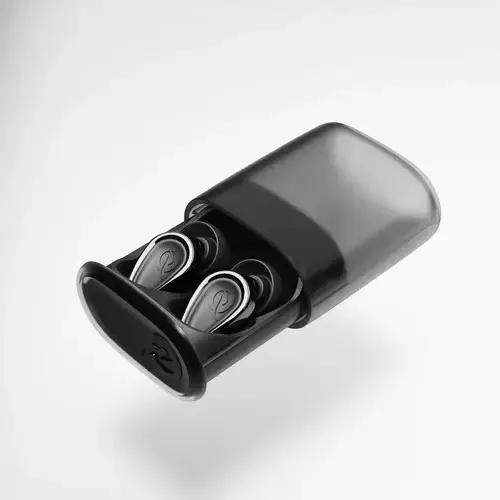
Reusable earplugs can be a useful everyday tool because they are quick, discreet and easy to keep close. The right pair should feel comfortable enough to wear, stay secure as you move and provide a level of reduction suited to the environment. A pair that looks great but hurts after 20 minutes will not earn a place in your routine.
Foam earplugs can offer substantial noise reduction, particularly for sleep or very loud settings, but they can feel isolating and are usually single-use. Reusable silicone earplugs are more convenient, although fit and comfort vary. Filtered designs are built for people who want to reduce overall intensity without making speech and music disappear completely.
That distinction matters. If you are attending a gig, commuting by Underground or using power tools, protection is about reducing potentially harmful exposure as well as improving comfort. If you are trying to focus in a shared workspace, the priority may be taking the sting out of conversation and clatter while remaining available to colleagues.
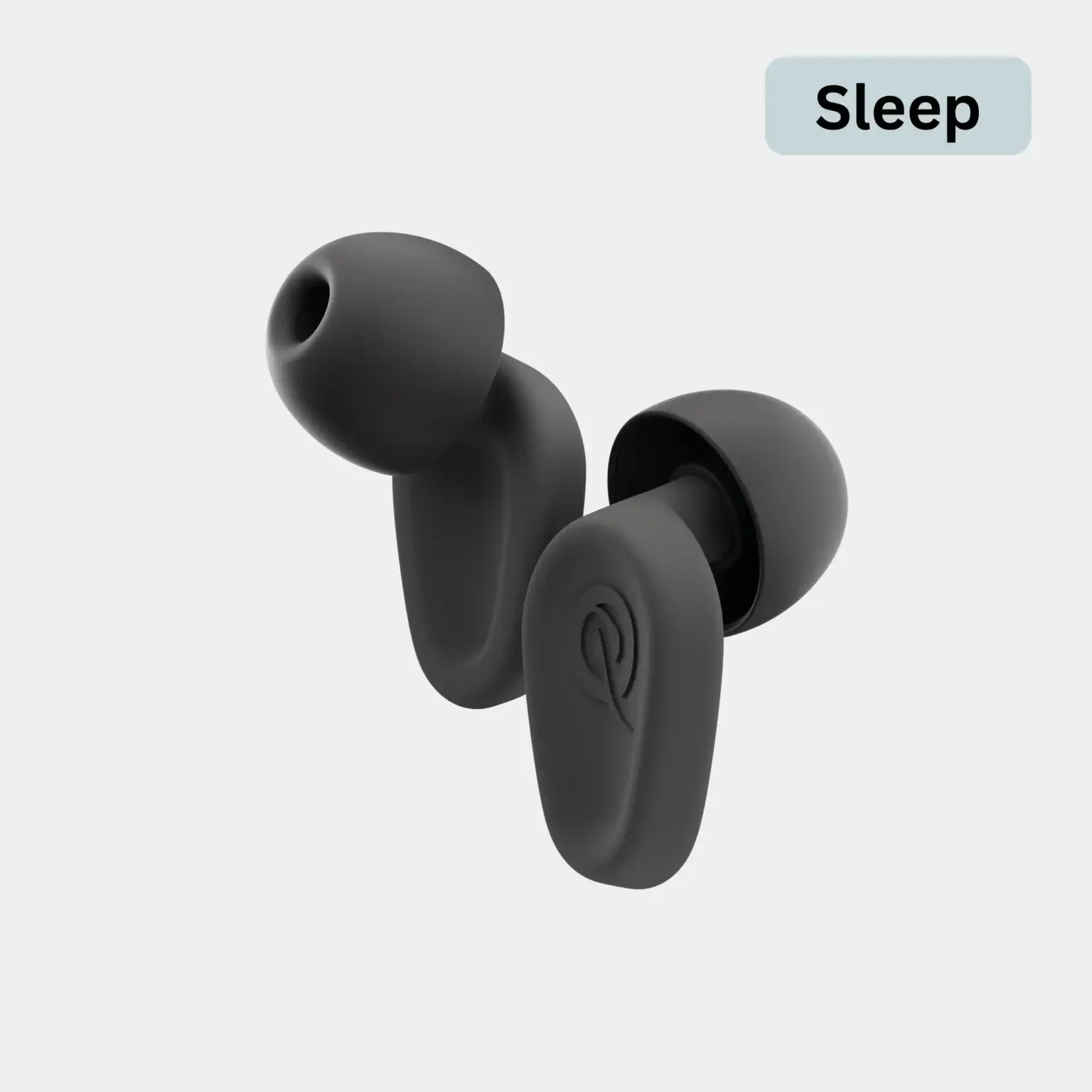
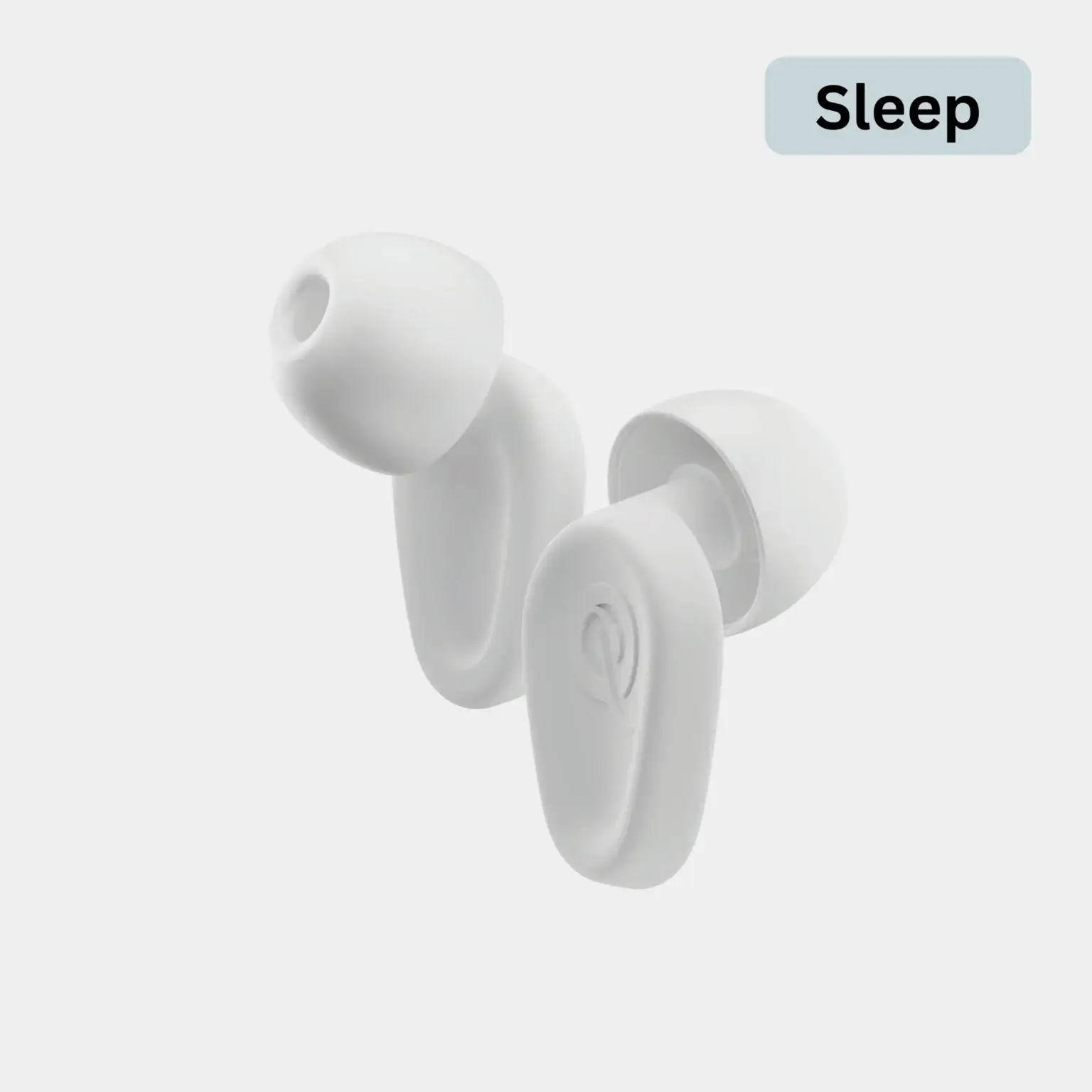
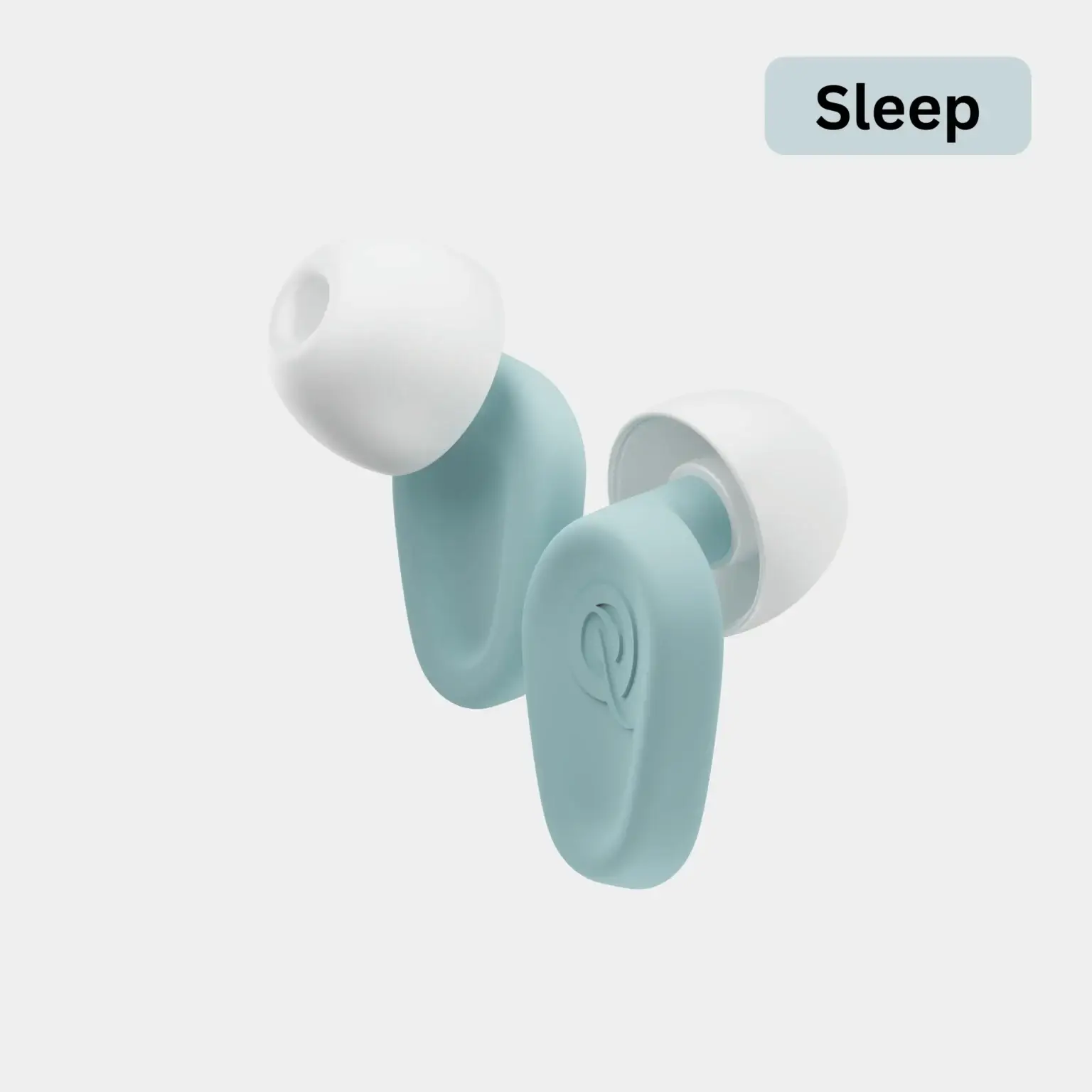
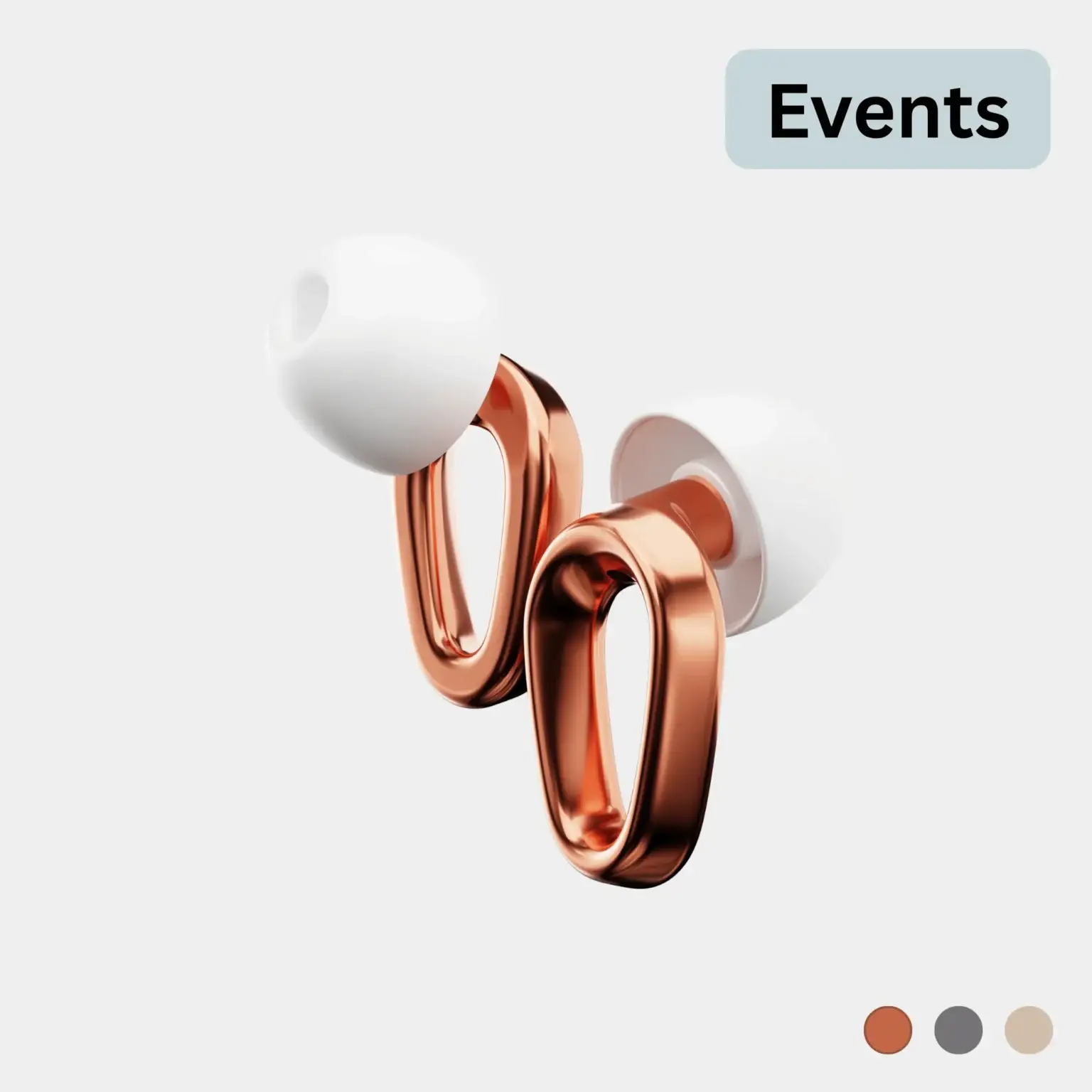
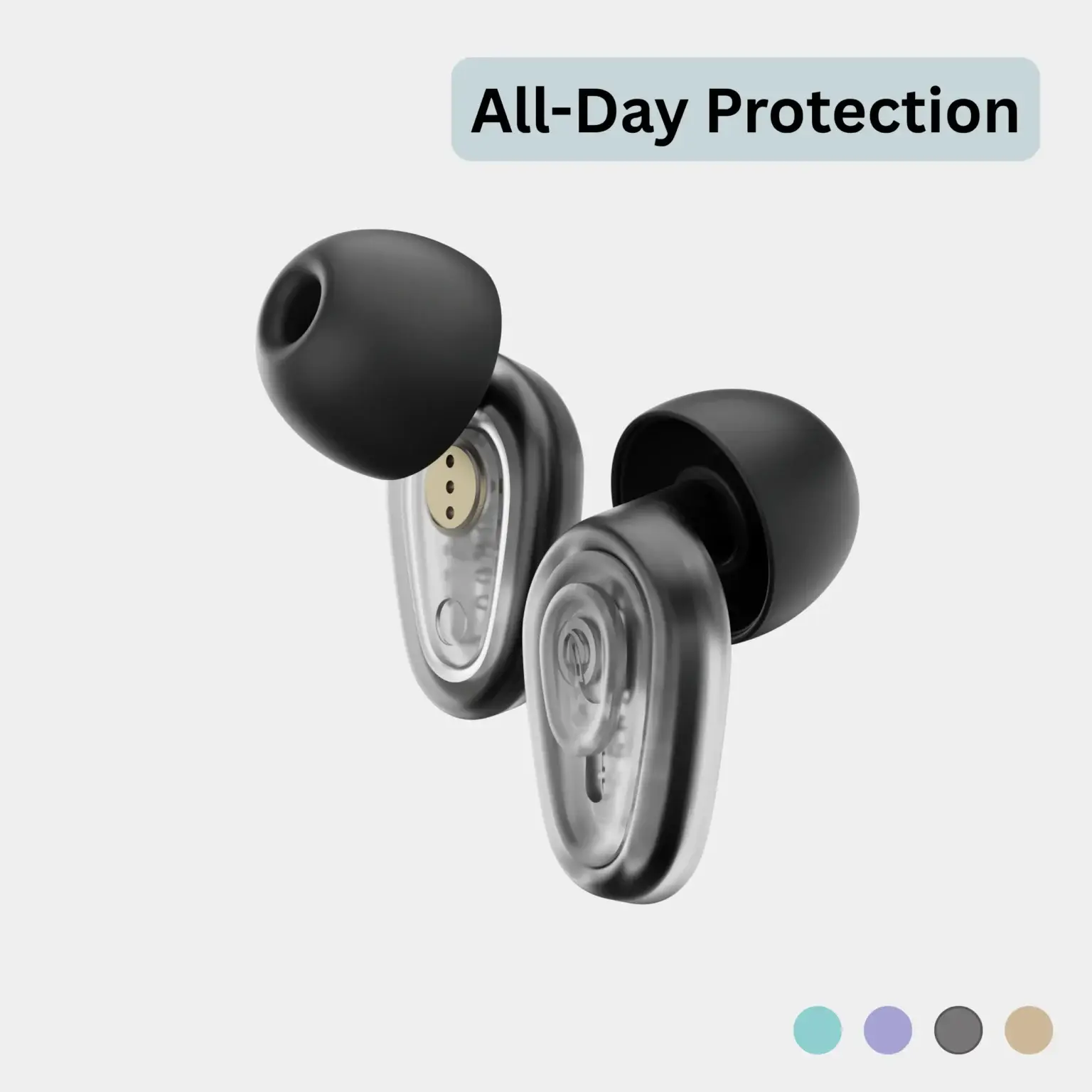
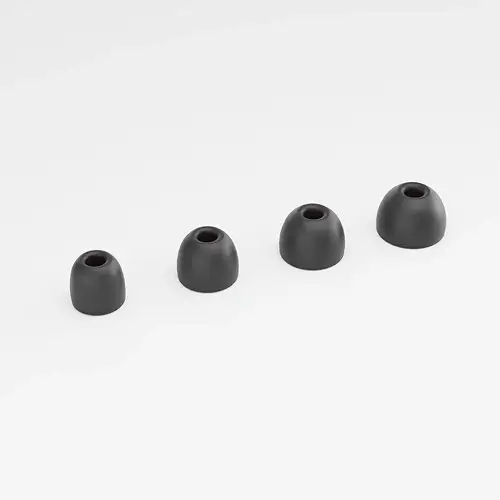
Look for products that clearly state their intended use and safety credentials. Earmuffz offers reusable options designed around everyday situations, from sleep and concentration to travel and events, with certified noise-control standards across the range. Fit still comes first: use the supplied ear tip sizes, follow the fitting instructions and give yourself a few tries before deciding whether a style works for you.
Keep the Rest of Your Toolkit Simple
Earplugs are powerful, but they do not have to carry the full load. Small environmental choices can lower your baseline exposure without making life complicated. Choose a quieter table rather than sitting beside the coffee machine. Close the window during rush hour. Use soft furnishings in your home to reduce echo. Keep noise-cancelling headphones for travel or focused tasks, while remembering that they are not a substitute for rated hearing protection in every loud environment.
Communication helps too. You do not need a long explanation. A simple, confident line is enough: “I concentrate better with less background noise,” or “I’m stepping outside for five minutes and will be back.” Most people respond well when you make your need clear.
Be selective with notifications. Repeated pings, loud alerts and autoplay audio create a constant demand for attention. Switching to vibration, lowering alert volume and muting non-essential group chats can make your day feel noticeably less abrasive.
When to Speak to a Professional
Get advice from a GP, audiologist or hearing professional if sound becomes painful, suddenly changes, affects one ear more than the other, comes with dizziness or hearing loss, or is interfering significantly with work, sleep or relationships. The same applies if tinnitus is new, worsening or distressing.
Professional support can rule out treatable causes and help you find a plan that does more than avoid noise. Depending on the cause, that may include hearing assessment, sound-based approaches, migraine management or support for stress and anxiety. Seeking help is not overreacting. It is a practical move when sound is taking up too much space in your life.
Make More Room for What Matters
You do not need to prove you can tolerate every loud room, chaotic journey or late-night gathering. Smart sound control lets you protect your attention for the conversation, workout, work project or weekend plan you actually care about.
Start with one predictable pressure point this week. Bring the right earplugs, take a quieter break or adjust your route. A little less noise can create a lot more capacity to own the moment.