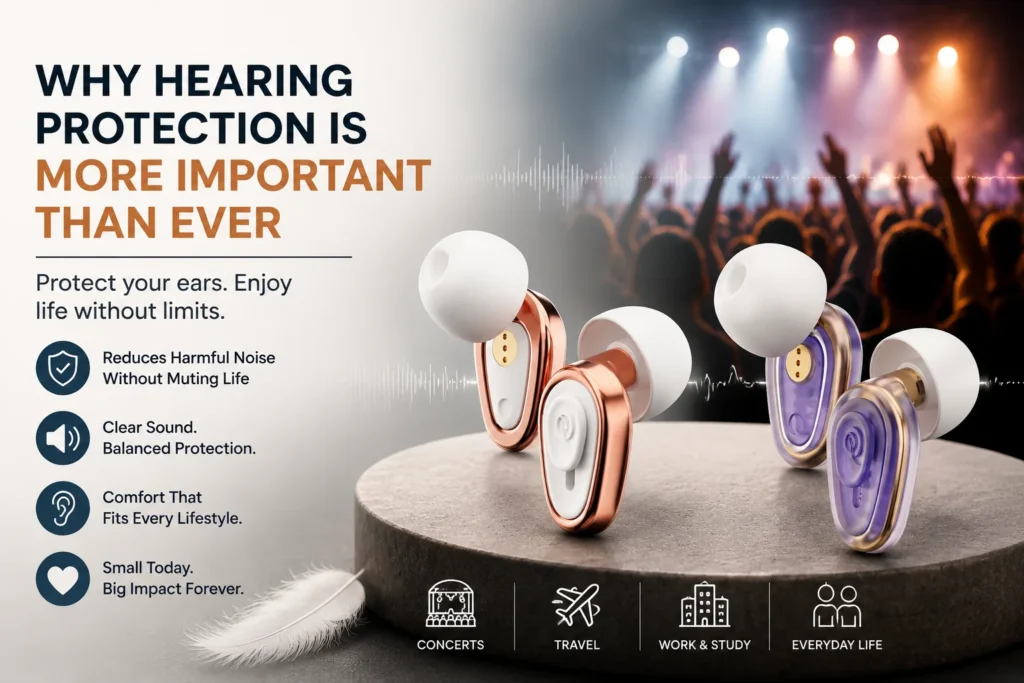

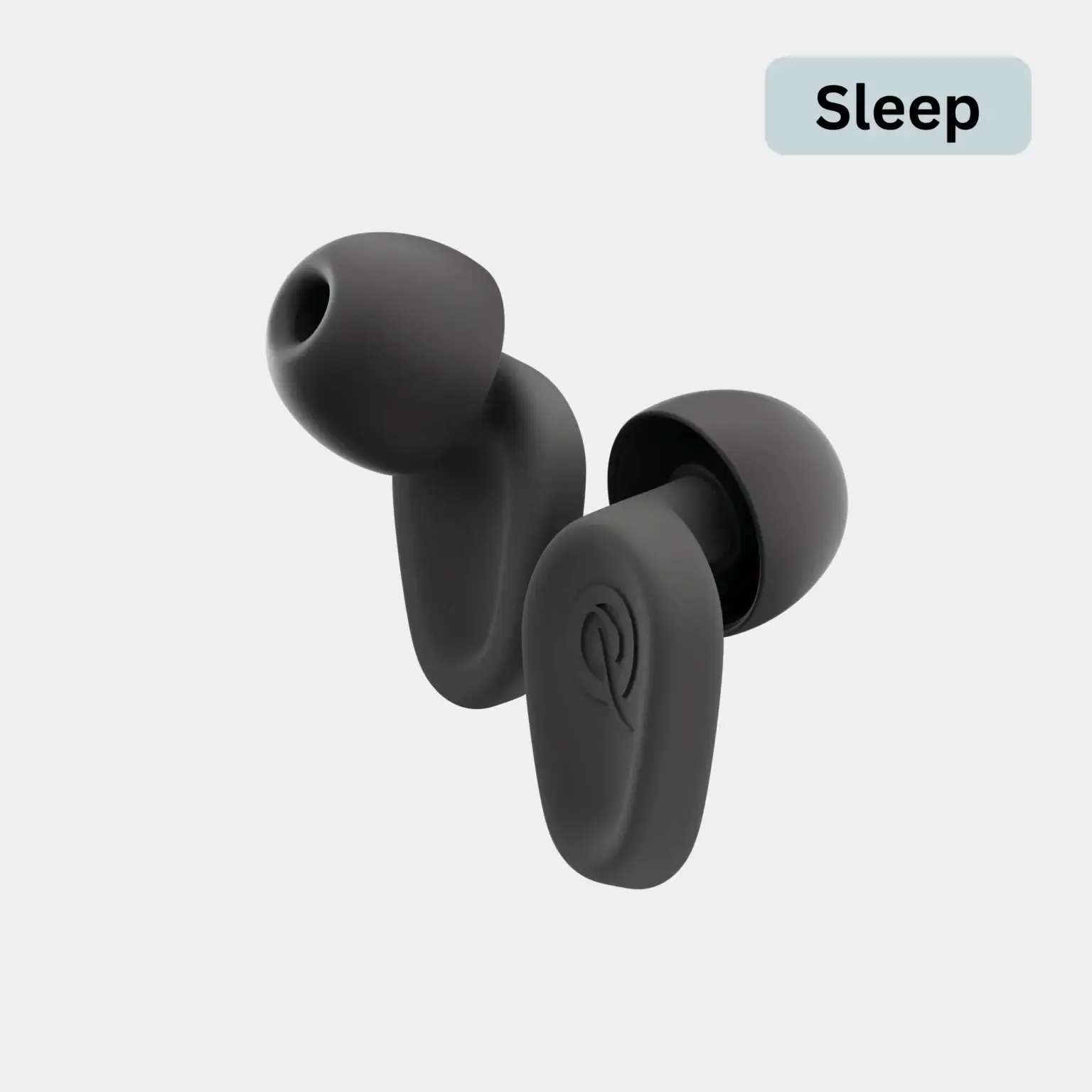
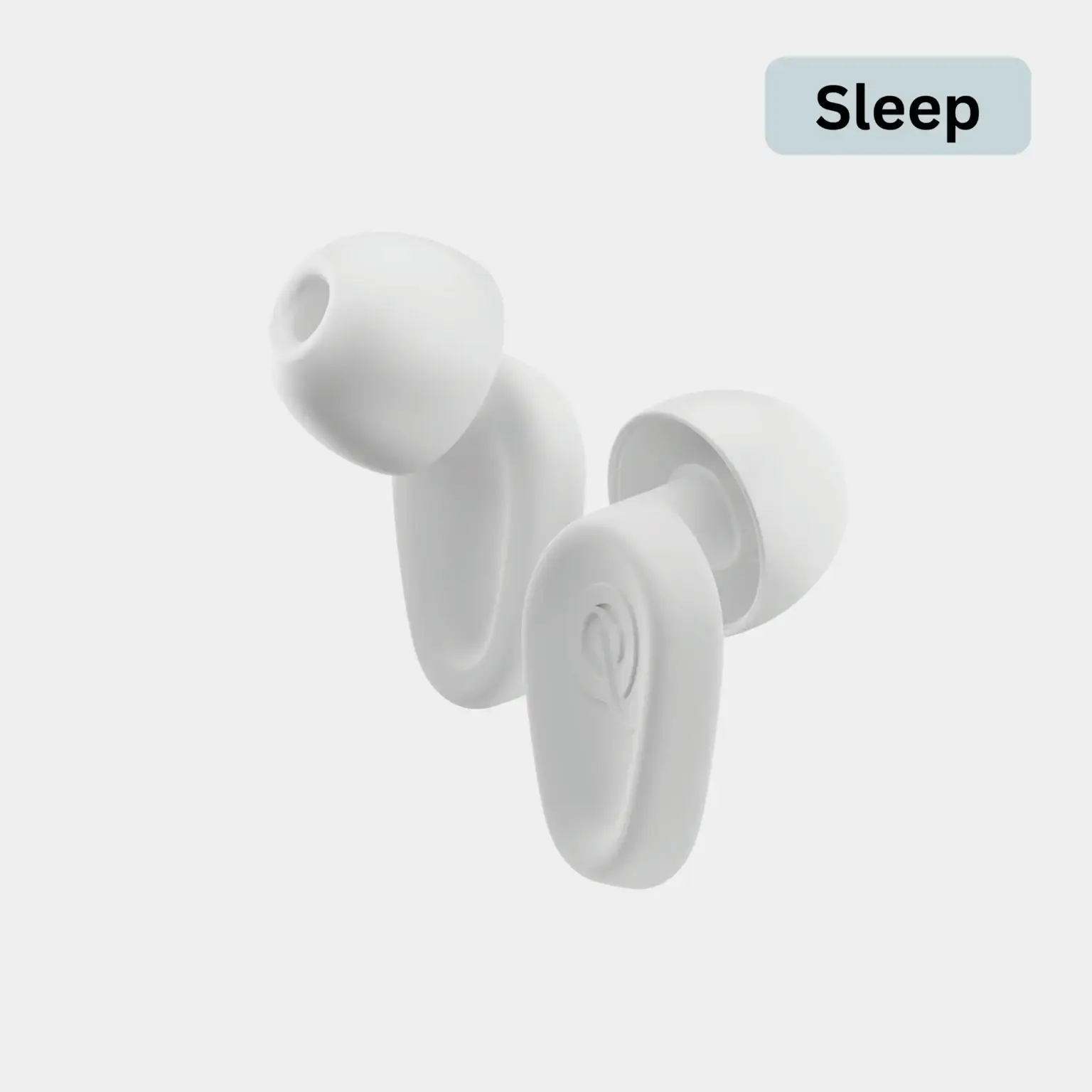
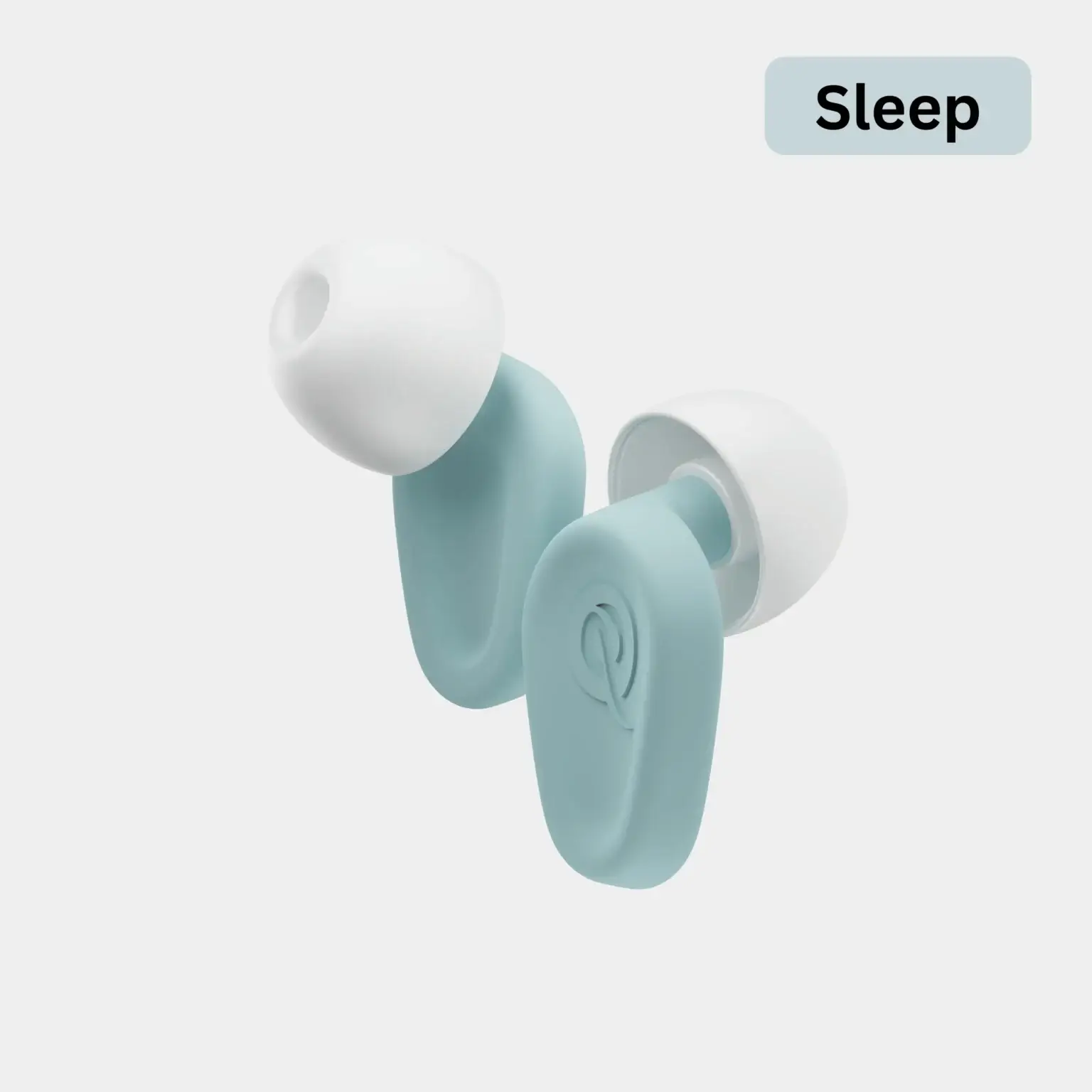
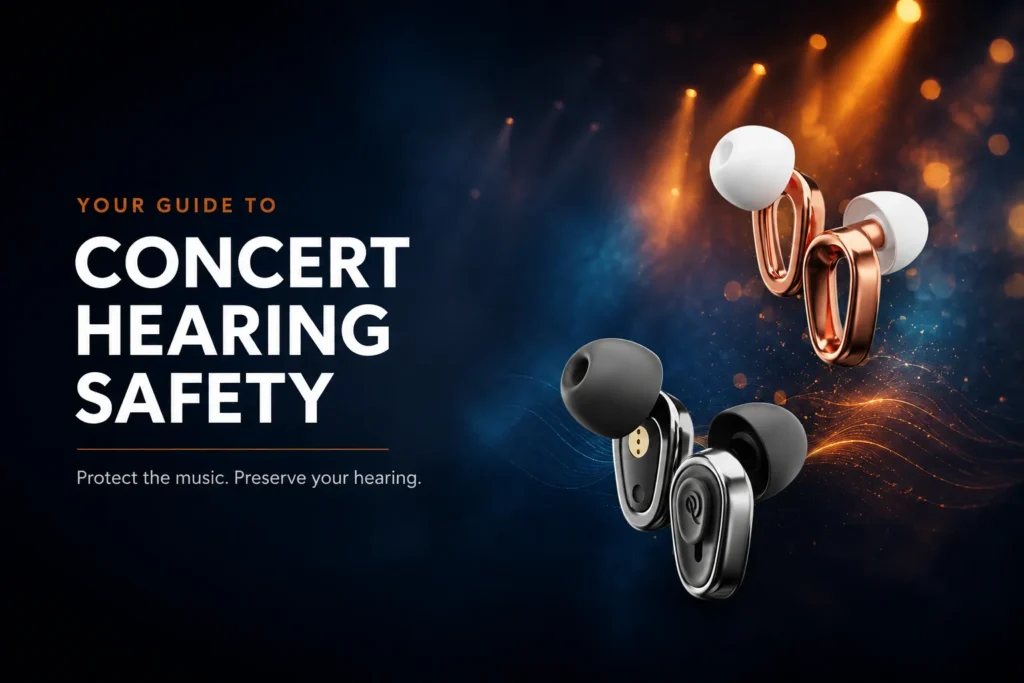
The kick drum hits your chest. The crowd erupts. Your favourite track lands exactly where it should. A great gig is meant to feel big – not leave your ears buzzing on the journey home. This guide to concert hearing safety is about keeping the energy, the detail and the memories, while giving your hearing the protection it deserves.
Hearing damage does not always arrive with a dramatic warning. It can build through repeated exposure to loud sound, especially when gigs, festivals, clubs and rehearsals are part of your routine. The smart move is not to stop going. It is to take control of the volume.
Your guide to concert hearing safety
Concert sound can reach levels that put your ears under serious pressure far faster than most people realise. The risk is not only about how loud the music feels. It is a combination of volume, time and proximity. An hour near a stack of speakers is not the same as an hour at the back of an arena, even if both shows feel loud.
Your inner ear contains tiny sensory cells that help turn sound into signals your brain can understand. They are delicate, and unlike a bruised knee, they do not simply repair after a rough night. Excessive noise can overstress them, contributing to temporary muffled hearing, ringing or lasting changes in how you hear certain frequencies.
That does not mean every post-gig buzz signals permanent harm. Temporary ringing and dullness can happen after an intense show, but they are still useful feedback. Think of them as your system asking for less exposure next time. If ringing, pain, fullness or reduced hearing continues beyond a day or two, or feels severe, seek advice from a qualified hearing professional.
The goal is straightforward: reduce the sound reaching your ears without switching off the experience. You should still hear the singer, the guitars, your mates and the moment the whole room sings the chorus back.
Wear earplugs before the first song
The most effective habit is also the simplest: put your earplugs in before the support act starts. Waiting until the room feels painfully loud means your ears have already taken the first hit.
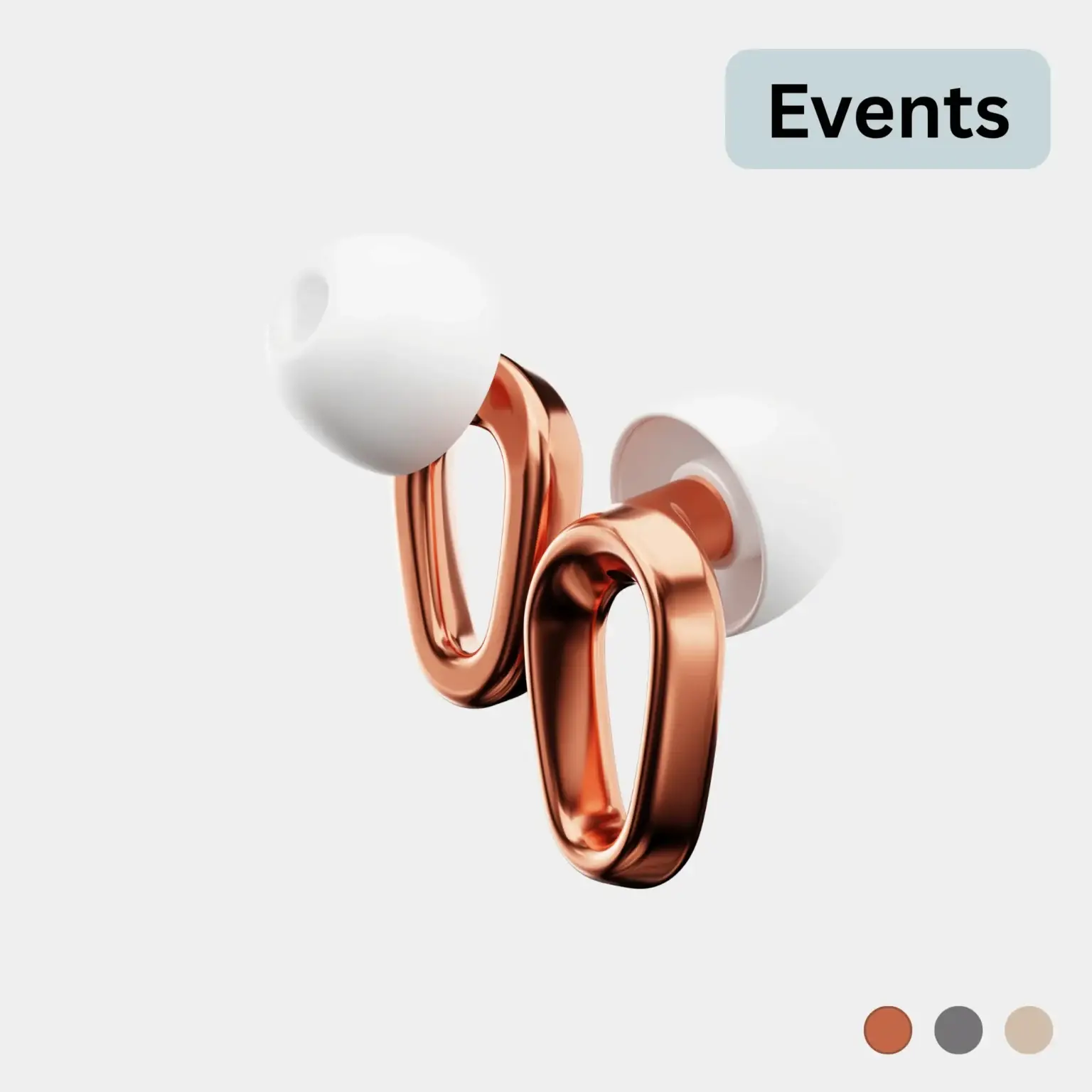
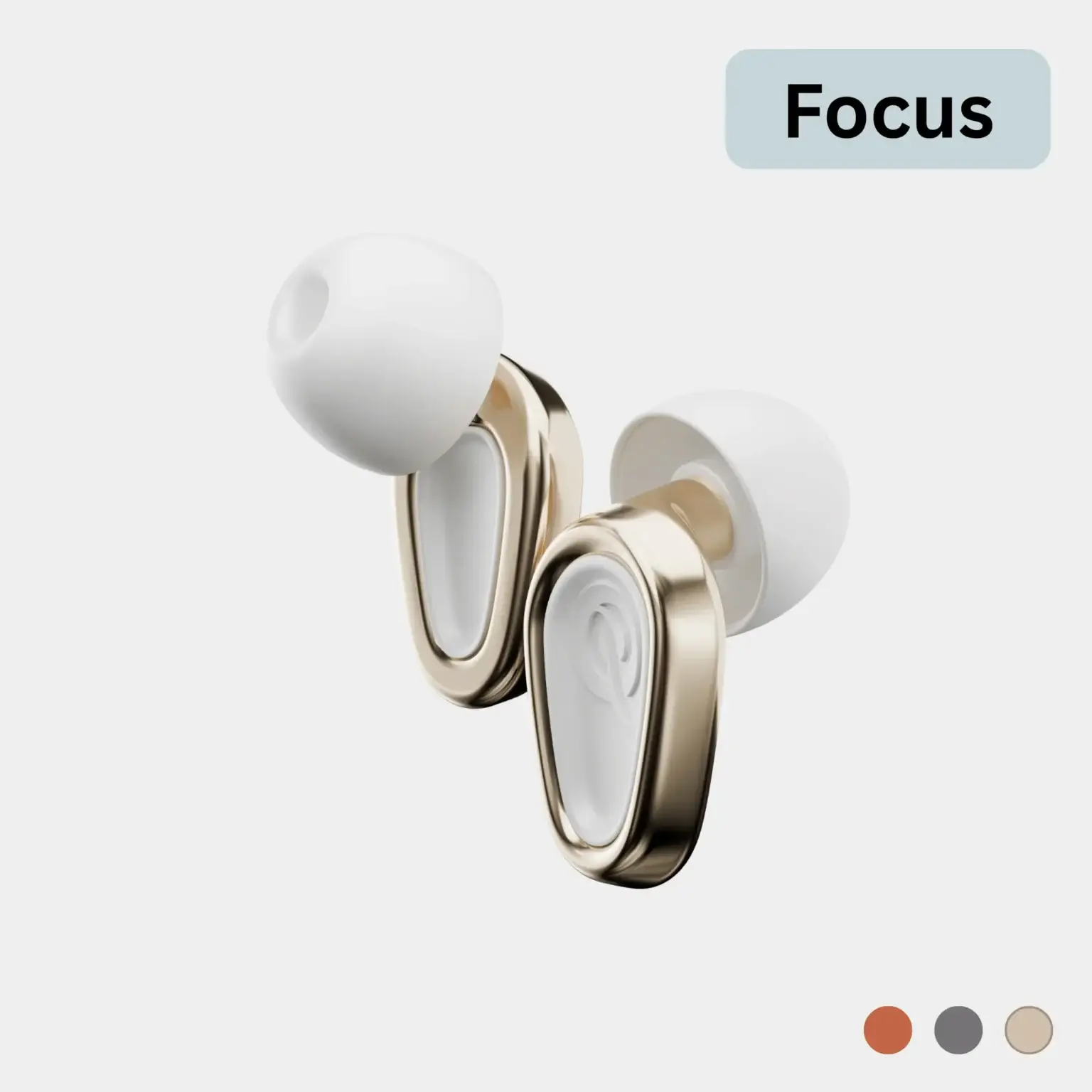
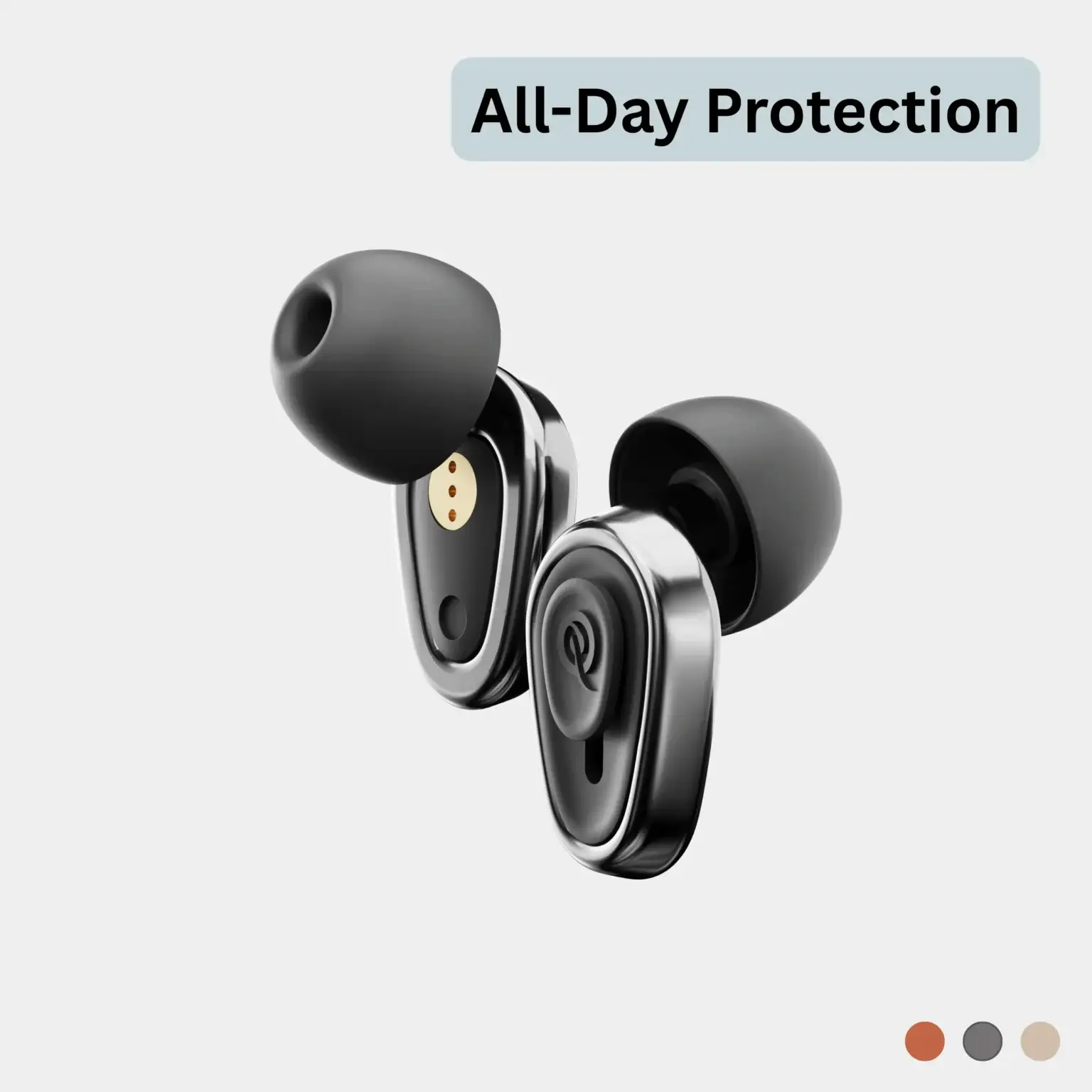
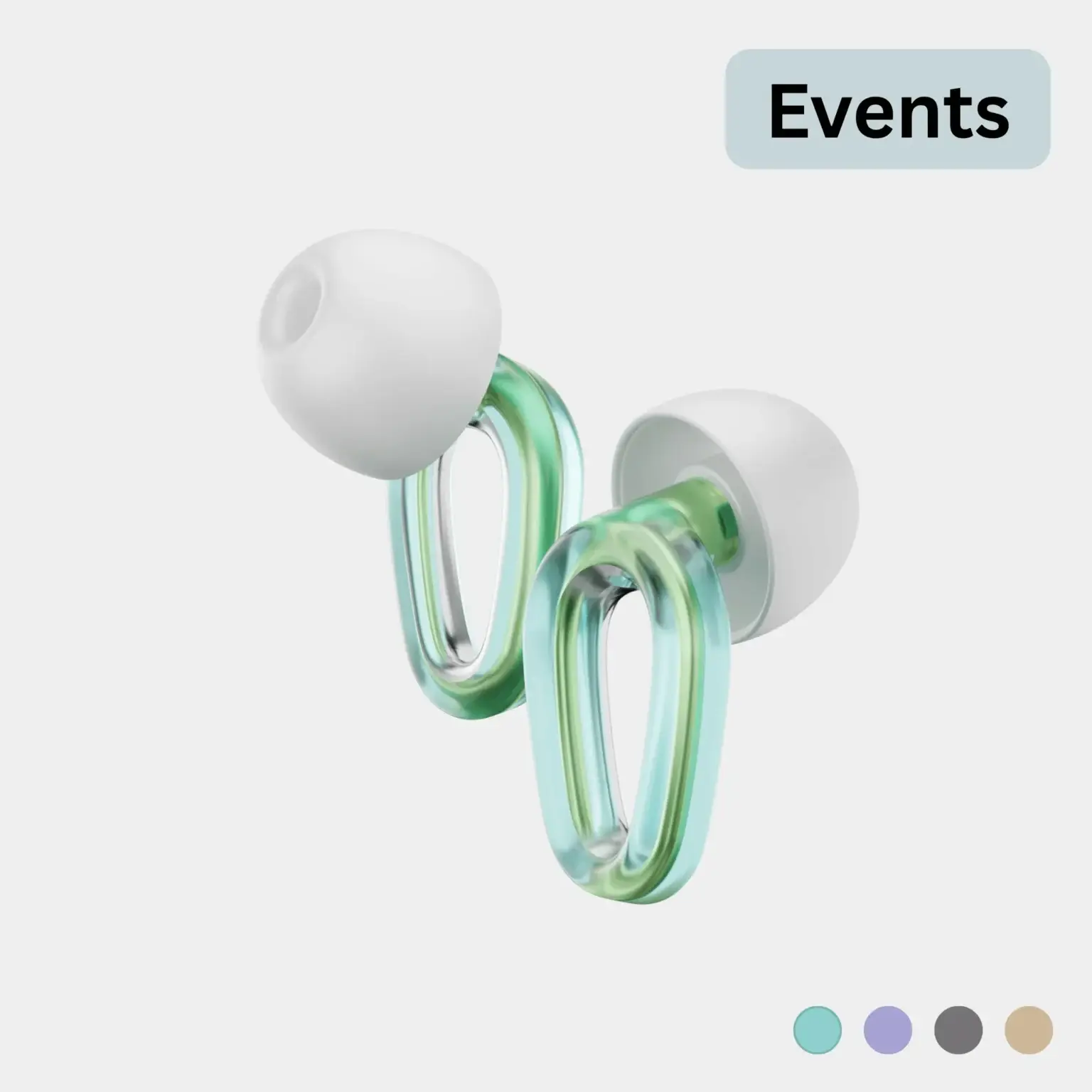
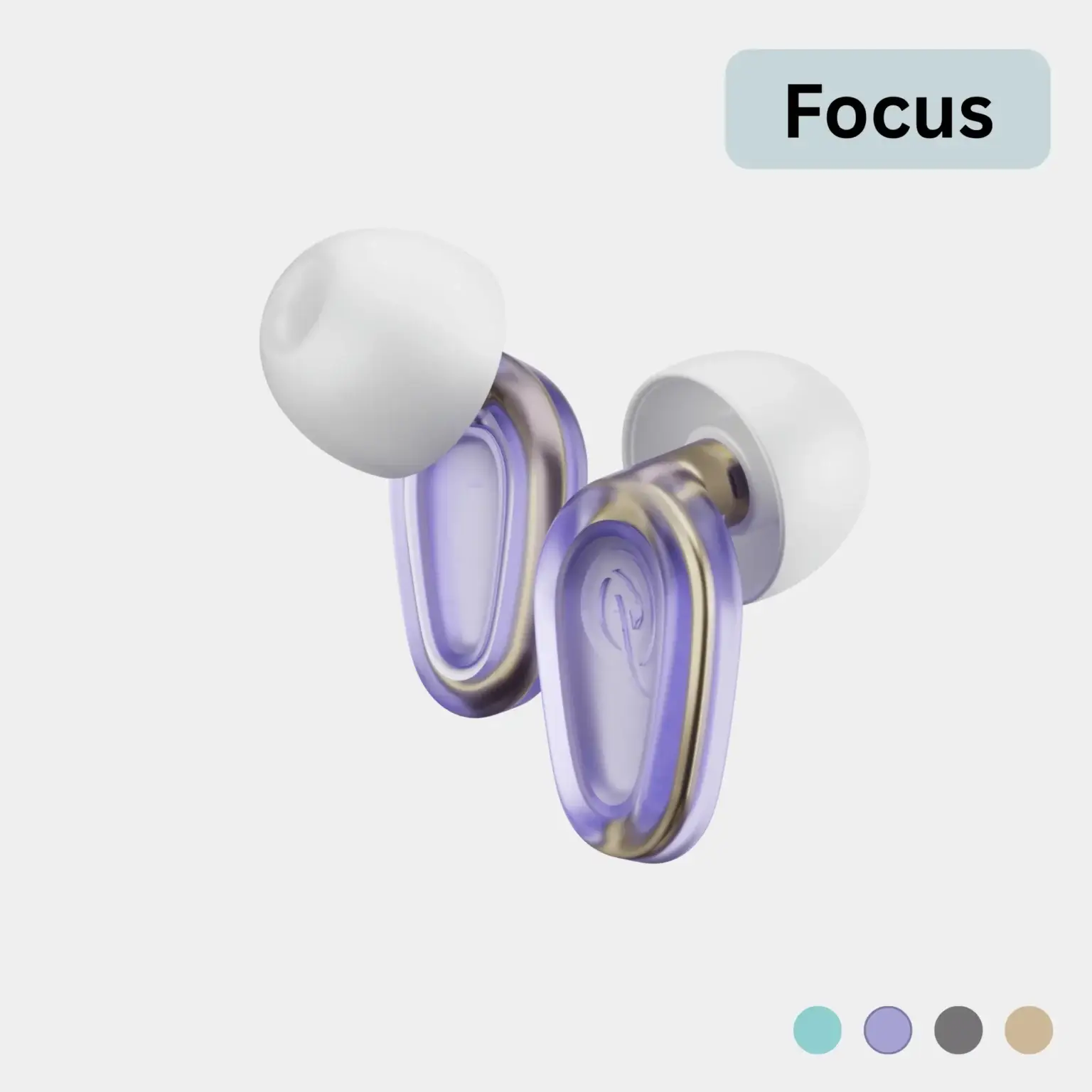
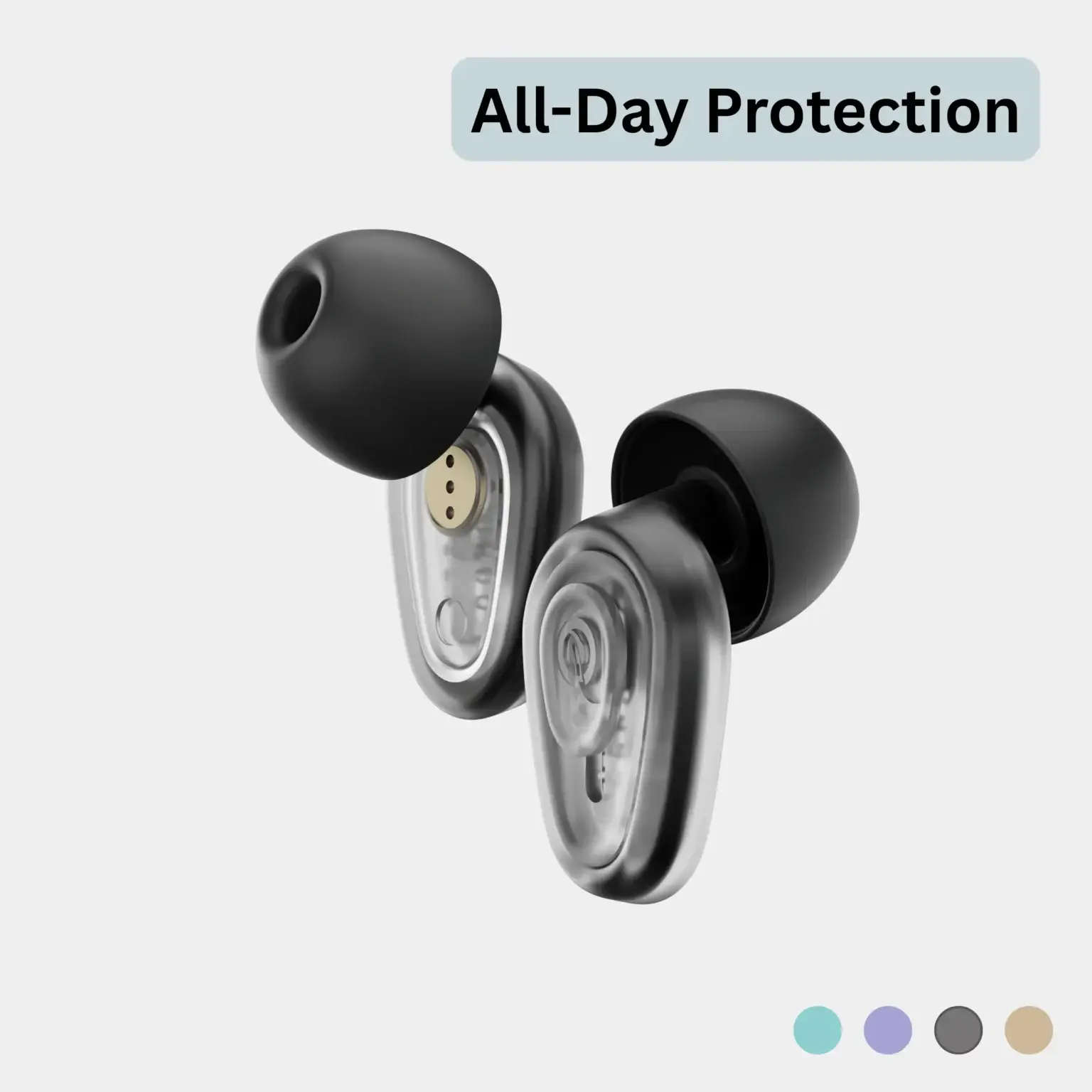
For concerts, reusable filtered earplugs are often the right choice. Unlike basic foam plugs, which can make music sound muffled when they are not fitted well, music-focused earplugs are designed to lower volume more evenly across frequencies. The sound should feel calmer, not flat. You get less harshness and more control, which can make a long set easier to enjoy.
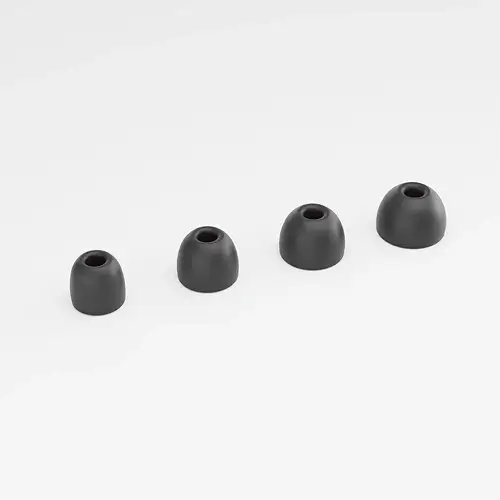
Fit is where protection becomes real. An earplug that is only sitting at the entrance of your ear canal is unlikely to deliver its stated reduction. Try different ear tip sizes before gig night. The right fit feels secure and comfortable, creates a gentle seal, and stays in place when you talk, move or dance.
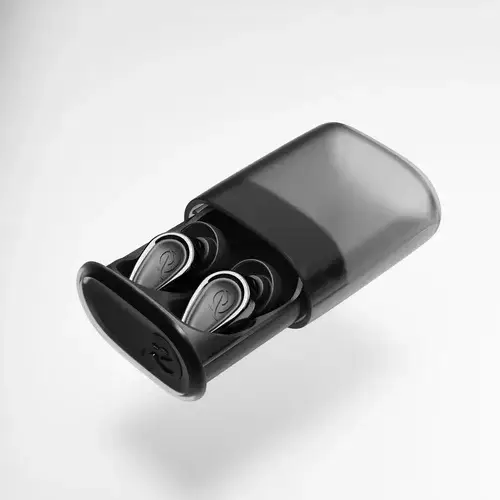
It is worth practising at home. Wear your earplugs while listening to music, watching television or walking along a busy road. You will learn how they feel and how to insert them properly without fumbling in a dark venue. Keep them in a case attached to your keys or bag so protection is never an afterthought.
Look for products with a clearly stated sound reduction rating and relevant certification. In the UK and Europe, you may see an SNR rating, while other products may reference standards such as CE, EN 352 or ANSI. These markings are useful trust signals, but they are not magic numbers. Your actual protection depends on the fit, the environment and how consistently you wear the plugs.
For a low-profile option built for loud real-world environments, Earmuffz Premium earplugs are designed to bring down excessive volume while keeping everyday comfort front and centre.
Choose your position with your ears in mind
Standing by the barrier can be unforgettable. Standing directly beside a speaker stack for two hours is a different decision. A few metres can make a meaningful difference to your exposure, particularly in smaller venues where the sound system is close to the crowd.
When you arrive, take a quick look at the room. Identify the speaker locations and avoid settling directly in front of or beside them. If you want the full atmosphere without the most aggressive volume, aim for a central position further back from the stacks. At outdoor festivals, sound can vary dramatically from one stage area to another, so do not assume open air means low risk.
This is not about hiding at the back. It is about choosing the part of the room that gives you the experience you came for. Earplugs and a smarter position work together. One does not replace the other.
Give your ears short breaks
A quiet break is not a weak move. It is a performance reset. Step into a foyer, outdoor area or genuinely calmer space between acts if you can. Even a few minutes away from high sound levels reduces your total exposure and gives your ears a breather.
Be realistic about where you rest. A bar tucked inside the main room may offer little relief, and a smoking area next to another speaker may be just as loud. Find the quietest practical spot, have some water, and return when you are ready.
Do not turn the journey home into a second show
After a loud gig, the instinct is often to put headphones on for the train, blast music in the car or scroll through clips at full volume. Resist it. Your ears have already worked hard.
Give them a quieter finish. Keep headphone volume low, use noise-reducing headphones if you need to travel in a noisy space, or enjoy the silence for a bit. The same principle applies after festivals and club nights, when exposure can stretch across several hours or multiple days.
Alcohol can also make volume judgement less reliable. You may not notice that a space is too loud, or you may forget your earplugs entirely. Put them in early, carry a spare pair if you are travelling with friends, and make hearing protection part of your getting-ready routine alongside your ticket, ID and phone charger.
When ringing after a concert needs attention
Ringing, hissing or whistling after loud music is often called tinnitus. For some people, it fades after rest. For others, it can persist or become more noticeable in quiet settings. There is no prize for pushing through discomfort.
If your ears feel blocked, sounds seem distorted, you experience pain, dizziness, discharge, or one-sided hearing changes, get professional medical advice promptly. Sudden hearing loss should be treated as urgent. Do not try to fix symptoms with cotton buds, ear candles or random drops.
If you already live with tinnitus or noise sensitivity, concert planning matters even more. You may prefer a quieter venue area, a shorter stay, a seated ticket, or stronger sound reduction. It depends on your own triggers and the type of event. Protecting your hearing is not all-or-nothing. It is about making choices that let you keep enjoying music on your terms.
Build a gig kit you will actually use
The best protection is the protection you have with you. Keep reusable earplugs in a compact case, and make that case part of your regular carry. Put it with your keys, wallet or portable charger. If you go to gigs with friends, normalise it. Offer a spare pair rather than apologising for wearing yours.
A useful concert kit does not need to be complicated. Earplugs, a secure case, water, and a plan for where you will stand are enough. For festivals, add a backup pair and keep them somewhere dry and easy to reach. Do not bury them at the bottom of a bag beneath a jacket, glitter and yesterday’s receipts.
Great live music should leave you with a voice gone from singing, photos you may or may not post, and a setlist you cannot stop replaying. Make sure your hearing is ready for the next one.