




That high-pitched whine after a loud gig. The hiss that appears when the house finally goes quiet. Tinnitus can make everyday sound feel unpredictable, but effective tinnitus coping strategies are not about chasing perfect silence. They are about reducing the things that turn the volume up, building routines that settle your nervous system, and keeping control of your environment.
For some people, tinnitus is occasional and fades into the background. For others, it can affect concentration, sleep, mood and confidence in busy places. The right approach depends on what triggers your symptoms, how long they have been present and whether hearing changes are involved. What helps is consistency, not a single quick fix.
Start with your sound environment
A common instinct is to make everything completely quiet. It makes sense, but total silence often gives tinnitus centre stage. When there is no external sound competing for your attention, the ringing, buzzing or humming can feel sharper.
Try adding gentle, neutral background sound at the times tinnitus is most noticeable. A fan, rainfall recording, low-level radio speech, calm music or a sound machine can make the contrast less stark. The goal is not to drown tinnitus out at full volume. It is to give your brain something else to process, at a level that still feels comfortable.
This matters most at bedtime and during focused work. If an open-plan office, train carriage or busy home leaves you overstimulated, choose a quieter setting where possible, then add controlled background sound rather than sitting in silence. You are creating a steadier soundscape, not fighting noise with more noise.
Protect your hearing without overprotecting it
Noise exposure is one of the clearest factors you can control. Loud concerts, clubs, motorsport, power tools, motorcycles and machinery can aggravate tinnitus temporarily or contribute to hearing damage over time. In these settings, properly fitting hearing protection is a smart performance choice.
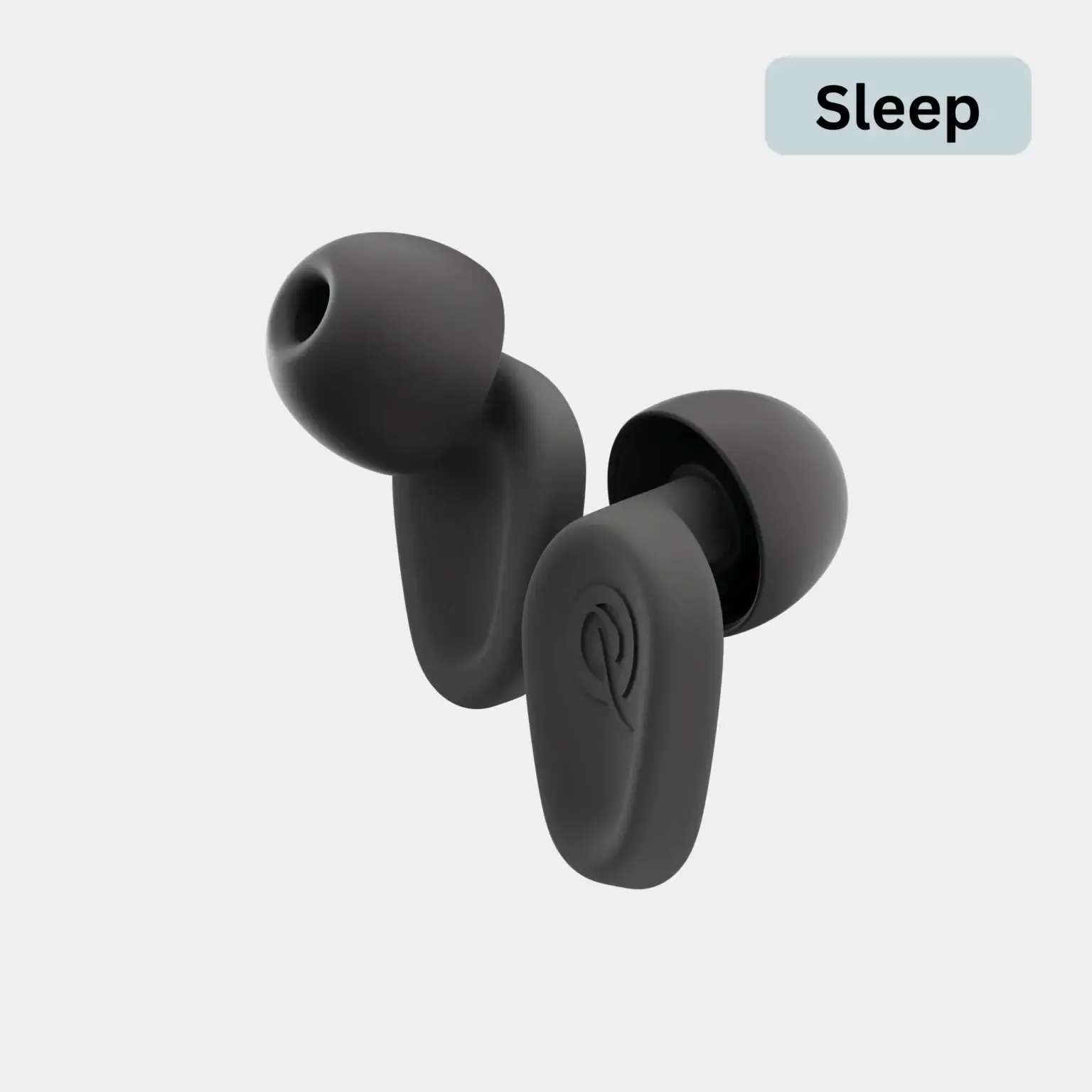
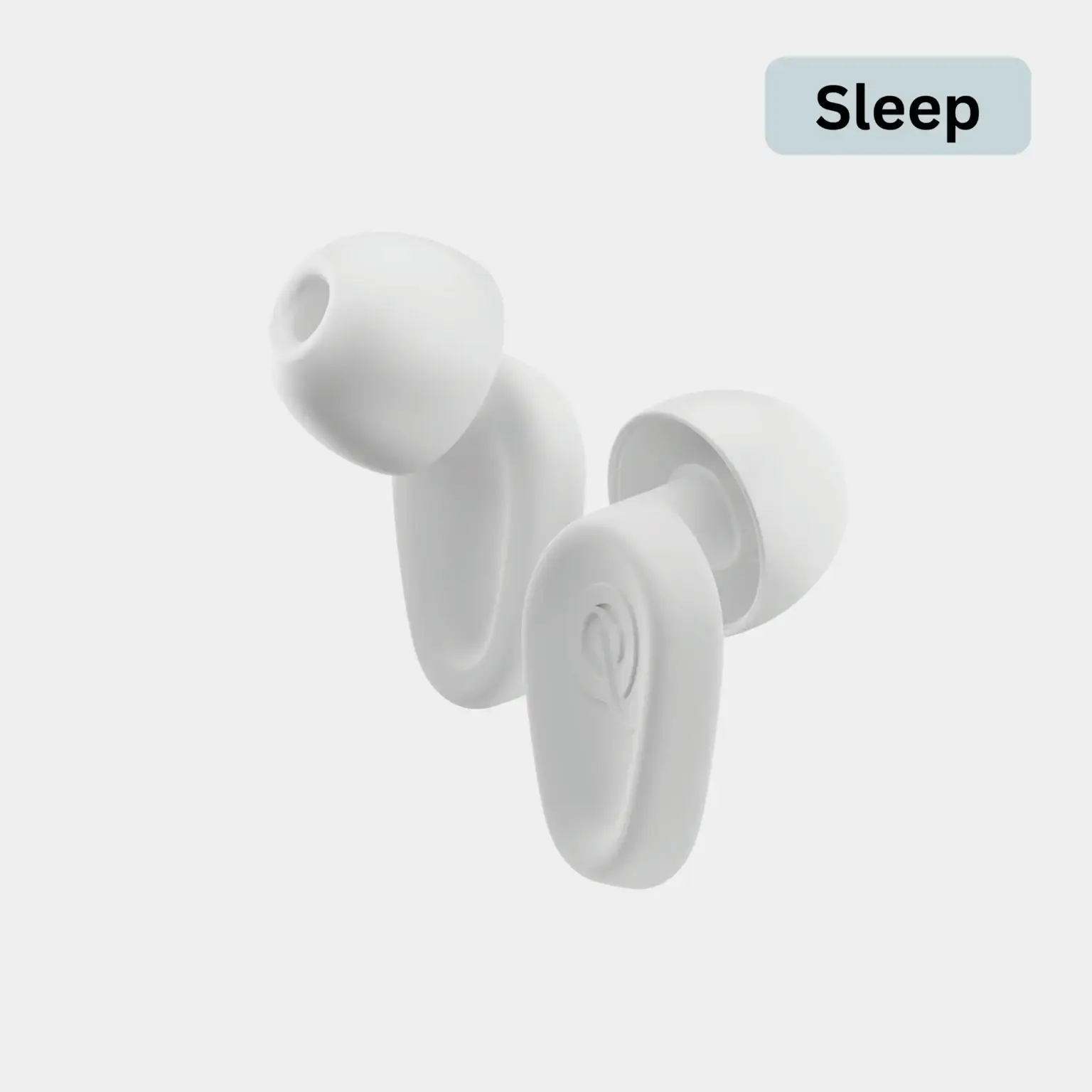
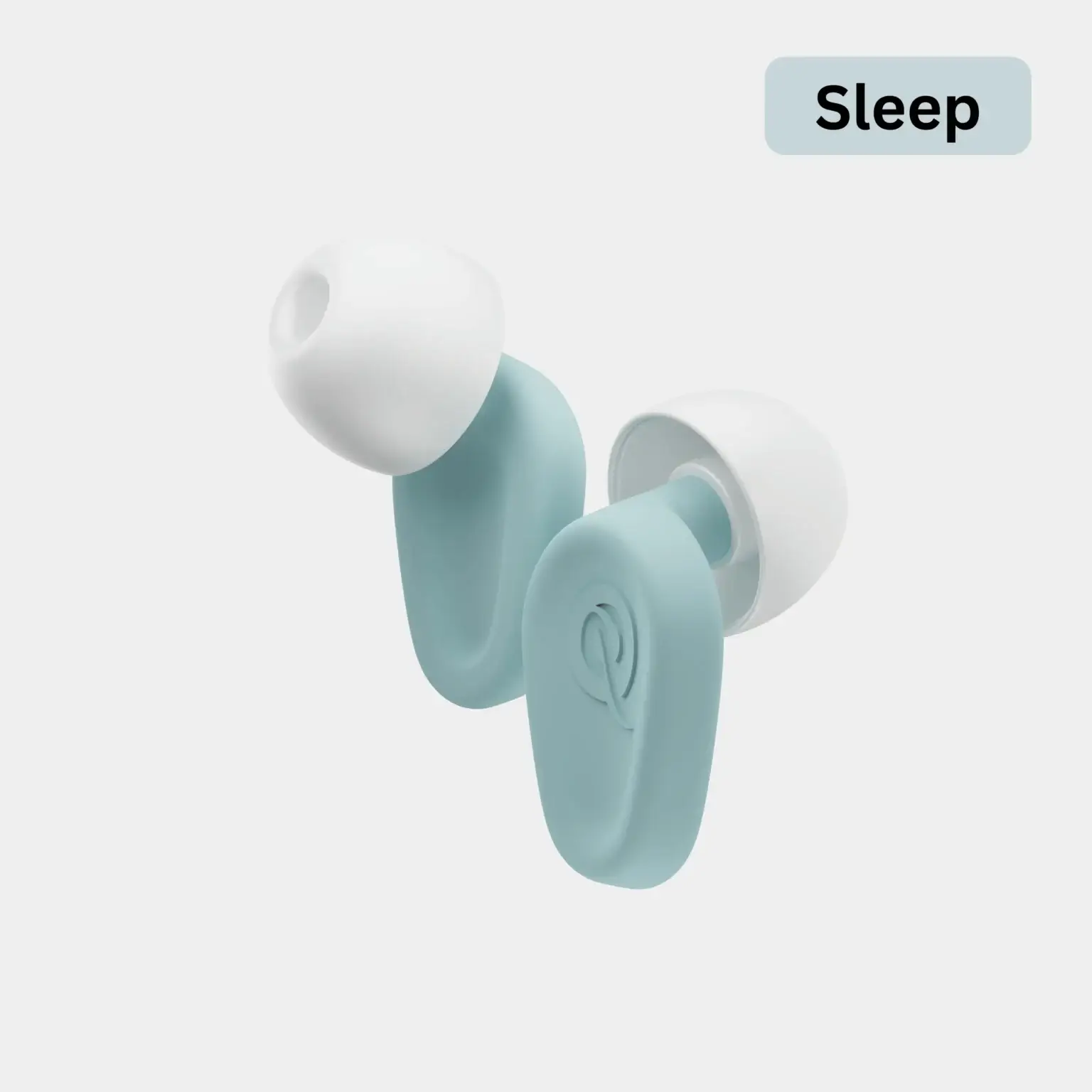
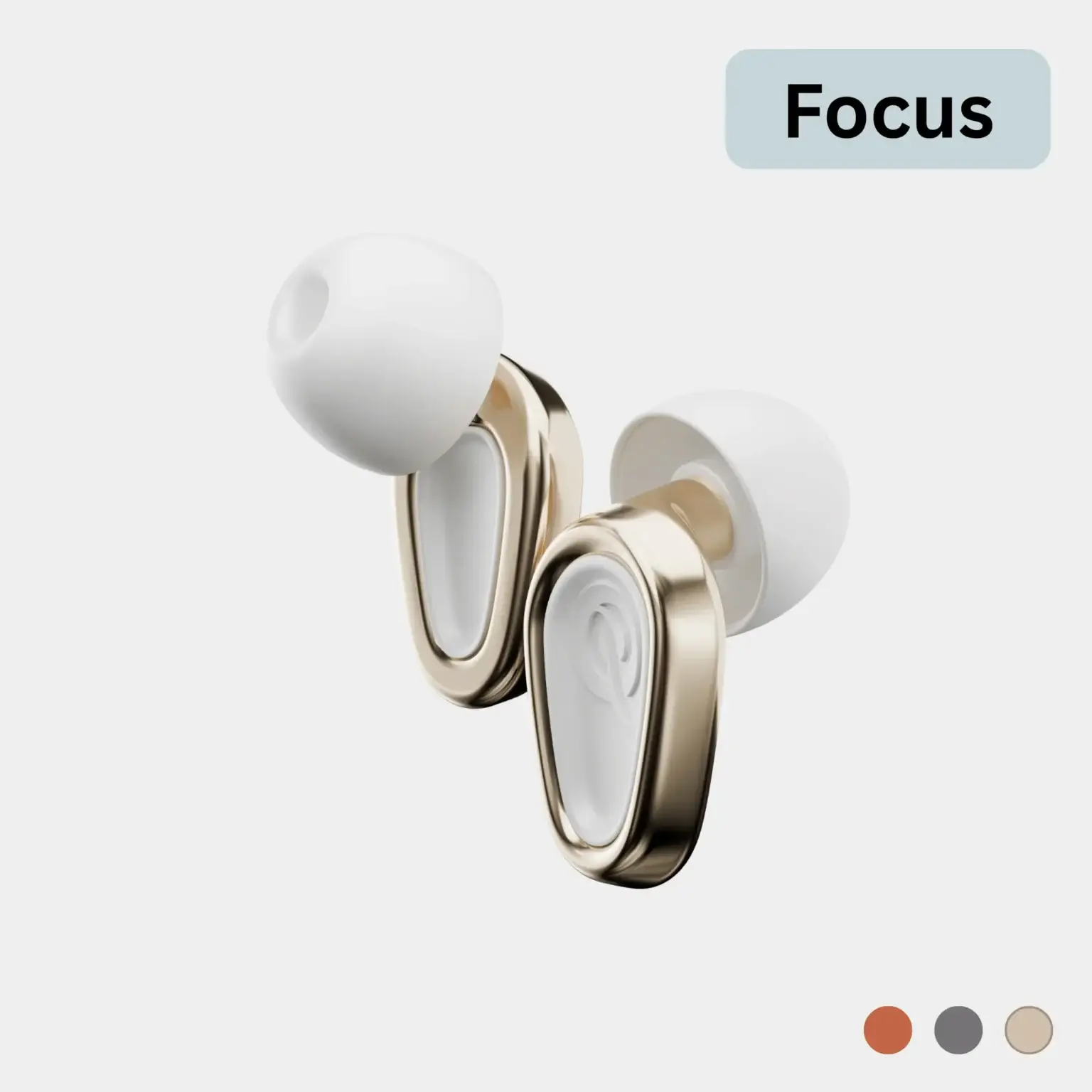
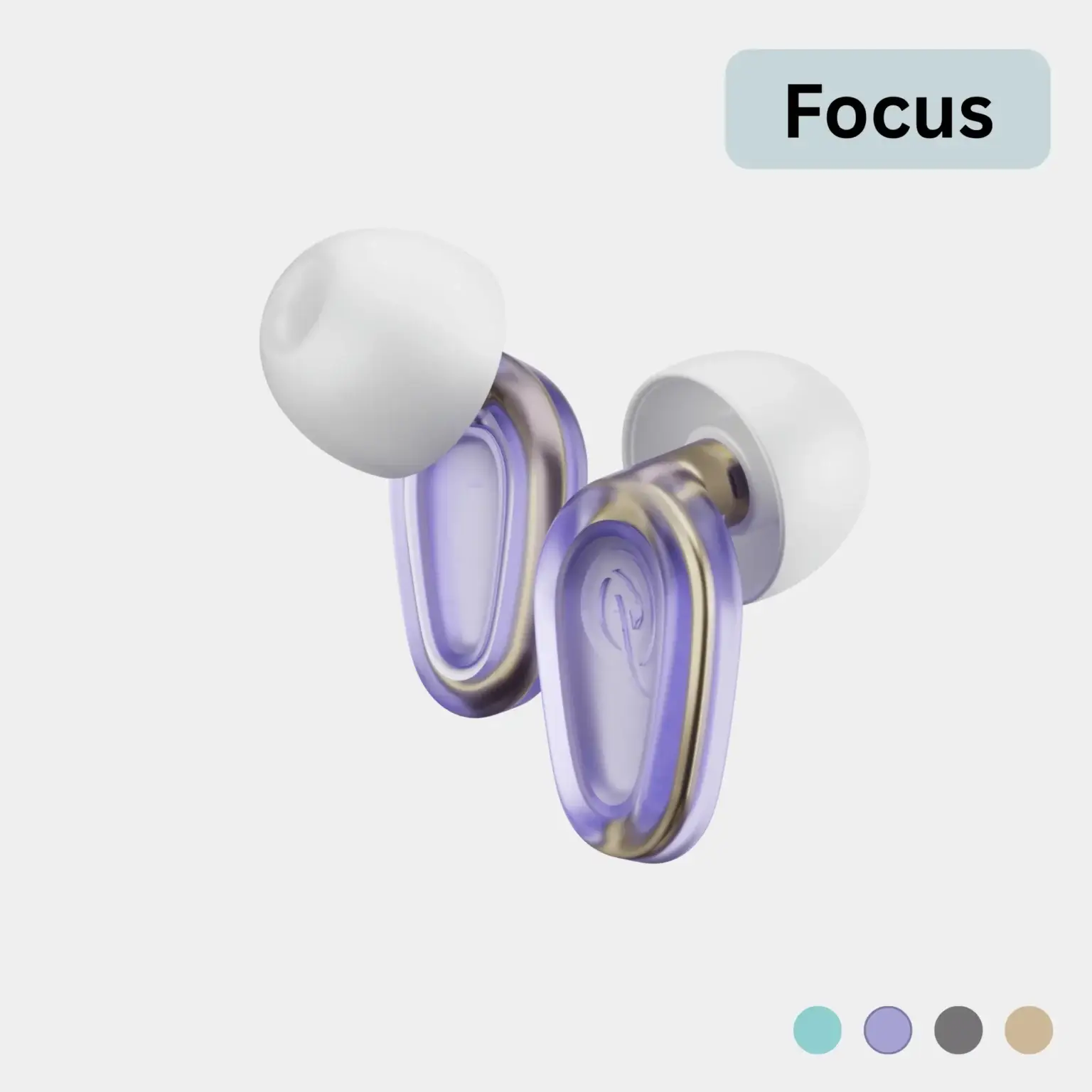
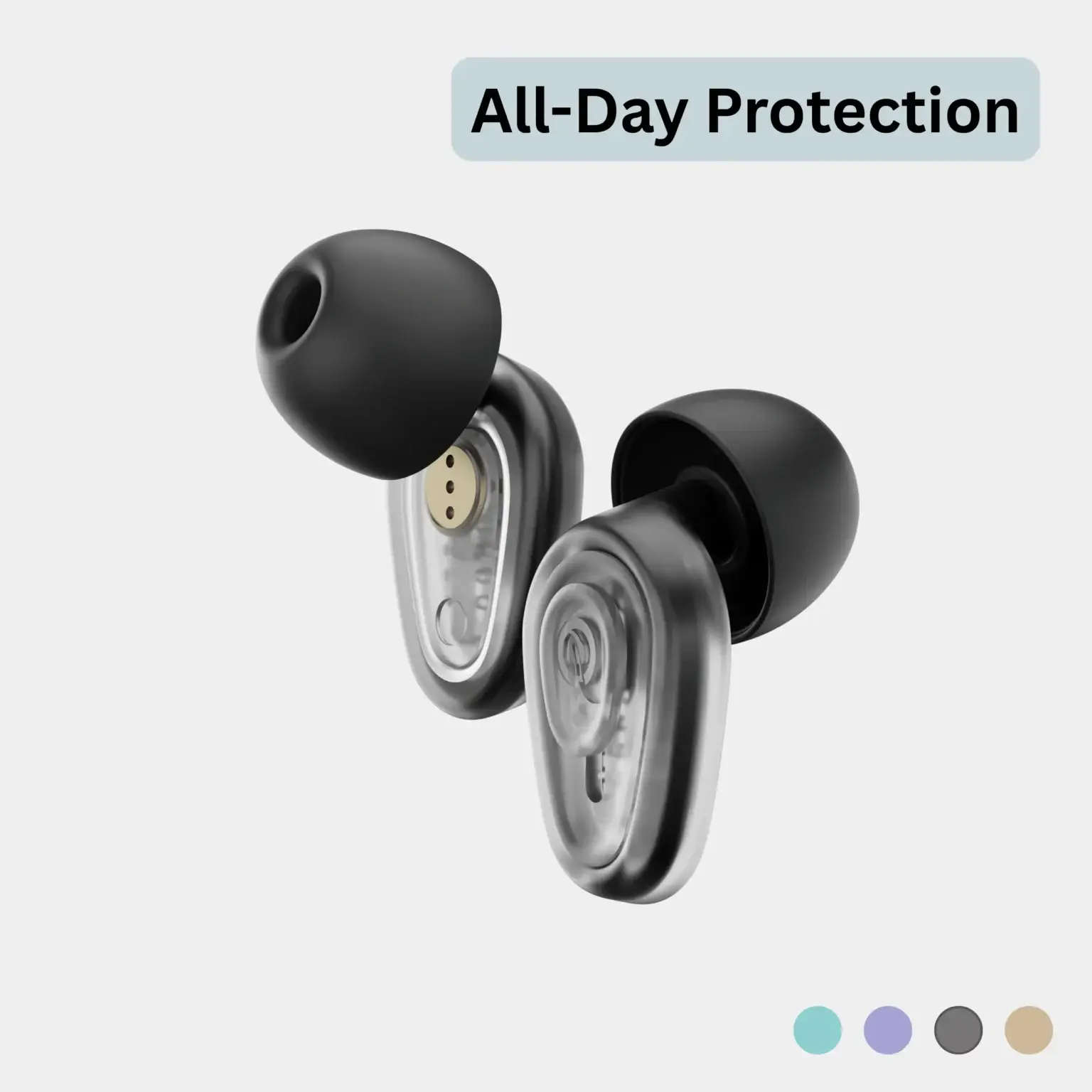
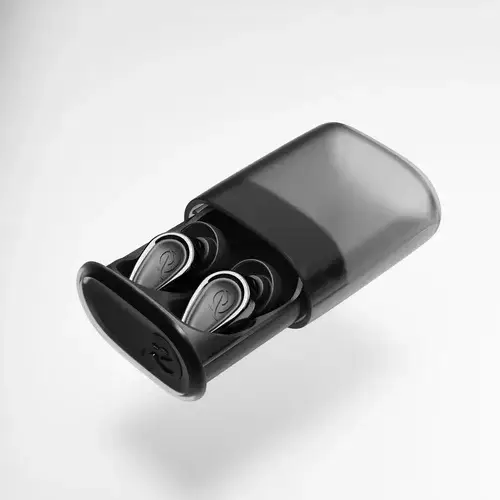
Reusable earplugs can reduce the intensity of sound while helping you stay present in the moment. At a gig, that means less punishing volume without having to leave early. On a commute or during a noisy workout class, it can mean less sensory fatigue. Earmuffz earplugs are designed for this kind of practical, low-profile volume control across everyday environments.
There is a trade-off to understand. Wearing earplugs constantly in ordinary, safe sound environments can make some people more aware of internal sounds, including tinnitus. Use protection for genuinely loud or draining situations, then give yourself periods of normal sound exposure when it is safe to do so. If you are unsure what level of protection suits your work or hobbies, speak to an audiologist or occupational health professional.
Reduce the stress-tinnitus loop
Tinnitus is real sound perception, not something you are imagining. Stress does not necessarily cause it, but stress can make it harder for the brain to filter out. Then poor sleep and frustration raise stress further. That loop is where small daily actions can make a meaningful difference.
Start by noticing your pattern. Does tinnitus feel louder after a deadline, a poor night, too much caffeine, alcohol, a long drive or a noisy social event? A simple note on your mobile phone for two weeks can reveal useful triggers without turning your symptoms into a full-time project.
When the sound grabs your attention, use a short reset. Slow breathing is a practical option: breathe in comfortably, then make the out-breath slightly longer. Relax your jaw, lower your shoulders and place both feet on the floor. These actions do not erase tinnitus, but they signal safety to a nervous system that may be treating the sound as an alarm.
Regular movement helps, too. A walk, cycle, gym session or yoga class can reduce tension and support sleep. Keep audio volumes sensible when exercising with headphones. If people nearby can hear your music, or you cannot hear someone speaking close to you, turn it down.
Build a sleep plan that does not revolve around tinnitus
Night-time is often the toughest window. Fewer distractions, a quiet bedroom and tiredness can make tinnitus feel bigger than it did all day. A reliable wind-down routine gives your brain other cues to follow.
Keep the room comfortably dark and cool, and use soft background sound if silence makes symptoms intrusive. Avoid checking the clock repeatedly. It creates pressure, and pressure rarely improves sleep. If you are awake for a long time, get up briefly and do something calm in low light, then return to bed when you feel sleepier.
Caffeine affects people differently, so there is no universal ban. Instead, test whether moving coffee or tea earlier in the day changes your sleep or tinnitus awareness. The same applies to alcohol. It may feel relaxing initially but can disrupt sleep later in the night for some people.
If tinnitus is regularly stopping you from sleeping, do not simply push through. A GP, audiologist or hearing specialist can help assess the wider picture and discuss options such as sound therapy, sleep support or tinnitus-focused cognitive behavioural therapy.
Shift attention, not your whole life
The more often you scan for tinnitus, the more urgent it can feel. This is not a failure of willpower. It is how attention works. Your brain gives priority to signals it believes matter.
Give it a competing task. During work, try a focused 25-minute block with neutral background sound. During a flare-up at home, cook something, call a friend, take a walk or concentrate on a hands-on task. Choose activities that absorb enough attention without adding more noise stress.
It is also worth protecting your social life. You do not have to avoid restaurants, events or family gatherings because the environment might be loud. Choose a quieter table, take a short break outside, arrive before the venue gets busy and use hearing protection where appropriate. Control is often found in the plan, not in opting out.
Be cautious with quick-fix claims
Tinnitus can be linked with hearing loss, earwax build-up, jaw tension, certain medicines, infection, stress and other health factors. That is why broad promises to cure it with a supplement, gadget or one unusual trick deserve caution. If a claim sounds absolute, treat it as a warning sign.
A hearing check is useful even if you think your hearing is fine. Subtle changes can affect how the brain processes sound, and a professional assessment can identify issues worth addressing. If you clench your jaw, have facial pain or notice tinnitus changes when moving your jaw or neck, mention that too. Dental or musculoskeletal support may be relevant for some people.
When to get medical advice promptly
Arrange medical advice if tinnitus is new, persistent, worsening or affecting daily life. Seek urgent assessment if it starts suddenly with hearing loss, follows a head injury, occurs in one ear only, beats in time with your pulse, or comes with dizziness, weakness, facial drooping or severe ear pain. These patterns need proper assessment rather than self-management alone.
Also review any medication concerns with a clinician or pharmacist. Do not stop prescribed medicine without professional advice, even if you suspect it is affecting your ears.
Make your plan small enough to keep
The strongest tinnitus coping strategies fit into real life. Pick one action for your sound environment, one for stress and one for sleep. Perhaps that is carrying earplugs for loud events, using a fan at night and taking a ten-minute walk after work. Track what changes for a few weeks, then adjust.
Tinnitus may not disappear on command, but it does not have to run the day. Protect your hearing when the environment demands it, keep normal life moving, and give your brain calmer signals to follow. Every practical choice is a way to take back a little more control.