
Earplugs for Live Music Sound Quality
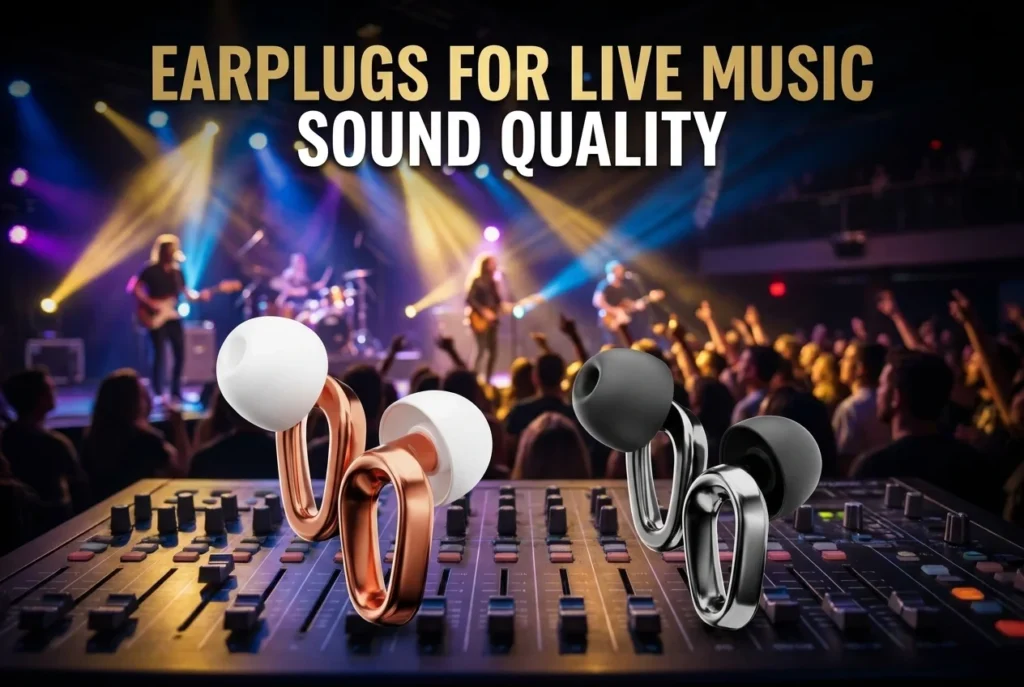
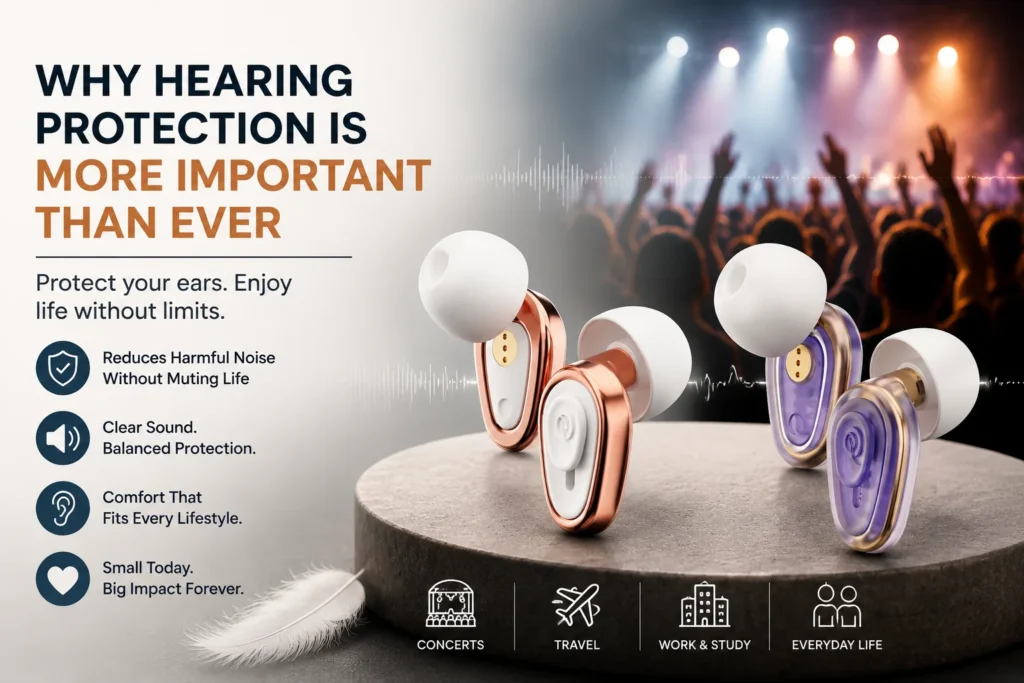
The first sign your concert earplugs are wrong is simple: the vocals disappear, the cymbals turn harsh, and the whole set feels like it’s happening behind a wall. Good earplugs for live music should improve sound quality. They should lower the volume, not flatten the experience.
That’s the real goal at a show. Keep the energy. Cut the overload. Hear the music the way it was meant to hit – cleaner, safer, and with less fatigue by the encore.
Why earplugs for live music sound quality matter
Live music is loud, but loud is not the same as better. At higher volumes, your ears get stressed fast. Once that happens, detail drops off. The kick can start swallowing the bass line. Guitars blur together. The top end gets sharp instead of exciting. You’re still hearing the band, but not well.
This is where quality earplugs change the game. Instead of blocking sound crudely, they reduce volume more evenly across frequencies. That matters because music is built on balance. If an earplug cuts too much treble or muddies the mids, the sound gets dull and lifeless. If it preserves more of the full range, you get better clarity and less punishment.
For regular concertgoers, this is more than a comfort issue. Hearing fatigue is real. So is ringing after a set. If you leave every venue with your ears feeling blown out, your hearing is taking the hit. Smart protection lets you keep going to shows without paying for it later.
What makes concert earplugs sound better
Not all earplugs are built for music. Foam plugs are cheap and useful in some situations, but they usually cut high frequencies harder than lows. That uneven reduction is why music can sound muffled with basic plugs. They lower the noise, but they often take the life out of the performance.
Music-focused earplugs aim for a more balanced filter. The best ones reduce intensity while keeping vocals, instruments, and spatial detail more intact. You still hear the room. You still catch the mix. You just lose the punishing edge.
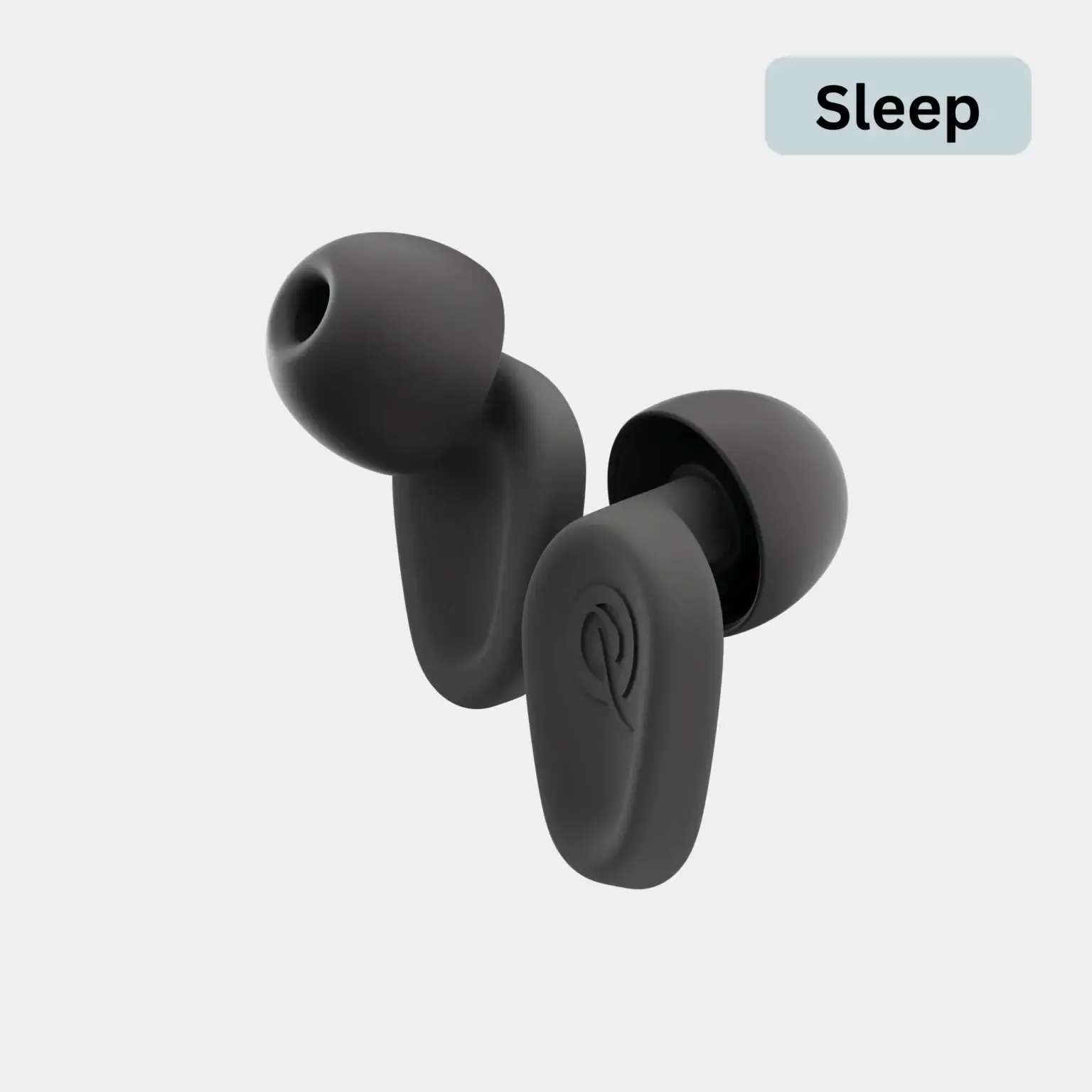
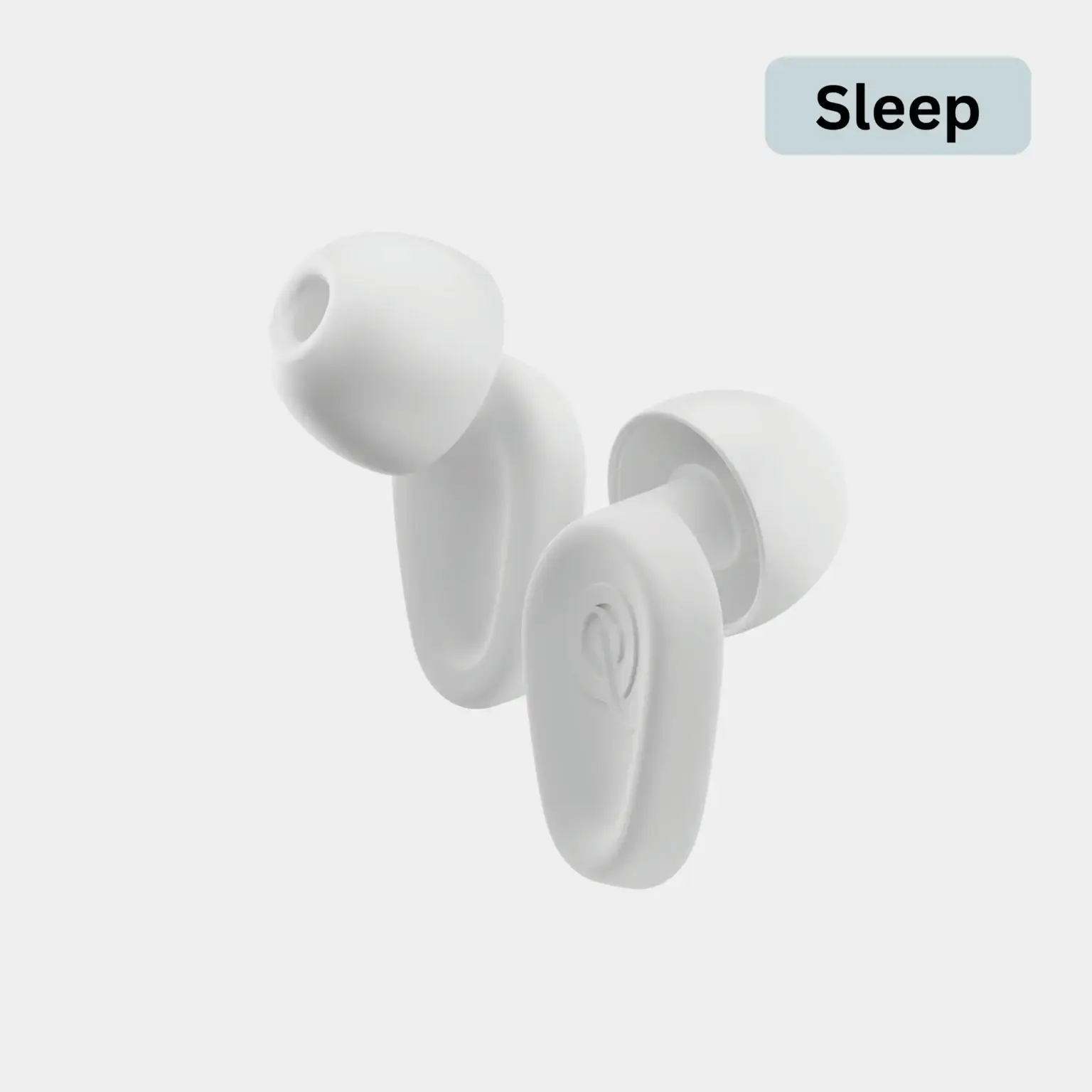
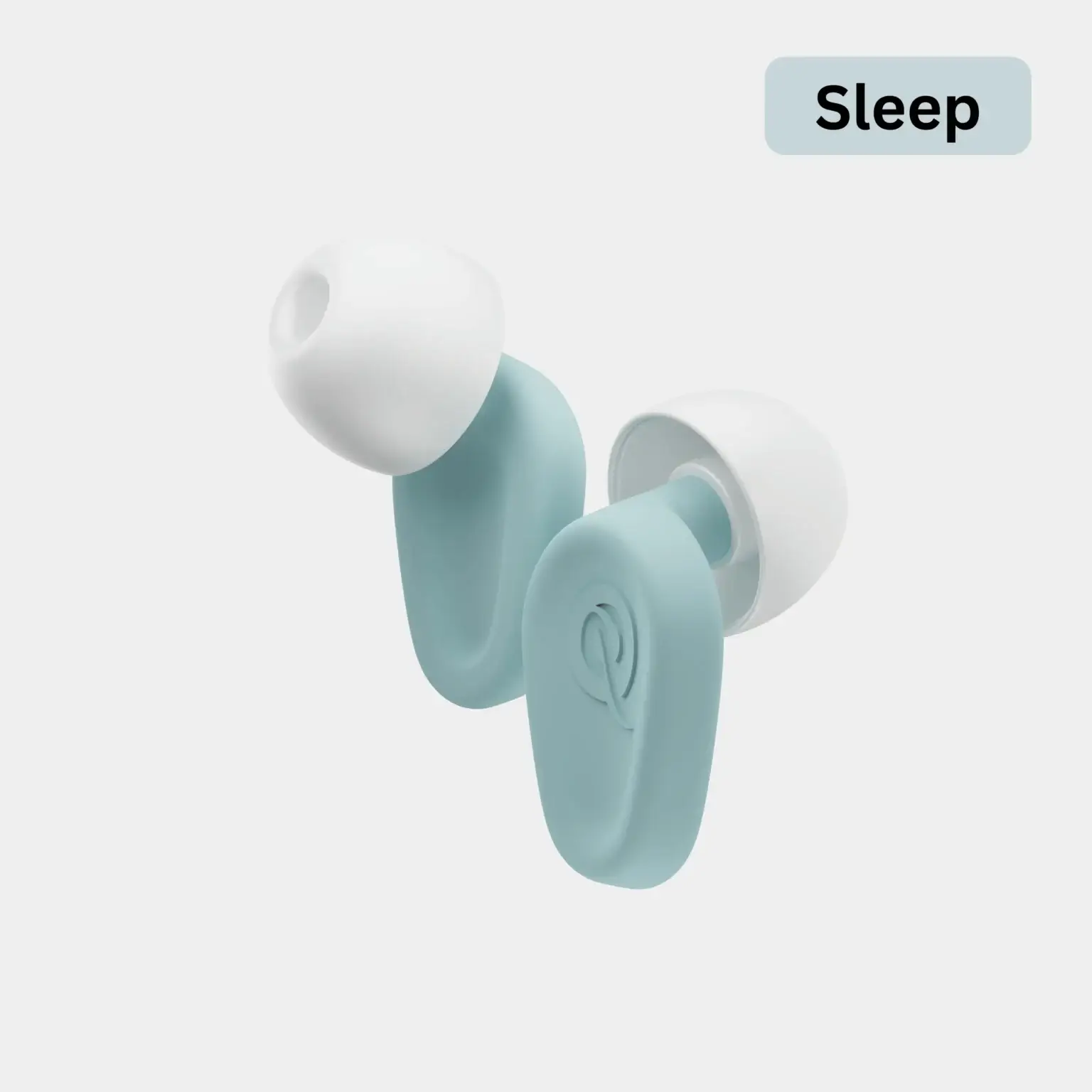
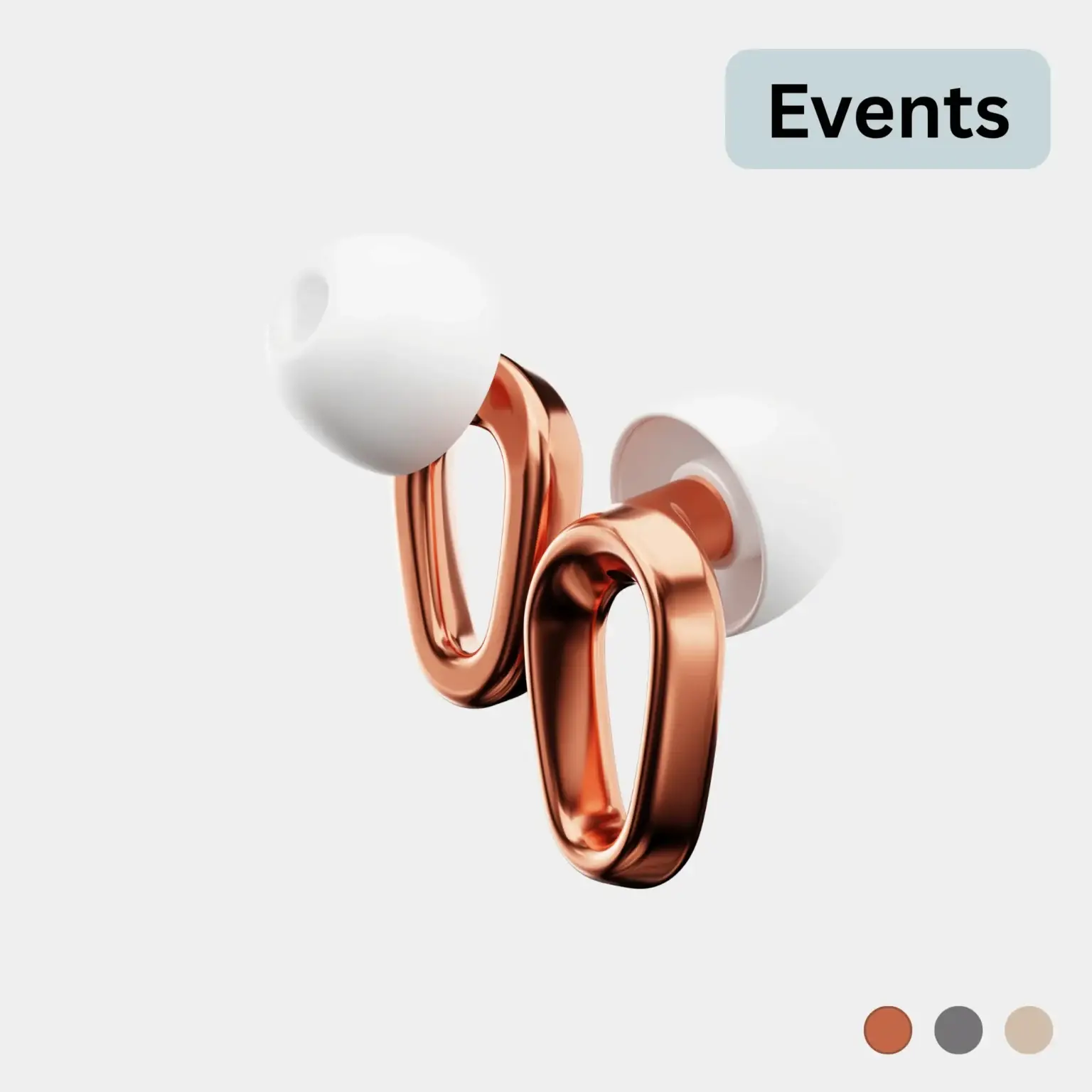
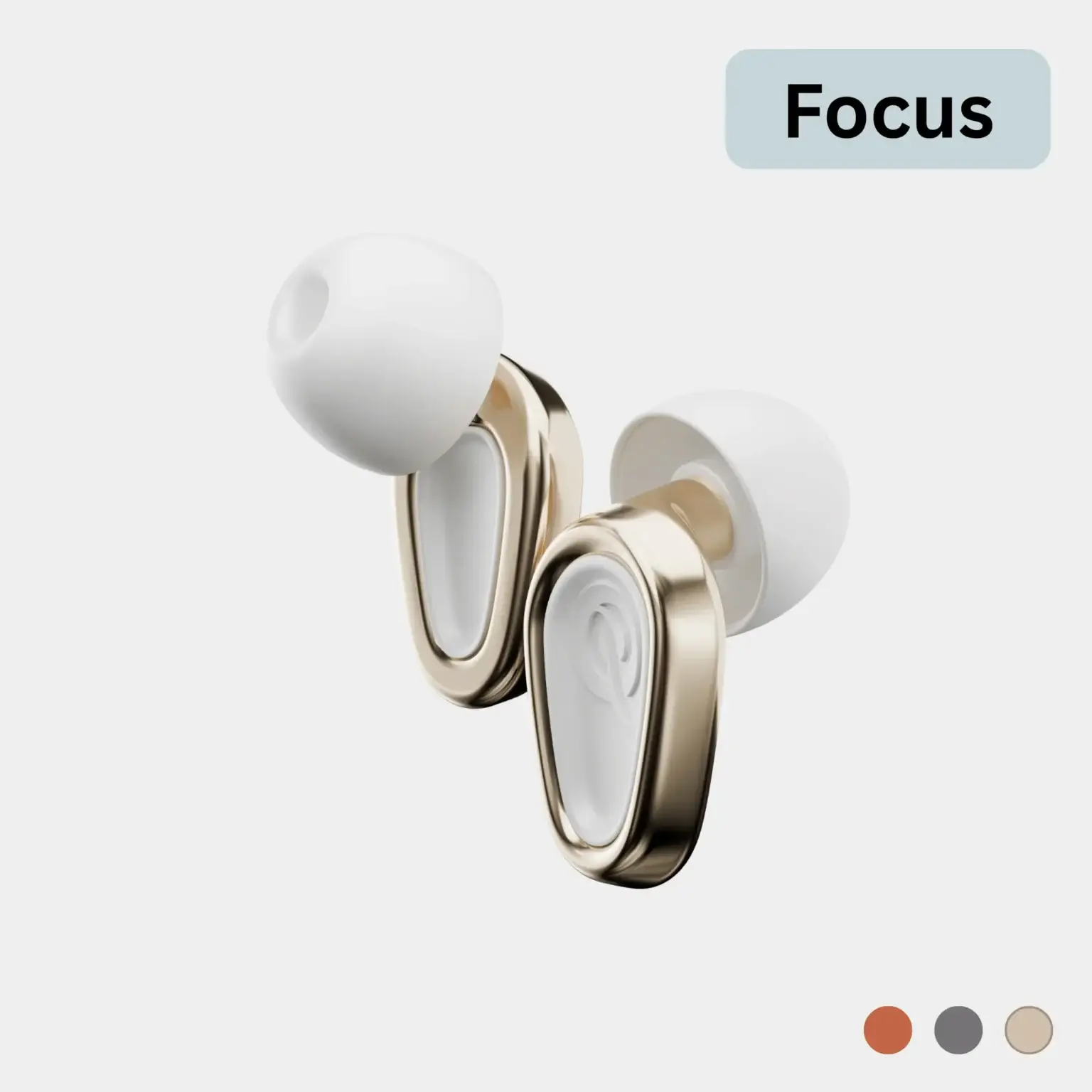
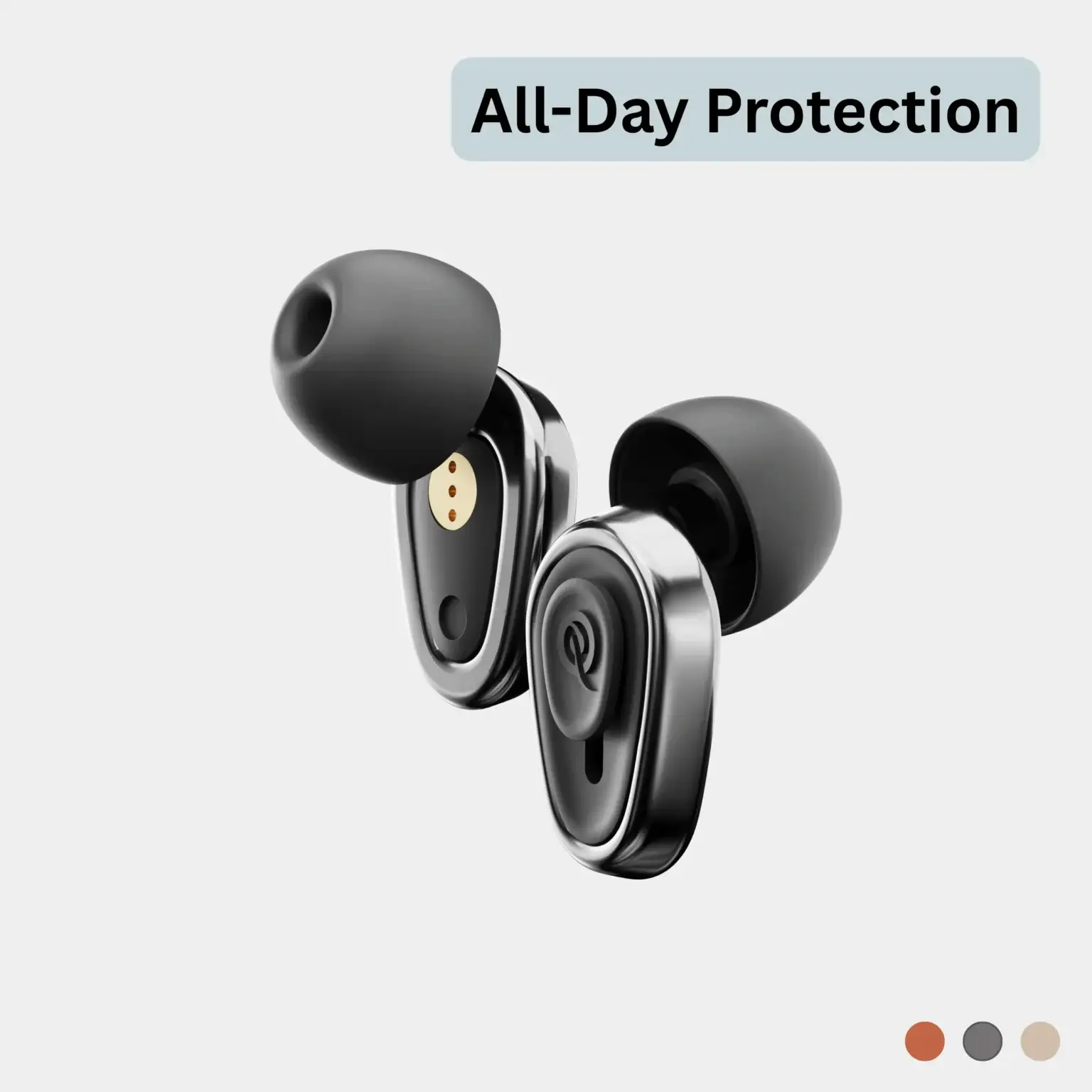
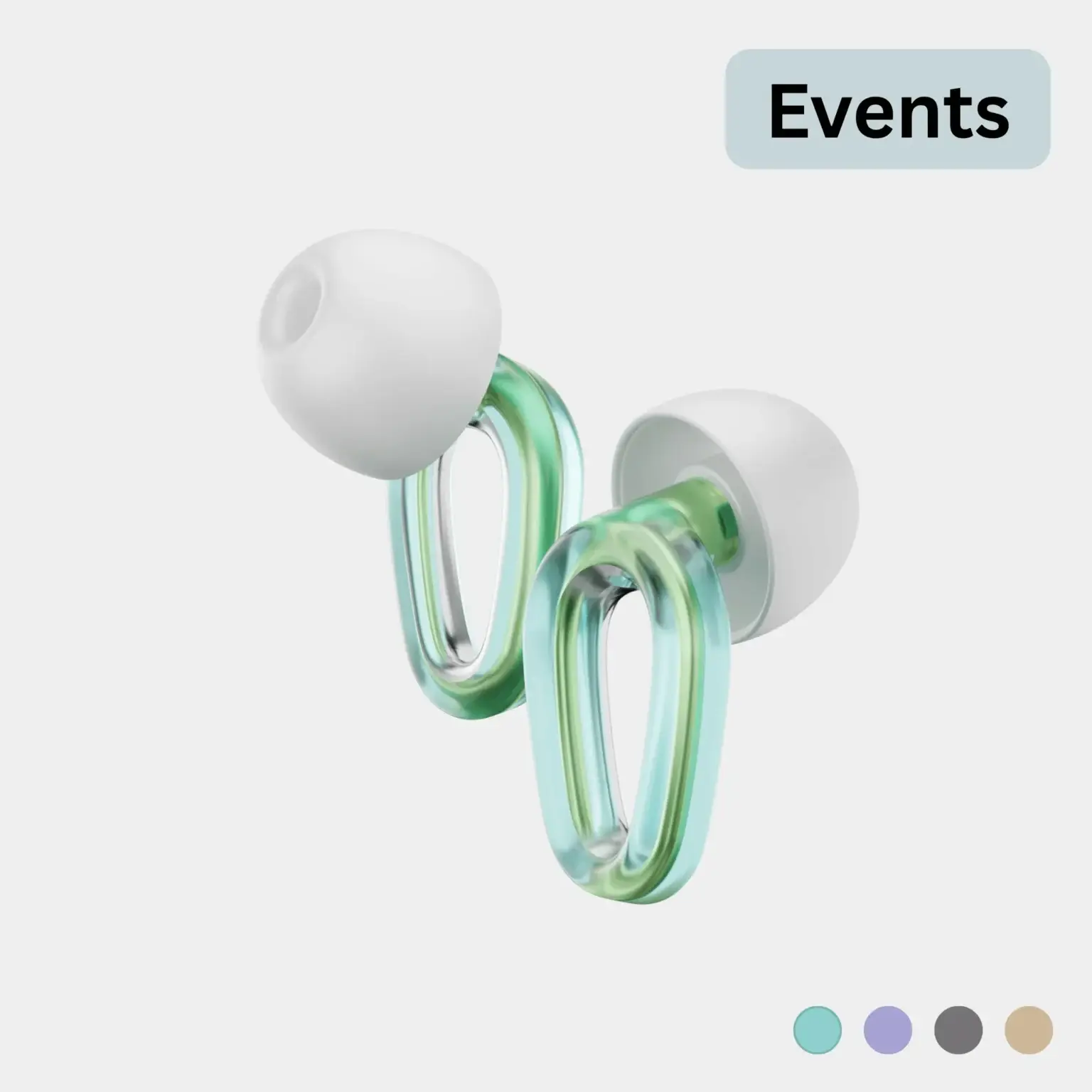
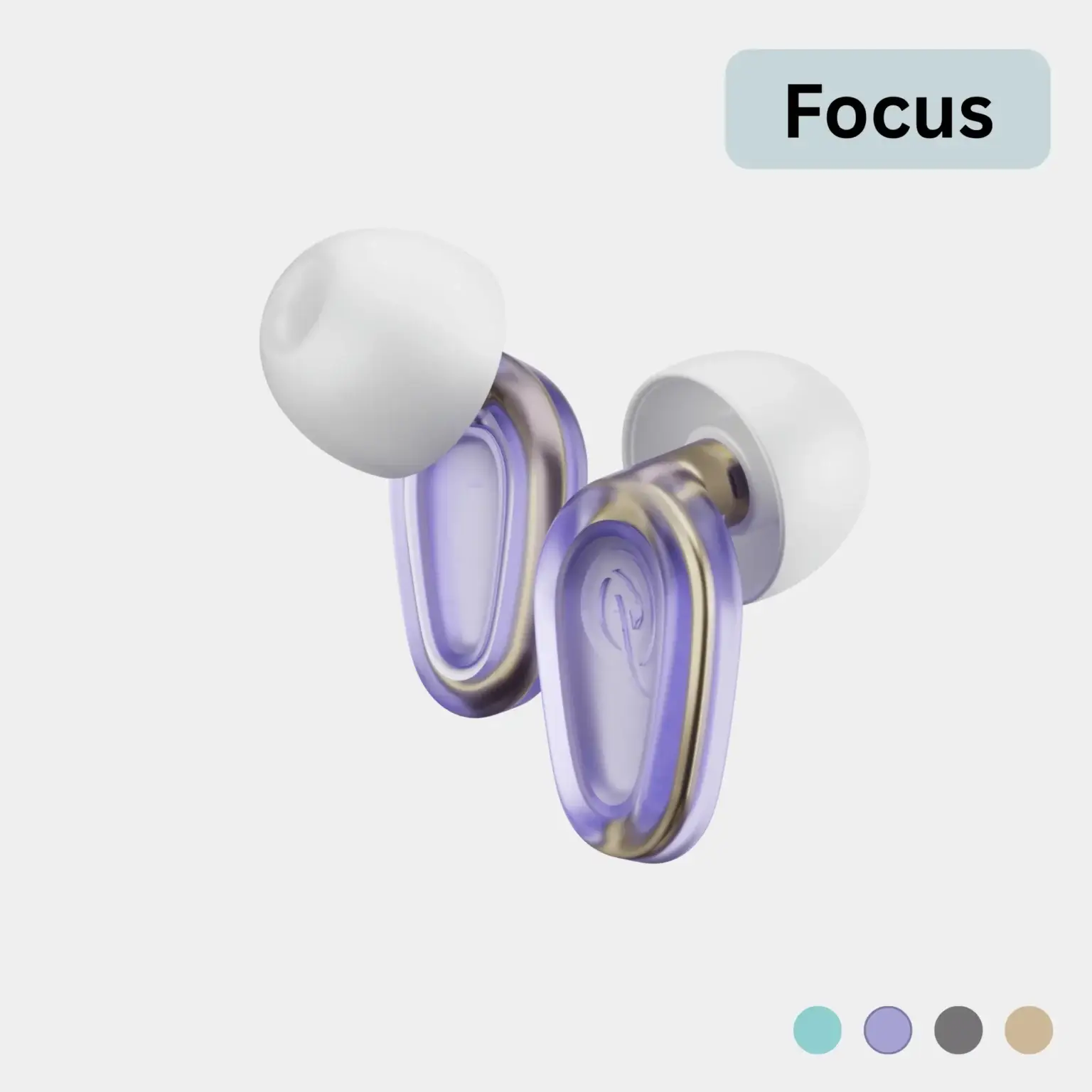
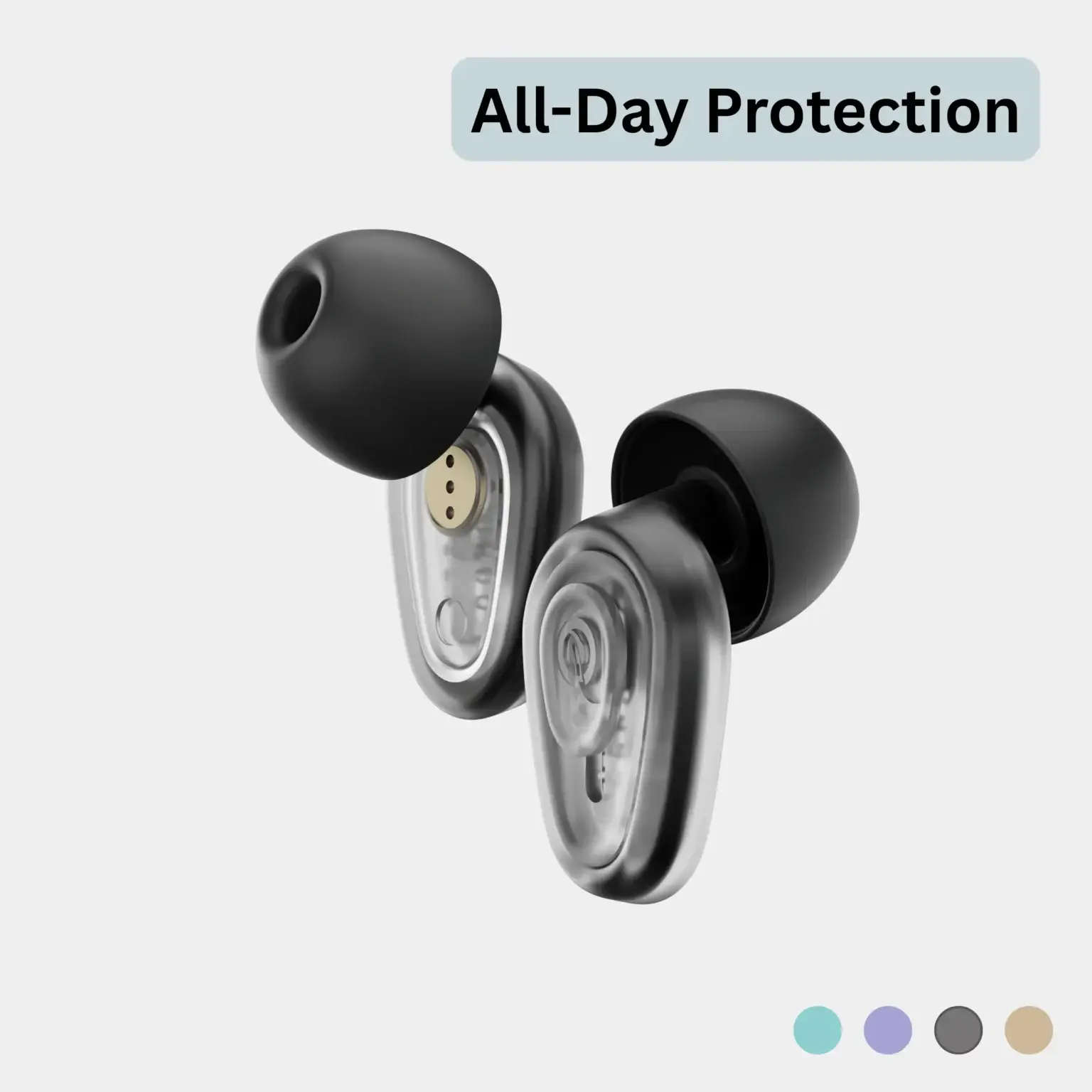
Fit matters just as much as the filter. Even a well-designed earplug can sound off if it doesn’t seal properly. Too loose, and protection drops. Too tight or poorly shaped, and comfort disappears halfway through the opener. Low-profile, soft, reusable earplugs tend to work better for long sets because they stay comfortable and don’t draw attention.
There’s also a trade-off in attenuation level. More reduction is not automatically better for every venue. At a small club standing in front of the speakers, stronger protection may make sense. At a theatre show with moderate volume, too much reduction can make the performance feel distant. The sweet spot depends on where you’re standing, how loud the venue is, and how sensitive your ears are.
How to choose earplugs for live music sound quality
Start with the experience you want, not just the noise rating. If your priority is preserving detail and musical balance, look for reusable earplugs designed for concerts and events rather than general noise blocking. You want controlled reduction, not a total shutdown.
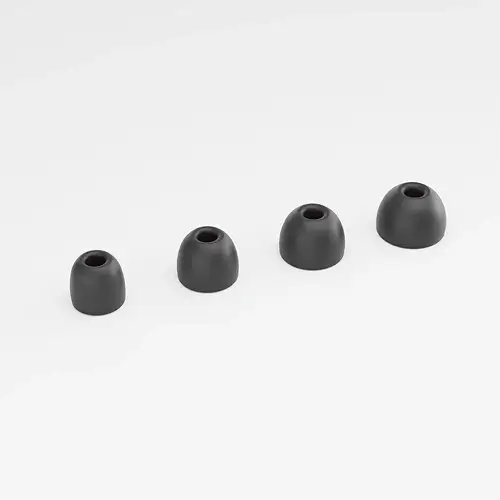
Comfort should be non-negotiable. If earplugs irritate your ears after 20 minutes, you won’t keep them in. Soft materials, multiple eartip sizes, and a discreet profile make a huge difference. Great protection only works when you actually wear it.
Next, think about consistency. Reusable earplugs can offer a more predictable fit and performance than grabbing disposable foam from a bar counter. They also make more sense if live events are part of your routine. One good pair can cover concerts, festivals, clubs, commuting, and other loud moments without feeling like bulky safety gear.
Design matters too. A low-profile build keeps your earplugs secure and comfortable, whether you’re packed into a crowd, wearing a hat, or moving through a long festival day. This is where lifestyle-focused hearing protection stands apart. It should feel intentional, not like an awkward add-on.
The difference between muffled and balanced sound
People often assume earplugs always ruin music because they’ve only tried the wrong kind. What they remember is that underwater effect – vocals pushed back, snare dulled, everything less defined. That’s not what better concert earplugs are supposed to do.
Balanced earplugs reduce sound with more control. Instead of killing the sparkle and leaving the boom, they aim to keep the relationship between frequencies more natural. The result is a listening experience that can actually feel cleaner. In many loud venues, reducing volume helps your ears process the mix with less distortion from overload.
That point surprises people until they try it. Sometimes the band sounds more precise with earplugs in because your ears aren’t getting slammed. You hear separation instead of chaos. You can focus on the vocal line, the groove, and the instruments’ texture rather than just surviving the volume.
Live music settings change what you need
A packed indoor club, an outdoor festival, and a large arena do not hit your ears the same way. That’s why the best choice is not always universal.
In smaller venues, the sound can be aggressive and uneven depending on where you stand. If you’re close to stacks or side fills, a stronger reduction may be the better move. In larger venues, distance often softens the direct hit, so moderate attenuation may preserve more detail while still protecting your hearing. Outdoor festivals bring wind, crowd noise, and long wear times into the equation, making comfort and a secure fit even more important.
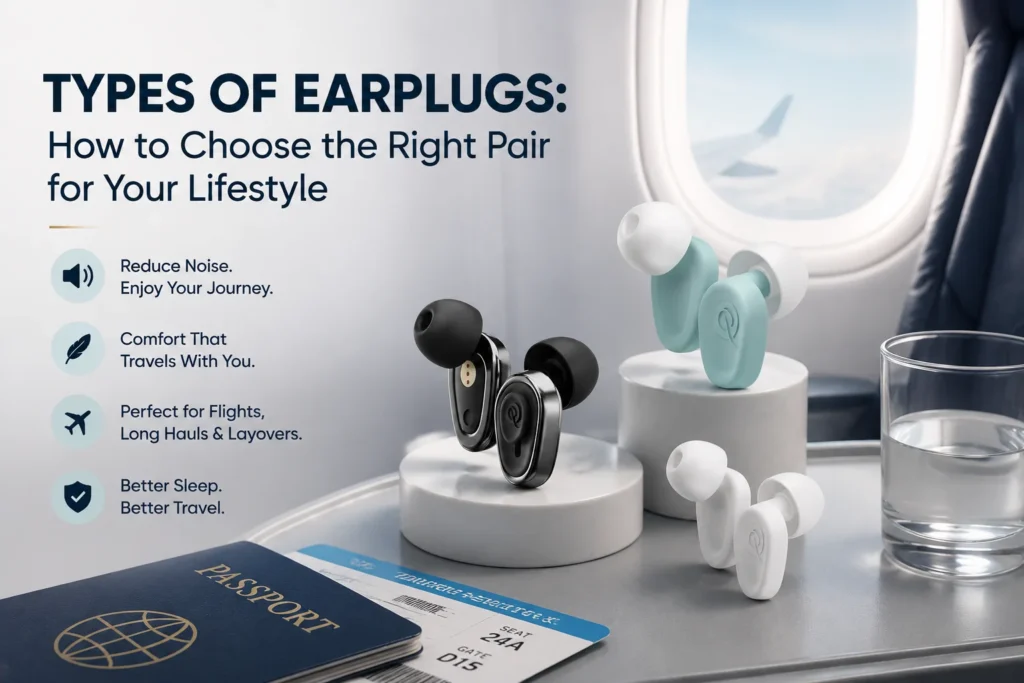
If you attend many different events, versatility matters. Earplugs that can handle a rock club on Friday and a daytime festival on Sunday give you better value than a one-purpose solution. That’s part of the appeal of modern reusable earplugs. They’re built for real life, not one narrow use case.
Why reusable earplugs make sense for concertgoers
Disposable foam has its place, but it’s rarely the best answer if you care about sound quality. Reusable earplugs are designed for repeat wear, easier carry, and a cleaner overall experience. They’re also a better fit for people who want hearing protection to become part of their routine instead of an afterthought.
A solid reusable pair gives you convenience and confidence. Keep them in a case, take them to every show, and you’re covered when the room gets louder than expected. That simple habit protects more than your ears. It protects your stamina. Less ringing, less fatigue, and less recovery the next day means you enjoy the full night more.
Brands like Earmuffz have pushed this category forward by treating hearing protection like a performance tool – low-profile, comfort-first, and built for everyday wear. That shift matters because concert earplugs should fit your lifestyle, not fight it.
Common mistakes that ruin the experience
The biggest mistake is waiting until the venue is already painfully loud and then grabbing whatever foam plugs are available. At that point, you’re prioritising emergency protection over sound quality.
Another common miss is choosing the highest possible noise reduction without considering the setting. If the filter is too strong for the environment, the show can feel disconnected. Protection is the priority, but there’s still room to make smart choices.
Poor fit is another problem. If one earplug seals differently from the other, the stereo image can feel off, and the sound can get weird fast. Taking a minute to seat them properly matters more than most people think.
Finally, some people wear earplugs for the headliner but not the opening acts. Damage doesn’t only happen during the loudest song of the night. Exposure adds up. If the room is loud, put them in early and keep your hearing on your side.
What better concert hearing protection feels like
You notice it when the set ends, and your ears still feel normal. You notice it when conversation after the show isn’t a struggle. You notice it the next morning when there’s no ringing, no dullness, no sense that you traded tomorrow’s hearing for tonight’s encore.
That’s the standard worth aiming for. Earplugs for live music sound quality should help you hear more of what matters and less of what wears you down. The right pair doesn’t steal the moment. It lets you own it, with more control and a lot less risk.
If live music is part of your life, hearing protection should be part of your setup. Not because you want less from the night, but because you want to keep showing up for more of them.