
Wind noise is the part of motorcycling many riders accept for far too long. It creeps in above town speeds, builds behind the visor and can leave your ears ringing long after the bike is parked. This motorcycle earplugs review looks at what actually matters on the road: noise reduction, comfort under a helmet, communication and the awareness to ride with confidence.
The short version: the best motorcycle earplugs are not necessarily the ones that make everything as quiet as possible. They are the ones you can wear for every ride, that reduce the punishing frequencies without creating pressure points or making the road feel disconnected.
What This Motorcycle Earplugs Review Measures
A useful pair needs to deal with more than engine volume. At motorway pace, turbulent air around the helmet is often the bigger problem. Wind can produce sustained, fatiguing noise levels, especially with an imperfect visor seal, an upright screen or an exposed riding position. A quieter exhaust will not solve that.
Good earplugs lower the overall sound load reaching your ears. That can make a two-hour ride feel markedly less draining and help protect your hearing over years of commuting, touring and weekend runs. They should not be treated as permission to turn an intercom, music or exhaust volume up to the limit. Hearing protection works best alongside sensible volume choices.
For riders, performance comes down to four things: attenuation, fit, profile and sound quality. Attenuation is the reduction supplied by the plug. Fit determines whether you actually receive that protection. Profile decides whether the plug catches, presses or shifts when you put a helmet on. Sound quality affects how naturally you can hear the bike, traffic and conversation at a stop.
The goal is controlled sound, not silence
The right plug softens the harsh edge of wind roar and exhaust drone while leaving enough useful information to ride normally. You still need to hear changes in engine note, horns, emergency vehicles and the traffic around you. Earplugs reduce sound – they do not make you deaf, nor should they replace observation, mirrors and disciplined road position.
This is why riders often prefer filtered reusable earplugs to basic foam for regular use. Foam plugs can offer strong reduction when inserted perfectly, but they can make speech and helmet speakers sound muffled. They also expand inside the ear, which some people find uncomfortable on long rides. For short periods in exceptionally loud conditions, they remain a practical option. For daily riding, comfort and repeatable fit usually win.
Foam, Filtered or Custom: Which Type Fits Your Ride?
There is no single best choice for every rider. Your helmet, route, ear shape and tolerance for occlusion all matter.
Disposable foam earplugs
Foam is affordable, widely available and capable of significant noise reduction. The catch is insertion. You need to roll the plug into a narrow cylinder, reach over your head to straighten the ear canal, insert it deeply and allow it to expand. Many riders push it in too shallowly, then assume earplugs do not work.
When fitted well, foam can be highly effective. Yet it is not the cleanest or most convenient long-term routine. A fresh pair is needed regularly, and a plug that protrudes can catch on helmet padding. Some riders also dislike the sealed, boomy sensation it can create when speaking or chewing.
Filtered reusable earplugs
Filtered plugs are designed to reduce noise more evenly than a dense foam barrier. That matters when you want wind and engine noise turned down without losing every detail of the environment. They are usually easier to insert, simpler to clean and more discreet beneath a helmet.
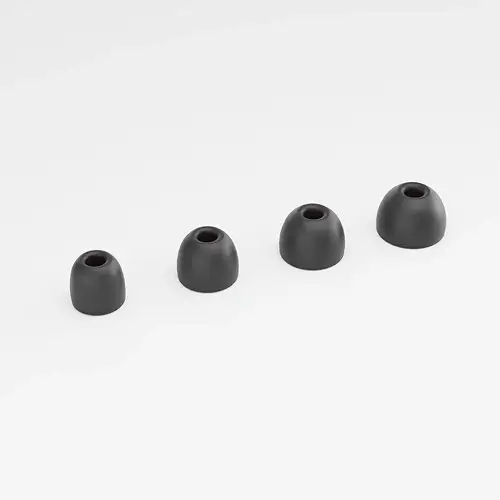
Their real advantage is consistency. Once you identify the correct ear tip size, you can use the same fit each time rather than relying on perfect foam insertion at the petrol station. The trade-off is that reusable products vary considerably in their filter design and stated protection. Check the declared rating for the exact model and choose a product tested to relevant standards rather than relying on vague claims about being “noise cancelling”.
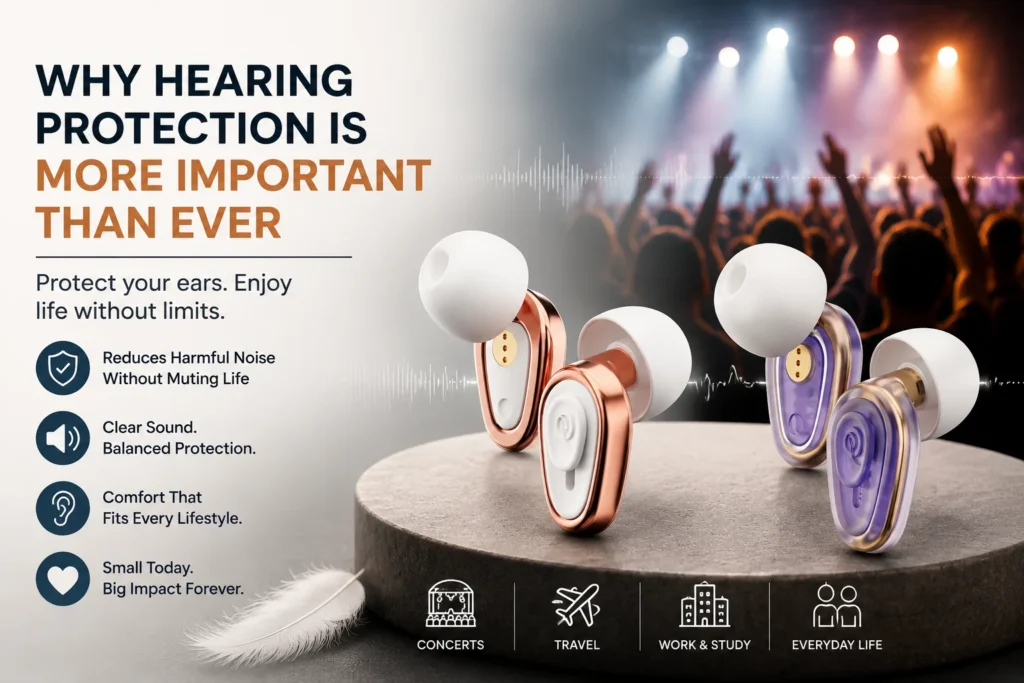
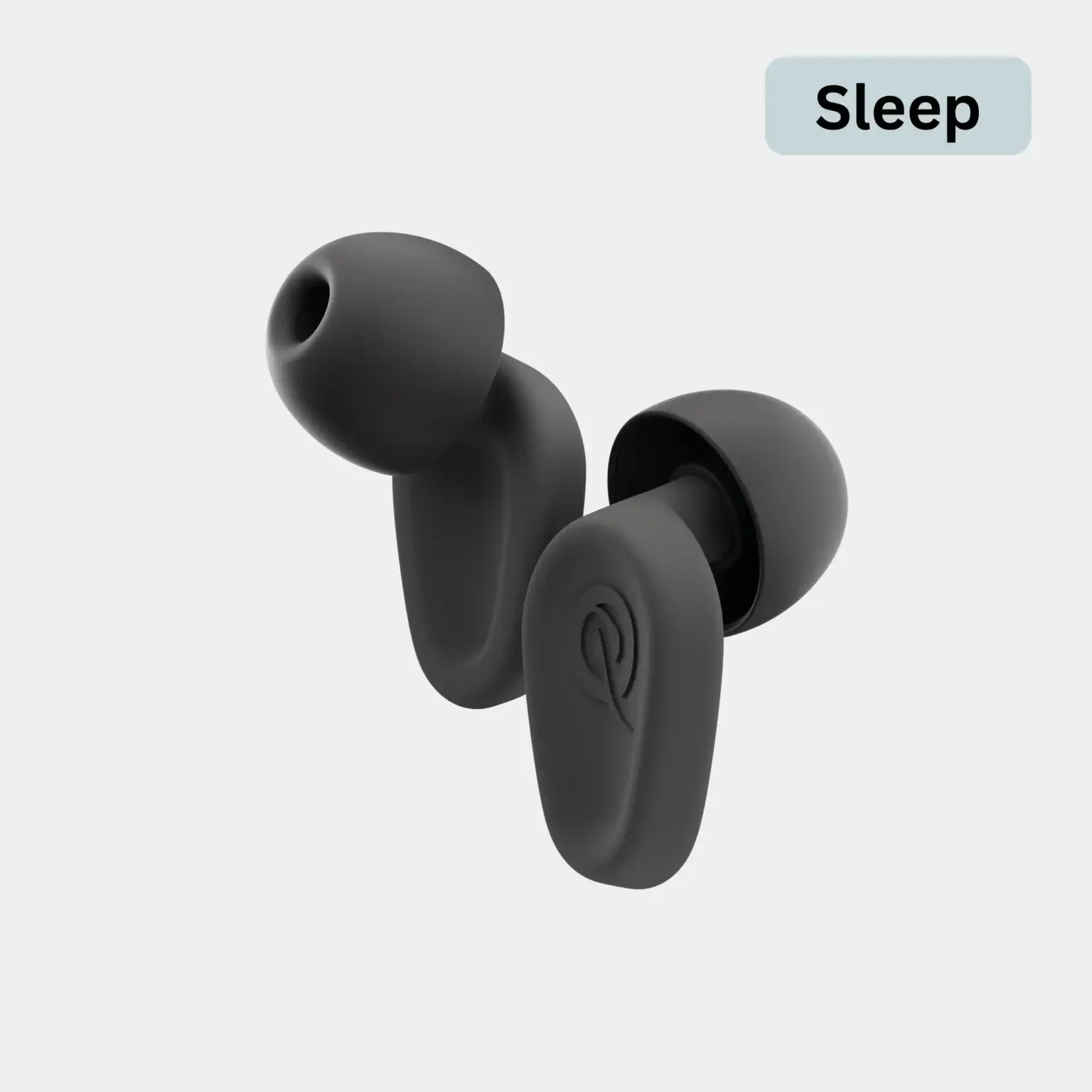
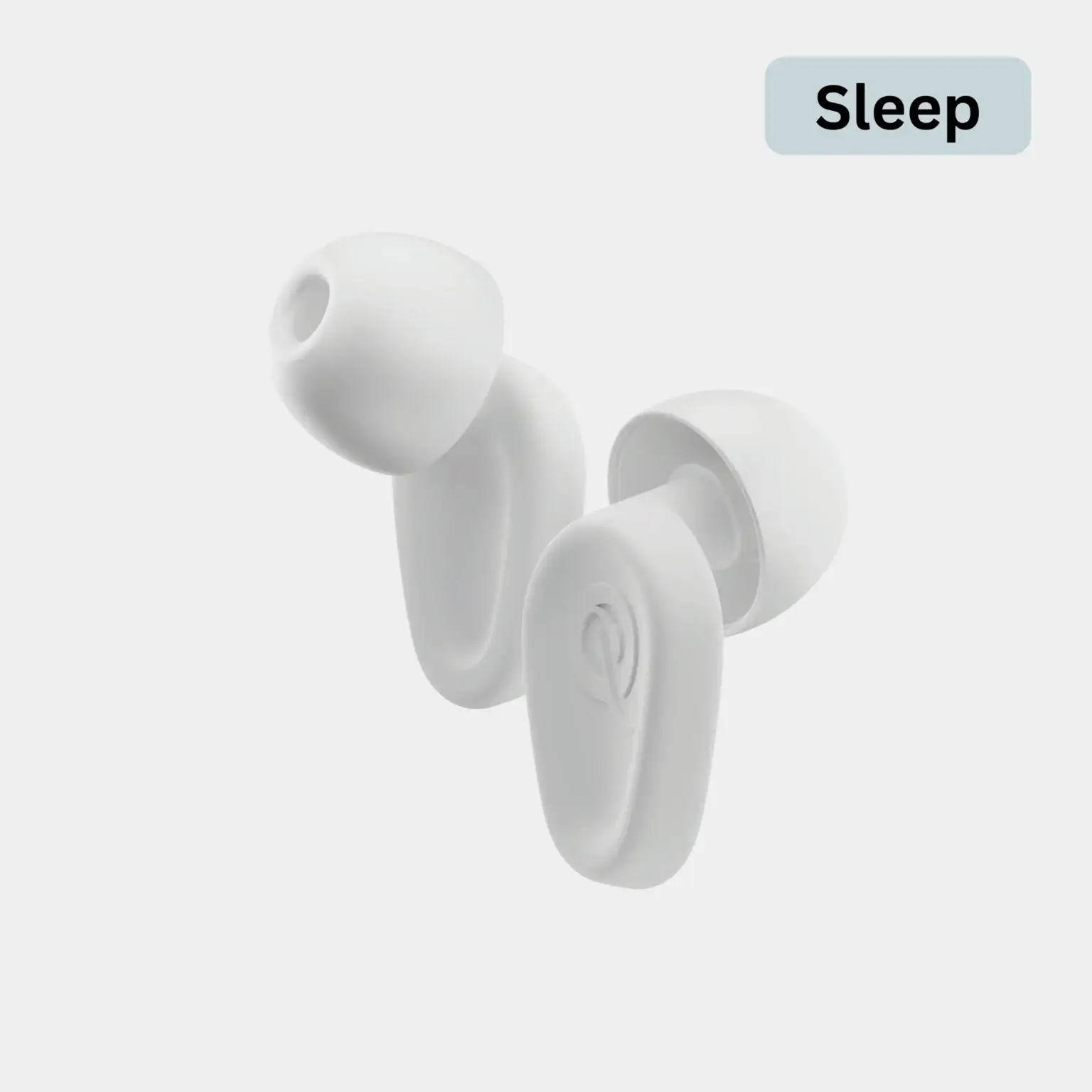
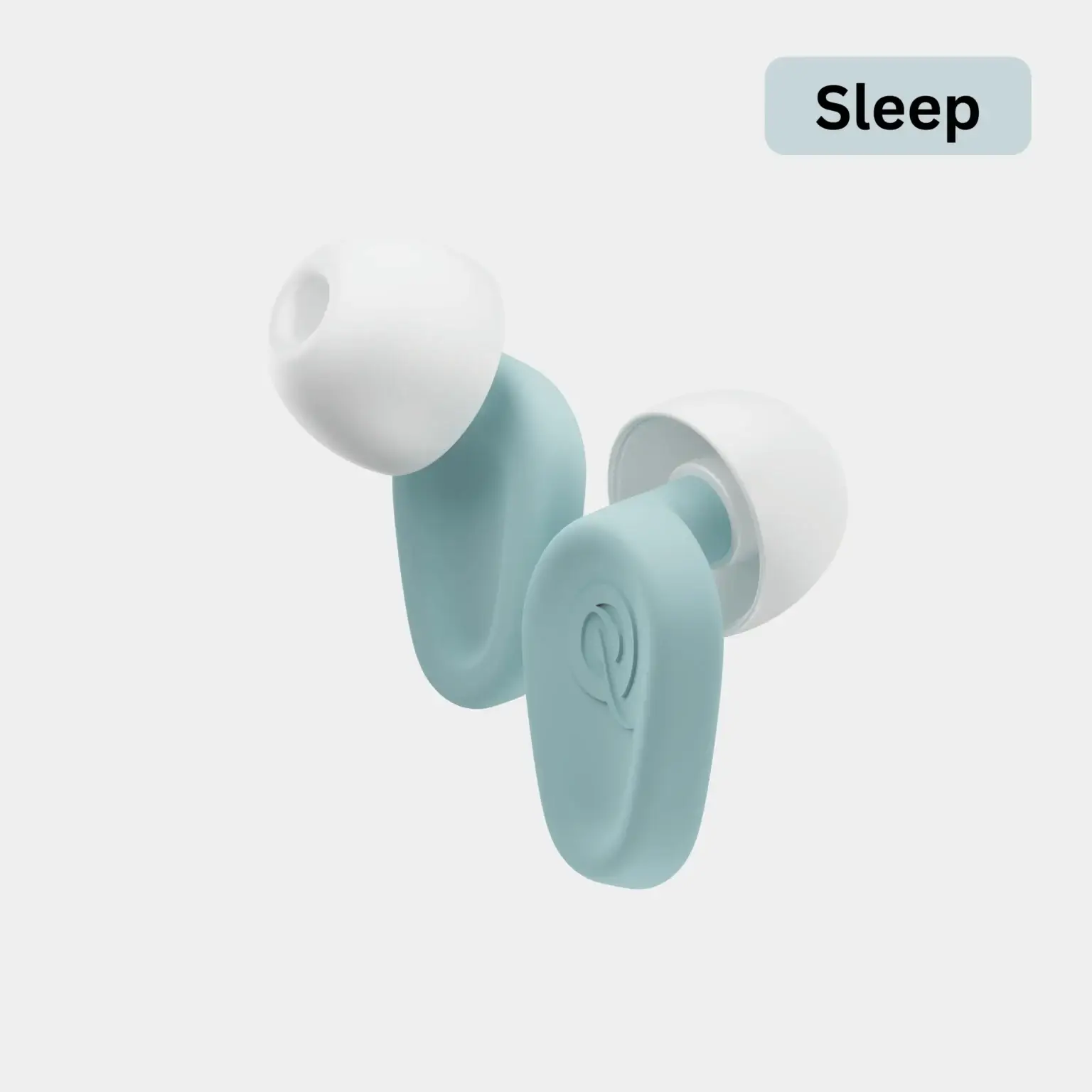
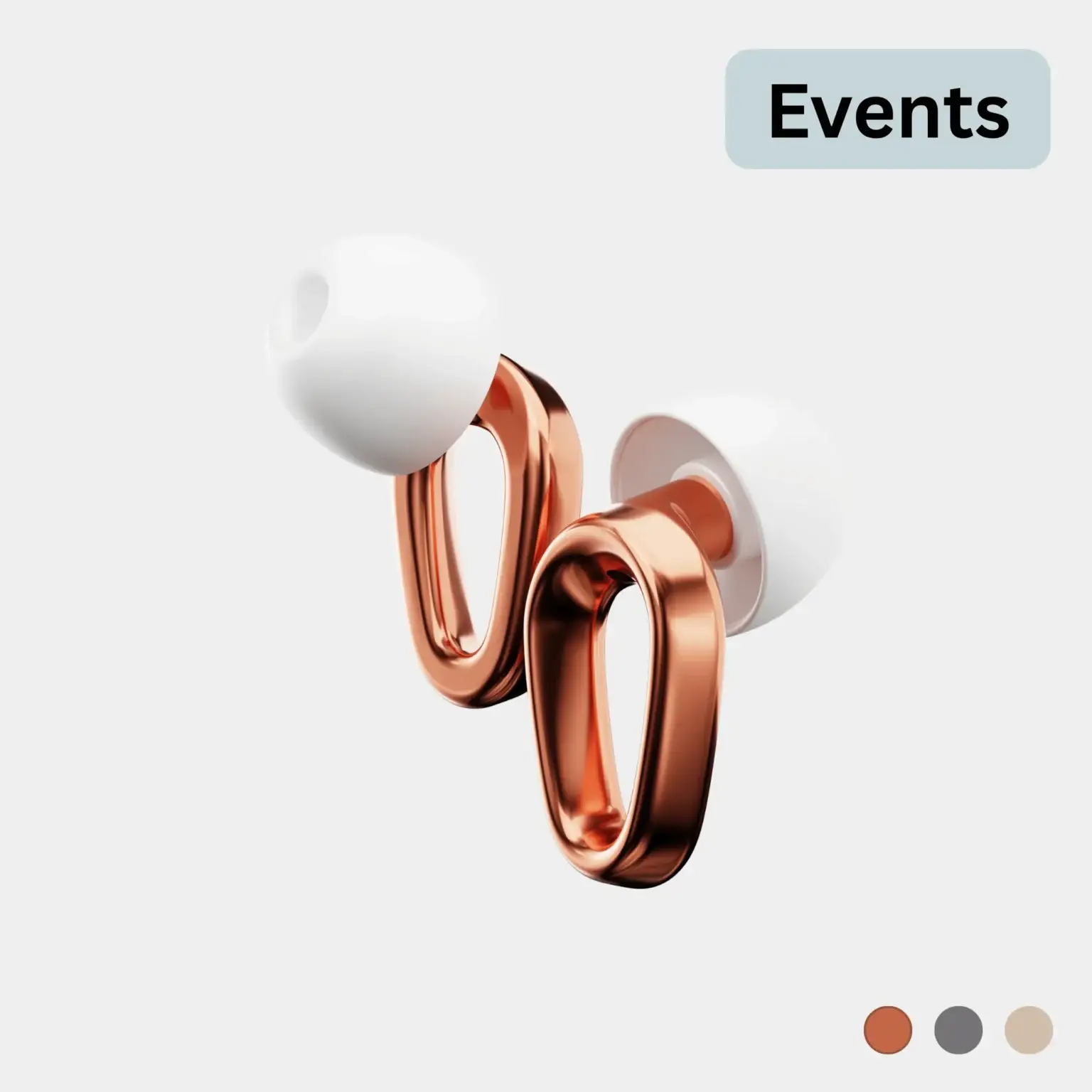
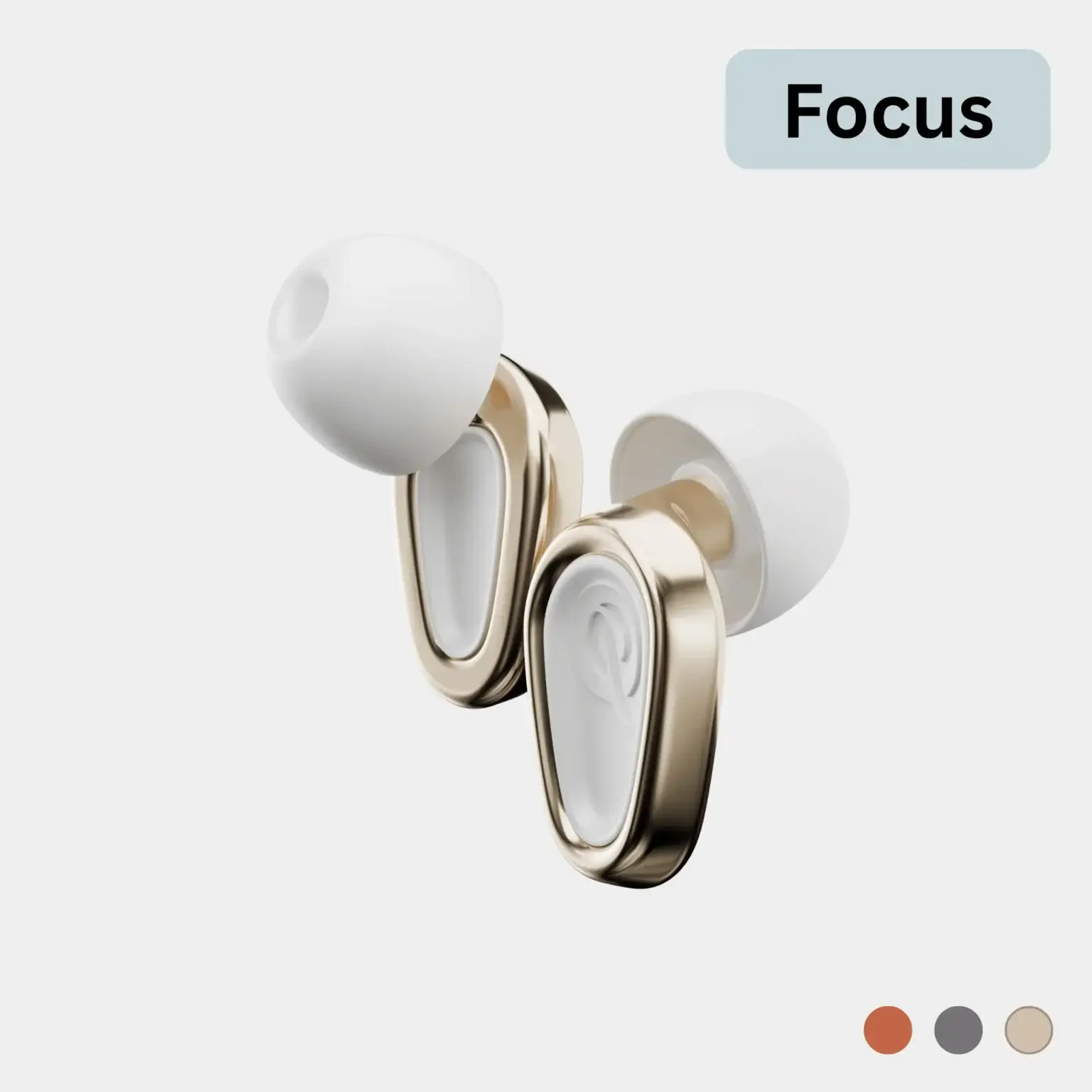
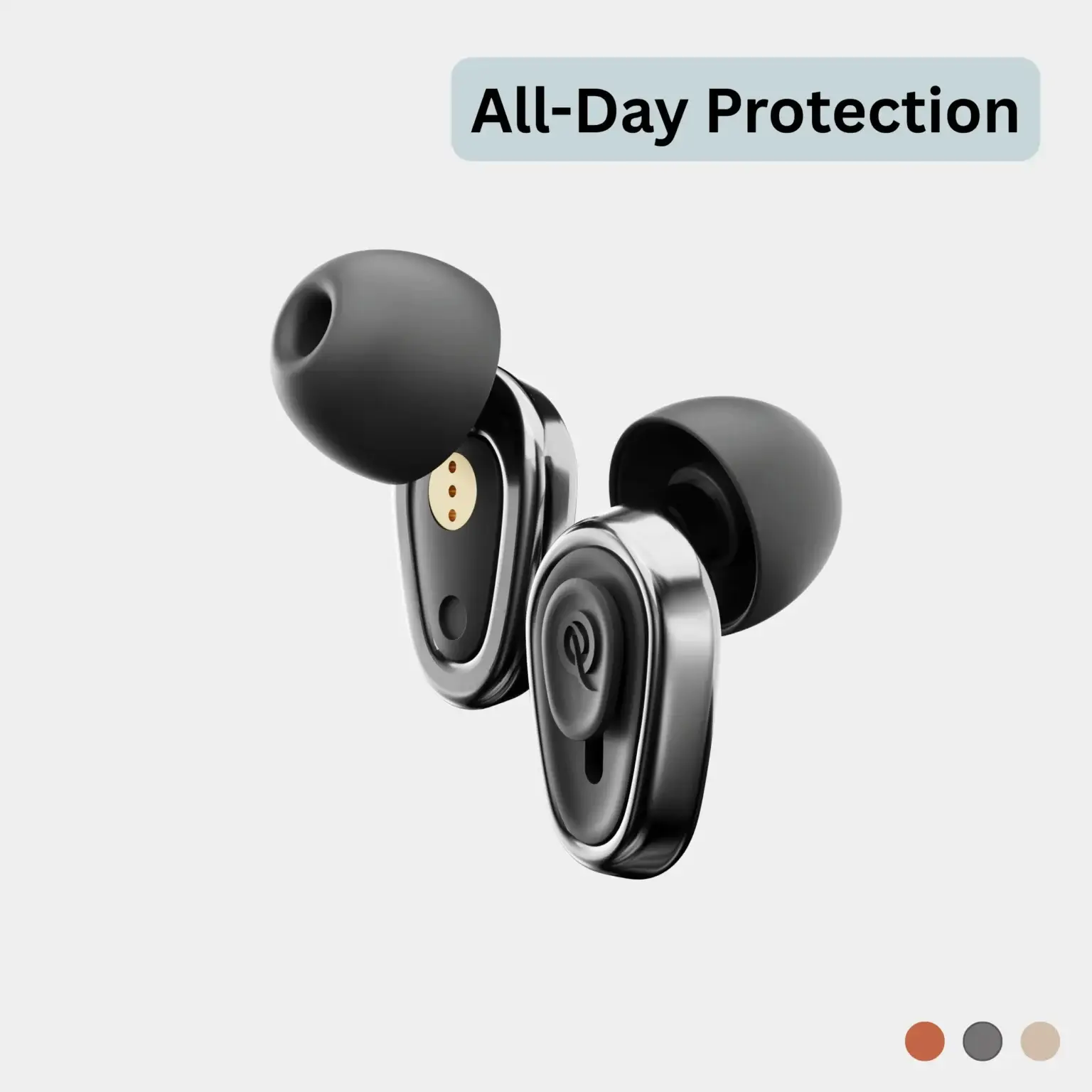
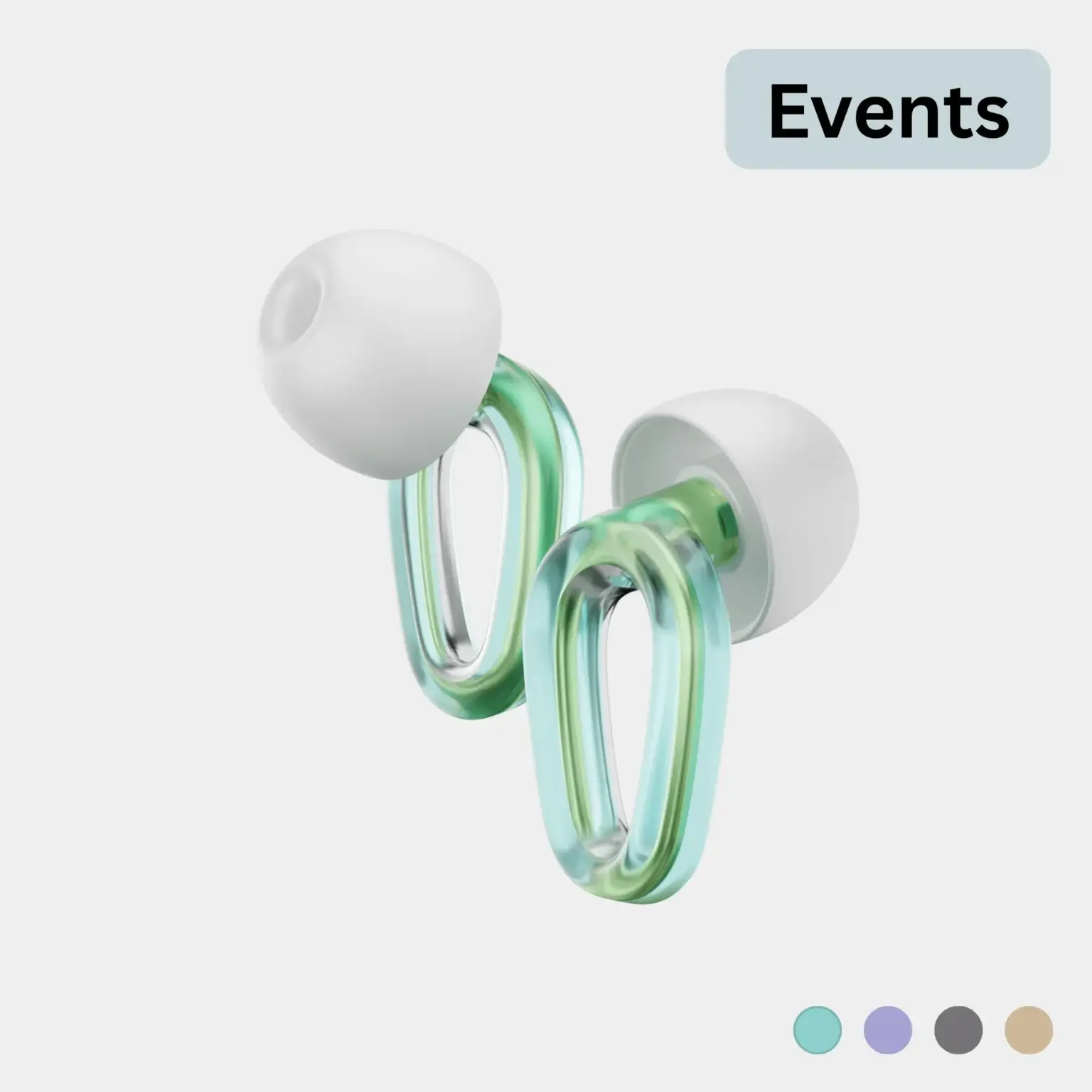
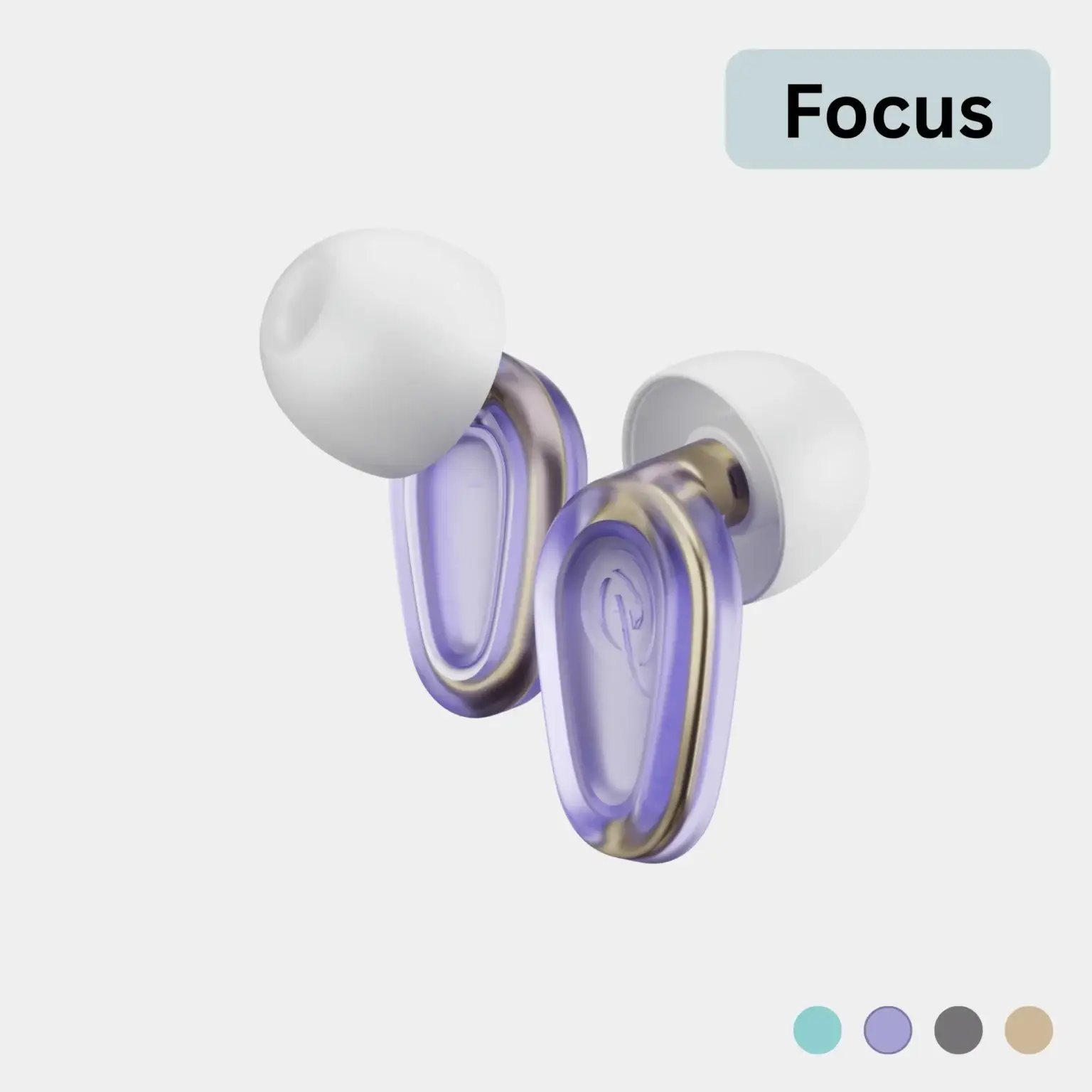
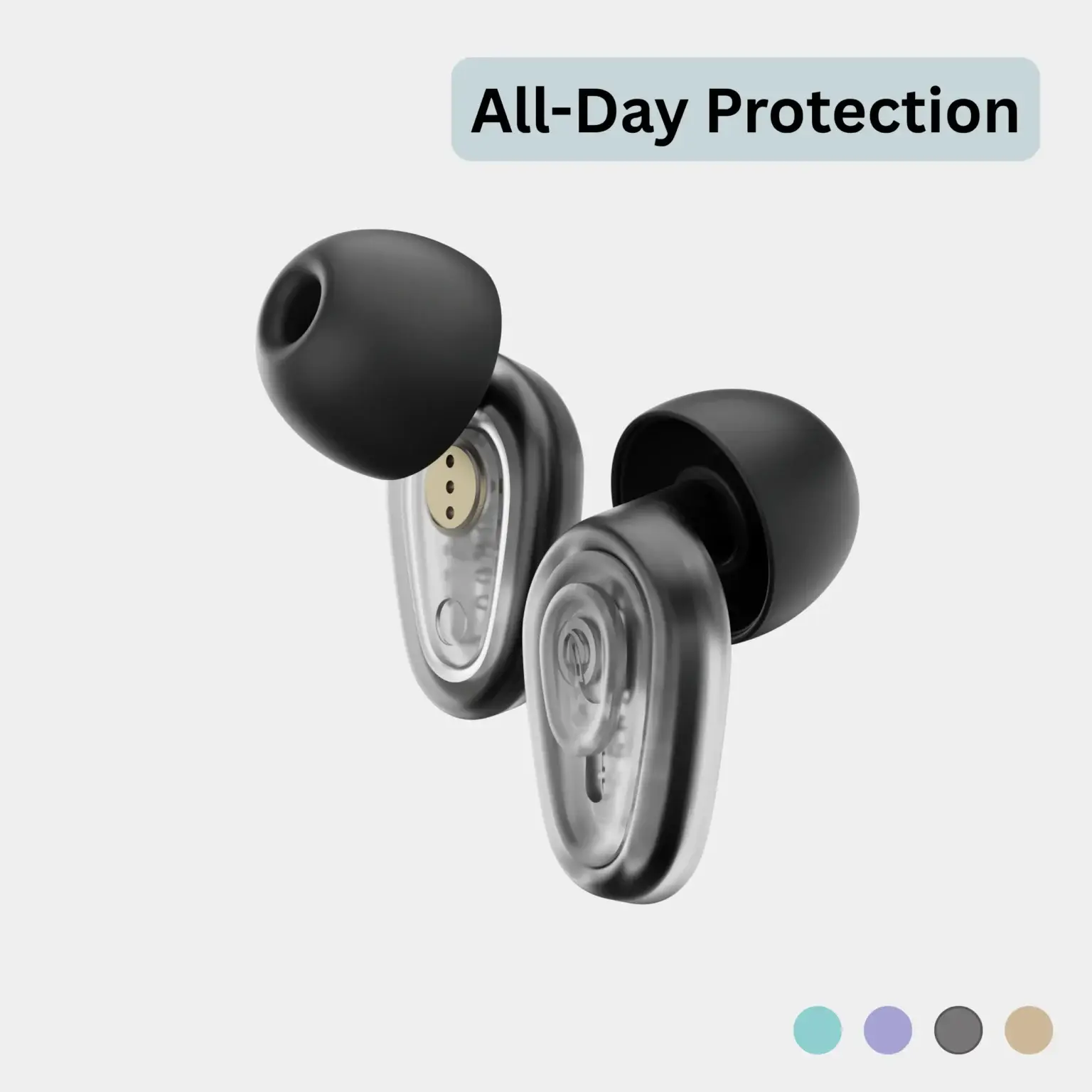
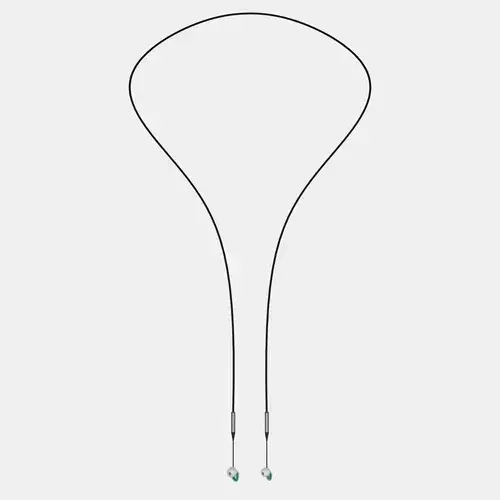
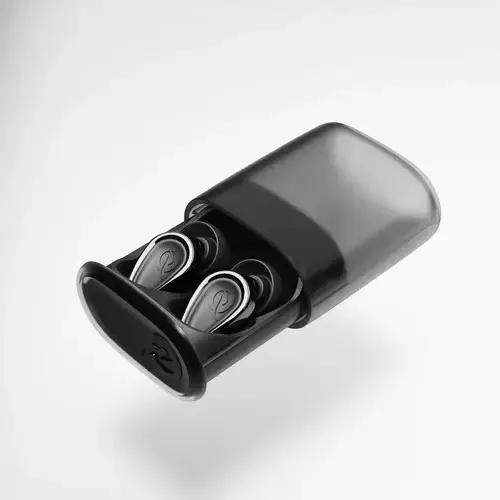
Earmuffz reusable earplugs are built around this everyday-control approach, with low-profile designs, multiple ear tip options and models organised by use case. For motorcyclists, the practical question is not whether a plug looks technical. It is whether it stays comfortable from the first mile to the last.
Custom-moulded earplugs
Custom plugs are shaped from impressions of your ears and can provide an excellent seal with a very secure fit. They suit frequent tourers, track riders and anyone who has struggled with standard ear tips. Their downside is cost, lead time and the fact that a moulded fit may change if your ears change over time.
They can be a worthwhile investment, but they are not automatically more comfortable than a well-chosen universal reusable plug. Start with a quality reusable option if you are learning what level of reduction and feel you prefer.
Comfort Under a Helmet Is Non-Negotiable
A plug can have impressive laboratory figures and still be wrong for riding. Helmet pressure changes the equation. The shell, liner and cheek pads all press around the ear, while taking the helmet on and off can drag a poorly seated plug out of position.
Look for a low-profile outer section that sits inside the bowl of the ear rather than sticking out. Soft, flexible ear tips are equally important. If you feel a sharp hotspot after 20 minutes at home, it will be worse after an hour on the road.
Fit is worth taking seriously. Try each supplied ear tip size, even if you assume you know your size. Your left and right ear may need different tips. A correct fit feels secure but not forced, and external sound becomes noticeably softer without pain or a loose, shifting sensation.
Put your earplugs in before your helmet. Then pull the helmet on slowly by the straps, widening the opening instead of forcing the padding across your ears. After fastening up, pause for ten seconds. If a plug feels displaced, remove the helmet and reseat it. That small habit prevents a long, irritating ride.
Can You Still Hear Traffic and an Intercom?
Yes, but expectations need to be realistic. Earplugs lower the level of all sound, including intercom audio. The benefit is that reduced wind noise can make speech clearer at a sensible volume. Many riders find they can hear navigation prompts and a pillion more comfortably because the harsh background roar is reduced.
Do not compensate by pushing speakers to maximum volume. Set up your intercom while stationary and aim for clear, moderate sound. If speech remains muddy, test a different earplug type or ear tip before assuming you need more volume. Speaker placement inside the helmet matters too: a speaker sitting directly over the ear canal is clearer than one sitting behind it.
Awareness is built from more than hearing. You should never depend on hearing an approaching vehicle before checking mirrors and blind spots. Earplugs can actually reduce fatigue, which may help you stay more attentive over a long ride. But they do not reduce your responsibility to scan, anticipate and leave space.
Choose Protection for Your Real Riding Pattern
A city commuter may value quick insertion and clear speech at junctions. A motorway rider will likely prioritise stronger, comfortable wind-noise reduction. A touring rider needs a reusable plug that remains pleasant for several hours and is easy to clean in a hotel room. Track riders may prefer higher protection, provided it does not interfere with fit beneath their helmet.
Helmet type also changes the result. Adventure helmets, open-face designs and helmets with a raised visor or noisy neck roll can create more turbulence than a quiet full-face touring helmet. Before buying a new helmet, earplugs are one of the simplest upgrades you can make. After buying one, they are still worth using.
Pay attention to certification, but read it correctly. Standards and ratings provide a useful comparison point, not a guarantee that every ear will receive identical reduction. The seal you achieve, your helmet and the sound environment all affect real-world performance. Certified products with a proper fit give you a far better starting point than novelty plugs with no transparent information.
The Small Habits That Make Earplugs Work
Keep reusable earplugs clean. Earwax and road dust affect hygiene and can compromise the seal, so wash them according to the manufacturer’s care instructions and let them dry fully before storing them in their case. Inspect ear tips for splits, stiffness or loss of shape, and replace worn parts promptly.
Carry your plugs where you will use them. A compact case on your keyring, in a jacket pocket or in the tank bag removes the classic excuse of leaving them at home. If you only wear protection on long rides, you miss the cumulative benefit of quieter daily commuting.
Most riders notice the difference on the first proper run: less roar, less fatigue, more control. Choose a pair you genuinely want to wear, make them part of your pre-ride routine, and let your ears arrive as ready as the rest of you.