






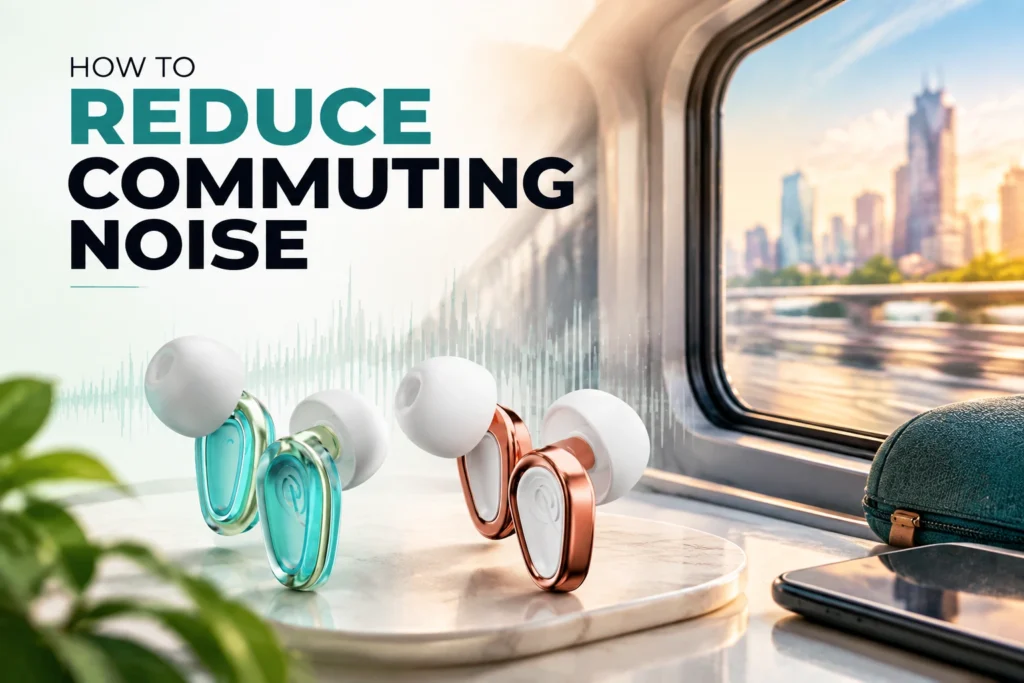
The 07:42 is already loud before it leaves the platform. Brakes squeal, announcements bounce off hard surfaces, someone takes a call on speakerphone, and the carriage fills with the low mechanical roar of movement. Learning how to reduce commuting noise is not about making your journey silent. It is about taking back enough control to arrive calmer, sharper and ready to perform.
For many people, the commute is the first overstimulating part of the day. Do it twice, five days a week, and that background noise can drain more energy than you realise. A few smart adjustments can cut the pressure without cutting you off from the world around you.
Why commuting noise hits harder than you expect
Commuting sound is rarely one simple noise. It is a stack of competing sounds: engine vibration, rail noise, road spray, alerts, conversations, music leaking from headphones and sudden peaks such as horns or doors closing. Your brain keeps sorting through it all, deciding what deserves attention.
That effort creates fatigue. Even when you are not consciously annoyed, constant sound can make it harder to read, think, relax or arrive at work in the right headspace. If you are sensitive to noise, managing tinnitus, recovering from a poor night’s sleep or facing a packed schedule, the effect can be even stronger.
The goal is not total isolation. On a platform, at a crossing or while cycling, awareness matters. The better approach is controlled reduction: soften the exhausting background layer while retaining useful cues.
How to reduce commuting noise with a smarter plan
Start by noticing where the volume spikes. Your route may be quiet for most of the journey but punishing at one point, such as a crowded interchange, a bus station or the final walk alongside a busy road. You do not need to solve every sound at once. Target the parts that leave you most tense.
Choose the quietest position, not just the fastest seat
On a train, the middle of a carriage is often less harsh than sitting directly by the doors or beside the wheel area. Avoid places close to loudspeaker units where possible. If standing is unavoidable, turn your body slightly away from the noisiest source rather than facing it head-on.
On a bus, the front can be calmer than the rear, where engine and road vibration may feel more intense. In a car, closed windows reduce wind and traffic noise, though ventilation and visibility should always come first. Motorcyclists need purpose-built, secure hearing protection that works properly under a helmet, never a loose solution that compromises fit or awareness.
Small positioning choices will not transform rush hour, but they can lower the daily load.
Shift your travel time when you can
A ten-minute change can mean fewer people, fewer competing conversations and less chance of being caught in a carriage full of phone audio. Flexible workers may find that travelling slightly earlier or later is the simplest noise-control upgrade available.
Not every job allows it, of course. If your timetable is fixed, consider whether a quieter walking route to the station or an alternative interchange gives you a more settled start. The quickest route is not always the route that costs you least energy.
Build a low-noise buffer before and after the busiest section
Do not wait until you are overwhelmed. Put your noise-control routine in place before entering the loudest part of the journey. That might mean fitting earplugs before you reach the platform, choosing a podcast-free walk for five minutes, or taking a quiet seat in a café near work before you switch into work mode.
The same principle applies after you arrive home. If the journey has been full-volume, give your ears a short break before adding television, scrolling videos or music. Hearing wellness is not just about one loud event. It is shaped by the total sound load across your day.
Use the right tool for the job
Noise-cancelling headphones can be brilliant for low-frequency rumble on a train or aircraft. But they are not the perfect answer for every commute. They can feel bulky, run out of battery and encourage some people to turn their music up to compete with the remaining noise.
Reusable earplugs offer a different kind of control. A well-designed pair reduces the overall intensity of sound without forcing you into an isolated bubble. That makes them especially useful when you want to soften a crowded carriage, loud traffic or office-adjacent travel while still hearing important information.
Fit is everything. Earplugs that pinch, work loose or feel too obvious will spend more time in your pocket than in your ears. Look for a low-profile design, multiple eartip options and a secure, comfortable seal. Certified hearing protection also provides greater reassurance that the product has been assessed against recognised standards.
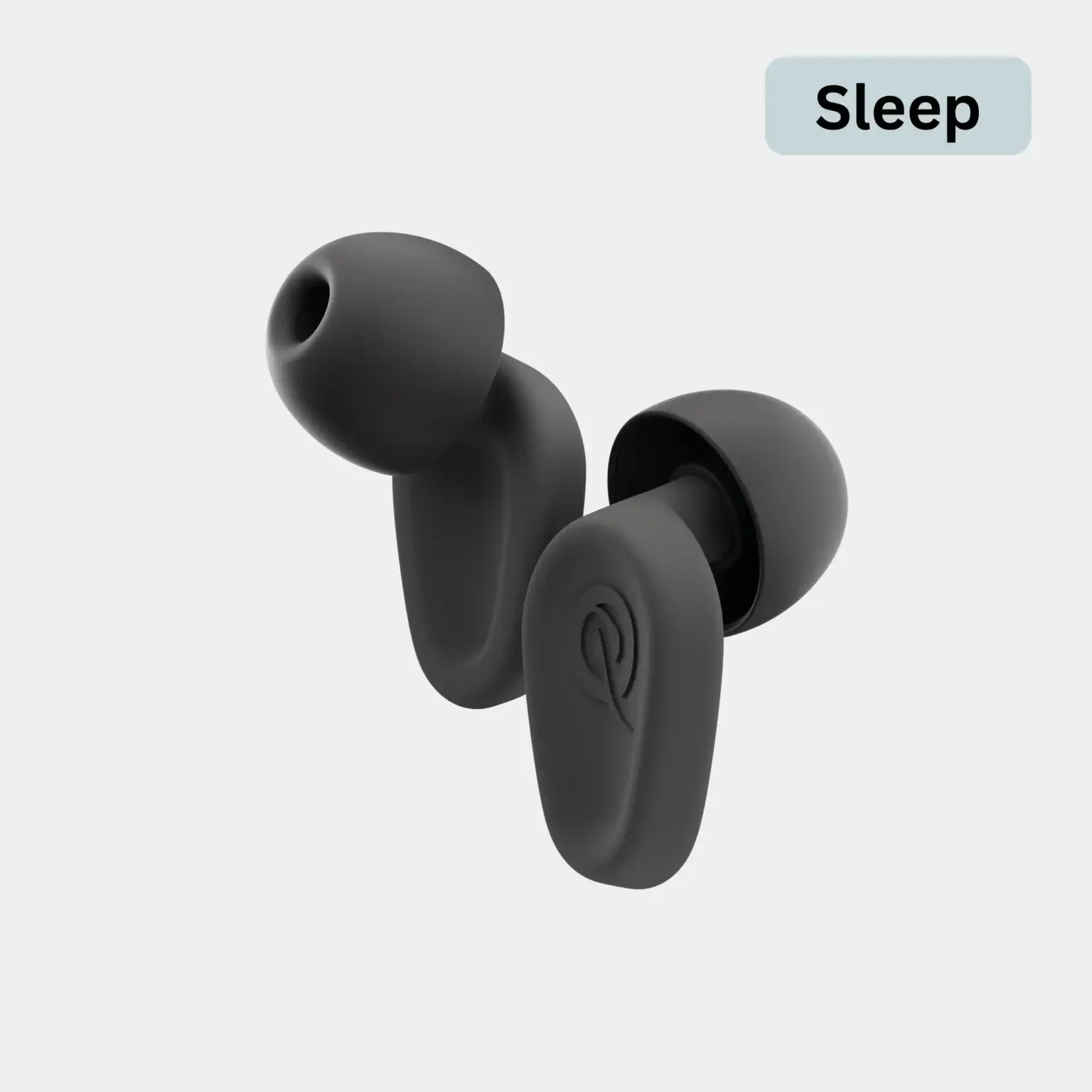
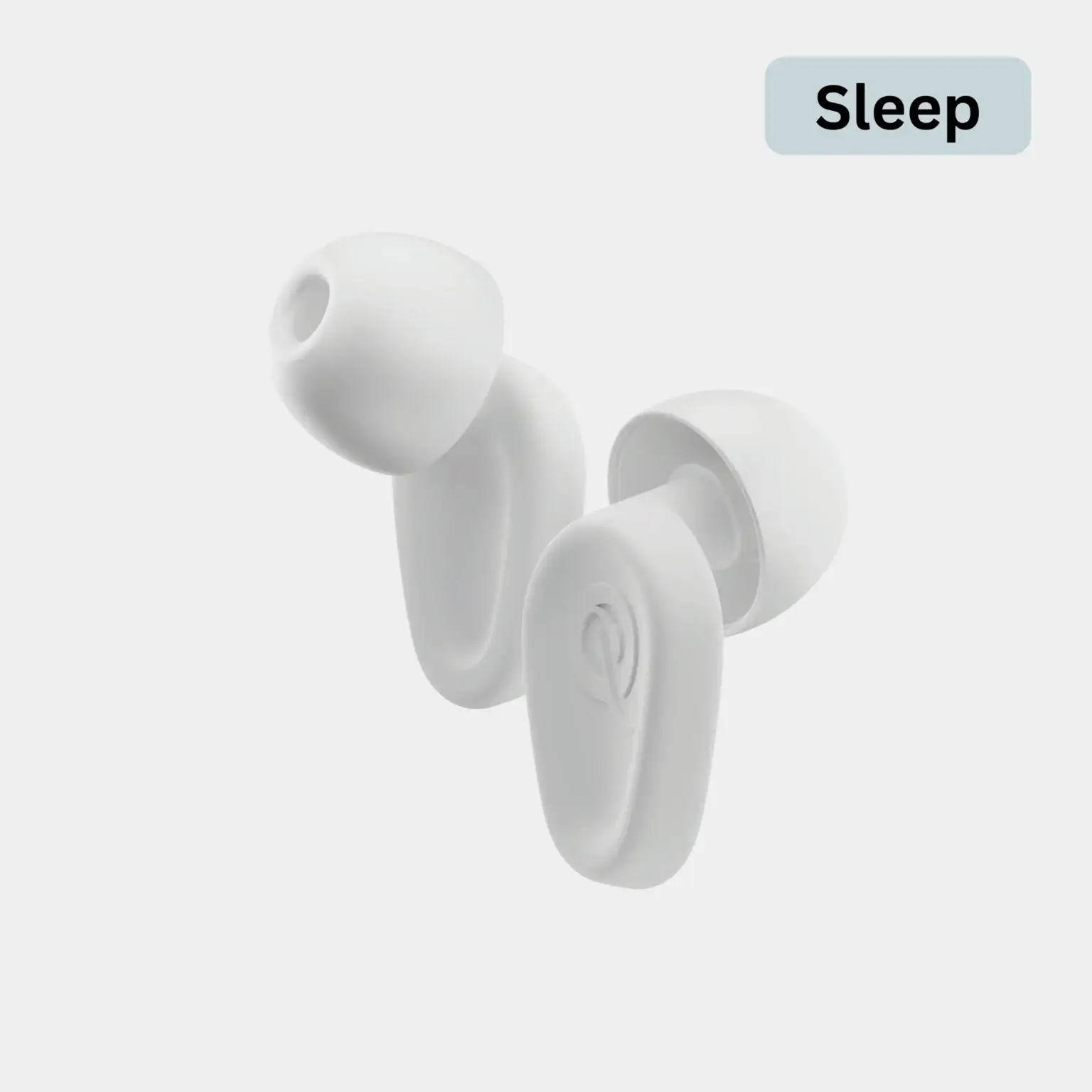
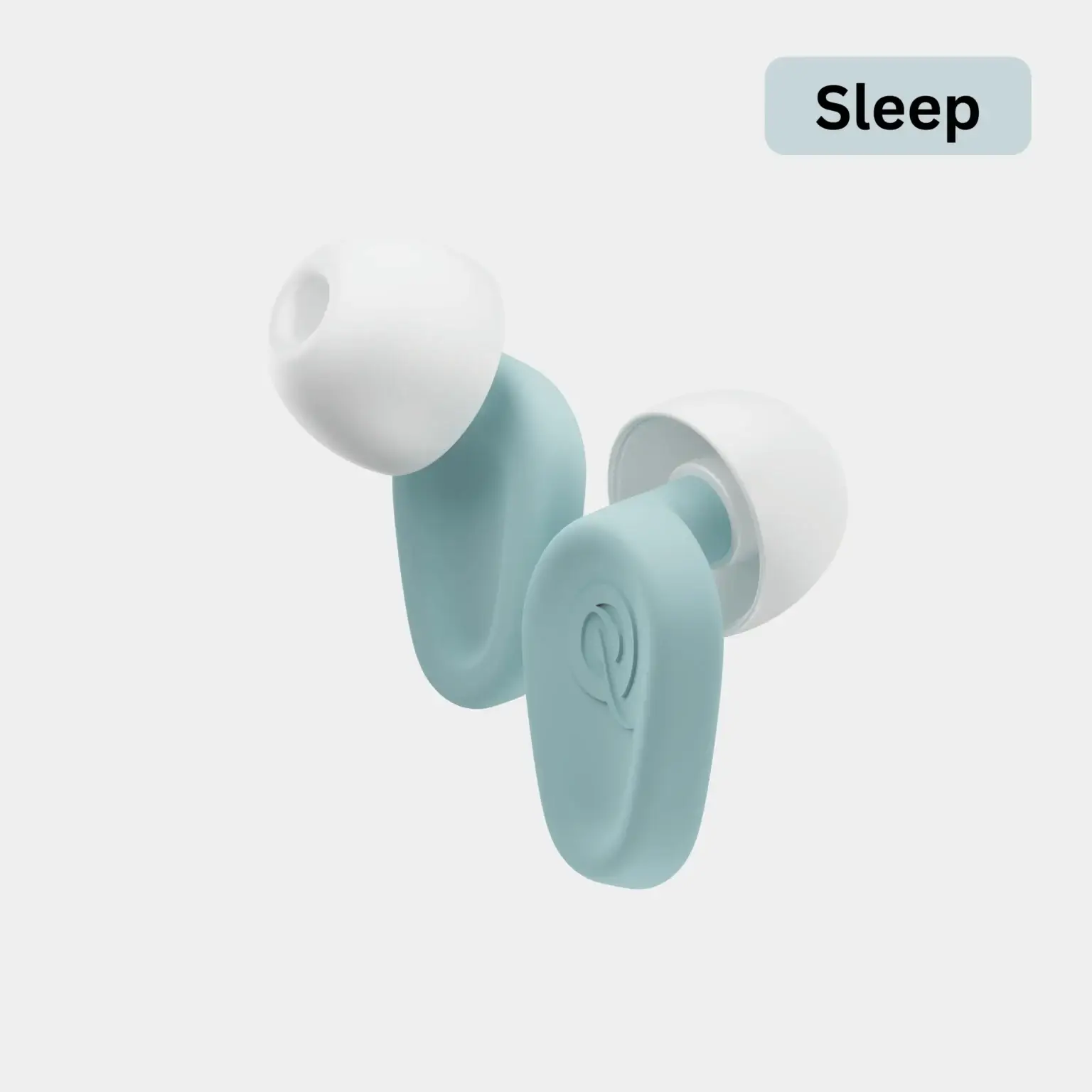
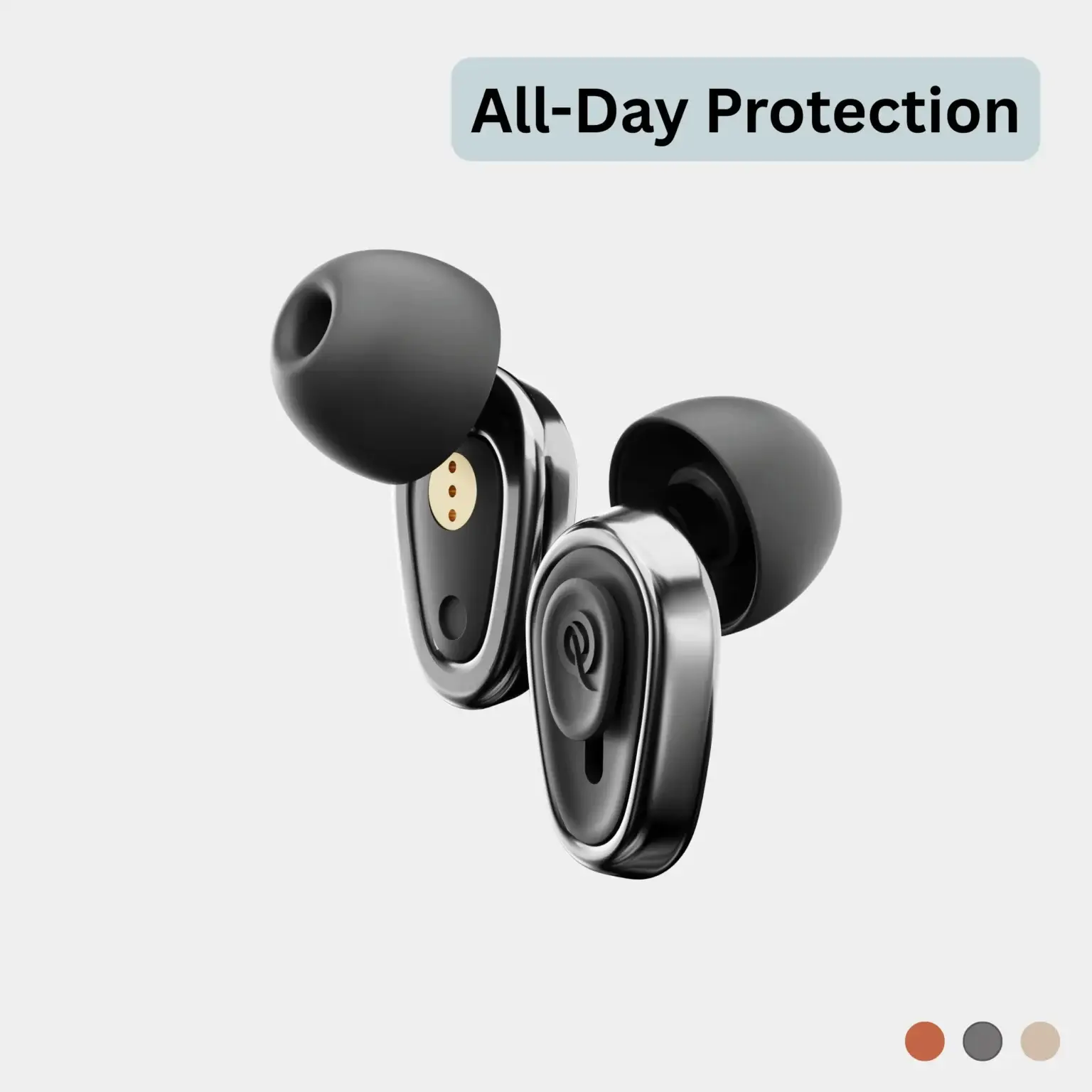
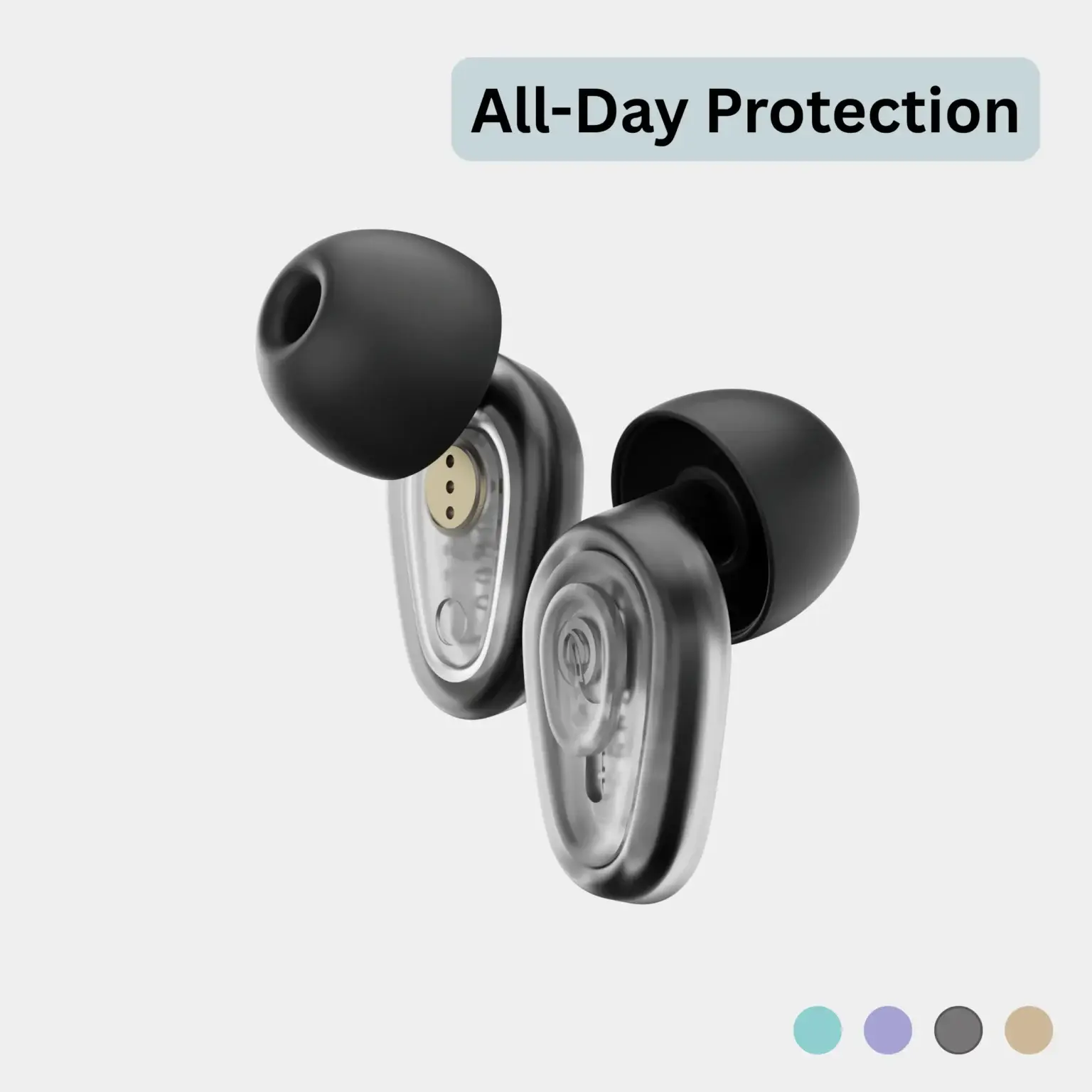
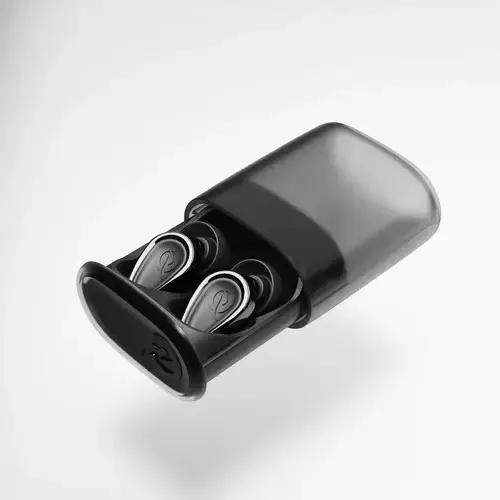
Earmuffz reusable earplugs are designed around this everyday need for total volume control: discreet enough for commuting, comfortable enough to wear for longer stretches, and made to reduce distractions without making daily life feel switched off.
Keep the volume sensible when you add audio
If music, an audiobook or a podcast makes your journey better, use it deliberately. With background noise reduced first, you may be able to listen at a lower volume and still hear clearly. That is a much better deal than drowning out the train with maxed-out sound.
Choose calmer audio when your nervous system already feels busy. Fast-paced news, high-energy playlists and endless short-form clips can add to the sensory pile-up. Some days, the most effective soundtrack is no soundtrack at all.
Protect awareness where it counts
Reducing noise should never mean reducing safety. Keep your attention available near roads, platforms, cycle lanes and crossings. Follow local rules and workplace guidance, especially if you drive for work, cycle in traffic or use machinery.
You should still be able to notice alarms, approaching vehicles and announcements relevant to your journey. If your protection makes you feel disconnected or uncertain about your surroundings, remove it in higher-risk moments and put it back in when you are safely seated or walking away from traffic.
This is where moderate, filtered reduction often makes more sense than trying to block every sound. The best set-up depends on your mode of travel, sensitivity to noise and the places you pass through.
Make your commute easier on your whole system
Sound is only one part of commute overload. A hot, crowded platform, a heavy bag, low blood sugar and a delayed train can make normal noise feel unbearable. Reduce friction around the journey and the volume may feel more manageable too.
Prepare the night before when possible. Charge devices, pack your earplugs in a case you can reach quickly, bring water and avoid starting the day already rushed. If you know that a particular route is consistently chaotic, give yourself a few extra minutes. Control is not always silence. Sometimes it is simply not having to sprint towards it.
Try a brief reset when you get off. Walk the final street without audio, take three slower breaths before entering the office, or stand somewhere quiet for a minute before beginning your next task. These are not dramatic rituals. They are practical ways to tell your brain that the high-alert part of the journey is over.
A simple commuting noise checklist
Before you leave, make sure you have four things sorted:
- A comfortable, reusable form of noise reduction that suits your travel mode.
- A safe plan for roads, platforms and other moments where awareness is essential.
- Audio set at a level you can enjoy without battling the background roar.
- A small period of quiet built into either the start or end of your journey.
Your commute may never be peaceful at 08:15 on a wet Tuesday. It can still be yours. Reduce the noise that drains you, keep hold of the sounds that matter, and arrive with more of your energy intact.