
Autism Friendly Earplugs for Adults
Some noise doesn’t feel like background noise. It feels like pressure. A coffee grinder, HVAC hum, office chatter, subway brakes, a barking dog two floors down – for many people, that kind of input can stack up fast. That’s why autism friendly earplugs for adults matter. The right pair can lower the volume without cutting you off from your day.
For adults on the autism spectrum, noise sensitivity is rarely a small inconvenience. It can affect focus, energy, social tolerance, work performance, commuting, and recovery after a long day. Earplugs are not about hiding from the world. They’re about gaining control over it.
What makes earplugs autism friendly for adults?
Not every earplug works for sensory needs. Some block too much and create that plugged-up, trapped feeling. Others press against the ear canal, feel scratchy after an hour, or make your own breathing and footsteps sound louder than everything else. That can be just as distracting as the outside noise.
Autism friendly earplugs for adults usually get a few things right at once. They reduce sound enough to take the edge off, but not always so aggressively that speech becomes impossible. They’re soft enough for extended wear. They stay discreet, which matters for adults who want support that fits into work, errands, travel, or social settings without drawing attention.
The best options also respect the fact that sensory needs change from situation to situation. The earplugs that help during a crowded train ride may not be the ones you want for sleep, focused work, or a loud restaurant. Volume control is personal. Good earplugs should feel like a tool you can adapt, not a one-setting fix.
Why the wrong earplugs can make sensory overload worse
Many adults try foam earplugs first because they’re cheap and easy to find. Sometimes they help. Sometimes they create a different problem.
Foam expands in the ear canal, which can feel intrusive if tactile sensitivity is a factor. It can also over-isolate. That sounds helpful until you realise you can now hear your jaw moving, your pulse, and every internal body sound with uncomfortable intensity. For some users, that trade-off is a dealbreaker.
Harder reusable plugs can miss in a different way. They may reduce noise well, but if the fit is stiff or bulky, you start thinking about the earplugs instead of forgetting they’re there. That breaks the whole experience. Comfort is not a bonus feature here. It’s core performance.
How to choose autism friendly earplugs for adults
Start with the environment, not the product name. Ask yourself what kind of sound is causing the problem and what level of awareness you still need.
If your biggest issue is overstimulation in public spaces, you’ll likely want moderate noise reduction. Enough to soften the edge of crowd noise, traffic, dishes clattering, and sudden spikes in volume, but not so much that you miss announcements or can’t follow a conversation. For work or studying, the target may be different. You may want to cut ambient distractions more aggressively while still staying comfortable for several hours.
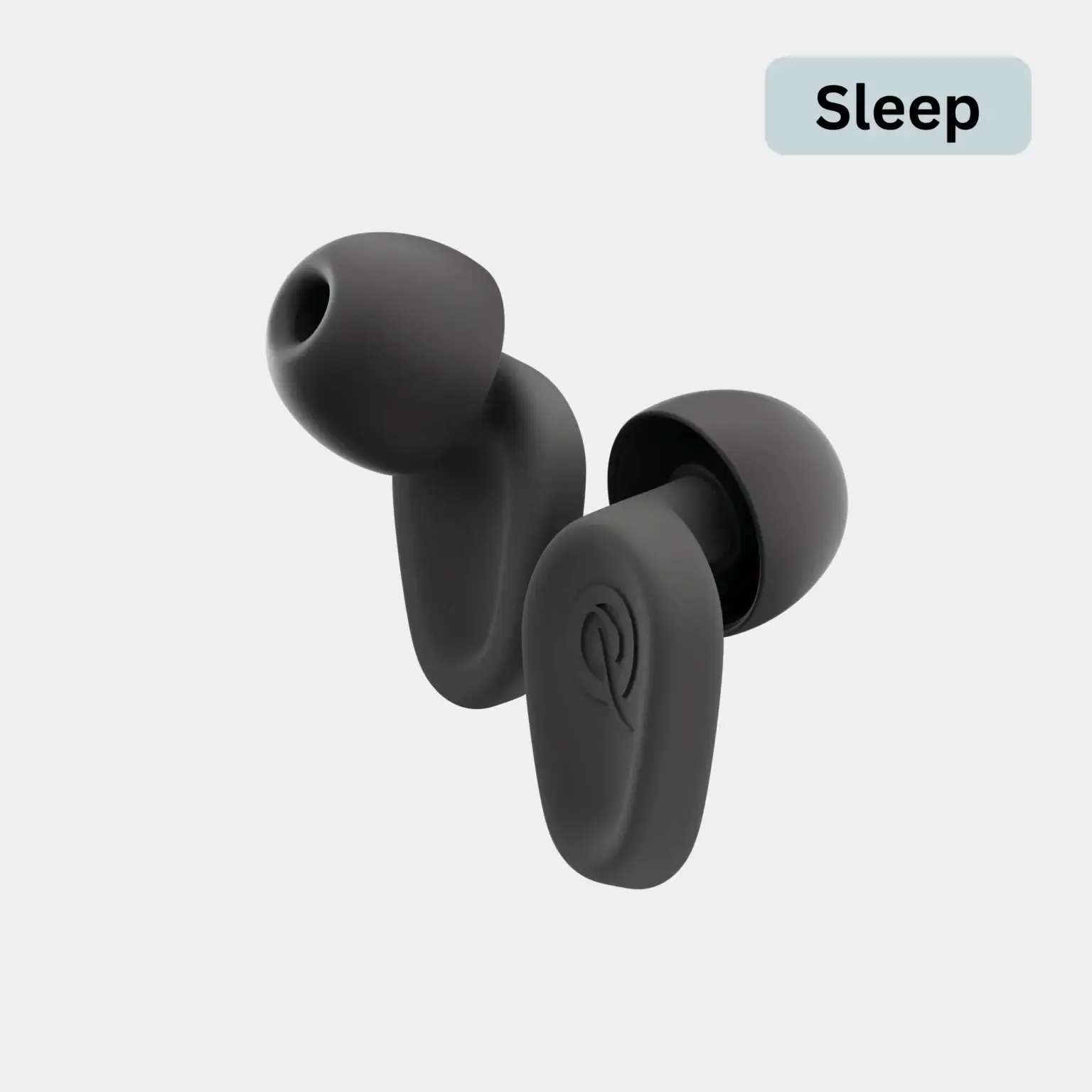
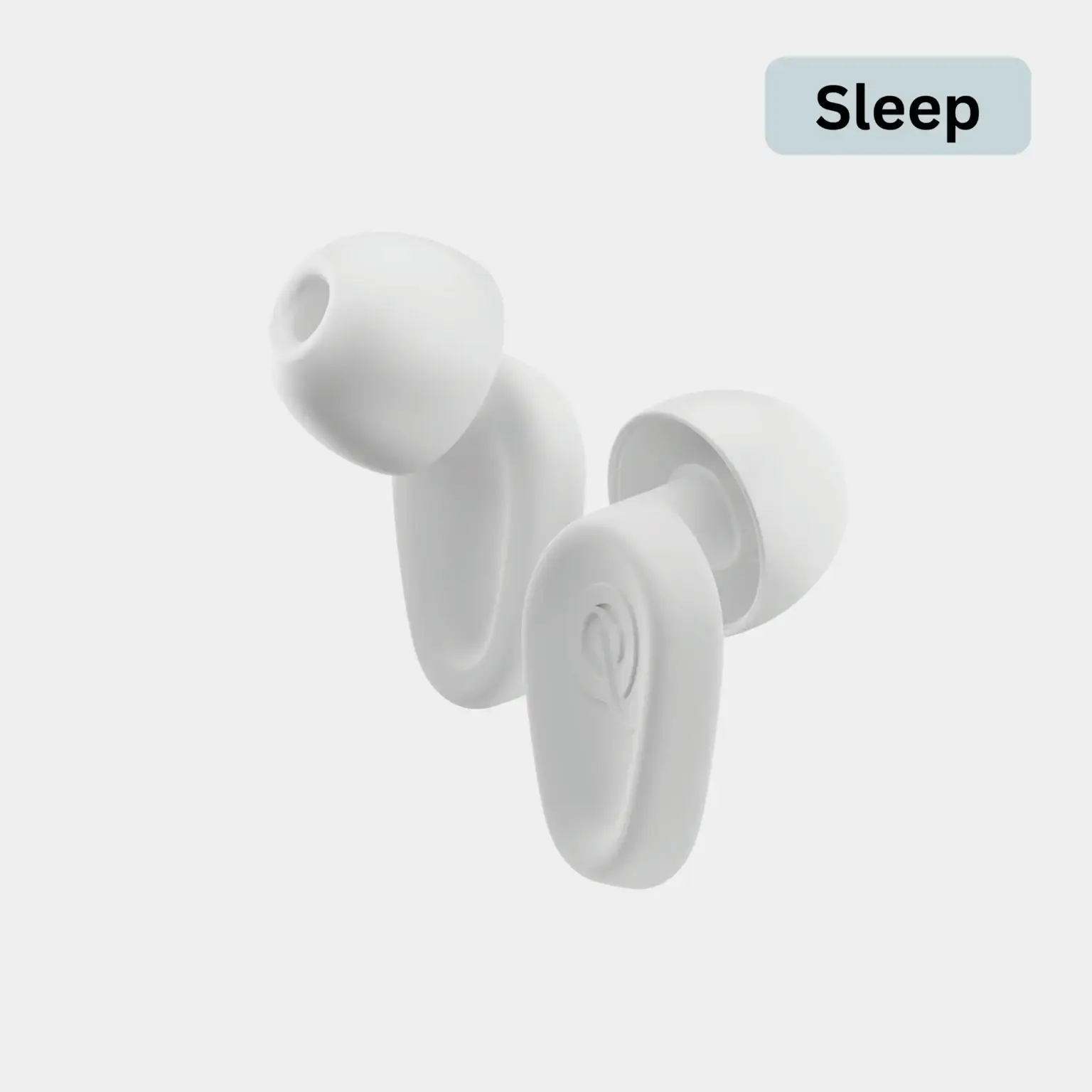
For sleep, soft materials and pressure-free fit matter more than style or speech clarity. Side sleepers in particular need low-profile earplugs that won’t create soreness against the pillow. For commuting or everyday errands, discreet reusable earplugs often beat single-use options because they’re easier to keep with you and easier to trust as part of a routine.
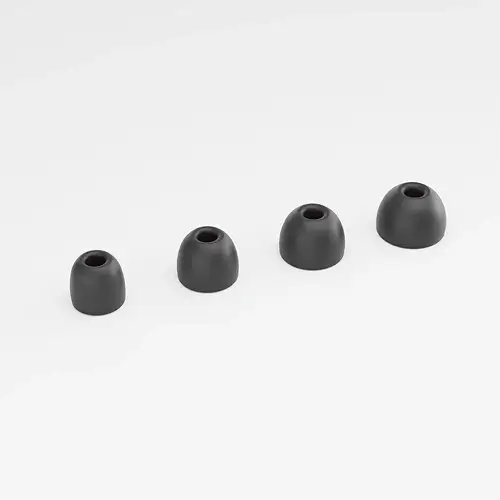
Fit matters just as much as filtering. A reusable earplug with multiple eartip sizes is usually the smarter move for adults with sensory sensitivity because it gives you a better chance of finding a seal that feels secure without feeling invasive. Too loose, and outside noise leaks in unpredictably. Too tight, and the earplug becomes the problem.
Features worth looking for
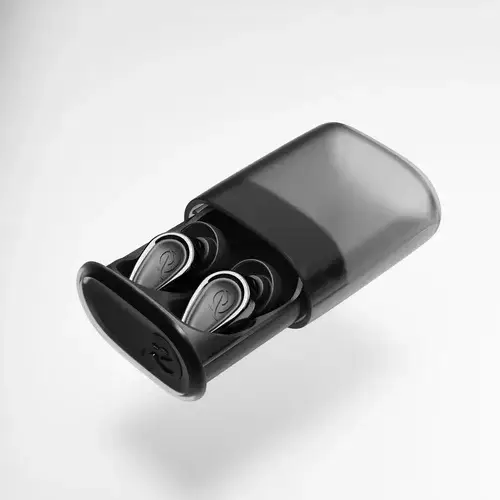
Low-profile design is a big one. Bulky ear protection can feel medical, industrial, or simply uncomfortable in daily life. A smaller profile tends to feel more wearable across more situations, from offices to grocery stores to airplanes.
Soft-touch materials matter too. If an earplug feels rigid on insertion or creates pressure over time, you’ll be less likely to use it consistently. Reusable silicone designs are often preferred because they balance durability with comfort, especially when the finish and shape are made for longer wear.
Noise reduction should be controlled, not extreme by default. Adults with autism often want to reduce stimulation while staying oriented. That means the sweet spot is not always maximum blockage. It’s enough of a reduction to calm the environment while preserving confidence.
Washability is another practical win. Reusable earplugs that can be cleaned and stored in a case are easier to build into real life. That matters because the best sensory tool is the one you actually carry, use, and trust.
One pair usually won’t do every job
This is where many people get frustrated. They buy one earplug and expect it to handle sleep, work, public transit, restaurants, and events. Sometimes it can. Often, it can’t.
Different situations ask for different levels of control. For sleep, the goal is often stronger passive reduction and softer comfort. For daytime wear, especially in social or work settings, balanced filtering is more useful. You want relief without feeling disconnected.
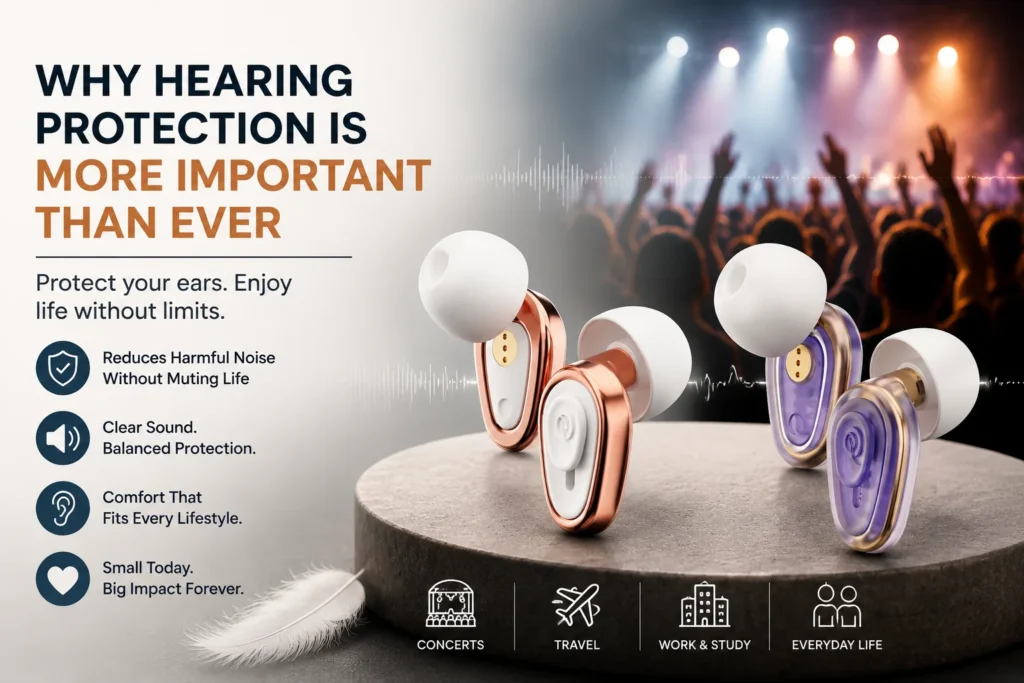
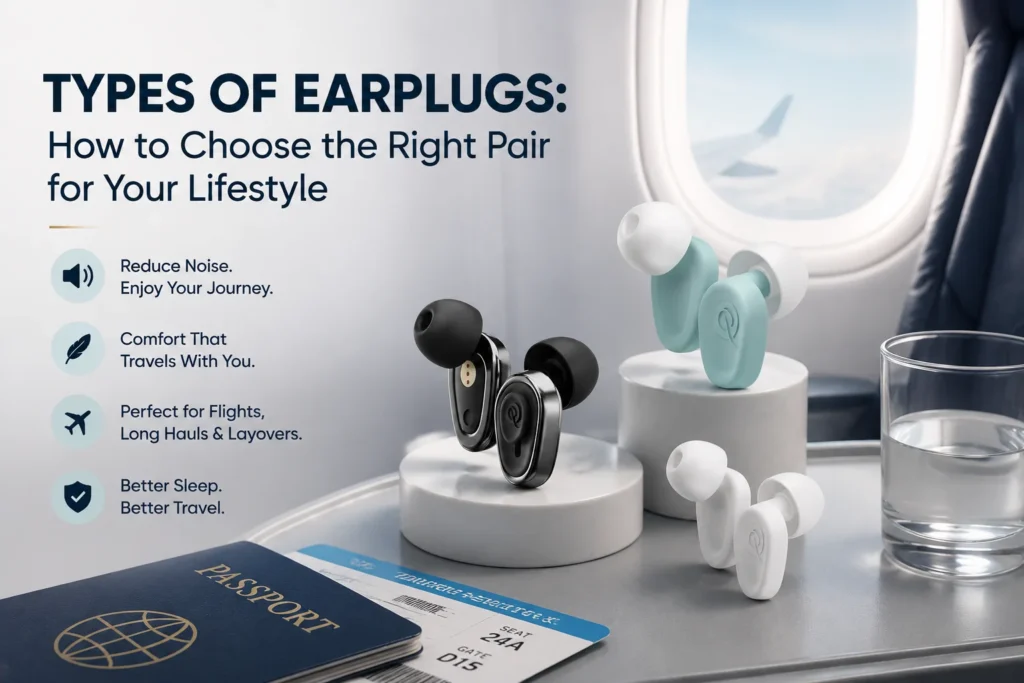
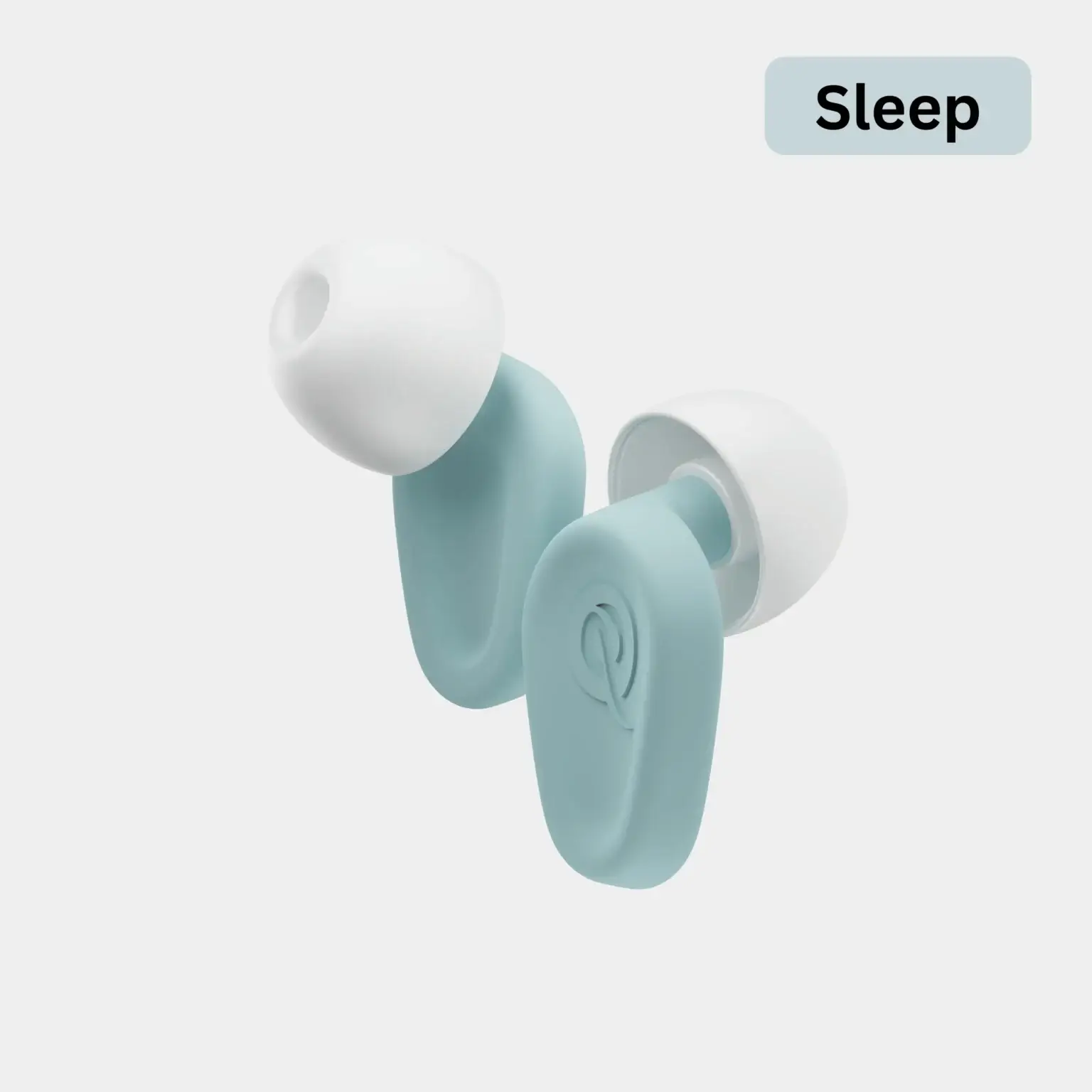
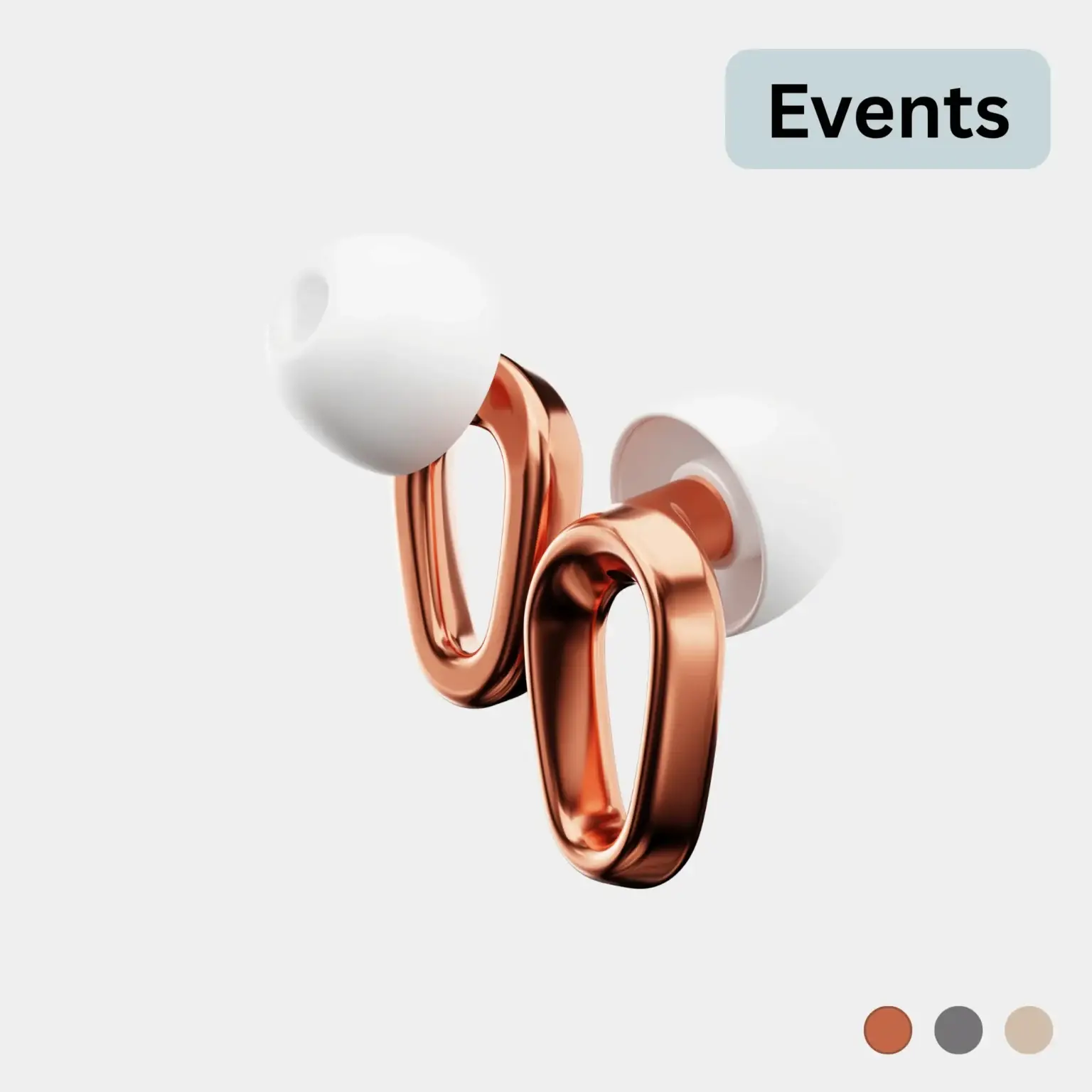
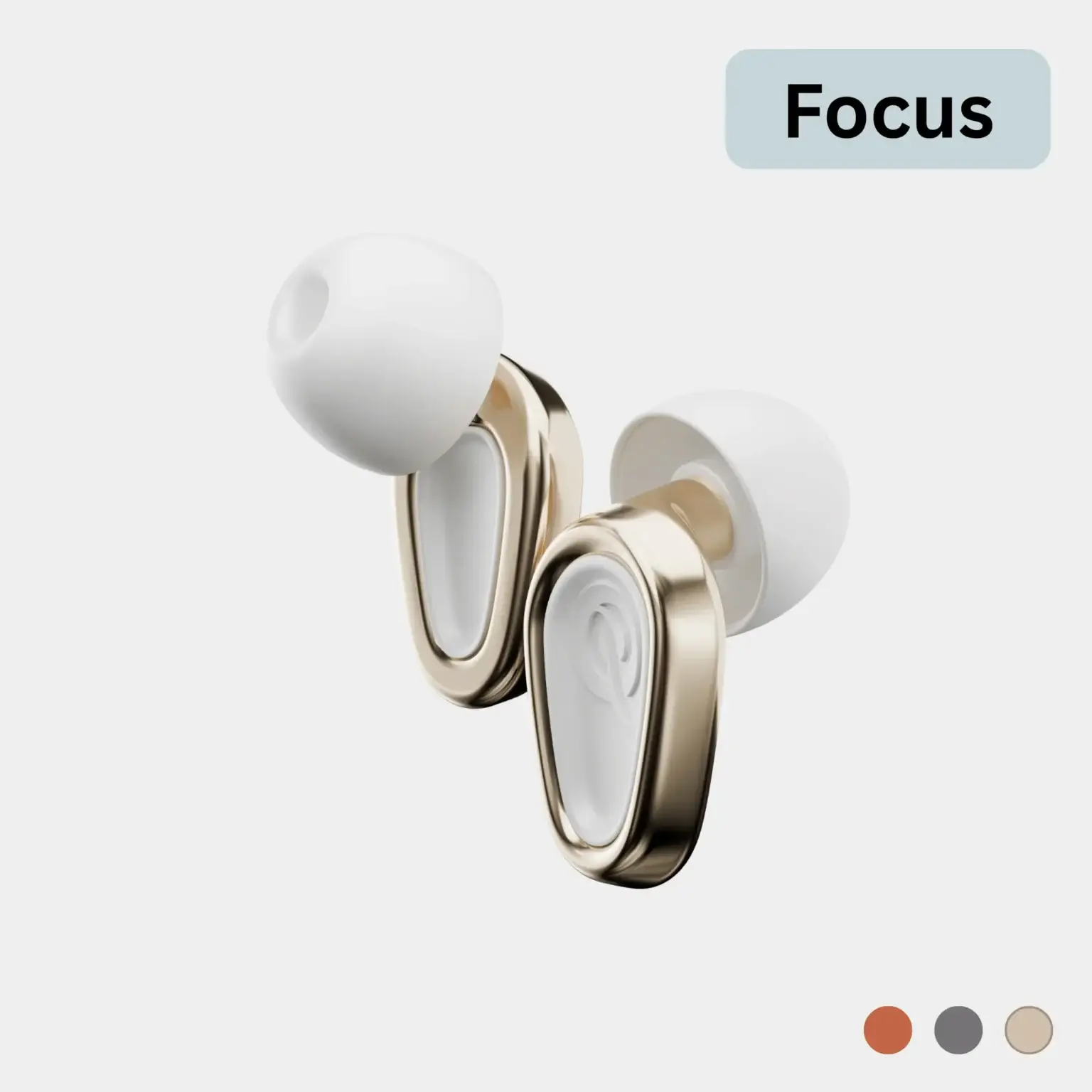
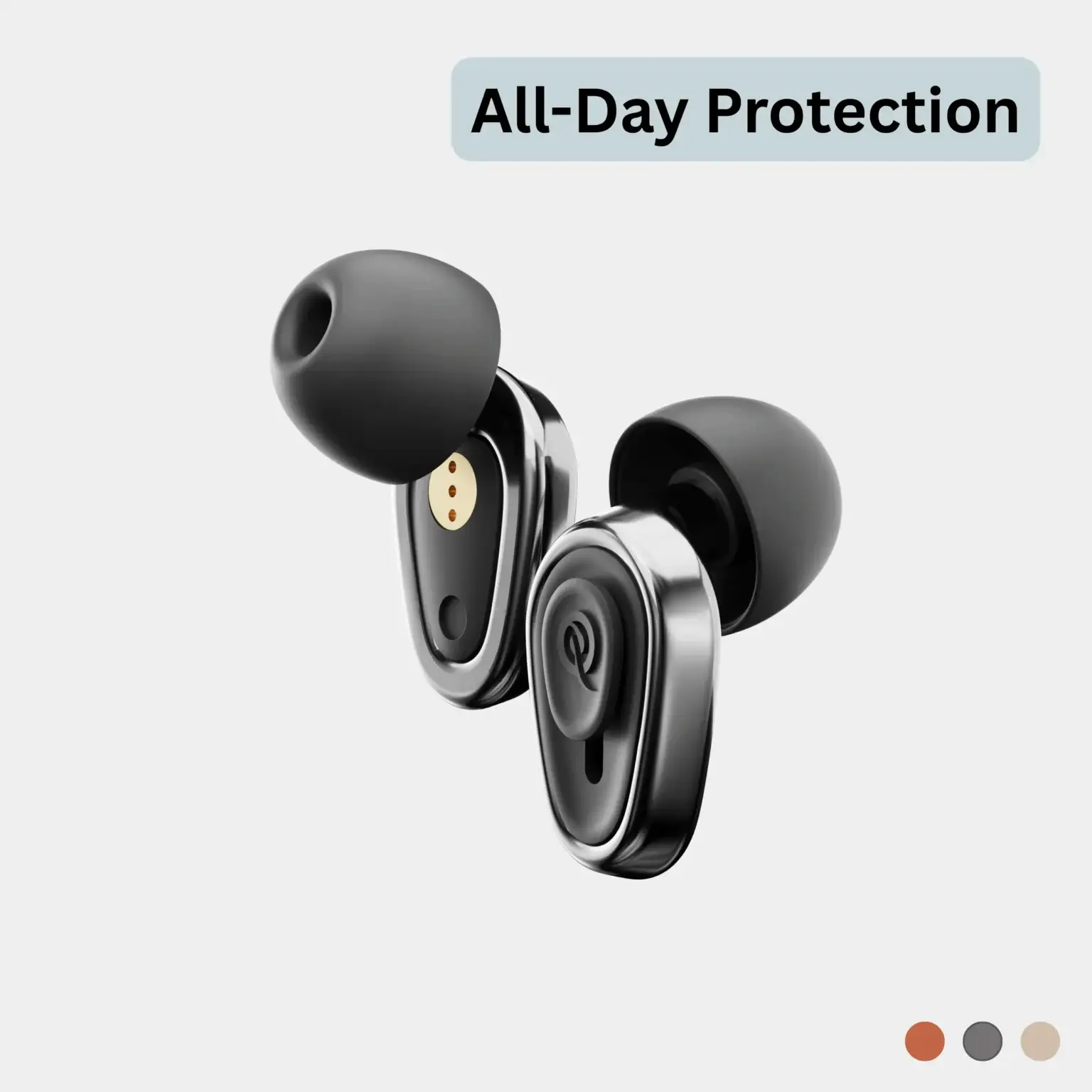
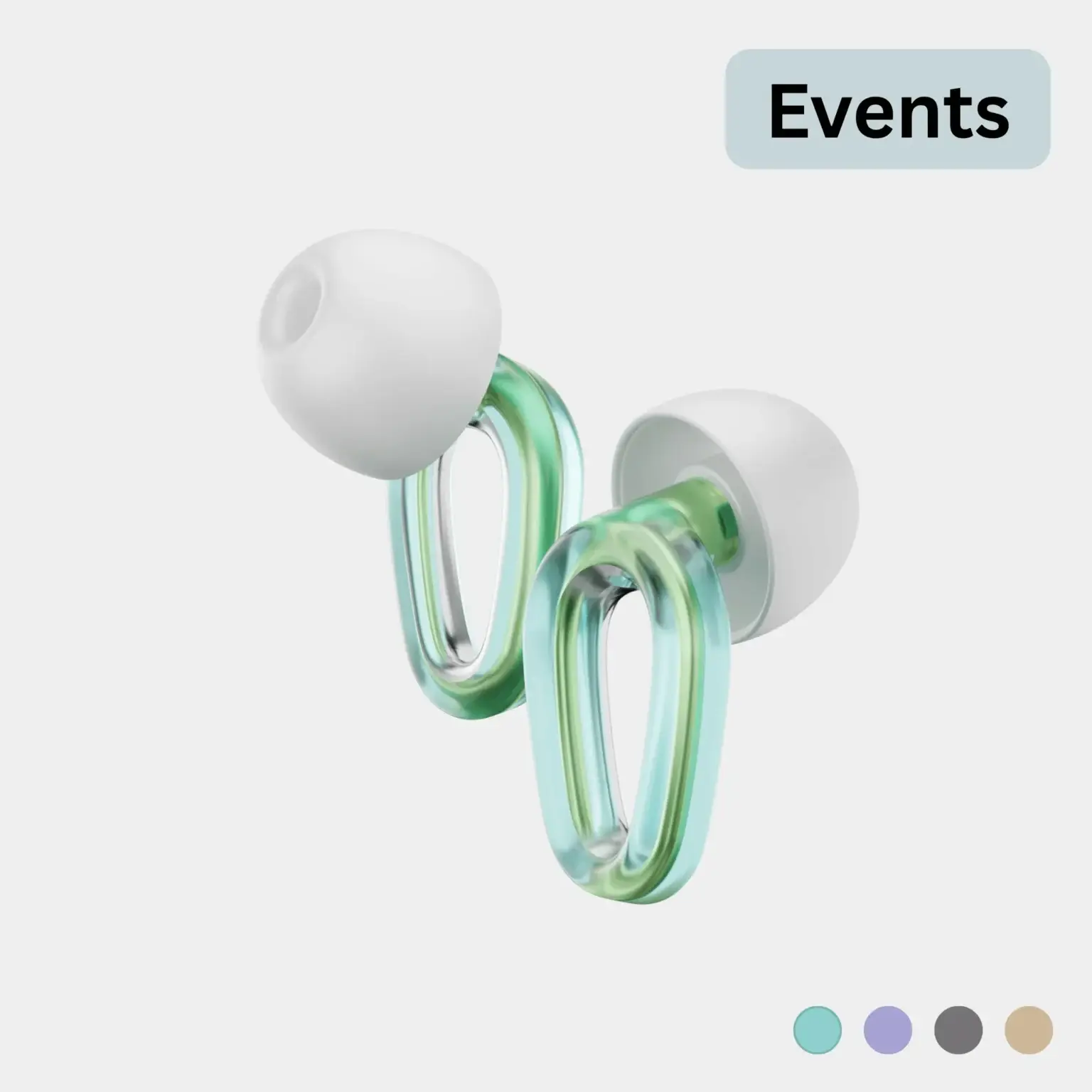
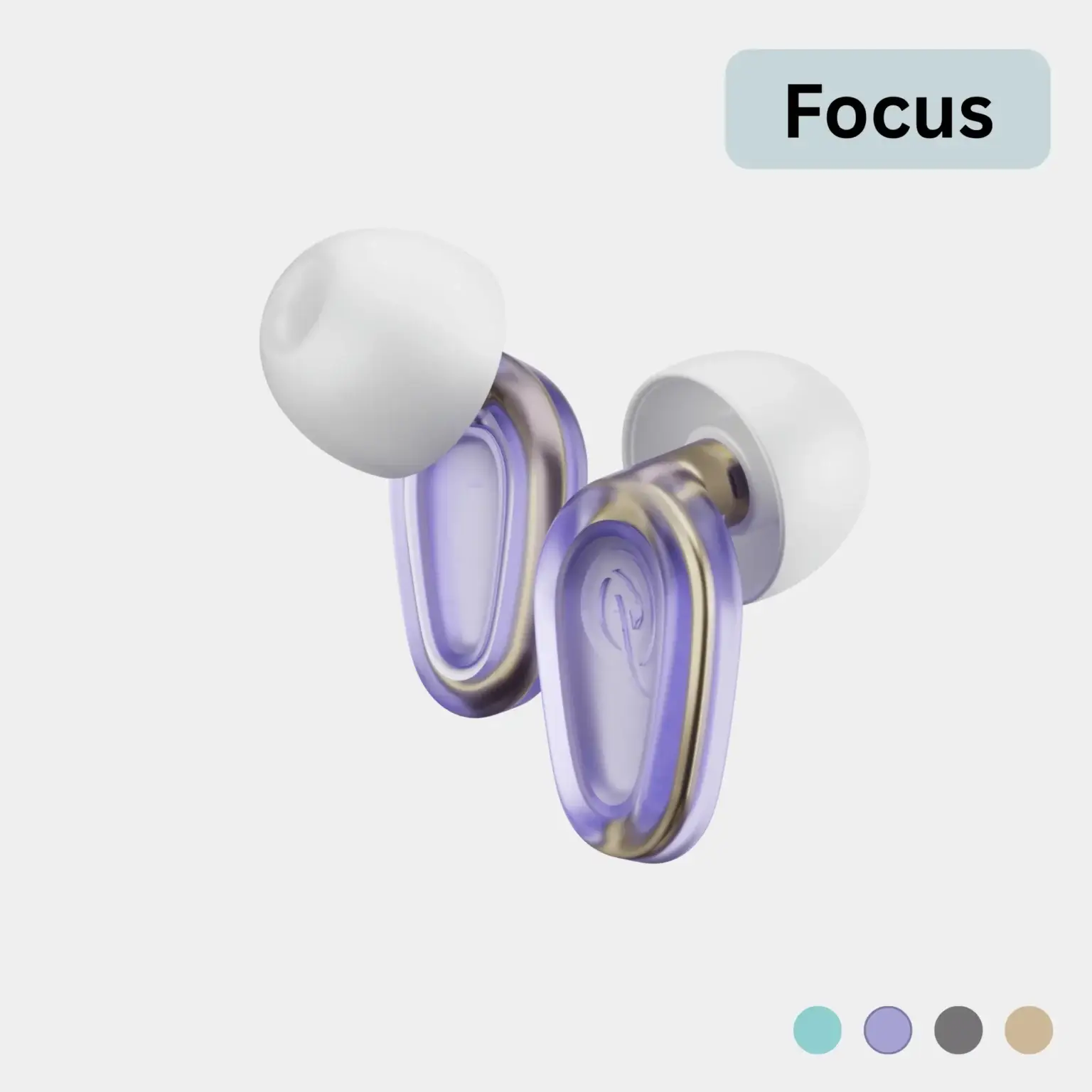
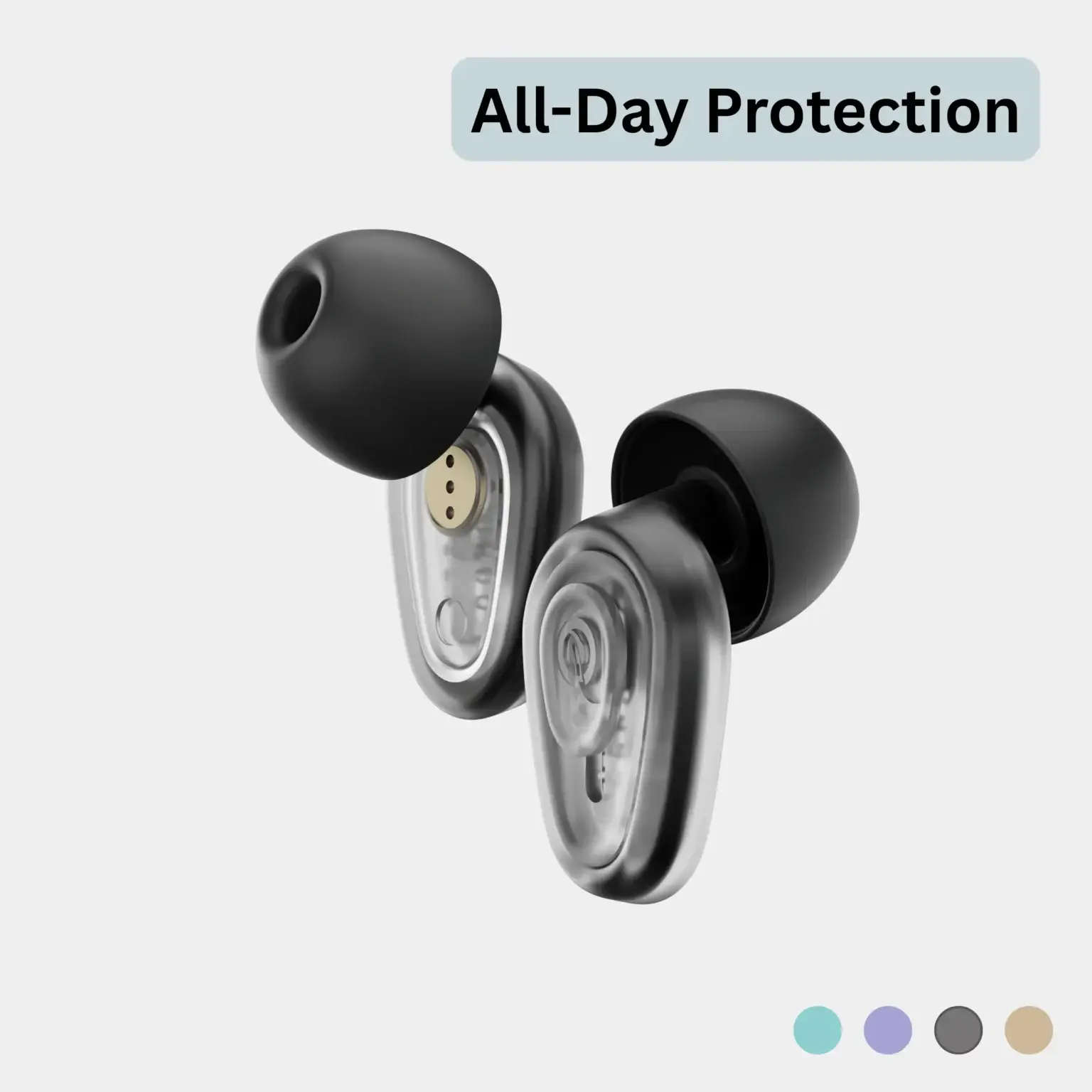
That’s why a use-case-driven lineup makes sense. A sleep-specific model, an everyday model, and a higher-performance option for louder environments give adults more flexibility and fewer compromises. Earmuffz approaches earplugs that way, which lines up well with how sensory support actually works in daily life. The need changes. Your gear should keep up.
Everyday situations where earplugs can help
The value of autism-friendly earplugs for adults becomes evident in ordinary moments. Open offices can become more manageable when keyboard noise, chatter, and HVAC sound stop competing for attention. Commutes feel less draining when the train screeches and traffic noise loses its sharpness. Grocery stores, gyms, airports, and waiting rooms can become less taxing when every sound no longer lands at full force.
Social settings are a little more nuanced. Some adults use earplugs at restaurants, family gatherings, and other events because noise fatigue sets in long before the event is over. The right pair can extend your tolerance and help you stay present longer. But if speech clarity matters a lot in those spaces, you may need lighter reduction than you’d choose for solo work.
There’s also the recovery factor. Sometimes earplugs are less about surviving a single loud moment and more about protecting your bandwidth across the whole day. Turning the volume down during errands or commuting can leave more energy for work, relationships, and rest later.
A few trade-offs to expect
No earplugs can remove all sensory stress. Visual clutter, temperature, clothing textures, fatigue, and social pressure can still push the system hard. Earplugs help by reducing a major input stream, making everything else easier to handle. But they are not a cure-all.
There’s also an adjustment period. Some adults need a few tries to get used to insertion, tip sizing, and the changed sound profile. If your first attempt feels strange, that doesn’t necessarily mean earplugs aren’t for you. It may mean the fit, material, or reduction level isn’t right yet.
And further reductions are not always better. If total isolation makes you anxious or overly aware of internal sounds, step down to a more balanced option. Better comfort and better situational awareness often lead to better long-term use.
Building earplugs into your routine
The biggest upgrade is consistency. Keep a pair in your bag, at your desk, and near your bed if sleep is a challenge. Use them before overload spikes, not only after. That shift matters. Earplugs work best as proactive support, not just damage control.
It also helps to match them to patterns you already know. If the grocery store is always draining, make earplugs part of that trip. If the office gets harder after lunch when your focus drops, put them in then. Small routines create reliable relief.
A well-designed pair should feel less like emergency gear and more like everyday equipment. That’s the goal – comfort you trust, control you can carry, and less noise competing with your life.
The right earplugs won’t change who you are. They help the world come at you with less force, which is sometimes exactly what it takes to think clearly, move confidently, and own the moment.