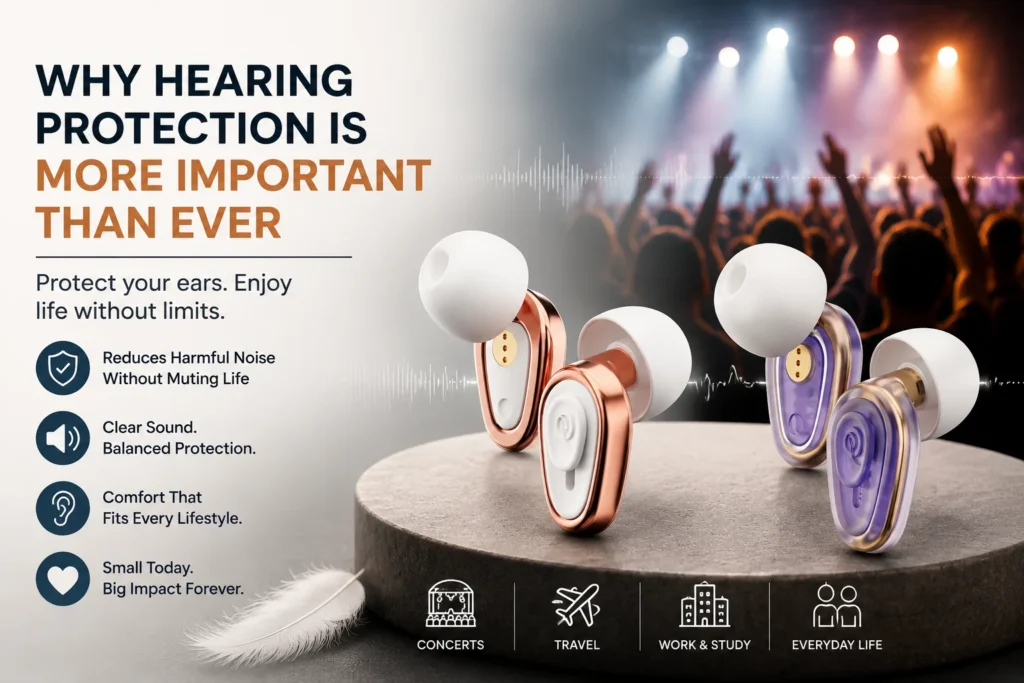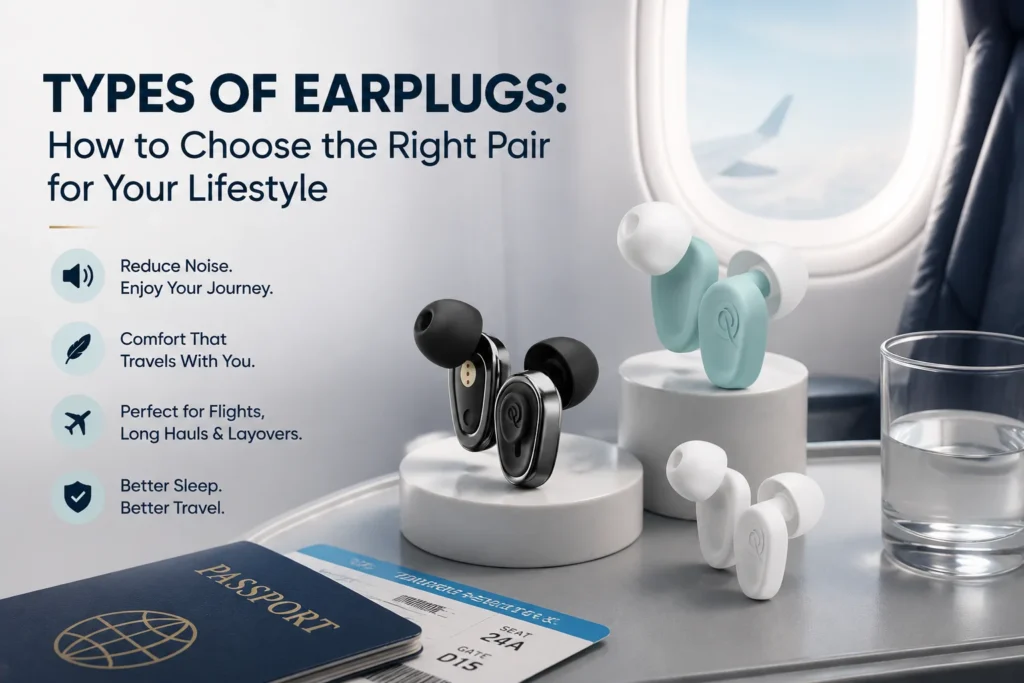

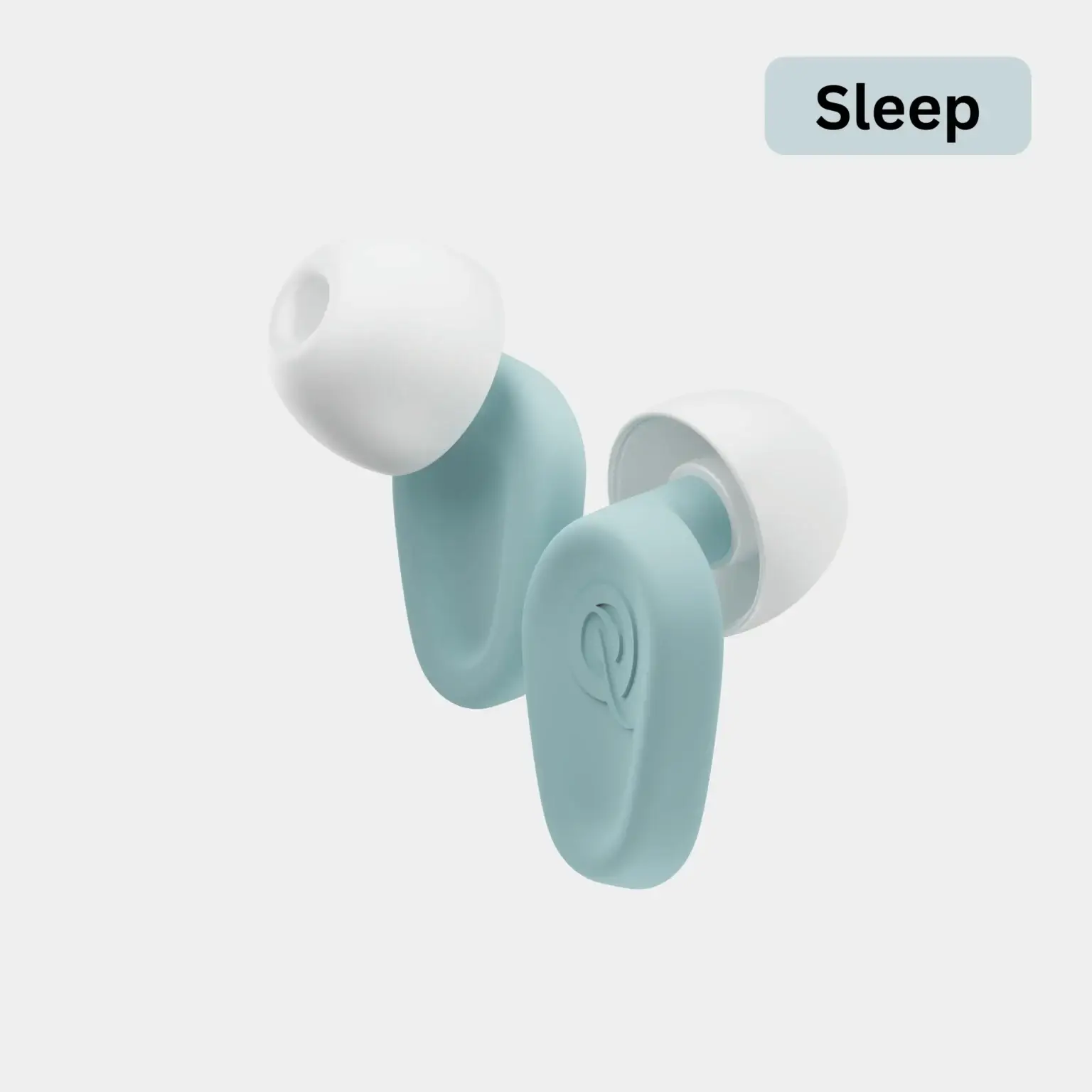
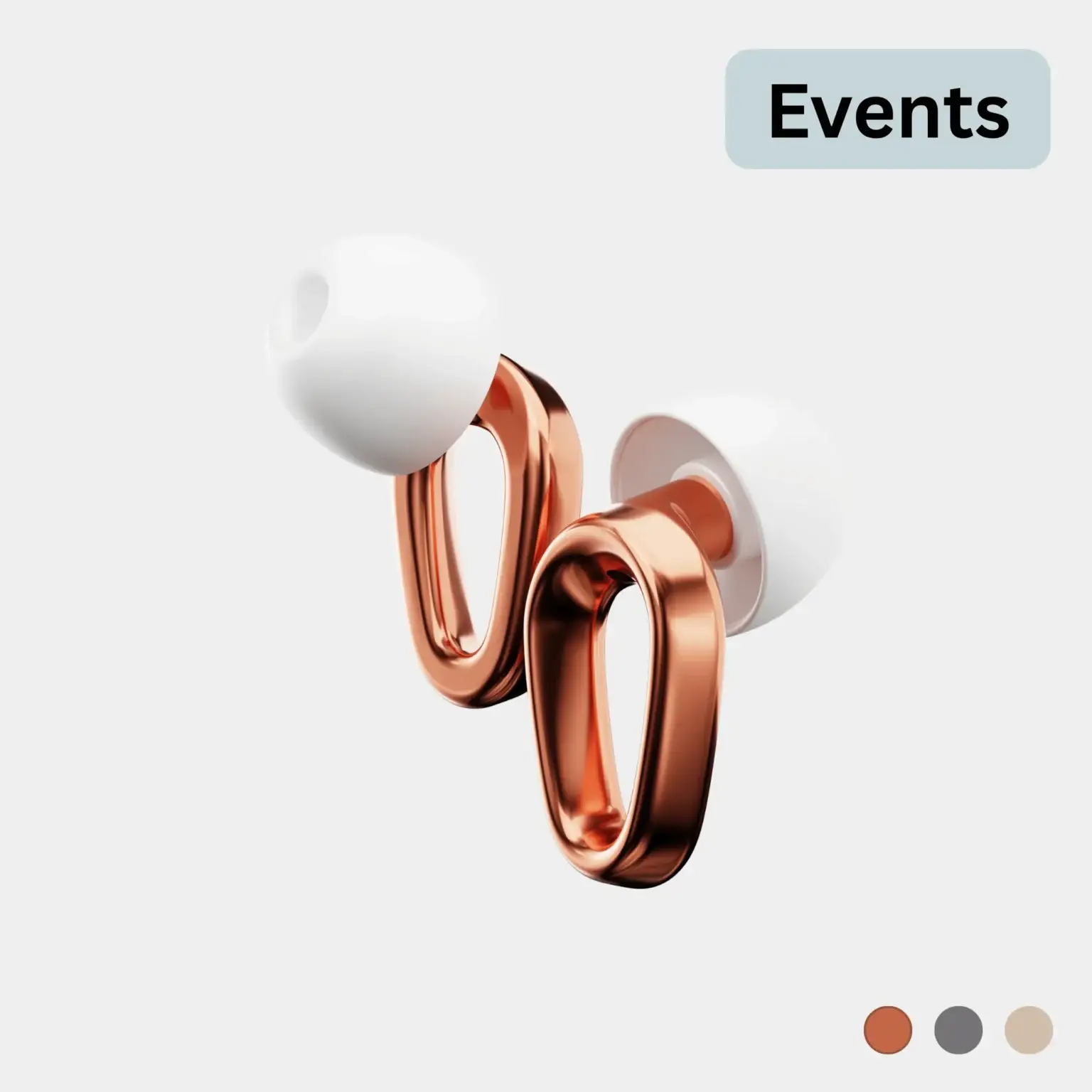
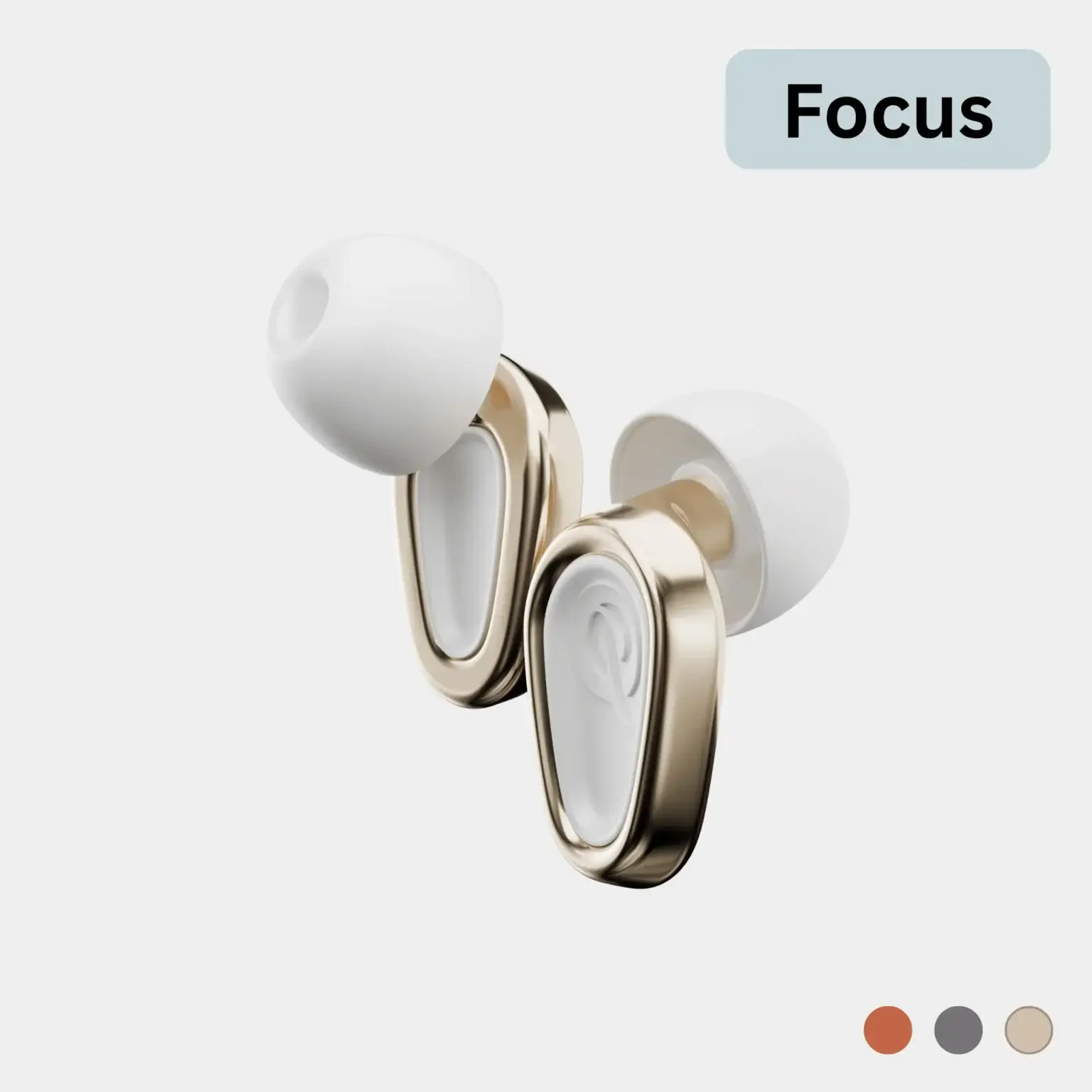
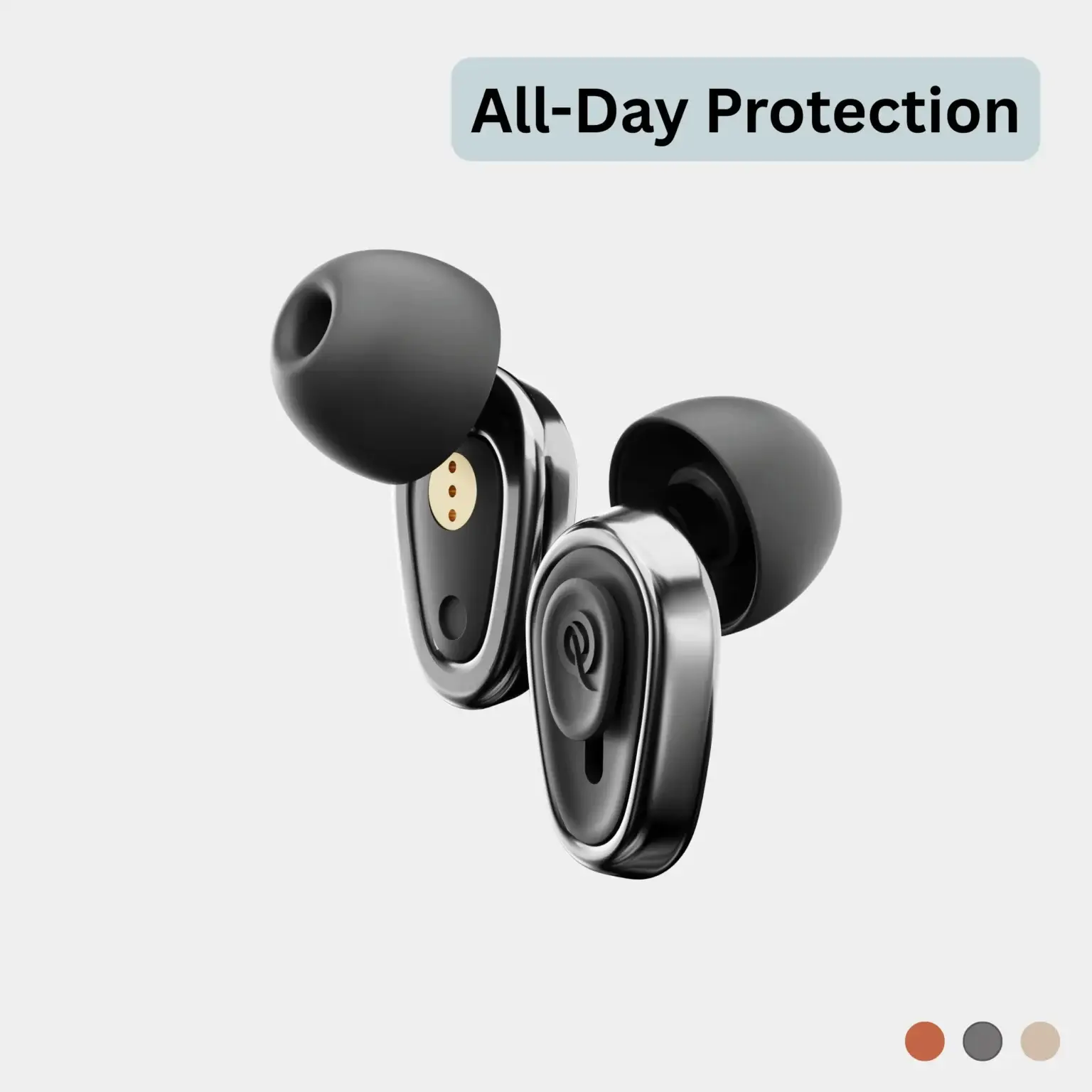
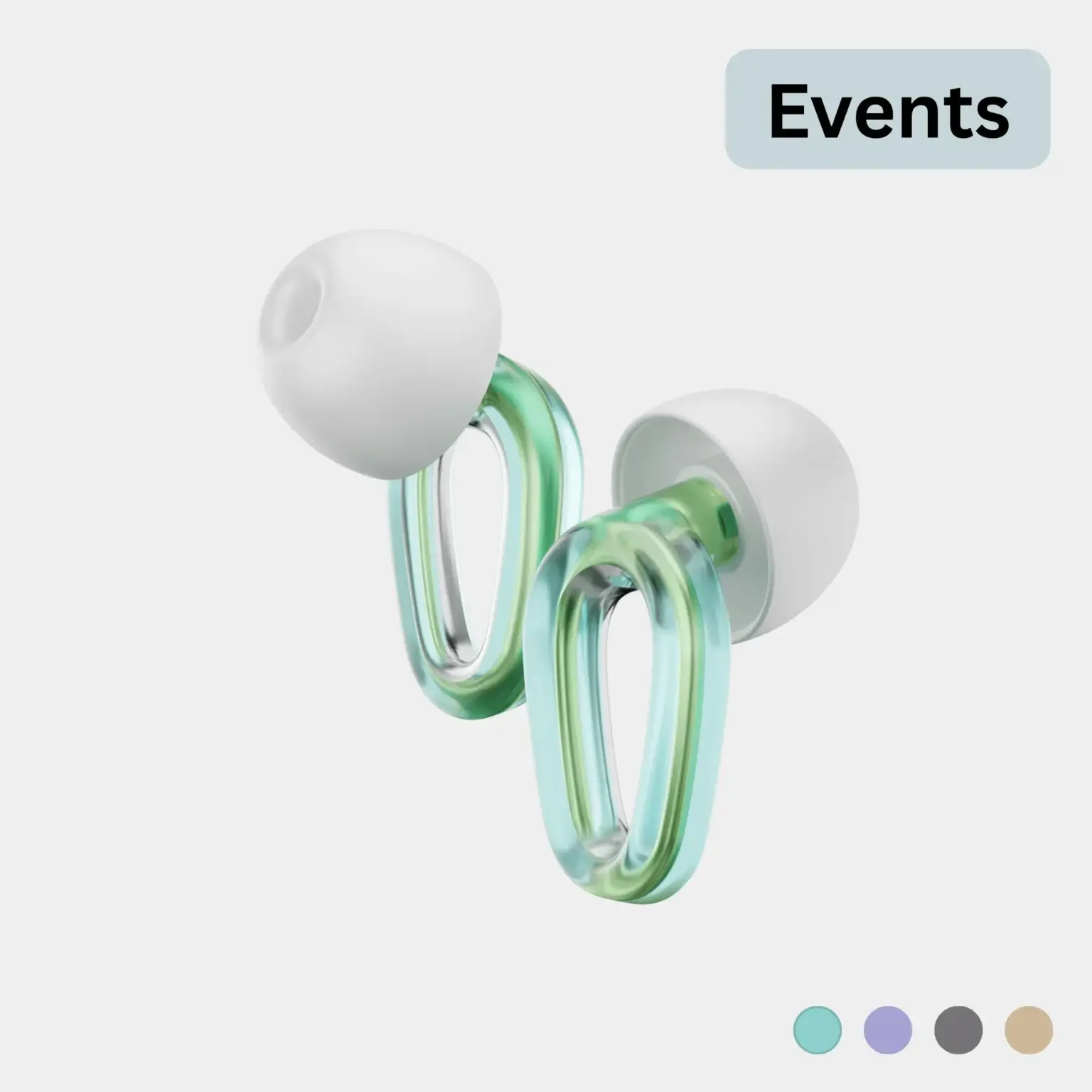
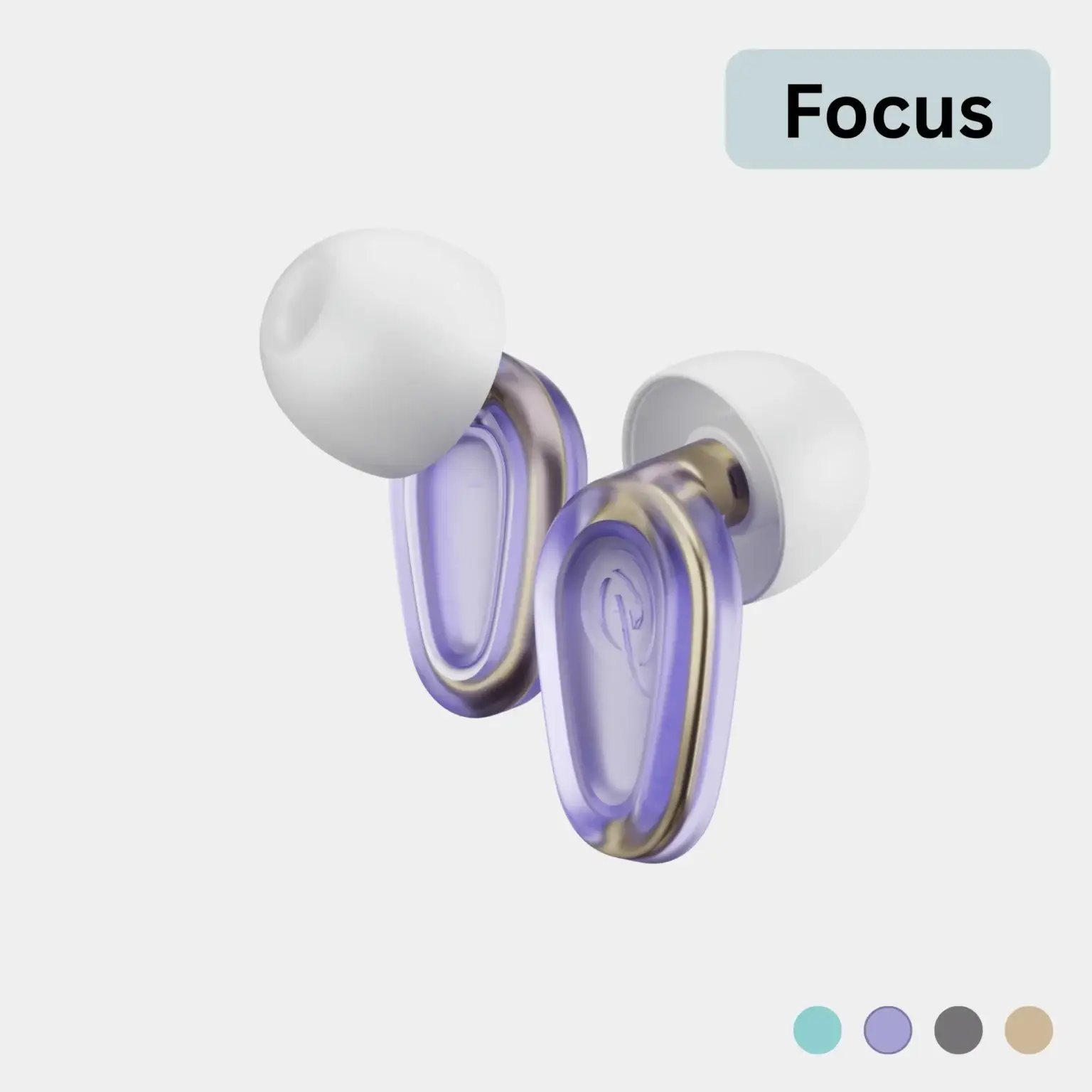
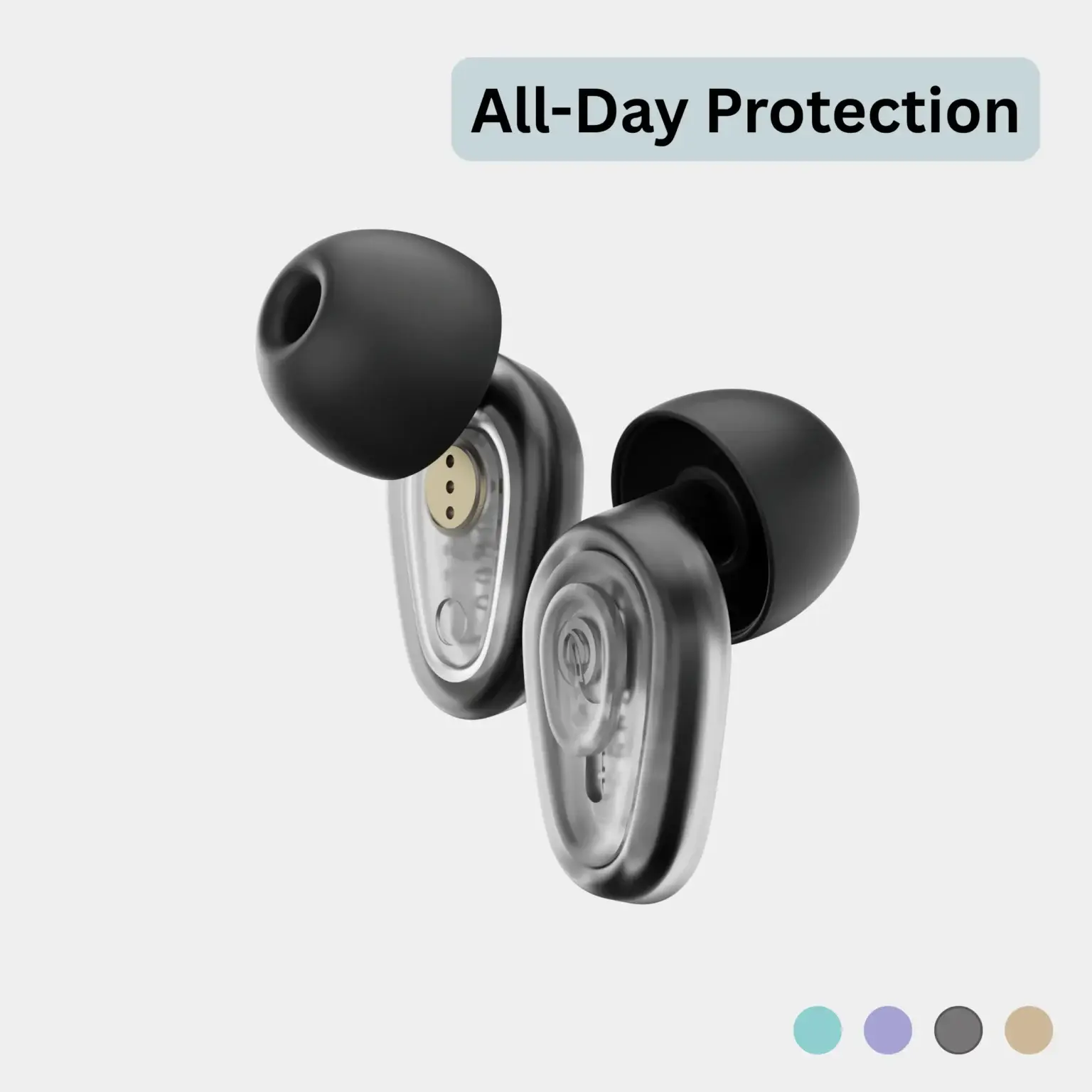

The worst sleep noise is rarely dramatic. It is the boiler clicking on at 5am, a partner turning over, traffic building before your alarm, or a neighbour who mistakes midnight for DIY hour. A useful sleep earplug review has to look beyond a single noise-reduction figure. The pair that helps you rest is the one you can wear comfortably, reliably and safely for the whole night.
For light sleepers, the goal is not total silence. It is control. You want to soften the sounds that repeatedly pull your brain back to attention, while keeping enough awareness for an alarm, a child or an urgent situation. That balance is where most buying decisions are won or lost.
Sleep earplug review: judge comfort before quiet
Noise reduction matters, but comfort decides whether earplugs ever become part of your routine. A high-performing plug is not much use if it creates pressure after an hour, works loose at 3am or makes your ear canal feel sore by morning.
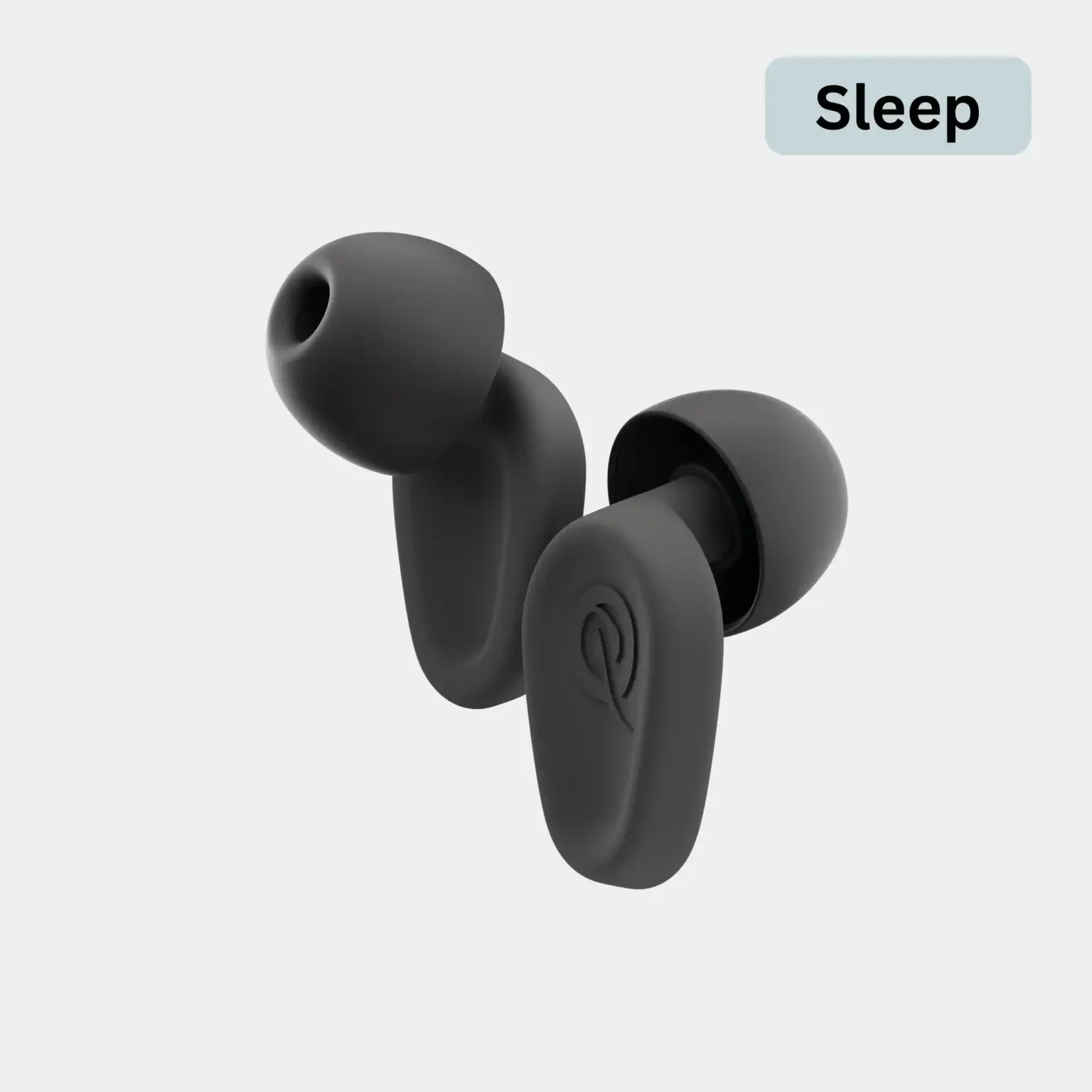
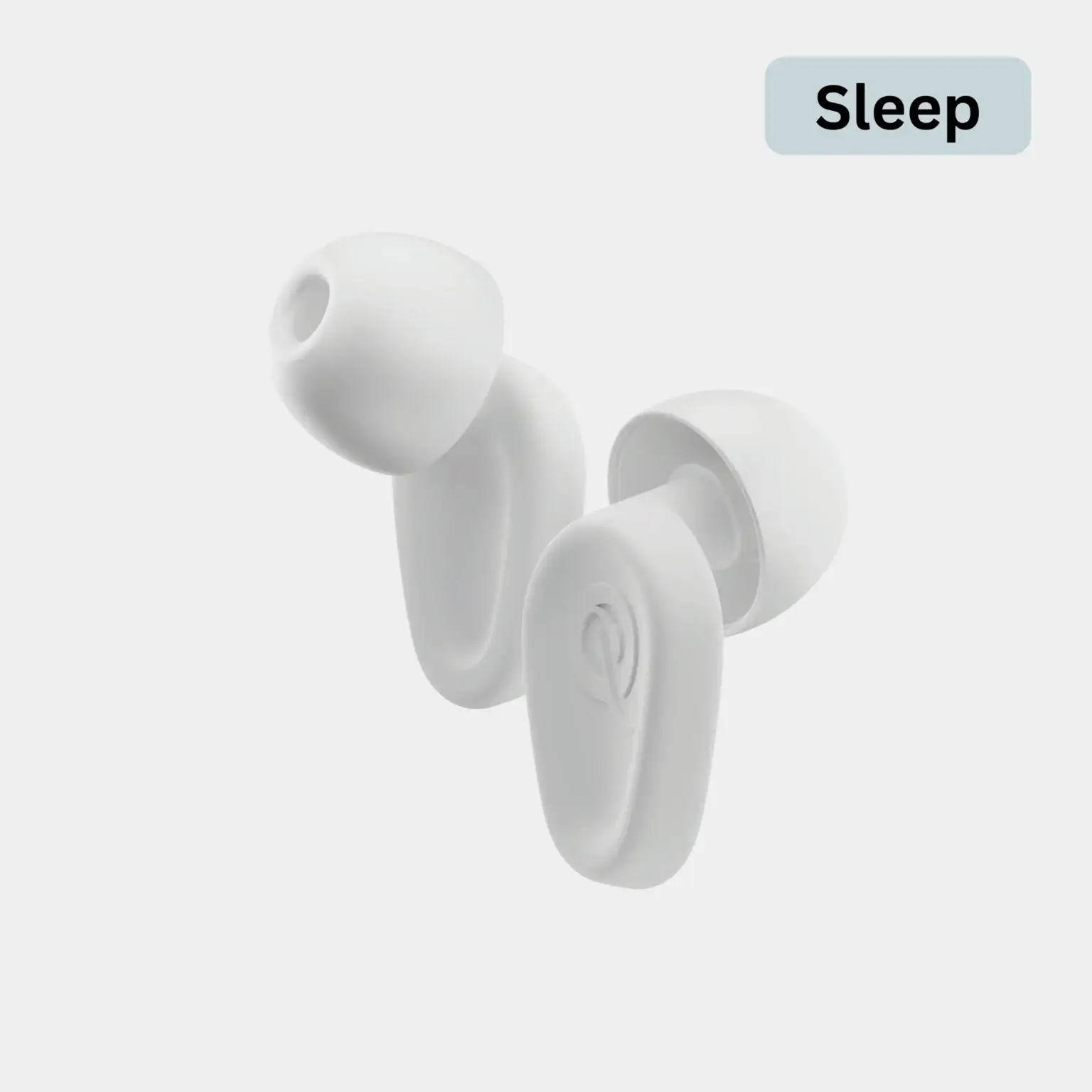
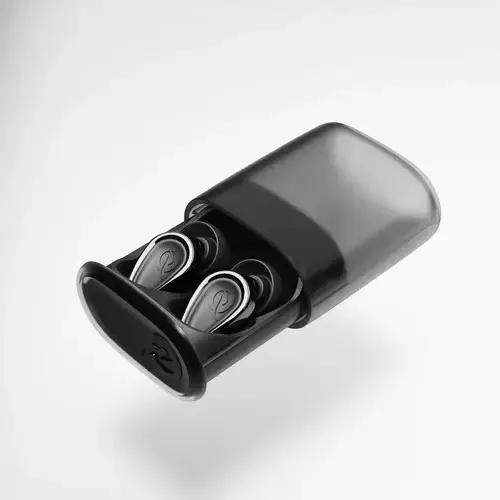
Side sleepers should be especially selective. Large stems, rigid outer shells and bulky filters can press into the pillow and create a tender hotspot. A low-profile design sits closer to the ear, reducing that pressure when your head is against the mattress. Soft eartips also matter, but softness alone is not the whole story. The tip needs enough structure to seal consistently without being forced too deeply into the ear.
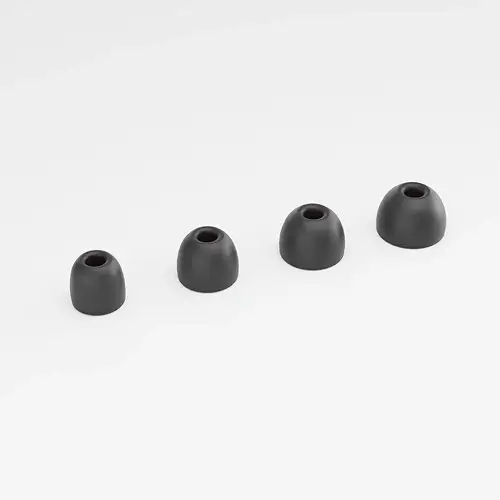
Fit is personal. Ear canals differ in width, angle and sensitivity, which is why multiple eartip sizes are more valuable than a one-size claim. The right fit feels secure rather than intrusive. You should not have to keep pushing the earplug in, and removing it should not feel like breaking a vacuum seal.
If you are new to reusable earplugs, give yourself a few nights to adjust. Wear them while reading in bed first, then try them for a full night. That short familiarisation period makes it easier to tell the difference between normal awareness of something in your ear and a fit that is genuinely wrong.
Understand noise reduction without chasing silence
Decibel ratings can look wonderfully simple: a bigger number appears to promise a quieter night. In real bedrooms, results depend on the sound itself, the quality of the seal and how you sleep.
Low-frequency noise, such as road rumble or bass from a nearby flat, is difficult for compact earplugs to erase completely. Higher, sharper sounds may be softened more noticeably. A properly fitted reusable plug can take the edge off intermittent disturbances, speech, television noise and general household sound, making them less likely to trigger a full wake-up.
That is a better expectation than complete soundproofing. No sleep earplug can guarantee silence, and a product claiming to block every sound should invite scepticism. Your pillow, room acoustics and bone conduction still carry some sound to the inner ear. What good earplugs do is lower the overall volume enough to give your nervous system fewer reasons to stay on alert.
Look for stated standards rather than vague promises. Certifications such as CE, EN 352 and ANSI indicate that a product has been assessed against recognised requirements, although the rating remains a laboratory measure rather than a guarantee for every ear. Treat it as a useful comparison point, then prioritise a secure, comfortable seal.
Reusable versus foam: the trade-off is real
Disposable foam plugs can offer strong attenuation when inserted perfectly, and they are inexpensive upfront. But they are easy to fit badly, are often uncomfortable for side sleepers and generate a steady stream of waste. They can also be inconvenient when you want a pair ready for a hotel stay, a partner’s snoring or an early-morning flight.
Reusable sleep earplugs cost more initially, but they are built for repeat use. You can clean them, keep them in a case and learn the fit that works for your ears. For people who need noise control several nights a week, that consistency is a serious advantage.
The trade-off is maintenance. Reusable earplugs need regular cleaning with mild soap and water if the manufacturer permits it, followed by thorough air-drying. Keep the case clean too. Never share earplugs, and replace eartips or the entire pair when the material becomes damaged, stiff, discoloured or difficult to keep hygienic.
Choose for your actual sleep environment
The best choice depends on what is disturbing you. For a snoring partner, comfort and an even seal usually matter more than pursuing the highest possible rating. Snoring changes in volume and frequency through the night, so reducing its peaks can make a meaningful difference even when you still hear a faint background sound.
For city traffic, a close fit and low-profile shape are crucial, particularly if you sleep on your side. If you travel often, a protective carry case helps keep your earplugs clean in a wash bag or hand luggage. For shift workers trying to sleep during daylight hours, earplugs work best as part of a wider setup: darker curtains, a cooler room and notifications switched off.
If you live with tinnitus or strong sound sensitivity, gentler noise control can feel more manageable than trying to create complete silence. However, tinnitus varies significantly. If earplugs seem to make internal ringing more prominent or your sleep disruption is persistent, speak with a hearing professional rather than simply adding more attenuation.
Earmuffz Sleep earplugs are designed around this everyday reality: reusable, low-profile noise control that supports rest without turning bedtime into a complicated ritual. The focus should always remain on the fit and reduction level that feel right in your room, on your pillow and in your ears.
How to test a pair properly
Do not judge a new pair after ten minutes. Test them over several nights and in the position you naturally sleep in. Start by inserting them with clean hands, following the supplied fitting instructions. If the earplug has interchangeable tips, test the size that seals with light pressure rather than the size that feels most forceful.
Pay attention to three moments: settling down, waking briefly in the night and removing them in the morning. At bedtime, the plug should not compete with your pillow. During a wake-up, it should remain in place without creating aching pressure. In the morning, your ears should feel normal – not itchy, blocked or tender.
Also test your alarm. Set it at the volume you genuinely use and place your mobile phone where it normally sits. If you do not hear it comfortably, change the alarm tone, use vibration, move the device closer or choose a lower-reduction option. Better sleep should not come at the cost of confidence that you will wake when needed.
Common mistakes that ruin the result
The first is inserting an earplug too shallowly because it feels safer. A shallow fit often leaks sound and can make the plug easier to dislodge. The second is over-inserting it, which can cause discomfort and make removal harder. Follow the product guidance and aim for a secure, relaxed seal.
Another mistake is assuming more reduction is always better. If your bedroom is only mildly noisy, a less aggressive option may be more comfortable and still deliver the calm you need. Finally, do not wear earplugs through pain, discharge, an active ear infection or unexplained hearing changes. Ear protection is a practical tool, not a substitute for medical advice.
The right pair will not make every night perfectly quiet. It can, however, turn the volume down on the interruptions that steal your recovery. Choose comfort you can wear, protection you can trust and a fit that lets you wake rested and ready to own the day.