
How to Sleep With Reusable Earplugs Comfortably
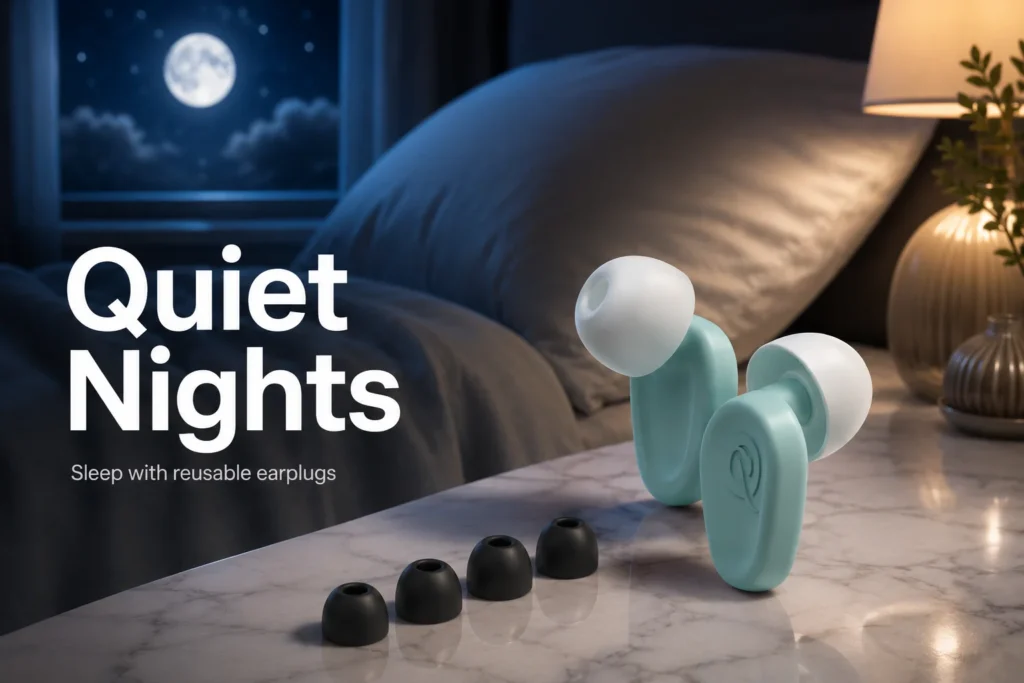
A snoring partner. Street traffic that hits its stride at 2 a.m. Upstairs footsteps, a buzzing HVAC system, or a brain that notices every tiny sound once the lights go out. Learning how to sleep with reusable earplugs is not about creating total silence. It is about taking back control of the noise that keeps pulling you out of recovery mode.
The right reusable earplugs can make your bedroom feel calmer without the waste, pressure, or one-night-only feel of disposable foam earplugs. But comfort is everything. If an earplug presses, slips, or makes your ears feel sealed off in a way that’s distracting, it will not earn a place in your nightly routine. A few fit adjustments can change that fast.
Start With the Right Expectation: Quieter, Not Silent
Reusable earplugs reduce the intensity of disruptive sound. They do not switch the world off, and that is a good thing. You may still hear a smoke alarm, a baby monitor, or a partner trying to get your attention, depending on the sound level, distance, and earplug design.
Think of them as a volume control for your sleep environment. The goal is to take the sharp edge off snoring, traffic, neighbours, and household noise so your body has less to react to. For light sleepers and people managing noise sensitivity, that reduction can mean fewer wakeups and an easier return to sleep.
Your results will depend on the source of the noise. Low, steady sounds such as traffic rumble or an air conditioner can be easier to tolerate once reduced. Very loud, sudden, or vibration-heavy noise may still break through. Earplugs are a powerful part of a sleep setup, not a replacement for solving a serious noise problem when you can.
How to Sleep With Reusable Earplugs: Get the Fit Right
Most people who say they cannot sleep with earplugs are dealing with fit, not the concept of earplugs. A reusable design should sit securely in the ear canal without needing to be pushed deep or forced into place. If it hurts, feels sharp, or causes pressure after a few minutes, stop and reassess the size and insertion.
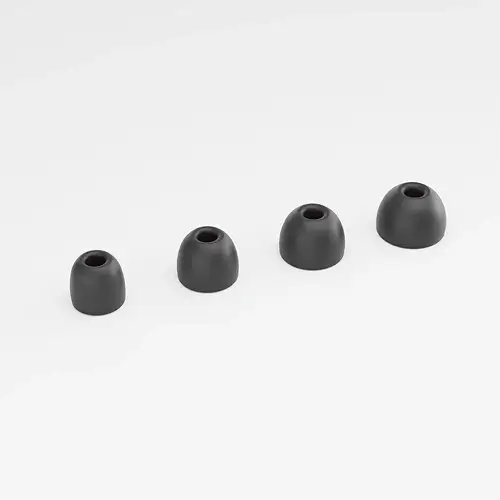
Start with clean hands and clean earplugs. Choose the smallest eartip that creates a stable seal, then move up only if outside sound is still leaking in. Bigger is not automatically better. An oversized eartip can create soreness, especially for side sleepers, while one that is too small may shift as you move.
To insert the earplug, gently pull the top of your ear up and back with one hand. With the other, place the earplug in the opening of the ear canal and use a slow, slight twisting motion until it feels secure. Do not jam it inward. You are looking for a comfortable seal, not maximum depth.
After inserting both earplugs, talk out loud or rub your fingers near each ear. Your own voice may sound a little different, but you should not feel pain, intense pressure, or a distracting blocked sensation. Give the fit a few minutes before deciding whether it works.
Do a Side-Sleeper Check Before Bed
Lie on your usual side for five to ten minutes before committing to a full night. If you feel the earplugs pressing against your pillow, try a smaller eartip or adjust the angle slightly. Low-profile reusable earplugs are usually a better fit for side sleepers because they sit closer to the ear rather than sticking out.
Your pillow matters, too. A very firm pillow can push an earplug inward, while a softer pillow may let your ear settle around it. There is no universal winner. Test your earplugs with the pillow and sleep position you actually use, not while sitting upright on the edge of the bed.
Build a Short Break-In Period
Do not wait until the night before to try reusable earplugs for the first time. Wear them for 15 to 30 minutes while reading, stretching, or winding down at home. This gives your ears and your brain a chance to get used to the sensation without the pressure of needing to fall asleep immediately.
For the first few nights, you may notice your breathing, heartbeat, or bedding more than usual. That is called the occlusion effect, and it is common with anything that seals the ear canal. For many people, the awareness fades as the fit improves and the new routine becomes familiar. If not, experiment with a different tip size or a design designed for lower-profile comfort.
Consistency helps. Put them in at roughly the same point in your bedtime routine, after brushing your teeth and before turning off the lights. The repetition tells your brain that the day is done and makes the earplugs feel less like an interruption.
Keep Your Sleep Earplugs Clean and Ready
Reusable does not mean maintenance-free. Earwax, skin oils, and dust can affect comfort, hygiene, and the seal that helps reduce noise. A quick clean makes a real difference.
Follow the care instructions for your specific earplugs, especially if they have removable silicone eartips, acoustic filters, or small internal components. In general, wipe the exterior and eartips with a soft, damp cloth, allow them to dry completely, and store them in a protective case. Avoid harsh cleaners or soaking parts unless the manufacturer specifically says it is safe.
Never insert earplugs into ears that are irritated, infected, or draining. If you develop persistent pain, itching, muffled hearing after removal, or signs of an ear infection, pause use and speak with a health professional. Earplugs should support rest, not create a problem you have to push through.
Match the Earplugs to Your Bedroom Reality
The best sleep earplugs are not necessarily the one that promises the most noise reduction. It is the one you can wear comfortably and consistently all night in your real sleep position.
If your main issue is a partner’s snoring, prioritise a reliable seal and low-profile shape. If you live near intermittent city noise, comfort and easy reinsertion matter, since you may briefly remove an earplug and put it back in. If you share nighttime responsibilities with a child or need to hear an alarm, choose a solution that lowers background noise without making you feel disconnected from essential sounds.
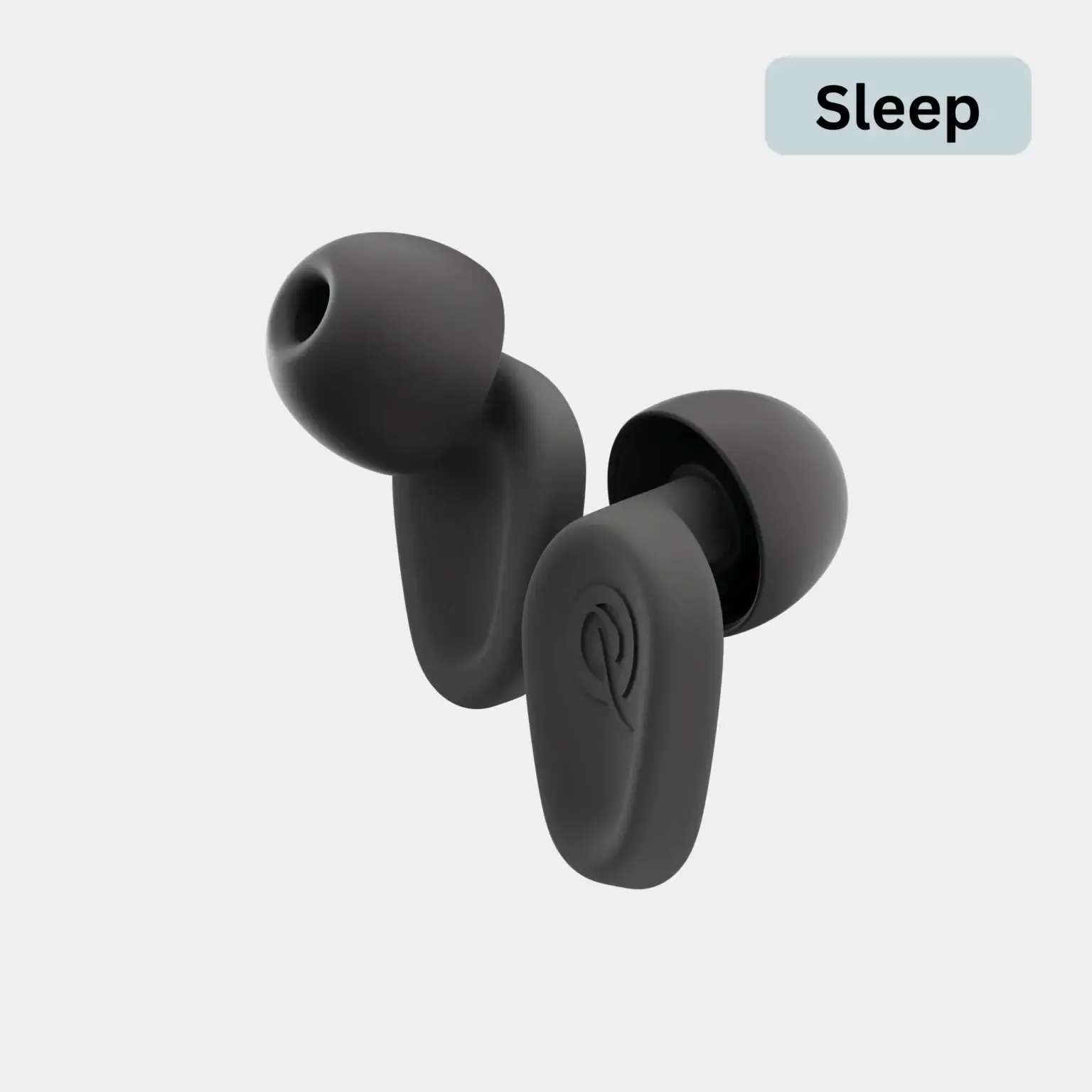
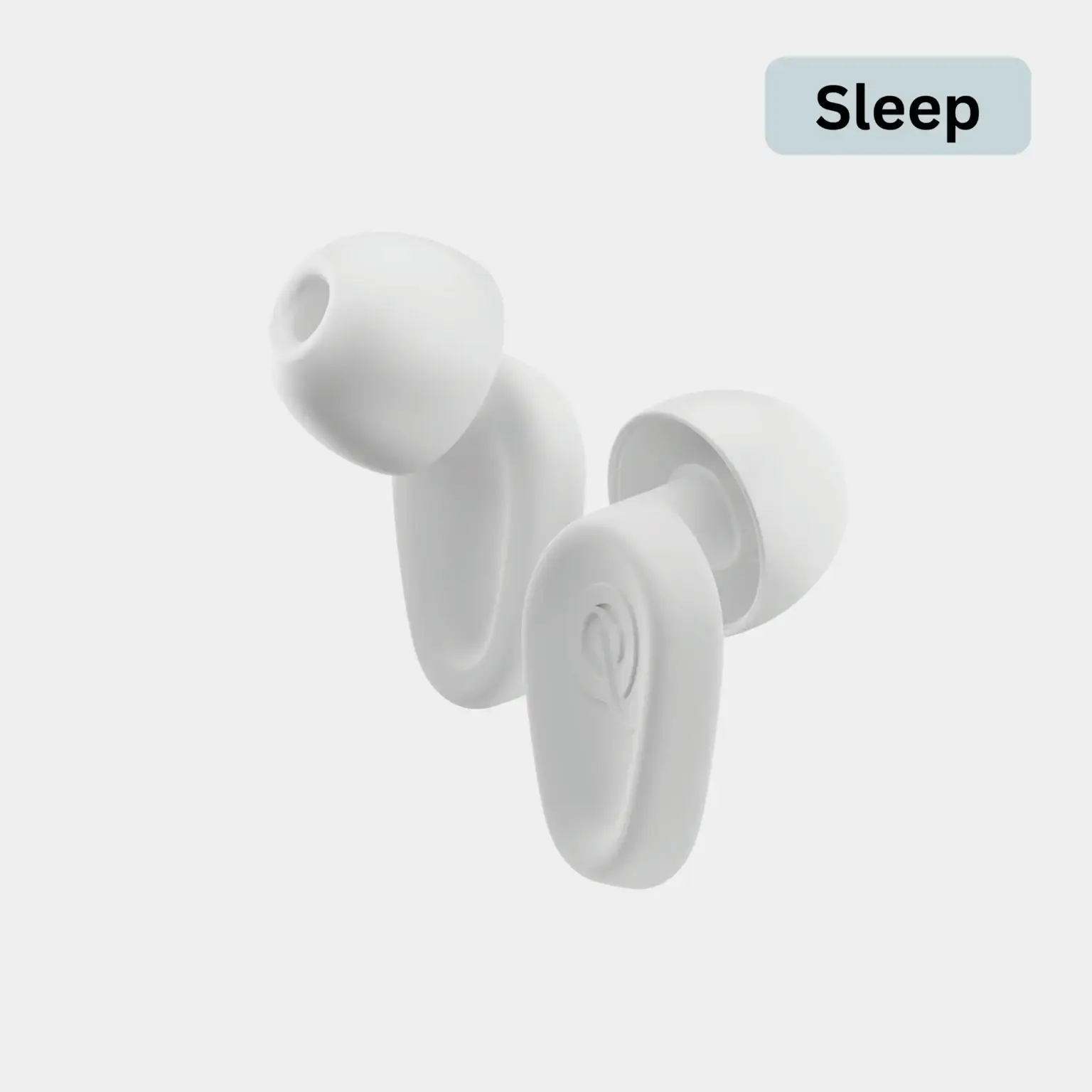
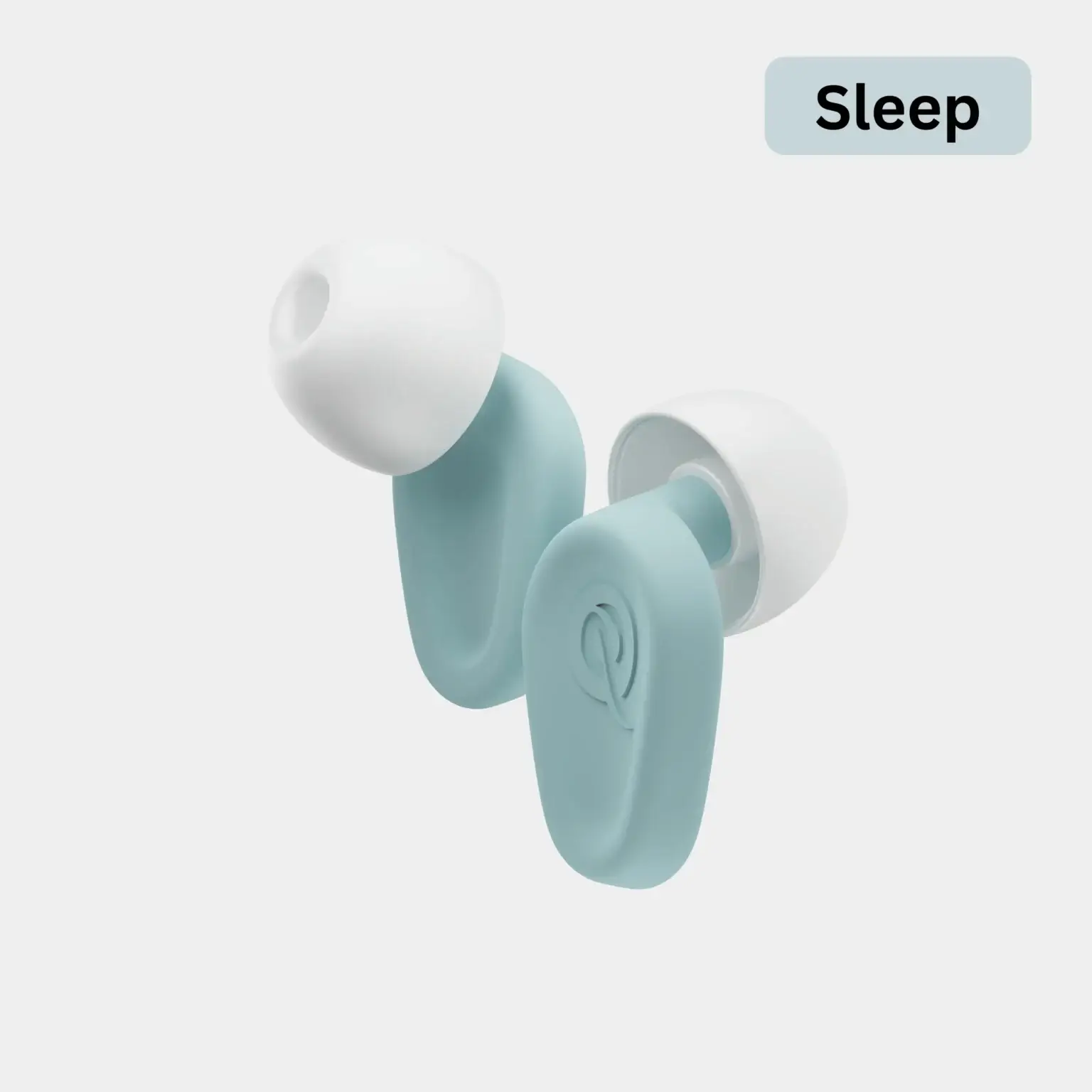
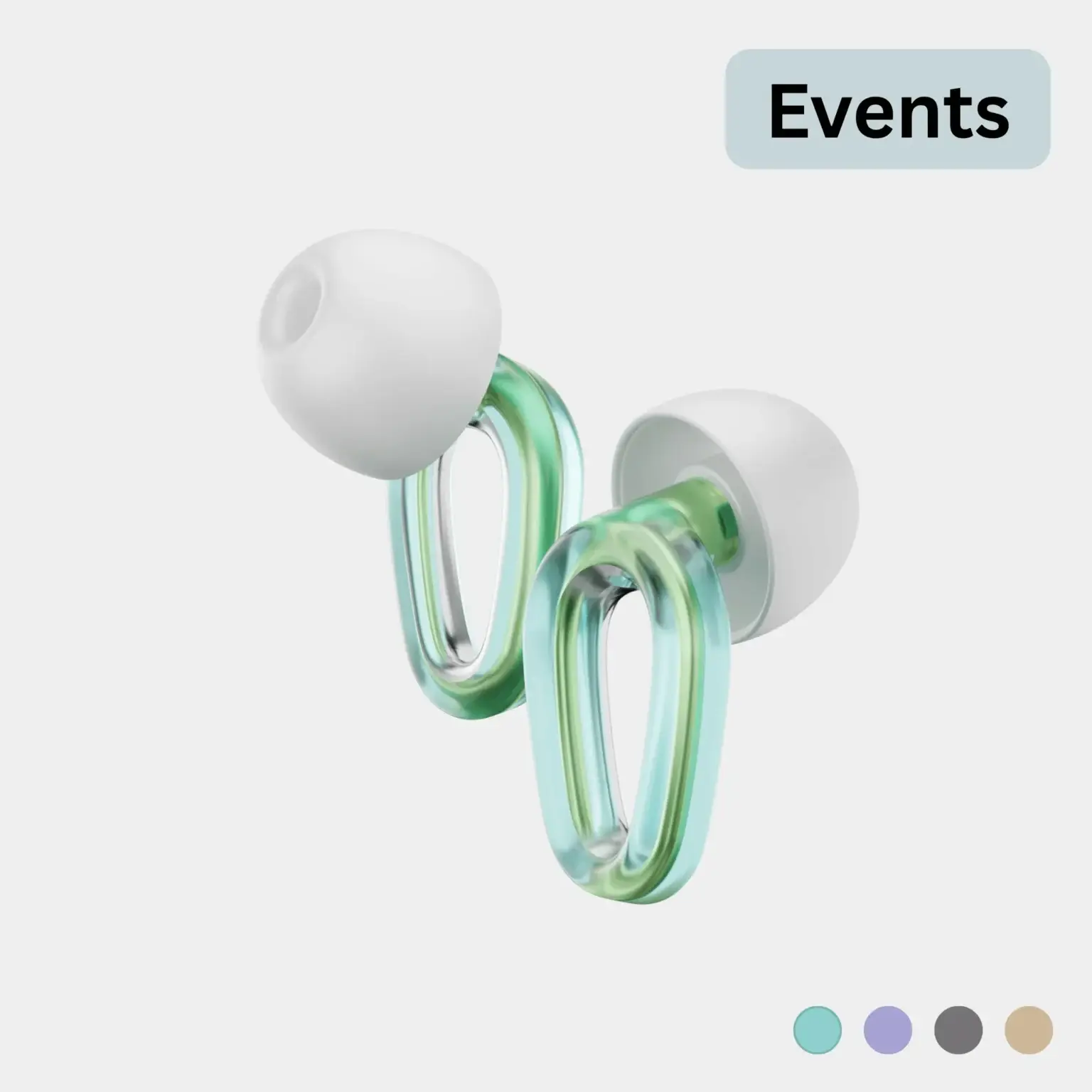
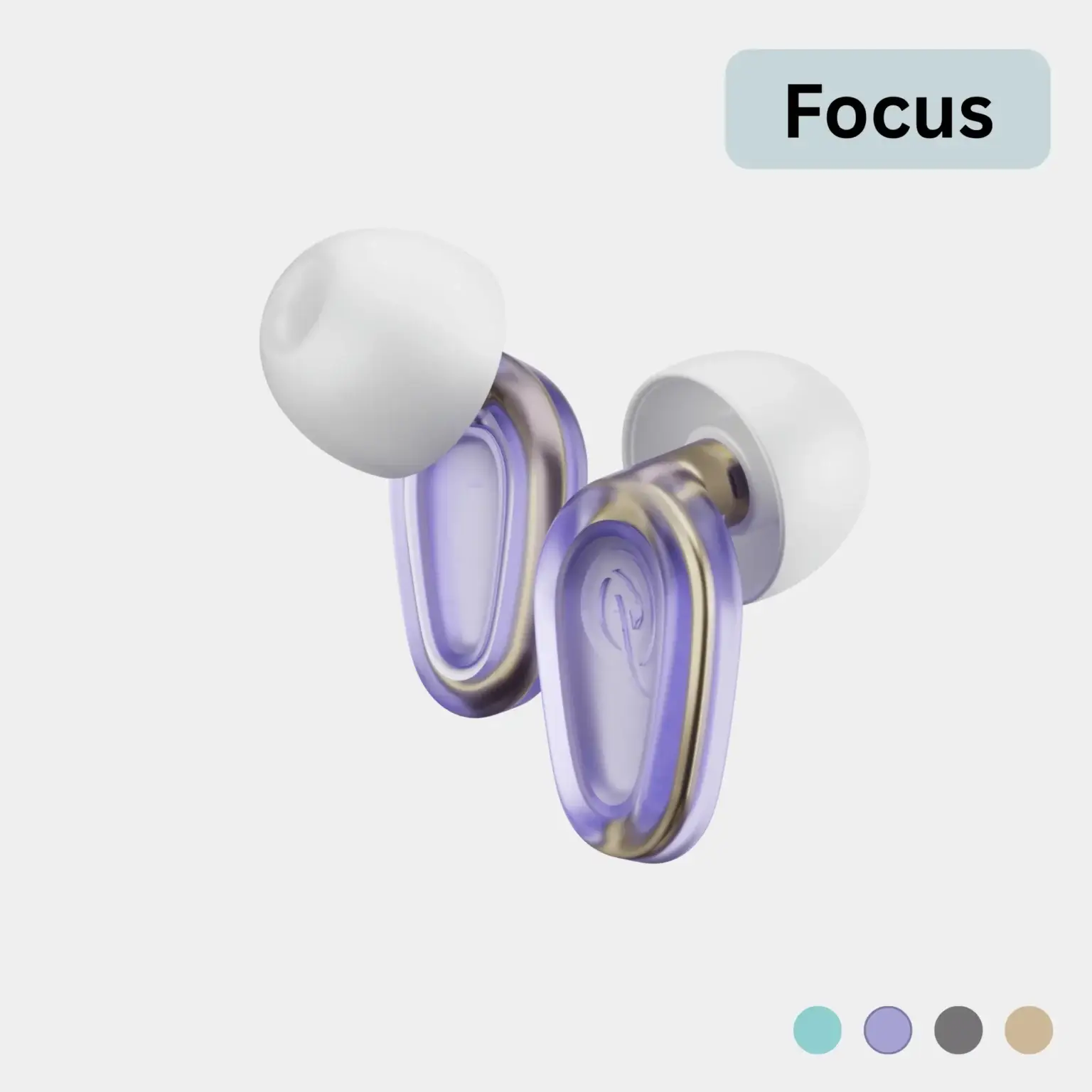
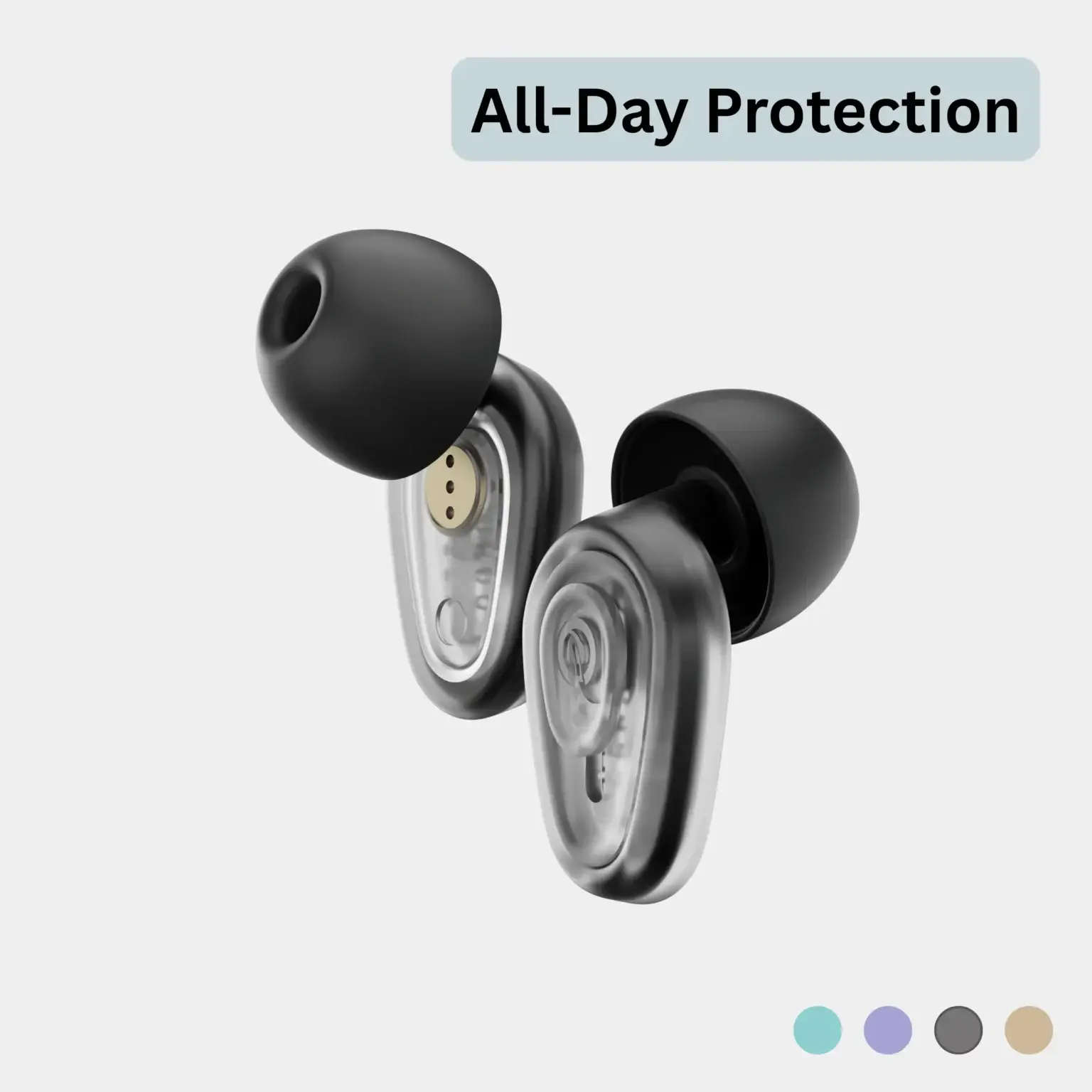
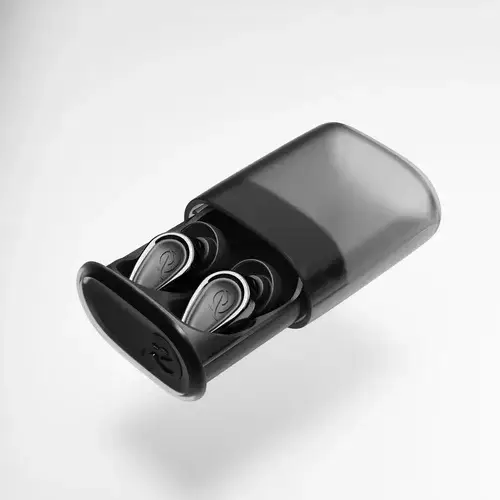
This is where a purpose-built sleep design earns its place. Earmuffz Sleep earplugs are designed around the demands of rest: reusable comfort, a discreet profile, and practical noise control that fits into a nightly routine. The goal is not to make sleep complicated. It is to remove one more obstacle between you and a better morning.
Use Earplugs With Other Smart Sleep Moves
Earplugs work best when the rest of the room supports them. Keep your phone notifications off or outside the bedroom, use curtains to reduce light, and set a dependable alarm with a sound and vibration pattern you can recognise. If you are concerned about hearing an alarm with earplugs, test it during the day rather than guessing at bedtime.
A steady fan or low-volume white noise can also help mask inconsistent sounds that earplugs do not fully eliminate. The combination works well for some sleepers: earplugs reduce the overall volume, while consistent background sound smooths out sudden changes. Others prefer earplugs alone because added sound feels like one more thing to process. Your best setup is the one that makes the room feel less demanding.
Avoid turning television audio or podcasts into an all-night workaround. They may cover a neighbour’s noise, but changing dialogue, music, and ads can keep the brain on alert. Calm, predictable sound beats stimulation when the objective is sleep.
Know When to Take a Different Approach
Reusable earplugs are not for every situation. If you have significant ear pain, recent ear surgery, recurring ear infections, or a diagnosed hearing condition, get personalised guidance before making them a nightly habit. The same goes for tinnitus that suddenly changes or becomes more intense.
And if the noise in your home is extreme, address the source where possible. A rattling vent, an unsealed window, or a failing appliance may need a fix. Earplugs give you personal control, but they cannot bear the full burden of a consistently too-loud bedroom.
The win is simple: less noise fighting for your attention, less time lying awake waiting for the next disruption, and more space for real recovery. Find the fit that disappears once your head hits the pillow, make it part of your nightly reset, and let your sleep do the heavy lifting.