
How to Block Snoring Noise That Wrecks Sleep
If you are searching for how to block snoring, you are probably not casually curious. You are tired, annoyed, and one more 2 a.m. snort away from moving to the couch. Snoring can turn a quiet bedroom into a stress trigger in a flash. The good news is that you do have options, and the best fix usually comes from combining sound control, a better sleep setup, and the right gear.
How to block snoring noise without losing sleep
Snoring is tricky because it is not one steady sound. It changes in volume, pitch, and rhythm. Some nights it is a low rumble. Other nights, it is sharp, sudden, and impossible to tune out. That is why blasting white noise or stuffing in random foam earplugs does not always solve it.
To block snoring noise effectively, you need to think in layers. First, reduce the amount of sound reaching your ears. Second, make the remaining sound less noticeable. Third, build a sleep environment that helps your brain stay asleep rather than react to every burst of noise. Control matters here. More is not always better. The goal is enough noise reduction to rest comfortably, not total sensory shutdown.
Start with earplugs that are made for sleep
This is the most direct move, and often the most effective. But not all earplugs are good for side sleeping or overnight wear. If the fit is bulky, stiff, or inconsistent, you will either wake up with sore ears or lose the seal halfway through the night.
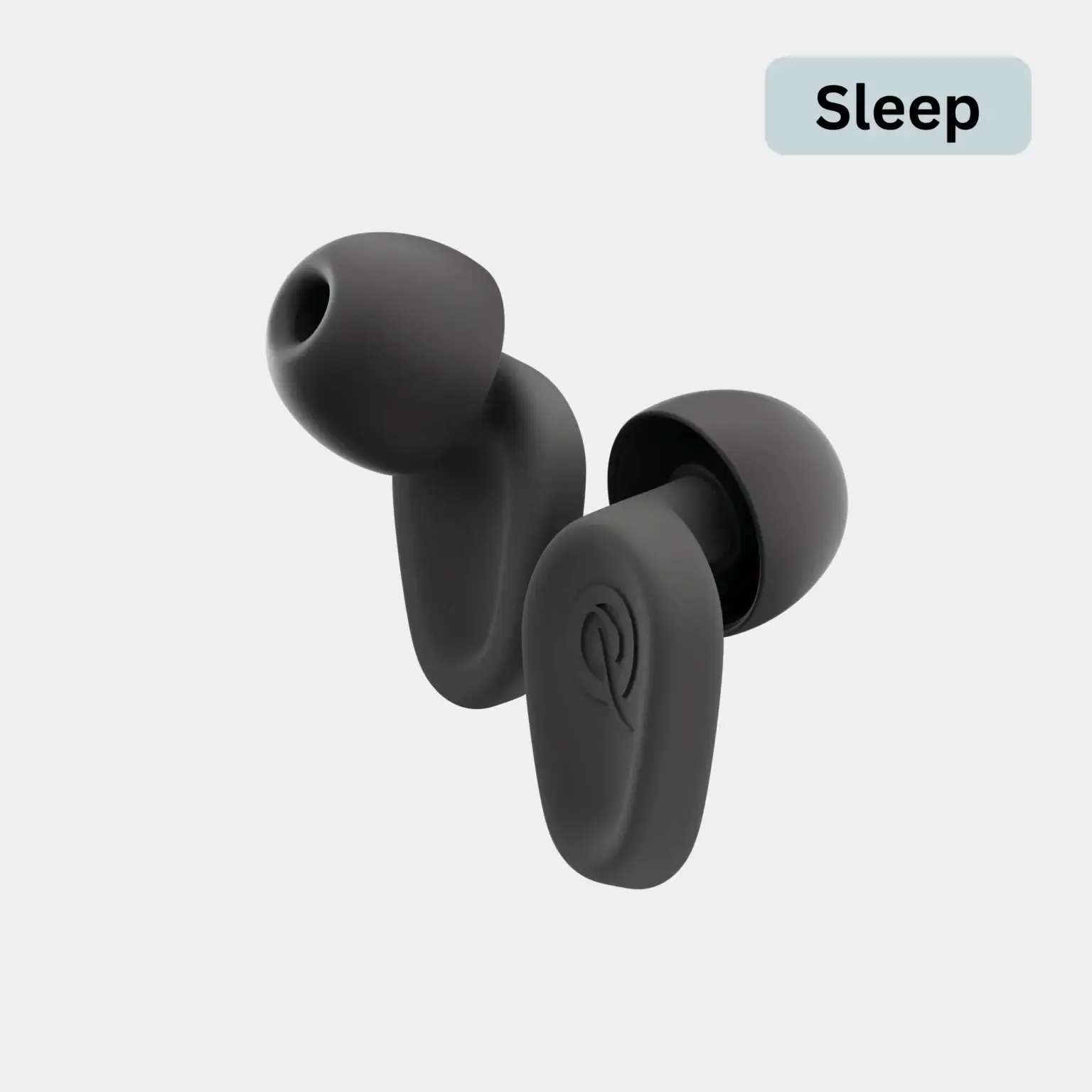
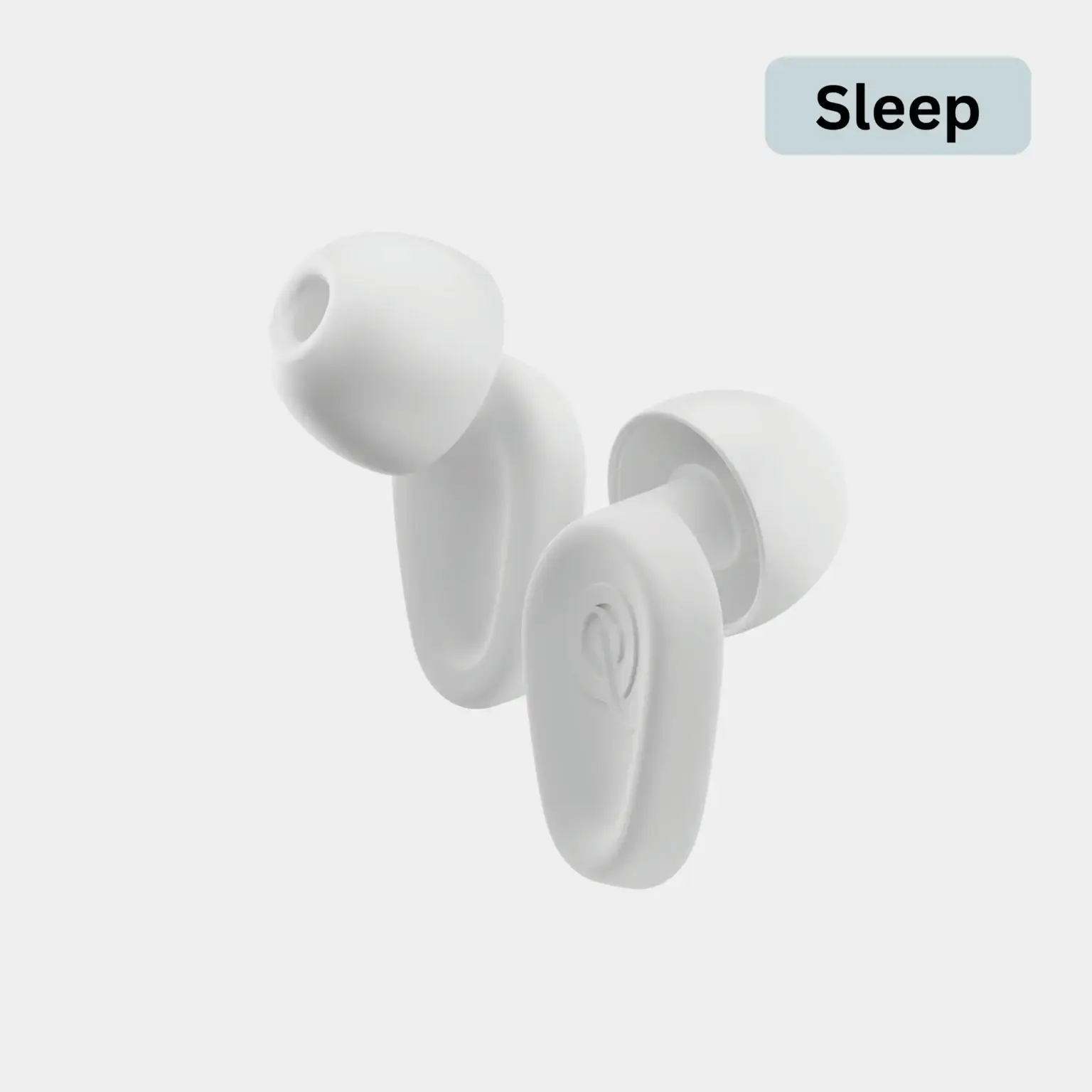
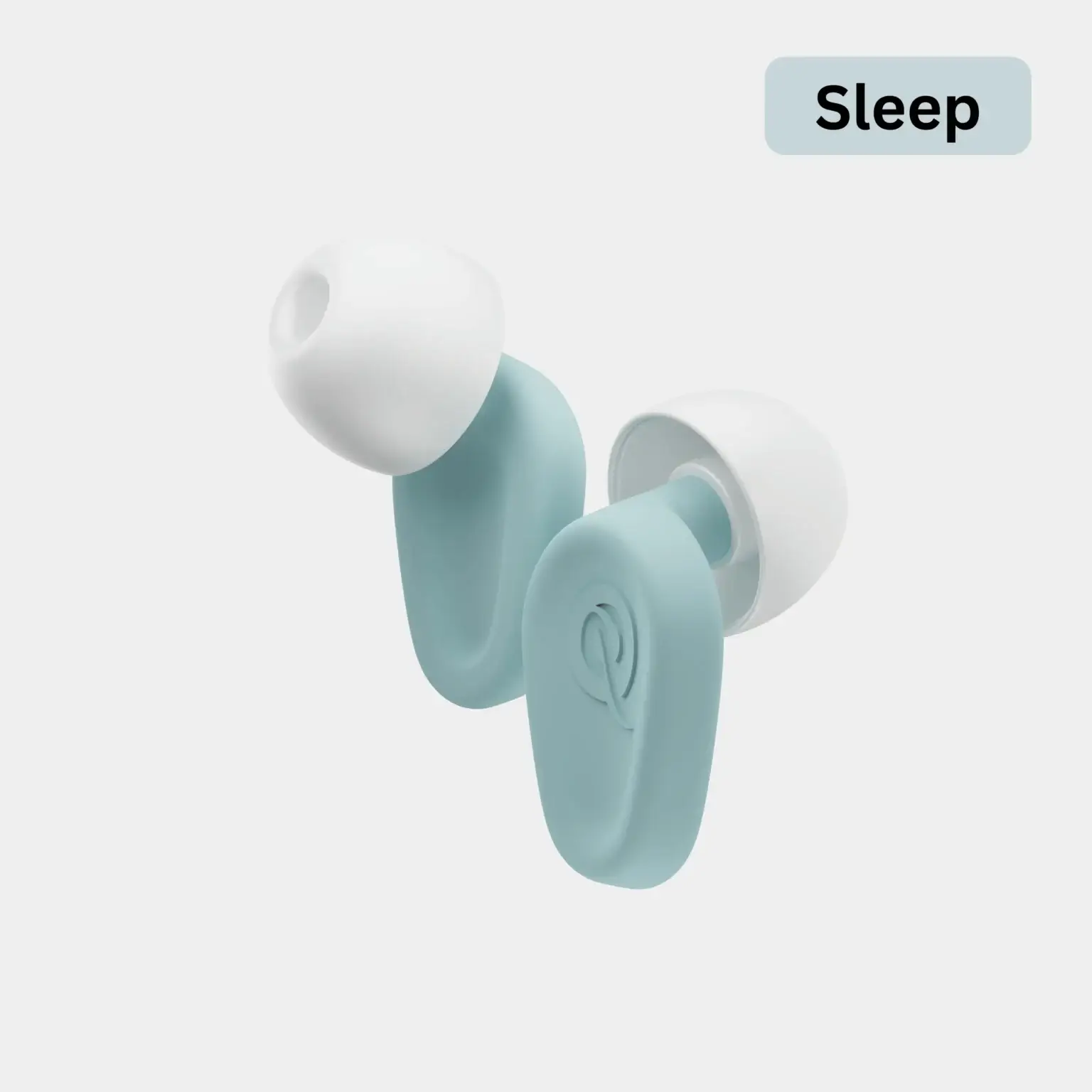
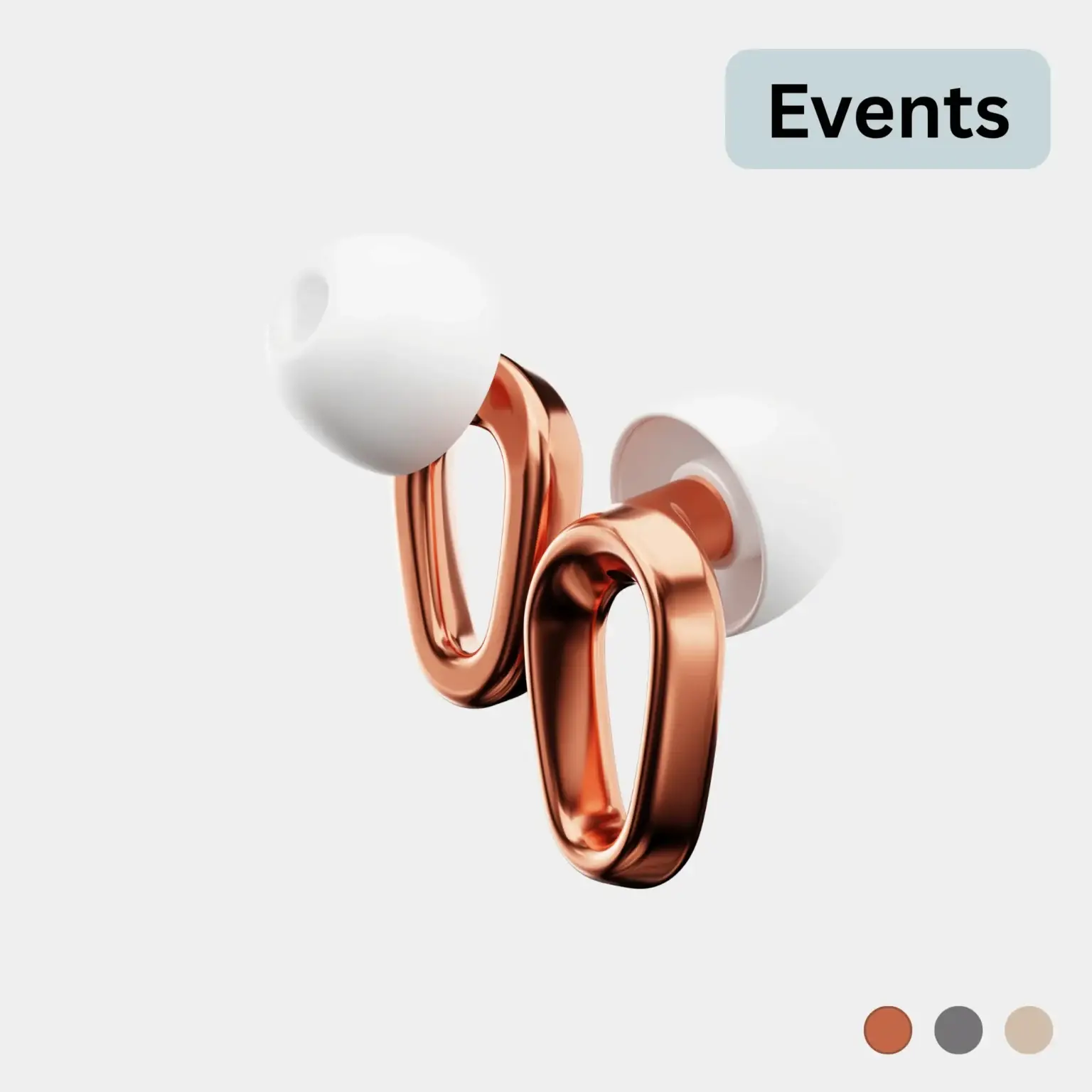
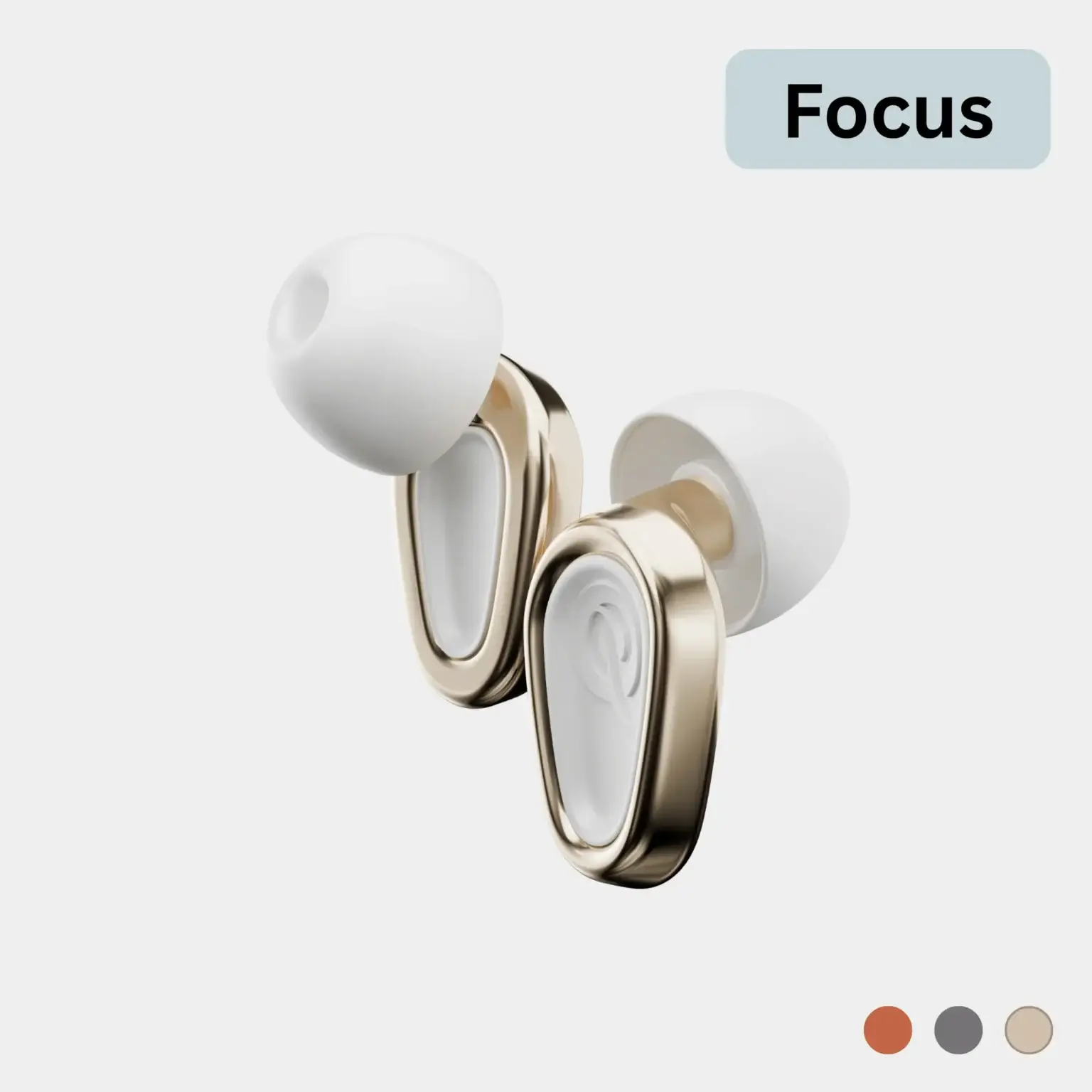
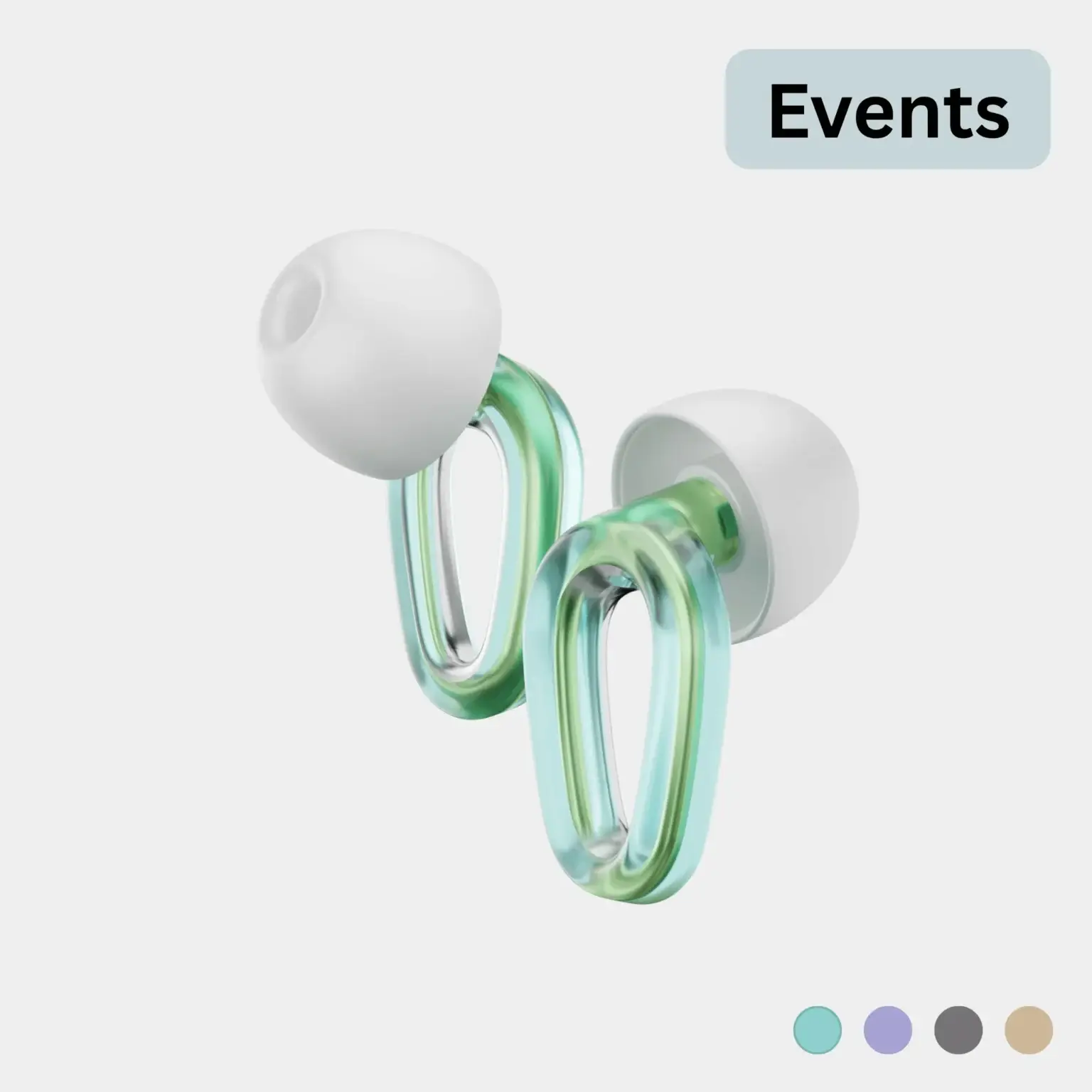
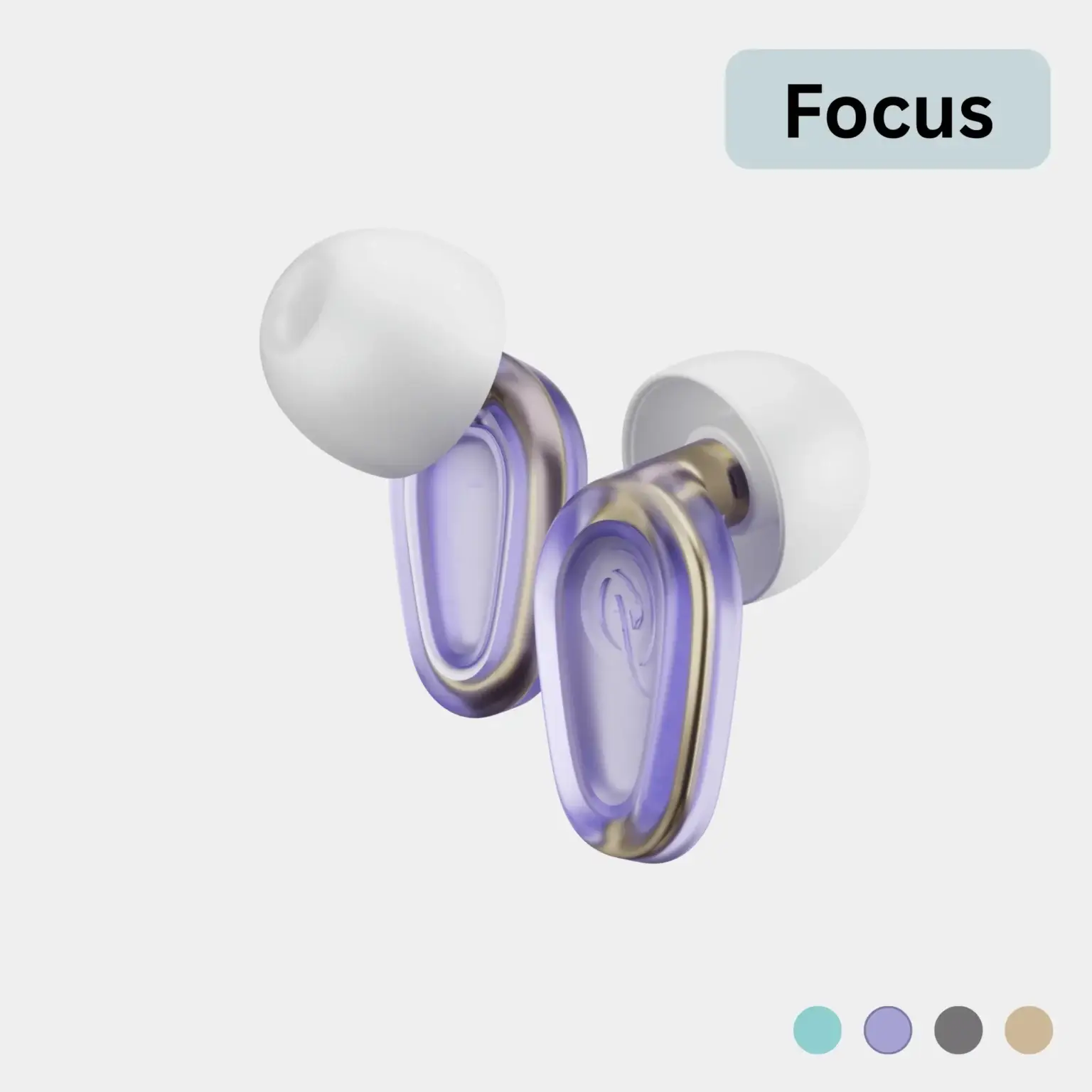
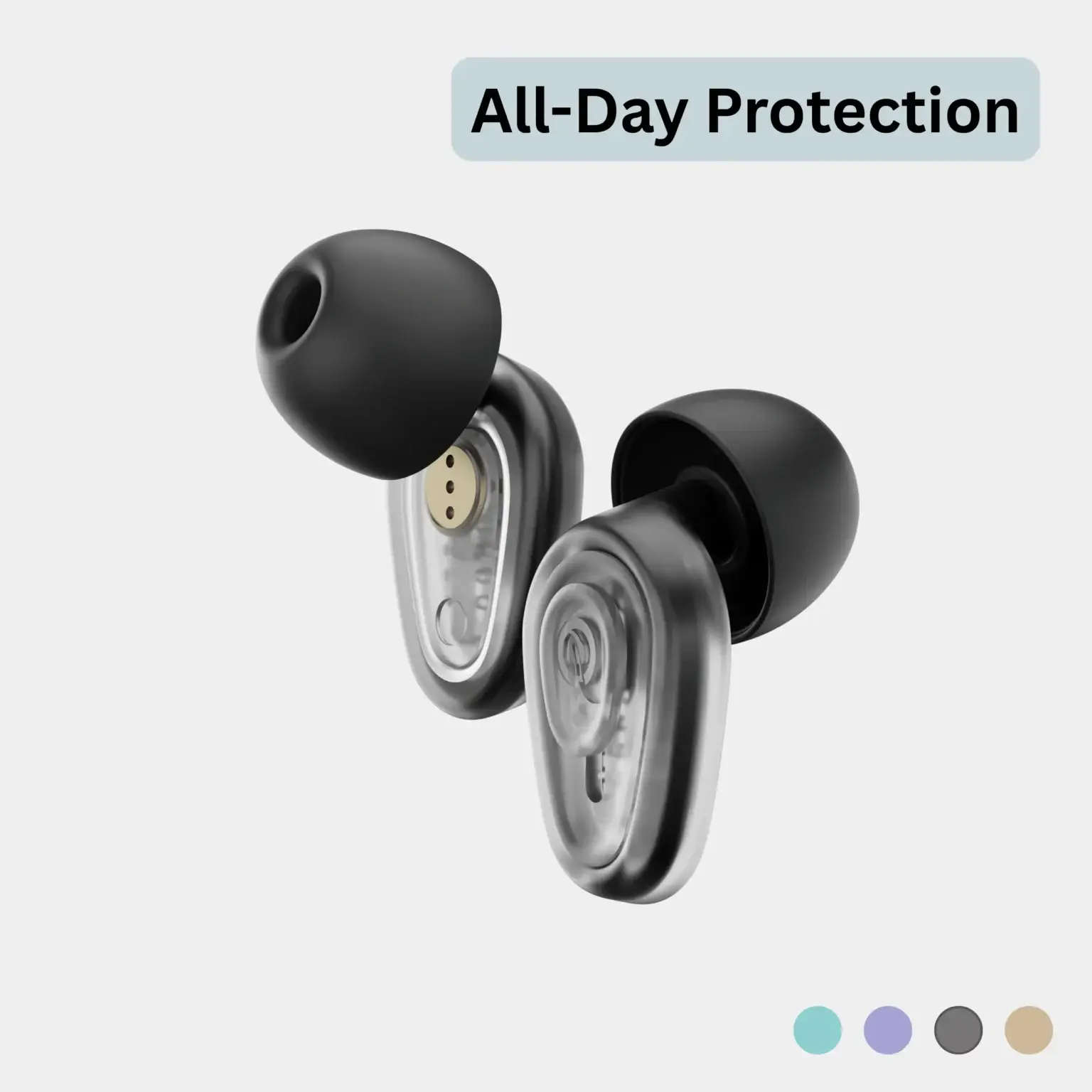
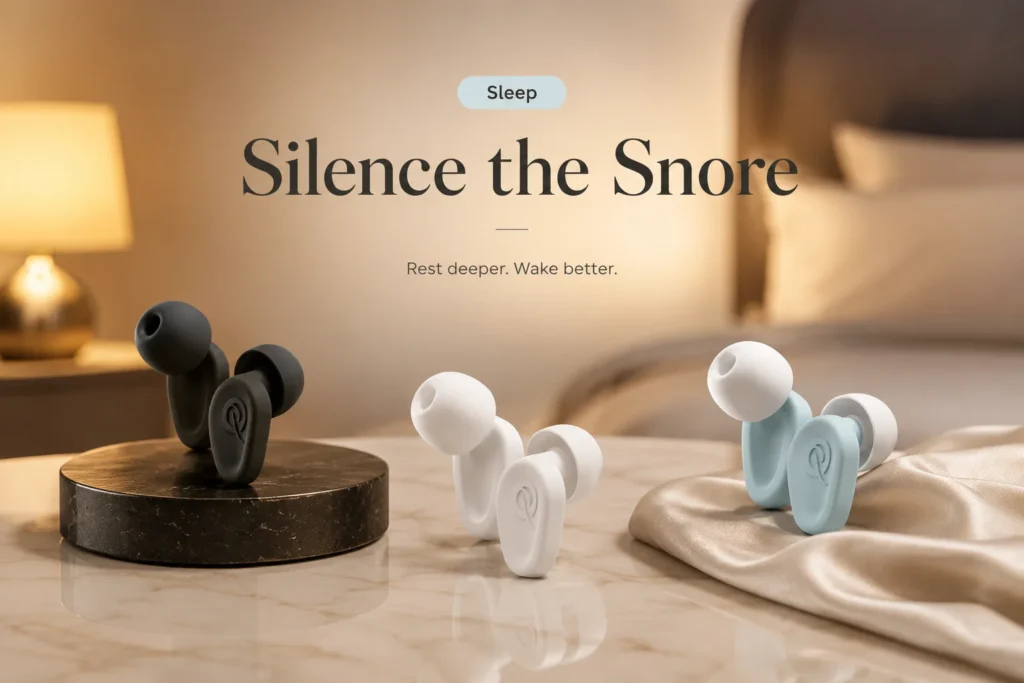
For snoring, reusable sleep earplugs can make a major difference because they are designed for comfort over hours, not just quick noise blocking. A low-profile shape matters. Soft materials matter. A proper seal matters most. If the plug does not fit your ear canal correctly, the noise reduction you expect from the package will not match what you get in bed.
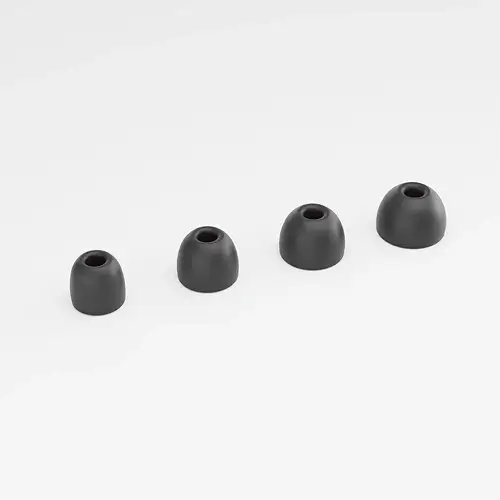
This is where people get frustrated. They assume earplugs do not work when the real issue is fit. Try different tip sizes if they are available. Insert them carefully instead of rushing. If you sleep on your side, choose a design that sits closer to the ear rather than sticking out. Comfort is performance when you are trying to sleep.
White noise helps, but it is not magic
White noise can soften the impact of snoring by covering the peaks and making the bedroom sound more consistent. That consistency helps your brain stop locking onto every irregular sound. Fans, white noise machines, and sleep audio apps can all help.
Still, there is a trade-off. If the snoring is very loud or very close, white noise alone may not be enough. Turning the volume up too high can also create a new problem, especially if it feels harsh or keeps you mentally engaged. A lower, steady sound usually works better than something dramatic like ocean waves that rise and fall.
The sweet spot is often layering white noise with earplugs. Earplugs reduce the intensity. Background sound masks what is left. Together, they can turn a disruptive bedroom into a manageable one.
The best bedroom setup for blocking snoring noise
Distance changes everything. Sound drops as you move farther away from the source, so even small bedroom adjustments can help. If you have space, reposition the bed so your head is farther from your partner’s side. It sounds simple because it is simple, but inches can matter when a sound is hitting you for hours.
Soft surfaces also help reduce how sound bounces around the room. Carpets, curtains, upholstered headboards, and thicker bedding will not eliminate snoring, but they can cut some of the sharpness and echo. Hard, bare bedrooms tend to make noise feel brighter and more intrusive.
If you use a fan, place it strategically. Near your side of the bed, it can do double duty by generating masking noise and creating a gentle sound barrier. Air purifiers can do something similar if they produce a steady, soft hum.
Separate sleep spaces are sometimes the right answer, too. Not every night, not every couple, but sometimes. That is not failure. That is problem-solving. If one partner is chronically sleep-deprived, protecting sleep may be the healthiest move for both people.
Why your stress level changes what you hear
Snoring feels louder when you are already irritated, anxious, or desperate to fall asleep. Once your brain labels a sound as the reason you cannot rest, it starts monitoring for it. That hyper-focus makes every snore feel bigger.
This is why a solid wind-down routine can actually help with noise tolerance. If you go to bed overstimulated, already scrolling, already tense, your sleep threshold is lower. When your body is calmer, random sounds are less likely to yank you fully awake.
That does not mean the noise is all in your head. It means your nervous system is part of the equation. Better sound blocking works even better when your body is not primed for battle.
When earplugs work best for snoring noise
Earplugs are strongest when the snoring is moderate, the fit is right, and your bedroom is not fighting against you. They are also ideal for people who want a practical, reusable solution they can use nightly without turning the room into a sleep lab.
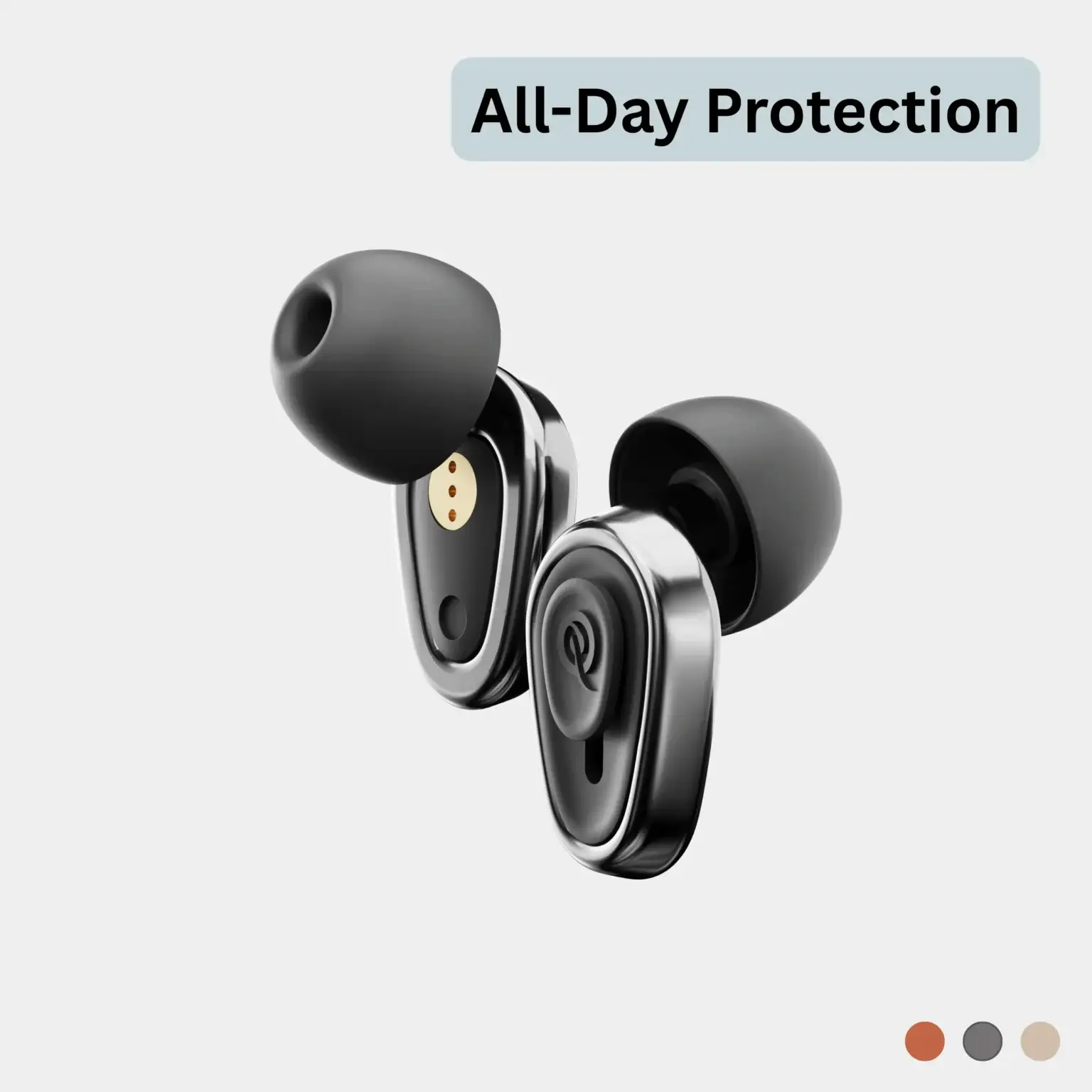
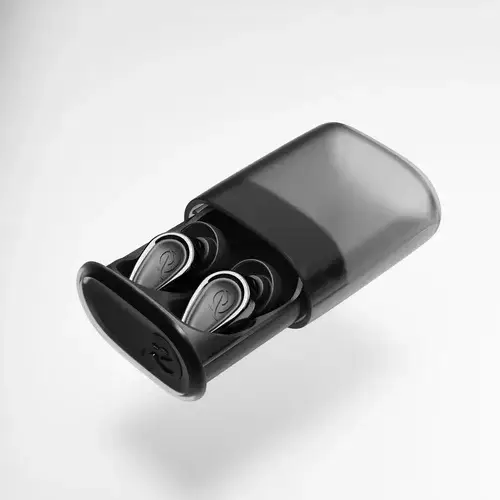
A comfort-first pair made for sleep support can help you block enough noise to stay asleep while still feeling natural to wear. That balance is key. Heavy-duty hearing protection can reduce sound even more, but it is often too bulky, too hot, or too uncomfortable for a full night in bed. Sleep gear should feel intentional, not like industrial equipment.
That is why brands like Earmuffz position sleep earplugs as everyday performance tools, not just emergency fixes. Better rest is not a luxury. It is total volume control for your night.
When earplugs may not be enough
If the snoring is extremely loud, accompanied by gasping, or associated with suspected sleep apnea, sound-blocking should not be the only plan. In that case, the real issue is not just your disrupted sleep. It may be your partner’s breathing.
If your partner stops breathing, chokes awake, wakes with headaches, or is exhausted during the day, encourage them to talk with a medical professional. Treating the source can improve sleep for both of you far more than any bedroom workaround.
There are also limits based on your own needs. If you have very sensitive ears, discomfort with in-ear products, or tinnitus that reacts poorly to silence, your setup may need more customization. Some people do better with lower-reduction earplugs and gentle background sound rather than maximum blockage.
Common mistakes people make when trying to block snoring noise
One mistake is choosing earplugs based only on the highest noise reduction number. Bigger numbers can sound impressive, but if the product is uncomfortable, you will not wear it consistently. Real-world performance beats theoretical specs.
Another mistake is ignoring fit. A poor seal can make expensive earplugs act like cheap ones. If you are waking up because one earplug shifted, the issue may be the size, shape, or insertion technique, not the earplugs themselves.
People also expect one tool to do everything. Snoring is unpredictable. A better approach is to build a sleep system. Earplugs, masking sound, room setup, and realistic conversations with your partner often work better together than any single tactic alone.
A smarter routine for quieter nights
If you want a practical plan, keep it simple. Use low-profile sleep earplugs with the right fit. Add steady white noise or a fan at a moderate level. Soften the room where you can. Create a wind-down routine that lowers your stress before bed. https://earmuffz.com/product/sleep-charcoal/
Then give the setup a few nights. Sleep solutions aren’t always instant, because your brain and body need time to adjust to a new environment. Small improvements add up. One fewer wake-up, one faster return to sleep, one less night of frustration. That is progress.
Snoring may not disappear tonight, but your sense of control can. And once you take control of the noise instead of waiting for it to stop, sleep starts feeling possible again.