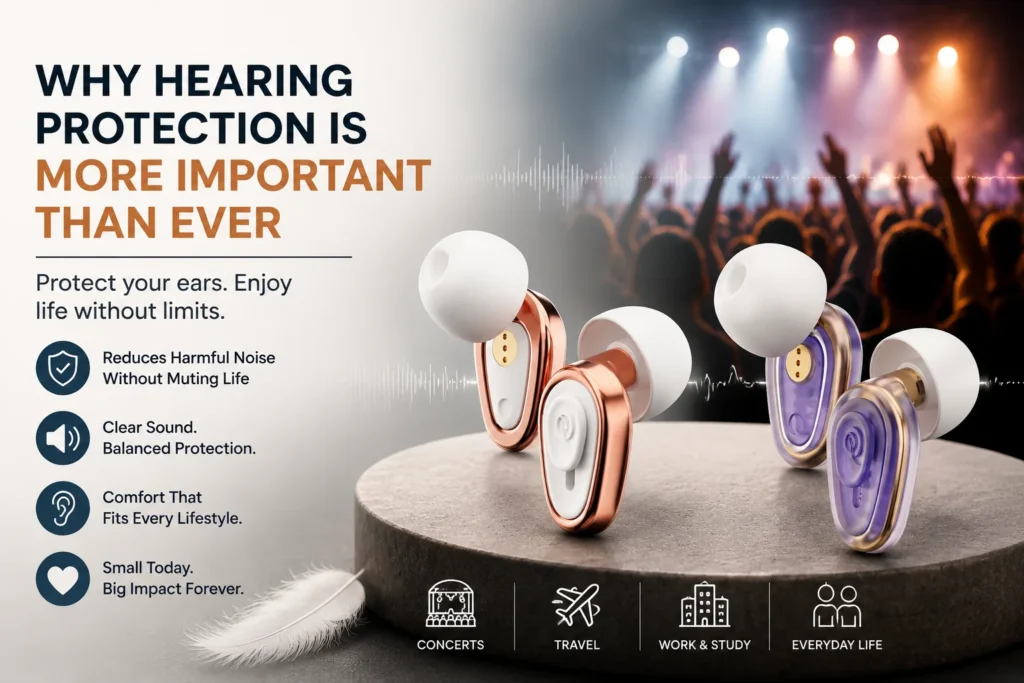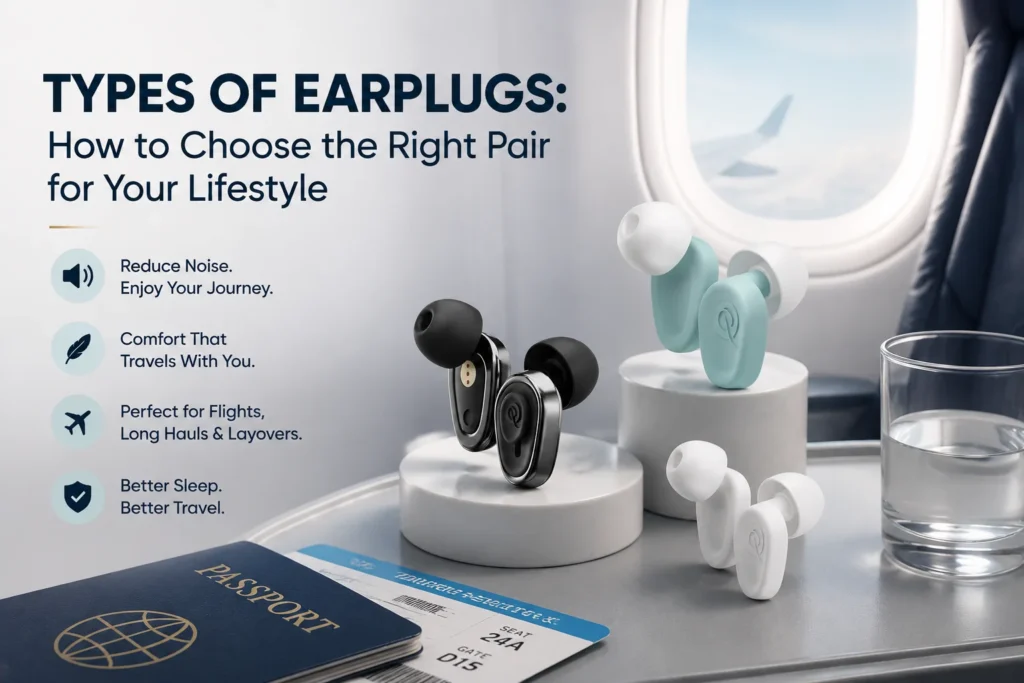

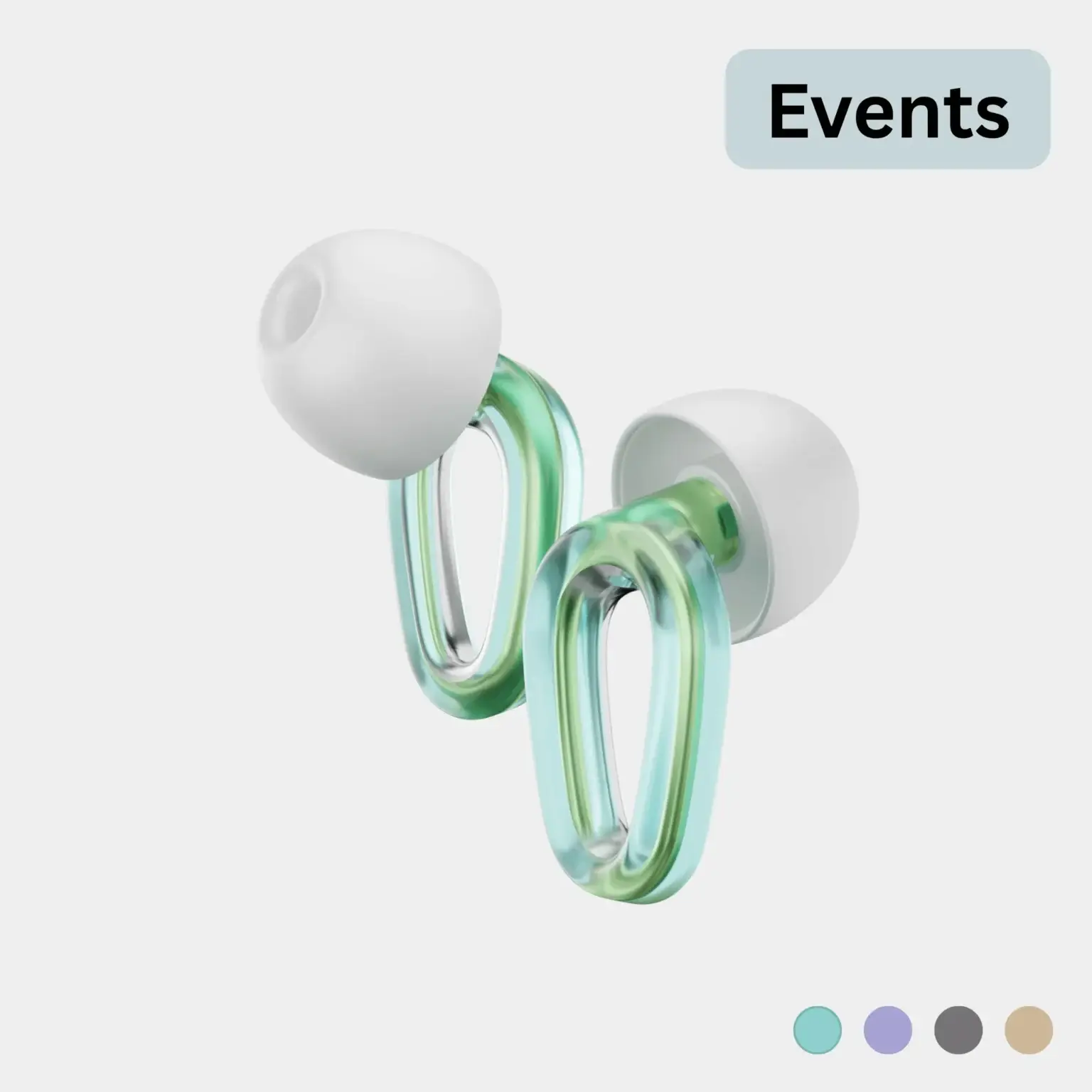
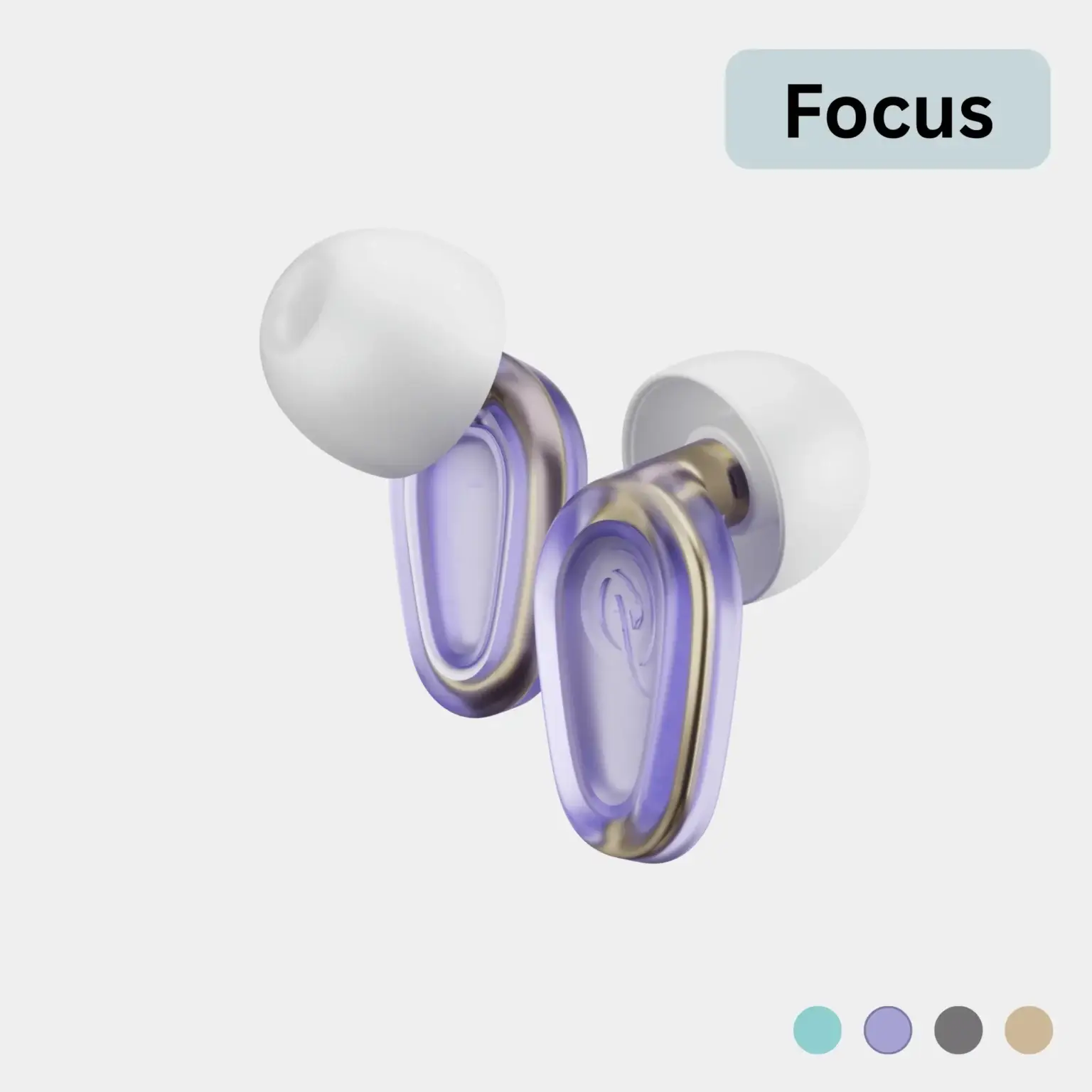
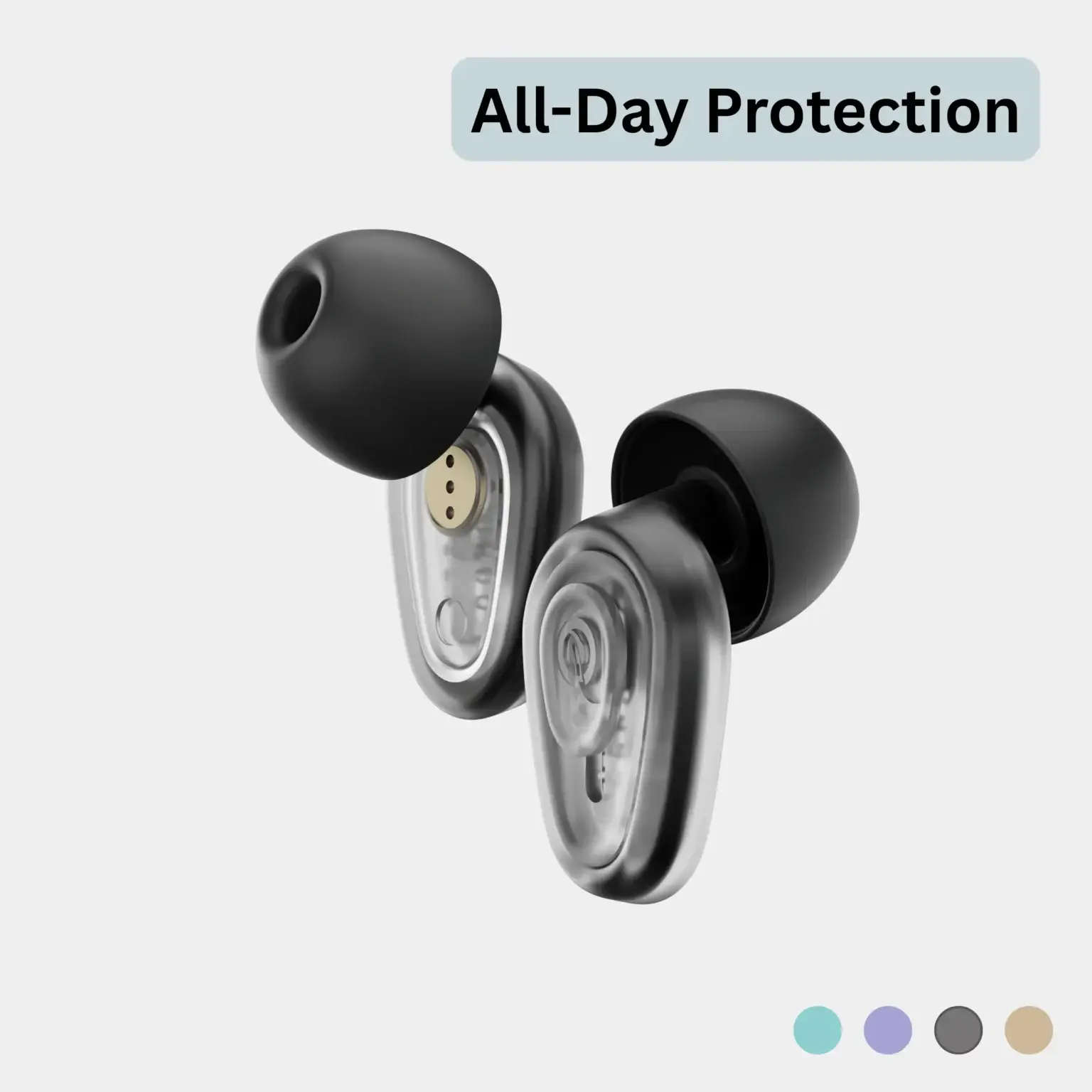
A packed train carriage, a gig, a shared office, a snoring partner – noise is rarely just loud. It is tiring, distracting and often unpredictable. Understanding how earplug filters work helps you choose control over simply blocking everything out.
Filtered earplugs are designed to take the edge off sound without making the world feel distant or muffled. Instead of turning every conversation into a blur, they reduce sound pressure in a more balanced way. That difference matters when you want to protect your hearing, keep your focus or stay present in the moment.
How earplug filters work
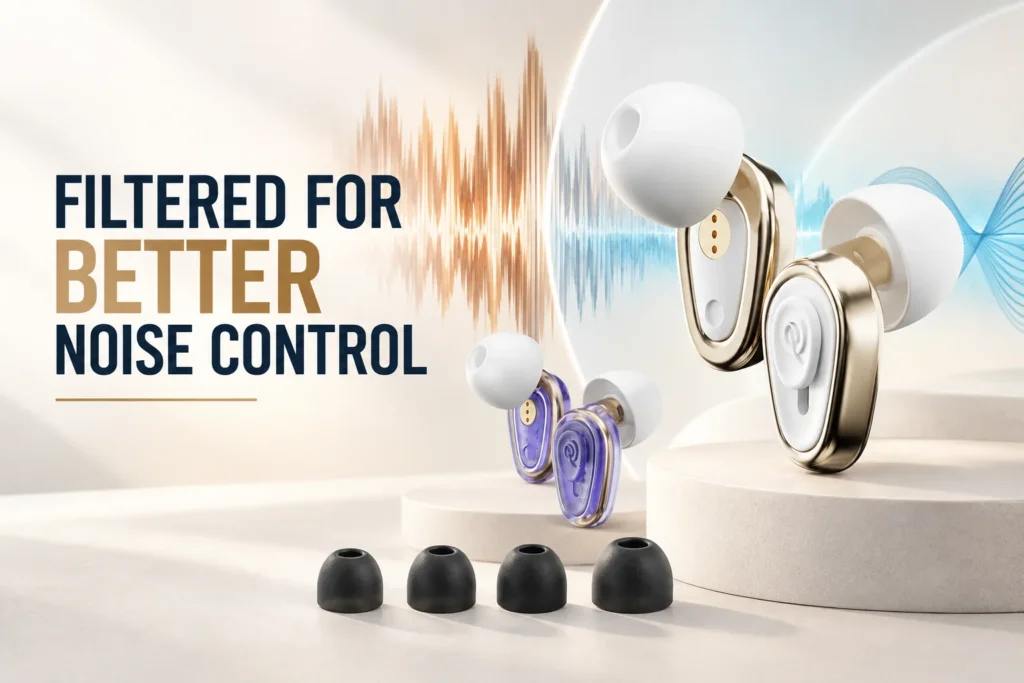
At the core of a filtered earplug is a small acoustic channel or membrane. Sound waves enter the earplug, pass through this carefully designed pathway and lose energy before reaching your ear. The filter restricts airflow and changes how different frequencies travel, lowering the overall volume.
Think of it less like switching sound off and more like turning down an overly loud volume dial. The aim is controlled reduction: less intensity, less strain and fewer sharp edges, while still allowing useful sound through.
A well-designed filter usually reduces a broad range of frequencies rather than only blocking high-pitched or low-pitched noise. This creates a more natural listening experience than basic foam plugs, which can make voices and music sound boomy, unclear or as though you are hearing them underwater.
The exact result depends on the filter design, the earplug body and, crucially, the seal created by the eartip. Even the best acoustic filter cannot perform as intended if air leaks around the earplug.
Filters are not active noise cancelling
Filtered earplugs work passively. They do not use batteries, microphones or electronic processing. Their noise reduction comes from physical acoustic engineering: the filter, the earplug chamber and the seal in your ear canal.
Active noise cancelling headphones work differently. They use microphones to detect ambient sound and create an opposing signal that can reduce certain steady noises, such as engine drone. They can be useful on flights or trains, but they are not a substitute for certified hearing protection in high-noise environments.
Passive filtered earplugs are ready whenever you need them. At a concert, on a motorbike, in a busy café or during a stressful commute, there is no charging, pairing or setting to manage. Put them in correctly and the filter gets to work.
Why sound can stay clearer
Not all frequencies behave in the same way. High-frequency sounds, such as cymbals, sharp clatter and some consonants in speech, can feel especially aggressive at high volume. Low frequencies, including bass and engine noise, carry more energy and can be harder to control without making sound feel heavy.
Basic foam earplugs mainly rely on dense material and a deep seal to absorb and block sound. They can offer substantial reduction, especially when fitted properly, but their attenuation is often uneven across frequencies. That is why music may lose detail and conversation can become difficult.
Acoustic filters are shaped to manage sound more evenly. They cannot make loud sound harmless, nor can they preserve every detail perfectly, but they can make an environment feel more balanced. For concertgoers, that may mean hearing the music with less harshness. For office workers, it may mean taking the sting out of keyboard clatter and surrounding chatter without feeling cut off.
This is also why filtered earplugs suit situations where awareness matters. You may still hear an announcement, a colleague or a friend speaking, just at a more manageable level.
The seal does the heavy lifting
The filter gets most of the attention, but fit has an enormous effect on real-world protection. An earplug needs to sit securely in the ear canal to create a consistent acoustic seal. A loose fit lets sound travel around the plug, reducing performance and changing the balance of sound you hear.
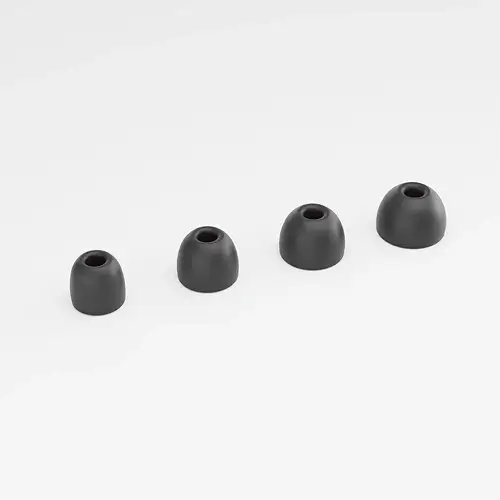
Eartip size matters because ears are not one-size-fits-all. If a tip feels painful, works loose when you talk or leaves you hearing far more noise on one side, try another size. The right fit should feel secure and comfortable, not forced.
For reusable earplugs, insert the tip gently, then make small adjustments until external sound softens evenly. Your own voice may sound slightly different – known as the occlusion effect – but the earplug should not create pressure or discomfort. Comfort is performance. If you cannot wear earplugs for the full journey, set or event, their specification on paper will not help you much.
What noise reduction ratings really tell you
Ratings help you compare products, but they are not a promise that every wearer will receive the exact same reduction. Your fit, ear anatomy, insertion technique and the type of noise all affect the outcome.
In the UK and Europe, you may see a Single Number Rating, or SNR, expressed in decibels. This indicates the tested level of sound reduction under laboratory conditions. Some products also provide low, medium and high frequency values, which give a more useful picture of how the earplug handles different parts of the sound spectrum.
A higher rating is not automatically the best choice. For sleep beside a noisy road, stronger reduction may be the priority. For a busy workplace or a live event, a more balanced filtered option may be better because you still need communication and situational awareness.
Look for products tested to relevant standards, and use hearing protection appropriate to the environment. If you work in consistently loud settings, follow workplace safety requirements and seek professional guidance where needed. Earplugs reduce exposure; they do not make extreme noise risk-free.
Choose the filter around the moment
The most useful earplug is the one matched to what you are doing. Noise is not a single problem, so a single level of reduction will not suit every situation.
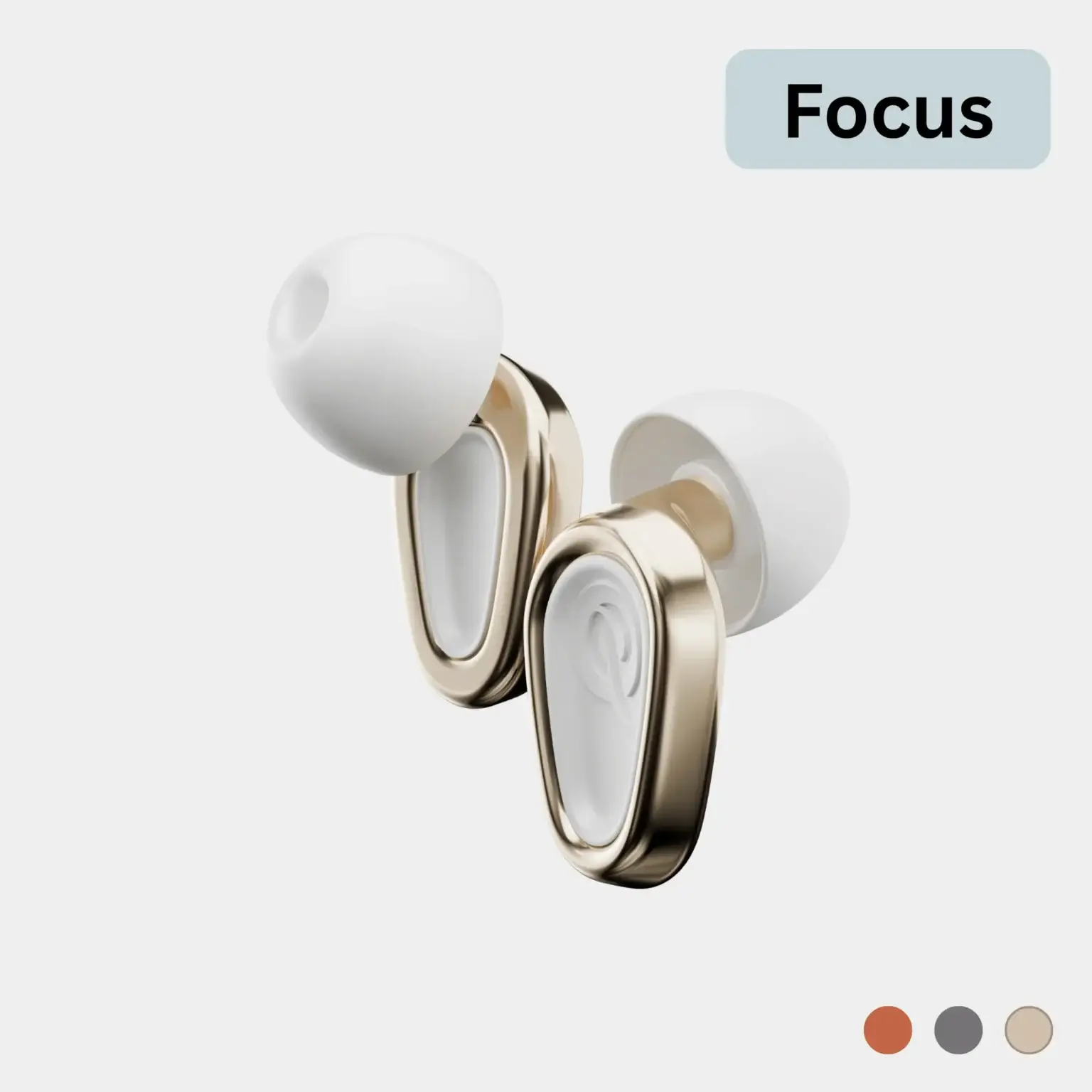
For focus, a moderate filter can reduce the exhausting background layer of office conversations, traffic and household activity. You can stay connected to what matters without giving every sound equal access to your attention.
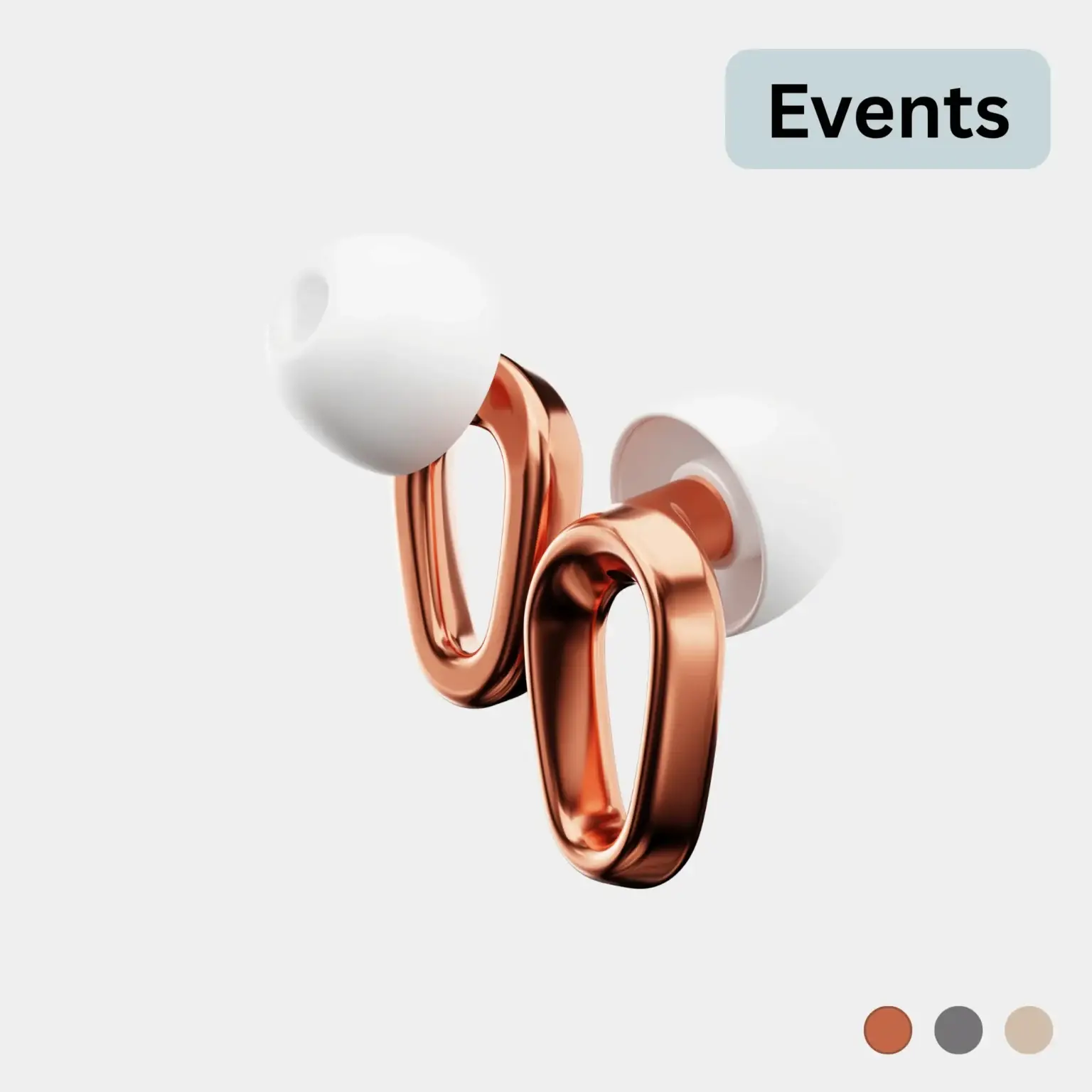
For gigs, festivals and nightlife, high-fidelity filtering is often the goal. You want less punishing volume while retaining the shape and energy of the music. If you regularly leave venues with ringing ears, that is a clear sign your current level of protection needs attention.
For motorcycling and travelling, wind and engine noise can build up over time. A secure earplug with effective attenuation can make long rides and journeys less fatiguing, though it should never interfere with your ability to respond safely to your surroundings.
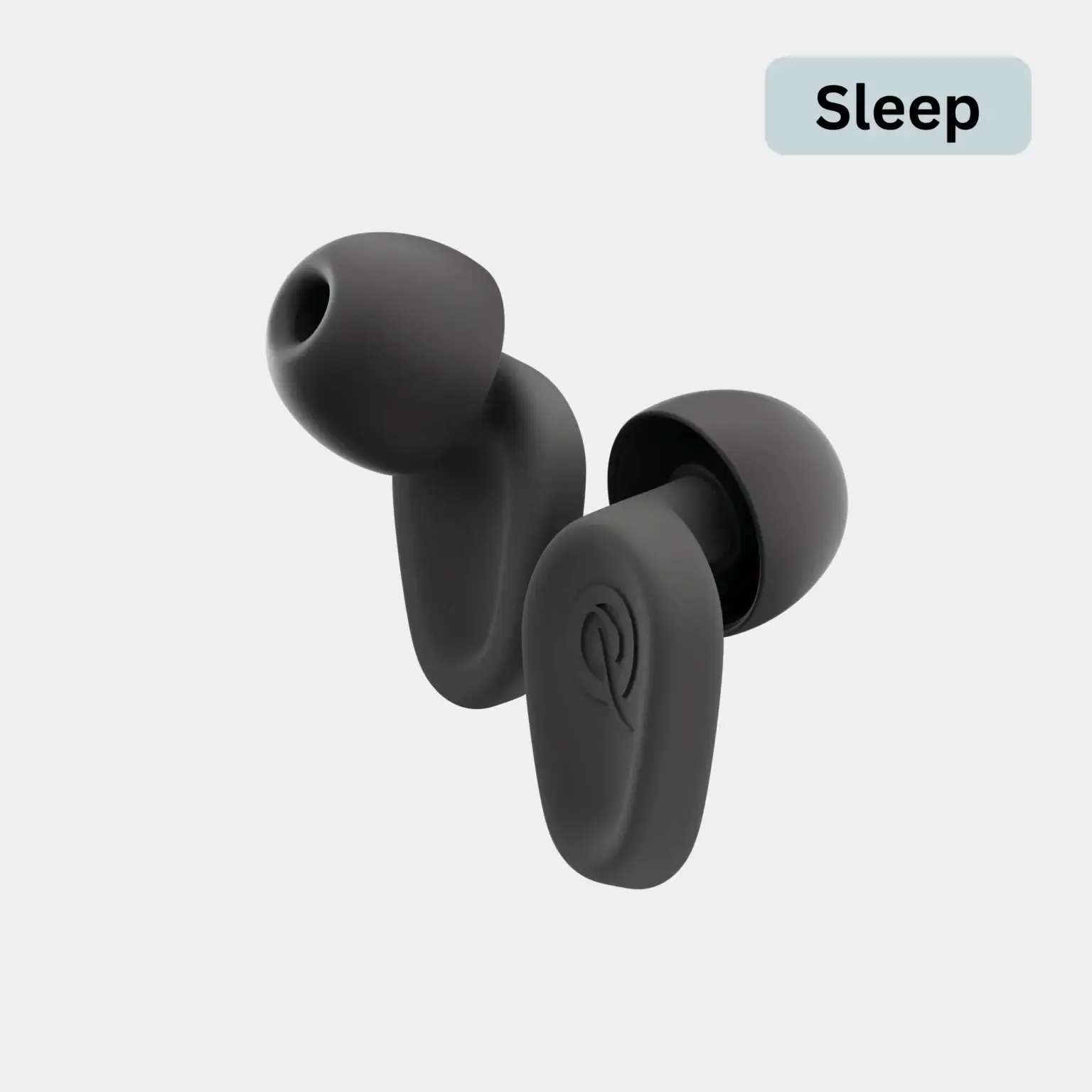
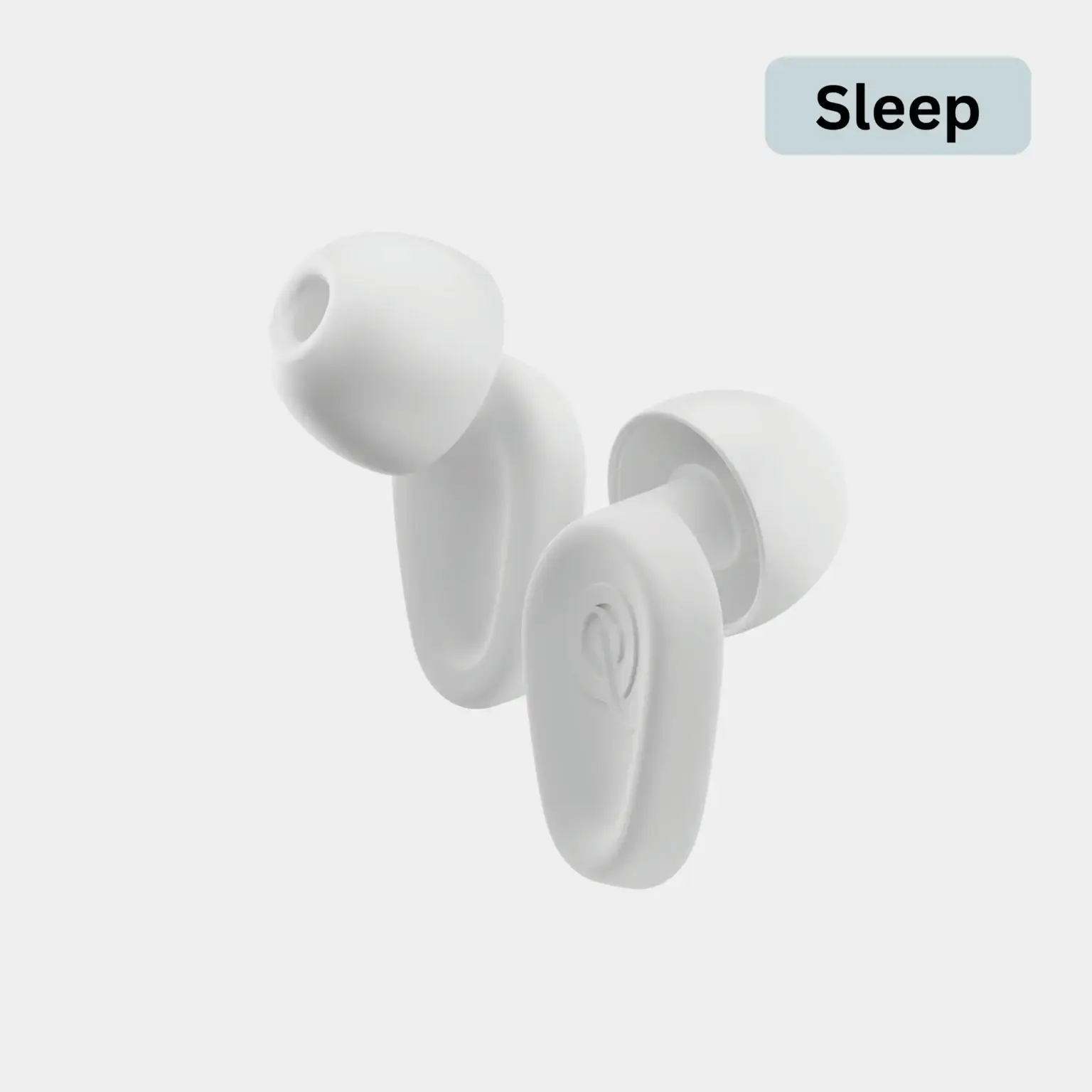
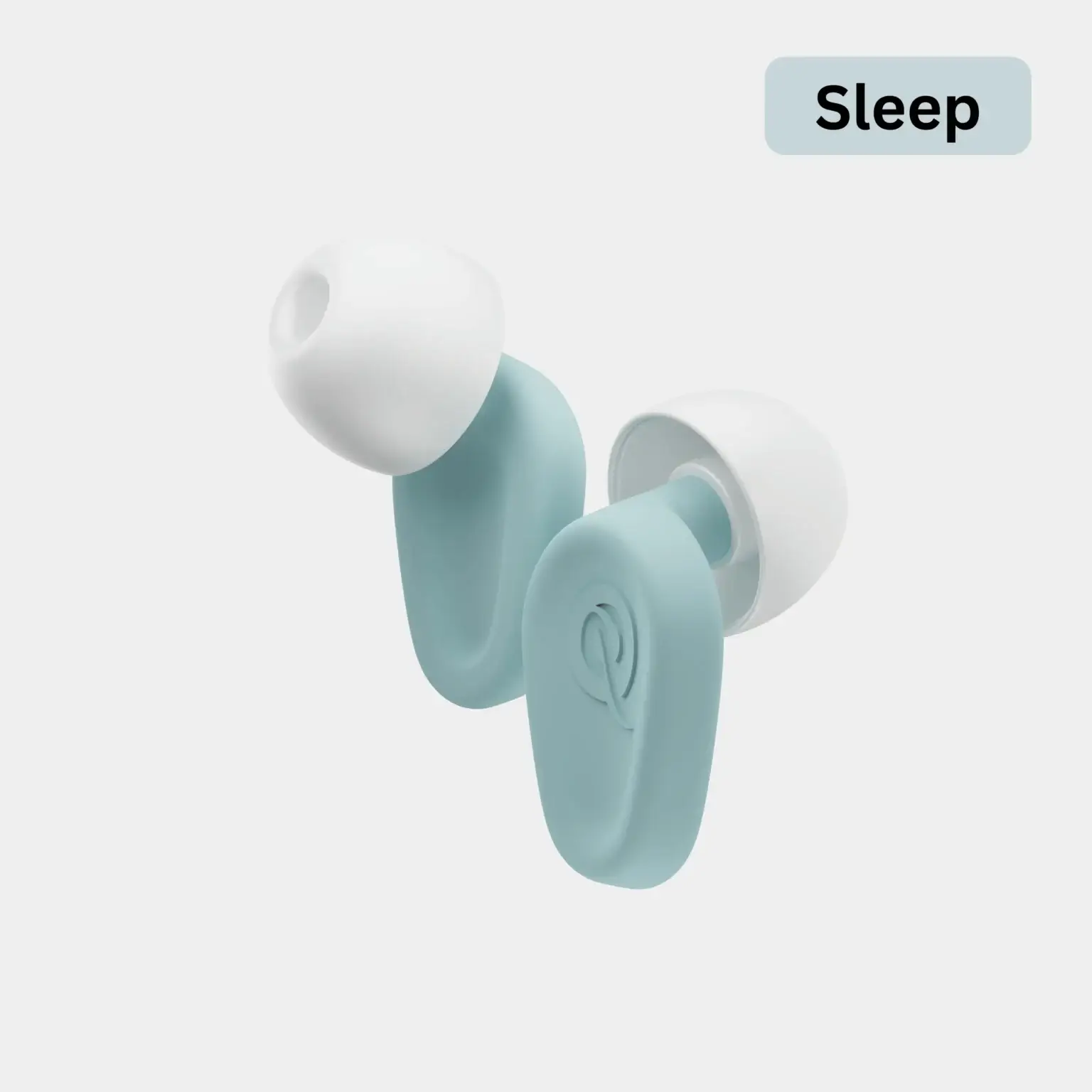
For sleep, communication is usually less important than reducing disturbance. A soft, low-profile design and dependable seal often matter more than acoustic clarity. The right choice depends on whether the problem is a partner’s snoring, urban noise, early-rising neighbours or a combination of all three.
Caring for reusable filtered earplugs
Reusable filters are built for repeat wear, but they need basic care to keep performing well. Clean the outer surfaces and eartips as directed, allow them to dry fully and keep them in a protective case between uses. Earwax, moisture and debris can affect comfort and potentially obstruct acoustic channels.
Do not push objects into the filter opening or rinse components that are not designed to be washed. If the sound suddenly seems different, first check for a blocked opening, a damaged tip or an imperfect fit. Replace worn eartips when they no longer seal properly.
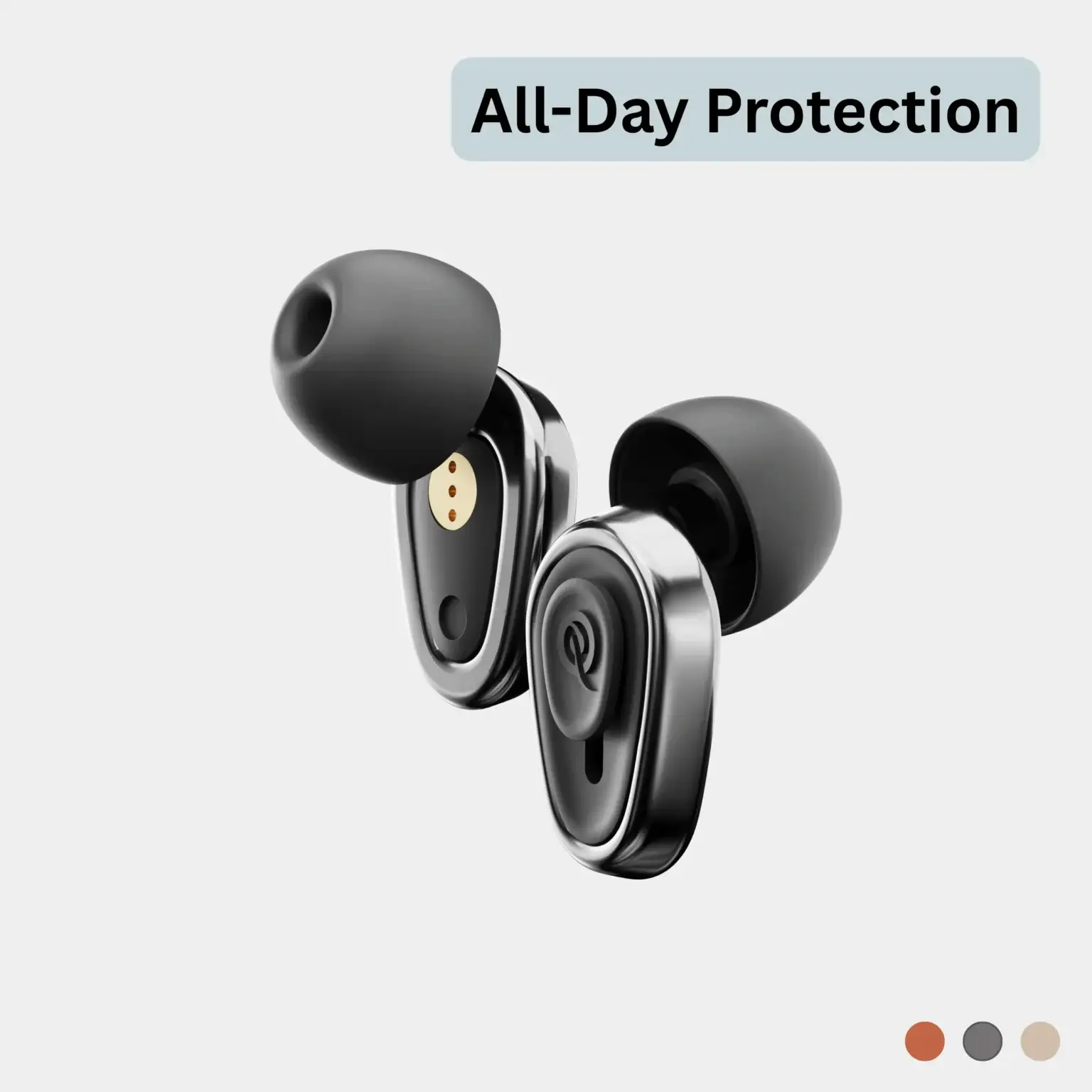
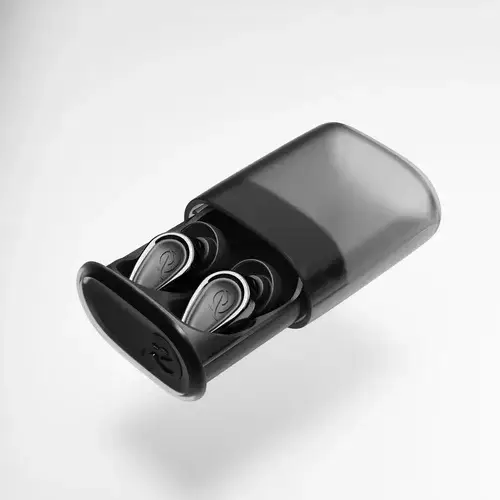
Earmuffz reusable earplugs are designed around this everyday reality: discreet protection that can move from commute to concentration, event to recovery, without the bulk of industrial hearing defenders.
Control the volume, keep the moment
Filtered earplugs are not about withdrawing from life. They are about choosing how much noise gets through. When the fit is right and the filter suits the setting, you can protect your ears, reduce overload and hold on to the sounds worth hearing. That is a small adjustment with a serious payoff: more comfort, more confidence and more control wherever the day gets loud.