
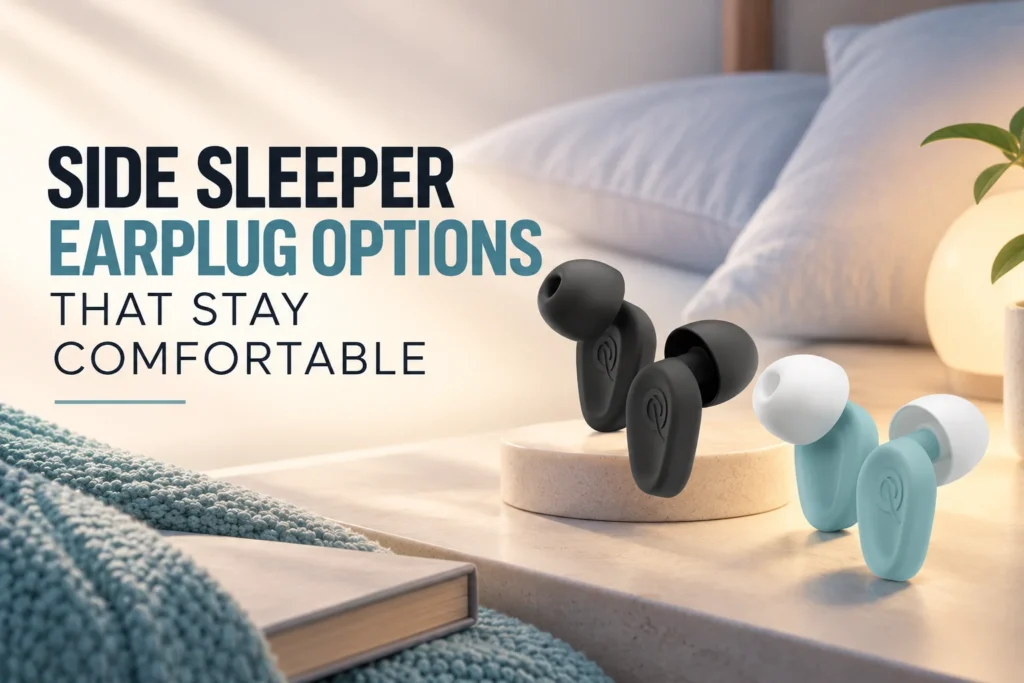
Your pillow should support your sleep, not press an earplug painfully into your ear. For anyone who sleeps on their side, the best side sleeper earplug options do more than reduce noise. They need to sit low in the ear, stay put when you turn over, and feel comfortable enough that you stop noticing them.
That combination is harder to find than it sounds. A plug can block plenty of sound yet still be the wrong choice for sleep if it protrudes, traps heat, or creates pressure against the pillow. Better rest starts with a fit built for the way you actually sleep.
Why side sleepers need a different fit
When you lie on your back, there is little direct contact between your earplug and the pillow. On your side, your outer ear takes the pressure. Any stem, rigid edge or bulky outer section can press into the concha, the bowl-shaped area around your ear canal. After an hour or two, a small pressure point can become the reason you wake up.
The goal is not necessarily to achieve maximum sound reduction. For sleep, comfort and consistent use usually matter more. An earplug you can wear all night with moderate noise reduction often performs better in real life than a high-blocking plug you remove at 2 am.
Fit also affects sound. A well-sealed earplug softens disruptive noise such as snoring, traffic, neighbours and early-morning birds. It will not create total silence, and it should not. You may still need to hear an alarm, a child, or an urgent household sound. Think controlled volume, not disconnection.
Side sleeper earplug options worth considering
Low-profile reusable earplugs
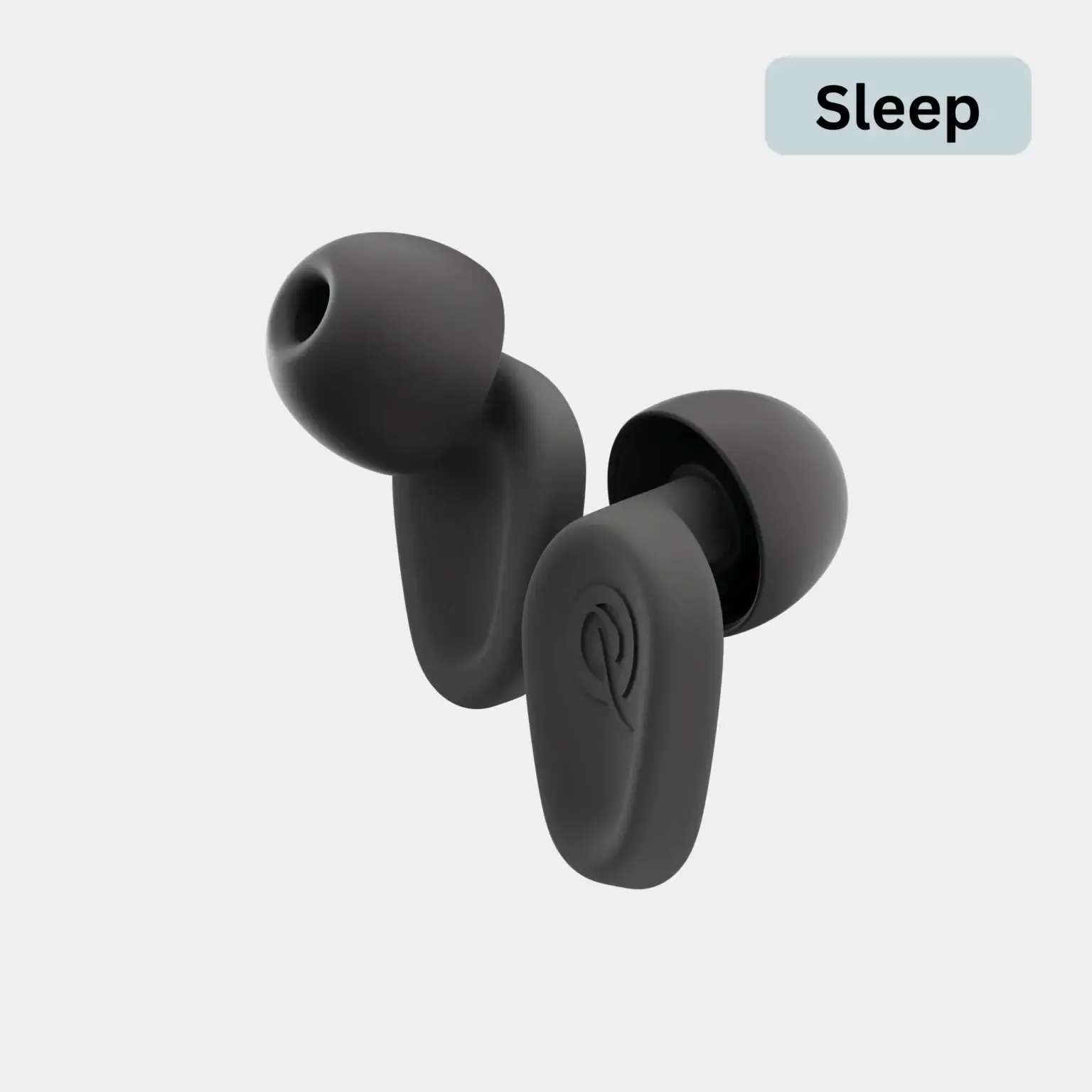
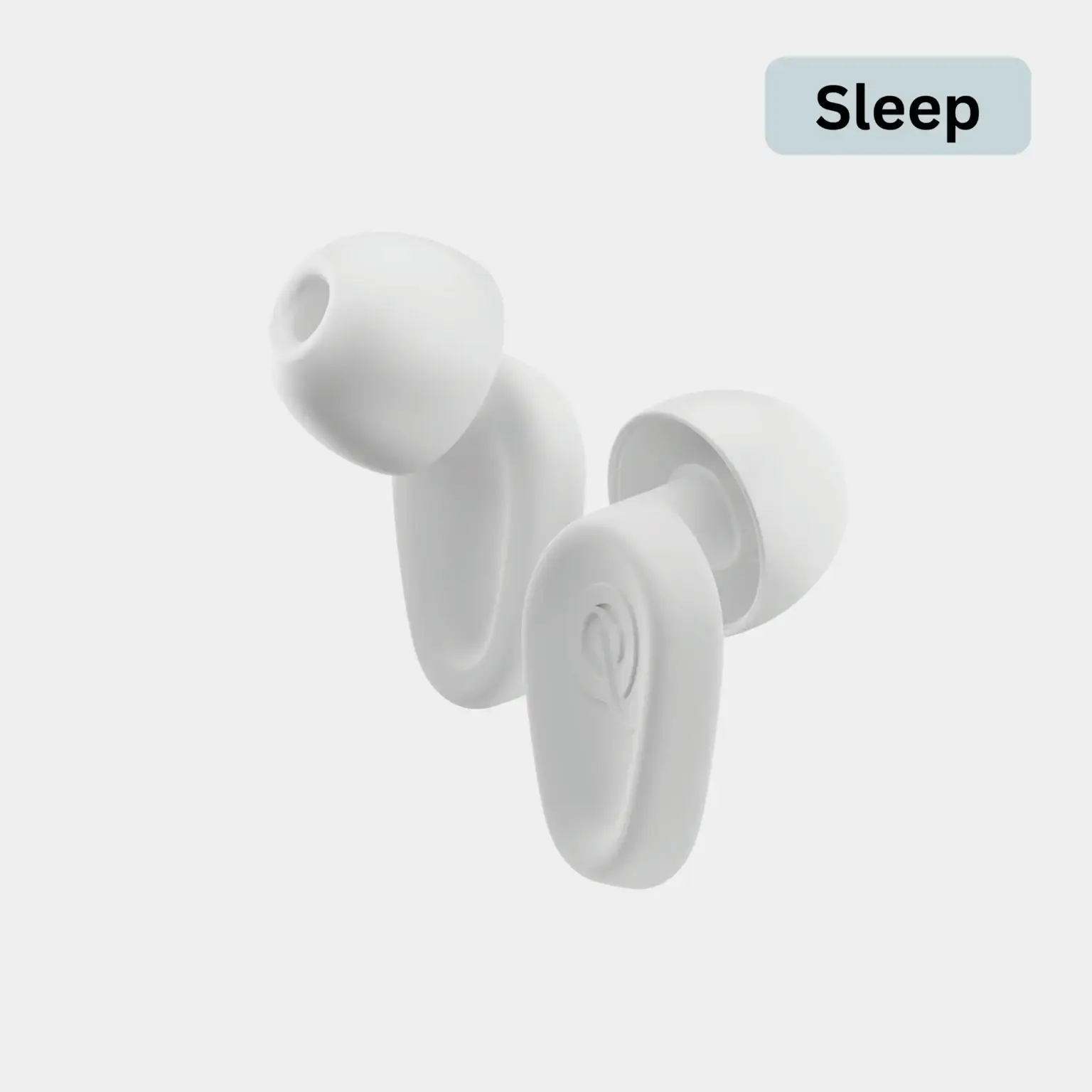
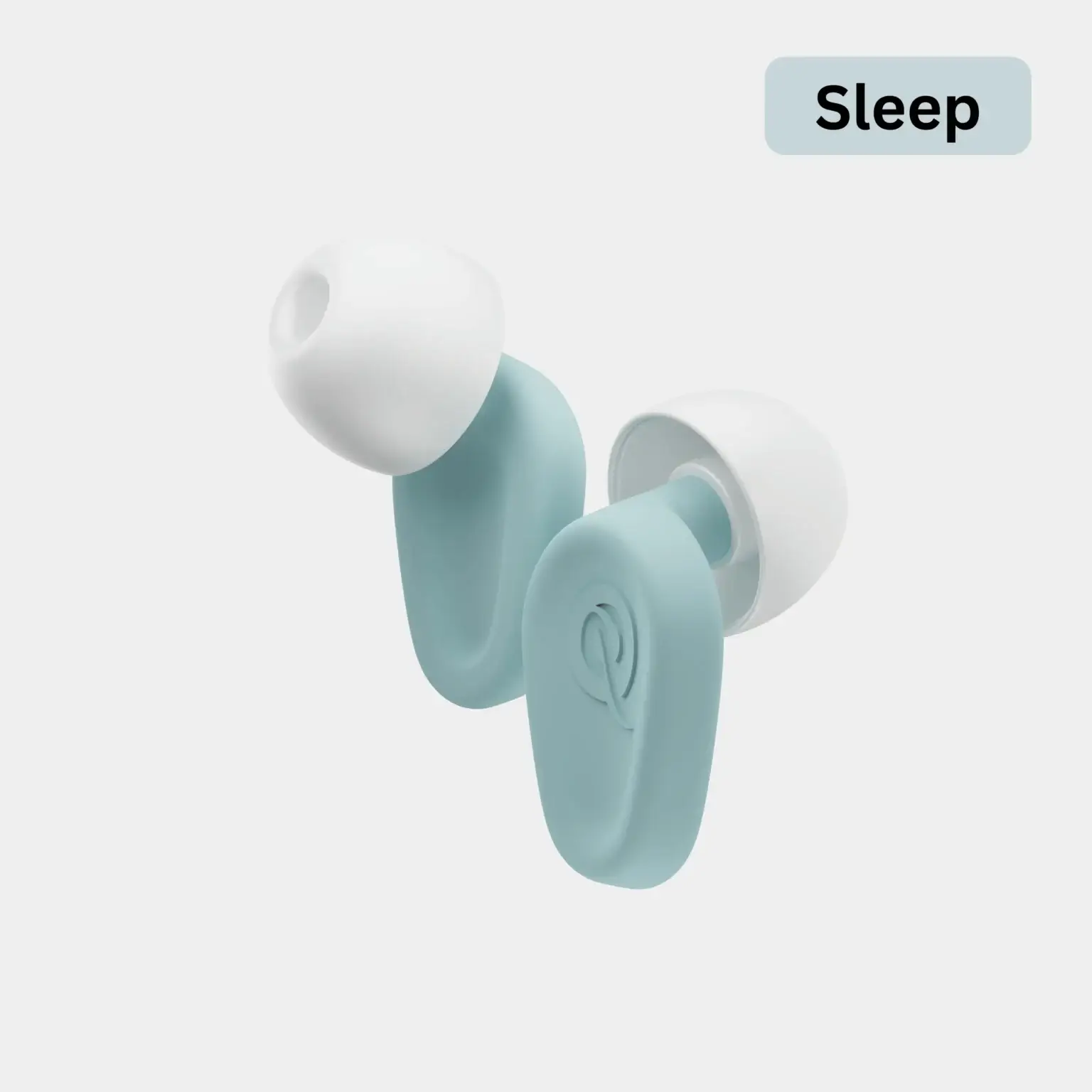
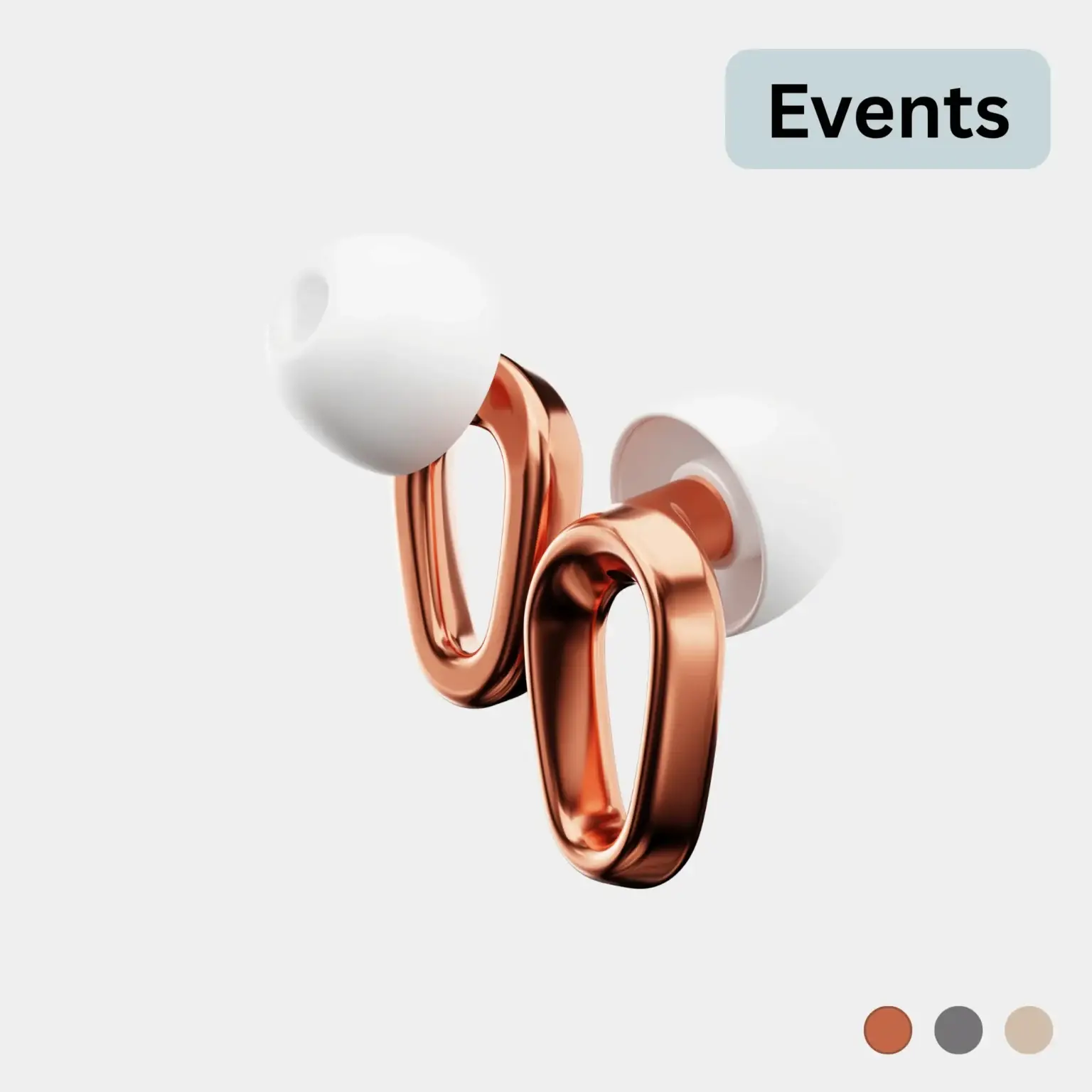
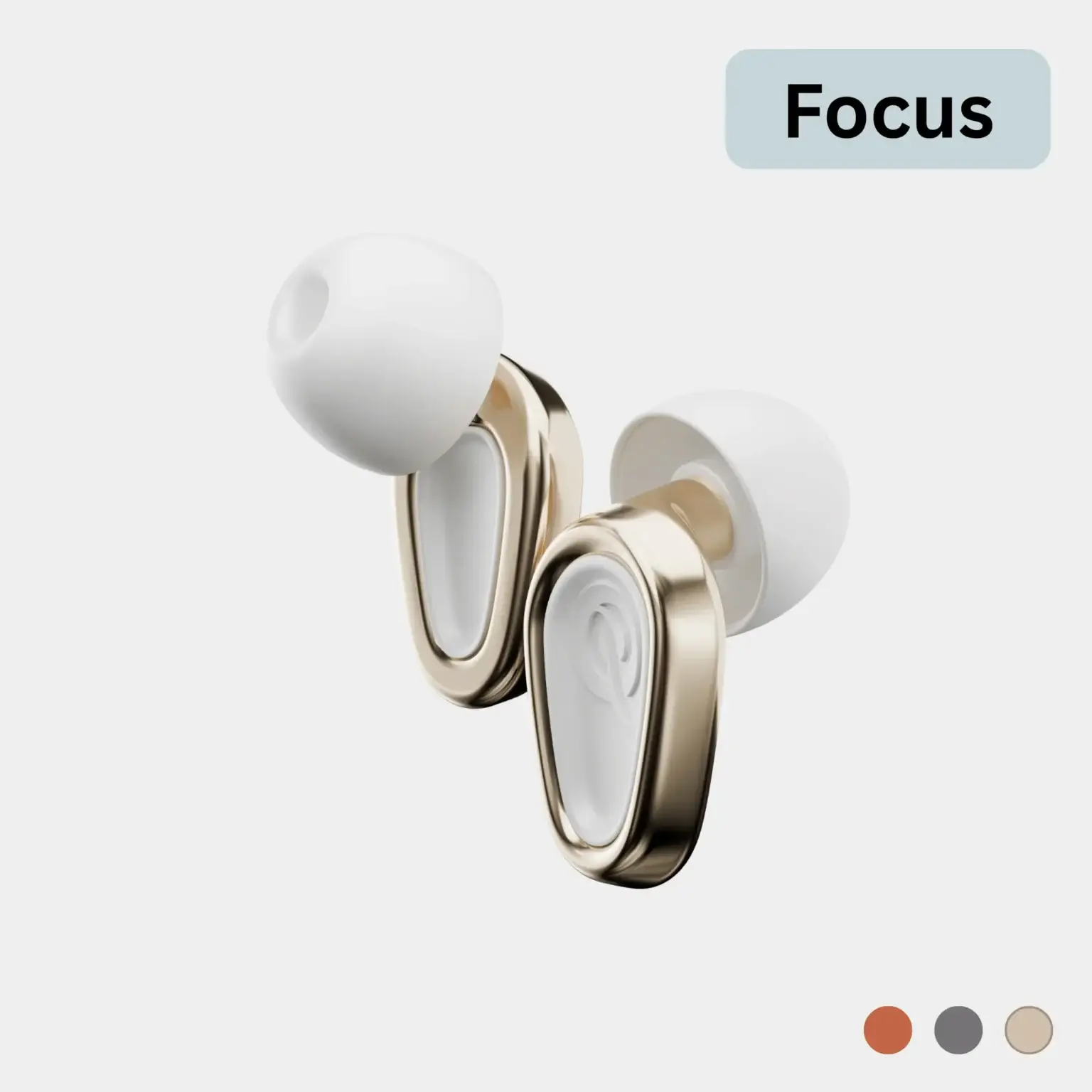
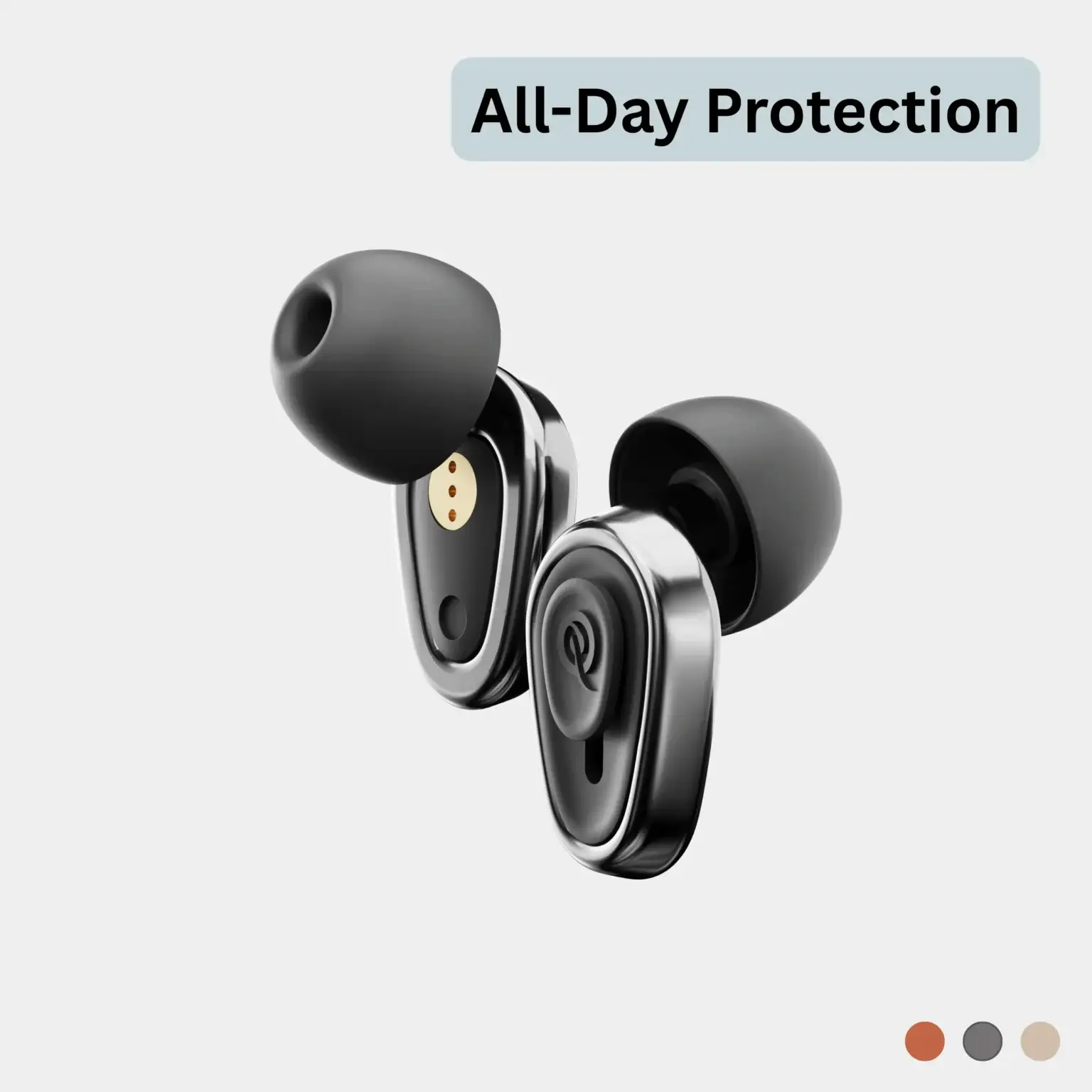
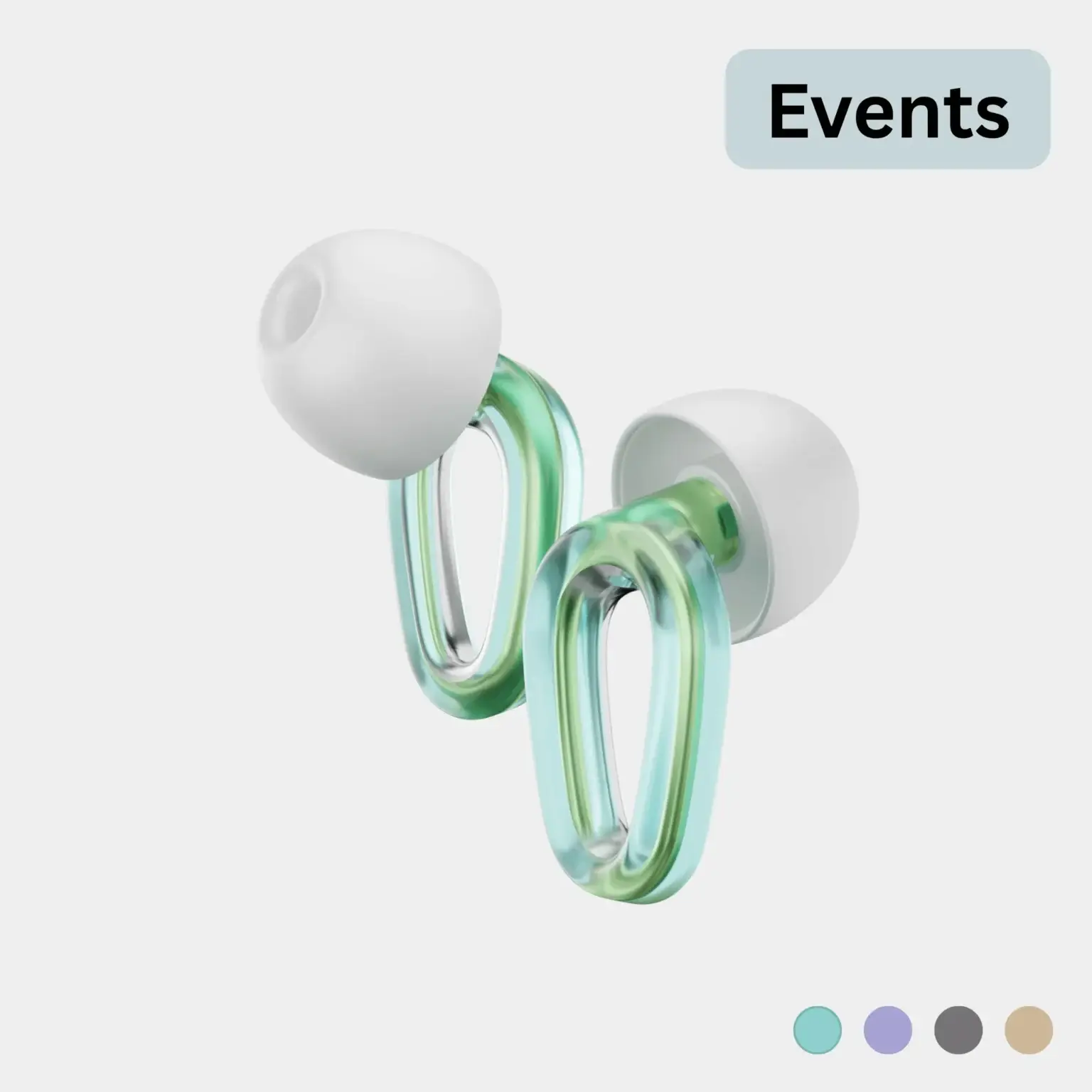
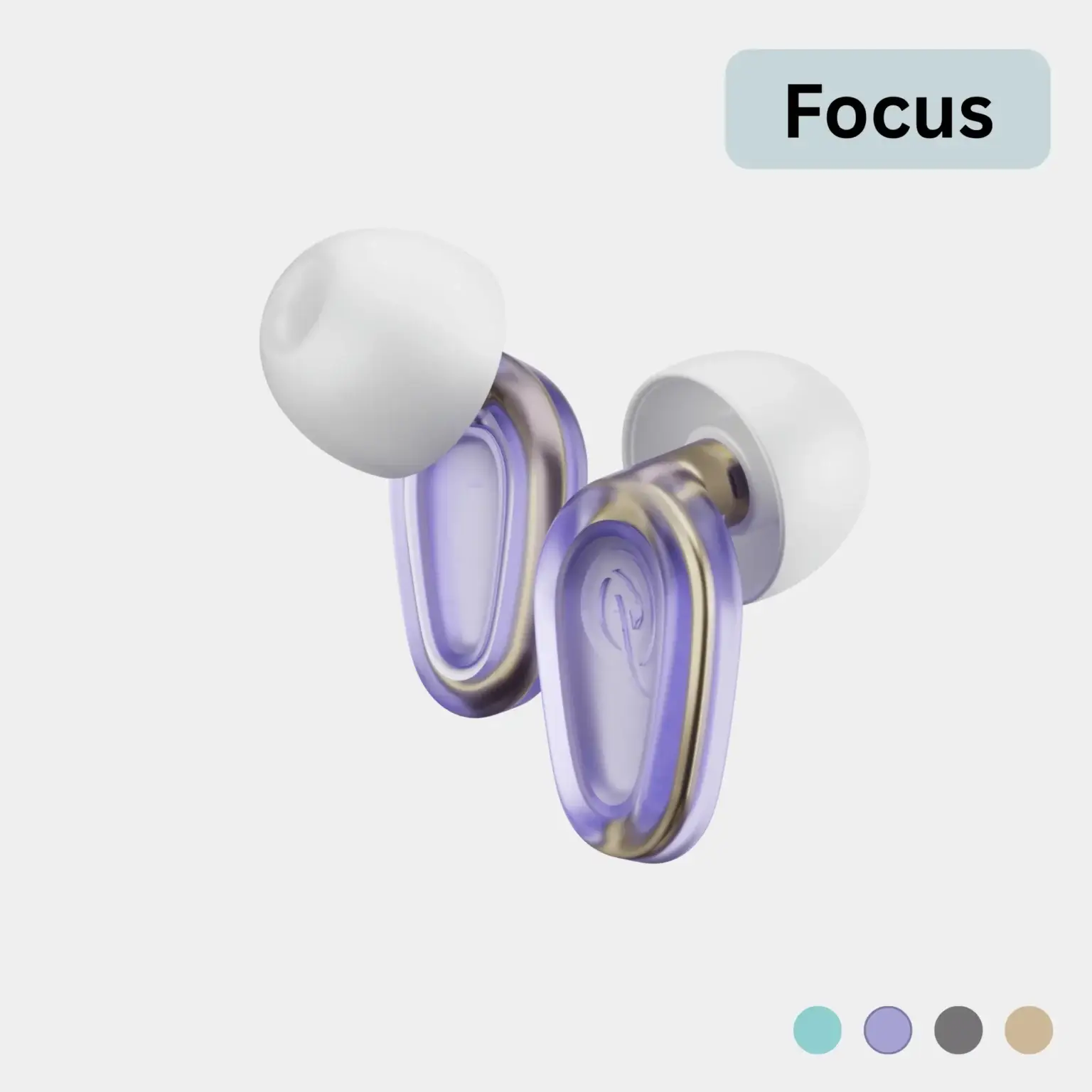
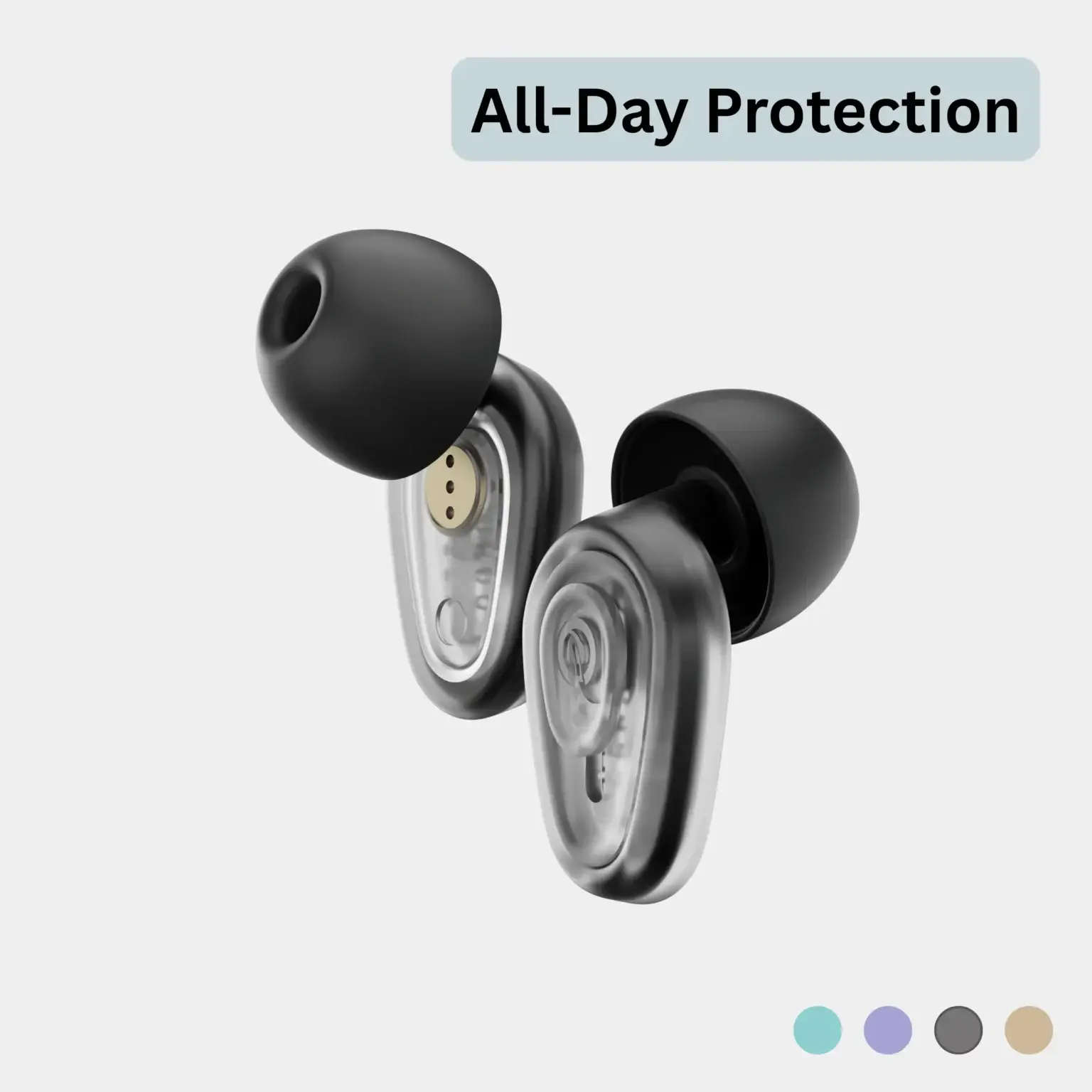
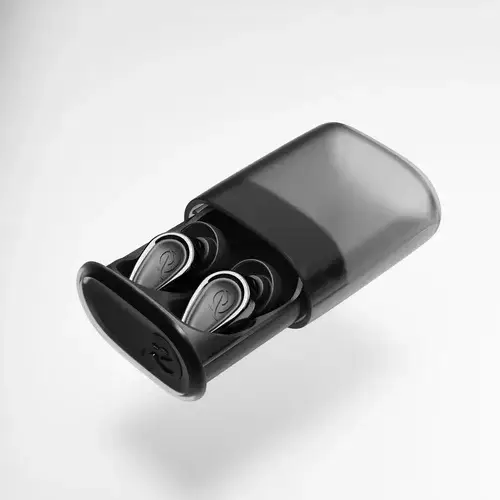
For many side sleepers, low-profile reusable earplugs are the strongest all-round option. They are designed to sit within the outer ear rather than sticking out beyond it, so there is less contact with the pillow when you roll onto your side. Soft, flexible materials also spread pressure more comfortably than a hard shell.
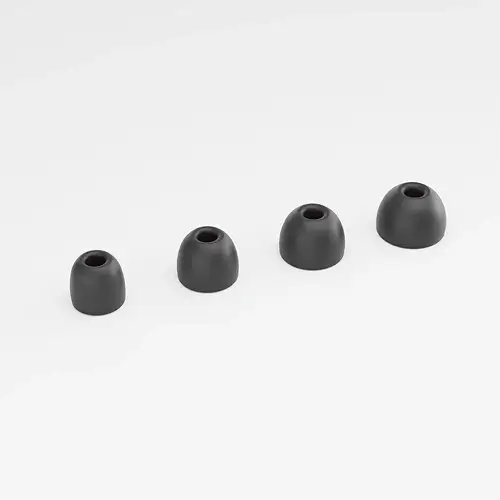
Look for a compact external profile and multiple eartip sizes. The smallest tip is not automatically the best: it may feel comfortable at first but allow sound leaks that prompt you to push the plug deeper. The right tip creates a gentle seal without strain, then stays secure through normal overnight movement.
This style suits people who want a durable, lower-waste solution for regular sleep, travelling, shared homes or noisy city living. A dedicated sleep-focused design, such as Earmuffz Sleep, makes most sense when low-profile comfort is your first priority.
The trade-off is that reusable plugs need cleaning and a little fit practice. They can also be more noticeable than foam if you choose a design with a firm central core. Comfort varies from ear to ear, so the eartip choice matters as much as the plug itself.
Soft foam earplugs
Foam plugs remain popular because they can offer strong noise reduction at a low cost. When inserted properly, they expand inside the ear canal rather than sitting heavily outside the ear. This can make them surprisingly comfortable for some side sleepers.
They are not automatically fuss-free. A foam plug must be rolled down tightly, placed correctly, then held in place while it expands. If it is not inserted far enough, it may protrude and rub against the pillow. If inserted too deeply or too forcefully, it can feel uncomfortable and be difficult to remove.
Foam is useful for occasional hotel stays, temporary building work nearby, or trying earplugs for the first time. It is less appealing for nightly use if you value reusability and precise fit. Foam can also collect dirt and lose its shape quickly, so single-use versions should be replaced rather than worn repeatedly.
Mouldable wax or silicone putty
Mouldable earplugs sit over the entrance of the ear canal instead of entering it. You warm and shape the material with clean fingers, then press it gently over the opening. Because there is no long body inside the canal, this can feel less intrusive for people who dislike inserted earplugs.
For side sleeping, their softness is the main advantage. They can flatten slightly against the pillow without a rigid component digging in. They are also useful when ear canals are unusually sensitive or when you simply cannot tolerate a traditional in-ear fit.
Their weak point is consistency. A poor seal can reduce their effectiveness, and warm rooms or restless movement may affect how well they hold. They are generally not the most convenient reusable choice either. If you prefer a predictable fit night after night, a low-profile reusable plug is often easier to manage.
Custom-moulded earplugs
Custom-moulded earplugs are shaped to your ears, usually through a specialist fitting process. The potential benefit is excellent stability and a tailored seal. For side sleepers with difficult ear anatomy, recurring fit issues or serious sensitivity to pressure, custom options can be worth considering.
However, custom does not automatically mean comfortable on a pillow. A mould can still have a bulky outer section, and materials vary in softness. Ask specifically for a sleep-oriented, low-profile design rather than assuming any custom plug will suit overnight use.
They also cost more and take longer to arrange. For most people, a well-designed reusable earplug with the correct eartips is the more practical first move.
Choose based on the noise you need to manage
A snoring partner, thin flat walls and a busy road may all sound like the same problem, but they are not. Snoring tends to be irregular and low-pitched. Traffic often includes bursts of tyre noise, engines and sirens. Neighbours may create voices, bass or sudden impact sounds. Earplugs reduce all of these, but no passive earplug removes every frequency equally.
If your main problem is intermittent disturbance, prioritise an earplug that feels invisible enough to wear every night. If the environment is consistently loud, you may need both earplugs and changes to the room, such as closing gaps around windows or using steady background sound. Earplugs are a powerful layer of control, not a cure for every source of noise.
Be cautious with noise-reduction ratings alone. Ratings are measured under controlled conditions, and real-world results depend on your ear shape, insertion and seal. A slightly lower-rated plug that fits properly can outperform a higher-rated plug that shifts when your head meets the pillow.
Get the fit right before bedtime
Do not make your first serious fit attempt when you are exhausted. Test your earplugs while reading or relaxing, then lie on each side for several minutes. Notice whether the outer portion touches the pillow, whether one ear needs a different eartip size, and whether the seal changes when you move your jaw.
A good fit feels secure, not tight. There should be no stabbing sensation, throbbing, numbness or persistent ache. If there is, remove the plug and try a smaller tip, a softer material, or a lower-profile design. Never force an earplug into place.
Your ears may not match. It is common to need different sizes on the left and right. That is not a fitting failure. It is how you create a reliable seal without over-compressing one side.
Keep sleep earplugs clean and sensible
Anything worn in the ear overnight needs regular care. Clean reusable earplugs as directed by the manufacturer, allow them to dry fully, and keep them in a case between uses. Avoid sharing them. Replace disposable foam and mouldable plugs when they become dirty, damaged or no longer hold their shape.
If you have ear pain, discharge, an active ear infection, recent ear surgery or repeated wax blockage, seek advice from a pharmacist, audiologist or GP before making earplugs part of your nightly routine. Earplugs should support sleep, not aggravate an existing ear issue.
The right choice is the one you can wear confidently from lights-out to morning. Start with a low-profile fit, test it on your actual pillow, and give yourself a few nights to adjust. When the pressure disappears and the noise drops back, your bedroom feels like yours again.