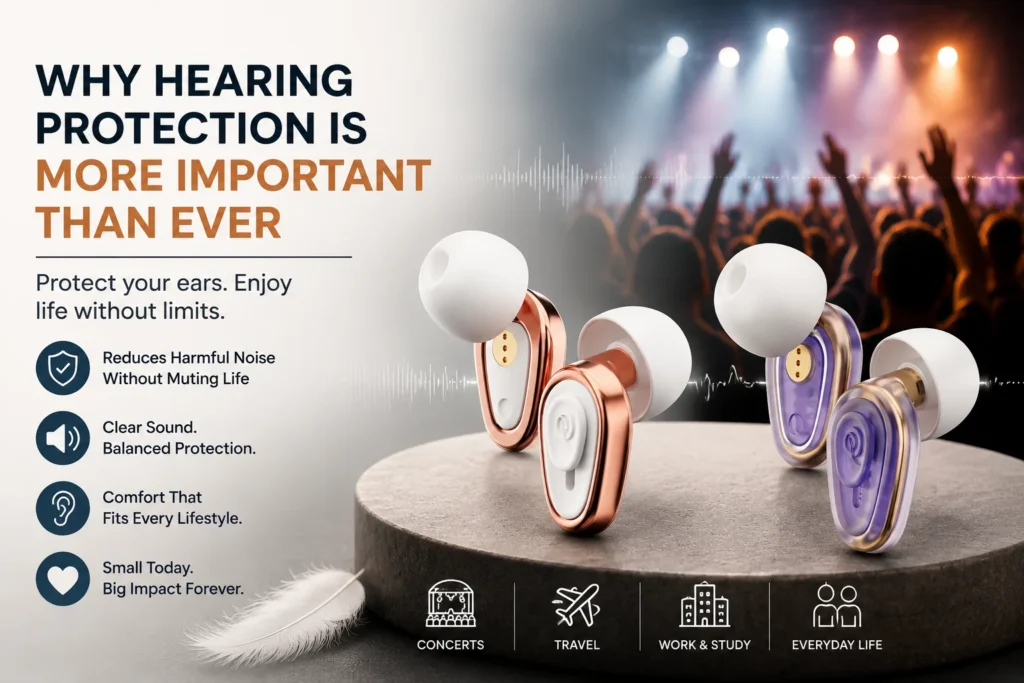

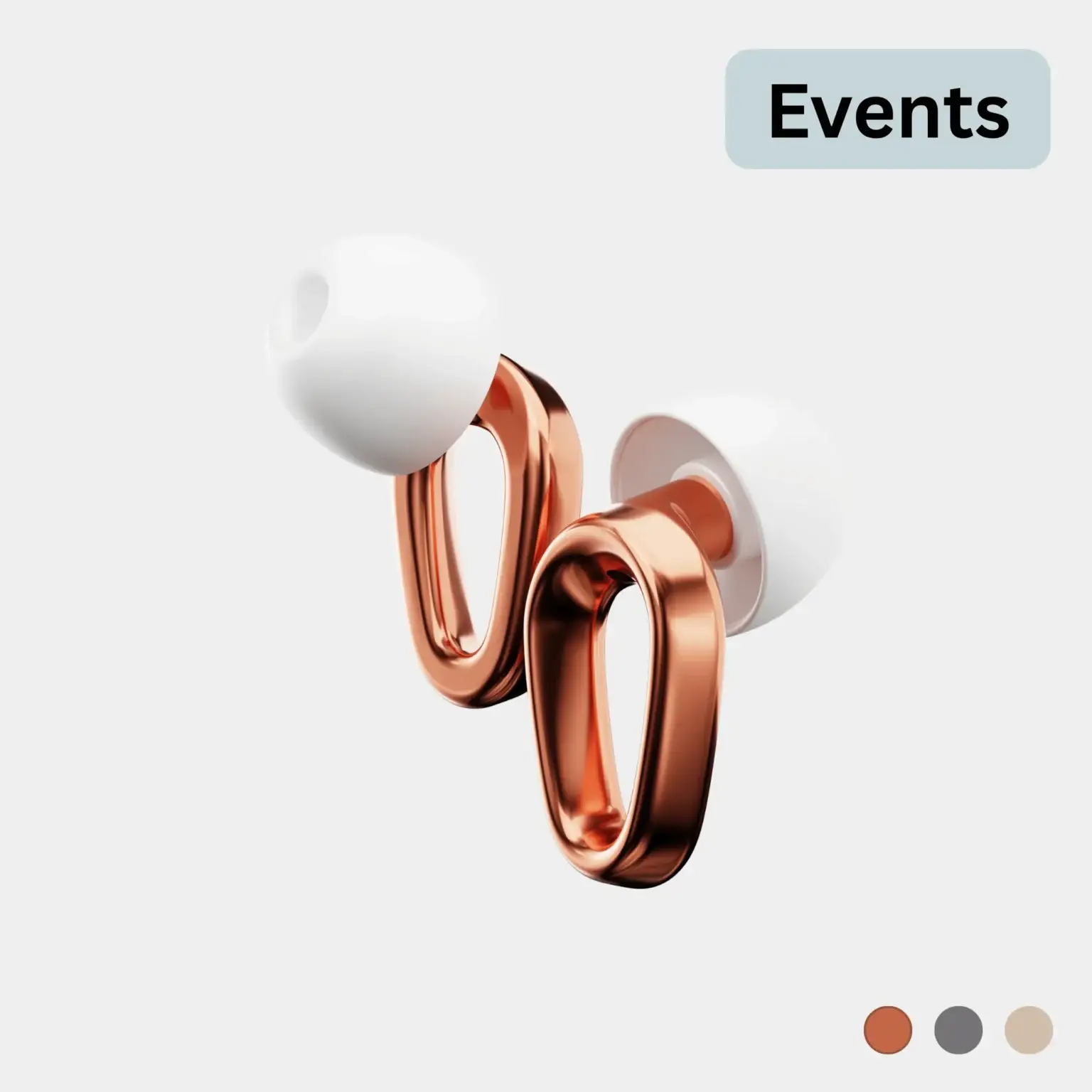
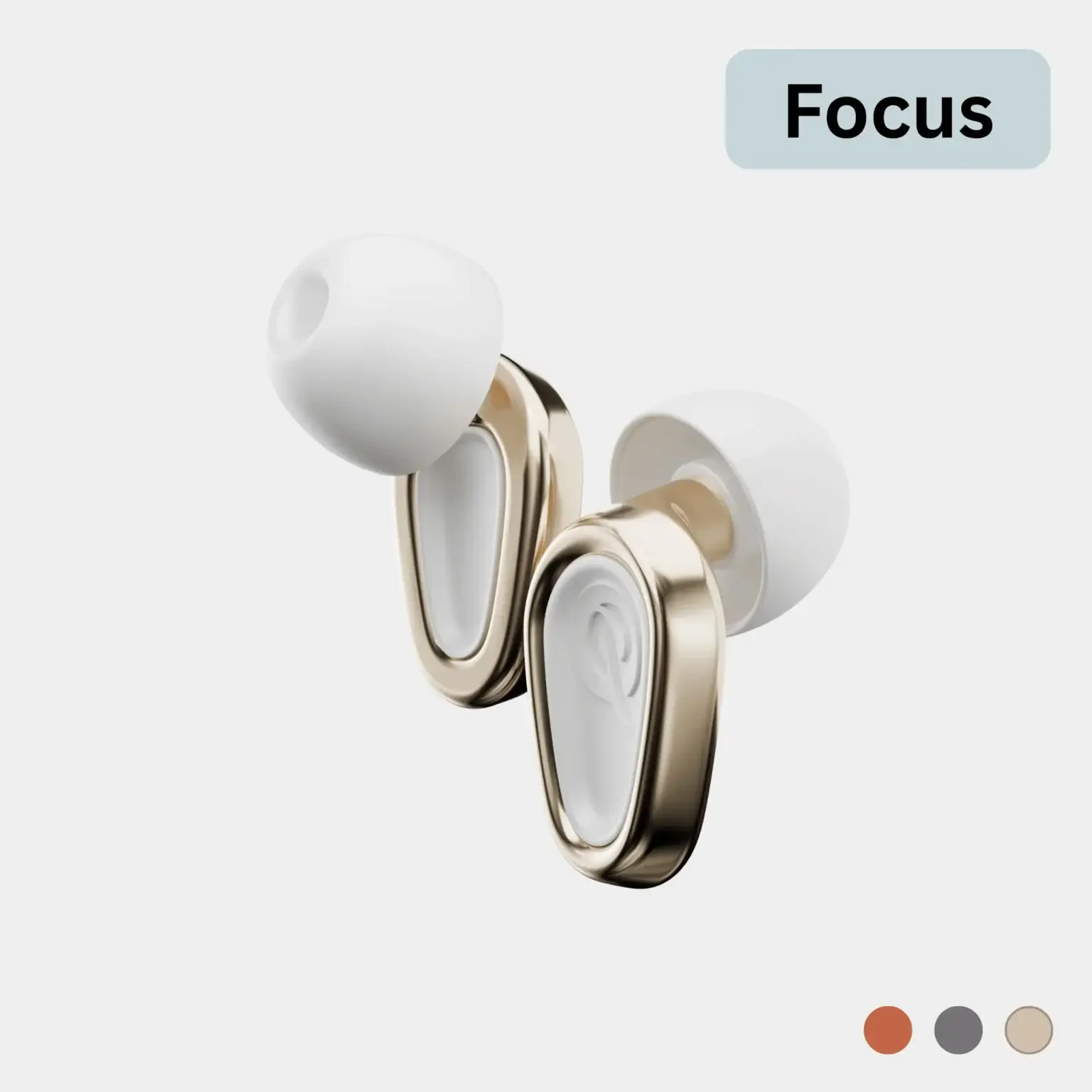
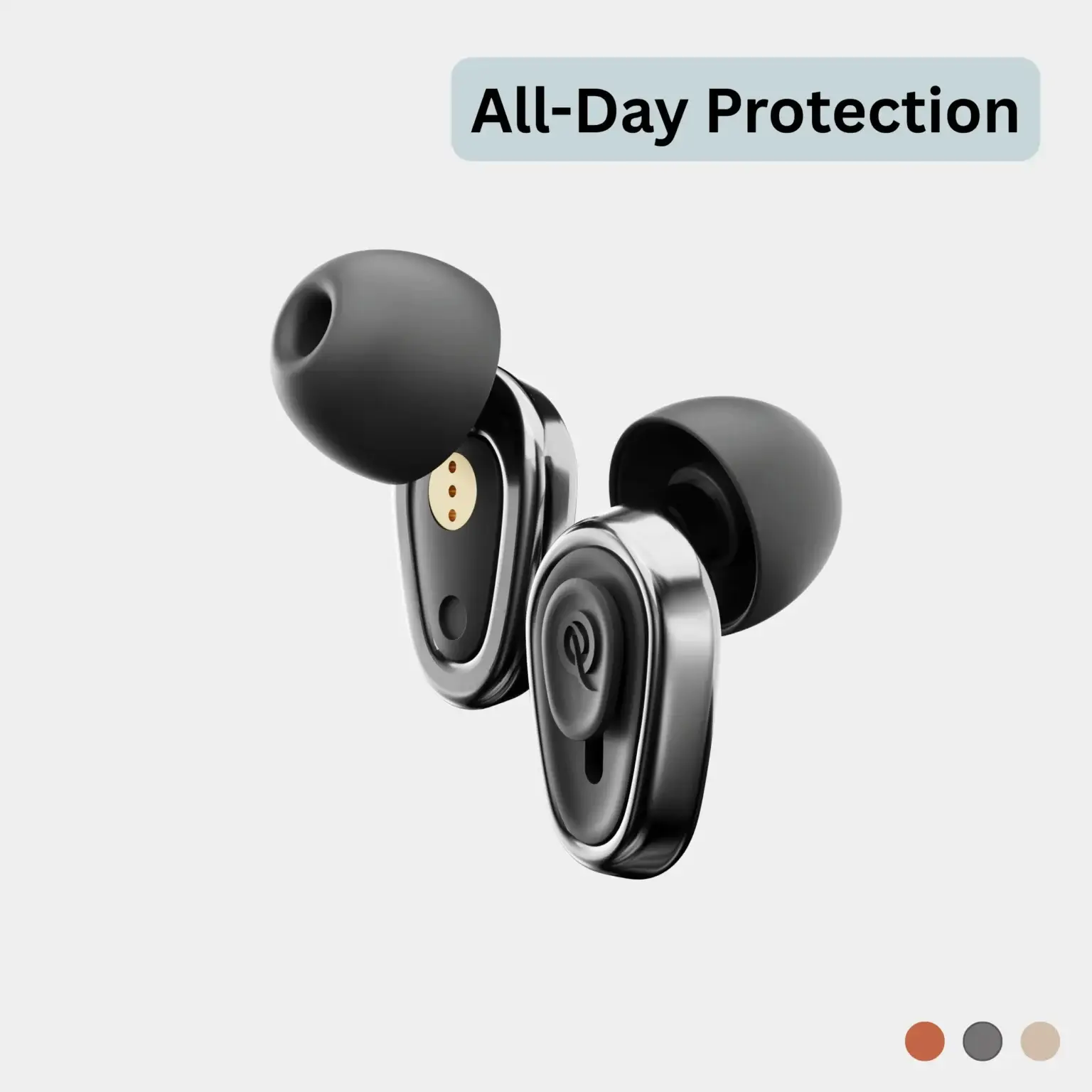
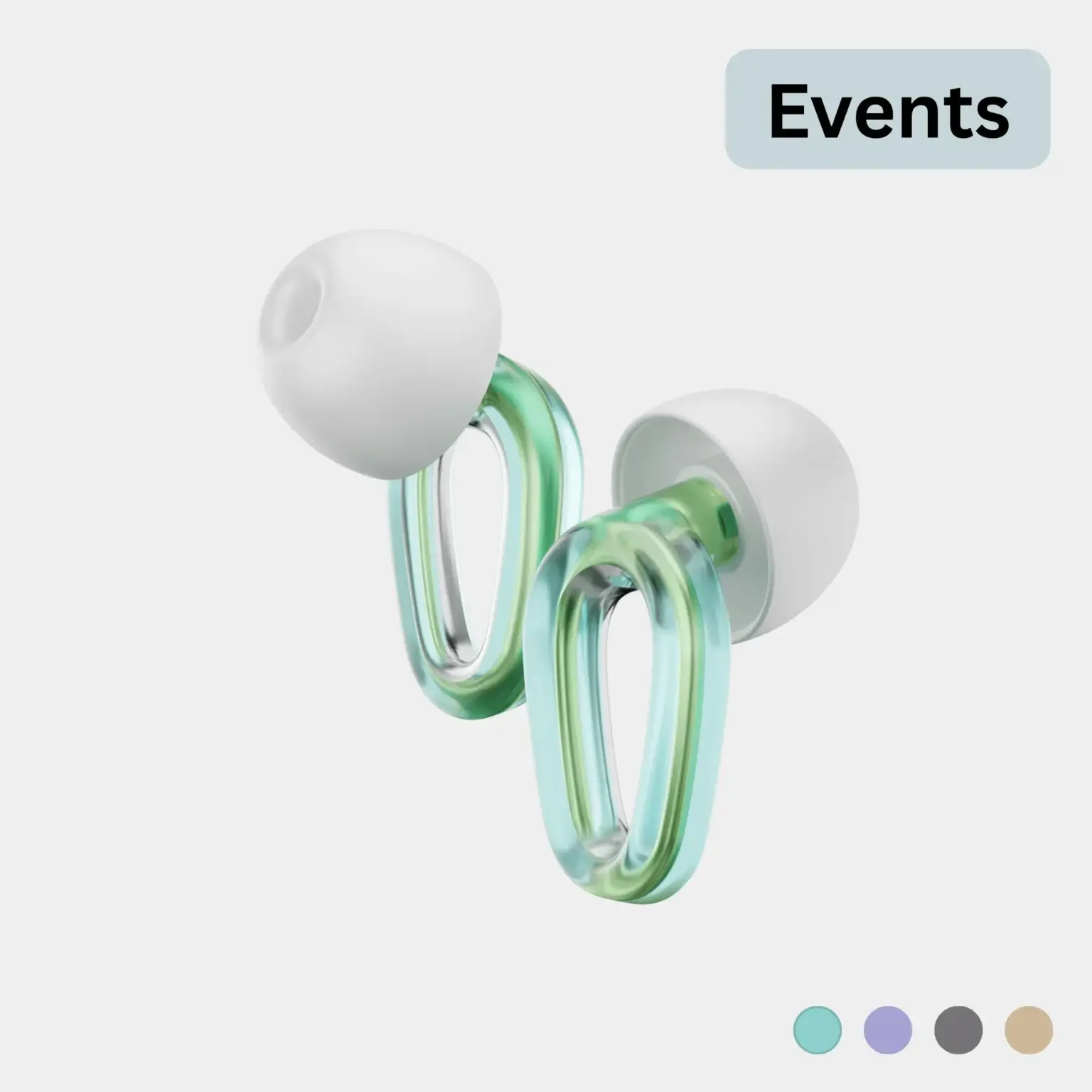
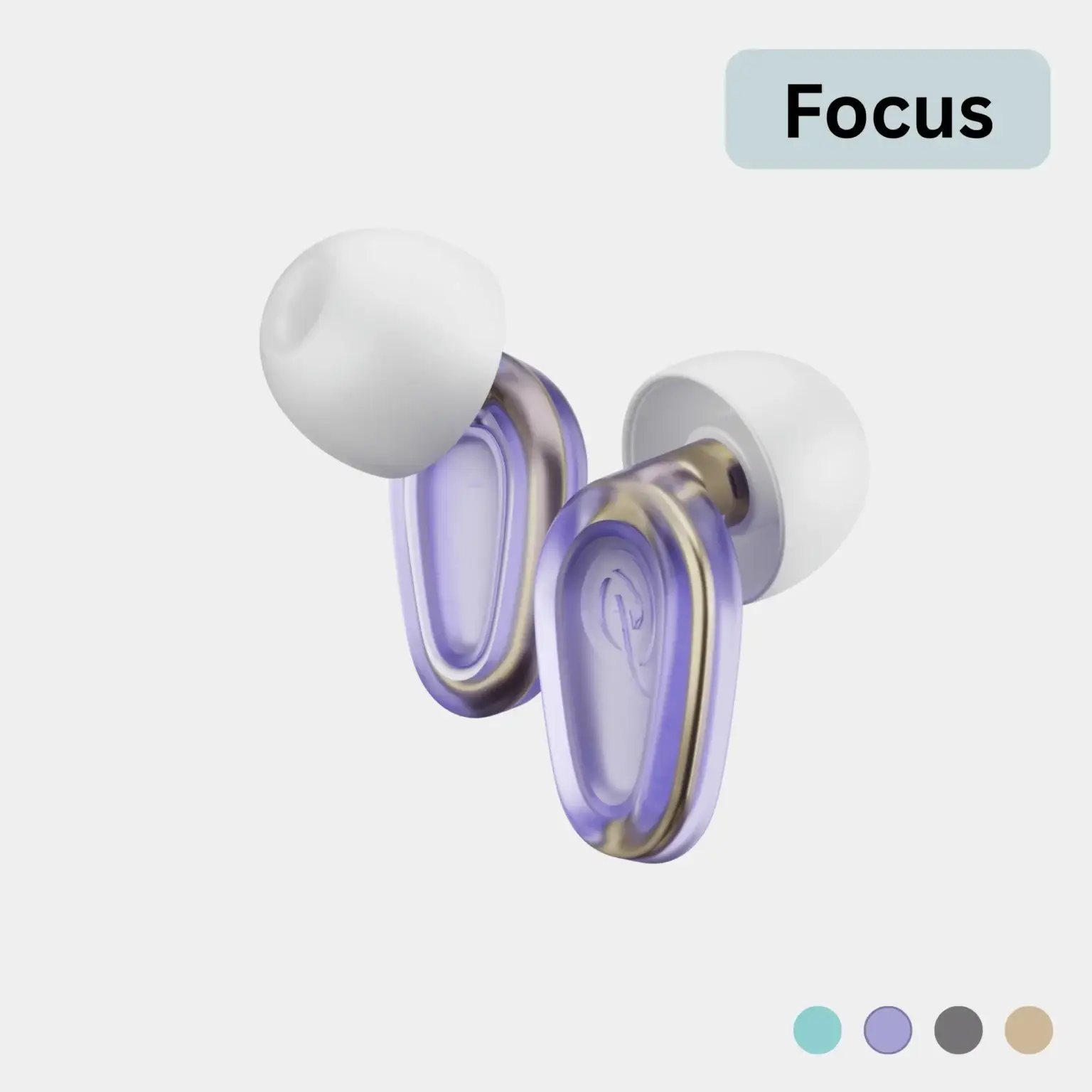
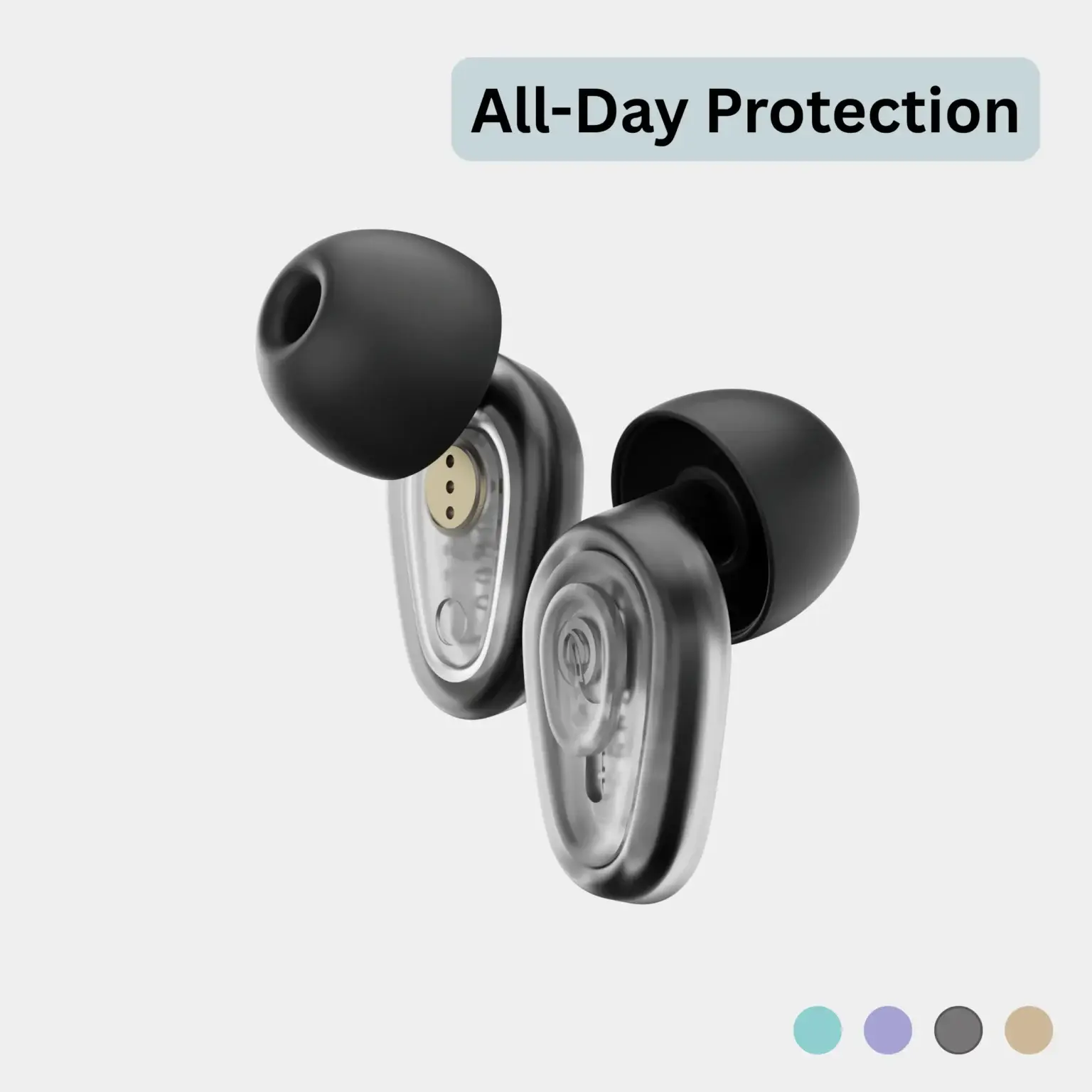
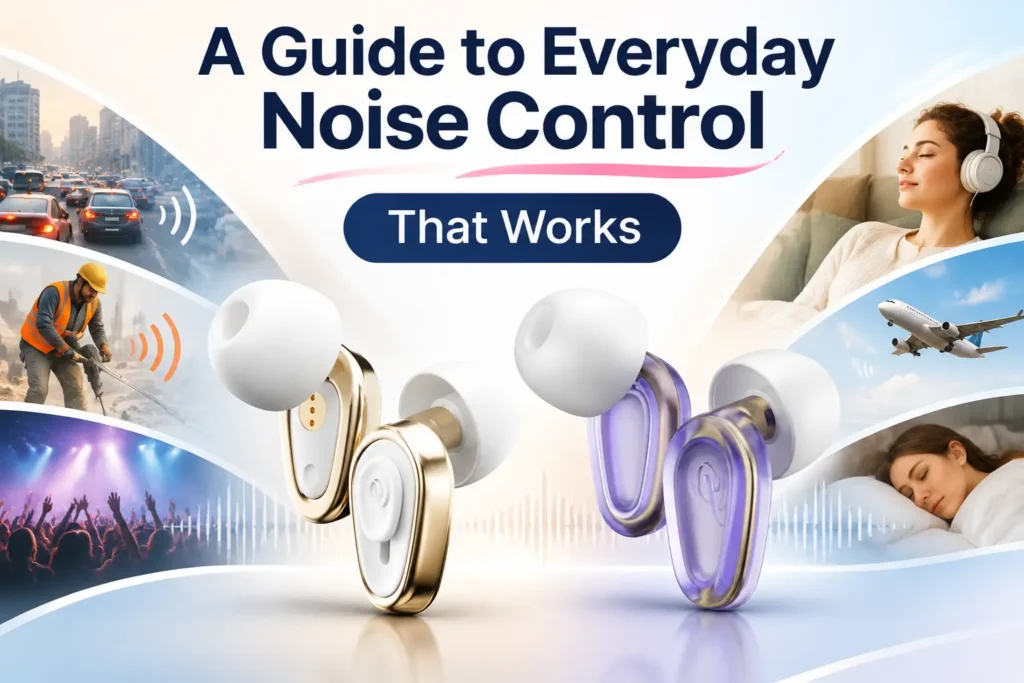
The train doors close, someone takes a call on speaker, and the rattle of the carriage starts working its way under your skin. You do not need to escape modern life to feel better in it. This guide to everyday noise control is about turning down the excess, so you can keep your focus, protect your comfort and stay present for what matters.
Noise control is not about living in silence. It is about choosing how much of the world gets your attention. Whether you are working in a busy office, commuting across town, settling a baby at night or heading to a gig, the right level of sound reduction can make the moment feel more manageable.
Why everyday noise control is a performance tool
Most people think of hearing protection as something for building sites, airports or the front row at a festival. Those situations matter, but everyday noise has its own cost. The repeated interruptions of traffic, conversations, appliances, public transport and background music can leave you overstimulated long before the day is done.
For some people, that means struggling to concentrate. For others, it means feeling irritable after a crowded shopping trip, waking up repeatedly at night or experiencing more noticeable tinnitus after a loud event. Your sound environment affects your energy. Control it well, and you create more room to think, rest and perform.
The goal is not to block every sound. Complete isolation can be impractical and, in some settings, unsafe. A better approach is to reduce the harsh, draining volume while keeping enough awareness to move through the world confidently. That is where discreet, reusable earplugs earn their place as an everyday essential.
A guide to everyday noise control by situation
The right approach depends on where you are, what you need to hear and how long you will wear your earplugs. Think in terms of the outcome you want, not just the loudness around you.
At work: protect deep focus
Open-plan offices can make focused work feel like a contact sport. Keyboard clatter, impromptu meetings and nearby calls compete for your attention even when you are trying to finish one important task.
For desk work, choose comfortable earplugs that soften background chatter without making you feel cut off. You may still want to hear your name, an alarm or a colleague speaking directly to you. The best fit is often moderate noise reduction paired with a low-profile shape you can wear through a long concentration block.
Use them deliberately. Put them in before writing, planning or problem-solving, rather than waiting until you are already overwhelmed. That small routine tells your brain it is time to focus.
On the commute: arrive with more energy
Commuting is rarely one sound. It is a mix of brakes, announcements, engine noise, crowds and headphones leaking from the next seat. Even if no single sound feels unbearable, the combined effect can make you arrive at work or home feeling spent.
Earplugs can take the edge off that constant assault without demanding batteries, charging or another screen. On foot or near traffic, keep situational awareness front of mind. Lower-volume protection may be the sensible choice, and avoid wearing earplugs where you need to hear warnings clearly.
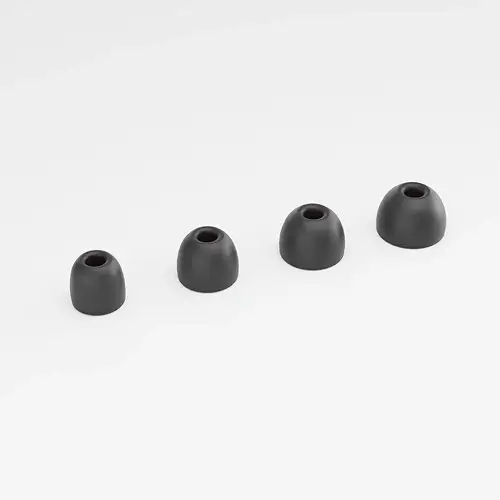
For regular rail, bus or underground journeys, comfort is not a luxury feature. A reusable pair that creates pressure or slips out will stay in its case. Look for multiple eartip sizes and a secure fit, then give yourself a few days to find the placement that feels natural.
At concerts, sporting events and nightlife: enjoy the sound, not the aftermath
Loud events are where noise control becomes hearing protection in the clearest sense. Music, crowd noise and amplified sound can reach levels that are uncomfortable or potentially damaging, especially over several hours.
Foam plugs may reduce volume heavily, but they can also make music sound muffled. Purpose-designed reusable earplugs aim to lower the overall level more evenly, helping preserve the detail of the performance. You can enjoy the bassline, the vocals and the atmosphere with less of the painful sharpness.
Fit matters here. An earplug that is only partly inserted will not deliver its intended reduction. Take a minute before the event starts to check the seal, and bring a protective case so you are not stuffing them loose into a pocket between sets.
At home: create a calmer boundary
Home is not automatically quiet. Neighbours renovate. Children play. A partner watches television. The washing machine starts spinning just as you sit down to read. Everyday earplugs give you a simple way to set a softer boundary without asking everyone else to stop living.
They can be particularly useful for parents who need a little relief from high-pitched, repetitive sound but still need to stay responsive. They are also a practical option for people with sound sensitivity who want to make social time, errands or household tasks less intense.
This is not about ignoring your surroundings. It is about reducing the strain enough that you can respond calmly rather than react from overload.
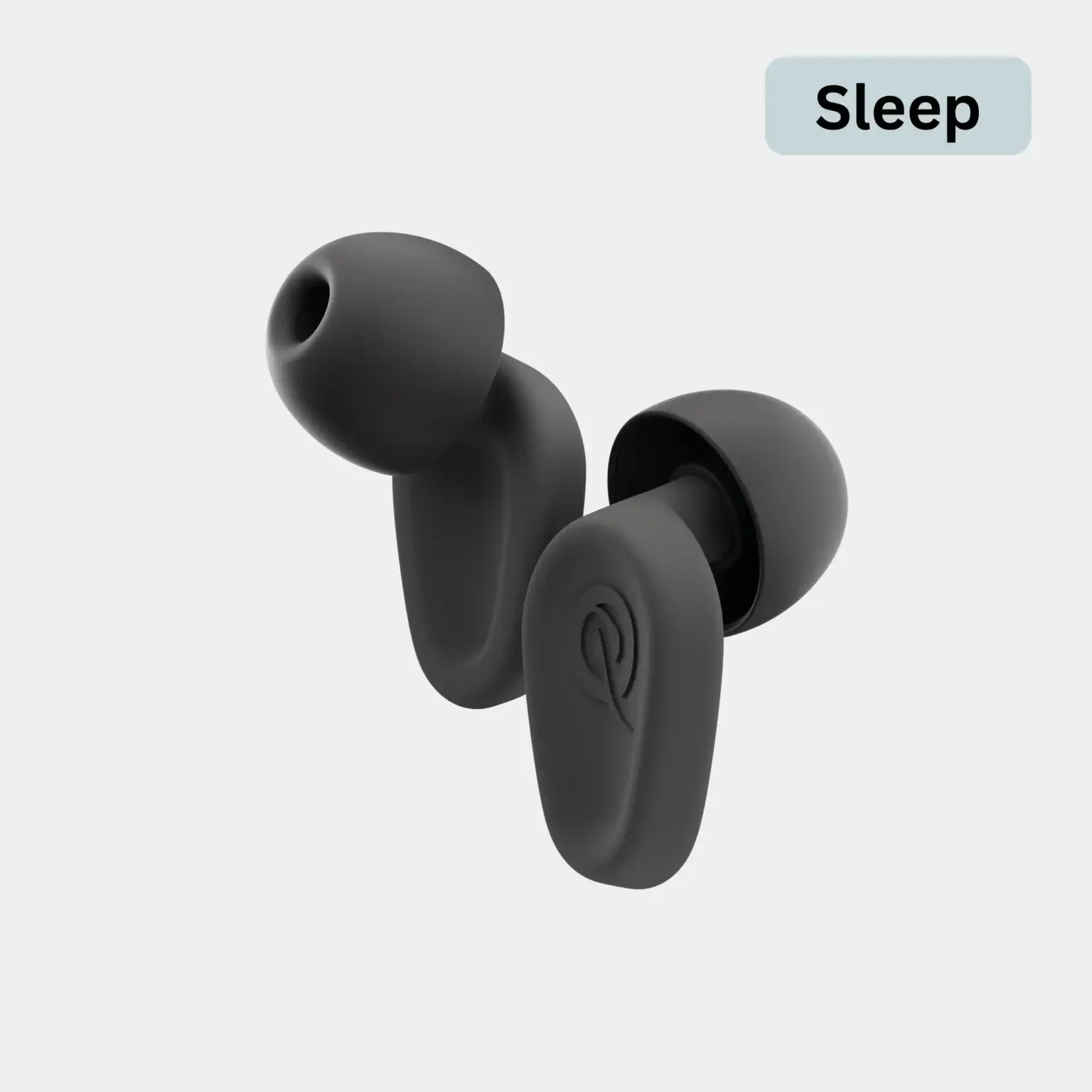
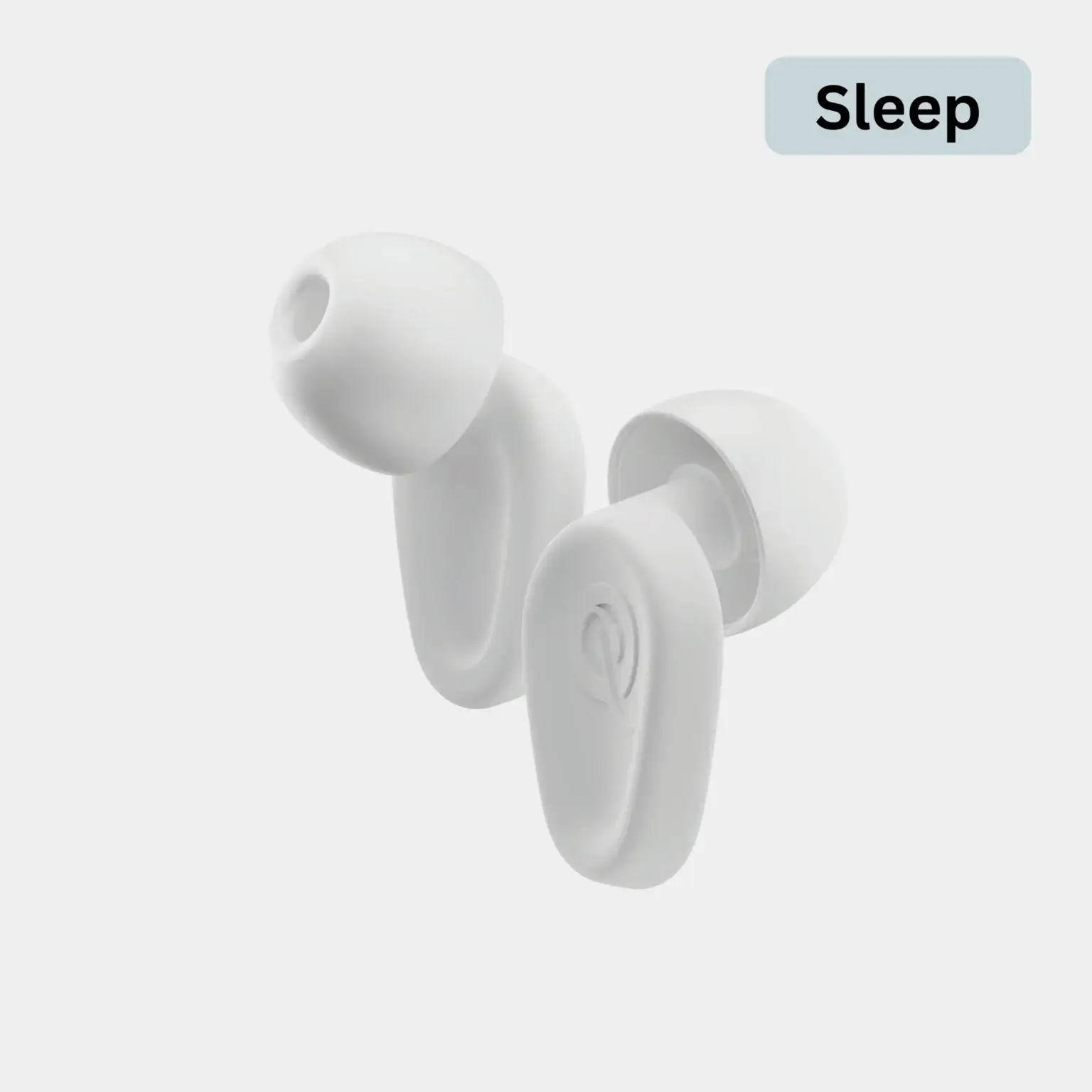
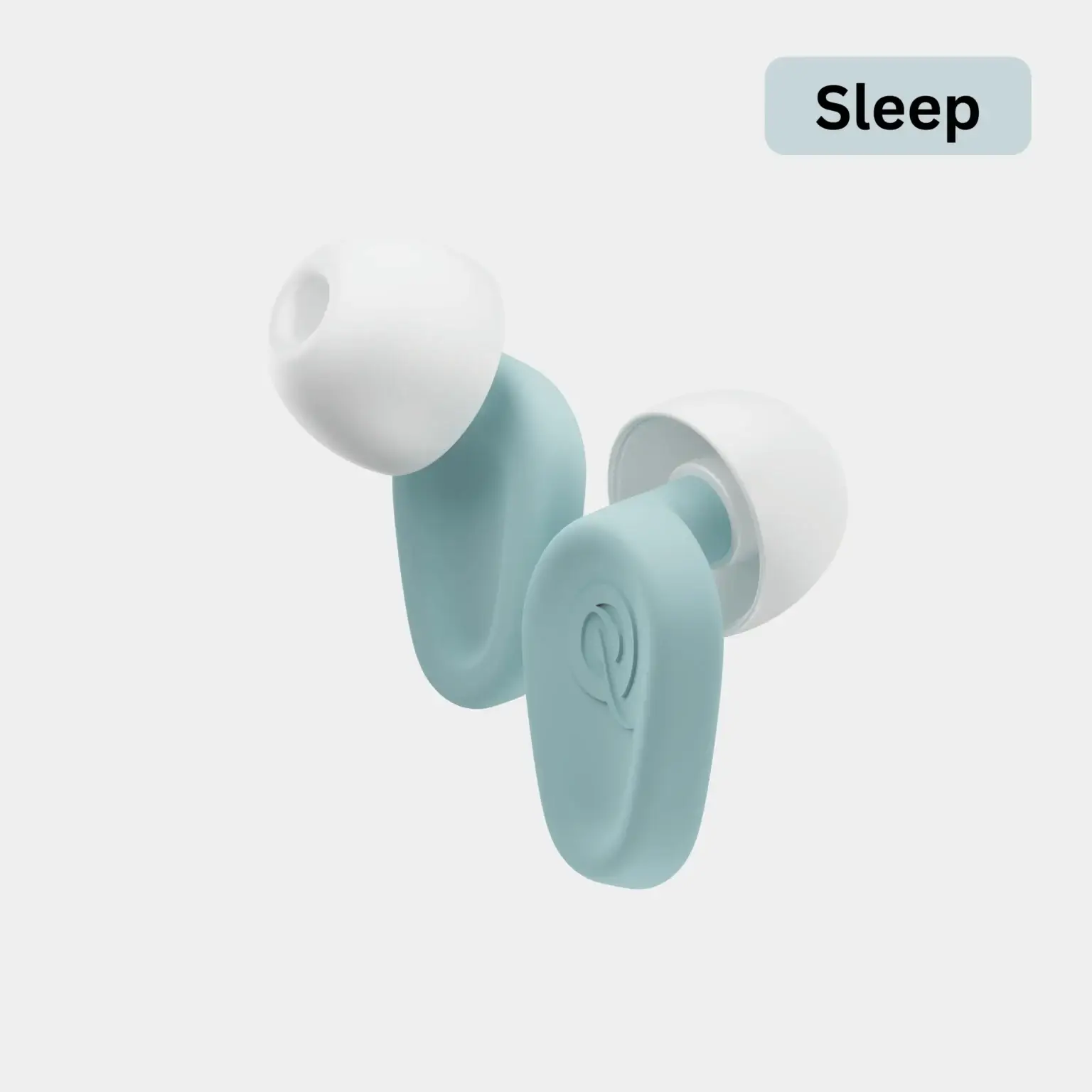
For sleep: reduce disruption, not safety
Sleep noise is personal. One person can sleep through traffic; another wakes when a radiator clicks. If sound repeatedly breaks your sleep, earplugs may help create a more consistent environment, especially in a flatshare, near a busy road or while travelling.
Sleeping earplugs need to be softer and lower profile than daytime options, particularly for side sleepers. Comfort becomes the deciding factor because even excellent sound reduction will not help if the earplug presses uncomfortably into the pillow.
Be realistic about what earplugs can do. They can reduce snoring, traffic and general household noise, but they will not make a loud environment disappear. If you need to hear an alarm, a child or another essential signal, test your setup before relying on it overnight.
Get the fit right before judging the result
A premium earplug only works when it fits properly. The seal between the eartip and ear canal is what creates meaningful sound reduction, and every ear is different. If one side feels loose, uncomfortable or noticeably louder, try another tip size rather than assuming the product is not for you.
Insert earplugs with clean hands and follow the fitting guidance supplied with them. They should feel secure, not painful. If they cause soreness, pressure or a blocked sensation that does not settle, remove them and reassess the size and placement.
Comfort also has a practical effect on protection. When earplugs are easy to wear, you are more likely to use them before the noise builds. That consistency matters far more than owning the highest-rated option and leaving it at home.
Understand noise reduction ratings without getting lost in the numbers
Noise reduction ratings can help you compare products, but they are not a promise that the world will be reduced by exactly that number of decibels. Real-world performance depends on fit, the shape of your ear, the type of noise and whether the plug stays correctly positioned.
Certification matters because it shows a product has been tested against recognised standards. Look for clearly stated claims such as CE, EN 352 or ANSI where relevant, then match the product to the activity. Higher attenuation is not automatically better if it removes too much awareness for your environment.
For everyday use, balance is the win. You want enough reduction to lower fatigue and protect comfort, with a design that still works for conversation, movement and long wear. Earmuffz approaches this through use-specific options for sleep, daily focus and higher-noise activities, so your choice can reflect the life you actually lead.
Make noise control a habit, not an emergency measure
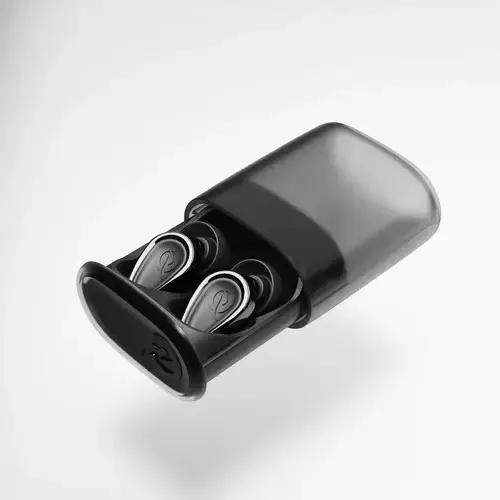
Keep your earplugs where the noise happens: in your work bag, coat pocket, bedside drawer or motorcycle kit. A compact case makes this easier and keeps the eartips clean. If you only carry them for concerts, you miss the everyday moments where a little volume control can change your mood.
Clean reusable earplugs regularly according to their care instructions, and inspect the eartips for wear. Replace parts when they no longer fit securely or stay hygienic. Small maintenance keeps comfort high and helps protect the value of a reusable product.
Most importantly, act before you reach your limit. Put your earplugs in at the start of a loud journey, before a focused work session or as the household begins winding down. You do not have to wait for noise to ruin the moment. Set your level, keep what matters close, and let the rest fade into the background.