
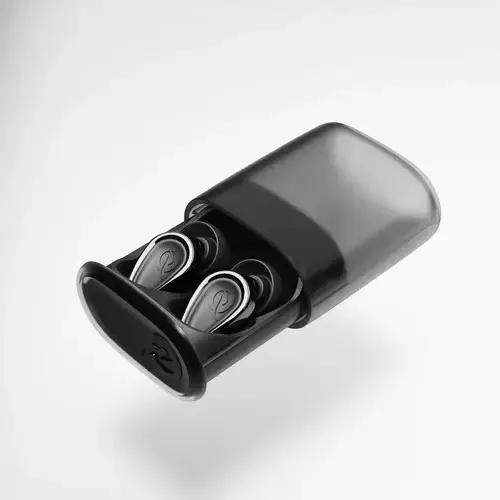
A packed train platform, a loud gig, a colleague on a call, traffic outside your window – noise is not one-size-fits-all. That is why the filtered vs solid earplugs question matters. The best choice is not simply the pair that blocks the most sound. It is the pair that gives you the right level of control for what you need to do next.
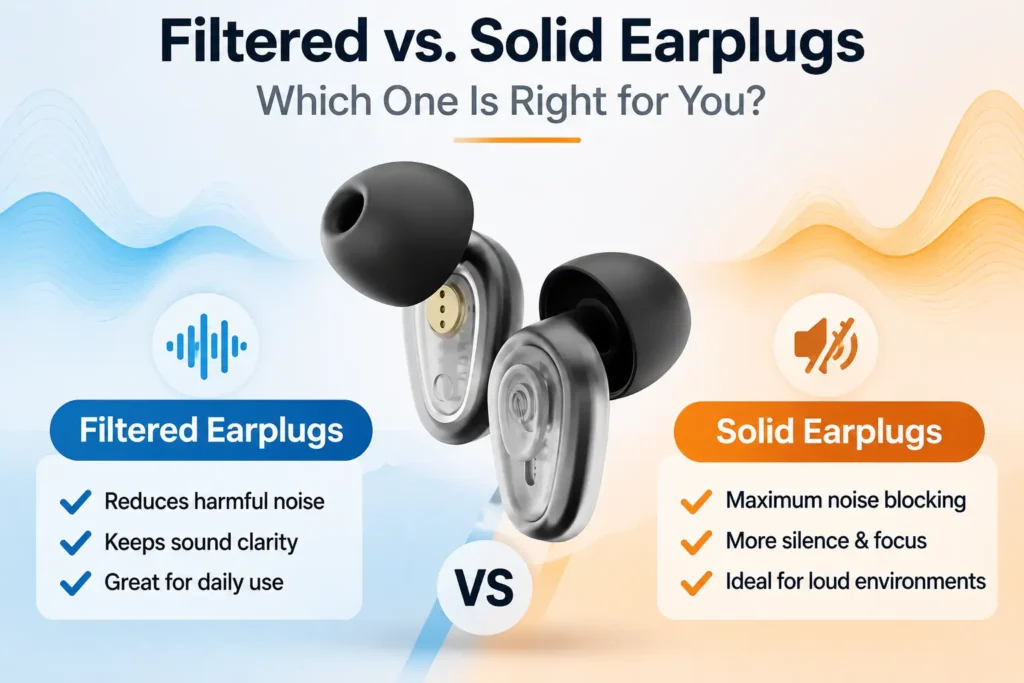
Solid earplugs are built to reduce sound as much as possible. Filtered earplugs are designed to turn the volume down while keeping sound clearer and more balanced. Both can be excellent tools. Pick the wrong type for the moment, though, and even a premium fit can feel frustrating.
Filtered vs solid earplugs: the key difference
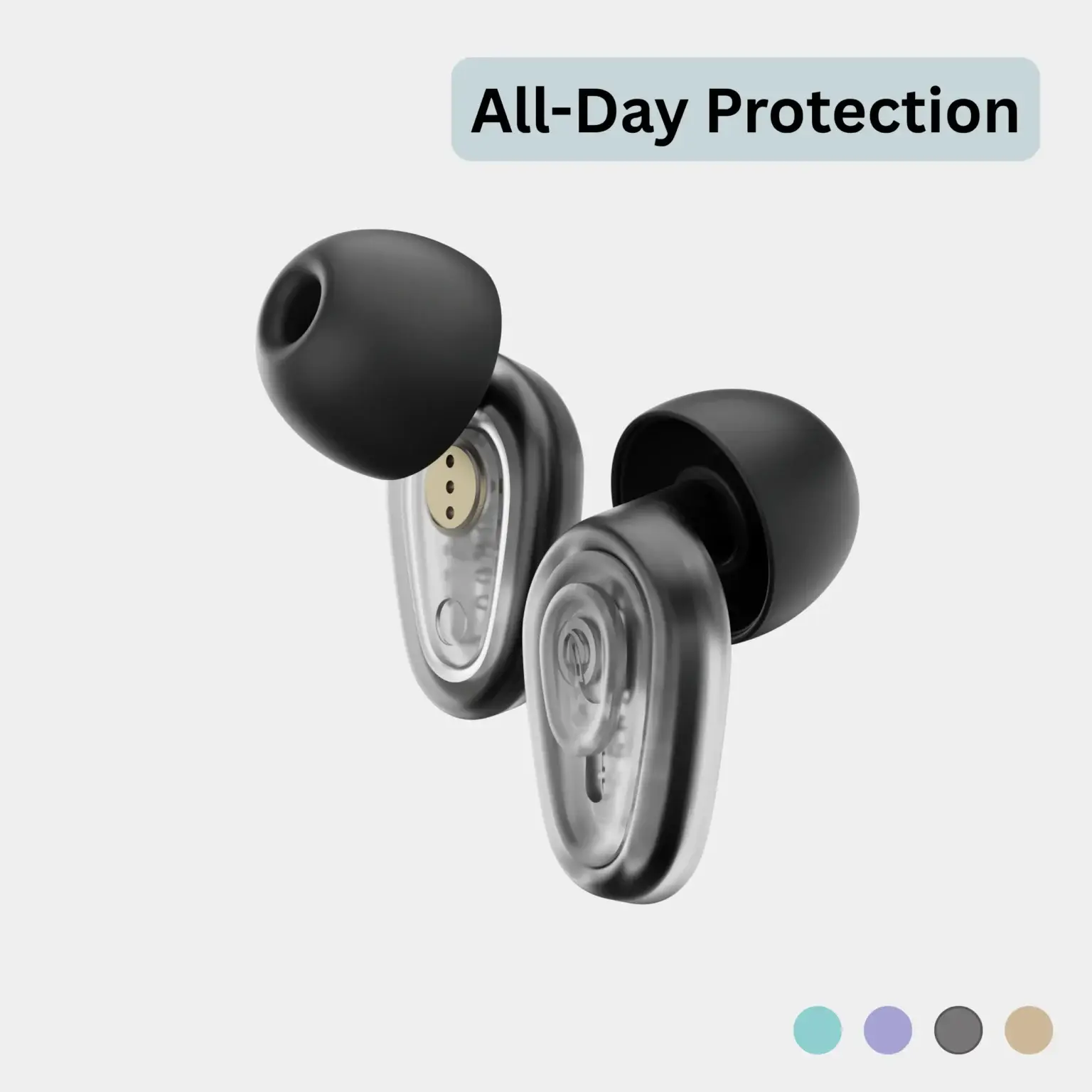
A solid earplug creates a physical barrier in the ear canal. Foam plugs, mouldable wax plugs and many silicone reusable plugs fall into this category. Their purpose is straightforward: limit as much incoming sound as their material, design and seal allow. They are often the better option when rest is the priority and sound detail is irrelevant.
A filtered earplug contains an acoustic filter or channel. Instead of simply closing off the ear canal, it aims to reduce sound more evenly across frequencies. In practical terms, that can mean less harshness from crowd noise, music, engines and conversations, without making everything feel muffled or distant.
Think of solid plugs as maximum retreat. Filtered plugs are volume control. One helps you switch off; the other helps you stay present with less noise pressure.
Neither category is automatically safer or more effective. Actual protection depends on the plug’s certified rating, whether it is inserted correctly, the shape of your ear canal and the noise level around you. A poorly fitted high-rated plug can protect less effectively than a properly fitted lower-rated one.
When filtered earplugs make more sense
Filtered earplugs earn their place when you need to hear your surroundings but want less intensity. They are a strong everyday choice for people who find normal environments tiring, distracting or physically uncomfortable.
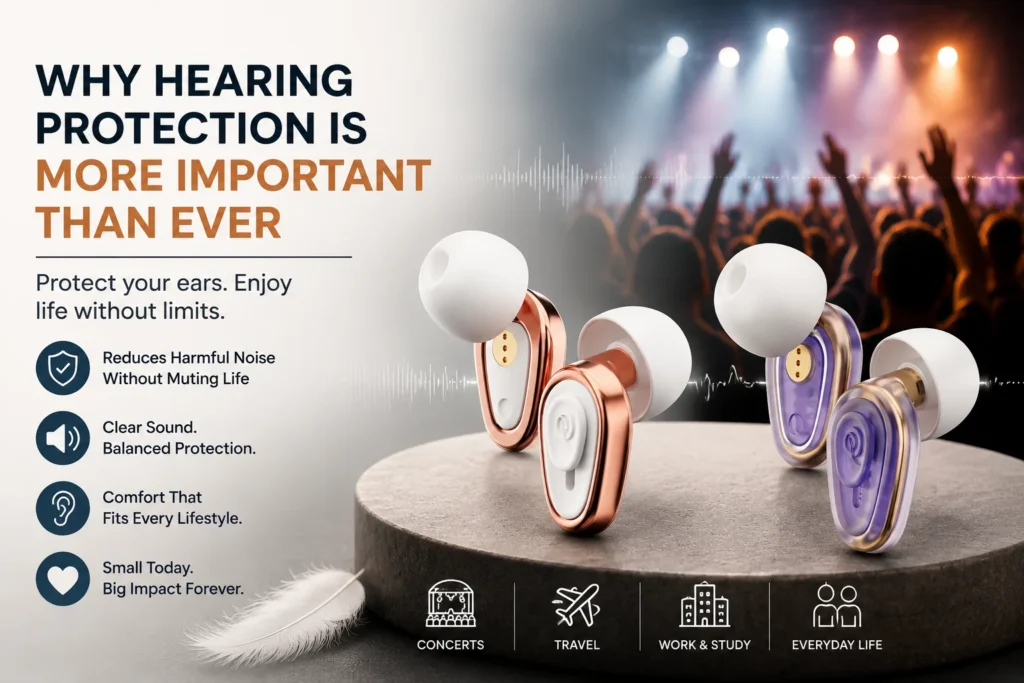
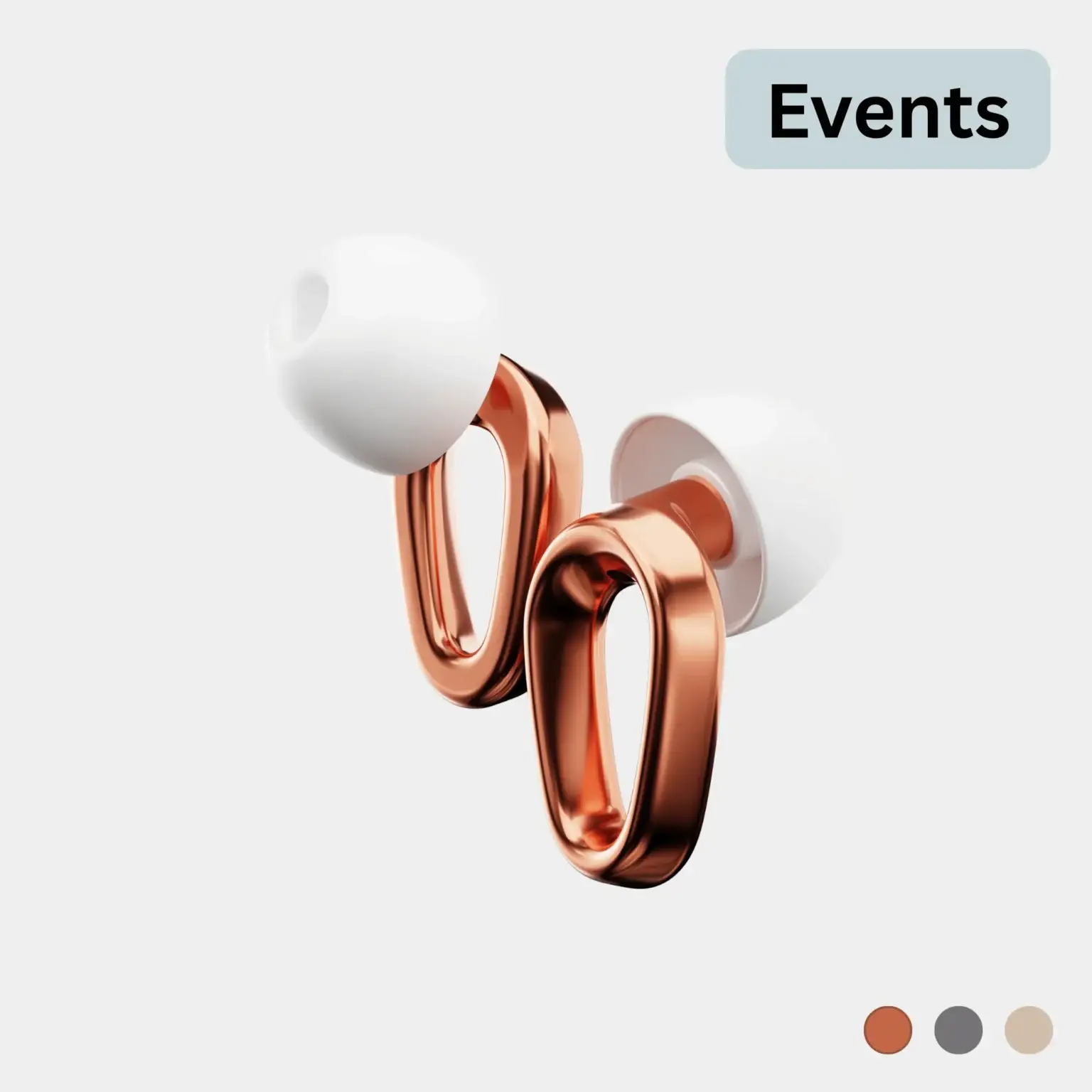
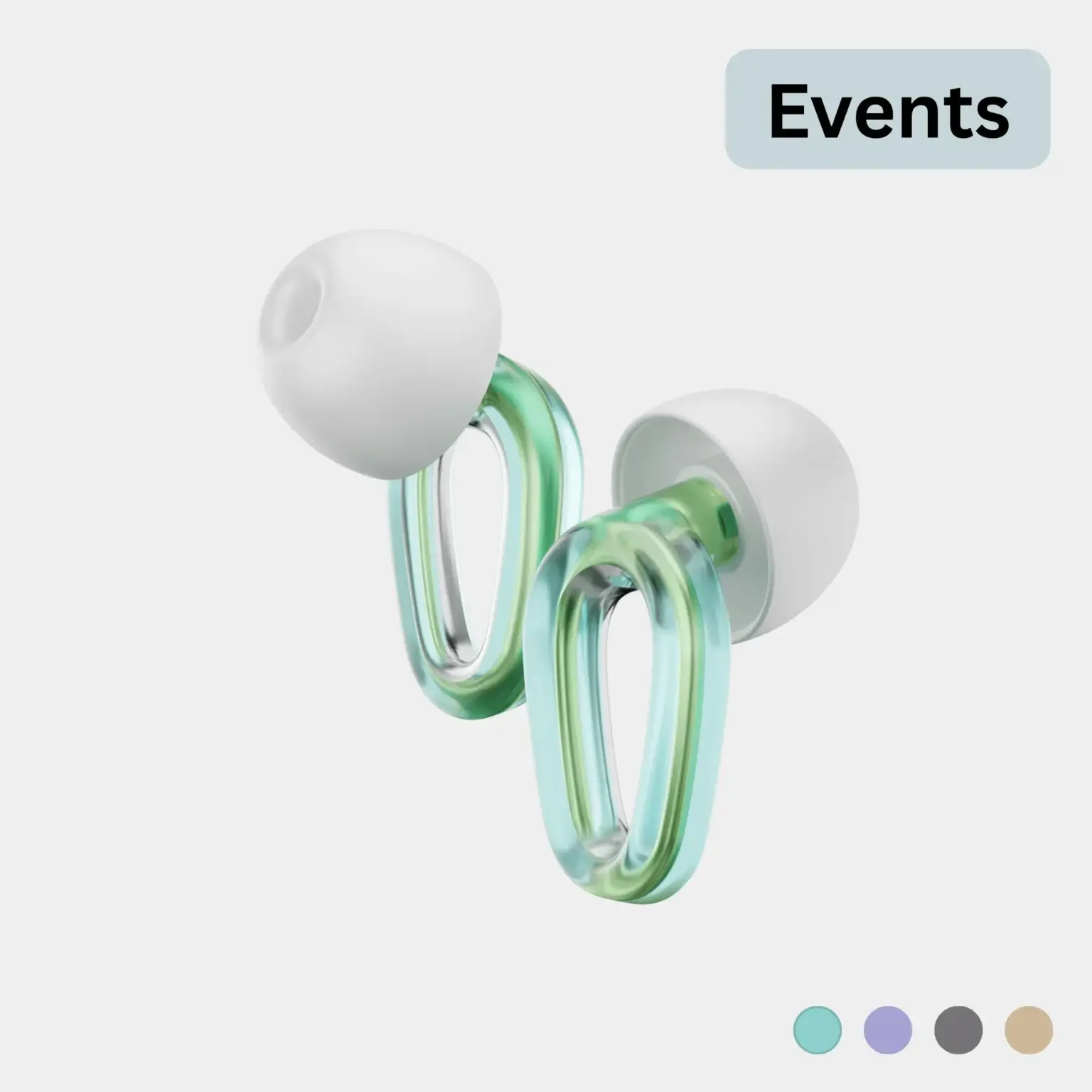
At a concert, a quality filter can take the sharp edge off amplified music while preserving more of the mix than basic foam plugs. You can still follow the song, talk to friends between sets and enjoy the atmosphere without feeling like your ears are taking the full hit. For regular gig-goers, that difference can turn hearing protection from an occasional compromise into a habit worth keeping.
The same applies to commuting. On a train, bus or busy pavement, filtered plugs can soften the constant scrape, rumble and chatter that drains your focus. You remain more aware of announcements, people around you and changing conditions than you would with heavily blocking plugs.
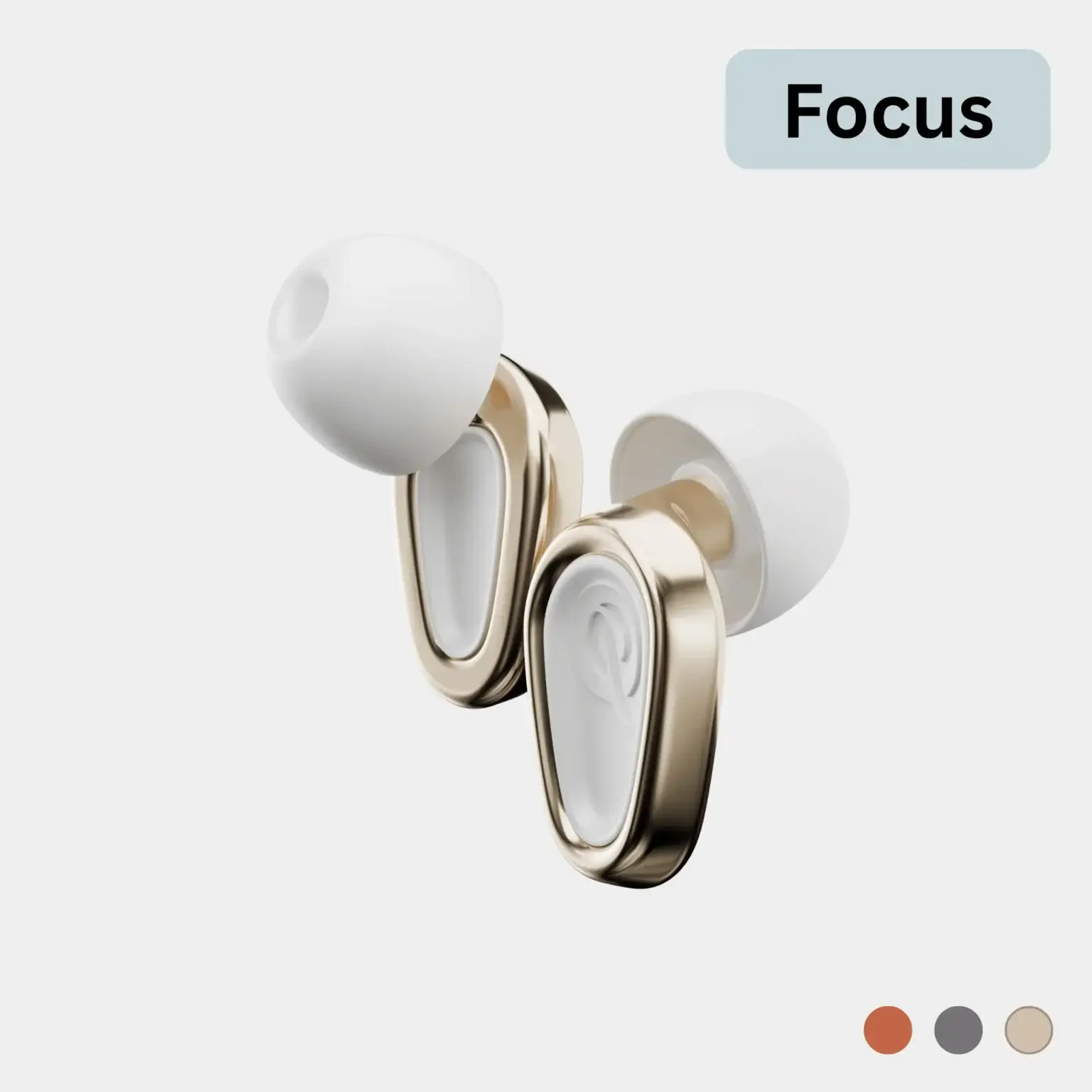
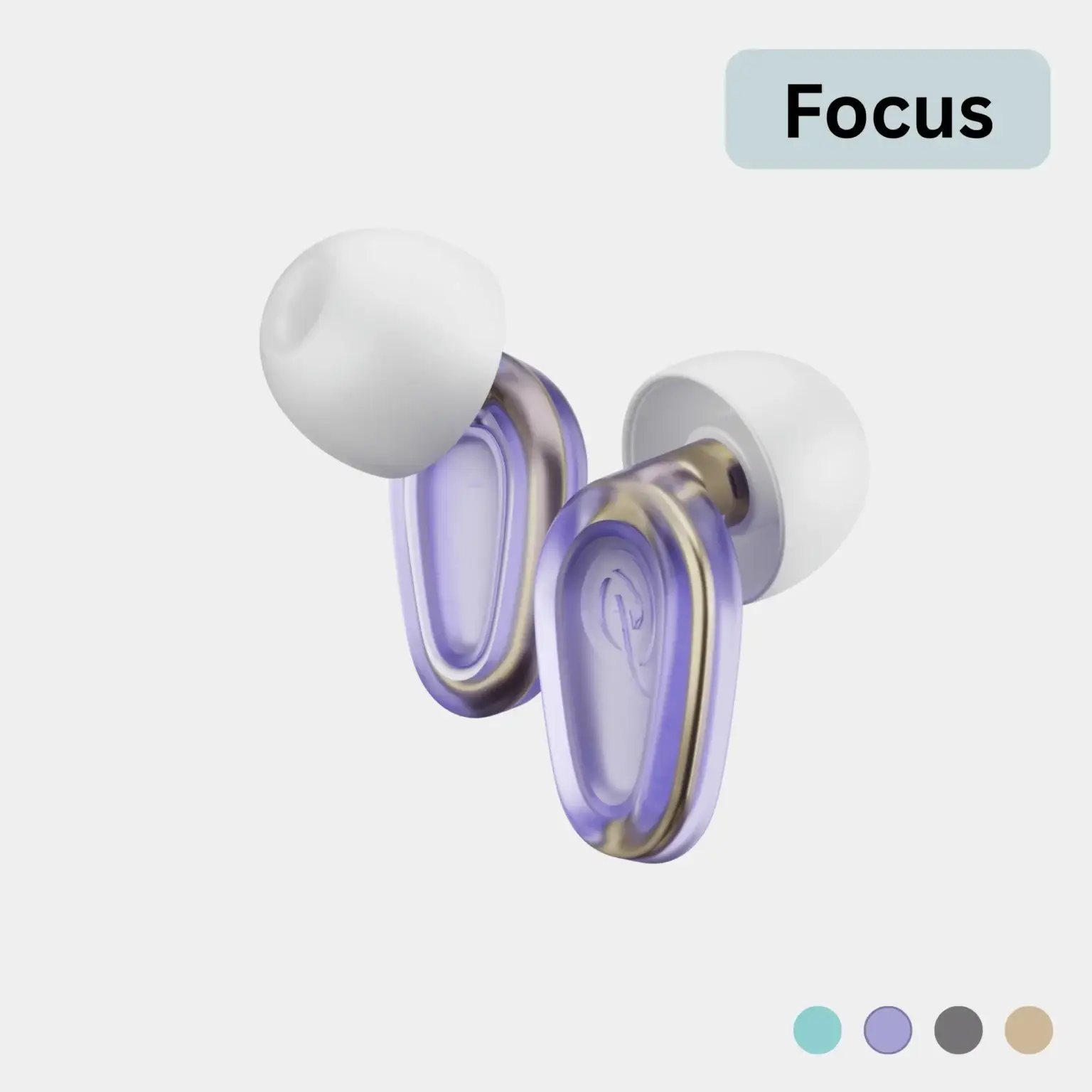
They also work well for focus. Open-plan offices, cafés and shared homes are full of low-level interruptions that add up. Filtered earplugs can reduce the distracting edge without cutting you off from a teammate, a doorbell or a planned conversation. This is controlled quiet, not total isolation.
Motorcyclists may prefer filtered designs for wind and road noise when awareness remains essential. However, the level of attenuation still needs to suit the ride, helmet fit and local conditions. Never treat any earplug as a substitute for alert riding.
For noise sensitivity and tinnitus management, filtered earplugs can be useful during predictable loud moments. The goal is relief, not retreat from every everyday sound. Overusing high attenuation in ordinary quiet settings may make normal sound feel more intrusive when you remove the plugs. If tinnitus, pain or sound sensitivity is persistent, speak to a qualified hearing professional.
What filtered earplugs do well
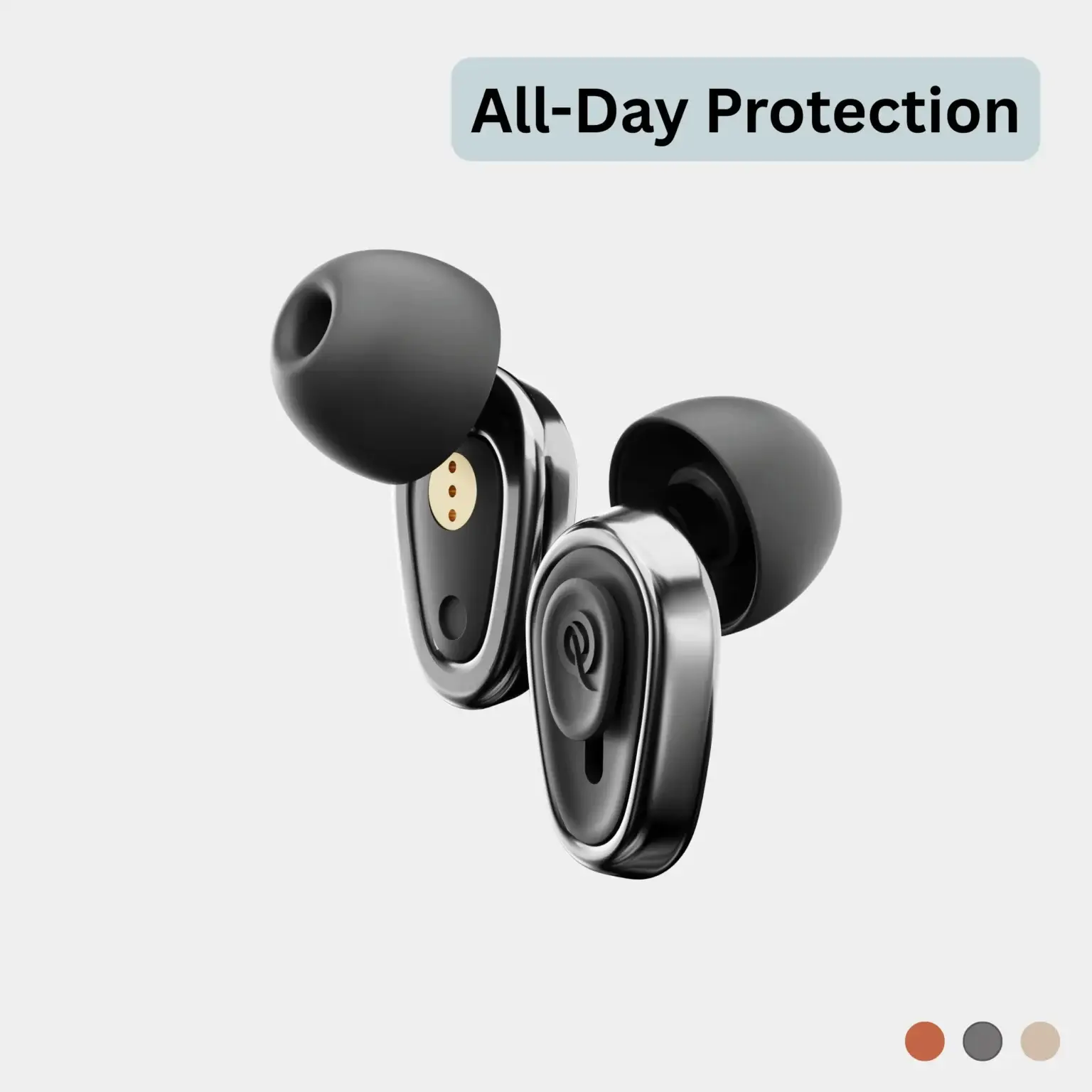
Filtered designs are built for moments where clarity counts. They can make a crowded restaurant more manageable, a workout session less overwhelming and a long flight less fatiguing. The right pair should sit discreetly, stay comfortable for hours and lower the pressure of noise without forcing you out of the moment.
That does not mean every filtered plug makes speech perfectly clear. Stronger filters can still make conversation quieter, especially in very noisy spaces. Your expectations should match the setting: reducing overload is realistic; making a packed pub sound like a quiet lounge is not.
When solid earplugs are the better call
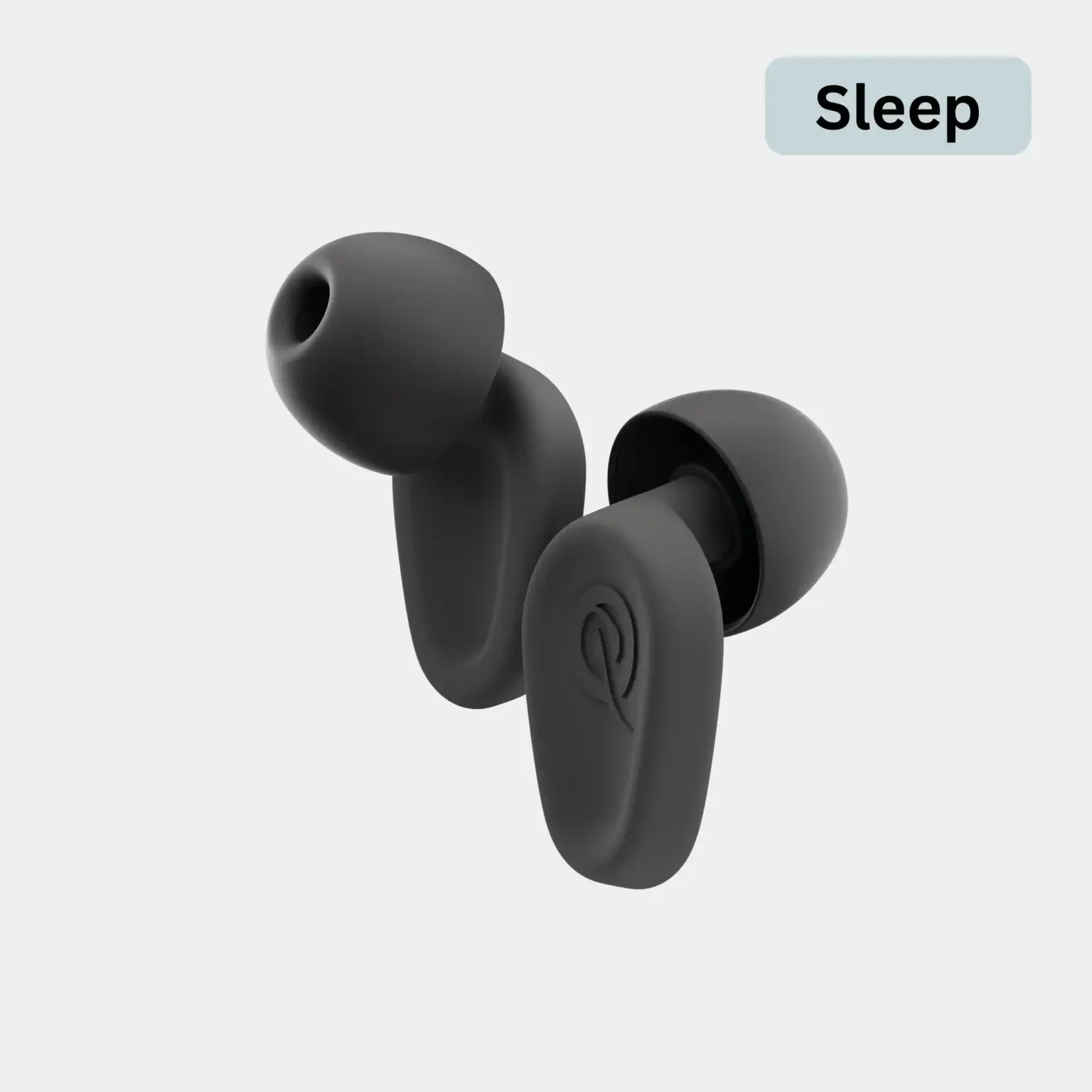
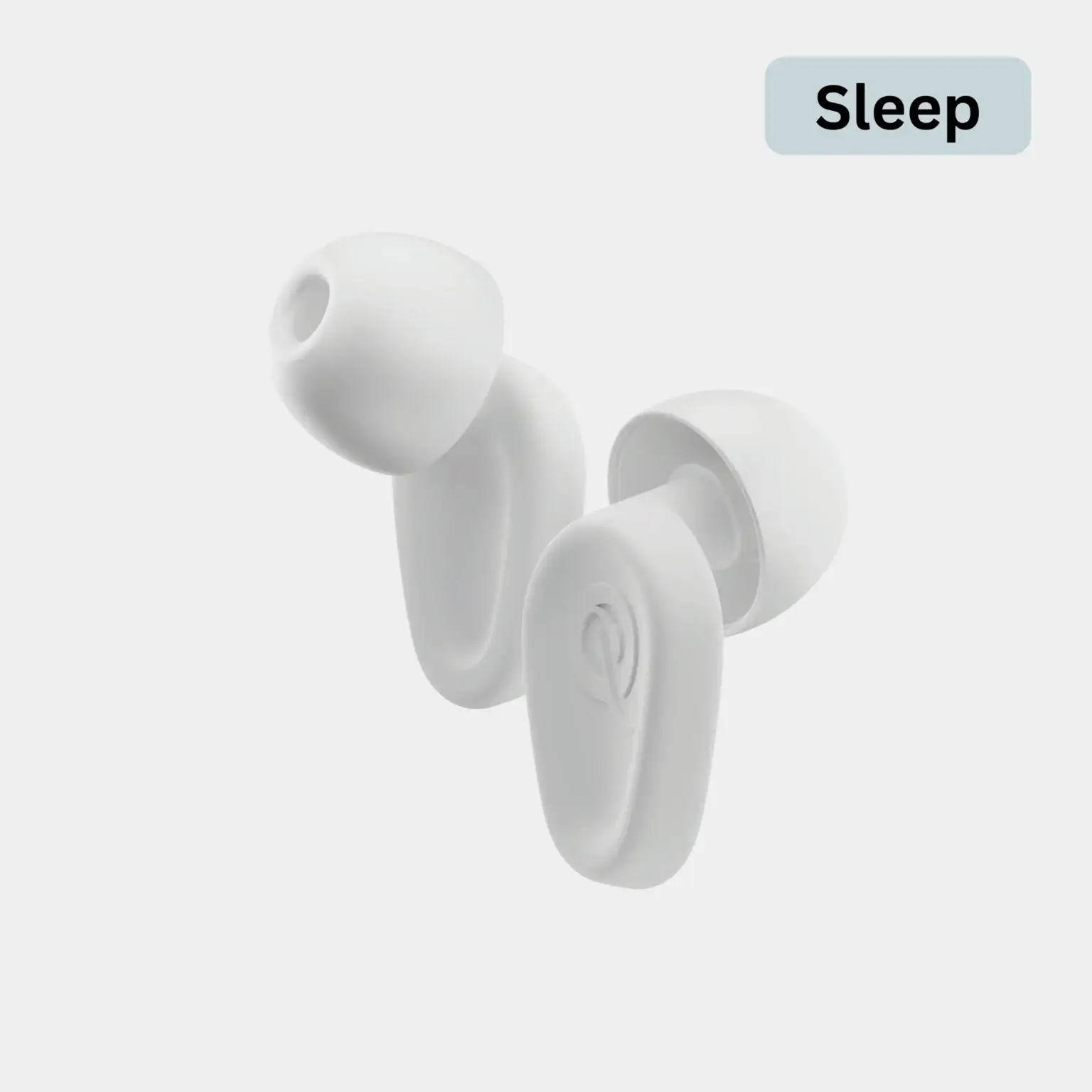
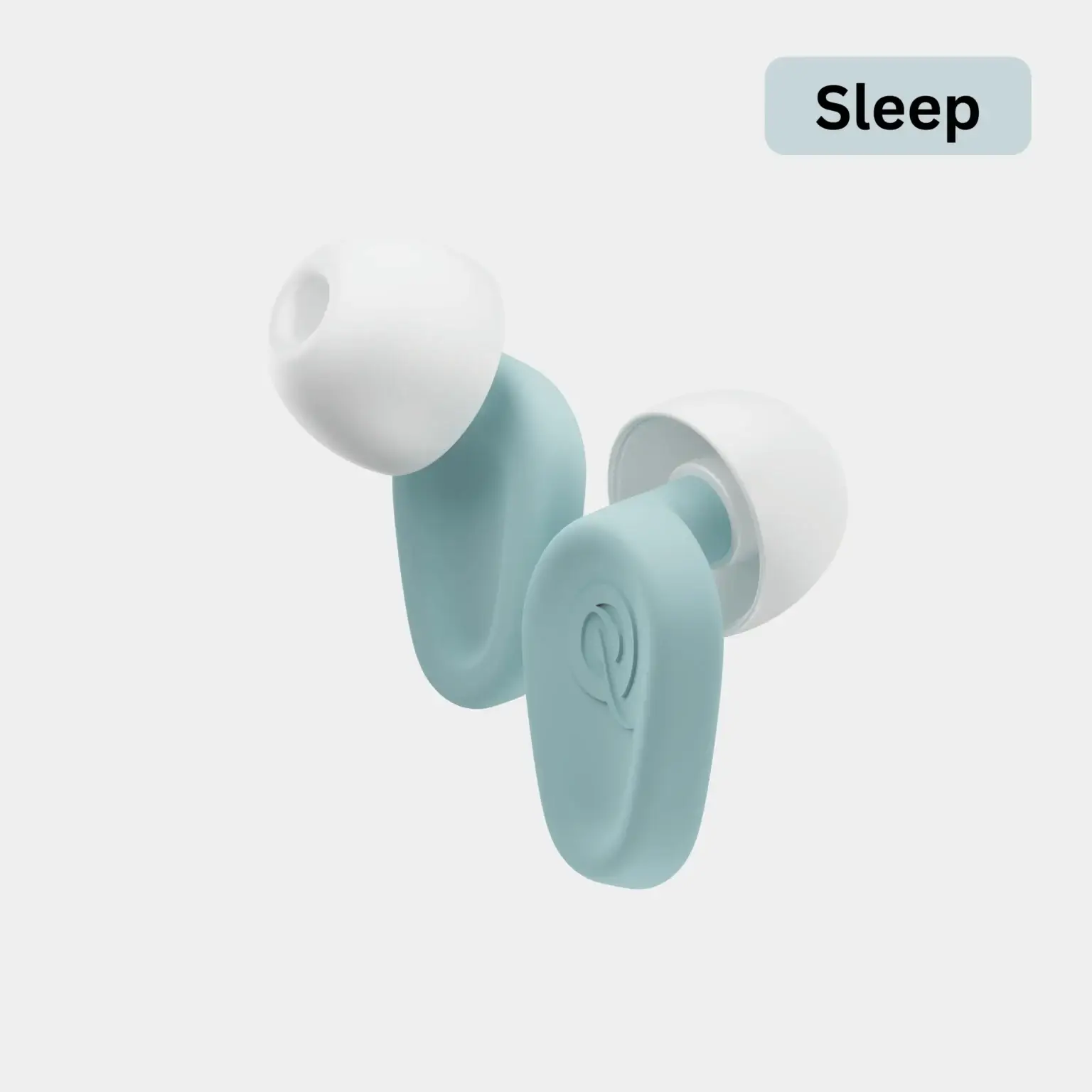
Sleep is where solid earplugs often take the lead. If your priority is blocking a partner’s snoring, street noise, early bin collections or neighbours coming home late, you usually do not need acoustic detail. You need fewer disturbances and a comfortable seal that lasts until morning.
Comfort matters as much as sound reduction here. A plug that presses painfully against your ear when you lie on your side will not improve your sleep, regardless of its rating. Look for a low-profile shape, soft materials and multiple eartip sizes where available. Your earplug should feel secure, not intrusive.
Solid plugs also make sense for short periods around consistently loud work or DIY noise, provided the product has an appropriate certified rating for that environment. For professional or industrial exposure, choose hearing protection based on the specific hazard and workplace requirements. Everyday reusable earplugs are not automatically the right equipment for every high-noise job.
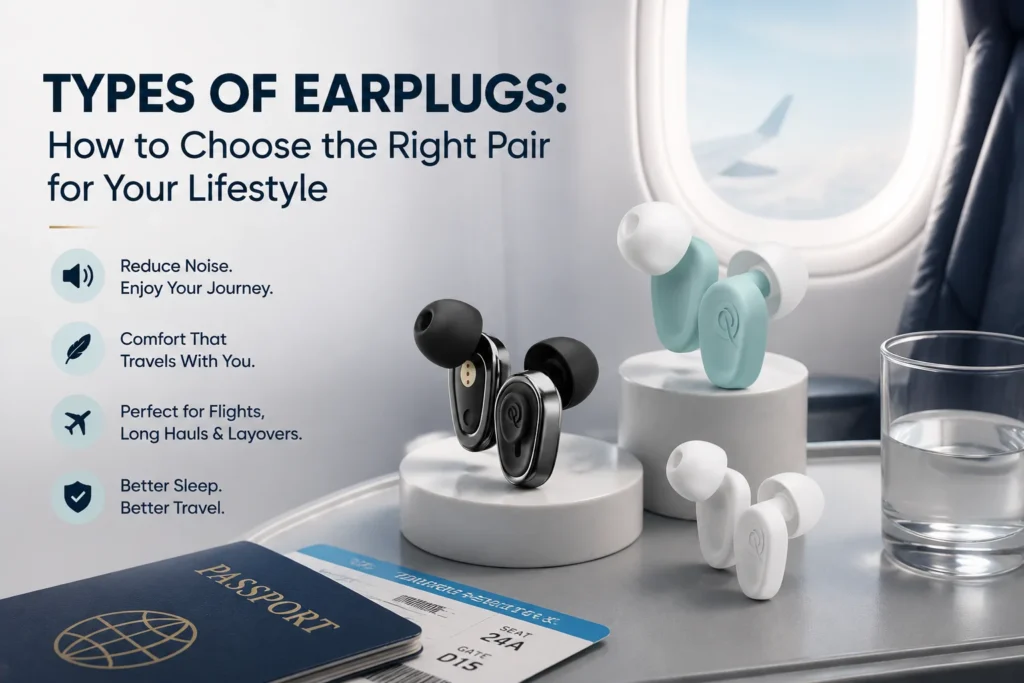
Travelling is another situation where it depends. Filtered earplugs are useful when you want to hear announcements and manage cabin noise. Solid plugs can be better once you are settled and want to sleep. Many frequent travellers keep both options in their case because the journey changes faster than their needs do.
More blockage is not always better
There is a temptation to choose the most powerful option for everything. But too much isolation can be inconvenient or unsafe when you need to hear alarms, instructions, traffic or the people you are with. It can also make your own voice, chewing or breathing seem unusually loud – an effect known as occlusion.
Solid plugs are brilliant when silence is the mission. They are less ideal when you need situational awareness, natural music or easy conversation. Choose them with purpose, not by default.
How to choose the right level of noise control
Start with the outcome you want. If you want better sleep, stronger sound reduction and a soft low-profile fit should be at the top of your list. If you want to enjoy live music with less harshness, a filtered design is usually the smarter choice. If work distractions are the problem, look for a filter that reduces background noise while leaving speech usable.
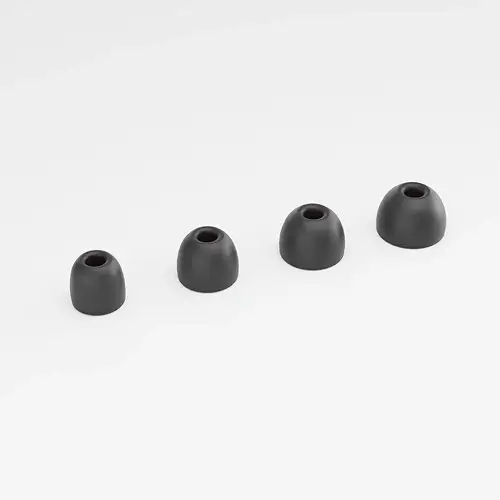
Then consider duration. A pair you can tolerate for 20 minutes may not work for a full day at the office or an overnight flight. Reusable earplugs should offer a stable fit without pressure, and ideally come with several eartip sizes. A proper seal is not just about protection – it is what prevents plugs from slipping, rubbing or constantly demanding adjustment.
Finally, check the standards and the intended use. Noise reduction figures can be useful, but they are not a promise that every wearer will get the same result. Look for relevant certification, clear product guidance and a design that matches your activity. Earmuffz builds its range around these real-world differences, from sleep support to focused work and everyday sound control.
Get the fit right before you judge the earplug
Even the right category will disappoint if it does not fit. Clean hands first. Select the eartip that fills the entrance to your ear canal comfortably, then insert the plug according to its instructions rather than pushing it in blindly. A gentle twist or slight adjustment is often enough to create a secure seal.
Wear the plugs at home before relying on them at a concert, during a commute or for sleep. Notice whether they stay in place when you talk, chew, move your jaw or lie down. If one ear needs a different size, use it. Ear canals are rarely identical, and forcing the same fit on both sides can compromise comfort and performance.
Clean reusable plugs regularly and store them in their case. Earwax and dust affect hygiene, fit and longevity. Replace eartips or the plugs themselves when they become worn, damaged or difficult to clean.
The best earplugs do not make a statement by shutting out your life. They help you choose what gets through. Keep filtered earplugs close for the moments you want to stay engaged, and reach for solid plugs when proper rest is the priority. Your ears do a lot for you – give them the control they deserve.