









The hardest part of working nights is often not staying awake at 3am. It is getting proper rest when the rest of the world is opening curtains, starting engines and knocking on doors. This night shift sleep guide is built for one goal: making daytime sleep more protected, more predictable and more restorative.
Night work asks your body to run against its natural light-dark rhythm. You cannot simply force that rhythm to change with willpower. But you can take control of the cues around you – light, sound, timing, food and wind-down habits – so sleep has a better chance to happen when you need it.
Build your sleep window like an appointment
A day sleeper needs more than “sleep when you get home”. Pick a realistic core sleep block and defend it as firmly as you would a shift. For some people, that means sleeping shortly after work and waking in the early afternoon. Others do better with a shorter sleep after work plus a planned pre-shift nap. There is no perfect timetable that suits every rota, commute or family life.
What matters is consistency. Try to keep your main sleep and wake times similar across consecutive night shifts. Your brain responds well to repeated signals. Constantly moving your sleep window by several hours can leave you tired even when you have technically spent enough time in bed.
If your shift pattern changes frequently, aim for a practical anchor. This could be four to five hours of protected sleep at the same time each day, then an additional nap before work where needed. It is not glamorous. It is effective.
Protect the journey home
Morning sunlight tells the brain it is time to become alert. That is useful on a day off, but it can work against you after a night shift. Wearing dark glasses on a bright commute may help reduce that wake-up signal. Keep your route calm where possible too. Loud radio, errands and a long scroll through your phone can make it harder to switch off once you are home.
If you feel dangerously drowsy behind the wheel, do not push through. Use an alternative route home, arrange a lift, take public transport or rest safely before travelling. No sleep routine is worth risking your safety.
Take control of light before it takes control of you
Daylight is one of the biggest barriers to post-shift sleep. A bright bedroom can make a six-hour sleep feel light, fragmented and unfinished. Start with the obvious: blackout blinds or curtains that cover the window properly, including the edges where light leaks through.
Keep the bedroom dim from the moment you arrive home. Avoid turning on harsh overhead lights and use lower, warmer lighting while you shower, eat or prepare for bed. Your phone can wait. Bright screens and emotionally charged content are a poor handover between a demanding shift and sleep.
A sleep mask can help, particularly if you share a room or cannot fully darken the space. The best option is the one you can wear comfortably without waking to adjust it. Comfort is not a minor detail. It decides whether a sleep tool stays in your routine.
Make daytime noise a non-negotiable
Neighbours mowing lawns. Delivery drivers. Kids playing outside. A flatmate making lunch. The daytime soundscape is unpredictable, and sudden noises are especially good at pulling you out of lighter stages of sleep.
Start by setting expectations. Let the people you live with know your sleep hours, ask them to keep calls and chores away from your bedroom door, and put your phone on Do Not Disturb. A simple sign on the door can prevent well-meaning interruptions.
Then reduce the noise that remains. A fan or white-noise machine can soften inconsistent background sounds. For closer, more disruptive noise, comfortable reusable earplugs can make a real difference. The aim is not to create total silence. It is to reduce the sharp peaks that keep your brain on alert.
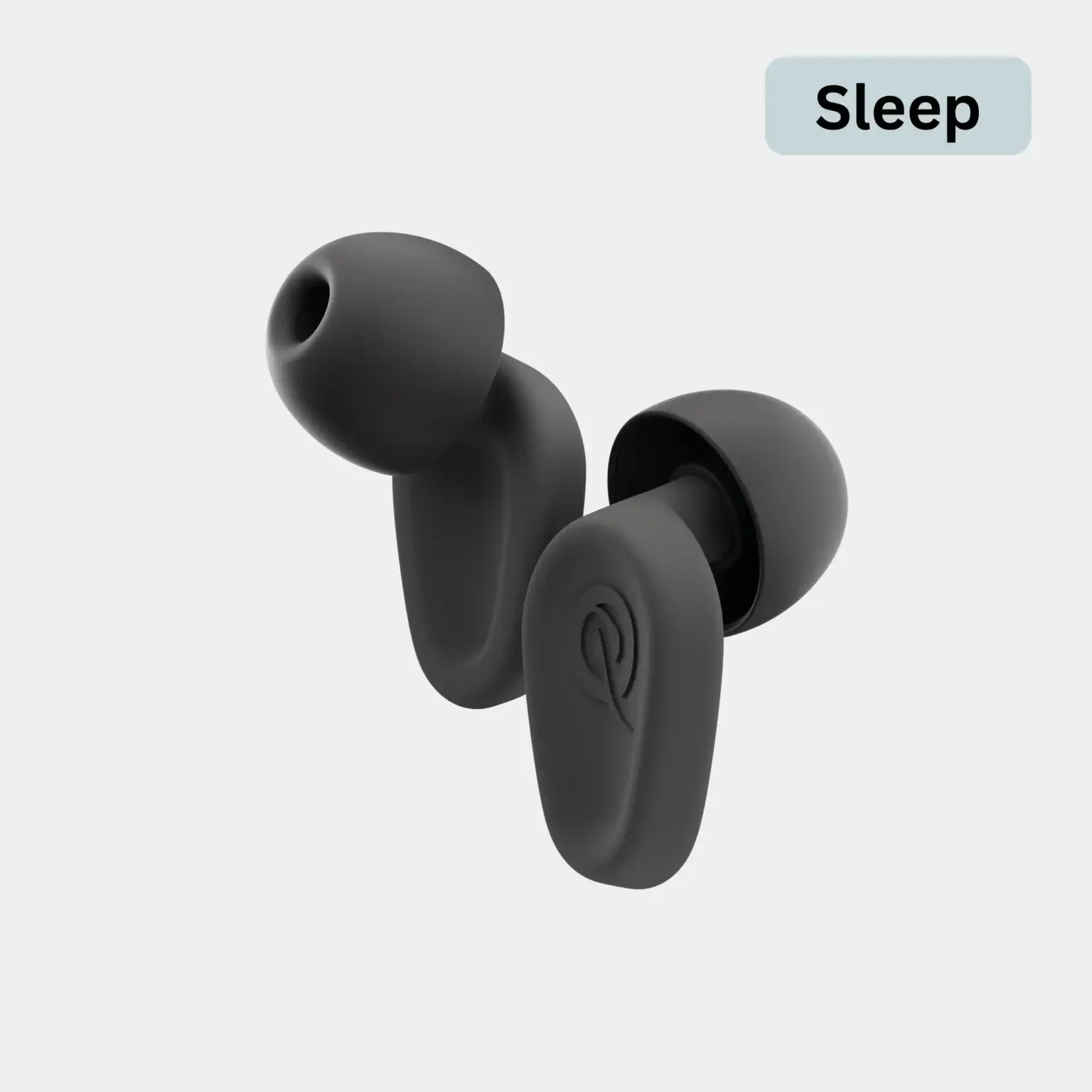
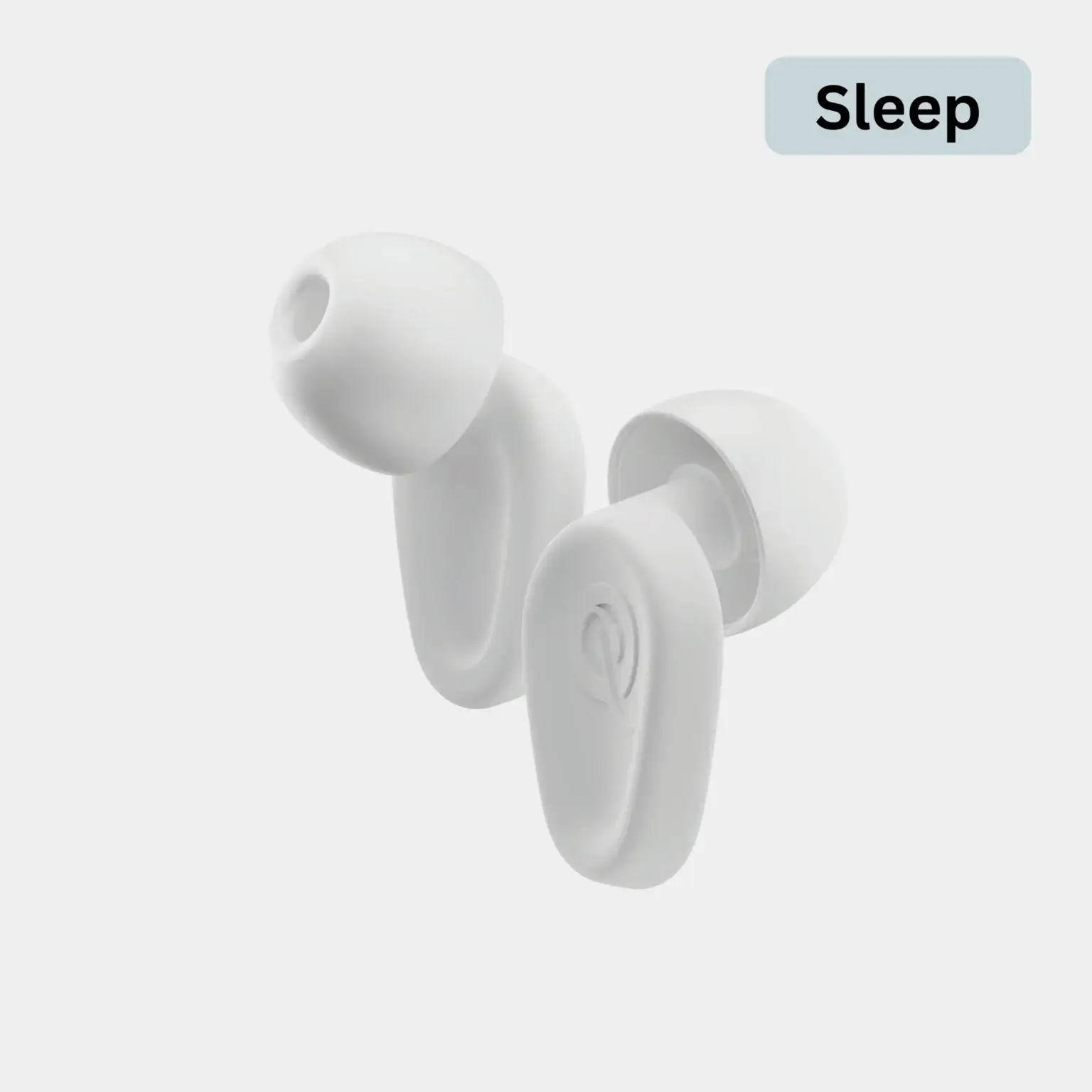
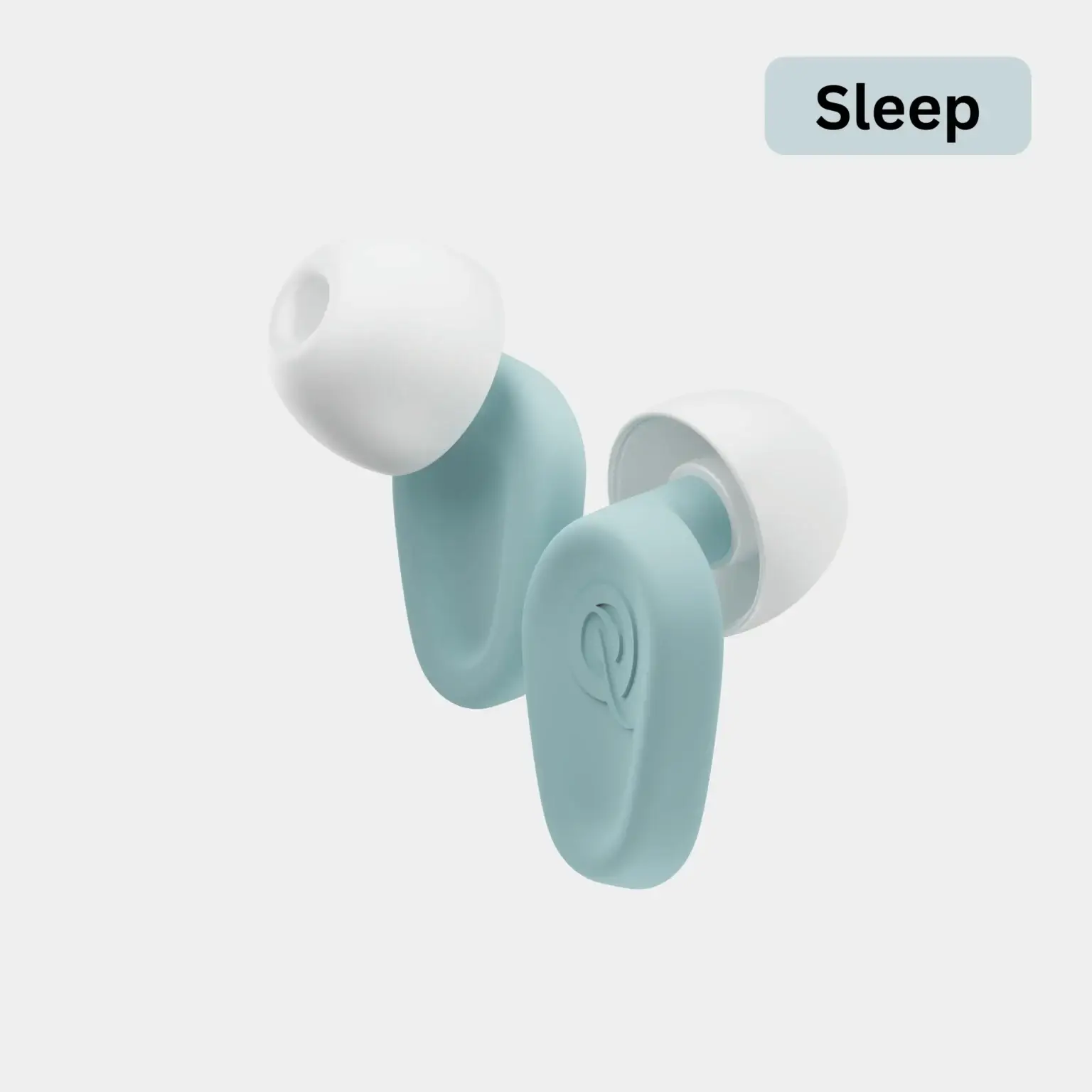
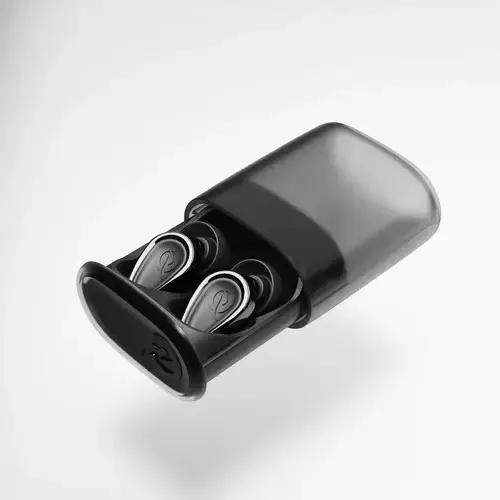
For sleep, fit matters as much as noise reduction. Bulky ear protection can create pressure when you sleep on your side, while poorly fitted plugs can fall out or let in too much sound. Choose low-profile earplugs designed for comfort during rest, and test them before relying on them after a demanding shift. Earmuffz Sleep earplugs are built for this kind of low-profile, reusable daytime noise control.
Do not block out safety. Make sure you can still respond to an alarm, smoke alarm, baby monitor or urgent call. Consider a vibrating alarm, a smartwatch alert or an alarm placed close enough to wake you without being so loud that it disturbs everyone else.
Create a short, repeatable wind-down routine
You do not need an elaborate 90-minute ritual after work. You need a sequence your brain can recognise. The goal is to move from high alert to low stimulation without adding another task list to your day.
A useful wind-down might include a light snack, a warm shower, brushing your teeth, dimming the room and getting into bed at roughly the same time. Keep it simple enough to repeat after a difficult shift. The consistency of the pattern matters more than making it picture-perfect.
Be careful with alcohol. It may make you feel sleepy at first, but it can disrupt sleep later and leave you less refreshed. Heavy, spicy meals immediately before bed can also be uncomfortable. If you are hungry, choose something light and familiar rather than treating 8am like a three-course dinner.
Use caffeine with intention
Caffeine can be a useful performance tool on nights, but timing is everything. A coffee at the beginning of the shift may support alertness. The same coffee near the end can still be active when you are trying to sleep.
A practical rule is to stop caffeine several hours before your planned bedtime. Your personal cut-off depends on how sensitive you are, what time you finish and whether you use coffee, tea, energy drinks or pre-workout products. If your sleep feels wired rather than restful, move the cut-off earlier for a week and see what changes.
Hydration helps too, but avoid drinking so much in the final hour before bed that you wake repeatedly for the toilet. Small adjustments beat extreme rules.
Nap for performance, not punishment
A planned nap before a night shift can improve alertness, especially if you are carrying sleep debt. For many people, 20 to 30 minutes is enough to take the edge off tiredness without leaving them groggy. A longer nap may work better if you have time, but waking from deep sleep can create sleep inertia – that heavy, disorientated feeling that makes the first part of a shift harder.
Give yourself a buffer after napping. Get up, drink water, move around and expose yourself to brighter light before leaving. A nap is a tool, not a sign you have failed to cope with the schedule.
Know when tiredness needs more than better habits
Night shifts are demanding, but relentless exhaustion should not be dismissed as the price of doing the job. Speak with a GP or occupational health professional if you regularly struggle to sleep despite having the chance to do so, snore loudly or gasp in sleep, fall asleep unintentionally, feel low for weeks, or find fatigue affecting your safety at work or on the road.
The same applies if you rely heavily on alcohol, sleeping tablets or escalating amounts of caffeine to get through the cycle. The right support can identify issues that a darker room and an earlier coffee cut-off cannot solve.
Your daytime rest may never look like everyone else’s, and that is fine. Own the conditions you can control: a protected sleep window, less light, lower noise and a reliable wind-down. Every shift asks a lot of you. Your recovery space should give something back.