
A reusable earplug fit guide matters because the best earplugs only perform when they seal properly. If they feel loose, work their way out, or leave the world almost as loud as before, the issue is usually fit – not the earplugs themselves. Get the fit right and you can take control of distracting sound without bulky gear, pressure, or constant readjusting.
The goal is simple: a secure, low-profile seal that feels comfortable enough to forget about. Whether you are settling down beside a snorer, commuting on packed trains, concentrating in an open-plan office, or standing near the speakers at a gig, your earplugs should stay put and take the edge off the noise.
Reusable Earplug Fit Guide: Start With the Right Eartip
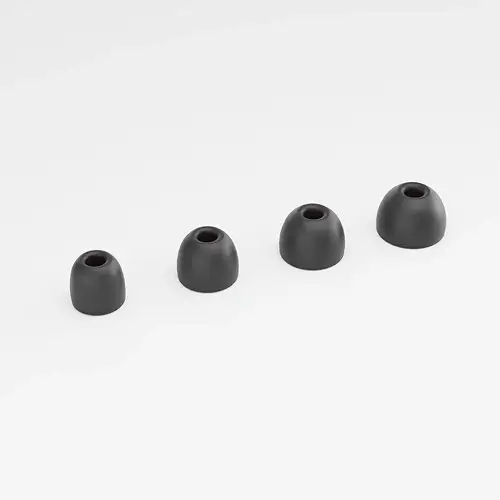
Ears are not one-size-fits-all. One ear may even need a different eartip size from the other. That is normal, and it is often the difference between an average fit and proper everyday comfort.
Start with the medium eartips if they are included with your earplugs. They suit many people, but they are a starting point, not a rule. A tip that is too small can let sound leak around the edges and may make the earplug feel unstable. A tip that is too large can create unwanted pressure, soreness, or a plug that sits too far out of the ear.
A well-sized eartip should enter the ear canal with gentle resistance. It should not hurt, pinch, or require force. Once in place, it should feel supported rather than wedged in. You should also be able to remove it slowly and comfortably by gripping the outer body or pull tab, never by yanking at the tip.
Give each size a real test. Wear it for at least 10 to 15 minutes while sitting, walking, talking, and moving your jaw. The best fit is not necessarily the tightest one. It is the one that creates a reliable seal without making you aware of your earplugs all day.
Signs you need a different size
If your earplugs loosen when you smile, eat, or speak, try a larger tip. If one gradually slips out during a commute or workout, a larger size may create the extra grip you need. If your voice sounds unusually hollow, that alone does not mean the fit is wrong – some internal sound is normal with any sealed earplug – but discomfort is a clear signal to reassess.
Try a smaller tip when you feel pressure, aching, or tenderness after a short wear period. The same applies if the earplug feels difficult to insert or sits awkwardly at the entrance to the canal. Comfort is performance. A pair you can wear confidently for hours is more useful than a tighter fit you cannot wait to remove.
How to Insert Reusable Earplugs for a Proper Seal
Clean hands first. This keeps the eartips cleaner and helps them maintain their grip over time.
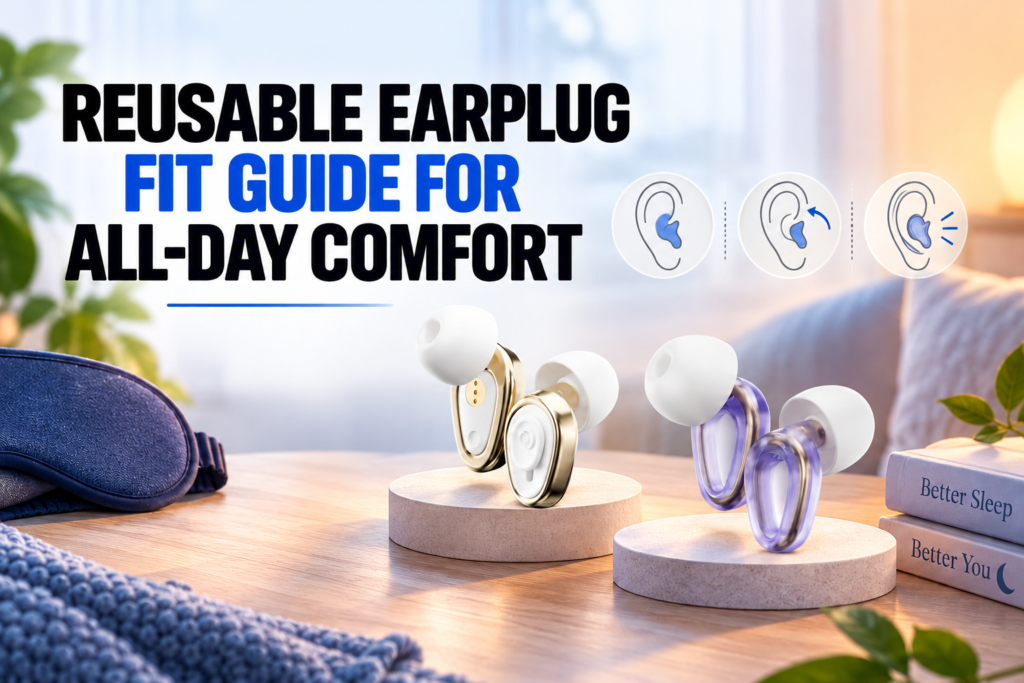
Hold the earplug by its outer body. With your opposite hand, reach over your head and gently pull the top of your ear upwards and backwards. This straightens the ear canal slightly, making insertion easier and more consistent. Place the eartip into the canal, then use a small twisting motion until the earplug sits securely.
Do not push hard. Reusable earplugs are designed to sit comfortably at the entrance of the ear canal, not disappear deep inside it. When positioned correctly, the outer section should sit neatly and low-profile in your ear, with nothing digging into the surrounding cartilage.
Release your ear and pause for a few seconds. Your ear canal naturally settles around the eartip. If you can feel air moving around the plug, or if the outside noise changes very little, remove it and try again with a gentle twist. A tiny adjustment can make a major difference.
Repeat on the other side. Do not assume both ears need the same technique or tip size. Check each ear independently.
The quick seal check
Once both earplugs are in, listen to the room around you. You should notice that steady background noise becomes softer and less intrusive. Fans, road noise, chatter, appliances, and the sharp edge of busy spaces should feel more manageable.
Then speak a few words, lightly tap your fingers together, and move your jaw. Your earplugs should remain stable. If you can hear a noticeable change in sound when you press the plug inward, you probably have a partial seal. Refit it or test the next eartip size.
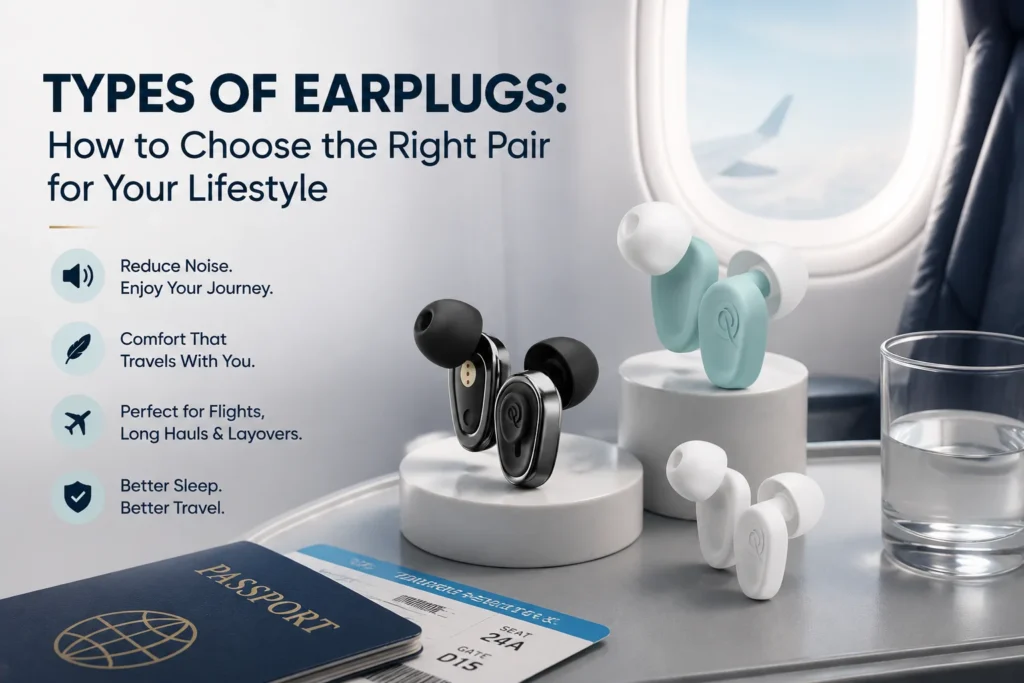
Remember what reusable earplugs are built to do. They reduce noise; they do not make you completely deaf to your surroundings. That balance is useful for many situations, from focused work to travelling and live events. It also means you should choose your environment carefully and keep the awareness you need for safety.
Match the Fit to What You Are Doing
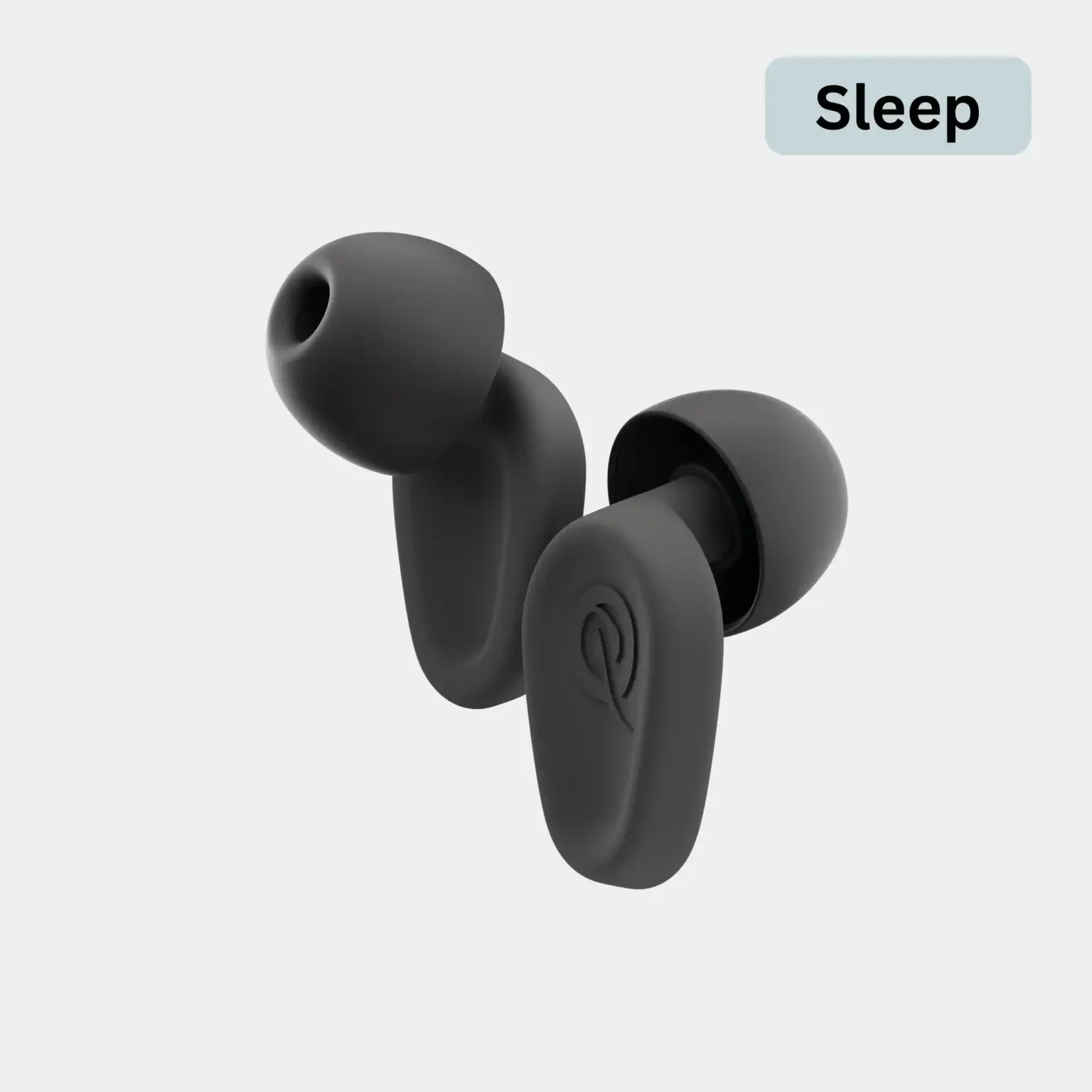
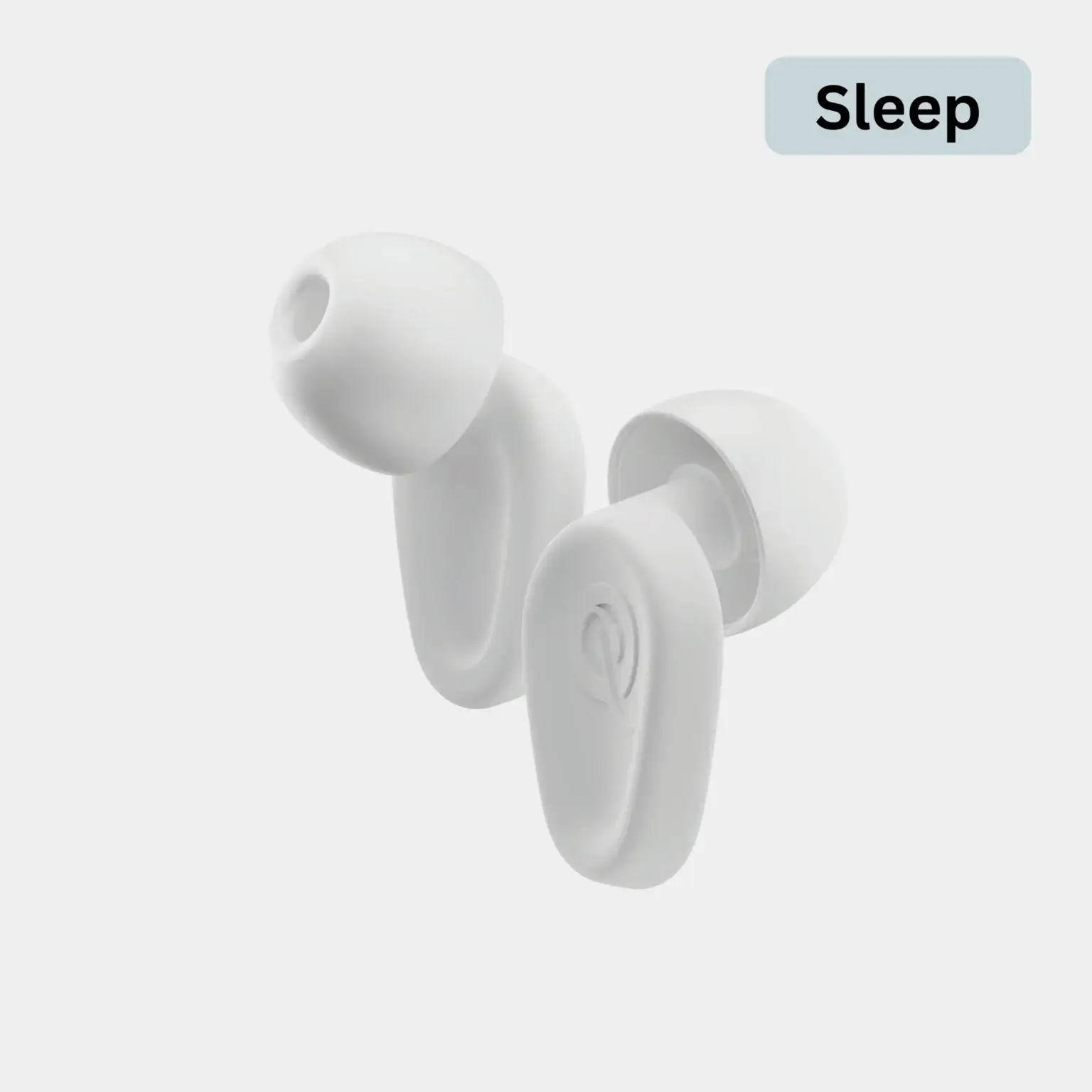
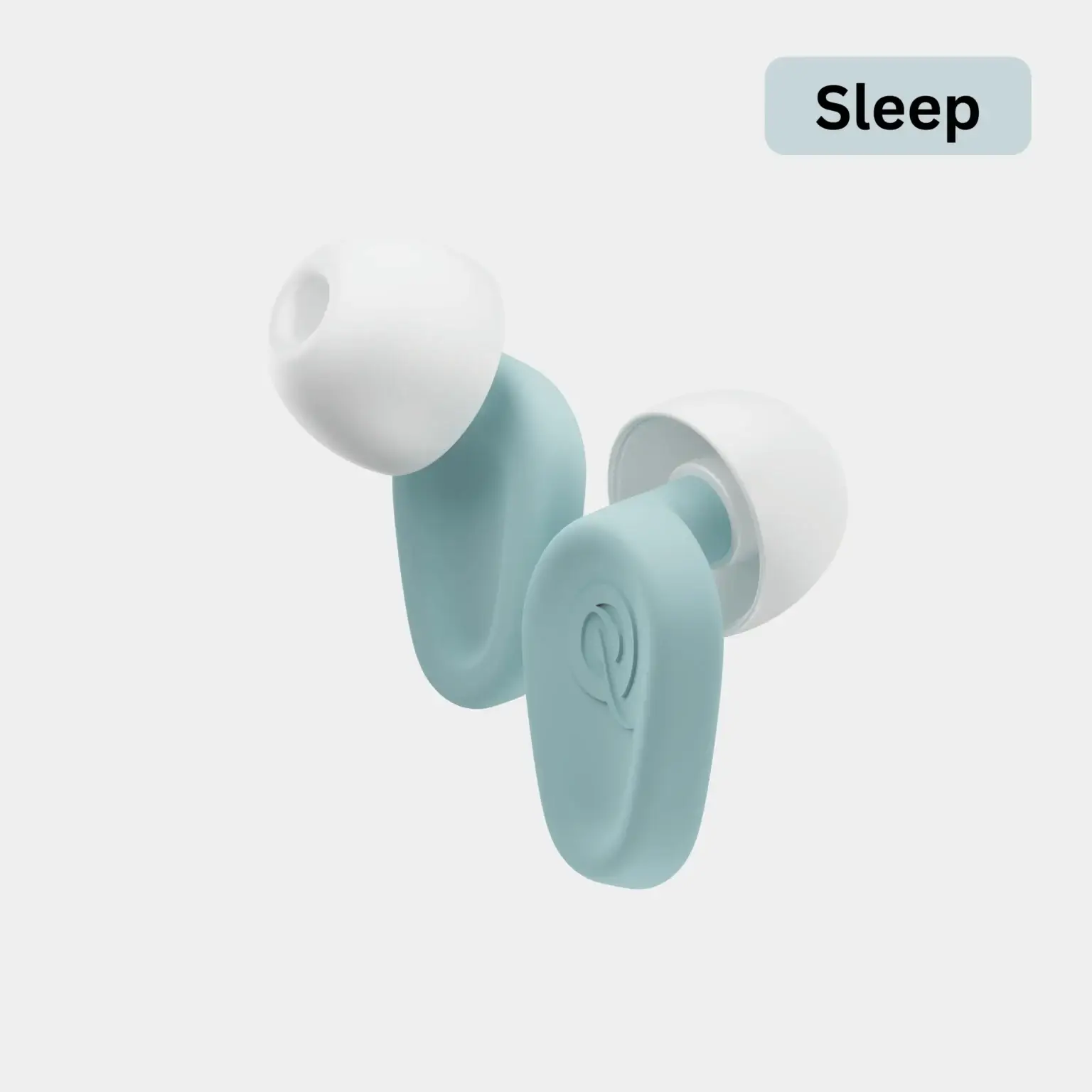
Your fit should be consistent, but your needs can change by situation. For sleep, comfort comes first. A secure earplug that presses painfully into your ear when lying on your side is not the right fit, even if it reduces more sound. Use the smallest comfortable tip that maintains a seal, and spend a few minutes lying in your usual sleeping position before calling the fit done.
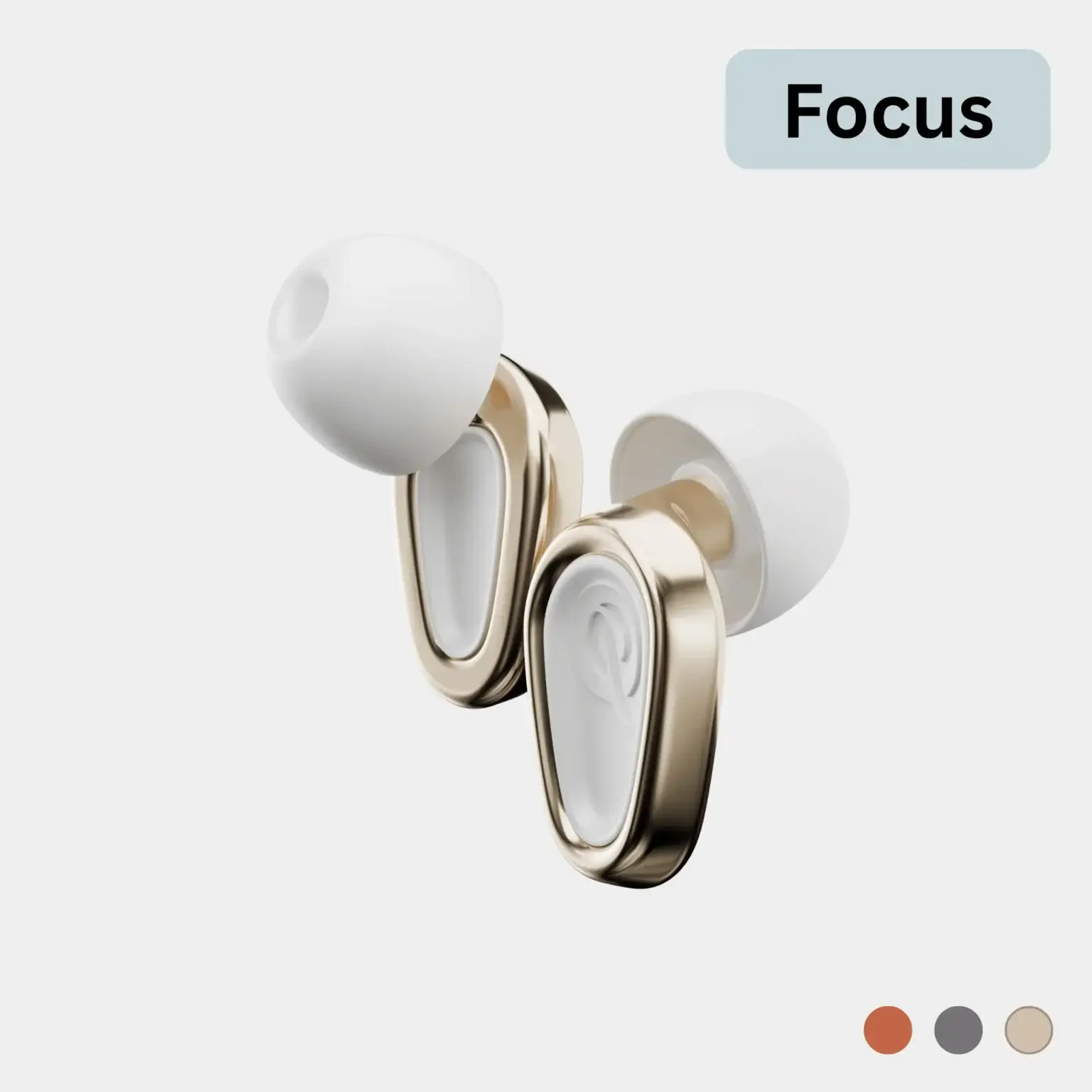
For focus, commuting, or daily noise sensitivity, aim for a balanced seal. You want less distraction without feeling cut off from colleagues, announcements, or the person next to you. A low-profile fit matters here because it makes wearing earplugs feel natural rather than like specialist equipment.
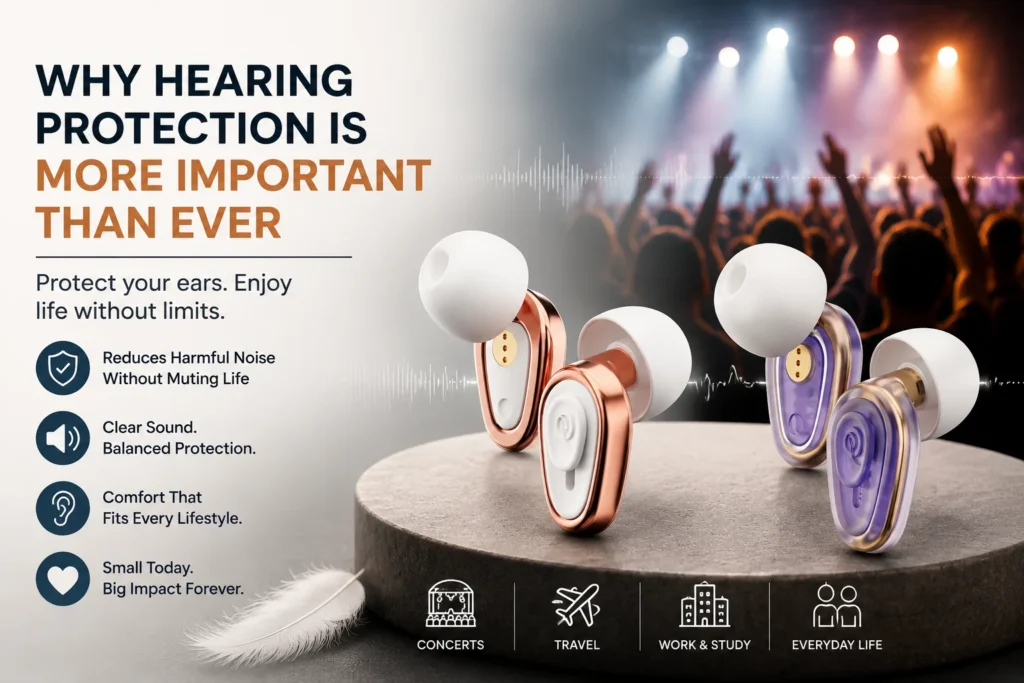
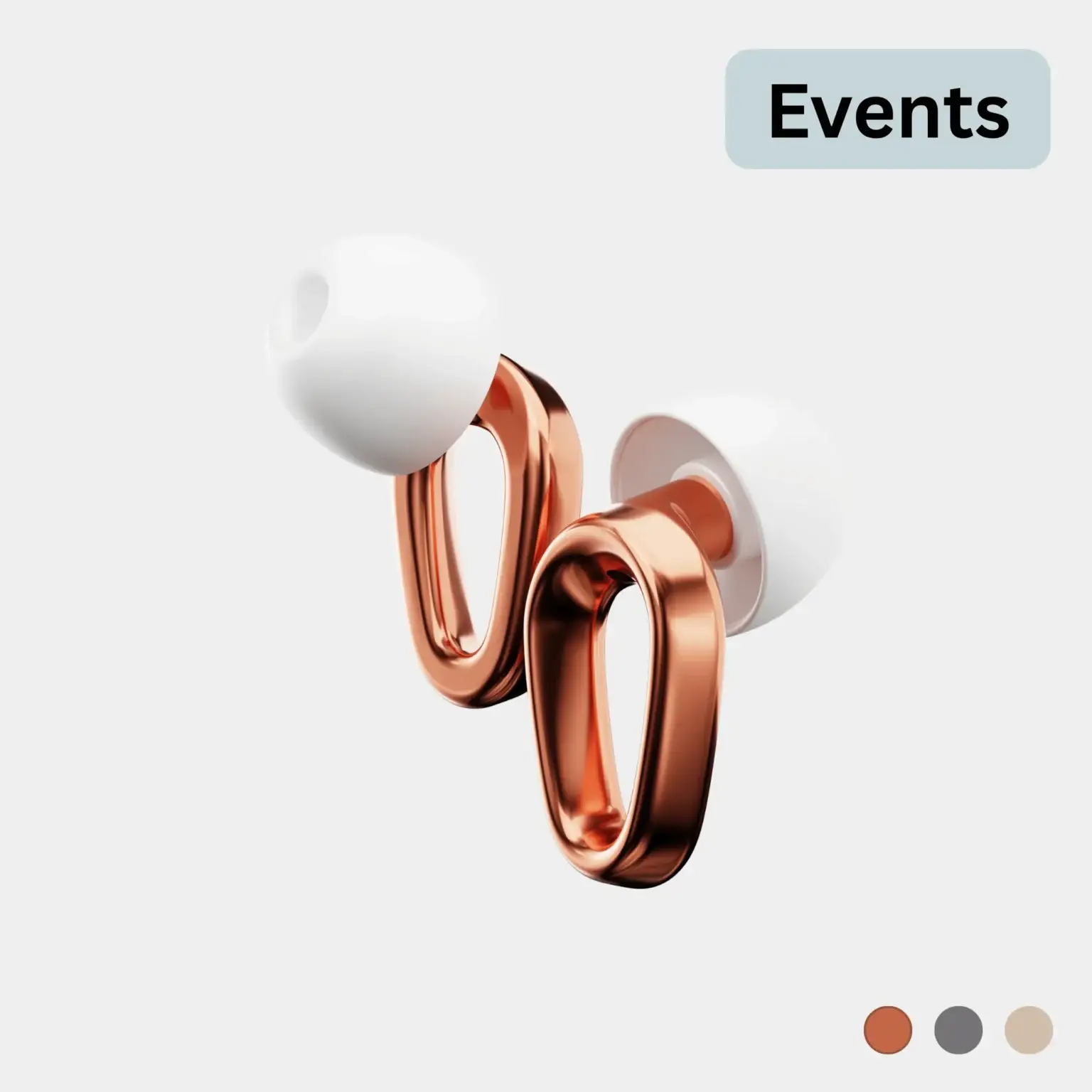
For concerts, motorsports, motorcycling, and other louder environments, fit becomes even more critical. A partial seal can compromise the reduction you expect. Insert your earplugs before the noise starts, check that both sides are secure, and replace worn eartips promptly. Earplugs can support safer listening, but they are not a licence to stay in excessively loud conditions indefinitely.
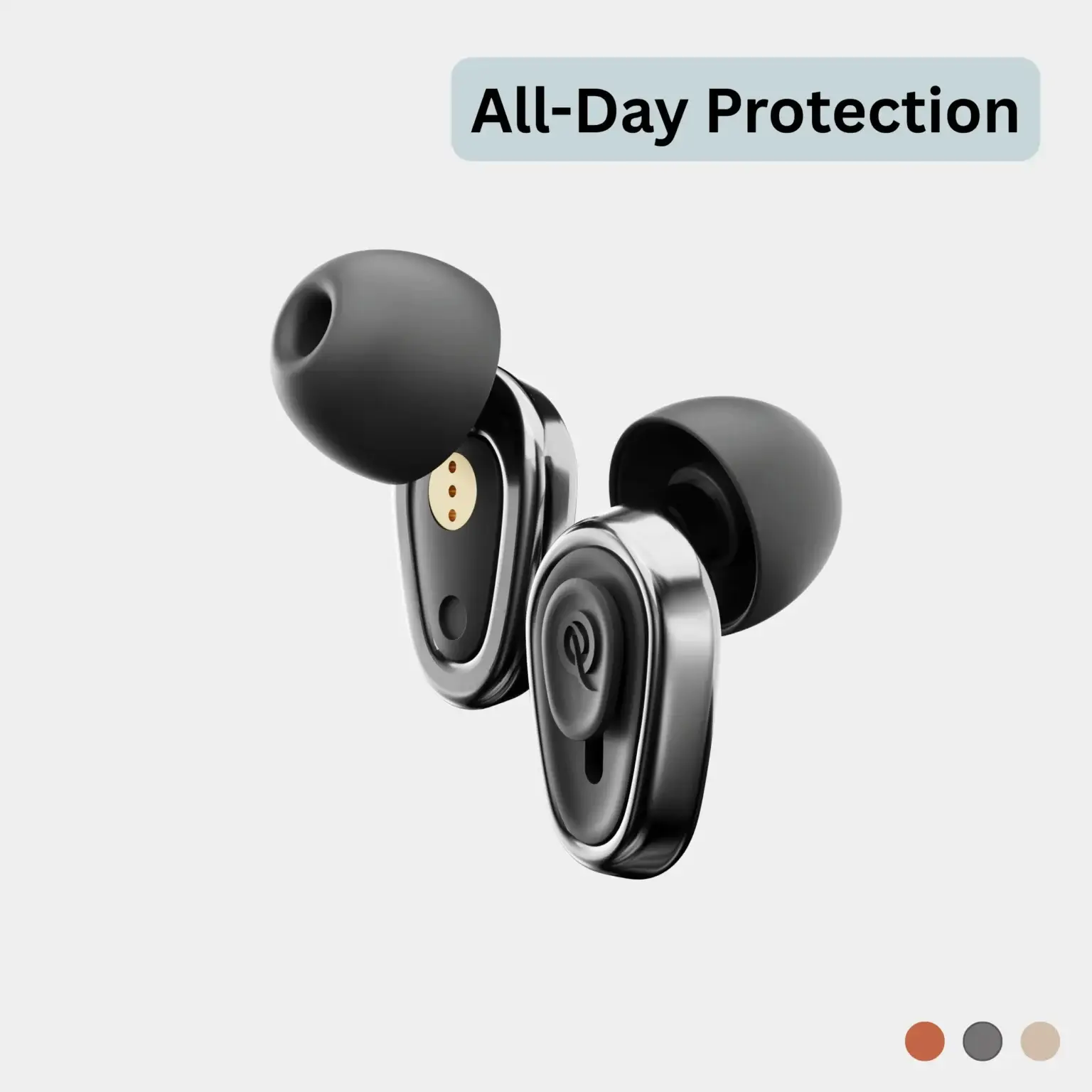
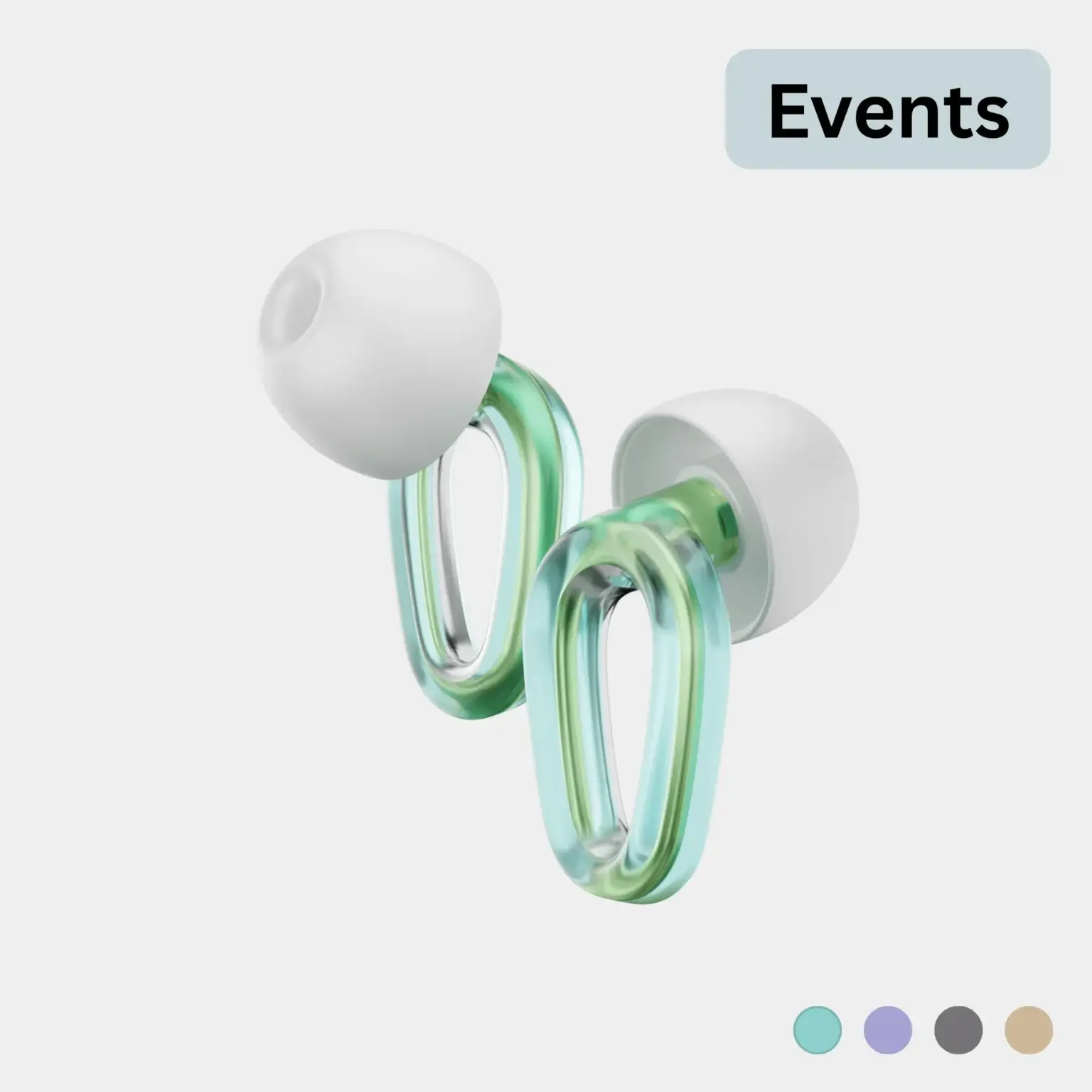
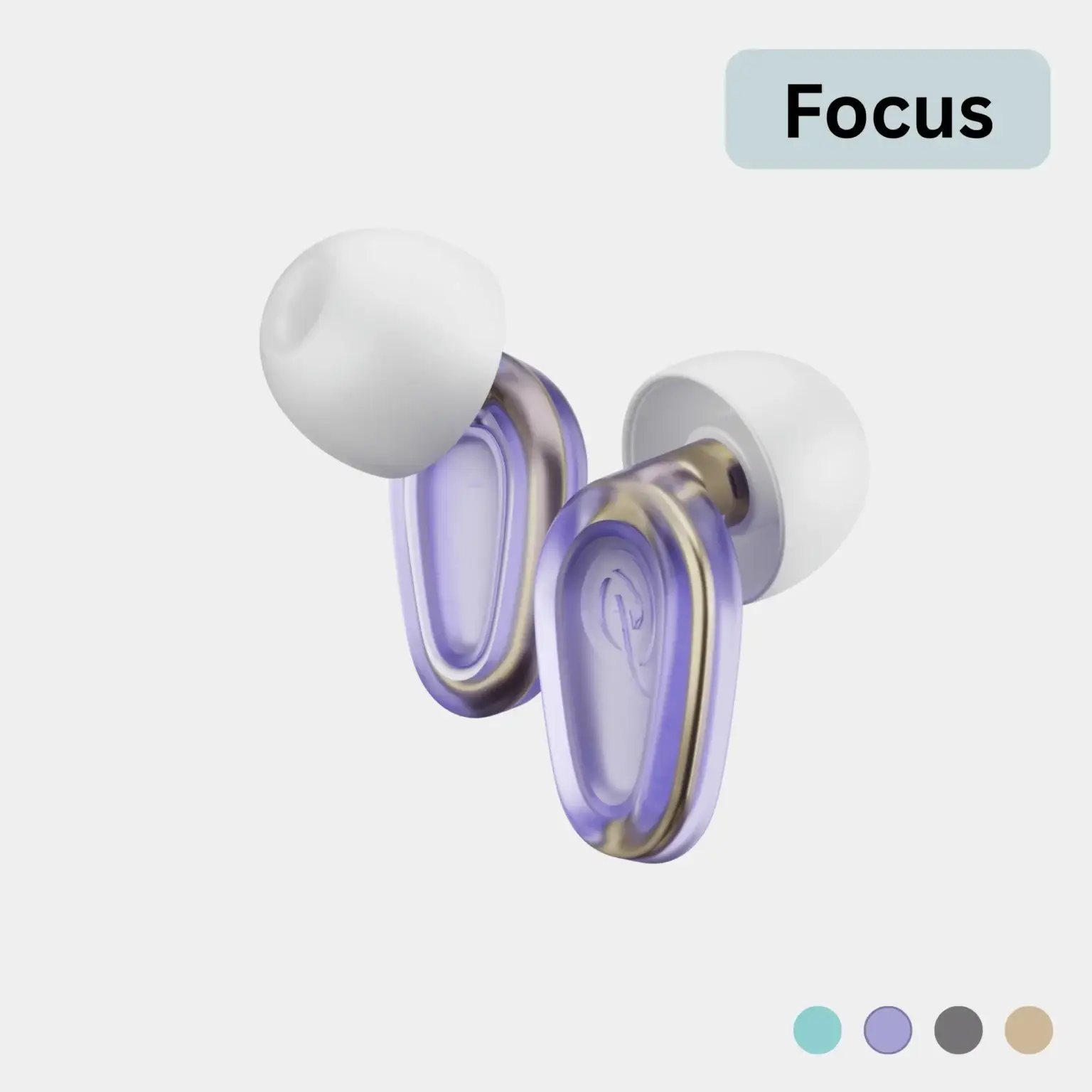
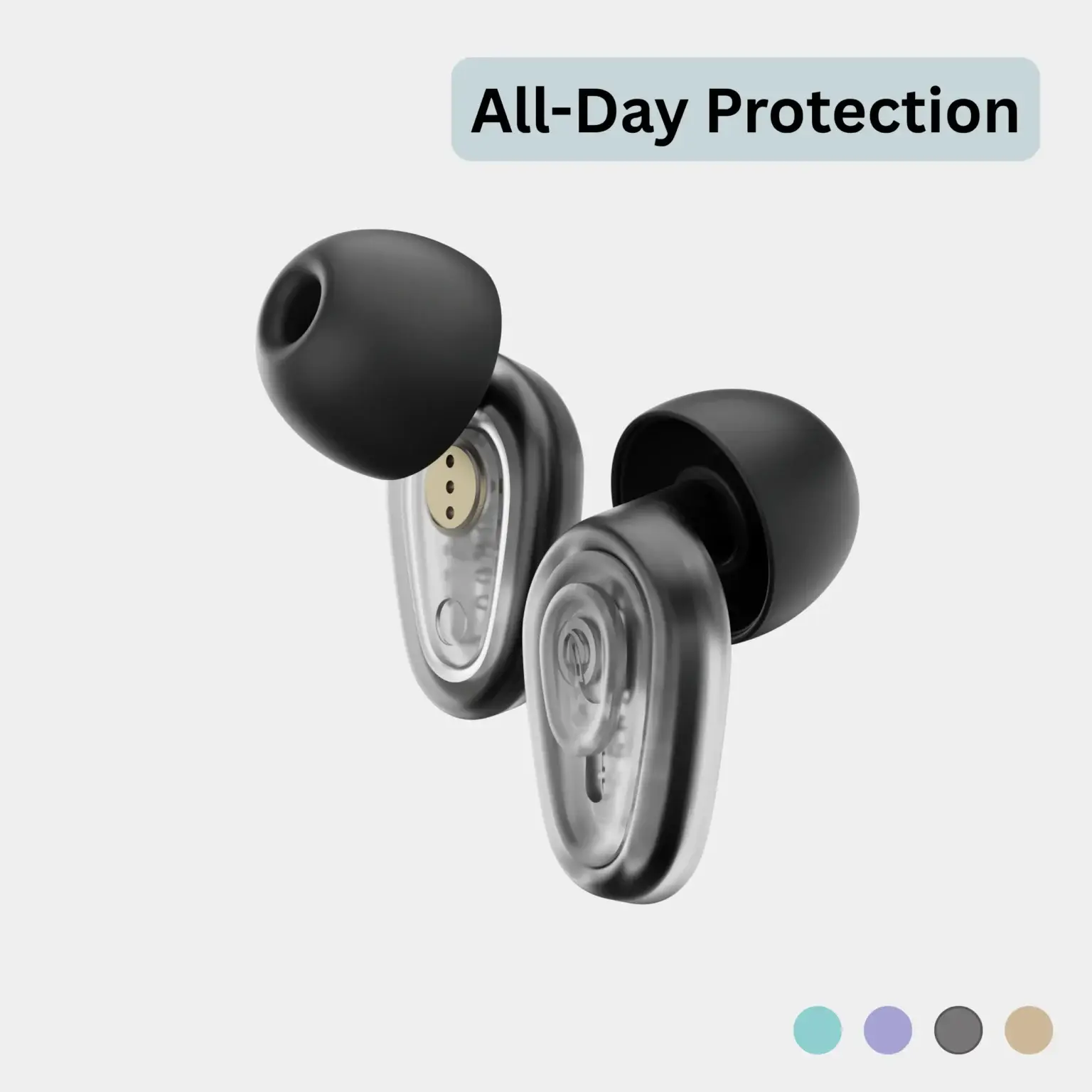
Earmuffz designs its Sleep, Classic, and Premium options around these real-life moments, so your choice can reflect whether your priority is rest, everyday calm, or higher-demand protection.
Common Fit Problems, Solved
If your earplugs keep falling out, first make sure they are clean and dry. Oils, moisturiser, earwax, and residue can make silicone tips less grippy. Then try a larger tip or refine your insertion angle by lifting your ear as you insert.
If they feel too quiet on one side and not the other, do not force both ears into the same setup. Swap the eartip on the weaker side, reinsert, and compare. Uneven ear canals are common.
If your ears feel sore after wearing them, remove the earplugs and give your ears a break. Check that the tip is not too large and that the outer housing is not pressing against your ear. Persistent pain, irritation, discharge, sudden hearing changes, or ringing that concerns you warrants advice from a qualified healthcare professional.
If sound reduction seems to have faded over time, inspect the eartips. Small tears, deformation, hardened material, or trapped debris can affect the seal. Regular cleaning and timely replacement keep reusable earplugs comfortable, hygienic, and ready for daily use.
Keep Your Fit Consistent
A great fit is easier to repeat when you build a simple routine. Clean the earplugs according to their care instructions, dry them fully, and store them in their case instead of loose in a pocket or bag. Before a busy day, a long journey, or a loud night out, take ten seconds to check the tips for damage and confirm you have the size that works for each ear.
There is no prize for using the largest eartip or pushing an earplug as far in as possible. The winning fit is secure, comfortable, and dependable – the kind that lets you crush distractions, protect your peace, and stay in control of your volume.