
The most distracting sound in an open-plan office is rarely the loudest one. It is the colleague’s half-heard call, the keyboard clatter that never stops, the meeting that spills across the room, or a burst of laughter just as you reach a difficult point. The right open office noise solutions do not need to turn work into silence. They need to put you back in control.
That distinction matters. You still need to hear your name, take a call and work with the people around you. But you should not have to spend the day fighting a wall of background sound just to finish a report, solve a problem or think clearly. Better focus starts with reducing the noise that drains it.
Why open-plan noise hits harder than you expect
Open offices are designed for visibility, flexibility and collaboration. The trade-off is that sound travels. Hard surfaces such as glass, desks and polished floors reflect noise, while conversations have no walls to contain them. Even at a moderate volume, unpredictable speech is particularly demanding because your brain keeps trying to understand it.
That is why a busy office can leave you exhausted even when nobody is being especially loud. You are not simply hearing sound. You are filtering it, interpreting it and attempting to ignore it at the same time.
For some people, this is an occasional frustration. For others, including people with sensory sensitivity, tinnitus or attention challenges, it can make a standard workday feel needlessly intense. The goal is not to toughen up. It is to create a working setup that supports your concentration rather than testing it.
Start with the noise you can control
The best open office noise solutions usually combine a few smart adjustments rather than relying on one dramatic fix. Start by identifying what disrupts you most. Is it nearby conversations, sudden sounds, constant movement, video calls, or the general hum of a full office?
If speech is the problem, relocating even a few desks away from a social zone, kitchen or meeting room can help. Choose a position with your back to the busiest route through the office, if possible. A desk near a wall, bookshelf or acoustic divider often feels calmer than one in the centre of the floor.
Your team’s routines matter too. Book rooms for longer calls, take impromptu catch-ups away from focused work areas and set clear quiet periods when people can get through demanding tasks. These are small cultural changes, but they prevent one person’s convenience from becoming everyone else’s distraction.
Physical improvements have their place. Acoustic panels, fabric screens, carpet tiles and soft furnishings can absorb echo and reduce how far voices carry. They are most effective when a company treats acoustics as part of workplace design, not an afterthought. Still, office changes take time, budget and agreement. Personal noise control gives you an immediate option.
Use earplugs for focus, not isolation
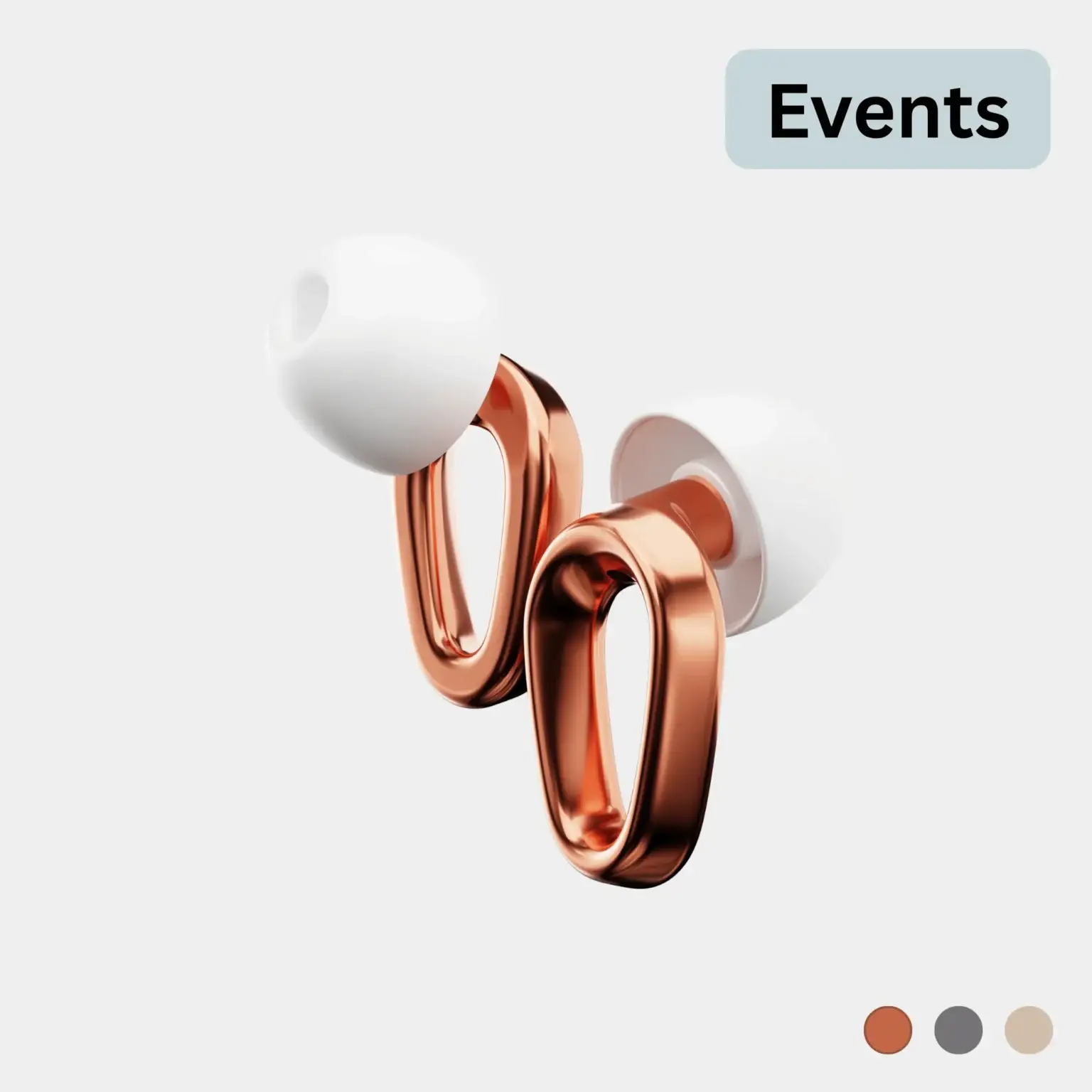
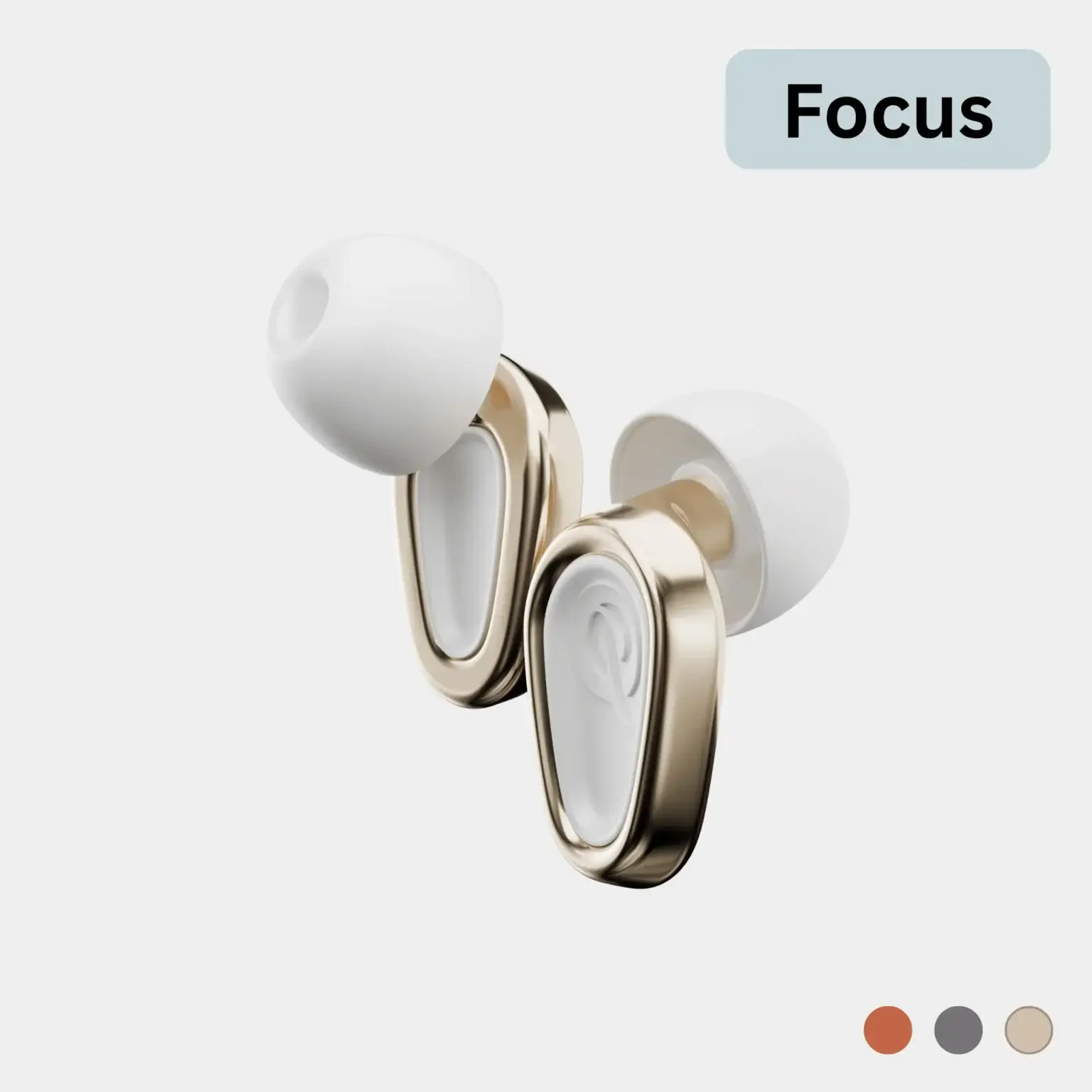
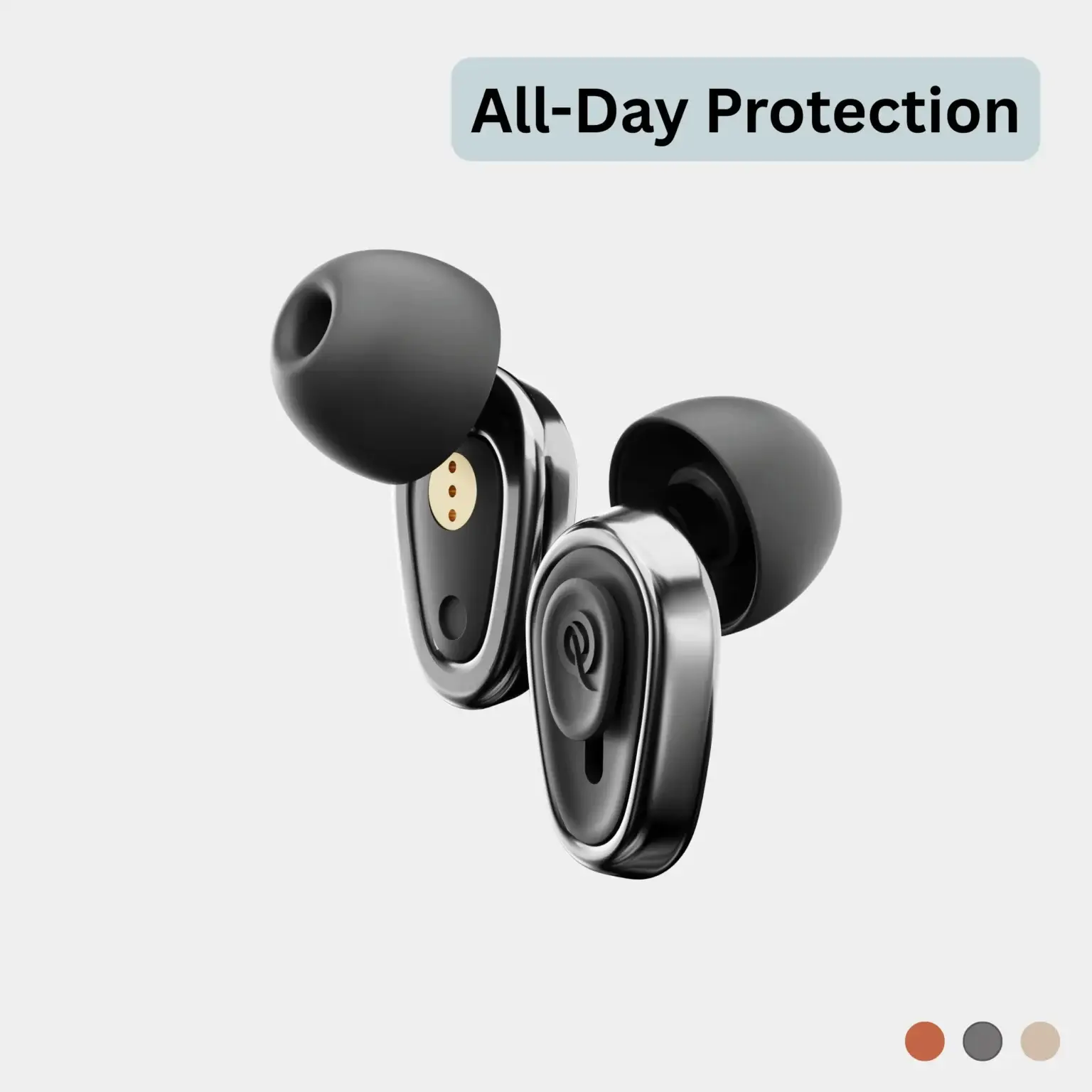
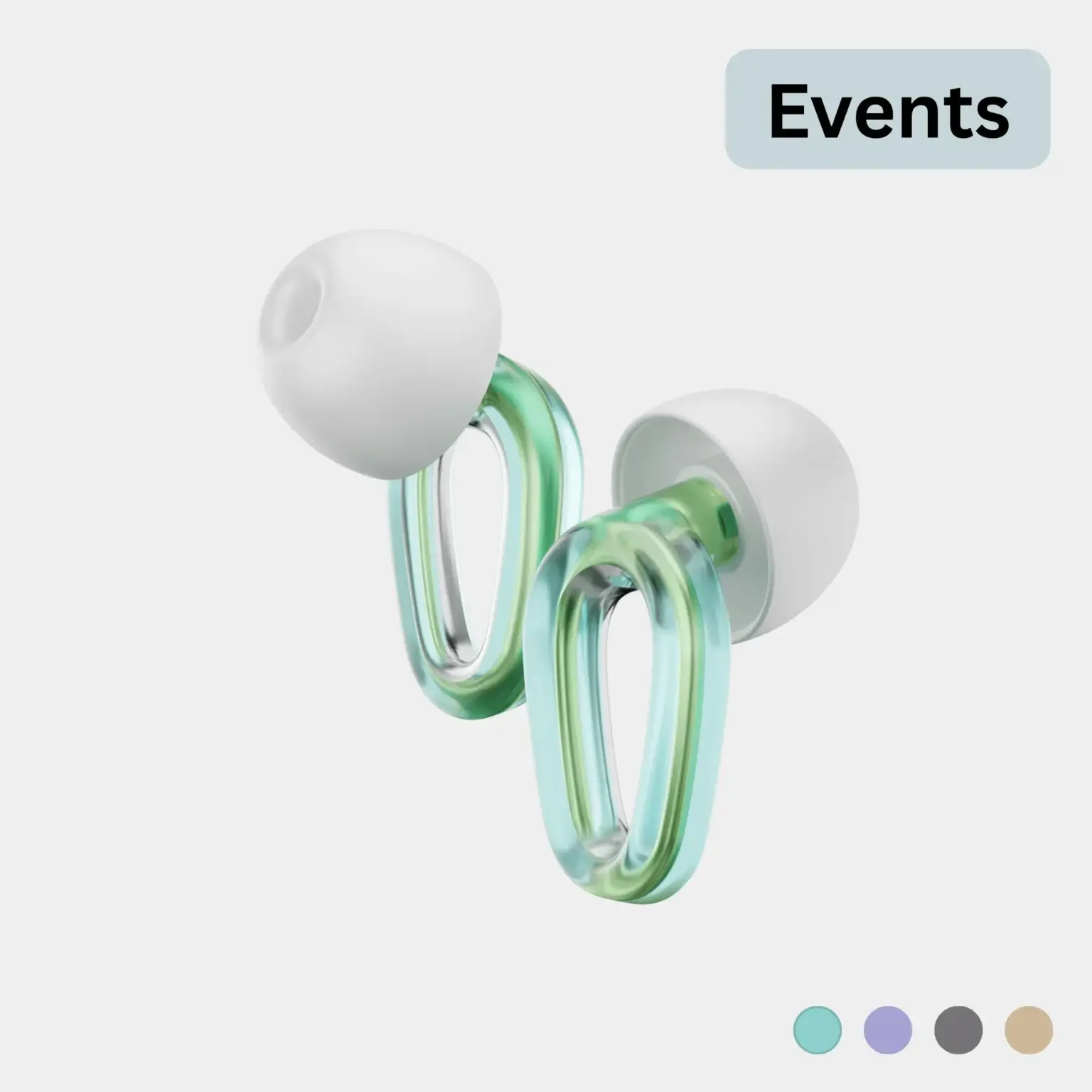
Earplugs are often misunderstood as an all-or-nothing solution. In reality, a well-designed reusable pair can lower the edge of background noise while allowing you to remain present. Think less harsh chatter, less clinking, less mechanical hum – and more mental space for the task in front of you.
This is where fit and comfort make the difference. Disposable foam earplugs can provide strong attenuation, but they may feel bulky, create pressure or muffle sound so heavily that conversations become difficult. They are useful in high-noise environments, yet not always ideal for a full day at a desk.
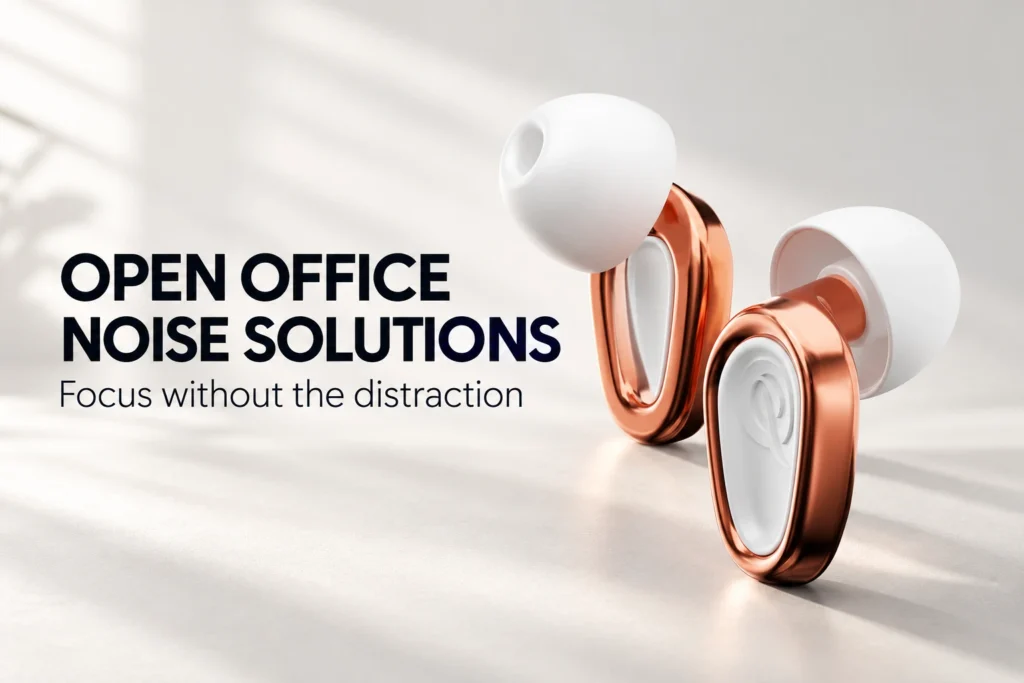
Low-profile reusable earplugs are built for a different job: controlled reduction. The aim is to take down distracting volume without making you feel cut off from your surroundings. You can wear them while writing, coding, analysing data or working through a deep-focus block, then remove them quickly for a meeting or use a lighter level of reduction when collaboration is the priority.
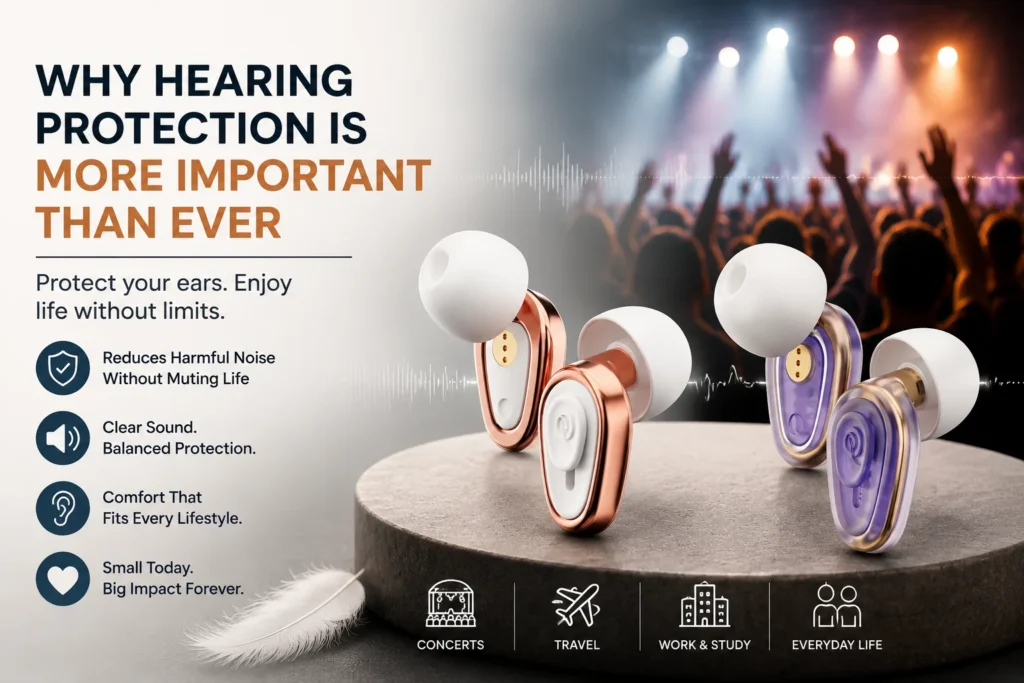
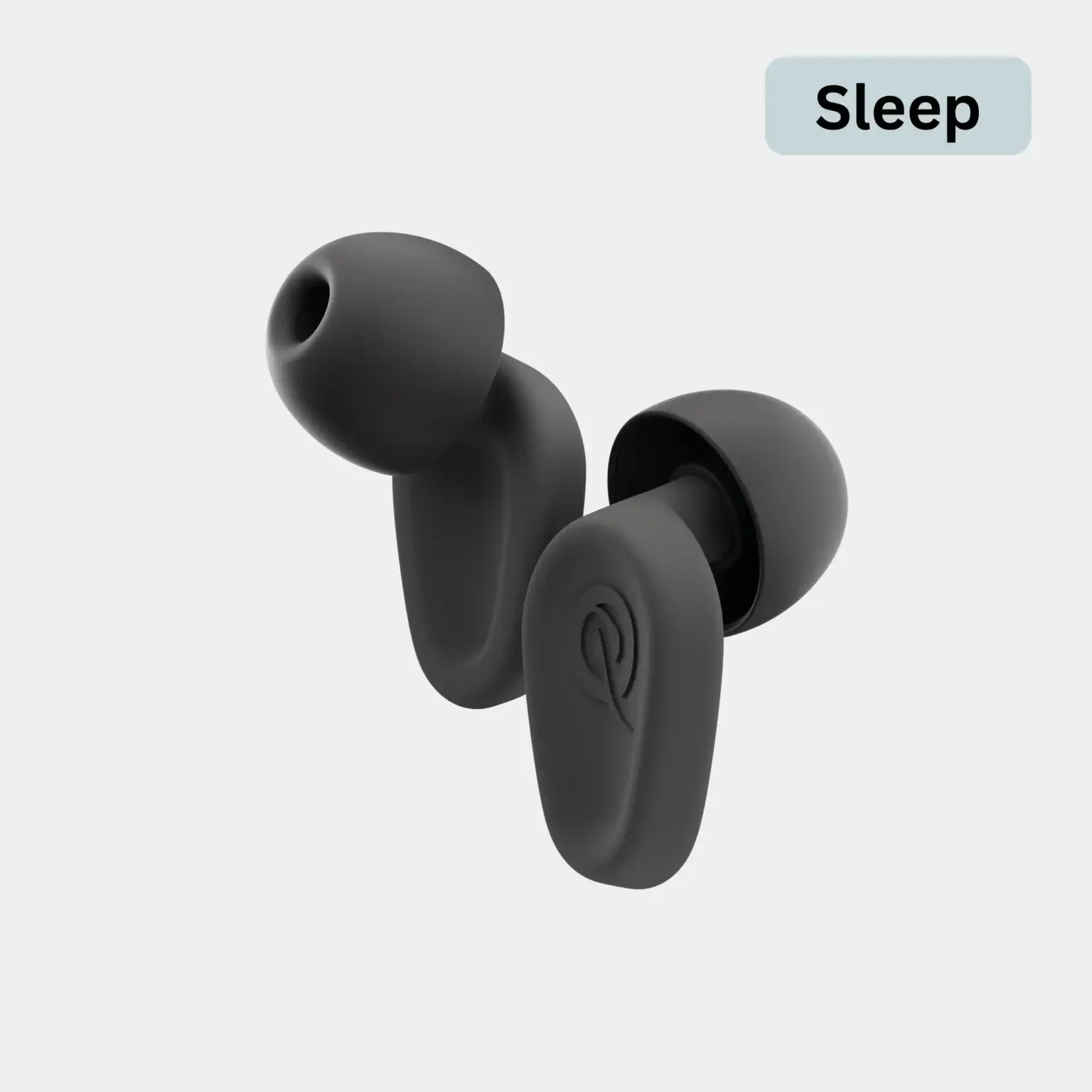
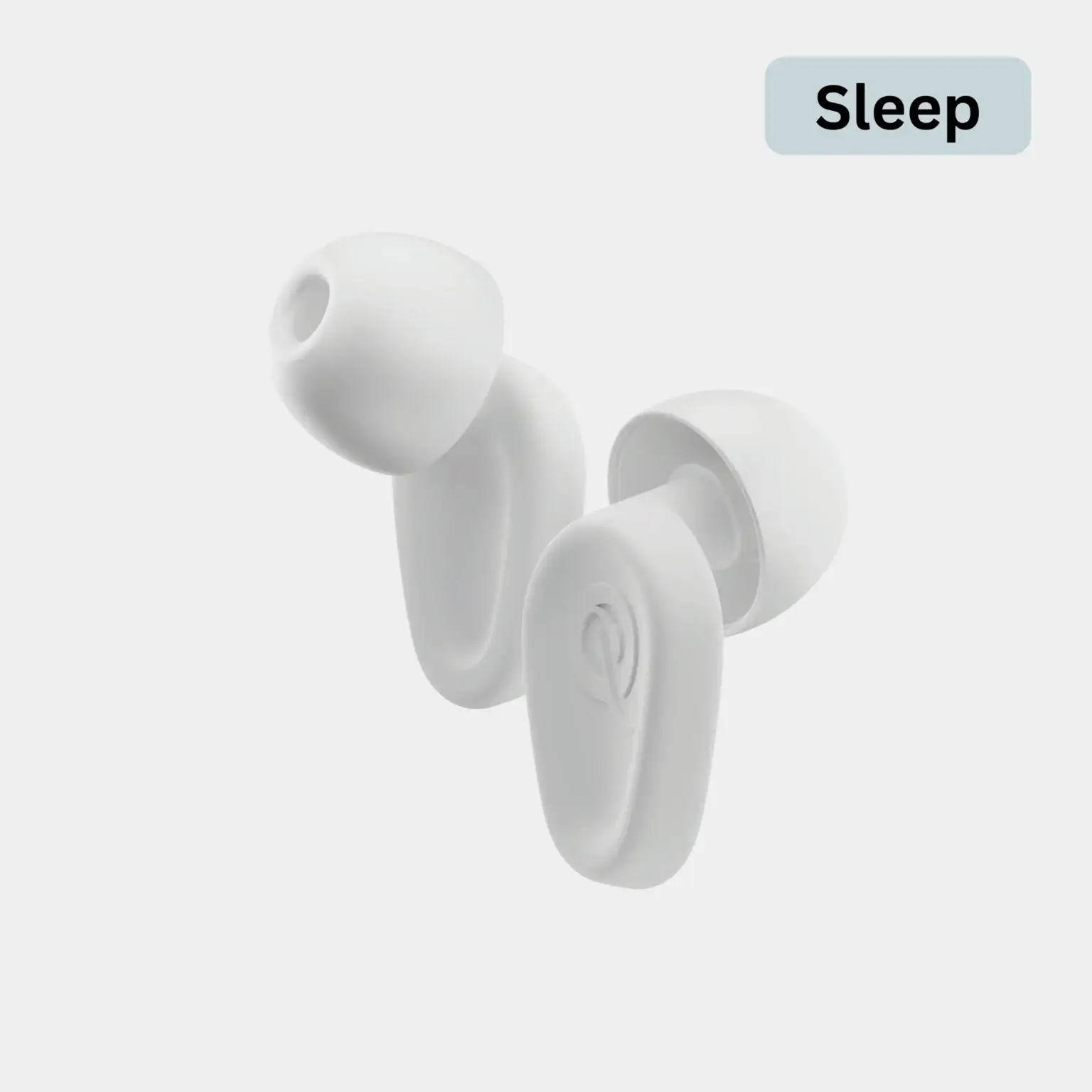
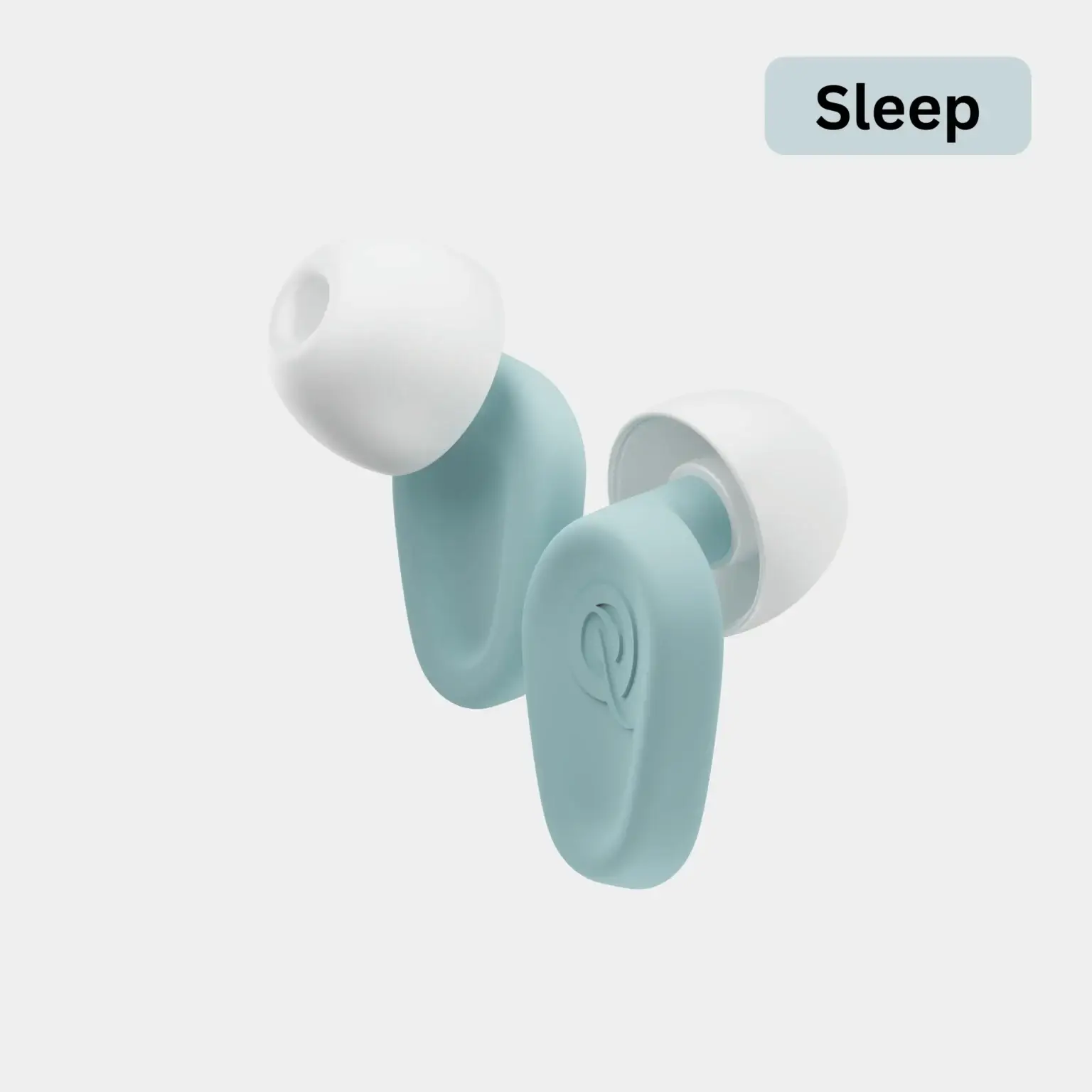
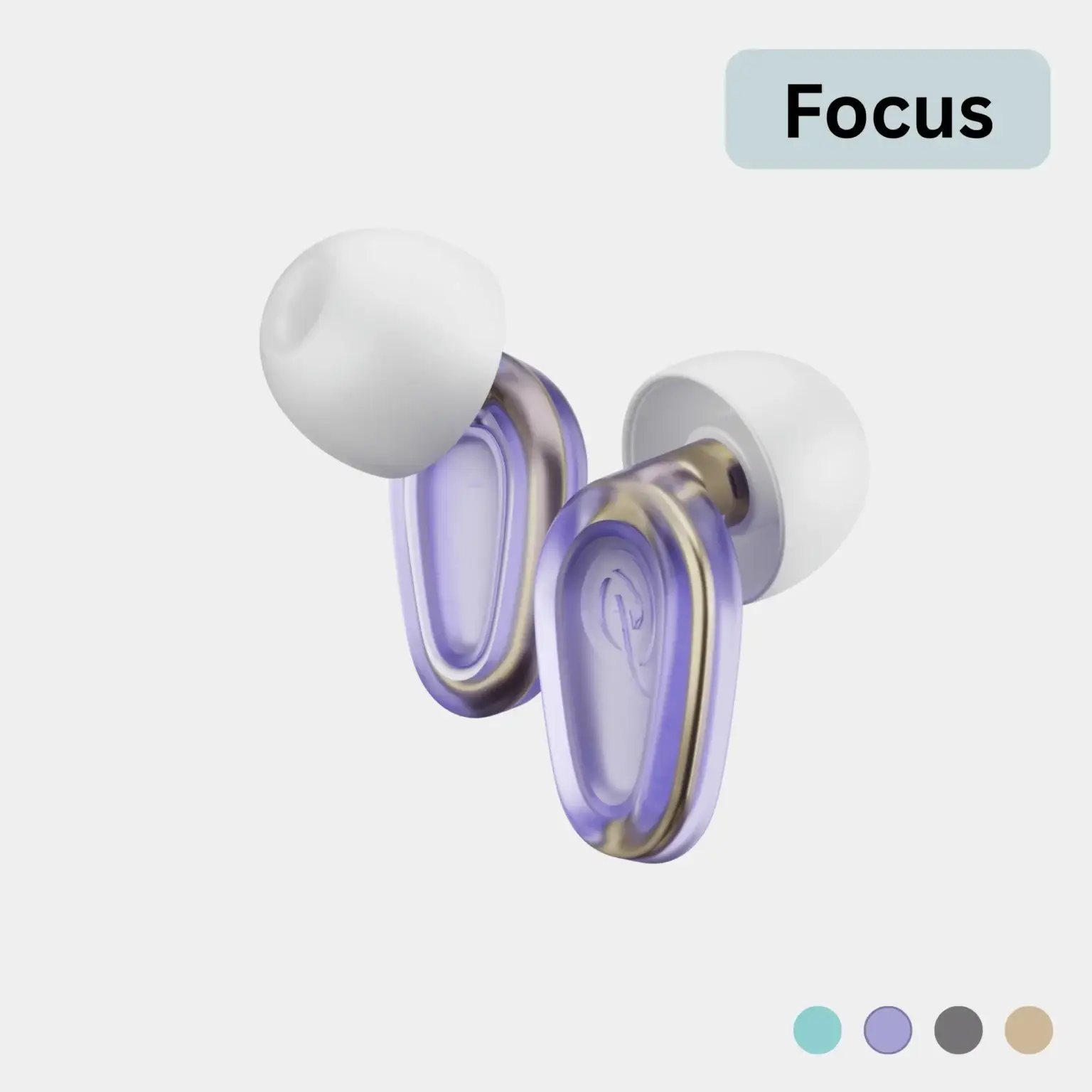
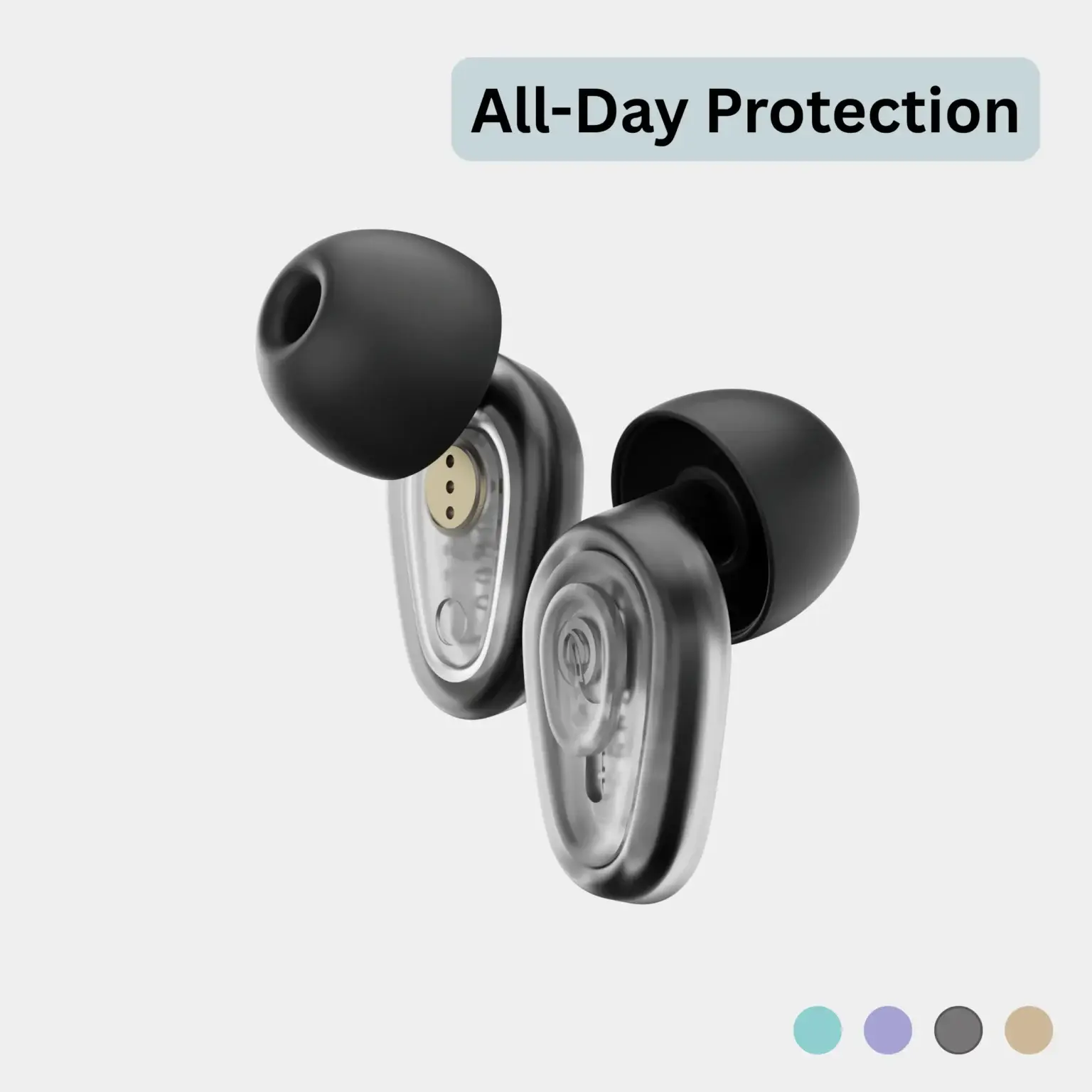
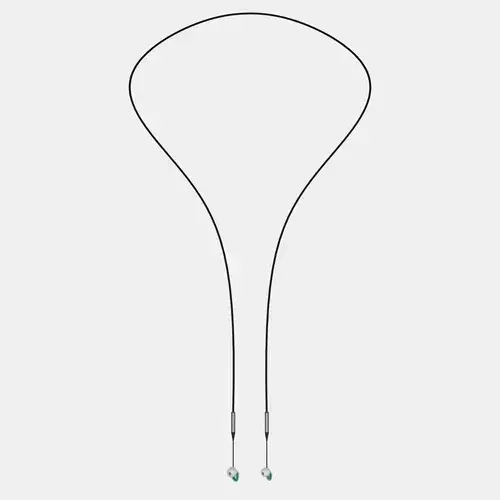
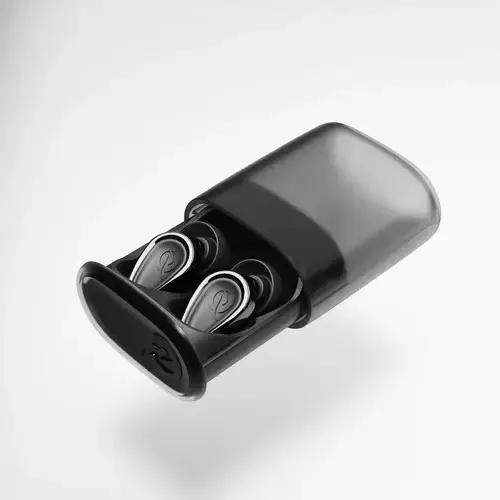
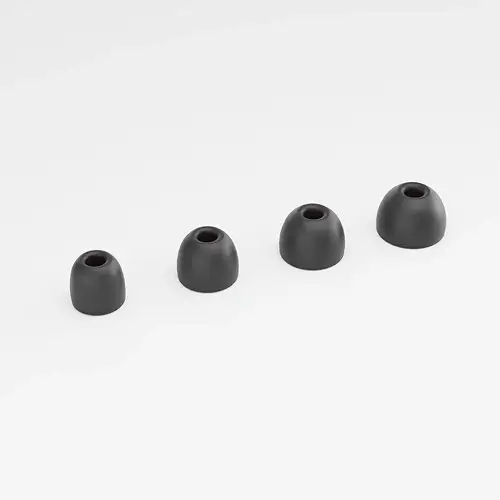
Earmuffz earplugs are designed around that everyday balance – discreet, comfort-first noise control for work, travel, sleep and the moments that demand more focus. A secure fit matters because an earplug you keep adjusting will quickly become another distraction.
Choose the right level of reduction
More noise reduction is not automatically better. If you spend most of your day on calls or need to respond to colleagues frequently, too much attenuation can feel impractical. A moderate option may be the better fit, taking the sting out of office noise while keeping speech and alerts more manageable.
For concentrated solo work in a particularly busy environment, a stronger setting may be worth using for a limited period. This can be especially helpful before a deadline, during detailed creative work or when the office is full but you cannot move desks.
The best approach is flexible. Treat hearing protection as part of your work kit, alongside your laptop charger and notebook. Use it when the environment demands it, rather than forcing yourself to endure every noisy hour.
Build a focus routine around your environment
Noise control works best when it signals a change in how you work. Put your earplugs in at the start of a 45- to 90-minute focus block. Silence unnecessary notifications, write down the one task that matters most and let your colleagues know you are concentrating unless something is urgent.
This creates a visible boundary without shutting the door on your team. In an office with no doors, that matters. People are more likely to respect a focus signal when it is consistent and simple.
If permitted, pair your earplugs with low, non-lyrical background sound. Gentle rain, brown noise or instrumental music can mask intermittent chatter, which is often more distracting than a steady sound. Keep the volume modest. The point is to reduce contrast and surprise, not add another source of fatigue.
Be realistic about tasks, too. Some work needs quiet: writing, planning, problem-solving and anything involving complex judgement. Save lighter admin, inbox sorting or routine updates for noisier periods. You cannot always control the office, but you can match your work to the conditions more intelligently.
Know when earplugs are not the whole answer
Personal noise control is powerful, but it should not excuse a poorly designed workplace. If noise is affecting many people, managers should look at layout, meeting behaviour and acoustics. A company that expects constant collaboration and deep concentration from the same unprotected space is asking employees to perform an impossible trick.
There are also moments when you should leave your earplugs out. If you are responsible for safety announcements, supervising visitors, working near vehicles or machinery, or need to respond immediately to others, make sure you can hear what the situation requires. Earplugs reduce sound; they do not make an environment risk-free.
If you experience persistent ringing, pain, sudden hearing changes or sound sensitivity that is worsening, speak with a qualified hearing professional. Everyday noise control can support comfort, but it is not a substitute for individual medical advice.
Make comfort a performance tool
The biggest shift is to stop treating office noise as a minor annoyance you are supposed to tolerate. Concentration is a resource. Every interruption takes a small amount from it, and a full day of small interruptions adds up.
Choose a better seat when you can. Ask for quieter call habits. Use sound-absorbing features where your workplace can provide them. Then keep a comfortable, reusable pair of earplugs within reach for the hours when the room gets louder than your workload allows.
You do not need total silence to do exceptional work. You need the right amount of volume, on your terms. Own that setting, and the office becomes a place where you can contribute without surrendering your focus.