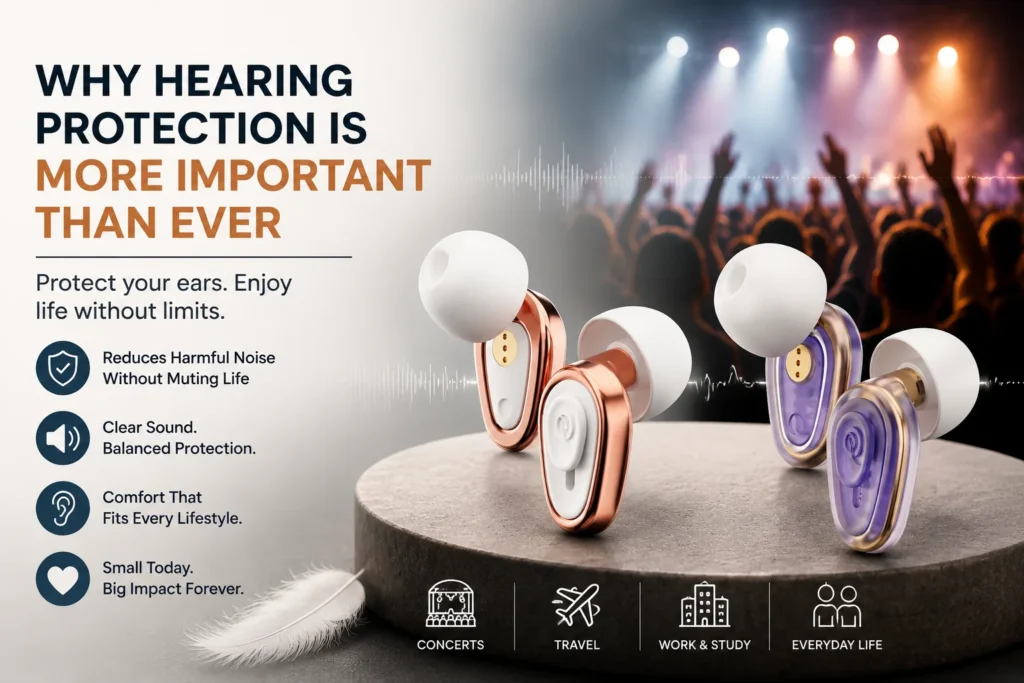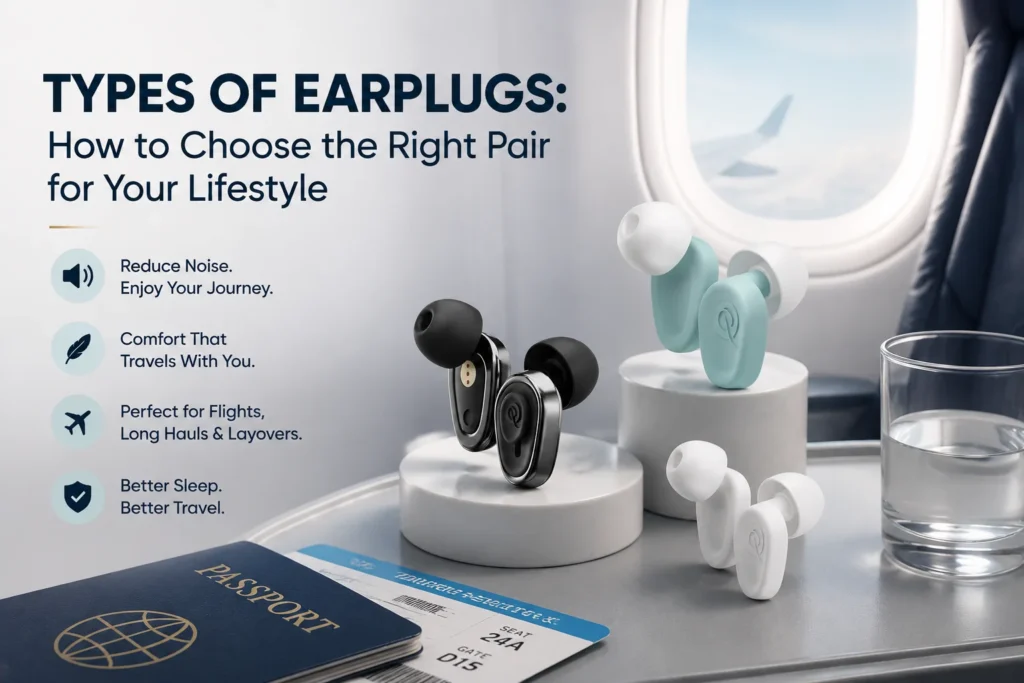

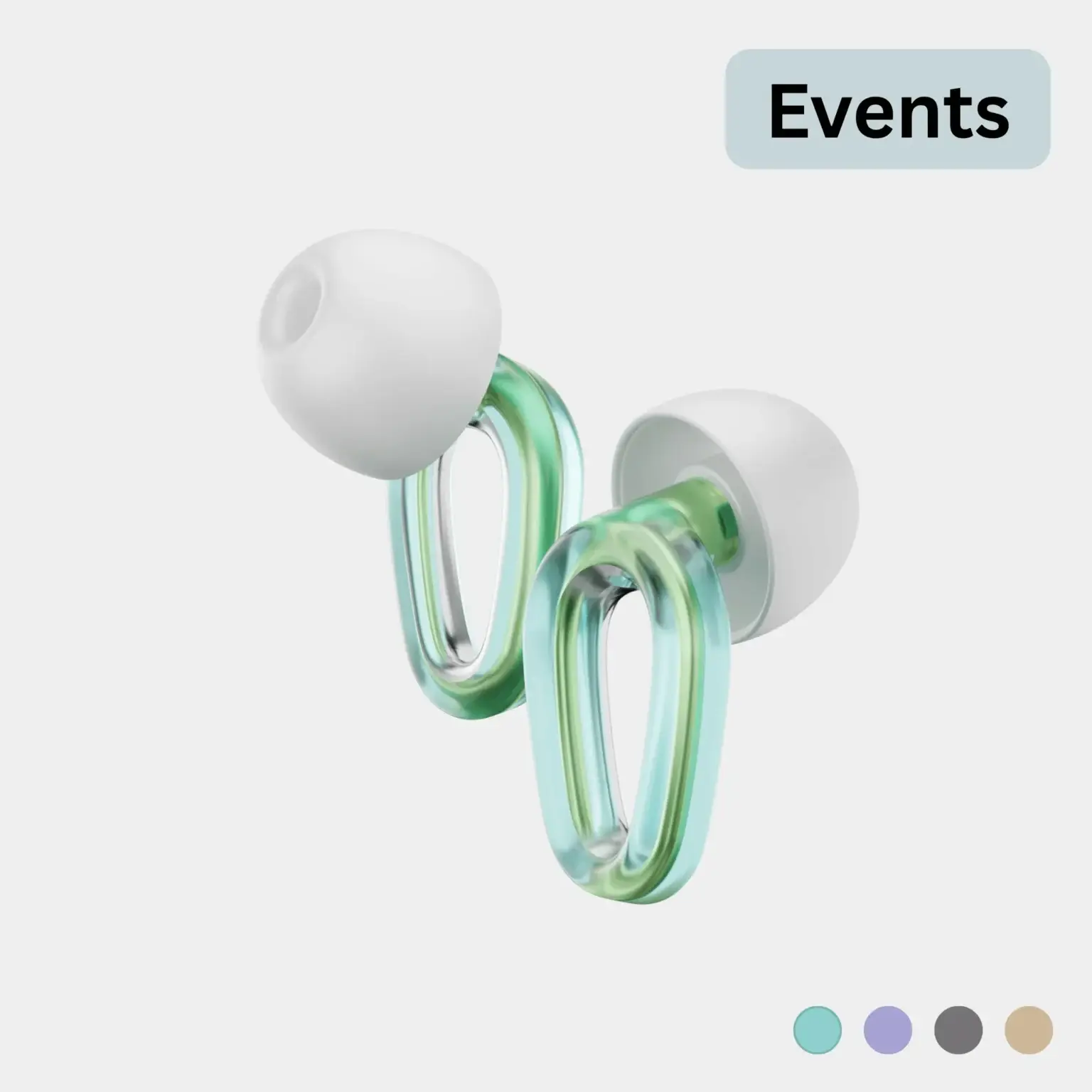
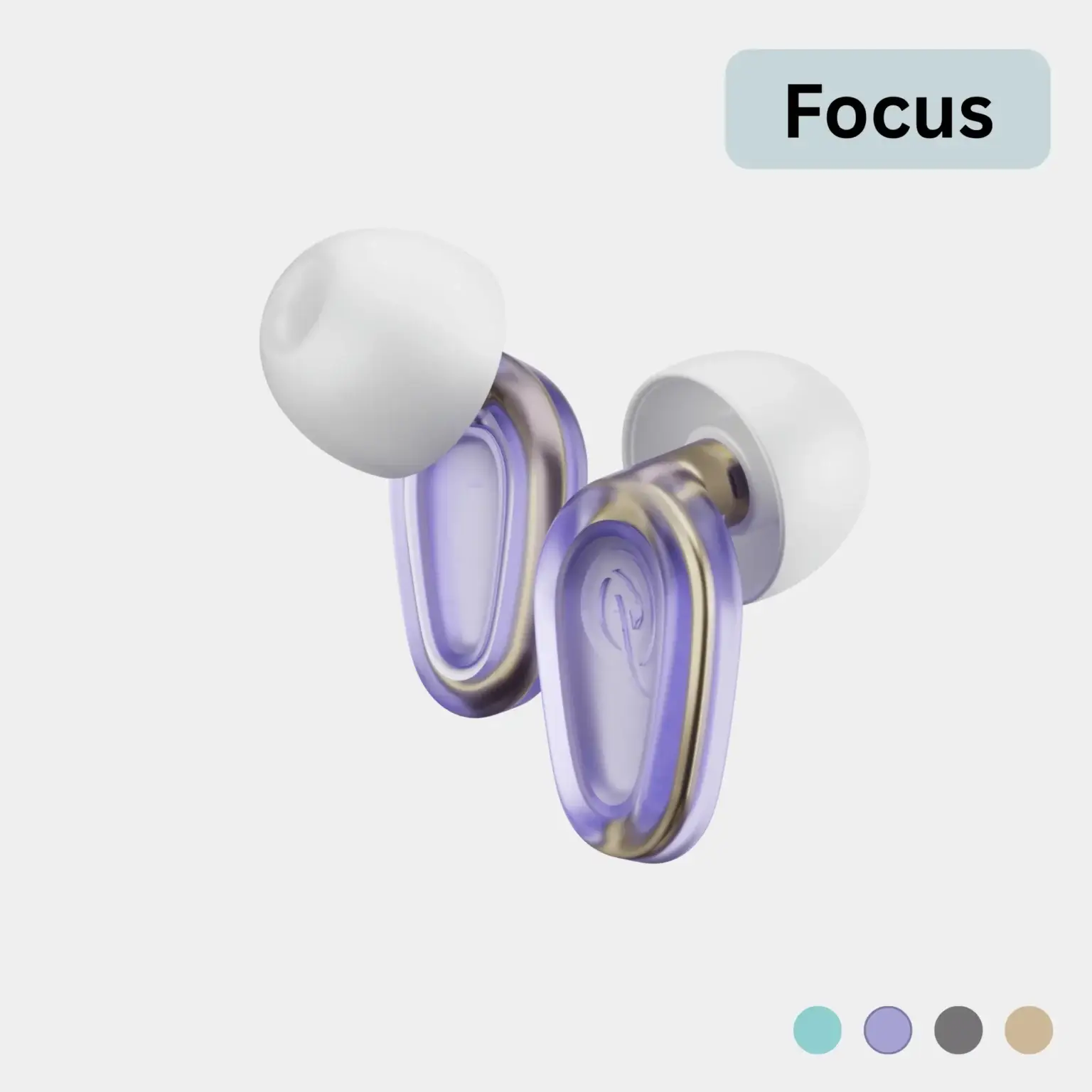
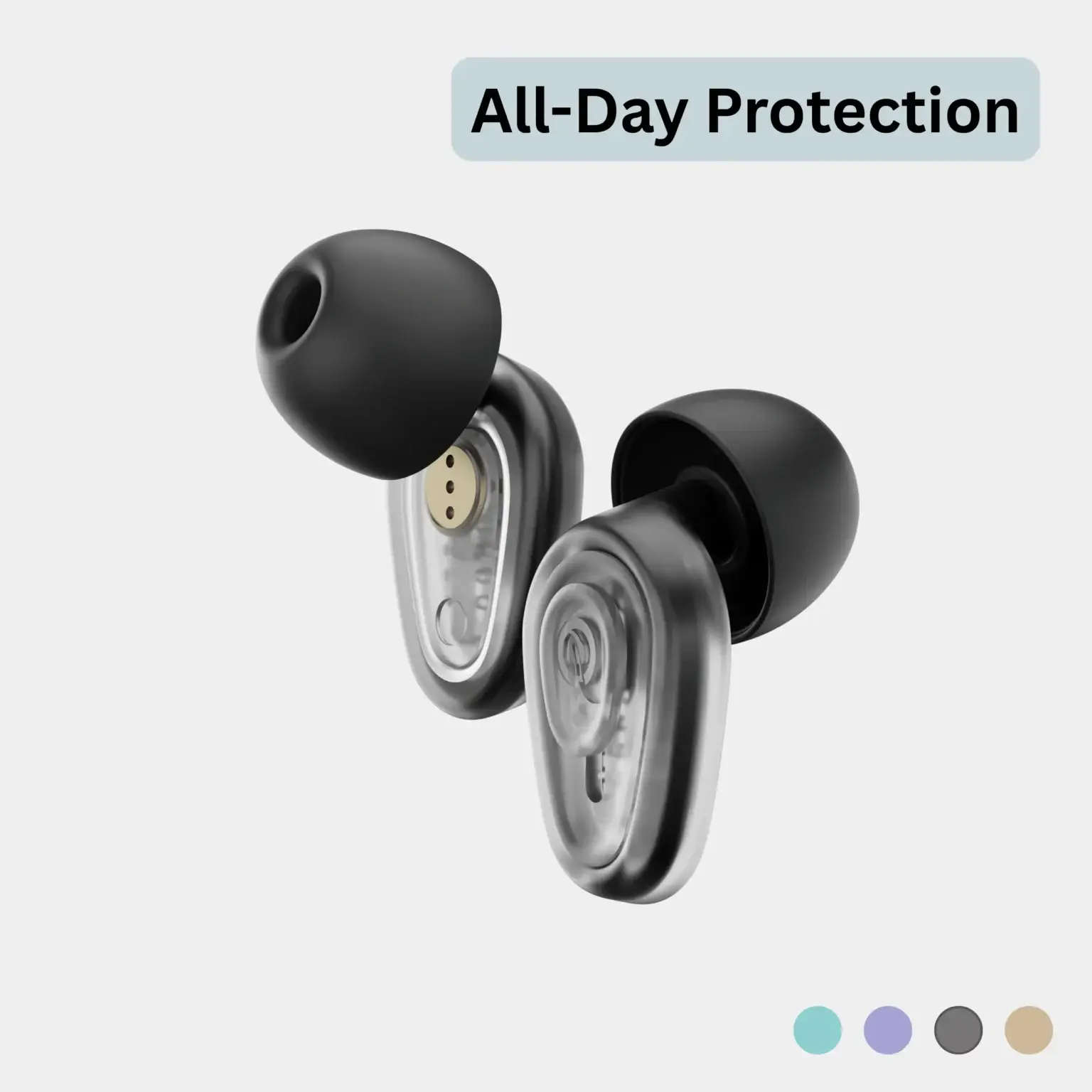
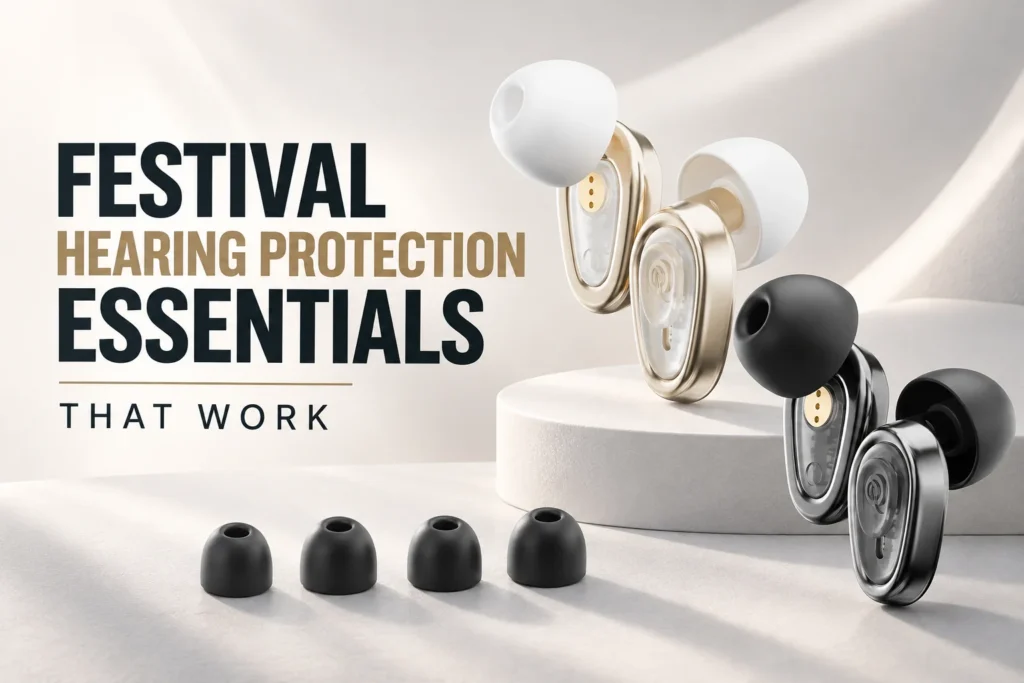
The bass drops, the crowd surges and your favourite track finally hits. That is not the moment to realise your ears are ringing harder than the speakers. Festival hearing protection essentials are not about muting the experience. They are about taking control of the volume, protecting your hearing and staying comfortable enough to enjoy every set from gates open to the final encore.
A festival is a serious noise environment. Main stages, enclosed tents, sound systems, cheering crowds and repeated exposure over several days can all push your ears beyond their comfort zone. The damage from loud sound is not always obvious in the moment. You might only notice it later, when the ringing starts in the tent or voices sound distant on the train home.
Why Festival Hearing Protection Essentials Matter
Hearing is not a switch you can replace when it wears out. Loud noise can cause temporary muffling and ringing, but repeated or intense exposure may contribute to permanent hearing damage. The risk is shaped by both volume and time. A short spell close to a loud speaker can be as demanding on your ears as a much longer period further back in the crowd.
That does not mean you need to stand at the edge of the field or skip the acts you came to see. It means making a smarter call before the first beat. Reusable earplugs lower the sound reaching your ears while allowing you to stay part of the music, conversation and atmosphere. You keep the energy. You lose the unnecessary strain.
For festival regulars, this is performance gear. The right earplugs can reduce listening fatigue, make long days feel more manageable and help you wake up ready for another round rather than nursing a pounding head and buzzing ears.
Choose Noise Reduction, Not Total Silence
Festival earplugs should not feel like stuffing cotton wool in your ears. The aim is controlled reduction, not isolation. Foam earplugs can be effective at cutting noise, but they may also make music sound dull or make conversations difficult. They are useful as an emergency backup, yet they are rarely the most enjoyable choice for a full weekend of live music.
Reusable filtered earplugs are designed for a more balanced experience. They reduce overall volume while preserving more of the detail in the music. Vocals, melodies and the crowd response remain present, just less aggressive. This matters when you are moving between a packed drum and bass tent, an outdoor indie stage and the quieter space around food stalls.
Know What the Decibel Rating Tells You
Look for a stated noise reduction rating and recognised safety standards rather than vague promises of “noise cancelling”. Earplugs do not cancel sound in the way electronic headphones can. They physically reduce the sound energy entering the ear canal.
A higher reduction level is not automatically better. It depends on where you will stand, how loud the event is and whether you want to talk with friends between sets. For a festival, moderate reduction with a music-friendly filter is often the sweet spot. If you are working near speakers, shooting content beside the stage or know you are especially noise-sensitive, stronger protection may be the better choice.
Certifications such as CE, EN 352 and ANSI offer valuable reassurance that a product has been tested against defined standards. They do not replace proper fit, but they give you a clearer starting point than style alone.
Keep Your Distance From the Speakers
Earplugs are essential, but placement still matters. Standing directly in front of a speaker stack creates a far bigger sound load than watching from further back or slightly off to the side. You do not need to sacrifice a good view. A few metres can make a meaningful difference, especially during a long headline set.
Think of your protection as a system: quality earplugs, sensible positioning and occasional breaks from the loudest areas. Control the inputs and you can stay in the moment longer.
Fit Is a Festival Performance Feature
The best earplugs on paper do very little if they are loose, painful or constantly working their way out. Festival days involve heat, movement, dancing, rain, hats, sunglasses and hours of wear. Comfort is not a luxury. It is what makes consistent protection possible.
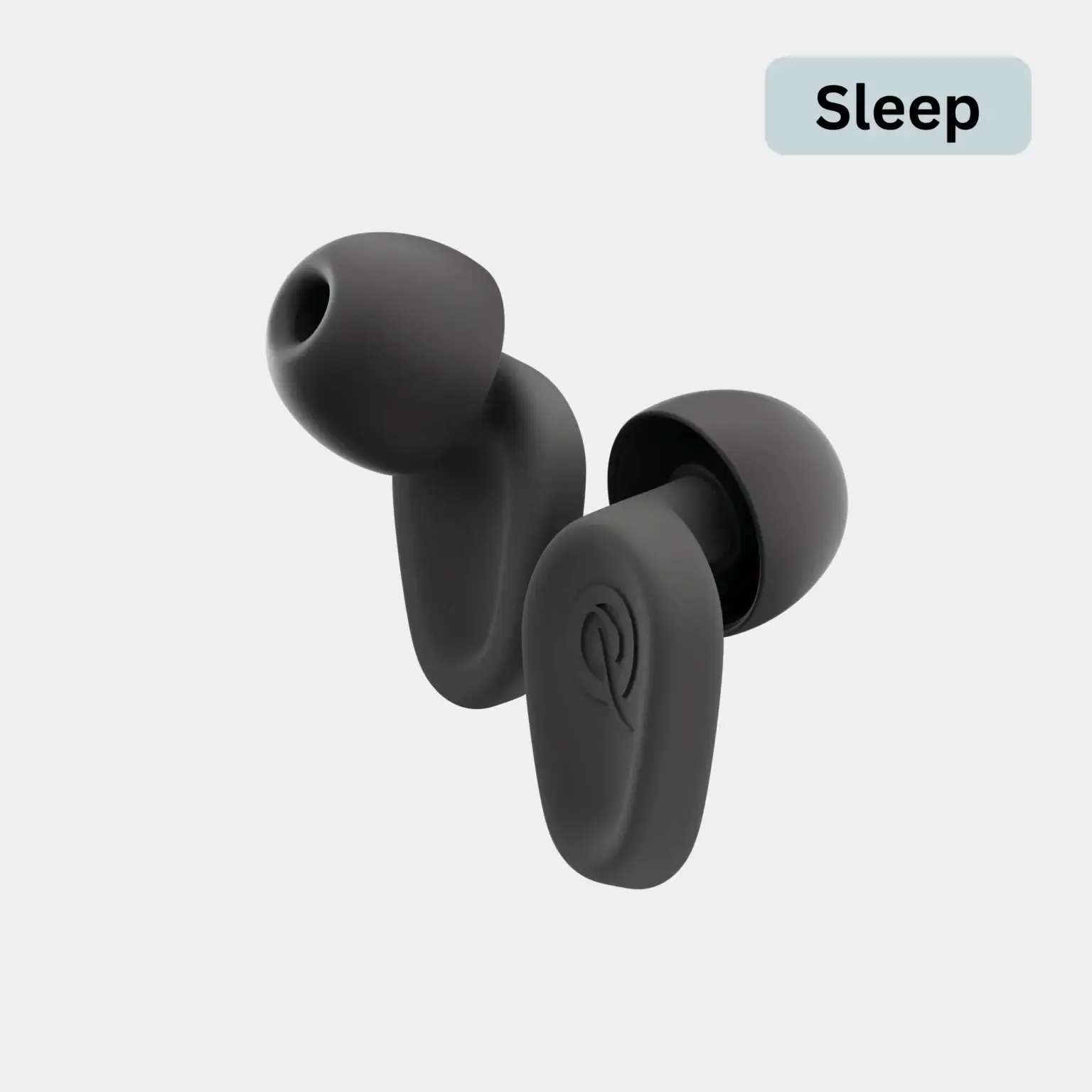
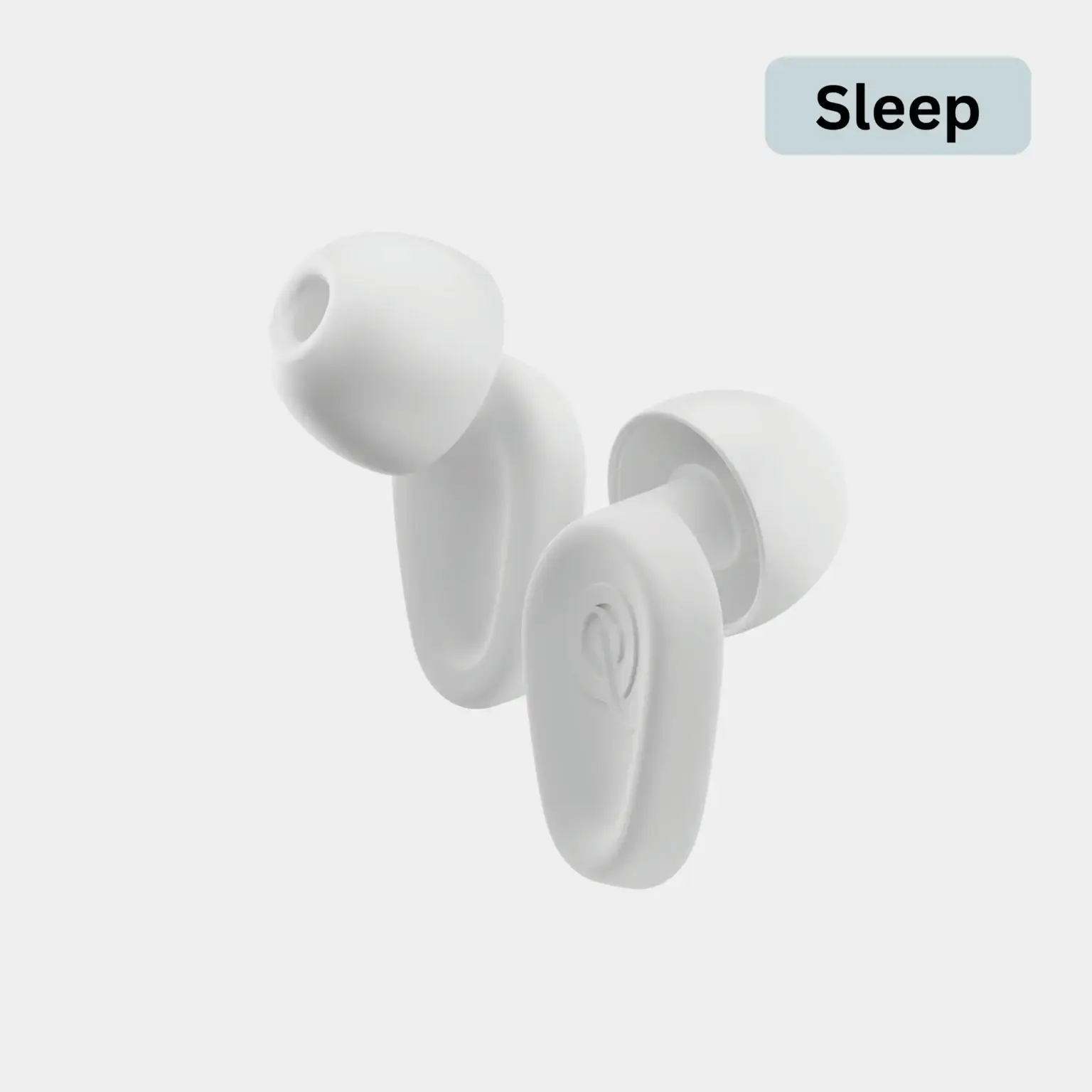
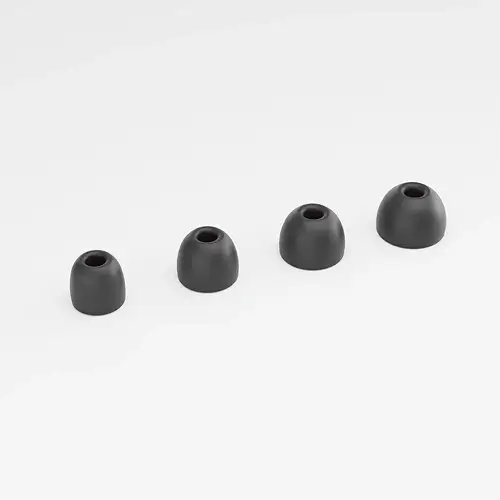
Choose low-profile earplugs with multiple eartip sizes where possible. A secure seal should feel snug, not pressurised. If you feel sharp discomfort, the tip may be too large or inserted too deeply. If the music barely changes or the plug slips while you dance, try a larger tip or adjust the fit.
Test them before you travel. Wear them during a loud commute, a busy gym session or while watching television at a higher volume than usual. That gives you time to find the right eartips and get used to the sensation without the pressure of being in a crowd.
Hair, jewellery and sunglasses can affect fit too. Put your earplugs in before pulling on a hood or beanie, and check the seal after moving your glasses. Small adjustments prevent a long afternoon of uneven protection.
Your Festival Hearing Protection Checklist
Do not treat earplugs as an afterthought you grab at the gate. Pack them with the same intention as your ticket, portable charger and waterproof layer. Keep them in a protective case so they stay clean and easy to find in a dark bag.
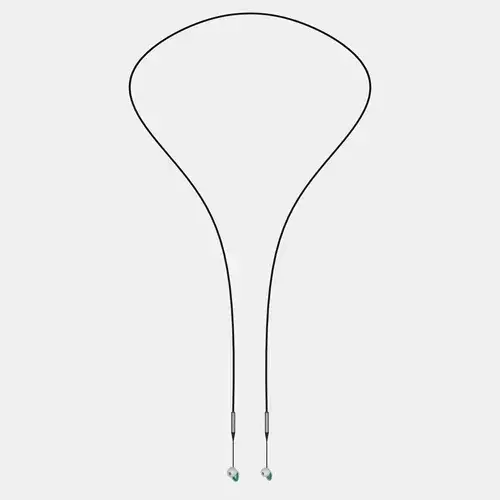
Bring a backup pair if you are camping or attending for several days. Earplugs are small, and losing one in a field is easier than it sounds. A neck strap can also be useful when you are moving between loud stages and quieter areas, as long as the plugs remain clean before going back in your ears.
Before the first act, insert your earplugs properly and let your hearing adjust. Many people make the mistake of waiting until the sound hurts. By then, your ears have already taken a hit. Put them in early, particularly if you are heading into an enclosed tent or claiming a spot near the front.
During the day, give your ears breaks. Step away from speaker-heavy spaces for ten minutes while you get water, eat or meet friends. These quieter pockets are not lost festival time. They are how you maintain energy and reduce the cumulative load on your hearing.
After the festival, clean reusable earplugs according to their care instructions and let them dry completely before storing them. If you notice ringing, muffled hearing or sensitivity that does not settle, give your ears a proper rest from loud sound. Persistent changes deserve advice from a qualified hearing professional.
Avoid the Mistakes That Ruin the Experience
The first mistake is assuming only the front row needs protection. Noise reflects inside tents and enclosed stages, and volume can remain high well beyond the barrier. If the person next to you needs to shout directly into your ear to be heard, it is probably loud enough to justify earplugs.
The second is removing them because the sound feels unfamiliar for the first few minutes. Your brain adapts quickly. Give it a song or two before deciding whether the fit needs adjusting. Removing one plug to hear better creates uneven exposure and is rarely the answer.
The third is treating discomfort as normal. Protection should not leave your ears aching. A better fit, softer material or a different tip size can transform whether you actually wear them all day.
Finally, do not rely on ringing as a badge of a good night. Tinnitus after a festival is not proof that you had more fun. It is a signal that your ears were overloaded.
Make Hearing Protection Part of Your Kit
Your festival kit has evolved. Refillable water bottle, power bank, sun cream, waterproof and now reusable earplugs. Each one helps you stay out longer, feel better and avoid an avoidable problem.
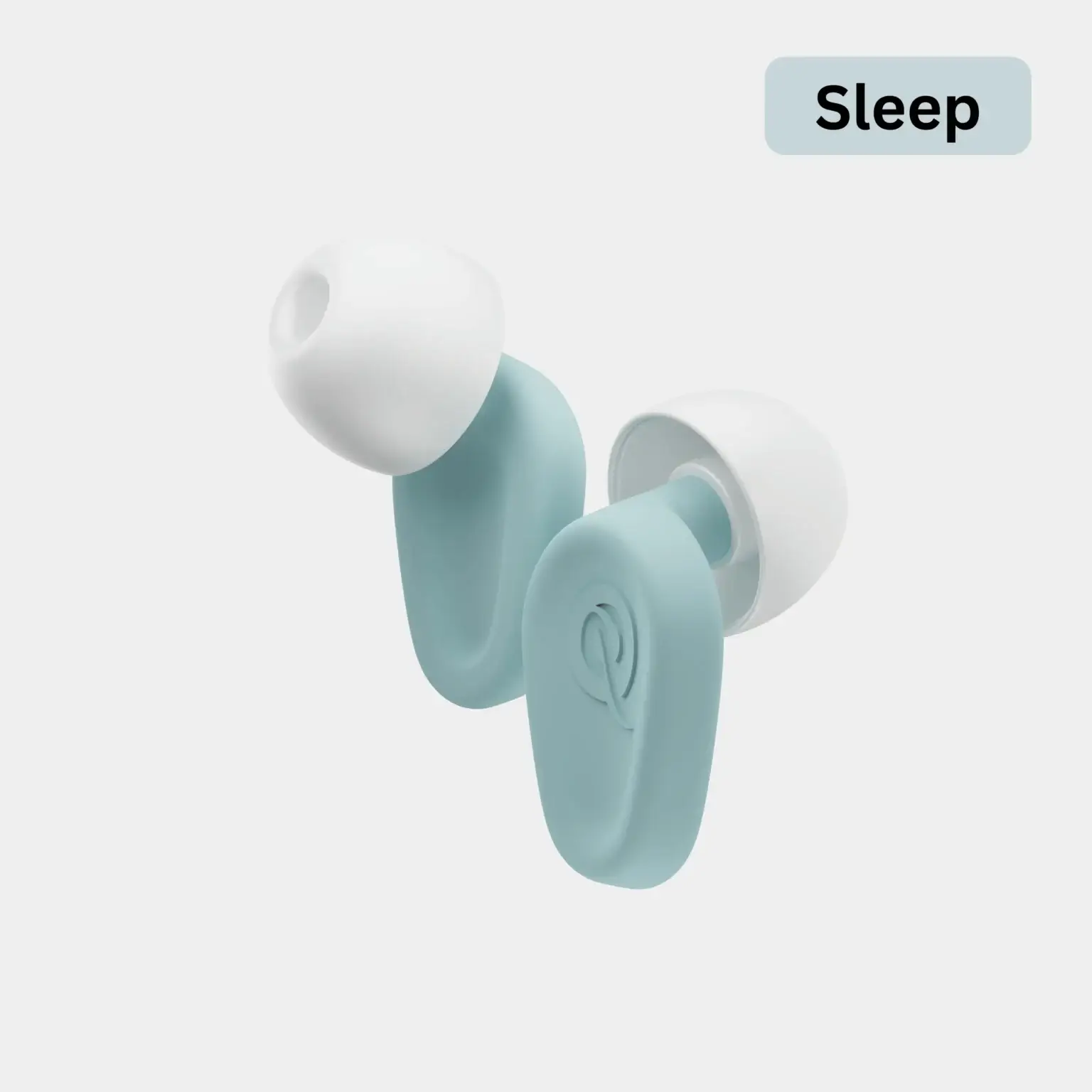
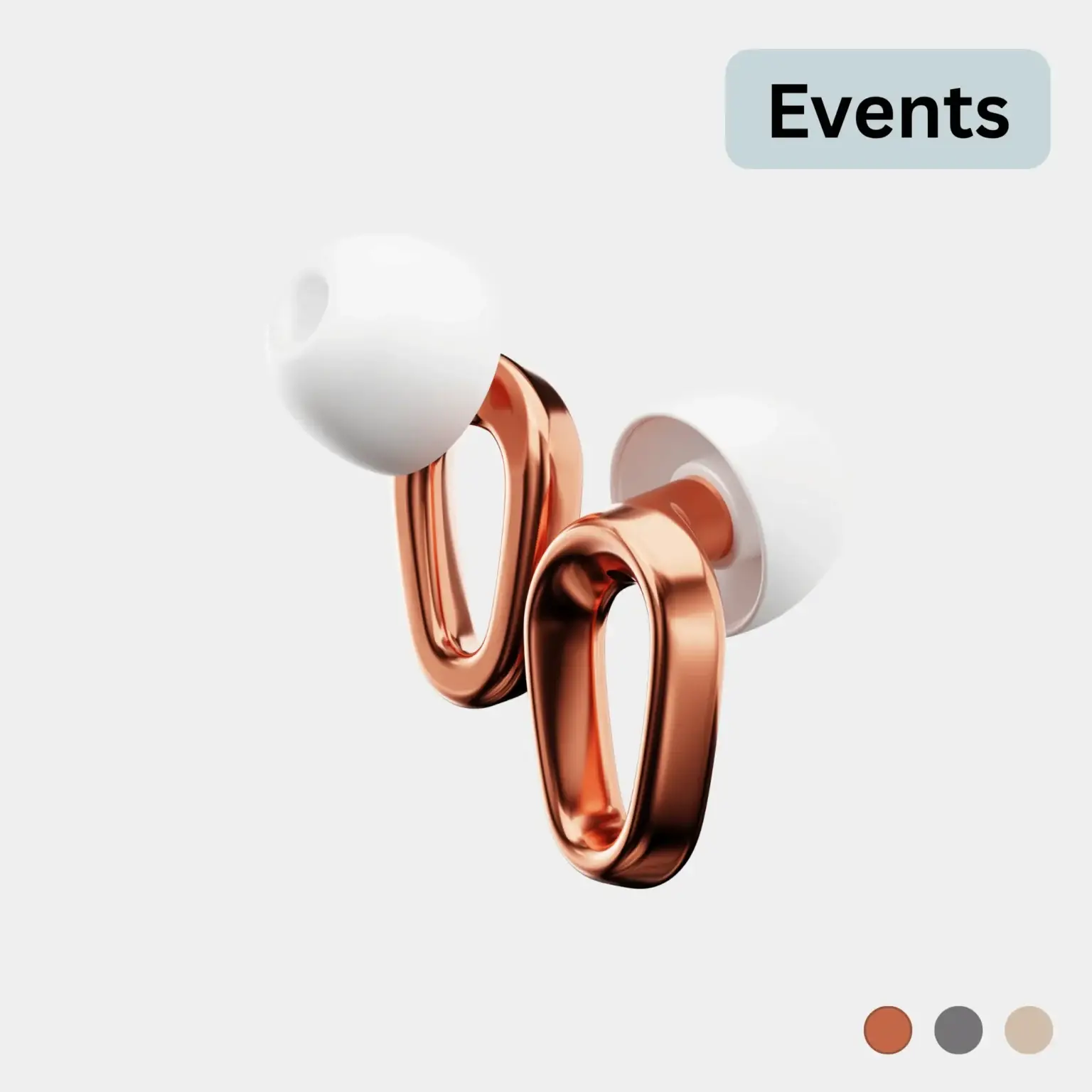
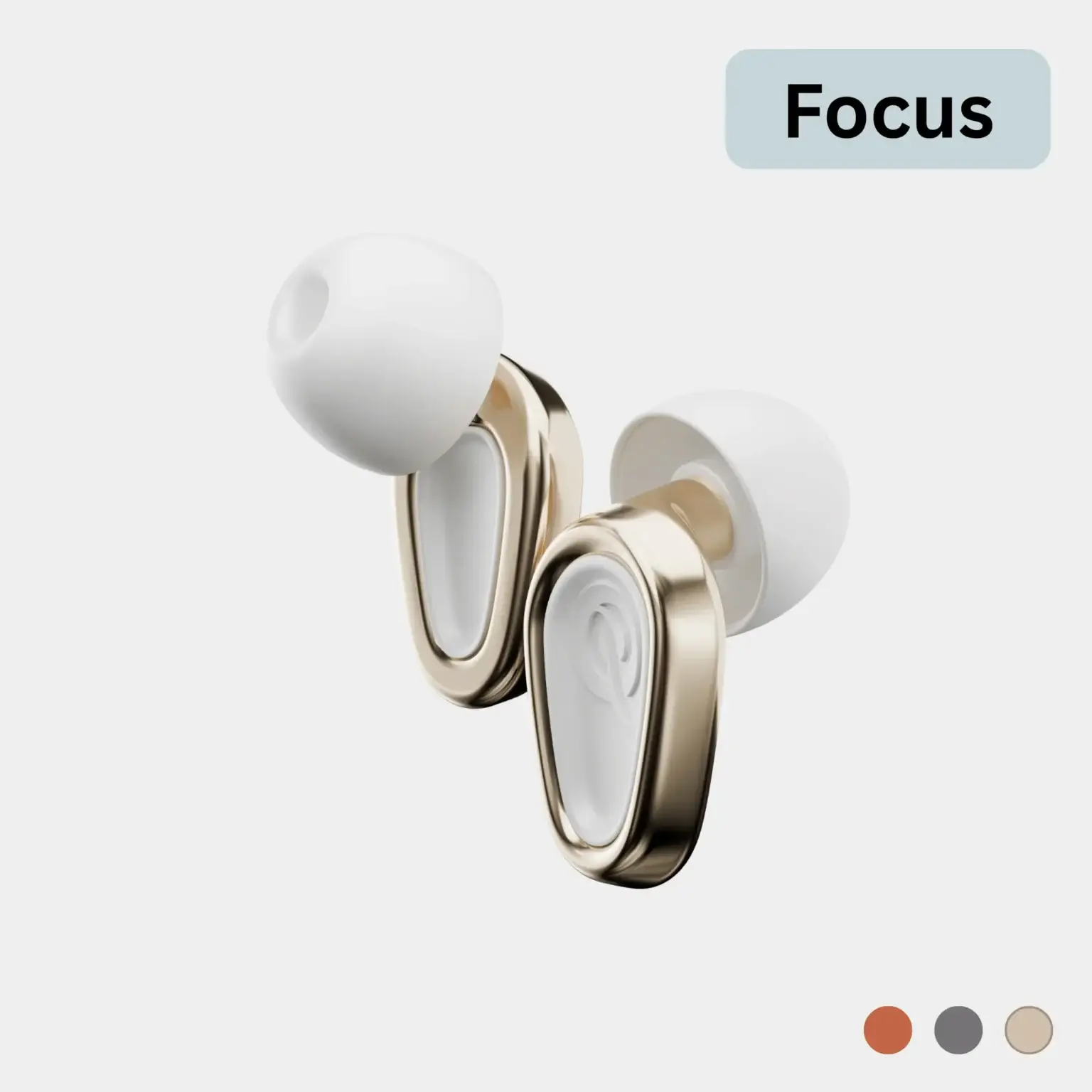
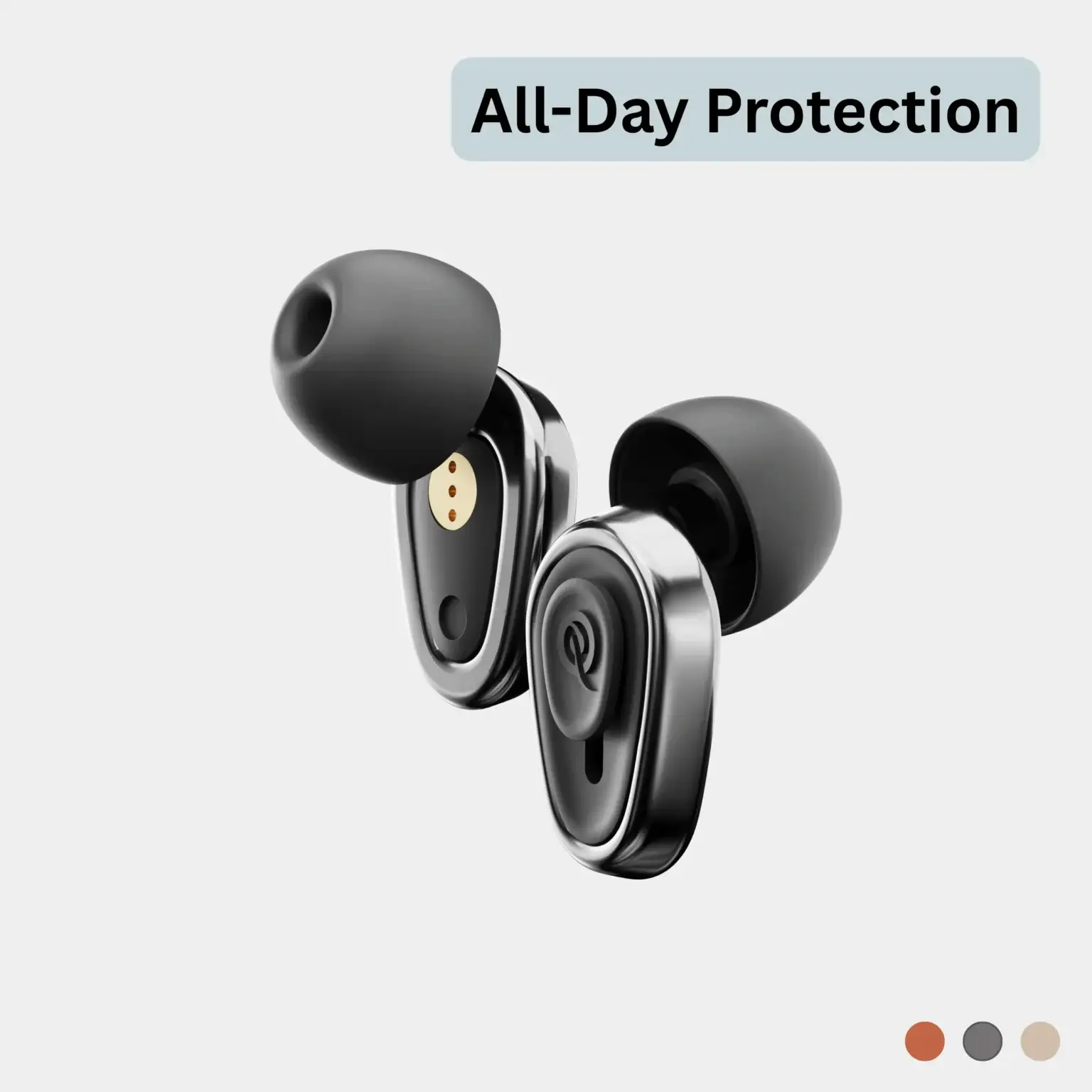
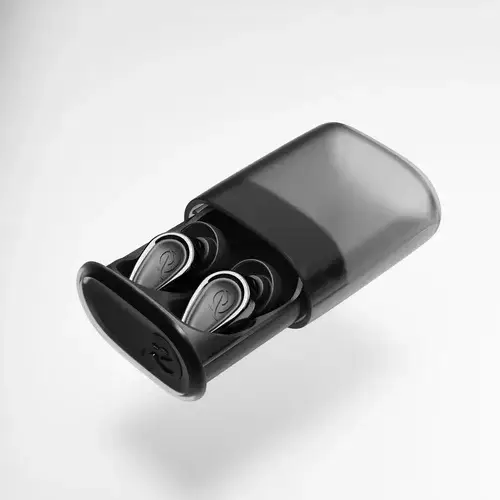
Earmuffz reusable earplugs are built for people who want total volume control without bulky industrial gear. A discreet, comfort-first design and certified protection make them a practical addition to a weekend that is loud by design. Choose the fit and reduction level that suits your plans, then keep them within reach from the first queue to the final campsite conversation.
The goal is simple: leave with memories of the music, not a ringing reminder of it. Protect your ears, own the moment and make the next festival just as good as this one.