
A plug that presses, slips out or leaves your ear aching is not protection you will actually use. The right earplugs for small ears should feel secure without force, reduce the noise that drains your energy and stay discreet enough to wear wherever the day takes you. From a crowded train to a shared office, a live gig or a restless night, fit is what turns noise control into a daily advantage.
Small ear canals are common. Yet many people assume discomfort is simply part of wearing earplugs. It is not. A good fit should create a dependable seal at the entrance of the canal, not disappear so deeply that removal becomes difficult or cause constant pressure. When the fit is right, you can cut the chaos and keep control.
Why standard earplugs can feel wrong
Ear size is not just about the outside of the ear. The canal can be narrower, shorter, angled differently or more sensitive than average. A one-size foam plug may expand too aggressively. A rigid reusable plug can feel bulky. Even a plug with impressive noise-reduction figures can underperform if its eartip cannot sit comfortably and seal properly.
That is why the smallest earplug body is not automatically the best choice. The key is proportion: a low-profile design paired with a tip that matches your canal, with enough softness to adapt to movement. Your ears move when you talk, chew, cycle or sleep on your side. A plug that feels fine for five minutes may become distracting after an hour.
Poor fit usually shows up in familiar ways. The earplug may work loose when you speak, feel as though it is pushing outward, create soreness at the canal entrance or leave sound leaking through unevenly. If you keep adjusting it, the fit is asking for attention. Your hearing protection should not become another distraction to manage.
How to choose earplugs for small ears
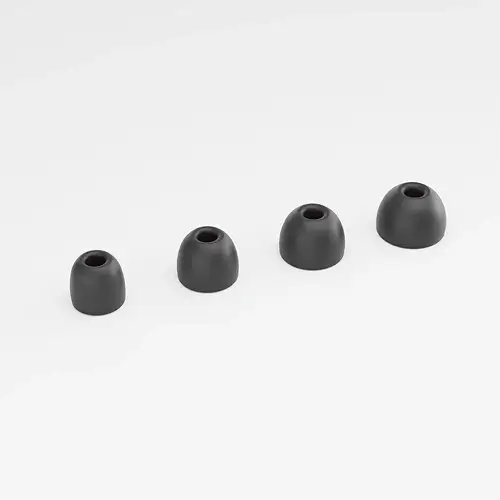
Start with replaceable eartips in multiple sizes. This gives you room to test a smaller option without having to compromise on the earplug’s overall performance or features. Look for soft, flexible silicone tips with a smooth finish, especially if you are sensitive to pressure. They are designed for repeat wear, easy cleaning and a more comfortable contact point than firmer materials.
A compact, low-profile outer body matters too. Larger stems and housings can catch on hair, helmet padding, a pillow or the edge of an over-ear headset. For small ears, that added leverage may pull the tip out of position. A streamlined plug sits closer to the ear, helping it stay put while looking less conspicuous.
Noise reduction should match the job. More reduction is not always better. For sleeping beside traffic or a noisy partner, you may want a quieter environment with minimal pressure against the pillow. For focus at work, the goal may be to soften typing, chatter and office hum while still allowing you to respond when needed. At concerts, on a motorbike or around power tools, certified protection and a reliable seal take priority.
Check that any product intended for hearing protection clearly states the relevant standards and its intended use. CE, EN 352 and ANSI certifications are useful trust signals, but they do not replace correct fitting. The published rating is achieved under test conditions. Your real-world result depends on the size of the tip, the seal you create and whether the plug stays in place.
The smallest tip is not always the right tip
It is tempting to choose the smallest tip immediately. Sometimes that works. But a tip that is too small can fail to seal, particularly during movement, leaving you with less noise control and a loose, insecure feeling. The right tip should enter with gentle resistance, sit without sharp pressure and remain stable when you open and close your jaw.
Try the small and medium sizes if both feel plausible. Wear each for ten to fifteen minutes in a quiet room, then walk around and speak aloud. Notice whether one side needs a different size. Ear canals are rarely identical, so using two different eartip sizes is completely normal and often improves both comfort and performance.
Get the seal right without forcing it
A secure seal is about placement, not pressure. Begin with clean hands and clean eartips. Hold the earplug by its outer body, then gently pull the top of your ear up and back with the opposite hand. This straightens the canal slightly. Ease the tip into place and stop when it feels comfortably seated. Do not push hard or insert it beyond the point where it feels natural.
Once fitted, your own voice may sound slightly fuller and background noise should soften. That is normal. What should not happen is pain, pulsing pressure, numbness or a blocked sensation that gets worse over time. Remove the plug and try a smaller tip or adjust its angle if any of those occur.
To take reusable earplugs out, twist gently and ease them free. Never yank them out by a strap or stem. Slow removal is more comfortable and helps avoid a sudden pressure change in the ear.
Match your fit to the moment
The best fit can vary with the situation. For sleep, side sleepers need an especially low-profile plug that does not press painfully between the ear and pillow. Softer tips and a compact shape make a real difference when you wear them for several hours. If you wake with tender ears, reduce the tip size or reassess whether the outer body is sitting too proud of the ear.
For work and commuting, stability is the priority. You need earplugs that stay sealed while you are speaking in meetings, walking between platforms or carrying out daily tasks. Moderate noise control can make the environment feel calmer without cutting you off from colleagues, announcements or the people around you.
For music, riding and high-noise hobbies, consistency matters most. Fit your plugs before you leave, not at the venue or roadside. Carry the case so they stay clean, and bring alternative tip sizes when you are still learning what works. If an earplug loses its seal under a helmet, it is worth testing a lower-profile body and a slightly more secure tip size.
For parents and people managing noise sensitivity or tinnitus, comfort can be the deciding factor. You may not need silence. You need the edge taken off sudden, draining sound so you can stay present and composed. Reusable earplugs give you a practical layer of control when the world is louder than your capacity.
Common mistakes that make small ears sore
The first mistake is forcing a tip that is clearly too large because it seems more protective. A painful plug is unlikely to be worn for long, and repeated pressure can irritate the canal. Choose a fit you can tolerate for the time you genuinely need it.
The second is ignoring maintenance. Earwax, dust and residue can change how a tip feels and seals. Clean reusable eartips as directed, let them dry fully and store them in a protective case. Replace tips when they become damaged, misshapen or difficult to keep clean.
The third is treating discomfort as a personal failing. If every size causes pain, or if you experience discharge, ongoing ringing, dizziness, notable hearing changes or ear pain, stop using the plugs and speak to a qualified healthcare professional. Earplugs are a powerful everyday tool, but they are not a substitute for medical care.
Build a noise-control kit that you will use
The most useful earplugs are the ones that are ready when noise catches you off guard. Keep them in a case in your work bag, coat pocket or bedside drawer. Make fitting part of your routine before a commute, a flight, a gig or a focused work block. That small habit can protect your concentration as much as it protects your ears.
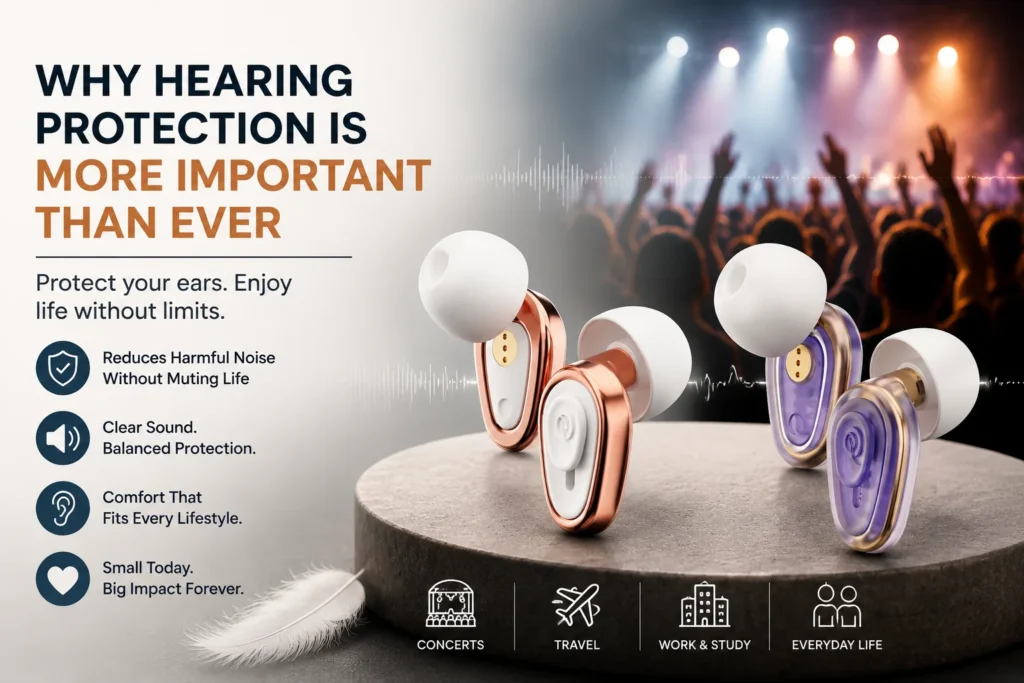
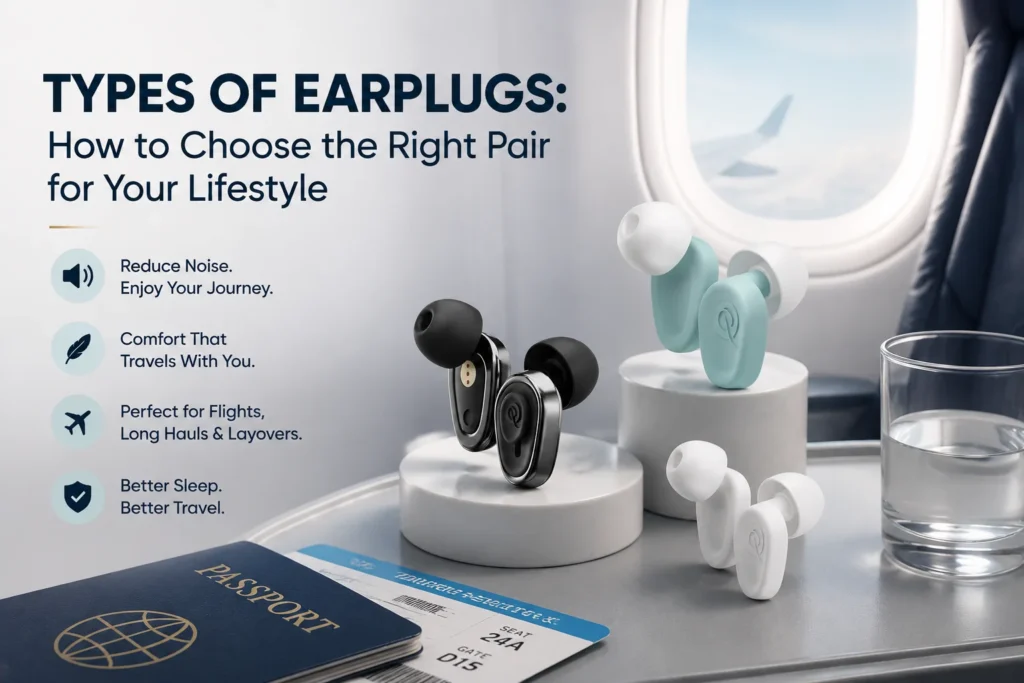
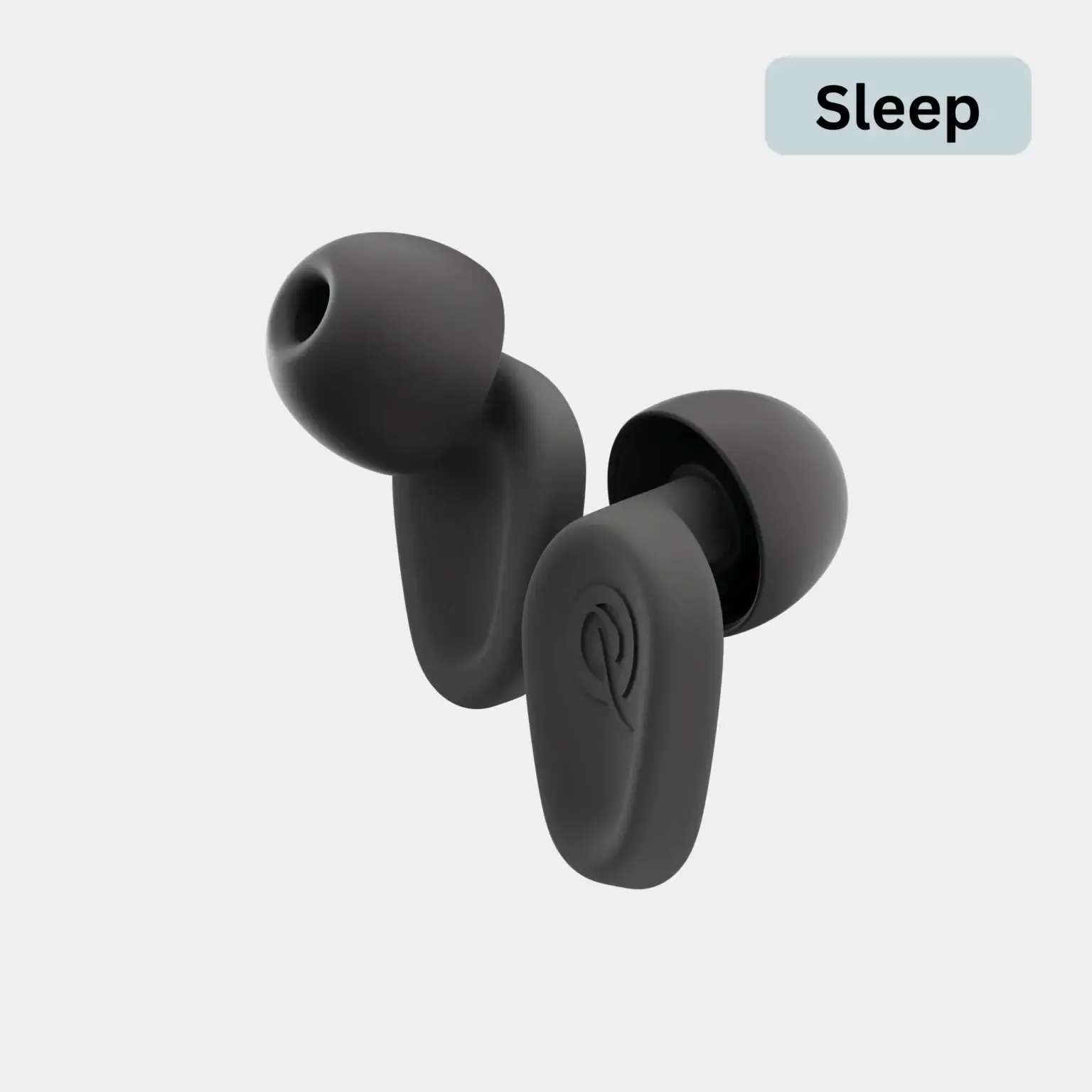
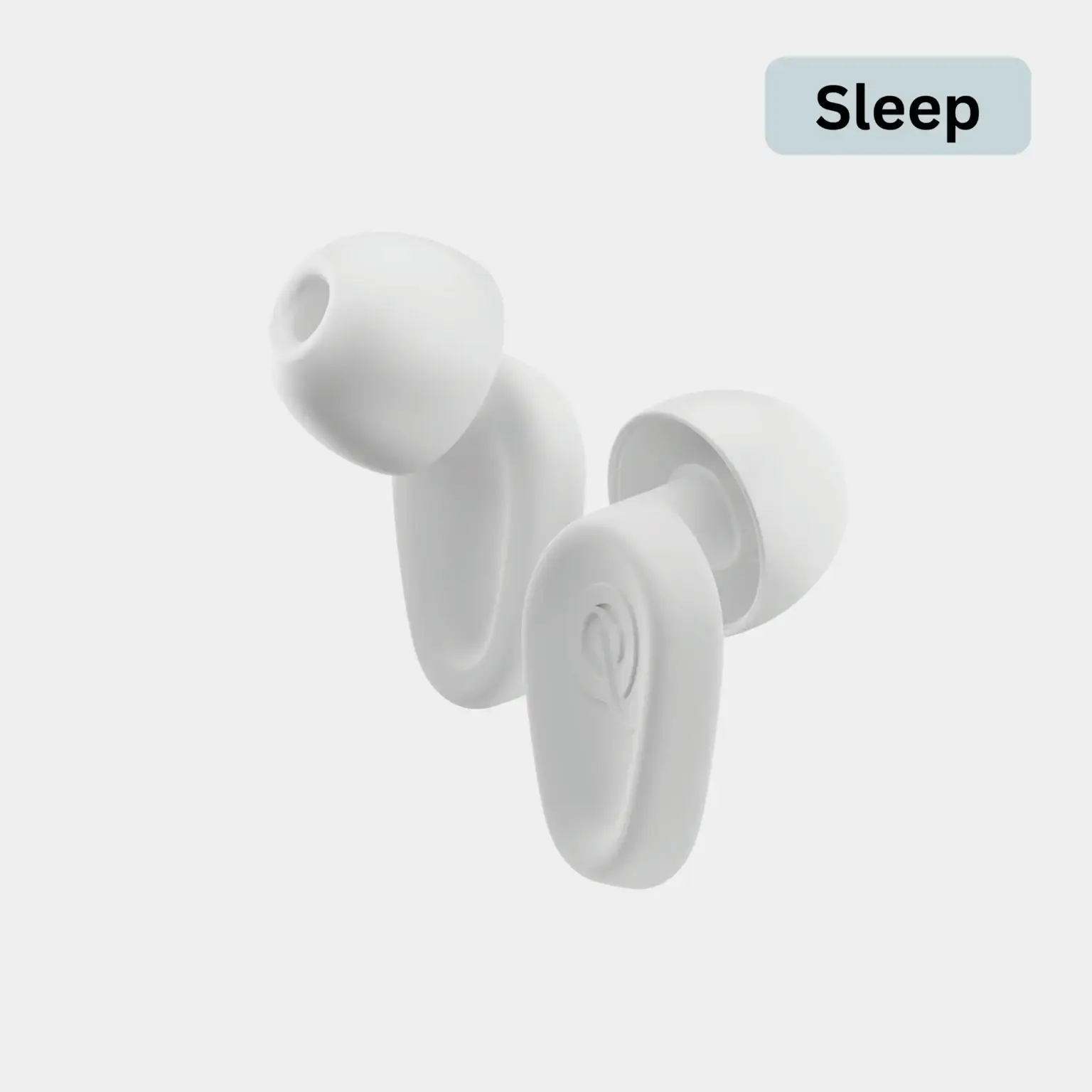
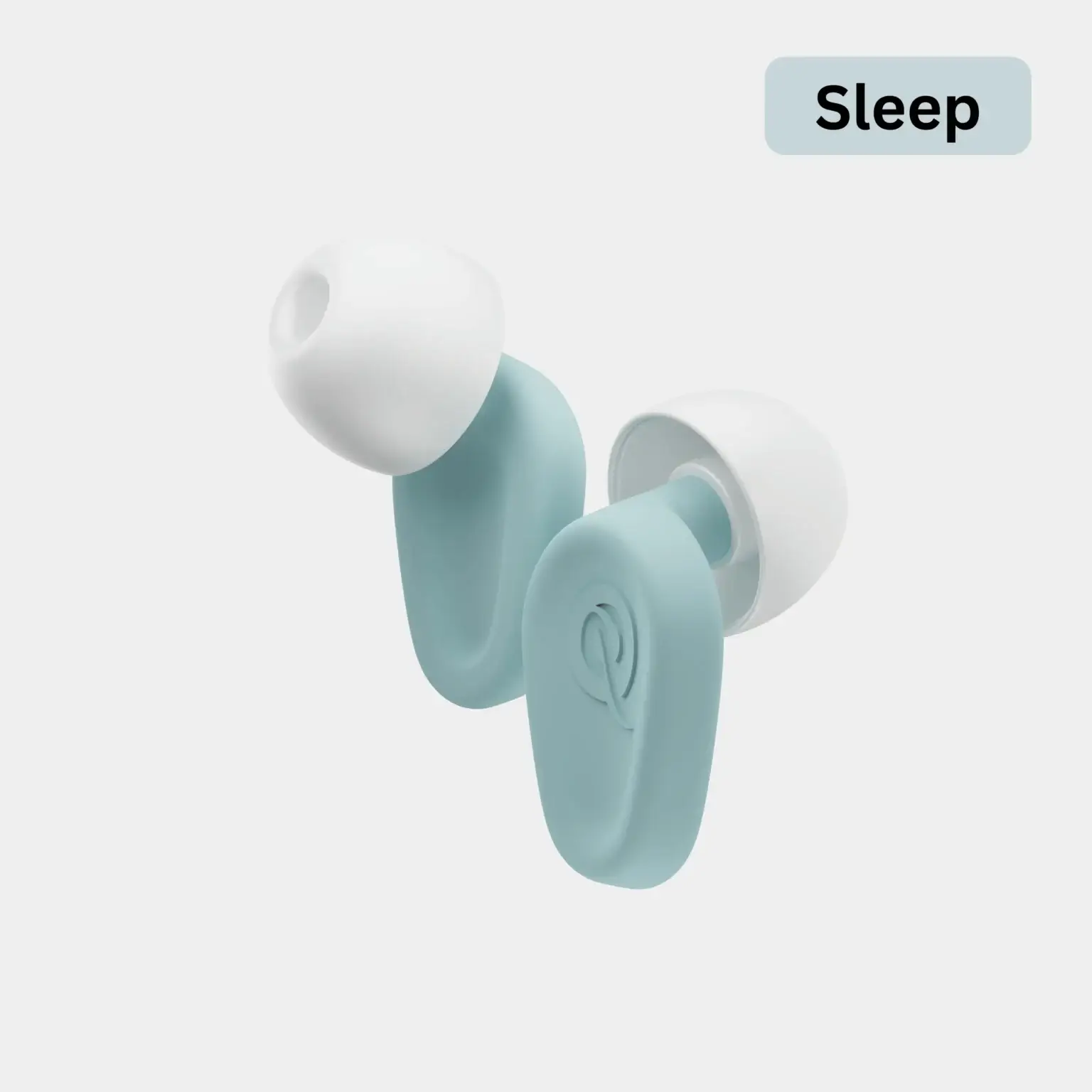
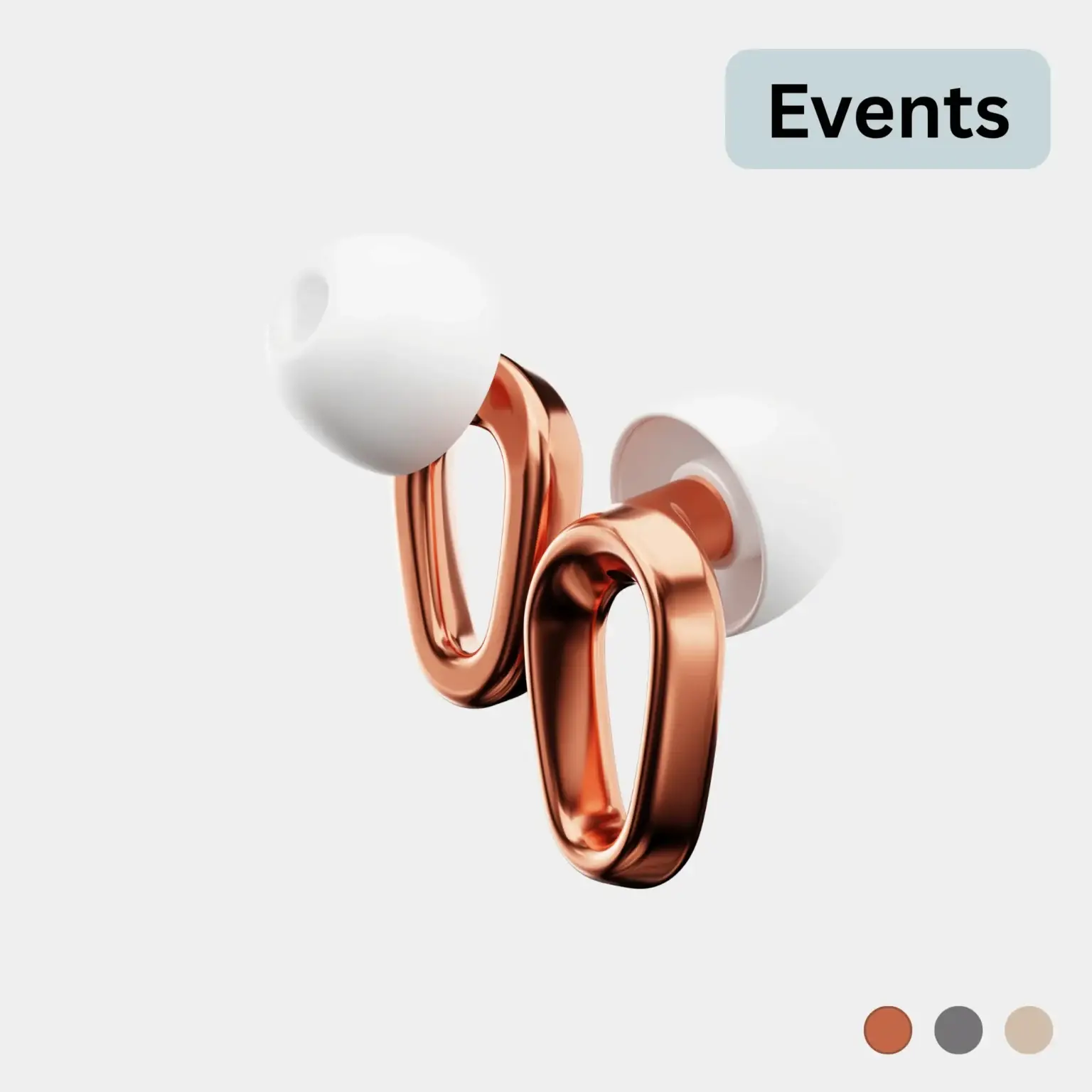
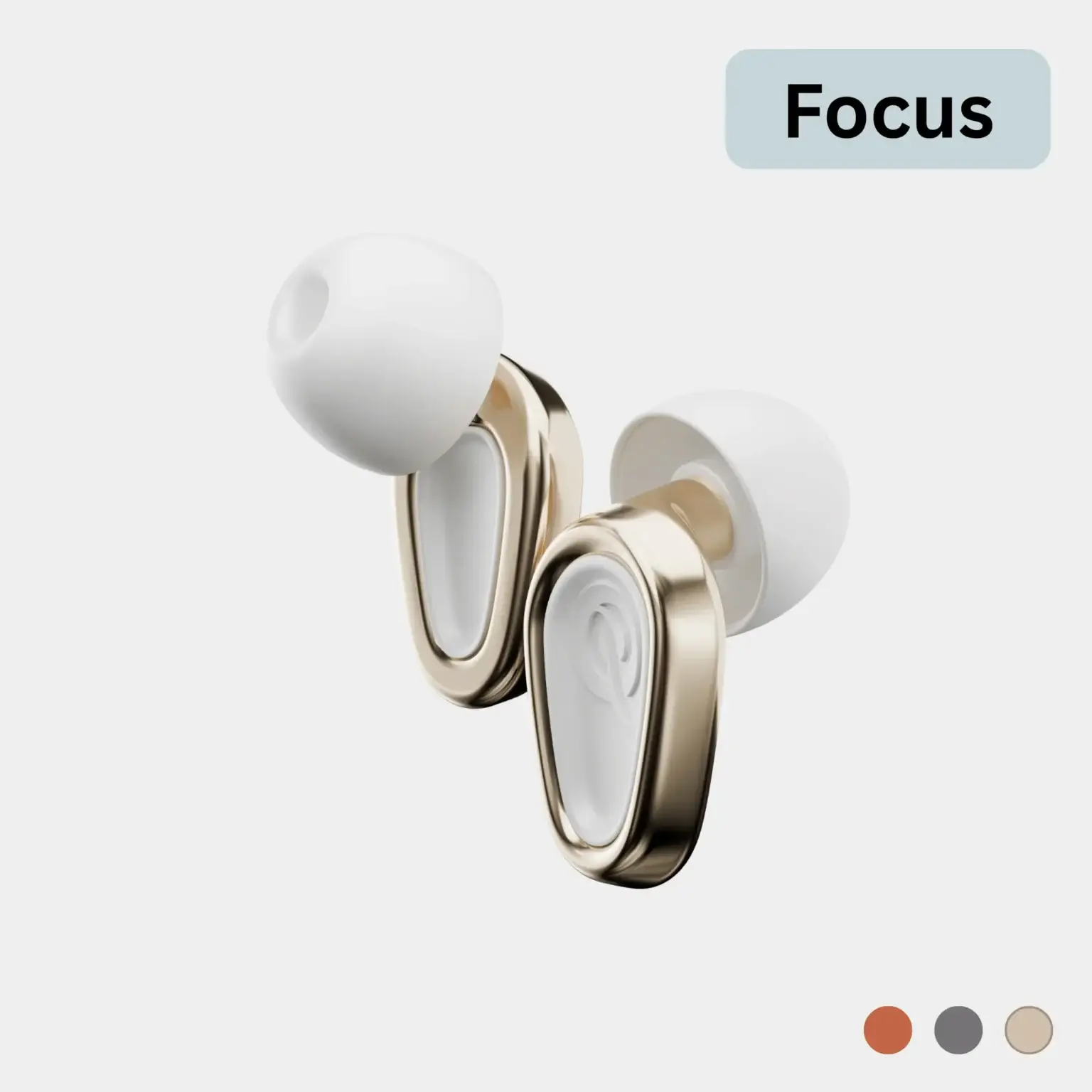
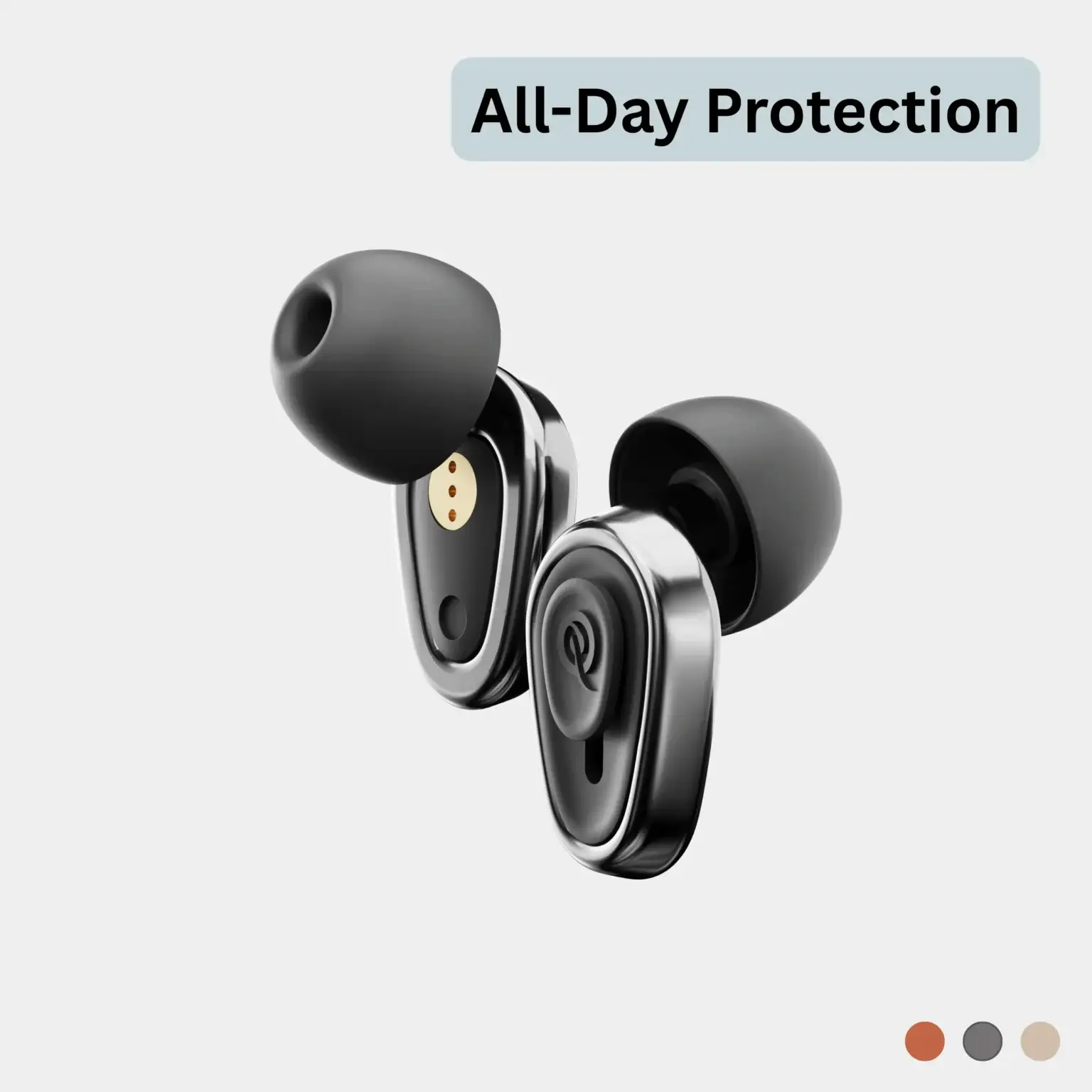
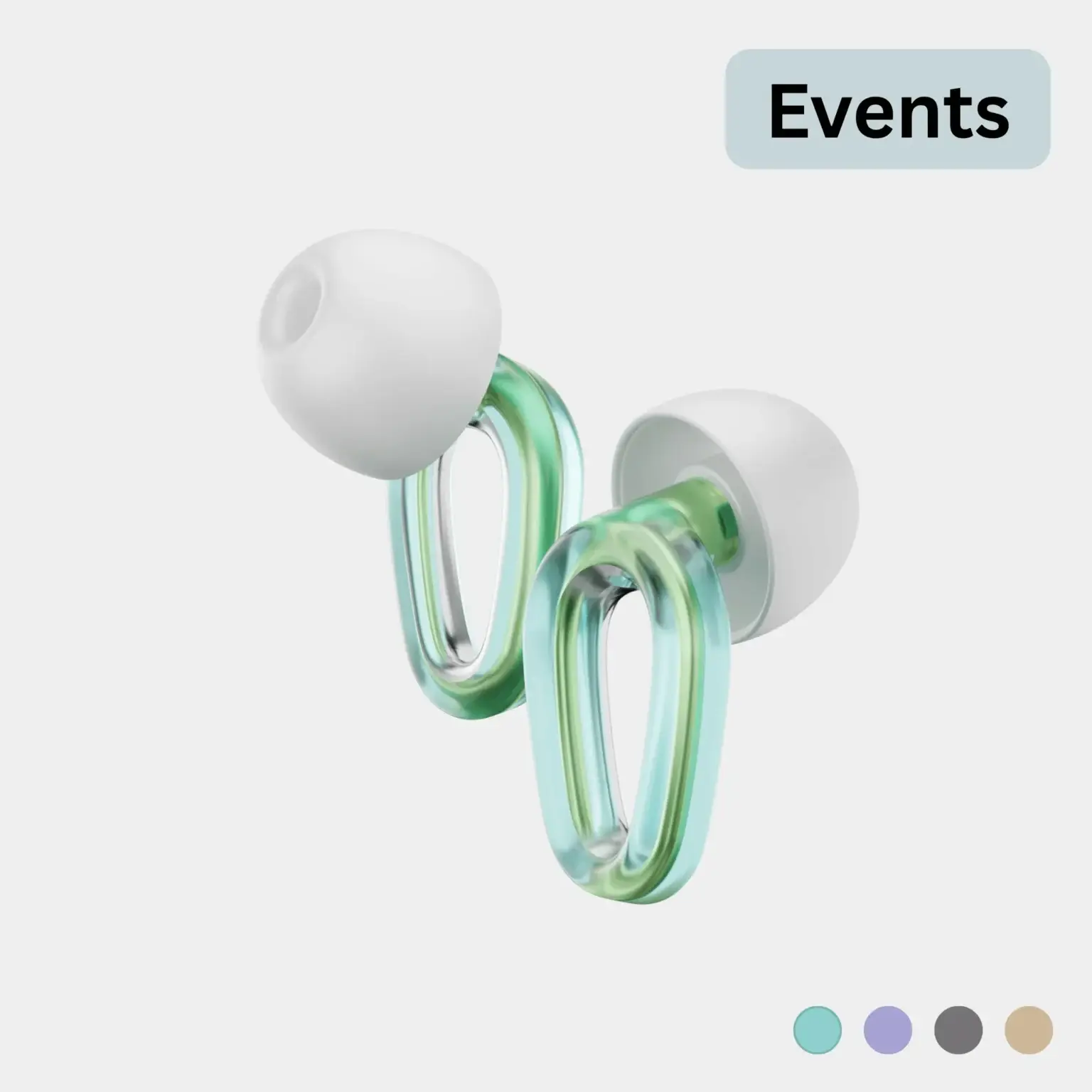
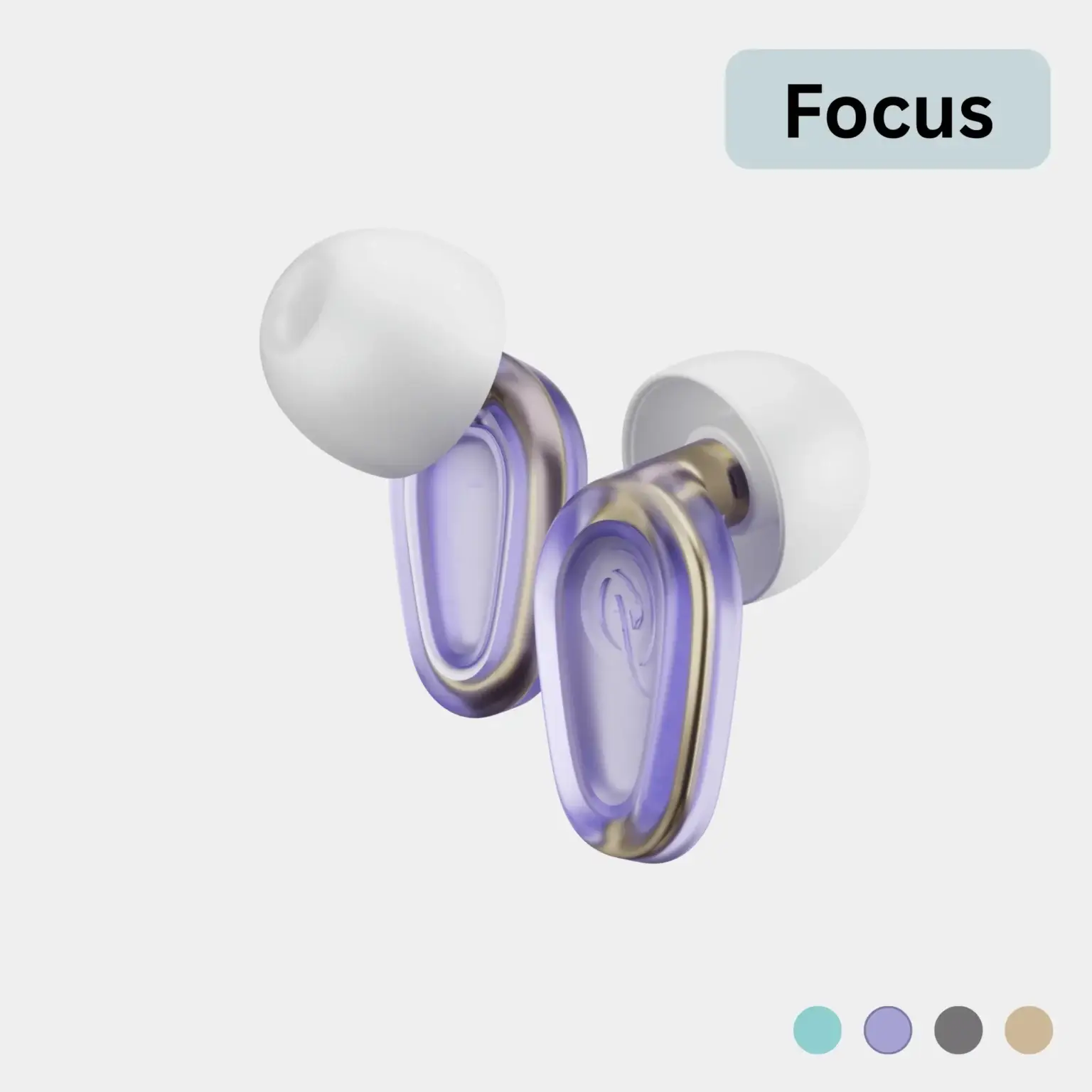
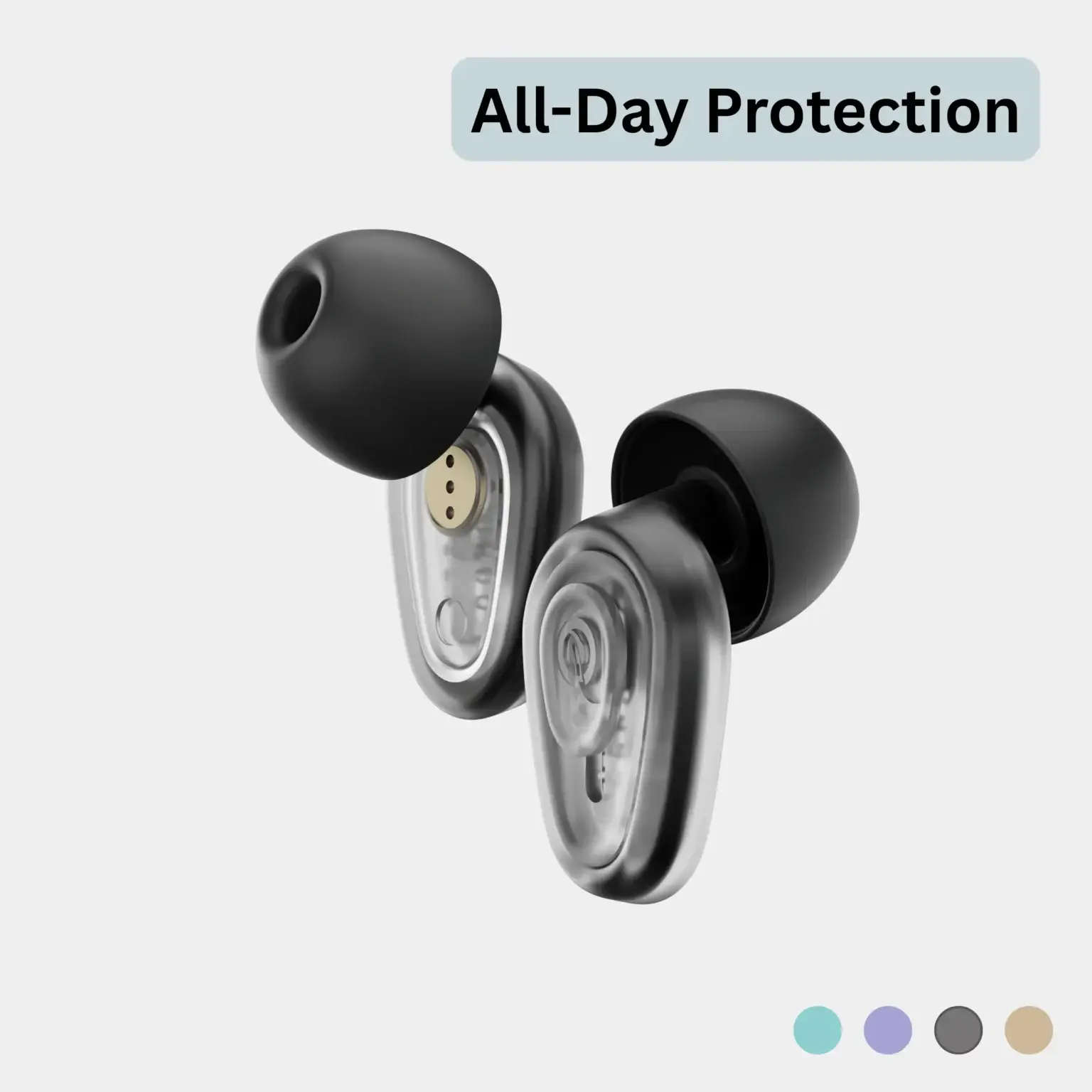
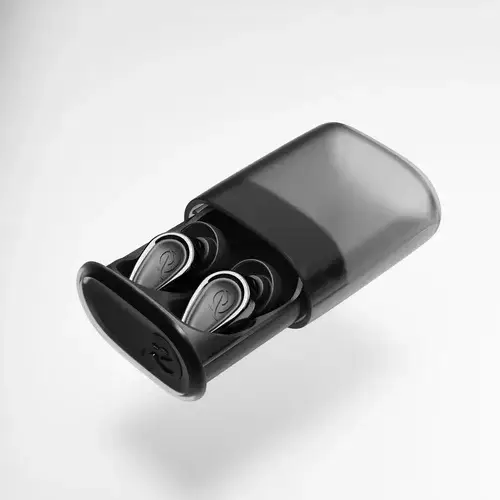
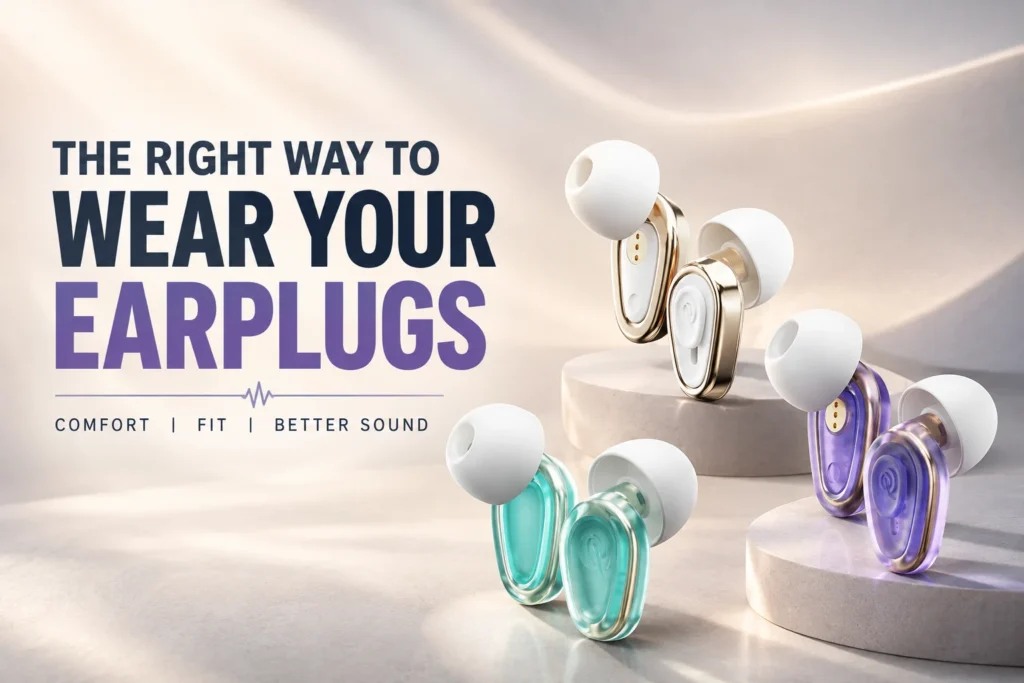
Earmuffz reusable earplugs are built around this idea: low-profile comfort, interchangeable eartips and purpose-led options for sleep, focus and everyday protection. The goal is not to hide from life. It is to set the volume at a level where you can perform, recover and enjoy the moment.
Your ears do not need to adapt to an uncomfortable plug. Find the tip that seals gently, wear it in the situations that matter and let noise take up less space in your day.