
Best Earplugs for Apartment Noise at Home
The upstairs footsteps start at 6 a.m. The hallway door slams just as you fall asleep. A neighbour’s TV seems to live inside your wall. Earplugs for apartment noise can give you back a sense of control, but only when you choose them for the sound you actually hear and the way you need to wear them.
Apartment noise is rarely one simple problem. It can be sharp, sudden, low and rumbly, or constant enough to drain your focus. The right earplugs do not turn a busy building into total silence. They reduce the noise load so your brain has less to fight through. That can mean deeper rest, calmer work sessions, and fewer moments spent waiting for the next interruption. Earmuffz, https://earmuffz.com/product-category/advanced/
Why apartment noise feels so exhausting
At home, you expect a place to reset. When sound keeps breaking through, your nervous system never gets a clean signal that it is safe to settle down. Even moderate noise can feel huge when it repeats night after night or shows up during a deadline, a workout, or a hard-earned hour on the couch.
Shared-wall living also creates frustrating sound patterns. You may hear muffled speech from one neighbour, impact noise from another, and traffic through a window. A single solution cannot eliminate all sounds equally. High-pitched chatter and clattering dishes respond differently than the low-frequency thump of a subwoofer or the vibration of footsteps overhead.
That distinction matters when shopping. The goal is not to chase the biggest number on a package. The goal is to lower distracting sound while preserving comfort, awareness, and the ability to use your earplugs consistently.
What earplugs can and cannot block
Reusable earplugs work by creating a seal in the ear canal, reducing the sound reaching your eardrum. A good fit can noticeably soften voices, appliances, street noise, barking, and the sharp edges of everyday apartment life.
They are less effective against deep bass and physical vibration. If your ceiling shakes when a neighbour plays music, the sound is partly travelling through the building structure and through your body, not only through the air. Earplugs can make bass less intrusive, but they cannot eliminate structural vibration.
They also should not be used as a reason to ignore important safety sounds. You may still need to hear a smoke alarm, a child, a partner, or an emergency alert. For many apartment dwellers, a moderate reduction is more useful than maximum isolation because it takes the edge off without making the world feel disconnected.
Choose earplugs for apartment noise based on your real use case
For sleep: prioritise low-profile comfort
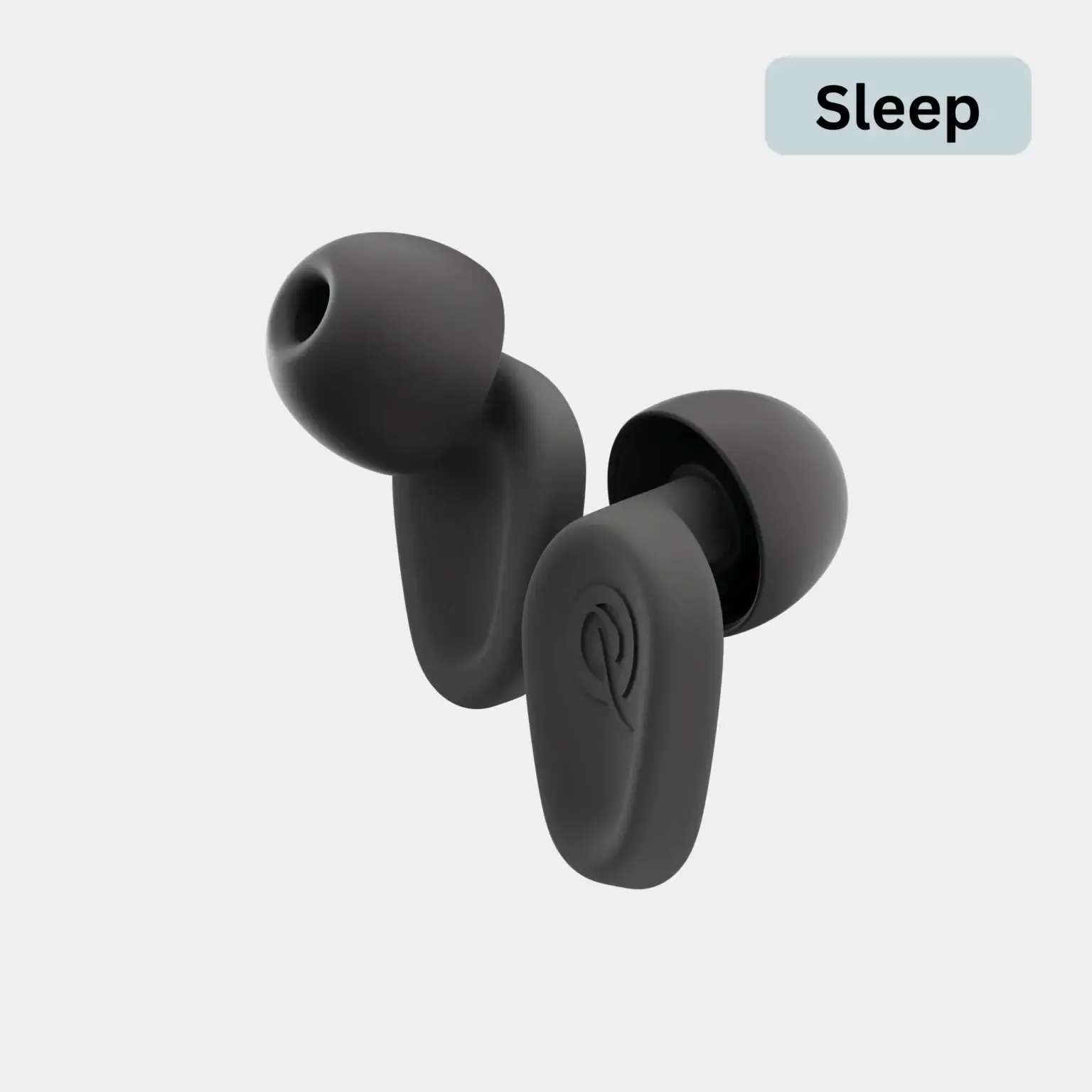
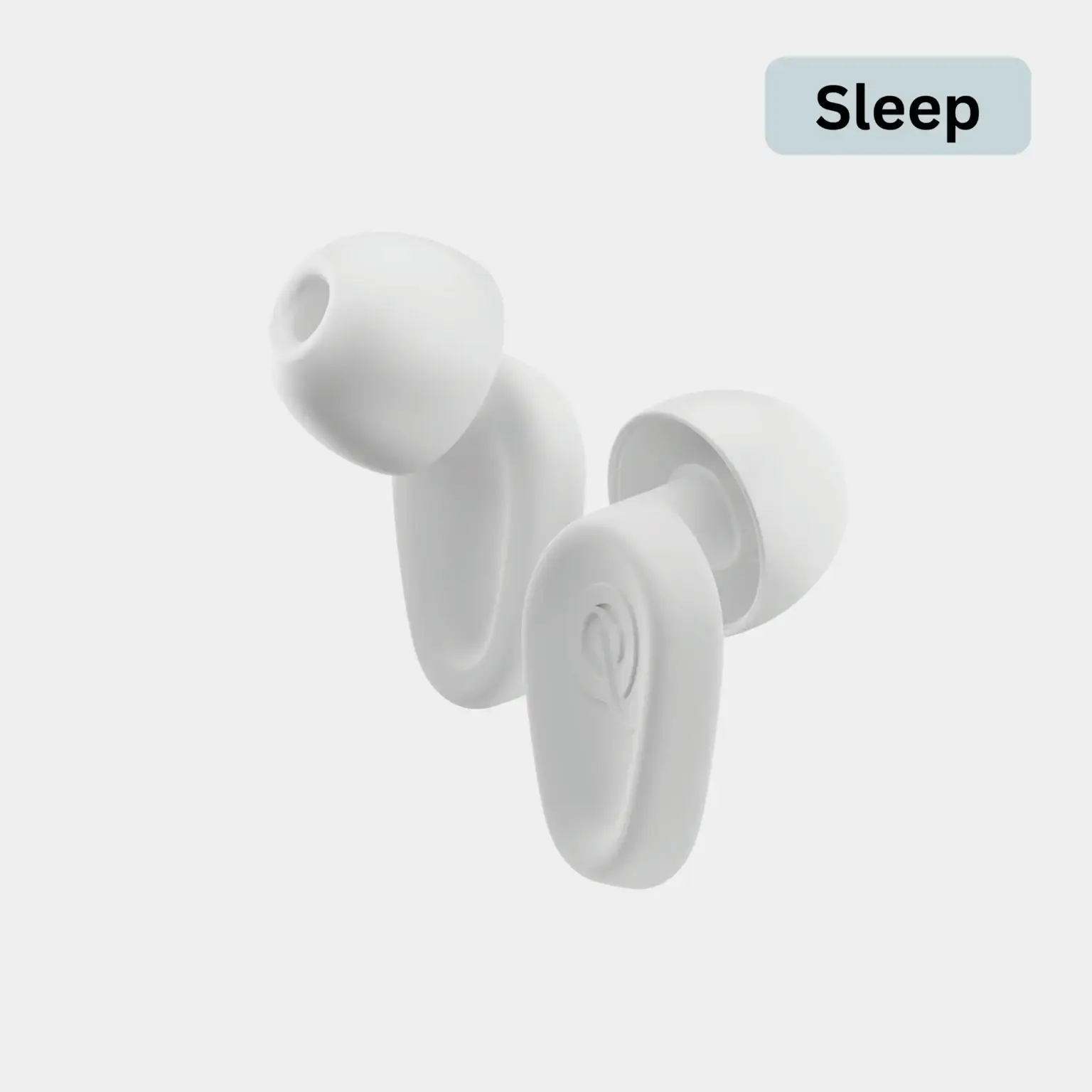
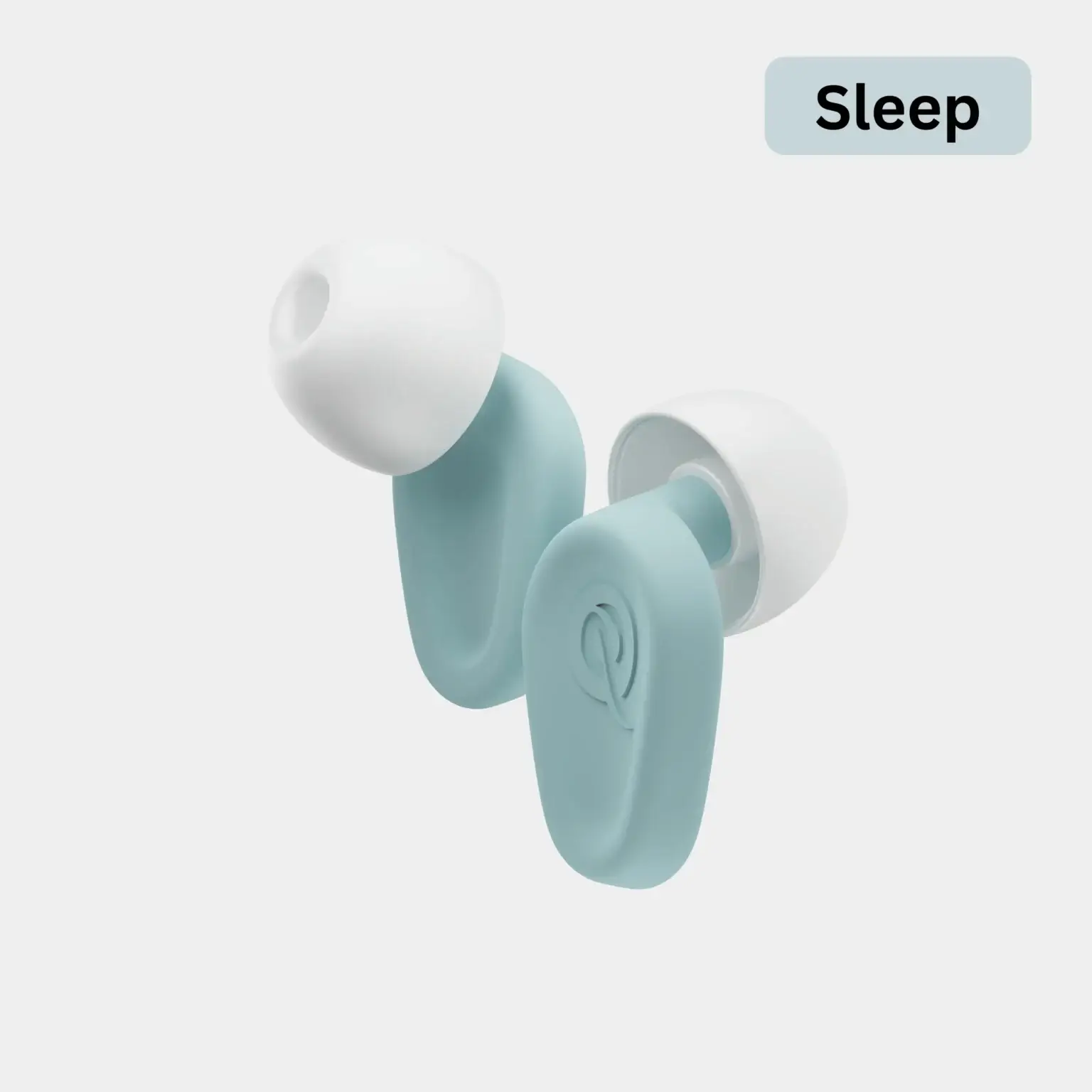
Sleep is where comfort stops being a nice extra and becomes the whole game. If an earplug presses painfully against your ear when you lie on your side, it will end up on the nightstand by 2 a.m. Look for a soft, low-profile design that sits securely without sticking out too far from the ear.
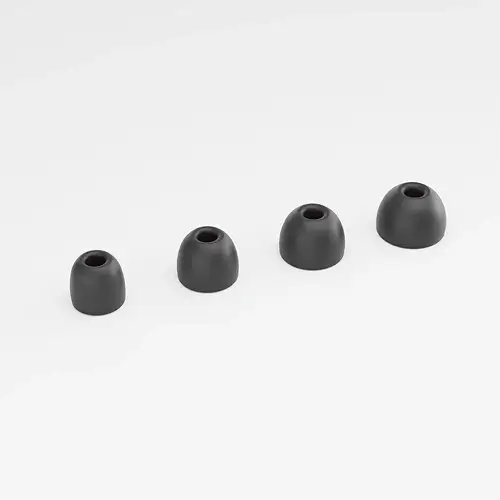
A dependable seal matters, but a painfully tight fit is not better. Try different eartip sizes if they are available. The best size is the one that creates a gentle seal and stays put when you move your jaw or turn your head. For side sleepers, soft materials and a flatter outer profile can make a major difference.
If the problem is a partner’s snoring, hallway activity, or early-morning building noise, reusable sleep earplugs can help reduce the peaks that wake you up. Pair them with a fan or another steady, low-level background sound if you need extra masking. The combination often works better than either option alone. Earmuffz; https://earmuffz.com/product-category/sleep/
For work-from-home focus: reduce distraction, not connection
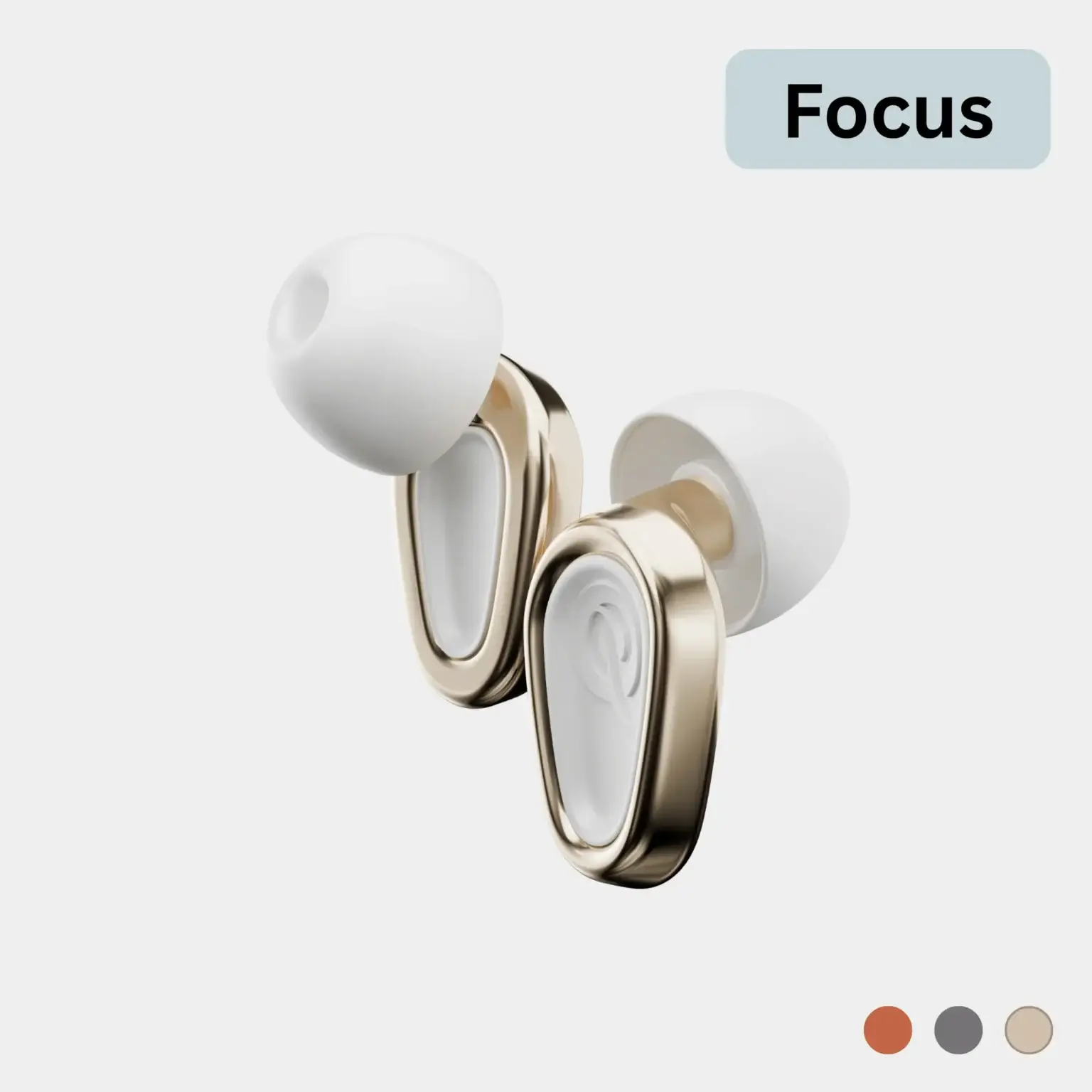
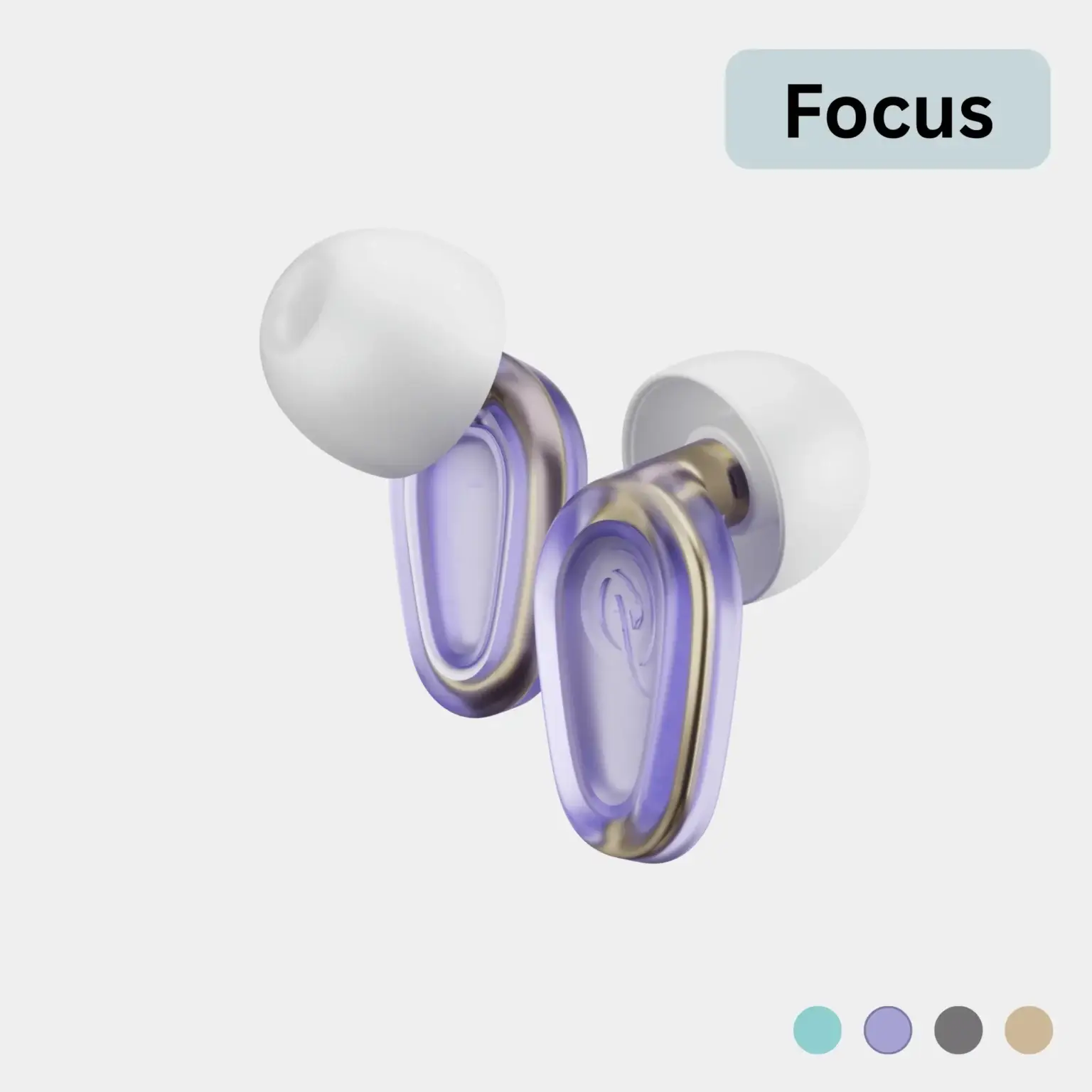
Apartment workdays come with unpredictable interruptions: delivery buzzers, construction outside, roommates in the kitchen, and neighbours who seem to rearrange furniture at noon. Focus-oriented earplugs can reduce the constant demand for your attention without requiring you to wear bulky headphones all day.
This is especially useful if music makes you more distracted or if active noise-cancelling headphones create pressure or fatigue. Earplugs provide passive sound reduction, so there is no battery to charge or audio settings to manage. Put them in, settle into the task, and keep your mental bandwidth for the work that matters.
If you take calls frequently, choose a pair you can remove and reinsert quickly. Keep the case on your desk or in your bag. Friction kills habits. Easy access makes volume control part of your routine, rather than an emergency move after you are already overstimulated. Earmuffz, https://earmuffz.com/product-category/advanced/
For sudden noise: keep a pair within reach
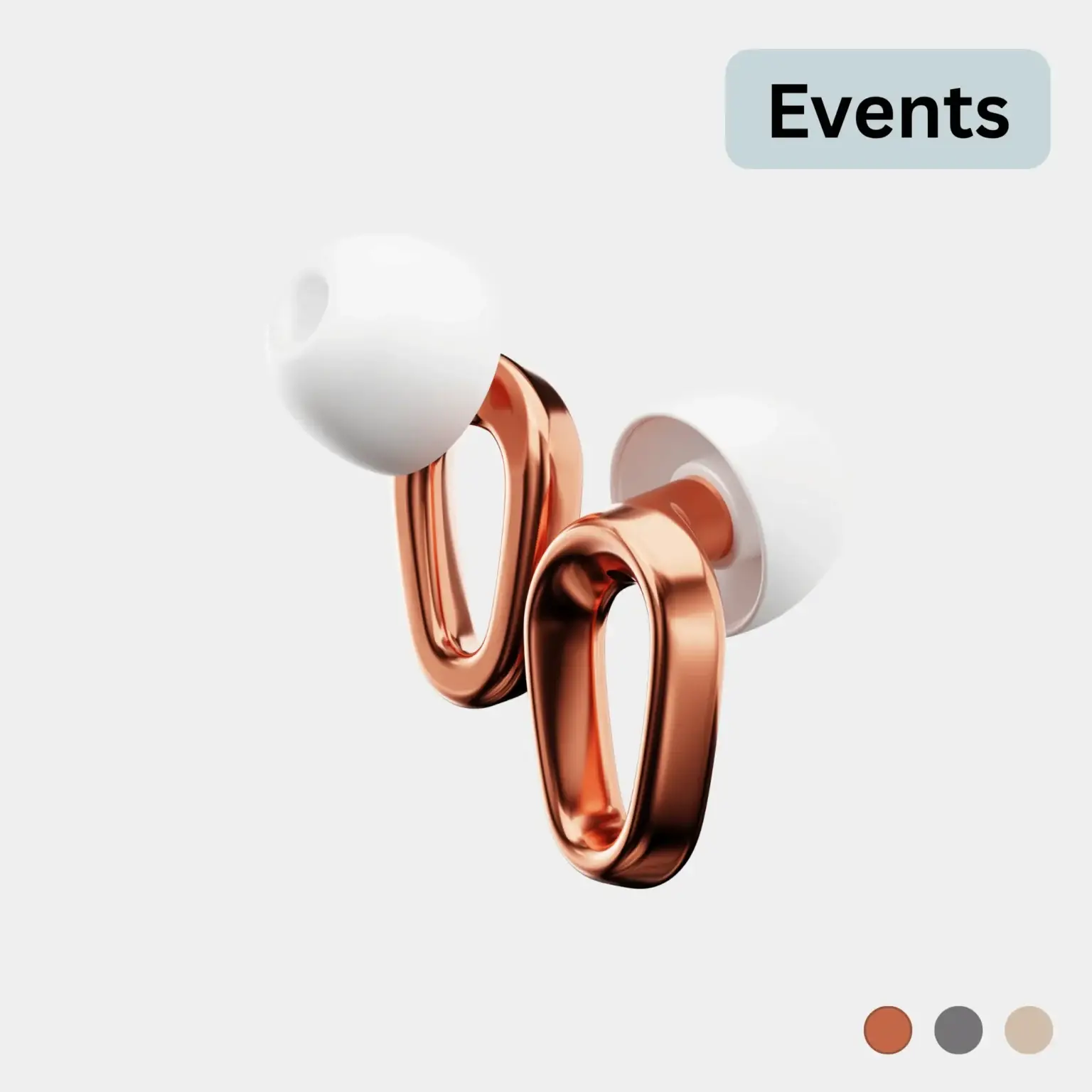
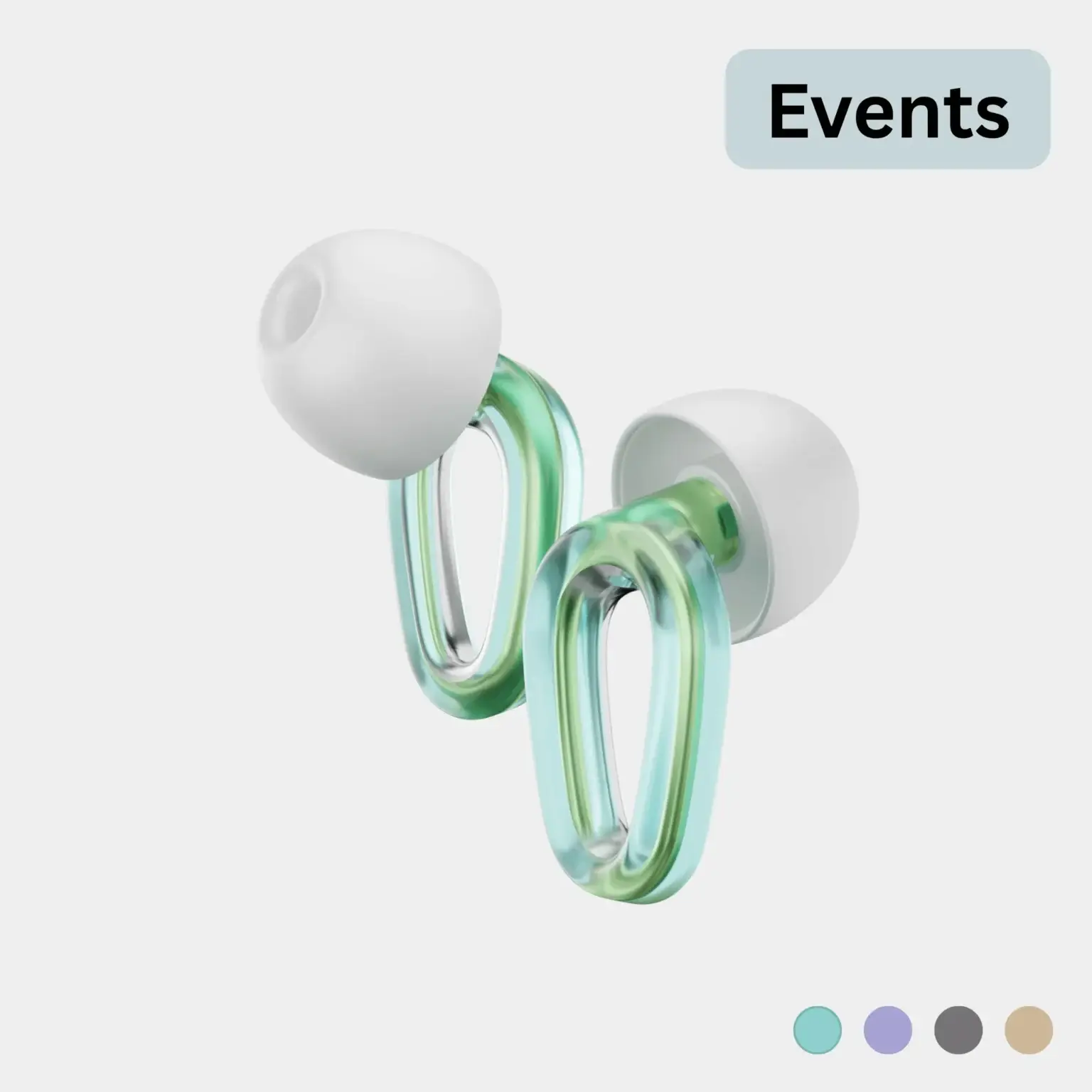
Some apartment noise is not constant. It arrives in bursts: a late-night gathering next door, lawn equipment outside, a loud neighbour in the hall, or renovation work you forgot was scheduled. A reusable pair in a compact case gives you a fast response when the volume spikes.
This is where everyday earplugs earn their place as a lifestyle essential. You do not need to wait until the sound becomes unbearable. Use them early, when you first feel your concentration slipping or your shoulders tightening. Small adjustments can prevent a loud environment from taking over your day.
Fit is the performance feature most people miss
The highest-performing earplugs on paper are useless if they do not seal properly. Fit determines both comfort and practical noise reduction. Many people assume earplugs “do not work” after trying one size once, when the real issue is that the tip is too small, too large, or not inserted correctly.
Start with clean hands. Gently place the earplug so the tip seals the ear canal without force. Depending on the design, lightly pulling the outer ear up and back can make insertion easier. You should notice the room become quieter, but you should not feel sharp pain, pressure, or a plugged-up discomfort that gets worse over time.
A loose fit lets sound leak around the earplugs. An oversized fit can create soreness and make you abandon it. Multiple eartip sizes are worth having because your left and right ears may not need the same size. That is not unusual. It is simply personal fit.
Reusable vs. disposable earplugs in an apartment
Disposable foam earplugs are inexpensive and can provide a strong reduction when inserted correctly. They can be a practical backup for occasional construction noise or travel. But they are not always comfortable for long wear, especially for side sleepers, and they create recurring waste.
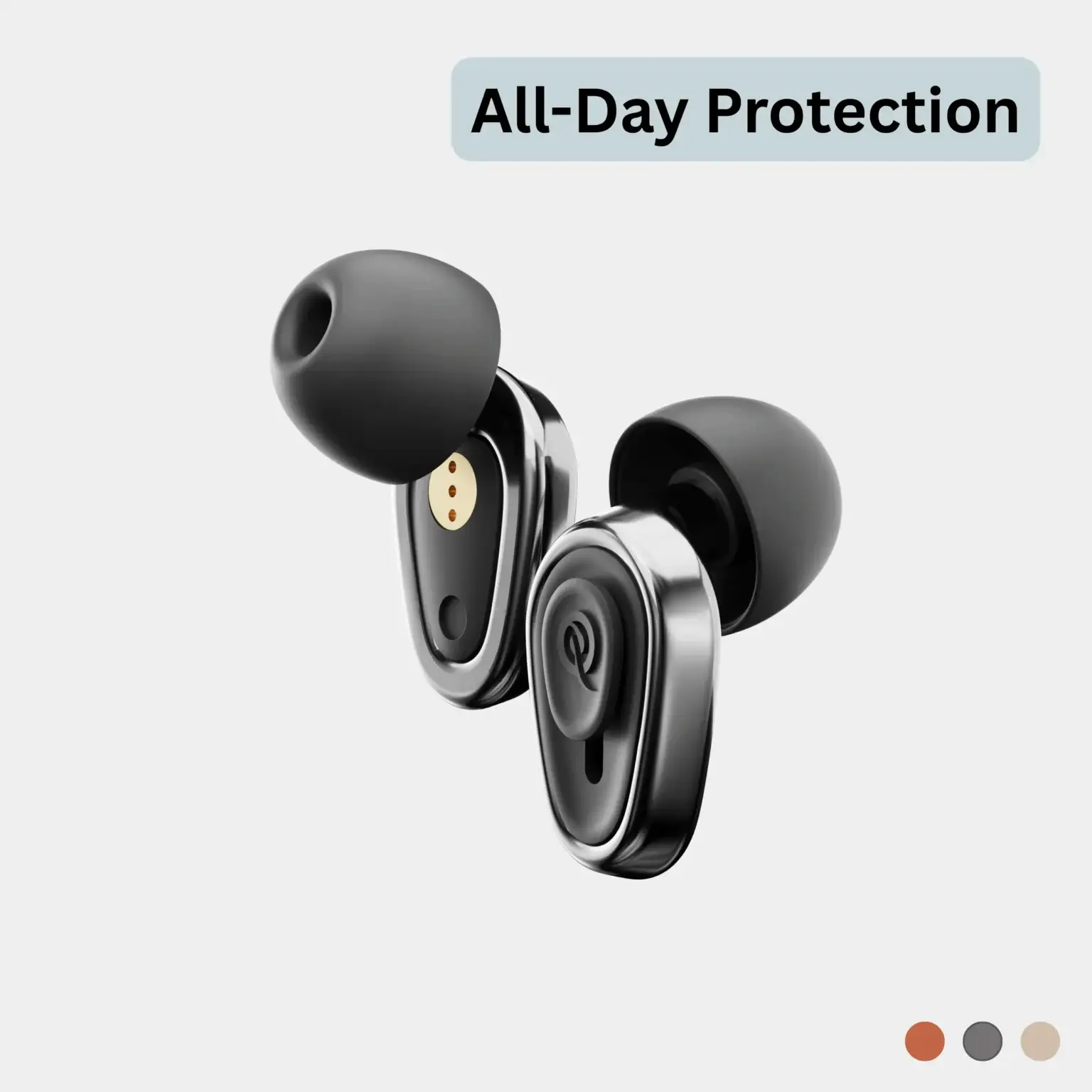
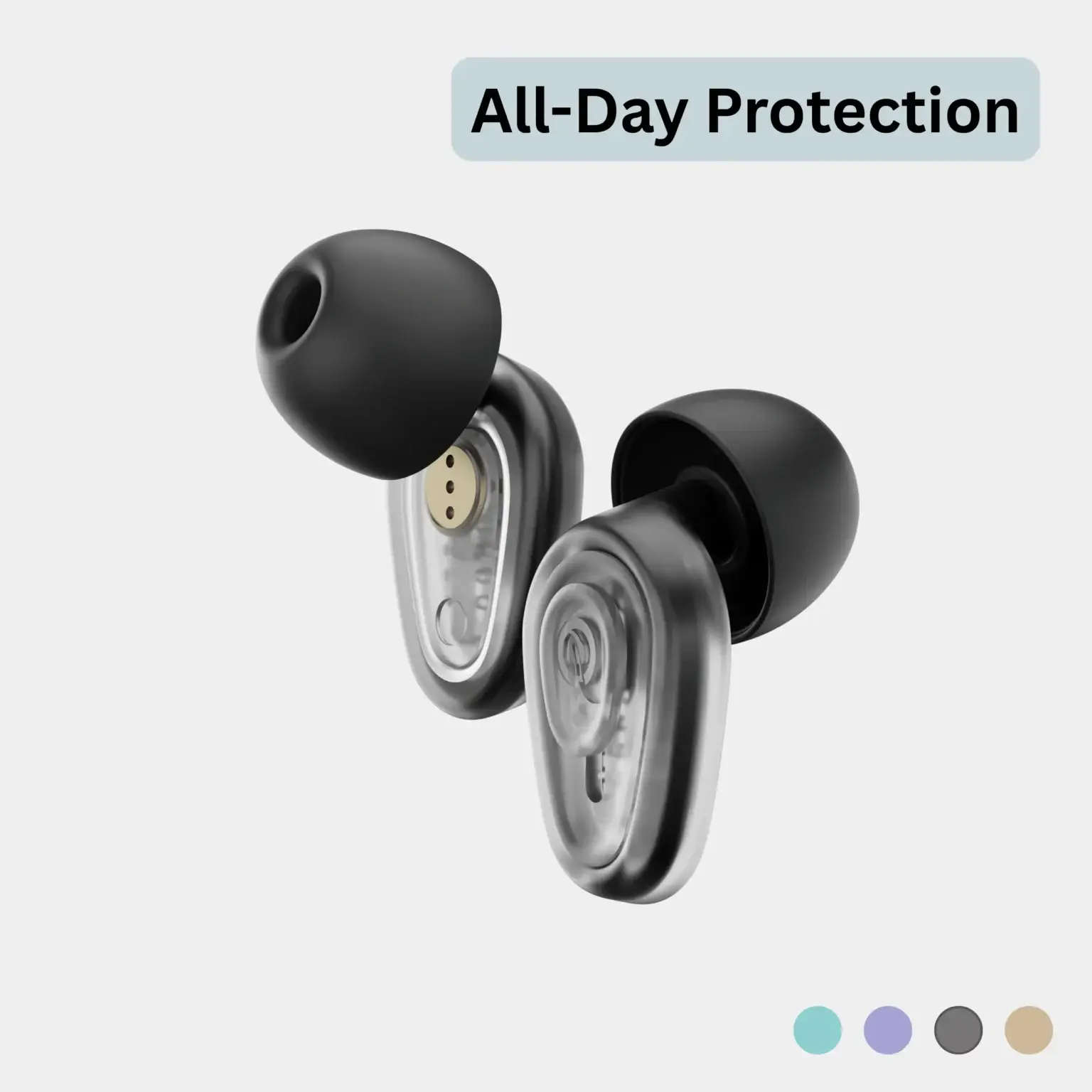
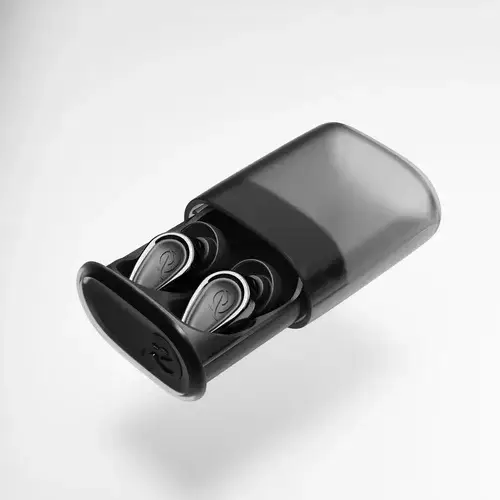
Reusable earplugs are built for repeat use, everyday carry, and a more intentional fit. They tend to be easier to keep in a case, cleaner to manage with regular care, and more suitable for people who want noise control at work, at home, on commutes, and at events. The trade-off is that you need to clean them and store them properly.
For apartment living, consistency usually wins. A pair you genuinely like wearing is more valuable than a more aggressive option you avoid because it is uncomfortable or inconvenient. Earmuffz designs its reusable lineup around that reality: low-profile comfort, real-world use cases, and control you can carry from the bedroom to the workday.
Build a better apartment noise strategy
Earplugs are powerful, but they work best as part of a layered approach. If one noise source is making daily life miserable, address the environment, too. Close gaps around windows, move your bed away from a shared wall when possible, add a rug to reduce your own room’s echo, or use a steady fan to soften intermittent sounds.
For ongoing issues, keep a simple record of dates, times, and the type of noise. This gives you clear information on whether you need to speak with a neighbour or a property manager. Lead with specifics rather than frustration. “The bass is audible in my bedroom between midnight and 2 a.m.” is more actionable than “You are always loud.”
Be realistic about what requires a building-level fix. Earplugs can reduce the burden of thin walls, but they cannot repair them. If noise violates quiet-hour policies, disrupts sleep repeatedly, or involves safety concerns, use the appropriate channels rather than trying to endure it alone.
When to be careful
Do not insert earplugs if you have ear pain, drainage, an active ear infection, or recent ear surgery unless a clinician tells you it is appropriate. Keep reusable earplugs clean, dry, and stored in their case. Replace damaged tips or plugs that no longer fit securely.
If normal household noise feels painfully intense or you are managing tinnitus, earplugs may be one useful tool, but constant overprotection is not always the answer. A hearing professional can help you build a plan that protects your hearing without making sound sensitivity harder to manage.
Your apartment may not be perfectly quiet. Your routine can still feel protected. Find a comfortable fit, use it before noise overwhelms you, and make your personal volume setting part of the way you live.