
Foam vs Silicone Earplugs: Which Wins?
You feel it fast when the noise is wrong. The office hum gets under your skin. Your partner starts snoring. The train screeches. The crowd gets louder than the music. That is where foam vs silicone earplugs becomes a real decision, not a minor detail. The right pair can help you focus more deeply, sleep more deeply, and stay in control without turning your day into a battle against sound.
The catch is that neither material is automatically better. It depends on where you wear them, how long you keep them in, and what kind of fit your ears actually tolerate. If you want total volume control, the smartest move is matching the plug to the moment.
Foam vs silicone earplugs for everyday use
Foam earplugs are the classic pick. You roll them down, insert them, and let the material expand to fill the ear canal. When they fit well, they can block a lot of noise, which is why they are so common for sleep, loud workplaces, and travel.
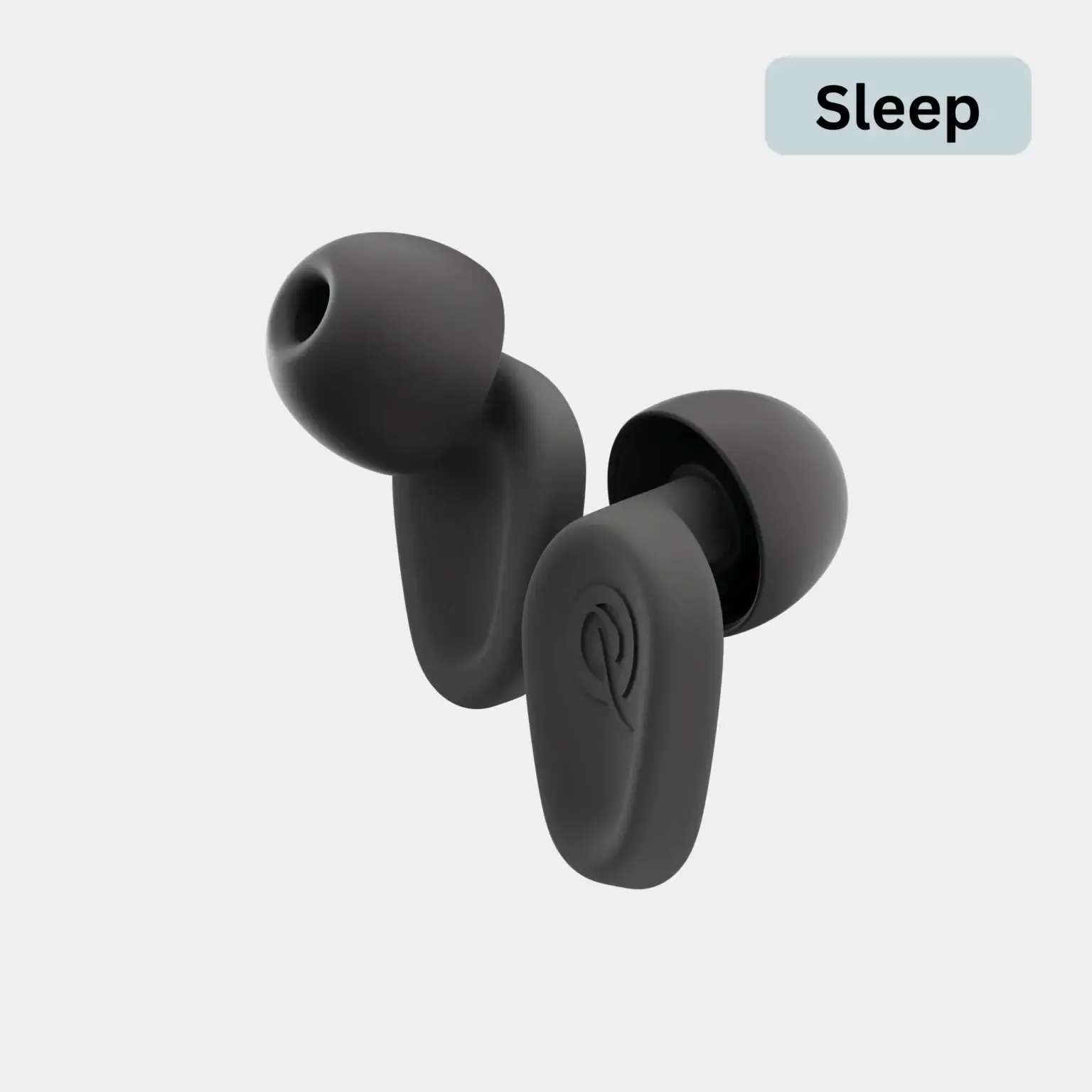
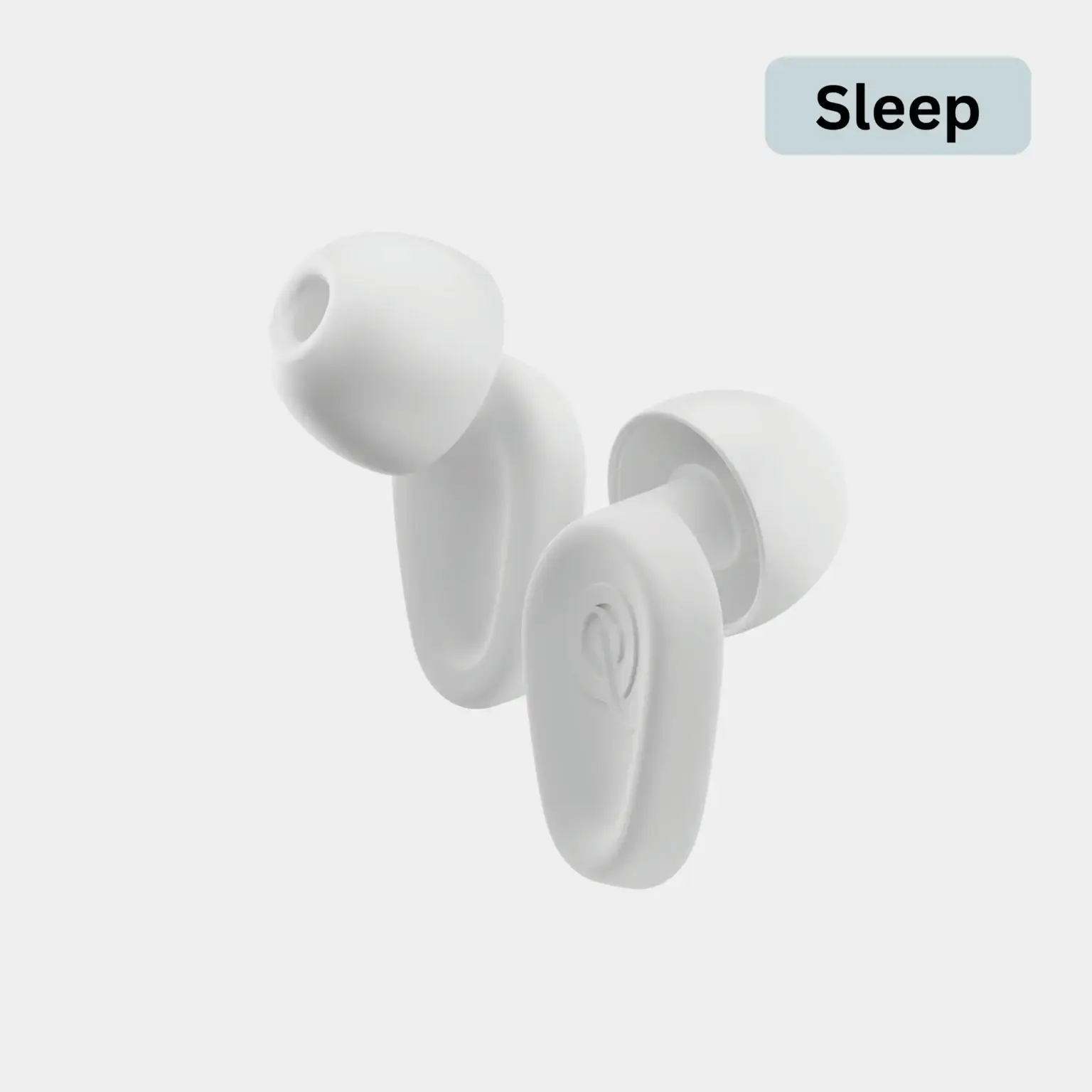
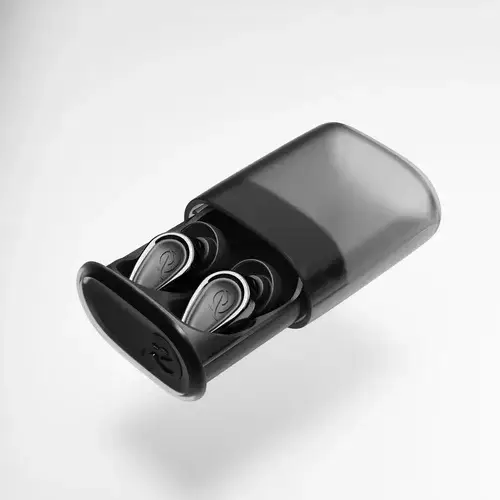
Silicone earplugs come in a few forms, but for most shoppers, the comparison is between soft moldable silicone or reusable silicone earplugs with flanges or shaped tips. These tend to focus more on consistent fit, comfort, durability, and repeat use. They are often easier to live with day to day, especially if you want a cleaner, lower-profile solution that feels intentional rather than disposable.
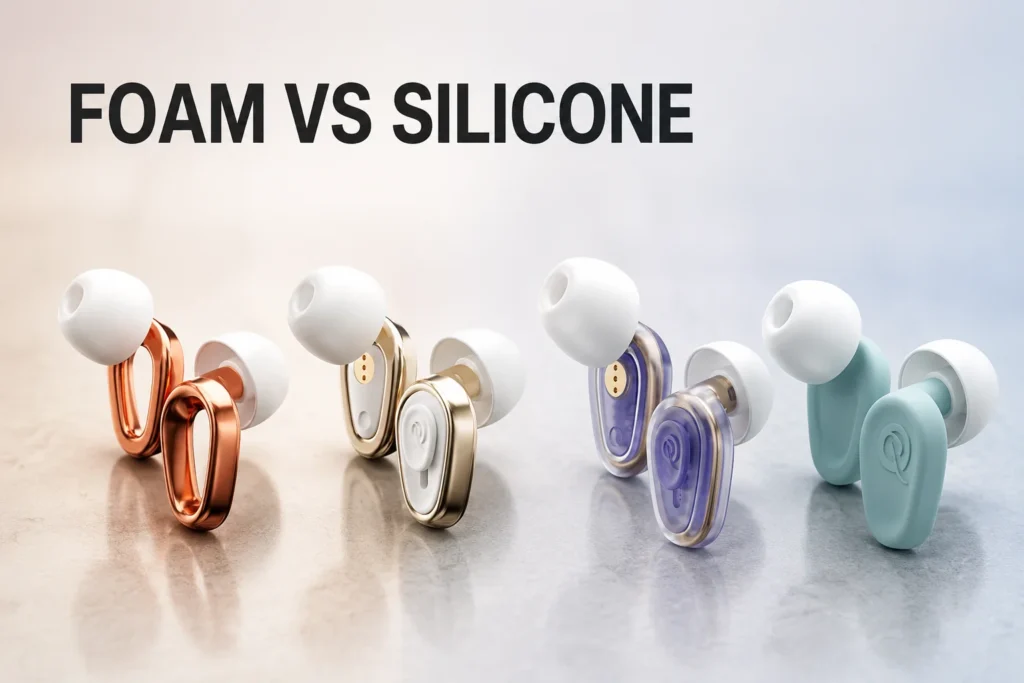
That difference matters. Foam is usually about maximum muffling at a low price. Silicone is usually about control, comfort, and reuse.
Noise reduction is not the whole story
A lot of people shop based on a single number and assume that higher noise reduction means better performance. That is only half true. A stronger seal can be great, but only if you can wear it comfortably and place it correctly every time.
Foam earplugs can deliver impressive noise reduction because they expand inside the ear canal. For very loud environments or heavy snoring, that can be a big advantage. But they are sensitive to insertion technique. If they are not rolled or inserted tightly enough, their real-world performance drops quickly.
Silicone earplugs are often more consistent for average users because they rely less on perfect technique. Reusable silicone styles can offer a stable seal with less guesswork, and they often reduce noise in a way that feels more balanced. Instead of making everything disappear, they can lower the volume to a more manageable level. For commuting, parenting, focusing on work, and concerts, that can feel more natural.
If your goal is a complete shutdown, foam often has the edge. If your goal is reducing overwhelm while staying aware, silicone often feels better tuned to real life.
Comfort decides whether you will actually wear them
This is where the choice between foam and silicone earplugs gets personal.
Foam can feel soft at first, but once it expands, some users notice pressure in the ear canal. For a short flight or occasional loud event, that may be fine. For side sleeping, all-day wear, or sensitive ears, that pressure can become the reason the earplugs end up on your nightstand instead of in your ears.
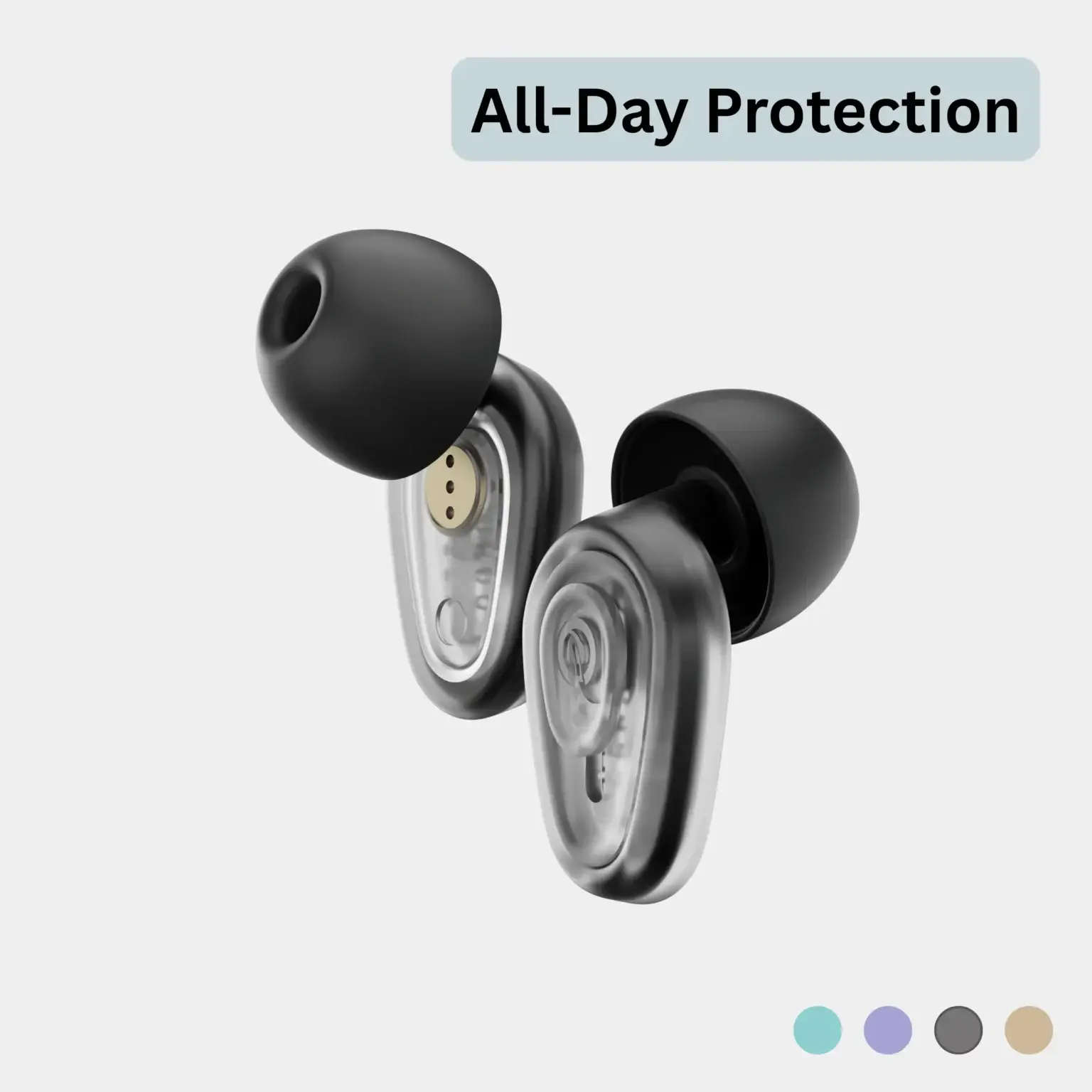
Silicone often wins on long-wear comfort, especially in reusable designs built for a low-profile fit. Good silicone earplugs tend to feel more engineered and less invasive. They do not always push outward in the same way foam does, and that can make a real difference during long work sessions, evening study blocks, or overnight use.
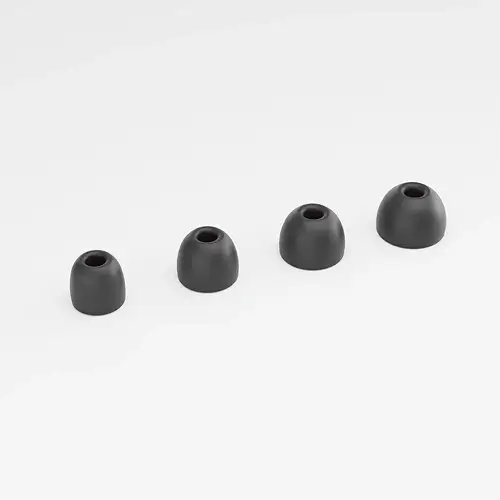
Fit also affects comfort more than shoppers expect. Foam comes in fewer shape options and depends on the canal adapting to the material. Silicone earplugs often come with multiple tip sizes or a shape designed to sit more securely. That gives you a better shot at dialling in comfort instead of settling for almost right.
Hygiene and lifespan matter more than most people think
Disposable foam earplugs are convenient, but they are not built for the long haul. They easily collect dirt, oil, and moisture, and after repeated use, they break down. Even when people try to stretch their lifespan, they stop performing at their best fairly quickly.
Silicone earplugs usually make more sense if you want an everyday carry solution. Reusable models can be cleaned, stored in a case, and worn again and again. That is better for routine use and often better for your wallet over time, even if the upfront price is higher.
There is also a lifestyle factor here. If you keep earplugs in your bag, on your desk, in your gym pocket, or next to your bed, reusable silicone feels less like a throwaway item and more like a tool. That shift matters when hearing wellness becomes part of your routine instead of something you only think about in emergencies.
Sleep, work, travel, and concerts all ask for different things
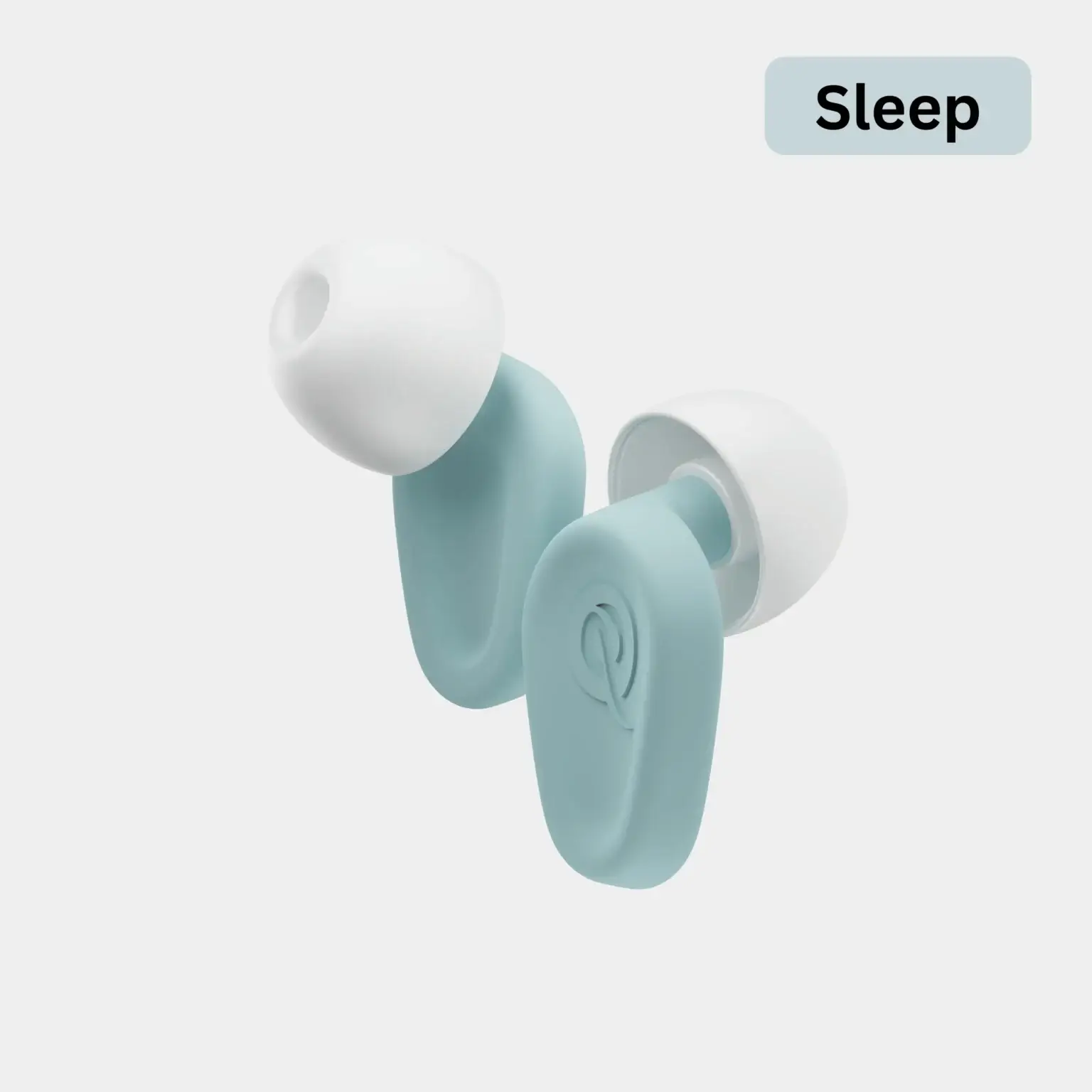
For sleep, foam can be effective if you need strong noise blocking and do not mind the deeper in-ear feel. Many people use it specifically for snoring or noisy neighbours. But side sleepers and light sleepers often find that comfort becomes the deciding factor. A reusable silicone design with a soft, low-profile fit may not always block quite as much as the best foam seal, but it can still win if it stays comfortable through the night.
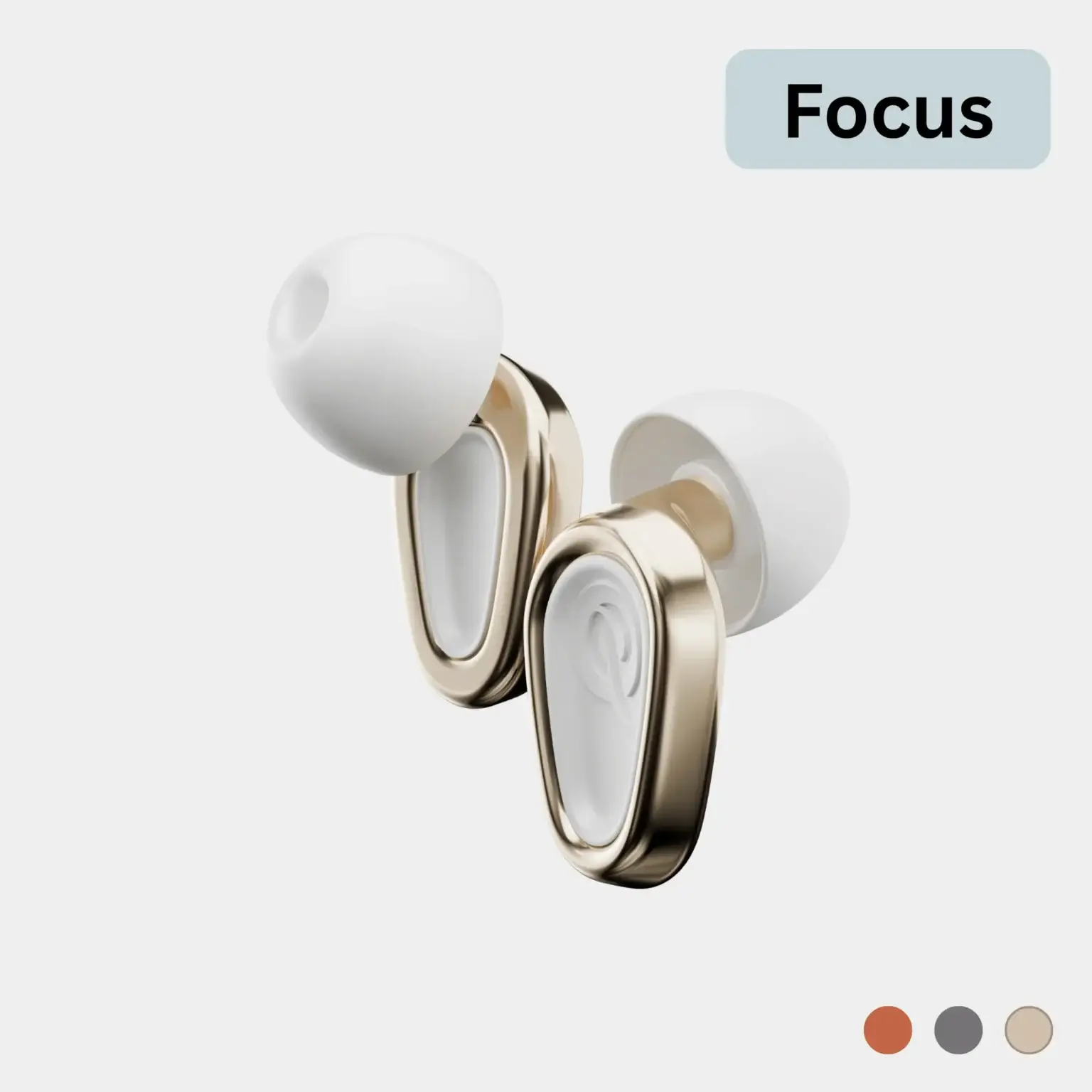
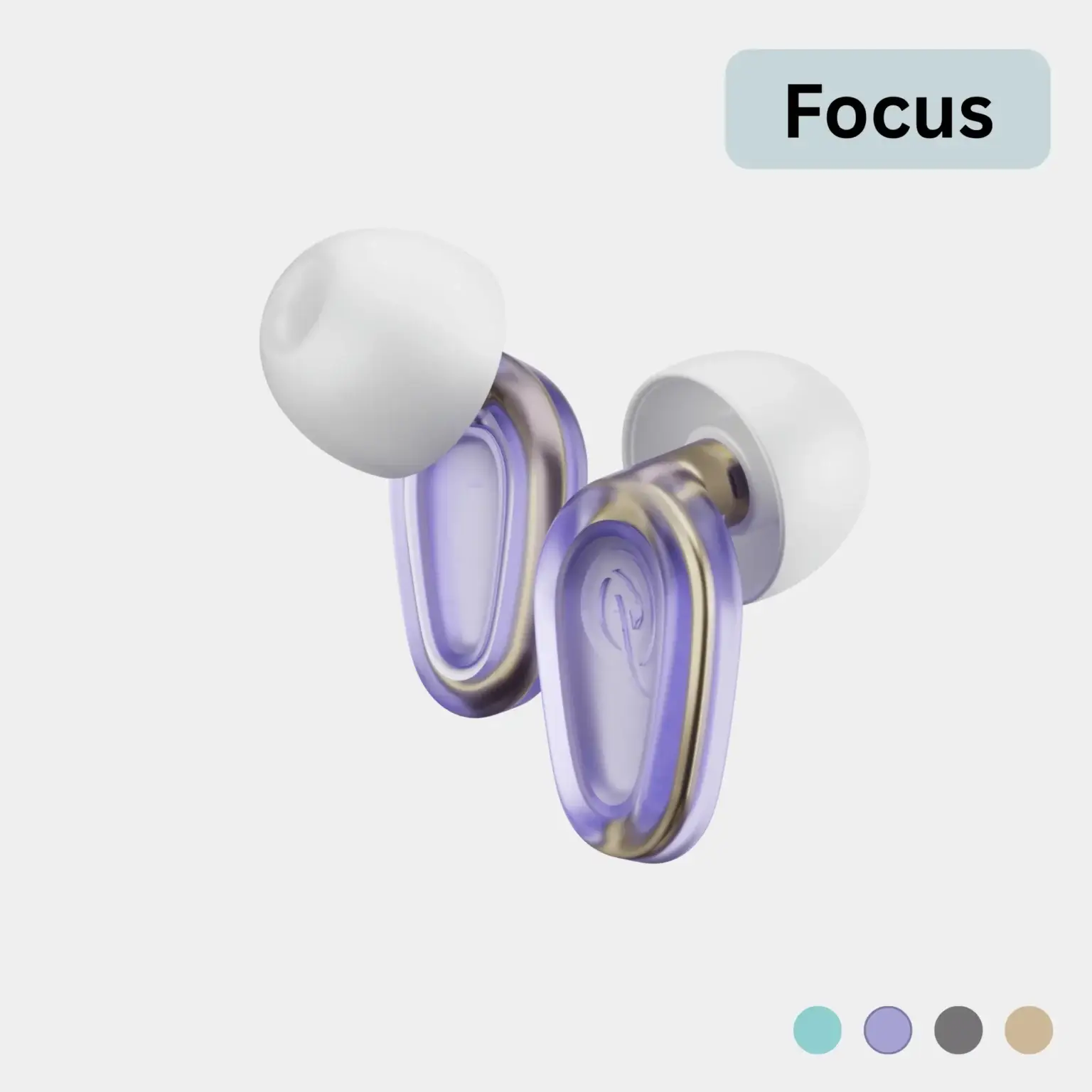
For focus at work, silicone usually has the advantage. You do not always want to erase the world. You want to crush distractions without feeling cut off or uncomfortable by noon. A reusable silicone plug is often better for that middle zone where the goal is control, not isolation.
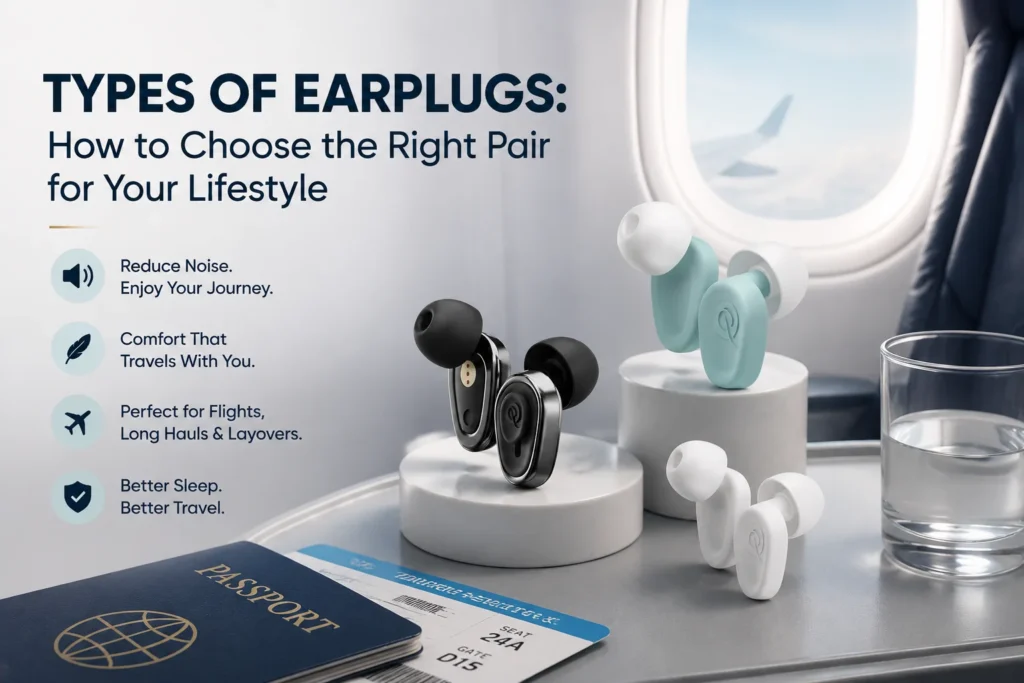
For travel, it depends on the trip. Foam is easy to pack and cheap to replace, which works for occasional flights. Silicone is better if you travel often and want something more durable, easier to manage, and less wasteful.
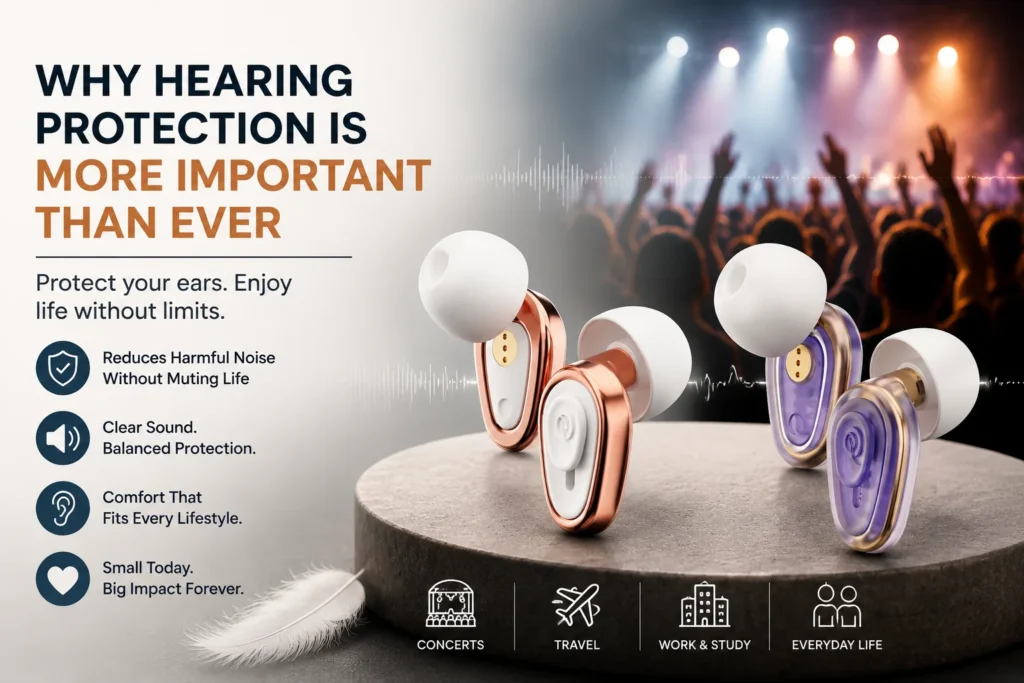
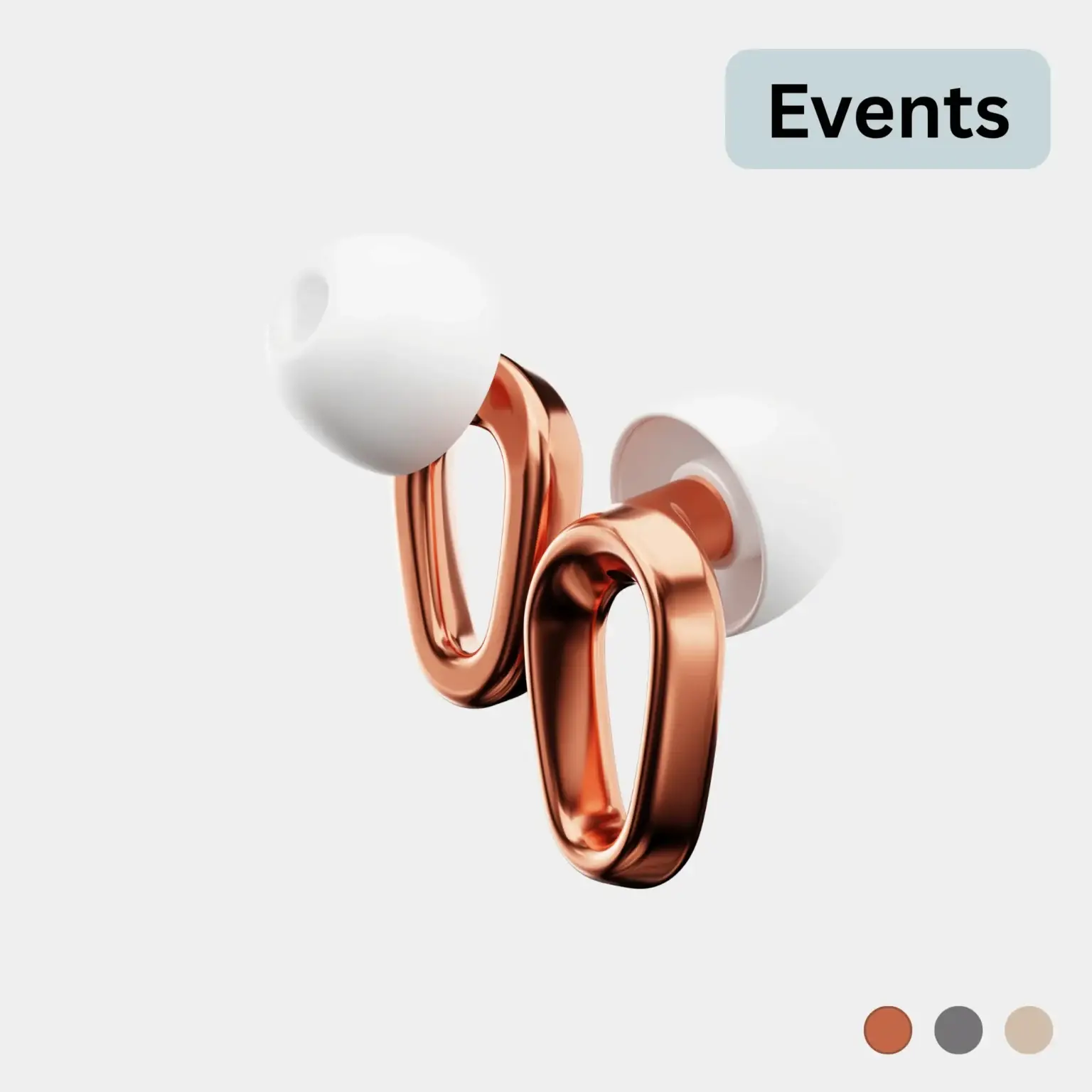
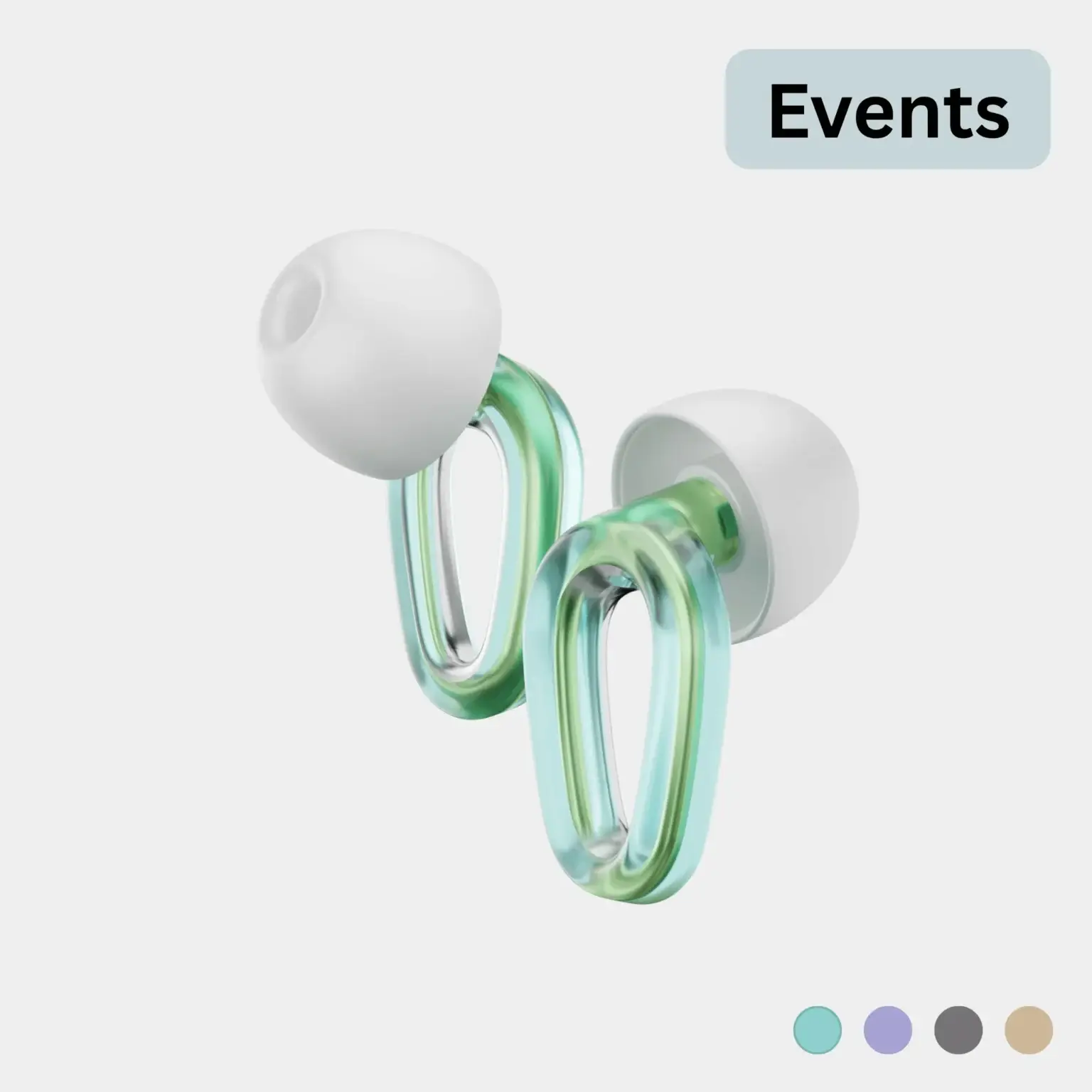
For concerts and events, basic foam can reduce volume, but it may also flatten the experience more than you want. Reusable silicone earplugs designed for situational hearing protection often do a better job of reducing harmful sound levels while keeping the event enjoyable. That balance is the difference between protecting your ears and feeling like you put a wall between yourself and the moment.
What most people get wrong about fit
The biggest mistake with foam is assuming soft equals easy. Foam only works well when inserted properly, and many people never get the seal they think they are. They insert it halfway, it expands too early, and the result is mediocre noise reduction plus uneven pressure.
The biggest mistake with silicone is buying by looks alone. Not every silicone earplug is built for every job. Moldable silicone can be useful in some cases, but reusable engineered silicone earplugs are generally the better option for people who want repeatable comfort, portability, and dependable performance across different settings.
This is why a one-size-fits-all mindset usually fails. Ear shape varies. Noise sensitivity varies. What feels amazing during a commute may feel wrong at bedtime. Performance starts with fit, and fit starts with using the right style for the right use case.
Which one should you choose?
Choose foam if your top priority is strong noise blocking at the lowest price, and you do not mind a disposable product. It is a practical option for occasional use, very loud environments, and situations where maximum reduction matters more than finesse.
Choose silicone for a reusable, comfort-first solution that fits modern daily life. It is usually the smarter pick for regular wear, focus, commuting, sleep support, and any situation where you want protection without the bulk or hassle of traditional plugs.
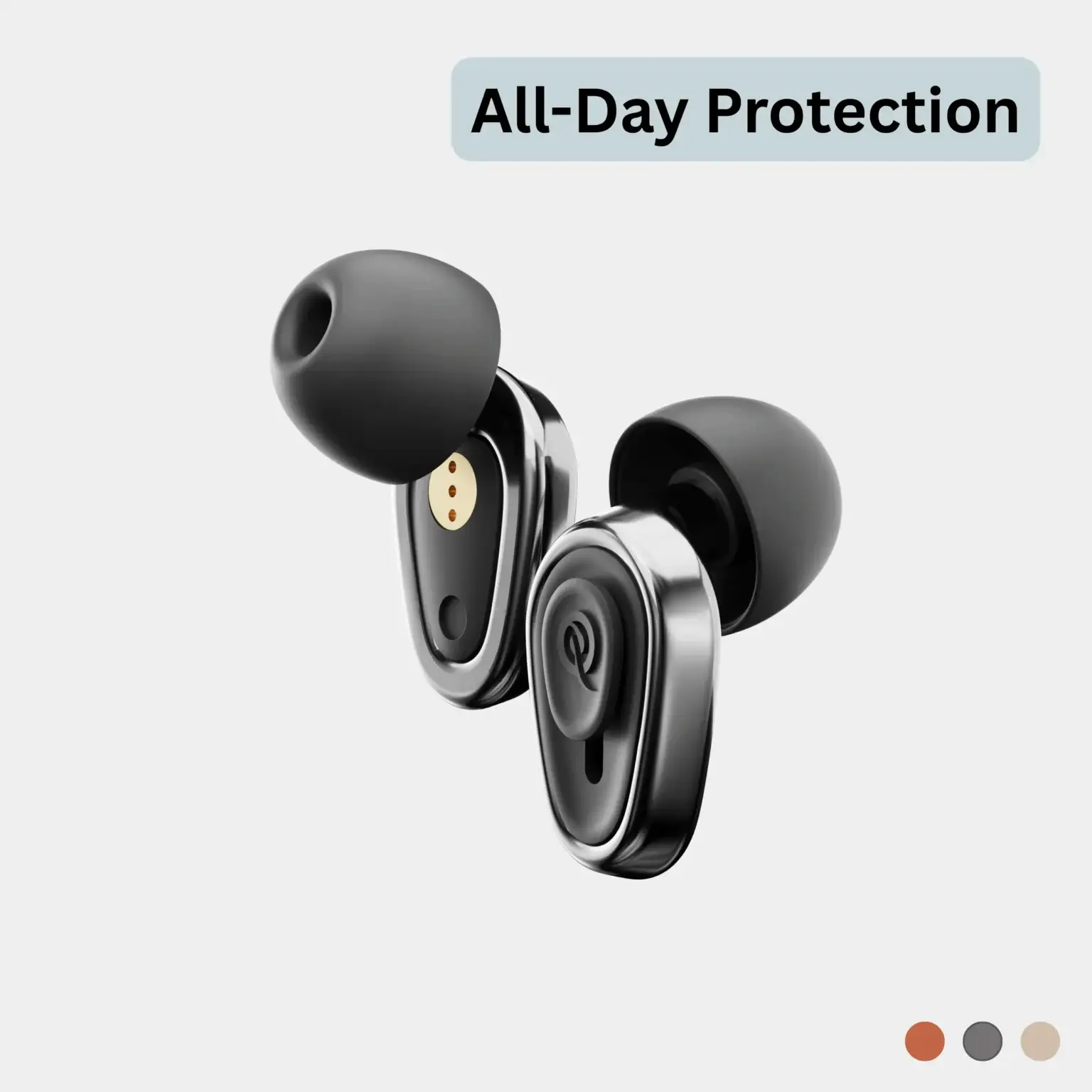
For most adults trying to manage noise throughout the day, silicone tends to be the better long-term option. It supports consistency. It feels more intentional. And it aligns better with the way people actually use earplugs now – not just for emergencies, but for performance, recovery, and everyday comfort.
That is why brands like Earmuffz centre their reusable earplugs on real-world scenarios rather than treating hearing protection like industrial gear. People want control, they can wear anywhere.
If you are stuck between the two, ask a simpler question than which material is best. Ask which one you will actually keep using. The best earplugs are not the ones with the most hype or the biggest claims. It is the one that fits your life well enough to earn a permanent spot in it.