
Earplugs for Focus at Work That Actually Help

That open office hum gets expensive fast. A nearby call, keyboard clatter, the breakroom blender, one loud laugh across the room – none of it seems huge on its own. Put it together for eight hours, and your attention gets chipped away piece by piece. That is why more professionals are turning to earplugs for focus at work, not as a last resort, but as a smarter way to control their environment.
The right pair does not make your workplace silent. That is not the goal. Focus improves when noise drops from distracting to manageable. You still want awareness. You still need comfort. And if you are wearing earplugs for half the day, low-profile design matters just as much as noise reduction.
Why earplugs for focus at work make such a difference
Most workplace distraction is not dangerously loud. It is inconsistent, speech-heavy, and mentally sticky. Our brains are wired to react to conversation, sudden sounds, and repeated interruptions. Even low-level noise can pull attention away from deep work, especially when you are writing, analyzing, coding, designing, or doing anything that depends on sustained concentration.
Earplugs help by lowering the volume floor around you. Instead of fighting every sound, your brain has fewer peaks to process. That usually means less irritation, fewer broken thought cycles, and better stamina through the afternoon.
There is also a stress angle here. Constant background noise can leave you feeling tense even when you cannot point to one obvious problem. A good pair of reusable earplugs can create a calmer working state. You are not hiding from the world. You are dialing it down.
What good work earplugs should actually do
For office use, the best earplugs are not the ones that block the most sound. Maximum attenuation can backfire. If everything gets too muffled, you may feel isolated, miss important cues, or hear your own breathing and typing too intensely. That can be just as distracting as the noise you were trying to escape.
What you want is controlled reduction. Enough to soften chatter, HVAC noise, hallway traffic, and other daily friction. Not so much that quick collaboration becomes impossible.
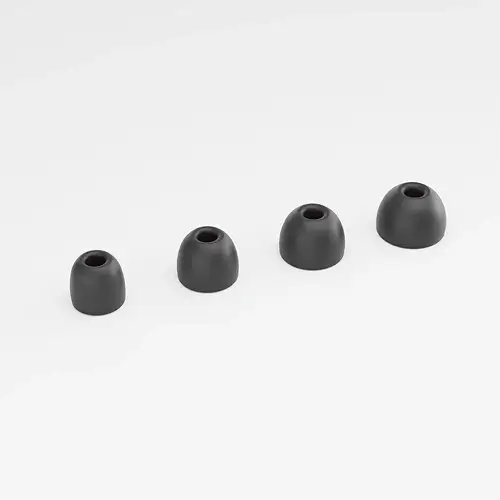
Comfort is the second non-negotiable. If earplugs create pressure, itching, or that plugged-up feeling after an hour, you will stop using them. Soft materials, secure fit, and multiple tip sizes matter more than people think. Focus tools only work when you can forget you are wearing them.
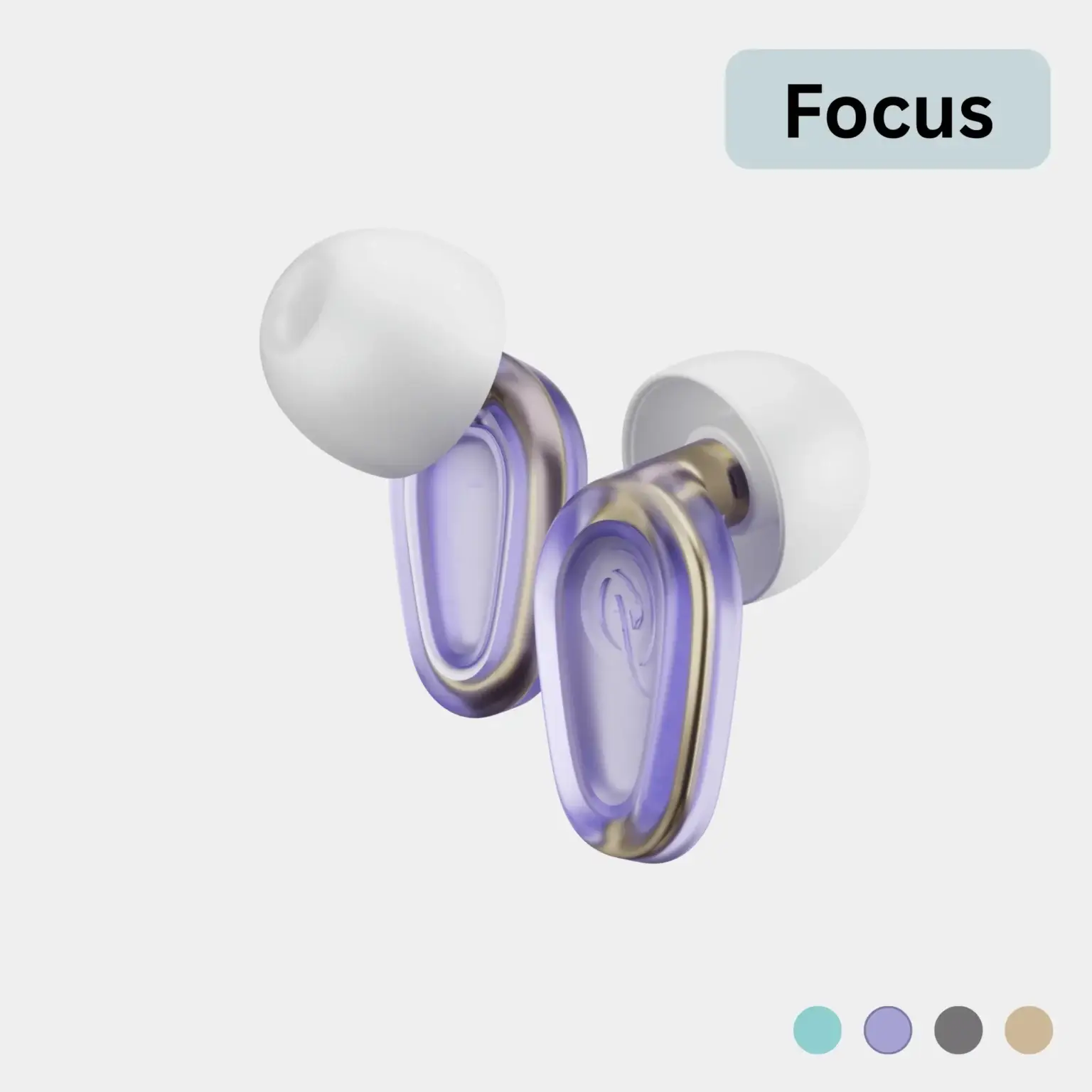
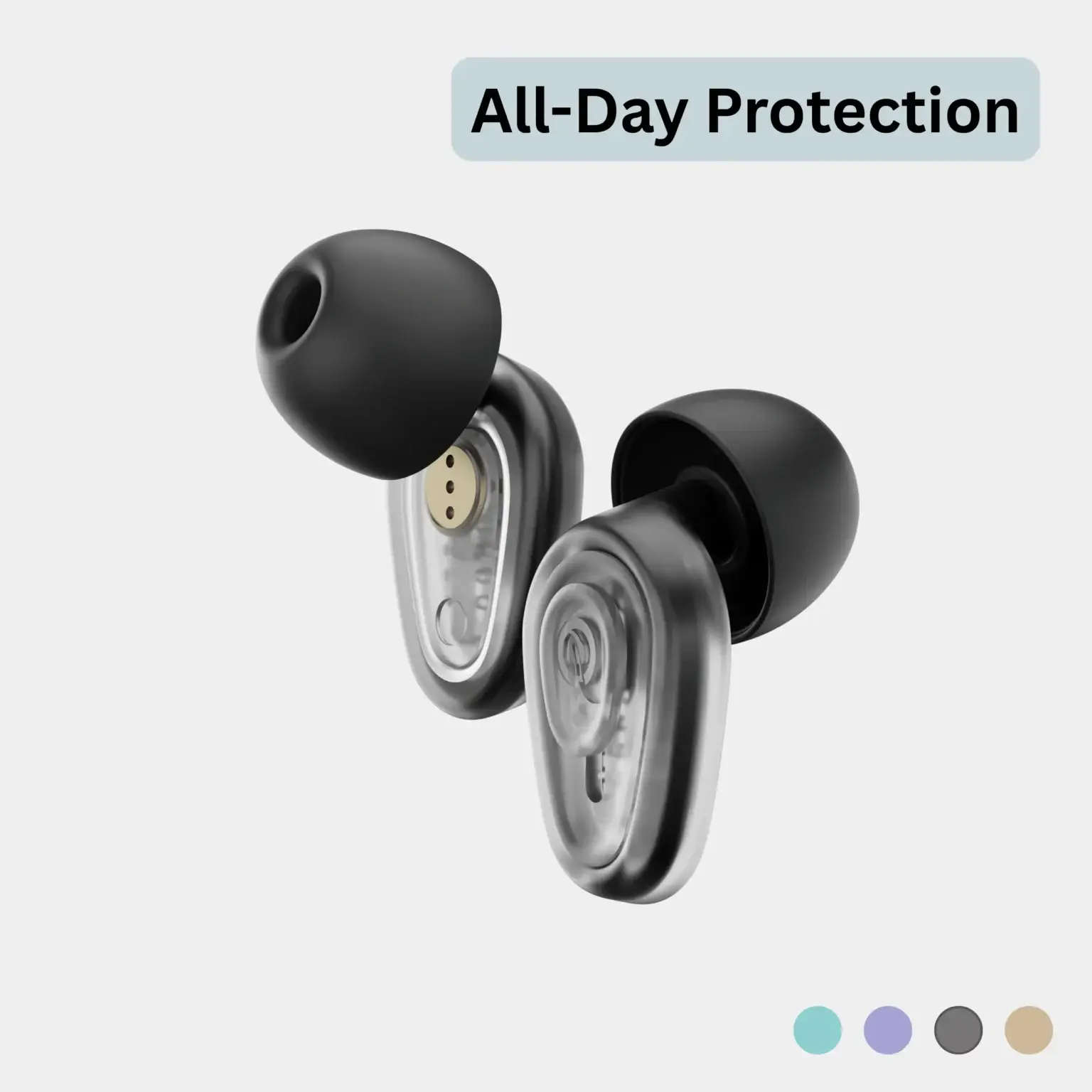
Appearance matters too, especially at work. Bulky foam plugs can send the wrong signal in a professional setting and may not feel great for all-day wear. A discreet, low-profile reusable design fits better into modern routines. It feels intentional. It looks intentional too.
Earplugs for focus at work vs noise-canceling headphones
This is not an either-or decision. It depends on how you work.
Noise-canceling headphones are great when you want audio, stronger isolation, or a clear visual cue that you are unavailable. But they can feel heavy over long sessions, get warm, and make quick conversation awkward. They also take up more space and are not always ideal in meetings, shared desks, or client-facing environments.
Earplugs are simpler. They are lighter, more discreet, and easier to wear across transitions – desk work, commuting, coffee runs, and back again. They do not depend on battery life. They also work well for people who do not want music piped into their head all day just to stay productive.
For many professionals, earplugs are the cleaner solution when the goal is not entertainment but control. Less noise. Less friction. More mental bandwidth.
Choosing the right level of noise reduction
This is where a lot of people get it wrong. They buy the highest-rated earplugs they can find and expect better focus. In reality, too much reduction can create a detached, underwater effect that feels unnatural in an office.
Moderate attenuation is usually the sweet spot for work. You want to soften speech, not erase the existence of other humans. If your role involves frequent collaboration, reception duties, or being available for quick questions, stay on the lighter side. If you spend long blocks in independent work and your environment is especially noisy, you may want a bit more reduction.
Fit changes everything. A poorly fitting plug can underperform, fall out, or become uncomfortable before lunch. A proper seal gives you consistent reduction without needing to size up on the noise rating itself.
That is one reason reusable systems with multiple eartip options tend to outperform one-size-fits-most solutions. Better fit usually means better comfort, better consistency, and better results.
The trade-offs no one mentions enough
Earplugs can be a game changer, but they are not magic. If your workplace depends on constant verbal responsiveness, wearing them all day may not be practical. You might use them during deep work blocks instead of nonstop.
Some people also need an adjustment period. At first, reduced sound can feel strange because you become more aware of internal noise like chewing or your own footsteps. That usually fades as your brain adapts, but it is worth expecting.
And then there is etiquette. In some offices, visible ear protection may signal focus. In others, it may look like disengagement unless expectations are clear. A discreet design helps, but communication helps more. If you are using earplugs to protect concentration, set the context with your team.
When reusable earplugs are the better choice
Disposable foam plugs have their place, but work is rarely the best long-term one. They can be convenient in a pinch, yet they tend to be less refined in fit, less consistent in feel, and harder to integrate into daily life if you care about comfort and appearance.
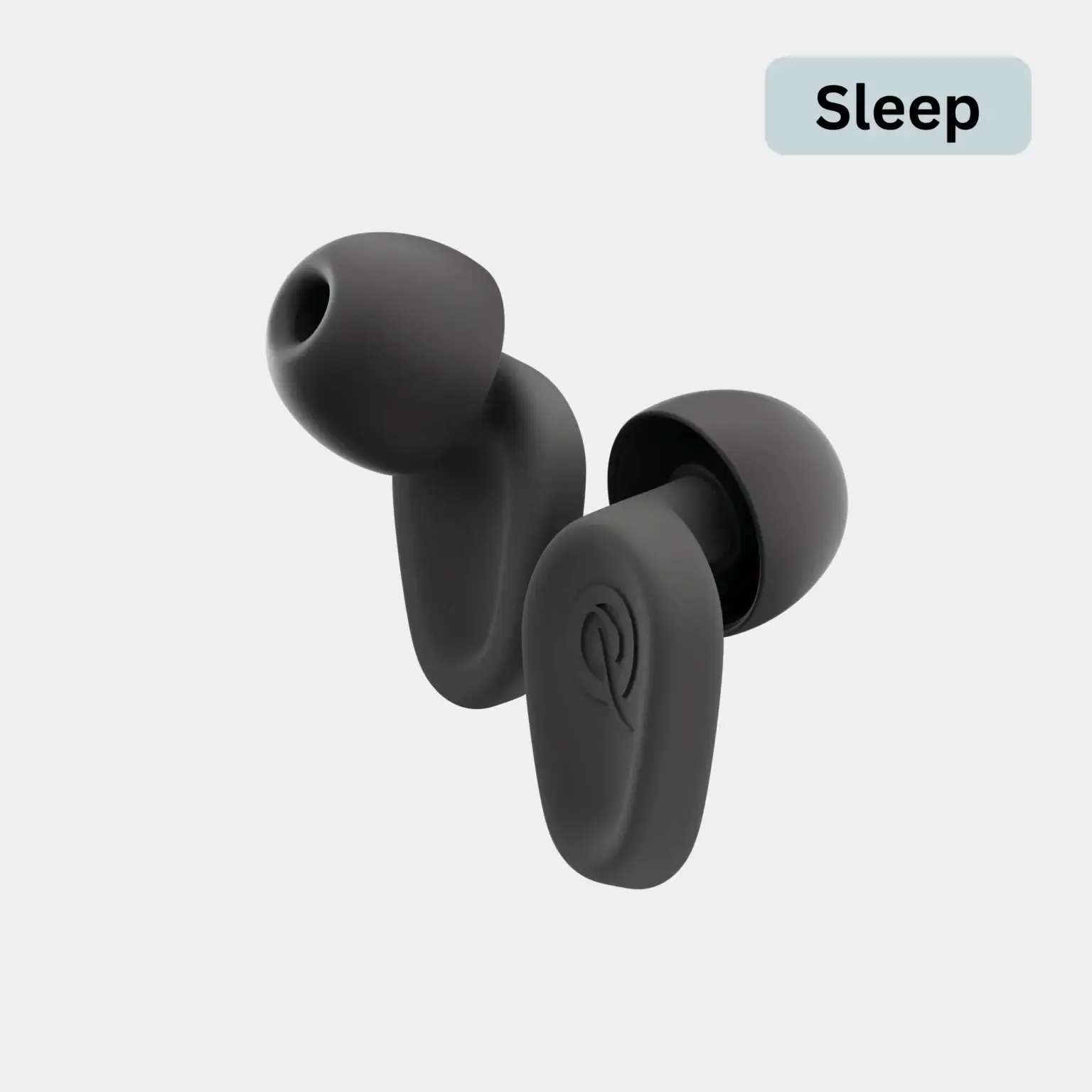
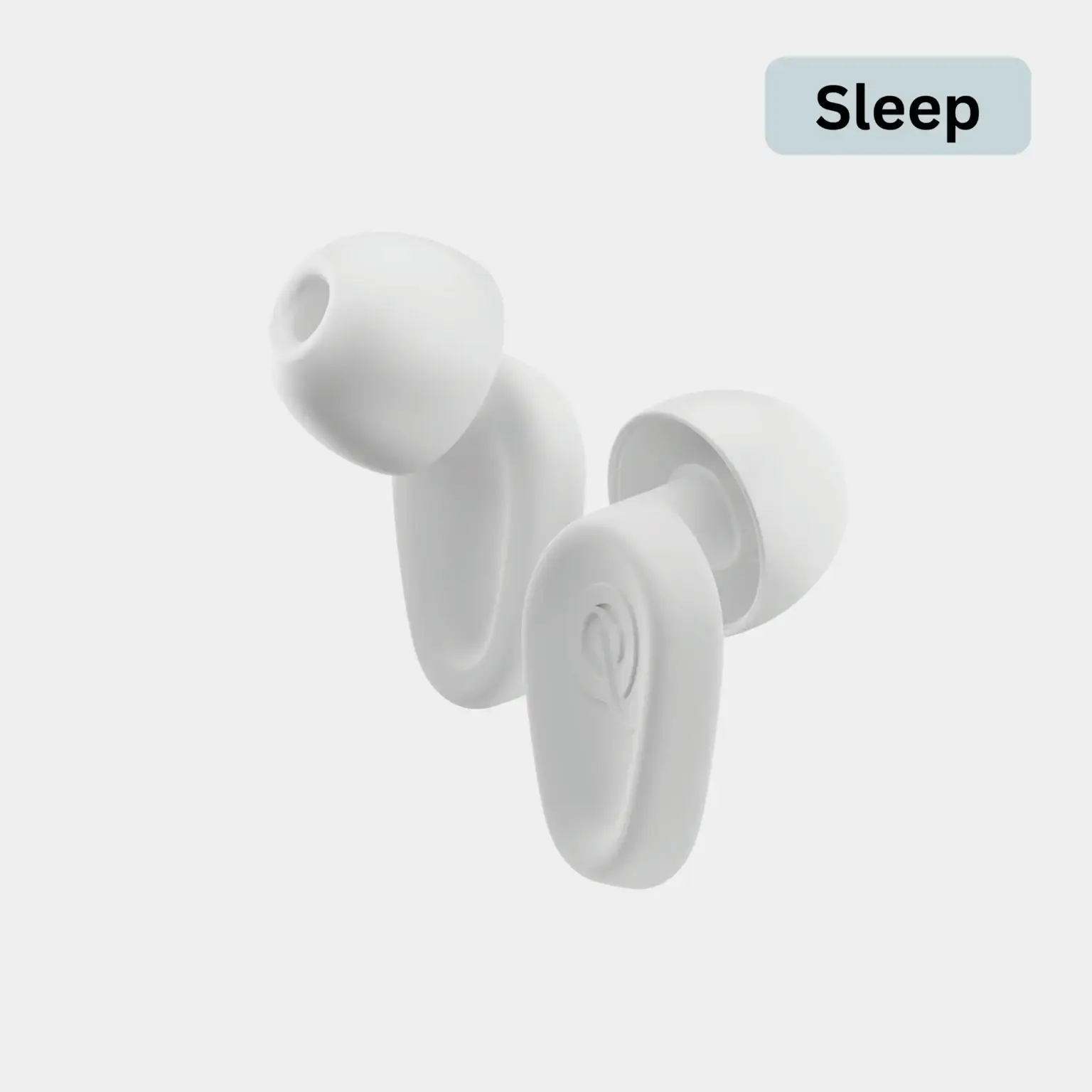
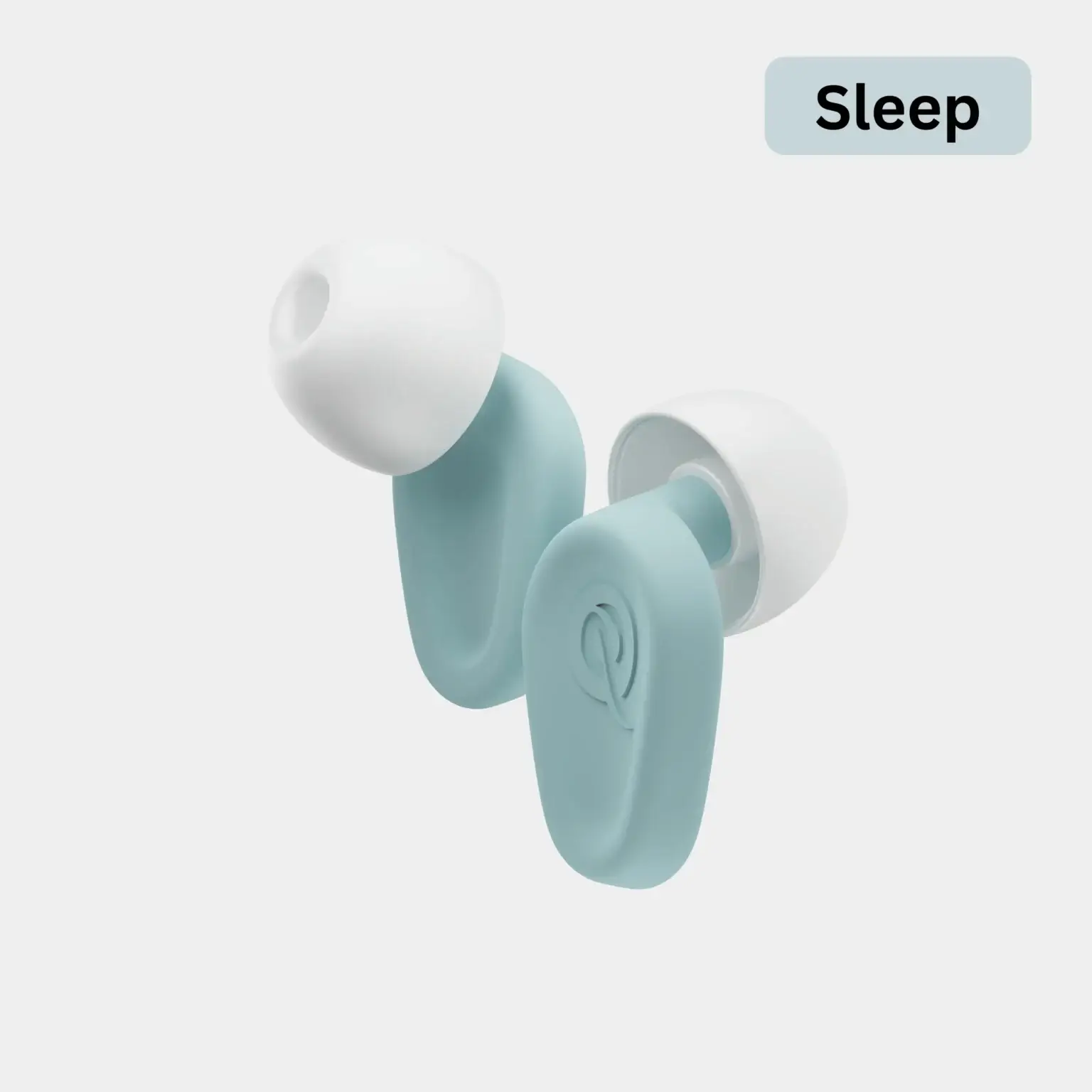
Reusable earplugs are built for routine. They are easier to carry, easier to clean, and generally better suited for professionals who want noise control without the industrial look. A well-designed pair can move with you from office to commute to travel to home concentration time without missing a step.
That is the bigger shift in this category. Earplugs are no longer just protective gear. They are part of performance hygiene, right alongside your planner, your standing desk, your blue-light settings, and the routines that keep your brain from getting overloaded.
How to use earplugs for focus at work without overusing them
The best approach is strategic, not constant. Put them in when the task demands depth – writing, spreadsheets, editing, planning, studying, or any work where interruption carries a high restart cost. Take them out for collaborative sessions, quick check-ins, and moments when situational awareness matters more.
This pattern gives you the benefits without making you feel cut off. It also helps your coworkers understand that earplugs are part of your focus mode, not a barrier to teamwork.
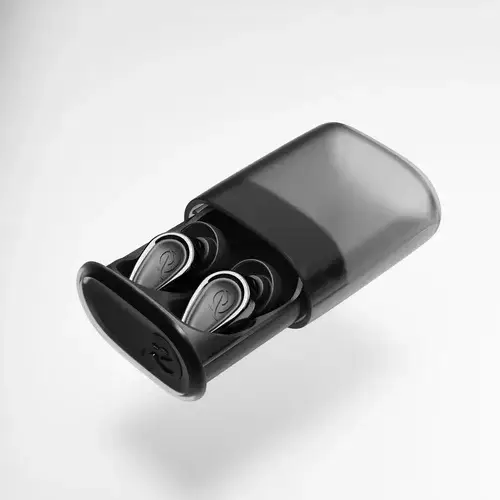
Keep a case at your desk or in your bag so the habit stays easy. Friction kills consistency. If finding, storing, and cleaning your earplugs is annoying, you will stop reaching for them when you need them most.
What to look for before you buy
If you are shopping for earplugs for work, prioritize four things: comfort, discreet fit, reusable durability, and a noise reduction profile that supports awareness instead of wiping it out. Certifications and clear product segmentation are also worth paying attention to because they make it easier to match the product to the situation.
A comfort-first design matters more than marketing hype. So does confidence in the fit. The best earplugs are the ones you will actually wear through a real workday, not the ones that look impressive on paper.
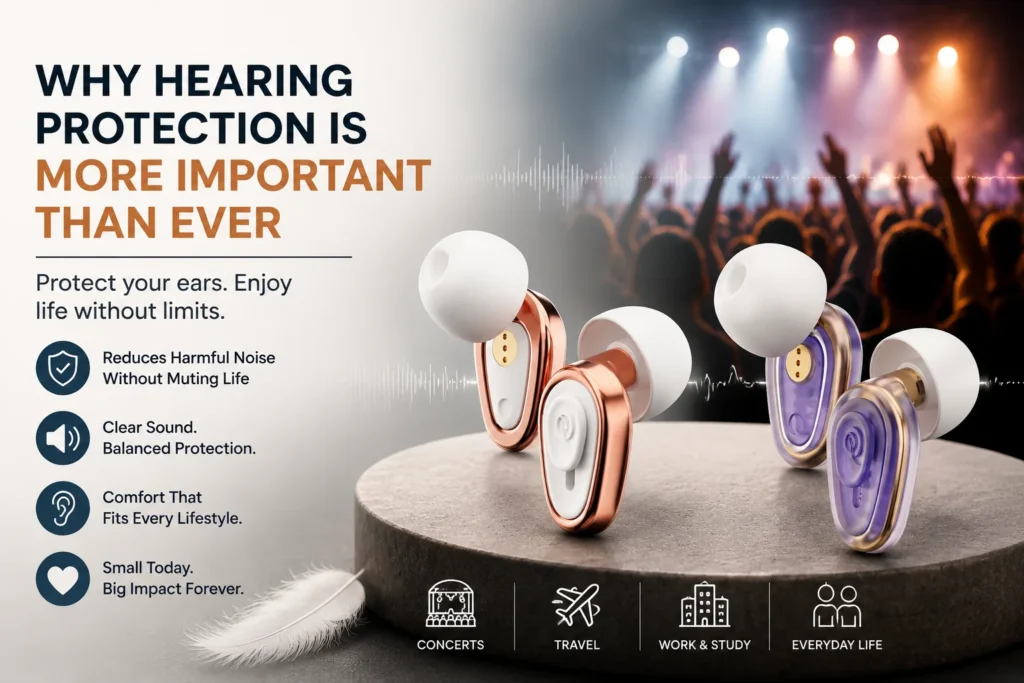
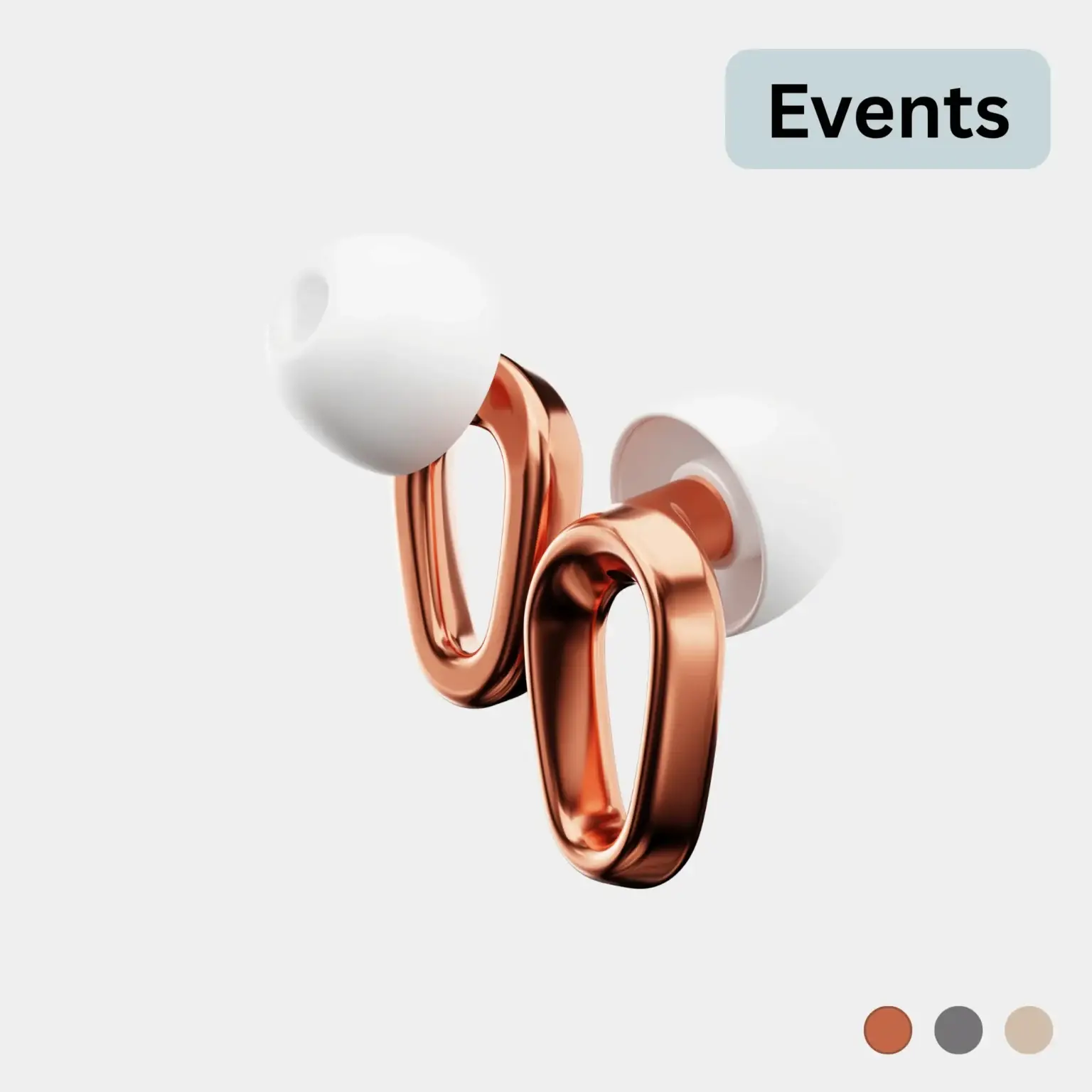
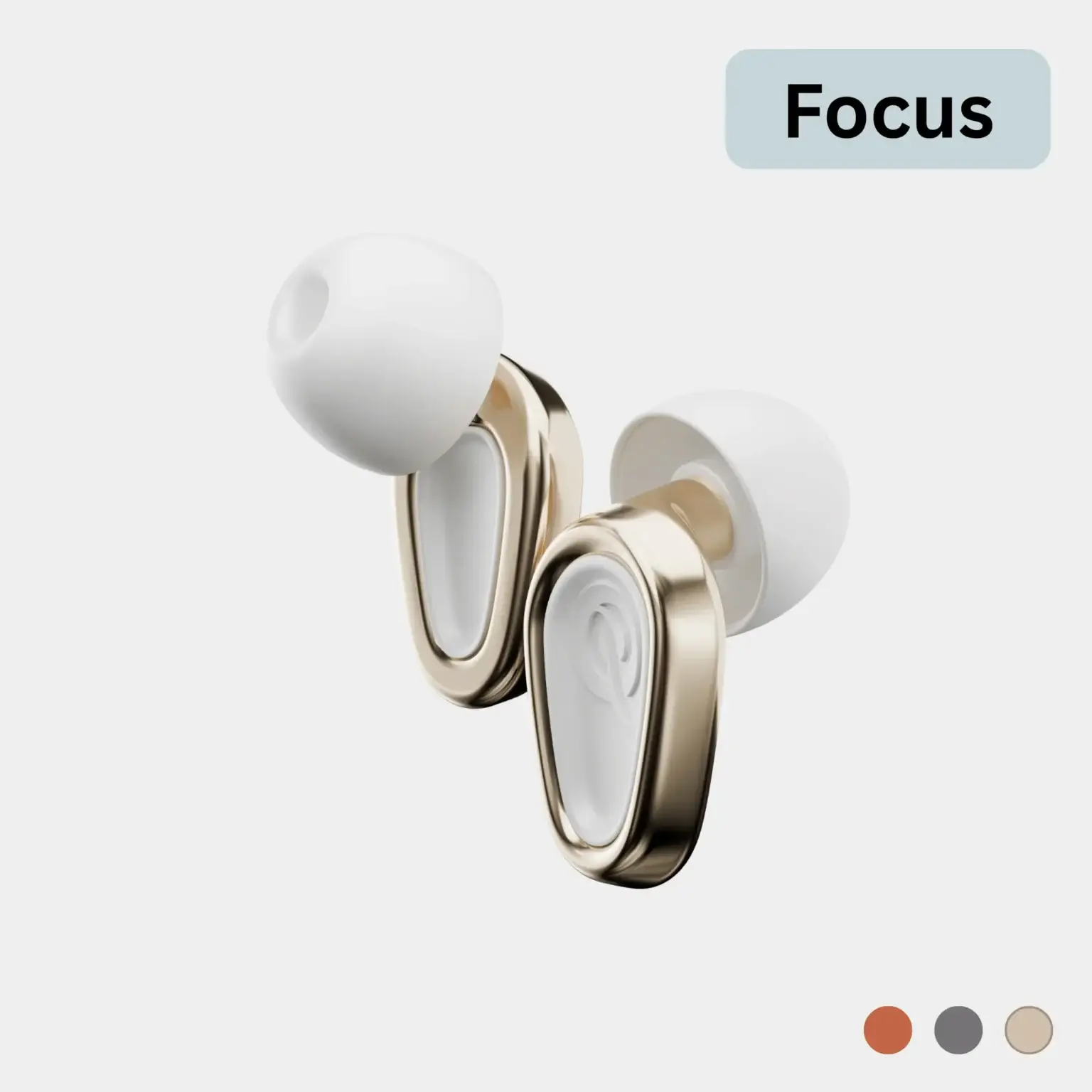
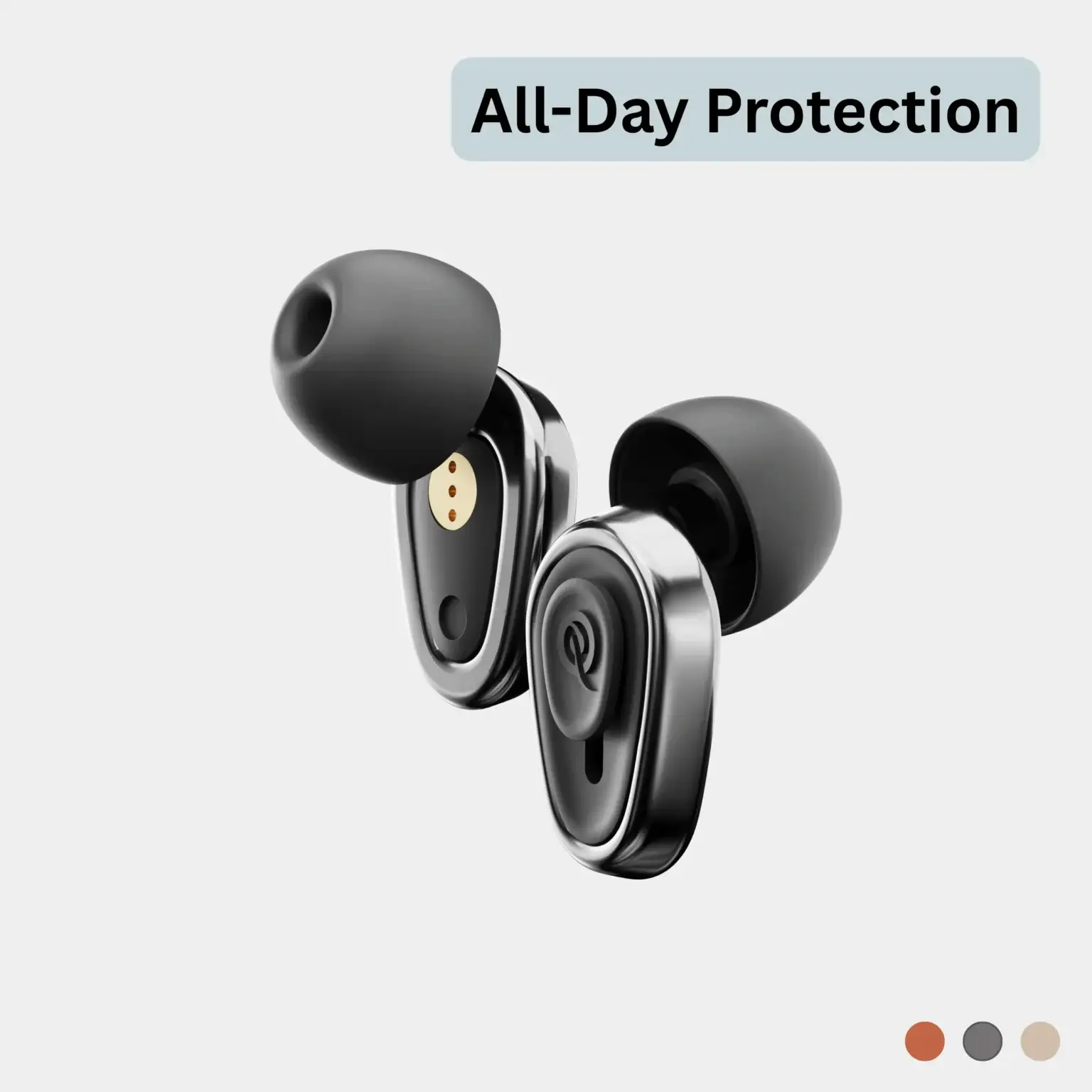
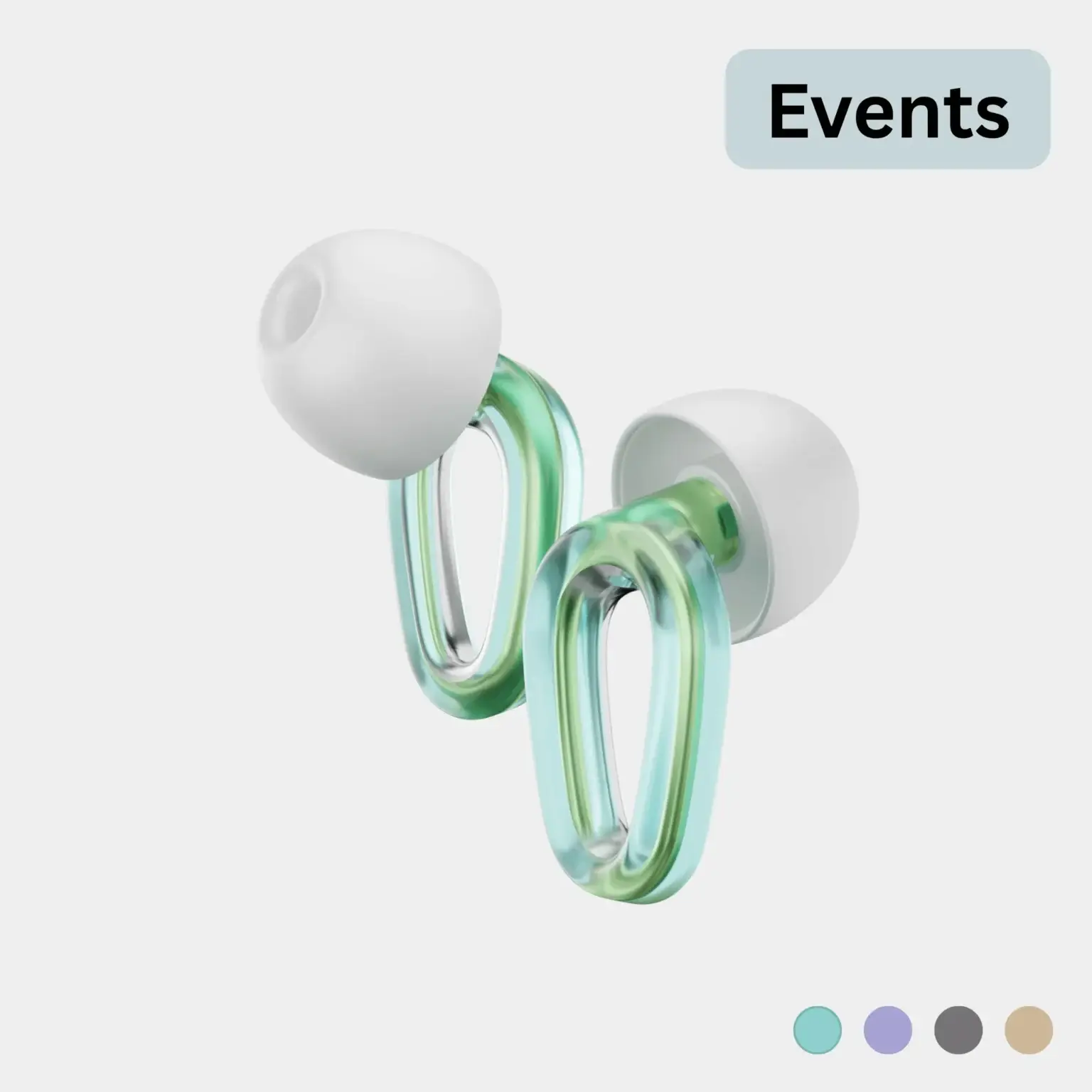
Brands built around everyday wear tend to understand this better than brands focused only on industrial protection. Earmuffz, for example, frames noise control as total volume control – a practical, low-profile way to reduce overstimulation and stay sharp in real life, not just in extreme environments.
That mindset is exactly where work-focused earplugs should be. Performance without bulk. Relief without drama. Better concentration without making your day harder.
The real goal is not silence
Silence sounds appealing until it feels unnatural. At work, the win is control. You want fewer interruptions, lower stress, and enough mental space to stay locked in on what matters.
Good earplugs help create that space. They turn a noisy office from something you endure into something you manage. And once you feel the difference between reacting all day and working on your own terms, it is hard to go back.
If your workday keeps getting hijacked by background noise, a better setup might be simpler than you think. Start with comfort, choose a level of reduction you can live with, and give your attention a fighting chance.