
Best Earplugs for Sleeping Comfortably
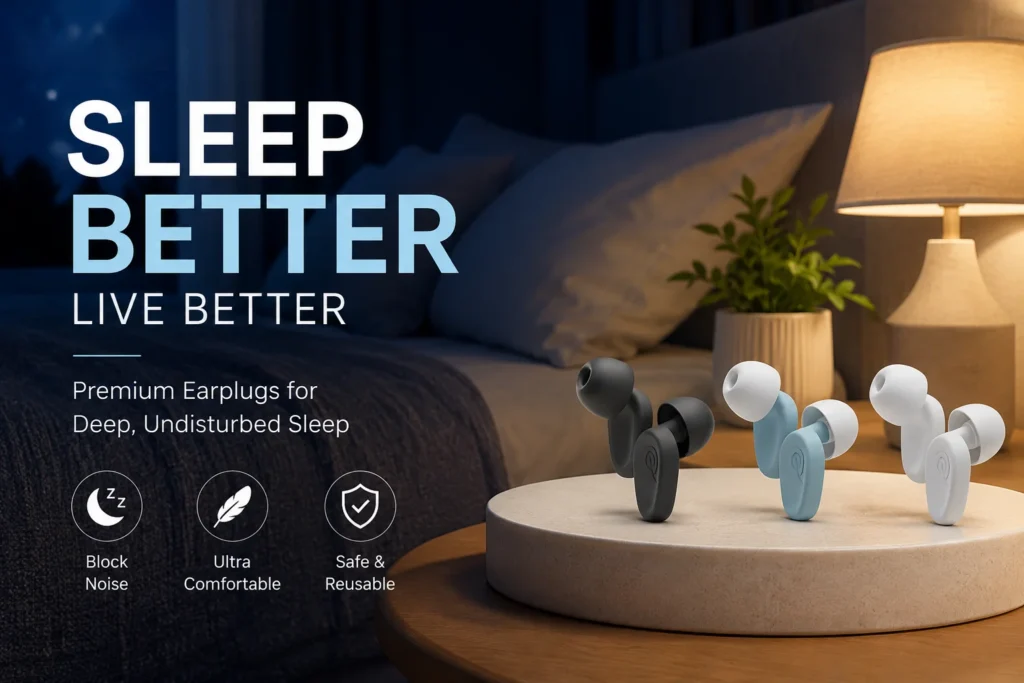
A bad earplug can ruin a night faster than the noise you were trying to block. If it pinches your ear, falls out at 2 a.m., or leaves you hearing your own heartbeat like a drumline, it is not sleep support – it is one more problem. Finding the best earplugs for sleeping comfortably comes down to one thing: control without compromise.
Sleep earplugs should lower the noise that keeps you alert while still feeling easy enough to forget. That sounds simple, but the trade-offs are real. The softest plug is not always the most secure. The highest noise reduction is not always the most comfortable for side sleepers. And the cheapest option often becomes the most expensive when you keep replacing it.
What actually makes the best earplugs for sleeping comfortably?
Comfort starts with shape. Sleep is different from commuting, concerts, or work focus because your pillow becomes part of the fit. If you sleep on your side, anything bulky can press into the ear canal or the outer ear, causing soreness by morning. Low-profile designs usually win here because they sit closer to the ear, reducing pressure points.
Material matters as much. Foam expands to fill the ear canal, which can create a strong seal, but that same expansion can feel intrusive for some sleepers. Silicone and other soft-touch reusable materials often feel gentler, especially for people who want a less aggressive fit. The right choice depends on how sensitive your ears are and whether you prioritize a barely-there feel or maximum passive noise blocking.
Noise reduction should be matched to your environment, not treated like a contest. If your issue is a snoring partner, city traffic, apartment noise, or an early-rising household, you want enough attenuation to soften disruption without making the fit feel too intense. More reduction is not always better if it creates pressure, traps too much internal sound, or makes you feel cut off in a way that keeps you alert.
That is why the best sleep earplugs feel balanced. They reduce enough sound to help your brain settle, but they do so with a fit you can wear all night.
Foam, silicone, or reusable filters?
Foam earplugs are familiar for a reason. They are cheap, widely available, and often effective at lowering noise. For some people, they are the easiest answer. Roll them down, insert, let them expand, and you are set. But they are not perfect. If you have smaller ear canals, foam can feel too large. If you run warm at night, they may become irritating. And if you care about durability, hygiene, or waste, single-use foam quickly loses its appeal.
Silicone options usually lean more comfort-first. Some moldable styles cover the ear opening rather than sitting deep in the canal, which can work well for sleepers who hate internal pressure. The downside is that fit can be less consistent, especially if you move a lot during sleep or your skin gets oily. Not every silicone design stays put all night.
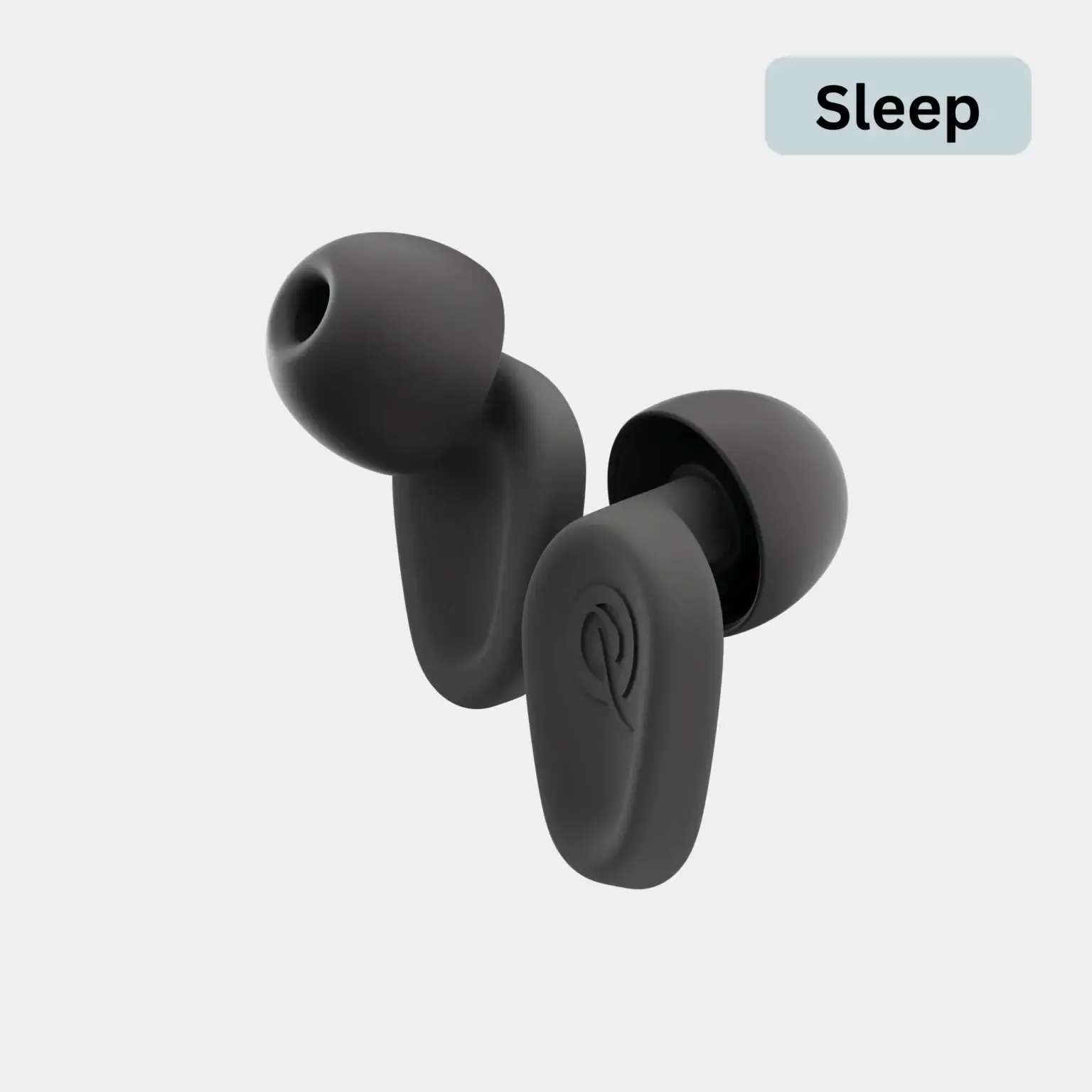
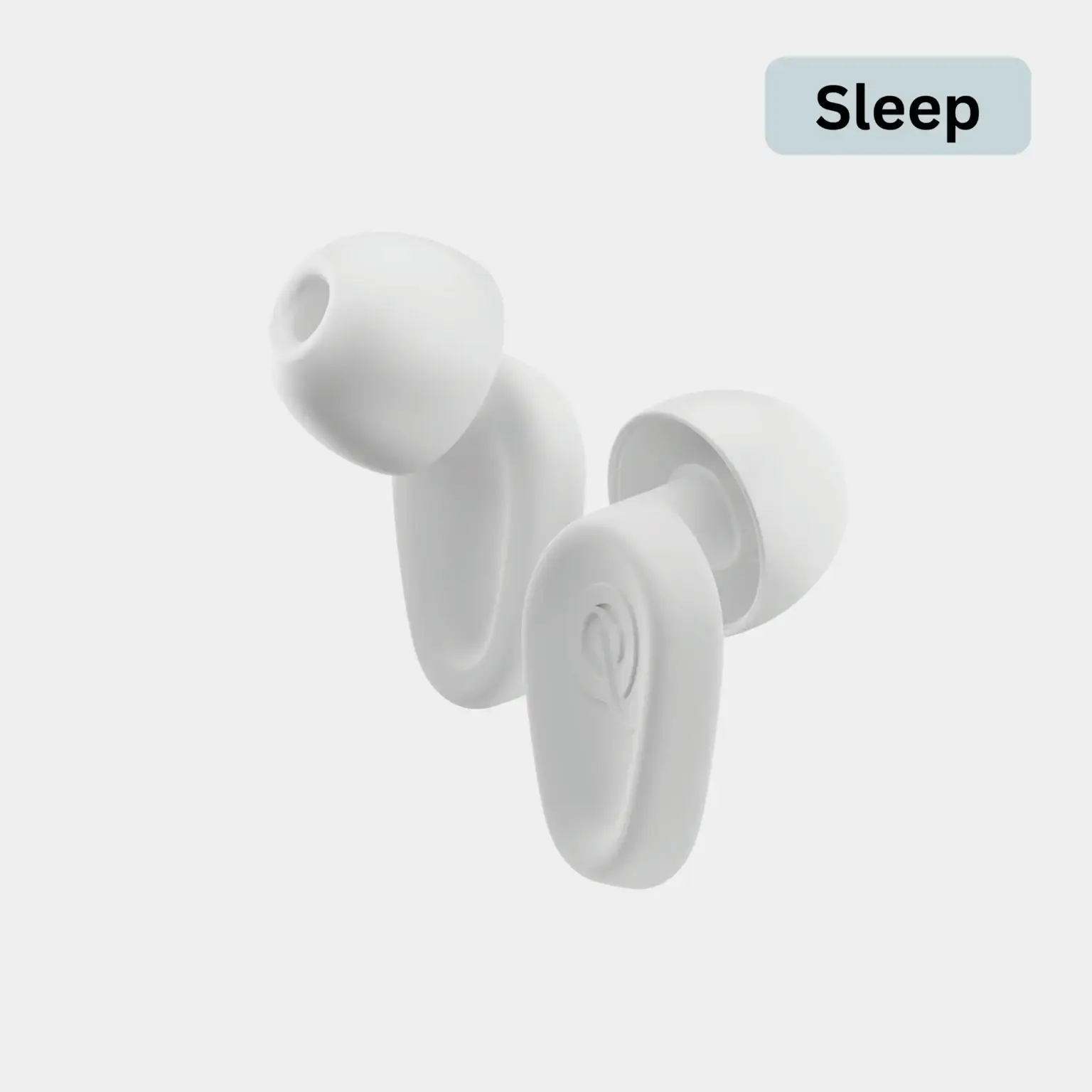
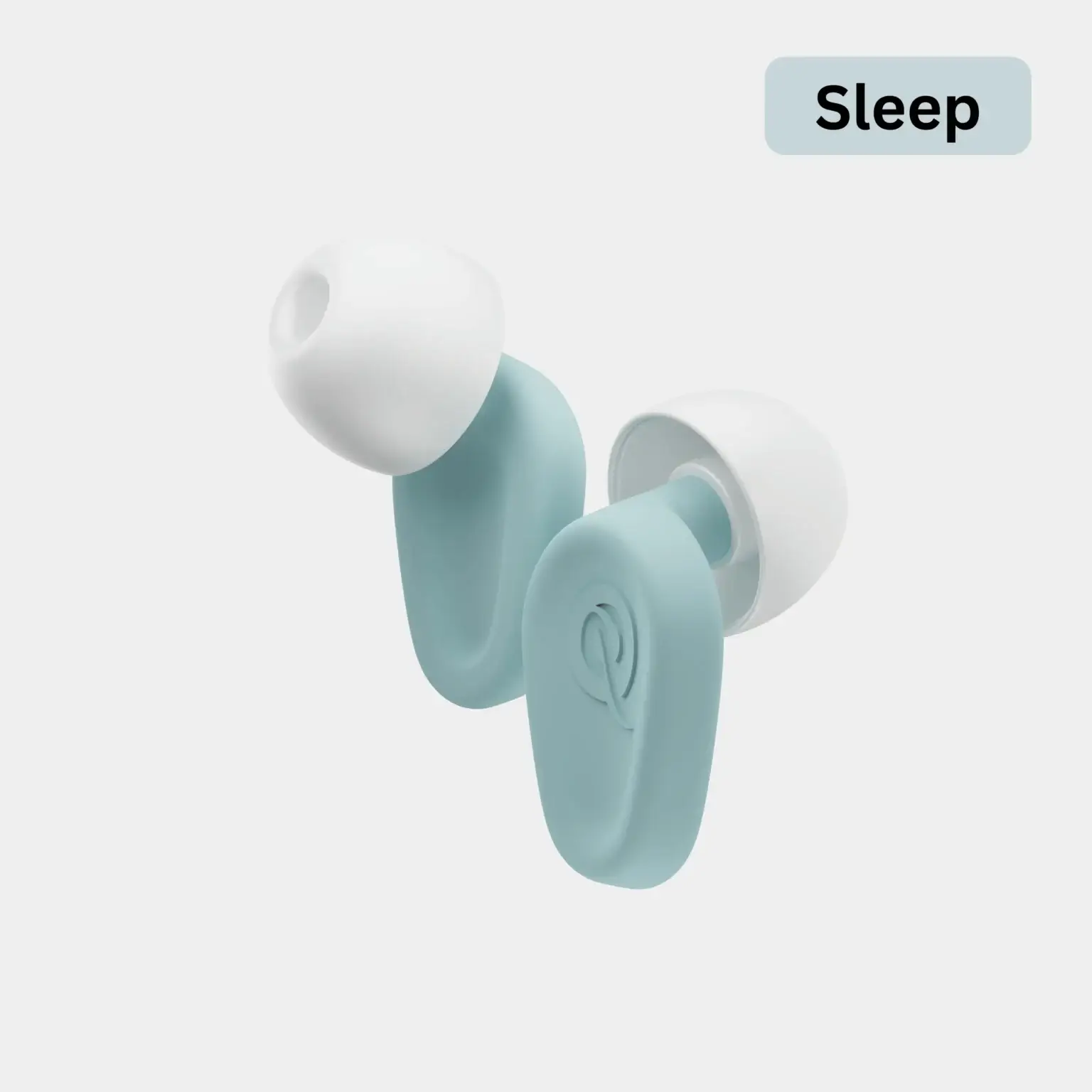
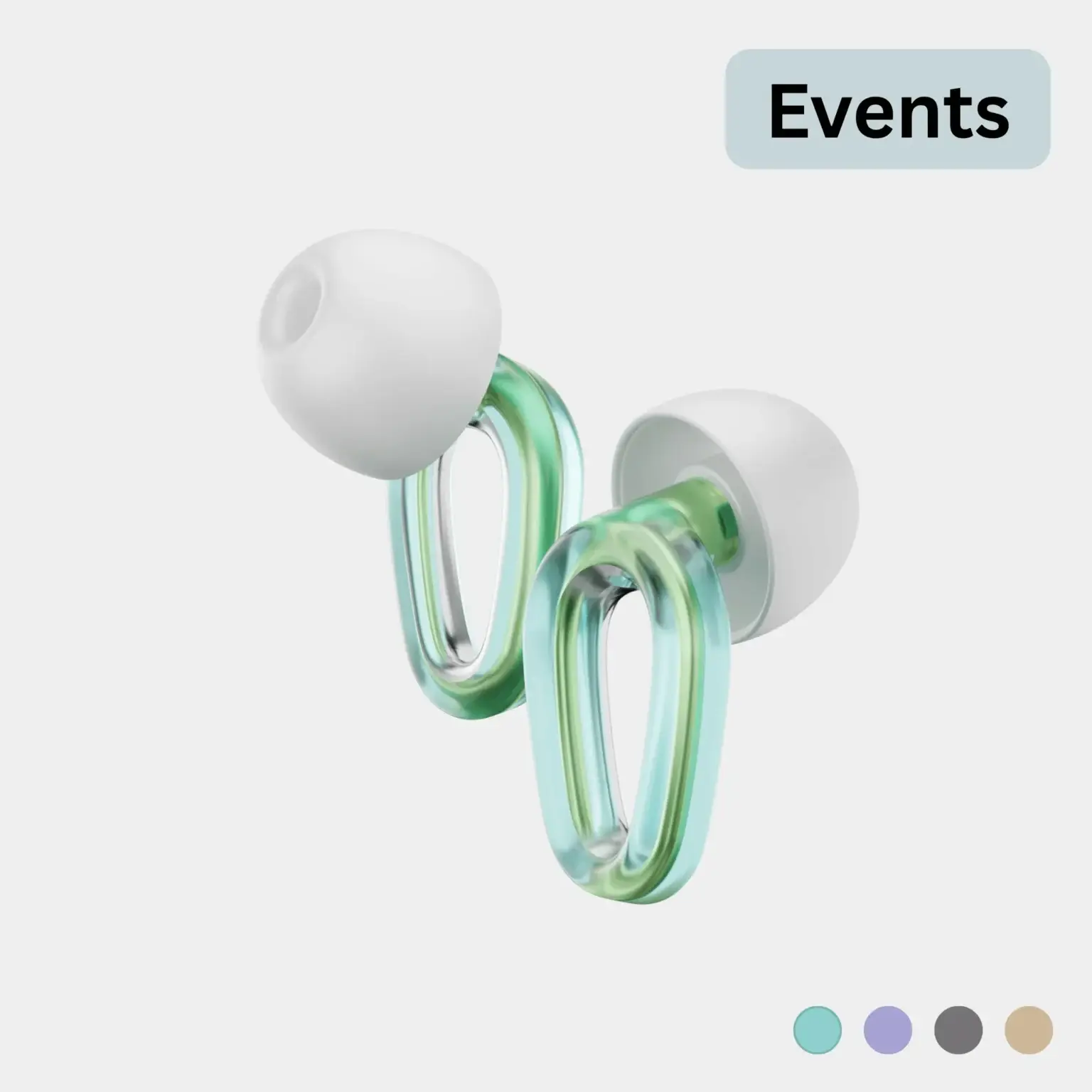
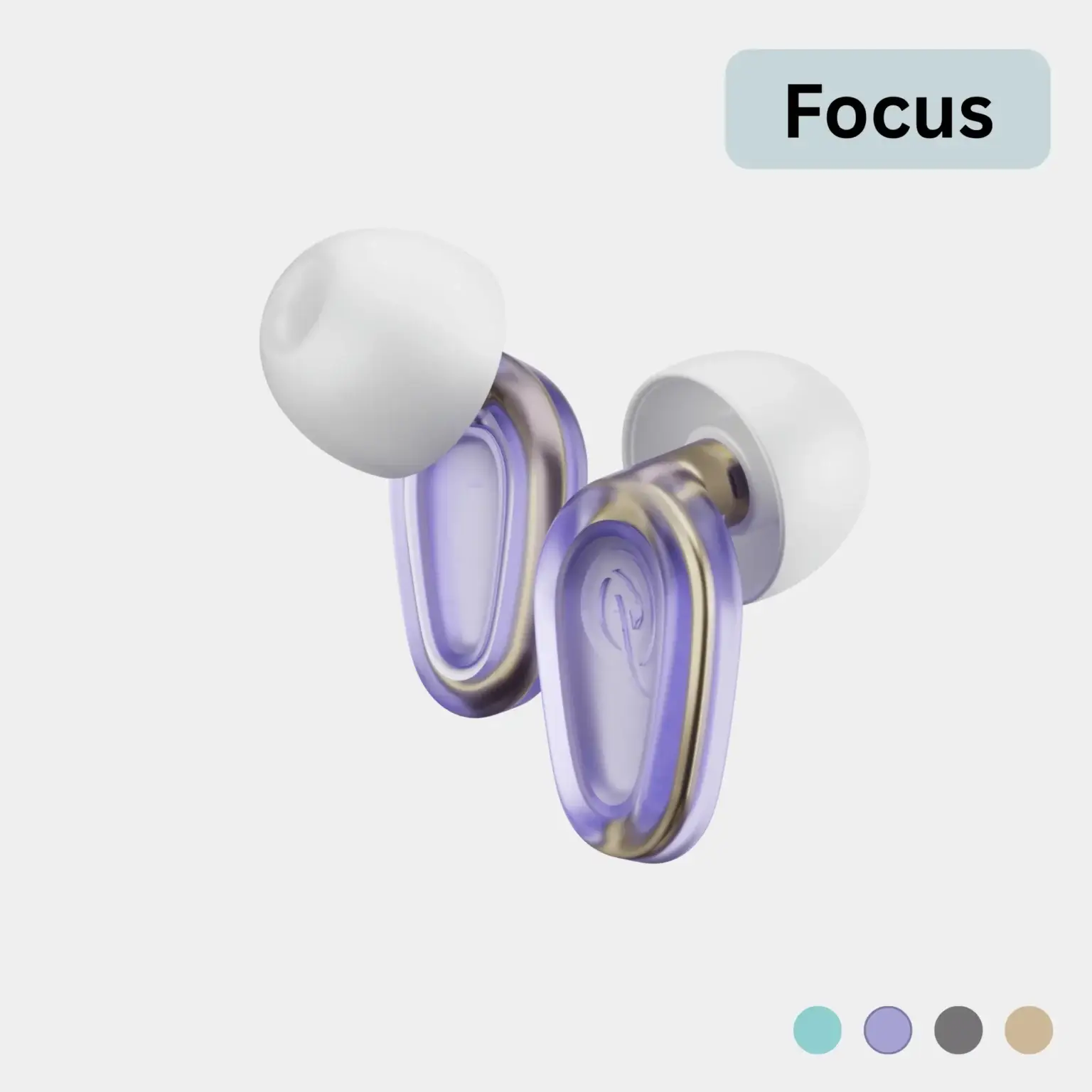
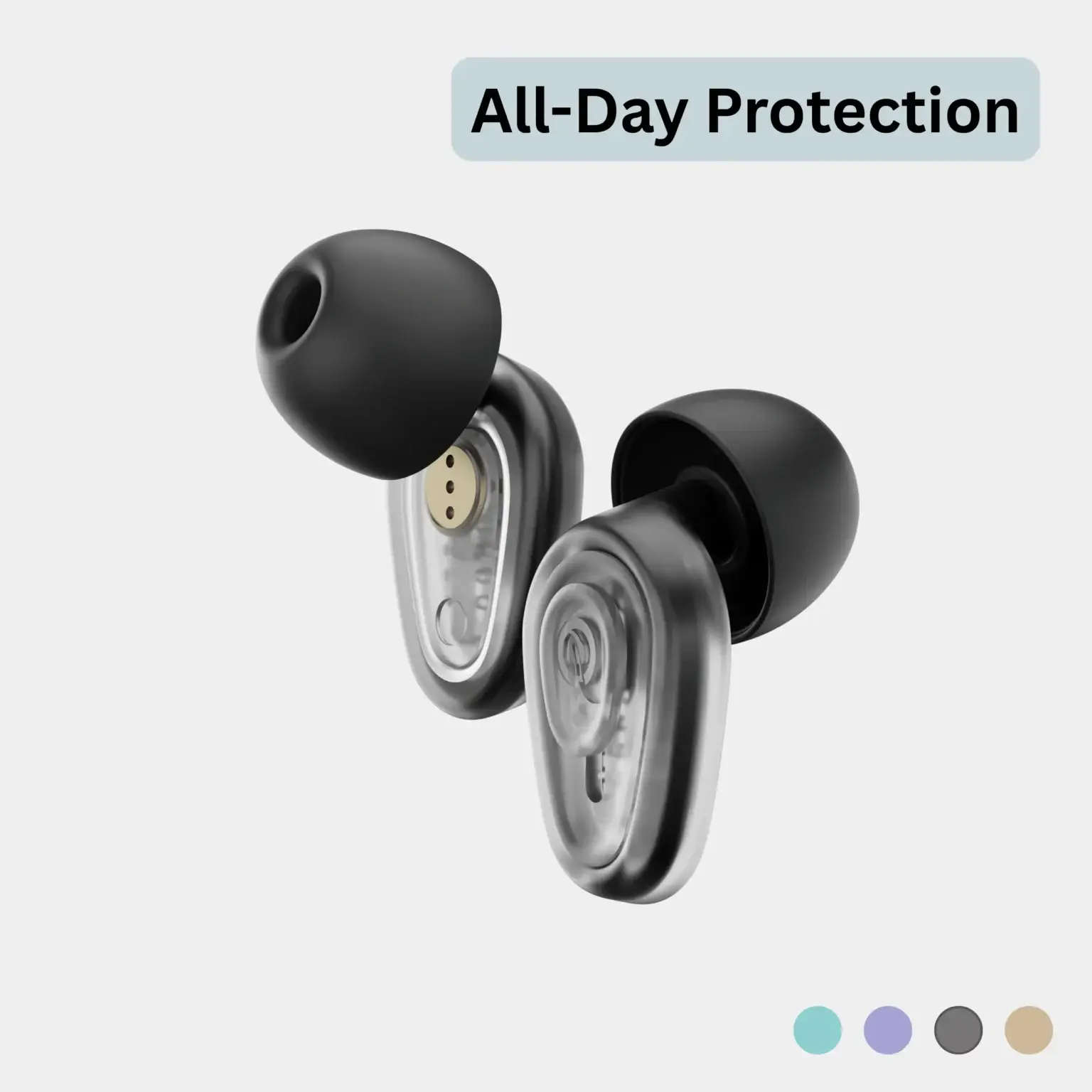
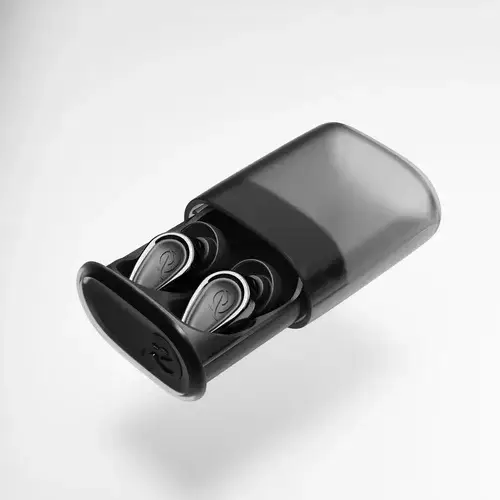
Reusable earplugs with soft, low-profile bodies and purpose-built eartips hit a strong middle ground for many adults. They are designed for repeat wear, easier daily routines, and a cleaner long-term experience. The best ones also look intentional, not clinical or industrial. That matters more than people admit. If a product feels good to wear and is easy to keep at your bedside, you are more likely to use it consistently.
Why side sleepers need to be pickier
If you sleep on your side, comfort is the entire game. Even a small amount of outer-ear pressure can turn into a wake-up trigger after an hour or two. This is where oversized plugs fail. They may block noise reasonably well, but if they stick out too far, your pillow pushes them inward and your body notices.
The best earplugs for sleeping comfortably as a side sleeper are usually slim, soft, and stable. Slim means low profile. Soft means they do not create a hard point of contact. Stable means they stay in place when your head shifts across the pillow. You want a secure fit, but not one that feels wedged in.
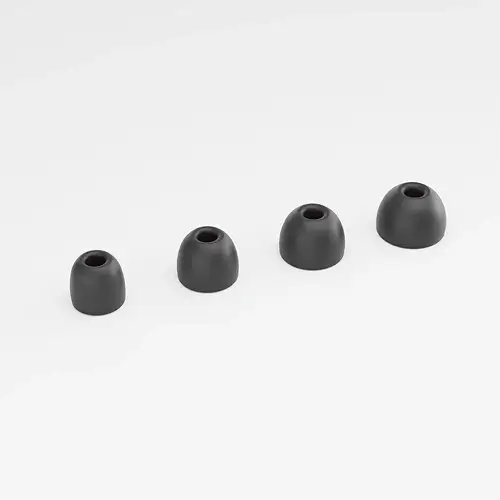
It also helps to look for multiple eartip sizes. A lot of sleep discomfort is really a sizing problem. If the tip is too large, you get pressure. Too small, and the seal breaks. Adjustable sizing gives you a better shot at that sweet spot where the plug feels locked in without feeling invasive.
The fit test that matters more than specs
People love specs, but sleep is personal. A product can look great on paper and still fail in your ear. The real test is whether you can wear it through a full night without irritation, slipping, or sensory distraction.
A good fit should feel secure within a few minutes and then fade into the background. You should not need to keep adjusting it. You should not feel sharp pressure when your head rests on a pillow. And you should not wake up with aching ears or a sense of fullness that lasts into the morning.
This is one reason reusable systems with different tip sizes are such a smart move. They let you tune the experience instead of forcing your ears to adapt to a one-size-fits-all design. For light sleepers, that level of control is not a luxury. It is the difference between trying earplugs once and actually making them part of your nightly routine.
Best earplugs for sleeping comfortably in different situations
Not every sleep problem sounds the same, so the right earplugs depend on what is breaking your rest. If your biggest issue is a snoring partner, you need a reliable reduction in the mid-range frequencies that carry breathing and rumbling sounds. If you live near traffic, a steady, cushioned reduction across background noise matters more than total silence. If parenting is the reason your sleep is fragmented, comfort and quick insertion may matter just as much as raw noise blocking.
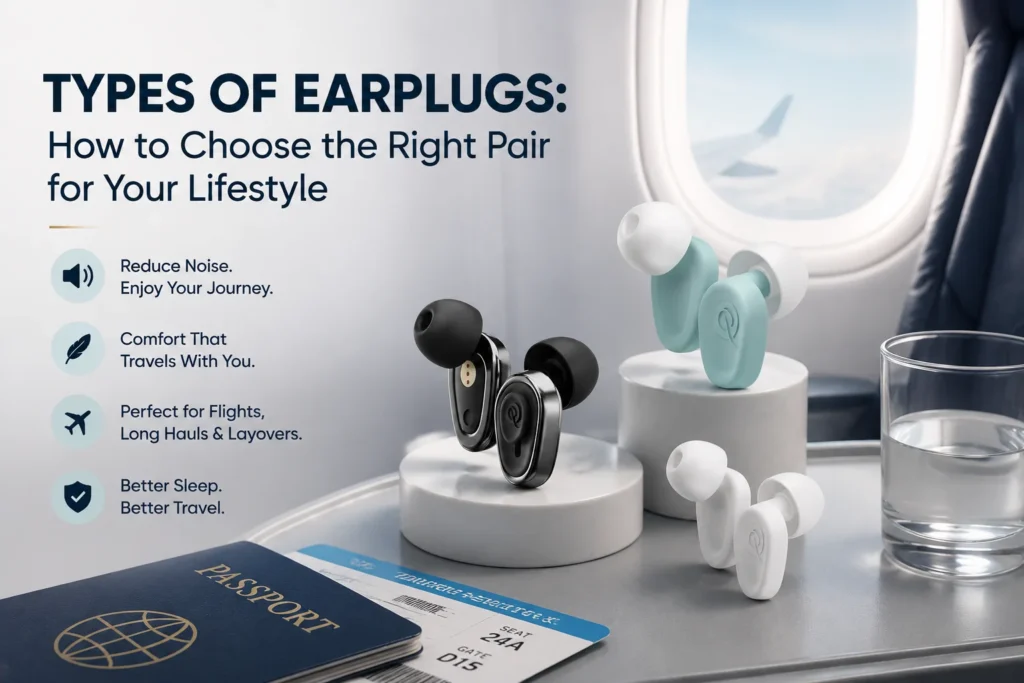
For travellers, the priorities shift again. You want earplugs that are compact, reusable, easy to clean, and comfortable enough for planes, hotels, and unfamiliar environments. A low-profile design pulls extra weight here because it works in bed, against a headrest, or with a sleep mask.
For people with noise sensitivity or tinnitus, the answer can be more nuanced. Overblocking is not always ideal, especially if it makes internal sounds feel louder. In those cases, a comfortable, moderate-reduction earplug may feel better than the most aggressive option available. It depends on your sensitivity, your room, and how your brain responds to sound contrast at night.
What to look for before you buy
Start with profile, softness, and sizing. If a product is marketed for sleep but looks bulky, trust your eyes. If it offers only one tip size, be careful. If the material seems stiff, that matters. Sleep products need to perform under pressure – literally.
Then consider whether you want disposable or reusable earplugs. Disposable can be fine for short-term use, but reusable options usually make more sense for people who want a consistent fit, less waste, and better long-term value. They also tend to feel more like a real solution and less like a temporary patch.
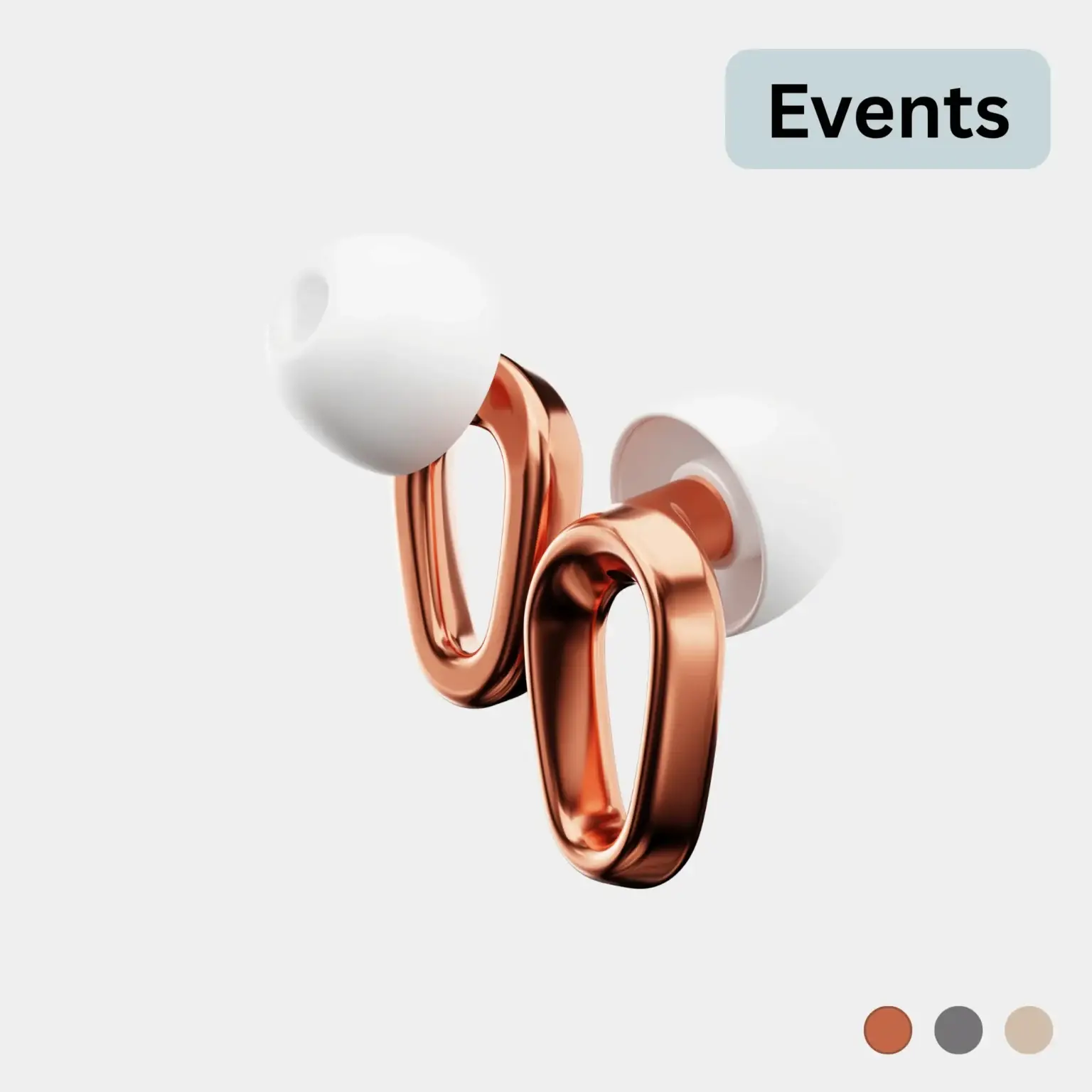
It is also worth paying attention to design intent. Earplugs made for job sites or live events may reduce sound well, but sleep comfort is a different use case. A purpose-built sleep design should prioritise overnight wear, with a shape that stays discreet and comfortable for hours.
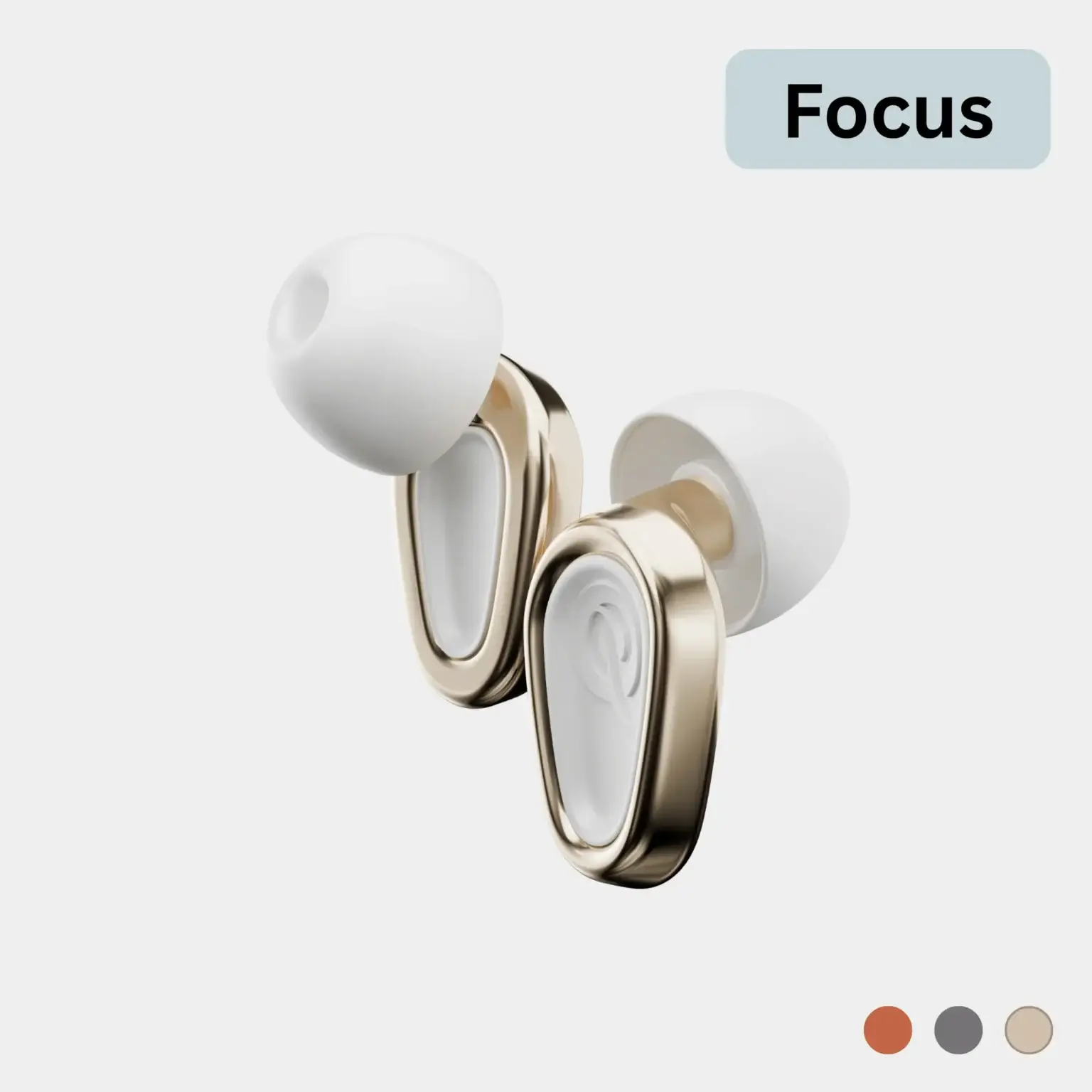
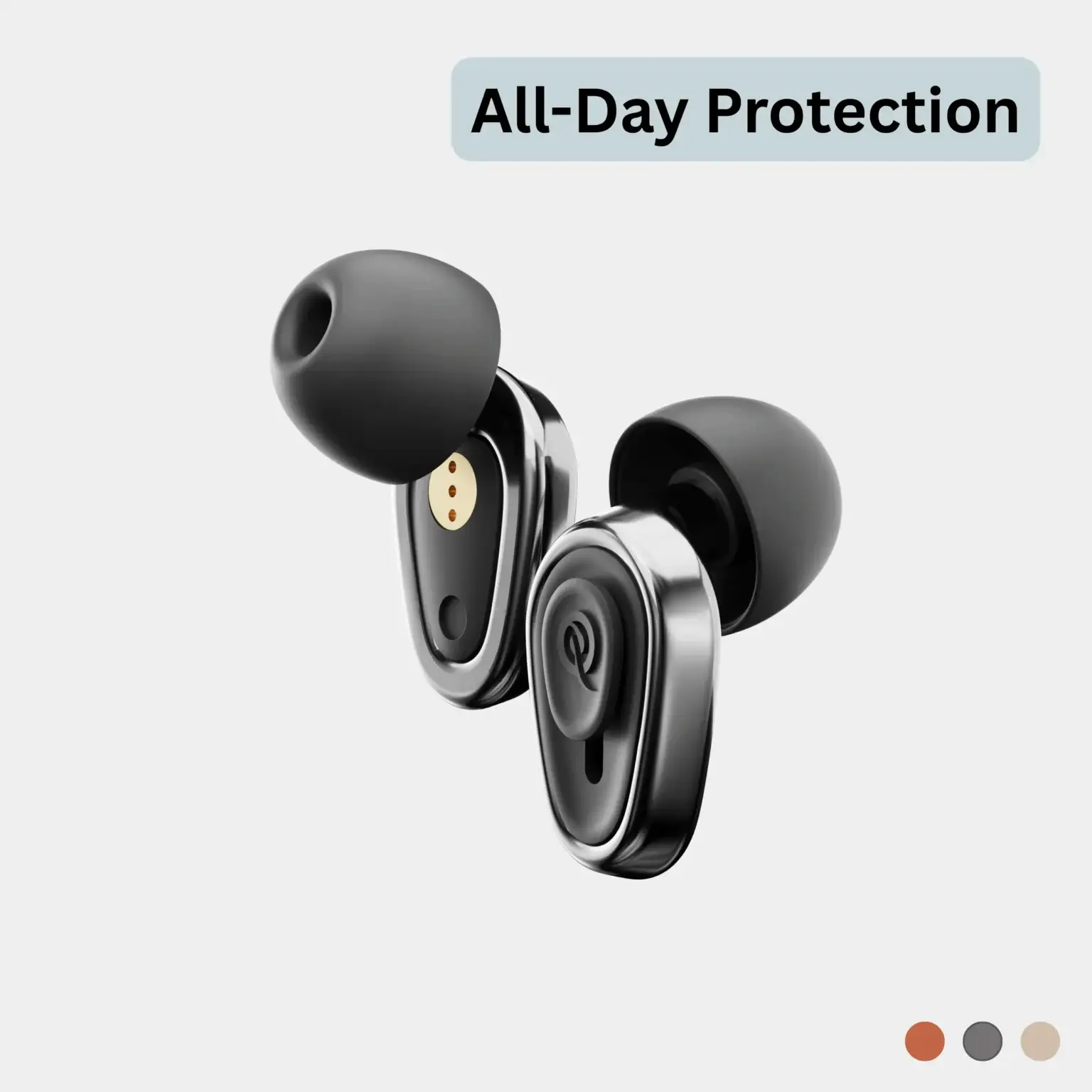
Brands that organise products by use case often make this easier. Earmuffz, for example, frames hearing protection around real-life needs rather than one-size-fits-all claims. That kind of product segmentation helps shoppers choose for sleep, focus, travel, or daily noise control with more confidence. https://earmuffz.com/earmuffz-shop/
The mistake most shoppers make
They shop for silence instead of sleep.
Those are not the same thing. Sleep support is about reducing disruption enough for your nervous system to settle. Chasing total silence can backfire if the plug feels uncomfortable, amplifies internal sounds, or makes you hyper-aware of having something in your ear. The best earplugs are the ones you can actually wear all night, consistently, without fighting them.
That means comfort should lead the decision. Noise reduction matters. Material matters. Reusability matters. But if the plug is not easy to live with, it will end up in a drawer.
A better night starts with better control. Not more gear. Not more guesswork. Just an earplug that fits your ears, your sleep position, and your actual environment. Get that right, and bedtime gets a whole lot quieter in the way that counts.