
Tinnitus Friendly Earplug Guide for Daily Control
A sudden hand dryer, a packed train, a neighbour’s drill at 8am – when you live with tinnitus, everyday sound can feel less like background noise and more like a full-volume assault. This tinnitus friendly earplug guide is about taking back control without cutting yourself off from the world. The right pair can soften the edge of overwhelming sound, support calmer routines and make more of your day feel manageable.
Earplugs are not a cure for tinnitus. They cannot remove ringing, buzzing or humming, and they are not a replacement for professional medical advice. But used thoughtfully, they can be a powerful part of your noise-management toolkit.
Why tinnitus changes the earplug decision
Tinnitus is deeply personal. For one person, the challenge is a sharp spike in symptoms after a gig. For another, it is the relentless clatter of an open-plan office, the Tube, school pick-up or a partner’s snoring. Your triggers, hearing levels and tolerance for sound may change from day to day.
That is why the goal is not maximum silence at all times. It is better volume control. Earplugs should reduce sound to a more comfortable level while helping you stay present, aware and able to communicate when you need to.
Overprotecting in ordinary, safe sound environments can be counterproductive for some people with sound sensitivity. Wearing high-blocking earplugs all day in a quiet home, for example, may make normal sound feel more intense when you take them out. Think in terms of proportion: use meaningful protection for genuinely loud or draining environments, then give your ears space to experience normal everyday sound where it feels safe and comfortable.
What makes an earplug tinnitus friendly?
A tinnitus-friendly earplug is not a medical category. It is a practical description for an earplug that fits comfortably, offers predictable noise reduction and suits the situations that aggravate you most. The best choice is usually one you will actually wear consistently, rather than the pair with the biggest number on the box.
Comfort comes first
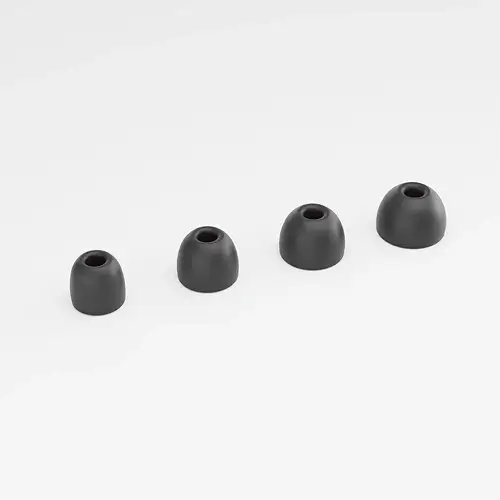
If an earplug creates pressure, rubs your ear canal or works loose after 20 minutes, it will not support your routine. Look for a low-profile shape, soft eartips and multiple tip sizes. A secure fit matters, but so does being able to wear your plugs on a train, at your desk or in bed without constantly noticing them.
For tinnitus sufferers, comfort can be more than a convenience. When you are already hyper-aware of sound and sensation, a bulky or poorly fitted plug adds another distraction. A discreet, lightweight design makes regular use far more realistic.
Choose controlled reduction, not guesswork
Noise reduction ratings help you compare earplugs, but they are not a promise that every sound will disappear. Actual performance depends on fit, ear shape and the type of noise around you. Low-frequency rumbles from buses or bass can behave differently from high-pitched clatter, voices or dishes.
For daily situations, a moderate level of reduction is often the sweet spot. You want to take the harshness out of the environment while retaining enough awareness for conversation, announcements and traffic. Higher protection has its place at loud events, around machinery or when riding a motorcycle, but it can be too isolating for a café or a standard workday.
Choose products that clearly state their tested protection and follow recognised standards. Certified hearing protection gives you a more dependable starting point than vague claims such as “noise cancelling”. Earplugs do not cancel sound electronically. They physically reduce what reaches the ear.
Reusable design makes protection easier to keep close
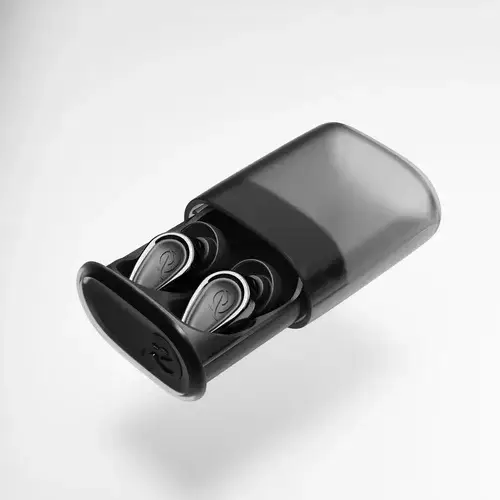
The moment you need earplugs is rarely the moment you want to hunt through a bag for a crushed pair of foam plugs. Reusable earplugs with a protective case are easier to carry, easier to keep clean and ready for the moments when sound levels turn against you.
That matters for tinnitus management. A reliable pair in your pocket, work bag or bedside drawer lets you respond early, before an environment becomes unbearable. It is a small move that creates more confidence in busy places.
Match your earplugs to the moment
One pair can cover plenty of ground, but your most difficult environment should guide your choice. Start with the situation that leaves your ears feeling most fatigued or causes your tinnitus to flare.
For sleep, prioritise softness and a low-profile fit. The aim is to reduce disruptive sound such as snoring, traffic or household noise without creating painful pressure against the pillow. Complete silence is not essential, and for some people it can make tinnitus more noticeable. Gentle sound enrichment from a fan, quiet ambient audio or a sound machine may be more comfortable alongside earplugs than trying to create a silent room.
For work and focus, choose reduction that removes the sharpest distractions but does not make colleagues impossible to hear. Offices can be deceptively exhausting: keyboards, calls, coffee machines and overlapping conversations create a constant cognitive load. A comfortable, reusable plug can lower that load and help you protect your concentration without looking like you are wearing industrial safety gear.
For commuting and travel, stable fit is key. Trains, planes and busy stations bring sustained noise rather than one short burst. Earplugs can make the journey feel less abrasive, but they should not prevent you from hearing essential safety information. Keep visual awareness high, especially near platforms, roads and crossings.
For concerts, sporting events, clubs and festivals, use properly rated hearing protection designed for loud sound. This is not the time to rely on tissue, loose earbuds or improvised fixes. Position yourself away from speakers where possible, take breaks in quieter areas and give your ears recovery time after the event. If your tinnitus spikes afterwards, that is useful feedback – not something to push through next time.
For motorcycling, DIY and other high-noise activities, protection is a non-negotiable part of the kit. Wind noise inside a helmet can be significant, and power tools can reach damaging levels quickly. Select earplugs compatible with your helmet or safety equipment, and make sure they do not interfere with safe communication or awareness.
How to get the fit right
Even excellent earplugs underperform when inserted poorly. Start with clean hands and clean earplugs. Choose the eartip size that seals gently rather than painfully. Insert the plug following its instructions, then give it a few seconds to settle before assessing the fit.
A good seal should make the room noticeably calmer, not make your ear feel blocked, sore or under pressure. Your own voice may sound different, which is normal with earplugs, but sharp pain is not. If you repeatedly struggle to get a seal, try another tip size or design instead of forcing it.
Check your fit before entering a loud setting, not halfway through it. In a concert queue, on a station platform or before starting the lawnmower is the right time to make adjustments. Prevention works best before the noise exposure begins.
Common mistakes to avoid
Do not use earplugs as a reason to stay longer in punishing noise. Protection reduces risk; it does not make extreme exposure consequence-free. Step away, take quiet breaks and move further from the source when you can.
Avoid sleeping in earplugs that cause pain, itching or persistent dampness. Keep reusable plugs clean and dry according to their care instructions, and replace worn eartips. Never push objects into your ear to remove wax or an earplug. If you suspect wax build-up, infection or a lodged earplug, seek appropriate clinical advice.
Be cautious with online claims that a particular plug will “stop tinnitus”. No earplug can make that promise. A more credible standard is whether it helps you feel calmer, less overwhelmed and better able to handle the sound environments that matter to you.
When to seek professional help
New tinnitus, sudden hearing changes, dizziness, ear pain, discharge or tinnitus that pulses in time with your heartbeat deserve prompt medical assessment. The same applies if tinnitus follows a head injury or is affecting sleep, mood or daily functioning.
A GP, audiologist or hearing professional can help identify whether hearing loss, wax, medication, jaw issues or another factor may be involved. They can also advise on sound therapy, hearing protection habits and strategies that fit your specific symptoms.
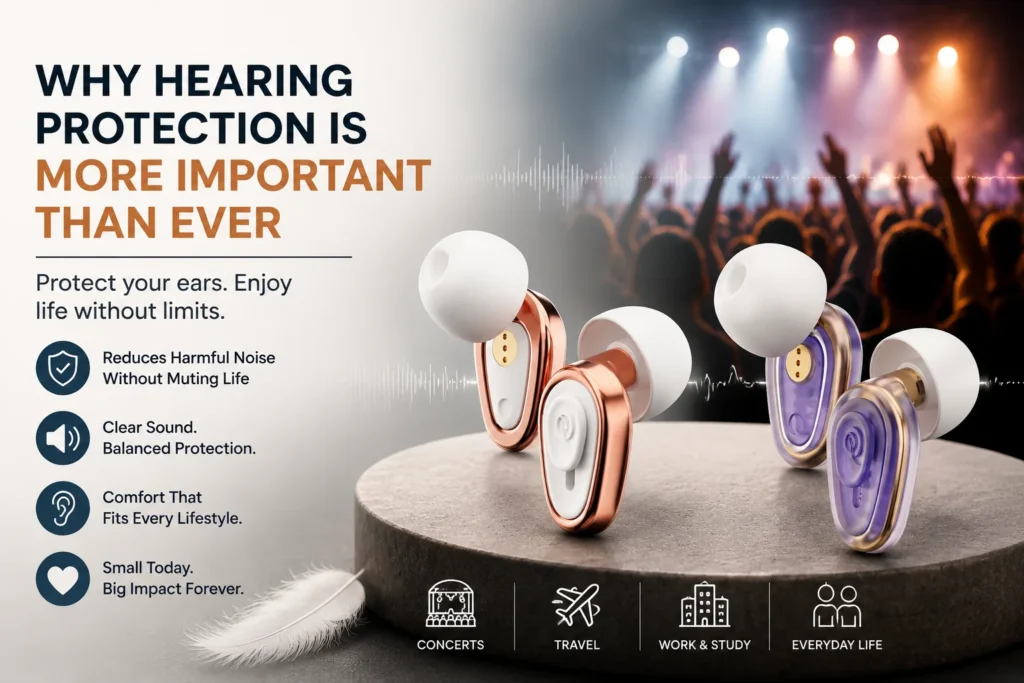
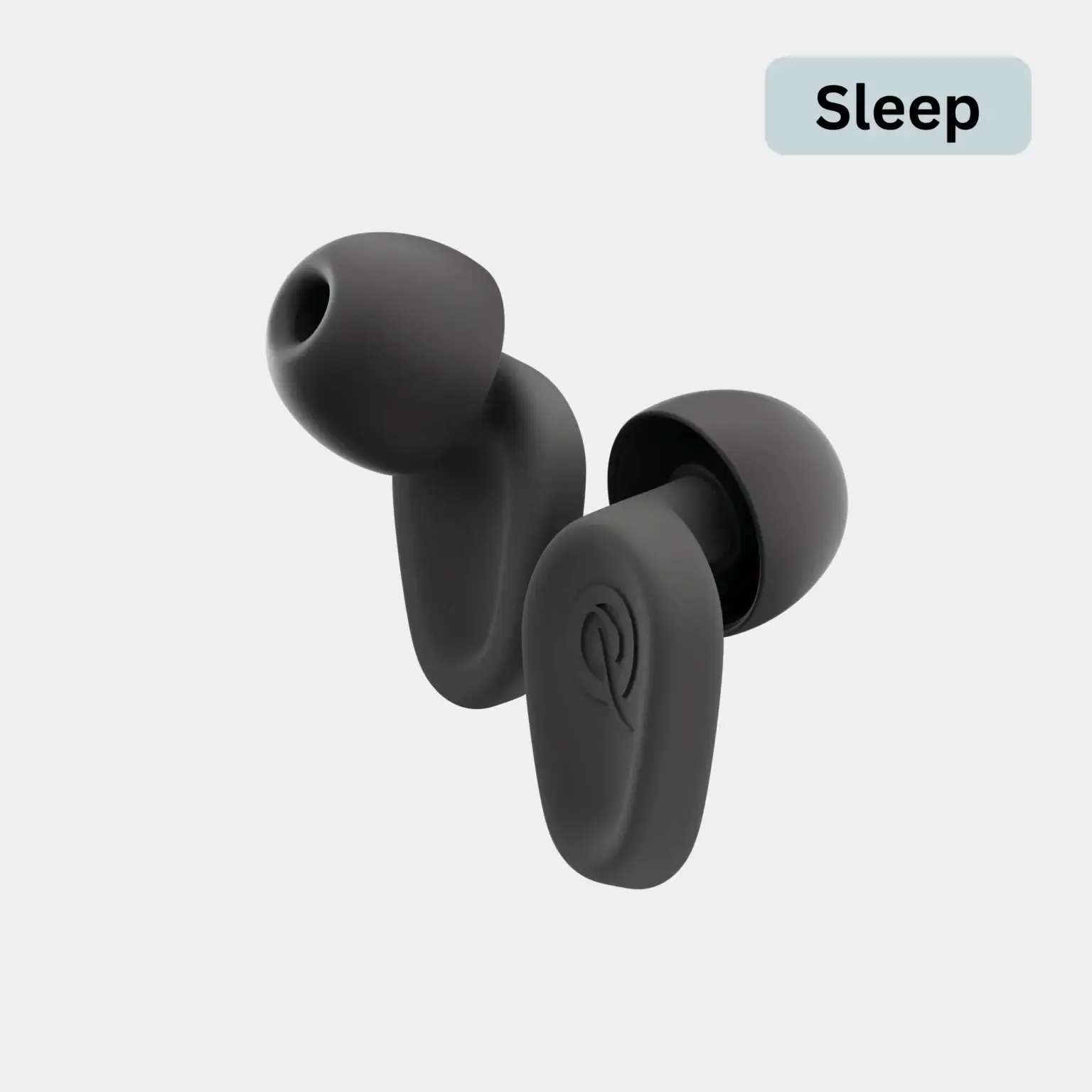
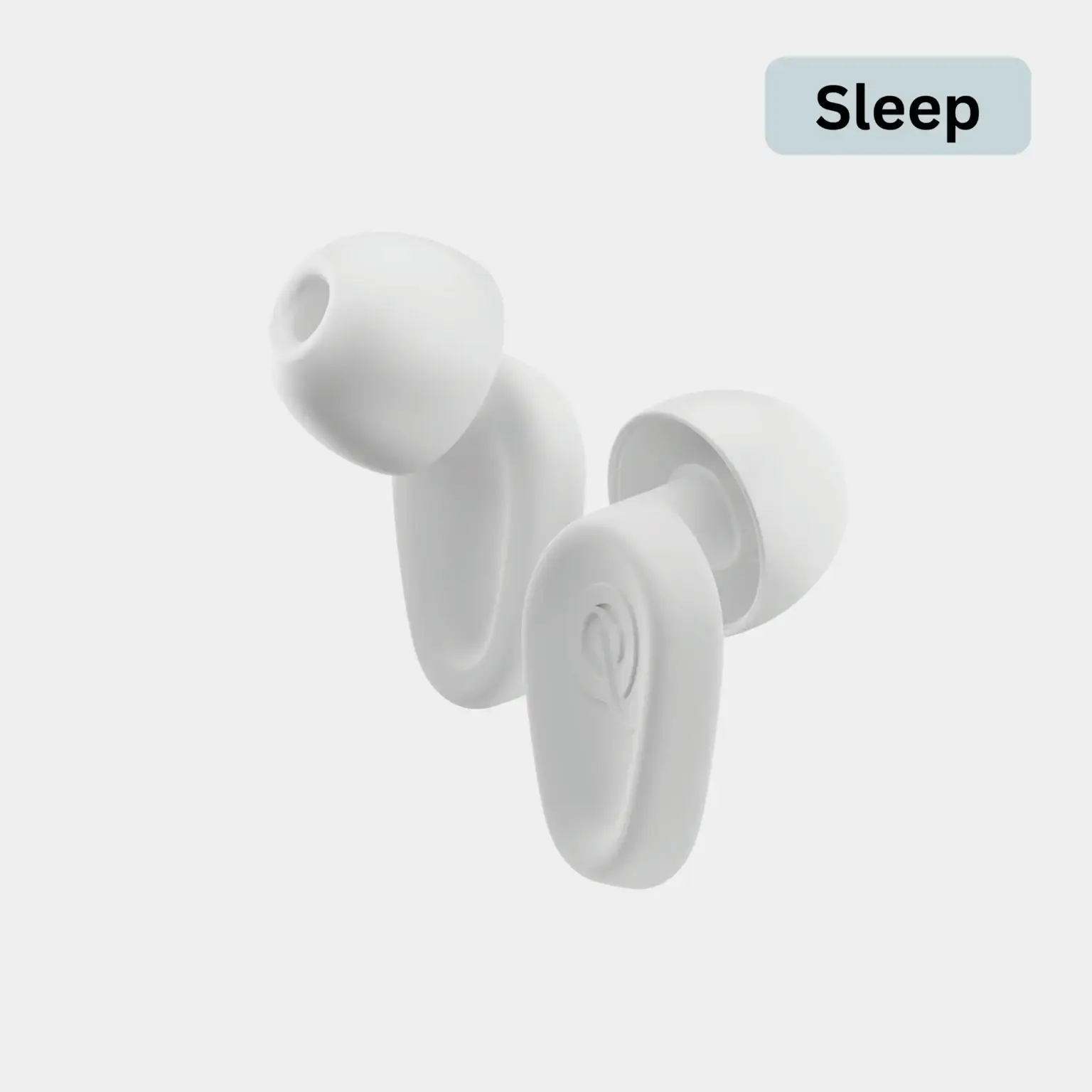
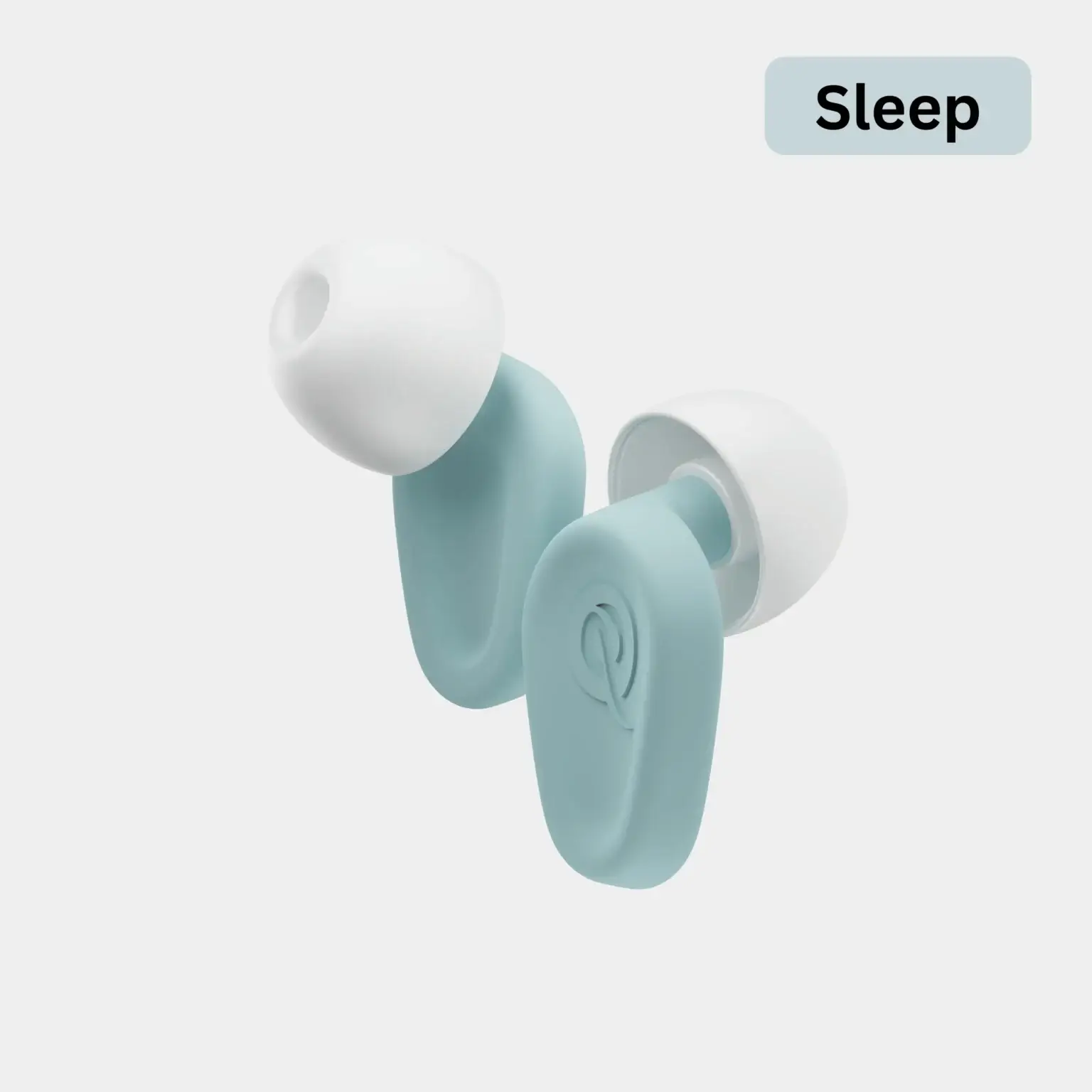
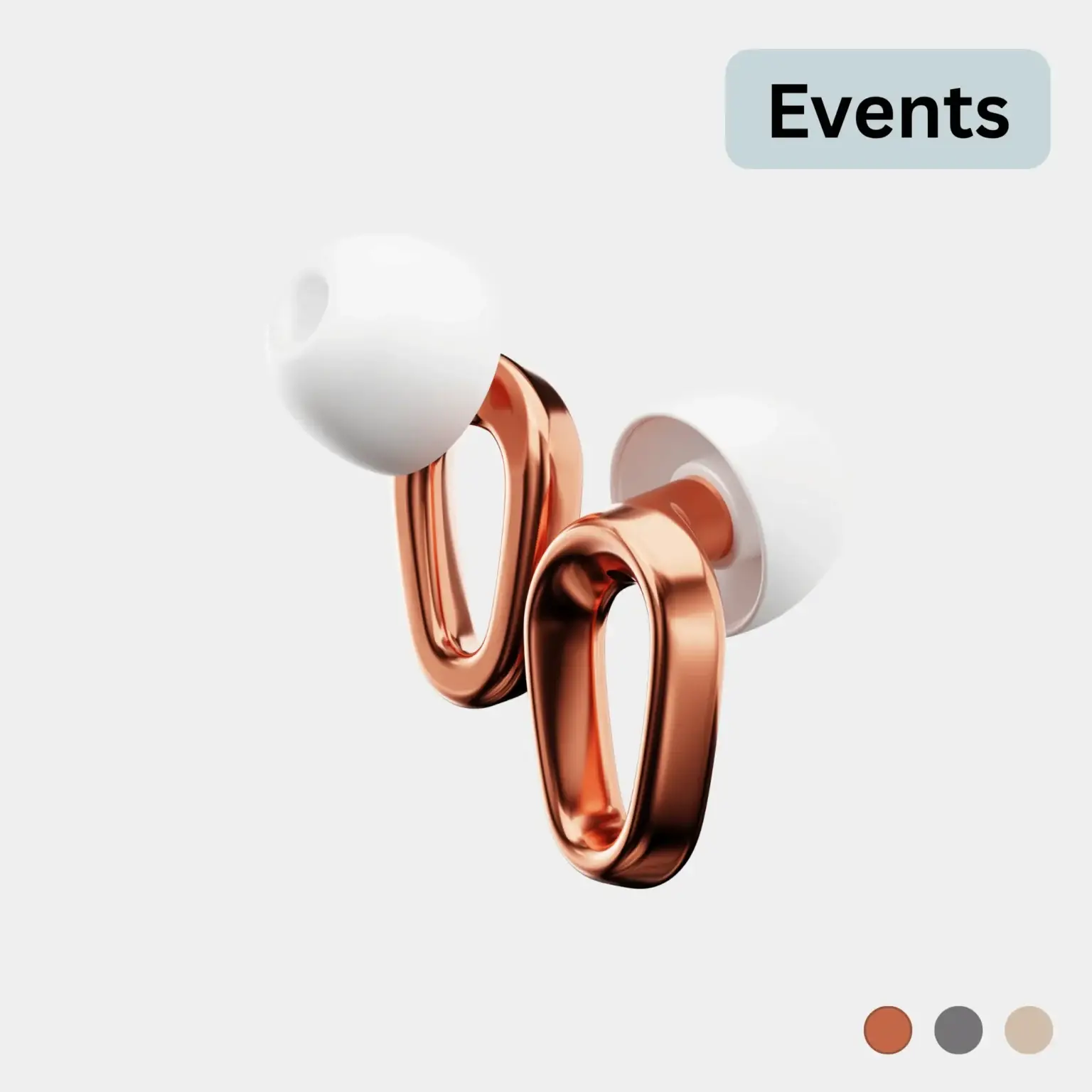
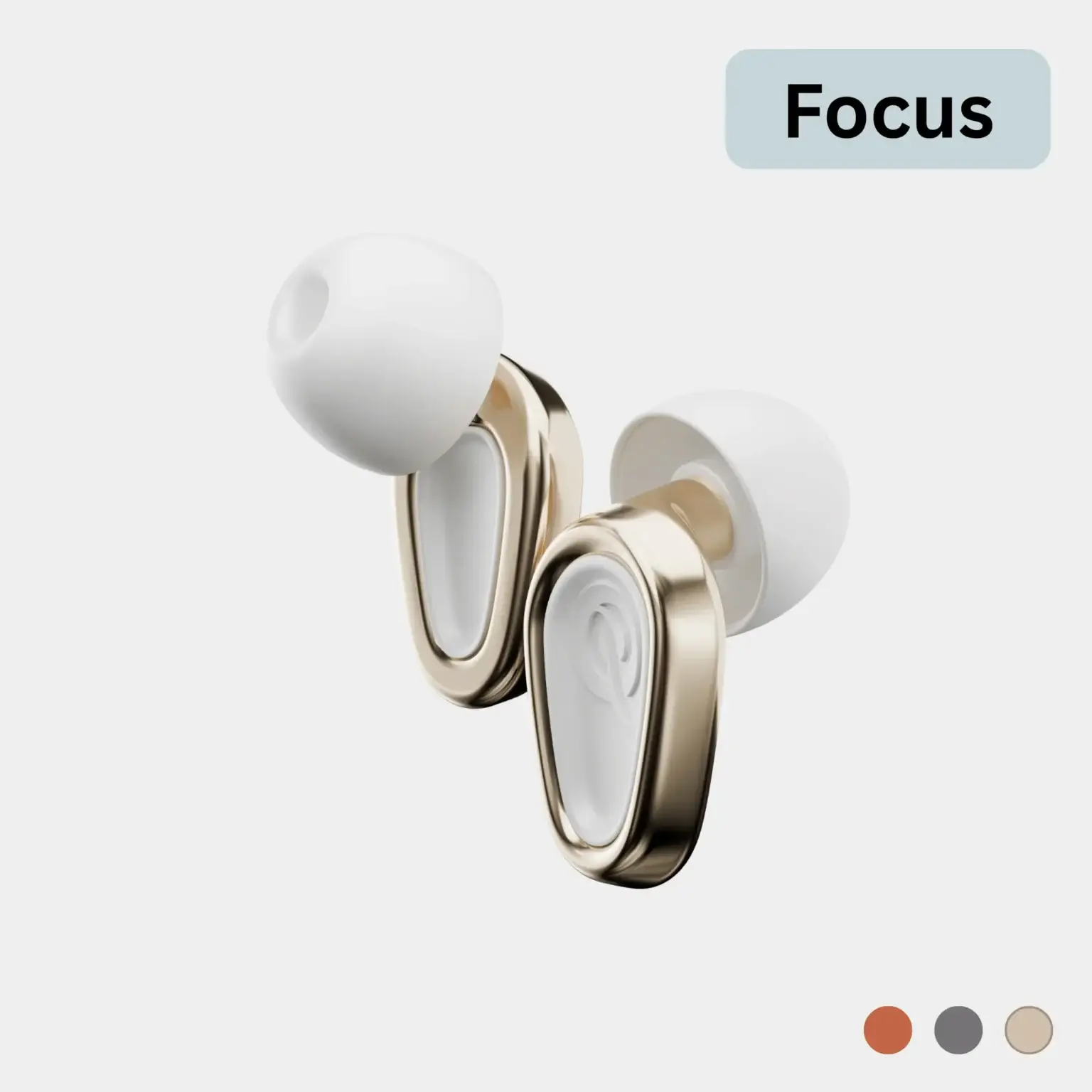
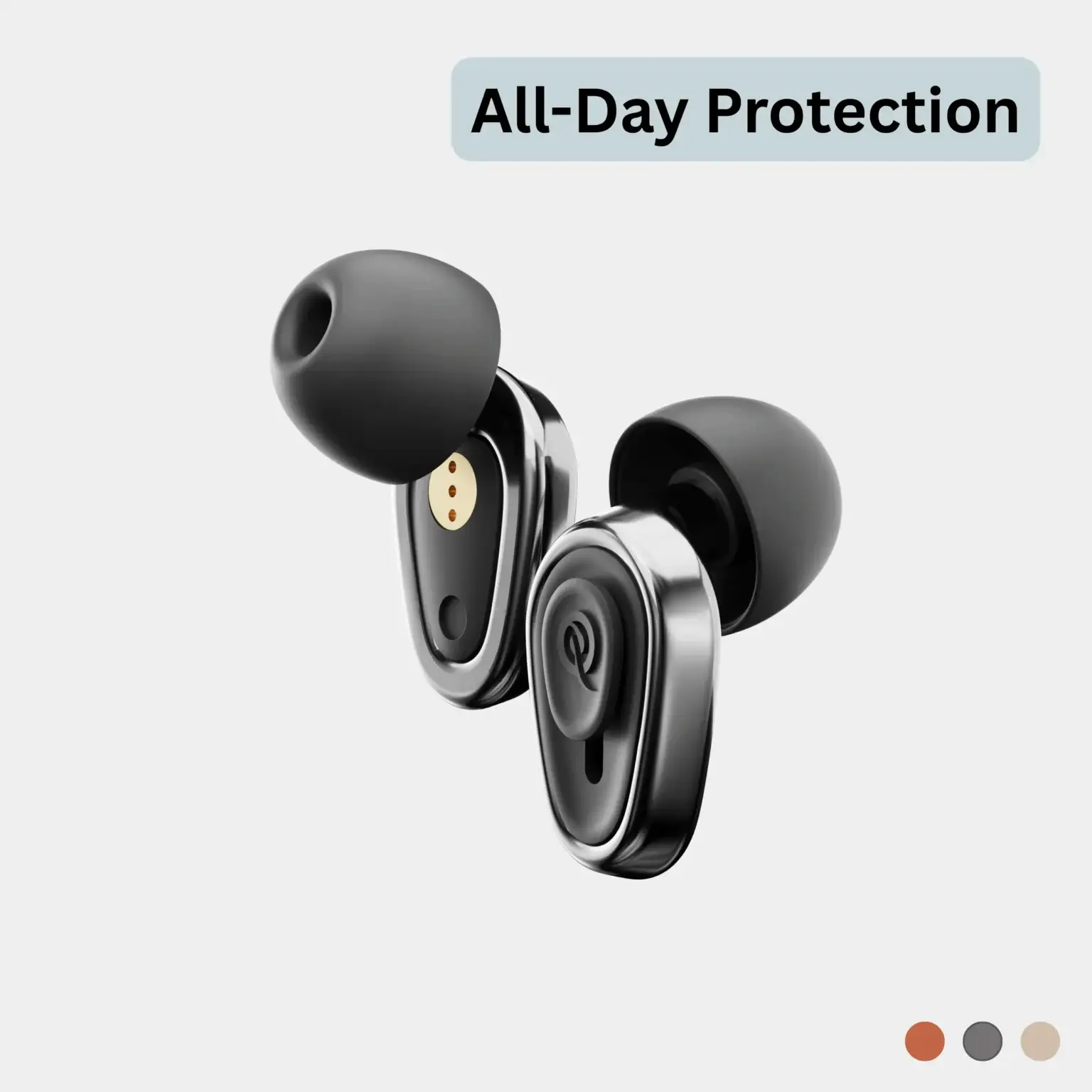
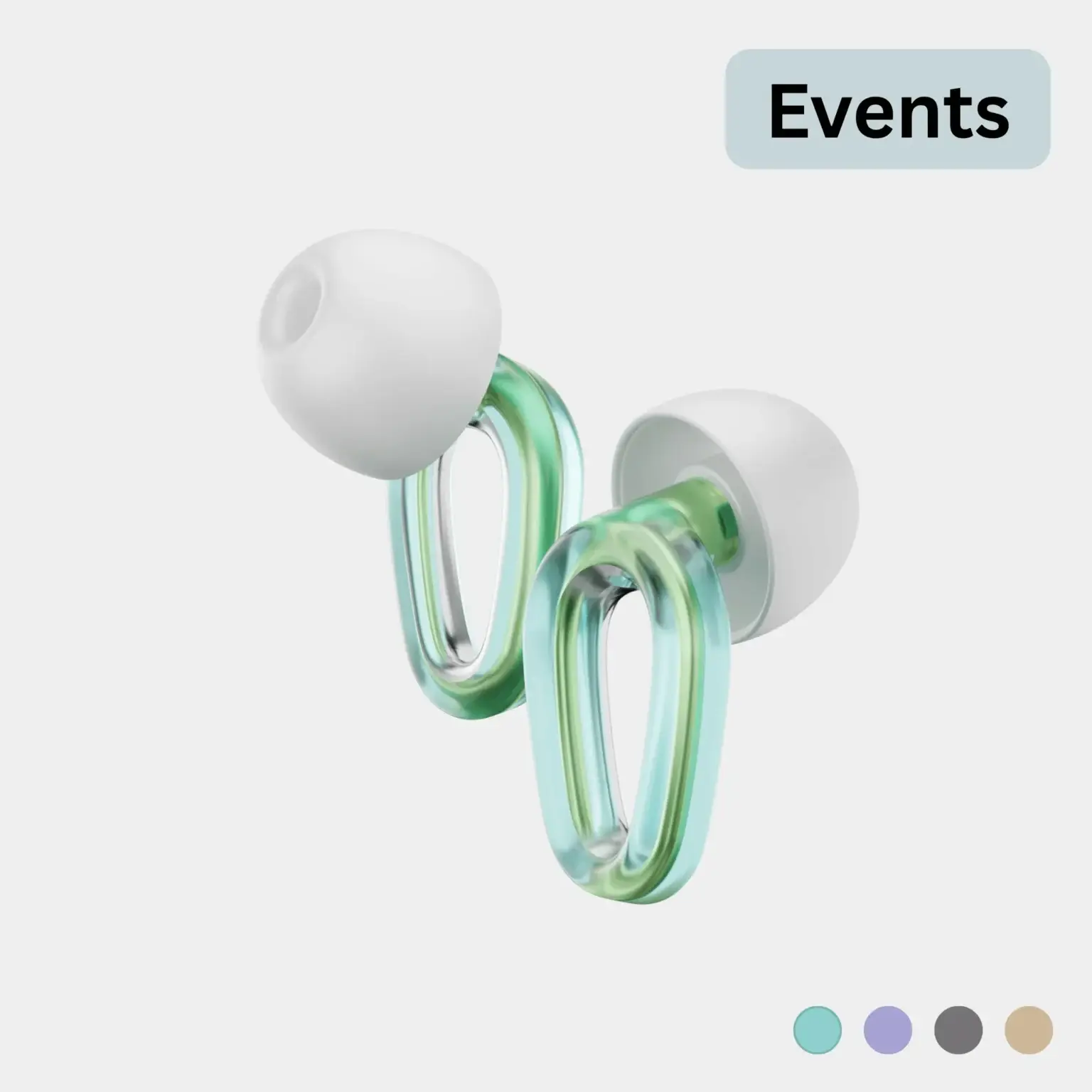
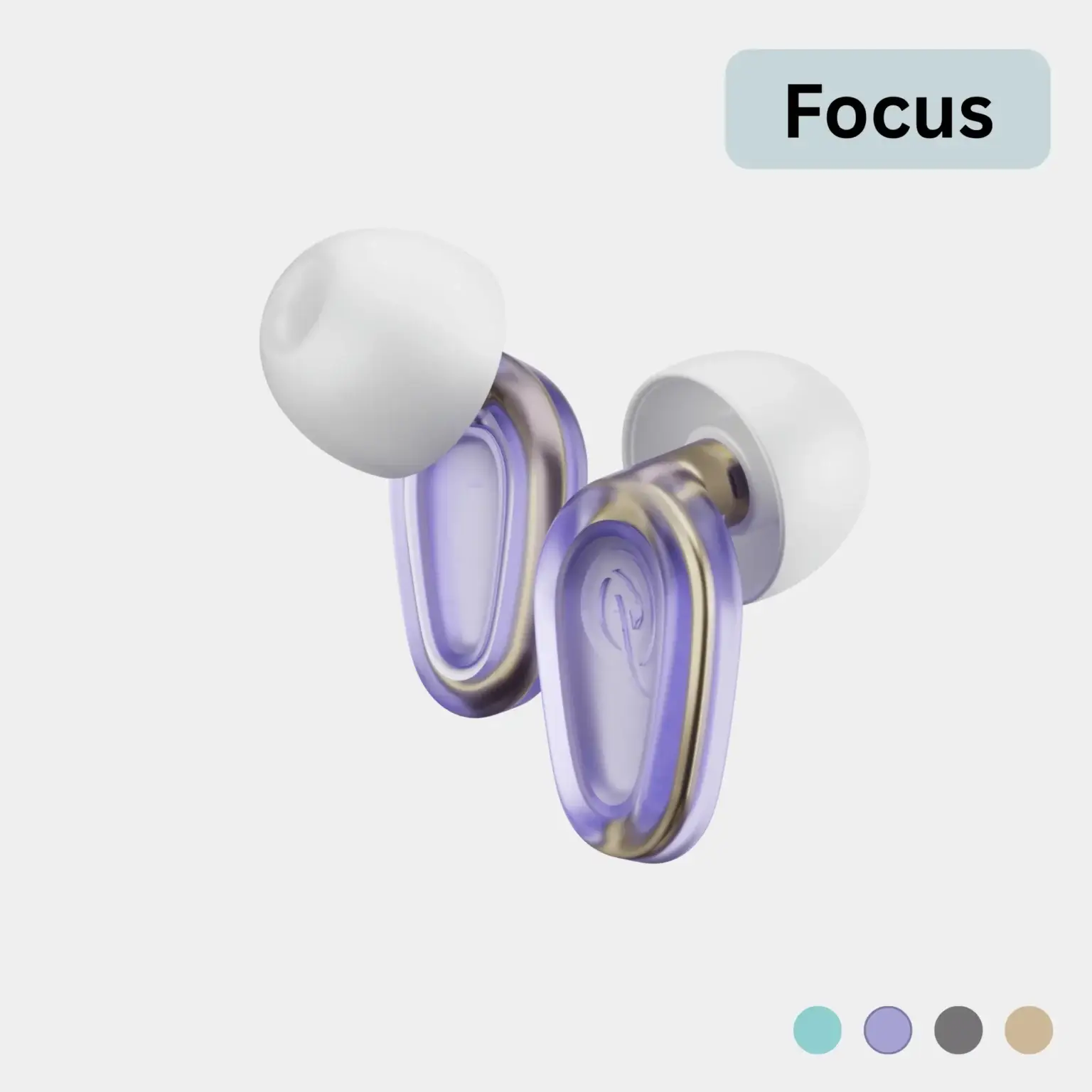
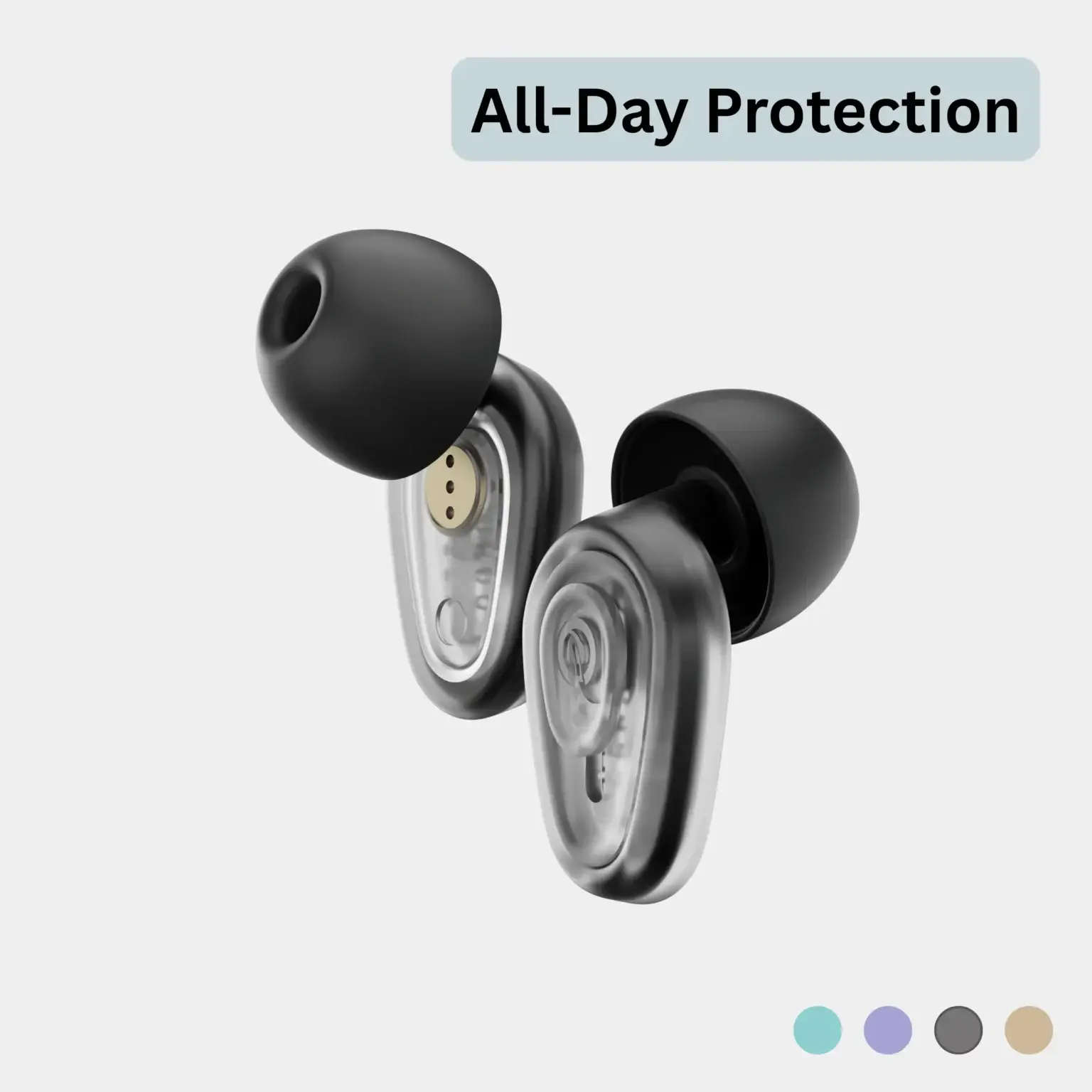
Earmuffz reusable earplugs are designed around this everyday need for total volume control: a low-profile, comfort-first option for focus, rest, travel and loud moments when your ears need a break. The strongest choice is still the one matched to your environment, fitted correctly and used with sensible limits.
Your world does not need to become silent for it to feel better. Give harsh sound less power, protect your recovery time and keep a pair of comfortable earplugs close for the moments you want to own.