
Commuter Earplug Buying Checklist That Works

The 08:12 train is loud enough without becoming the soundtrack to your whole day. A reliable commuter earplug buying checklist helps you cut the grind of rail screech, bus engines, station announcements and packed-platform chatter, while keeping you connected to what matters.
The goal is not total silence. It is total volume control. The right reusable earplugs can take the edge off daily noise, protect your energy and make the journey feel less like a battle before work has even begun.
Start with the commute you actually have
“Commuting” covers very different noise environments. Someone travelling by Tube faces sharp braking sounds, reverberant tunnels and crowded carriages. A train commuter may need relief from wheel noise and fellow passengers. Walking through a city calls for a different balance again, especially near traffic, cyclists and crossings.
Be honest about where noise gets to you. Is it the constant low rumble? Sudden high-pitched squeal? Loud conversations when you are trying to read? Or the sensory overload of everything happening at once? Earplugs do not need to block every sound to make a major difference. Reducing the overall intensity can leave you calmer, more focused and less drained when you arrive.
If you drive, ride a motorbike or cycle, choose hearing protection specifically suited to that activity and remain alert to road conditions. Never use earplugs as a reason to tune out alarms, warnings or the environment around you.
Commuter earplug buying checklist: the non-negotiables
Use this checklist before choosing a pair. It keeps the decision focused on real daily wear, not just a big number on the packaging.
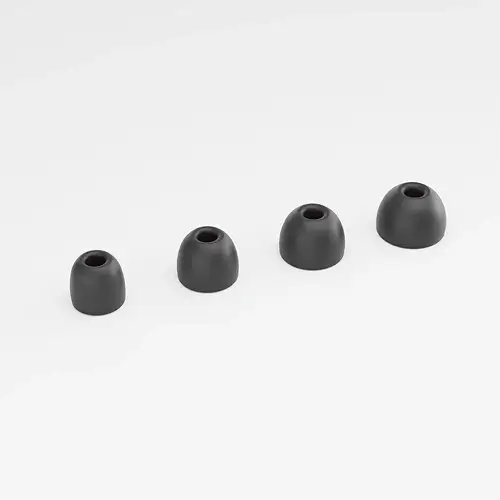
- Comfort over several hours. Your earplugs should sit securely without pressure, soreness or the urge to remove them after twenty minutes. Look for soft, flexible eartips and multiple sizes. The best noise reduction means little if the earplugs stay in their case.
- A practical level of noise reduction. More is not automatically better for every commute. Very high attenuation can make the world feel overly distant. For buses, trains, offices and city streets, many people prefer a controlled reduction that lowers harshness while leaving useful sound accessible.
- A low-profile shape. Bulky protection is effective in industrial settings, but it can feel awkward under a beanie, helmet or hair. A discreet design is easier to wear consistently, which is what turns hearing protection into a habit.
- A secure fit that does not shift. Earplugs should not loosen when you talk, chew, climb stairs or rush for a connection. Different ear canals need different eartips, so sizing options are not an extra. They are essential.
- Reusable materials and easy cleaning. Daily commuters need a product built for repeat wear. Reusable earplugs reduce the faff and waste of disposable foam pairs, provided you clean them as directed and store them properly.
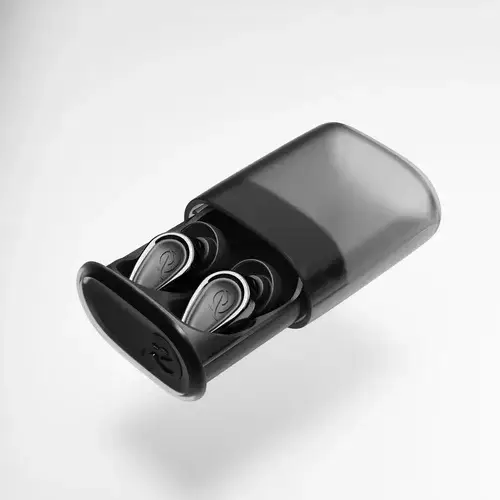
- A case you will carry. Earplugs loose in a coat pocket collect lint and disappear fast. A compact, protective case keeps them clean, easy to find and ready when the platform gets loud.
- Clear standards and claims. Check what the stated rating means and whether the product is tested to recognised standards. In the UK and Europe, CE marking and EN 352 certification are useful trust signals for hearing protection products. Ratings only work when the earplugs are fitted correctly.
- The awareness balance. You may still need to hear a conductor, a colleague, an approaching cyclist or your stop announcement. Choose a design and reduction level that supports your route, and remove your earplugs where full hearing is necessary.
Do not shop by decibel number alone
A single attenuation figure can be helpful, but it cannot tell you how a pair will feel on the Northern line at 8:30, or whether you can tolerate them through a full return journey. It also cannot compensate for a poor seal.
Noise ratings are measured under defined test conditions. Real-world performance varies with ear shape, tip size, insertion depth and movement. If a supposedly high-reduction earplug feels loose, it may deliver far less protection than a lower-rated pair that fits you properly.
Think about sound quality as well as sound quantity. Some reusable earplugs use acoustic filters to reduce volume more evenly than basic foam. This can make music, conversation and announcements feel more natural, rather than muffled into a blur. That is especially useful if your commute includes a coffee stop, a shared lift or a noisy open-plan office after the train.
Fit is the performance feature
A good fit should feel present, not painful. Start with the smallest eartip that forms a consistent seal, then size up only if outside sound remains unexpectedly loud or the plug moves around. There should be no sharp pressure and no need to force the earplug deep into your ear.
Test the fit at home before relying on it during a busy journey. Insert the earplugs, speak aloud, walk around and move your jaw. Listen to a familiar sound such as a fan or kettle from a safe distance. If one side feels noticeably less effective, try a different tip size in that ear. Many people need different sizes left and right.
For hygienic, predictable use, follow the manufacturer’s fitting and cleaning instructions. Do not share reusable earplugs, and replace eartips when they become damaged, misshapen or difficult to keep clean.
Match the design to your entire day
The commute is rarely the only noisy part of your routine. Perhaps you want calm on the train, focus in a busy office and a quieter gym floor after work. In that case, a versatile filtered earplug can be the smarter choice than something designed only for sleep or maximum industrial protection.
If you mainly struggle with early-morning train noise and want something comfortable enough to keep in while working, prioritise all-day comfort and balanced sound. If your commute is on a motorbike, wind noise and helmet compatibility become central, and you should choose protection engineered for riding. If you are sensitive to noise because of tinnitus, migraines or sensory overload, start cautiously. Lowering your exposure can feel relieving, but your ideal level of reduction may be different from someone seeking protection at a concert.
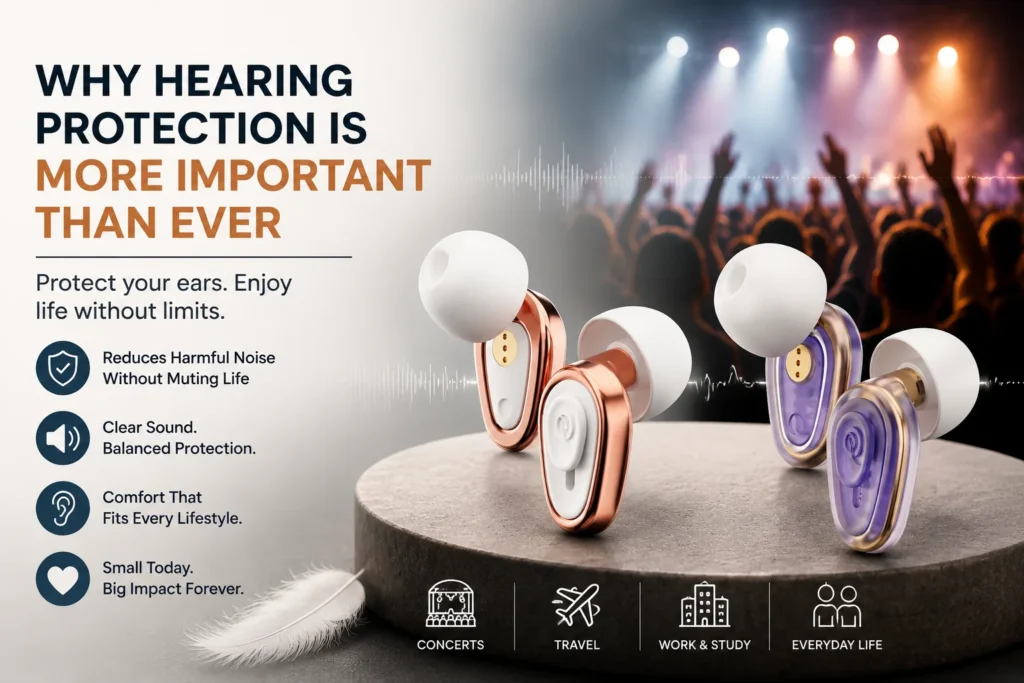
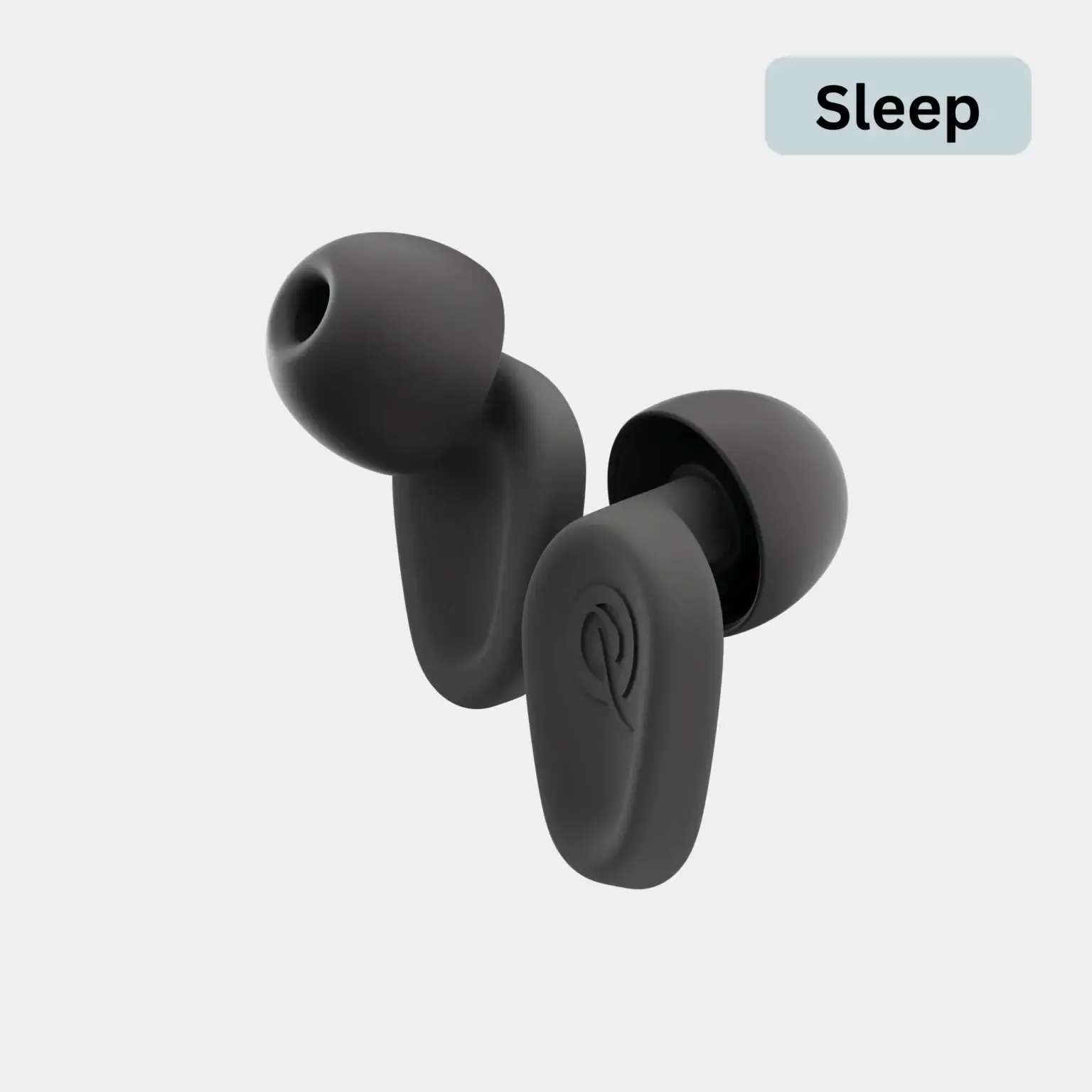
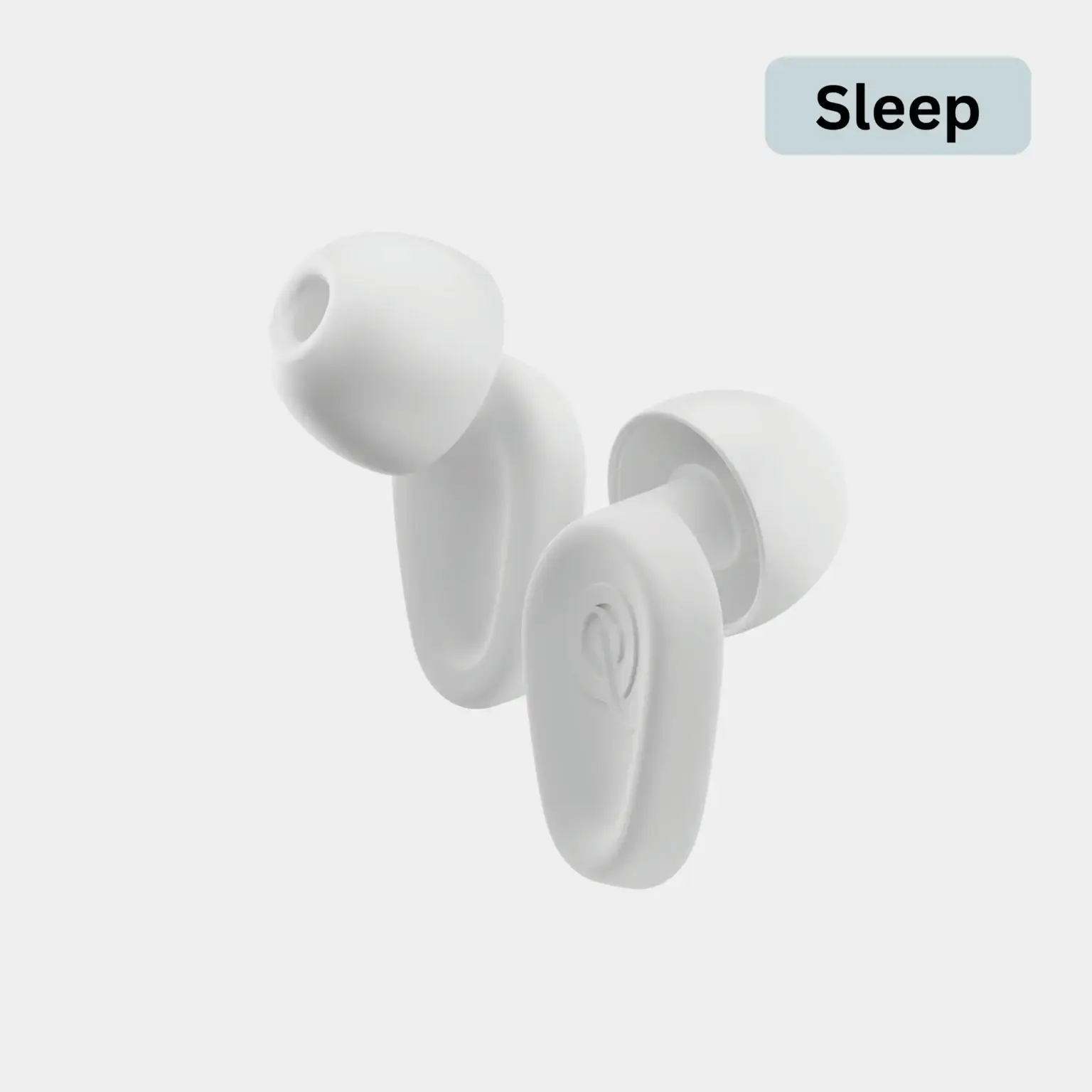
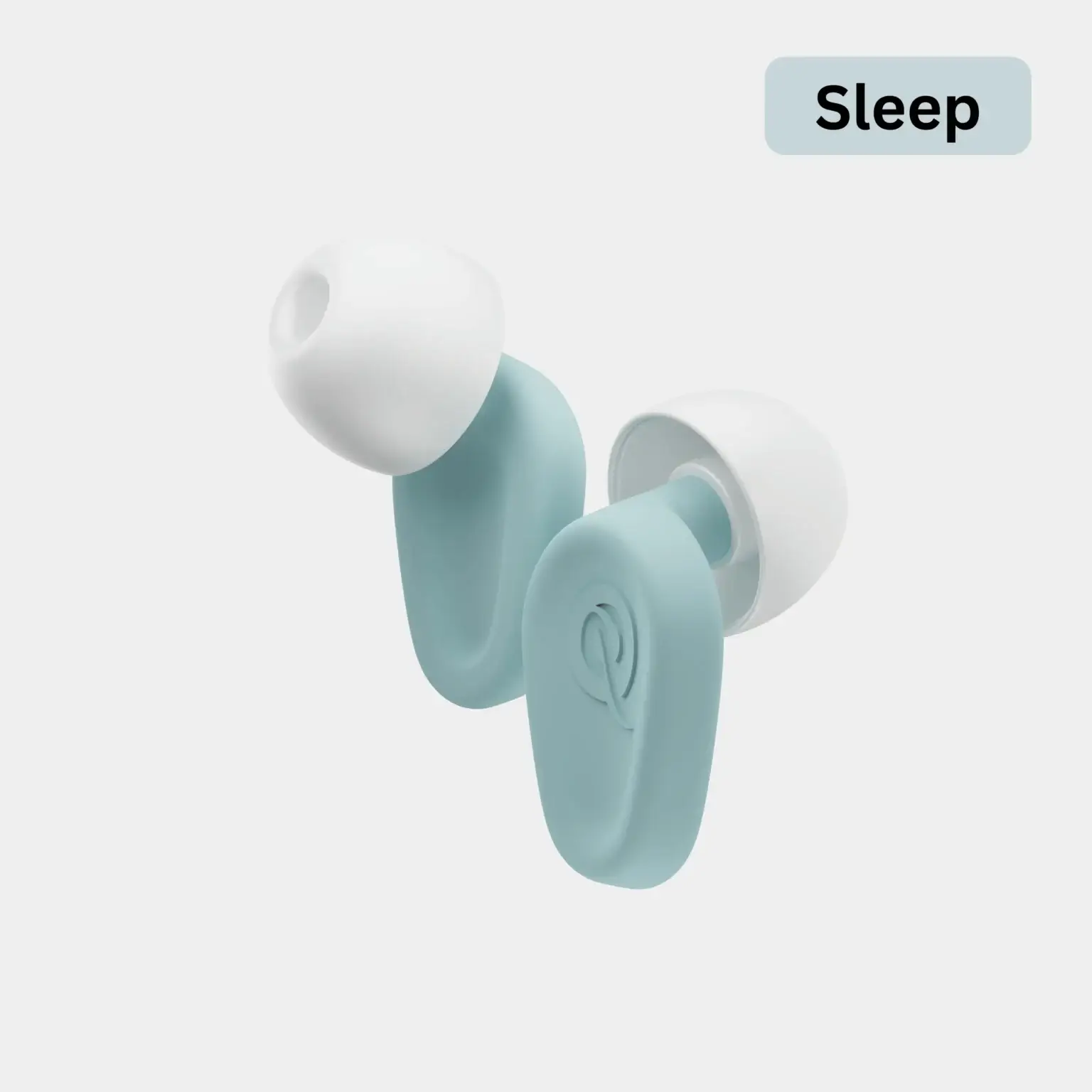
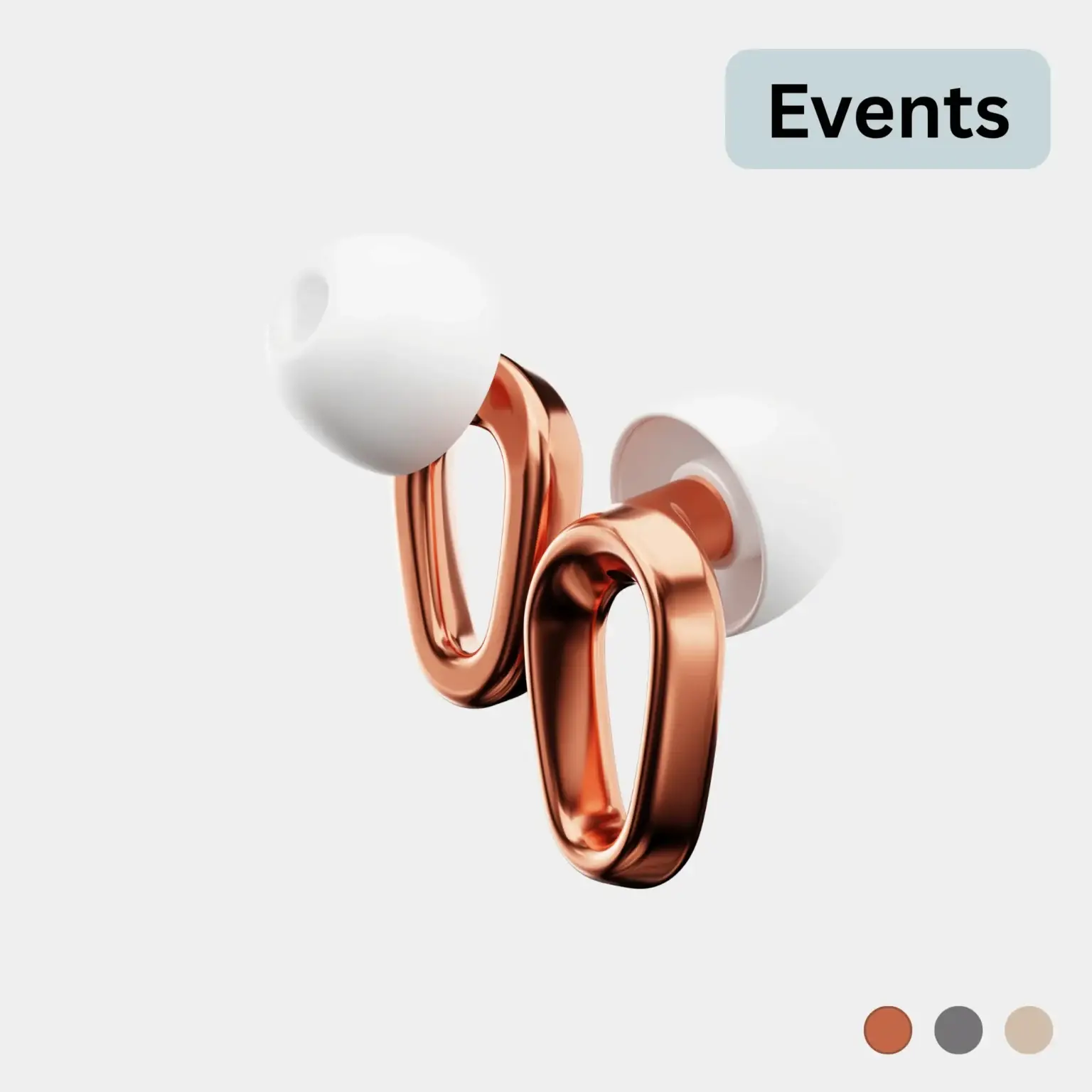
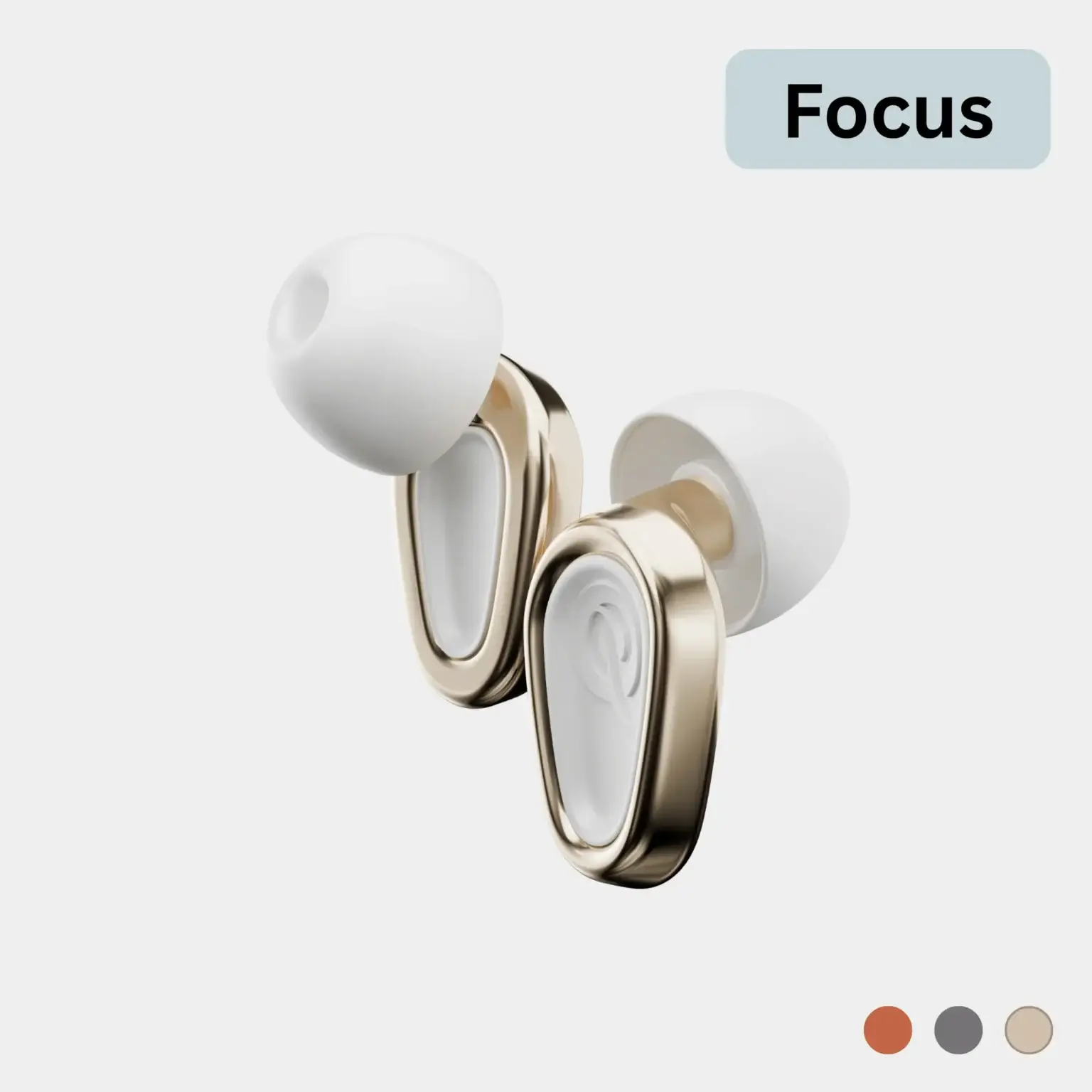
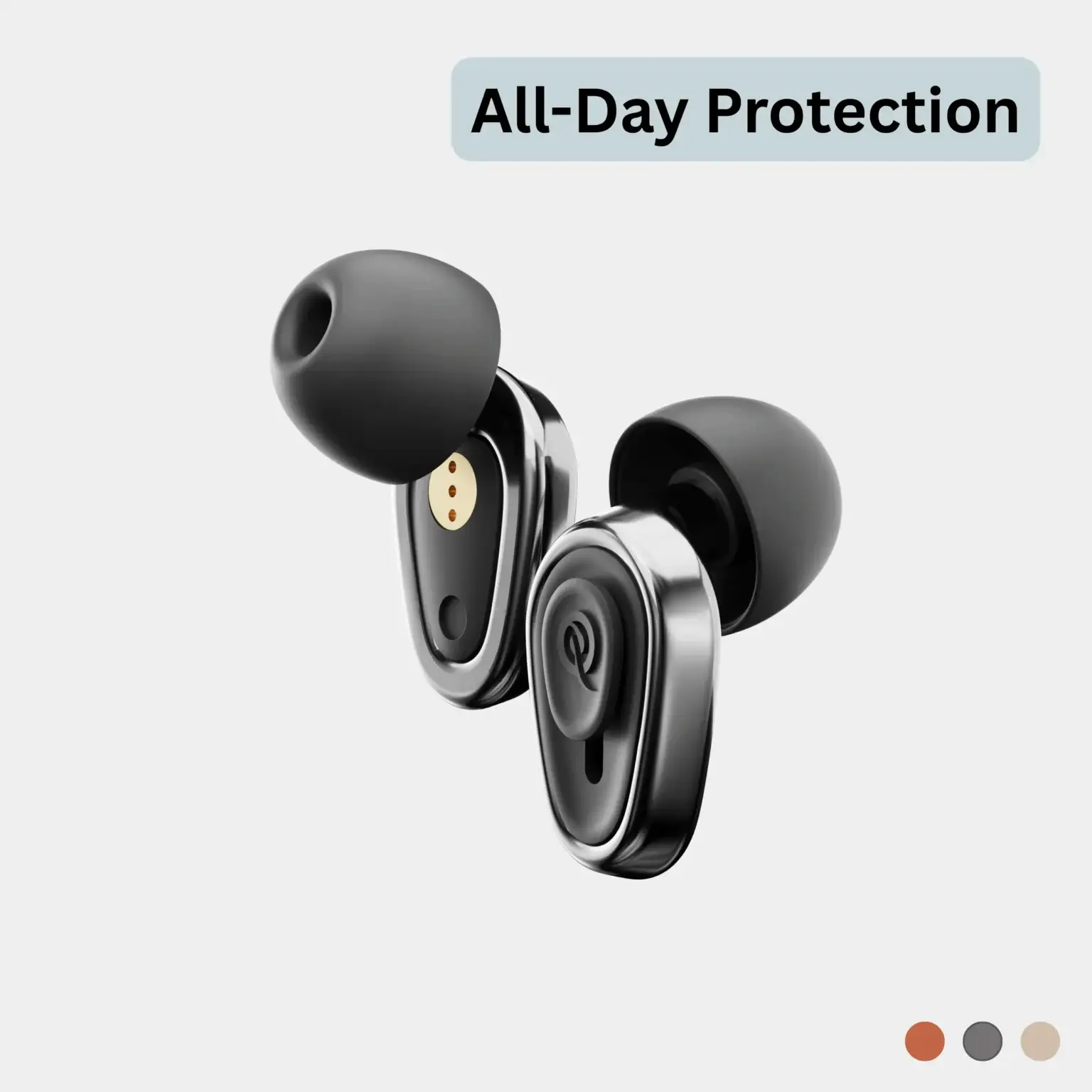
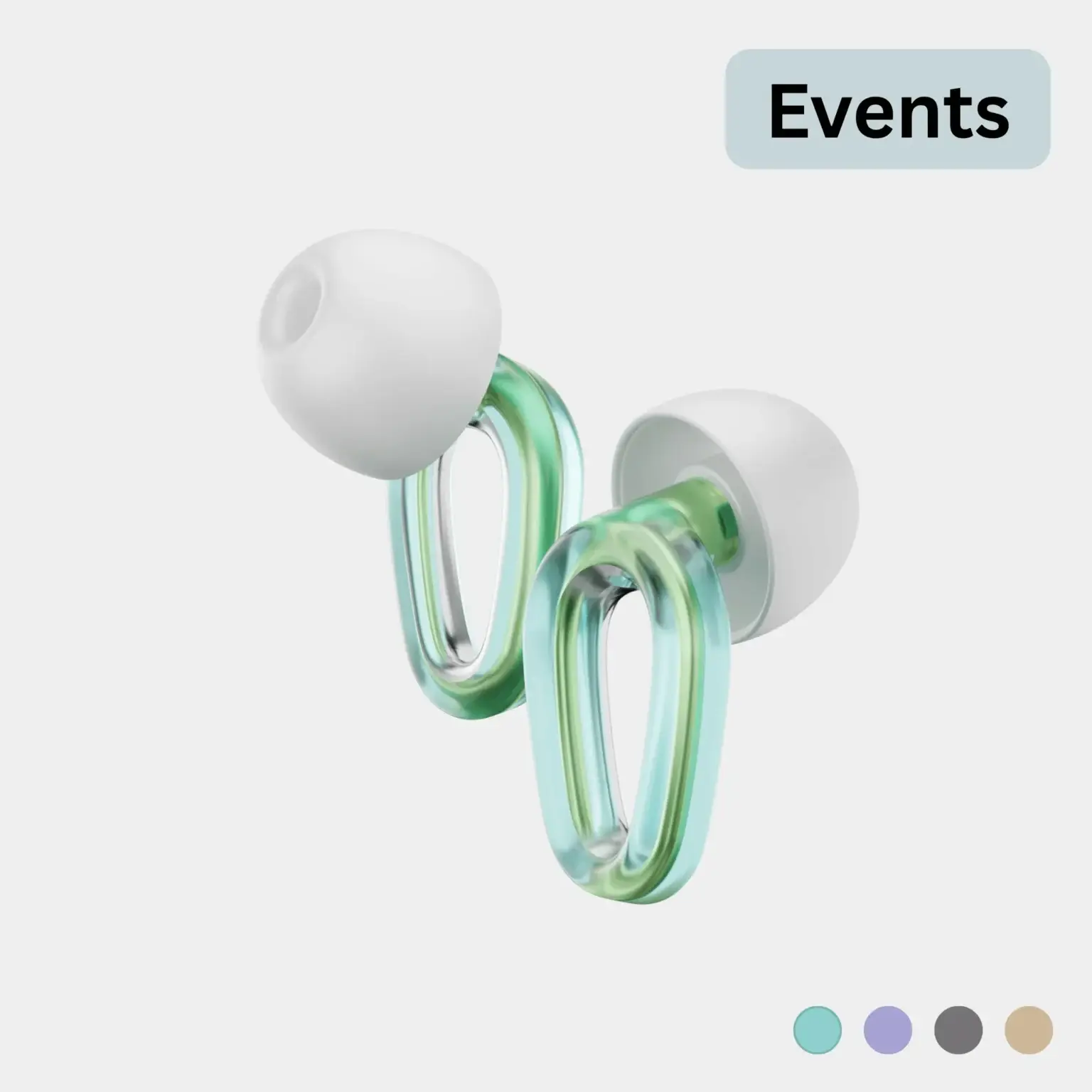
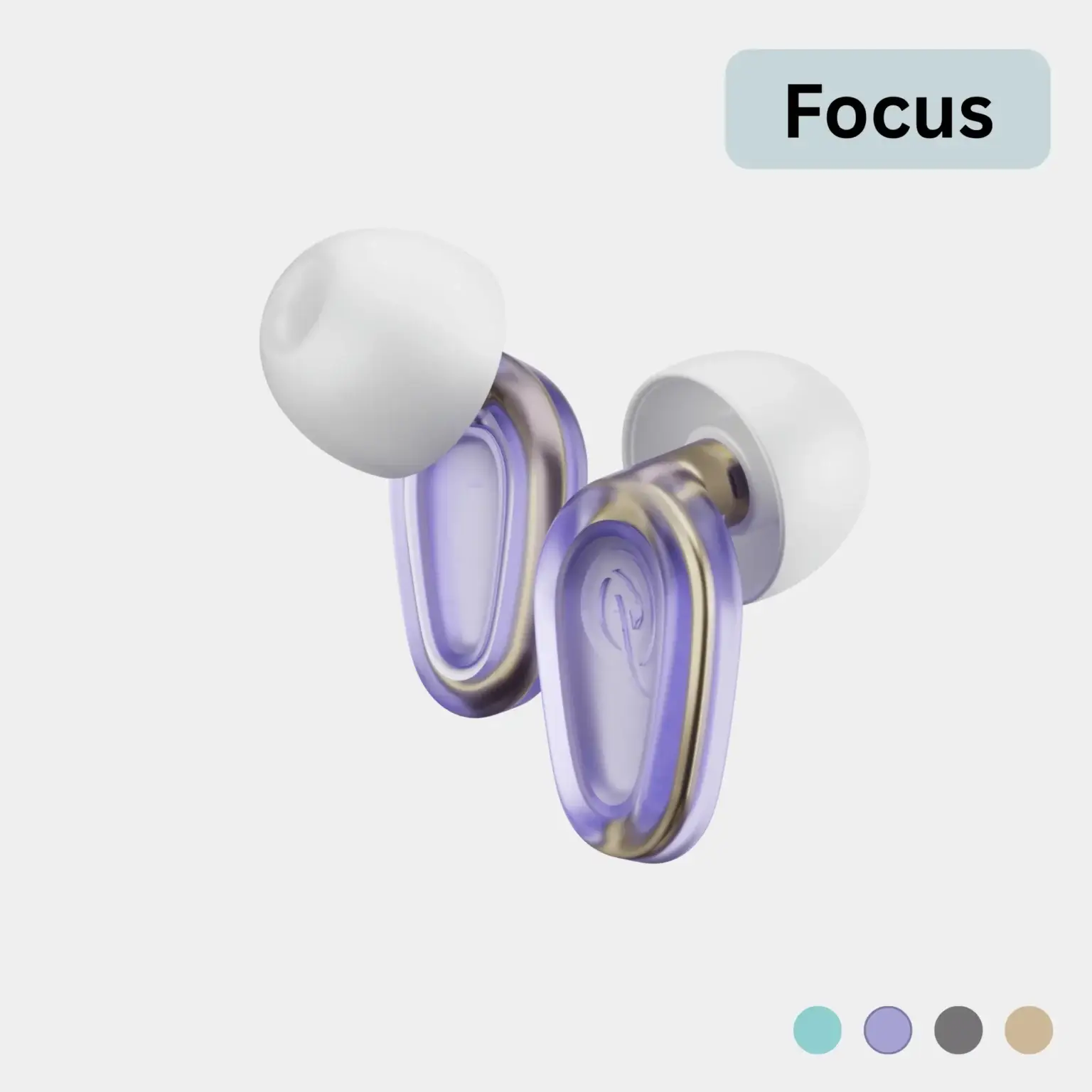
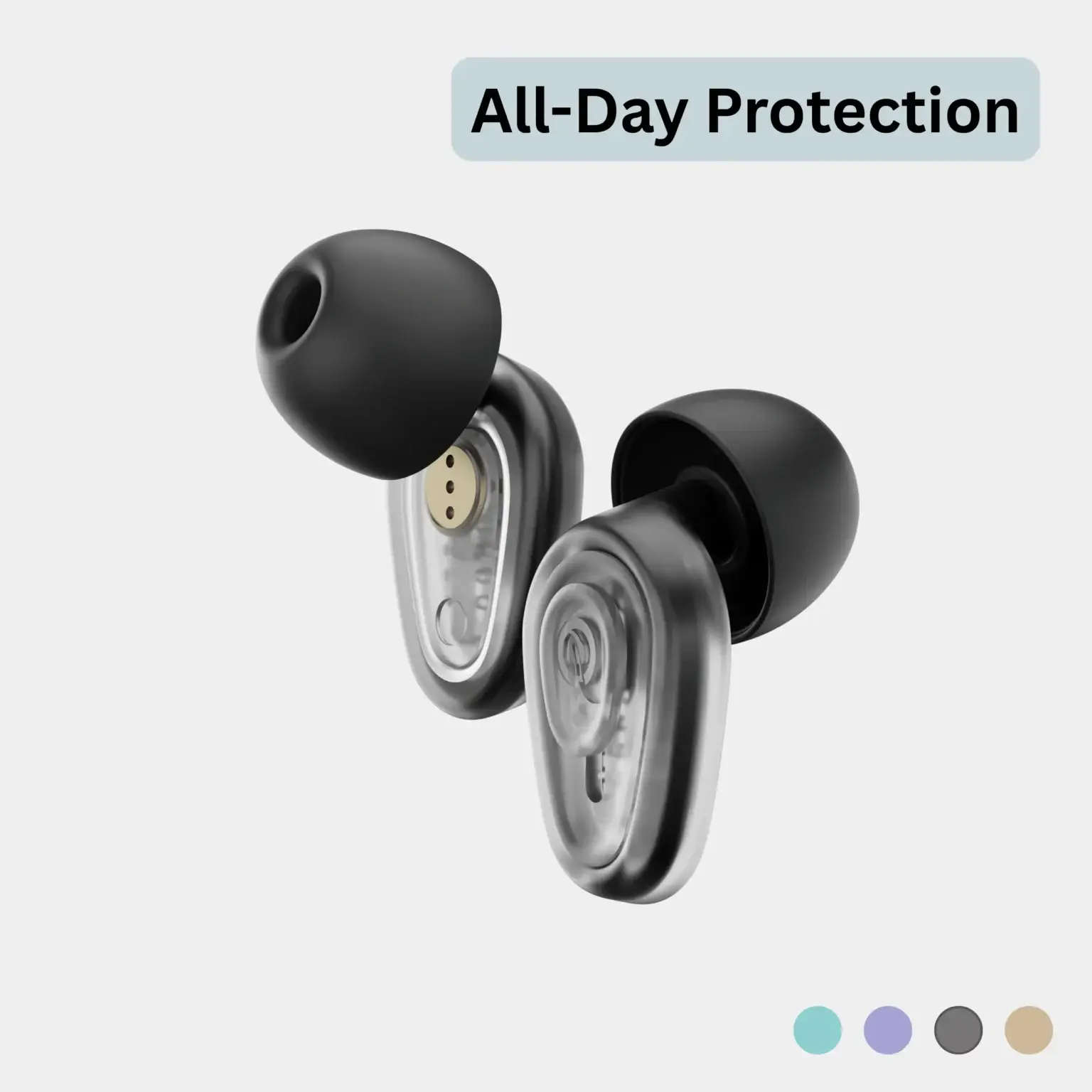
Earmuffz positions reusable earplugs around those real-life use cases: discreet everyday control, comfort-led fit and protection that does not look like worksite gear. The right model still depends on your route, your ears and how much awareness you need to retain.
Small details that make commuters keep using them
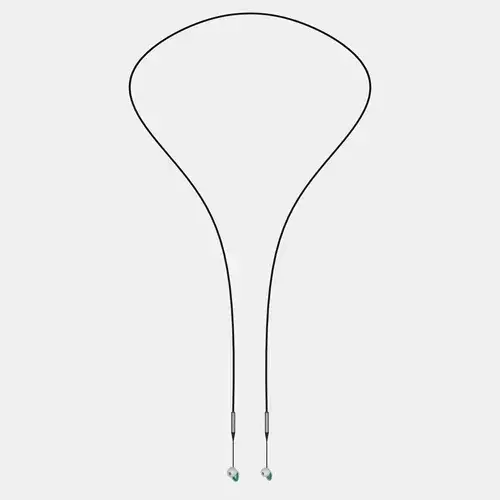
Convenience decides whether a well-researched purchase becomes part of your routine. Choose a case that fits your pocket or bag, and give it a fixed home so you can grab it with keys and travelcard. If you are prone to dropping small items, a neck strap can make sense for transitions between platforms, cafés and meetings.
It is also worth considering how the earplugs work with your usual kit. Glasses, hats, helmets, earbuds and over-ear headphones can all change comfort. Low-profile plugs generally pair more easily with hats and helmets, while you may prefer to remove them before using noise-cancelling headphones so you do not create uncomfortable pressure.
Give yourself a short adjustment period. Your own voice may sound different at first, and hearing less ambient noise can feel unusual if you are used to constant stimulation. After a few commutes, most people quickly know whether the fit, reduction level and practicality are right.
Your journey does not have to start with a sensory hit. Choose earplugs that fit your ears, your route and your need for awareness, then keep them close. A calmer commute is not about checking out. It is about arriving with more of yourself intact.