
Motorcycle Hearing Protection Guide for Riders
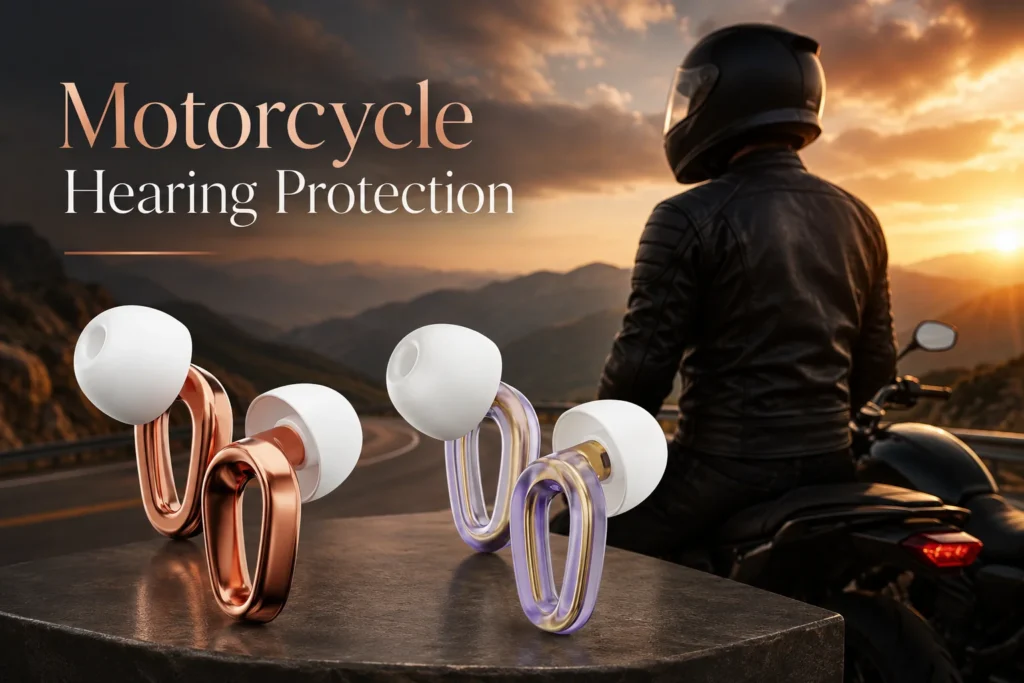
Wind noise does not need an open-face helmet or a high-speed superbike to become a problem. On a typical ride, air rushing around your helmet can create a constant wall of sound that leaves your ears ringing, your head tired, and your concentration drained. This motorcycle hearing protection guide is about taking back control – so the ride feels clearer, calmer and more sustainable.
Motorcycle earplugs are not about shutting out the road. The right pair reduces the harsh, fatiguing noise while helping you retain the useful sounds that support confident riding: traffic movement, engine feedback, horns, navigation prompts and conversation at a stop.
Why wind noise deserves your attention
Your engine may sound loud, but wind is often the bigger issue once speed rises. Turbulent air around the helmet, visor, collar and screen can quickly become the dominant noise source. A short trip might leave you merely tired. Repeat that exposure over commutes, weekend rides and touring days, and the effect can build.
After a noisy ride, some riders notice muffled hearing, ringing or a sense that everything is suddenly too loud. That temporary shift is your cue to take the noise seriously. Hearing changes are not always reversible, and tinnitus can be difficult to live with. Protecting your ears is not a soft option. It is part of a riding kit, alongside a helmet, gloves and proper footwear.
There is a performance angle too. Constant noise creates fatigue. When your brain is working overtime to filter out the roar, long-distance focus gets harder. Reducing the noise load can help you arrive less frazzled and more ready for the rest of the day.
Motorcycle hearing protection guide: what to wear
The best choice depends on your helmet, journey length, pressure tolerance and whether you need to communicate or listen to a helmet intercom. There is no single earplug that wins for every rider.
Filtered reusable earplugs
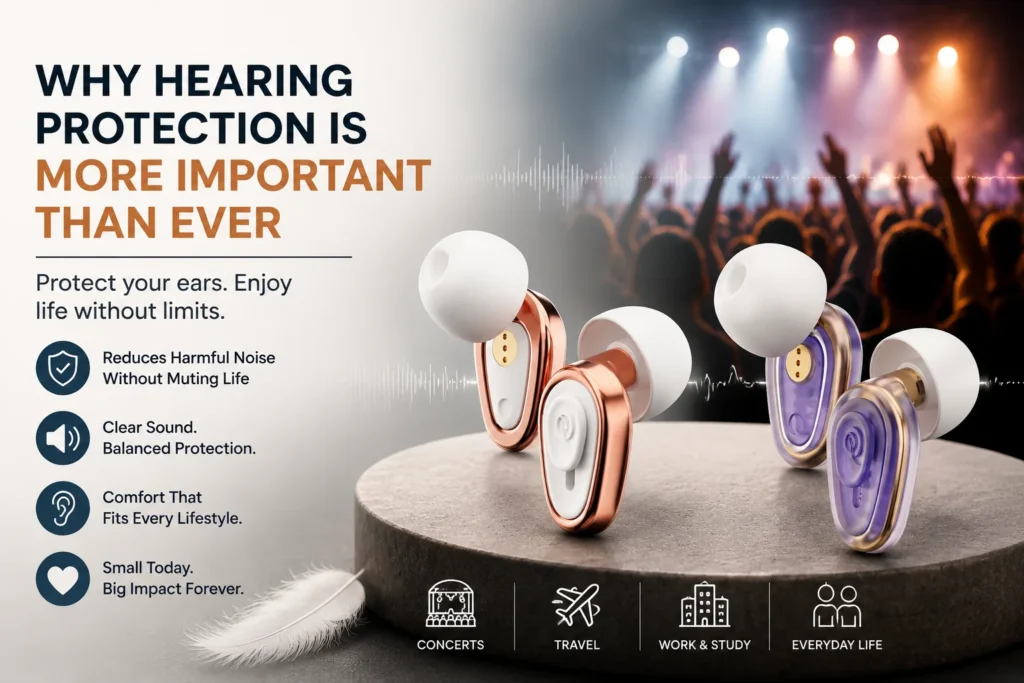
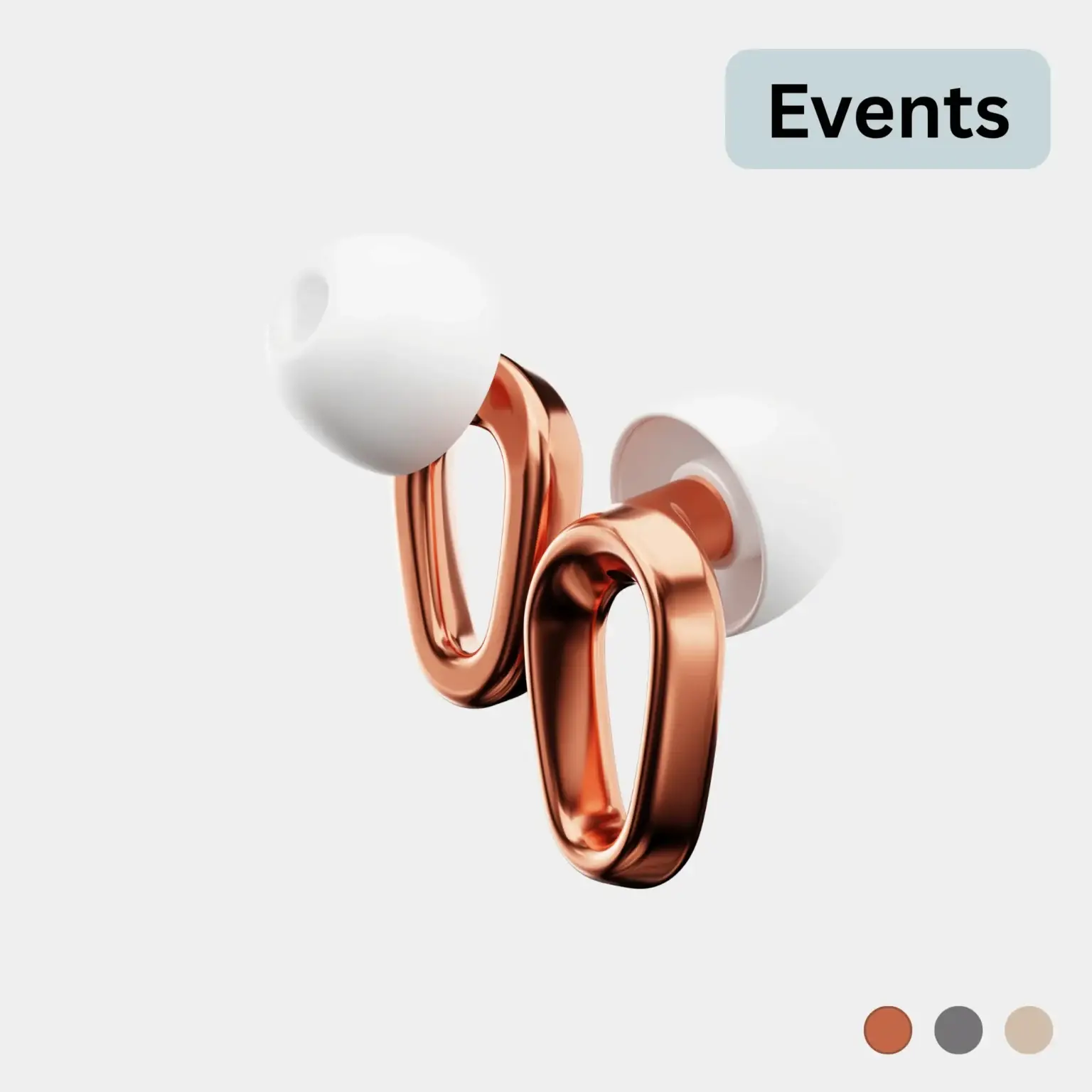
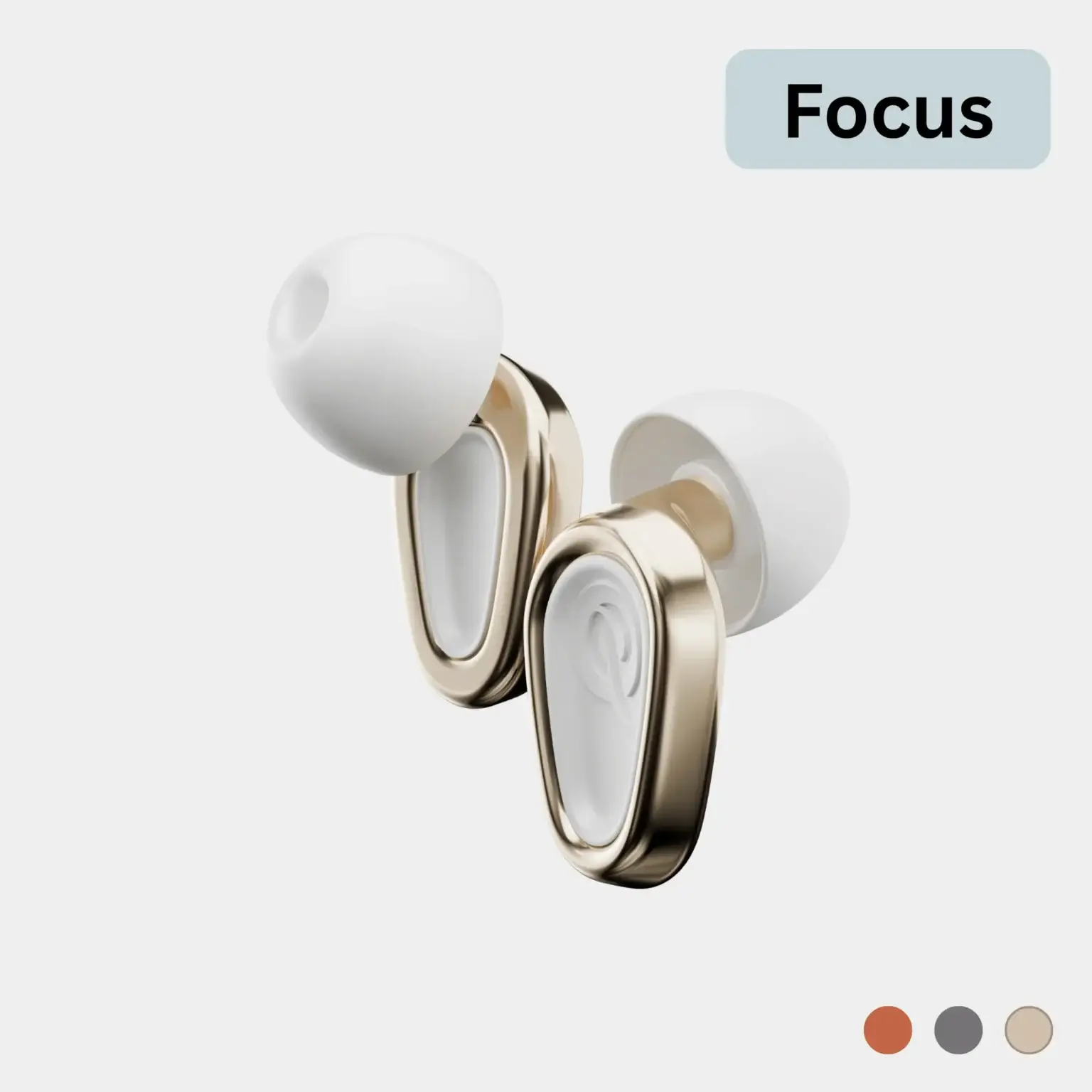
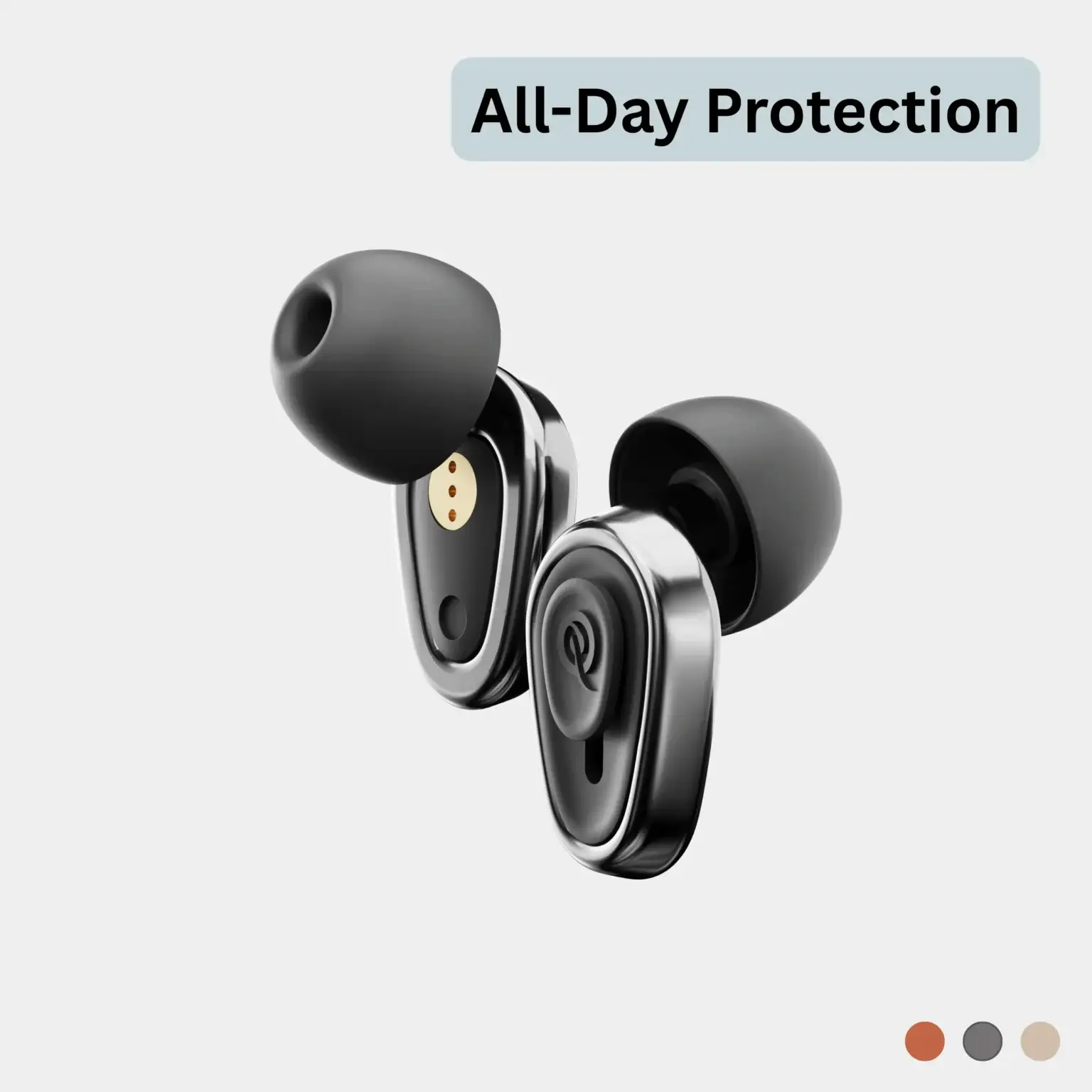
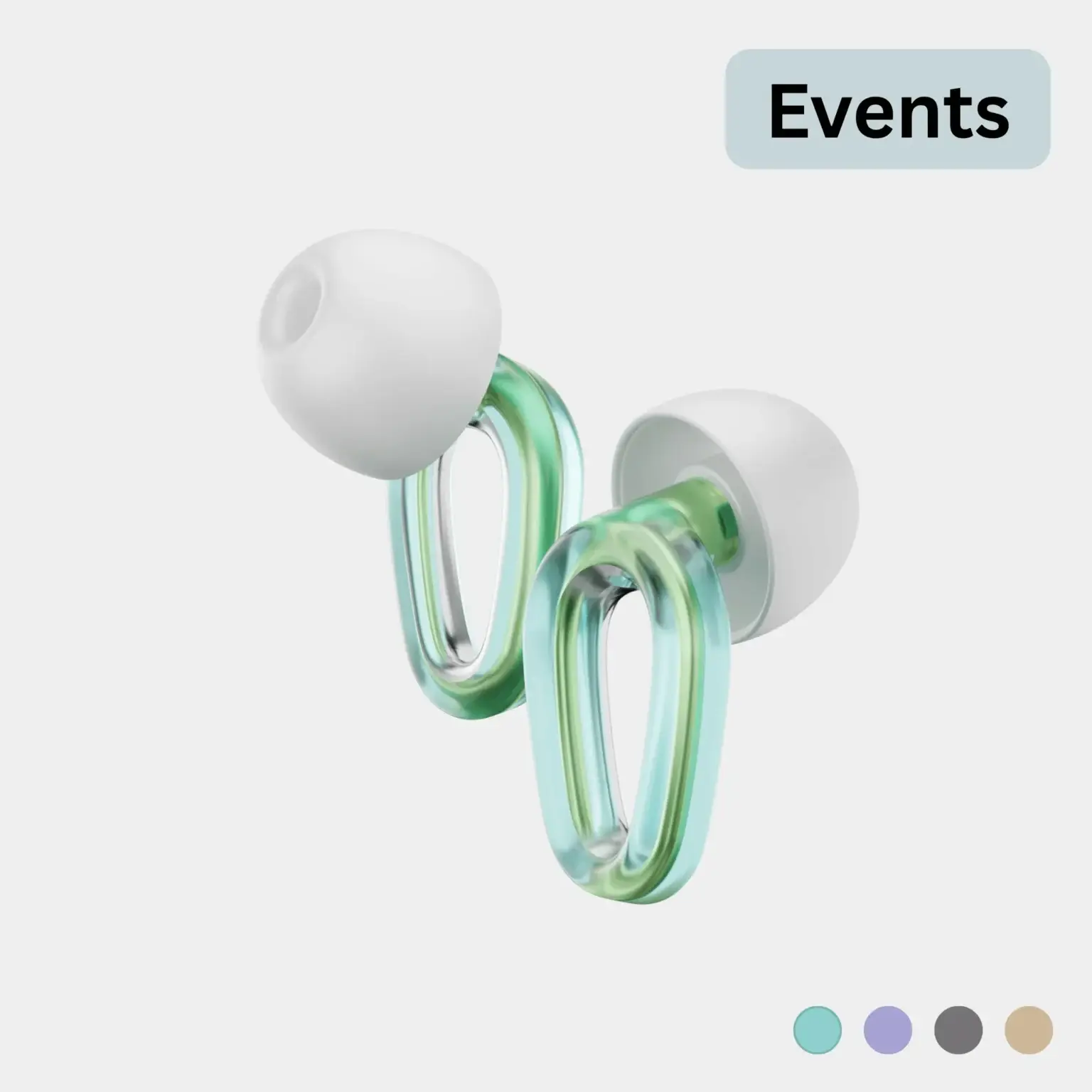
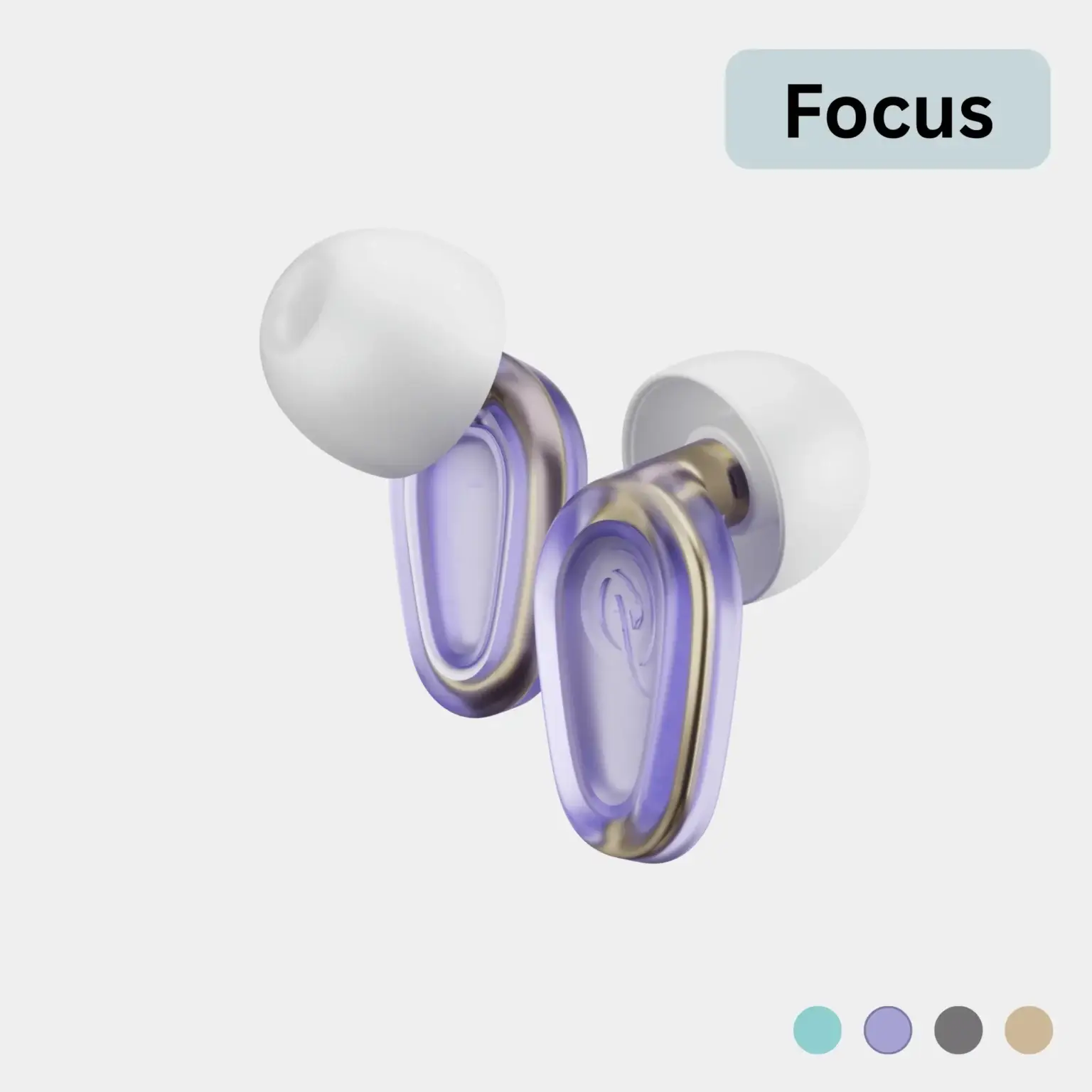
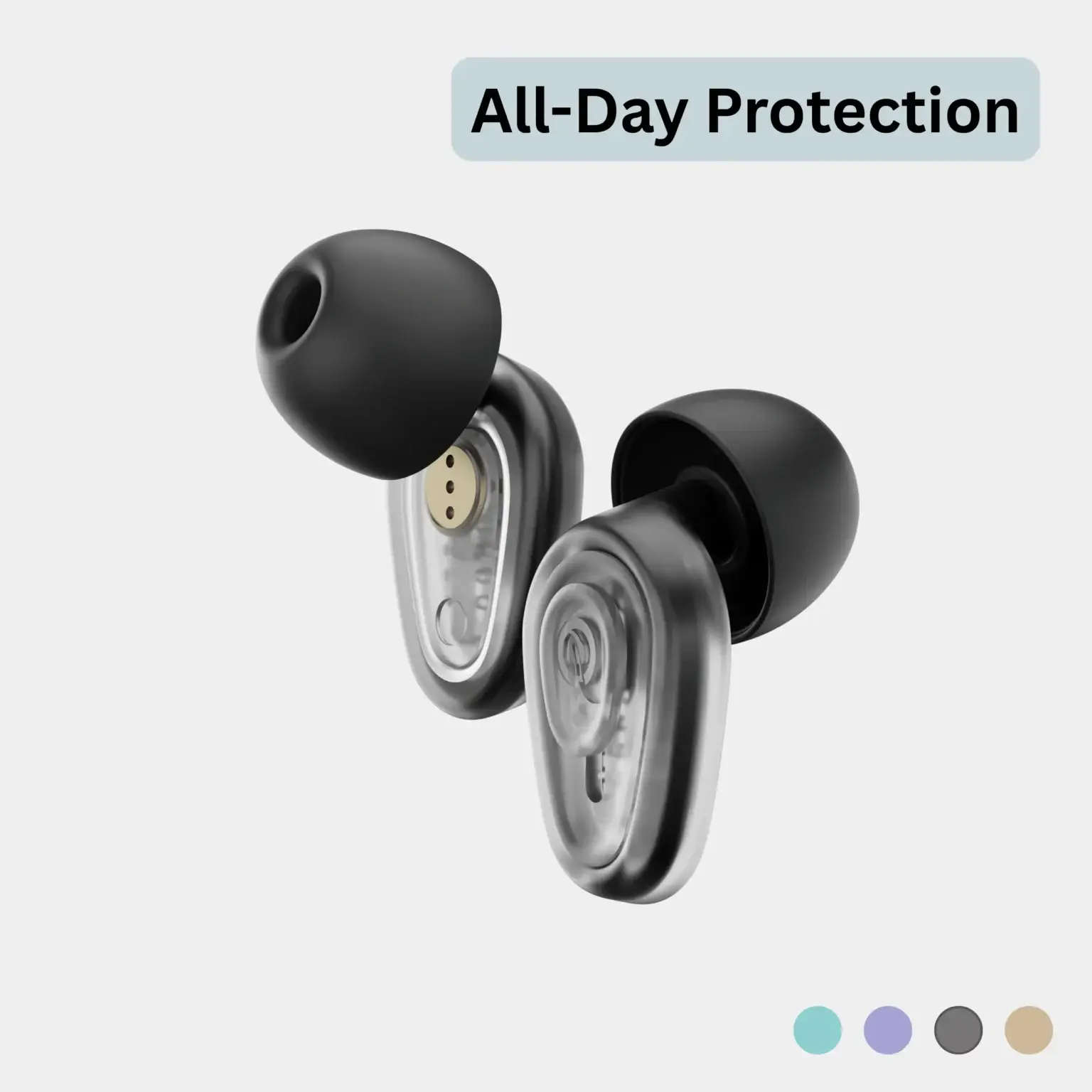
Filtered earplugs are made for riders who want lower volume without feeling disconnected. Their acoustic filters reduce sound across a range of frequencies, helping take the aggressive edge off wind and road noise while keeping the soundscape more natural than basic foam plugs can.
This makes them a strong everyday option for commuting, spirited weekend rides and group trips. Look for a low-profile shape that sits close to the ear. A bulky stem can press against the helmet lining and become distracting after 30 minutes.
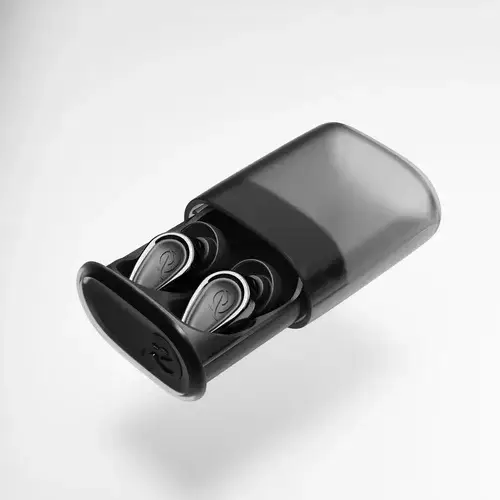
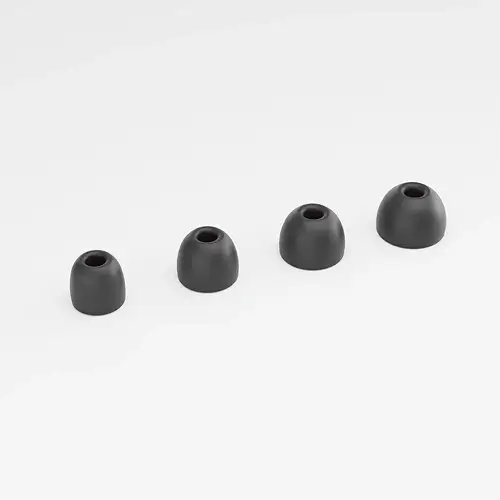
Reusable models also suit riders who value convenience. Keep a clean pair in your jacket pocket, tank bag or key case, and they are ready for the next ride. Multiple eartip sizes matter more than flashy features: a secure seal is where comfort and protection begin.
Foam earplugs
Disposable foam plugs can provide substantial noise reduction when they are inserted correctly. They are inexpensive, widely available and useful as a backup in luggage. For long stretches of motorway, they can be a practical choice.
The trade-off is feel and consistency. Some riders find foam creates a more blocked sensation, changes the character of sound too much or becomes uncomfortable under a close-fitting helmet. Their effectiveness also depends heavily on proper insertion. Rolling them, placing them deep enough and holding them in place while they expand takes a little practice.
Custom-moulded earplugs
Custom plugs are shaped to your own ears and can be an excellent investment for frequent tourers, track riders and anyone who has struggled with universal tips. A good fit can be exceptionally comfortable for long sessions, and some versions use exchangeable filters.
They cost more and take time to arrange, so they are not always the first step. If standard reusable plugs fit well, they may offer the balance of protection, comfort and flexibility most riders need.
Fit is the feature that changes everything
An earplug with an impressive rating is only useful if it seals your ear canal properly. A poor fit allows sound around the plug, can work loose as you put your helmet on and may create sore pressure points that make you abandon it halfway through the journey.
Start by trying the supplied eartip sizes. The right tip should feel secure but not painfully tight. You should notice an immediate drop in surrounding noise, without needing to push or twist aggressively. For reusable earplugs, a gentle twist while inserting often helps create an even seal.
Put your helmet on slowly and check that the plugs stay in place. If your helmet presses directly on them, try a smaller tip or a lower-profile design. Do not accept discomfort as the price of protection. You are far more likely to wear gear that disappears once the ride begins.
A well-fitting helmet also plays a role. A loose neck roll, worn cheek pads, or a visor that creates turbulence can all increase wind noise. Earplugs reduce exposure, but they cannot fully compensate for a poor helmet fit. Treat the two as a system.
Can you still hear what matters?
This is the question that stops many riders from using ear protection. The answer is yes, provided you choose and fit it thoughtfully. Hearing protection reduces volume; it does not make you unaware. In fact, taking away the overwhelming roar can make relevant sounds easier to notice.
You should still carry out a quick safety check before moving off. Make sure you can hear your own bike at a sensible level, recognise nearby vehicles and understand any intercom or navigation audio you rely on. Adjust speaker volume before riding rather than turning it up to compete with wind noise.
Do not use earplugs as a reason to run music or comms at excessive volume. If you need to turn the audio right up, the fit, speaker placement or setup needs attention. The aim is controlled sound, not louder sound.
Match your protection to the ride
A ten-minute urban journey and a six-hour touring day place different demands on your ears. For short city rides, reusable filtered plugs offer a comfortable way to reduce the general assault of traffic, sirens, buses and wind. They are easy to remove when you arrive and easy to reuse tomorrow.
On motorways, the priority is dependable attenuation and all-day comfort. Test your plugs on a shorter ride before committing to a full-day route. A small pressure point becomes a major irritation after several fuel stops.
Track days are another case altogether. The noise is intense and sustained, and rules may apply. Check the organiser’s requirements, then choose protection designed for serious noise reduction and a secure fit beneath your helmet. Riders who use communications systems should test the full setup before the event, not in the pit lane.
Use noise ratings wisely
Noise reduction ratings and certifications are useful signs that a product has been tested against recognised standards. They are not a promise that every rider will receive the same reduction. Ear shape, insertion depth, helmet pressure and movement all affect real-world results.
Look for transparent information about testing and standards, such as CE, EN 352 or ANSI certification, where relevant. Then give equal weight to fit and regular use. The most protective plug on paper is not the best choice if it stays in a drawer because it hurts.
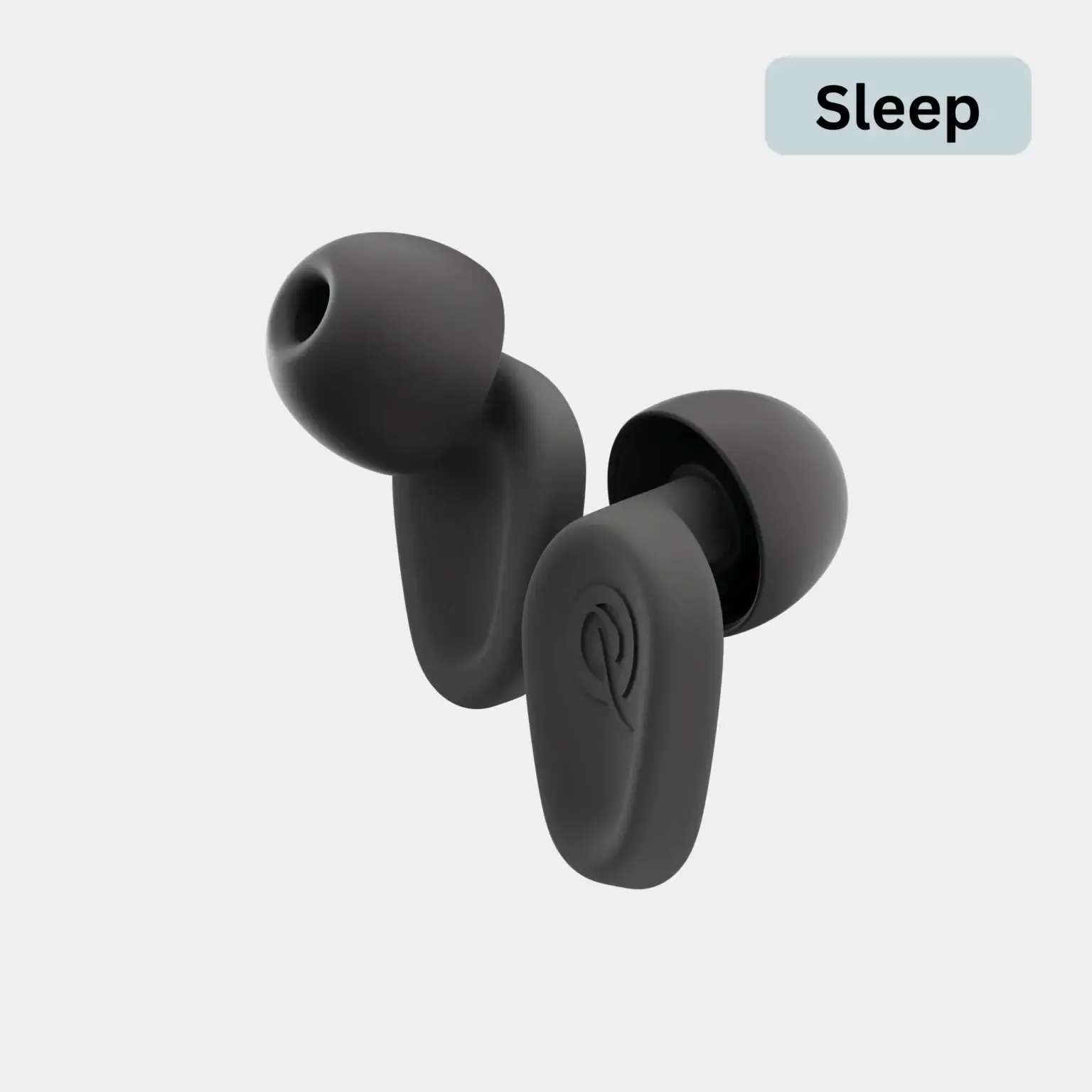
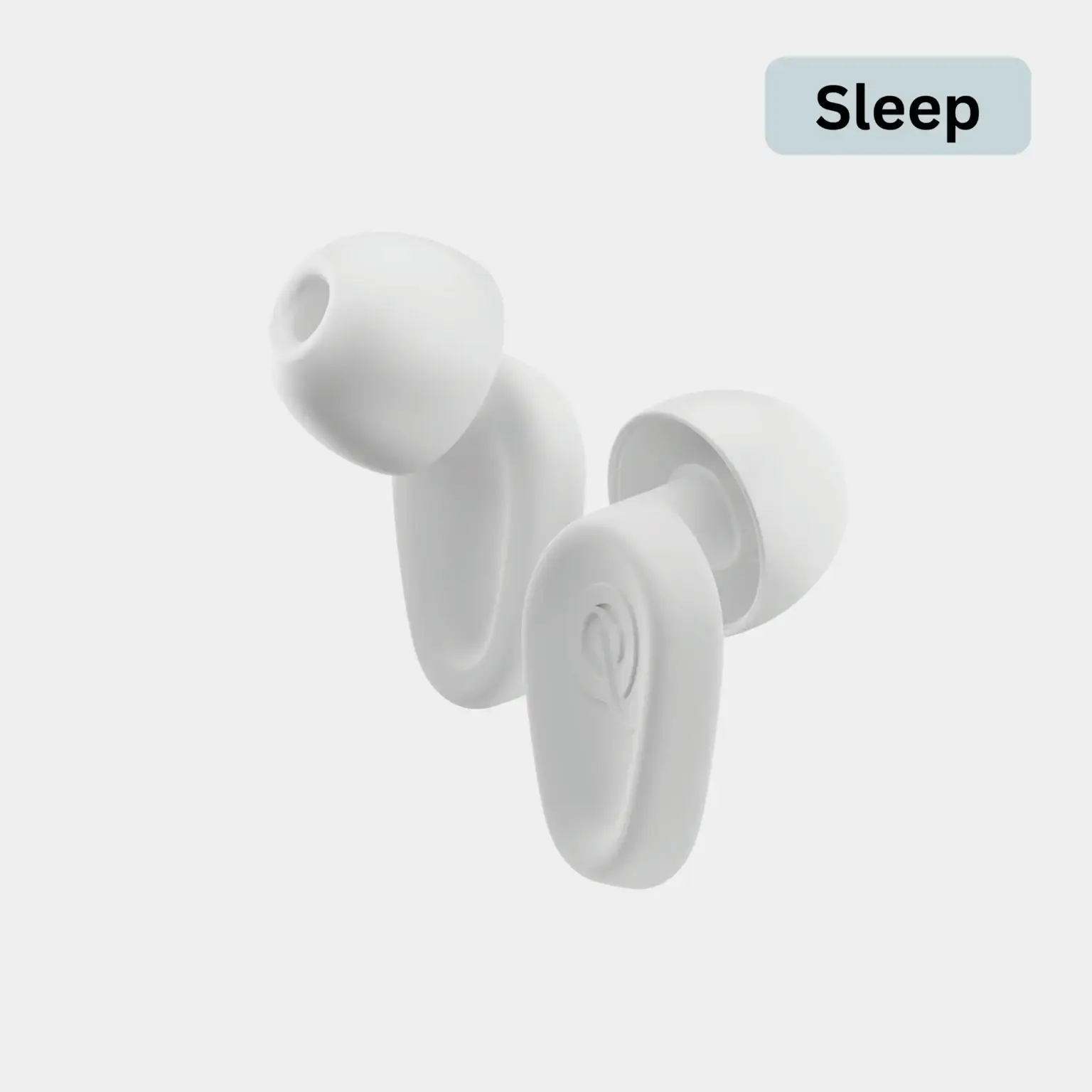
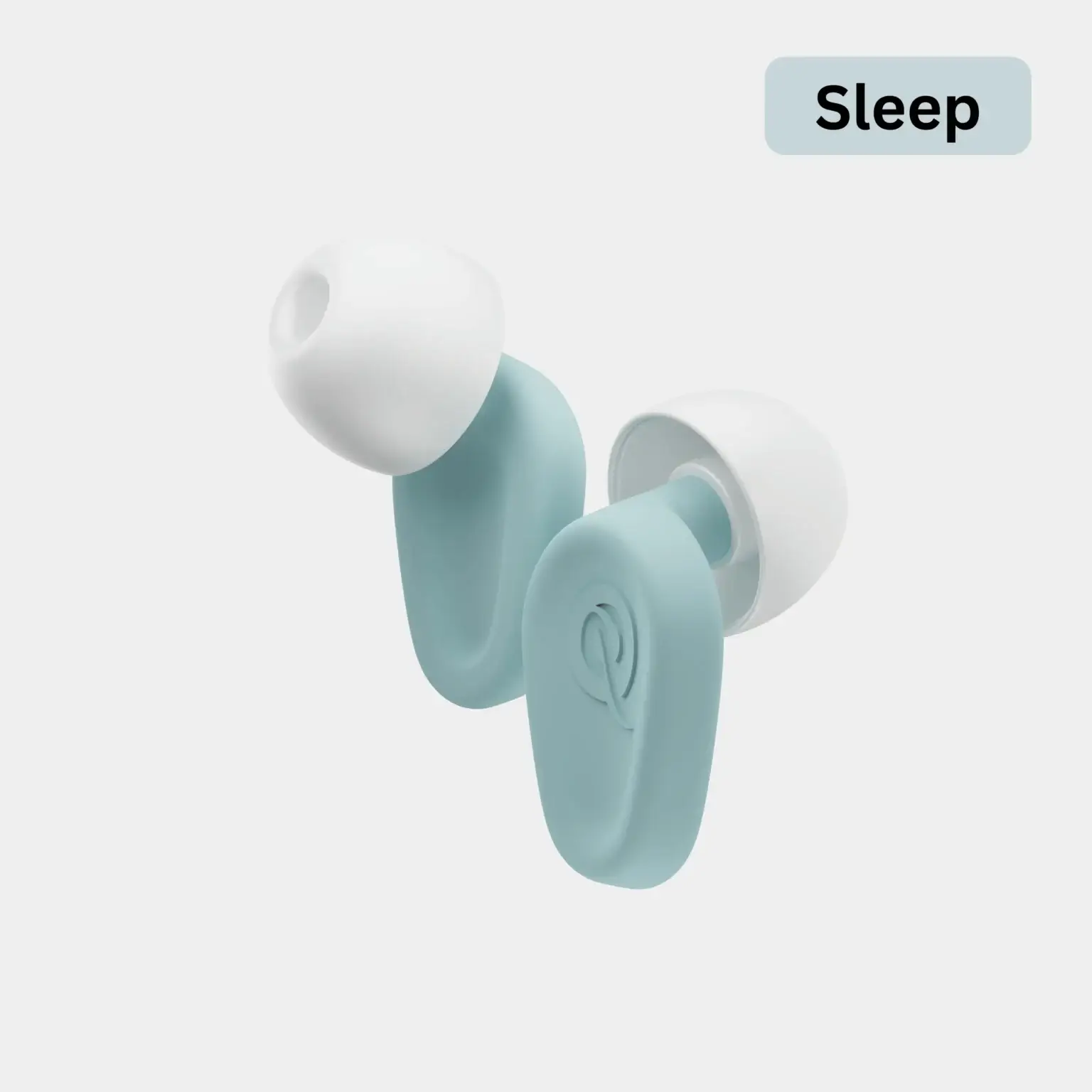
Earmuffz reusable earplugs are designed around that everyday reality: low-profile protection, comfort-led fit and certified noise-control options that work beyond the bike as well. One pair can earn its place on your ride, commute, flight or focused workday.
Build the habit before you need it
Keep your earplugs with the gear you never forget. Store them in their case inside your helmet bag, jacket pocket or tank bag. If you wear a neck tube or balaclava, practise putting your plugs in before you put the helmet on, then remove your helmet carefully so they do not come out with it.
Clean reusable plugs according to their care instructions. Earwax and road dust can affect comfort and hygiene, while damaged tips may no longer seal properly. Replace worn eartips promptly, and carry a spare pair for multi-day trips.
The first few rides can feel different because the familiar roar has been turned down. Give yourself time to adjust in a low-pressure setting. Soon, quieter riding stops feeling unusual and becomes the smarter default.
Your bike is built for the long way home. Give your hearing the same chance to go the distance.