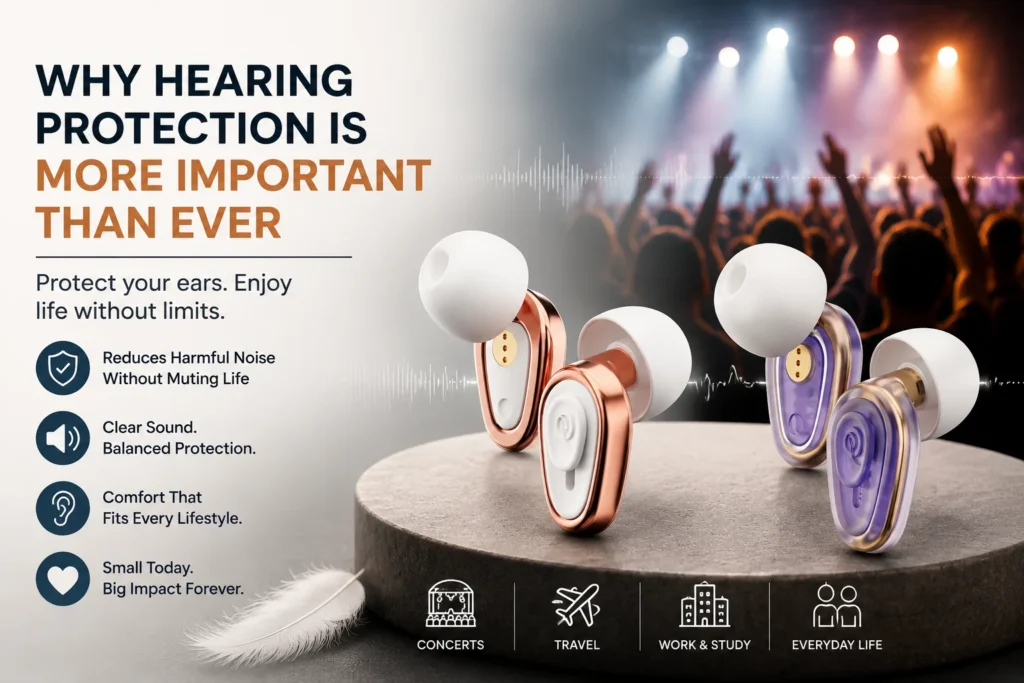

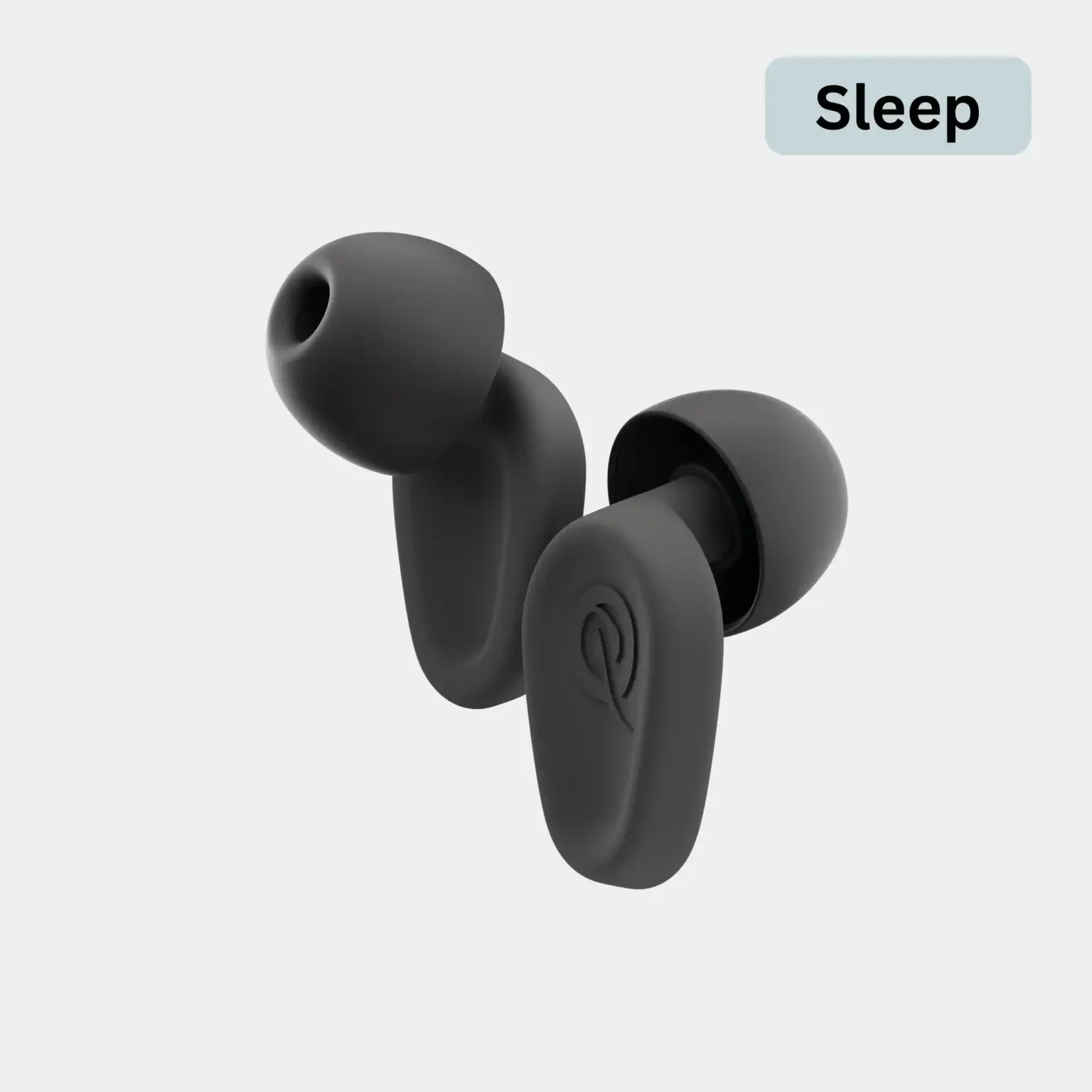
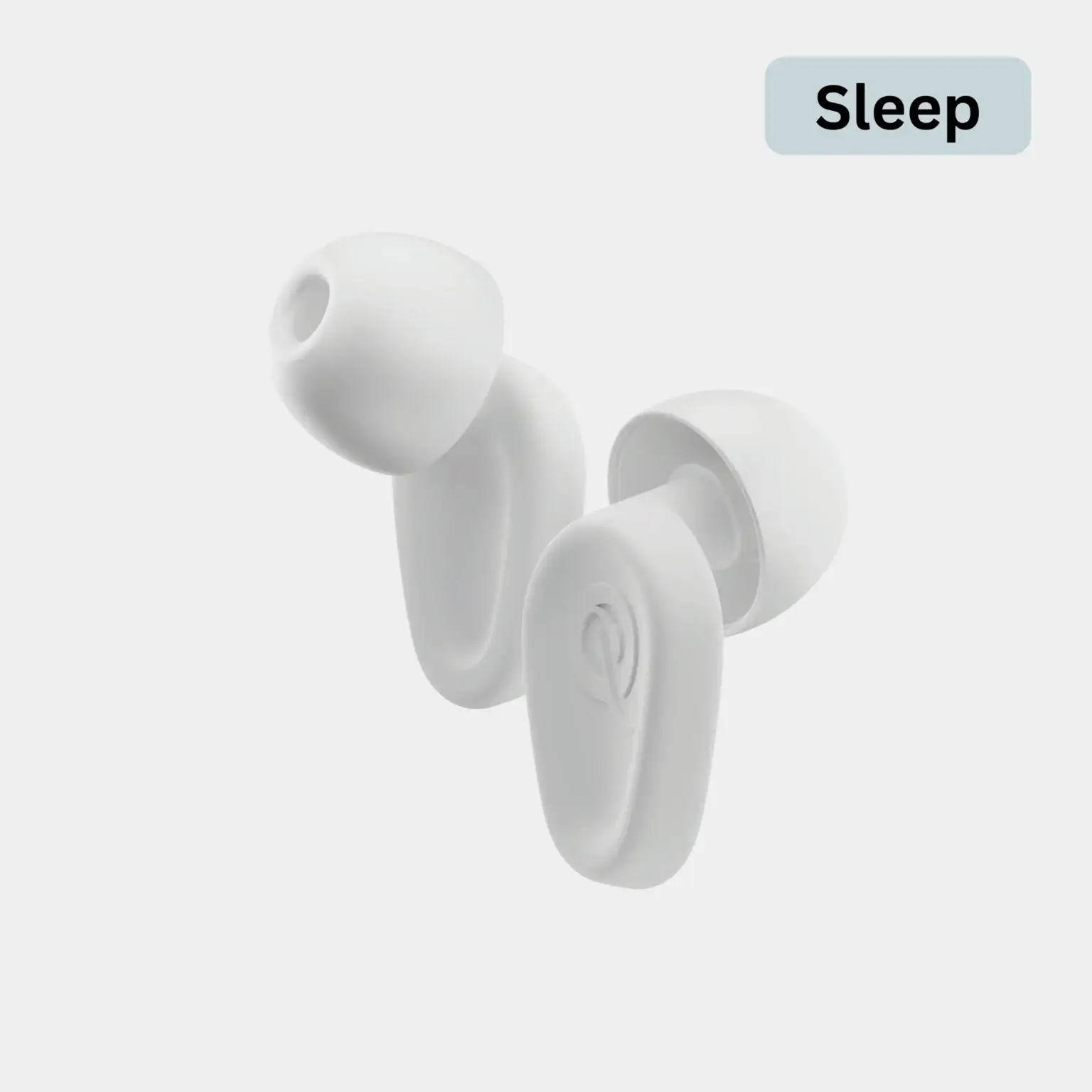
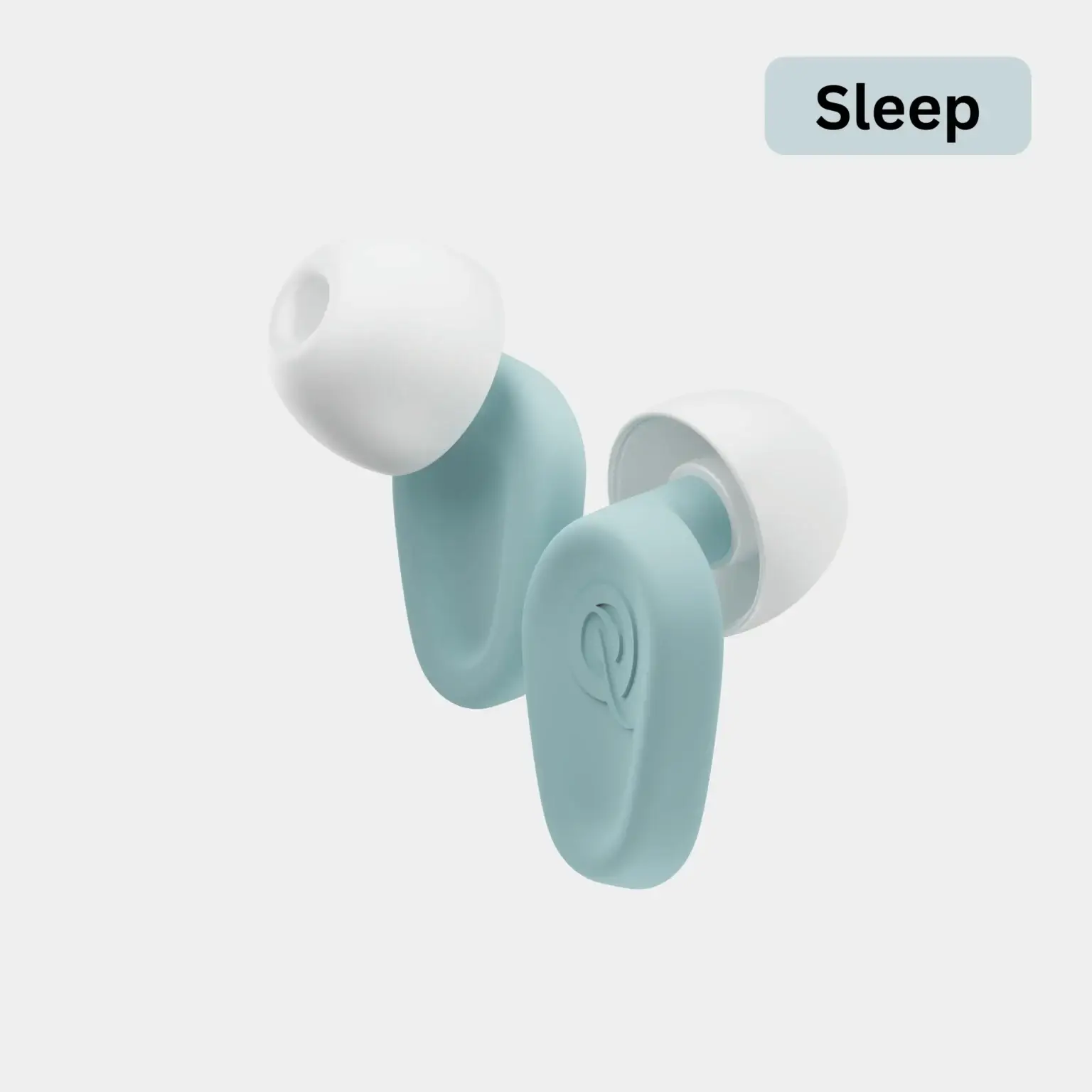
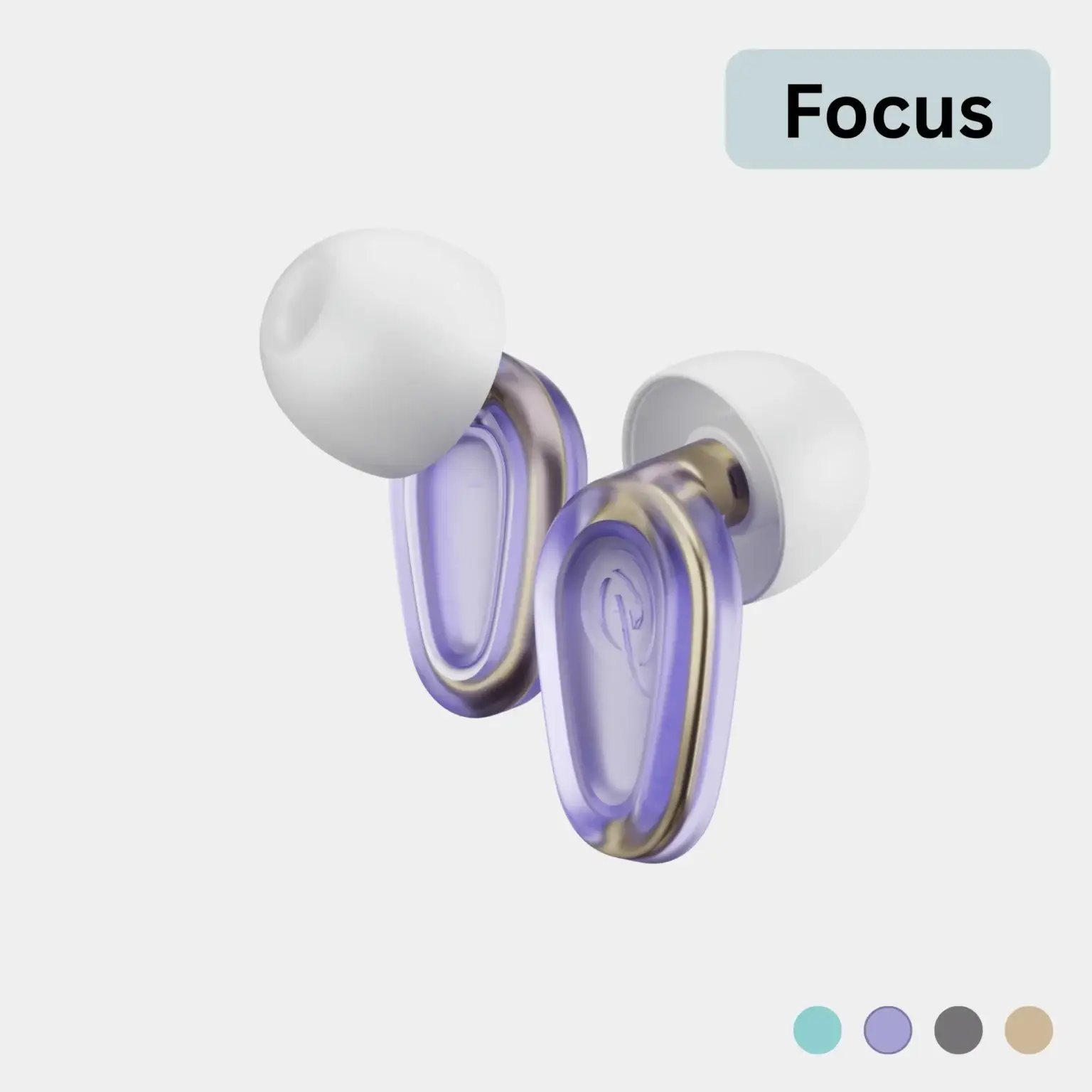
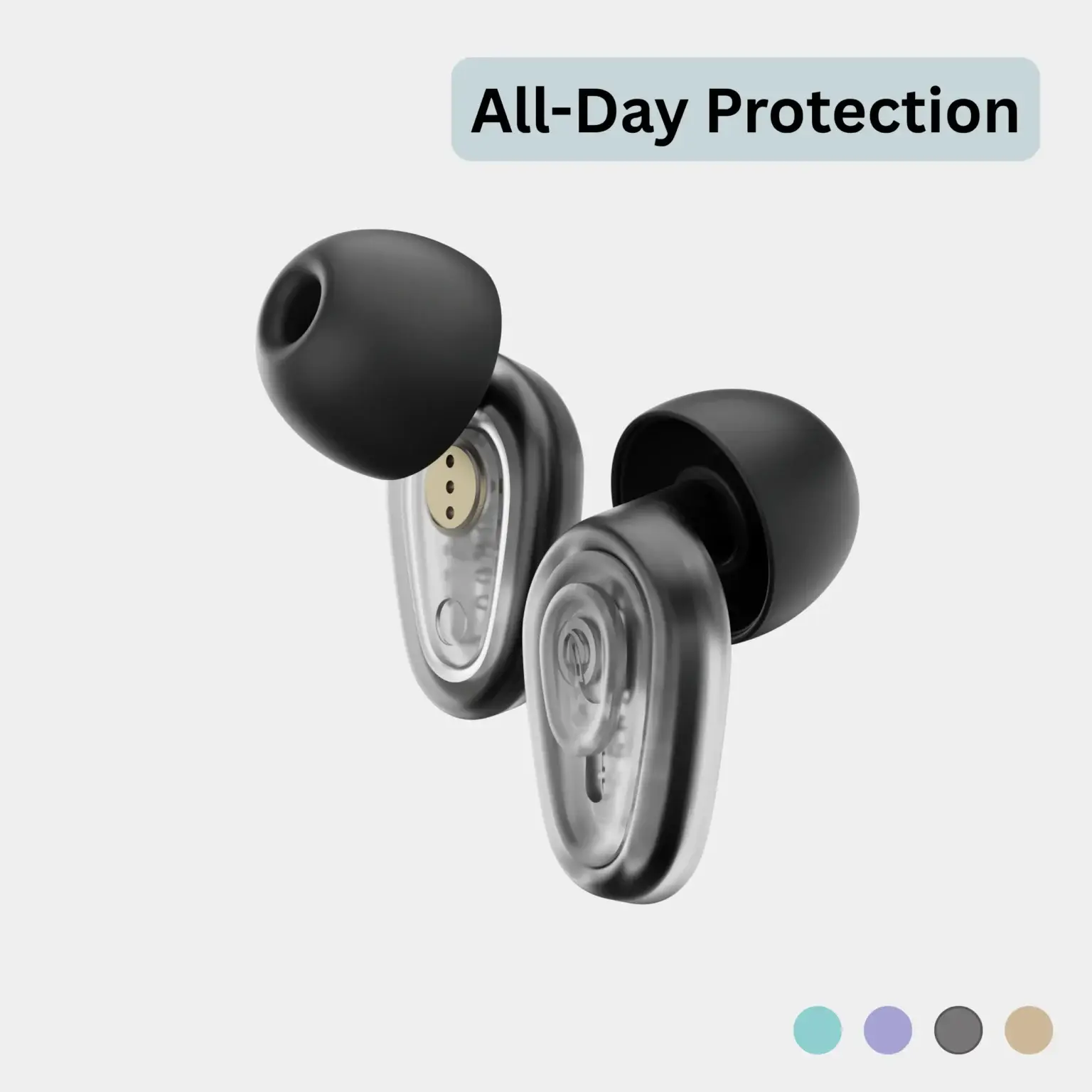
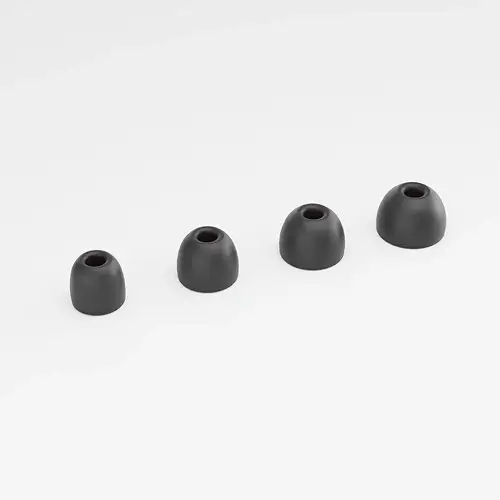

The right earplug should not make life feel switched off. Great earplug filter performance gives you control over the noise that drains your energy, breaks your concentration or spoils your sleep, while keeping the moments that matter within reach. That difference comes down to far more than one decibel rating on a box.
A filter changes how sound reaches your ear. Its design, material, fit and frequency response decide whether an earplug takes the harsh edge off a busy train, lowers the impact of live music or creates a calmer bedroom at night. Choose well and noise becomes manageable. Choose only by the biggest number and you may end up with more isolation than your day actually needs.
Earplug filter performance is more than a decibel number
Noise reduction ratings are useful, but they are only the start. In the UK and across Europe, reusable hearing protection may be tested and marked to recognised standards such as EN 352, with an SNR value indicating overall sound reduction under test conditions. A higher rating generally means more sound is reduced. It does not mean every sound is reduced equally, nor that every wearer will get the same result.
Real-world performance depends on the complete system: the filter, the earplug body, the eartip and the seal you achieve in your ear canal. A technically impressive filter cannot perform as designed if the plug sits loosely, works its way out while you talk, or becomes uncomfortable after half an hour.
Then there is the purpose of the filter. Some are built to reduce sound broadly for rest and sleep. Others aim for a more balanced reduction, lowering volume while preserving a more natural sense of music and conversation. Neither approach is automatically better. The winning choice is the one that gives you enough quiet for the setting without getting in the way of how you need to move through it.
Reduction is not the same at every frequency
Sound has frequency as well as volume. Low-frequency sound includes the rumble of engines, bass and distant traffic. Higher frequencies include clattering cutlery, sharp voices, alarms and much of the detail that makes sound feel piercing or tiring.
Most earplugs do not reduce every frequency by the exact same amount. That is why two models with similar overall ratings can feel very different. One may soften low-frequency rumble effectively but leave speech relatively present. Another may mute higher-frequency detail more noticeably, making a café, office or gig feel calmer but less crisp.
This is not a flaw. It is the point of filter design. A commuter may want less rail noise without feeling disconnected from announcements. A concertgoer may want the intensity reduced while keeping music clear enough to enjoy. Someone trying to sleep near a busy road may prefer stronger, broader reduction over conversational clarity.
Filters shape your perception of sound
A well-designed reusable earplug filter should reduce the sensation of overload, not simply make everything dull. That is especially relevant when you are wearing earplugs for long periods at work, while travelling or in social environments.
Balanced filters can make surrounding noise feel more controlled, but they cannot defy physics. If you need to hear a quiet colleague in a loud open-plan office, a filter can improve comfort by reducing the overall roar, yet speech may still be difficult to follow. If you are near very loud machinery, motorcycles or amplified music, comfort-focused filters are not a substitute for selecting certified protection with the level of attenuation required for that exposure.
Fit decides whether the filter can do its job
The smallest gap between an eartip and your ear canal can let a surprising amount of sound through, particularly at lower frequencies. This is why earplug filter performance is personal. Your ear shape, eartip size, insertion depth and jaw movement all affect the seal.
A good fit feels secure rather than forceful. The earplug should sit comfortably enough that you are willing to keep wearing it, with no sharp pressure or persistent ache. If it hurts, you will remove it. If it feels loose, it may not protect as intended. Either way, the claimed rating becomes less meaningful.
Try different eartip sizes if they are available. Many people assume both ears need the same size, but that is not always true. Insert the plug carefully, then listen for a clear change in the surrounding sound. Speak, smile and move your jaw. If the seal breaks immediately, adjust the angle or test another size.
Comfort also protects performance over time. Soft materials, a low-profile shape and a stable fit matter when you wear earplugs through a full working day, a long journey or a night of sleep. The best protection is the protection you can actually live with.
Choose the filter profile for the moment
There is no single best level of noise reduction. Your environment and goal should lead the choice.
For sleep, the priority is usually maximum comfort alongside meaningful noise reduction. Irregular sounds such as neighbours returning late, a partner moving around or early-morning traffic can be more disruptive than their volume suggests. An earplug that stays comfortable when you lie on your side may outperform a higher-rated option that presses painfully against your pillow.
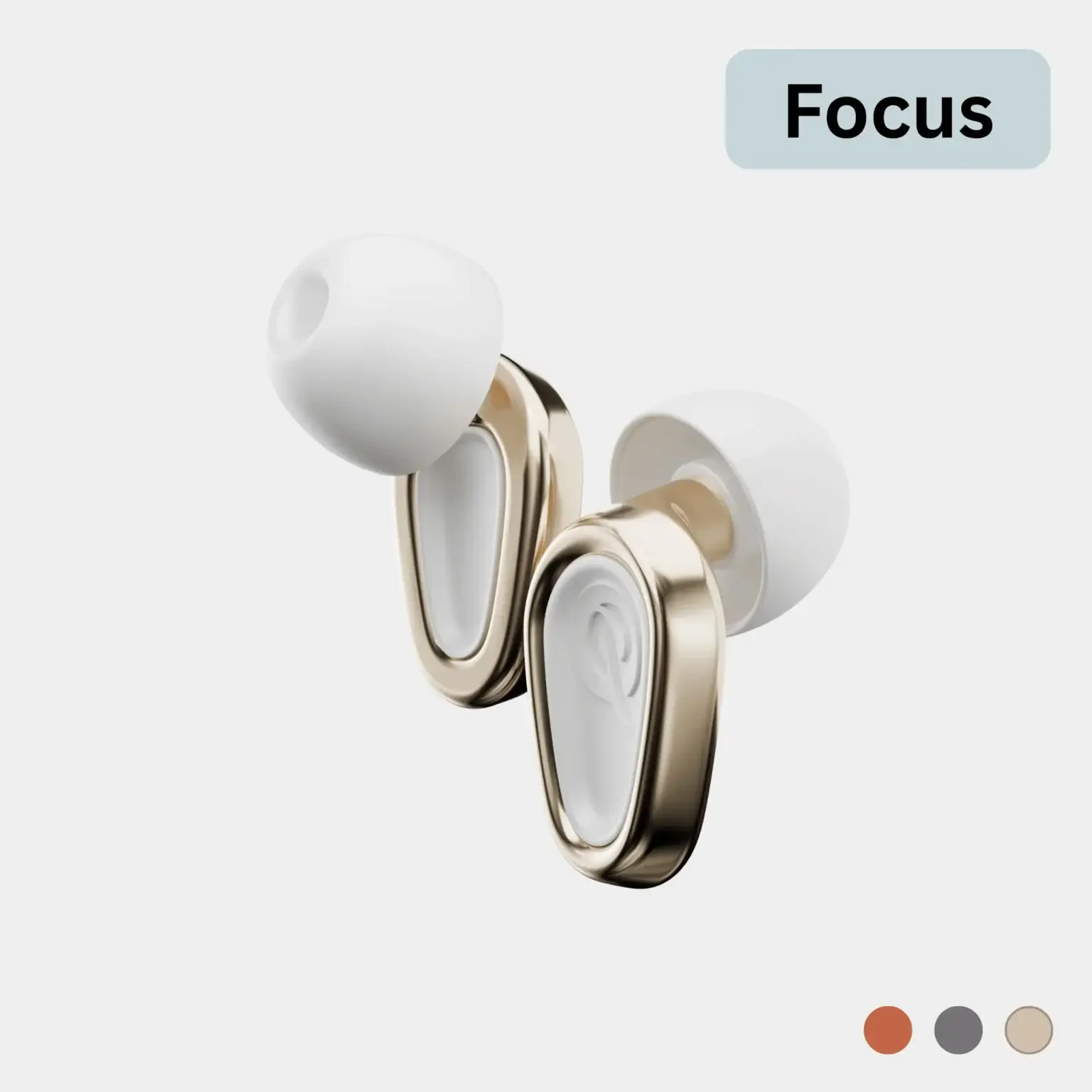
For focus, total silence is not always the target. Many people work better when keyboard clicks, office chatter and café noise are softened rather than erased. A moderate filter can create a calmer mental space while leaving you aware of a call, colleague or doorbell. That is volume control with purpose.
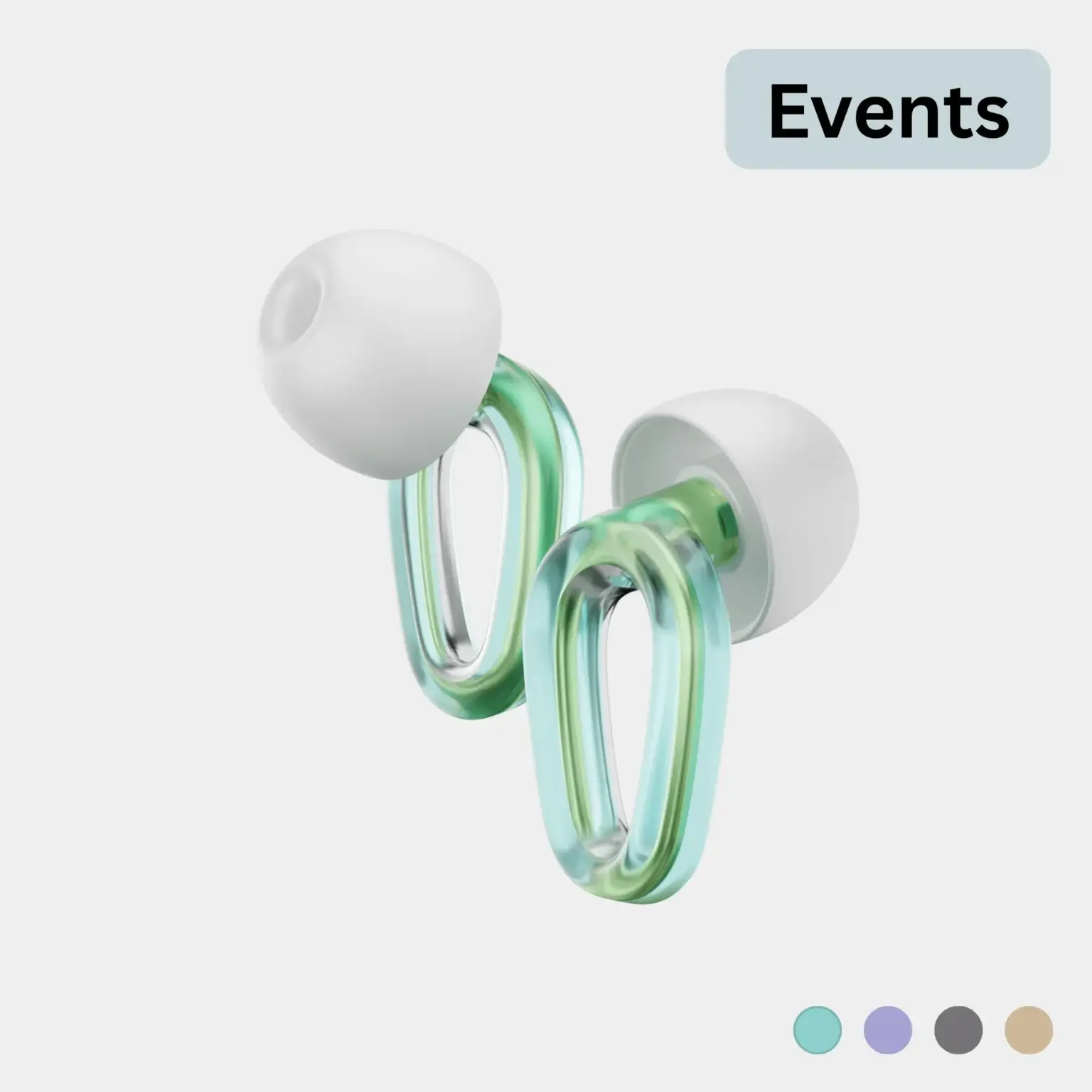
For concerts, sporting events and nightlife, seek a filter designed to lower loud sound more evenly. Music will still change when any earplug is worn, but a balanced profile can preserve more of its shape than a basic foam plug. For high-volume venues, do not rely on feeling alone. Exposure can build before discomfort tells you to step away.
For commuting, motorcycling and travelling, low-frequency rumble can be exhausting. A secure fit is essential here because wind and engine noise can be unpredictable. Motorcyclists should never compromise their ability to notice relevant road information, and no earplug replaces safe riding judgement or properly fitted helmet equipment.
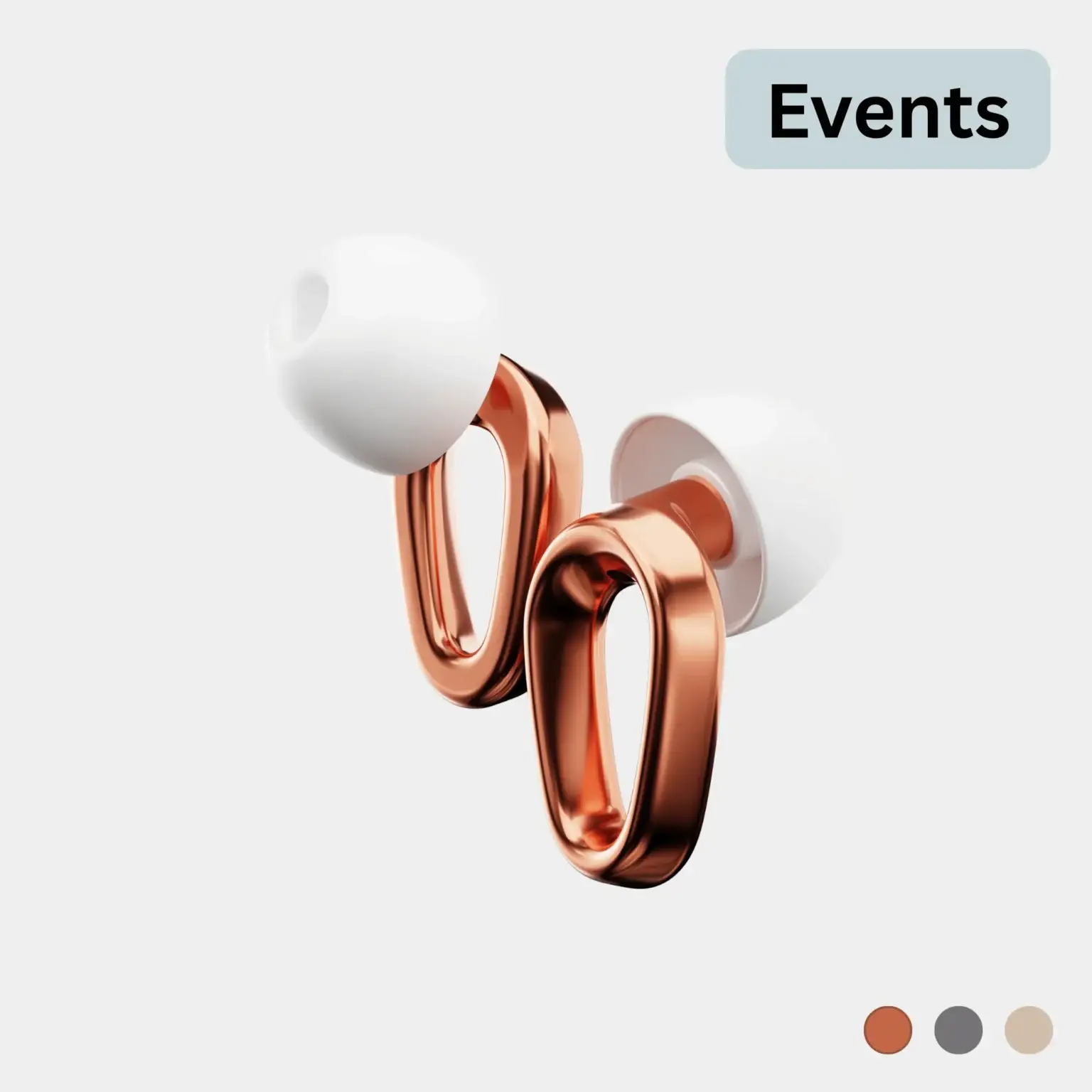
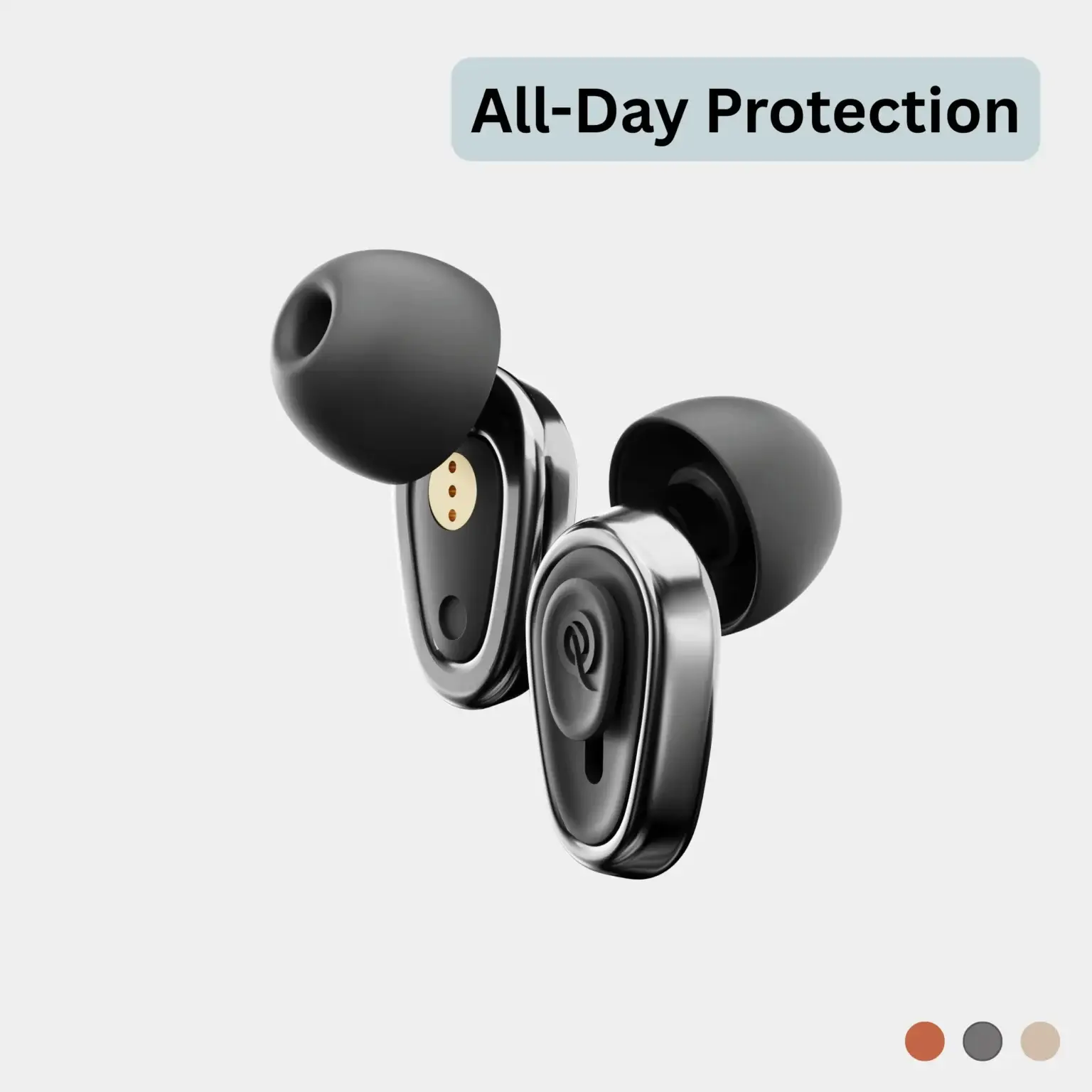
Earmuffz organises reusable options around these real-life needs, including sleep, daily noise control and more demanding environments. That approach matters because the right earplug is not a generic accessory. It is part of how you protect your attention, comfort and hearing across the day.
How to read noise ratings without overpromising
An SNR is a laboratory-derived single-number rating. It helps you compare products, but it should not be treated as a guarantee of exactly how many decibels will reach your ear in every setting. Movement, incorrect fitting, hair, sweat, ear anatomy and wear over time can all change the result.
Look beyond the headline figure. If detailed information is available, frequency-specific attenuation data is useful because it shows how reduction varies across low, mid and high frequencies. Consider the product’s intended use, certification and fit system as well. A clear use case and credible testing information tell you more than dramatic marketing language alone.
Be cautious with claims that promise complete silence. No practical earplug removes all sound, and complete isolation is not desirable in many situations. You may need to hear an alarm, a child, a colleague, public transport information or changes in your environment. The goal is controlled reduction, not disconnection.
Keep performance consistent
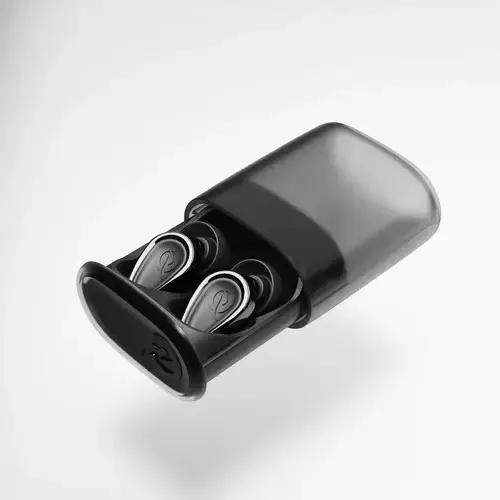
Reusable earplugs need basic care to keep fitting and filtering properly. Clean the outer surfaces according to the manufacturer’s instructions, allow them to dry fully and store them in a protective case. Dirt, earwax and damaged eartips can affect comfort, hygiene and the seal.
Check your earplugs regularly. Replace eartips that have split, hardened, stretched or stopped gripping securely. If an earplug begins to feel different in your ear, do not assume your hearing has changed first. Inspect the fit and components, then test a fresh tip if appropriate.
It also helps to practise fitting before the environment gets loud. Do not wait until you are at the barrier of a packed gig or standing beside a roaring platform. A quick, confident fit means your filter is working when you need it, not five minutes later.
Build a better relationship with sound
Earplugs are often framed as something you reach for only when noise becomes unbearable. A smarter approach is to use them before fatigue takes over. Put them in for the busy train, the focused work block, the loud restaurant or the first support act. You stay more comfortable, and you are less likely to leave because the volume has already worn you down.
Pay attention to what changes for you: less tension in your shoulders, fewer distractions, easier recovery after a crowded day, or a better chance of falling back asleep after a disturbance. Those are practical signs that your filter choice is serving its purpose.
Your hearing environment is not fixed, so your earplugs should support flexibility. Choose the level of reduction you can wear comfortably and confidently, then make sound control part of your everyday kit. The volume around you may not be yours to set, but your exposure can be.