
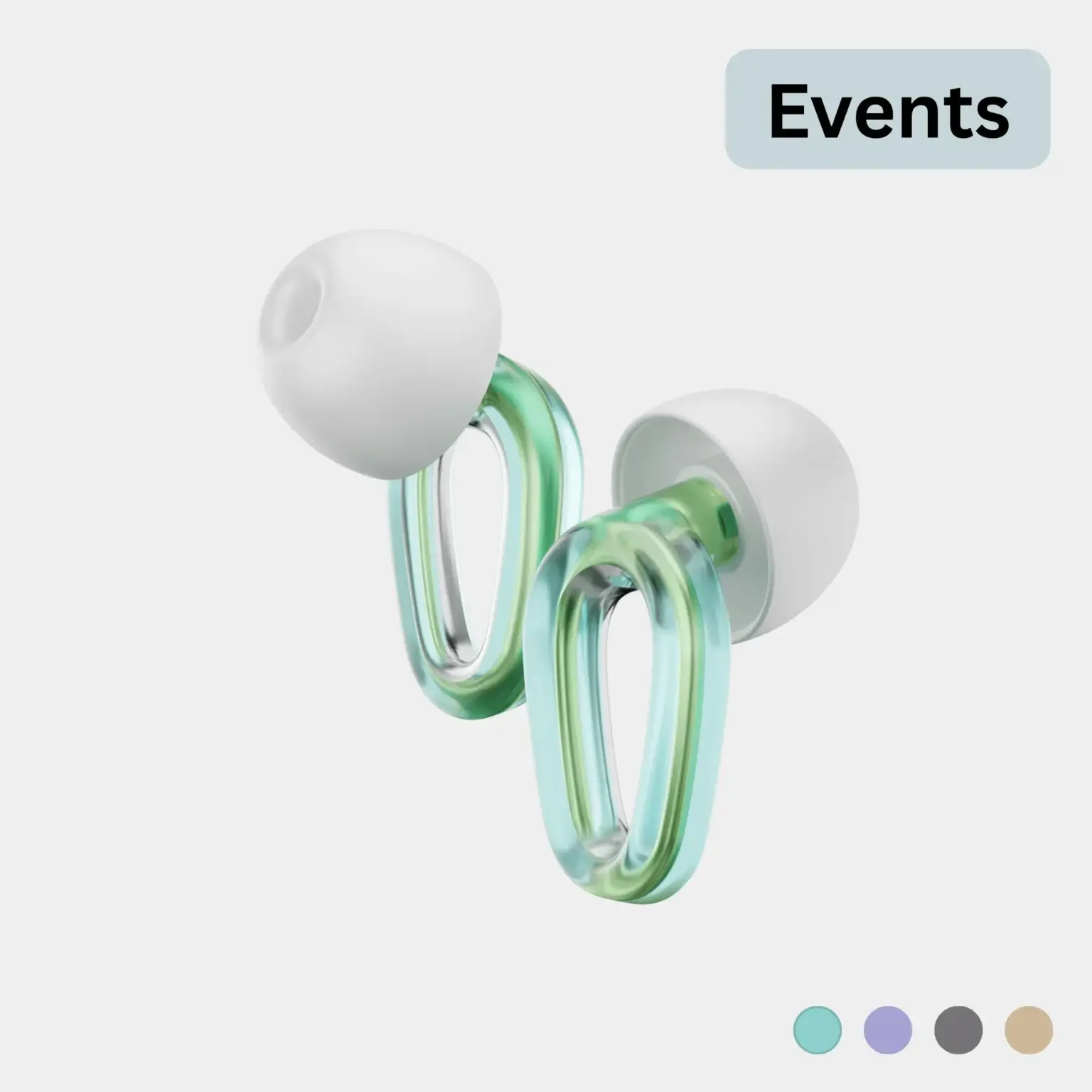
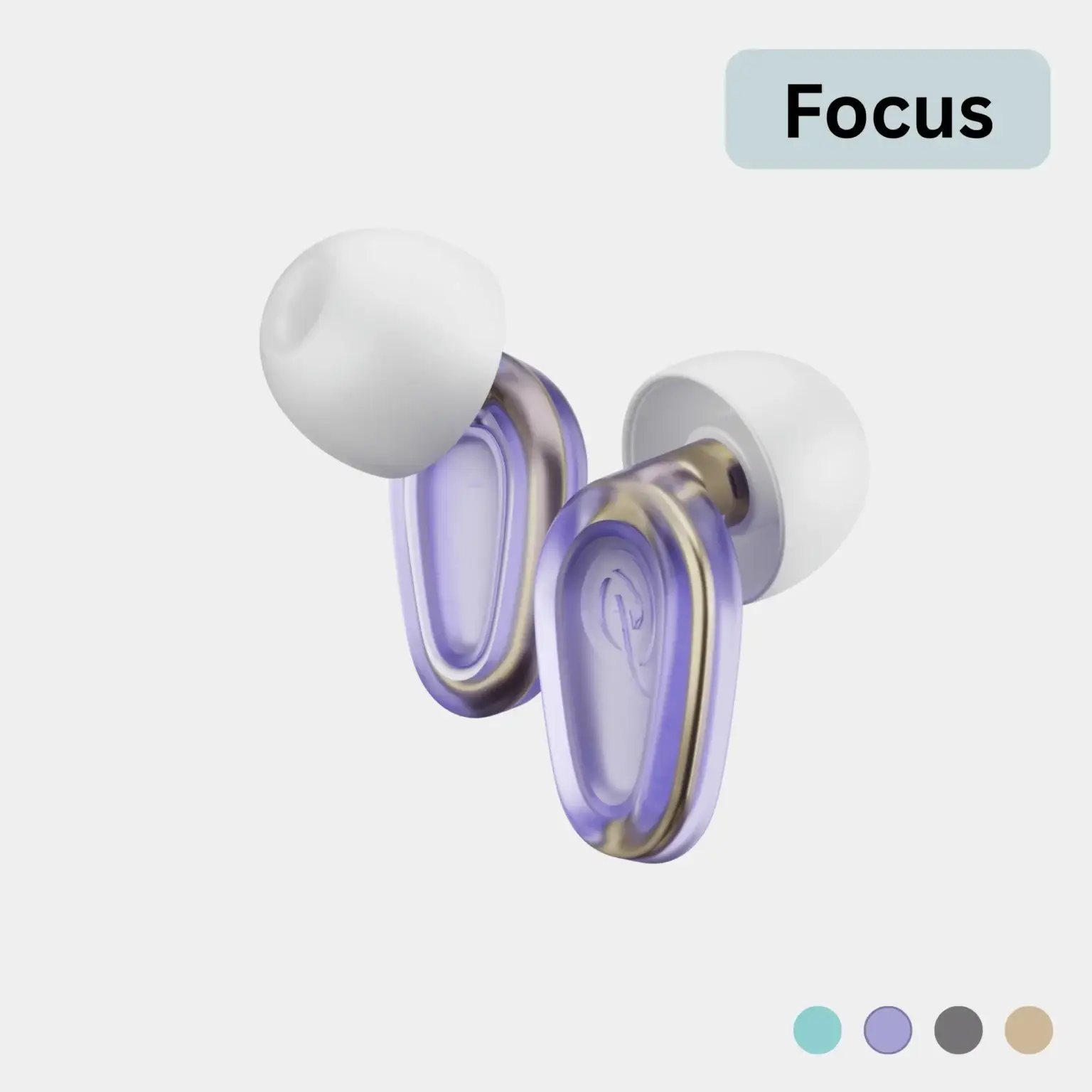
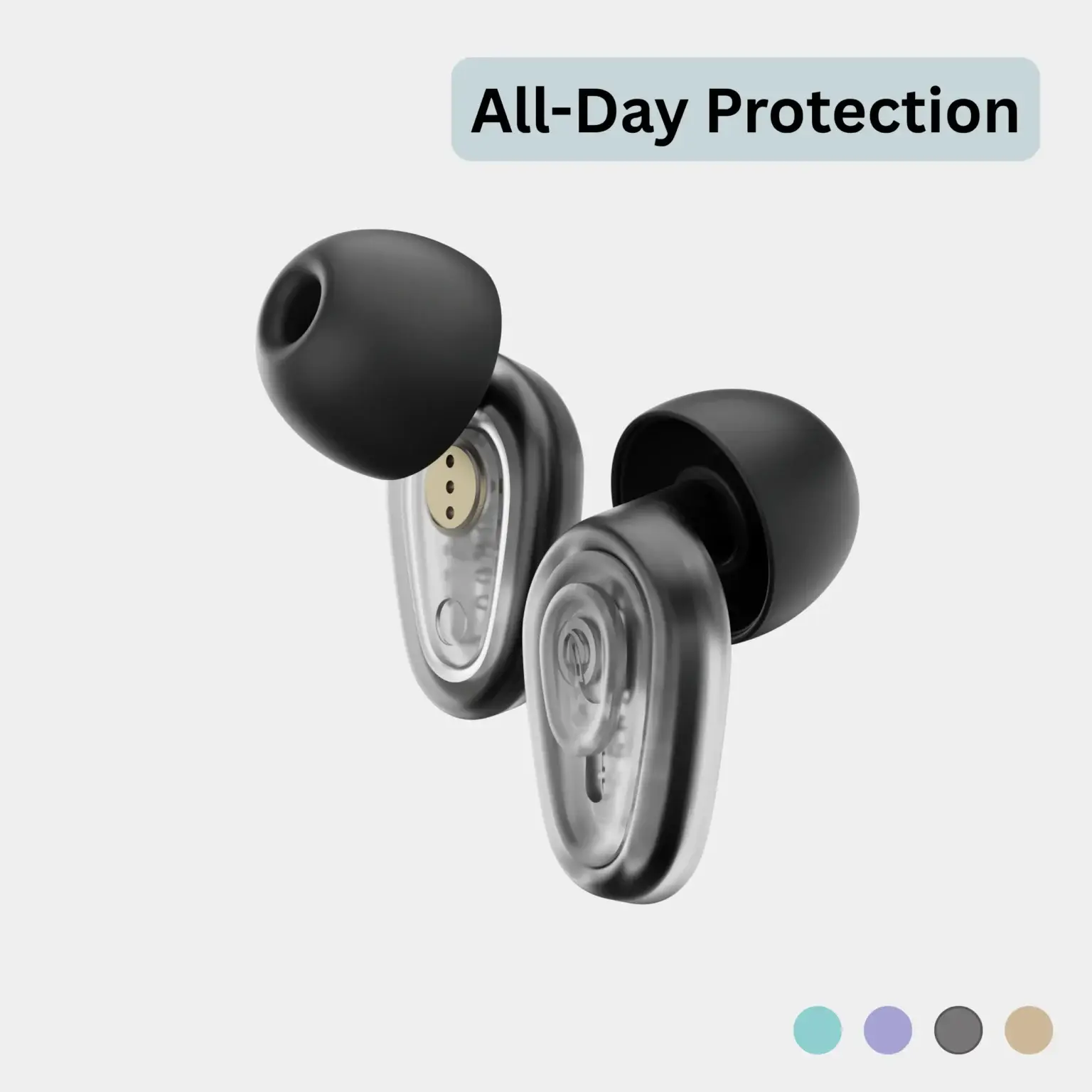
A high noise rating looks impressive. But ear plugs maximum noise reduction only happens when the plug seals properly, stays comfortable, and suits the noise you actually face. A pair that feels unbearable after 20 minutes will not protect your focus, sleep or hearing for long. The best choice is not simply the strongest number on the packet. It is the pair you will wear, correctly, when life gets loud.
What maximum noise reduction really means
Earplugs do not remove sound altogether. They lower the volume reaching your ears. That distinction matters whether you are trying to sleep beside traffic, work in an open-plan office, ride a motorcycle or enjoy a concert without the post-gig ringing.
Noise reduction ratings provide a useful starting point, but they are measured under controlled conditions. In real life, a tiny gap around an eartip can dramatically reduce performance. Ear canals are not identical, and neither are everyday environments. Low-frequency rumble from a train, intermittent chatter from colleagues and sharp live-music peaks all behave differently.
Maximum reduction therefore comes from a combination of rating, fit and consistent wear. Think of it as total volume control rather than total silence. You want the distracting or damaging edge taken off the sound, while keeping enough awareness for your situation.
Ratings are useful, not the whole story
Depending on where you shop, you may see SNR, NRR or certification standards such as CE, EN 352 and ANSI. These tell you that a product has been tested to a recognised framework, but they are not a promise that every wearer will experience exactly the same reduction.
SNR is commonly used across the UK and Europe. NRR is more common in North America. Neither figure should be treated as a direct, universal prediction of the sound level inside your ears. Your insertion technique, ear shape and the type of sound around you all influence the result.
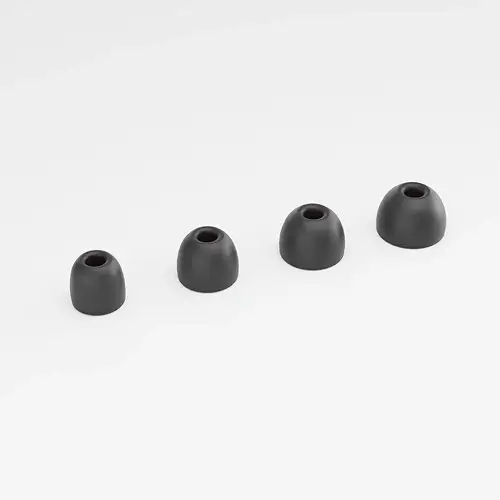
Use ratings to compare products within the correct category, then give equal weight to design. Multiple eartip sizes, a stable low-profile fit and materials you can tolerate for hours are not minor details. They are what turn tested protection into real-world protection.
Choose ear plugs for maximum noise reduction by use case
The right level of reduction depends on what you are trying to control. More attenuation is not automatically better if it leaves you unable to hear an alarm, a colleague or traffic when you need to.
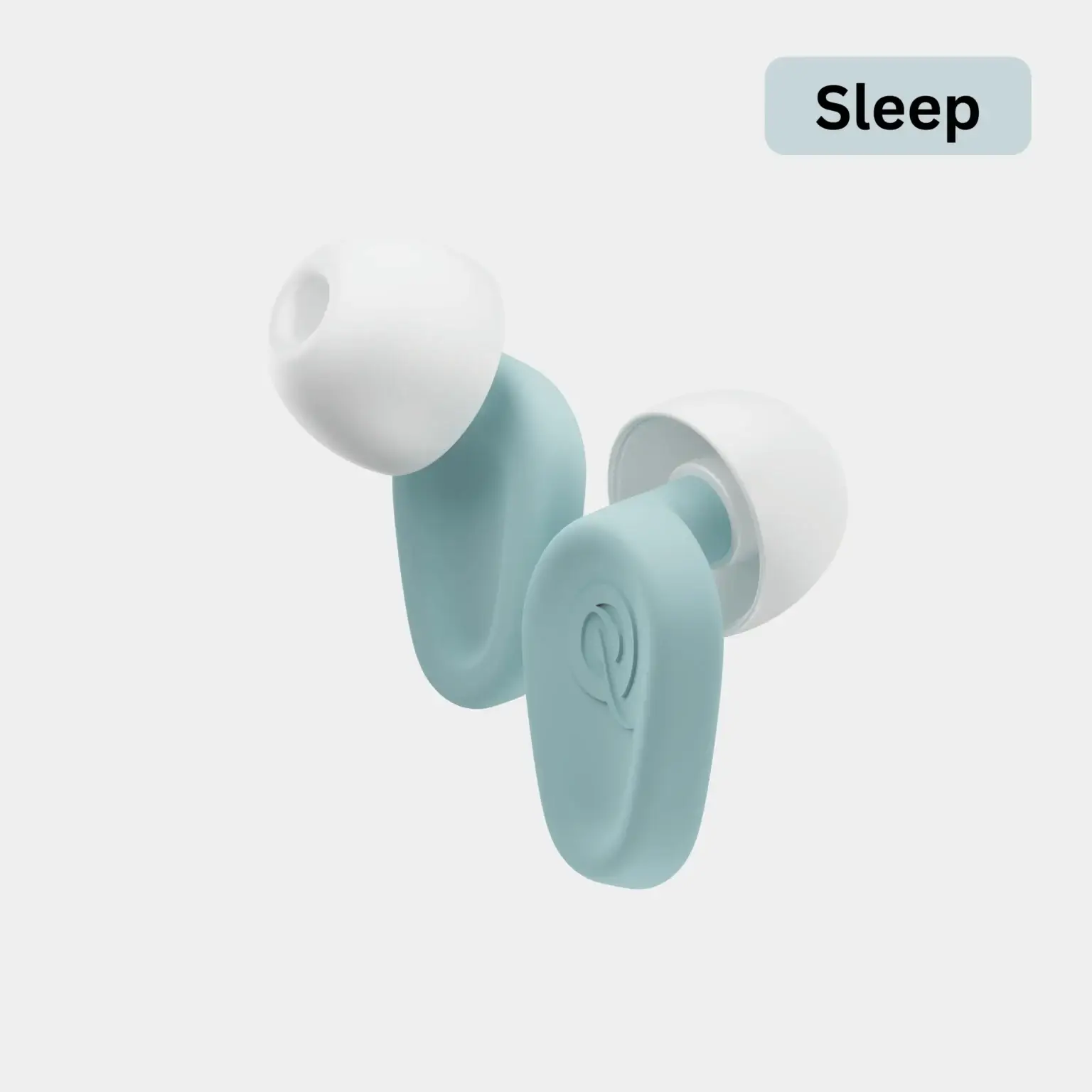
For sleep: block disruption without creating pressure
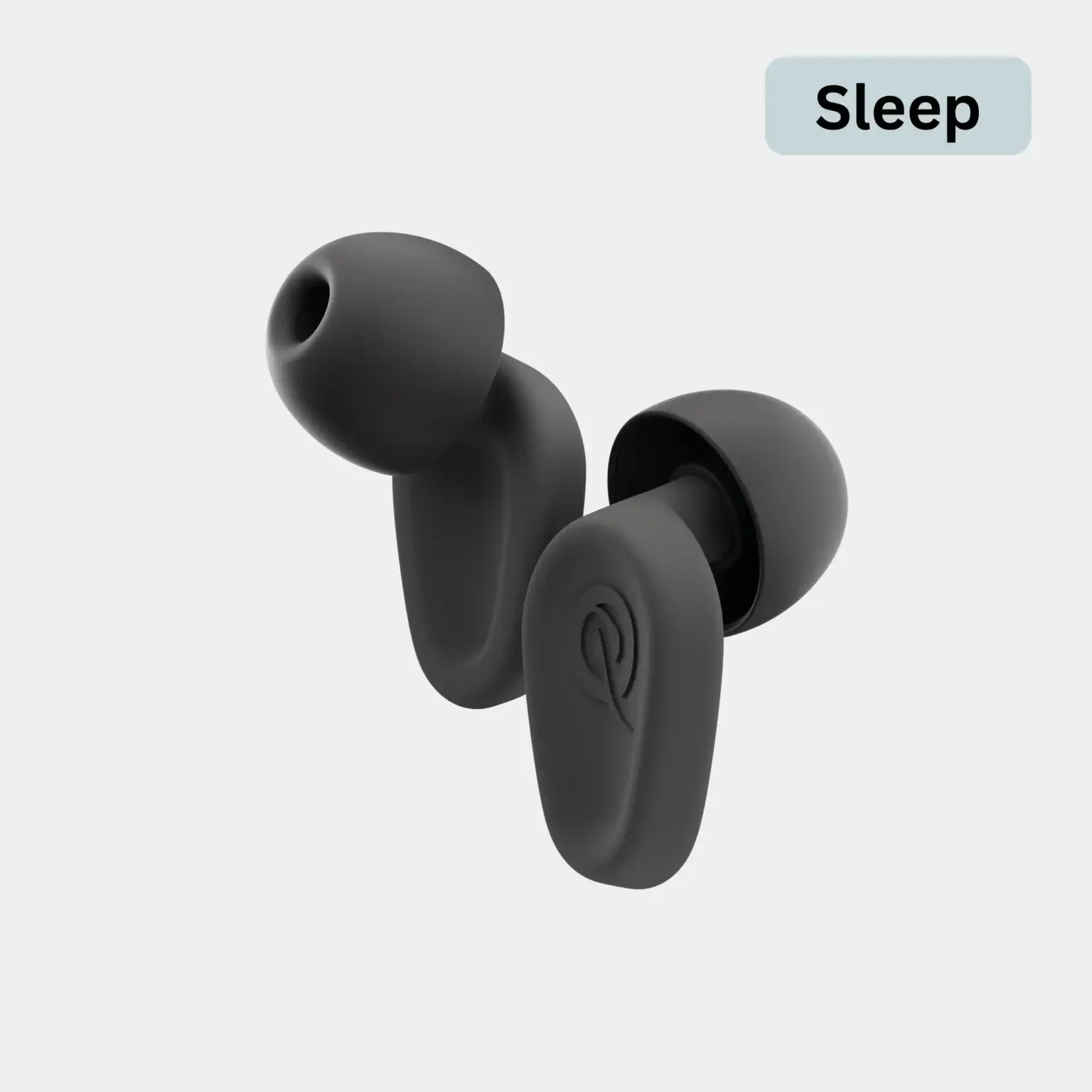
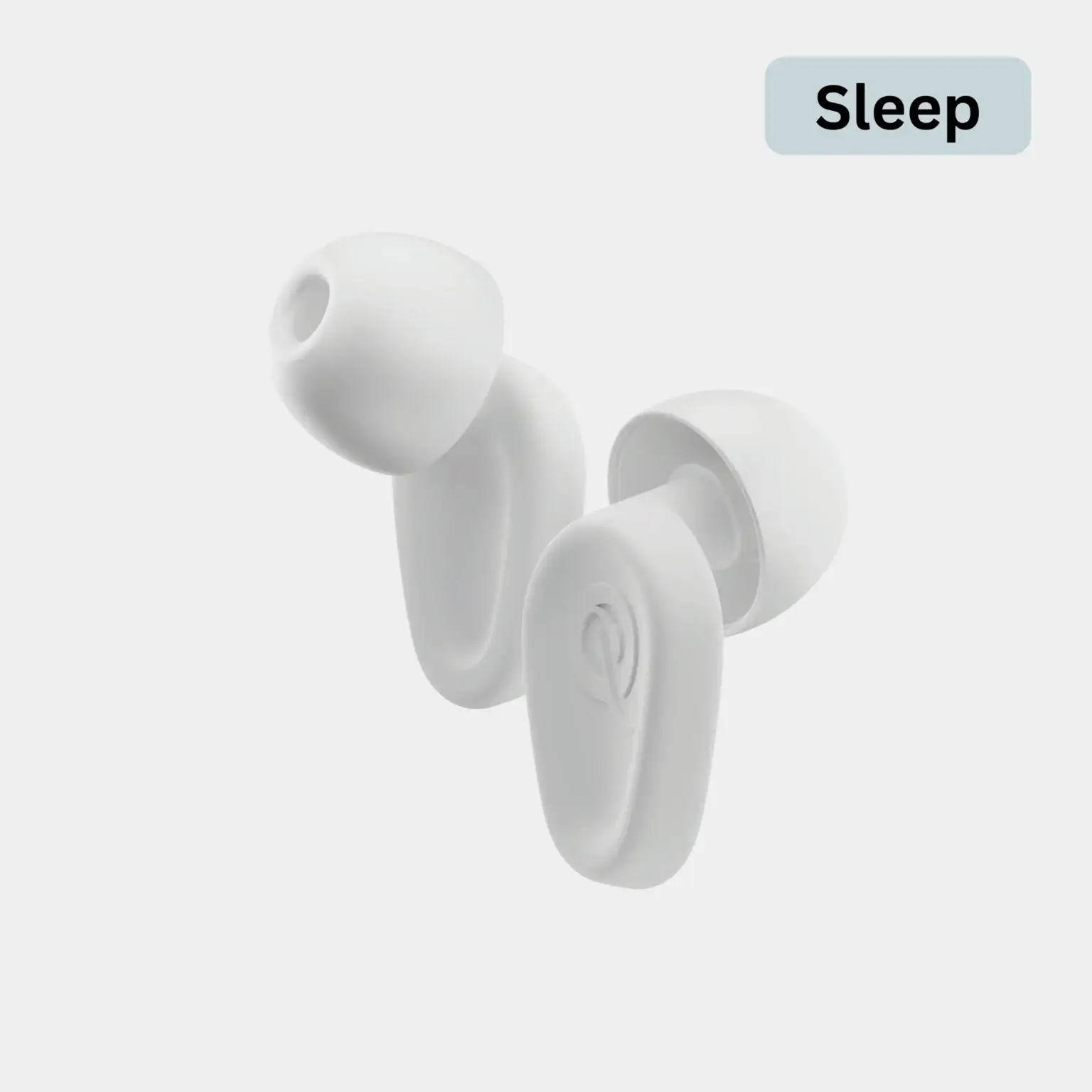
Sleep earplugs need to work while you are lying on your side, turning over and wearing them for a full night. A bulky plug can press against the pillow and wake you up, even if its laboratory rating is high. Comfort becomes performance.
Look for soft, low-profile reusable earplugs with eartips that create a gentle seal. The goal is to soften snoring, neighbours, late-night traffic and household noise, not to create a sealed-off feeling that makes you anxious. If you need to hear a child, an alarm or a doorbell, test your setup before relying on it overnight.
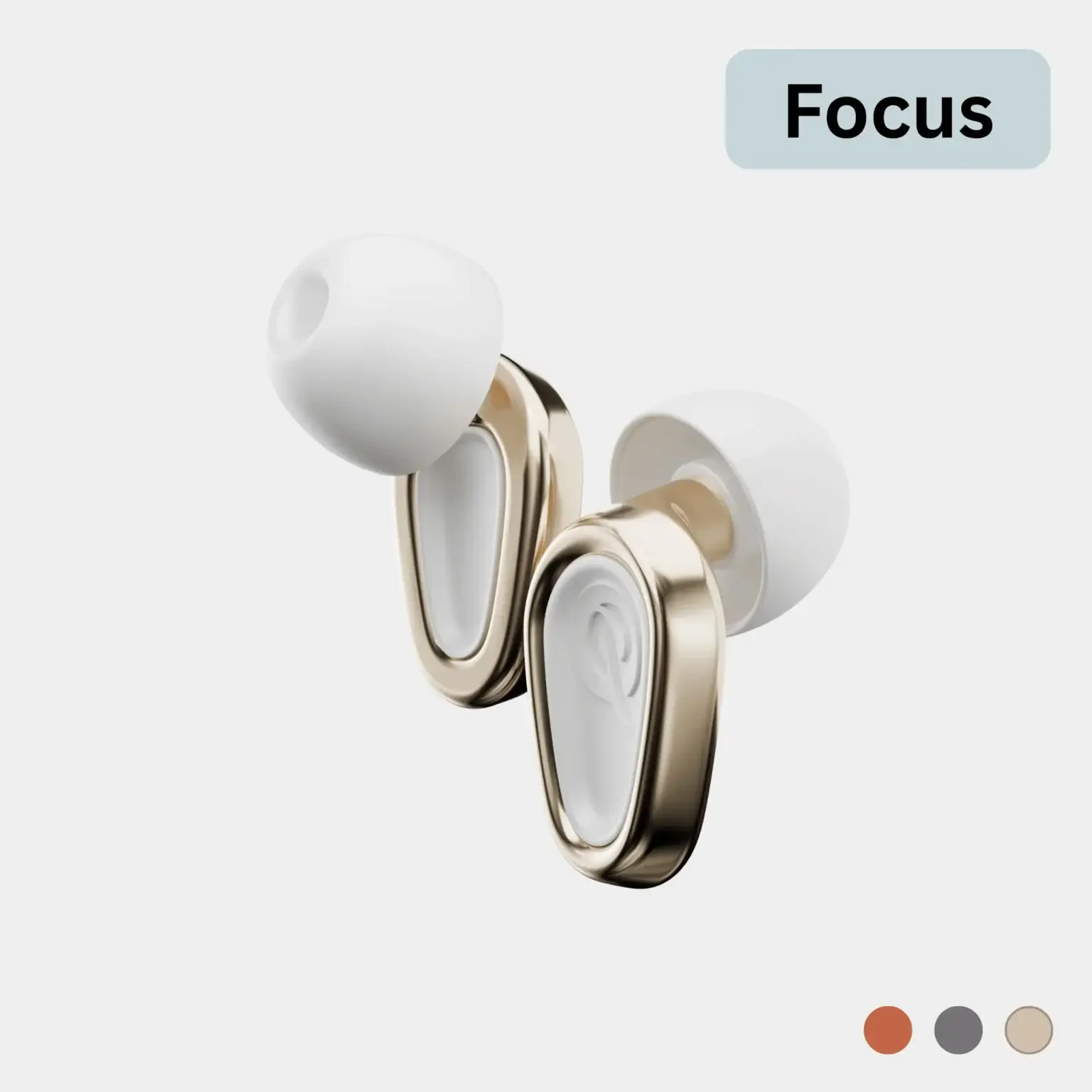
For focus: reduce the noise that drains attention
Office chatter is not always dangerously loud, but it can still wreck concentration. The best earplugs for deep work reduce speech distraction, keyboard clatter and general buzz without cutting you off from the room entirely.
This is where controlled reduction pays off. You may not need the highest possible rating. You need enough calm to finish the task in front of you, while still being able to respond when someone speaks directly to you. Reusable earplugs can be a smart alternative to blasting music through headphones just to cover distractions.
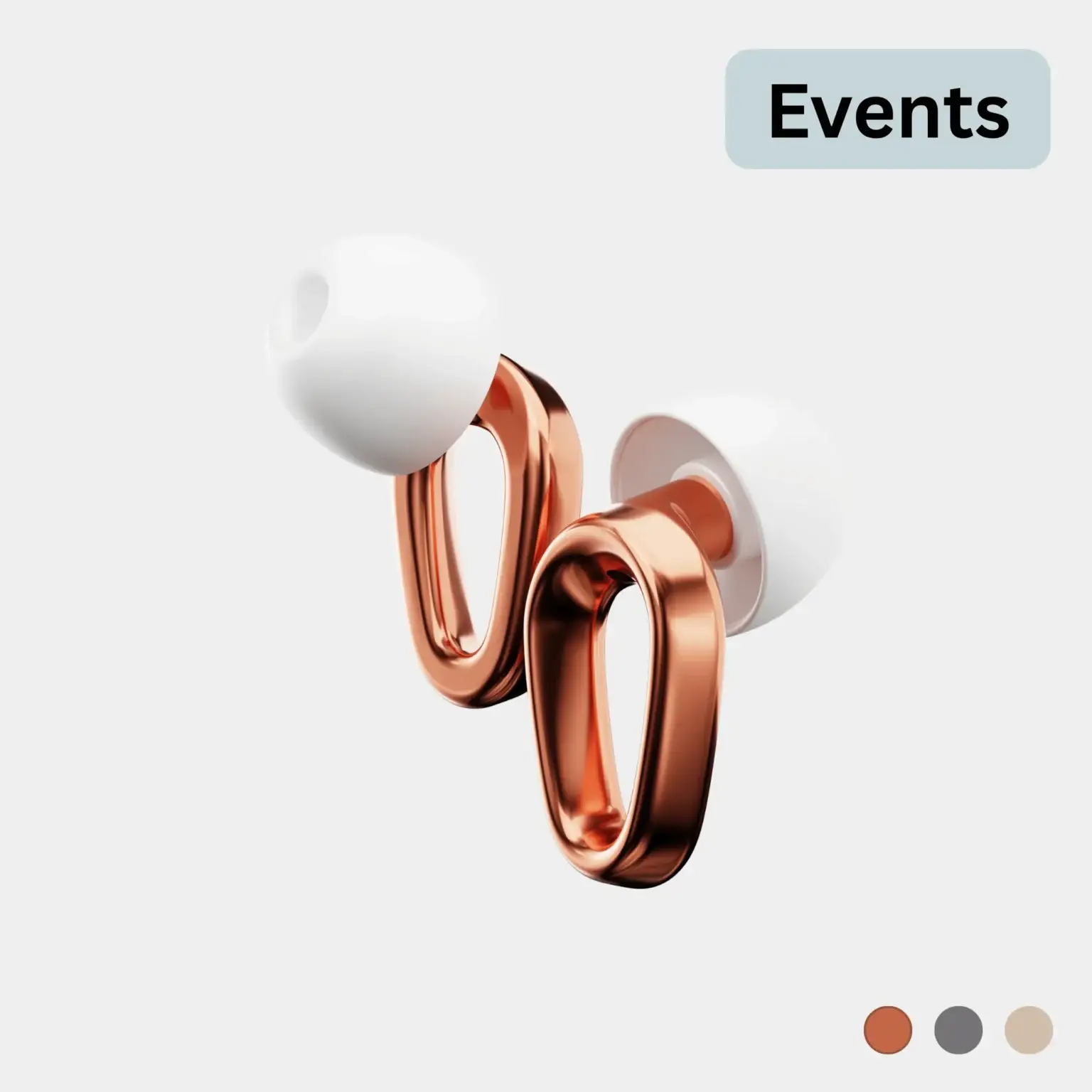
For concerts and nightlife: protect your ears, keep the experience
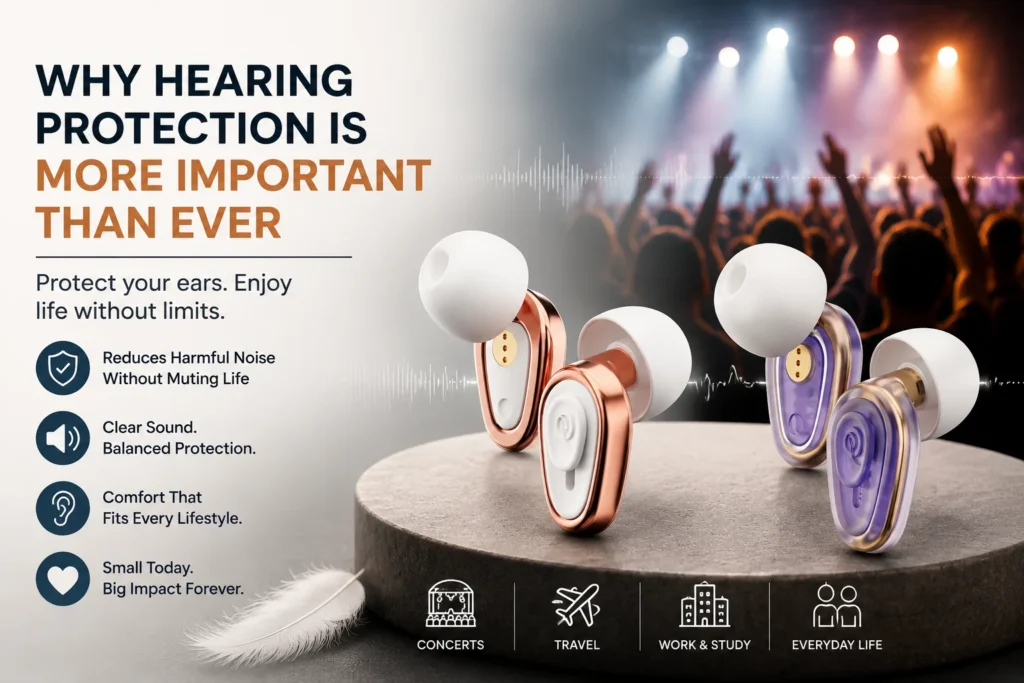
Music needs clarity and energy. Foam plugs can offer strong attenuation, but they may make a gig feel muffled if they are not suited to the setting. Purpose-designed reusable earplugs aim to lower the overall level while preserving a more balanced sound.
No earplug makes an extremely loud venue risk-free. Step away from speakers when possible, take quiet breaks and wear your plugs before the room gets painfully loud. If your ears ring or sound dull after a night out, treat that as feedback, not a badge of honour.
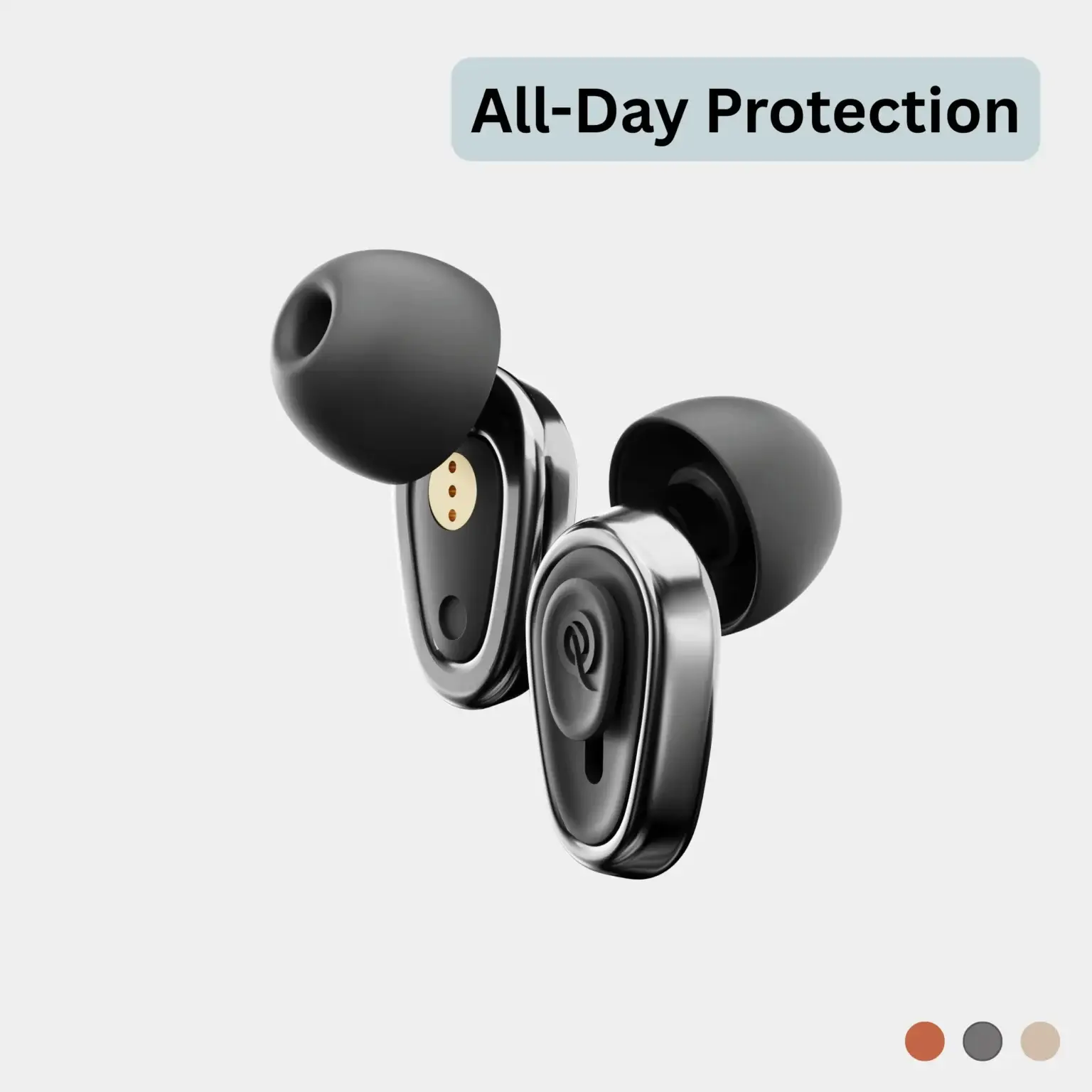
For motorcycles, commuting and travel: tackle fatigue as well as noise
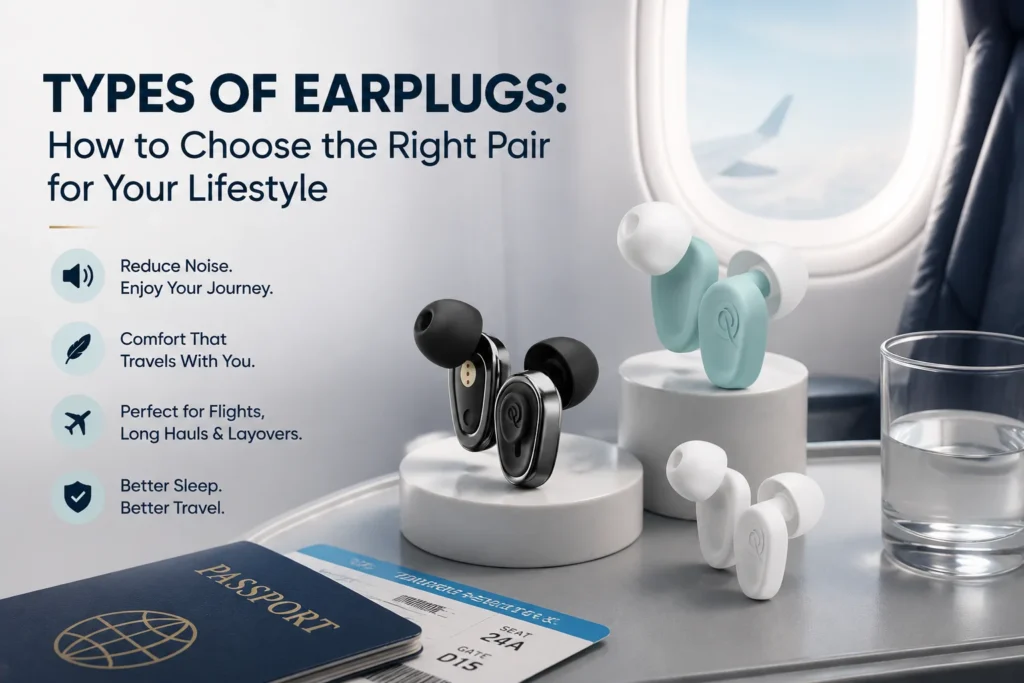
Wind roar, rail noise and crowded transport can exhaust you long before you realise it. For riders, a secure fit is vital because airflow and helmet movement can shift an ill-fitting plug. For commuters and travellers, comfort matters just as much because you may be wearing earplugs for long stretches.
Choose a design that sits securely and does not interfere with your helmet, hat or headphones. Always retain the awareness required for your journey. Earplugs should reduce the strain of noise, not make a road crossing, platform announcement or safety warning harder to detect.
Fit is where noise reduction is won
A premium earplug with the wrong eartip will underperform. Start with clean hands and try the supplied tip sizes rather than assuming the medium option is correct. The right fit should feel secure and even, not painful, loose or as though it is pushing itself back out.
Insert the earplug according to its instructions and give it a moment to settle. You should notice a clear reduction in surrounding sound, especially speech and higher-frequency noise, without a sharp pressure point. Talk softly, move your jaw and turn your head. If the seal changes immediately, try another size or adjust the position.
Do not force a plug deeper to chase a stronger result. Discomfort is not proof of protection. A stable, comfortable seal is the target.
For maximum performance, check both ears individually. Many people need different eartip sizes from left to right. That is normal, and it is one of the simplest ways to improve noise reduction without buying a new product.
The trade-off: protection versus awareness
There are moments when maximum attenuation is exactly what you want, such as a noisy sleep environment or sustained machinery noise. There are also moments when you need to hear what is happening around you. Parenting, cycling, travelling alone and working with others all call for judgement.
Never wear earplugs where reduced awareness could put you or someone else at risk. If you work in a regulated noisy environment, follow your employer’s hearing-protection requirements and use equipment appropriate to the hazard. Consumer earplugs are useful everyday tools, but they are not a substitute for site-specific safety controls.
If you have persistent tinnitus, ear pain, sudden hearing changes or recurring blocked-ear sensations, seek advice from a qualified hearing professional. Earplugs can help manage exposure and overstimulation, but they do not diagnose or treat an underlying condition.
Reusable earplugs only work when you look after them
Reusable protection earns its place in your daily kit because it is ready when you need it. Keep your earplugs in a clean case rather than loose in a pocket or at the bottom of a bag. Clean them as directed, allow them to dry fully and inspect the eartips for tears, hardening or loss of shape.
Replace worn eartips promptly. A damaged or misshapen tip can compromise the seal and comfort, which means lower real-world protection. It is a small maintenance habit with a big payoff.
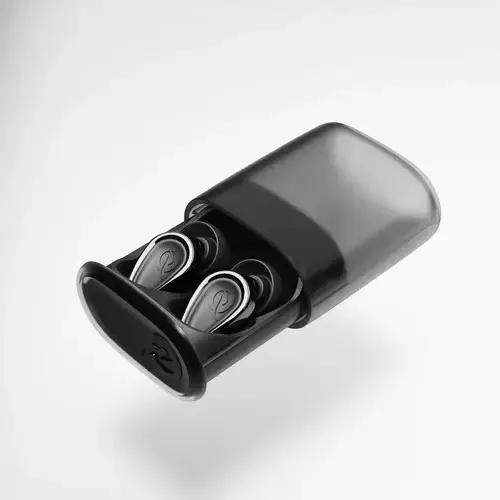
Earmuffz reusable earplugs are built around this everyday reality: discreet comfort, use-case-led options and certified protection designed to help you take control of the volume around you. Whether you need sleep support, sharper focus or confidence at a loud event, the right fit makes the difference.
The quietest choice is not always the one with the biggest number. Choose earplugs you can wear comfortably, fit them with care and use them before the noise starts to take its toll. That is how you protect your hearing and keep your day on your terms.