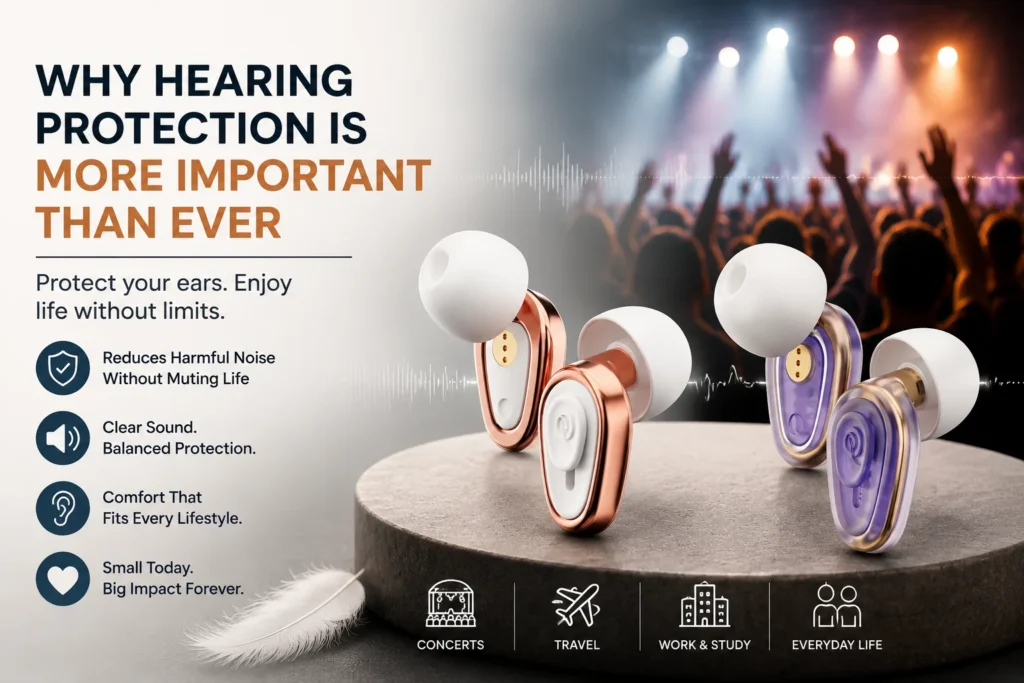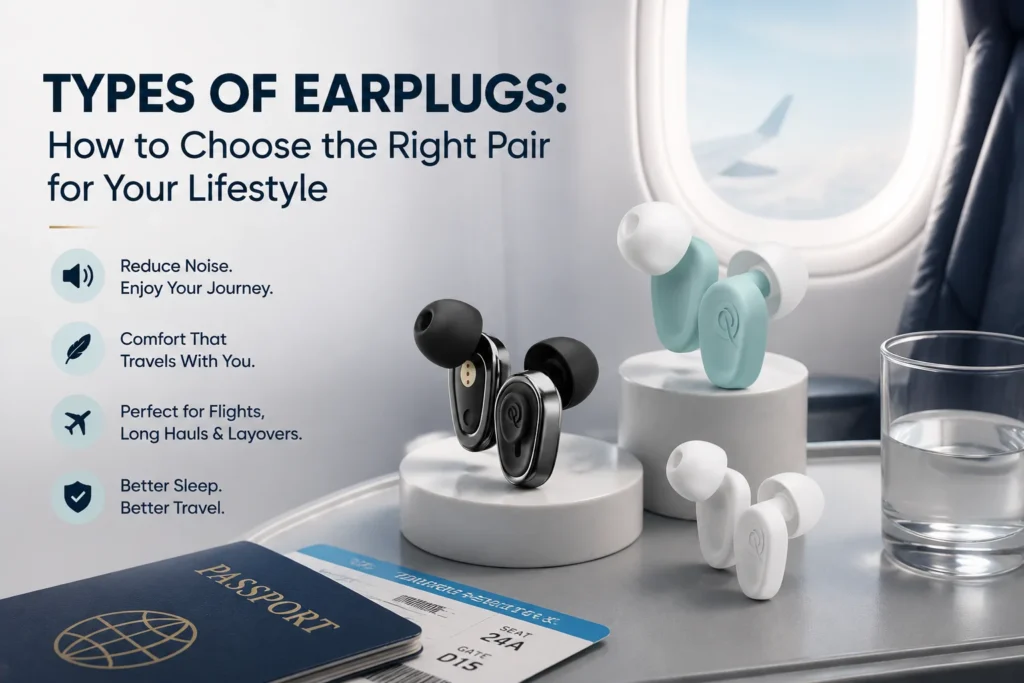

A busy office. A packed train. A gig that is loud enough to feel in your chest. Not every noisy moment needs the same response. That is why learning how to choose earplug filters matters: the best filter is not always the one that blocks the most sound. It is the one that gives you control without making your day feel disconnected.
Filtered earplugs are built for people who want to turn the volume down while staying present. You can still follow a conversation, hear a station announcement or enjoy the detail in live music, just with less edge, strain and sensory overload. Choose well and your earplugs become an everyday performance tool, not something that lives at the bottom of a drawer.
Start with the environment, not the decibel number
A filter’s job is to reduce sound in a particular way. Before comparing ratings, be honest about where you will use your earplugs most often. Your main environment should lead the decision.
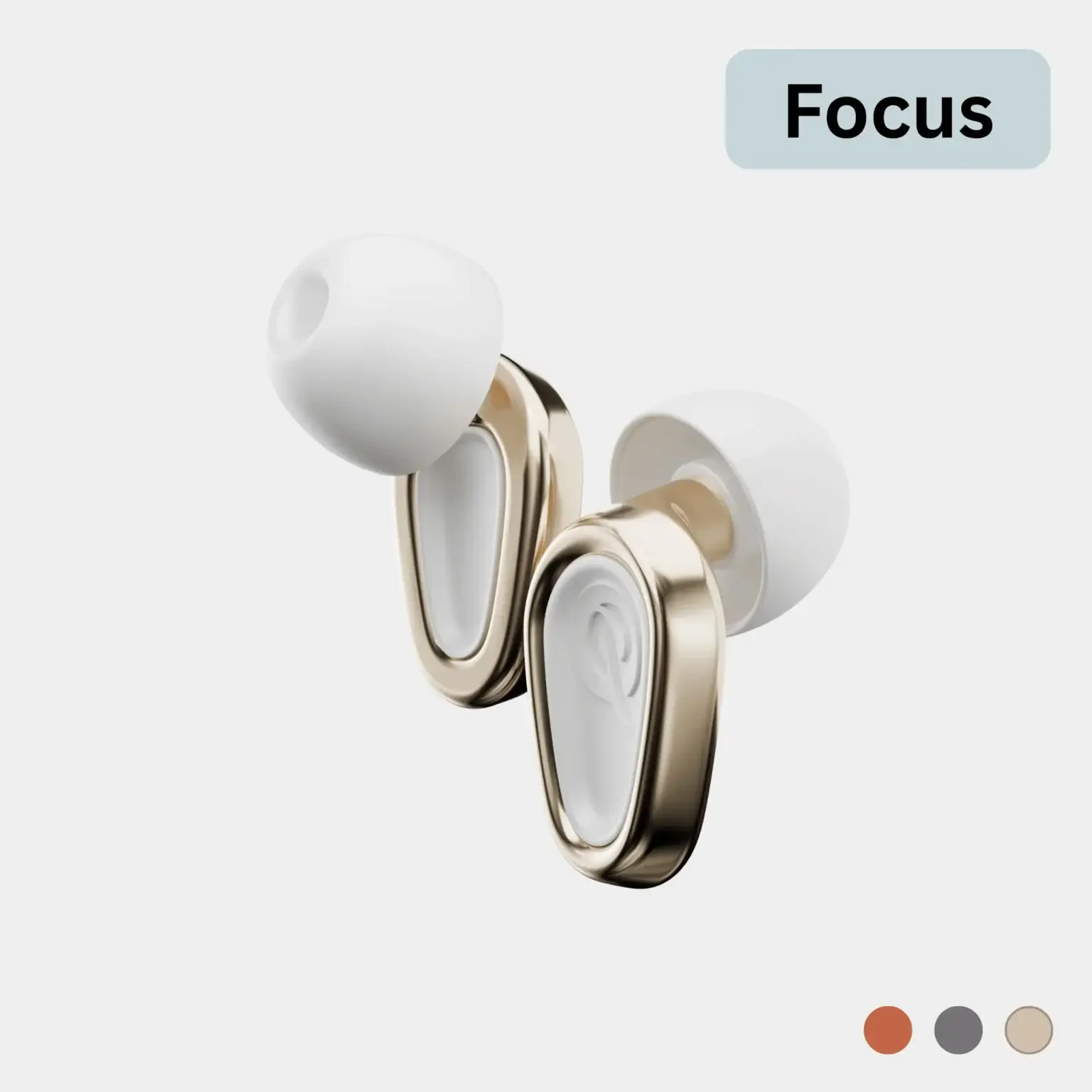
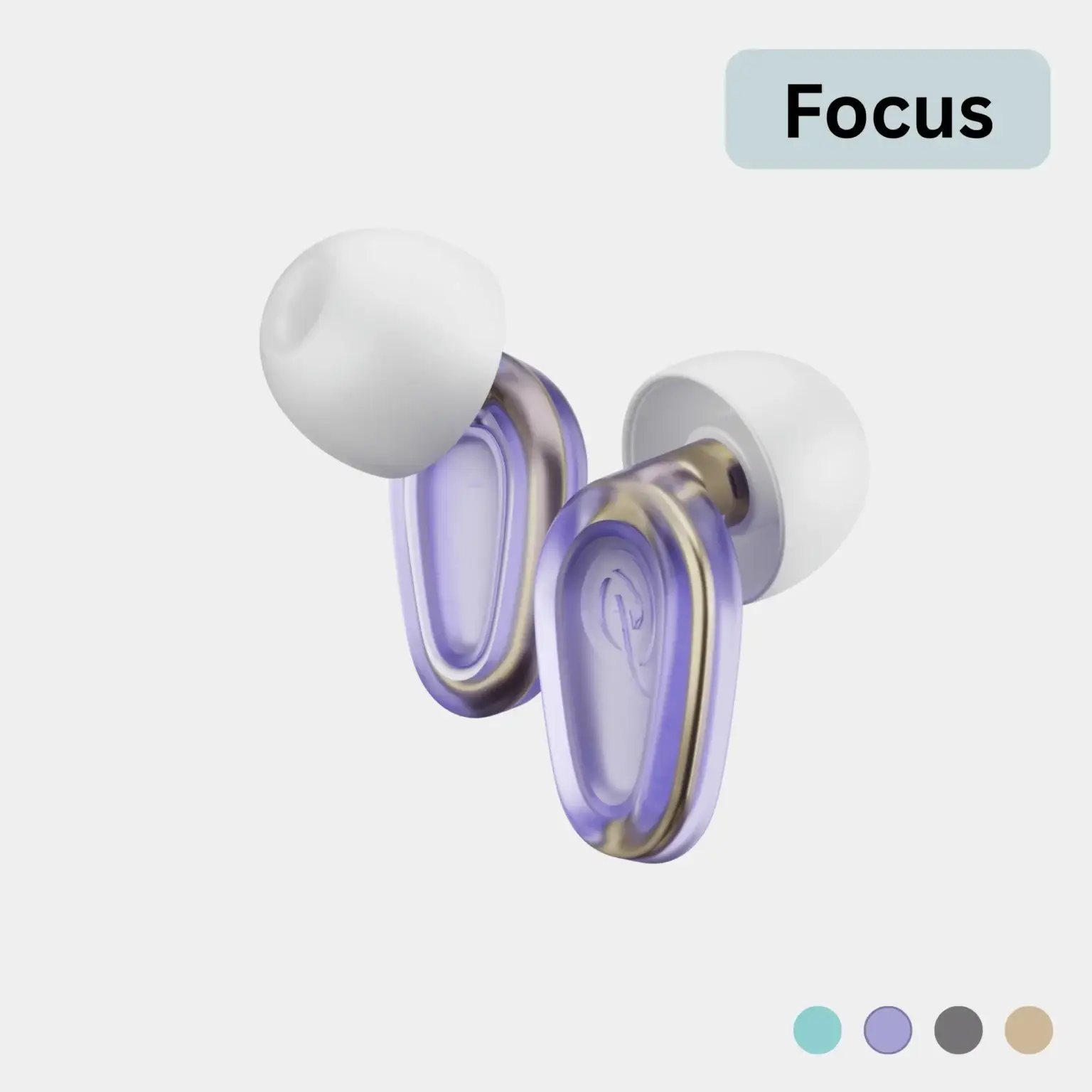
For concentration at work, commuting, cafés or shared spaces, moderate reduction is often the smart choice. You want to soften chatter, keyboard noise and low-level bustle while keeping speech reasonably clear. Over-blocking can make you feel cut off from colleagues, announcements and your own surroundings.
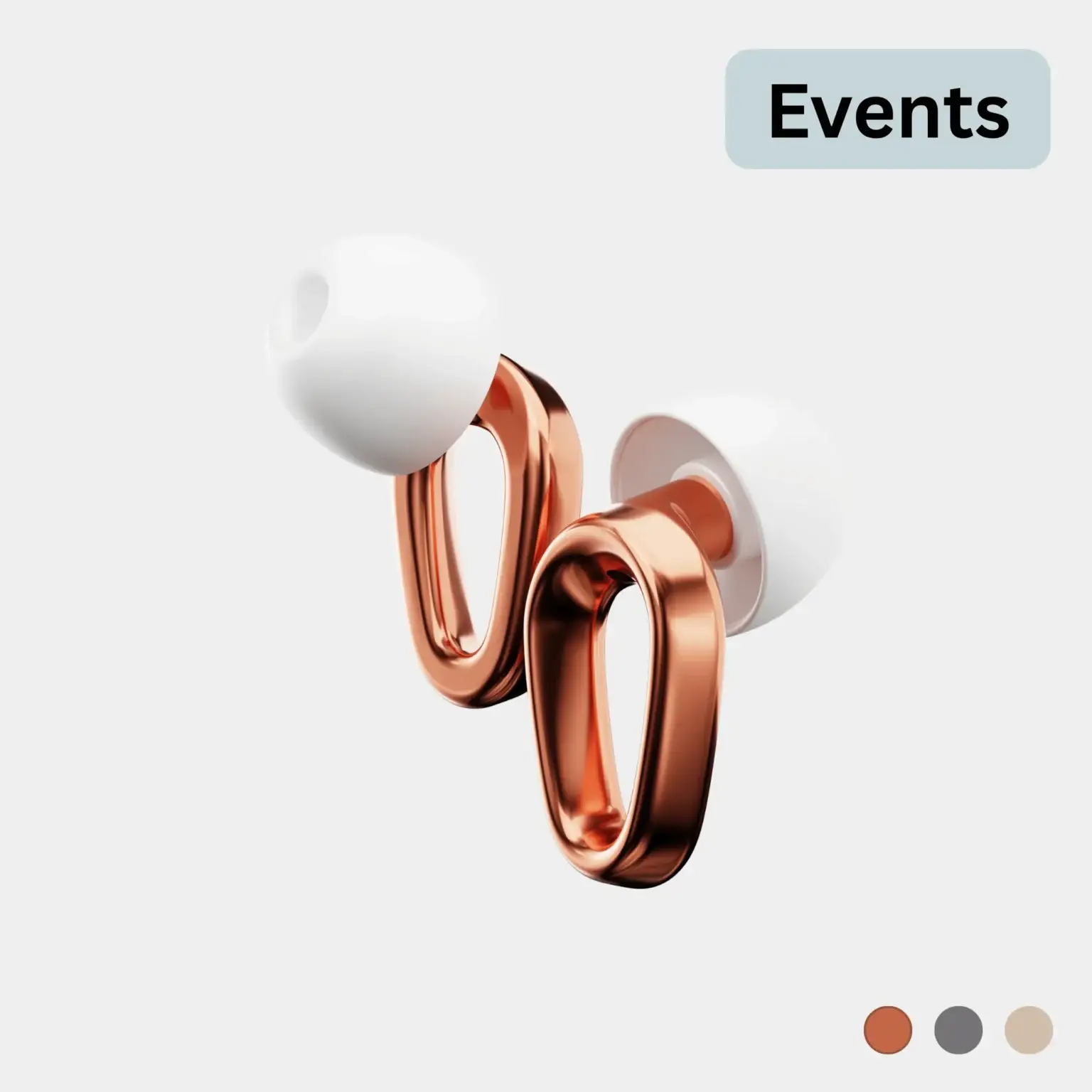
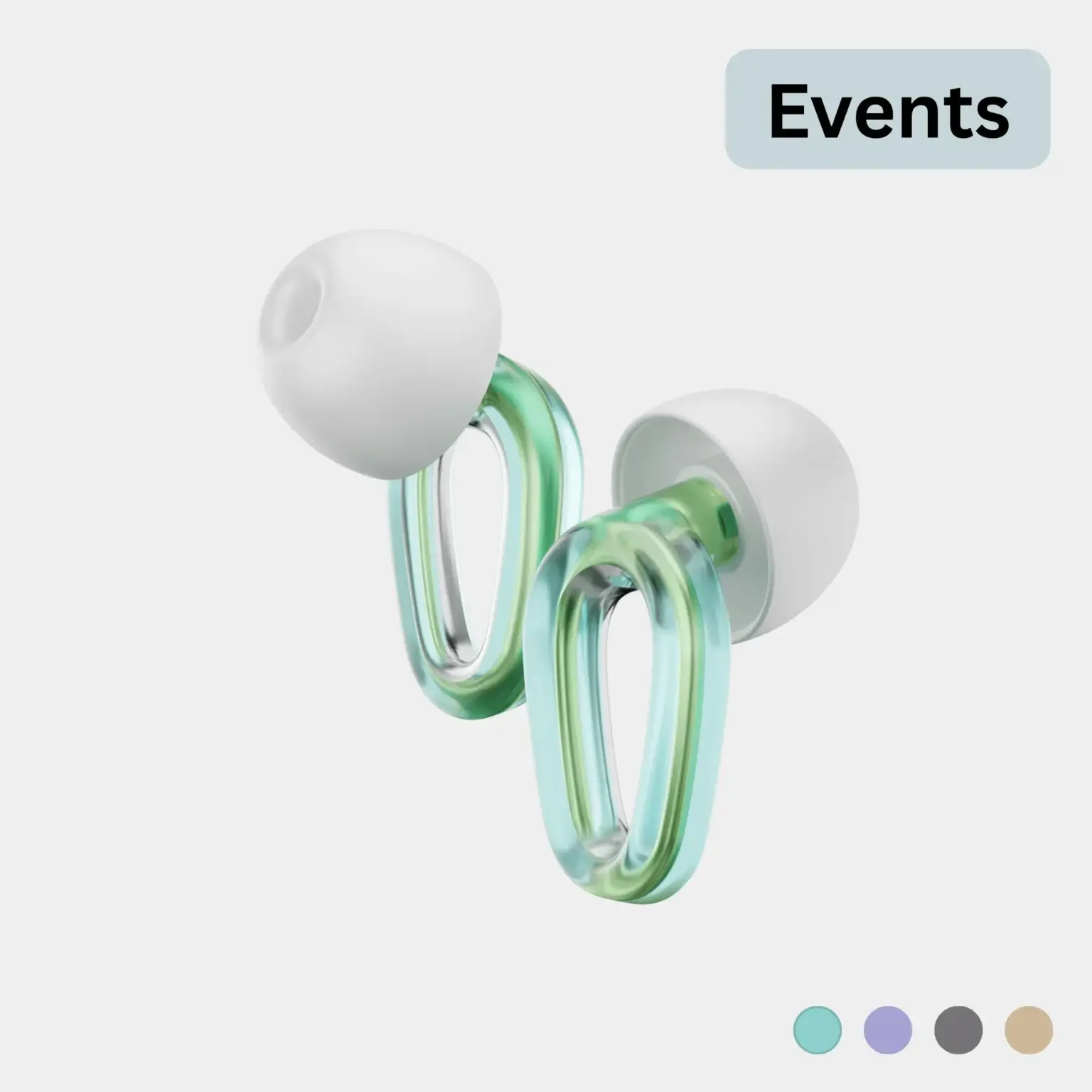
For concerts, clubs, festivals and motorsport, look for filters designed to lower volume more evenly across frequencies. This is often called flat or balanced attenuation. Rather than turning music into a muddy thump, a well-designed music filter reduces the overall intensity while preserving more of the detail that makes a live set worth hearing.
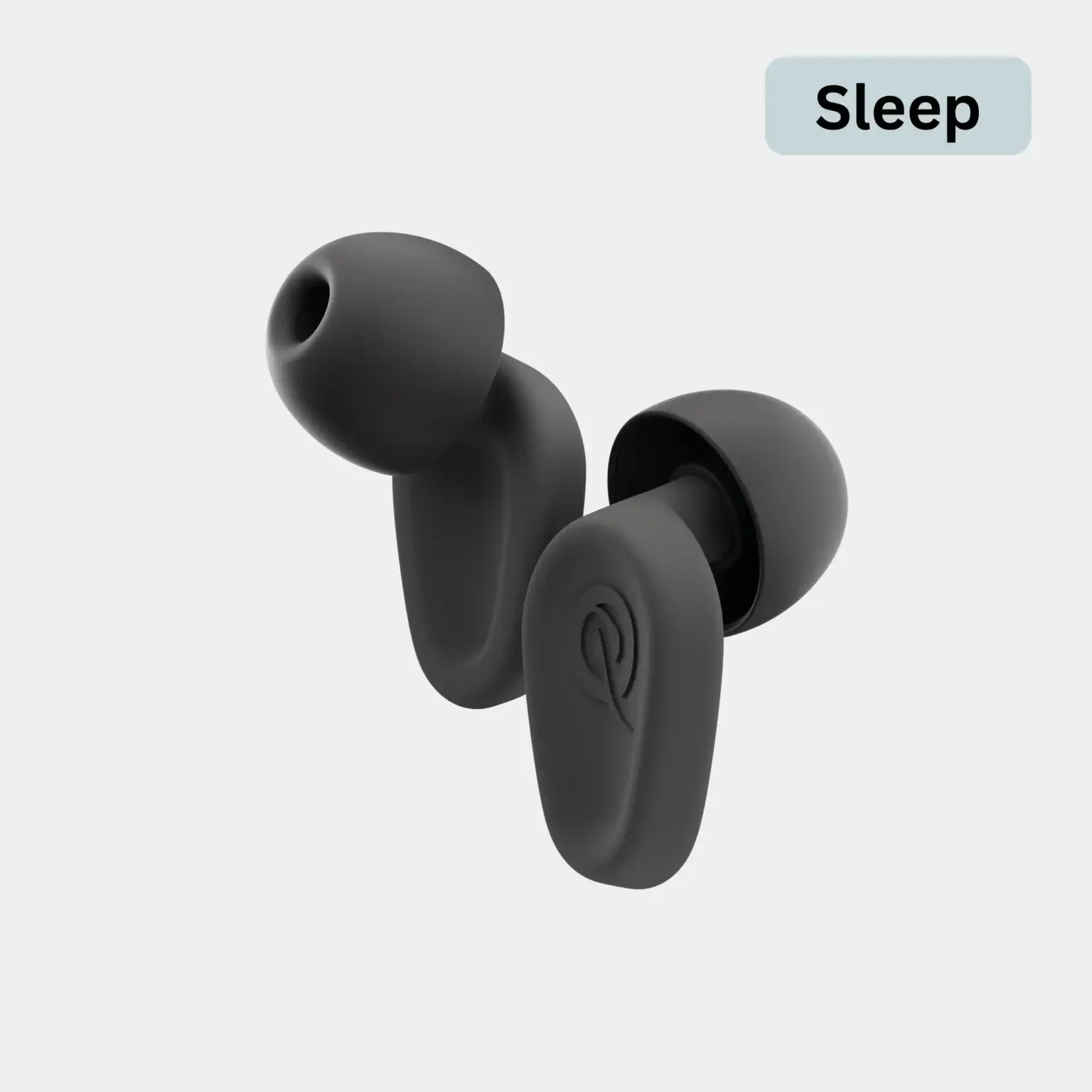
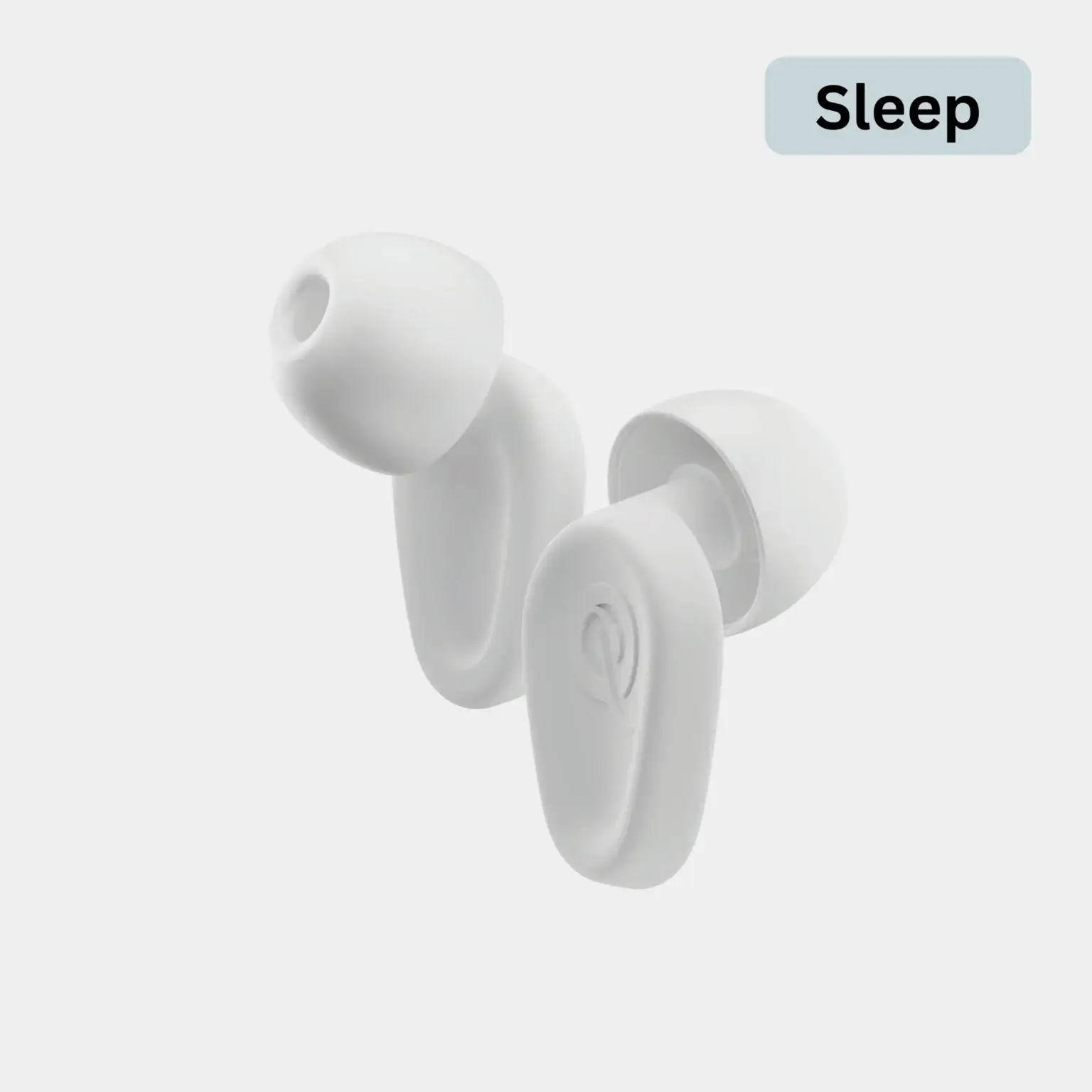
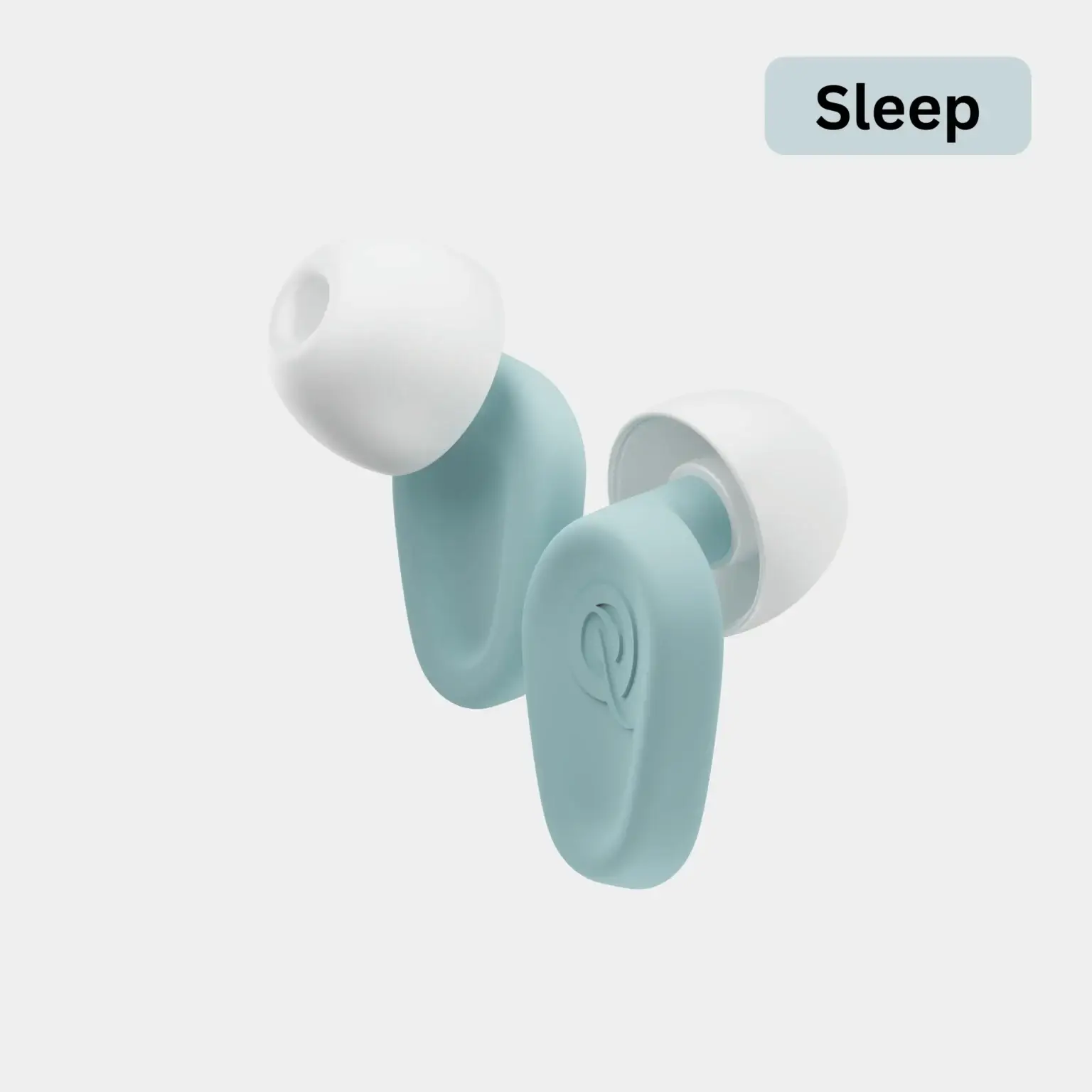
For sleep, the priority changes again. Maximum comfort, a secure fit and strong passive noise reduction usually matter more than speech clarity. A dedicated sleep earplug is typically a better call than a vented or acoustic filter designed for daytime awareness.
Motorcycling, DIY, machinery and other high-noise activities demand more caution. Filters can be useful in situations where you need some awareness, but they are not interchangeable with purpose-built hearing protection. Check the certified rating, follow workplace requirements and choose protection suited to the actual exposure.
Know what each earplug filter type does
The word ‘filter’ can cover several designs. Understanding the difference keeps the choice simple.
Acoustic filters for clearer everyday sound
Acoustic filters use channels, membranes or other engineered components to reduce sound more evenly than a basic foam plug. They are a strong option for social settings, travel and live events because they aim to lower harshness without removing all the useful sound around you.
The trade-off is straightforward: because these filters preserve more clarity and awareness, they may not offer the highest possible level of attenuation. That is usually a feature, not a flaw, when you need to engage with the world.
Interchangeable filters for flexible control
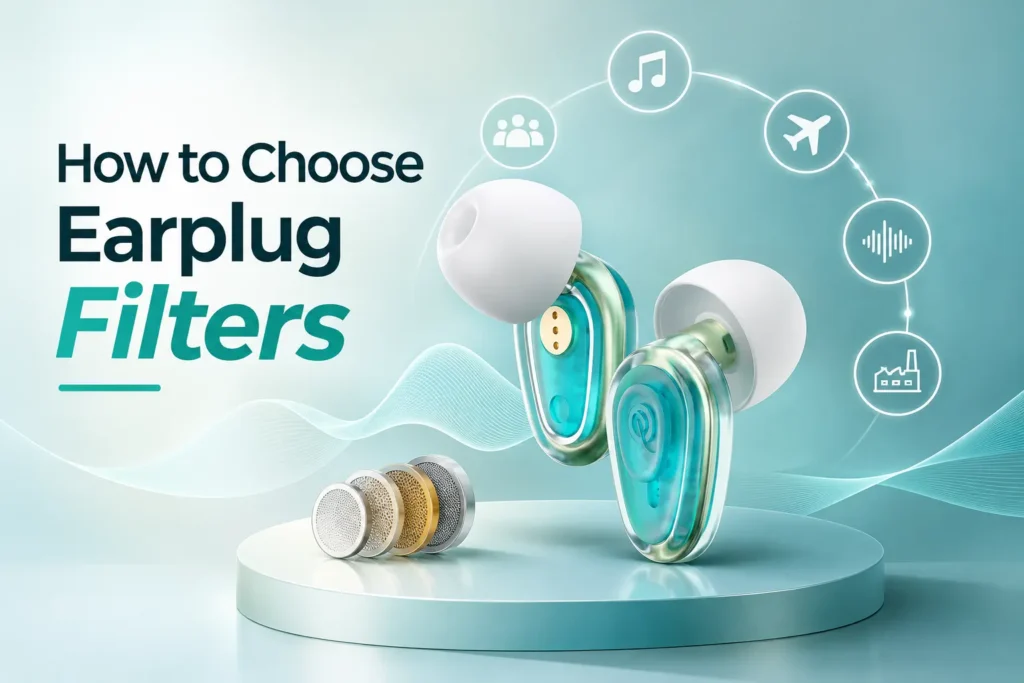
Some reusable earplugs use swap-in filters with different reduction levels. This gives you options: a lighter setting for the office, a stronger setting for a train journey or a louder venue. If your week moves between work, exercise, travel and events, flexibility can be more valuable than owning several single-purpose pairs.
The catch is that extra options only help if you will use them. If you want a fast, no-fuss routine, one well-matched filter level may be the better fit.
Closed or solid plugs for stronger isolation
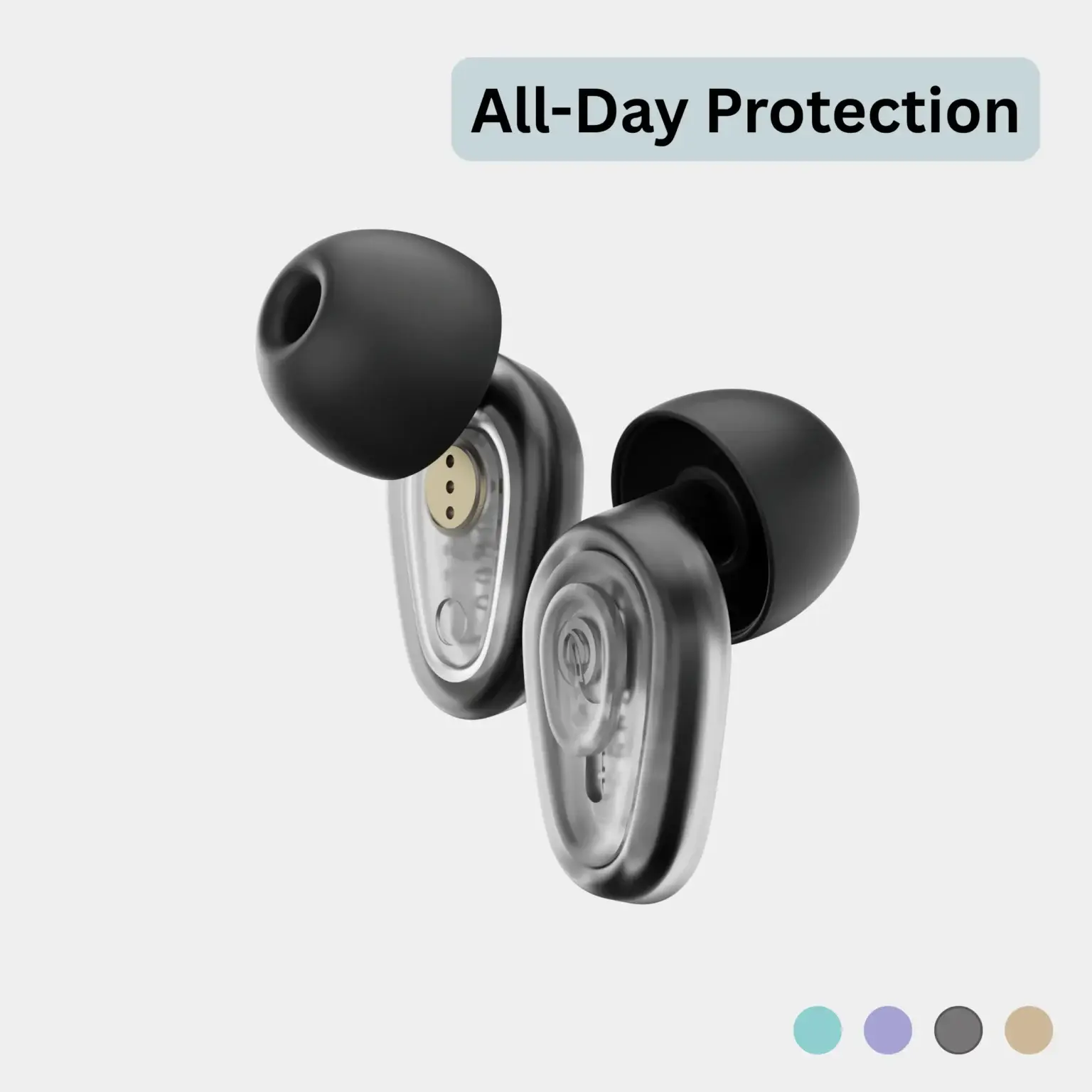
Closed plugs do not prioritise acoustic transparency. Their aim is fuller isolation, making them better suited to sleep, deep focus and moments when you genuinely want fewer inputs. They can be highly effective, but they are less suitable when you need to hear colleagues, traffic cues or emergency instructions.
How to choose earplug filters by noise level
Ratings are useful, but they are not the entire story. In the UK and Europe, you may see SNR, which stands for Single Number Rating. In other markets, products may show NRR. Both indicate a measured noise-reduction value, but they are tested and presented differently, so do not treat the numbers as directly interchangeable.
A higher figure generally means greater potential noise reduction. It does not automatically mean better protection for your life. A lower or mid-level filter can be ideal for work and social use because it keeps speech and environmental awareness more accessible. A higher-rated option is better suited to louder, more sustained sound, provided it fits properly.
Think about duration as well as volume. Forty-five minutes at a gig, a full day in an open-plan office and eight hours trying to sleep beside road noise create very different demands. The right choice is the one you can wear comfortably for the whole exposure, not the pair you remove after twenty minutes.
If you are unsure, start with your most frequent use case rather than the loudest event you attend once a year. You can always add a more protective option later.
Fit decides whether the filter can do its job
The most advanced filter cannot compensate for a poor seal. Sound travels through any gap between the earplug and ear canal, so fit is the foundation of real-world performance.
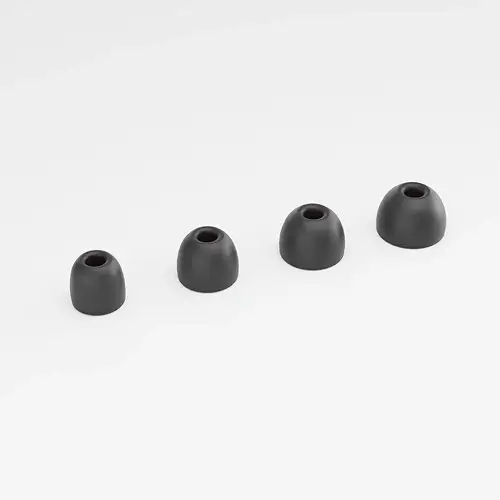
Reusable earplugs should sit securely without pressure, pinching or the feeling that they are working loose when you talk or move your jaw. Different ear tip sizes matter because ears are not standard issue. Test the available sizes and give yourself a few minutes to adjust. A correct fit often feels less dramatic than people expect: comfortable, stable and noticeably calmer.
Pay attention to the profile too. Low-profile earplugs are easier to wear under helmets, beneath a hat or while resting your head on a pillow. For side sleepers, even a small stem or rigid outer section can become irritating over time. For daytime users, a discreet design can make the difference between wearing earplugs confidently and leaving them in their case.
Earmuffz designs its reusable range around this everyday reality: noise control only works when comfort makes you want to keep wearing it.
Choose clarity when awareness is part of the plan
The question is not only, ‘How much noise do I want to block?’ Ask, ‘What do I still need to hear?’
At a concert, you may want to hear the vocalist and your friends. On public transport, announcements matter. In a shared home, you might want to soften television noise while remaining available to children or a doorbell. A balanced filter helps you stay connected while reducing the sharp, tiring peaks that leave your ears ringing or your nervous system overloaded.
There are limits. Earplugs should never be used as a substitute for attention around roads, moving vehicles or hazardous work. If you cannot hear essential warning signals, change the filter level, remove the earplugs when safe to do so, or choose another form of protection that meets the requirements of the task.
Check certification, materials and maintenance
A premium-looking earplug is not automatically protective. For hearing protection claims, look for recognised testing and certification relevant to your market and use. CE marking and standards such as EN 352 can provide reassurance for products intended as hearing protection. For occupational settings, always follow your employer’s specified protection requirements.
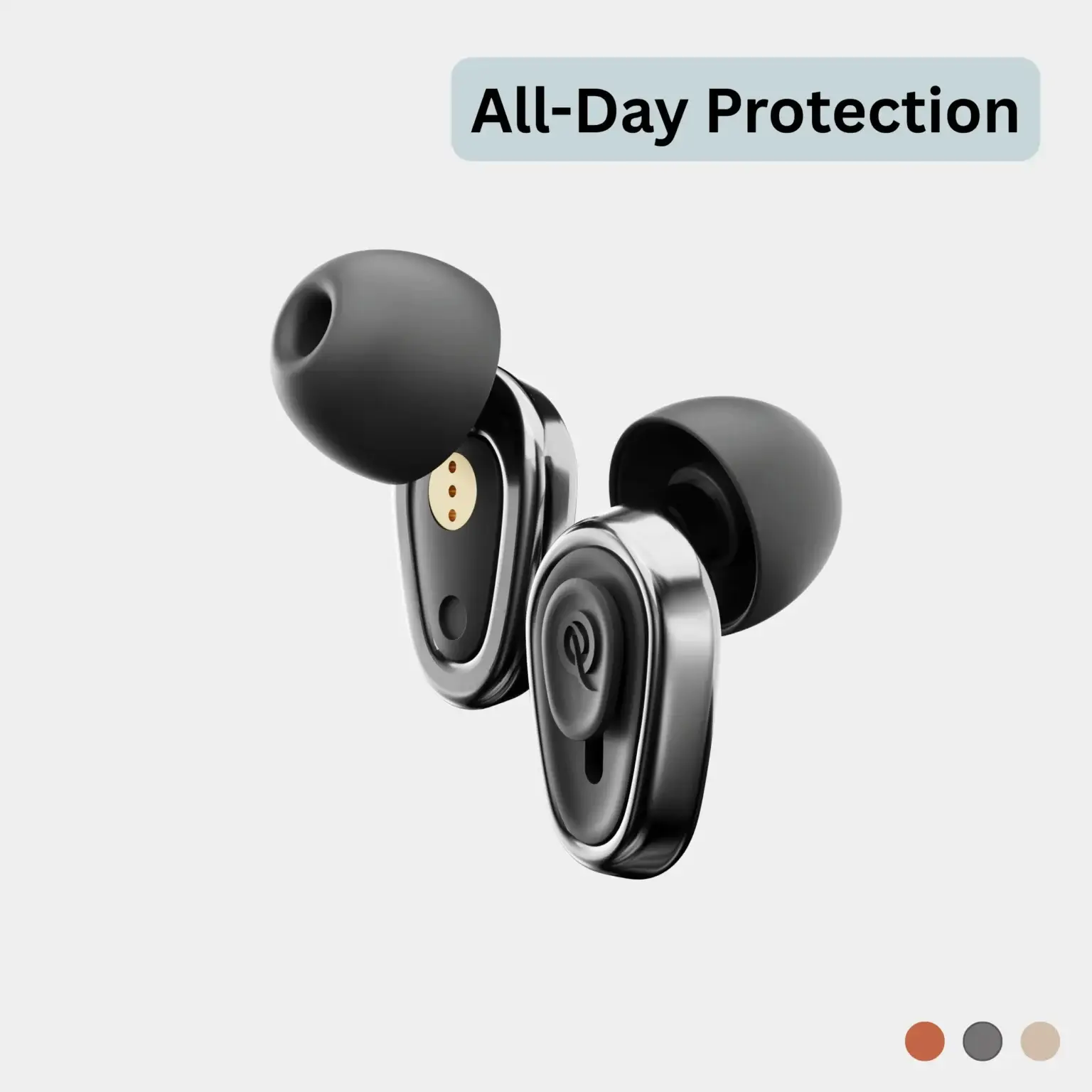
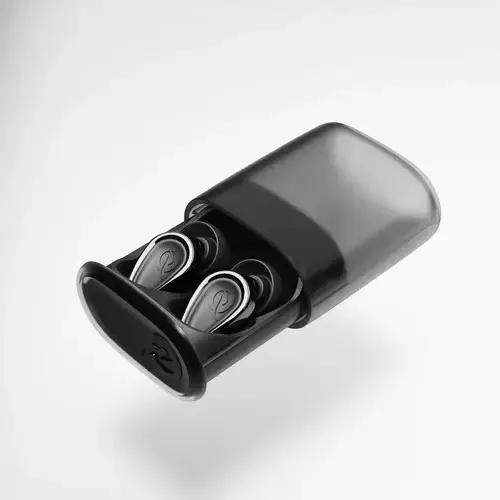
Reusable construction also deserves scrutiny. Soft, skin-friendly ear tips, a durable filter housing and a protective case all support consistent use. Clean your earplugs as directed, especially after commuting, exercise or festivals, and inspect the tips and filters for damage. A blocked, cracked or poorly seated filter will not perform as intended.
If you experience persistent ringing, pain, muffled hearing or sudden hearing changes after noise exposure, stop treating it as a gear problem. Seek advice from a qualified healthcare professional. Earplugs help manage exposure; they are not a remedy for hearing loss or tinnitus.
Make your choice simple
Choose a moderate acoustic filter if you want calmer workdays, easier travel and reduced social overwhelm. Choose a balanced, music-friendly filter when live sound is the priority. Choose a stronger closed design for sleep, deep focus or higher isolation. Choose interchangeable filters if your routine genuinely changes from one environment to the next.
Your best filter should feel like a volume dial for real life: enough reduction to take the pressure off, enough awareness to keep you moving with confidence. Start with the moment you want to improve most, wear the right fit consistently, and let quieter become part of how you perform.