
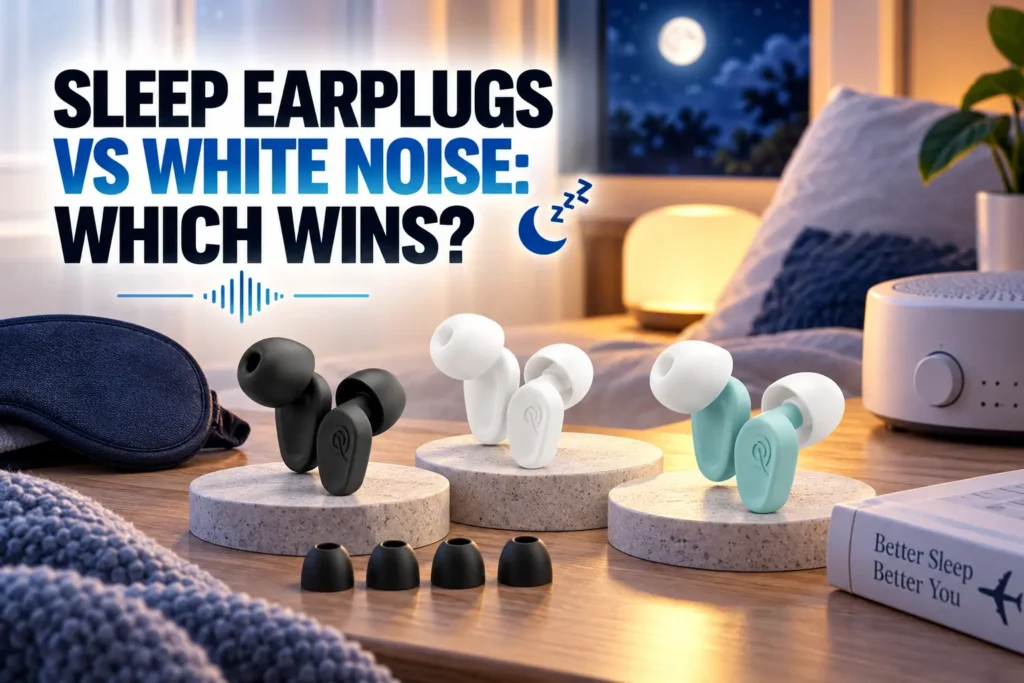
A bin lorry at 5.30am. A partner who snores on repeat. Neighbours who discover DIY after dark. Sleep earplugs versus white noise is not a minor bedtime preference when noise keeps breaking your rest. It is a choice between reducing sound at the source of your ears or adding a steady sound that makes disruptions less noticeable.
Both can help. Neither is magic. The better option depends on the noise you are dealing with, how you sleep and whether your bedroom needs silence, consistency or a bit of both.
Sleep earplugs versus white noise: the core difference
Sleep earplugs reduce the volume of sound entering your ear. They do not create silence, and that is a good thing: you still need awareness of genuinely urgent sounds. But they can take the sharp edge off intermittent disturbances, from traffic surges to a loud household, so your brain has less to react to.
White noise works differently. A fan, sound machine or app plays a continuous broad-spectrum sound. This does not block noise in the physical sense. It masks changes in the sound environment, making a passing car or a door closing less likely to stand out against the background.
Think of it as control versus cover. Earplugs lower the overall volume. White noise makes the remaining soundscape more even. If sudden changes wake you, that distinction matters more than the label on the solution.
When sleep earplugs are the stronger move
Earplugs are often the more practical choice when the problem is external and unpredictable. Roadworks, late-night conversations, a partner’s snoring, barking dogs and early commuter traffic all have one thing in common: they arrive without asking. You cannot rely on a white-noise track to perfectly mask every frequency or every sudden bang. Reducing what reaches your ears gives you a more direct layer of protection.
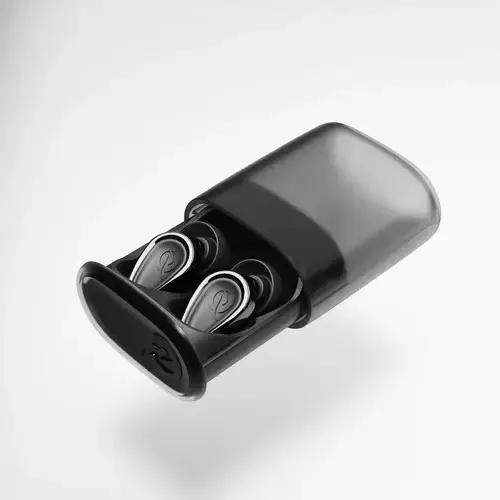
They are also ideal when you do not want another device on your bedside table. No cable, no charging, no speaker taking up space and no sound running all night. For travelling, shared rooms, camping or sleeping near a busy road, reusable earplugs are a compact, always-ready option.
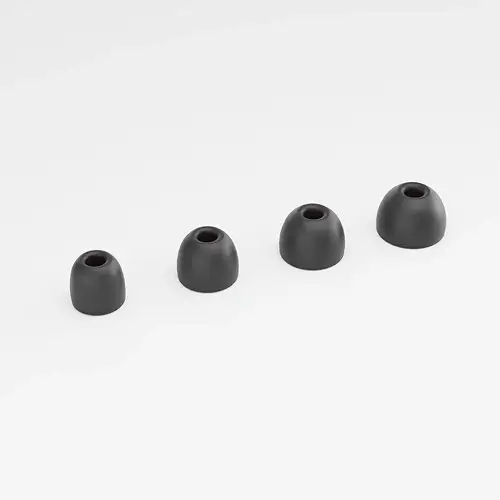
Comfort is the deciding factor. A plug that presses painfully into the ear canal or sticks out against the pillow will not support better sleep, no matter how much noise it reduces. Side sleepers should look for a low-profile design and eartips that create a secure seal without force. The goal is easy wear for the full night, not maximum pressure.
The fit matters just as much as the product. A poor seal lets sound leak through and can tempt you to push an earplug too deeply. Insert reusable plugs according to their instructions, using clean hands, and test the fit before lights out. You should feel a gentle, stable seal – not discomfort, pain or a blocked, pressurised sensation.
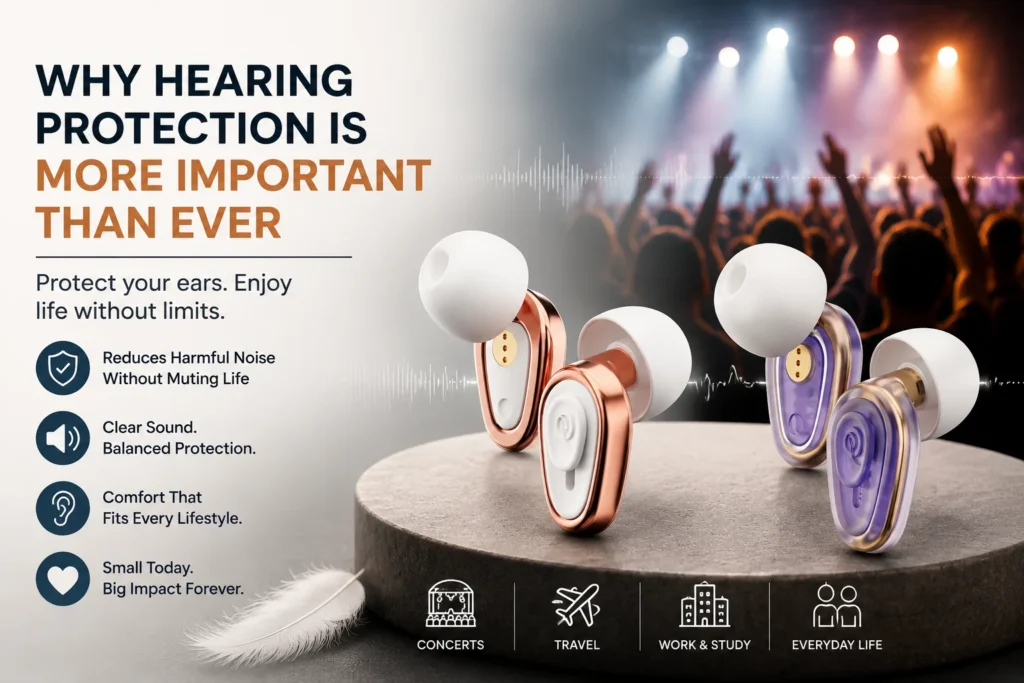
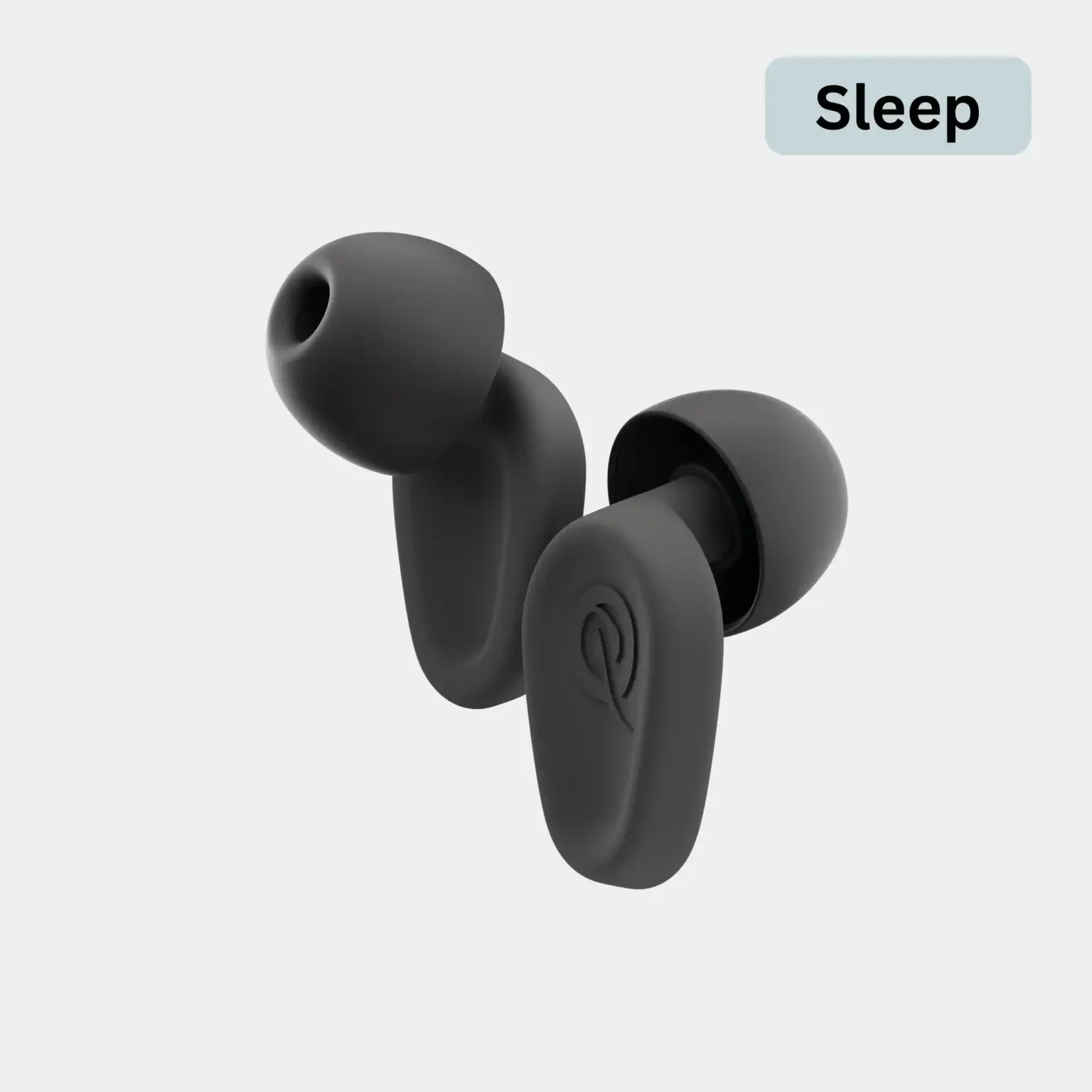
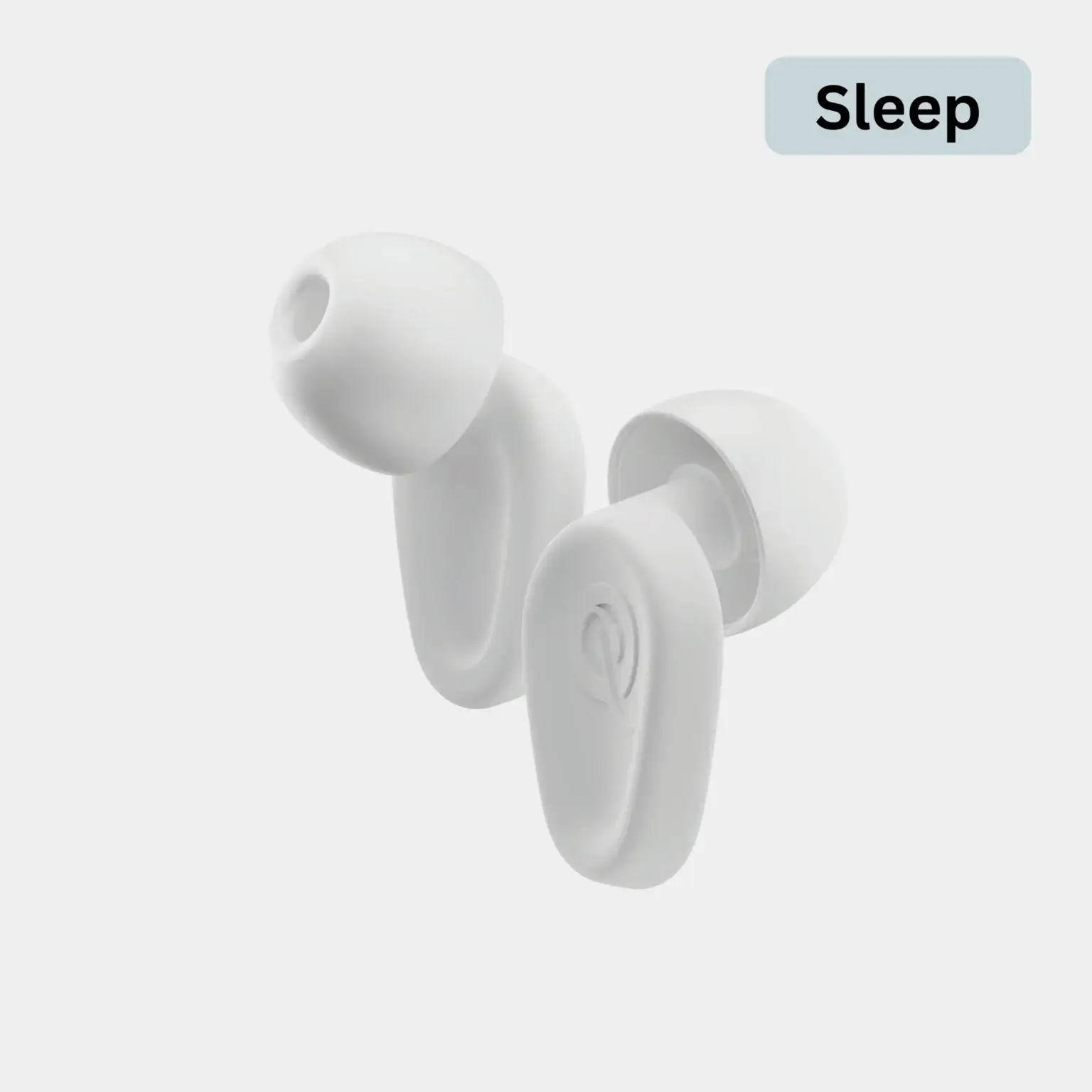
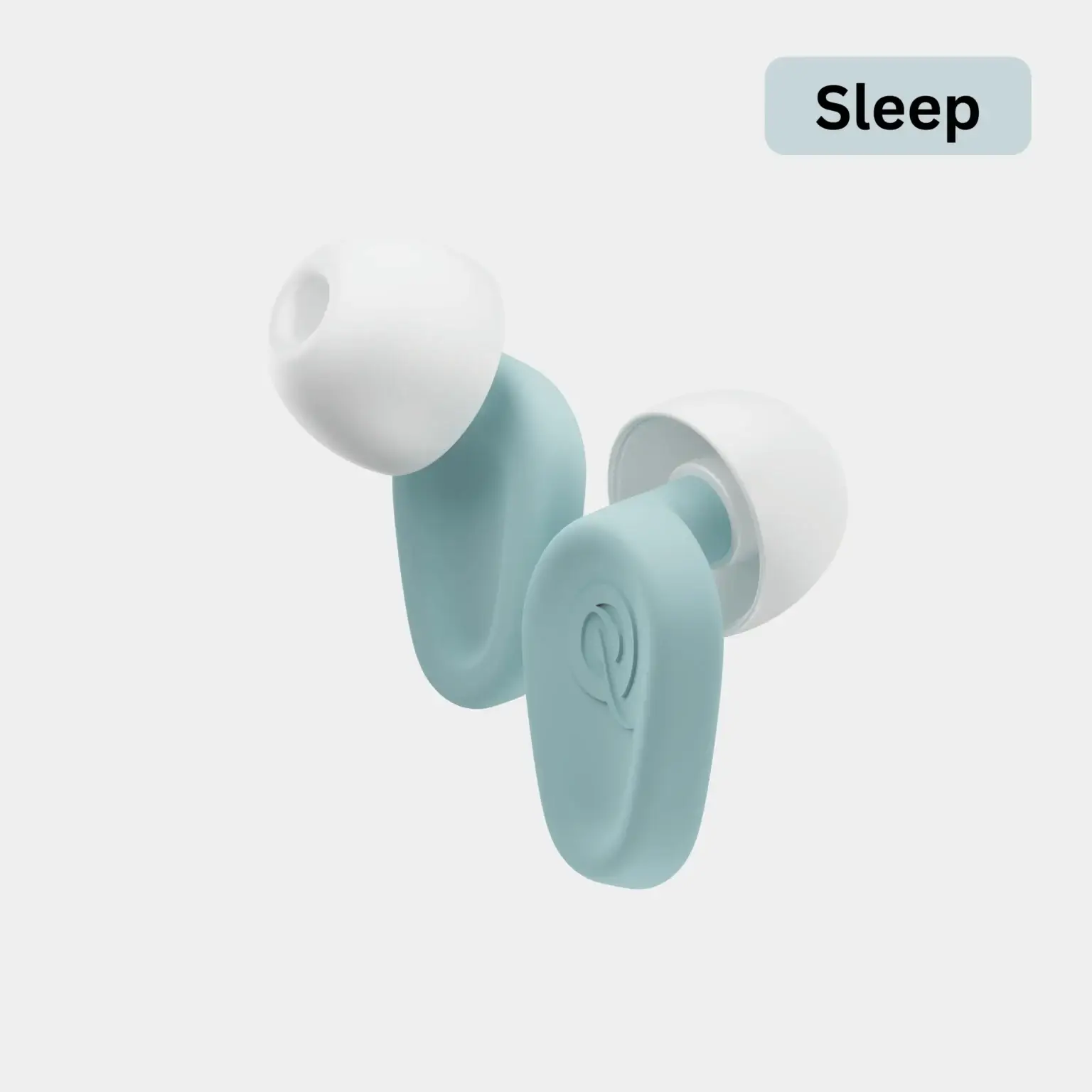
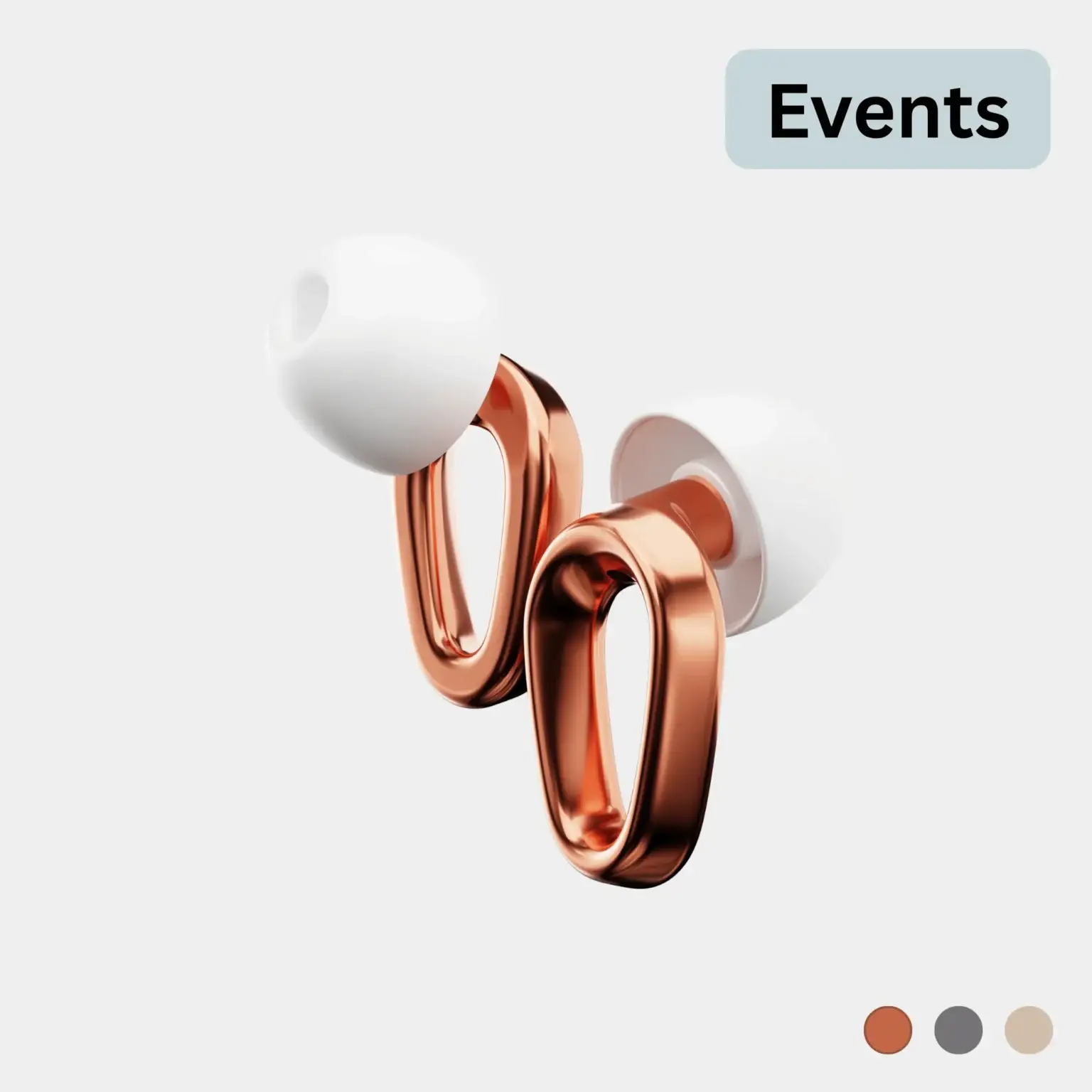
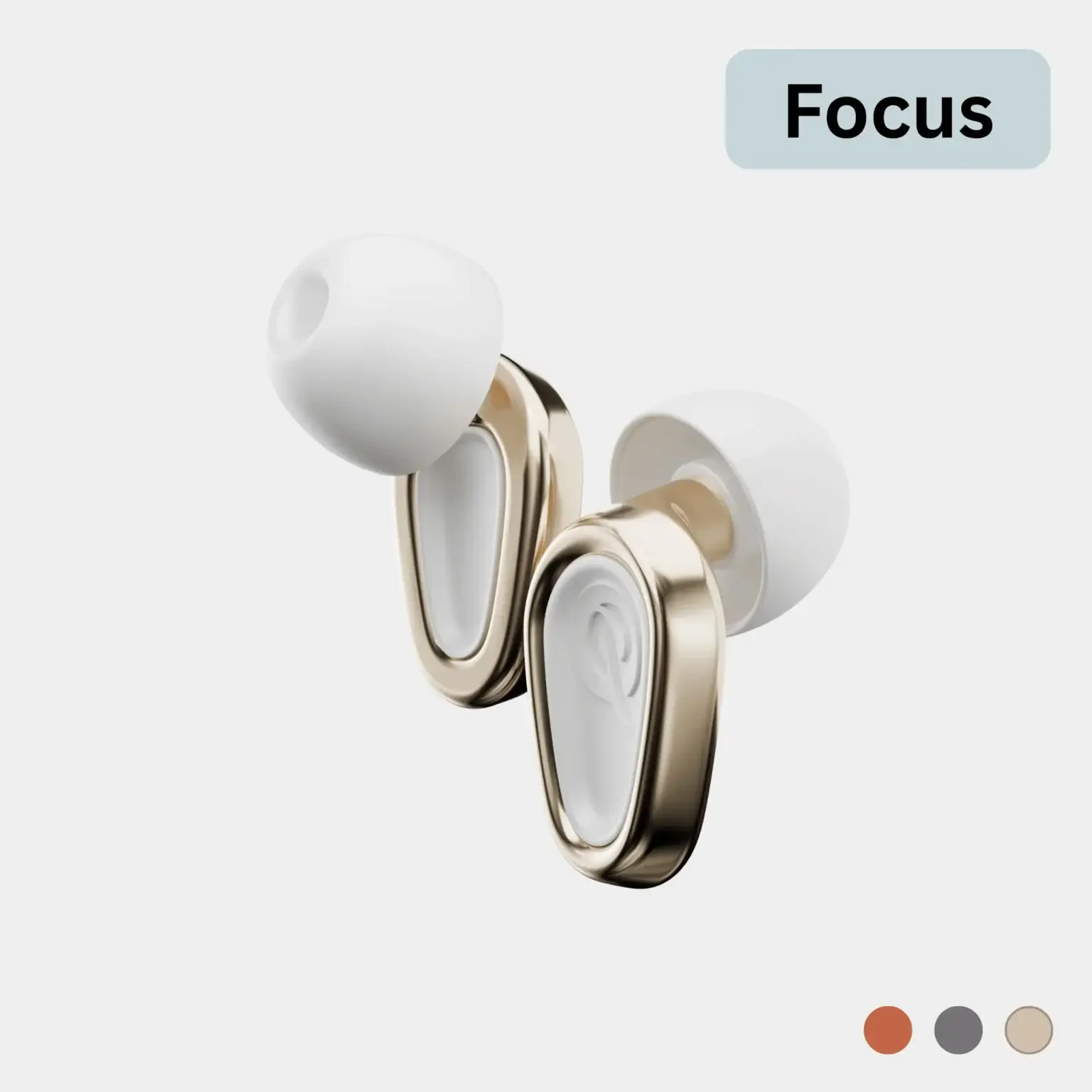
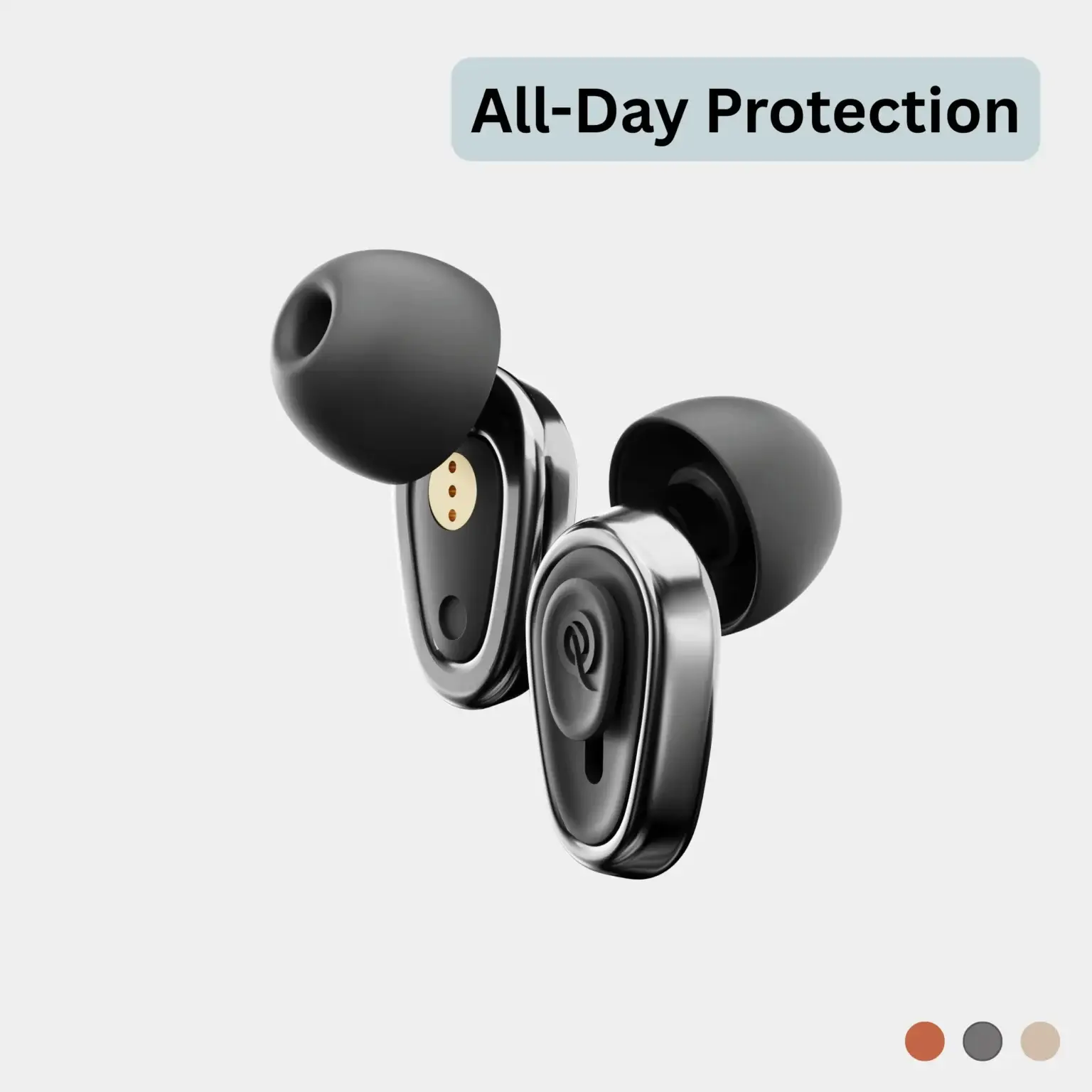
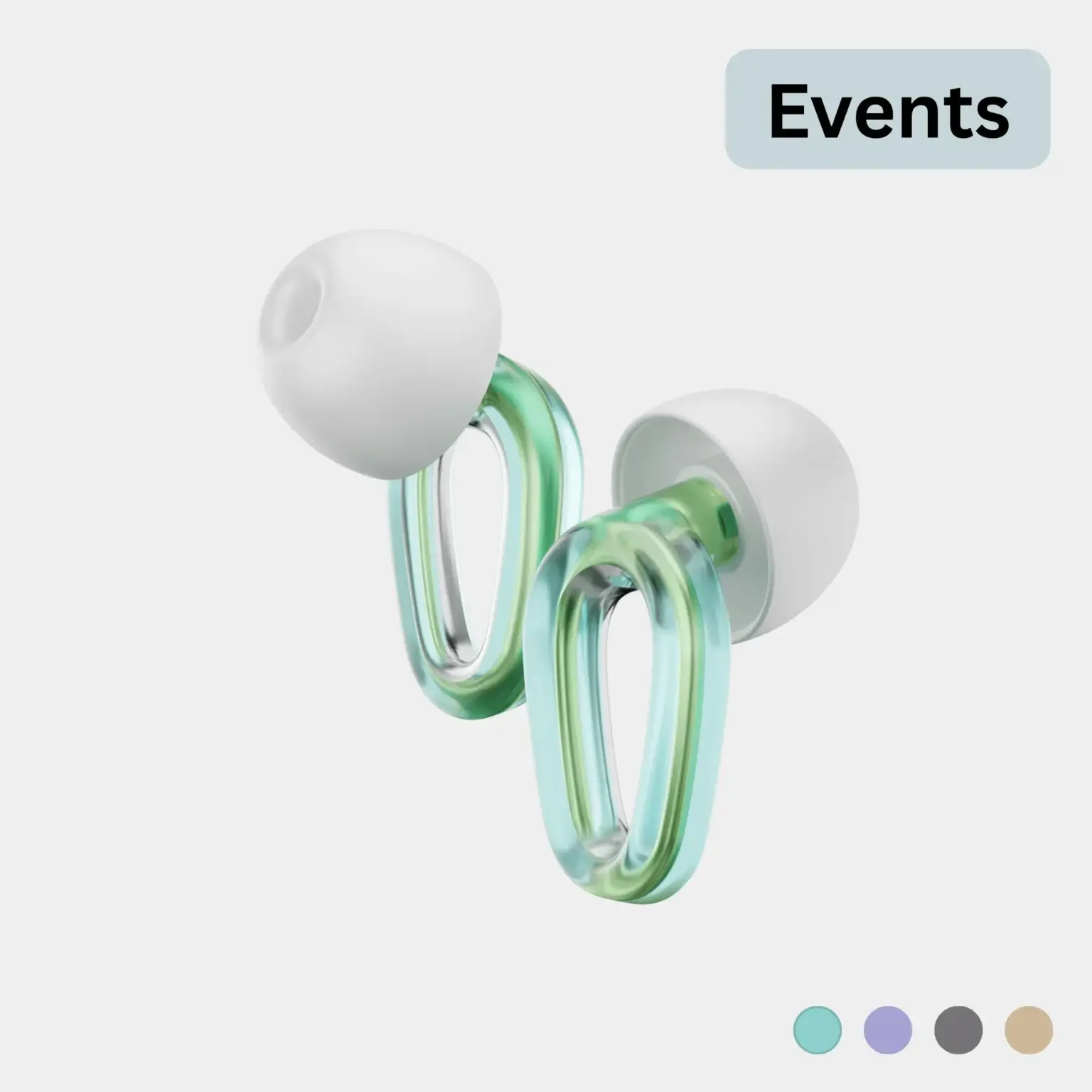
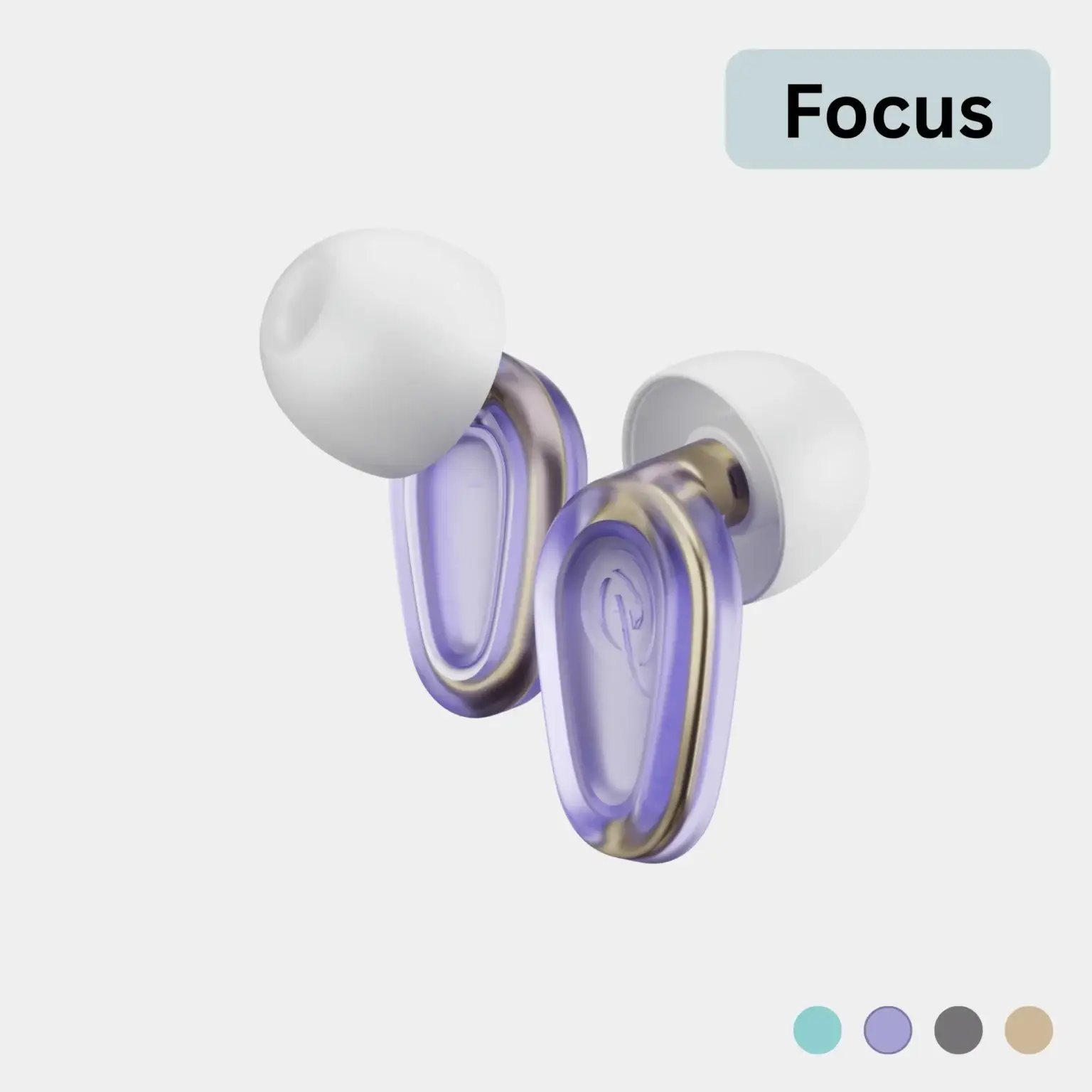
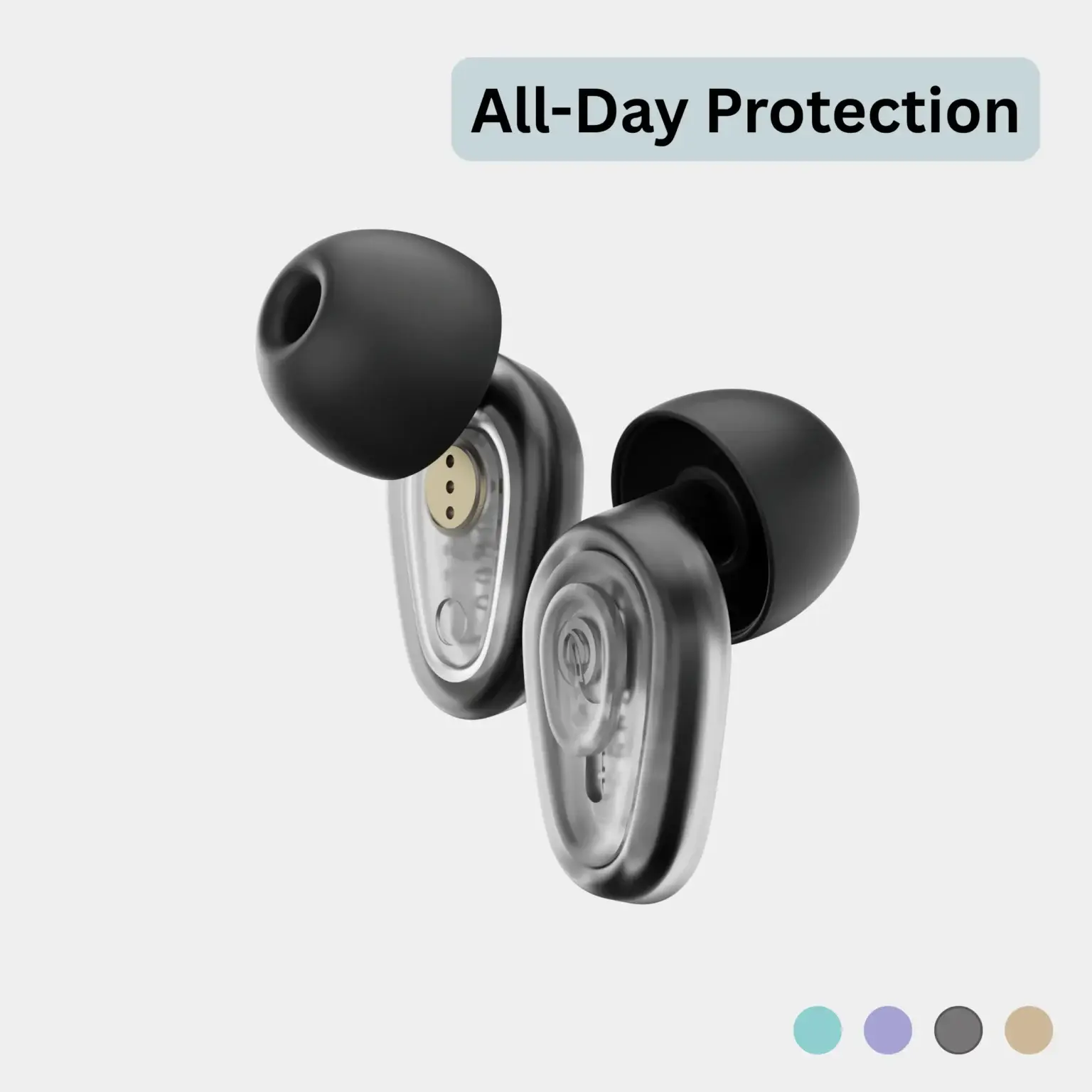
Earmuffz sleep-focused reusable earplugs are built around this everyday reality: lower distraction, low-profile comfort and the freedom to take your sleep setup wherever you go.
When white noise makes more sense
White noise earns its place when your room is already relatively quiet but inconsistent. The hum of a fan can soften the contrast between silence and a car passing outside. A sound machine can create a familiar cue that tells your brain the day is over, particularly if you live in a flat with changing evening noise.
It can also suit people who dislike the feeling of earplugs. Some sleepers are sensitive to anything in their ears, especially at first. Others find that an even sound helps them relax faster than a quieter room does. There is no prize for choosing the most minimal setup. The best setup is the one you can use consistently without becoming more alert or frustrated.
Still, white noise has limits. A speaker may disturb the person beside you. An app can drain a phone battery or invite a late-night scroll. And if the sound is too loud, you have replaced one unnecessary overnight noise exposure with another. Keep the volume low – just enough to soften the contrast of disruptive sounds, not enough to dominate the room.
A fan is not technically white noise, but it can produce a steady masking effect. That may be enough for mild disruptions. If your neighbour’s bass, snoring or traffic is the issue, a fan may not have the range or volume to make a meaningful difference.
The trade-offs that actually matter
The right choice is not about chasing total silence. It is about reducing the interruptions that pull you out of sleep while keeping your routine comfortable and safe.
Noise type and timing
For constant low-level noise, such as distant traffic, either option can work. White noise may make the background feel less variable; earplugs may make the entire room calmer. For sharp or intermittent sounds, earplugs usually have the advantage because they reduce the incoming sound before your brain has to sort it.
Snoring is more complicated. Its pitch and rhythm change, so white noise can help some people but fail to cover louder bursts. Comfortable earplugs tend to be more dependable, although you may still hear very loud snoring at a reduced level. That is normal. Noise reduction is not noise deletion.
Your sleeping position
Back sleepers have more flexibility. Side sleepers need to be more selective, because the pillow adds pressure. Bulky foam plugs may work well for short-term use but can feel intrusive over a full night. A slim, purpose-designed reusable earplug is usually easier to wear repeatedly, provided the tip size suits your ear.
White noise has no physical contact, which is its biggest comfort advantage. But if it needs to be loud enough to mask the problem, that advantage can disappear for a partner sharing the room.
Alarms and awareness
Many people worry that earplugs will make them miss an alarm. In practice, alarms are designed to be conspicuous, and earplugs reduce rather than eliminate sound. But do not guess. Test your alarm with your earplugs before relying on it for an early train, a work shift or school drop-off.
For extra confidence, use a vibrating alarm, a smartwatch vibration or an alarm placed where its vibration can be felt. This is especially useful if you need stronger noise reduction due to a loud environment.
Maintenance and routine
A white-noise machine needs power and a sensible volume setting. Reusable earplugs need cleaning, drying and storage in their case. Neither task is difficult, but the best option is the one that fits your real evenings. If you regularly fall asleep away from home, earplugs are easier to carry. If you rarely travel and enjoy a predictable wind-down ritual, a sound machine may become part of it.
Can you use earplugs and white noise together?
Yes, and for some bedrooms it is the highest-control approach. Keep the white noise low and use earplugs to lower the overall sound level. The steady background can reduce the contrast of remaining disturbances without forcing you to turn a speaker up high.
This combination is useful when the noise is both loud and variable – for example, a busy road with occasional motorbikes, or a shared home where doors, voices and appliances create sudden peaks. Start with the earplugs alone for a few nights. If noise changes still pull your attention, add gentle white noise at the lowest effective level.
Avoid turning both into an arms race. If you find yourself increasing speaker volume or seeking ever-stronger isolation, look at the cause too: a rattling window, poor door seals, a noisy appliance or a conversation worth having with the person creating the disturbance.
A smarter way to choose tonight
Start by naming the noise, not just calling it “bad sleep”. Is it a constant hum, sudden bangs, snoring, traffic or anxiety about every tiny sound? Then test one solution at a time for several nights. Sleep varies naturally, so one good or bad night is not a verdict.
Choose sleep earplugs if you want portable, passive noise reduction and your main issue is loud or unpredictable sound. Choose white noise if the room is mostly quiet but small changes keep catching your attention, or if anything in your ears prevents you from relaxing. Use both when you need a calmer, more consistent sound environment and can keep the speaker volume modest.
If noise sensitivity is new, severe, or comes with ear pain, ringing that is worsening, dizziness or hearing changes, speak to a qualified healthcare professional. Earplugs can support a calmer night, but they are not a treatment for every hearing or sleep concern.
Your bedroom does not need to be perfectly silent to support proper rest. It needs to feel predictable, comfortable and under your control. Build the setup you will actually use, then give it enough nights to prove itself.