
Do Filtered Earplugs Reduce Speech Clarity?
A busy café, a packed train platform or a loud gig should not force you to choose between protecting your ears and hearing the person beside you. So, do filtered earplugs reduce speech? Yes, they reduce the volume of speech along with other sound. But a well-designed acoustic filter can make voices feel substantially clearer and more natural than they do through traditional foam earplugs.
That distinction matters. The goal is not to make every conversation whisper-quiet. It is to take the edge off overwhelming noise, reduce harshness and give your ears more breathing room without switching off the moment.
Do filtered earplugs reduce speech volume?
Filtered earplugs reduce sound across the frequencies that reach your ear, including the frequencies used in speech. You will usually notice that people sound quieter when you put them in. That is normal, and it is part of how hearing protection works.
The difference is in how the sound is reduced. Standard foam plugs can heavily muffle higher frequencies, which carry many of the details that help us tell consonants apart. Words may become dull, blurred or hard to follow, especially when someone is speaking quietly.
Filtered earplugs use a channel or acoustic filter to shape the reduction more evenly. Rather than simply blocking as much sound as possible, they aim to lower the overall sound level while retaining more balance between low, middle and high frequencies. Speech is still softer, but it is often less distorted.
Think of it as turning down a noisy room rather than putting a cushion over your ears. You are reducing the intensity, not trying to erase the experience.
Why speech can seem clearer with acoustic filters
Speech clarity is not only about volume. It depends on contrast. If the bass from a sound system, the rattle of a train or the general roar of a crowd is competing with someone’s voice, turning all sound down evenly can make speech easier to pick out.
This is why filtered plugs can feel especially useful in social settings. At a concert, for example, the music may be loud enough to fatigue your ears, while a friend speaking close to you is still audible. At work, reducing constant office chatter, keyboard noise and HVAC hum can make the conversation you choose to focus on feel more manageable.
There is another factor: listening fatigue. When your brain is working hard to sort speech from noise for hours, everything starts to feel harder. A comfortable level of noise reduction can reduce that strain. You may still need to lean in or ask someone to repeat themselves, but you are less likely to feel overwhelmed by the whole soundscape.
That said, filtered earplugs are not speech amplifiers. They cannot create clarity where there is very poor signal, extreme distance or a room with severe echo. They also will not make a loud nightclub conversation effortless. The benefit is controlled reduction, not a superpower.
The environment changes the answer
Whether filtered earplugs help or hinder conversation depends on where you wear them and how much reduction you need.
At concerts, festivals and sporting events
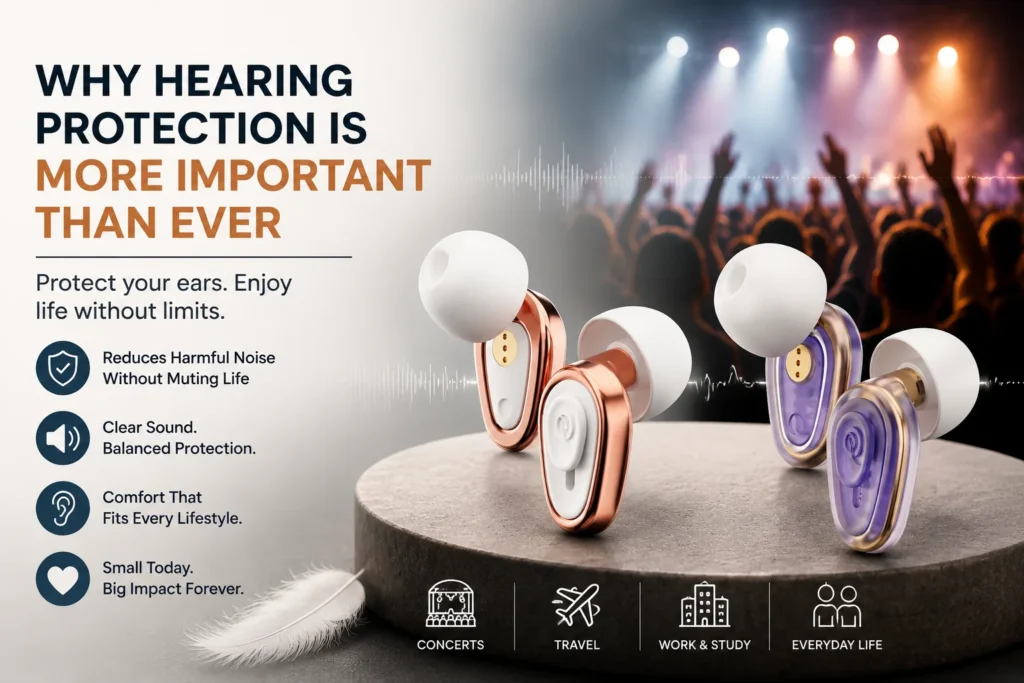
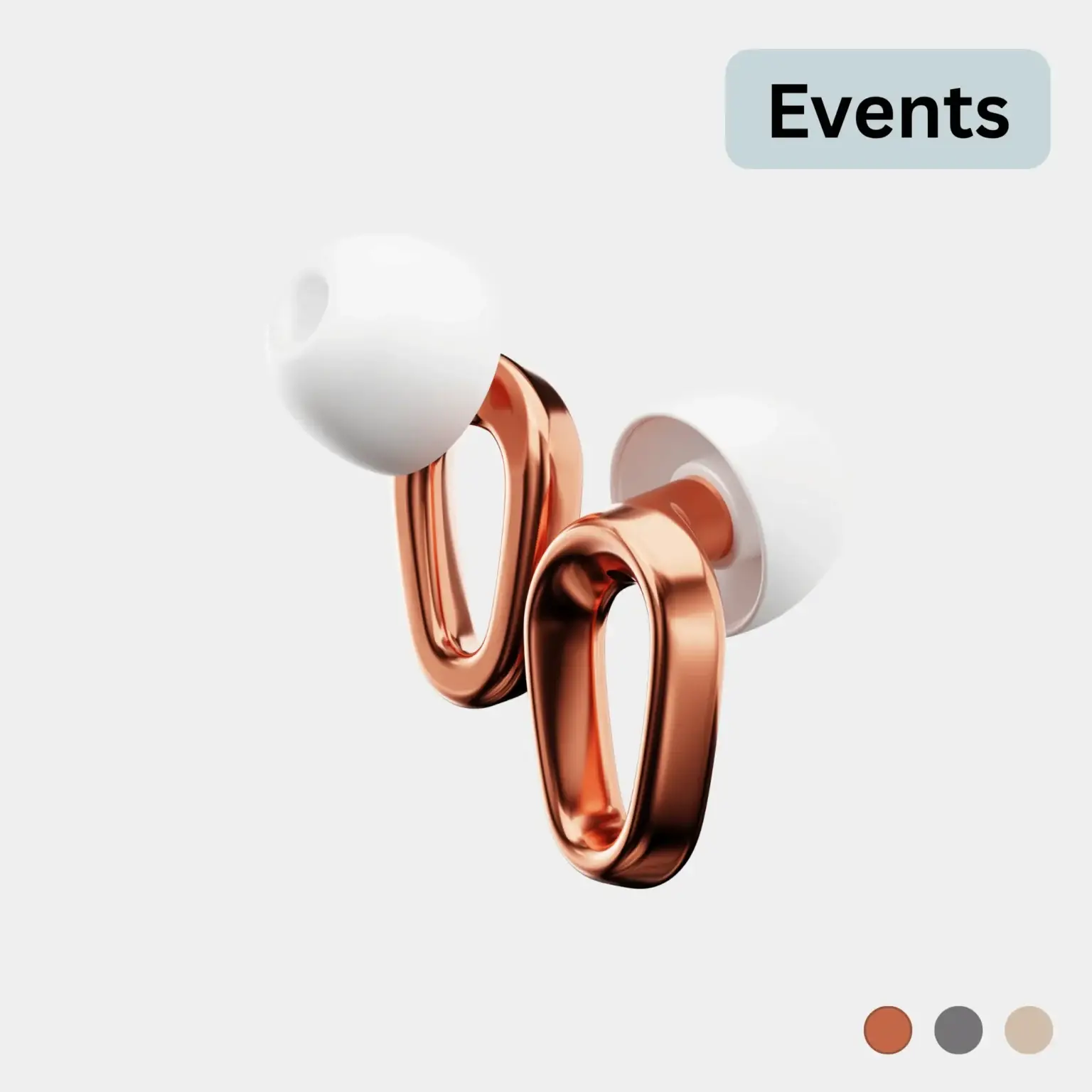
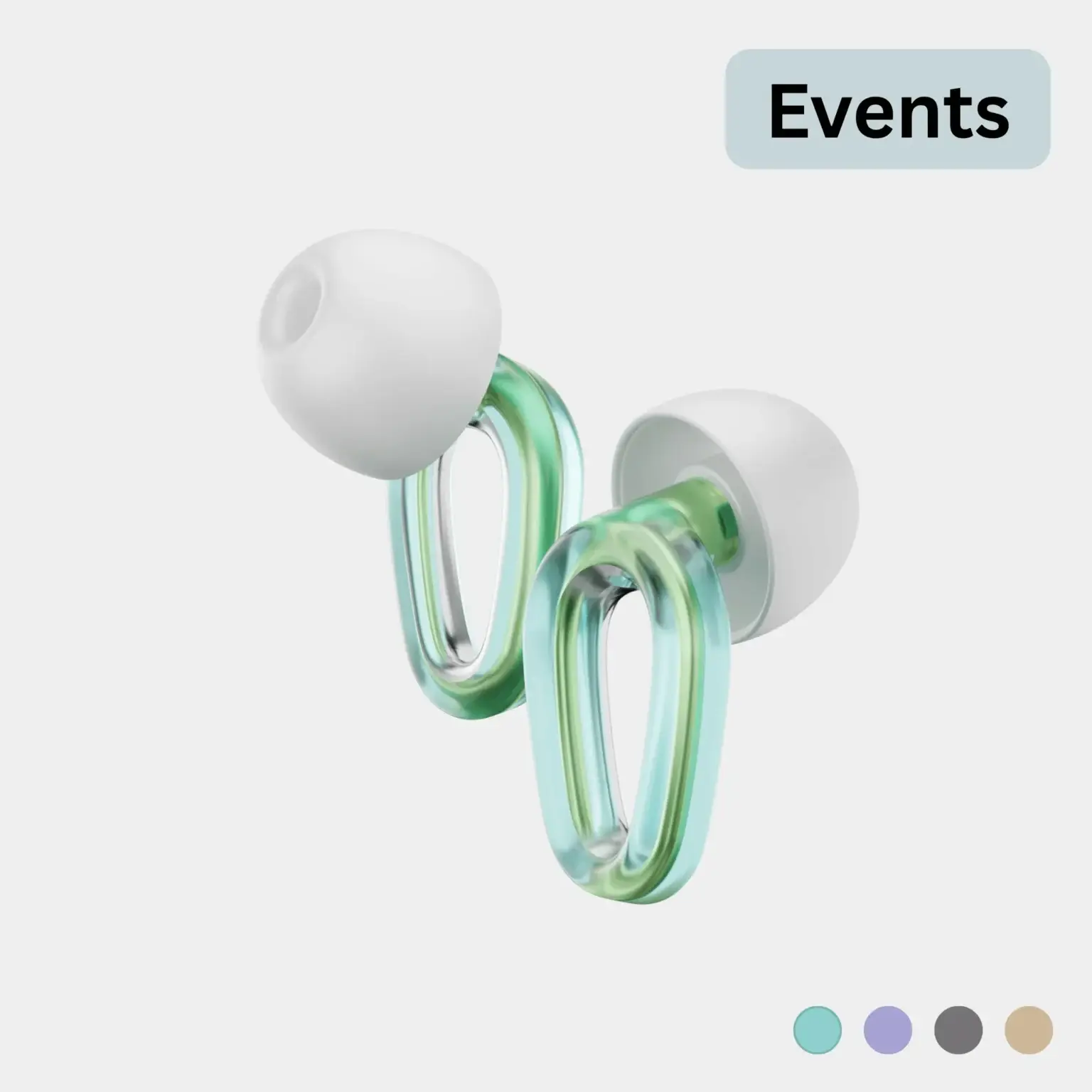
This is where acoustic filters often make the most sense. Loud music and crowd noise can be tiring and potentially harmful over time, yet you may still want to chat between sets, hear an announcement or stay connected with your group. Filtered earplugs lower the impact of the event while preserving more of the music’s shape and speech detail than basic foam plugs typically do.
Expect voices to be quieter. In a very loud venue, you may need to move closer, face the speaker and use visual cues. That is not a failure of the plug. It is the reality of trying to communicate in a high-noise environment.
In an office, co-working space or while studying
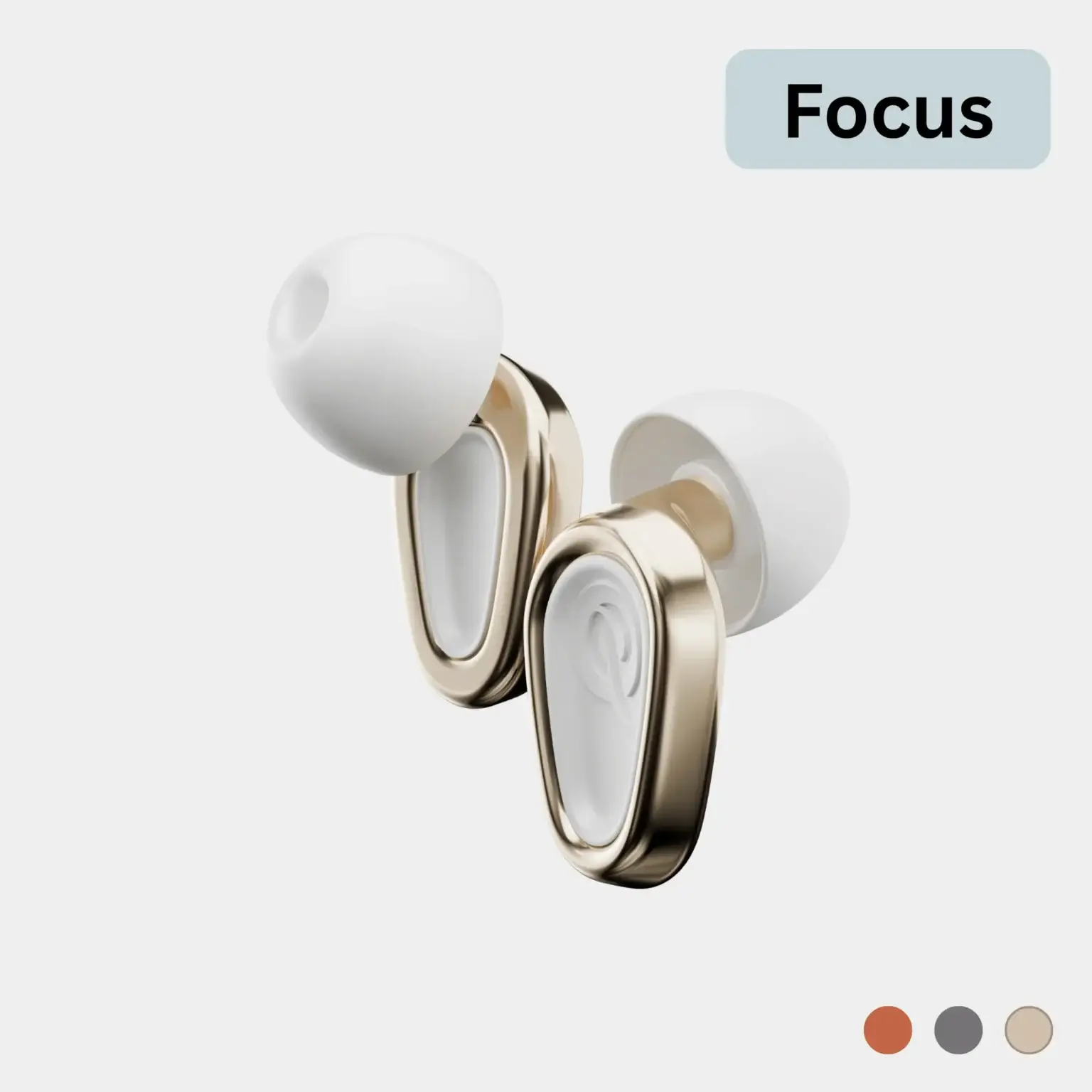
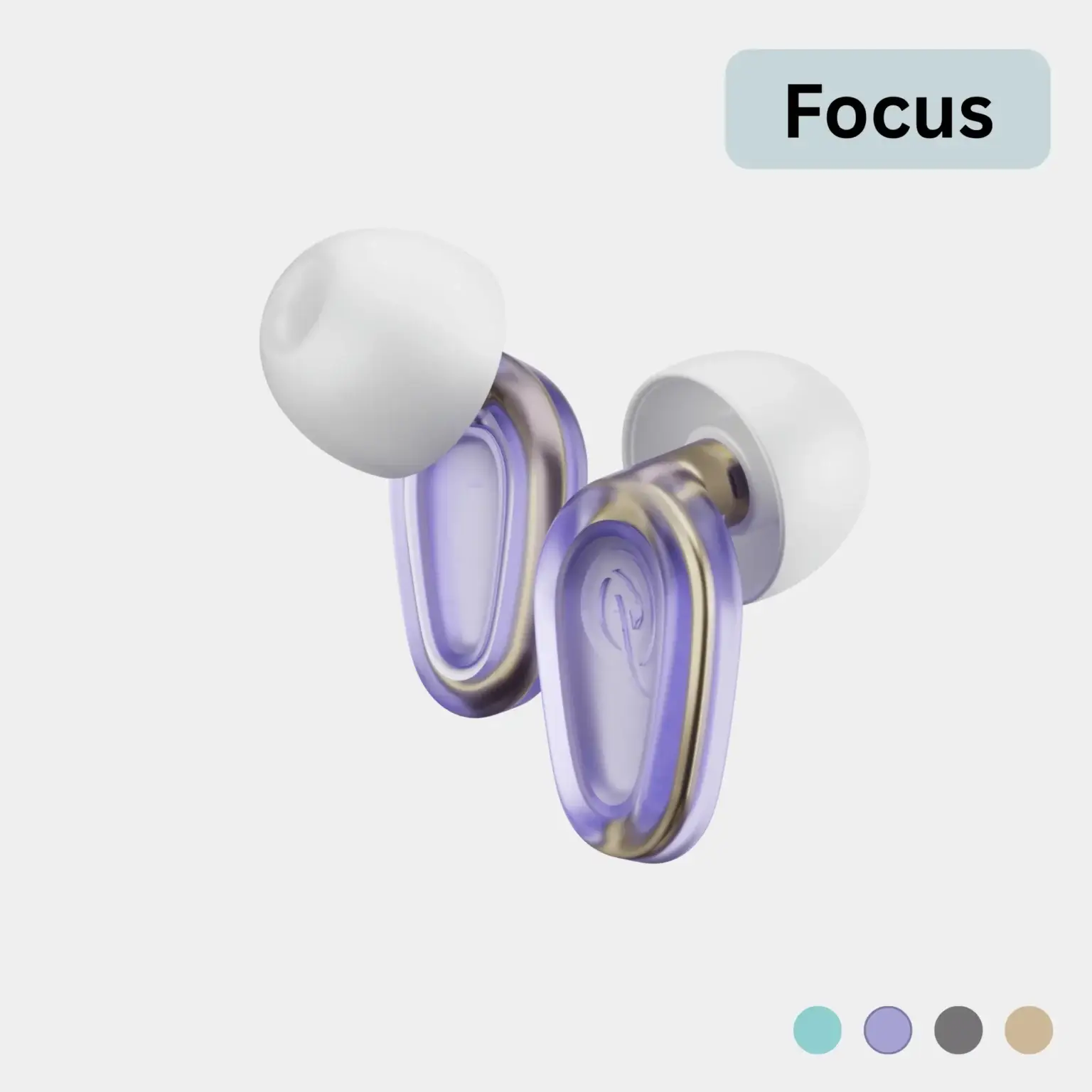
For focus, too much noise reduction can be counterproductive if you need to respond to colleagues or remain aware of your surroundings. A lighter filtered option may take the sharpness out of typing, calls nearby and general bustle while allowing you to hear your name or join a quick conversation.
This is the sweet spot for people who want to crush distractions without disappearing from the room. The right level feels calmer, not cut off.
On public transport and while travelling
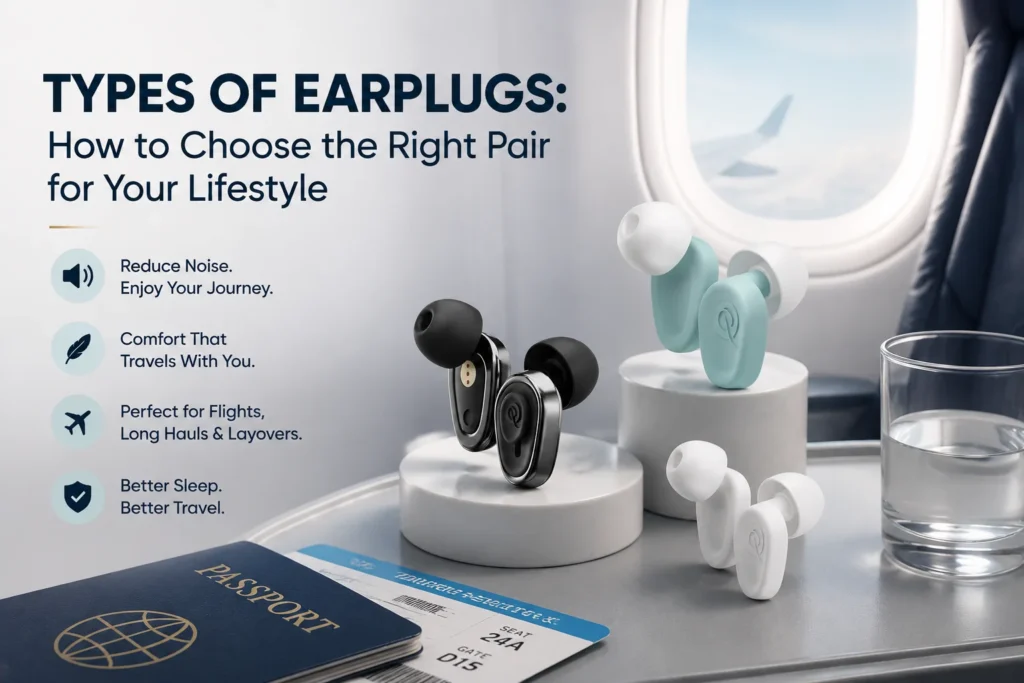
Trains, planes and city commutes create low-frequency rumble alongside sudden announcements and nearby conversations. Filtered earplugs can soften the constant background load, but announcements may still sound quieter and less distinct. If you need to catch platform changes, boarding calls or safety information, stay alert and remove your earplugs when necessary.
At home with children or during daily life
Parents and noise-sensitive adults often use reusable earplugs to lower the intensity of busy household sound without checking out emotionally. A moderate filter can take the sting out of clattering dishes, toys and raised voices, while keeping communication possible.
For situations where you must hear a child clearly, start with a lower level of attenuation. Fit matters here. A deep, fully sealed fit will offer more reduction, but it can also make softer speech harder to catch.
Fit matters as much as the filter
Even the best filter cannot perform as intended if the earplug does not fit properly. A loose earplug may let sound leak around it, creating uneven reduction and a less predictable listening experience. An overly large tip may be uncomfortable, tempt you to remove it, or create an excessively sealed feeling.
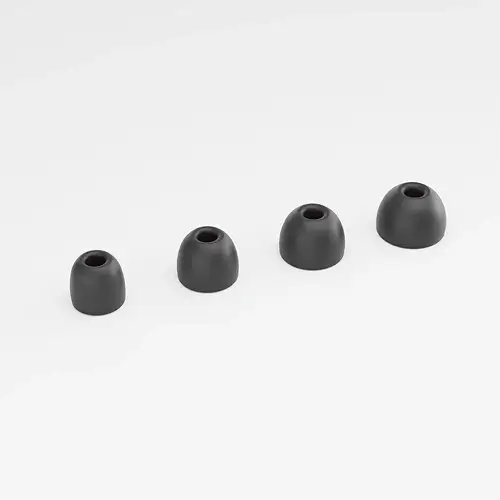
A good fit should feel secure, low-profile and comfortable enough to wear for hours. It should not hurt, create pressure or constantly need readjusting. Try the available tip sizes and give your ears a few minutes to settle before judging the sound.
You may also notice your own voice sounds different when wearing earplugs. This is called the occlusion effect: vibrations from your voice and body conduct through your skull and become more noticeable when the ear canal is sealed. It can make your voice seem boomier, even when outside speech remains relatively clear. This sensation is common and usually less pronounced with a comfortable, well-matched fit.
How much noise reduction should you choose?
More reduction is not automatically better. The best choice is the lowest level that gives you the comfort and protection you need in that environment.
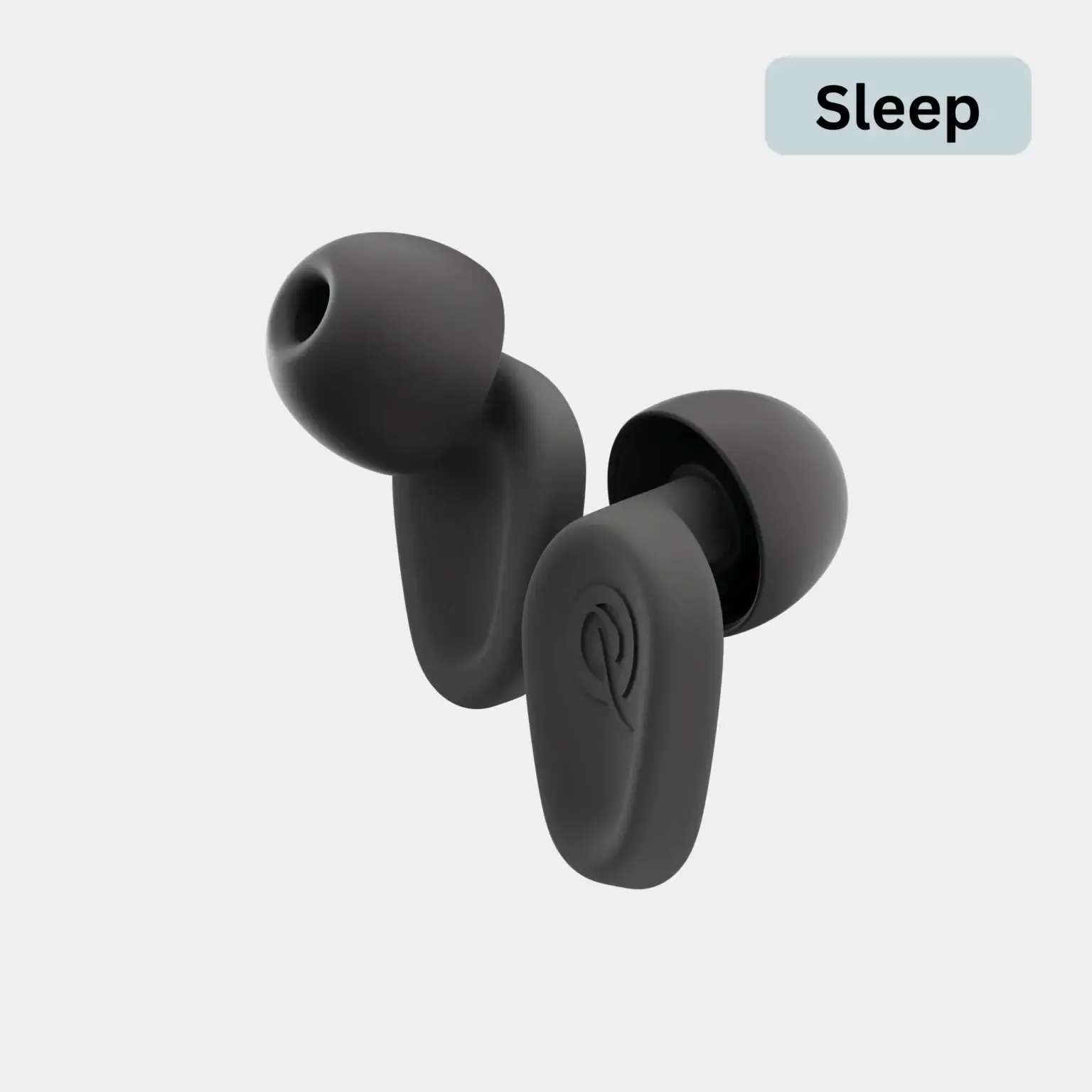
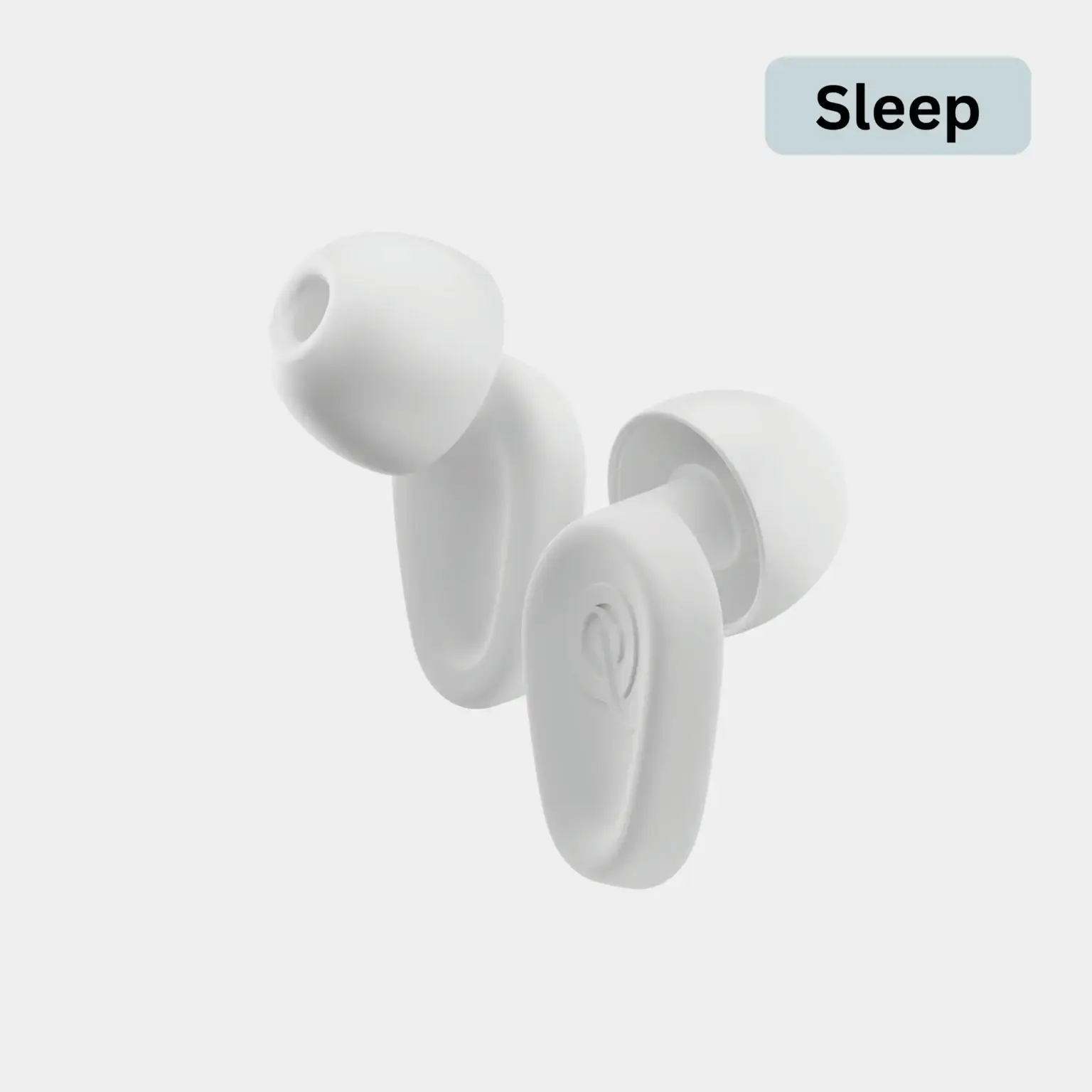
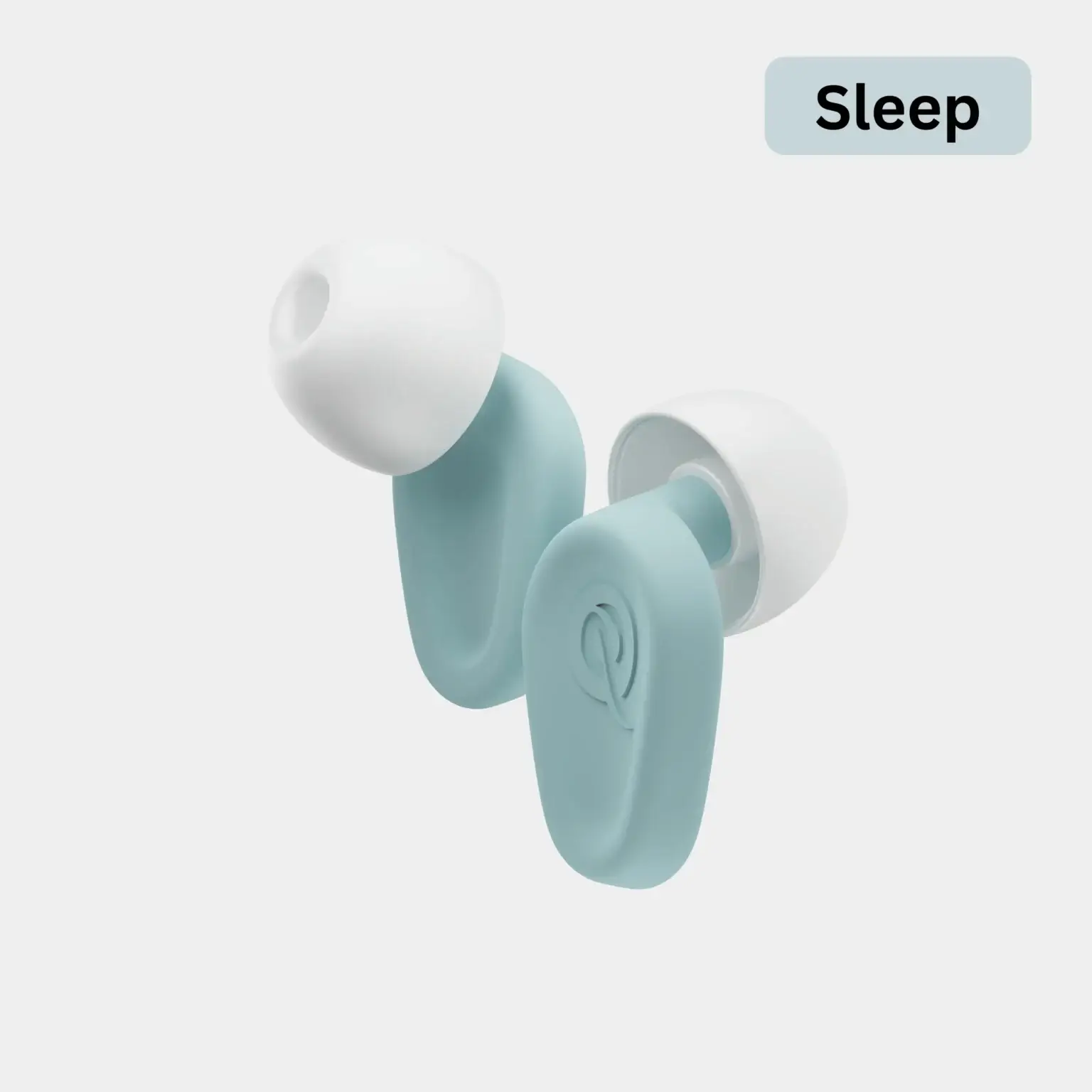
Choose stronger attenuation for sustained loud exposure, such as amplified music, motorcycling or noisy events. Choose moderate attenuation for commuting, open-plan work and social occasions where communication matters. For sleep, the priority shifts towards blocking disruptive sound and staying comfortable through the night, so speech clarity is usually less relevant.
Pay attention to the product’s stated hearing-protection rating and intended use. Certifications such as CE, EN 352 and ANSI can offer useful reassurance that a product has been assessed against recognised standards, but they do not remove the need for sensible judgement. No earplug makes it safe to remain indefinitely in extreme noise.
If you have tinnitus, sound sensitivity, hearing loss, ear pain or frequent ear infections, your ideal level of reduction may be more individual. Consider speaking with an audiologist, particularly if everyday sound is becoming difficult to tolerate or understand.
Make conversations easier while wearing filtered earplugs
A few small adjustments can make a meaningful difference. Face the person speaking so you can use their facial expressions and lip movements. Move away from loudspeakers, engines or the densest part of a crowd where possible. Close distance rather than asking someone to shout across the room.
Give people a simple heads-up too. Saying, “I’ve got earplugs in, could you face me?” is often all it takes. It is a confident boundary, not an awkward one.
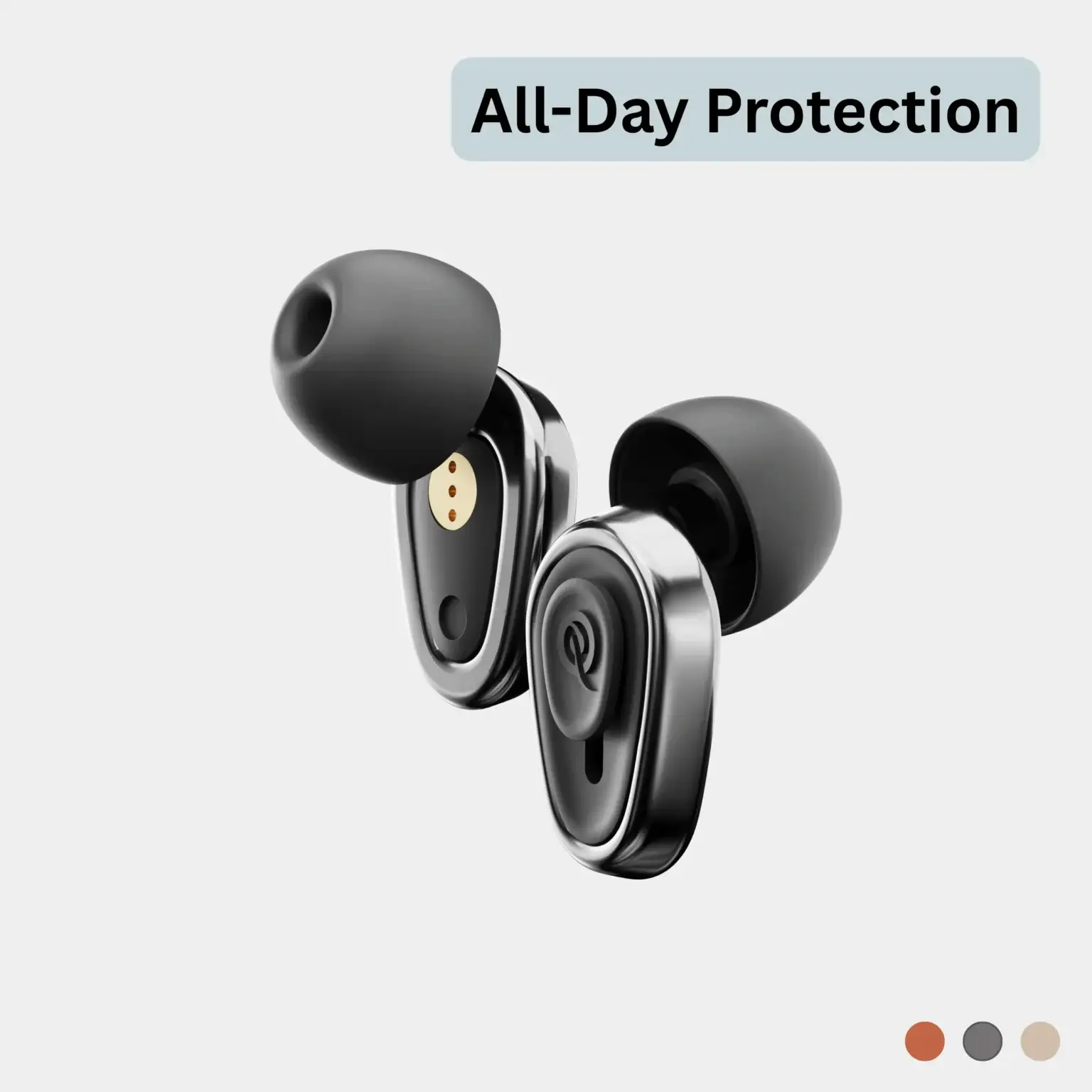
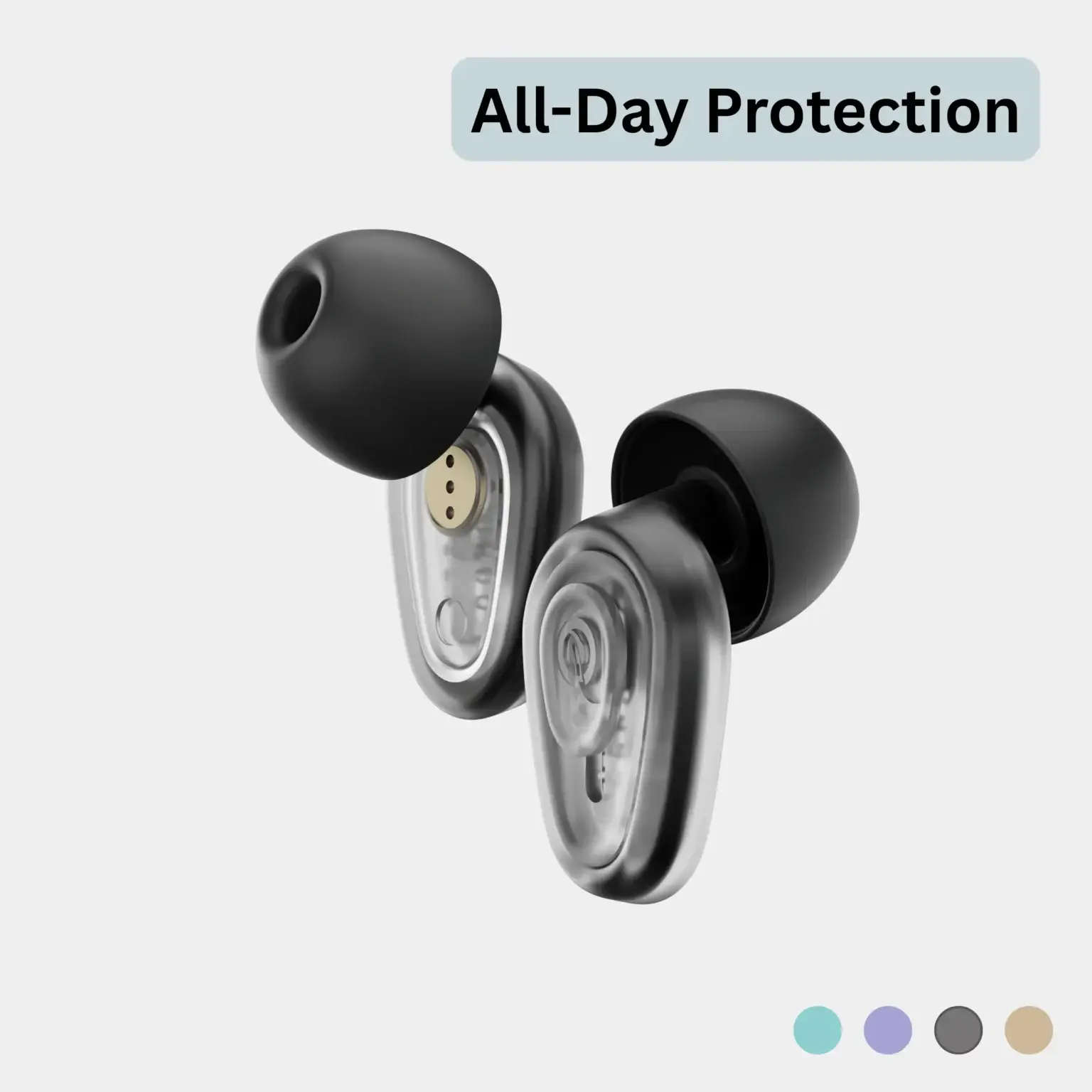
If speech consistently feels too muffled in settings that are not especially loud, try a lower-reduction filter or a different tip size. Earmuffz reusable earplugs are designed around real-world use cases, so the most suitable option depends on whether you need sharper focus, calmer commuting, better concert comfort or deeper sleep support.
The better question is what you need to hear
Filtered earplugs reduce speech volume, but they can preserve far more usable speech detail than conventional foam plugs while cutting the noise that drains your energy. That makes them a smart tool for people who want control without isolation.
Wear the level of protection your environment demands, keep your expectations realistic in very loud spaces, and choose comfort you will actually use. The best earplugs do not take you out of life. They help you stay present for the parts worth hearing.