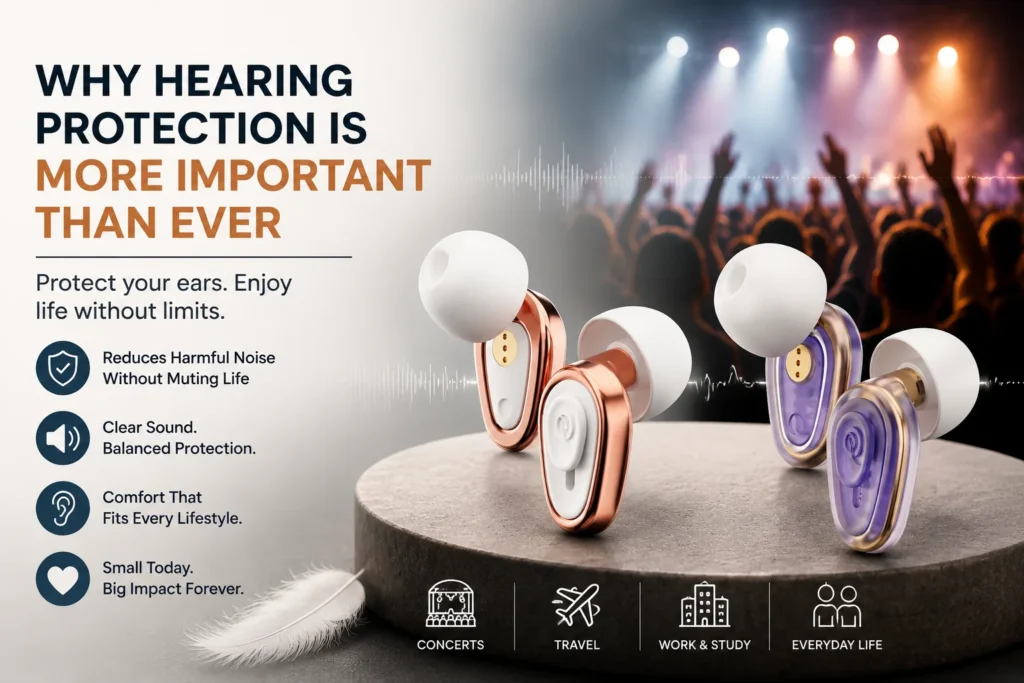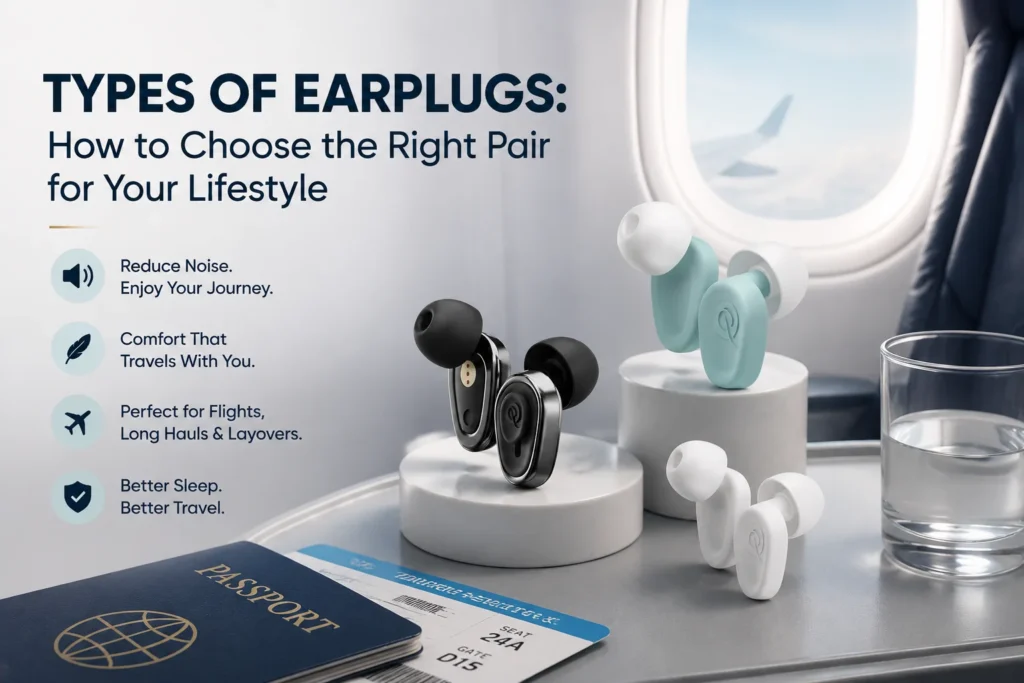

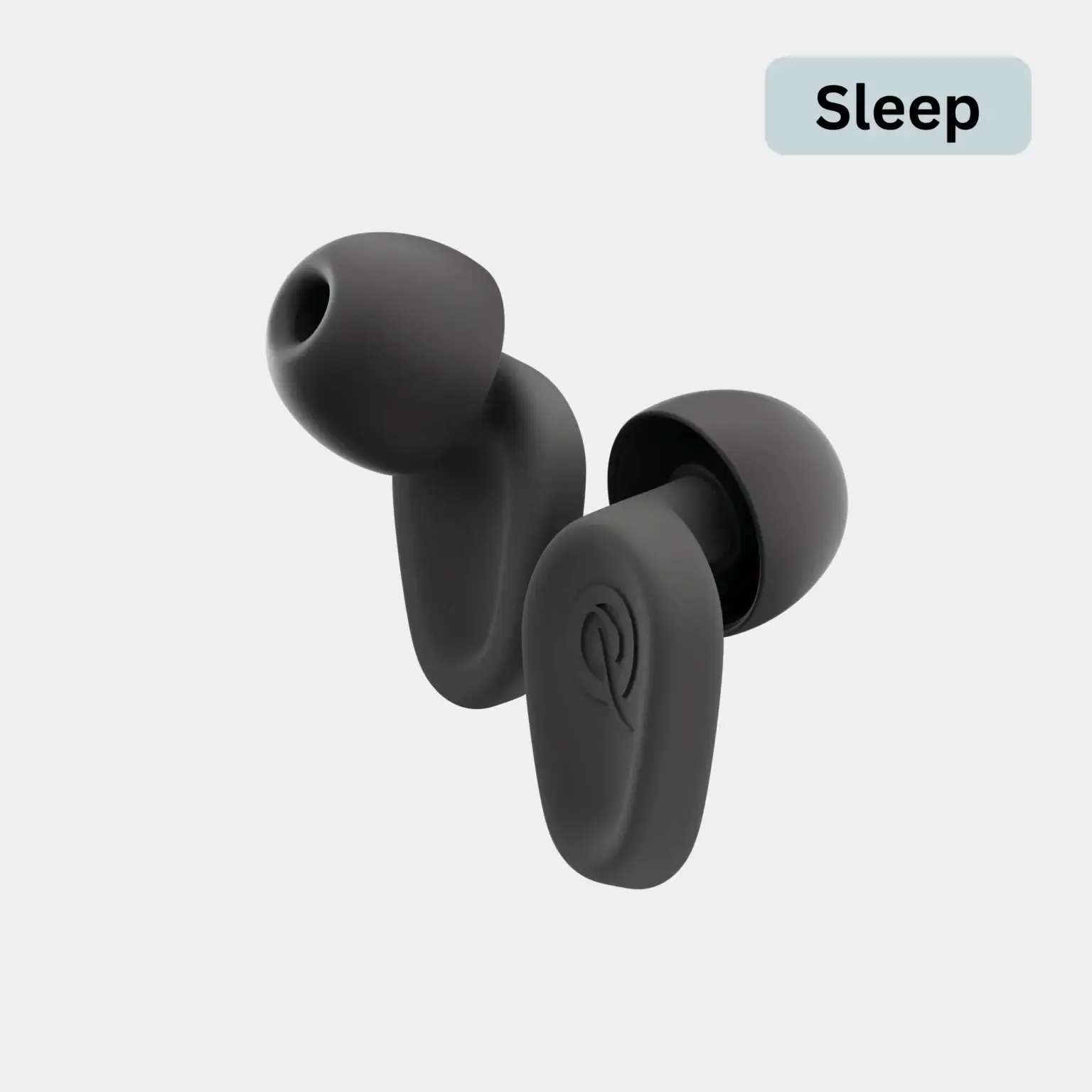
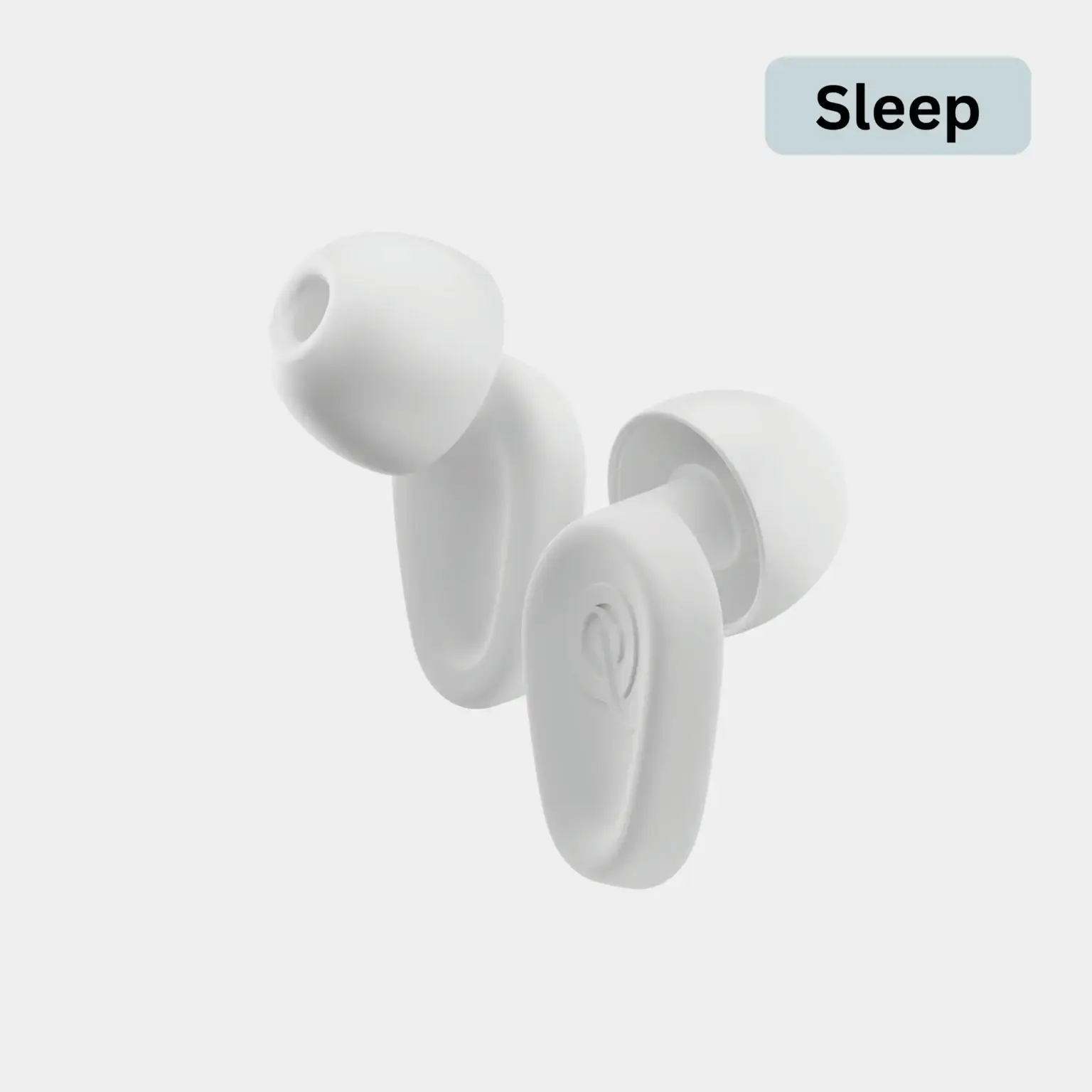
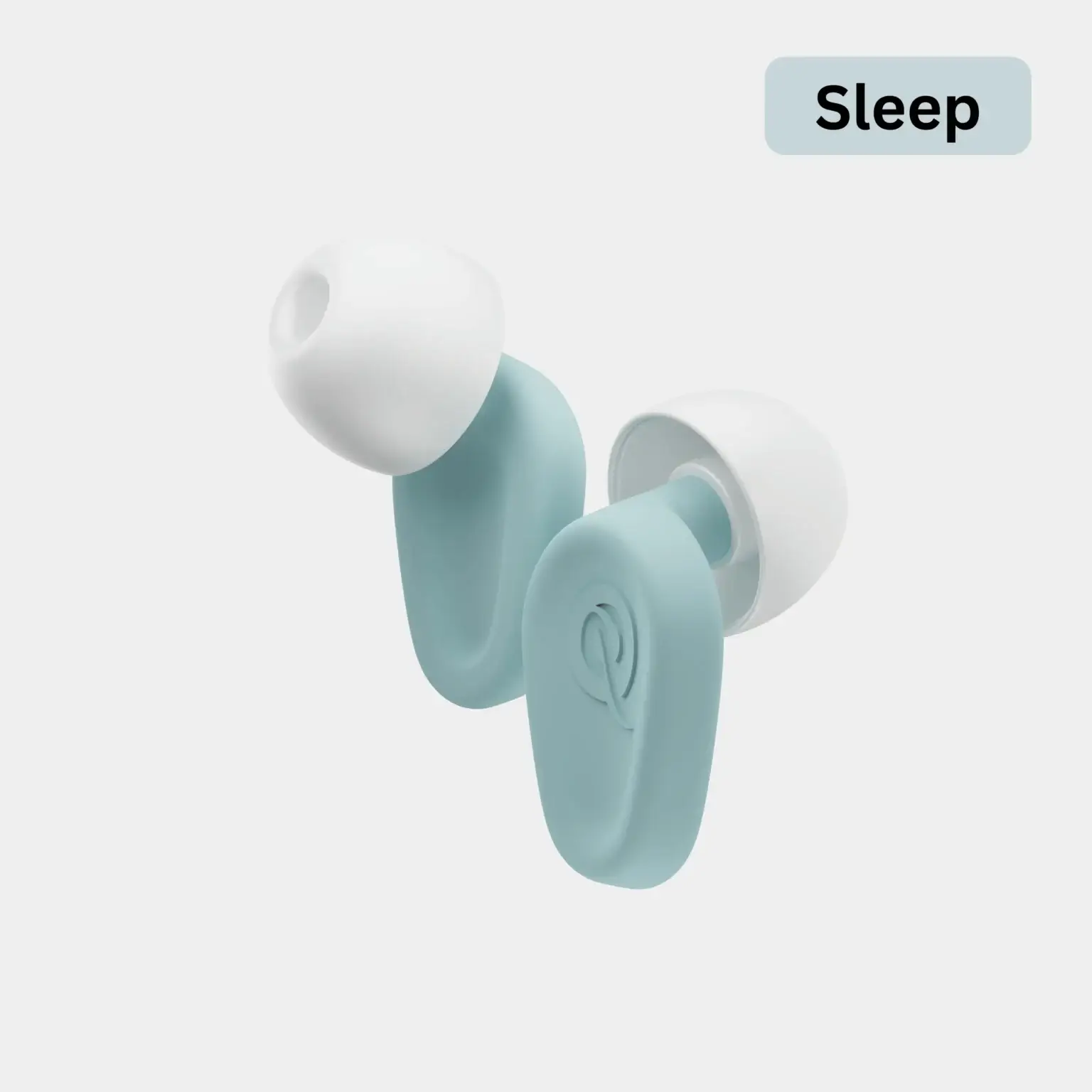
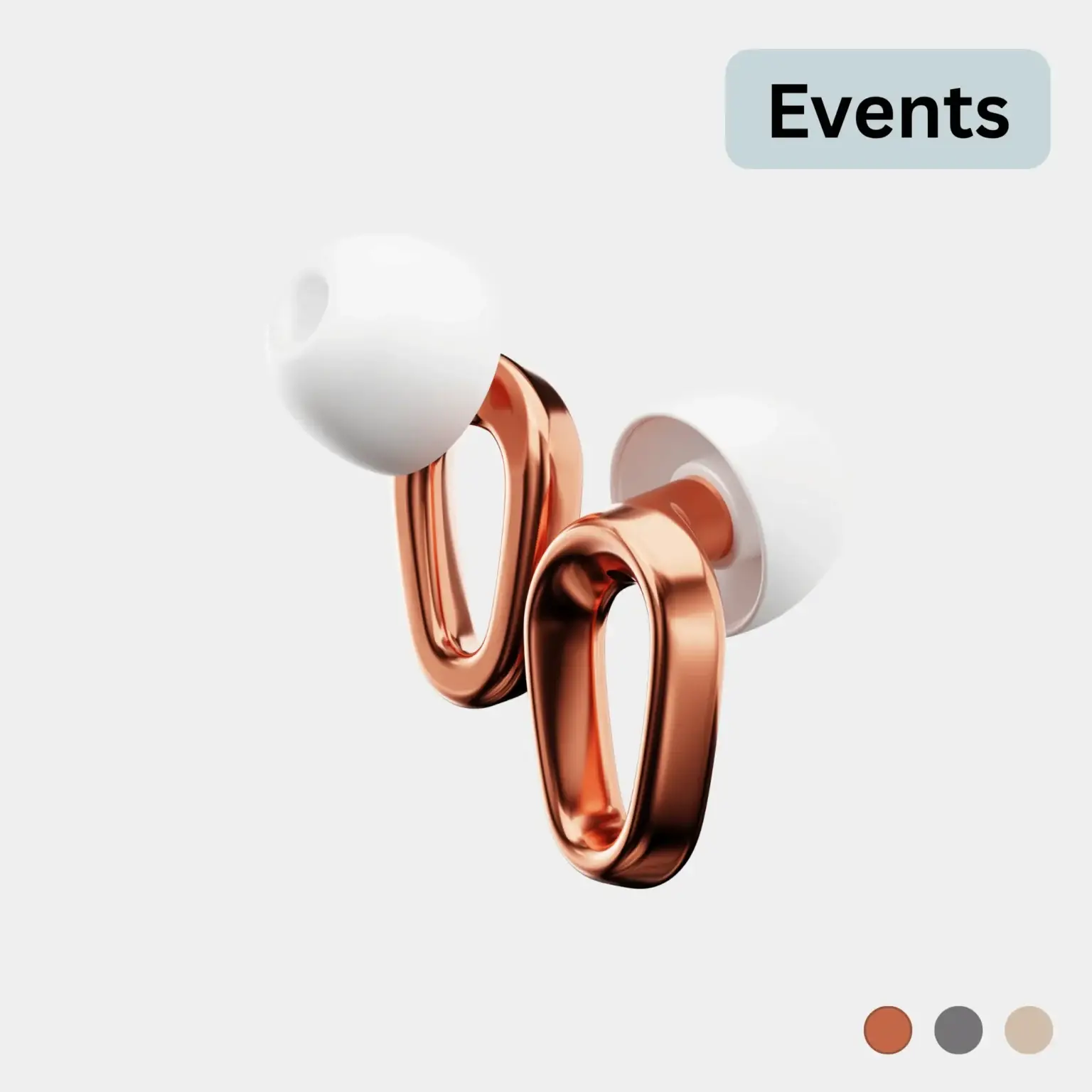
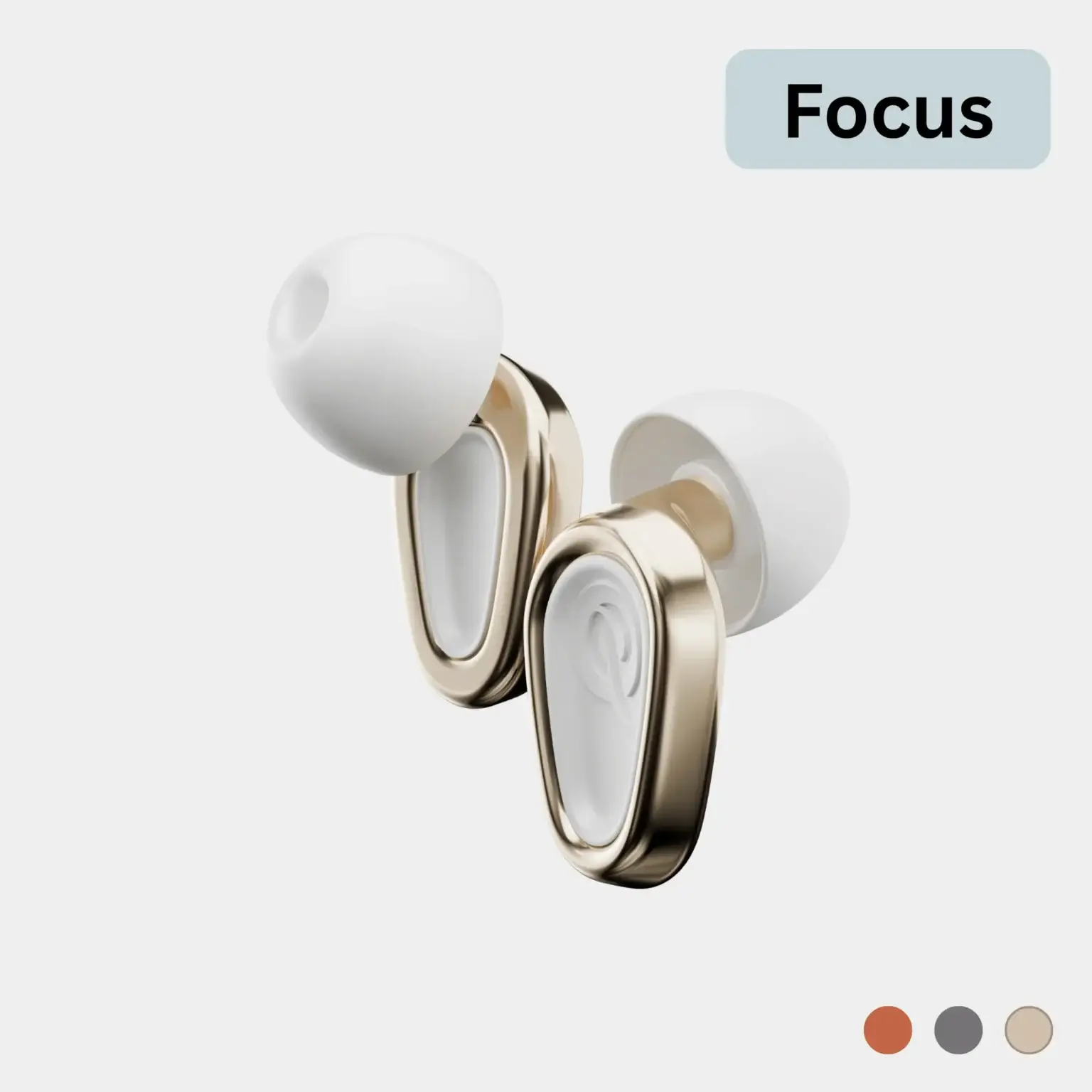
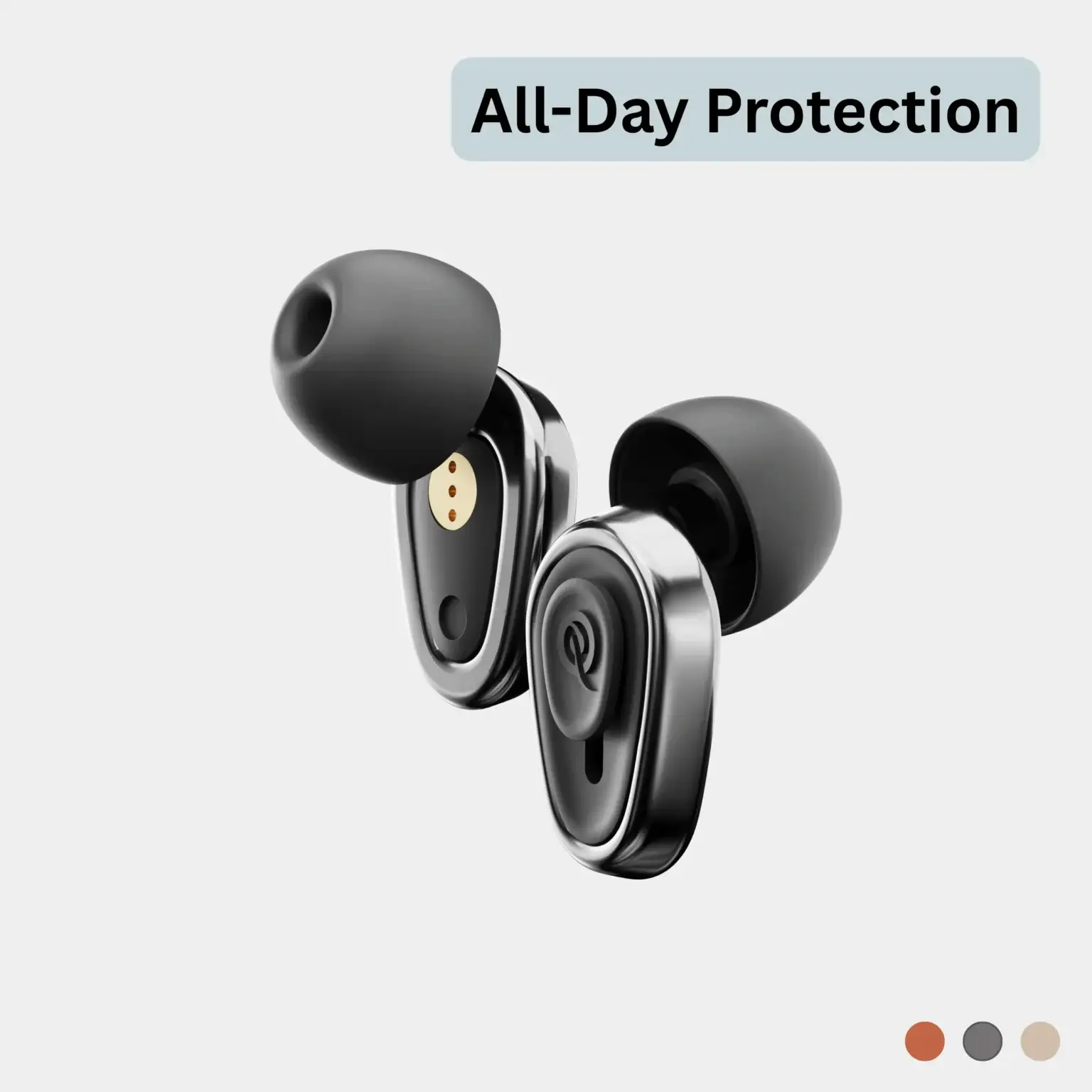
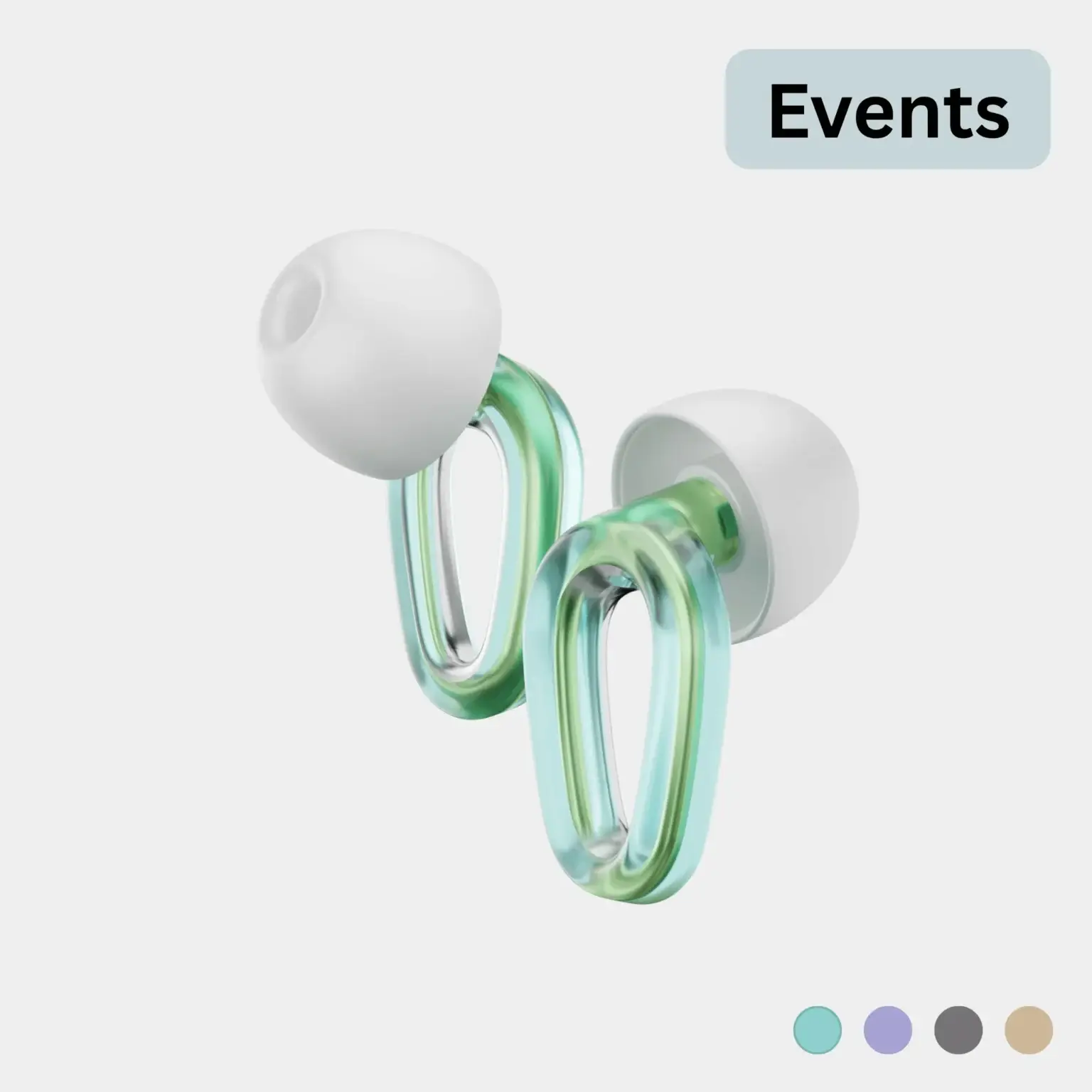
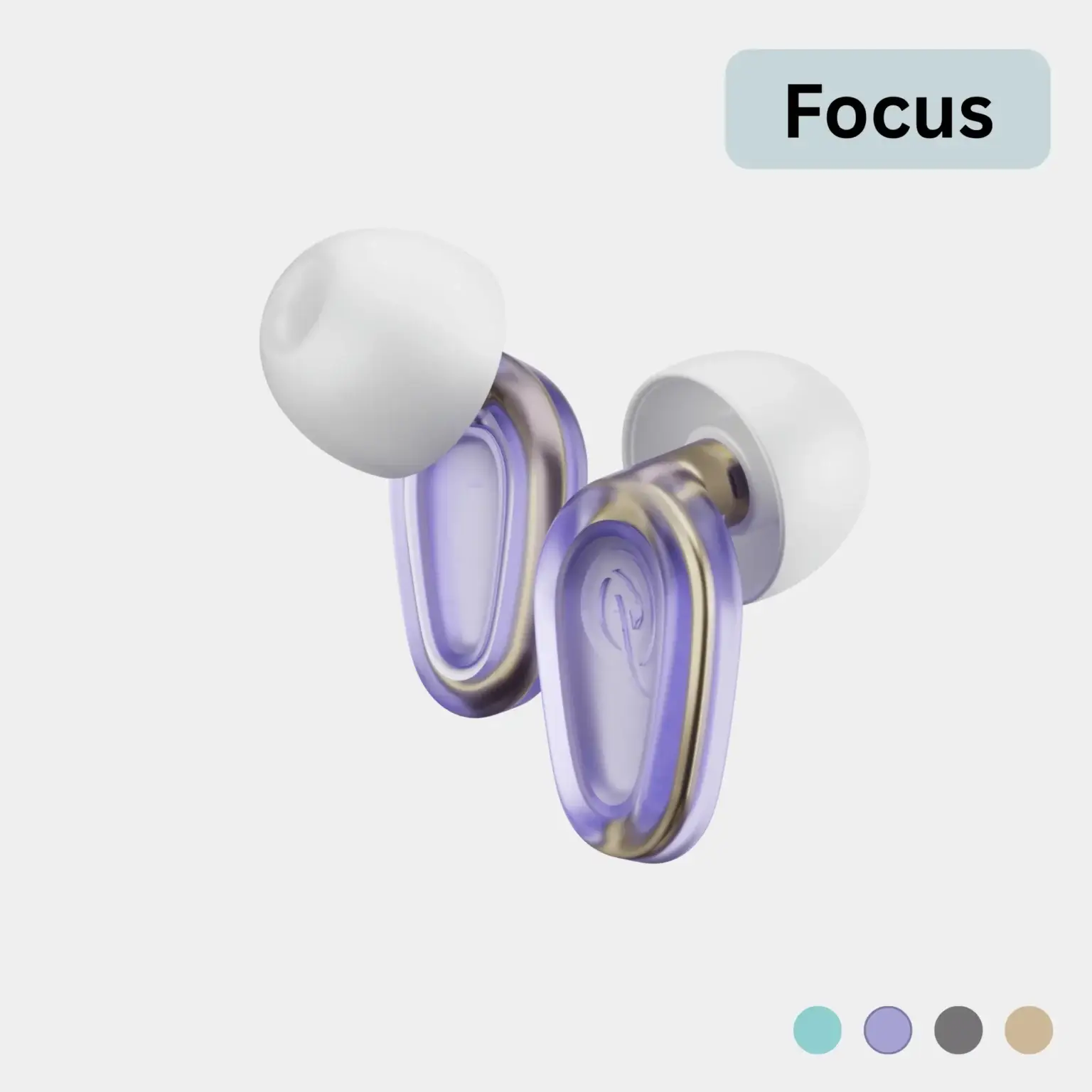
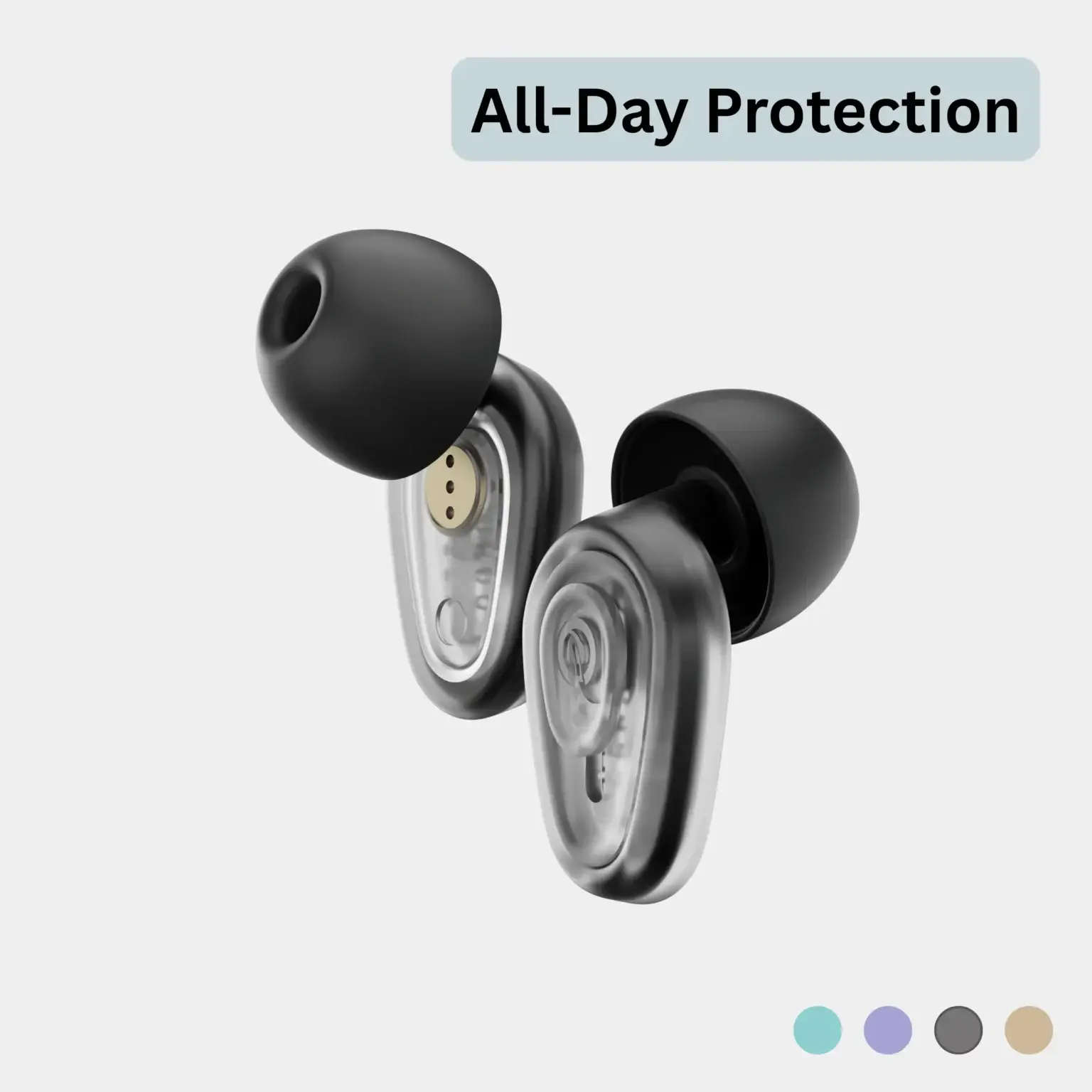
A great earplug should disappear once it is in. No aching after an hour. No constant readjusting on the train. No waking up because a loose plug has worked its way out. That is why learning how to choose earplug size matters: the right fit gives you dependable noise control without making comfort the trade-off.
Your ears are not one-size-fits-all, and neither are eartips. The goal is not to force the biggest size in for maximum blockage. It is to create a gentle, secure seal that stays put while you work, sleep, commute, train or enjoy a night out.
Why earplug size changes everything
Reusable earplugs reduce sound by sealing the entrance to your ear canal. When the eartip is too small, gaps let noise through. You may notice weak noise reduction, a hollow sound, or an earplug that slips loose when you talk, chew or move your head.
Go too large and the opposite problem appears. The earplug may feel tight, create pressure, cause soreness, or be difficult to insert and remove. A size that hurts is not a high-performance fit. You are less likely to wear it consistently, especially for sleep or a full working day.
The sweet spot is a seal that feels secure rather than stuffed. You should notice the outside world soften, while still feeling comfortable enough to forget the earplugs are there.
How to choose earplug size: start with the fit test
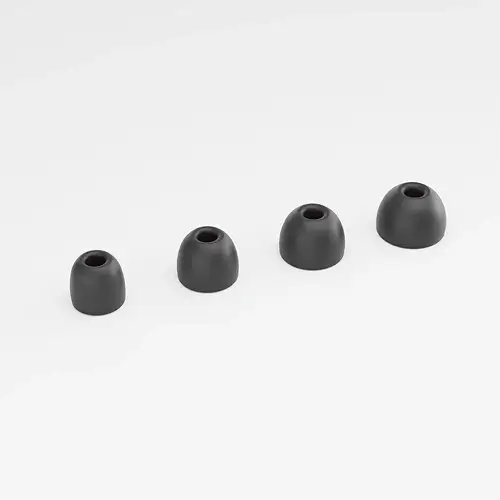
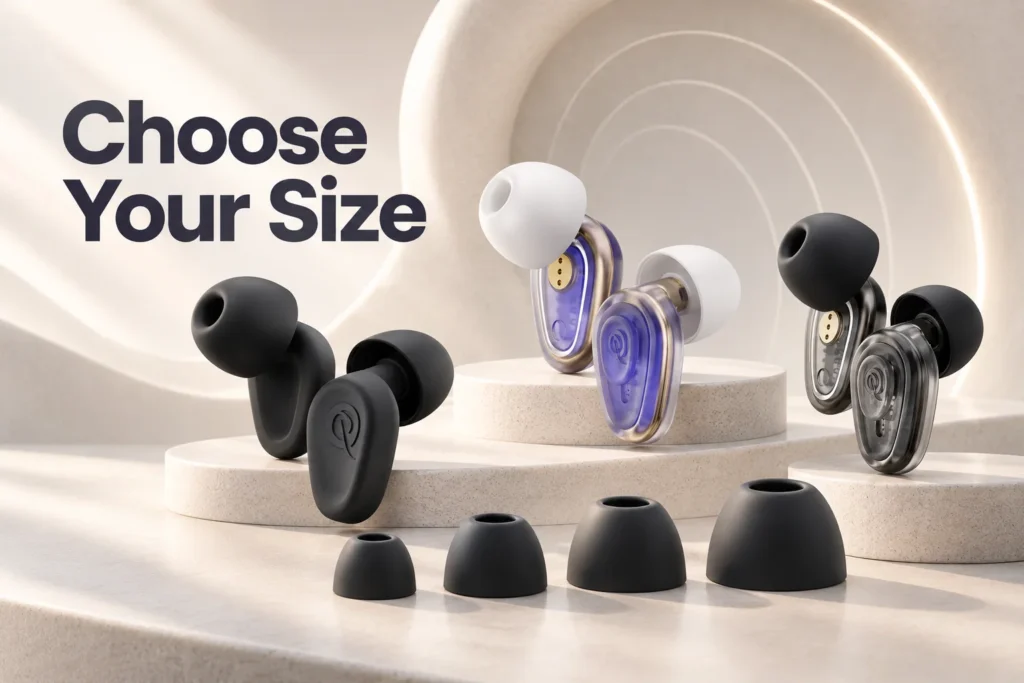
Most reusable earplugs come with multiple eartip sizes, commonly small, medium and large. Medium is often the best place to begin, but it is only a starting point. Ear canal size varies widely, and your left and right ears may need different sizes.
Insert one earplug according to its instructions, then give it a few minutes. Do not judge the fit in the first five seconds. Your ear canal needs a moment to settle around the eartip.
A properly sized eartip should slide in with light resistance and sit securely near the canal entrance. It should not require force. Once fitted, speak out loud, gently move your jaw and turn your head. If the seal remains stable and outside noise is noticeably reduced, you are close.
Try the next size up if the earplug feels loose, works out gradually, or lets in more sound than expected. Try the next size down if you feel pinching, pressure, throbbing or discomfort that builds after several minutes.
The quick seal check
You do not need specialist equipment to assess fit. In a normally noisy setting, such as near traffic, household activity or office chatter, fit both earplugs and listen for the change. Sound should become quieter and less sharp. There should be no obvious leak or sudden return of noise when you move.
Then remove one earplug. The difference should be clear. If both ears sound equally reduced and both earplugs feel equally comfortable, you have likely found a strong match. If one side differs, test a different eartip on that ear.
Do not assume both ears need the same size
This catches many people out. One ear canal can be slightly narrower, straighter or more sensitive than the other. Wearing medium in one ear and small in the other is completely normal. It is not a mismatch. It is a personalised fit.
Treat each ear separately, particularly if you wear earplugs for sleep. A size that feels fine while sitting at your desk might press uncomfortably against a pillow when you sleep on your side. Test your fit in the position and environment where you will actually use it.
For example, a concertgoer may prioritise a stable seal through movement and conversation. A light sleeper may prioritise low pressure through eight hours on a pillow. A motorcyclist needs a fit that remains secure beneath a helmet. The best size depends on your use case as much as your ear shape.
Signs your earplugs are too small
Small eartips are not automatically more comfortable. If the seal is weak, you will hear more noise and may keep pushing the earplugs deeper, which rarely fixes the problem.
Your eartips may be too small if the earplugs fall out during sleep, loosen when you smile or chew, or need frequent repositioning. You may also hear uneven noise reduction, especially low-frequency sounds like engine rumble, snoring or train noise.
Move up one size, rather than trying to insert the same tip further. A larger tip should seal nearer the entrance of the canal with less effort.
Signs your earplugs are too large
An oversized eartip often announces itself quickly. Insertion feels difficult, the earplug pushes back out, or your ear feels full and tender. You may also get a pressure sensation that becomes more noticeable over time.
Do not try to “break in” a painful fit. Reusable earplugs should feel comfortable from the outset, even if they take a few wears to become familiar. Step down a size if pain, persistent pressure or irritation appears.
If you have sensitive ears, start with the smaller option and work upwards only when needed. Control should never come at the cost of comfort.
Match the eartip material to your routine
Size is the first decision, but material affects the feel of that size. Soft silicone eartips are popular for everyday use because they are washable, durable and comfortable for long wear. They can be particularly useful for commuting, focus sessions and live events, where you want reliable noise reduction without bulky protection.
Some earplug designs also use foam-style tips. Foam can expand to fill the canal, which may suit some sleepers or people who prefer a more enclosed feel. The trade-off is that foam needs careful rolling and insertion, and it will eventually need replacing.
With either material, a larger size does not automatically mean greater protection. The quality of the seal matters more than the label on the eartip. A comfortable small tip that seals properly will outperform a large tip that creates pressure and shifts out of place.
Fit your earplugs properly before changing size
Poor insertion can mimic poor sizing. Before abandoning an eartip, make sure you are fitting it correctly.
For many reusable earplugs, gently pull the top of your ear up and back with the opposite hand. This straightens the canal slightly. Insert the earplug with a slow twisting motion until it sits securely and comfortably. Avoid pushing hard or forcing it deeply.
Once in place, the outer body should feel low-profile rather than protruding. That matters when you are wearing headphones, a helmet or resting your head on a pillow. A discreet fit also makes earplugs easier to wear with confidence in everyday settings.
If the earplug twists loose as soon as you release your ear, try adjusting the angle first. If that does not help, test the next size.
Choose for the noise you actually want to control
Earplug size and noise reduction work together, but the environment still matters. For focused work, you may want to soften keyboard noise, office chatter and street sound without feeling cut off. For concerts, you may want intensity reduced while keeping music clear. For sleep, the priority is often a stable, pressure-free seal against irregular noise.
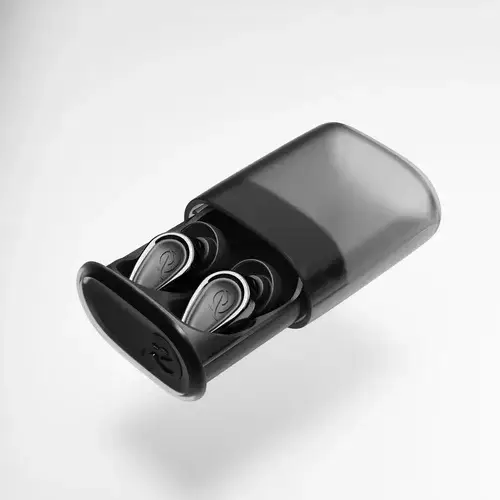
That is why a versatile reusable design with multiple eartips is worth having. Earmuffz earplugs are built around low-profile comfort and everyday volume control, so you can match the fit to the moment rather than relying on a bulky, one-purpose solution.
Be realistic about what earplugs can do. They reduce sound; they do not create silence. A correct fit will lower the volume and take the edge off overstimulation, but very loud environments may still require specialised hearing protection. If you are regularly exposed to high noise levels at work, follow your employer’s safety requirements and use protection rated for the task.
Keep the fit consistent
Even the right size can stop performing if the eartips are dirty, damaged or not fully attached. Clean reusable silicone tips regularly with mild soap and water, then allow them to dry completely before storing them. Check for tears, hardening or loss of shape, and replace worn tips promptly.
It also helps to keep your earplugs in their case. Loose earplugs collect lint and dust, which can affect comfort and hygiene. A clean eartip grips better, feels better and gives you a more dependable seal.
If you experience pain, discharge, ongoing ringing that changes suddenly, or suspect an ear infection, stop using earplugs and speak to a healthcare professional. Comfort is useful feedback, not something to push through.
The right earplug size should make noise feel manageable, not make your ears feel occupied. Test each ear, trust the seal, and choose the fit that lets you keep your focus, protect your peace and own the moment.